Author: Mei Ling Tan

  • OmniFoods introduces faux fish range

    OmniFoods introduces faux fish range

    Green Monday, the founder of the OmniFoods plant-based meat alternative products, has expanded into seafood unveiling six plant-based alternative fish products Tuesday, with more to follow.

    “Now, we can enjoy fish and chips without harming the ocean,” said Green Monday co-founder and CEO David Yeung.

    The initial products include precooked battered deep-fried fillets, classic fillets, and burger-shaped fillets and OmniTuna. Faux salmon and crab meat products will join the range soon, while the tuna product marks the first Omni product that can be stored in ambient conditions with no need for chilling or freezing.

    OmniFoods products are distributed in Australia by partners but details of when the seafood replacements will go on sale have yet to be revealed.

    Yeung said the new products can be used in almost any type of cuisine including Thai, Japanese and Korean dishes. They have zero cholesterol, 9gm of protein and have Omega-3, a naturally occurring ingredient of fish, added.

    Researched by Green Monday staff since 2018, the products will be produced in Thailand and soon China as well.

    Since launching in 2012, Green Monday has grown to include advocacy and investment arms as well as producing pork substitutes and investing in Beyond Meat. Today, OmniFoods products are sold in 40,000 points of sale in more than 20 global markets.

    Yeung told the launch event that it is essential the world’s population reduces its consumption of seafood due to depleting resources resulting from overfishing. Global seafood consumption has exploded nine-fold in just 70 year.

    “Ninety percent of the big fish have been wiped out. We are not even talking about dropping supply, we are talking about extinction.”

    With 73 percent of the world’s fish consumption in Asia, OmniFoods is looking to target Asian markets with the new products and engaging chefs around the region to adapt traditional recipes with OmniFoods’ seafood substitutes.
  • Chow Tai Fook profit rebounds as Mainland China focus pays off

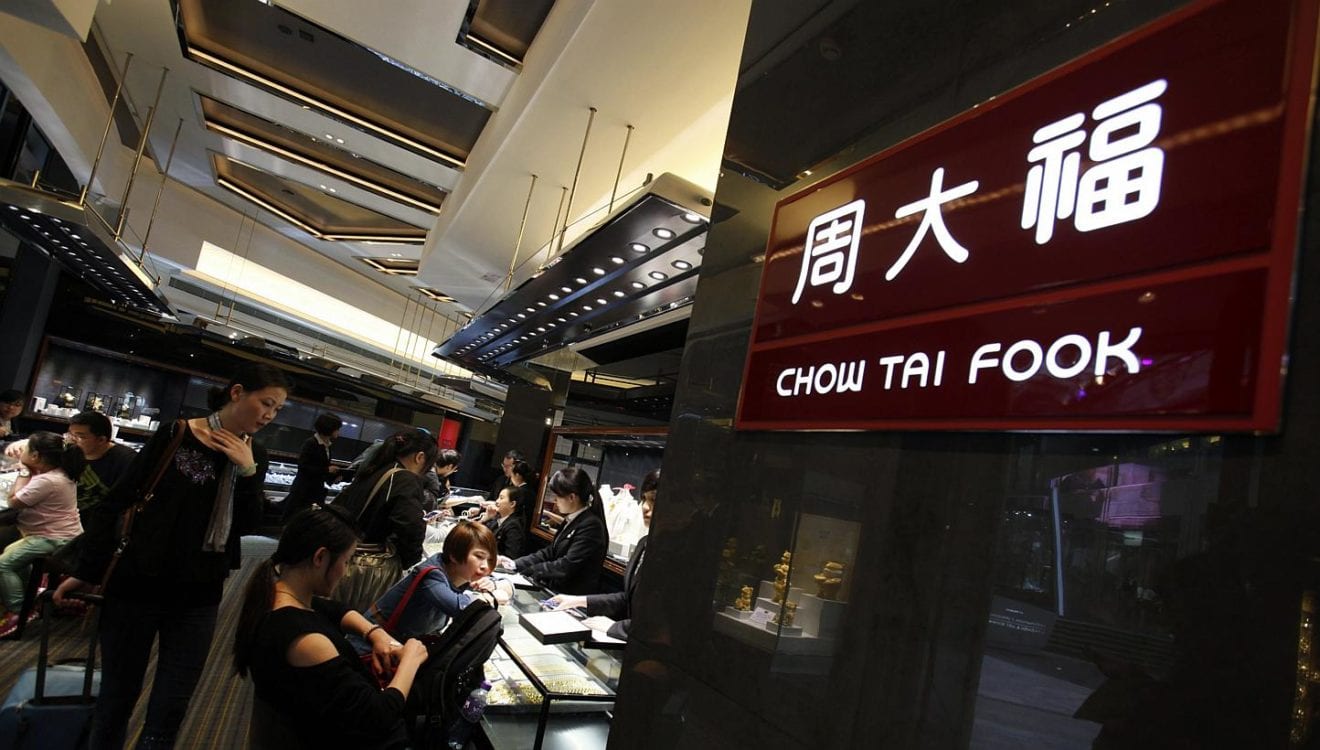
    Chow Tai Fook profit rebounds as Mainland China focus pays off

    Hong Kong-listed Chow Tai Fook Jewellery Group Ltd reported a forecast-beating 108% jump in annual profit on Tuesday, thanks to one-off COVID-19 related rent concessions, an unrealised gain on gold loans and foreign exchange gains.

    China’s largest jeweller by market value said net profit surged to HK$6.03 billion ($777 million) from HK$2.9 billion in fiscal 2020. That compared to a forecast of HK$5.23 billion profit by 14 analysts, Refinitiv SmartEstimate data showed.

    It was the highest annual profit since 2014.

    A COVID-19 related rent concession amounted to HK$127.6 million as compared to HK$16.2 million in fiscal 2020, while net foreign exchange gain amounted to HK$336.4 million against HK$234 million loss in a year ago period.

    Revenue for the year to March 31 rose 23.6% to HK$70.16 billion from HK$56.75 billion a year earlier, driven by retail expansion amid improving consumer sentiment in mainland China and a softer gold price in the second half of the fiscal year.

    “As we are optimistic about the mid- to long-term growth in the mainland China market, we will focus on our mainland China’s business development in the coming future,” Chairman Henry Cheng said in a statement to the Hong Kong Stock Exchange.

    “We will continue our retail expansion strategy through penetrating into lower tier cities and leveraging franchisees’ local knowledge,” he added.

    The retail network expanded to 4,591 point-of-sales (POS) by the end of March, with a net addition of 741 POS. The company plans to add at least 700 POS in mainland China in fiscal 2022 but may close 10-15 POS in Hong Kong and Macau.

    Same-store sales surged 31.9% in mainland China but plunged 41.3% in Hong Kong and Macau as major border crossings remained closed during the period.

  • Guardian Singapore cuts prices for 500 articles

    Guardian Singapore cuts prices for 500 articles

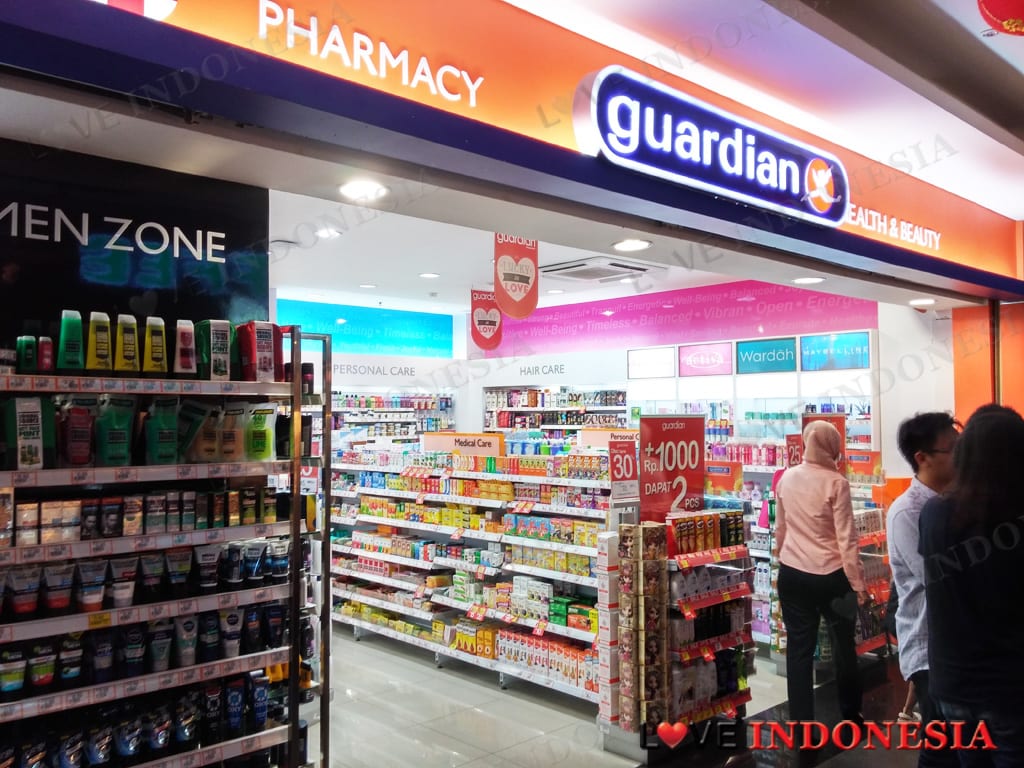
    The Guardian pharmacy chain said that it is reducing prices on more than 500 health and beauty products for the rest of the year, given that customers are “more value-conscious in the face of increasing financial challenges” of the Covid-19 pandemic.

    Guardian said that the initiative, involving reductions of up to 25 percent, would cost the company S$6 million.

    In a press statement on Thursday (June 3), it said that it is embarking on these longer-term price reductions because it wants to help customers save more and make a meaningful impact by making health and beauty essential accessible to everyone.

    The price reductions apply from Thursday.

    The items that will see their prices reduced include:

    1. All products under the Guardian brand
    2. Listerine mouthwash
    3. Dove body wash
    4. Darlie toothpaste
    5. Pantene shampoo

    The selection of products follows Guardian’s research, which looked at what products customers buy the most, and it showed that they prioritized affordability. Giant invests S$4 million more to extend discounts on products till end-2021

    Mr. James McCoy, director of commercial and operations at Guardian Singapore, said: “We want to support our customers in managing their health and well-being in an affordable way, especially during this time. We are ensuring that our customers can get their daily essentials at low prices that are locked for the rest of the year”.

    This initiative by Guardian came after a similar move by supermarket chain Giant. Both chains are part of conglomerate Dairy Farm International Holdings.

    The supermarket chain announced in March that it would extend its discounts on hundreds of products until the end of the year, which will set it back by an extra S$4 million, and add more than 100 discounted products.

    The move was to help ease the financial hardship faced by customers during the pandemic.

  • Michelin To Hike Tyre Prices In India, Africa And Middle East

    Michelin To Hike Tyre Prices In India, Africa And Middle East

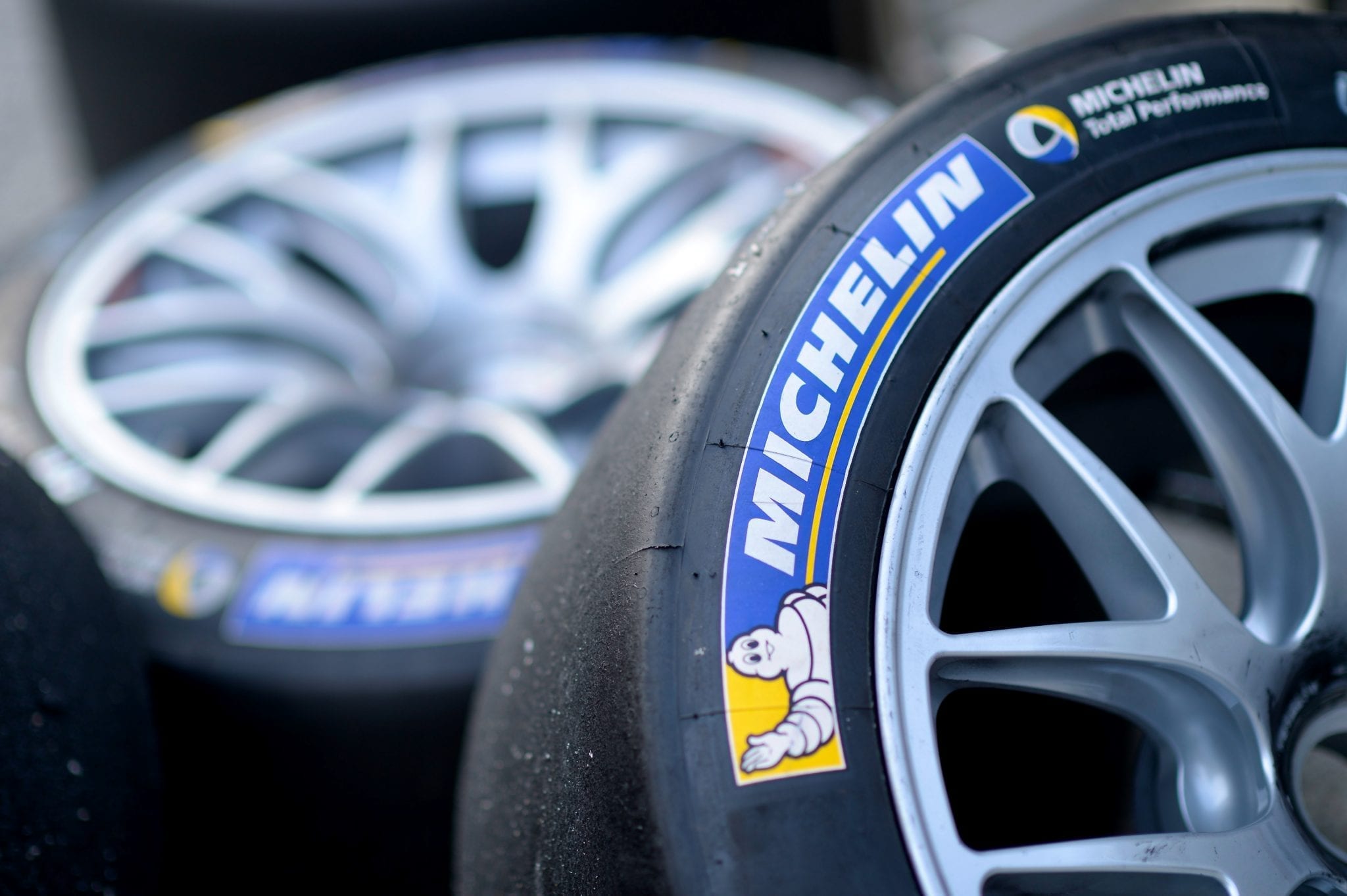
    Michelin today announced that it will be hiking tire prices in India, Africa & the Middle East region. The increase in price is effective from June 18 in India and July 1 for the Middle East region and is applicable to all Michelin Group brands. This is the second price hike this year by Michelin as the first one was made very recently in March 2021, where tire prices were hiked by 8 percent.

    In a statement by the company, it said, that it will increase its tyre prices by up to 6 per cent on passenger car, light truck and motorcycle tyres as well as up to 8 per cent on both on- and off-road commercial tyre. The hike in price has been attributed to the increase of raw material cost, global transportation cost and prevailing market dynamics

    Price changes may vary across specific products within each brand portfolio.

  • Apple In Talks With CATL And BYD For Batteries

    Apple In Talks With CATL And BYD For Batteries

    The Apple Car project or as it is called internally at Cupertino – Project Titan has been in the works for now 7 years. But in the last year, work on it has progressed and Apple has been actively courting potential suppliers, but this process has been a struggle. Now a fresh report comes via Reuters, which claims that the Cupertino-based giant is courting Chinese battery maker CATL which has become the world’s largest supplier of EV batteries. In addition to this, Apple is also engaging BYD which is the fourth largest manufacturer of batteries. The Cupertino-based company is said to be in the early stage of discussions with the Chinese majors.

    Reportedly, Apple has moved so far ahead that it has started making battery factories but it needs suppliers to run them -this is similar to how Tesla has Panasonic running a big chunk of the Nevada Gigafactory. Apple is working on lithium-ion phosphate batteries that are cheaper to produce because they use iron instead of nickel and cobalt. It has also been working on self-driving technology and has targeted 2024 as the production year for the Apple Car.

    Apple has been developing its own battery technology but it is not known if these discussions involve CATL or BYD using Apple’s battery designs. Likely, this will be the case as that’s how Apple has historically operated and this is becoming a common practice in the EV space with Tesla also adopting such tactics with its custom battery chemistry.

    President Joe Biden has proposed a $174 billion budget for attracting EV manufacturers in the US. Apple wants to cash in on this. Many battery makers are also ramping up production in the US thanks to the incentives being offered by the newly minted Biden government, reversing the anti-environment trend of the Trump government.

    China’s rise as the world’s biggest EV market has also given a boost to its local suppliers which have elevated players like CATL and BYD. Apple previously was also in talks with LG Chem, so there is a possibility that it will use a combination of Chinese manufacturers and South Korean manufactures. In China, the government has given subsidies to companies like CATL which makes it an ideal partner especially if a facility is to be set up in China.

    Apple has been in talks with Foxconn and even traditional companies like Magna for manufacturing the car. It could also use BYD as a manufacturing partner for the Apple Car. Apple will likely need a mix of different players to make the Apple Car project come to life.

  • Facebook takes another shot at Apple

    Facebook takes another shot at Apple

    Facebook continues to take aim at Apple for the latter’s introduction of the App Tracking Transparency (ATT) feature in iOS 14.5. With the majority of iPhone users in the U.S. (94%) and globally (84%) opting out of being tracked, Facebook says that damage is being done to small businesses who depended on the tracking to promote their wares to consumers.

    Since Facebook generated approximately $84 billion of its revenue last year from ads, it naturally was against Apple’s ATT feature. CEO and co-founder Mark Zuckerberg was so upset about it that he wrote two full-page newspaper ads blasting Apple. However, it turns out that some companies are doing the same amount of data tracking as they were before ATT launched.

    As we told you yesterday, marketing strategy consultant Eric Seufert says that third-party apps are still able to collect data from 95% of its iOS users by using IP addresses obtained from their phones and the networks they employ. A technique called “fingerprinting,” banned by Apple, is employed. Zuckerberg yesterday took a shot at the 30% cut of in-app payments that Apple collects in the App Store by forcing developers to use its in-app payment platform for such transactions.

    The beleaguered executive said in a Facebook post-Monday, “To help more creators make a living on our platforms, we’re going to keep paid online events, fan subscriptions, badges, and our upcoming independent news products free for creators until 2023. And when we do introduce a revenue share, it will be less than the 30% that Apple and others take.” Zuckerberg added that “We’re also launching a new payout interface so creators can see how different companies’ fees and taxes are impacting their earnings,” another shot at Apple.

    But Apple was able to get some revenge by announcing new features yesterday for iOS 15 that will interfere with Facebook’s own app assets. Take the Messages app for iOS which is receiving new features that will allow users to share photos, tunes from Apple Music, articles from Apple News, weblinks and more. These are things that Instagram, Facebook, and WhatsApp users would be more apt to share (all three of those apps are owned by Facebook).

    Zuckerberg has called Apple a major competitor because of apps like FaceTime and Messages which come pre-installed on the 1 million+ active Apple devices in use today. And with that in mind, Apple previewed some new features for FaceTime that will start working with the release of iOS 15 this coming fall. For example, Android and Windows users will be able to tap into FaceTime videos for the first time.

    SharePlay will allow a user to host a FaceTime call while sharing with his buddies a streaming video, streaming audio and more. Apple is trying to take the features that you otherwise might find on Instagram, WhatsApp and Facebook and place them on iOS 15 with additional privacy features.

  • Apple supplier Pegatron to expand Vietnam operations

    Apple supplier Pegatron to expand Vietnam operations

    Pegatron Corp, an assembler for Apple, Microsoft and Sony, plans to increase its investment in Vietnam for electronics production by $101 million.

    Taiwan’s Ministry of Economic Affairs, which has to approve overseas investments by local companies, as saying Pegatron’s investment in Vietnam would be for the production of computers and peripherals, communications equipment and electronic components.

    The company has not disclosed details of the investment.

    It invested $19 million to build its first plant at the Dinh Vu Industrial Zone in Hai Phong City in March last year to produce computers, communications equipment and consumer electronic products.

    It plans to build its second and third plants at a cost of $481 million and $500 million and also move its research and development center from China to Vietnam.

  • New cargo airline to advance Vietnam logistics

    New cargo airline to advance Vietnam logistics

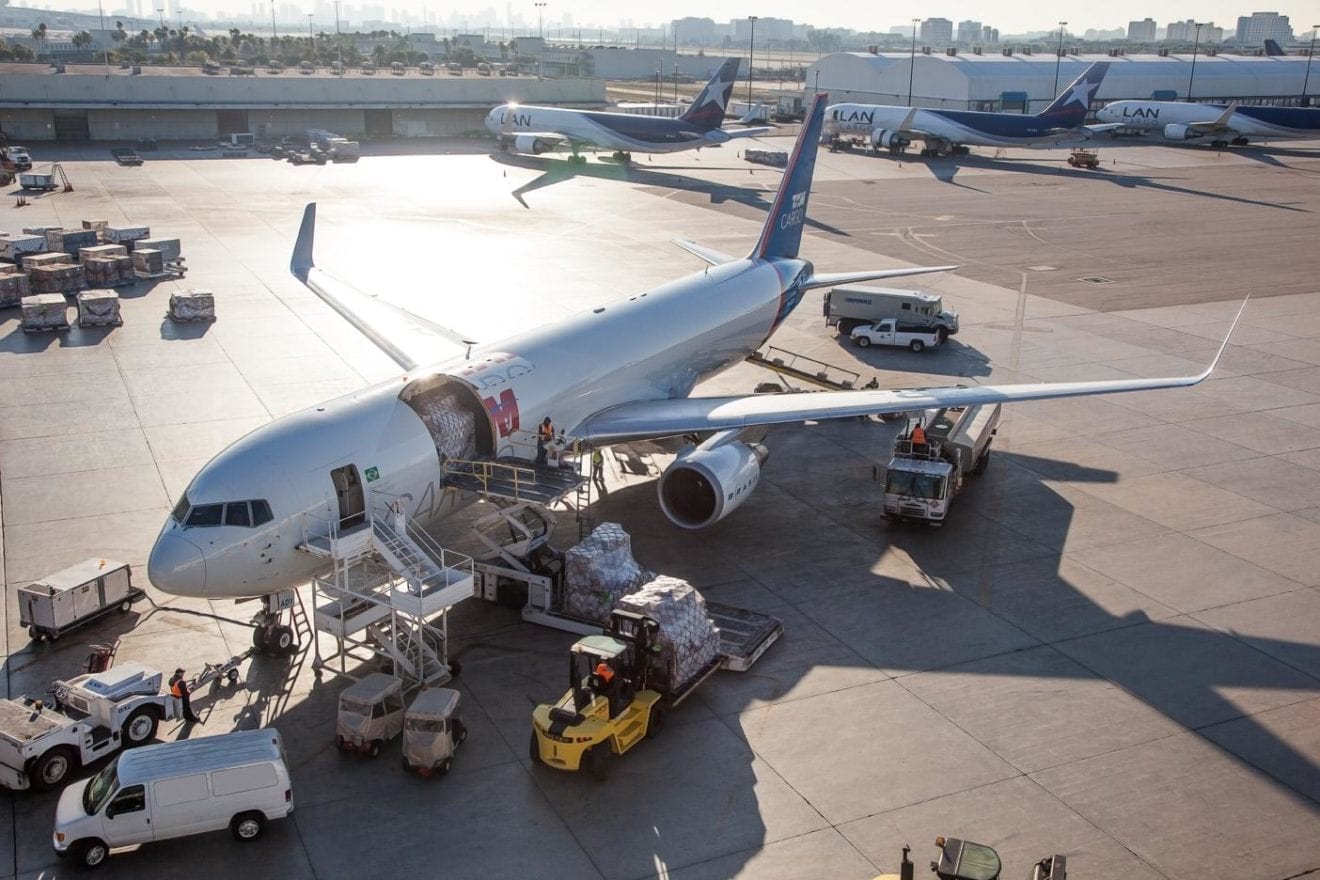
    A fully-fledged cargo airline in Vietnam would boost logistics development and stir up competition in the aviation sector amid an e-commerce boom, experts say.

    “Vietnam needs a cargo airline to boost the transport of goods domestically and internationally. It will bring about many economic benefits,” said aviation expert Nguyen Thien Thong.

    He was commenting on a proposal by retail company Imex Pan Pacific Group (IPPG) to establish a cargo airline by next year, the first fully-fledged such company in Vietnam.

    With an initial investment of VND2.4 trillion ($103.6 million), IPP Air Cargo will start with five freighters. It estimates revenues of $71 million in the first year of operation.

    It would be the only cargo-dedicated airline in Vietnam, where all six carriers prioritize passenger transport.

    Vietnam ranks eighth among the top 10 emerging logistics markets globally, but 80 percent of the market is in the hands of foreign companies, according to the Vietnam Logistics Association.

    Logistics costs in Vietnam account for over 20 percent of its GDP, while the global average is 11 percent.

    This shows that there is a need for domestic companies to step up and take over the industry from foreign companies and reduce costs, experts say.

    Former Prime Minister Nguyen Xuan Phuc had in September last year ordered the Ministry of Transport to research the possibility of establishing a cargo airline to help distribute agriculture and electronic goods.

    In 2008, Trai Thien Air Cargo had received a permit for domestic and international transport, but it was not active for three years and the permit was canceled in 2011.

    IPP Air Cargo seeks to be the cargo airline the country needs. IPPG chairman Johnathan Hanh Nguyen said that the company will focus exclusively on cargo and not branch into passenger transport, avoiding competition with other airlines.

    Nguyen, a professional with experience in logistics and aviation, said he targets claiming 38 percent of Vietnam’s logistics market.

    The company will negotiate with foreign airlines to establish linked routes to 16 airports in Vietnam which will help transport goods directly from localities of origin instead of through big airports, he said.

    He also told the Thanh Nien newspaper that he had been developing a logistics network over the past year to prepare for the airline.

    However, his airline will not be the only cargo carrier in the sky. Vietnam Airlines has long been eyeing the establishment of its own cargo fleet, and during the pandemic, it removed seats from 12 wide-bodied aircraft and converted them into cargo carriers.

    Both Bamboo Airways and Vietjet have also mentioned plans to develop their own cargo fleet, but neither has made any concrete move towards this.

    Tong said that there could be competition in the industry, but eventually, it will benefit the development of e-commerce when a network of air cargo transport is established.

    “Coffee from the central highlands, lychee from the northern province of Bac Giang and seafood from the Mekong Delta region can be transported within a day to any locality if cargo air routes existed,” he said.

    Having a cargo airline is a necessity as most countries have at least one, and the recent boom in e-commerce means there is high demand for such transportation. This is the right time, therefore, for Vietnam to establish its own cargo airline, he added.

  • Amazon launches Pharmacy subscription offer in US

    Amazon launches Pharmacy subscription offer in US

    Amazon.com Inc said on Tuesday it was now offering six-month prescriptions starting at $6 for medications of common health issues through its pharmacy.

    The company said prime members would get additional savings when paying without insurance. Customers can pay as low as $1 per month for select medications, including drugs to treat diabetes and blood pressure, and will get free two-day delivery.

    The e-commerce giant launched an online pharmacy in November for delivering prescription medications in the United States and stirring up competition with drug retailers such as Walgreens Boots Alliance, CVS Health and Walmart.

    Shares of pharmacy chains and drug wholesalers fell in morning trading as Amazon’s launch of online pharmacies has been a threat to brick-and-mortar pharmacies at a time when e-commerce has surged due to Covid-19 restrictions.

    Shares of Walgreens and CVS were down 1.2% each, and those of drug distributors AmerisourceBergen Corp and McKesson Corp fell 1% and 1.7%, respectively.

    Amazon is also looking at launching physical pharmacies in the United States, the Insider reported last month.

    Under the new offering, customers can search for their medication by name and find out if it’s eligible for a six-month supply and what the price it will be when using the Prime prescription savings benefit, the company said.

    It added that the supplies would be available only for customers who have a prescription from their healthcare providers.

    Amazon has been trying to enter the pharmacy market since its 2018 acquisition of PillPack, which is a platform used by customers who need pre-sorted doses of multiple drugs.

    Rival Walgreens offers free same-day and next-day delivery options for drugs.

  • HSBC Singapore Strengthens Board

    HSBC Singapore Strengthens Board

    HSBC Singapore has named a new executive director to its board, while Winston Ngan, who retired as a partner of EY Singapore, joins as an independent non-executive director.

    Wong Kee Joo, who was appointed as Singapore CEO on 1 June 2021, brings more than 26 years of banking experience across markets like the U.K., Thailand, Hong Kong and China. He was previously HSBC’s regional head of global payments and cash management (GLCM) for the Asia Pacific region since January 2015.

    Ngan brings 26 years of professional services experience, including stints with Ernst & Young (EY) in Singapore and Canada. Before retiring, he led EY’s Financial Services Assurance practice, overseeing 1,300 audit professionals across Asean, including Singapore.

    HSBC reiterated its commitment to Singapore as a strategic priority market and said it aims to double the total wealth balances of its Wealth and Personal Banking business in the next five years.

    Among the bank’s priorities are growing frontline wealth teams to support high net worth (HNW) and ultra-high net worth (UHNW) customer segments; accelerating growth in offshore customer segments, in particular overseas Chinese and Indians, and UHNW market share; and ramping up digital banking capabilities and expanding its product and solution suite, including adding more ESG-themed investments.

    As we head into our next phase of growth, Kee Joo’s extensive regional experience in wholesale banking will further strengthen our ability to tap HSBC corporate clients’ personal banking and wealth needs for growth, while Winston’s deep knowledge of Singapore’s banking regulatory requirements will ensure that we have a robust audit framework and the necessary internal controls in place, Mukhtar Hussain, HSBC Singapore chairman, said in the announcement.

  • Huawei Eyes Digital Finance Expansion

    Huawei Eyes Digital Finance Expansion

    Huawei is eyeing opportunities in digital finance to diversify its revenue mix amid ongoing U.S. sanction pressure against its smartphone and telecom equipment business.

    Huawei is the latest major Chinese player to make an entry into the global digital finance market, eyeing growth opportunities from Southeast Asia, the Middle East, Latin America, and Africa where financial inclusiveness is underdeveloped.

    Intelligent finance itself has a market valued at several hundreds of billions of dollars, but the potential is bigger because there will be cross-sector opportunities,» said Huawei’s global financial services business unit president Jason Cao in a report.

    Digitalized financial services have already penetrated into various commercial fields, and a cross-industry, full-scenario eco-system can be built by us to serve the clients.

    Huawei will look to leverage various capabilities, including facial recognition and big data technology, to develop innovative solutions.

    It recently formed an alliance with 25 partners including software developers, fintech companies, and risk managers to create an ecosystem of digital financial solutions.

    You do not just offer what financial firms demand in the new era, Cao said. The key to staying ahead is developing innovative scenario-based solutions.

    Huawei will look to be less reliant on its smartphone and telecom equipment business amid ongoing pressure from U.S. sanctions such as export controls to cut access to high-end chip suppliers.

    In addition, Meng Wanzhou, Huawei’s chief financial officer and daughter of founder Ren Zheng Fei, is currently in a legal battle to fight extradition to the U.S. over accusations that she deceived HSBC to bypass sanctions against Iran.

    Meng’s lawyers are scheduled this month to convince a Canada-based judge to allow them to rely on newly discovered evidence that supposedly proves that HSBC was aware of the sanctions risks. The evidence is believed to be sourced from documents in a recent agreement between Meng, Huawei and HSBC which resulted from a court ruling in Hong Kong.

  • South Korean retail firms Lotte and Shinsegae bid for EBay Korea

    South Korean retail firms Lotte and Shinsegae bid for EBay Korea

    South Korean retailers Lotte Shopping and Shinsegae Group entered separate binding bids for eBay’s South Korean business, the retailers’ spokesmen said on Monday.

    eBay Korea – South Korea’s third-largest e-commerce firm with a 12.8% market share in 2020, according to Euromonitor – is on sale for what eBay hopes could be up to 5 trillion won ($4.5 billion), analysts said.

    The retailers’ spokesmen declined to comment on the terms of their bids. An eBay Korea spokeswoman also declined to comment.

    Local retail giants Lotte and Shinsegae have struggled to catch up to leading competitors like South Korea’s No. 1 e-commerce firm Coupang in the fast-growing online shopping sector, especially after the onset of COVID-19.

    South Korea’s online shopping transactions were worth 161 trillion won in 2020, accounting for a record 27.2% of total retail transactions, up from 21.4% in 2019.

  • Mad Paws to buy dog-treats subscription business Waggly Club

    Mad Paws to buy dog-treats subscription business Waggly Club

    Pet sitting and dog walking service Mad Paws is set to acquire dog-treats subscription retailer Waggly Club.

    Under the agreement, Mad Paws will buy 100 percent of the shares in Gasset Group, which owns Waggly Club, for $2 million in cash payable on completion and $1 million in Mad Paws fully paid ordinary shares. The acquisition is expected to be completed today.

    “We are always interested in strategic acquisitions that accelerate our growth and which fit into the Mad Paws strategy,” said Justus Hammer, CEO of Mad Paws. “The Waggly group perfectly complements Mad Paws not just from a product and strategy perspective but we share the same passion for helping pets to live their lives to the fullest.”

    Founded by Kate Herbert in 2016, Waggly Club provides monthly subscription boxes of Australian-made healthy dog treats and toys. Waggly Club revenue has surged from $800,000 to $1.5 million from FY 2020 to FY 2021.

    “As we look to our next horizon, my aim is to scale Waggly and reach more and more dogs and their fur parents each month,” said Kate Herbert, CEO and founder of Waggly Club.

    “Our products are complementary not only to the Mad Paws Dinner Bowl and Insurance offerings but also for distribution and promotion via the Mad Paws marketplace network.”

  • Apple will not force you to update to iOS 15 if you’re happy running iOS 14

    Apple will not force you to update to iOS 15 if you’re happy running iOS 14

    With the 2021 edition of WWDC (Worldwide Developers Conference) finally underway earlier today, all the media attention is naturally directed at the next versions of Apple’s many popular operating systems, set to be released in their stable form at some point in the fall.

    But in an unusual move, the Cupertino-based tech giant is keeping iOS 14 in the limelight after unveiling and fully detailing its sequel by… essentially taking a page out of Google’s book.

    Apple plans to make the iOS 15 update optional for every single owner of all current and previous-gen iPhones eligible to make the software leap starting in September. Obviously, no one was ever forced at gunpoint to install iOS 14 or any older OS builds as soon as they were made generally available.

    But until this year, if you wanted to keep your handset’s security up-to-date, you had to first embrace whatever major iOS version was latest. In other words, you could refuse to jump on the iOS 14 bandwagon, for instance, until you felt comfortable leaving iOS 13 behind, but from a security standpoint, it was pretty dangerous to hold off for too long.

    That will no longer be the case when iOS 15 rolls out to the masses, as said masses will be offered a real choice between “the latest features and most complete set of security updates” on one hand and slightly older features nonetheless combined with “important security updates” on the other.

    While that may feel like a no-brainer for many users, others will undoubtedly relish the opportunity to wait and see just how stable and smooth iOS 15 proves at launch before committing to an update. You can also hang onto your beloved iOS 14 if you fear your ancient iPhone 6s, 6s Plus, first-gen SE, or iPhone 7 will have trouble making the most of Apple’s “latest features.”

    Separately delivering major OS promotions and “important” security patches for the exact same devices, of course, is what Google and its mobile hardware-making partners have been doing since, well, forever. In the short run, Apple’s very uncharacteristic move is bound to impact the adoption rate of iOS 15, but after a while, we don’t expect many people to stick with the older version.

    Besides, something tells us the company is fully aware that this could lead to a mini-fragmentation problem of sorts, which probably means you will eventually need to get iOS 15 to continue receiving security updates.

  • Bosch Opens German Chip Plant

    Bosch Opens German Chip Plant

    Robert Bosch opened a 1 billion euro ($1.2 billion) chip plant in Germany on Monday, a record investment by the leading automotive supplier as it stakes a claim to equipping the latest electric and self-driving cars. The plant, located in a semiconductor hub near Dresden, opens as the automotive industry battles a global chip shortage, and will increase Bosch’s ability to serve carmakers directly, relying less on third-party manufacturers.

    “Every chip that we make here in Dresden is one chip less that is lacking. That helps,” management board member Harald Kroeger told Reuters in an interview.

    Addressing an online opening ceremony, Chancellor Angela Merkel said semiconductor shortages were hampering Germany’s economic recovery, and that it was important to strengthen resilience against external supply disruptions.

    “We aren’t in pole position – we have to catch up,” Merkel said. “We must be ambitious. Our competitors around the world aren’t sleeping.”

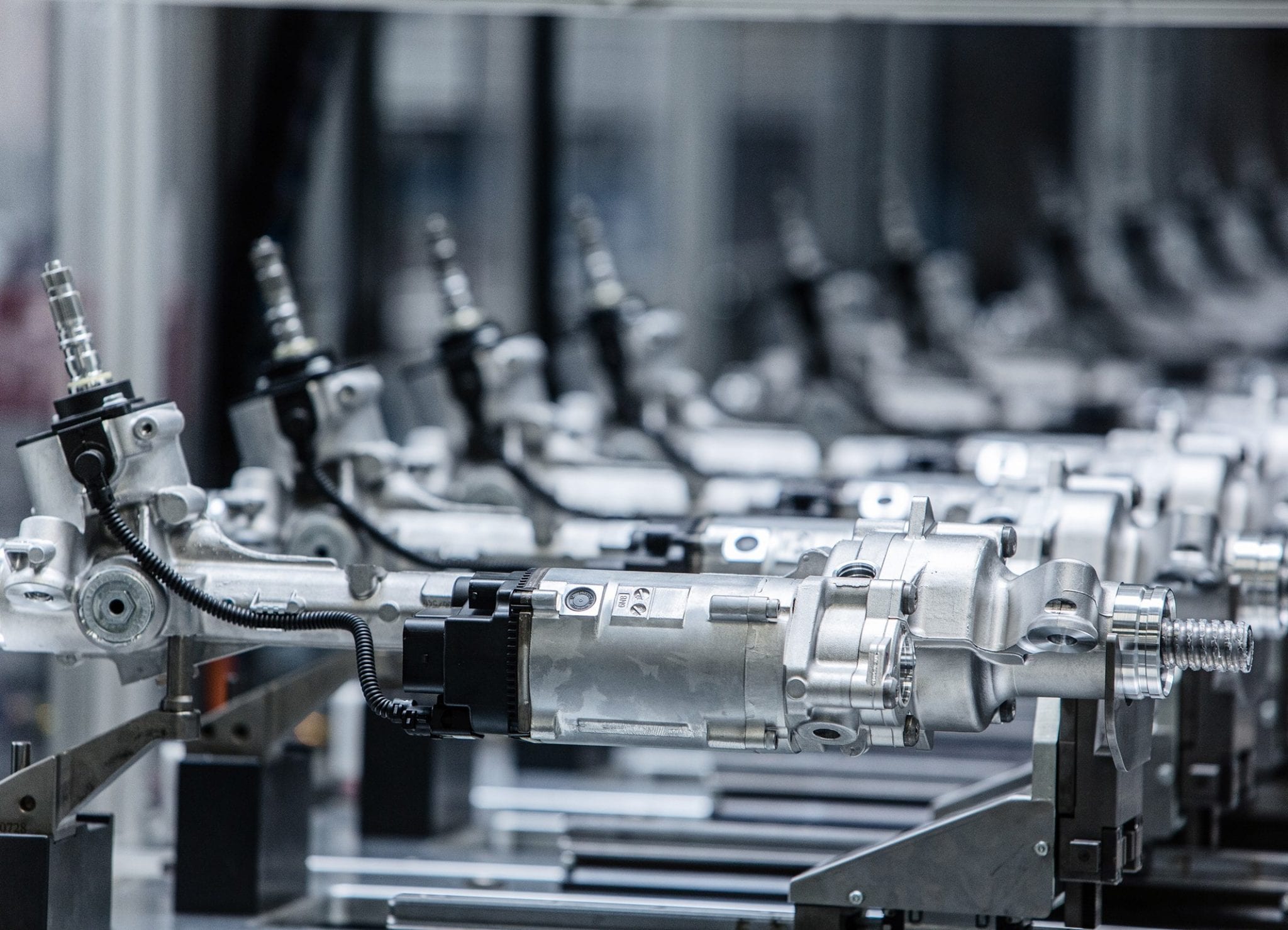
    The Bosch plant will make specialist power-management chips and Application Specific Integrated Circuits (ASICs) that are designed to carry out a single task, such as triggering a car’s automatic braking system.

    It will not however address shortages of products like microcontrollers which have forced automakers to halt production and are expected by industry leaders and analysts to extend into next year.

    “The fab (chip fabrication plant) may help to insulate Bosch and its key customers somewhat,” said Asif Anwar at Strategy Analytics. “But it is unlikely to serve as a gap filler to the current shortages being experienced in the automotive market.”

    The Bosch plant, which received 200 million euros ($243 million) in state aid under a European Union investment scheme, will start making chips for power tools in July, with output of automotive chips to follow from September.

    “The state-of-the-art technology in Bosch’s new semiconductor factory in Dresden shows what outstanding results can be achieved when industry and government join forces,” said European Commission Vice-President Margrethe Vestager.

    Kroeger said Bosch supported a broader strategic push by Brussels to revive Europe’s semiconductor industry. A recently unveiled plan targets doubling the region’s share of global chip production to 20% by 2030.