Author: Mei Ling Tan

  • Vietnamese rice faces competition from India in Philippines

    Vietnamese rice faces competition from India in Philippines

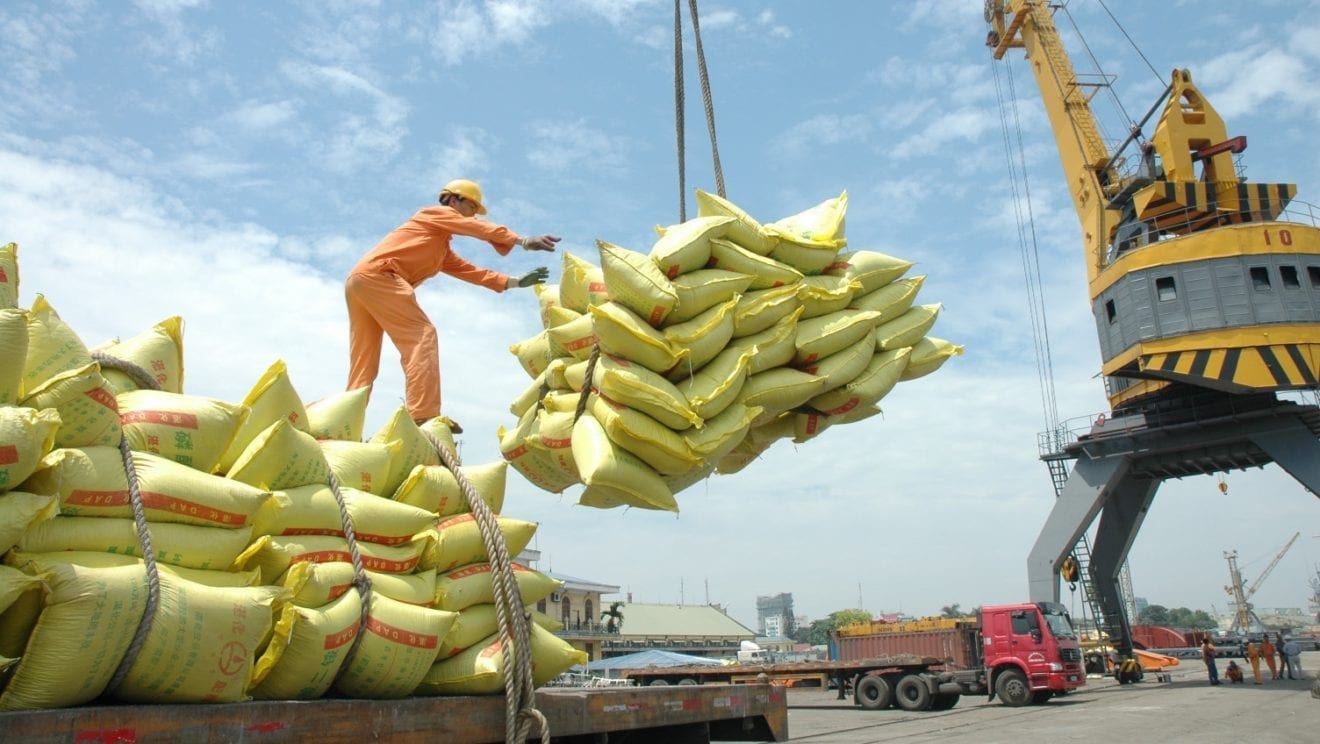
    The Philippines is set to import a lot of rice from India at $100 cheaper per ton than Vietnamese rice as it diversifies its supply sources.

    A report by the Agricultural Products Processing and Development Department (Agrotrade) shows that in the first five months of this year, Vietnamese rice exports reached 2.7 million tons at $1.48 billion, down 11.3 percent in volume and 5 percent in value over the same period last year.

    There’s no significant demand by foreign traders as they wait for the summer-autumn harvest season, the report said.

    On the other hand, the price of Vietnamese rice is much higher than that of India and Thailand. A ton of Vietnamese rice is $20 higher than that of Thai rice and over $100 per ton over Indian rice.

    On average, Vietnam’s rice export price in the first four months of this year reached $543 per ton, up 15.4 percent year-on-year. The Philippines is Vietnam’s largest rice-consuming market, accounting for 35.6 percent, but export to this market decreased 20.7 percent in volume and 4.9 percent in value over the same period last year. Similarly, rice exports to Indonesia also decreased sharply by 71.1 percent year on year.

    According to Agrotrade, market demand in the coming time will be high, but Vietnamese rice will face competition in the international market when the prices of Thai and Indian rice are more attractive to buyers.

    Recently, the Philippines eliminated import duties for ASEAN, non-ASEAN, and “Most Favored Nation” (MFN) nations with the goal of increasing imports of cheaper rice from India and Pakistan.

    Specifically, the Philippines has lowered import duties for MFN on rice to a single rate of 35 percent. It had previously imposed a 40 percent in-quota tariff rate and 50 percent out-of-quota tariff rate.

    On June 7, Philippines Finance Minister Carlos Dominguez announced that the country would seek more rice from countries outside Southeast Asia with the goal of diversifying supplies and keeping import prices at a reasonable price. Accordingly, India is a country with cheaper rice that can become a main supplier.

    Vietnam has been the main rice supplier to the Philippines so far. In addition, the Philippines also buys rice from Thailand and India, apart from other countries outside Southeast Asia.

    Vietnam is set to produce 43 million tons of paddy and export 6.5 million tons of rice this year, according to the Ministry of Agriculture and Rural Development.

    The nation was the world’s second-largest rice exporter last year at 6.25 million tons.

  • Google’s Android app returns blank search results thanks to bug

    Google’s Android app returns blank search results thanks to bug

    Over the last few weeks a bug has affected the Google app on Android. When conducting a search, the user gets a blank response. The bug work its magic on several devices including handsets made by Samsung, Google, and OnePlus.

    If this happens to you, you could get annoyed, jump up and down on your phone and start cursing out the Google app. Or, you can handle this like the calm, cool and collected person that you are and request the search for a second time. You might also consider force closing the Google app since that appears to solve the issue, at least temporarily.

    Additionally, it appears that using the Chrome URL bar to run a search doesn’t result in a blank response, so you might want to use the search feature on Chrome if getting a blank response is not what you’re looking for from your search request. We should point out that receiving blank search results has nothing to do with the strength of your network or Wi-Fi connection.

    Dare we assume that Google is aware of this bug and hopefully is working on an update to exterminate this rather strange issue?  Yes we do because Search is Google’s most important business unit and was responsible for $104 billion in revenue for the company last year. That made up 71% of Google’s advertising gross and 57% of parent firm Alphabet’s total 2020 revenue.

  • Volkswagen, Ford To Exit Auto Finance Business In India

    Volkswagen, Ford To Exit Auto Finance Business In India

    The auto financing arms of Volkswagen AG and Ford Motor Co plan to stop giving new credit to car buyers and dealers in India and will exit from the country, sources aware of the development told Reuters. Volkswagen Finance Private Ltd, the German carmaker’s finance arm, stopped giving loans to car buyers in India last year and in May told dealers of all VW brands, which includes Volkswagen, Skoda and Audi, to find another financing, two sources with direct knowledge of the talks said.

    As some customers failed to make repayments, the finance unit has suffered losses, and will close for business by Dec. 31, the sources said.

    More than 50% of Volkswagen group dealers use credit from the finance arm, they said.

    Volkswagen Finance Private Ltd said in a statement that it had acquired a major stake in Indian loan brokerage portal KUWY Technologies to service its retail customers.

    It is in talks with dealers and will review its business strategy by the end of the year, the company said.

    The auto finance arms are classified as non-banking financial companies (NBFCs) and they compete with banks for providing credit. But banks have access to cheaper funding so can offer loans at lower rates than those offered by NBFCs or shadow lenders.

    To offset the disadvantage, Volkswagen and Ford would offer incentives to those dealers who have used their credit finance, the sources said.

    Dealers typically need credit to buy cars from automakers which they then sell on to customers.

    Volkswagen’s plan to exit the financing business has surprised dealers, coming weeks ahead of the launch of Skoda’s new sport-utility vehicle (SUV) to boost sales in India, the two sources said.

    Skoda dealers have been asked to find new financing by the end of the month – a tight deadline ahead of a new model launch, one source said.

    Ford Credit, the automaker’s financing arm, stopped lending to car buyers at the end of last year and will cease credit to dealers by June 30, two separate sources said.

    The decision to exit the financing business comes at a time when Ford is finalizing a new strategy for India after ending ties with Mahindra & Mahindra on Dec. 31.

    A Ford Motor India spokesperson said the company regularly assesses market conditions for its credit business and the decision to discontinue was conveyed to dealers in October – before it made any announcement on the Mahindra partnership.

    “We are confident the auto financing sector in India can support Ford customer and dealer new financing needs. Our team continues to service our existing book of business,” the spokesperson said, adding that 25%-30% of its dealers do business with Ford Credit.

  • UniCredit Hires from Commerzbank for Korea Coverage

    UniCredit Hires from Commerzbank for Korea Coverage

    Milan-headquartered UniCredit has bolstered its Asia business with the hire of a head of Korea coverage from Commerzbank.

    Jaeho Mike Hyun joins the Italian lender as its head of Korea coverage, according to a report from «GlobalCapital», to oversee financial institutions and corporate clients for the market.

    In his Hong Kong-based role, Hyun reports to Asia Pacific chief executive Michele Amadei.

    Hyun was most recently Commerzbank’s head of Korea coverage, capital markets, after joining the German lender in 2013. Previously, he had also worked for Deutsche Bank in Seoul and Singapore in both in asset management and debt capital markets origination.

  • Airlines carry freight, charter flights to survive Covid hit

    Airlines carry freight, charter flights to survive Covid hit

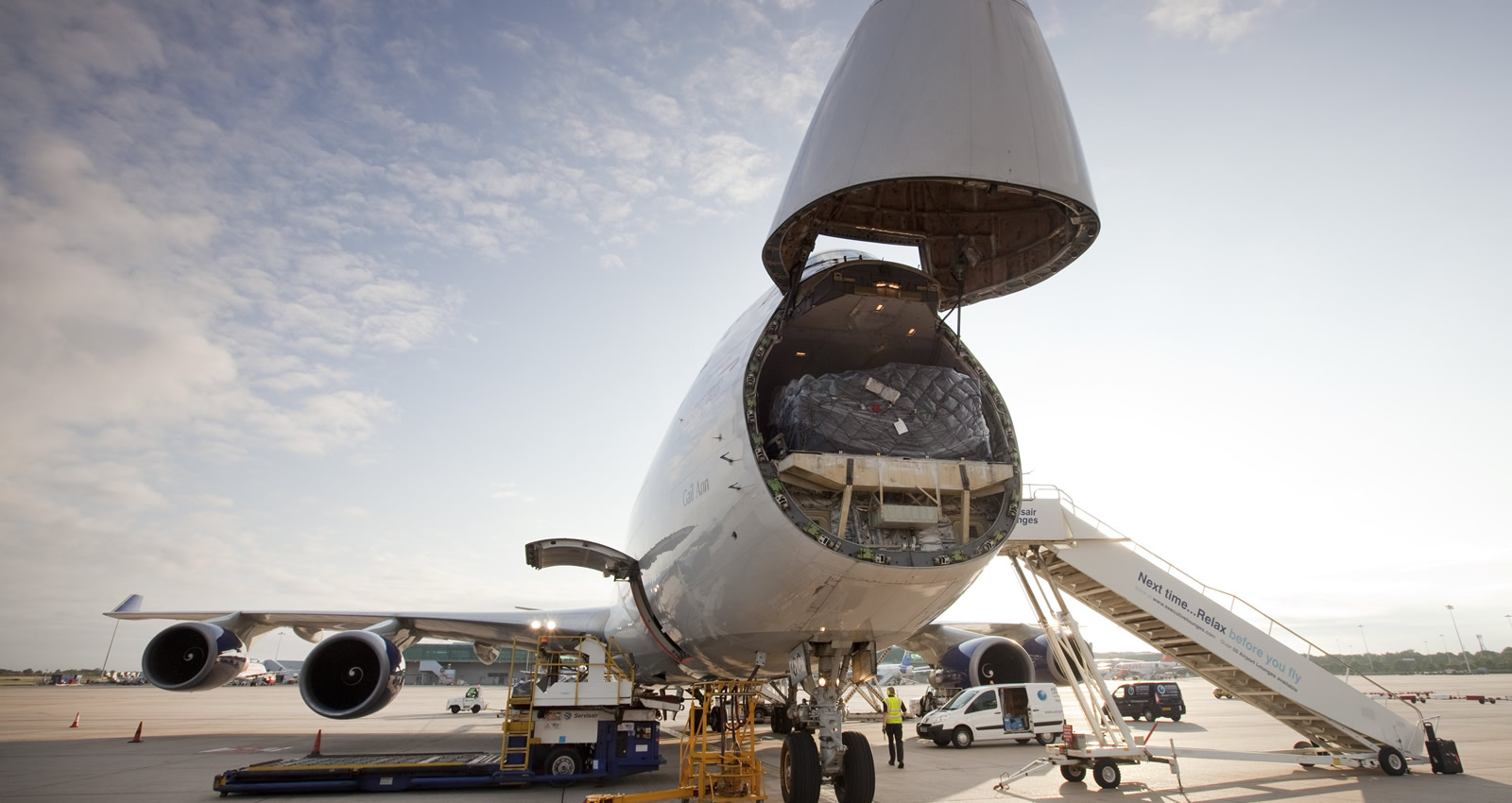
    Airlines have strengthened freight services and offer charter services and discounts on passenger fares as they seek to recover from the slump caused by Covid-19.

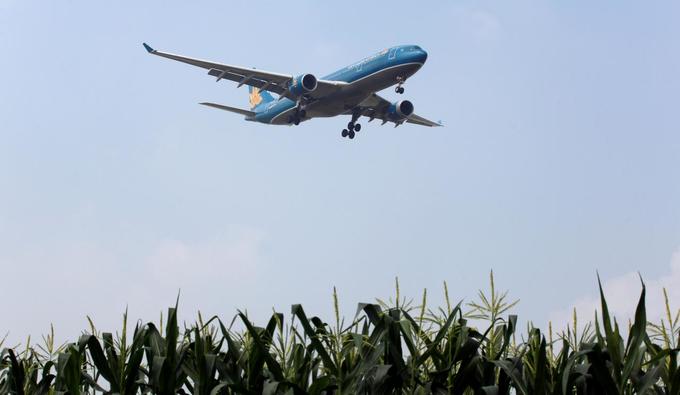
    Vietnam Airlines recently converted one of its Boeing 787-9 aircraft to transport 40 tonnes of lychee from Hanoi to Ho Chi Minh City.

    Before the pandemic its Dreamliners had a busy schedule, flying to Europe, Australia and the ultra-busy Hanoi-HCMC sector, and few thought lychees will replace passengers on the modern airplane with a capacity up to 270.

    The carrier has also deployed other planes to transport lychee.

    Budget airline Vietjet has also been offering freight services to compete with leading logistic providers as demand balloons by the day. It has set up an online freight service, Swift247, in which it owns a 67 percent stake.

    In the first three months of 2021, Vietjet transported over 18,000 tonnes of cargo, with its cargo subsidiary contributing nearly 50 percent of total revenues.

    Since May, Bamboo Airways has been offer charter flights.

    To compete in the summer, the high season for air travel, carriers have offered big discounts on fares and promotions like free check-in baggage to attract customers back.

    Bamboo Airways reduced fares by 35 percent when booking five seats or more.

    Vietjet offered free insurance to all domestic passengers, including VND1 million compensation per day for loss of income in case of forced quarantine or Covid-19 infection as a result of traveling with it.

    Newcomer Vietravel Airlines, which has a fleet of three airplanes, is pricing tickets at below breakeven level, according to Nguyen Quoc Ky, its chairman.

    Vietnam Airlines and Vietjet have joined the effort to trial a vaccine passport.

    Next month, Vietnam Airlines will implement the International Air Transport Association’s Travel Pass initiative that allows people to store verified Covid-19 test and vaccination certificates on a smartphone app.

    This is seen as one of the keys to convincing countries to reopen borders to international travelers.

    According to Planespotters, an online database on commercial aviation based in Berlin, Germany, over half of all aircraft in Vietnam are idling in near-empty airports.

    Vietnam Airlines is currently operating only 47 of its over 100 planes, including 15 of its 29 wide-body airplanes (A350 and B787).

    In the case of Vietjet Air, over 50 out of its 74 airplanes are not flying.

    In the first quarter, Vietnam Airlines suffered losses of nearly VND5 trillion ($218,4 million). To generate sufficient cash flows, it is now selling 11 of its A321 CEO planes.

    Bamboo Airways has the least number of idle aircraft, nine out of 27.

  • Apple previews tech for passwordless website sign-up using just Face ID or Touch ID

    Apple previews tech for passwordless website sign-up using just Face ID or Touch ID

    Apple is set on making things simple for its users and now, a new feature announced during a developer session will make it possible for your to sign up on websites using just Face ID or Touch ID, no passwords required.

    The developer session is part of the WWDC 2021, and introduces the new technology in order to make the user experience more intuitive while at the same time, assuring security.

    The new tech is called Passkeys and will make it possible for you to sign up for services and websites without the need for a password. Of course, the website will have to support this new tech, and when you enter your username of choice during the signup process, you will be able to use Face ID or Touch ID to authenticate yourself.

    iPhone, iPad, and Macs will have this tech in a preview coming later this year, and it will be off by default.

    Passkeys is a part of the iCloud keychain, providing a secure method for authentication and at the same time, protecting you against phishing attacks. However, if you use other devices apart from Apple ones, you may still need to use passwords.

  • Singapore and Hong Kong Set Review Date for Travel Bubble

    Singapore and Hong Kong Set Review Date for Travel Bubble

    An announcement on the launch date for the travel bubble is expected in early July, following a review by both sides.

    The latest developments come in view of the COVID-19 epidemic situation in Singapore, which has been stabilizing since early June, the Hong Kong government said in an announcement on Thursday.

    Both consider that it is prudent to keep the developments under review to ensure the epidemic situation is sufficiently stable before deciding in early July on the way forward for the ATB, the announcement said.

    The travel bubble between two business hubs, planned since October 2020, has been beset by numerous delays.

    On Thursday, Singapore also announced the easing of curbs to control the spread of Covid-19, to take place from June 14.

    The city-state brought back stricter social distancing measures in early May amid growing community infections, but new cases have since stabilized in the low single digits.

  • Auto sales down in Vietnam

    Auto sales down in Vietnam

    Auto sales rose 53 percent year-on-year in the first five months to 126,894 units.

    Passenger vehicles accounted for 70 percent and commercial and special-purpose vehicles for the rest, according to the Vietnam Automobile Manufacturers Association (VAMA).

    Truong Hai Auto Corporation, which manufactures its own vehicles and assembles foreign brands such as Kia and Mazda, led with nearly 44,000 units, a 67 percent rise.

    It was followed by Toyota with over 24,100 units, up 16 percent.

    Mitsubishi, Honda and Ford made up the top five.

    Last year sales had fallen by 8 percent to 296,634 units as the Covid-19 pandemic badly affected the economy, hitting people’s incomes and discretionary spending.

  • Volkswagen Multivan Revealed For European Markets

    Volkswagen Multivan Revealed For European Markets

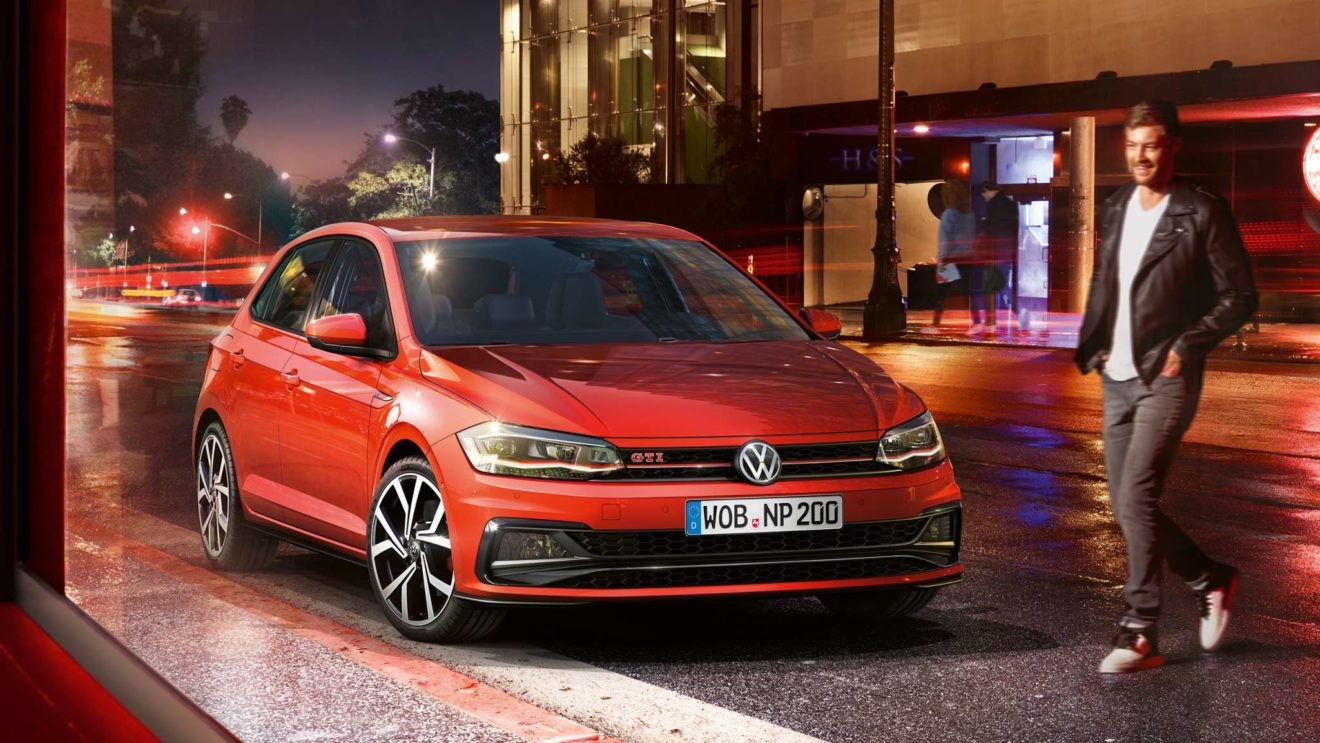
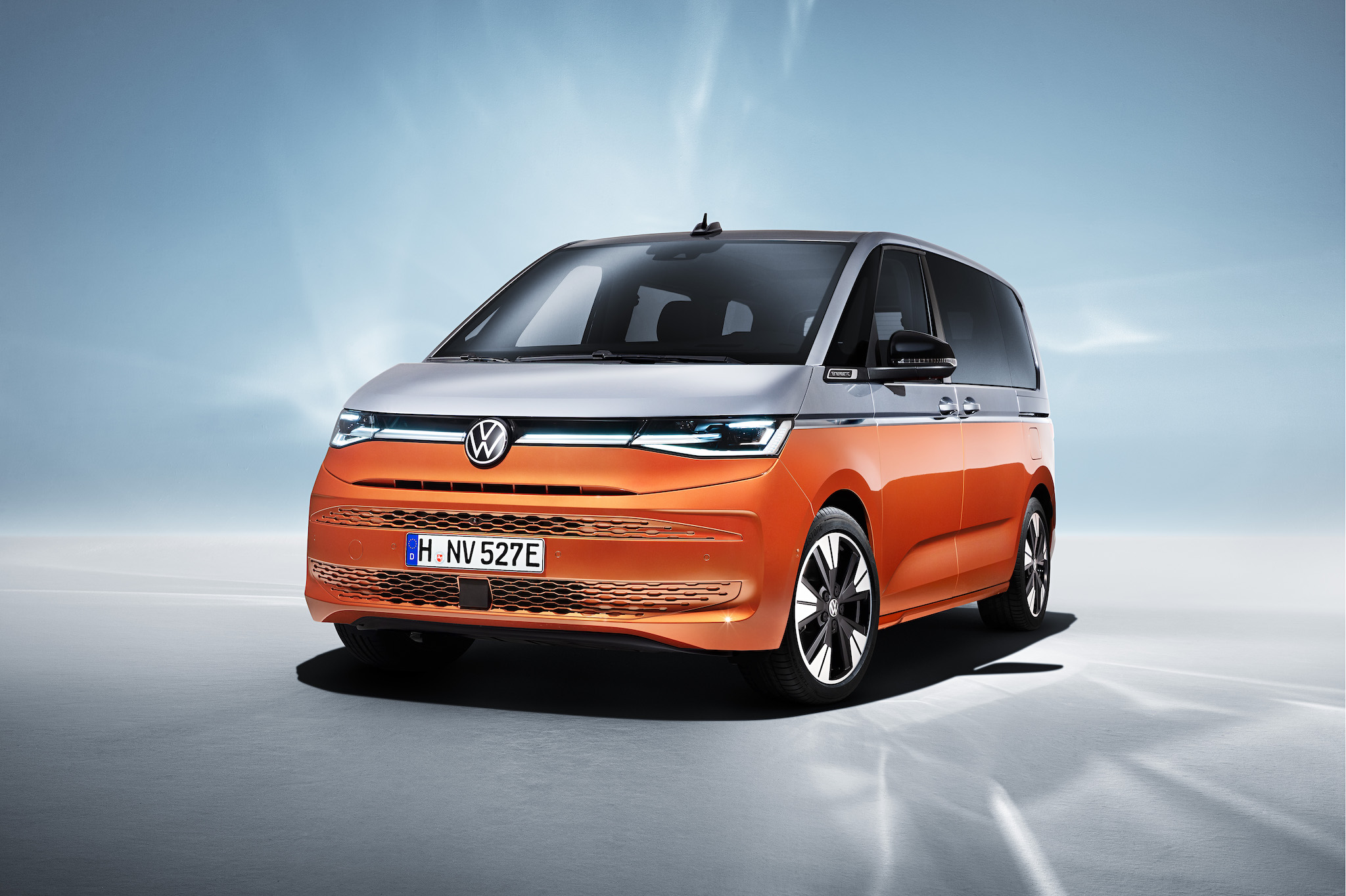
    Volkswagen Commercial Vehicles has revealed the all-new Multivan, which is a replacement to the Caravelle and will be targeted for the European markets. The Multivan is no longer built on the Transporter platform (on which the Caravelle was based) but is now based on the Volkswagen Group’s MQB platform, which just goes to show you the flexibility of this platform, which spawns everything from a Polo to now the Multivan.

    The Multivan has an all-new exterior design that pays homage to the DNA of its predecessors, dating back to the 1985 Transporter T3, with a horizontal design line and full-width grille and headlights, to give it a modern and dynamic look. The A-pillars have been remodeled to improve visibility, while unique front and rear light signatures give it a fresh look. The front air intakes, painted in the same color as the vehicle, have been reduced, paying tribute to the heritage of the rear air-cooled engines of the first three generations.

    The Multivan measures 1,941mm wide, 4,973mm long, up to 1,903mm high, and with a wheelbase of 3,124mm. A longer version, measuring 5,173mm is also available. Overall, it means the new generation has a longer wheelbase and wider, lower profile, all designed to improve aerodynamics, lower fuel consumption and increase range. The model is available with wheels up to 19 inches, and in three specifications: “Multivan”, “Life”, and “Style”.

    Optional is a panoramic glass roof, with LowE laminated safety glass to reduce incoming thermal radiation by 44 percent, as well as an electrically operated rear hatch and power sliding doors, which can be operated via gesture control for ease of entry.

    The Multivan is fitted with LED headlights as standard but can be upgraded to interactive IQ.LIGHT – LED matrix headlights, which offer a permanent full beam, without blinding oncoming drivers and dynamic cornering to provide precise illumination during bends. The IQ.LIGHT system also features an illuminated LED lateral bar in the radiator grille as a further element of the daytime running lights.

    Inside, the new Multivan is more flexible and spacious than ever, with a new modular, lightweight seating system and an innovative table. With space for up to seven seats, the rear five seats, which are up to 25 percent lighter, can be moved and removed to suit, while the second row can be moved 180-degrees to create a conference-style seating configuration. The full-width bench seat for the third row has been replaced by individual seats to allow single seats to be removed for complete flexibility.

    An innovative multi-function table has been designed for the new Multivan. Using the central track, it can be moved between any of the seating rows, and for the first time can be used as a centre console between the front seats. The table, which is completely removable, features adjustable height, three cup holders, and a storage bin.

    Enabling the flexible seating and table track system is the completely flat floor from front to rear seats with no center console, made possible by the removal of the traditional handbrake. Instead, the parking brake is activated electronically by button, or automatically. The new Multivan is offered only with an automatic DSG gearbox controlled via shift-by-wire technology, meaning the gearstick has been removed to further increase occupant space, with controls ergonomically integrated into the instrument panel.

    In base version the Multivan offers 469 liters of luggage space behind the third row of seats, extending to 1,844 liters (1,850 litres with panoramic glass roof) behind the second row. The full cargo capacity up to the front seats is 3,672, extending to a maximum 4,053 liters in the longer version fitted with the panoramic glass roof.

    The cockpit area has been completely redesigned alongside a new multi-function steering wheel. All key features in the new Multivan are now on one line of sight, with a secondary line for other functions to make operation as intuitive as possible. Touch controls provide direct access to settings such as air-conditioning, seat heating, and audio volume.

    On the central console are the 10.25-inch ‘Digital Cockpit’ display and the 10.0-inch infotainment touchscreen. Centrally arranged between the two on a high-gloss black surface are the new, minimalist shift-by-wire DSG controls. Integrated next to this are two USB-C sockets as standard and a tray for optional inductive smartphone charging. For the first time on a Volkswagen Commercial Vehicles model, a head-up display is available.

    The standard infotainment system is called ‘Ready 2 Discover’, which includes an integrated eSIM to deliver online safety and convenience features. We Connect can be used free of charge for an unlimited period, with services such as breakdown assistance, vehicle status, and parked position.

    We Connect Plus, available free for three years, provides extra services such as the ability to lock and unlock the vehicle or control the optional auxiliary heater remotely via smartphone. In combination with the more advanced, optional Discover Media and Discover Pro navigation systems, We Connect Plus includes further navigation-related services, such as online map updating and traffic information. We Connect Plus also provides additional services for the eHybrid, such as allowing owners to pre-set the vehicle inside temperature and to manage the charging process via smartphone.

    All infotainment systems can be combined with a Harmon Kardon sound system developed specifically for the Multivan. In addition to 14 high-end loudspeakers behind precision laser-cut panels, a 16-channel Ethernet amplifier with 840 watts of music output, and four sound settings, the system uses the ‘Fraunhofer Sonamic Panorama Algorithm’, which is able to separate out the individual sources of a stereo recording and distribute them evenly across a U-shaped acoustic stage, to create the optimum sound.

    The Multivan features more than 34 drivers assist systems enhancing safety, comfort, and convenience. Standard is the Front Assist area monitoring system, which includes City Emergency Braking, Dynamic Road Sign Display, and the Lane Assist system.

    Other new systems include Car2X – allowing local communication with other vehicles and the highways infrastructure in order to provide warnings of any danger, side protection, crosswind assist, turn-off assist, which warns of any oncoming traffic when turning across a carriageway, and an exit warning system, which warns when opening a door of any bicycles or vehicles approaching from behind.

    The Multivan also debuts IQ.DRIVE Travel Assist, which allows semi-autonomous driving by combining the predictive Adaptive Cruise Control and Lane Assist to make long-distance journeys safer and easier.

    Also available on the new Multivan is Area View, a real 360-degree representation of the vehicle using four cameras, visible on the 10-inch infotainment display, to making parking and maneuvering as safe and easy as possible.

    Based on the Volkswagen Group’s MQB platform, the new Multivan, which has a towing capacity of up to 2,000kg, is available with three powertrains, including for the first time in a Volkswagen Commercial Vehicles model, a plug-in hybrid (PHEV) option.

    The new Multivan eHybrid combines a 1.4 TSI 147 bhp engine with an 85kW electric motor to produce a combined power output of 215 bhp, providing silent, zero-emission driving when in electric-only mode for short, urban trips while giving customers the flexibility to enjoy longer journeys. The eHybrid uses a bespoke six-speed DSG gearbox.

    The 13kWh lithium-ion battery is housed under the Multivan’s flat floor, saving interior space and lowering the vehicle’s centre of gravity to improve handling. The charging point is located on the right-hand side of the front wing.

    The front-wheel-drive Multivan is also available with two four-cylinder turbocharged petrol engines: a 1.5 TSI and a 2.0 TSI. A four-cylinder turbo diesel will be introduced next year. Be rest assured though that the Multivan will not come to India.

  • Vietnam Airlines cleared for 12 repatriation flights from US

    Vietnam Airlines cleared for 12 repatriation flights from US

    National flag carrier Vietnam Airlines has received permission from U.S. authorities to conduct 12 repatriation flights this year, the first of which is scheduled for this month.

    The first flight will leave Hanoi on June 22 for Washington D.C. with a stop in Alaska before returning to Vietnam on June 24.

    The airline will use its biggest wide-body aircraft – the Boeing 787 or the Airbus A350 for these flights.

    It remains the only Vietnamese carrier to receive flight permits from the U.S. Transportation Security Administration (TSA), which is said to have stringent requirements. The examination process for the 12 flights took one month.

    Vietnam Airlines expects the flights to help evaluate the possibility of conducting regular flights between the two countries after the Covid-19 pandemic has been contained.

    Last year, it conducted 20 flights between Vietnam and the U.S. to serve Vietnamese citizens and U.S. experts, and to transport goods.

  • China to become major buyer of Vietnam’s garments

    China to become major buyer of Vietnam’s garments

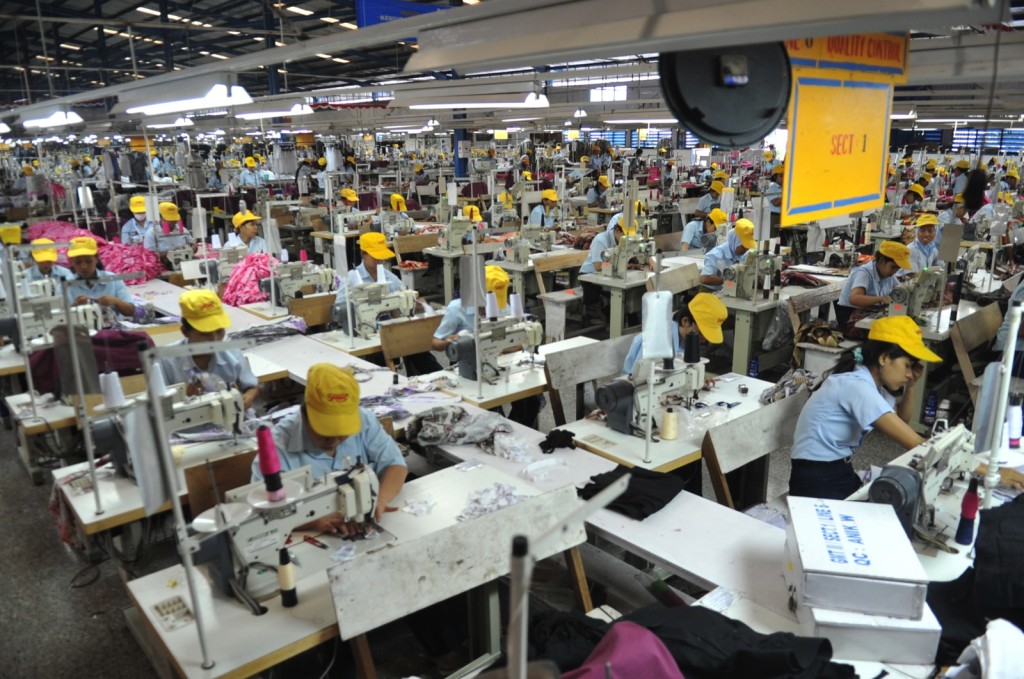
    China is set to become a major export market for Vietnam’s textile and garment industry, making up for the lull in traditional markets like Japan and the EU.

    According to Vietnam National Textile and Garment Group (Vinatex), Covid-19 has rendered some of the main markets unstable. For example, the E.U. is facing the risk of a pandemic resurgence, while Japan’s economy is yet to revive. Therefore, Vietnam’s textile and garment exports to these two markets are not expected to rise this year.

    Meanwhile, China has indicated in its 14th five-year plan that it will not concentrate on textile and garment production in the 2021-2025 period.

    Vietnam’s textile and garment exports to China in Q1 experienced the highest growth among the five largest textile and garment export markets (the U.S., Japan, South Korea, E.U., and China), Vinatex reported. Textile and garment export value to China during the period was as high as that to the E.U. at $680 million.

    One challenge for Vinatex this year is the falling demand of office wear, which is one of the group’s main products. Amidst the pandemic, consumers prefer casual wear and sportswear. Another difficulty is that inflation is expected to rise this year, resulting in higher lending rates and increased financial expenses.

    Vinatex targets revenues of VND1.5 trillion ($66 million) this year, up 5 percent year-on-year, and pre-tax profit of VND201 billion, up 37 percent. The group said it will continue to divest from ineffective companies this year.

    Vietnam’s textile and garment exports in the first five months of 2021 hit $12.2 billion, up 15 percent year-on-year, according to the General Statistics Office.

  • UOB Pilots Digital Signature Authorization

    UOB Pilots Digital Signature Authorization

    The initiative will remove one of the roadblocks – the need for physical signatures – in fully digitalizing the documentation process.

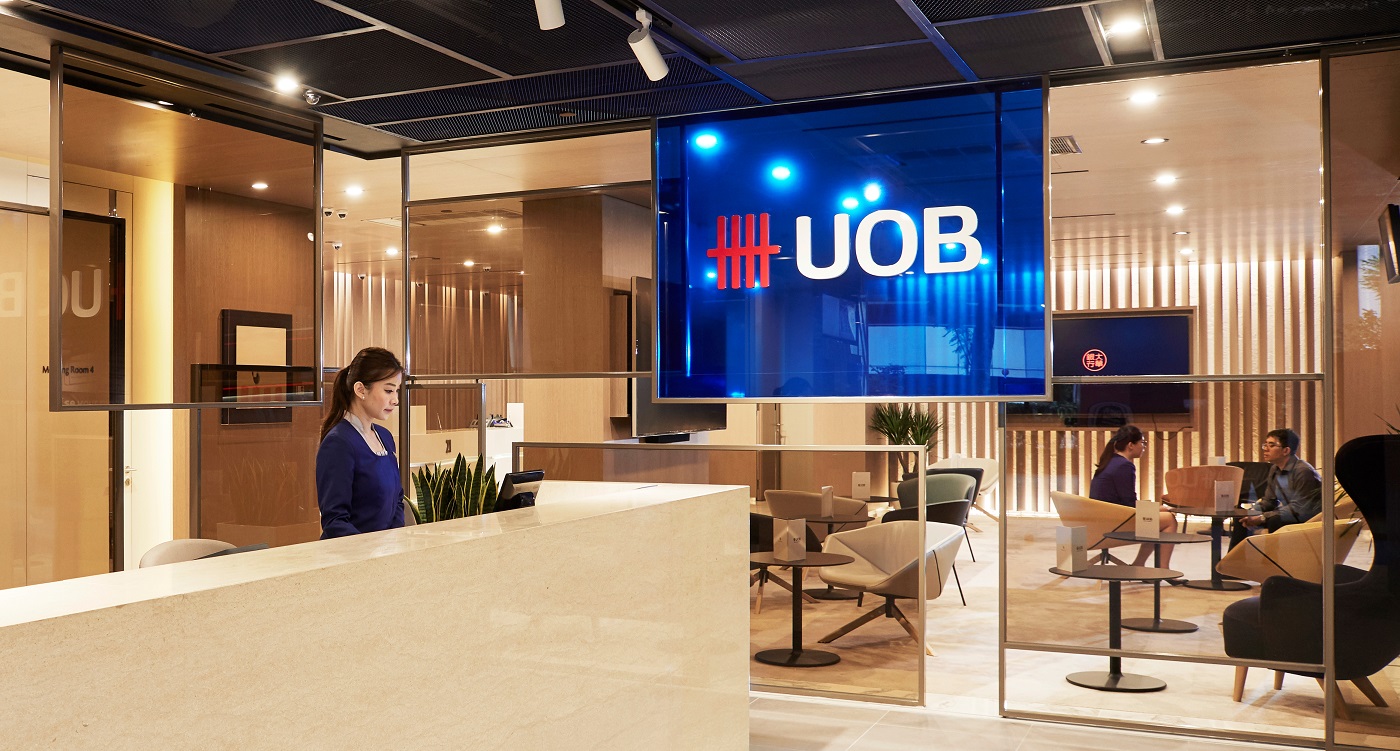
    UOB is starting a 12-month trial to test the use of Government Technology Agency’s (GovTech) Sign with Singpass among its retail and corporate customers, which will be used to confirm transactions such as individual wealth planning services and the PayNow Corporate application using a customer’s digital signature, the bank announced on Thursday.

    The features feature enables customers to use Singpass – the digital identity for Singapore residents that is identifiable and uniquely linked to the user – to sign electronic documents digitally via the Singpass app.

    The bank said it is pushing this innovation as research shows that COVID-19 has accelerated the move to online services, with more than 65 percent of customers expecting banking services to be digital by default.

    The change in customer expectations and experience during COVID-19 has made it imperative that we explore and extend our digital capabilities across more of our financial services and products, Susan Hwee, UOB head of group technology and operations, said in the announcement.

    UOB plans to expand the service to include more of its products and services for both the retail and wholesale segments in Singapore, and to expand its electronic signature capability to the region from 2022.

    One benefit from the move to e-signatures is its reduction of paper usage – more than 2 million multi-page hardcopy documents each year, which in turn will save more than 700 trees per year, once rolled out across its markets.

  • Alibaba Cloud invests US$1 billion to nurture Asia-Pacific digital talent pool

    Alibaba Cloud invests US$1 billion to nurture Asia-Pacific digital talent pool

    Alibaba Cloud, the digital technology and intellectual backbone of Alibaba Group, launched Project AsiaForward with an initial USD1 billion funding and resources to cultivate a million-strong digital talent pool, empower 100,000 developers and the growth of 100,000 technology startups in Asia Pacific (APAC) over the next three years. Unveiled during the Alibaba Cloud Summit 2021, the project forms part of the cloud provider’s strategy to invest in infrastructure, technological innovation and talent development to contribute to local economic growth through digital transformation as the trusted cloud leader in APAC.

    “Innovative technology is critical to the recovery from COVID-19 while a strong pipeline of talent well versed in digital applications is needed to support the sustainable development of today’s digital economy. We are seeing a strong demand for cloud-native technologies in emerging verticals across the region, from e-commerce and logistics platforms to FinTech and online entertainment,” said Jeff Zhang, President of Alibaba Cloud Intelligence. “As the leading cloud service provider and trusted partner in APAC, we are committed to bettering the region’s cloud ecosystem and enhancing its digital infrastructure. Our focus on innovation and data center investments, as well as talent development is in anticipation of a digital-first future.”

    In the Philippines, the company is to launch its first data center by the end of this year, signaling its continued support for the digitalization of local businesses through a variety of products and services including Elastic Compute Service (ECS), database, global network solution, Content Delivery Network (CDN) and storage services. This investment is the latest in Alibaba Cloud’s growing commitment in the country, focusing on the banking, FinTech, retail, logistics and education sectors, among others.

    In Malaysia, Alibaba Cloud is to build its first international innovation center. In collaboration with local partner Handsprofit, the company is offering a one-stop innovation enablement platform for Malaysian small- and medium-sized enterprises (SMEs), startups and developers looking to push the technological frontier. Various cloud technology and business leadership trainings will be offered through the platform, as well as the nurturing of an ecosystem for venture capital networking.

    In Indonesia, Alibaba Cloud has officially launched the third data center, starting to serve customers with offerings across database, security, network, machine learning and data analytics services. The additional center allows Alibaba Cloud to better support local businesses interested in adopting cloud technology and advance Indonesia’s push for a digital society. Alibaba Cloud currently operates 75 availability zones in 24 regions around the world.

    Alibaba Cloud’s talent development ambitions are embedded in Project AsiaForward’s three core programs – DigiTalents Forward, focused on digital upskilling, AI Forward, targeting developers and DigiEntrepreneurs Forward, aimed at connecting promising business ideas with venture capital and real-life opportunities. The company has also kicked off the DigiTalents Forward programme in Singapore with the School of Computer Science and Engineering (SCSE), and NTU-Alibaba Singapore Joint Research Institute (JRI) at Nanyang Technological University. The parties are planning to launch a variety of AI courses under NTU’s MiniMasters programme.

    “Our strategic roadmap for APAC includes targeted investments to facilitate the digital transformation of local businesses. We see these investments as all the more timely given the impact of the pandemic and the sharp rise in demand for digital business tools. Equally important is our focus on talent development and nurturing a digitally-competent workforce, which we see as a key challenge for many businesses to overcome going forward,” said Selina Yuan, General Manager of International Business Unit, Alibaba Cloud Intelligence.

    During the summit, Alibaba Cloud also launched a range of products and solutions as part of its continued effort to support the digital transformation of industries. Among those launched were new livestreaming solutions, IT infrastructure products and cloud native data management services.

  • Ex-J.P. Morgan Exec Joins UBS Private Markets Unit

    Ex-J.P. Morgan Exec Joins UBS Private Markets Unit

    UBS Global Wealth Management has hired a former J.P. Morgan executive to join its direct investment group.

    Edith Chan joins UBS Global Wealth Management as its Greater China head of direct investment group distribution, according to an internal memo, effective June 21.

    A spokesperson for the bank confirmed the hire.

    Chan rejoins the Swiss bank after previously serving in a similar role as its Greater China head of private markets distribution. She was most recently with J.P. Morgan where she also focused on private markets between 2018 and 2020. She previously worked with various private banks and asset managers including HSBC Private Bank and Deutsche Bank.

    UBS’ direct investment group focuses on investing in private companies via direct participation in primary and secondary equity share placements.

    It is also active in private debt and credit placements as well as real estate and infrastructure funds.

    UBS sources such deals globally from its investment bank, asset manager and network of blue-chip financial sponsors.

  • Alibaba To Develop Self-Driving Trucks With Logistics Unit Cainiao

    Alibaba To Develop Self-Driving Trucks With Logistics Unit Cainiao

    Chinese e-commerce leader Alibaba Group Holding Ltd plans to develop self-driving trucks with logistics subsidiary Cainiao, Chief Technology Officer Cheng Li said on Thursday.

    Cheng also said Cainiao aims to introduce 1,000 autonomous delivery robots in China over the next year.

    The announcement comes as dozens of startups, automakers, and large technology firms, such as internet search leader Baidu Inc, accelerate work on self-driving vehicle systems, which are widely expected to bring a sea change to the transportation industry.

    Other self-driving truck makers include U.S. firm TuSimple Holdings Inc, which listed shares in April.