Author: Mei Ling Tan

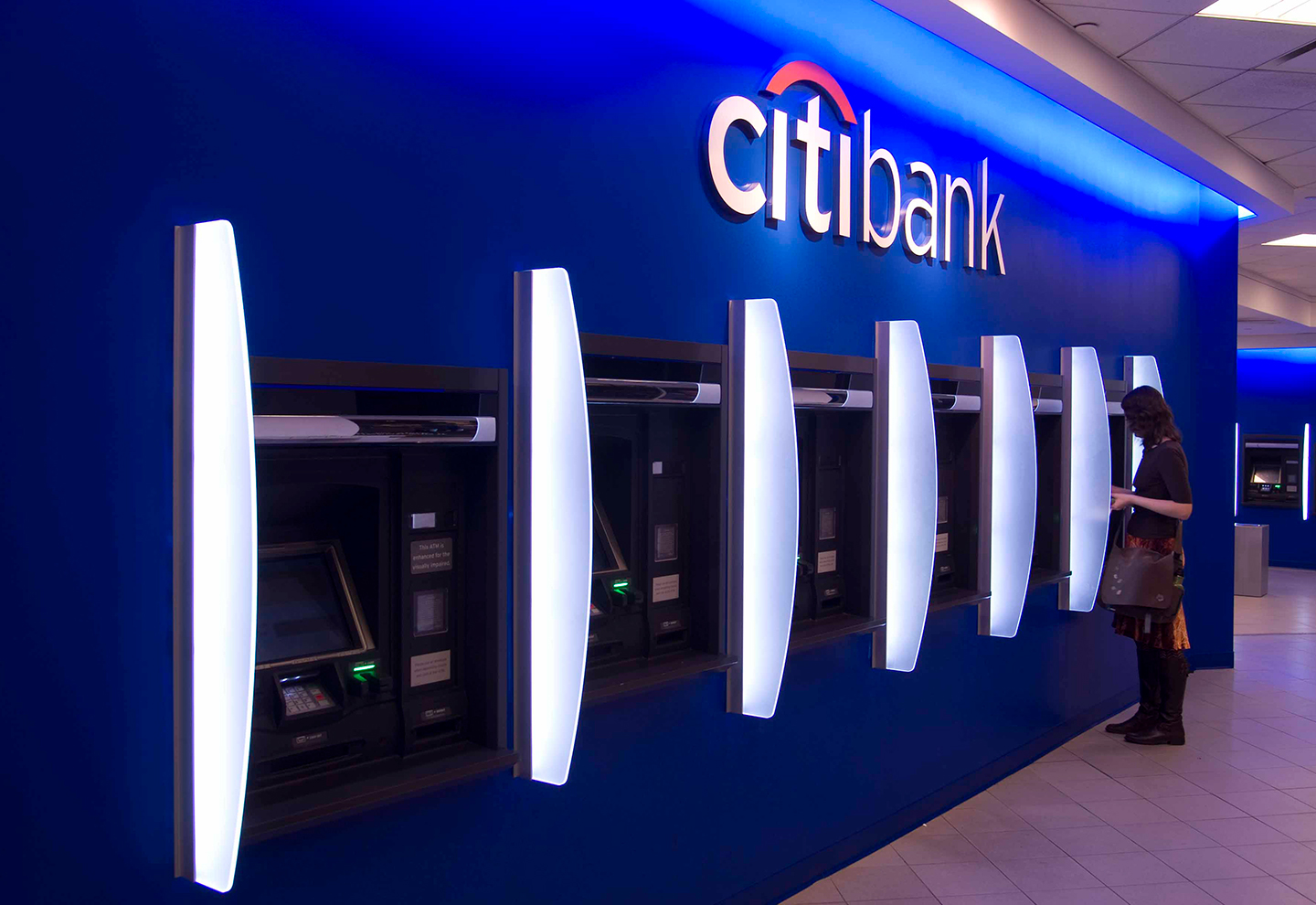
  • Citi Names Head of Private Bank for South Asia

    Citi Names Head of Private Bank for South Asia

    The Singapore-based Citi veteran will oversee the bank’s global market managers in South Asia and will have direct responsibility for the Singapore and Malaysia markets.

    Citi has named Lee Lung Nien as head of its private banking business in South Asia, in addition to his existing role as chairman of Citi Private Bank for South Asia, according to an announcement on Monday.

    Lee joined Citi 30 years ago and was CEO of Citi Malaysia from 2014 to 2020. He previously held various other senior roles including co-head of corporate sales and structuring for markets and securities services, chief operating officer for Singapore, and AML (anti-money laundering) business head of Asia Pacific. In his new role, he will report to Steven Lo, Asia Pacific head of Citi Private Bank and Amol Gupte, Asean head and Citi country officer for Singapore.

    According to the bank, the South Asia region, which includes Singapore and Malaysia, is a «key growth area» for its private banking business and is critical to the success of the Citi Global Wealth initiative.

    The South Asia region possesses outstanding potential due to a fresh wave of entrepreneurship, developing capital markets and an increasingly welcoming environment for family offices, Gupte said.

    The South Asia head role was previously held by Jyrki Rauhio, who left in 2020 after 20 years at the bank and later joined HSBC Private Banking as its regional head of credit advisory.

  • Indonesia Tech Giants Complete Merger

    Indonesia Tech Giants Complete Merger

    Indonesia headquartered on-demand multi-service platform and digital payment technology group Gojek and e-commerce platform Tokopedia have completed Indonesia’s largest-ever deal to create GoTo, Southeast Asia’s largest privately held technology firm.

    Amid growing competition among e-commerce platforms and super-apps, Gojek and Tokopedia giants have merged to form a multi-billion dollar company that will span e-commerce, e-payments, courier services, ride-hailing, food delivery, and other services.

    The merger will increase financial inclusion in an emerging region with untapped growth potential, Gojek co-CEO Andre Soelistyo, who will become CEO of GoTo, said in an announcement on Monday.

    The deal was backed by investors including Alibaba, SoftBank, Singapore sovereign wealth fund GIC, Alphabet’s Google, and Tencent. Gojek’s shareholders will own 58 percent of the holding company with the balance held by Tokopedia’s investors, Reuters reported, citing sources.

    Gojek and Tokopedia plan to remain separate but work together on payments, logistics, and food deliveries, they said in the announcement. Tokopedia president Patrick Cao will become GoTo’s president, while Kevin Aluwi will continue as CEO of Gojek, and William Tanuwijaya will remain CEO of Tokopedia.

    The two sides have considered a potential merger since 2018, but talks accelerated after plans for Gojek to merge with regional rival Grab fell through. The group, which is estimated to have a combined worth of $40 billion, plans to list in Indonesia and the United States later this year.

    The group’s payments arm currently owns 22 percent of Indonesia’s Bank Jago, and acquired mobile payments startup Moka in 2020. The group also has partnership deals with more than 20 banks and financial institutions.

    Indonesia’s digital economy expected to grow to $124 billion by 2025, according to a study by Google, Bain, and Temasek. About half its population of 270 million are currently unbanked.

    However, competition remains the form of Grab, which has also set its sights on the digital economy of the world’s fourth most populous nation.

  • DBS’ Ajay Mathur A Phygital Strategy Is Our Key Differentiator

    DBS’ Ajay Mathur A Phygital Strategy Is Our Key Differentiator

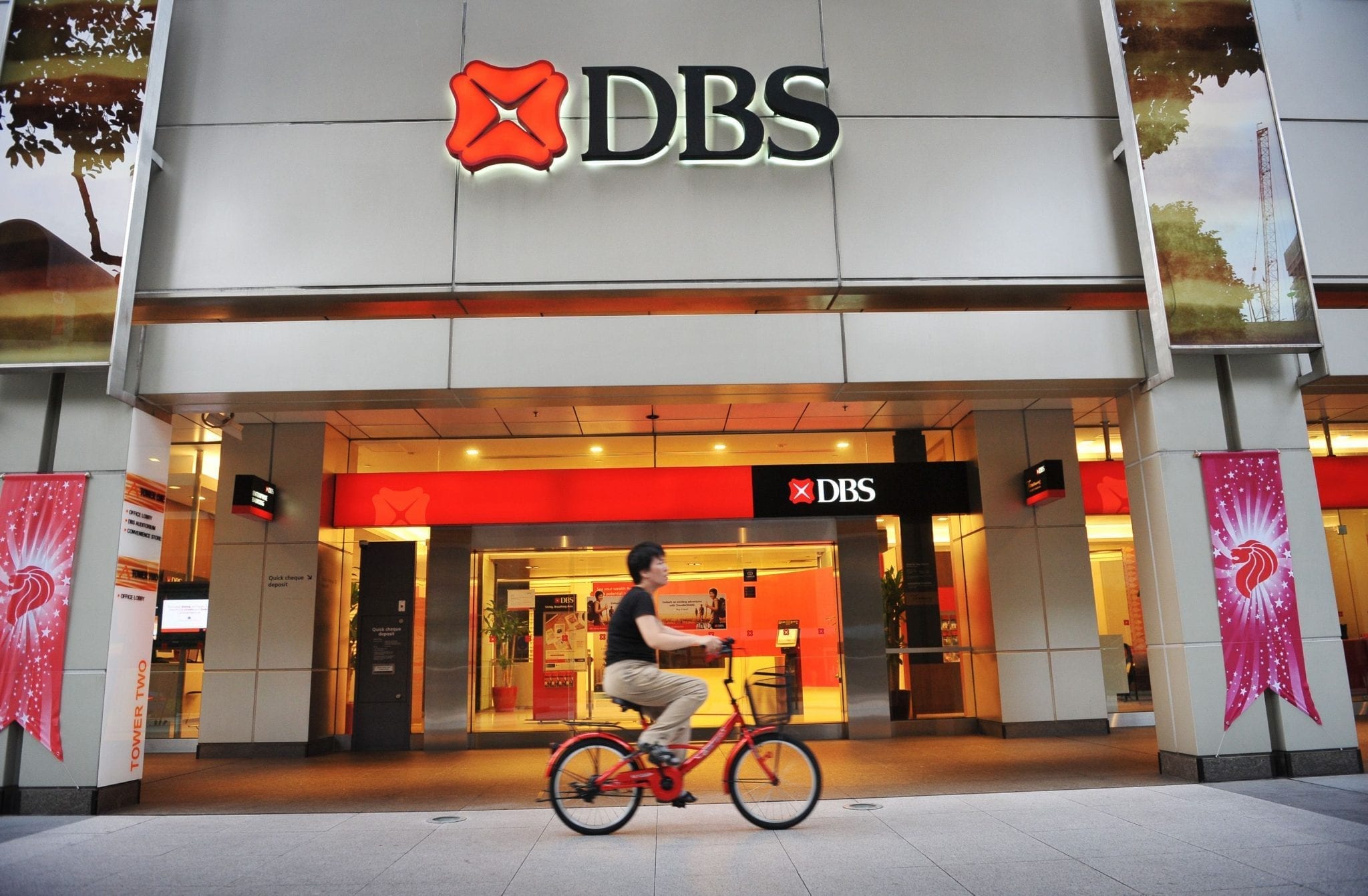
    The lack of a physical presence, short track records, limited offerings, and other factors will act as hurdles for digital-only banks to overcome, according to DBS’ Hong Kong head of consumer banking group and wealth management Ajay Mathur.

    Banks and other financial service providers used to compete along with price, product, and convenience but increasingly so, the competition has moved away from these elements towards digital speed, simplicity, and contextuality,» Mathur said. Although many banks are trimming property, including DBS which has offloaded office space in both Hong Kong and Singapore, Mathur underlines that retaining a client-facing real estate remains critical alongside digital presence – a phygital presence.

    This is not merely for optics or unwilling adopters of technology but to capture opportunities from both simple financial needs that can be executed online, such as a simple single stock trade, as well as more complex ones offline, such as succession or legacy planning.

    If we are able to smoothly deliver business online and offline, we can create a customer experience that can truly differentiate us, Mathur says. A ‘phygital’ strategy is our key differentiator.

    Even in the field of technology, Mathur said there is more to be desired from neobanks.

    Although some virtual banks are challenging traditional lenders in portfolio management capabilities – Stashaway, for example, claims to have superior discretionary mandate performance at much lower fees – Mathur underlined that many of such offerings are static in nature which, alone, is insufficient to meet client needs, especially in Asia’s market of hands-on investors.

    It’s very easy to create a so-called robo advisor. Many fintech already have offerings where they match clients with investment strategies based on a survey that assesses risk profile,» he explains. What is harder to create is robo-analysts. Robo-analysts can map your actual holdings against your profile and risk appetite to provide advice for clients to make actual transactions.

    And should virtual banks achieve a sufficient threshold in their capabilities, years of track record will still be required before broad confidence from the market can be achieved.

    We have spent many years and resources to develop brand and trust,» Mathur said. «Money is a very complex and emotional issue. It’s not something you can easily hand over to a company with no vintage.

    Nonetheless, Mathur acknowledges that it is still early days and, in fact, attributes some of the industry’s digital enhancements to the emergence of virtual banks.

    We welcome competition from fintechs, he said, adding that newly licensed digital lenders in Hong Kong have achieved a «credible start» in acquiring new clients and assets.

    They’ve kept peer banks on their toes and brought about nice improvements in customer experience.

    Within DBS, tech investments are now strategically focused on three areas: data, artificial intelligence and ecosystems.

    In addition to transforming its capabilities – seeking data to better understand clients and applying this via artificial intelligence to enhance user experience, for example – the bank is also transforming its role.

    Our traditional role is to act as a pipeline connecting financial services between the bank and a customer,» Mathur said. «But as we increasingly view ourselves less as a bank and more as a tech firm, we’ve been focused more on developing ecosystems. Rather than acting as a pipeline, we want to be a platform not only to deal with our customers but to deal with customers of our partners. This can effectively increase our ring of influence.

  • Backbase Grows Asia Leadership Team

    Backbase Grows Asia Leadership Team

    The engagement banking platform provider has appointed a digitalization specialist to support banks and financial institutions in the region with their digital transformation efforts.

    Backbase has appointed Abhijit Chavan as regional vice president of customer success for Asia, part of the company’s Asia leadership team, according to an announcement on Tuesday.

    Chavan brings more than 15 years of strategic experience at the top levels of management consulting, including at Accenture Strategy and PwC Consulting.

    In his new role, Chavan will look after customer success, ROI delivery, and prescriptive digital banking transformation for Backbase clients in the region and support customers in strengthening their market positions through Backbase’s Engagement Banking Platform.

    Backbase opened its regional headquarters in Singapore in January 2020. It subsequently partnered with Vietnam’s TPBank to accelerate digital transformation and transform the bank’s traditional products, services, and core banking system, and with the Philippines’ Uno digital bank to automate customer onboarding, account opening, origination, and self-service processes.

    The Netherlands-based company also opened a new office in Japan to help banks and financial institutions accelerate their digital transformation, improve customer engagements and optimize data insights as to the Japanese market transitions to digital banking.

  • Could stockless stores be the future of retail?

    Could stockless stores be the future of retail?

    We have all seen the headlines and excess of statistics about the uptick in online shopping over the past year. The global boom in eCommerce is obvious, but what is less clear is the vast impacts the last year will have on traditional retailers in the longer-term as ‘new’ consumer behaviour now becomes the ‘norm’.

    Along with the continuing popularity and convenience of eCommerce – health, hygiene, and social distancing will continue to be matters that consumers tackle with wariness, at least for the medium-term. However, in-between the various lockdowns witnessed in Southeast Asia, retailers were learning to adapt to the nuances of their new operating backdrops: virtual queueing, curb-side pickup, contactless payment options and even using physical stores as mini-fulfilment centres.

    One of the biggest challenges at the start of the pandemic when stores closed their doors was the issue of in-store goods. Lockdown saw large volumes of stock trapped in closed store locations that couldn’t be sold, or even reintroduced to the supply chain for eCommerce purposes. Further down the line, this stock was then forced to be sold at huge discounts once stores could reopen, or in some cases inventory was arduously and eventually made available for eCommerce fulfilment – which was great for consumer’s pockets, but bad for retailer’s balance sheets.

    Is there really any need to have stock in stores at all?

    Looking ahead, having a smaller volume of inventory within stores will ensure retailers avoid this position again. However, if customers can’t, or are unwilling to try on the items they’re looking to buy, is there really any need to have stock in stores at all? Realistically, aside from the safety implications of having multiple customers handle the same item of clothing, the more stock held in a store, the less accessible and less profitable it is.

    Back in the late 90s, leading UK retailer Argos’ model was regarded as unusual for its approach, using its stores as mini-distribution centres, only having the goods on display with a ticketing system for purchase. Now however, this approach could actually become the default for many retailers in the future, using things such as virtual queuing systems, increased use of mobile tills to ensure social distancing, and stock used for display purposes only.

    The disruption of 2020 has made retailers realise that stock located in the ‘wrong’ place greatly impacts sales, profitability, and the customer experience. So, why not also use the learnings of the past 12 months as a catalyst to change the whole philosophical approach to the physical store?

    Change makes for better innovation

    Much of the brick-and-mortar retail industry has been changing for many years now, but the pandemic may well represent the short-term, significant shock needed to kick-start a retail renaissance, with brands rethinking the best use of their most valuable assets – the bricks and square footage of their flagship stores.

    The next decade will likely see brands looking to reinvent their in-store presences in a move towards more experiential brand experiences, rather than effectively super-sized showrooms full of products across all sizes and colours, as in the not-so-distant future, the traditional shopping trip we once knew may well be completely transformed.

    Instead of the multi-coloured array of bags associated with leading fashion brands, tomorrow’s Southeast Asian shopper may well be bag-less.

    Racks of clothes could be replaced by mannequins displaying fashion combinations as shops reduce the levels of goods they hold, with smart mirrors allowing shoppers to use virtual or augmented reality to try on clothes in a completely contactless environment.

    Likewise, shoppers will be able to avoid queueing, instead using app-based queuing and mobile point of sale technology through iPads and contactless payments – and while some stock may be available to take home there and then, more likely than not, it will be delivered on the same or next day to the customer’s home – in effect, a reverse click & collect.

    Retailers must adapt with consumer behaviour change

    Consumer behaviour has changed drastically over the past year, so in order for retailers to align with their consumers, approaches to retail and how the in-store experience actually operates must adapt too. In the past, out of stock would have meant out of business, however, that may not be the case today.

    As speculative as it might sound, the environment that the retail industry is operating against today means that the less stock a store physically holds, the better off it might actually be. If retail is to recover and grow again over the coming years, the way in which physical stores are operated and used has to change.

    What is clear is that the off the street shopping experience we once knew isn’t going to return, however, the important thing is to recognise that this is okay, and if anything, it is paving the way for a better, more innovative era of retail. With an increased awareness of shifting consumer behaviour, an understanding of the latest applications possible for supply chain and retail technology, and a willingness to think more creatively and innovatively about how best to use valuable floor space, retailers will be able to reinvent the brand experience on offer in their flagship stores, welcoming in a brick-and-mortar renaissance of epic potential.

    For more information on how you retail business can best adapt with consumer behaviour change, please visit: https://www.manh.com/en-au

    By, Richard Wright, Managing Director, SEA, Manhattan Associates
     

  • DBS Launches Crypto Trust Offering

    DBS Launches Crypto Trust Offering

    DBS enlarges its cryptocurrency offering with a trust solution from its private banking arm amid growing demand for the asset class even within wealth succession plans. DBS Private Bank launches its cryptocurrency trust solution via wholly-owned DBS Trustee, according to a statement.

    The new trust offering is limited to cryptocurrencies currently supported by the bank’s digital asset exchange – DBS Digital Exchange (DDEX) – which includes Bitcoin, Ether, Bitcoin Cash, and XRP.

    According to the bank, the solution will ensure that critical information like access instructions or wallet backups will be kept confidential when passing on wealth in succession plans due to the additional protection afforded to trusts and their exclusion from the probate process.

    Confidentiality, peace of mind and taxation often emerge as top-of-mind concerns in our conversations with clients, and we would advise them to set up trust structures rather than wills, which are subject to the probate process, said DBS Private Bank’s regional head of family office, wealth planning and insurance solutions Lee Woon Shiu.

    This is especially so considering that international regulations and protocols are still nascent in the digital asset space, which could give rise to complications or unnecessary confusion if proper measures are not in place to prevent them.

    DBS expands its crypto offering amid growing demand for the digital asset class with DDEX registering S$80 million ($59.9 million) in assets under custody and a 10-fold increase of trading volumes since launch to S$30-40 million.

    The exchange currently has 120 clients with more awaiting onboarding.

    In recent years, more clients have expressed interest or are already invested in digital assets, and we expect this trend to accelerate as cryptocurrencies turn more mainstream, said group head of DBS Private Bank Joseph Poon. «Our trust structure allows clients to conveniently hold these assets, with a peace of mind that they will be safely managed and passed on to their intended beneficiaries.»

  • Electric Cars Expected To Be Launched In India In 2021

    Electric Cars Expected To Be Launched In India In 2021

    Electric cars are the future, and the year 2021 will offer the slightest glimpse of the electric vehicle (EV) revolution. Though EVs represent a very small percentage of global car sales, several automakers have already made massive investments in electric mobility foreseeing the demand it could create in the coming years. As India is moving towards e-mobility, there has been substantial investment in electric vehicles (EVs) by domestic and global auto majors. The models like the Tata Nexon EV and MG ZS EV have received a decent amount of success in the Indian EV market. Other automakers too are planning to enter into the electric vehicle space in India. On that note, we list down the EVs that are expected to go on sale in the Indian market this year.

    Tesla Model 3:

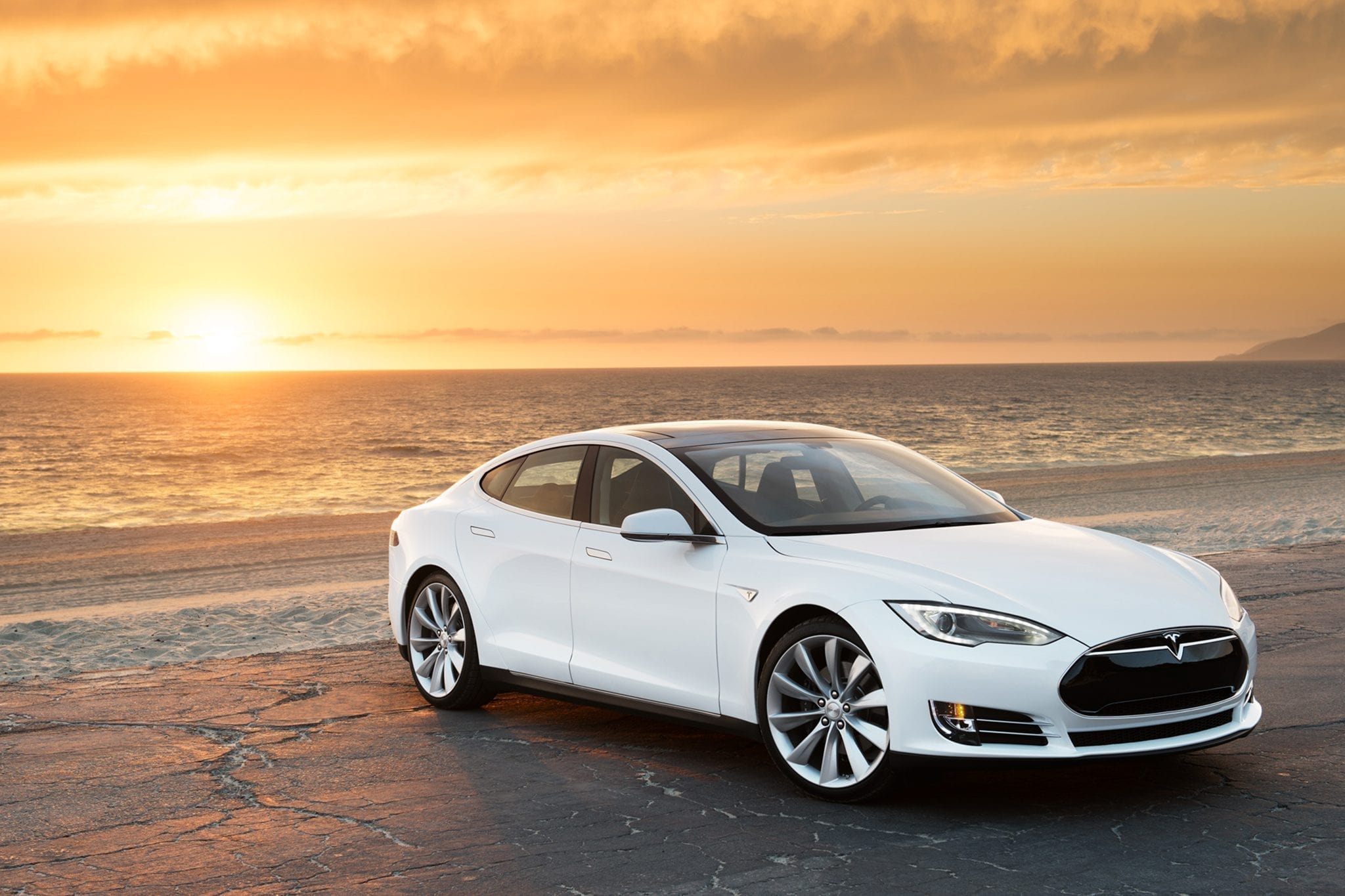
    Tesla is all set to roll out its first electric car, the Model S, in the country this year. The EV maker will set up India headquarters in Mumbai’s Lower Parel location while the production base will be established in Karnataka. The American EV maker will start its sales operations with the Model 3 which is the most affordable offering in its line-up. The Tesla Model 3 will come to India as a completely built unit (CBU) model. The car is rumored to be priced somewhere ₹ 55 lakh in the country. The Tesla Model 3 has a range of up to 500 kilometers and a top speed of 162 kmph. It can even do 0-100 kmph in 3.1 seconds.

    Volvo XC40 Recharge:

    Volvo Car India revealed the new XC40 Recharge electric SUV in the country a couple of months ago. It will be the first all-electric offering from a Chinese-owned Swedish carmaker. The company will start accepting pre-bookings for the electric SUV next month, while deliveries will commence in October 2021. The Volvo XC40 Recharge will come to India as a completely built unit (CBU) model. The electric SUV comes with a dual-motor powertrain with 150 kW electric motors on each axle that converts to 402 bhp and 660 Nm of peak torque. The electric motors are powered by a 78 kWh battery pack that offers an approximate range of up to 418 km. It can achieve 0-100 kmph in 4.9 seconds.

    Audi e-Tron:

    Audi India has confirmed the arrival of the e-Tron alongside the e-Tron Sportback in the country this year. It will be the German carmaker’s first all-electric offering in India. The electric SUV was previously slated to go on sale last year, which was delayed due to the COVID-19 pandemic. Both the Audi e-Tron and the e-Tron Sportback share the same underpinnings, but the latter gets the coupe-like sloping roofline and a redesigned rear profile. Both the EVs come with two electric motors that develop 355 bhp and 561 Nm of peak torque. In the boost mode, the power output increases up to 408 bhp and 664 Nm. The EVs use a 95 kWh battery pack that offers a range of about 452 km on a single charge and can be fully charged in eight and a half hours using a regular charger.

    Mahindra eKUV100:

    Mahindra is all set to launch the eKUV100 in the Indian market in the coming months. The Indian carmaker has already announced prices of the EV at the 2020 Auto Expo, which costs ₹ 8.25 lakh (ex-showroom, India). While the eKUV100 will be targeted at fleet operators, the EV will also be offered for private buyers. Visually, the car looks identical to its petrol counterpart. However, we expect minimal changes on the production-spec version including possibly a revised grille, along with reworked headlamps and taillights. The Mahindra eKUV100 will use a 40 kW electric that belts out about 53 bhp and 120 Nm of peak torque. A single-speed transmission will be sending power to the front wheels. The car will come with a 15.9 kWh lithium-ion battery and is expected to offer a range of 120 km on a single charge.

    Porsche Taycan:

    The all-new Porsche Taycan electric sports car will be introduced in India this year. It is the first fully-electric sedan from the Stuttgart-based luxury carmaker, which will be based on the Porsche Mission E Concept that was showcased in 2015. The new Porsche Taycan will sport two permanently excited synchronous electric motors that can churn out a maximum of 600 bhp and will a range of over 500 km thanks to its high voltage lithium-ion batteries. The EV will get 800-volt chargers with fast charging capability, which can offer a 400 km range in 15 minutes of charge time. The carmaker claims that the EV can sprint from 0-100 kmph in under 3.5 seconds.

    Tata Altroz EV:

    The Altroz EV will be the next electric vehicle from the Indian automaker’s stable, which was showcased at the 2019 Geneve Motor Show. The fully electric version of the premium hatchback is expected to go on sale in India this year. Like its ICE derivative, the EV version will also be built on the all-new Agile Light Flexible Advanced (ALFA) Architecture. Tata Motors has already confirmed that all its future electric vehicles will use the Ziptron powertrain technology. So, the Altroz EV will get a Lithium-ion battery with IP67 certification.

    Mercedes-Benz EQS:

    It was last month that Mercedes-Benz revealed the EQS electric sedan in the global market. The electric sedan has been listed on the official India website, suggesting it could be launched in our market later this year. The luxury electric sedan will be available in two trims – EQS 450+ and EQS 580 4MATIC. The EQS 450+ is the base variant that features a single electric motor on the rear axle for a total of 328 bhp and 568 Nm of peak torque. The EQS 580 4MATIC is an all-wheel-drive (AWD) range-topping trim and gets an electric motor on both front and rear axles. Total output in combination here is 516 bhp and a whopping 855 Nm of peak torque, good for a 4.1 seconds sprint to 100 kmph from a standstill.

  • Tesla Crash Victim Lauded ‘Full Self-Driving’ In Videos On Tiktok

    Tesla Crash Victim Lauded ‘Full Self-Driving’ In Videos On Tiktok

    A Tesla car driver killed in a recent accident in California praised the automaker’s “full self-driving” features, and posted videos on his apparent Tiktok account, in which he appeared to drive with his hands off the wheel. On May 5, a Tesla Model 3 crashed into an overturned truck on a highway in Fontana, killing the Tesla driver and injuring the truck driver and a motorist who had stopped to help him.

    The Associated Press news agency cited police as saying a preliminary investigation had determined the Tesla’s driver assistant system Autopilot was engaged prior to the crash.

    But in a correction issued late on Friday, police said, “There has not been a final determination made as to what driving mode the Tesla was in.”

    Since 2016 at least three Tesla vehicles operating on Autopilot have been in fatal crashes, two involving a Tesla car driving beneath a semi-truck in Florida.

    Two videos of a man driving with his hands off the wheel were posted on the alleged Tiktok account of the victim, 35-year-old Steven Hendrickson of Running Springs in California.

    “What would do I do without my full self-driving Tesla after a long day at work,” said a message on one. “Coming home from LA after work, thank god, self-drive,” said a comment on another video, adding, “Best car ever!”

    Tesla dubbed its driver assistant features “Autopilot” or “Full Self-driving,” which experts say could mislead consumers into believing the car can drive by itself.

    On its website, Tesla said its Autopilot feature does not make the vehicle autonomous, however.

    On his Facebook account, Hendrickson was shooting a video while driving on autopilot, saying, “Don’t worry. I am on autopilot.”

    Family members were not available for comment and Tesla, which has disbanded its public relations teams, was not immediately available for comment.

    Tesla Club-SoCal, a group of Tesla owners in Southern California, said on social media that he was an active member who “loved his Tesla.” He is survived by his wife and two children, it added.

    The National Highway Traffic Safety Administration has been investigating more than two dozen crashes of Tesla vehicles, including the Fontana crash and a high-profile one in Texas last month that killed two men.

    Since 2016 at least three Tesla vehicles operating on Autopilot have been in fatal crashes, two involving a Tesla car driving beneath a semi-truck in Florida.

    The U.S. transport safety board said Tesla’s autopilot system failed to properly detect a truck as it crossed the car’s path, contributing to the accidents also caused

  • Mahindra Rolls Out M-Protect COVID Plan For Farmers

    Mahindra Rolls Out M-Protect COVID Plan For Farmers

    Mahindra & Mahindra’s Farm Equipment Sector on Sunday officially announced the rollout of the ‘M-Protect Covid Plan’ for the Indian farmers. With this new customer-centric initiative, the company intends to support Indian farmers in these testing times as the entire nation battles with the second wave of the coronavirus pandemic. The plan aims to safeguard new Mahindra tractor customers and their families against the possibility of contracting COVID-19. This plan will be available on Mahindra’s entire range of tractors purchased in May 2021.

    Under the M-Protect covid plan, Mahindra will provide its customers with a health cover of ₹ 1 lakh through a unique COVID Mediclaim policy covering the customer in case they contract COVID-19 with home quarantine benefits. It will also offer financial support by providing pre-approved loans to support medical expenses incurred during COVID-19 treatment. Moreover, customers’ loan with insured under ‘Mahindra Loan Suraksha’ in case of loss of life.

    Commenting on the development, Hemant Sikka, President, Farm Equipment Sector, M&M Ltd., “At Mahindra, we care about our customers and the community at large and have taken a series of initiatives to help those most in need to overcome the challenges related to COVID. Our new ‘M–Protect Covid Plan’ is a new initiative in that direction targeted at farmers, as we stand by them to drive positive change even in these tough times. With M-Protect we are privileged to serve and support them to reduce the impact of a COVID-related eventuality. With M-Protect we hope our farmers continue to have a healthy life.”

    Shubhabrata Saha, Chief Executive Officer, Farm Division, M&M Ltd. said, “May and June are important months for the livelihood of the farming community and COVID-19 has brought in several challenges. Our new M-Protect Covid Plan is intended to ease farmers’ worries as we support them in these crucial farming-related months. Through M-Protect we will offer health, financial and insurance-related protection to bring relief to the farmer during these challenging times, safeguarding them and more so their families. I would like to thank our channel partners for the immense support they’ve extended to our farmer customers.”

  • Natures Organics launches new plant-based, sustainable haircare brand

    Natures Organics launches new plant-based, sustainable haircare brand

    Stepping up its sustainability commitment, home and personal-care brand Natures Organics has launched My Soda, the first haircare brand to offer sustainable refill solutions in supermarkets.

    Exclusively available at Woolworths, My Soda’s cruelty-free and vegan Shampoo and Conditioner uses refillable bottles crafted from recycled plastic and is available in three variants – Smooth, Hydrate, and Cleanse.

    According to the brand, the refill packs are designed to help reduce plastic waste by 80 percent and inspire consumers to keep, reuse, and refill their haircare bottles instead of throwing them away.

    The haircare brand has also partnered with RedCycle to ensure refill pouches are upcycled through the return-to-store program at Woolworths, allowing soft plastics to be converted into items such as furniture or playground equipment.

    On average, each Australian uses 130kg of plastic annually. Of this, only 9 percent of plastic is recycled, and up to 130,000 tonnes find their way into waterways and oceans.

    “With sustainability at the forefront of consumerism right now, we’re so proud to bring a natural plant-based, affordable, and trend-inspired haircare brand to Australian consumers, aimed at helping to reduce the environmental impact on our planet,” said Elise Synnot, marketing manager at Natures Organics.

    Launching this May, My Soda’s Shamp

  • Raise your glass to a good cause

    Raise your glass to a good cause

    Being located along South Australia’s Limestone Coast, the vineyards of winemaker The Hidden Sea were once covered by a vast ocean and home to a thriving marine ecosystem. “Ancient mineralized relics, including an extraordinary 26 million-year-old whale fossil, and an extensive museum of marine life, now lay buried beneath the alluvial soils of this World Heritage wine region,” the venture’s co-founder, Justin Moran, says.

    This marine heritage is one of the key factors that drove Justin and fellow co-founder Richie Vandenberg to launch The Hidden Sea with a very specific mission – to remove plastic from the oceans.

    Richie and I are not only good friends, but we also share very similar values and the drive that our business should have a higher purpose,” Justin says. “So, yes, The Hidden Sea is a commercial business, and we need to make a profit, but a profit from work that benefits humanity.”

    Although best known for a ten-year career in the AFL with Hawthorn – he captained the club from 2005 to 2007 – Richie grew up amongst the vineyards and has over 12 years’ experience as a grower, and more than 25 years’ association with the wine industry through his family enterprise. Serial entrepreneur Justin has successfully built and sold businesses in the retail, restaurant, nightclub, FMCG, entertainment, and technology sectors. “Our wines are soft and round, approachable and true to variety,” Richie enthuses. “We make wines for people that care, so when someone buys our wine, they’re not just satisfying their own immediate needs but also contributing to something much larger than themselves, and our wines must therefore reflect this trust.” The origin of the ‘terroir’ on which the wines age grown is celebrated through the depiction of the ancient fossil on the labels of the Hidden Sea range.

    “Of the 6.3 billion tonnes of plastic produced since its invention in the 1930s, only nine percent has ever been recycled.”

    The pair believe that consumers are looking to be a part of something bigger than themselves. “We enable them to achieve this through the simple purchase of wine,” Richie explains. “For every bottle sold, we remove 10 plastic bottles from our oceans and recycle them through our partner, ReSea Project.” Every collection the business makes is audited and traced through an on-bottle QR code system. The ReSea project supports coastal communities, with local fishermen supplementing their income by removing plastic from rivers and the ocean, and in so doing improving their earning potential from their primary role by helping marine life flourish in a plastic-free environment.

    “Since the 1 July 2020, we have removed and recycled over 1.2 million single-use plastic bottles from our world’s oceans,” Justin says, adding that that figure equates to 21,000 kilograms of plastic being removed. “What we are proud of at The Hidden Sea is that this result is not a percentage, or case sales, or profit – it’s a tangible impact on our ocean that is quantifiable.”

    Justin and Richie have a specific long-term goal for the business. By 2030 they aim – with the help of their customers, market partners and retailers – to remove a billion plastic bottles from the oceans and recycle them.

    Ultimately, Justin says that industry around the world needs to build a circular economy for plastics, so that plastic bottles and packaging is constantly recycled and reused, rather than being discarded and going to landfill. “Of the 6.3 billion tonnes of plastic produced since its invention in the 1930s, only nine per cent has ever been recycled,” Justin laments. “This alarming statistic means that every human now consumes enough plastic each week to make a credit card through their normal diet, according to research by the WWF.”

  • Fry’s launches alt-meat product Pea Protein Mince

    Fry’s launches alt-meat product Pea Protein Mince

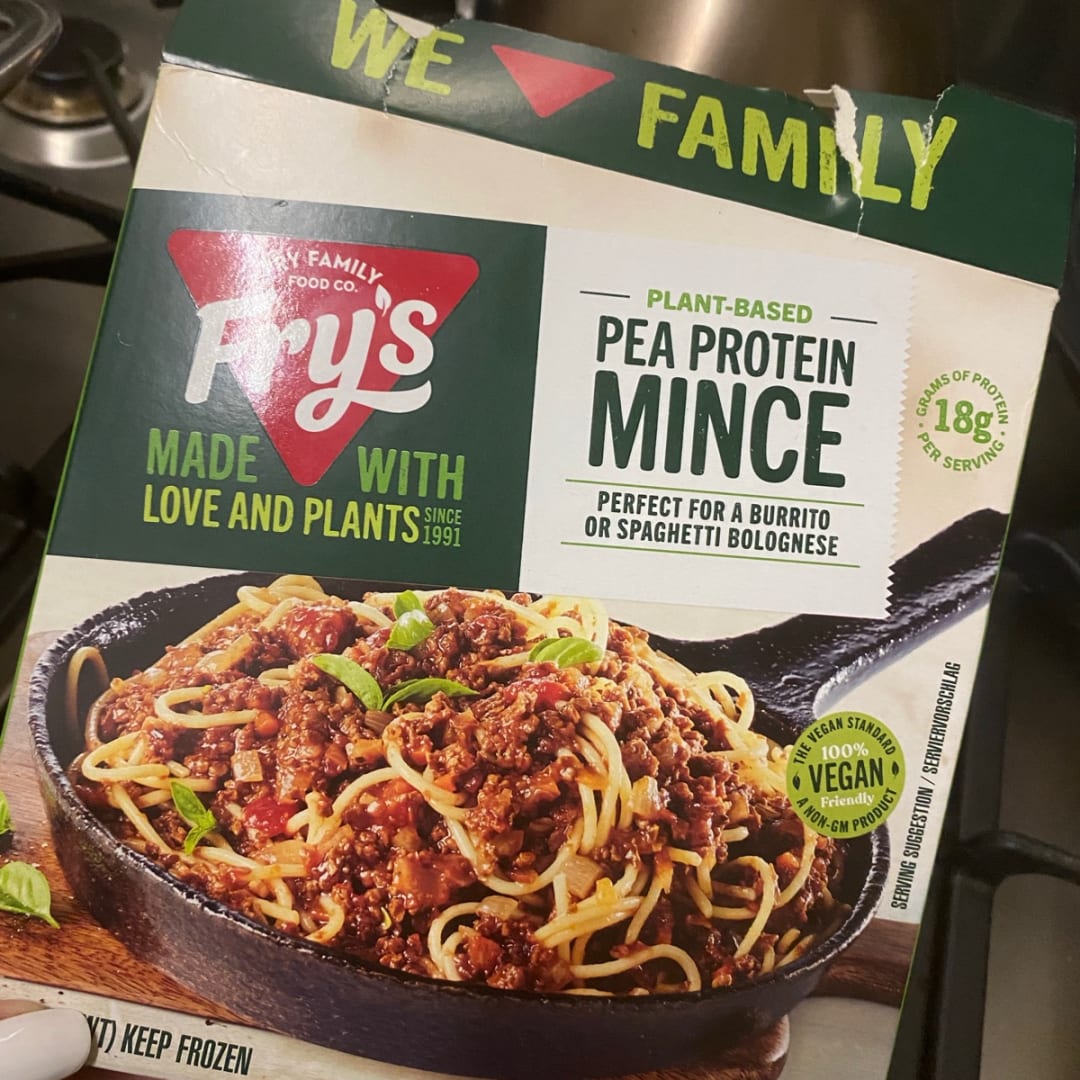
    Plant-based food maker The Fry Family Food Co has rolled out meat alternative Pea Protein Mince. The new plant-based meat is made from non-genetically modified ingredients and plant proteins, without onion and garlic.

    According to ANZ marketing director of The Livekindly Collective Tammy Fry, the business wanted to offer a kinder twist on a modern ingredient and to help Aussies reduce meat consumption while still being able to enjoy their favorite meals.

    “Our Pea Protein Mince is just that and, even better, it’s actually easier to cook than traditional mince, cooking from frozen in just five minutes,” said Fry.

    “Pea Protein Mince is another way that Fry’s is helping Aussies change the world from their kitchen table.”

    Fry’s Pea Protein Mince is available in Coles and independent retailers across Australia.

  • JustKitchen to open first facility in Hong Kong

    JustKitchen to open first facility in Hong Kong

    Ghost kitchens operator JustKitchen will expand into Hong Kong opening its first facility in the territory.

    Located at North Point in the Eastern District, Hong Kong’s first JustKitchen facility is scheduled to launch in mid-June. A selection of food menus will be initially introduced, including Body Fit, Craftsman’s Soul-Made Ramen, Boba Mania, and BIT Beef Noodle, along with Formosa Chang.

    The company also aims to create mixology-based items and menus after its launch, given alcohol delivery is allowed in Hong Kong. JustKitchen’s delivery partners will be Foodpanda and Uber Eats.

    “[The Hong Kong expansion] marks an inflection point in the global element of our competitive strategy,” said Jason Chen, co-founder, and CEO of JustKitchen.

    Hong Kong is JustKitchen’s second international market after Taiwan. The company believes Hong Kong can support six to eight of its ghost kitchen locations.

    “Based on the solid foundation that we’ve established for the company in Taiwan, we are now ready to execute on the international expansion promised to shareholders and take our proven brands, technologies, and standard operating procedures to new markets from this point forward.”

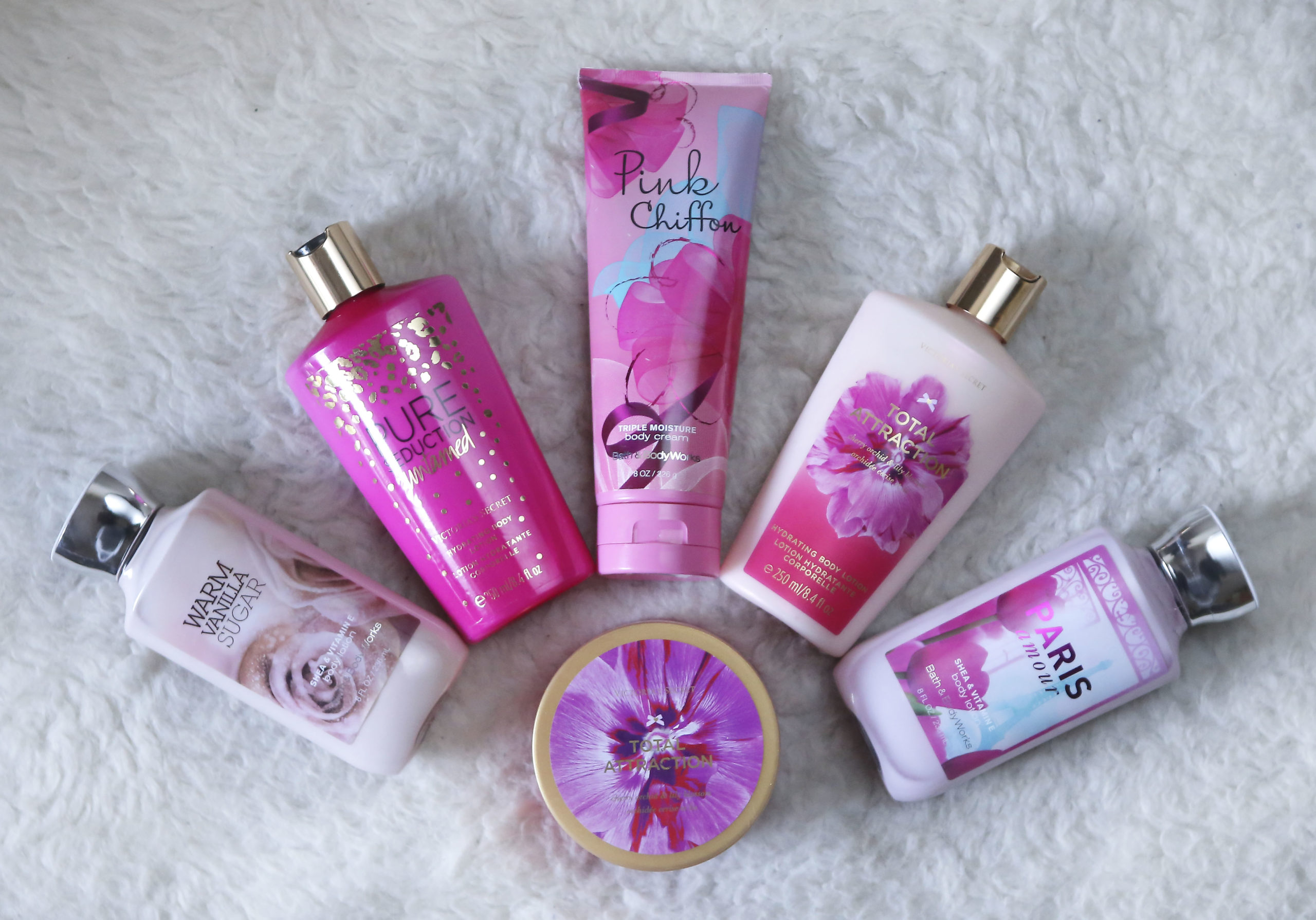
  • Victoria’s Secret, Bath & Body Works to be split into separate companies

    Victoria’s Secret, Bath & Body Works to be split into separate companies

    Lingerie retailer Victoria’s Secret and Bath & Body Works are to be demerged into two separately listed companies after parent L Brands opted not to sell the struggling apparel business.

    “Both Bath & Body Works and Victoria’s Secret are leaders in their respective markets and, as separate businesses, each will be ideally positioned to benefit from a sharpened focus on pursuing growth strategies best suited to each company’s customer base and strategic objectives,” said L Brands chair Sarah Nash.

    The board has been mulling the sale or spin-off of Victoria’s Secret for more than a year, a process that went into hiatus due to the Covid-19 pandemic. Talks were held with “multiple” potential buyers, the company said, is a process during which the company was advised by Goldman Sachs and JP Morgan.

    Neil Saunders, MD at GlobalData, described the decision as “telling”, suggesting that L Brands was not able to secure a bid that it considered compelling.

    “The divorce gives Victoria’s Secret no place to hide. Its numbers will no longer be flattered by the contribution of Bath & Body Works and its management team will be fully accountable to investors. Such accountability is no bad thing and will likely sharpen efforts to enact a genuine turnaround at the company.”

    In preliminary first-quarter results revealed along with the restructuring announcement, L Brands said it expects to record operating income of about US$570 million – $380 million from Bath & Body Works and $245 million from Victoria’s Secret.

    Nash said the company had made “significant progress in the turnaround of Victoria’s Secret business” during the past 10 months, implementing merchandise and marketing initiatives to drive top-line growth, and cutting costs, “which together have dramatically increased profitability”.

    Saunders was less bullish about the achievement saying there was “little evidence” on the surface to support claims the brand is on a pathway to recovery.

    “Last year, sales fell by 29.7 percent. Admittedly, this came against the backdrop of the pandemic, but the full-year performance was somewhat worse than that of the overall apparel market and considerably worse than rivals like Aerie. This is not to say that no progress has been made at Victoria’s Secret; however, the impact on the business has been negligible.

    “L Brands could be relying on the fact that as it enters its new fiscal year, growth rates will look very strong because they come up against soft comparatives from 2020,” he said. “However, this is a mathematical sleight of hand rather than a true indication of progress. Indeed, compared to 2019, sales will probably remain down.”

    He said creating two separate public companies makes sense given the current bull market and the move would likely create value for shareholders over time.

    “This is especially so for Bath & Body Works which, despite being the more successful of the two brands, is often overlooked and overshadowed by its less impressive sibling.”

    Meanwhile, L Brands said CEO Andrew Meslow would continue to hold his position and take the helm of Bath & Body Works after the spin-off. Victoria’s Secret CEO Martin Waters will continue to lead the new standalone business.

    Meslow said he expected L Brands to deliver a record first-quarter earnings result, driven by an exceptional performance at Bath & Body Works and a “significant improvement” at Victoria’s Secret. Final results will be revealed on May 19.

    L Brands operates 2681 company-operated specialty stores in the US, Canada, and greater China, has a further 700 franchised locations worldwide, and sells online.

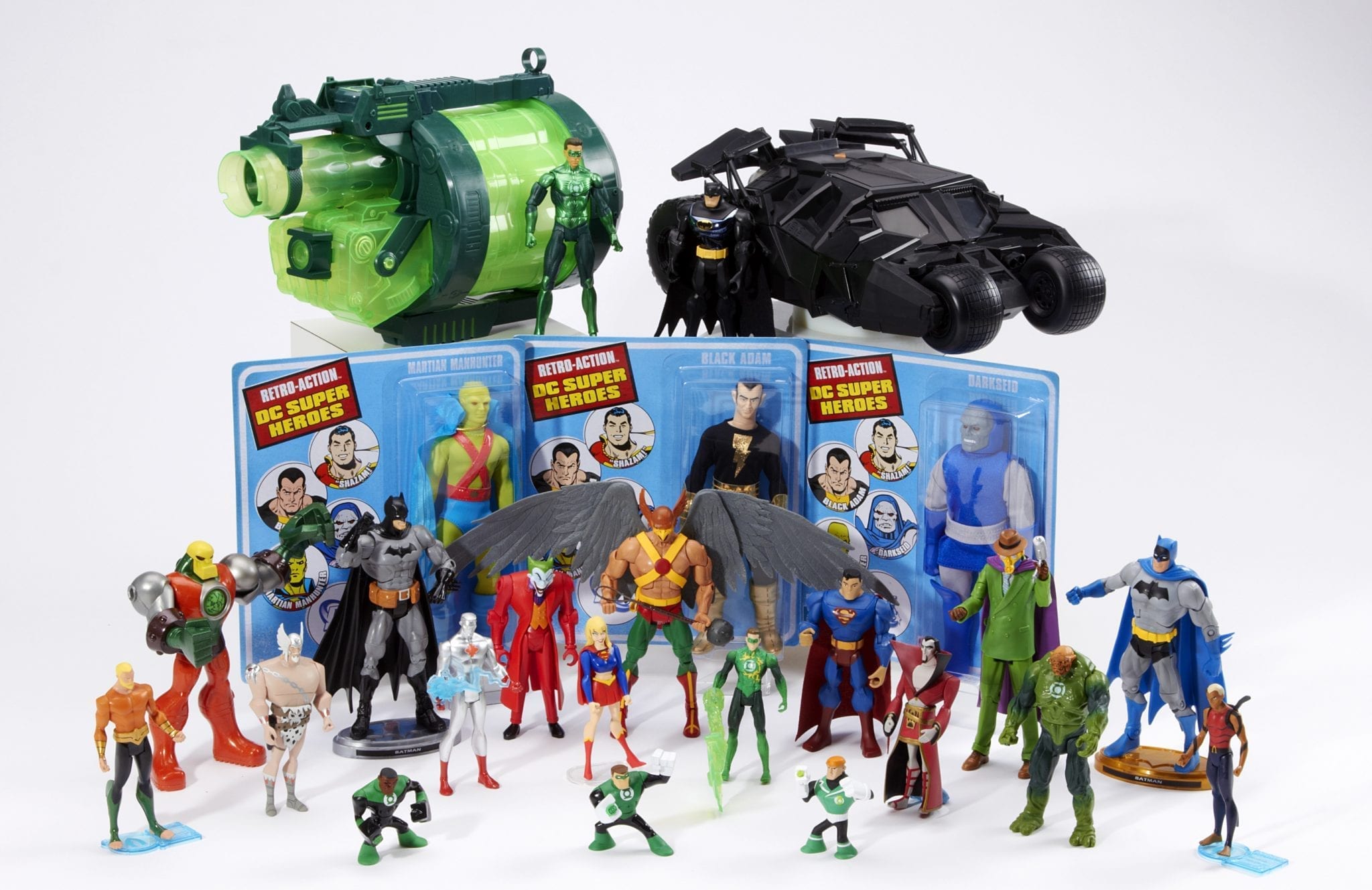
  • Mattel turning old Barbies, Matchbox cars and Mega Bloks into new toys

    Mattel turning old Barbies, Matchbox cars and Mega Bloks into new toys

    Toymaker Mattel is encouraging kids to return Barbies, Matchbox cars and MEGA Bloks they no longer play with to the company for recycling into new toys.

    The goal of the company’s new ‘Playback’ program is to recover and reuse materials across all products and packaging by 2030, Mattel said as it announced the program this week.

    “Mattel’s Playback program is a great step,” said Jim Silver, CEO of TTPM, a toy industry research firm. “The consumer is becoming more and more concerned about the future and becoming more eco-friendly; manufacturers are starting to step up and start to try and make the environment better.”

    The company is encouraging consumers to ship their old toys back to Mattel, where they are sorted and separated by material type, processed, and recycled. Materials that cannot be recycled will be either “downcycled” or “converted to energy.”

    Last month, Mattel unveiled the Matchbox Tesla Roadster, its first vehicle made from 99% recycled materials and carbon.

    Mattel is aiming to make all Matchbox die-cast cars, playsets and packaging with 100% recycled, recyclable or bio-based plastic materials by 2030.

    “More and more manufacturers are going to be going down this road,” Silver said. “I think Mattel, being one of the large companies in the industry, to start this recycling program, I think you can see others follow suit.”

    To participate in the program, consumers can visit Mattel.com/PlayBack, print a free shipping label, and pack and mail their outgrown Mattel toys back to Mattel.