Author: Mei Ling Tan

  • Global smartphone shipments forecast to fall during the current quarter

    Global smartphone shipments forecast to fall during the current quarter

    Global smartphone shipments will decline during the current quarter (which is the calendar second quarter and runs from April through the end of June). The report said that top brands in the industry including Xiaomi, Oppo, and Vivo, are being impacted by the global chip shortage. As for the first quarter, Digitimes said that the consumer recovery from the start of the pandemic helped smartphone deliveries recover 47% on a year-over-year basis.

    The top three phone shippers during the opening three months of this year were Samsung, Apple, and Xiaomi. Sammy shipped 75 million units, an annual gain of 15.9%, and recaptured the top spot from Apple. Shipments of iPhone handsets rose 49.5% during the first quarter to reach 56 million units.

    With Huawei no longer the big factor that it once was, several Chinese firms are battling it out to replace the one-time dominating Chinese phone manufacturer. U.S. restrictions preventing the firm from accessing its U.S. supply chain (including Google Mobile Services), and blocking it from obtaining cutting-edge chips, led Huawei to sell its Honor sub-brand. But as it ran out of parts and components during the first quarter of 2021, Huawei saw the number of handsets it shipped during the period declined nearly in half on an annual basis.

    But even Xiaomi and Oppo have had to drop their shipment estimates for this year because of the chip shortage and shortages of other parts. Shipments from first-tier smartphone brands are expected to decline in the current three-month period before business picks up with the launch of new models during the second half of the year. Digitimes Research expects shipments of 1.35-1.4 billion units for all of 2021 which is the approximate number of phones delivered globally in 2019.

  • Google lets you delete last 15 minutes of search history with two clicks

    Google lets you delete last 15 minutes of search history with two clicks

    In today’s Google I/O Livestream, the search giant announced a new little Google feature that was very briefly skimmed over, but it certainly caught our attention.

    Along with announcements about the upcoming Android 12 and many new features Google is bringing to its platforms, the company has said it will be adding the new ability to instantly delete the last 15 minutes of your search history, leaving no trace.

    This is now as simple as two clicks, with no hassle on your part whatsoever, and could likely save you many an uncomfortable moment in the future. (Otherwise, how would you keep your awesome secret Christmas gift ideas away from prying eyes, am I right?)

    The way to do this on a smartphone device is as easy as it gets: you simply need to click on your profile image on the top right of the Google home page, scroll down a little, and—voilà! The last 15 minutes of browsing on the website will be gone forever.

    This is only one of plenty of new additions Google is making to its platforms, such as a hidden “locked folder” for Google Photos, password security enhancements, vastly improved shopping functions—some of which were only teased at today’s Livestream—and more. We’ll keep you informed on any juicy new tidbits, we promise!

  • Spotify updates Android and iPhone apps to improve accessibility

    Spotify updates Android and iPhone apps to improve accessibility

    With 365 million users around the world, Spotify is now one of the biggest music streaming services. Such a title always comes with certain responsibilities, especially when it comes to accessibility.

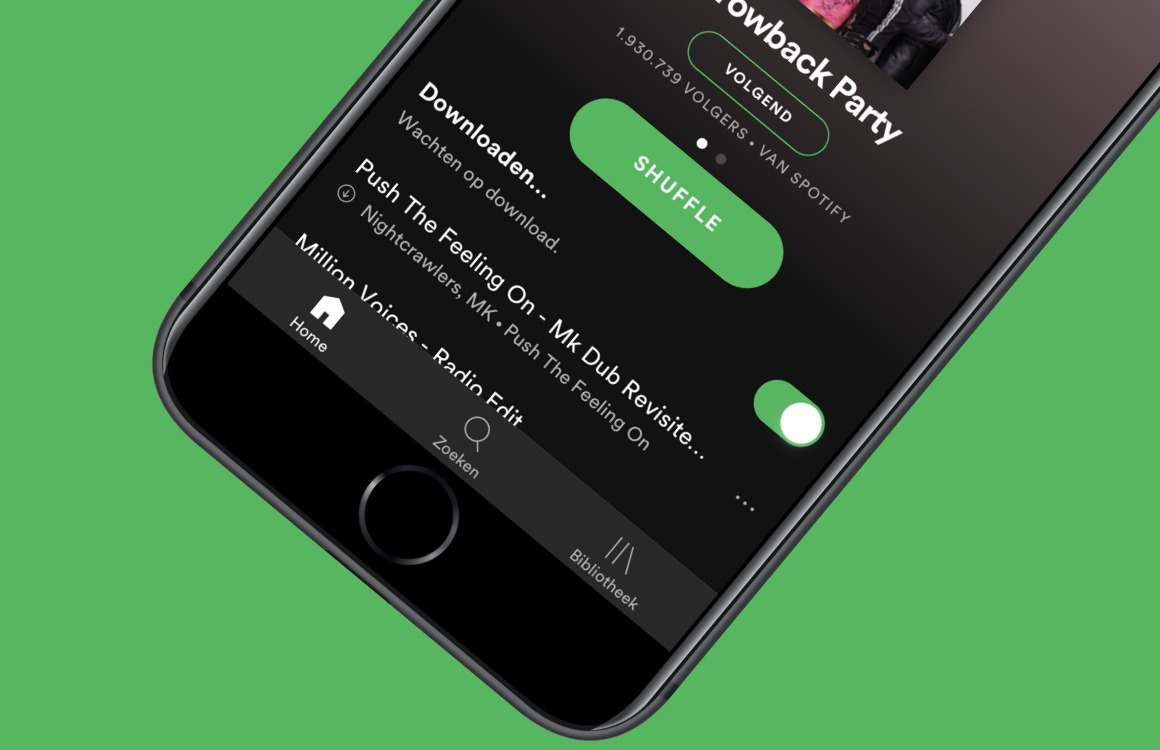
    Spotify introduced many changes to improve the experience of its users while they’re enjoying their favorite songs and podcasts. The most recent updates for Spotify on iOS and Android introduce three accessibility improvements to the user experience: buttons with increased readability features, options for text resizing, and a beta for podcast transcripts.

    Once the update makes it to your phone, you should notice changes to buttons in terms of color, text formatting, and size. These are meant to make it easier for low-vision and visually impaired users to take advantage of various features like shuffling playlists or start listening to a session. Moreover, the update will also help users in situations where there’s low lighting or high screen reflections.

    The next major change introduced today is the option to resize Spotify’s text inside Android and iOS apps. This can be done from the Settings menu on your iPhone:

    • On your phone, head to Settings > Accessibility, then select “Display & Text Size.”
    • Tap “Larger Text” for larger font options.
    • Drag the slider to select the font size you want.

    Last but not least, Spotify is rolling out auto-generated podcast transcripts, which will automatically generate transcripts for Spotify Original and Exclusive podcasts across iOS and Android. The new feature will make it easier for users to read text of the specific podcasts on their phones either with or without sound.

  • Australian startup ends single-use plastics in cleaning products

    Australian startup ends single-use plastics in cleaning products

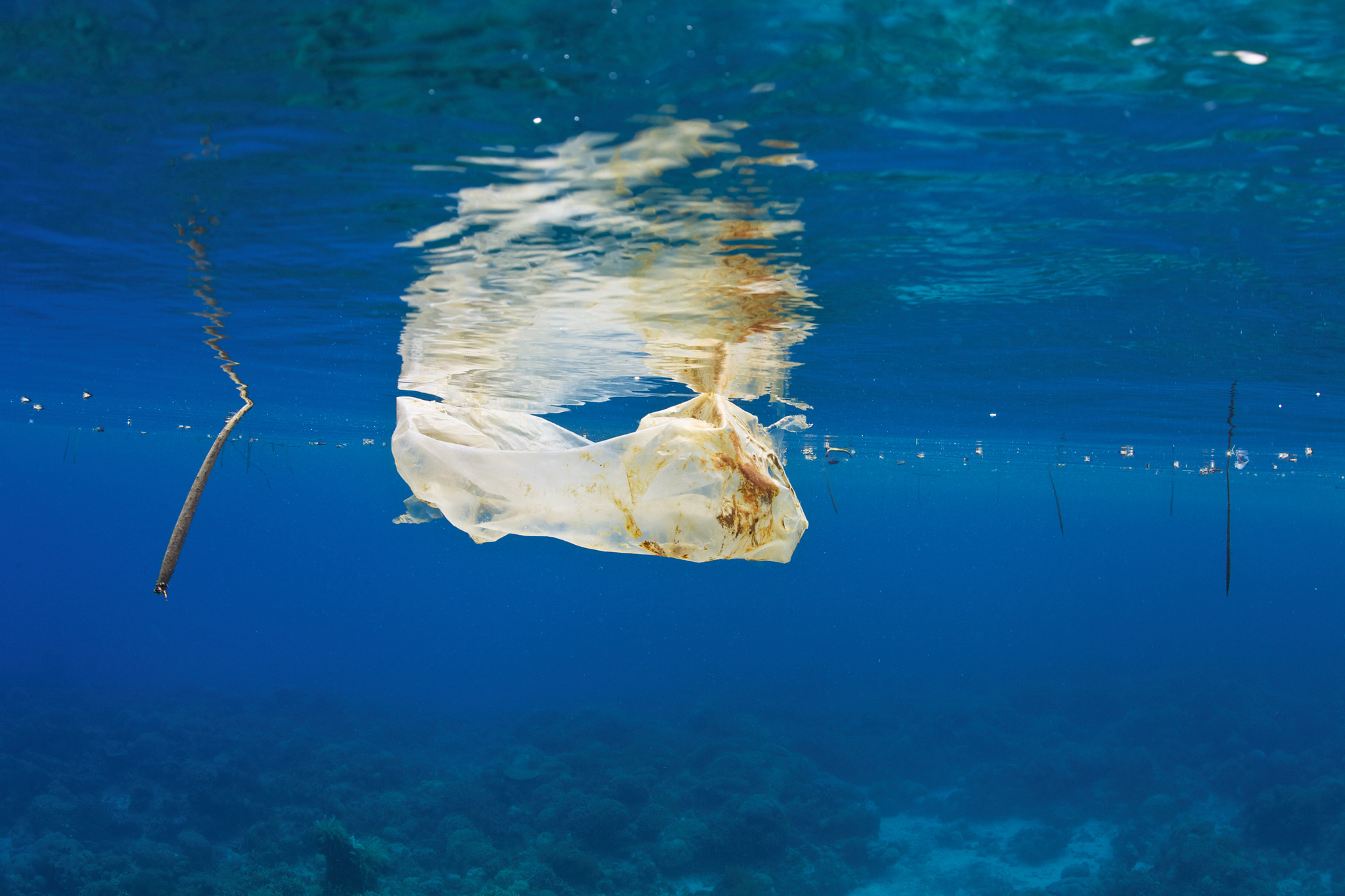
    A new Victoria-based company Tea Trees Eco Ware has launched a cleaning products range that uses dissolving tablets and long-life bottles, bringing an end to single-use plastic bottles.

    Founders Saskia Angel and Stu Atkins were inspired after seeing beaches in Asia covered in waste plastic while traveling and last year conceived a solution.

    “With a large family and a lot of plastic waste being generated, we knew our habits had to change,” says Angel. “We set about reviewing our own waste footprint and found there was a completely unnecessary amount of single-use plastic being generated.”

    “The cleaning aisle of a supermarket is riddled with single-use plastic cleaning products, which are rarely refilled or recycled,” adds Atkins. “Most homes (ours included) have many bottles of cleaning products cluttering cupboards which ultimately get thrown away and end up in landfill or worse.”

    Tea Trees Eco Ware’s solution is to create 8gm concentrated tablets which consumers can drop into a reused 500ml plastic container to create ready-to-use cleaning solutions. The initial range includes Heavy Lifter Kitchen Cleaner, The General Multipurpose (a heavy-duty degreaser and cleaner), Glimmer Glass Cleaner, The Bomb Bathroom cleaner and Fomo – a foaming hand soap dispenser and dissolving tablet. The company also produces 100-per-cent plant-based bamboo and cotton cleaning cloths which it says can be rewashed hundreds of times.

    The tablets cost $3.75 each, delivered to the consumer’s door.  During test marketing, consumers reported the products were effective and confirmed a reduction in their volume of household waste.

    Angel says she is amazed at how Australian consumers appear comfortable paying cleaning companies for full bottles of solutions which comprise 95-per-cent water.

    “There is little to no opportunity to reuse the plastic bottles and at around half a kilo each bottle, the shipping generates millions of tonnes of C02 each year. Not only this, but many products are not environmentally friendly, are harsh on our senses, and don’t clean very well,” she says.

    “Too often the eco-friendly options are more expensive,” adds Atkins. “Our focus is to not only be completely focussed on improving environmental outcomes but to be more cost-effective.”

    Tea Trees Eco Ware – whose philosophy is ‘One Bottle, One Tablet, Dissolve, Clean, Repeat’ – wants to “shake up” the major players by launching a business that actively impacts the amount of plastic waste being saved from landfill.

  • Aussie supermarkets back pact to eliminate plastic waste by 2025

    Aussie supermarkets back pact to eliminate plastic waste by 2025

    Businesses, NGOs, and governments from across Australia, New Zealand, and the Pacific Islands are uniting today to take an ambitious pledge to eliminate plastic waste from supply chains by 2025.

    The ANZPAC Plastics Pact seeks to deal with one of the “most pressing environmental issues facing the planet”, with a lack of action expected to lead to a quadrupling of the number of plastics in the ocean by 2040.

    The new pact commits partners to four clear, actionable targets by 2025: eliminate unnecessary and problematic plastic packaging; ensure 100 percent of plastic packaging is recyclable, reusable or compostable; increase the current volume of plastic packaging and effectively recycled by at least 25 percent, and ensure an average of 25 percent recycled content in plastic packaging across the APAC region.

    And it has a number of founding retail partners: namely, Aldi, Coles, and Woolworths.

    “We recognize the importance of acting now and our pledge to support the ANZPAC Plastics Pact ensures we strive to continually improve in the plastics space and going the extra mile with our goals,” said Aldi Australia director of corporate responsibility Daniel Baker.

    Coles’ chief executive of commercial and express Greg Davis said the partnership will help deliver Coles’ Together to Zero sustainable strategies, in which is hopes to hit net-zero greenhouse gas emissions by 2050.

    “As one of Australia’s largest retailers, Coles understands the importance of working collaboratively to find a more sustainable future for plastic packaging,” Davis said.

    “We now have an opportunity to build and shape meaningful change through plastic packaging and move towards a circular plastic economy as a global community.”

    The pact has also attracted a number of FMCG and manufacturing partners, such as Arnott’s Group, Asahi Beverages, Coca-Cola South Pacific, Colgate Palmolive, Mondelez, Nestle, PepsiCo, and Unilever.

  • Burry Of ‘Big Short’ Fame Reveals $530 Million Bet Against Tesla

    Burry Of ‘Big Short’ Fame Reveals $530 Million Bet Against Tesla

    The family office run by “Big Short” investor Michael Burry has disclosed a short position against Tesla Inc worth more than half a billion. Scion Asset Management said in a regulatory filing on Monday that it had bearish put options on 800,100 shares in Tesla as of the end of the first quarter that was worth $534 million. Put options give investors the right to sell shares at certain price in the future.

    One of the investors profiled in the book “The Big Short’ and the film of the same name for betting more than a billion dollars against the U.S. housing bubble, Burry has been skeptical of Tesla’s sky-high valuations.

    In February, he tweeted “my last Big Short got bigger and Bigger and BIGGER,” referring to Tesla’s surge in market capitalization. “Enjoy it while it lasts,” he said.

    Powered by strong sales and its first annual profit, Tesla shares jumped more than eight times last year and hit a record high of $883 per share in January. But they have since fallen as hedge fund managers raise concerns that it is overvalued.

    The shares closed at $576 per share on Monday, valuing the electric car maker at around $555 billion.

    Burry also said last year that the green regulatory credits which Tesla has relied on to generate profits will dwindle as Fiat Chrysler increases sales.

    Stellantis, formed through the merger of Italy’s FCA and France’s PSA, said this month it expects to achieve its European carbon dioxide emissions targets this year without environmental credits bought from Tesla.

    Scion, which does not hold external capital, also lifted its exposure to energy last quarter, adding 530,000 shares in Golden Ocean Group, 323,823 shares in SunCoke Energy and 225,000 shares in Occidental Petroleum.

  • Android Automotive Will Be In 10 Cars By End Of 2021

    Android Automotive Will Be In 10 Cars By End Of 2021

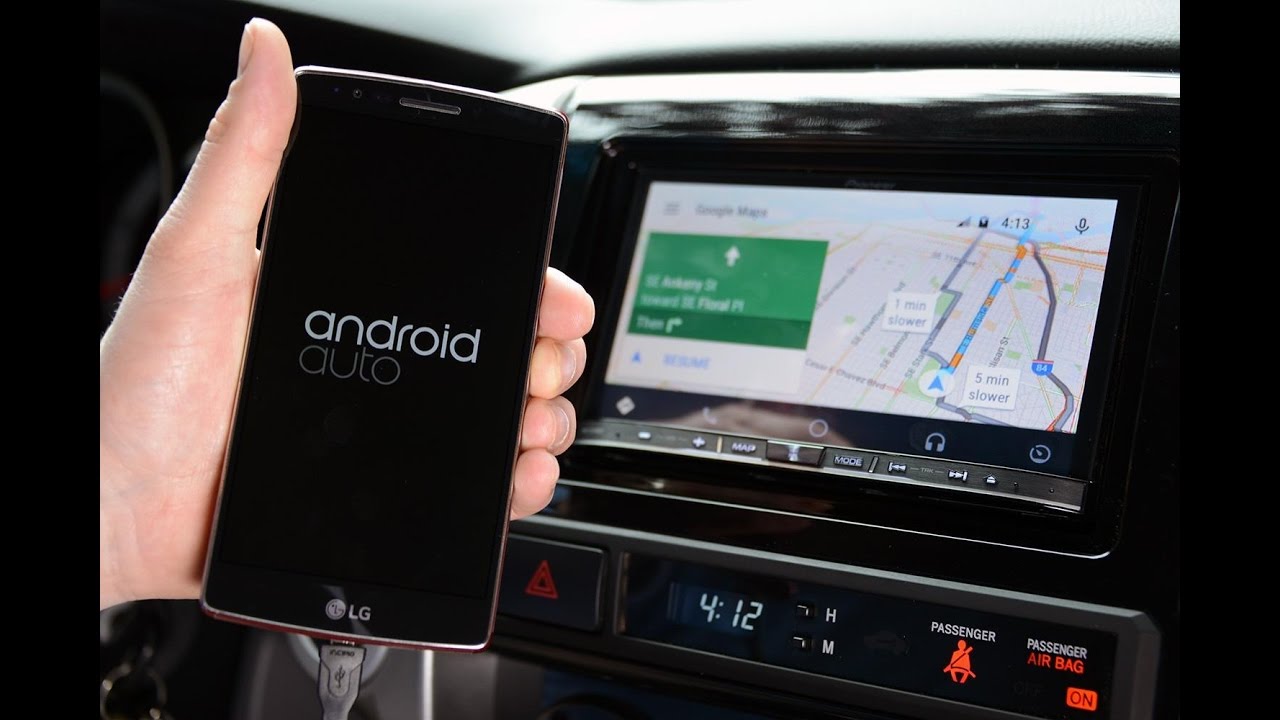
    Google has already announced at wireless Android Auto is soon going to be going to a legion of cars by mainstream manufacturers. At Google IO 2021, it also announced a new digital car key feature that works via NFC and ultra-wideband. It is also saying that we will see 10 new models based on its Android Automotive operating system by the end of the year. Android Auto and Automotive are different. Android Auto is a technology that basically allows the user to beam and mirror the smartphone interface and features using the infotainment system onto the car, while Android Automotive is a full car operating system based on Android.

    Google has partnered with GM and Renault in addition to its existing partnership with Volvo and its electric subsidiary Polestar. It has also added Nissan and Ford to the list. Overall there will be more than 10 car models. This means the new GM Hummer EV — yes, it will be based on Google’s new car operating system.

    After facing a strict fine in Italy, Google is also making it easier for third-party app developers to bring their navigation, EV charging, parking and media apps directly to the car interface. Android for Cars App Library is being extended to support the Automotive OS. This way developers can make one app that works both with the core Android OS for gadgets like phones and tablets and Android Auto. It also means that one app can work across different makes and models. This wasn’t possible earlier which added friction to the process of bringing new apps to Android Automotive.

    Google is working with a bunch of  Early Access Partners — Parkwhiz, Plugshare, Sygic, Chargepoint, Flitsmeister, SpotHero and many more to bring their apps to Android Automotive. Already third-party apps like Spotify support Cars App Library for Android Auto, now with that being extended to Automotive, that app should be presumably coming to cars using Android Automotive.

    Android itself is based on Linux and 2 years ago, Google modified it further to work on cars as an alternative and more scalable option to Android Auto which was running on the phone but the interface of the phone was being beamed on to the car using a USB connection or a combination of wifi and Bluetooth. This mean core Google features like Maps, and Assistant were embedded inside the car on a system level.

    The first cars based on this system were the Polestar 2 and the Volvo XC40 Recharge which is also coming to India later this year.

  • Spar sales soar in Australia as lockdown keeps customers local

    Spar sales soar in Australia as lockdown keeps customers local

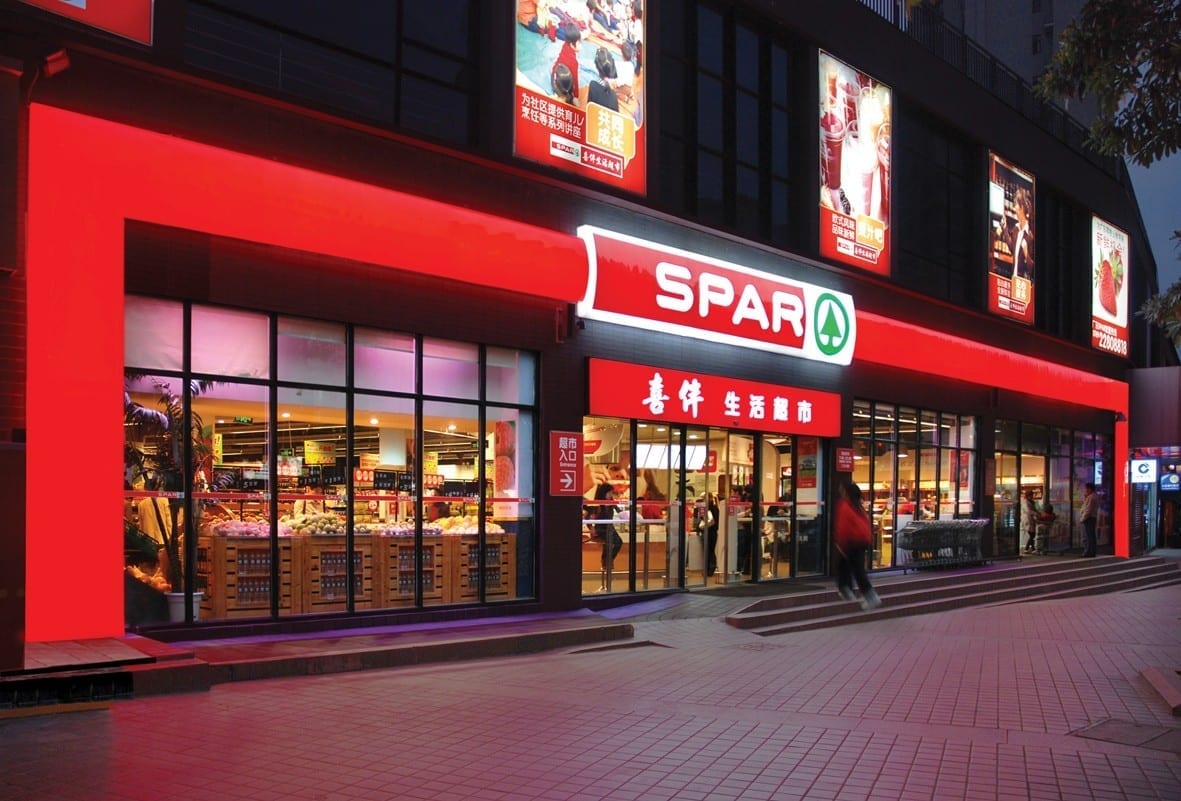
    Netherlands-based supermarket chain Spar saw sales increase 7.4 percent for the year to December 2020, hitting $62.5 billion (€39.8 billion).

    And growth was highest in its Australian business, which saw strong revenue growth of 16.5 percent off the back of its proximity and neighborhood format, as communities increasingly shopped locally due to the onset of the Covid-19 pandemic.

    Spar currently has around 120 supermarkets across Australia.

    Sales in the wider Asia-Pacific region grew by 1.5 percent, with $2.9 billion (€1.88 billion) in retail turnover driven by the strong result in Australia and China, which recorded retail sales growth of $2.4 billion (€1.55 billion).

    “Last year was very much characterized by the impact of the global Covid-19 pandemic and its severe consequences, but it was also a year that saw accelerated growth as a result of the dedication and focus of our highly committed SPAR colleagues across all parts of our global SPAR network,” said Spar International chief executive Tobias Wasmuht.

    “Crisis situations do invariably bring out the best in people and we at Spar can be proud of the astoundingly selfless and brave response of the Spar worldwide organization.”

    According to Wasmuht, the resilience shown by the Spar format has given the group confidence for the future, with developments accelerated across its retail and supply chain throughout the year despite the disruptions.

    “A key positive factor of the last year has been the benefits of close international cooperation wrought by new, remote ways of working,” Wasmuht.

    “The advantages of this intensity of cooperation are beneficial to all in Spar as we increasingly reap the benefits of our international presence and scale, whilst adding purposeful value to the local communities we serve.”

  • Coles house brands win global recognition

    Coles house brands win global recognition

    Coles’ exclusive brands, KOi and Woofin’ Good, have won multiple awards in the US-based Vertex Awards 2021.

    With a focus on label and packaging design, the competition attracted 650 entries from 32 countries and 55 retailers.

    Besides winning a Gold award in the personal care category, Coles’ skincare range KOi earned the coveted best in show ‘Publishers Choice Award’. Meanwhile, the dog food range Woofin’ Good also received Gold in the pet-products category.

    Both of the Coles’ exclusive brands were designed by independent Australian branding and design agency Hulsbosch.

    “These products have packaging and design that our customers are proud to put on their shelves,” said Belinda Anderson, head of marketing for Own Brand at Coles. “Exclusive brands like KOi and Woofin’ Good are inspiring customers and strategically important to Coles’ strategy to be an Own Brand powerhouse.”

  • Unilever to convert to recyclable toothpaste tubes worldwide

    Unilever to convert to recyclable toothpaste tubes worldwide

    Global consumer company Unilever is to convert its entire toothpaste portfolio to using recyclable tubes by 2025. The company’s oral-care brands include Signal, Pepsodent, and Closeup.

    After four years of development, the recyclable toothpaste tubes will be available this year in two of Unilever’s largest oral care markets – France and India.

    According to Unilever, the new initiative will contribute to its commitment to make 100 percent of its plastic packaging designed to be reusable, recyclable or compostable, and to help collect and process more plastic packaging than it sells.

    First launching in France with Signal, Unilever will introduce the new across its widest range, Integral 8, representing 35 percent of Unilever’s toothpaste portfolio in the country.

    Traditionally, most toothpaste tubes use a mixture of aluminum and plastic, which gives the packaging flexibility but makes it difficult to recycle.

    The new tubes will use high-density polyethylene (HDPE) material, the thinnest plastic material on the market at 220-microns, reducing the amount of plastic needed for each tube. While products made from HDPE are not biodegradable, they are classified as recyclable and can be disposed of in plastic recycling bins.

    The new tubes have been approved by RecyClass, which sets the recyclability standard for Europe and laboratories in Asia and North America.

    Samir Singh, executive vice president of Global Skin Cleansing and Oral Care, said that with billions of toothpaste tubes dumped into landfills each year, he hopes this conversion to recyclable tubes will inspire other industries to make the change.

    “Plastic pollution is undoubtedly one of the biggest environmental challenges of our time,” said Singh

    “That’s why I’m proud of this latest packaging innovation which will see our entire toothpaste portfolio shift to recyclable tubes by 2025. It’s been a long and challenging journey to get to this point, but we hope this transformation will inspire the wider industry also to make the change.”

    According to Unilever, the technology will be available for other companies to adopt to encourage broader industry change. This decision is similar to one made by Colgate after launching its version of recyclable toothpaste tubes earlier this month.

  • HSBC Rolls Out Digital Wallet for SMEs in Singapore

    HSBC Rolls Out Digital Wallet for SMEs in Singapore

    The bank has launched a digital wallet for businesses in Singapore, which enables them to send, receive and hold cash in multiple currencies.

    HSBC’s Digital Wallet, which aims to significantly reduce the time it takes for SMEs to make business payments, is also being launched in the U.K. and the U.S., with a pipeline of further markets as well as new currencies and enhancements, the bank said in an announcement.

    The multi-currency wallet is integrated into its business banking platform HSBCnet, and removes the need for businesses to use third-party providers for international transactions, HSBC said. For example, businesses in Singapore can pay their Malaysia counterparts directly in ringgit.

    Li Lian Ng, HSBC’s head of business banking, Singapore, said the bank is committed to scaling up its SME banking capabilities in Singapore. The bank previously announced its strategy to scale-up its SME business and increase its share in the market to 15 percent by 2021.

    Since then, it has launched a number of products and initiatives for SMEs, including the online banking platform HSBCnet, Green Loans, the «Pioneer» programme for fast growing businesses, international business banking, and a not-for-profit proposition.

    HSBC said that Singapore’s SMEs are doubling down on their international connectivity and prioritizing resilience in their supply chains, with 87 percent planning to expand their international business, citing a survey conducted among local businesses with annual revenue between S$5 million and S$100 million.

    Drawing on HSBC’s deep digital expertise and wide global network, we are helping SMEs to build resilience and trust within their global supply chains whilst making everyday banking easier, Ng said.

  • Saxo Launches Crypto FX Trading in Singapore

    Saxo Launches Crypto FX Trading in Singapore

    Saxo Markets customers in Singapore will be able to trade in major cryptocurrencies as FX spot pairs.

    The online trading and investment platform’s new cryptocurrency offering enables customers to trade bitcoin, ethereum and litecoin against EUR, USD, and JPY from a single margin account, Saxo announced in a statement on Wednesday.

    Clients can trade and hedge both long and short exposure in the three cryptocurrencies, which will be in the form of derivatives and not the actual coins.

    Pairing cryptocurrencies with FX makes it more appealing to investors who are more active in the market as it offers a trusted and secure way to trade cryptos, Saxo said.

    Trading via ETNs for example lets more investors access this product in a way that works for their portfolio and makes the most of its volatility. It’s also fundamentally less risky than using cryptocurrency wallets where access can, and has, been lost to dramatic effect, Adam Reynolds, Asia Pacific CEO, Saxo Markets, said in the announcement.

    According to Saxo, its existing range of over 30 different cryptocurrency trackers and ETNs, which so far this year have seen trading volumes exceeding the entire turnover for the whole of 2020 –  a year in which volumes surged 130 percent.

  • UOB Issues First Green Trade Financing Under Industry Framework

    UOB Issues First Green Trade Financing Under Industry Framework

    The loans will help two of the bank’s clients in Singapore’s food supply chain build on their sustainability initiatives and strengthen their supply chain resilience.

    UOB has extended its first green trade finance facilities under the Green Finance Industry Taskforce’s Green and Sustainable Trade Finance and Working Capital Framework to palm oil and derivatives products producer Musim Mas and aquaculture company Barramundi, the bank said in Wednesday.

    Muslim Mas, which has been incorporating sustainability into its corporate agenda, will use the funds to supporting its working capital needs, in particular its sourcing of certified palm oil from responsible suppliers. Barramundi will further its sustainability initiatives to contribute to greater resilience and security in the seafood ecosystem, and source sustainable raw materials as part of its adoption of innovative solutions such as using climate-resilient and sustainable technologies.

    We are actively engaging our clients to reinforce the importance of sustainability to their business… Our collaborative approach helps to drive greater market adoption for green financing and encourages more businesses to advance responsibly, Frederick Chin, UOB head of group wholesale banking and markets, said in the announcement.

    UOB’s sustainability chief Eric Lim previously said the bank wants to help businesses advance responsibly on their sustainability journey and help their business models transition, as part of its goal of reaching $15 billion in sustainability loans by 2023.

    To qualify for green trade financing, companies must have a clear sustainability strategy and provide documents that show how the funds will be used, UOB noted. Companies also need to submit records that demonstrate the positive sustainability outcomes from their business activities or trades related to green trade financing.

    UOB highlighted, citing Singstat data, that more than S$1 trillion worth of trade flows through Singapore, of which more than S$90 billion meets the requirements of being green and sustainable.

    These trade flows provide an immense opportunity for us to work with companies to offer green trade financing and to support their trade flows through our regional network capabilities, Chin said

  • UBS Quietly Advances Token Efforts With Clients

    UBS Quietly Advances Token Efforts With Clients

    UBS has been quietly running a tokenization trial with weighty institutional investors. The Swiss-based bank has been offering more than 100 institutional clients access to a pilot program to tokenize real assetsThe project is operating on the Ethereum platform, the person said.

    This represents the next step in a push into putting assets on the blockchain and selling slices represented in coins. The project, being overseen by UBS investment banker Chetan Tolia, is looking at tokenizing traditional assets including debt, structured products, and physical gold.

    The Swiss wealth manager last week dipped its toes into cryptocurrencies, in a major concession to client demand. The tokenization program has quietly been running, separately out of UBS’ investment bank, for at least 12 months, the person said. UBS declined to comment.

    UBS has long held that it is interested in distributed ledger more than it is in cryptocurrencies themselves – which represent a threat to traditional banking. The Swiss bank transacts on we.trade, a blockchain-based trade finance platform, co-launched a so-called utility settlement coin with other banks, and is part of banking’s R3 blockchain consortium.

    It isn’t clear how long UBS intends to run the tokenization pilot or release it more widely, or which products it is tokenizing.

  • Virus Resurgence in Singapore Derails Economic Recovery

    Virus Resurgence in Singapore Derails Economic Recovery

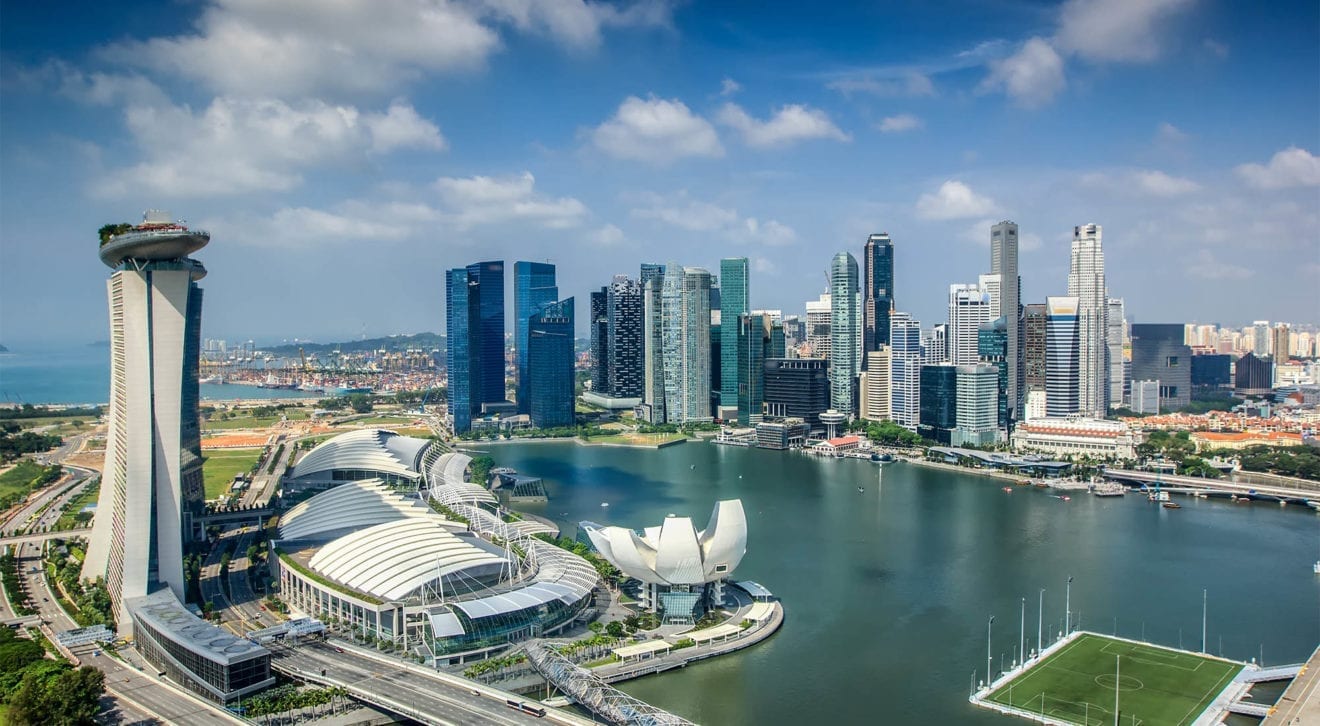
    Following consecutive quarters of recovery, the latest setback means that Singapore’s full-year target of 6 percent GDP growth is unlikely. Hopes for a second-quarter expansion in Singapore’s economy have been dashed by a resurgence in the Covid-19 virus that has taken the city-state by surprise. The republic introduced tighter measures on Sunday to stem the spread of Covid-19, following a spike in the number of imported and community cases linked to the B1617 variant from India in recent weeks.

    The new wave of Covid-19 restrictions, which will last until June 13, includes a ban on dining-in and a reduction of social gatherings from five people to two, as well as home-based learning at schools and default working from home.

    The overall number of new cases in the community grew from 32 cases in the week before to 149 cases in the past week, while the number of unlinked cases in the community grew from seven cases in the week before to 42 cases in the past week, according to the Ministry of Health

    The spike in community cases has also led to the second deferment of the Singapore-Hong Kong air travel bubble, planned for 26 May. Singapore Transport Minister S. Iswaran and Hong Kong Secretary for Commerce and Economic Development Edward Yau agreed at a meeting on Monday to review the situation and plan a new launch date.

    According to the terms of the agreement between the two cities, the travel bubble will be closed for two weeks if the seven-day moving average of the daily number of unlinked local cases is more than five in either Singapore or Hong Kong.

    The World Economic Forum’s special annual meeting, which was temporarily relocated from Davos, Switzerland to the city-state, will also be scrapped, organizers said in a statement on Monday.

    Regretfully, the tragic circumstances unfolding across geographies, an uncertain travel outlook, differing speeds of vaccination rollout and the uncertainty around new variants combine to make it impossible to realize a global meeting with business, government, and civil society leaders from all over the world at the scale which was planned said the WEF.

    The meeting, which was already pushed back from May, was scheduled for August 17 to 20 at Marina Bay Sands, with over 1,000 delegates expected to attend.