Author: Mei Ling Tan

  • Online share of retail sales jumps to 19% amid lockdowns

    Online share of retail sales jumps to 19% amid lockdowns

    Online sales accounted for nearly a fifth of total retail turnover last year as lockdowns to combat the spread of the coronavirus pandemic fuelled a boom in e-commerce, a United Nations study released on Monday showed.

    Online sales accounted for 19 percent of overall retail sales in 2020, up from 16 percent a year earlier, according to estimates from the UN Conference on Trade and Development (UNCTAD) based on national statistical offices in major economies.

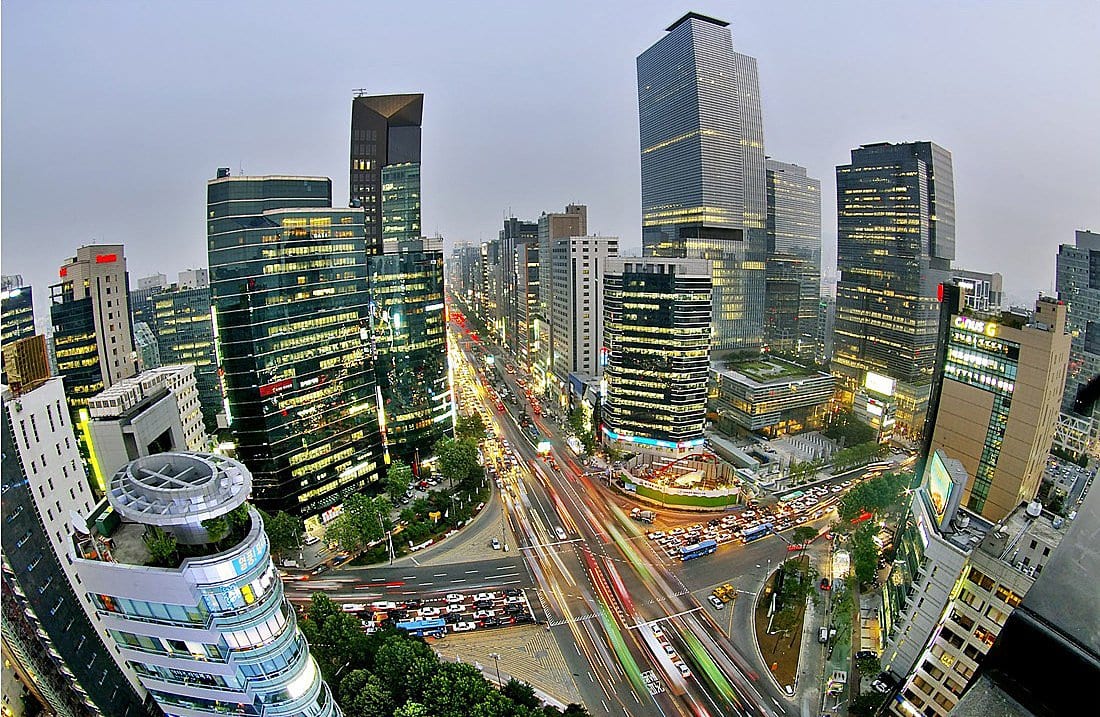
    South Korea reported the highest share at 25.9 percent, up from 20.8 percent the year before. China had a 24.9 percent share, Britain 23.3 percent, and the United States 14.0 percent.

    Global e-commerce sales rose 4 percent to US$26.7 trillion in 2019, according to the latest estimates available, UNCTAD said. This included business-to-business (B2B) and business-to-consumer (B2C) sales, and was equivalent to 30 percent of global economic output that year.

    The pandemic led to mixed fortunes for leading B2C e-commerce companies in 2020, according to the report.

  • Mastercard Eyes Digital Yuan Opportunities

    Mastercard Eyes Digital Yuan Opportunities

    Global payments giant Mastercard is in talks with various central banks with an eye on opportunities in central bank digital currencies.

    Amongst the central banks in discussion with Mastercard is the People’s Bank of China, according to a report citing APAC co-president Ling Hai.

    Circulation of central bank digital currencies (CBDC) outside of their home country could be converted into foreign currencies with a card clearing network acting as the conversion agent, Ling explained.

    While central banks can address their domestic issues associated with digital sovereign currencies, the role we can always play is on interoperability when the payment goes beyond a country’s borders, he said. For us, supporting a central bank digital currency is similar to adding another fiat currency onto our network.

    Mastercard is already increasingly establishing its digital currency capabilities with an existing partnership with the Bahamas where it provides prepaid card services to help travelers convert their CBDC – the Bahamas Sand dollar – into other fiat currencies.

    Centralized digital currencies aside, Mastercard also announced plans to increase support for select decentralized cryptocurrencies.

    Within China, it is also awaiting final approval for a license to conduct its card business onshore.

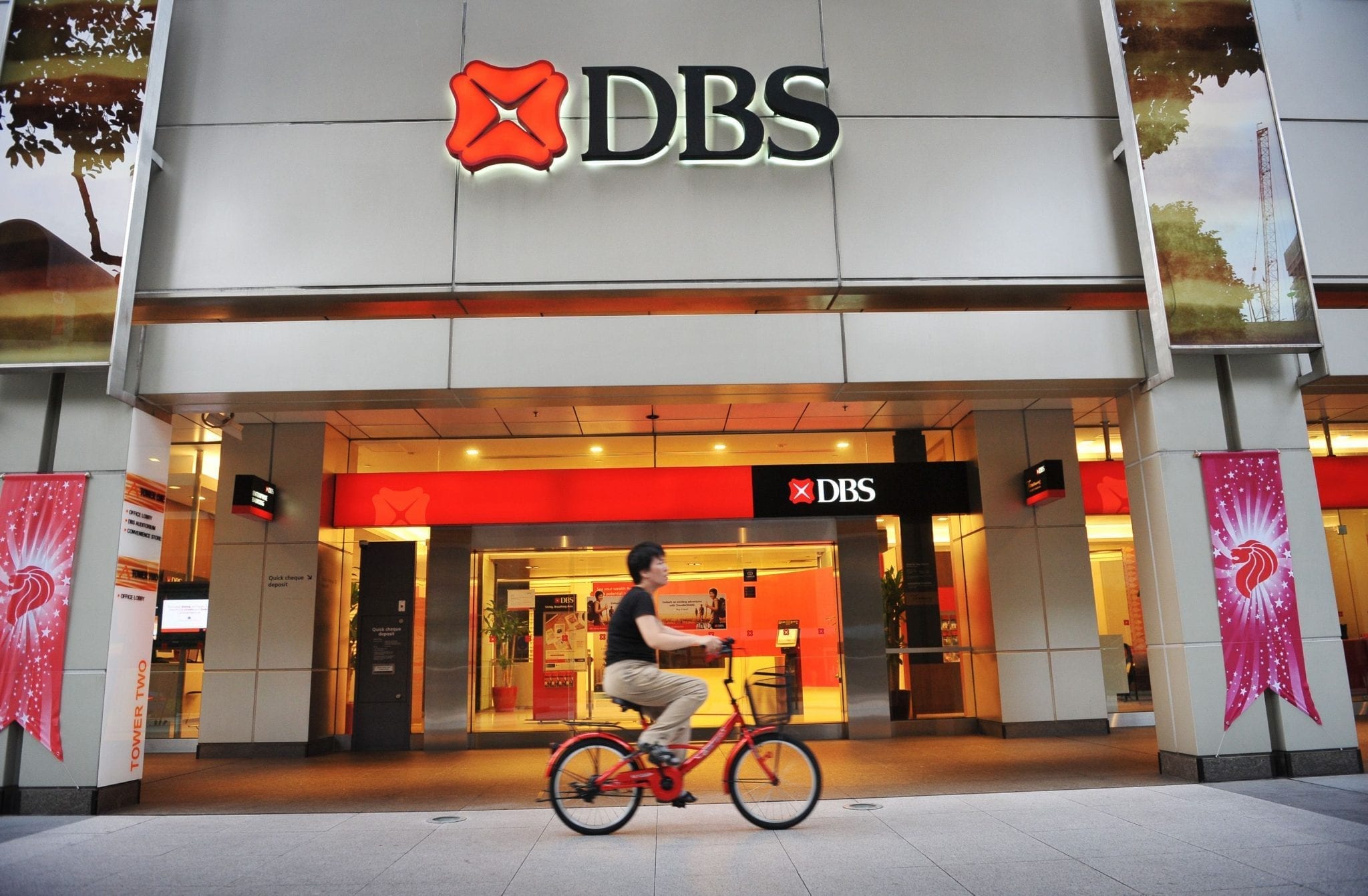
  • DBS in Advanced Talks for Citi’s India Consumer Unit

    DBS in Advanced Talks for Citi’s India Consumer Unit

    Citi is keen to exit its India consumer banking operations soon and would like to sell the entire set-up in one go, sources told India media.

    Talks with DBS Bank are at an advanced stage and they are keen to take up the entire consumer banking operation,» a person familiar with the matter said.

    DBS was one of the first foreign lenders to operate a wholly-owned subsidiary in India, and has been keen to expand operations in the country. Last year, it took control of loss-making Lakshi Vilas Bank and merged it with its India entity.

    DBS chief executive Piyush Gupta said,the bank is always looking at assets that could be beneficial to the franchise, but we do want to get caught in a bidding frenzy, when asked about the bank’s interest in Citi’s retail assets in Asia at a media briefing last week on DBS’ first-quarter results.

    Standard Chartered and local lenders Kotak Mahindra Bank and Axis Bank are also said to be interested, while SBI Cards and Payment Services is eyeing Citi’s credit card portfolio there. Private lender Yes Bank also joined the list of interested parties.

    In February, Citi announced its intention to exit its consumer banking business in 13 markets, 10 of which are in Asia, in a move to double down on wealth.

    Citibank India has 35 branches and employs 19,000 people,  serving 2.9 million retail customers, including 1.2 million bank accounts and 2.2 million credit card accounts, according to «Mint.» It has a 6 percent market share of retail credit card spends in India.

  • Honda Vietnam to recall cars over fuel pump issue

    Honda Vietnam to recall cars over fuel pump issue

    Honda Vietnam has announced it would recall 27,640 locally assembled and imported vehicles to resolve a fuel pump malfunction.

    The affected models are City (8,626 units), Civic (3,624 units), CR-V (10,687 units), HR-V (3,630 units), Jazz (630 units) and Accord (442 units) made in 2019. Out of nearly 28,000 defective vehicles, 19,014 were locally assembled, with the rest imported from Thailand. The recall will start this Wednesday.

    Faults related to the fuel pump installed in these vehicles may involve defective impellers. Over time, the pump may crack, deform and prevent the engine from starting or stalling.

    At present, there is no record of safety threats due to the fuel pump error in the Vietnamese market. Vehicle owners are advised to visit authorized dealerships to have their engines checked.

    Replacements will be made when spare parts become available. Spare parts and related services would be completely free of charge. For vehicles imported through non-genuine import dealerships, in case customers request, Honda Vietnam would still provide relevant information.

    Honda was the fourth best-selling auto brand in Vietnam in the first quarter of this year with 6,782 units sold, up 24.7 percent year-on-year.

  • Real estate developers remain largest bond issuers

    Real estate developers remain largest bond issuers

    Real estate companies issued approximately $1 billion worth of bonds, accounting for 62 percent of the total market issuance, in Q1.

    According to leading brokerage firm SSI Securities Corporation, the total volume of corporate bonds issued in Q1 was VND37.4 trillion (over $1.6 billion), down nearly 24 percent year-on-year. Sixty-two percent, or VND23.15 trillion (nearly $1 billion), of this were issued by real estate developers, a year-on-year decrease of 5 percent.

    The proportion of bonds issued by other sectors was much lower: securities companies and non-bank financial institutions accounted for 6.8 percent; energy and mineral enterprises (4.5 percent); commercial banks (3.3 percent); and infrastructure development enterprises (3.1 percent).

    The average maturity of real estate bonds issued in Q1 fell sharply to 2.9 years from 3.9 years in 2019 and 2020. Their average interest rate was 10.41 percent per year, the highest rate in the market. The banking sector had the lowest average interest rate at just 4.67 percent per year.

    Corporate bonds accounted for 9.2 percent of the total at VND3.4 trillion (nearly $147 million), with their collateral comprised entirely of stocks. These included bonds of PDR of Phat Dat Real Estate Development, KDC of packaged food producer Kido Group, KBC of industrial real estate developer Kinh Bac City Development Holding Corporation, APH of plastic producer An Phat Holdings, and DXG of property developer Dat Xanh Group.

    Affected by regulations on investment conditions for privately issued bonds, individual investors only bought VND1.53 trillion worth of corporate bonds on the primary market, just 16 percent of the same period last year.

    The Vietnamese government recently issued a decree that limits companies to no more than two bond issuances a year. The decree followed the Ministry of Finance issuing warnings about the potential risks of investing in bonds and telling retail investors “not to purchase bonds just because of high-interest rates.”

  • Vietnam largest gold market in Southeast Asia

    Vietnam largest gold market in Southeast Asia

    Vietnam is the largest gold market in Southeast Asia and among the top 10 markets in the world, a recent study has found.

    Last year consumer demand in Vietnam was 39.8 tons, higher than Indonesia’s 37.6 tons and Singapore’s 9.4 tons, according to the World Gold Council (WGC).

    Gold is the top asset class for 68 percent of Vietnamese investors, it said citing a study of 2,000 investors in March last year.

    The outlook for the precious metal is positive with 81 percent of people who bought gold in the past considering buying more, nearly twice the global average of 45 percent.

    Seventy-six percent supported opening a gold investment account at banks to formalize the gold market. Currently, most buy gold at shops.

    “Research shows demand for gold in Vietnam is strong and there is support to develop new investment products such as buying gold through digital platforms or opening a gold investment account,” Andrew Naylor, director in charge of ASEAN at the World Gold Council, said.

  • Accenture acquires Australia Electro 80 to expand digital OT footprint

    Accenture acquires Australia Electro 80 to expand digital OT footprint

    Accenture has acquired Electro 80, a leading provider of operational technology (OT) for resource clients in Australia, including mining, energy, engineering, construction, and utility companies. The acquisition expands Accenture’s local digital OT capabilities, which help asset-intensive companies make manufacturing and production operations safer and more efficient. The acquisition also strengthens Accenture’s local capabilities for Industry X, which helps clients digitize their manufacturing, operations, and engineering.

    The acquisition comes at a time when Australia’s resources industries are looking to undertake significant transformation following the operational disruption caused by the pandemic.

    Founded in 1987, and headquartered in Perth, with offices in Brisbane and Melbourne, Electro 80 provides automation, electrical, instrumentation, safety, networking, and industrial IT services, as well as turnkey solutions encompassing the design and support of equipment, installation, and commissioning, through to operations support and client training. Electro 80 brings more than 100 employees with longstanding OT experience to Accenture.

    “Resources and asset-intensive companies are increasingly looking for ways to deliver more with less and, at the same time, in a more sustainable way,” said Tara Brady, market unit lead for Accenture in Australia and New Zealand. “Digital and automation technologies will be fundamental in delivering these outcomes and we are delighted to have Electro 80 on board.”

    Sergej Divkovi, Electro 80’s managing director said, “Combining our team’s deep digital and OT expertise with Accenture’s end-to-end capabilities presents immense opportunities for our employees and clients. As part of Accenture, we will bring integrated solutions at scale that transform the way capital projects are planned, managed and executed. These can help new and existing clients drive new revenue and growth.”

    “We are thrilled to welcome the Electro 80 team into our resources practice, which helps clients digitize and optimize their operations at scale,” said Glenn Heppell, Accenture’s resources lead for Australia and New Zealand. “Electro 80 brings to Accenture a strong industry footprint with clients in priority industries. By working together with Electro 80, we can ensure our resource clients can better detect and address quality issues, more accurately prevent machine failure in their operations, and most importantly, innovate for the future.”

    Accenture’s acquisition of Electro 80 follows other investments across Australia and New Zealand in the past 18 months, including supply chain and logistics consulting firm GRA, cloud-native solutions provider Olikka, SAP and cloud solutions technology firm Zag, data analytics and supply chain management company Icon Integration, business strategy and econometrics firm AlphaBeta and specialist government consultancy Apis Group.

  • Taco Bell makes Malaysian debut

    Taco Bell makes Malaysian debut

    Indulge your guilty pleasures with time-tested regret eating when Taco Bell opens its first Malaysian outlet next month at the Cottage Walk commercial center in Cyberjaya, Selangor.

    Rather than coming to Petaling Jaya as originally announced, the American fast-food chain, famous for cheap Tex-Mex cuisine often consumed to wash down a night of partying, will bring its cheese-heavy range of tacos, burritos, quesadillas, and nacho bowls to KL’s startup bros starting April 2.

    “Malaysians can look forward to an exciting and globally-famous Taco Bell experience which offers a twist to familiar Mexican favorites such as tacos, burritos, and more,” Taco Bell said in a press statement. The Cyberjaya outlet will be open 10 am to 10 pm daily for dine-in and takeaway.

    Of course, like most fast-food chains that have opened their doors in Malaysia, can we hope to see localized versions of Tex-Mex fare like rendang tacos as a Ramadan special, maybe?

    Although the California-based chain last year named Petaling Jaya for its first location, a company representative told Coconuts over the phone that renovation of the site is not completed.

    Dozens of Malaysians took to Twitter to express their glee.

    “Yeay! I always see this in movies but now it’s coming to Cyberjaya,” @Thewaterlilies wrote.

    Be careful what you wish for, as any of Taco Bell’s biggest fans would readily warn.

  • Airport ground service firm reports $1.4 mln loss

    Airport ground service firm reports $1.4 mln loss

    Taseco Air Service JSC, owner of restaurants, duty-free shops, and advertising contractor at several airports across Vietnam, has posted a VND31.8 billion ($1.4 million) loss in Q1.

    This is the fourth consecutive quarter that the firm has reported a loss as it goes through one of the most challenging times for the aviation industry. International flights remain restricted after more than a year and the Covid-19 outbreak triggered late January hampered domestic travel recovery.

    The firm’s revenue fell 70 percent year on year to VND58.3 billion.

    It currently operates over 100 restaurants and souvenir shops at seven international airports nationwide.

    The firm has targeted VND317 billion in revenues this year, down 12 percent from last year. It expects to suffer a VND83.87 billion loss this year.

  • Share issuance value surges as businesses expand

    Share issuance value surges as businesses expand

    The share issuance value of listed companies as of mid-April this year was more than 1.6 times that of 2020 as businesses seek to expand operations.

    As of April 13, 54 listed companies have announced plans to issue more shares this year to raise nearly VND44.7 trillion ($1.94 billion), according to financial data provider FiinGroup.

    In the first quarter, 43 companies raised nearly VND19.8 trillion, accounting for nearly 70 percent of the total amount raised last year.

    With Vietnam being able to contain its Covid-19 outbreaks relatively efficiently, businesses are seeking to recover and expand production. Therefore, there is high demand for raising capital, a FiinGroup report says.

    The biggest issues this year are set to be that of national flag carrier Vietnam Airlines and agriculture giant HAGL Agrico, together accounting for one-third of the projected total.

    Vietnam Airlines is set to raise VND8 trillion through share issuance this year, seeking to reduce its debt-over-equity ratio from 6.2 to 5.2.

    HAGL Agrico is set to raise VND 7.4 trillion.

    Several brokerages are also planning to issue more shares amid rising demand for margin debt as new investors pour cash into the stock market.

    VNDirect plans to raise VND2.2 trillion, while Ho Chi Minh City Securities wants to raise VND2.1 trillion.

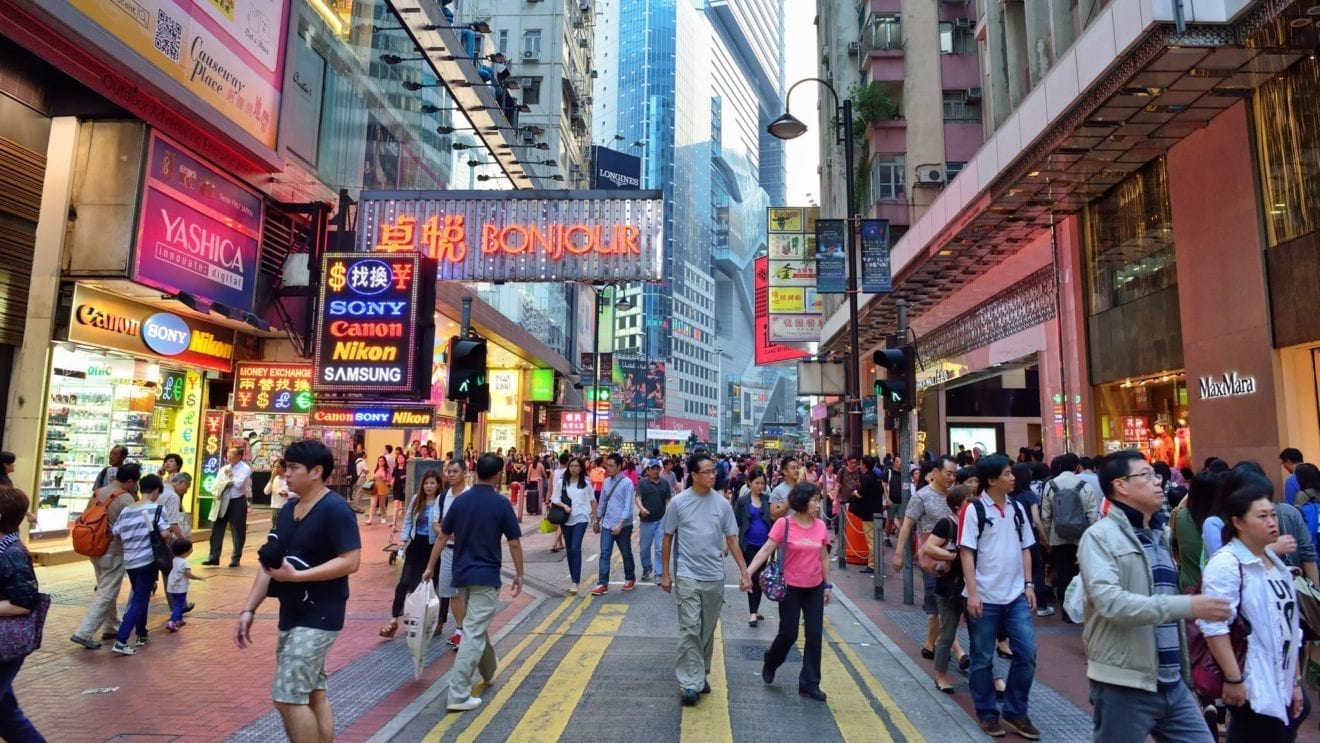
  • Hongkongers return to stores – but sales still well down over two years

    Hongkongers return to stores – but sales still well down over two years

    The local consumer retail demand is projected to get worse in the new year, most especially those that are riding on the tourism sector, which is also expected to be sourer at the same time. In a survey by the Hong Kong Retail Management Association (HKRMA), 97% of the respondents have posted losses starting mid-2019. About 30% of this figure said that they will resort to laying off 10% of their staff, whilst 43% stated that they will have to close down in the next six months.

    The respondents of the survey involves 176 companies, which have more than 4,000 stores and 89,700 employees.

    However, a Bloomberg report stated that this equated to around 5,600 employees that are set to lose their jobs and the retail sector will not be saved by usual holiday rush. David Ji, describes this as the worst-case scenario for the sector.

    “Retailers who used to have stores concentrated in major shopping areas may consider dispersing their stores to the neighborhood areas. As people have avoided going to crowded areas, sales in community malls, neighborhood malls and suburban malls, which offer daily necessities to locals, were relatively more resilient and saw solid sales even amid Hong Kong’s social unrest,” Ji added.

    In a study by PwC in 2017, the total retail sales in Hong Kong was likely to relive its 2013 peak of $494.4b (US$63.3b) in 2020, whilst jewellery and watch sales may also return to a high of $118.3b recorded in the same year.

    Its healthy growth pace continued throughout 2018 and started off positively in 2019, according to a report by Cushman & Wakefield. It was well-supported by the new transportation links to mainland China as it fueled an increase in visitor arrivals to Hong Kong. Over the first two months of the year, mainland arrivals saw the largest growth in five years, growing by 19% YoY and by 21% YoY for same-day visitors.

    It went on through June and provided a boost to foot traffic and retail sales in some sectors such as cosmetics and non-discretionary retail.

    Then by July, Hong Kong’s retail market has struggled amidst the growing social unrest and resulting disruption to retailers’ businesses throughout the city. Mainland tourist arrivals plummeted as the unrest escalated and in October, the number of visitors from the Mainland dropped by 45.9% YoY, the steepest decline ever in a single month. Retail sales naturally followed, dropping by 24.3% YoY in the same month, after a drop of 18.2% YoY in September.

    The decline was led by jewelry and watches which recorded a fall in sales of 42.9% YoY, followed by medicines & cosmetics (down 33.5%). These two used to lead Hong Kong’s retail sector two years ago.

    It wasn’t just the social unrest that kept the retail market at bay. “The continuation of social unrest is obviously the key challenge followed but the further deterioration of the Chinese economy, which is key for HK’s growth,” said Alicia Garcia-Herrero, chief economist at Natixis.

    A note by DBS Group Research also noted that exports of travel services (down 32.2%) was dampened by a weaker Chinese yuan. Tourist’s hot picks such as clothing, jewelry, and cosmetics/medicines fell by 20%-40% and will be a big slap for retail sales where tourist spending accounts for 40% of the sector’s performance.

    In addition, the unemployment rate of consumption and tourism-related sectors (16.5% of labor force) already leapfrogged from 3.9% in June to 5.0% in October, lifting the headline 3 months moving the average jobless rate from its 20-year low of 2.8% to 3.1%.

    “Looking ahead, the retail sector will stay weak due to subdued local demand. Hopefully, the temporary rental adjustments for tenants could contain the risks of large-scale closure of businesses and laid-off,” DBS said in the report.

    Across the retail property scene, rents continue to go down which will endanger Hong Kong’s status as the most expensive retail street. Cushman & Wakefield stated that in Q4 2019, the decline in rentals across all submarkets has become even steeper, falling to its lowest level in more than five years.

    Landlords are struggling to retain their tenants, Lawrence Wan, senior director for advisory & transaction services– retail at CBRE Hong Kong added that local pharmacies and larger F&B outlets have abandoned leases over the past few months.

    “Landlords and high street shop owners are considering to provide short-term lease discounts to retain tenants, to alleviate the impact of the social unrest on retailers’ performance. Retailers are consolidating their operations and looking to upgrade their products and service offerings with enhanced customer experience to encourage spending,” Wan said.

    He also added that the rent levels will continue to drop in the short run. But in the long run, this might as well be the “new normal” that retailers have to adjust to. Such will be largely dependent on any government policies and measures that will help the market recover.

    “[W]e can expect a rental adjustment which will allow the retail market to  become more sustainable than what we had experienced in the past few years whereby rents were at very high levels. It will be difficult to predict the timeframe but retailers should get prepared and review their business strategies to cater to the “new normal,” Wan noted.

    Even though there are a number of retailers looking to leave Hong Kong, the region still saw some new openings during the events of the social unrest. Charles Chan, senior Asia retail analyst at IGD, cited the re-launch of beauty retailer Sephora, who have left the market ten years ago. It promised to bring 40 brands in their stores.

    “The re-launch of Sephora provides an indication of how Hong Kong’s retail landscape has shifted. Shoppers expect exciting digital store engagements and touch points rather than just a range of products presented to them. We have also seen Lush, for example, launch its first Asia Naked concept store in Hong Kong, whilst Don Don Donki opened its first store in Hong Kong in July earlier this year,” Chan shared.

    On the digital front, ecommerce platforms may not be as affected as they are still grabbing a larger market share, according to Ji. “In view of this, more physical retailers have already set up online sales channel to catch up the trend. On the other hand, some have leveraged the latest technology such as AR to enhance in-store shopping experience for customers,” Ji added.

    However, Chan still warned that brands and retailers need to be articularly careful on inadvertently choosing a political side in their marketing and messaging.

    A survey by YouGov showed which brands have been the most negatively affected in terms of consumer spending, where most cases are correlated to controversies around the protests. Chinese electronics firm Xiaomi’s brand metric score dropped 40.5 points to -4.1 from a score of 36.4 last August. Its decline started when it released a new smart TV carrying a slogan that is said to mimic chants in the gathering.

    “Despite the uncertain economic and political circumstances, we have seen businesses continue to innovate to stay relevant. The re-launch of Sephora provides an indication of how Hong Kong’s retail landscape has shifted. Shoppers expect exciting digital store engagements and touch points rather than just a range of products presented to them. We have also seen Lush, for example, launch its first Asia Naked concept store in Hong Kong, whilst Don Don Donki opened its first store in Hong Kong in July earlier this year.”

  • Both Epic and Apple land solid blows as the court battle begins

    Both Epic and Apple land solid blows as the court battle begins

    Today was the first day of the court battle between Apple and game developer Epic. The latter sued Apple after the tech giant tossed its red hot Fortnite game out of the App Store. Apple did this after Epic violated Apple’s rules and gave its customers access to the developer’s own in-app payment platform.

    Seeking Alpha reports that during Epic’s opening statement, the developer explained that Apple has made iOS “a walled garden” which not only blocks competition but also makes it harder for iPhone users to switch to Android. And speaking of anti-competitive behavior, Epic says that Apple’s demand that apps offering in-app purchases use its payment platform violates federal anti-trust laws. Apple collects 30% of in-app purchases and at the same time, it is forcing developers to run in-app payments through its platform.

    Other companies who have complained about the so-called Apple Tax include Netflix and Spotify. The latter brought its argument to the European Union a couple of years ago saying that thanks to the 30% Apple Tax, Apple Music has an advantage over Spotify and other streaming music apps that have to cough up the additional 30% that Apple Music doesn’t have to pay.

    Epic says that requiring third-party apps to sell their wares through the App Store and forcing them to tack on 30% for processing in-app payments is actually a violation of federal antitrust law that prohibits companies from tying a product or service to the sale of another. Epic attorney Katherine Forrest’s highlight phrase of the day: “When they pick up the iPhone, users enter a different world. They are locked into a closed platform where they can only download apps from Apple, and each and every time they purchase in the app, a 30% tax is imposed.”

    Epic also refuted Apple’s claims that the rules Apple created for the App Store help it maintain the quality and security of iOS apps. This is a claim that Apple has made before.

    In its opening arguments, Apple stated that its 30% fee is in line with industry standards and that allowing apps like Fortnite to side-load its own in-app platforms could lead to security issues. Where Apple might have scored points with the judge is when it noted that Epic never informed Apple about its in-app payment system until the day it launched while Microsoft was given advanced notice.

    Apple Attorney Karen Dunn said during Monday’s court session that “A $20 billion company has decided that it doesn’t want to pay for Apple’s innovations anymore. So Epic is here, demanding that this court force Apple to get into its App Store untested and untrusted apps — something that Apple has never done.”

    In giving the court reasons why Epic can’t win the case, Apple claims that the game developer is using the incorrect version in its antitrust claim. Apple states that Epic is unable to show anti-competitive behavior on the part of Apple and the latter says that it can show pro-competitive justifications.

    Apple also mentioned that the appeals court that sided with Qualcomm in its case against the FTC, a case that the FTC decided not to take back to the Supreme Court, ruled that “while anti-competitive behavior is illegal, hypercompetitive behavior is not.” Apple obviously believes its actions are in the latter category.

    Epic’s CEO Tim Sweeney took the stand today and said that Epic isn’t asking for Apple to eliminate the compensation it receives from in-app purchases. But he pointed out that the Apple Tax can result in Apple making more money from an app than the app’s own developers.

    While Apple has been trying to show that there are plenty of other app stores that Fortnite can be listed in, Epic’s top executive said that Fortnite is more than a game. He called Fortnite a “phenomenon that transcends gaming” and a “social and entertainment experience that includes a variety of gaming experiences and non-gaming experiences within it.” This means that such a title needs a top app storefront like Apple’s App Store to help promote it.

    While Apple’s App Store takes as much as a 30% cut of in-app purchases, Epic’s own app store grabs a 12% cut and is “hundreds of millions of dollars short of being profitable.” Sweeney says that Epic’s app store could turn profitable some time over the next two to three years.

  • Sun Group lures Vietnamese talents by investing in working environment

    Sun Group lures Vietnamese talents by investing in working environment

    With a dynamic and far-reaching recruitment strategy, Sun Group offers employees a work-life balance and opportunities through sustainable and community-oriented projects.

    Over 14 years, Sun Group has developed iconic landmarks in Vietnam, including unique resorts, world-class entertainment complexes, and real estate ecosystems.

    Sun Group has created its own organizational culture, continually attracting and retaining young, dynamic, and highly sought-after talent in Vietnam. It seeks to hire and train highly qualified and principled individuals.

    The group has sought out talents in Vietnam since the beginning. To attract and retain top talent, it offers not only competitive salaries but also a forward-thinking and positive working environment, where employees can develop their careers and benefit from international labor standards.

    “We invest in the well-being of employees, making sure they always feel valued and happy to be part of such a dynamic team. A positive, high-energy and friendly workplace would inspire personnel to do their best,” a Sun Group representative said.

    To handle work pressure, Sun Group creates a work-life balance at the office. It offers wellness programs, sports events, on-site gym facilities, even smoking cessation programs to promote healthy lifestyles.z

    Sun Group strives to take care of its employees in the same way a family would. For employees working far from home, the company provides accommodation, on-site childcare facilities, and transit services.

    Charity programs like Sunflower Fund and Warm Spring support the poor and disadvantaged. “We empower them to be the best version of themselves, boosting creativity as a work culture while retaining a sense of homeliness and togetherness,” the representative said.

    “Sun Group contributes to the sustainable recovery of Vietnam’s tourism industry amid Covid-19, and minimizes the impact of the crisis on its employees by implementing flexible policy solutions toward ‘the new normal’.”

    By launching campaigns like Go Green, No Plastic Waste, Stop Smoking, Live Happily – Live Healthily, Sun Talents and Change for Future, it aims to spread the message of sustainable and healthier living.

    Despite operations being severely affected by Covid-19, Sun Group still strives to contribute to the sustainable recovery of Vietnam’s tourism industry, and its actions continue to minimize the impact of the crisis on its employees.

    During a challenging time, the company swiftly acted, implementing plans and offering flexible policies to help employees adjust to the ‘new normal’. Sun Group also rolled out various cultural and social media activities to encourage a positive spirit across communities and maintain employee morale.

    Responding to the Covid-19 impact on global tourism, the group introduced exciting products and services to boost the industry while supporting the government to eliminate this disease.

    Developed by Sun Group, Van Don International Airport has welcomed thousands of flights over the past year, welcoming Vietnamese returning home from countries affected by the pandemic.

    In central Vietnam, Sun Group set up Tien Son field hospital in just three and a half days to treat Covid-19 patients. A team of Sun Group professionals was dispatched to Chi Linh Town, Hai Duong, hotspot of a recent outbreak, to support field hospital construction.

    “The outbreak came just two weeks before Tet (Lunar New Year), an occasion for family reunions, so I feel a little bittersweet about this outstanding effort. At Sun Group, we all wished to make a contribution in the hope of controlling infections in Hai Duong, so people could welcome the new year safely and happily. It was nothing compared to the ceaseless efforts being made by the doctors, nurses and soldiers on the frontline, who have been battling to contain and eliminate the virus,” said Pham Hoang Tuan, Project Manager in Capital Region of Sun Group.

    A Sun Group representative said: “Creating positive working environment, caring for employees as family and inspired them to make a difference… all of these are the reason to explain why Sun Group has consistently been identified as one of the best companies and one of the leading employers in Vietnam.”

    In 2020, the group received the “Top 5 Real Esate Companies”, “Top 100 Vietnam Best Places to Work 2020” and “Top 50 for Vietnam’s Most Attractive Employers 2020” awards.

    Sun Group was named on the “Top 10 Excellent Companies with Responsive Human Capital Initiative” list, a prestigious award in the field of human resources.

  • PepsiCo commits to recycled packaging across entire snacks range

    PepsiCo commits to recycled packaging across entire snacks range

    PepsiCo will convert to 100-per-cent recyclable packaging across its Smith’s, Red Rock Deli, Sakata, and Doritos brands.

    The company has also partnered with the sustainable organization, Clean Up Australia, to increase soft-plastic recycling in Australia.

    By the end of the year, all the packaging will be changed out and will sport the Australasian Recycling Logo. Consumers will be able to recycle all of their snack packagings via curbside recycling for cardboard and plastic trays, and through the Redcycle collection bins for soft plastics.

    “Increased recycling rates are critical to the success of a circular economy for soft plastics,” said PepsiCo Australia and New Zealand chief marketing officer, Vandita Pandey. “Key to this is making packaging recyclable and easy to recycle.

    “We are proud to have achieved the first step – designing 100 percent of our snacks packaging to be recyclable – meeting Australia’s 2025 National Packaging Target four years ahead of schedule.”

    PepsiCo pledged $650,000 at the Australian Government’s National Plastics Summit last year for the Greening the Green program developed by Clean Up Australia. The company partnered with Redcycle and Replas to work with local sporting facilities to streamline rubbish separation and collection as well as increase soft plastics recycling.

    Greening the Green is a 12-week program that targets to improve littering and rubbish collection via an interactive online learning experience.  A pilot testing is underway at the ELS Hall Park in Ryde, NSW and there are an additional 19 sporting grounds that have signed up, bringing the number to a total of 110 sporting facilities joining them for the next two years.

    Facilities can either collect recyclables like soft plastics and beverage containers via specific bins, which will be collected by Redcycle. These will be shredded and delivered to Replas so they can be moulded into seats, bollards, signage and sports trophies., and the end product will be given to each sporting group.

  • Colgate unveils recyclable toothpaste tubes

    Colgate unveils recyclable toothpaste tubes

    Colgate-Palmolive has revealed the nation’s first recyclable toothpaste tube – the result of five years of research – and immediately offered the technology to rival companies to help reduce landfill waste.

    Colgate Smile for Good plastic tubes use high-density polyethylene (HDPE), classified as recyclable by the Australasian Recycling Label Program of the Australian Packaging Covenant Organisation (APCO). It can be disposed of at kerbside plastic recycling bins.

    “Making toothpaste tubes part of the circular economy will help keep plastic productive and eliminate waste,” said Simon Petersen, GM at Colgate-Palmolive South Pacific.

    “Colgate-Palmolive wants all toothpaste tubes to meet the same third-party recycling standards that we’ve achieved, so we are openly sharing our technology with toothpaste competitors as well as manufacturers of all kinds of tubes.”

    Colgate Smile for Good tube’s HDPE material is based on the same plastic that companies used to make 2L milk bottles and other plastic containers that are recyclable. Its engineers developed a solution using different grades and thicknesses of HDPE laminated into a tube to make it squeezable since the type of plastic used on milk bottles is too rigid.

    Most toothpaste tubes are usually made from sheets of plastic laminate with a thin layer of aluminum. These are difficult to recycle through conventional methods leading to 50 million tubes ending up in landfills annually in Australia.

    The new toothpaste adds to the company’s global target to create 100-per-cent recyclable, reusable or compostable packaging by 2025 and to reach Australia’s 2025 National Packaging Targets as well.

    “It’s fantastic to see companies striving to phase out difficult to recycle materials, innovating to find recyclable alternatives and sharing those learnings and technology to help transform the wider market,” said Brooke Donnelly, CEO at APCO.

    “This collective, ambitious approach by organizations across the supply chain will be critical for Australia to meet its upcoming waste and recycling deadlines, including the 2025 National Packaging Targets.”

    Colgate Smile for Good has two variants such as Smile for Good Protection and Smile for Good Natural White. The range also has Smile for Good Protection mouthwash, Colgate Bamboo Charcoal toothbrush and Smile for Good dental floss. It is Sodium Lauryl Sulfate-free, vegan, gluten-free and sugar-free.

    The toothpaste brand is also supporting the UN Sustainable Development Goals and the Ellen MacArthur Foundation’s New Plastics Economy Global Commitment.

    Colgate Smile for Good toothpaste is sold for RRP $8 at Woolworths, Coles, Amazon, Chemist Warehouse and Priceline.