Author: Mei Ling Tan

  • Mercedes-Benz EQS Listed On India Website Ahead Of Launch

    Mercedes-Benz EQS Listed On India Website Ahead Of Launch

    The all-new Mercedes-Benz EQS made its global debut earlier this month. Interestingly, the electric sedan now has been listed on the official website with the ‘Coming Soon’ title, which suggests that it could be launched in the Indian market this year. The model page listing has also revealed several key details and specifications of the electric vehicle ahead of its launch. It will be the second all-electric model from Stuttgart-based luxury carmaker, after the EQC electric SUV that was launched last year.

    As per the listing on the official website, the luxury electric sedan will be available in two trims – EQS 450+ and EQS 580 4MATIC. The EQS 450+ is the base variant that features a single electric motor on the rear axle for a total of 328 bhp and 568 Nm of peak torque. The EQS 580 4MATIC is an all-wheel-drive (AWD) range-topping trim and gets an electric motor on both front and rear axles. Total output in combination here is 516 bhp and a whopping 855 Nm of peak torque, good for a 4.1 seconds sprint to 100 kmph from a standstill.

    The S-Class of electric sedans is based on the EQS Vision concept which was showcased by the carmaker in 2019. It will be placed at the top in Mercedes-Benz’s EQ line-up, which currently includes EQC, EQA, and the EQB globally.

    Aesthetically, the electric sedan comes with all characteristics of the S-Class sporting LED headlamps with integrated LED DRLs, connected by an LED strip, and LED taillights, again connected by an LED strip. On the inside, it showcases the new 56-inch MBUX Hyperscreen which is essentially a massive glass dashboard incorporating three individual information displays – an instrument cluster, a center infotainment system, and an auxiliary passenger-side touchscreen.

    The Mercedes-Benz EQS comes with a 107.8 kWh Lithium-Ion battery, promising a 770 km WLTP cycle certified drive range on a full charge. However, the carmaker has not provided detailed variant-wise range options. The car comes with a standard onboard charger of 11 kW with an optional 22 kW charger. The EQS can be charged from 10 to 80 percent in 35 minutes using a 110 kW DC fast charging, while a 240-volt household wall charger will take 11 hours for the same range.
  • Spotify announces paid subscription platform

    Spotify announces paid subscription platform

    Last week we reported on Spotify’s intentions to release an alternative to Apple’s paid podcast subscriptions. Now, the platform is real and soon you’ll be able to pay extra for extra podcast content.

    Apple got on this wagon first, but the offer from Cupertino is far from practical for podcasters. Tim Cook and company will take a 30% commission for the first year, and 15% for the second, in addition to the $20 annual fee for membership. While this is fine for big organizations, small creators may struggle to make money from the scheme.

    Spotify’s offer flips Apple’s business model on its head. It won’t take a cut from creators – at least for the first two years. This excludes transaction fees. After the first two years of the partnership, Spotify gives a word to take only five percent of the revenue.

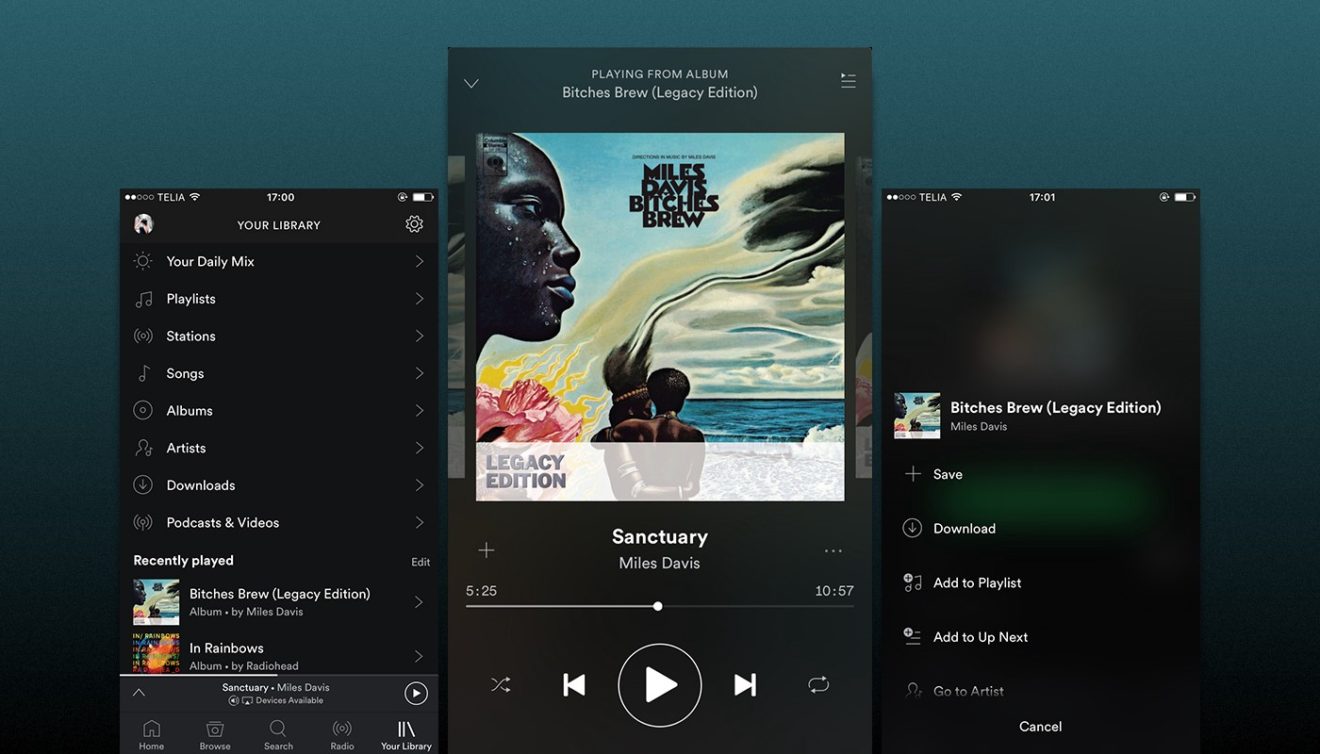
    The program will be accessible and available through Anchor (app & website). Anchor is the podcast production platform that was acquired by Spotify about two years ago. It allows you to take your podcast from an idea to a finished product, all with just a smartphone.

    Now it will also allow creators to share exclusive content for subscribers. This can in the form of a brand new episode or early access. If you aren’t hosting your podcast on Anchor, don’t worry – Spotify promises to open up the platform for those who host their podcasts elsewhere. More details will be available soon.

    So, what about listeners? The way you’ll be able to recognize paid content is by the lock icon next to the episode (if you aren’t subscribed). This content will still be discoverable, similar to any other podcast episode, and it’ll appear on the feed. From what we understand, the only way to start your subscription is to click on a link found on the show notes on Spotify or head directly to the podcast page on Anchor and sign up.All of this will let you support your favorite podcasters, making sure the money goes directly to them. Then, Spotify promises to “maximize (creators) subscription audience and grow it from their existing listener base”.

    Spotify is going to support independent podcasters to get started with the subscription platform. NPR is on board with some ad-free content for paid subscribers. How I Built This with Guy Raz, Short Wave, It’s Been a Minute with Sam Sanders, Code Switch, and Planet Money will be available as soon as May 4.

    On the other hand, Apple’s version is expected to debut in May too. The tech giant hasn’t announced any exclusive shows or content just yet, but seems to have an advantage when it comes to global availability, as its platform will be available in 170 countries. Spotify’s offer will be available only in the US for now. Plans for global expansion are already on the table, but they’ll take a few months.

    For listeners, you should bear in mind that Spotify recently increased some of the Premium prices for a few regions of the world. Spotify family is increasing from $14.99 to $15.99 per month in the US. The rest of the Premium offers remain untouched as of today.

    However, UK-based users aren’t so fortunate. Spotify Student goes from £4.99 to £5.99 per month, Duo subscription from £12.99 to £13.99 a month, and Spotify Family plan (six accounts) goes from £14.99 to £16.99 a month.

    Ireland and a bunch of countries in Europe are also part of the price increase. Student Premium goes up by €4.99 to €5.99, and Due goes up from €11.99 to €12.99. The Family plan in Europe goes up from €14.99 to €17.99 per month. Countries in Asia and South America will also be affected.

    The changes come into effect on April 30. All existing Spotify subscribers in the US, Europe, and UK users of Spotify will have a one-month grace period before prices are automatically increased, meaning if you are already subscribed, the new prices will affect you from June, not May.

  • Google parent Alphabet reports record-breaking first quarter

    Google parent Alphabet reports record-breaking first quarter

    Now that we are in the midst of earnings season, Google parent Alphabet announced its results for the first quarter of 2021. Alphabet said that it garnered a record $55.3 billion in revenue from January through March which was a healthy 34% gain from the $41.2 billion that the company grossed during the same quarter last year.

    Net income soared from last year’s $6.84 billion (or $9.87 per share) to this year’s $17.93 billion (or $26.29 per share). Advertising revenue was $44.68 billion from last years’ $33.76 billion for a 32.3% increase. YouTube ad revenue for the quarter rose 48.8% to $6.01 billion from $4.04 billion.

    Google and Alphabet CEO Sundar Pichai said, “Over the last year, people have turned to Google Search and many online services to stay informed, connected and entertained. We’ve continued our focus on delivering trusted services to help people around the world. Our Cloud services are helping businesses, big and small, accelerate their digital transformations.”

    Ruth Porat, CFO of both Google and Alphabet, also weighed in on the release. Porat stated, “Total revenues of $55.3 billion in the first quarter reflect elevated consumer activity online and broad-based growth in advertiser revenue. We’re very pleased with the ongoing momentum in Google Cloud, with revenues of $4.0 billion in the quarter reflecting strength and opportunity in both GCP and Workspace.”

    Google spent a little more to obtain more business. For the quarter, its Total Acquisition Costs (TAC) were $9.71 billion compared to last year’s $7.45 billion. That works out to a 30% increase on an annual basis.

    Alphabet shares (GOOG) closed Tuesday’s regular trading session down $19.62 or .84% to $2,307.12 per share. After the earnings were released, the stock rose $106.28 or 4.61% to $2,413.40.

    Clubhouse is becoming an extremely popular social media app on iOS. If you don’t know what it is or how to get an invite, read this.

  • Russia fines Apple $12 million for antitrust violation

    Russia fines Apple $12 million for antitrust violation

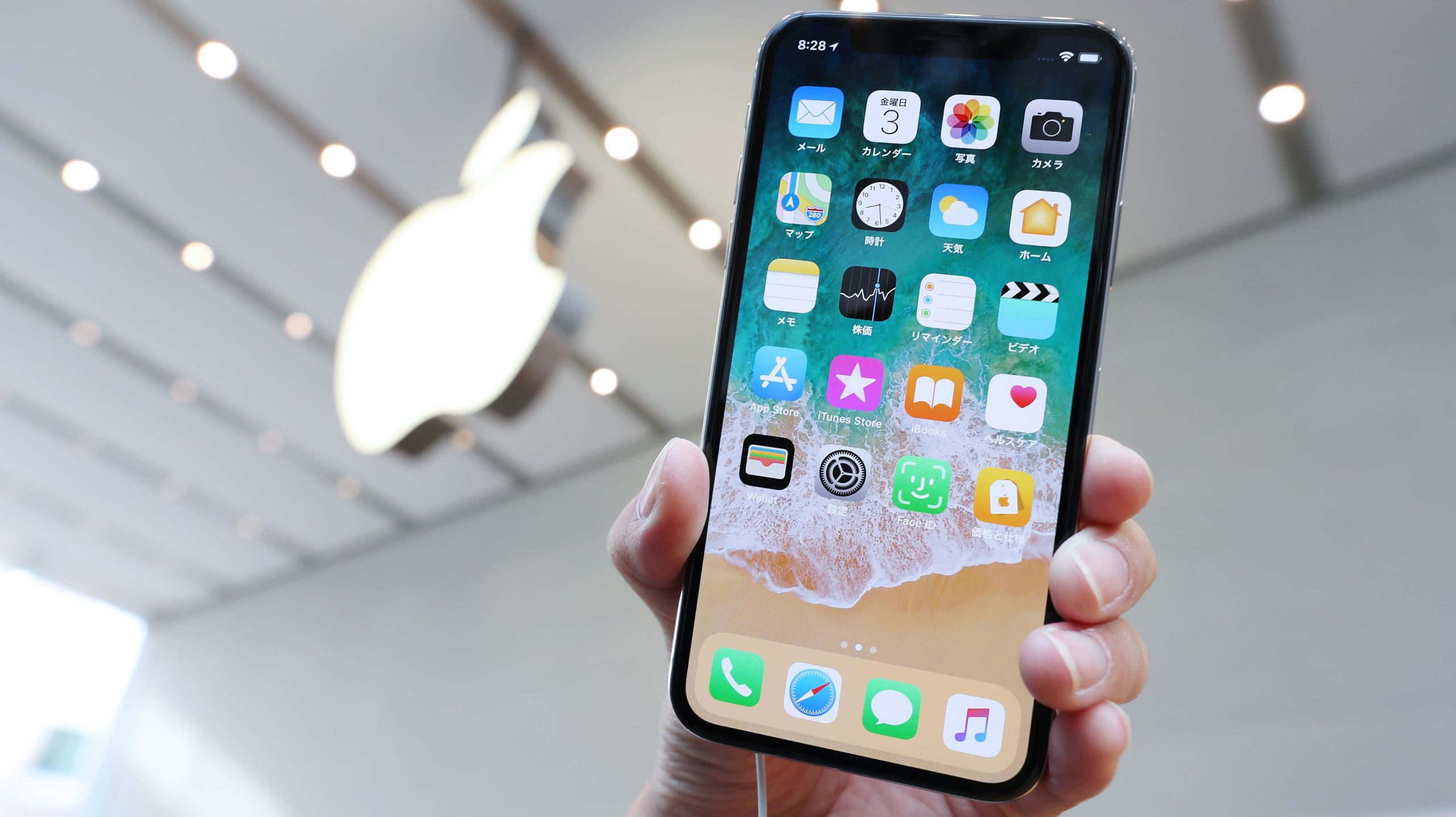
    Apple has just been fined $12M by Russian antitrust authorities, according to a report from The Moscow Times. The tech giant has been sued by Kaspersky, a large cybersecurity company, for unfair treatment and an antitrust violation—something that’s been getting Apple into hot water quite a bit lately, it seems.

    Apple was found to have abused its dominant position in the distribution of mobile applications on the iOS operating system through a series of actions that led to a competitive advantage for its own products, and at the same time worsening the distribution conditions for competing products.

    The information was originally released in a statement from Russia’s Federal Antimonopoly Service, or FAS.

    It turns out that back in 2018, Kaspersky was updating its Safe Kids parental control app, but was unjustly blocked from Apple. At the exact same time, however, Apple released its own competing feature called Screen Time as part of iOS 12.

    Now that Kaspersky has won the lawsuit, the Russian court is ordering the Cupertino giant to do more than shell out twelve million dollars.

    In addition, Apple will be forced to change their own terms and conditions that allow them to “reject third-party applications from the App Store for any reason, even if they meet all requirements.” The court has also ordered that Apple make sure that “in-house apps do not take precedence over third-party apps.”

    Apple is currently appealing the fine, arguing that its reason for blocking Safe Kids had nothing to do with competing services. Rather, the company said that Kapersky’s app was putting “users’ privacy and security at risk” using highly invasive technology.

  • Here’s why Apple iPhone users need to install Signal even if they don’t use it

    Here’s why Apple iPhone users need to install Signal even if they don’t use it

    It has recently been revealed that Israeli company Cellebrite had nothing to do with the unlocking of the Apple iPhone 5c belonging to alleged San Bernardino shooter Syed Farook back in 2016. That honor and the $900,000 payday reportedly went to a little-known firm named Azimuth, now a part of L3Harris Technologies. But that hasn’t stopped Cellebrite from continuing to crack open iPhones on behalf of law enforcement.

    However, something has stopped Cellebrite dead in its tracks forcing it to stop using its top-of-the-line machine to open iPhone models. Cellebrite’s Physical Analyzer has been called “the industry standard for digital data examination,” but it can no longer be used to collect data from Apple’s iOS-powered smartphones. That’s because messaging app Signal, as detailed in its blog discovered several vulnerabilities in Cellebrite software which corrupted scans of the iPhone.

    These vulnerabilities, if exploited, would not only call into question the results of a current scan but also past and future scans are done with the same machine. It would be a prosecutor’s nightmare and a dream come true-with extra whipped cream on top for defense attorneys. And all Signal had to do was to place a file into the Cellebrite machine.

    With Signal installing the file for all of its users, this has proven to be an incentive for iPhone users to install the messaging app even if they never use it. In its aforementioned blog, Signal explained the process of kicking Cellebrite where it hurts. This is done “by including a specially formatted but otherwise innocuous file in an app on a device that is then scanned by Cellebrite, it’s possible to execute code that modifies not just the Cellebrite report being created in that scan, but also all previous and future generated Cellebrite reports from all previously scanned devices and all future scanned devices in any arbitrary way (inserting or removing text, email, photos, contacts, files, or any other data), with no detectable timestamp changes or checksum failures. This could even be done at random, and would seriously call the data integrity of Cellebrite’s reports into question.

    The ease with which Signal can do this is apparent from its comment that states “Any app could contain such a file, and until Cellebrite is able to accurately repair all vulnerabilities in its software with extremely high confidence, the only remedy a Cellebrite user has is to not scan devices. Cellebrite could reduce the risk to their users by updating their software to stop scanning apps it considers high risk for these types of data integrity problems, but even that is no guarantee.”

    One interesting discovery by Signal revealed that Cellebrite was using Apple DLL files to help it extract data from iOS devices. As Signal says in its blog, it is “unlikely” that Apple would give Cellebrite permission to use these files. The messaging app says that this use of Apple’s files without permission “might present a legal risk for Cellebrite and its users.”

    Explaining how the DLL files are used, Signal notes, “The Cellebrite iOS Advanced Logical tool loads these Apple DLLs and uses their functionality to extract data from iOS mobile devices. The screenshot below shows that the Apple DLLs are loaded in the UFED iPhone Logical.exe process, which is the process name of the iOS Advanced Logical tool.”

    Signal was able to find the vulnerability by getting its hands on Cellebrite’s software, including the powerful Physical Analyzer. Signal found the vulnerabilities it discusses in its blog.

    Signal said that it would be willing to “responsibly disclose the specific vulnerabilities we know about to Cellebrite.” In return, Signal wants Cellebrite to do reveal all of the vulnerabilities that it uses to physically extract data and provide all of its services now and in the future to its “respective vendors.”

  • The most important Pokemon GO event returns in 2021

    The most important Pokemon GO event returns in 2021

    Niantic is confident that one of the worst epidemics in the last century is almost over, so it decided to greenlit its most important outdoor event, the Pokemon GO Fest. The company behind one of the most successful mobile games confirmed today that Pokemon GO Fest will return this year as a two-day global event from July 17 to July 18.

    Unfortunately, the studio did not reveal any information about the challenges Trainers will have to tackle, nor the rewards they’ll gain during the Pokemon GO event. However, Niantic did point out that 2021 marks both the 25th anniversary of Pokemon and the 5th anniversary of Pokemon GO, fans should expect some big surprises this year.

    Since we’re only three months away from the event, we doubt that everyone will be vaccinated, but that doesn’t seem to bother Niantic. The developer advises participants to “be aware of their surroundings and follow guidelines from local health authorities when playing Pokemon GO.”

    Niantic also warns that upcoming events are subject to change, so here is hoping that nothing very bad happens during the three months until the next Pokem

  • Beijing Probes State Backers of Ant IPO

    Beijing Probes State Backers of Ant IPO

    Beijing is reportedly investigating how Chinese entrepreneur Jack Ma quickly won approvals for the later pulled listing of Ant Group, in yet another sign that scrutiny of the fintech giant and its founder remains incomplete.

    China’s central government first kicked off the investigation early this year.

    The investigation is aimed at regulators that approved the IPO, local officials that advocated it and large state firms that stood to gain from the listing.

    Jack Ma’s relationships with these state entities will also be probed, the report added.

    Ant Group’s troubles with Beijing persists despite a series of hits to the fintech giant which included its $37 billion IPO pullout, a major overhaul of its businesses and, more recently, considerations for the potential divestment of Ma’s ownership.

    Ant Group’s business prospects have been significantly moderated and its expected valuation has plummeted from the initial $320 billion to as low as $29 billion, according to a recent forecast by Bloomberg.

  • UBS Quietly Reactivates Covid-Paused Cuts

    UBS Quietly Reactivates Covid-Paused Cuts

    The bank’s digitization plans will cost thousands of jobs in the coming months. UBS CEO Ralph Hamers is set to reactivate a series of cuts it had paused when Covid-19 broke out.

    Digitization always costs jobs, Ralph Hamers said in October of 2016 when ING disclosed it would eliminate 7,000 of them. The Dutch bank wanted to act from a position of strength, he said, noting the move was less about saving 900 million euros ($1.1 billion) than about making targeted investments in renewal.

    Nearly five years later, Hamers is applying a similar play to UBS: he wants to save $1 billion by 2023 in order to re-invest in the U.S. and Asia, where the Swiss bank wants to grow. For UBS’ 72,000 employees, it is clear that the cost-cutting goal will primarily be reached by cutting jobs.

    Of course, the 54-year-old Dutch CEO wasn’t that explicit on Tuesday, when he fleshed out UBS’ new slogan Reimagining the power of investing. Connecting people for a better world. Under Hamers, UBS will become more focused on clients, digital, and agile, he said.

    That means streamlining the Swiss lender’s famously bureaucratic processes, including through robotics. The principal aim is to whip UBS into a technology-leading bank with digital services that stand out from competitors like Spotify or Netflix do in the media industry.

    People familiar with Hamers’ thinking are flagging job cuts across most areas of the bank, and especially where UBS can make existing technology and applications more efficient. The bank plans to keep moving some jobs into lower-cost locations like Poland and India.

    It is also looking to leave activities where it isn’t satisfied with financial results; it abandoned Austria onshore in December and is reportedly looking to get out of Spain. The disposals also lower UBS’ headcount, normally without «costing» jobs.

    How many jobs Hamers plans to cut isn’t clear, but a simple equation based on the $1 billion target, a lower-than-average salary in Switzerland’s financial sector, and the assumption that 70 percent of spending is on people would indicate as many as 3,000 jobs are on the block in the next 18 months.

    The job cuts are likely to be Hamers’ first major measure at UBS – and they are being closely watched by the bank’s board. Effectively, he needs to make himself indispensable to UBS in their view; Hamers is weakened by a Dutch criminal probe reignited after he joined the Swiss bank last fall.

    The aim of the digitization and transformation Hamers was hired for is saving money, not raising the overall cost base. UBS’ cost-income ratio edging higher in the first quarter  – to 73.8 percent – underscores the import of more efficiency versus U.S. competitors who are operating leaner.

    A $300 million restructuring charge in the coming quarter also indicates the cuts to come. This represents a revival of UBS’ plans paused last March under former CEO Sergio Ermotti.

  • Coffee and dairy help Nestle beat expectations in Q1

    Coffee and dairy help Nestle beat expectations in Q1

    Food giant Nestle confirmed organic sales should grow more than 3.6 percent this year after strong demand for coffee, dairy and petcare products boosted growth in the first quarter.

    The world’s biggest food group has weathered the Covid-19 pandemic well so far as consumers locked up at home bought more packaged foods for themselves and their pets.

    It also expanded eCommerce and its health science portfolio as consumers bought more online and worried about their health.

    Organic sales increased by 7.7 percent, versus 4.3 percent in the year-ago period, the maker of KitKat chocolate bars and Nescafe instant coffee said in a statement on Thursday. This was ahead of a forecast for 3.3 percent organic growth in a company-compiled consensus https://www.nestle.com/investors/analysts-consensus.

    “Retail sales saw solid growth and out-of-home channels saw signs of improvement. We confirm our guidance for the year and our mid-term outlook for sustained mid-single-digit organic growth,” Chief Executive Mark Schneider said in the statement.

    Organic growth stood at 7.2 percent in the Americas, at 4.4 percent in Europe, and at 9.1 percent in Asia, Nestle said. Asia was in negative territory in the year-ago period as the pandemic hit there first.

    In terms of categories, petcare was up 8.7 percent, powdered and liquid beverages including coffee rose 9.9 percent, and dairy increased 15.7 percent. Nutrition and health science fell 0.5 percent, dragged down by nutrition.

  • Construction starts on Amazon Australia HQ in downtown Melbourne

    Construction starts on Amazon Australia HQ in downtown Melbourne

    Property company Charter Hall Group has begun the construction of the $1.5 billion 555 Collins Street precinct which will house online retailing giant Amazon’s new headquarters in Melbourne.

    Stage 1 of construction, scheduled for completion by early 2023, is worth $750 million and comprises a 48,000sqm premium office tower. A second office tower of 32,000sqm will include premium food and beverage retailers as well as a health and wellbeing hub.

    The company held the groundbreaking ceremony yesterday, attended by Victorian treasurer Tim Pallas, lord mayor Sally Capp, Amazon Web Services MD, ANZ, Adam Beavis, Charter Hall MD and group CEO David Harrison, Charter Hall Office CEO Carmel Hourigan and construction partner Lendlease GM Victoria Bill Alexandrakis.

    “Melbourne has a rich community of innovators, and we are looking forward to bringing Amazon’s growing local workforce to 555 Collins Street so we can continue to invent and innovate on behalf of customers across our Amazon and AWS businesses in Australia,” said Beavis.

    “555 Collins comes with a 6 Star Green rating and is constructed under a carbon neutral framework, which will contribute to helping us reach our goal of net zero carbon emissions by 2040.”

    Lord mayor Capp said the construction will provide 1500 jobs for Victorians. The city’s economy is recovering and the new project “will be a catalyst for further investment” in the CBD.

    “This is significant for Melbourne and incredible news for jobs and our highly skilled workforce – this investment will contribute billions of dollars to the Victorian tech economy in the next 10 years and cement our position as the home of innovation in the nation,” said Pallas.

    Charter Hall worked with architectural company COX Architecture and Gensler.

  • FMCG brands will boost digital ad spend as consumers stick to online

    FMCG brands will boost digital ad spend as consumers stick to online

    Most Australians who started buying more of their groceries online as a result of the Covid-19 say they plan to continue to do so, even when the pandemic is over.

    A ZenPoll in early March found that 29 percent of the 1023 Australians polled started buying more groceries online as a result of the pandemic, and 21 percent of them said they would continue.

    However 74 percent still strongly prefer the in-store experience with only 24 percent preferring online.

    “As restrictions have been eased or removed, the convenience of the online experience is what has kept many new converts online, said Zenith Australia’s head of strategic insights, Kim Xavier. “So balancing the benefits of the in-store experience with the convenience of online will be a challenge for retailers.”

    The research was part of a broader international study assessing the importance of digital advertising spending by FMCG companies, resulting in Business Intelligence – FMCG Food and Drink report, published today. Zenith forecasts FMCG food and drink brands will increase their share of ad spend on digital channels by 7 percent annually through to 2023, nearly double the 4 percent increase in overall FMCG ad spend over the same period.

    “The online nature of these services is increasing supermarket retailers’ focus on digital media investment in what has otherwise been a softening market,” said Vikki Pearce, head of digital at Zenith Melbourne.

    “And FMCG brands are following suit – particularly over-indexing in their online video spend as they strive to keep top of mind and capture share of wallet not only in the growing e-commerce opportunity.”

    Globally, FMCG brands still rely heavily on traditional TV, which accounted for a 39-per-cent share of total advertising budgets last year, compared with 24 percent for brands overall.

    Zenith forecasts that FMCG digital ad spend will increase from US$12.3 billion worldwide last year to $14.9 billion in 2023, and that its market share will rise from 46 percent to 49 percent.

    “FMCG brands need a new comprehensive approach to reach-based planning,” said Ben Lukawski, global chief strategy officer at Zenith. “That means combining TV, paid advertising in online video, virtual placement in streaming video on demand platforms and perhaps even a presence in gaming, using first-party and second-party data to prevent duplication and optimize incremental reach.”

    Zenith’s report covered 12 international markets: Australia, Canada, China, France, Germany, India, Italy, Russia, Spain, Switzerland, the UK and the US, which between them account for 73 percent of global ad spend.

  • Woolworths to recycle batteries, mobile phones

    Woolworths to recycle batteries, mobile phones

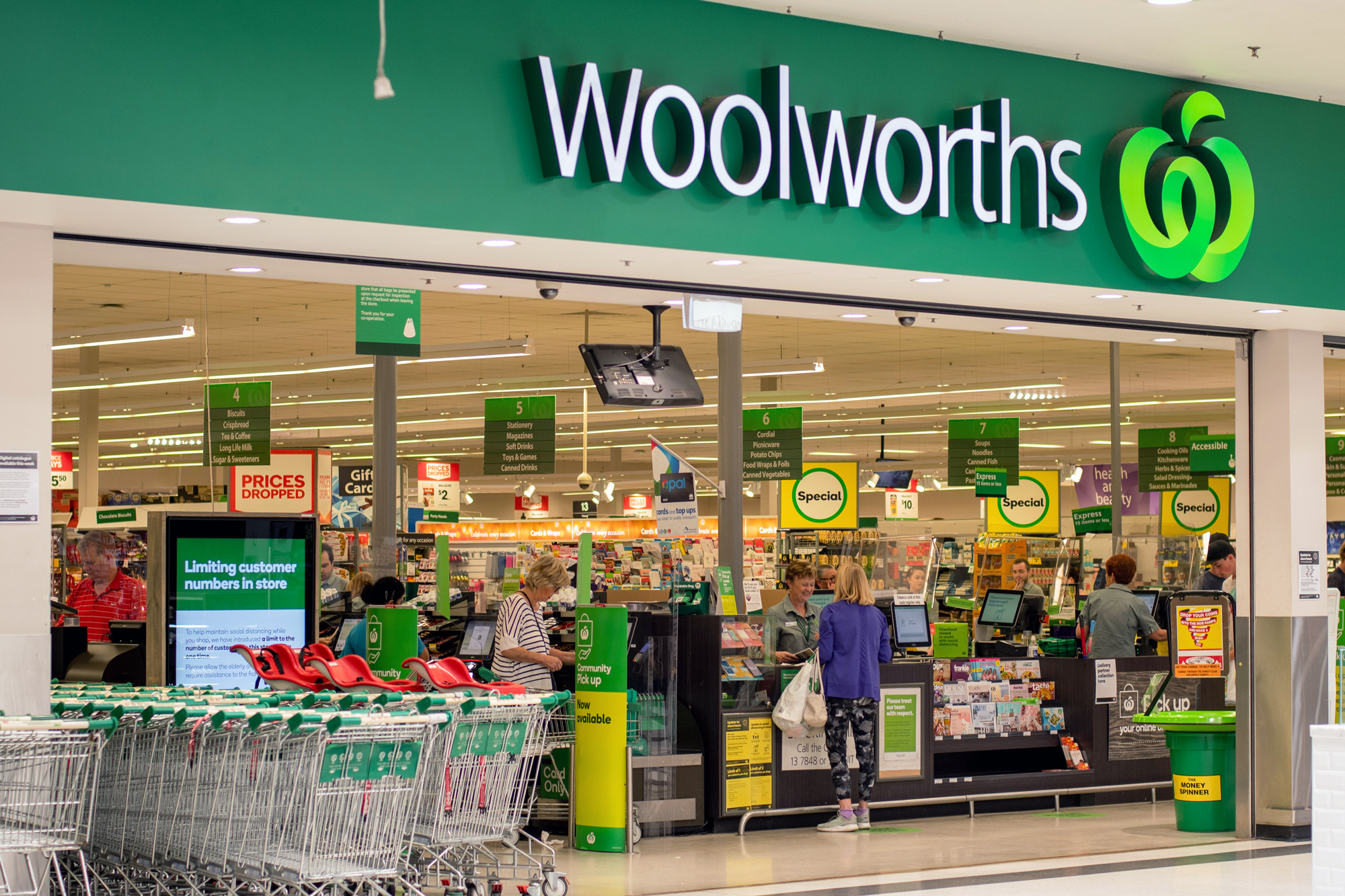
    Supermarket Woolworths is further hastening its consumer-facing sustainable initiatives by announcing a battery recycling initiative, with collection units to be placed in every Woolworths store around the country.

    The units will accept used batteries, as well as mobile phones, in an effort to bump up Australia’s rate of battery recycling – which currently sits at around 10 per cent, lagging behind other developed nations.

    “We’re working towards a better tomorrow by reducing our own environmental footprint, while also making it easier for our customers to do the same,” said Woolies’ head of sustainability Adrian Cullen.

    “By offering customers a convenient place to drop off batteries and phones as part of their regular weekly shop, not only can we help prevent batteries going to landfill, but also reduce at home stockpiles which can be a safety risk.”

    The program is operated in partnership with battery recycler Ecobatt, which will collect and process the batteries and phones. It also comes as the Federal Government produced additional funding for the Battery Stewardship Council, of which Woolies is a member, to support schemes such as this.

    “Convenience is often one of the key elements to changing consumer behaviour, so it’s wonderful to see Woolworths providing their customers drop off points for used batteries,” said Federal Minister for the Environment Sussan Ley.

    Used batteries can often leak harmful chemicals into their surroundings, and can be recycled to extract useful metals such as copper, aluminum and steel.

  • 5 Ways Universities Can Use Facebook to Market to and Connect with Students

    5 Ways Universities Can Use Facebook to Market to and Connect with Students

    If you’ve been looking at the marketing tactics that top colleges have been using to attract and enroll new students, you’ve probably noticed that social media platforms have helped a lot in this. Most college students spend several hours on social media every day. It’s quite difficult to market to college students without using social media platforms.

    Since most brands have used social media successfully to market the products and services they offer, shouldn’t universities and colleges use the same tactics to engage students? Research studies have shown that two-thirds of high school students decide to choose the college they’ll attend after looking it up on social media. The most successful colleges are using social media platforms to grab the attention of a student. Here are five ways that they can use to connect with new college students.

    1.    Focus on promoting a campus culture

    One of the things that attract new students to a university is an exciting campus culture. That’s why you need to use social media platforms to show your followers that your campus is an exciting place. Universities that use this strategy don’t just post boring announcements about various calendar events They show users every action with videos and photos in real-time.

    Whether your college is putting on a festival, hosting a sports game, or a guest speaker, you can use social media to create a sense of urgency for students who are looking for a place to study. Your brand voice plays an integral role here. You should use it to guide your social media posts with a sense of tradition and history which are the things that make your education culture unique.

    2.    Post big wins and fix plagiarism

    Every student wants to be associated with a school that excels. And current students should be proud of wearing that jacket that has the school logo. Great schools use social media platforms to share with the world their big wins. This could be a win on the field, a plagiarism-free study that was published in a famous journal thanks to essay fixer online, or top-performing students in class. Big wins help in building the school’s reputation. And it’s one of the most important factors that parents consider before spending on tuition.

    3.    Encourage students to share their stories

    The majority of students expect brands including universities to have a strong presence on social media. One of the ways learning institutions are fulfilling and exceeding their followers’ expectations is by encouraging students to share interesting stories. A good example is the University of Hampshire which came up with a hashtag on Instagram for this purpose.

    This hashtag allows students to share their experiences on their profiles and this automatically adds them to a network of students. Potential students can enroll in such posts to get a feel of what life is like at the university. Some colleges scan social media regularly to look for school mentions even in cases where they haven’t been tagged directly. Sharing positive posts from either incoming or current students is a great way to show students that their voice is important.

    4.    Share the success stories of alumni

    Alumni become champions in business, politics, and sports. Some rise so high to become presidents of big nations like the US. That’s why universities need to share the stories of their alumni. Highlighting the successes of alumni shows prospective students what they should expect from the school. Engaging with alumni helps in retaining them as advocates. They can help universities get referrals. Plus, sharing the success stories of alumni in social media can spread like wildfire and increase the chances of it landing on fresh eyes.

    5.    Engage with followers directly

    Everyone loves winning contests. Social media gives learning institutions a chance to host contests, giveaways, and polls. Such posts add variety and give followers a chance to engage by sharing their thoughts and opinions on a particular subject. Successful schools use such contests to collect information and give their followers a chance to share study posts.

    Conclusion

    Facebook is a leading social media network that was created back in 2004. And it’s the biggest social media network in the world today. It remains the most popular platform among young learners. Schools can increase the enrollment rate by sharing interesting news and updates that are relevant to their target audience.

    More features are being added to Facebook every day to make it interesting. For instance, Facebook Live is a new feature that universities to communicate with their audience directly. By using the five tips that we’ve discussed in this article, Universities will boost their productivity and performance in the long run.

    Author Bio:

    Paul Calderon is an experienced editor and writer. He enjoys painting, reading literature books, and writing essays. You’ll find him playing with his furry friend or working out during his free time.


    https://www.pexels.com/photo/facebook-application-screengrab-479358/

  • AirAsia Beauty launches in Malaysia and Indonesia as part of expansion plan

    AirAsia Beauty launches in Malaysia and Indonesia as part of expansion plan

    AirAsia.com’s Super App has launched its latest AirAsia Beauty product offering in Malaysia and Indonesia. Acknowledging the growing market demand for beauty and skincare products, AirAsia beauty has revealed a rapid expansion plan within the Association of Southeast Asian Nations.

    AirAsia Beauty has curated a range of products including skincare catering to all skin-types and fragrances, bath and body supplements for pampering.

    Accessible via the AirAsia super app (under the beauty tab) and at airasia.com/beauty, the platform features a wide range of brands including History of Whoo, Dr. Morita, Mediheal, The Mineraw, farmskin, Clio, Dashing Diva and Cosrx.

    AirAsia beauty currently delivers within Klang Valley, Malaysia and Jakarta, Indonesia by Teleport, AirAsia digital’s logistics venture.

    Lim Ben-Jie, Head of Commerce, AirAsia Super App said: “E-Commerce and home shopping has now become part of our daily life. From our experience with AirAsia shop, we observed remarkable demand for our beauty products, and we decided to carve out AirAsia beauty as a standalone service, offering authentic beauty products delivered to your doorstep.

    “We hope to share our products to the people of Asean by leveraging on AirAsia’s unique internal talent, none other than our cabin crew and grooming instructors who are the perfect beauty ambassadors. Beauty is part of their everyday regime and they are experts on always looking great and flawless.

    “The addition of AirAsia beauty will further diversify our Super App lifestyle offering, bringing us a step closer to becoming Asean’s leading one-stop lifestyle and travel app.”

    AirAsia beauty is currently offering up to 50% off selected brands and free delivery within Klang Valley. Shoppers can also pay with BIG Points to save more and earn BIG Points each time they spend on AirAsia beauty.

    Ben-Jie added: “With AirAsia beauty, consumers can look forward to an integrated online shopping experience supported by real personal beauty tips, product reviews, and favorite picks from our Allstars and other users.

    “Beauty is a continuous journey; besides providing consumers with the best items for their skin and delivering them to their doorstep, we are also here to give more resources in helping one to become their best self.

    “Kicking off in the Klang Valley in Malaysia and Jakarta in Indonesia, we have plans for nationwide expansion in Malaysia, Indonesia and other Asean markets. We are working closely with various brands to introduce new products and exclusive bundles soon, so stay tuned for more exciting developments from AirAsia beauty.”

  • Tesla To Add EV Components Recycling Facilities At Shanghai Factory

    Tesla To Add EV Components Recycling Facilities At Shanghai Factory

    U.S. electric vehicle (EV) maker Tesla Inc plans to add facilities at its Shanghai factory to repair and reproduce key components such as electric motors and battery cells, a document submitted by Tesla to Shanghai authorities shows.

    China, the world’s biggest car market, sold over 1.3 million electric and plug-in hybrid vehicles last year. China’s regulators are adding rules on the recycling of key EV components to save materials and protect the environment.

    The document also said Tesla will add manufacturing capacities for car structures and electric motor controllers. It did not put detailed figures of its manufacturing capacities.

    Tesla, which is making electric Model 3 and Model Y vehicles, is expanding the manufacturing capacity of EV components to localize the supply chain. It also added a factory to make EV chargers in Shanghai last year.

    Tesla, which said on its website that materials in a Tesla car’s battery are recoverable and recyclable, did not immediately respond to a request for comment.

    Tesla sold more than 35,000 locally-made vehicles last month in China and is exporting China-made cars to Europe.