Author: Mei Ling Tan

  • Volkswagen US Changes Its Name To Voltswagen To Signify Brand’s Electric Aspirations

    Volkswagen US Changes Its Name To Voltswagen To Signify Brand’s Electric Aspirations

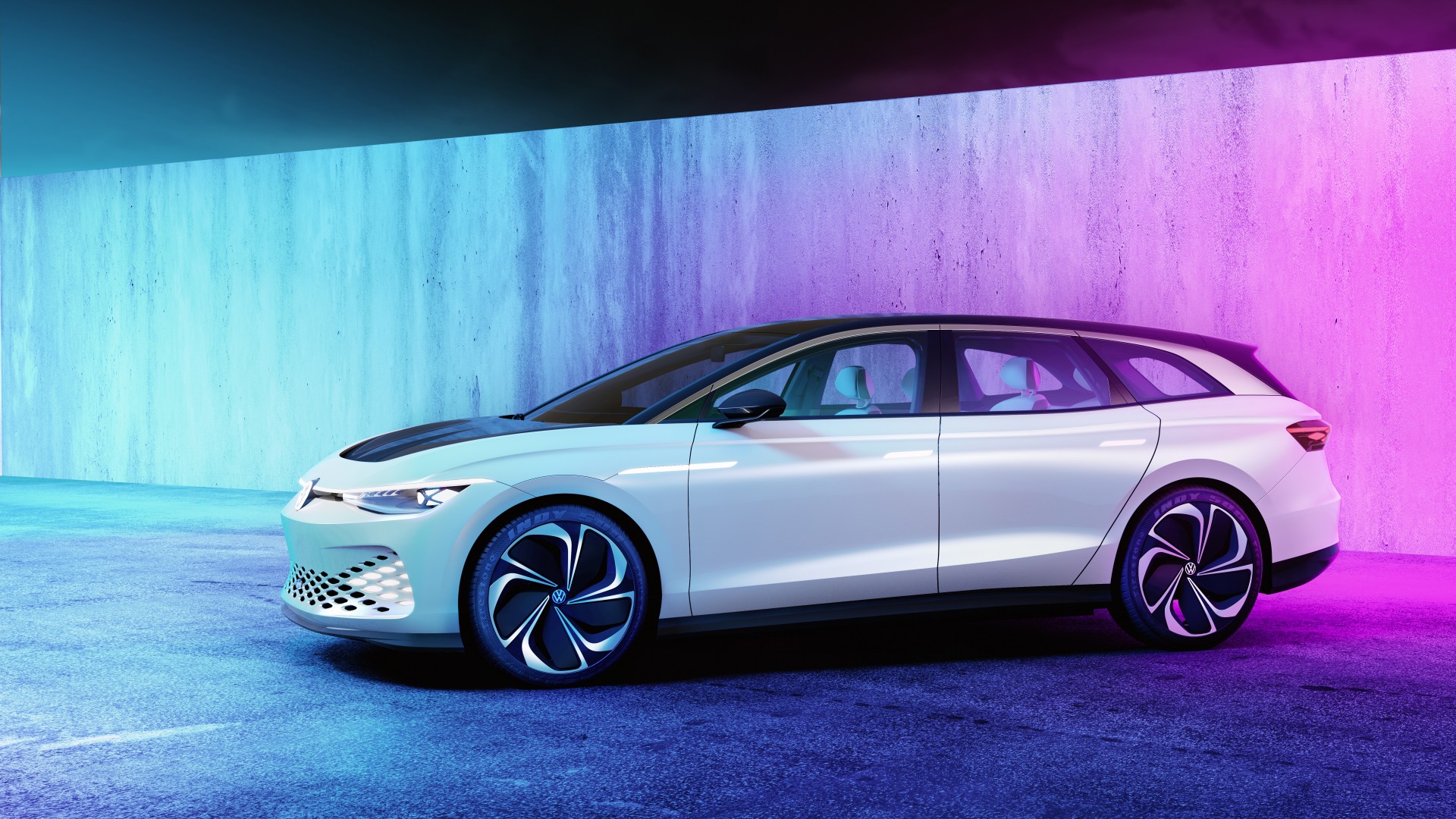
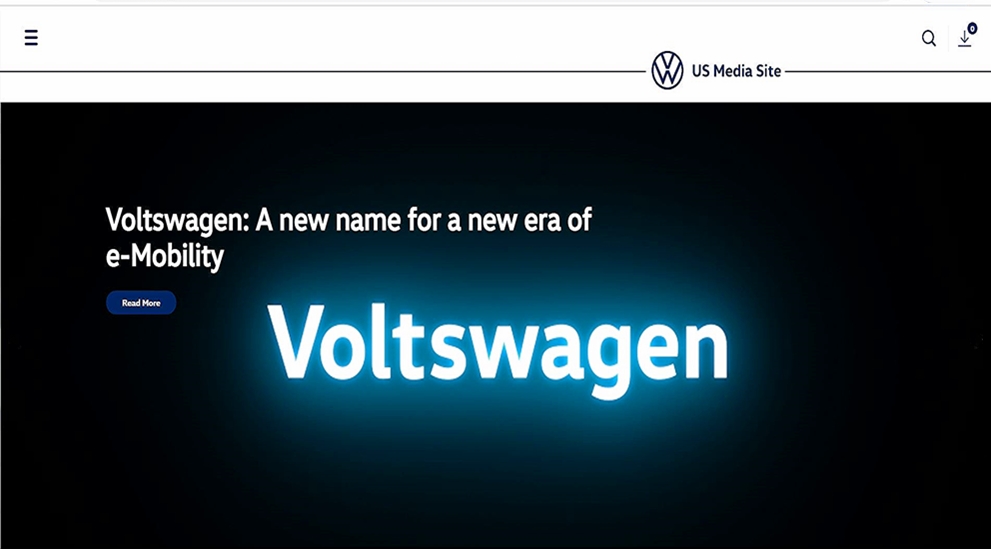
    Voltswagen! Yes, that will be the name of German auto giant Volkswagen’s operations in the United States of America. The official brand name has changed from Volkswagen of America to ‘Voltswagen of America’ and clearly emphasizes the brand’s electric aspirations in the market. The new name, the automaker, symbolises the brand’s momentum towards moving people from point-to-point with electric vehicles. But we now know that this was an April Fool’s joke by the company.

    To give it that reality flavour, the company even quoted Scott Keogh, president and CEO of Voltswagen of America, saying, “We might be changing out our K for a T, but what we aren’t changing is this brand’s commitment to making best-in-class vehicles for drivers and people everywhere. The idea of a ‘people’s car’ is the very fabric of our being. From the beginning of our shift to an electric future, we have said that we will build EVs for the millions, not just millionaires. This name change signifies a nod to our past as the peoples’ car and our firm belief that our future is in being the peoples’ electric car.”

    Do note that the Voltswagen name was to be specific to the US market, while the company will continue to use its original name in other markets globally. The Voltswagen name, though, isn’t exactly all-new. The brand had used it in one of their ads in 2013 while promoting the Volkswagen e-Up! in Europe.

    “As our newly launched ID.4 campaign demonstrates, the humanity at the core of this brand remains its enduring legacy,” said Kimberley Gardiner, senior vice president, Voltswagen of America brand marketing. “The tone of Voltswagen will be a consistent thread between the branded communications for our growing electric fleet to our gas vehicles. Over the course of the next few months, you will see the brand transition at all consumer touchpoints. This is an exciting moment for us, and we have been working through every avenue to make the transition clear, consistent, seamless, and fun for all.”

    The new name strategy also comes when the company has introduced the ID.4 SUV in the US, its first all-electric offering. The automaker has also said that its electric cars will sport the Voltswagen exterior badge and get a light blue version of the brand logo to differentiate the new EV-centric branding. Meanwhile, the gasoline-powered cars will retain the iconic dark blue VW logo, albeit without any exterior badging of the new name

  • AXA IM Nabs Ex-Picet Asset Management Exec

    AXA IM Nabs Ex-Picet Asset Management Exec

    AXA Investment Managers hires a former executive from Pictet Asset Management as its Asia head of institutional sales. AXA IM has hired Carmen Lai as its head of institutional sales for Asia, according to a statement, reporting to APAC head of client group core Terence Lam in the Hong Kong-based role.

    Lai will oversee the development of AXA IM’s institutional business and client relationships in Asia, tasked initially to build a dedicated sales team for the North and Southeast Asia markets.

    Lai is a veteran in the asset management industry in the region, joining from Pictet Asset Management where she spent a decade, last as its Asia ex-Japan head of institutional sales. Previously, she also worked for Blackrock.

    In addition, AXA IM also appointed Kyle Wang as Asia head of sovereign and supranational Entities (SSE). Wang will report to Lam and work closely with Lai.

    Institutional clients remain a key focus for AXA IM’s Asian growth strategy, where we continue to see robust momentum, said Matt Lovatt, global head of client croup core and member of AXA IM’s management board.

    The enhanced team will reinforce the business coverage of AXA IM Core across the region, as we uphold our pledge to uncover global investment opportunities and offer active, long-term, and responsible investment solutions for our valued clients.

  • 8 types of learning toys that every child should have

    8 types of learning toys that every child should have

    Throughout time toys have played a significant role in children’s learning and development, especially educational ones. It’s not exaggerating to say that toys are the best companions to our kids. In general, parents do not always have time to be their companions, even though they strive to spend time with them as much as possible. Somehow, toys play this magical role to make your child’s time more playful and meaningful.

    To cultivate your child’s interest, they need to have a few different types of learning toys.

    Plush toys or stuffed animals

    Usually, a plush toy is the first type of toy that every child will have, like a teddy bear or stuffed animal. It seems that it’s a never-die industry everywhere in the world. If this type of toy exists forever, there must be something that we shouldn’t ignore.

    Kids love hugging soft animals to sleep. Studies showed that teddy bears help improve psychological well-being. “It’s human nature to crave these feelings from childhood to adult life” said psychologist Corrine Sweet. Nevertheless, parents should be aware of the materials and components when choosing stuffed toys for kids to avoid unnecessary dangers.

    Puzzles

    Unlike dolls and stuffed animals, puzzles are important toys to help kids learn and enhance their necessary critical skills through play. They could grow with your kids in parallel as they will become more interested in solving puzzles with greater difficulty. Once they are interested, they will spend the whole day solving puzzles.

    Apart from brain development, puzzles, like jigsaws and wooden puzzle board, are excellent educational learning kits for children, to keep their mind away from mobile devices.

    Essential skills kids will benefit from puzzles:

    • Fine motor skills.
    • Memory and cognitive abilities and skills.
    • Problem-solving skills.
    • Independent thinking skills.
    • Object sorting skills.
    • Ability to solve particular needs.
    • Ability to combine objects.

    Musical toys

    Music is a beautiful international language that can cross beyond nations, cultures, and races.

    Music plays a significant role to enrich our lives. It’s essential for kids to grow and boost brain development, which is a critical part of developing cognitive abilities, language, listening, and speaking skills.

    Kids are naturally curious about the sounds from different instruments. Being curious about something means they have an interest in it. That means it can be a powerful tool to develop necessary skills through musical toys.

    Other vital skills kids can acquire through musical toys:

    • Cognitive skills enhancement and sensory development.
    • Gross and fine motor skills development.
    • Self-expression and self-confidence.

    Role-playing toys

    Kids love role-playing! It helps engage kids with learning through imaginative plays. In general, kids learn from real-life environments much faster than from any books. Role-playing is an essential scenario-based learning tool for kids to understand the importance of their behaviours, activities, relationships, and roles in this society.

    Furthermore, kids have the opportunities to “outgrow” and develop these core skills:

    • Critical thinking skills.
    • Communication and collaboration skills.
    • Decision-making skills.
    • Risk analysis skills.
    • Interpersonal skills.

    Role-playing toys provide simulating scenario-based learning environments for kids to learn and explore in immersive environments.

    Dress-up play toys

    Similar to role-playing toys, dress-up play toys provide imaginative simulating environments for kids to experience and explore possible real-life scenarios through fun plays. Kids have room to design their clothes for toys with their creativity and imagination. In the whole process, kids can enjoy pretending to be the role or character they are dreaming of being, which helps develop their interpersonal skills and self-exploration.

    Furthermore, it’s also important to develop gross and fine motor skills in early childhood. Parents can also play with your kids if possible as that’s the best way to understand more of your kids, like who they want to be and what they want to do in the future.

    Builder and construction toys

    STEM or STEM-related toys, such as builder and construction toys, have successfully grabbed massive attention from parents and educators worldwide. The reasons behind this are quite simple – the STEM workforce is in high demand all over the world, especially in an ever-connected world, as it is essential to cultivate your child’s interest and ignite their passion in STEM areas with STEM toys at an early age.

    More are more STEM-based programs or campuses will be built up worldwide to meet the increasing enrolments. The United States and China have been putting many efforts into supporting and encouraging kids and teenagers to pursue STEM curricula.

    Vehicles toys

    Vehicle toys, such as cars, trucks, trains, or aeroplanes, have the potential to stimulate children’s development in a prolonged way. Research showed that car toys might aid kids’ emotional, social, and physical development as well as language and communication skills.

    They allow your children to simulate sitting on the vehicles with creativity and imagination on the road, which provides a dynamic learning environment for them to experience many possible opportunities and scenarios for the future through imaginative play. Kids can be the creators of their future and life. Parents can participate in their games or encourage them to play with their companions. It’s a great way to develop their teamwork and communication skills for the long term.

    Board games

    Although we cannot say all kids love games, they usually wouldn’t hate them. Actually, interactive-based learning games, such as board games, are prevalent among kids.

    Here are the essential skills kids can expect to gain through interactive-based learning games:

    • Focus and concentration.
    • Communication skills.
    • Independent thinking.
    • Problem-solving skills.
    • Improving self-esteem: they learn how to accept reality when they lose games.

    Although we cannot only rely on toys to develop children’s abilities and skills, it’s also undeniable that toys play essential roles in enhancing their development in multiple areas from different perspectives.

     

  • UBS Singed by Archegos

    UBS Singed by Archegos

    Switzerland’s largest bank didn’t escape the Archegos wreckage unscathed. UBS’ singing is however far from the burn that rival Credit Suisse is nursing. Zurich-based UBS, the sixth-largest prime broker according to data provider Preqin, also catered to troubled hedge fund Archegos. Yet the Swiss bank was mum as its crosstown rival Credit Suisse warned of a major hit against its first-quarter results.

    The damage unleashed at Credit Suisse by the hedge fund now reportedly tallies at as much as $5 billion. How did UBS, which ranks directly behind Credit Suisse in catering to hedge funds, escape a similar fate?

    The answer is that the Swiss wealth management giant didn’t entirely, according to a person familiar with the matter. UBS, silent this week as Credit Suisse issued its profit warning, is reportedly still unwinding a series of complicated instruments when it called margin on the hedge fund.

    Though estimates vary, the bank believes it will be left nursing losses of not more than low-three-digit millions from business with Archegos, the person said. The damage isn’t such that it will neither torpedo UBS’ quarterly profits nor trigger a warning, the person noted. A spokeswoman for UBS declined to comment.

    Analysts expect a quarterly profit of $1.44 billion from UBS when it reports on April 27, according to a consensus compiled by the bank itself. Executives at both banks scrambled late last week to evaluate the Archegos debris, with Swiss regulator Finma intervening early on.

    UBS’ top investment banker Rob Karoskfy, risk chief Christian Bluhm, and finance overseer Kirt Gardner were among the top executives involves. The Swiss bank apparently feels confident enough it can extricate itself from the wreckage without wiping out the quarterly progress.

    This puts UBS squarely in the camp of Goldman Sachs and Morgan Stanley, which were both able to offload their Archegos holdings quickly. By contrast, Credit Suisse and Japan’s Nomura, which on Monday flagged a $2 billion hit, weren’t as fast.

    The episode illustrates that UBS’ risk limits held in this case, while raising manifold questions about Credit Suisse’s limits. The latter’s shares slumped more than 16 percent since the bank disclosed the Archegos hit on Monday; investors sent UBS’ shares just three percent lower over the same period.

  • Iceland Fintech Meniga Plans APAC Growth

    Iceland Fintech Meniga Plans APAC Growth

    The Iceland-based company has announced a new partnership with Visa to accelerate its expansion across the APAC region.

    Digital banking solutions provider Meniga plans to capture growth opportunities in Southeast Asia, following its certification as a Fintech Enablement partner under the Visa Ready Program, which will help facilitate partnership opportunities with financial institutions, fintechs and businesses in the region.

    Meniga has developed digital tools for financial institutions such as UniCredit, Crédito Agrícola and Swedbank, which revolve around advanced data consolidation and enrichment, customer engagement and new revenue opportunities.

    This marks an important step in our plans to accelerate our expansion within the APAC region, where we see a substantial growth opportunity, with the regional fintech ecosystem currently booming, Georg Ludviksson, CEO & co-founder of Meniga, said in an announcement on Wednesday.

    The company entered the Southeast Asian market in 2019, when it opened a new office location in Singapore. It has since successfully launched some of the most popular banking apps in the region, including for UOB.

  • Apple iOS 15 release date and expected new features

    Apple iOS 15 release date and expected new features

    The next iOS 15 update is expected to be revealed on June 7 at Apple’s annual WWDC dev-centric summit at an online keynote. As is tradition, we are certain that most all new features of iOS to be demoed on stage, but the most intriguing ones would likely be unraveled as soon as the first developer beta of iOS 15 arrives on the day of the announcement.

    Now, what’s to expect about the new version of Apple’s OS? Given that iOS 14 was a pretty important update for iOS that overhauled a slew of things, most importantly the interface by adding widgets to the home screen, we don’t really believe that iOS 15 will add that much to that visual overhaul. This doesn’t mean you should curb your enthusiasm though, there’s plenty of spicy talk regarding iOS 15!

    • June 7, 2021 for iOS 15 developer beta release
    • September 2021 iOS 15 final release

    This year’s June 7 WWDC developer summit will be an online-only event, says Apple, and will “offer unique insight into the future of iOS, iPadOS, macOS, watchOS, and tvOS.” Aside from releasing a beta, this early reveal of iOS also gives plenty of headroom to app developers to prepare their apps for the upcoming changes and get up to speed on all the new features.

    As far as the final launch of the official version of iOS 15, it will undoubtedly take place alongside the release of the iPhone 13 (iPhone 12S) series. Traditionally, iPhones are released in late September/early October, so expect the next version of iOS along those lines.

    Word on the street is iOS 15 will open up the operating system to even more customization by allowing users to change even more of the default apps. iOS 14 kickstarted this trend by letting Safari and Mail be changed and an alternative be used instead. The latest iOS 14.5 beta lets you change your default music platform of choice as well, substituting Apple Music for Spotify, for example. This opening of iOS will likely persist in iOS 15 as well.

    Interactive widgets

    iOS 14 introduced widgets, which are a great new addition to Apple’s OS, but in their current state, widgets are simply not as useful on iOS as they are on Android because they aren’t interactive. iOS 15 is rumored to be introducing interactive widgets that the user will be able to interact with, i.e. change volume, enable specific toggles, and so on. More sizes are also reportedly coming to widgets in iOS 15: currently, we have small, medium, and large, but a bunch of new in-between sizes could arrive. This will make the widget support on iOS 15 much more useful and more customizable.

    Redesigned Settings

    The Settings menu is a staple of iOS that houses all of the possible device settings you might want to tinker with. It’s been largely kept the same for the past years, scoring tons of new features and menus that have gradually made it less and less intuitive. A redesign could help Apple solve that problem and make things a bit more intuitive once again.<

    Always-on display and redesigned lock screen

    One of the big rumors about the iPhone 13 is that it would score a always-on display similar to the one found on the Apple Watch, which can scale down the refresh rate all the way down to 1Hz and waste just a minuscule amount of battery. The always-on display will certainly be hardware-dependent and won’t arrive on old iPhones, but iOS will also have to change to accommodate the new feature. Rumor is the lock screen will be updated so as to display notifications in a more friendly manner to suit the always-on display.

    iOS 15: Supported devices

    iOS updates tend to drop support for older iPhones. This wasn’t the case with iOS 14, which was supported on the same devices on which iOS 13 was available, but this won’t be reiterated by Apple’s next iOS version.

    The iOS 15 update support will be dropped for the last iPhones with a headphone jack, the iPhone 6s and 6s Plus, as well as the original iPhone SE as only devices with an A10 or newer chipset will still remain supported.

    Here’s what iPhones will most likely get iOS 15:

    • iPhone 12 Pro Max
    • iPhone 12 Pro
    • iPhone 12 mini
    • iPhone 12
    • iPhone 11
    • iPhone 11 Pro
    • iPhone 11 Pro Max
    • iPhone XS
    • iPhone XS Max
    • iPhone XR
    • iPhone X
    • iPhone 8
    • iPhone 8 Plus
    • iPhone 7
    • iPhone 7 Plus
    • iPhone SE (2020)
    • iPod touch (7th generation)

    iOS 15: Privacy

    The latest iOS 14.5 beta pumped up the privacy of the iOS even further by automatically redirecting safe browsing data through Apple’s own servers and acting as a proxy of sorts, protecting you from the prying eyes of the advertising monstrosities prying for your data (looking at you, Google). Supposedly, we can expect similar privacy features to be part of iOS 15 as well.

  • Vietnamese carriers restart direct US flight race

    Vietnamese carriers restart direct US flight race

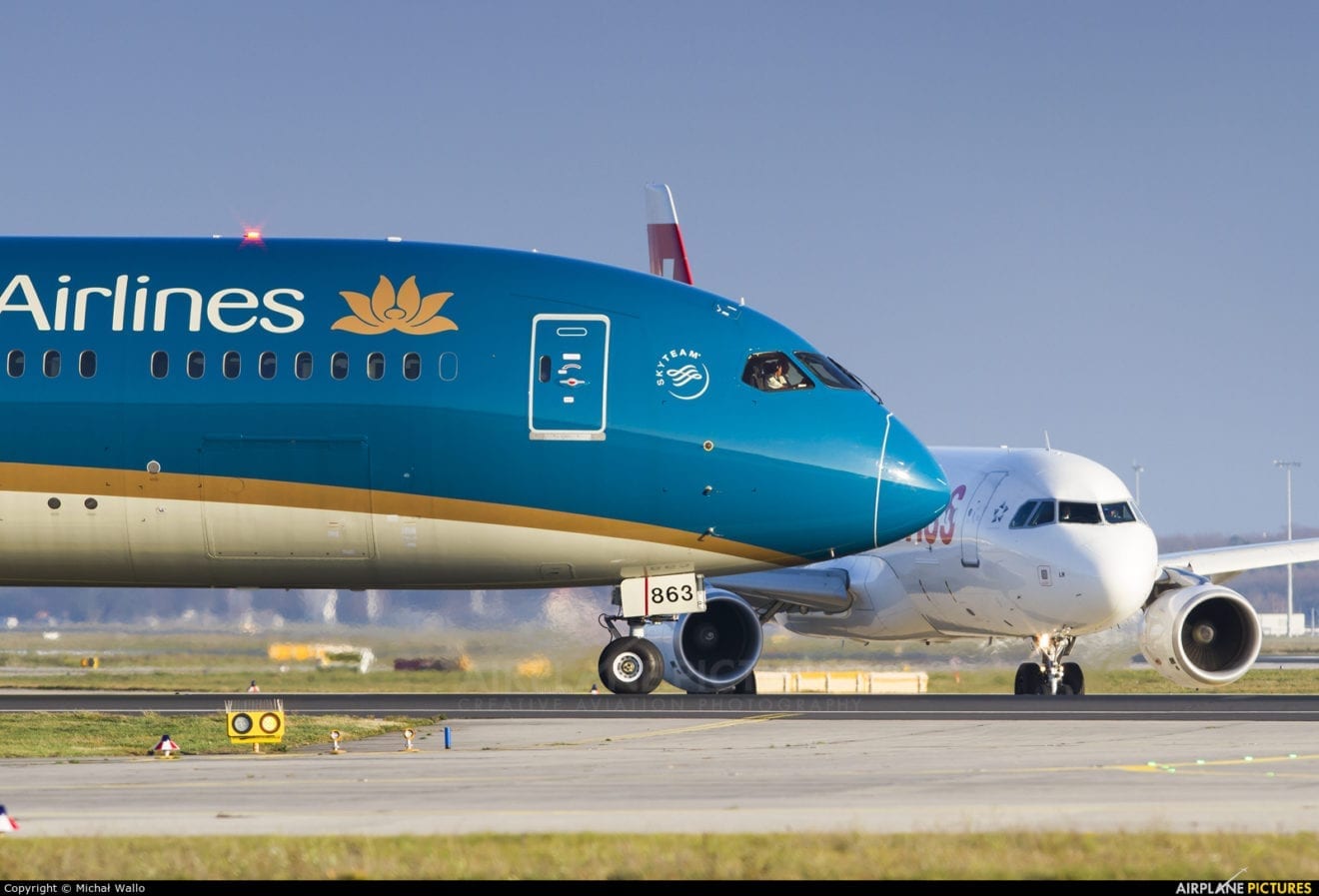
    Bamboo Airways and Vietnam Airlines are locked in a race to become the first Vietnamese carrier to establish a direct route to the U.S. The race has been re-triggered by the large demand for such flights amid the Covid-19 pandemic.

    Trinh Van Quyet, chairman of Bamboo Airways, said that the global vaccination campaign will help create a boom in the aviation industry by the end of this year. This is why the airline wants to fly directly to the U.S. in the last quarter of this year, he said.

    He had earlier announced a plan to make Bamboo Airways the first Vietnamese carrier to conduct regular direct flights to the U.S. However, it failed to meet its own deadline last year.

    The board of directors of flag carrier Vietnam Airlines has also approved a plan to launch direct flights to the U.S. early next year, saying it was the right time to do it. Since May last year, the airline has conducted 12 repatriation flights from the U.S. It has used up the number of repatriation flights allowed by U.S. authorities and is now seeking permission for regular flights.

    Such flights will help utilize its wide-body fleet, which has been in low demand due to the pandemic. Vietnam has considered regular direct flights to the U.S. since 2003, but profitability concerns have made carriers hesitant. Vietnam Airlines leaders have said earlier that low demand and fierce competition could lead to annual losses of $30 million in the first five years.

    American carriers have faced the challenges that Vietnamese carriers face now, and stopped direct flights between the two countries long ago. United Airlines launched a direct service in 2007 but pulled the plug on it in 2012, while Delta Air Lines flew its direct service for a mere six months in 2008. No American carrier has launched a direct flight since.

    The market entrance of Bamboo Airways in 2019 stirred up the race again, with its leadership expressing confidence that it was possible to make a profit with direct flights to the U.S.

    Bamboo Airways chairman Quyet had calculated that the airline could earn VND8 billion ($346,700) a month from direct flights with a return ticket price of $1,300.

    Without direct flights, people have to transit in East Asia while traveling between Vietnam and the U.S., and the journey can take 18-21 hours. A direct flight would shorten the travel time to 15-17 hours.

  • Indian Consumers Prefer 3D Catalogues As Digital First Trend Takes Off Because Of COVID19

    Indian Consumers Prefer 3D Catalogues As Digital First Trend Takes Off Because Of COVID19

    Eccentric Engine’s One 3D platform has been powering the virtual showroom and 3D catalogs for various automobile OEMs has released a survey which reveals 7.6 million Indians chose to experience cars virtually in 3D on platforms enabled by its technology in 2020.

    It reports a 300 percent increase from 2019 for its visualization platform One 3D. The data is based on 100 million interactions and over 500 respondents spanning tier 1, tier 2 and tier 3 cities. Its platform enabled research for cars in a virtual 3D format.

    Eccentric Engine’s 3D configurator has been in the market since 2018. Most recently, it enabled the 3D experiences for MG Motors, Citroen and Tata Motors.

    “In India, we work with Maruti Suzuki, Tata Motors, MG, Citroen, Toyota, and Nissan. And also with the newly formed Stellantis (which is the whole PSA group plus FCA),” revealed Varun Shah, the co-founder of Eccentric Engine.

    Shah reveals his platform enables users to explore granular details about vehicles, including details that can’t be explored in review videos or online activations.

    The survey revealed that 51 percent of the sessions were from the 6 top-tier cities including New Delhi, Mumbai, Pune, Hyderabad, Bangalore and Chennai. Even Lucknow broke into 3 percent of the digital sessions making its way into the top 10 cities in India. Interestingly, tier 3 cities accounted for 9 percent of the queries which is an impressive number.

    The survey also revealed that 91 percent of the users who experienced the car online ended up buying the same car offline.

    “By intuitively integrating the real and digital world with One 3D we are excited to create an unprecedented level of customer engagement for our OEM partners to understand evolving consumer needs and help them serve their customers better by offering world-class product visualization that can create surprise and delight and personalize their buying experience,” said Varun Shah.

    The survey also revealed that non-resident Indians were making buying decisions for their families in India digitally. 4.6 percent sessions were from NRIs out of which 31 percent were from North America, 32 percent were from the Middle East, 10 percent were from Europe, 5 percent from the UK, 4 percent from Australia, 2 percent Africa and 1 percent from Latin America.

    The survey also showed blue and white were the most popular shades by more than 40 percent. 35 percent people preferred the colour grey, brown and silver. Red, black and orange were preferred by 15 percent.

    Indian automakers have seen a sharp rise in digital interaction over the past couple of years and yes, it’s been largely driven by the pandemic. Audi India, Volkswagen India saw an uptick of 70% in online interface compared to pre-covid times and with new tech, enhancing that experience for customers is going to be paramount. More manufacturers are now getting into the game and innovation is at the top of everyone’s agenda.

  • Volkswagen Clarifies That It’s Not Rebranding To Voltswagen In The US

    Volkswagen Clarifies That It’s Not Rebranding To Voltswagen In The US

    Earlier today we told you about Volkswagen’s plan to change its name to Voltswagen in the US. Volkswagen US in fact issued a statement that it had changed from Volkswagen of America to ‘Voltswagen of America’ to show the clear emphasis on the brand’s electric aspirations in the market.

    The news clearly had a big impact given that there were official quotes from the company’s top management and soon, there was a lot of confusion about how the shares were going to be transferred to the new name. The announcement also saw Volkswagen’s stock price rise by 5 percent on Tuesday as well.

    Scott Keogh, president and CEO of Volkswagen of America, said in the release, “We might be changing out our K for a T, but what we aren’t changing is this brand’s commitment to making best-in-class vehicles for drivers and people everywhere,”

    However, it’s come to light now, that the company had intended it as an ‘April Fools’ post. VW issued a statement confirming that it won’t be changing its brand name to ‘Voltswagen’. The company sent out a statement saying that “The renaming was designed to be an announcement in the spirit of April Fool’s Day,”

    Volkswagen clearly fooled retail news as well like the many other media houses around the globe and kudos to the team for it. However, it will be interesting to see if the rise in the stock price of the company will prompt an inquiry from the SEC in the US.

  • Google Maps driving directions are going green

    Google Maps driving directions are going green

    Google has been hard at work keeping its Maps app top-notch these days, as it continues to compete in the neck-to-neck battle with Apple Maps. It’s been adding all sorts of features over the years, constantly improving your commuting experience—especially if you exploring a new city. Among many other things, it can now help you find great places to eat, sleep, and hang out, and even plan group get-togethers at a favorite joint.

    CNET has revealed that Google is rolling out a brand new feature to its driving directions function, this time aimed to help us live a little greener.

    Google Maps has announced it will be adding carbon emission minimization in its calculations for optimal driving directions. If there are two similar routes a driver could take, Google will now be able to take into account road inclines, traffic jams, and other factors in order to choose the least wasteful option. If the greener choice would significantly prolong the trip length, however, Google will let you know so that you can make the choice for yourself.

    Another upgrade Google Maps will be giving us is an improvement to its “Live View” alternate reality feature. Introduced in 2019, Live View superimposes virtual arrows onto the real world through your phone screen while you are walking, pointing you in the right direction. As of the new update, Google Live View will be available indoors in Westfield shopping centers across the U.S, including San Francisco, Chicago, and Los Angeles. The company has promised to bring Live View to Zurich and Tokyo airports eventually as well.

    Alongside these updates, Google is also trying out grocery pick-up options in a partnership with Fred Meyer (a division of the Kroger grocer) to encourage social distancing and safety amidst the COVID pandemic. This feature is currently being tested in Portland, Oregon, and Google will be sure to let us know will let us know if it goes nationwide.

  • Lululemon warns of demand risks from potential virus resurgence

    Lululemon warns of demand risks from potential virus resurgence

    Lululemon Athletica on Tuesday warned of more store closures and risks to demand from a potential resurgence in COVID-19 cases, even as it forecast first-quarter revenue above analysts’ estimates.

    The company said any surge in cases, including the new variants, could hamper demand and disrupt the supply chain at a time its stores are struggling with capacity restrictions, sending its shares down 1.6% in extended trading.

    The company’s stock, however, has gained 64% over the past 12 months, as Lululemon saw a surge in demand for its leggings and sports bras from stuck-at-home consumers looking for comfortable apparel.

    “Regardless of vaccines, the sense of comfort will continue to sell and Lululemon has found a very strong assortment in between comfort and activewear,” said Jessica Ramirez, retail analyst at Jane Hali & Associates.

    The company is also banking on its home fitness startup acquisition, Mirror, to provide an additional revenue stream this year, and expects its top line to rise as much as 65% to $275 million in 2021 on the booming demand for online workout classes.

    Lululemon said it would ramp up investments in the startup, which offers subscriptions for live workout classes on mirror-like video monitors, to sustain its growth. The Canadian company forecast first-quarter revenue of $1.10 billion to $1.13 billion, above analysts’ estimate of $999.5 million, according to IBES data from Refinitiv. It expects first-quarter adjusted earnings per share of 86 cents to 90 cents, above estimates of 82 cents.

    Lululemon’s full-year earnings per share expectations of $6.30 to $6.45, however, were below estimates of $6.72.

    Net revenue rose 24% to $1.73 billion in the fourth quarter, beating estimates of $1.66 billion, as online sales jumped 92% on a comparable basis.

  • Rhenus Logistics opens free zone warehouse in Bangkok

    Rhenus Logistics opens free zone warehouse in Bangkok

    Global logistics service provider Rhenus Logistics has opened a new free zone warehouse in Bangkok, Thailand, as it aims to serve a wider range of industries.

    The warehouse is strategically located within a 10-kilometre radius of three existing warehouses that house general cargo and dangerous goods.

    Rhenus says the facility, located within Bangkok’s free trade zone, will offer a wider range of services to key industries like manufacturing, medical devices and healthcare, whilst offering better value for customers, including duty exemptions.

    “The warehouse provides added convenience to customers who conduct business in the nearby Bangkok metropolitan city, with its close proximity to key freight hubs at Suvarnabhumi Airport and Thailand’s major sea ports,” the company said.

    Rhenus noted that the facility features its latest in-house technology and an ecofriendly design. Customers in electronics and medical devices with specific storage requirements can safely and securely tap on its 450-sqm temperature and dust-free controlled room, ambient storage facilities and the anti-static testing room.

    The warehouse supports pallet storage for standard cargo and block space for oversized cargo up to 3 tonnes, offers flexible in-transit capacity for large shipments, with comprehensive 24-hour security measures within and around the facility.

    “With its strategic proximity to the Bangkok Free Trade Zone, we hope to better support evolving warehousing needs by providing more space options, improving quality and all while reducing operational costs for our customers,” said Tim Burger, director warehousing and transport, Rhenus Logistics Thailand.

  • Another huge loss for AirAsia in 2021

    Another huge loss for AirAsia in 2021

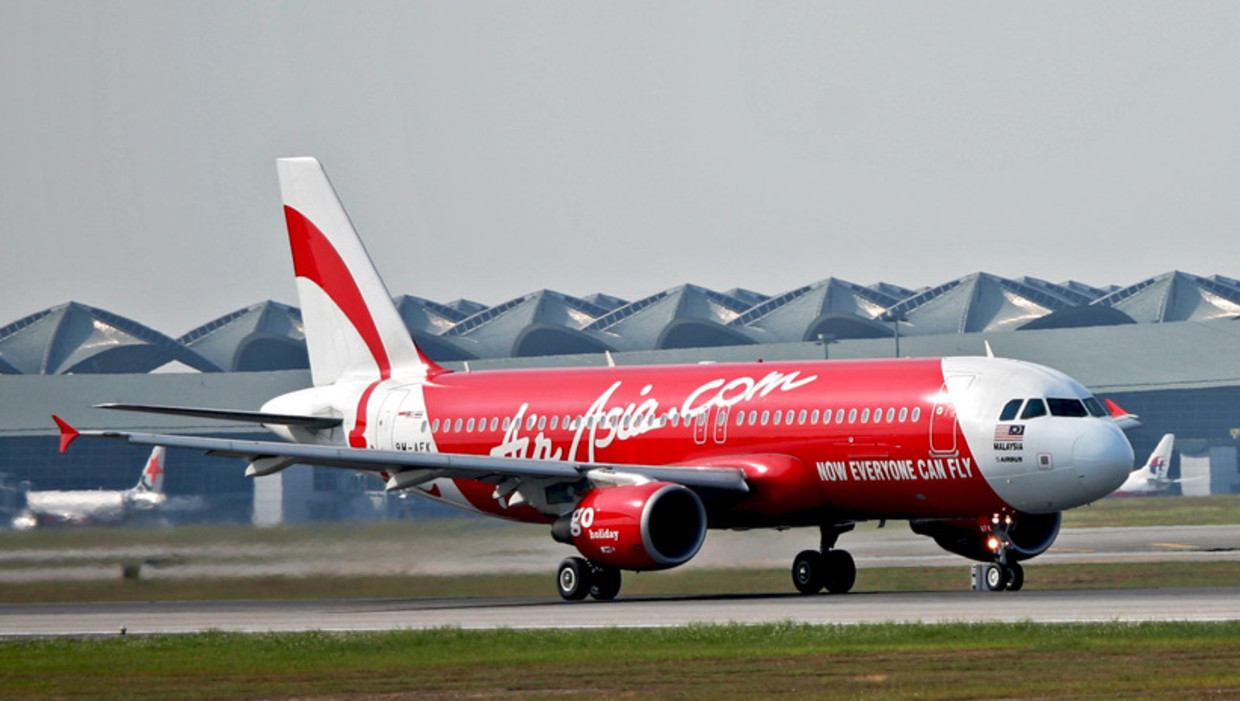
    AirAsia Group is expected to report another huge loss in its 2021 earnings on prolonged closure of borders and a slower-than-expected recovery in tourism.

    Affin Hwang Capital said AirAsia had posted a record headline net loss of RM2.44 billion in the fourth quarter (Q4) of 2020.

    This was due to weak revenue, large impairment charges on right of use assets/receivables, fuel hedging losses and the recognition of deferred tax, partly cushioned by forex, disposal, and derivatives fair value gains.

    The firm expects AirAsia to report core net loss of RM1.4 billion this year due to the reimplementation of movement control order during the first quarter (Q1) 2021, prolonged closure of borders, and longer-than-expected timeframe for the Covid-19 immunization program.

    “We now anticipate AirAsia to report net loss of RM92 million in 2022 earnings (from net profit of RM238 million) due to slower-than-expected recovery in international tourism,” it said.

    Sequentially, Affin Hwang said AirAsia’s Q4 revenue from Malaysia’s airline operation had slipped by 68 percent quarter on quarter to RM113 million.

    This was after the reimplementation of movement control orders while the revenue from Indonesia and the Philippines had improved by 413 percent and 60 percent respectively.

    While the results were grossly below expectations, the airline’s management made good progress in private placements, Affin Hwang said, adding that AirAsia would have sufficient liquidity for 2021.

    The firm maintained a “Sell” call on AirAsia with a higher target price of 75 sen from 50 sen previously.

  • Deliveroo confirms IPO Offer Price

    Deliveroo confirms IPO Offer Price

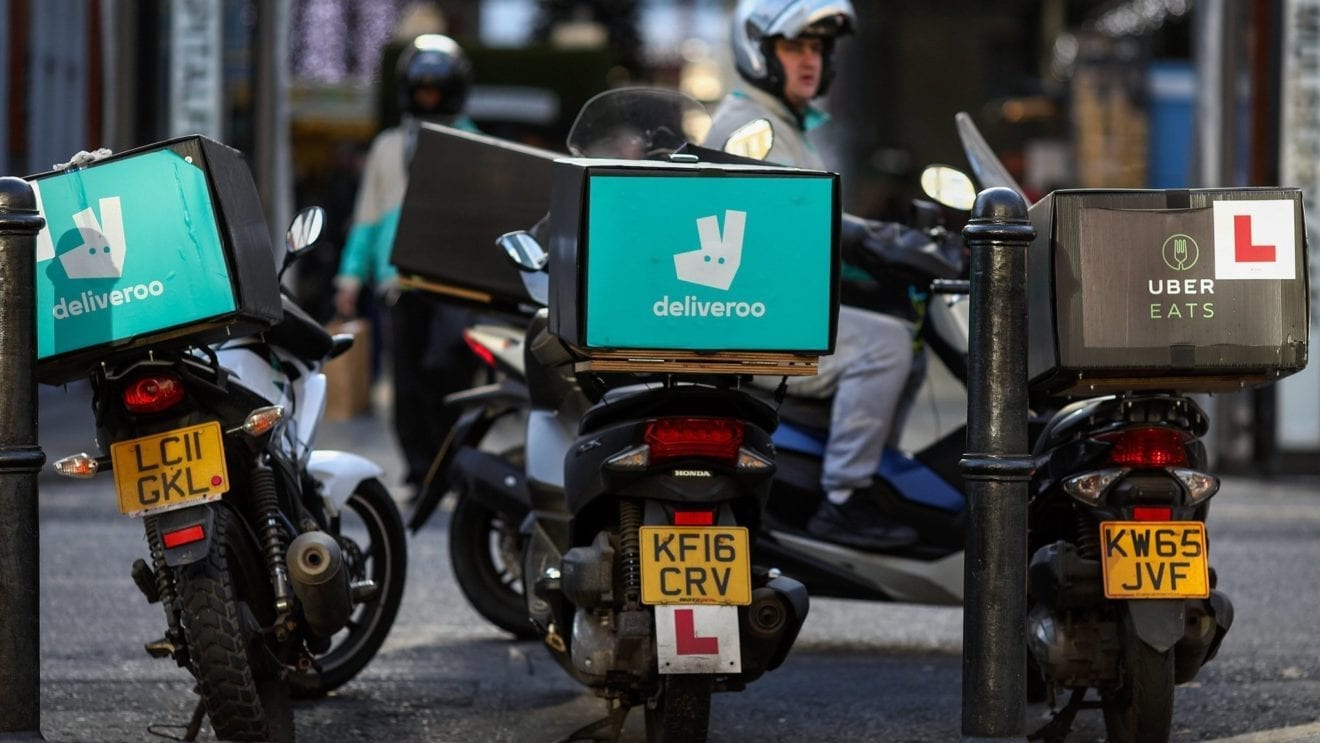
    The Offer Price has been set at £3.90 per Share, equating to a market capitalisation at Admission of £7.59 billion (excluding any over-allotment shares).

    • Commencement of conditional dealings on the London Stock Exchange is expected to take place at 8 a.m. (UKT) on 31 March 2021 under the ticker “ROO” (ISIN: GB00BNC5T391).
    • Deliveroo intends to use the net proceeds from the issue of the new Shares to continue to invest in the growth opportunities available:
    • Bringing the food category online represents an enormous market opportunity. The way we think about it is simple: there are 21 meal occasions in a week – breakfast, lunch, and dinner – seven days a week. Right now, less than one of those 21 transactions takes place online. We are working to change that.
    • We have executed well, from a growth, expansion, and profitability perspective, but we are just truly starting our journey.
    • We will continue to invest in the innovations that we believe will further enhance our core marketplace for consumers, restaurants and grocers, and riders, while also continuing to further develop our growth businesses, in particular, Editions, Plus and Signature.

    Will Shu, Founder and CEO of Deliveroo, said: 

    “I am very proud that Deliveroo is going public in London – our home. As we reach this milestone I want to thank everyone who has helped to build Deliveroo into the company it is today – in particular our restaurants and grocers, riders and customers. In this next phase of our journey as a public company we will continue to invest in the innovations that help restaurants and grocers to grow their businesses, to bring customers more choice than ever before, and to provide riders with more work. Our aim is to build the definitive online food company and we’re very excited about the future ahead.”

  • Nike sues company that made ‘Satan Shoes’ with Lil Nas X

    Nike sues company that made ‘Satan Shoes’ with Lil Nas X

    Athletic shoe maker Nike Inc on Monday sued a New York-based company that produced “Satan Shoes” purported to contain a drop of human blood as part of a collaboration with “Old Town Road” rapper Lil Nas X.

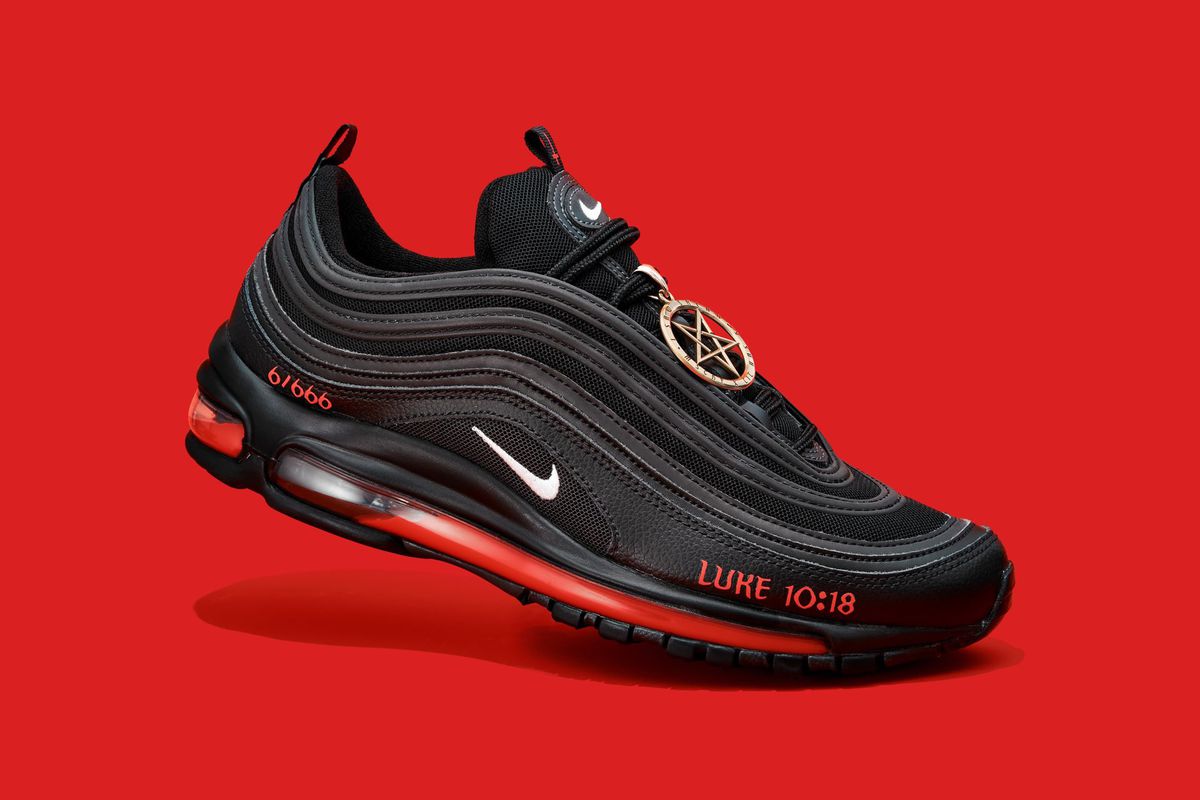
    Nike said in the lawsuit that the company, MSCHF Product Studio Inc, infringed on and diluted its trademark with the black-and-red, devil-themed shoes, which went on sale online on Monday. Lil Nas X is not named as a defendant in the suit.

    The shoes are customized Nike Air Max 97 sneakers that contain red ink and “one drop of human blood” in the sole, according to a website describing the 666 pairs of limited edition shoes. The back of one shoe says “MSCHF” and the other says “Lil Nas X.” her

    Several media outlets reported that the shoes sold out in less than one minute at a cost of $1,018 per pair. Lil Nas X said on Twitter he would choose the recipient of the 666th pair from social media users who circulated one of his tweets.

    Nike, in its lawsuit filed in federal court in New York, said the shoes were produced “without Nike’s approval and authorization,” and the company was “in no way connected with this project.”

    “There is already evidence of significant confusion and dilution occurring in the marketplace, including calls to boycott Nike in response to the launch of MSCHF’s Satan Shoes based on the mistaken belief that Nike has authorized or approved this product,” the lawsuit said.

    Nike asked the court to immediately stop MSCHF from fulfilling orders for the shoes and requested a jury trial to seek damages.

    Representatives for Lil Nas X and MSCHF did not immediately respond to requests for comment.

    The Grammy-winning rapper, 21, on Friday released a video for new song “Montero (Call Me By Your Name)” in which he dances with a character wearing devil horns.