Author: Mei Ling Tan

  • Hanoi to take over metro operation in May

    Hanoi to take over metro operation in May

    Hanoi’s first metro line Cat Linh – Ha Dong is set to be handed over to city authorities in May for commercial operation.

    The company that built it, China Railway Sixth Group Co Ltd., on Wednesday began the process of handing over the Cat Linh – Ha Dong Metro Line to local authorities.

    The handover will take three to four weeks.

    Deputy Transport Minister Nguyen Ngoc Dong told reporters Wednesday that since January, Hanoi authorities have been working to finish the last details of the project, like setting up signs for disabled passengers, installing a device to prevent the conductor from falling asleep and adding more staff at each station to supervise and assist passengers embark and disembark.

    Each train on the route will be capable of carrying 960 passengers. A one-way trip will take 23 minutes, including a 30-second stop at each station.

    There will be a train every 10-15 minutes in the initial period, with higher frequency during rush hours.

    The Cat Linh – Ha Dong Metro Section is set to be the first such project to operate in Vietnam. It runs 13 kilometers on elevated tracks through 12 stations from downtown Dong Da District to Yen Nghia in Ha Dong District in the southwestern part of the city.

    The project has been delayed for years and missed several commercial operation deadlines with the Ministry of Transport blaming the Chinese contractor for its inexperience.

    Last year, its safety evaluation was delayed several times because the Chinese and French experts who had returned home late January and were unable to return to Vietnam since international flights were grounded due to the Covid-19 pandemic.

    The section, one of eight lines planned in the city of 8.3 million, is expected to partly resolve chronic traffic congestion and motivate more residents to use public transportation.

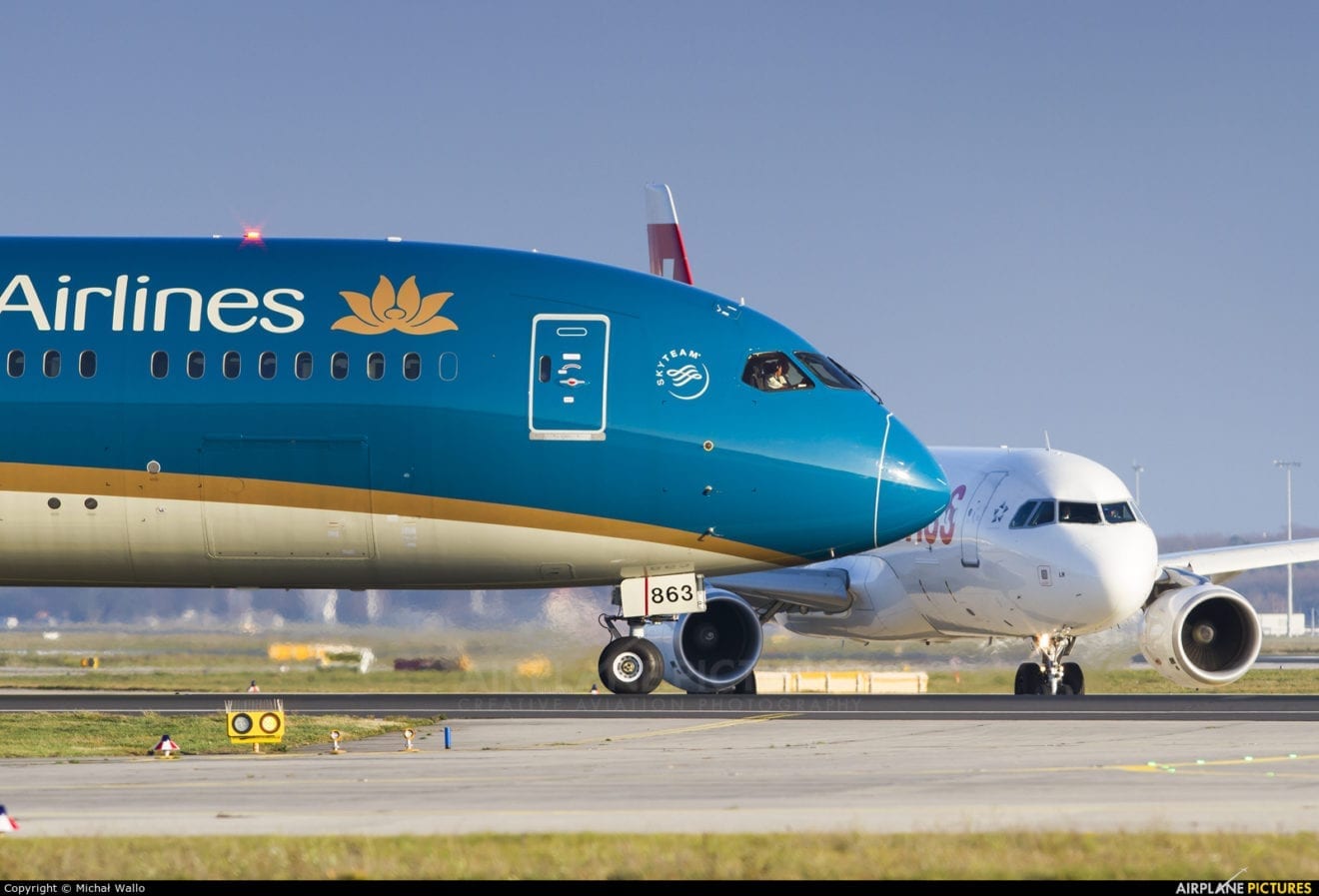
  • Vietnam Airlines to resume commercial flights to Asian destinations this week

    Vietnam Airlines to resume commercial flights to Asian destinations this week

    Vietnam Airlines will reopen international commercial flights connecting Hanoi and HCMC with several Asian destinations including South Korea, Japan and Australia, starting this Saturday.

    The national flag carrier said flights from Hanoi to South Korea’s Incheon City will depart every Thursday while there will have seven flights from Hanoi to Japan’s Narita City in April, with the first scheduled to depart on April 3.

    The carrier will also operate one flight from Hanoi to Australia’s Sydney every Saturday, while flights from HCMC to Sydney would depart every Thursday and Sunday.

    On return trips, the carrier would only carry Vietnamese citizens being repatriated or foreign experts with permission to enter the country. Vietnam is yet to open its doors to foreign tourists.

    A representative of the carrier said the resumption of these international routes are meant to meet growing travel demand of Vietnamese citizens wishing to study and work abroad as well as stranded foreigners longing to return home.

    In addition to these routes, the national flag carrier is planning to operate inbound commercial flights to carry passengers from Japan, South Korea and Taiwan, but is awaiting the government’s approval for this move.

    Vietnam closed national borders and canceled all international flights in March last year. Since then, only Vietnamese repatriates, foreign experts and highly-skilled workers are being allowed in with stringent conditions.

    Vietnam Airlines had said earlier that it is awaiting approval from the U.S. government to launch regular direct flights to that country.

    Vietnamese aviation authorities Wednesday proposed allowing vaccinated foreign passengers into the country from September without requiring centralized quarantine.

  • Apple to accredit independent repair shops in Vietnam

    Apple to accredit independent repair shops in Vietnam

    U.S. consumer electronics giant Apple will extend to Vietnam a program that provides independent repair shops with access to genuine parts.

    In a blogpost Monday, the company said it would open registrations for the program later this week for Vietnam and 37 other markets including Australia, South Korea and the UAE.

    In other countries like China, it will begin later this year.

    This means customers will not need to visit Apple authorized service providers to get their iPhone and Macbook problems fixed and can instead go to third-party repair providers.

    Interested businesses can join the program for free but must have an Apple-certified technician (certification is also free) doing the repairs.

    The technicians must pass exams through an online authorized testing center and the certification is updated on a product basis annually.

    Apple said further applicants must be an established business with documents available for review by it, and have easily accessible premises and not a residential address.

    “Qualifying repair providers can purchase genuine Apple parts and tools at the same price as [authorized service providers] and receive free access to training, repair manuals and diagnostics,” Apple wrote.

    There are already over 1,500 accredited independent repair shops in the U.S., Canada and Europe.

  • Vietnam stock market reaches new historic peak

    Vietnam stock market reaches new historic peak

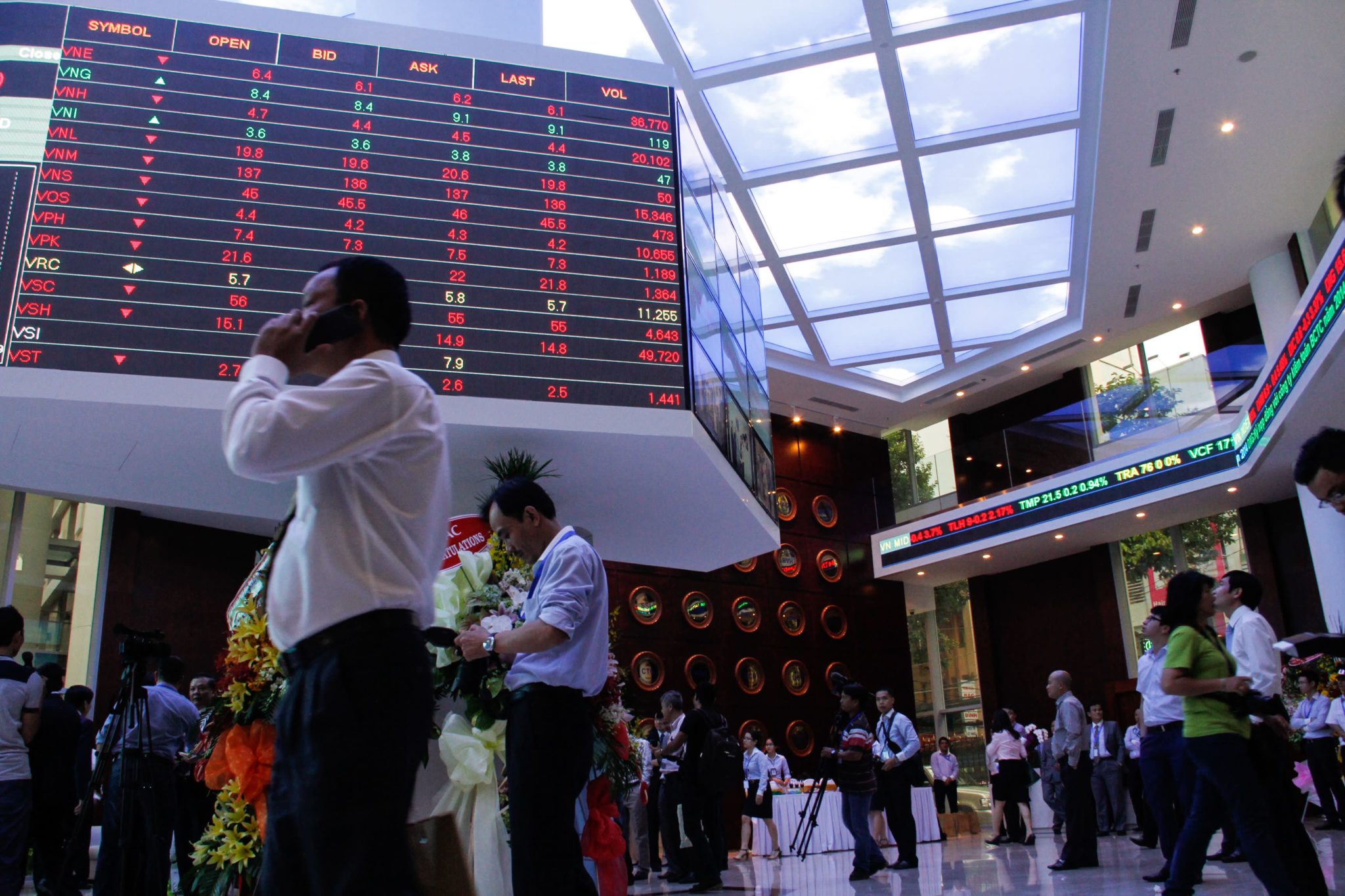
    Vietnam’s benchmark VN-Index surged 2.07 percent to a new historic peak of 1,216.10 points Thursday, driven by Vingroup and Vietcombank tickers.

    The index rose throughout the day after breaking the 2018 peak of 1,204 points in the morning. It continued to surge in the afternoon and ended with a near 25-point gain.

    This is its biggest daily gain in six weeks. The index has ended in the green four sessions in a row.

    Trading value on the Ho Chi Minh Stock Exchange (HoSE), on which the index is based, surged 16 percent to VND16.94 trillion ($735 million). The bourse saw 334 stocks gain and 106 lose.

    VIC of the biggest conglomerate Vingroup contributed most to the VN-Index gain with 4.6 points. The ticker rose 4.3 percent, its seventh gaining session in a row, up by a total 15 percent since March 23.

    VCB of state-owned lender Vietcombank pulled the index up by 2.1 points with volume tripling from Wednesday to rise 2.2 percent.

    Other major contributors included HPG of steelmaker Hoa Phat Group, VHM of real estate giant Vinhomes and VNM of dairy giant Vinamilk, together pushing the index up by 4.4 points.

    The strongest blue-chip gainer was SSI of leading brokerage SSI Securities Corporation with a ceiling increase of 6.9 percent, followed by TCH of real estate company Hoang Huy Investment Financial Services JSC with a 5.9 percent gain.

    Foreign investors broke off four consecutive net selling sessions with a net buying value of VND45 billion. They focused on VIC, HPG and STB of Ho Chi Minh City-based lender Sacombank, which surged 17 percent in the last six sessions.

    The HNX-Index for stocks on the Hanoi Stock Exchange, home to mid and small caps, surged 2 percent, while the UPCoM-Index for the Unlisted Public Companies Market added 0.37 percent.

  • Vietnamese exporters squeezed by Suez blockage

    Vietnamese exporters squeezed by Suez blockage

    The congestion caused by the Suez Canal blockage is delaying the shipment of Vietnamese goods to Europe and the Americas, and the exporters are fretting.

    The owner of a seafood exporting company in the southern province of An Giang is waiting for a five-container ship to pass through the canal on its way to France.

    However, the ongoing congestion will not allow the ship to exit the canal until Friday or Saturday, delaying the shipment by two weeks, exposing the company to fines of 0.3-0.5 percent of the order value.

    This is the first major delivery of the company this year and the owner fears major damage, given the high value of the shipment. He is hoping that the buyer will acknowledge the force majeure circumstance and not impose any fine.

    Many Vietnamese logistics companies are in the same boat after the six-day blockage caused by the mega-ship Ever Given disrupted the global supply chain by jamming the shortest shipping route between Europe and Asia.

    Even though the ship was moved on Monday, Le Duy Hiep, chairman of the Vietnam Logistics Business Association, said most companies were still seeing their shipments delayed.

    Imports from Europe and the Americas to Vietnam are also being put off, he said.

    “Nearly 400 ships, including those from Vietnam, are queued up at the canal. It will take days to clear all the ships, causing damage to both logistics companies and exporters,” he said.

    Europe is one of Vietnam’s biggest seafood export markets with a value of more than $1 billion last year. The resurgence of Covid-19 in some countries there and the Suez blockage is causing major difficulties for Vietnamese exporters.

    Truong Dinh Hoe, general secretary of the Vietnam Association of Seafood Exporters and Producers (VASEP), said that Vietnam and many other countries are short of containers for exports and face surging freight rates, and the Suez blockage could make this go even higher.

    Tran Thanh Hai, deputy head of the export-import department under the Ministry of Industry and Trade, said that the blockage is a wake-up call for Vietnamese businesses. He urged them to be more careful and prepare for worst-case scenarios.

    For example, transporting goods by train from Vietnam to Germany costs slightly higher than ships, but takes 15-20 days less, and businesses should consider this an alternative option, he said.

    Businesses should also buy the insurance and think of it as part of their regular expenses instead of taking chances, he added.

  • VinMart to become WinMart

    VinMart to become WinMart

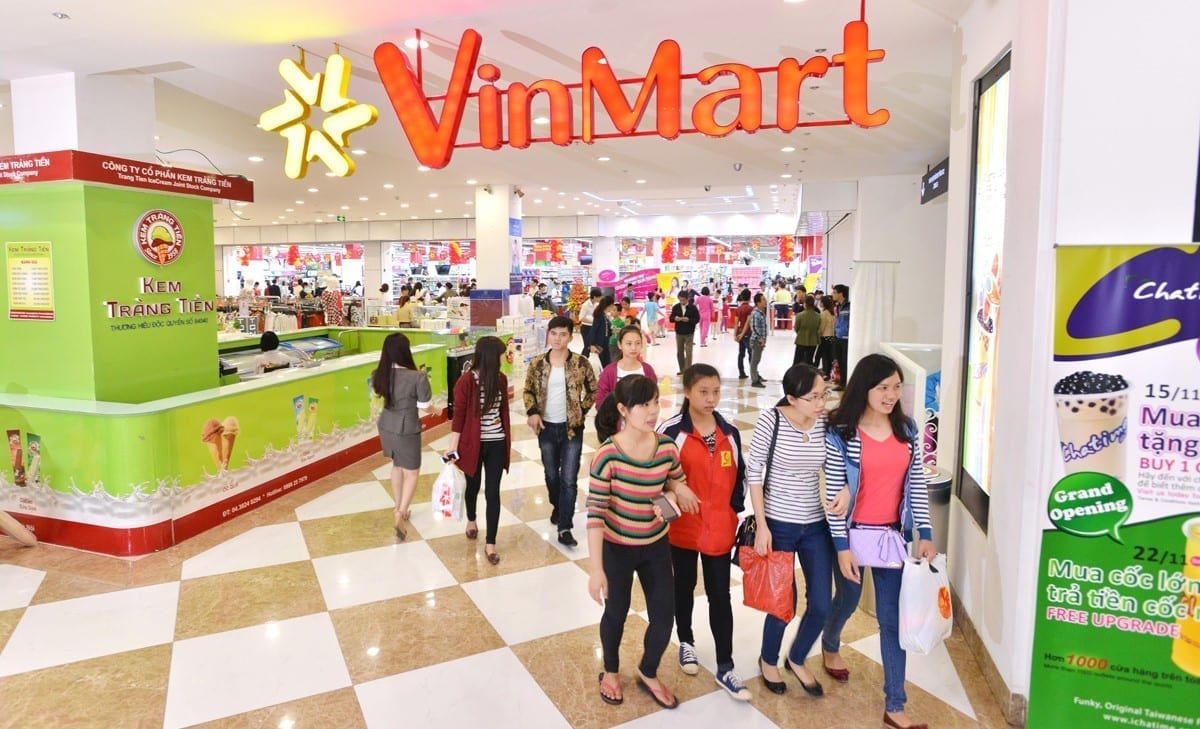
    A year after conglomerate Masan Group acquired it from Vingroup, the VinMart retail chain is set to become WinMart.

    The rebranding would take place after the restructuring of the retail chain is complete, Truong Cong Thang, CEO of The CrownX, a subsidiary that operates VinMart, said at the Masan annual general meeting Thursday.

    The CrownX reported a 14 percent rise in revenues last year to VND31 trillion ($1.35 billion), with VinMart+ convenience stores achieving revenue growth of 42 percent despite shutting down over 744 underperforming stores.

    Danny Le, CEO of Masan Group, said the company plans to increase the number of VinMart and VinMart+ outlets by 30,000 in the next five years, with 20,000 of them being franchised.

    In December 2019, the company acquired a 83.74 percent stake in VinCommerce, the subsidiary of Vietnam’s biggest private conglomerate, Vingroup, which operated VinMart chain.

    The chain, which reported a $100-million loss in 2019, broke even last year, and Masan now targets annual sales of $7-10 billion and double-digit profit growth by 2025.

  • South Korea to release low-cost 5G through MVNO mobile data plans

    South Korea to release low-cost 5G through MVNO mobile data plans

    South Korea’s Ministry of Science and ICT has announced plans to release low-cost 5G mobile data plans to raise the competitiveness of the country’s 5G market.

    The ministry reported that tariffs will be announced, with mobile data rates offered by mobile virtual network operators (MVNOs) priced below those offered by the country’s major carriers SK Telecom, KT and LG Uplus.

    According to data from the Ministry of Science and ICT, 5G subscribers in South Korea totaled at 13.66 million in February, nearly doubling from just 792,118 subscribers from the previous month. The top carrier, SK Telecom, had 6.35 million 5G subscribers.

  • Volkswagen To Buy Credits From Tesla In China To Comply With Environmental Rules

    Volkswagen To Buy Credits From Tesla In China To Comply With Environmental Rules

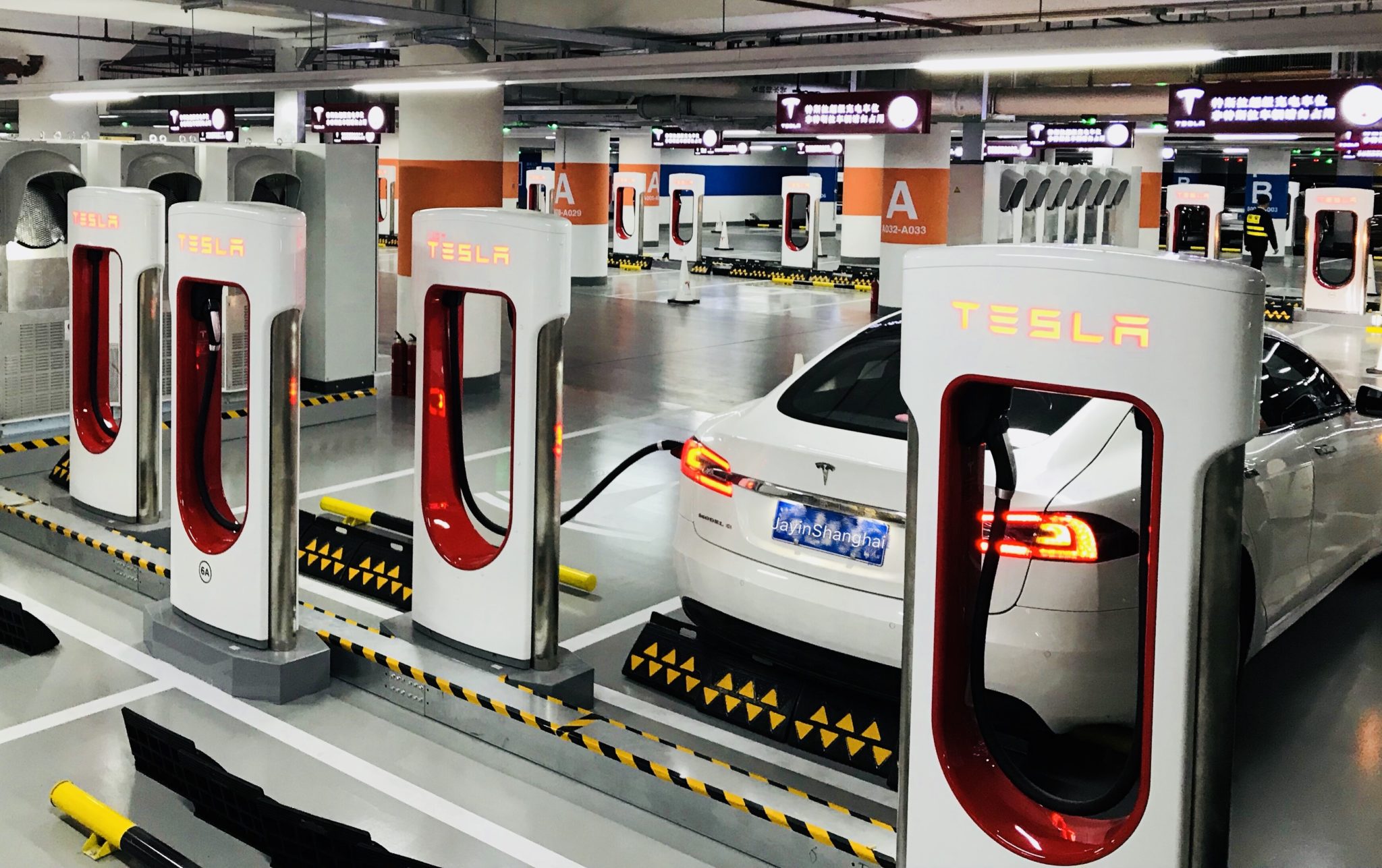
    A Volkswagen joint venture in China has agreed to buy green car credits from Tesla to help meet local environmental rules, three people briefed on the matter told Reuters. The deal, the first of its kind to be reported between the two companies in China, highlights the scale of the task Volkswagen faces in transforming its huge petrol carmaking business into a leader in electric vehicles to rival Tesla. Shares in Volkswagen, the world’s second-biggest automaker, have soared this year as investors warm to its plans to go electric. But in China, and elsewhere, the German company is still heavily reliant on traditional combustion-engine vehicles.

    China, the world’s biggest auto market where over 25 million vehicles were sold last year, runs a credit system that encourages automakers to work towards a cleaner future by, for example, improving fuel efficiency or making more electric cars. Manufacturers are awarded green credits that can be offset against negative credits for producing more polluting vehicles. They can also buy green credits to ensure compliance with overall targets, though trade is usually between affiliated companies that share a major stakeholder.

    To help meet increasingly tough targets, Volkswagen’s joint venture with state-owned Chinese automaker FAW, or FAW-Volkswagen, has agreed to buy credits from Tesla, the sources said, declining to be named as the talks were private. Volkswagen declined to comment on the deal. It said in a statement it was “strategically targeting to be self-compliant” with rules in China, but that if required it would buy credits. Tesla did not respond to requests for comment.

    FAW-Volkswagen sold 2.16 million cars last year. The business and another Volkswagen venture in China – with SAIC Motor – were among the most negative credit-generating automakers in the country in 2019, according to data from China’s Ministry of Industry and Information Technology. The ventures’ gasoline sedans and SUVs have so far proved far more popular in China than their electric vehicles. It is unclear how many green credits FAW-Volkswagen will buy from Tesla, but FAW-Volkswagen’s offer was around 3,000 yuan per credit, higher than prices in previous years, the sources said.

    The deal effectively sees Volkswagen, the biggest foreign carmaker in China, subsidising a rival while the German group ramps up production of electric vehicles. Its ventures in China plan to roll out five electric ID series models this year.

    In the United States, where regulators also set environmental requirements, Tesla has sold regulatory credits to rivals such as Fiat Chrysler, now part of Stellantis, but it has not so far reported any deals in China, where it started making cars in late 2019. Tesla’s revenue from selling regulatory credits totalled $1.58 billion in 2020, according to a regulatory filing.

  • Fake iOS app steals one million dollars in Bitcoins taking a victim’s life savings

    Fake iOS app steals one million dollars in Bitcoins taking a victim’s life savings

    You have to feel bad for a man named Phillipe Christodoulou. Looking for a place to store Bitcoins he owned that were valued at $600,000 at the time, he installed an app called Trezor Wallet from the Apple App Store, when Christodoulou opened the app looking to check his balance, he was stunned to discover that his 17.1 Bitcoins (now worth over $1 million) was gone.

    As it turned out, Trezor, which manufactures hardware cryptocurrency wallets, does not offer an iOS or Android app and had been complaining about the fake apps listed in the App Store and Play Store to no avail. Back in December, the company disseminated a tweet warning Android users that own a physical Trezor device that “This app is a scam and has no relation to SatoshiLabs and Trezor. We’ve already reported it to the Google team. Always confirm any action on your device and never type seed words until your Trezor asks you to.” Google did remove the Android version of the app in December.

    Seed words or a seed phrase is a list of words needed to recover Bitcoin funds “on-chain.” Anyone who knows the words can take ownership of the user’s Bitcoins so Trezor recommends that they must not be typed into a website and that seed words need to be guarded as fiercely as one would protect cash or jewels.

    While the bad actors that created the fake iOS and Android versions of the (non-existent) Trezor app stole $1 million in Bitcoins from Christodoulou, the victim is more upset with Apple. Once a loyal Apple customer, Christodoulou now says that Apple “betrayed the trust that I had in them. Apple doesn’t deserve to get away with this.”

    Apple spokesperson Fred Sainz says that “Study after study has shown that the App Store is the most secure app marketplace in the world.” However, you won’t get Meghan DiMuzio, executive director of the Coalition for App Fairness, to agree with the Apple spokesperson. DiMuzio, contradicting Sainz’ statement, said, “Apple frequently pushes myths about user privacy and security as a shield against its anti-competitive App Store practices. The truth is, Apple’s security ‘standards’ are inconsistently applied across apps and only enforced when it benefits Apple.”

    The 17.1 Bitcoins that were stolen represented Christodoulou’s life savings and right now there is no indication that he will be able to get that money back.

  • Google brings back a nifty feature to Maps users on Android

    Google brings back a nifty feature to Maps users on Android

    Google adds new features to its mobile apps all the time, but sometimes, they remove the ones they don’t think are up to the challenge. We never know what’s behind these decisions, but we can definitely say that some features don’t deserve to be removed.

    That didn’t seem to interest Google’s Maps team when they decided to remove a very useful feature from the Android app, the compass widget. Last month, developers revealed many of the improvements that the Maps app will receive in the coming weeks but left one out from the initial announcement.

    Long story short, Google announced today that after removing the compass from Maps for Android in early 2019 “in an effort to clean up the Navigation screen,” it decided to bring it back after receiving overwhelming feedback in its favor.

    The compass will show you which direction is north via a red arrow. Just like it was implemented two years ago, the widget will be positioned on the right side of the screen. The “new” compass widget is now rolling out to all Google Maps for Android users globally, so as long as you have version 10.62 (or higher) installed, you should be able to use it.

  • Investors press companies on human rights in Xinjiang

    Investors press companies on human rights in Xinjiang

    A group of religious and socially conscious investors and other funds are ramping up pressure on Western companies over alleged human rights abuses in China’s Xinjiang region, highlighting the challenges for brands trying to maintain their business ties amid rising tensions.

    The group of more than 50 investors, backed by the Interfaith Center on Corporate Responsibility, said it is in the process of contacting more than 40 companies, including H&M, VF Corp, Hugo Boss and Zara-owner Inditex, requesting more information about their supply chains and urging them to quit situations that could lead to human rights abuses.

    Anita Dorett, program director for the Investor Alliance for Human Rights, which put together the request to the fashion brands and other big corporate names, said she was worried that some companies had moved to scrub language about policies on forced labor from their websites, or pledged to buy more cotton from Xinjiang, in fear of a backlash from Chinese social media and companies.

    “Companies do not prioritize resources to digging into their supply chains and mapping them out. As investors, we want transparency and accountability,” Dorett said in an interview. She added that “This is their business. If they don’t know what’s happening, who will?”

    Over the past week, H&M, Burberry, Nike, Adidas, and other Western brands have been hit by consumer boycotts in China after raising concerns about forced labor in Xinjiang.

    The wave of boycotts coincided with Britain, Canada, the European Union, and the United States over what they say are human rights abuses taking place in Xinjiang.

    The investor alliance alleged that companies removing or moving statements concerning Xinjiang were doing so in fear of commercial retaliation from the Chinese government. It also said compliance rules were being developed in other markets, including the European Union, obliging them to disclose their supply chains fully.

    The Human Rights section of H&M’s website hmgroup.com on Friday no longer carried a link to a 2020 statement on Xinjiang. The statement could still be accessed through the page’s direct address.

    Inditex’s statement on forced labor on its website was no longer available as of last Thursday. H&M and Inditex did not immediately respond to a Reuters request for comment on the investor group’s approach. H&M has declined to comment on the removal of details from its website. Inditex has not responded to requests to comment on the removal of information from its website.

    VF Corp’s original statement on Xinjiang was no longer available, with a new statement published on a different site section. ON TUESDAY, a VF spokeswoman said the company had “not changed our position, our policies or our practices” but did not address the new location of its statement.

    Hugo Boss said last week on Chinese social media that it would continue sourcing Xinjiang cotton. Company spokeswoman Carolin Westermann said on Friday an undated English-language statement on its website stating that “so far, HUGO BOSS has not procured any goods originating in the Xinjiang region from direct suppliers” was its official position and that the Chinese statement was not authorized.

    Westermann reiterated the company’s position on Tuesday, adding that it was in “active exchange with NGOs and other key stakeholders, including investors, to outline our standards, values and sustainability initiatives in more detail.”

    Among investors, environmental, social and governance funds have taken in big inflows of cash, putting companies on the spot and prompting new financial disclosures on topics that were once considered fringe issues best left to governments to address.

    Assets in sustainable funds hit a record $1.7 trillion in 2020, based on data from fund management industry tracker Morningstar.

    The Investor Alliance for Human Rights has more than 160 institutional investors and other organizations as members, representing more than $5 trillion in assets under management currently, its website said.

    The New York-based Interfaith Center on Corporate Responsibility, which is backing the companies’ approach, has a broad range of members, including religious groups, public and union pension funds, and several other asset managers.

    The investor alliance does not include top U.S. fund groups BlackRock Inc and Vanguard Group Inc. With $16 trillion in assets between them both companies are large shareholders in many of the companies under pressure in China Refinitiv data.

    Both companies have ramped up their ESG efforts by publishing more details of their engagements and proxy votes at portfolio companies and introducing new funds using ESG criteria to pick holdings.

  • Louis Vuitton launches Objets Nomades in Hong Kong

    Louis Vuitton launches Objets Nomades in Hong Kong

    Louis Vuitton’s Objets Nomades collection – a collection of travel-inspired furniture and objects made in collaboration with internationally renowned designers – first launched in 2012. Now, the Maison’s collaborative design showcase has landed in Hong Kong to exhibit the pieces created in partnership with celebrated designers around the world.

    The showcase will exhibit at Pedder Building, a historical landmark in the heart of Hong Kong, and will feature an extensive range of pieces that celebrate the heritage of Louis Vuitton with design details worked in, such as the classic LV monogram. Combining the power of art, design and fashion, the showcase will be a colorful one, built by Nelson Chow of  NC Design & Architecture, and will likely see interest from fans across all creative intersections, especially fans of the brand.

    “I was inspired by Hong Kong’s old mansions. I studied places like Haw Par Mansion on Tai Hang Road and King Yin Lei on Stubbs Road and transported their beams, curved walls, and cross motifs to the interior,” Chow said on his inspiration for the exhibition design. “We also looked at the way these houses were divided into different compartments.”

    Included in the exhibition, will be designed duo Zanellato/Bortotto‘s Lanterns, which accompanies statement chairs, sofas, trunks and more. Alongside this, Atelier Biagetti has created a new perspective of the Anemona table, as well as Objets Nomades featuring a collaboration with contemporary artist Wing Shya, whose movement-driven photographs will be on display throughout the showcase. The Objets Nomades 2021 exhibition runs until April 8, 2021.

    Since its inception in 2012, the Louis Vuitton Objets Nomades collection has employed the skills of international designers such as Atelier Oi, Atelier Biagetti, the Campana Brothers, Andre Fu, Raw Edges, and Tokujin Yoshikoka to bring the showcase to audiences across the globe. The only requirement once chosen, is that each designer must create functional pieces of art that nod to Louis Vuitton’s vision of exploration, embodying the brand’s design codes and savoir-faire.

    The collection, complete with hammocks, side tables, and transformative sofas showcases the House’s attention to complex craftsmanship and creative innovation.

  • DBS Outlines China Strategy

    DBS Outlines China Strategy

    DBS will seek to further its expansion in mainland China with a focus on three areas: its securities joint venture, consumer finance and Greater Bay Area opportunities. DBS chief executive Piyush Gupta unveiled details about its China plan during the latest annual general meeting held virtually yesterday.

    We are convinced that China’s opening-up in the capital account is going to present tremendous opportunities, Gupta told shareholders.

    We’re already seeing some benefits of that, as institutional investors from China come out and international investors go into China. So that’s hopefully a big area of growth for us. According to Gupta, the bank’s new securities joint venture in China, announced last September, is expected to go to market in the coming few weeks.

    On consumer finance, the bank will also launch a wholly-owned business in China, in addition to its existing 15 percent ownership in a consumer finance joint venture with Postal Savings Bank of China.

    And on Greater bay Area, Gupta said DBS’ Hong Kong presence is expected to support deeper integration into the area with «good momentum» observed last year, especially from its supply chain solutions.

    Gupta also commented on DBS’ takeover of Lakshmi Vilas Bank (LVB) last November and stressed that the deal was not a forced marriage.

    People have asked whether this was a forced marriage or if we were forced to do this deal,» he said, noting that the bank long had an interest in organic and inorganic expansion. This the last thing from a forced marriage.

    DBS highlighted an opportunity through the LVB takeover to accelerated its digital push in South India with an eye on two segments with huge opportunities: retail and small-to-medium-sized enterprise clients.

    Post-acquisition, the bank has added 125,000 corporate and 2 million retail customers with the latter figure boosting its retail share of deposits from 23 percent to 48 percent. Gupta also said that he expects no more incremental cost of credit from the LVB portfolio and expects the merged entity to become profitable in the next 12 to 24 months.

  • Archegos Collapse Hits Japan’s Largest Bank

    Archegos Collapse Hits Japan’s Largest Bank

    More losses from the downfall of Bill Hwang’s Archegos Capital Management have been unveiled, this time from Japan’s largest bank. Mitsubishi UFJ Group’s (MUFG) securities arm faces losses of up to $300 million related to an unnamed U.S. client, according to a statement, through its European subsidiary.

    Losses could change depending on market prices and the unwinding of the transactions, though it isn’t expected to have a material impact on MUFG’s business capability or financial soundness.

    MUFG is taking all necessary steps to manage the risk and any effect on earnings will be reflected in the fiscal year starting April 1.

    The statement is widely believed to refer to the collapse of Bill Hwang’s family office Archegos and the latest hit to MUFG brings total global bank losses to as high as $6.3 billion.

    Nomura recently warned of around $2 billion in losses reportedly also believed to be linked to Archegos. Credit Suisse was also significantly impacted with estimated losses of $1 billion to $4 billion.

    Other banks involved, such as Goldman Sachs, Morgan Stanley and Deutsche Bank, have claimed to see little to no impact. Wells Fargo was the latest to unveil its prime brokerage relationship with Archego but said it did not experience any related losses as the bank was well collateralized at the time and no longer has any exposure.

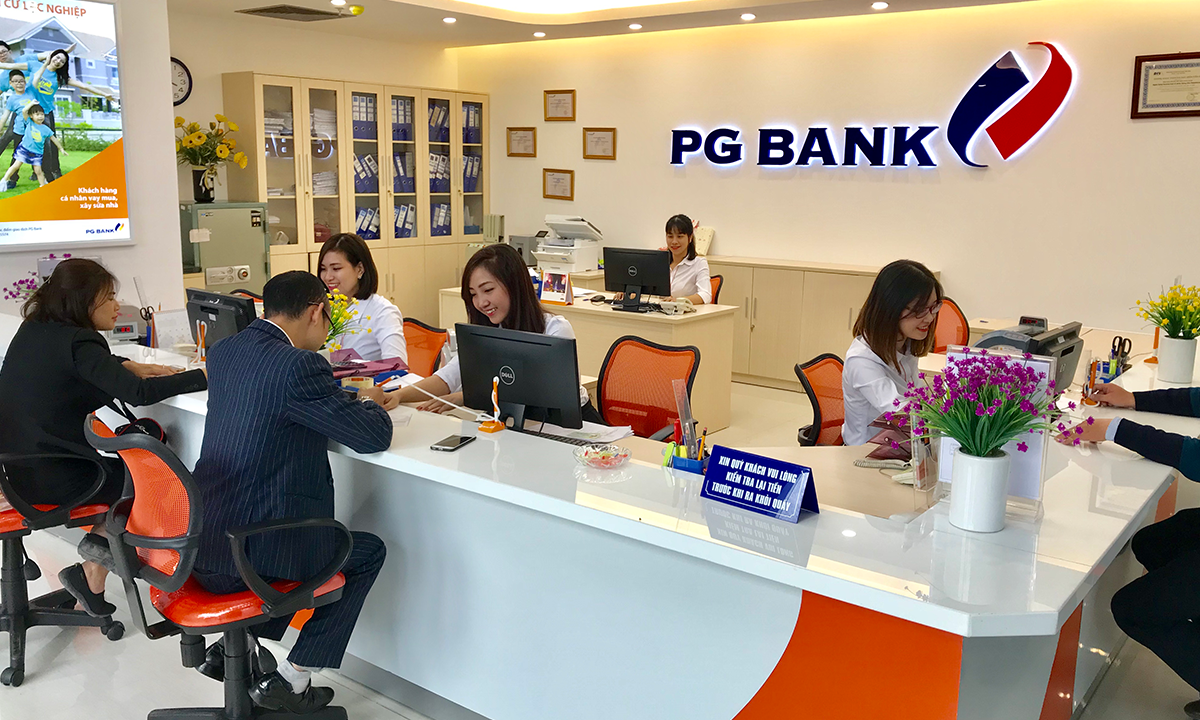
  • PGBank pulls plug on merger plans after 2nd debacle

    PGBank pulls plug on merger plans after 2nd debacle

    After calling off its merger with HDBank, lender PGBank does not plan to look for other partners and will remain independent, its chairman, Nguyen Quang Dinh, has said.

    “In the last six years, PGBank planned to merge with VietinBank and HDBank, but both deals were unsuccessful, which has been affecting the bank’s business.”

    “So the board of directors now aims to develop the bank as an independent entity,” he said at the lender’s annual general meeting on March 30.

    Shareholders approved rescindment of the merger plan, which never received approval from the State Bank of Vietnam.

    PGBank’s proposal to merge with state-owned VietinBank collapsed in 2014 after two years of negotiations.

    The bank targets a 46 percent rise in pre-tax profits this year to VND310 billion ($13.4 million).

    First-quarter profit was up 5 percent year-on-year to VND80 billion, according to its CEO, Nguyen Phi Hung.