Author: Mei Ling Tan

  • Shu Uemura’s first global flagship store to open this month

    Shu Uemura’s first global flagship store to open this month

    Shu Uemura will open the world’s first global flagship beauty boutique in Omotesando, Tokyo.  The new “Makeup Box” flagship store is scheduled to open on April 16, 2021.

    The store features a jet-black design inspired by the brand’s icon.  Highlights from the flagship store include gift wrapping using red, black, and white Japanese paper that is inspired by kimono and origami.  A professional cleaning brush service will be offered to the customers.  In addition, limited items such as makeup products and accessories will be available at this store.

    The lineup includes tote bags, pouches, tumblers, and vanities.  Limited edition premium eyelashes will also be on sale for a limited time as well. Shu Tokyo Makeup Box

    Open Date: Friday, April 16, 2021

    Address: 5-11-2 Jingumae, Shibuya-ku, Tokyo

    TEL : 03-3427-258

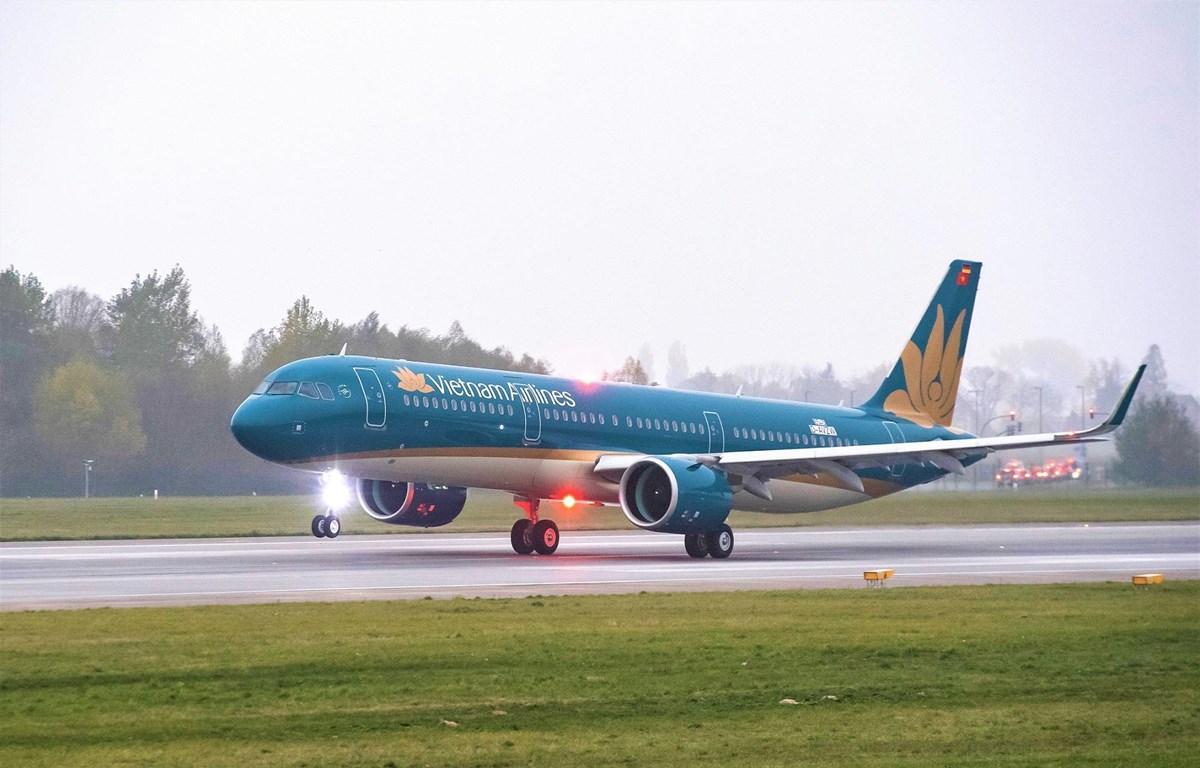
  • Vietnam Airlines once again calls for setting minimum fares

    Vietnam Airlines once again calls for setting minimum fares

    Vietnam Airlines wants aviation authorities to set floor fares and increase the ceiling, saying it would ensure fair competition among carriers.

    In a proposal it sent to the Civil Aviation Authority of Vietnam, it wants the fare ceiling to be increased by VND50,000-250,000 ($2.17-10.86), and minimum fares to be 35 percent of the ceiling, or VND787,500-1.01 million.

    It claimed having minimum fares would ensure fair competition among airlines and help them overcome the hardship caused by the Covid-19 outbreak, but said they could be scrapped once the aviation industry recovers from the pandemic.

    Analysts said if the proposal is accepted, airlines would not be able to offer free flight tickets under promotions, and tourism companies and passengers would be the losers.

    In 2017, Vietnam Airlines had suggested fixing minimum domestic fares of VND1.54-4.2 million ($68-$185), while its subsidiary Jetstar Pacific had proposed VND600,000-1.2 million.

    But both were rejected by the Ministry of Transport.

  • Nokia debuts innovative public cloud charging for CSPs on AWS

    Nokia debuts innovative public cloud charging for CSPs on AWS

    Nokia has today announced the deployment of its cloud-native convergent charging solution on Amazon Web Services (AWS) to accelerate communications service providers (CSPs) migration of business-critical, high-frequency charging applications to the public cloud, and to deliver the benefits of the cloud for 5G.

    This announcement, which builds on an existing relationship with AWS, enables CSPs to efficiently run workloads on AWS and pioneer new monetization schemas as part of their journey towards deploying business support systems (BSS) in the public cloud.

    As a containerized network function (CNF) on AWS, Nokia Converged Charging (NCC) provides true continuous availability, supporting the high frequency, low latency demands of an always-on, real-time convergent charging system built for the needs of the 5G economy. This enables CSPs to tap new revenue streams from 5G capabilities, including differentiated pricing, network slicing, and flexible product offerings, such as IoT and B2B2X.

    According to Analysys Mason, “SaaS and public cloud will make inroads into the market for monetization platforms by growing more than 6.5X from 2019 to 2025 and increase its share to over 14% of the total spend.” NCC’s architecture can support CSPs at every step of their public cloud journey, from the deployment of greenfield sub-brands as a first step towards hosting testing environments to full production workloads of the main brand on the public cloud.

    Fabio Cerone, EMEA Telco Managing Director at AWS, said: “We are pleased that Nokia is expanding its relationship with AWS by offering its cloud-native convergent charging system on AWS and connecting it to various services, such as with analytics to pioneer new monetization schemas. As the world becomes increasingly cloud-centric, it’s important that our customers can leverage cloud-native solutions to unleash the potential benefits of the cloud and 5G.”

  • H&M caught in a catch 22 as Vietnam boycott begins

    H&M caught in a catch 22 as Vietnam boycott begins

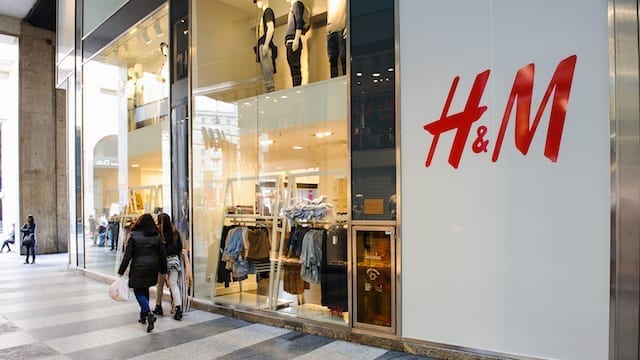
    H&M’s attempt to mend fences in China after angering consumers there with its stance against forced labor appears to have triggered another boycott next door in Vietnam.

    The Swedish fashion retailer drew Vietnam’s ire after it posted a map on its website that depicts islands in the South China Sea as Chinese territory. Vietnam has a competing claim on the islands. H&M changed the map at the request of authorities in China, according to Vietnamese media.

    Authorities in Shanghai said they summoned H&M’s local unit last week to address an issue with a map on its website, though it is unclear if this is the same map as the one angering Vietnamese citizens.

    In Vietnam, Twitter and Facebook users have been circulating images of a crossed-out map of China next to a map of Vietnam reflecting Hanoi’s claims to the islands and demanding the company apologize or have its 11 stores in the Southeast Asian country shuttered.

    The company has been attempting to win back consumers in China, where it became a lightning rod for public anger after multiple foreign brands stopped carrying items made using cotton from Xinjiang because of reports of human rights and labor abuses in the Muslim-majority region. It has been the subject of boycotts, and a number of its physical stores have been forced to close by landlords since the controversy flared up. H&M stores even disappeared from leading mapping service Baidu Maps and ride-hailing platform Didi Chuxing.

    The territorial dispute in the South China Sea is a hot-button topic in Vietnam. Hanoi has been one of, if not the most, vocal governments pushing back against Beijing’s claim to govern most of the sea, though the U.S. often calls for freedom of navigation in the region, calls which European powers have recently echoed.

    The dispute is not just a matter of government interest, either. When maps of the region are published, the Vietnamese public looks closely to see how the islands are portrayed. Backlash has followed perceived slights from an array of institutions, from the Hollywood film “Abominable” to the maps in passports issued by Beijing. Even the U.S. Embassy in Hanoi was accused of misrepresenting the territorial issue in September, when it posted on Facebook a Vietnam map with the islands, only to later delete the archipelagos.

    While the uproar in Vietnam adds to H&M’s recent headaches in Asia, the company is just one of several multinationals caught up in the Xinjiang controversy. Nike, Adidas, Burberry and others are also struggling with the balance between retaining Chinese shoppers and complying with Western laws against forced labor and other human rights violations. The U.S., Canada, the European Union and the U.K. all slapped sanctions on China in March, citing the country’s human rights violations against Uyghur Muslims.

  • South Korea’s LG becomes first major smartphone brand to withdraw from market

    South Korea’s LG becomes first major smartphone brand to withdraw from market

    South Korea’s LG Electronics Inc will wind down its loss-making mobile division after failing to find a buyer, a move that is set to make it the first major smartphone brand to completely withdraw from the market.

    Its decision to pull out will leave its 10% share in North America, where it is the No. 3 brand, to be gobbled up by Samsung Electronics and Apple Inc with its domestic rival expected to have the edge.

    “In the United States, LG has targeted mid-priced – if not ultra-low – models and that means Samsung, which has more mid-priced product lines than Apple, will be better able to attract LG users,” said Ko Eui-young, an analyst at Hi Investment & Securities.

    LG’s smartphone division has logged nearly six years of losses totaling some $4.5 billion. Dropping out of the fiercely competitive sector would allow LG to focus on growth areas such as electric vehicle components, connected devices, and smart homes, it said in a statement.

    In better times, LG was early to market with a number of cell phone innovations including ultra-wide-angle cameras and at its peak in 2013, it was the world’s third-largest smartphone manufacturer behind Samsung and Apple.

    But later, its flagship models suffered from both software and hardware mishaps which combined with slower software updates saw the brand steadily slip in favor. Analysts have also criticized the company for its lack of expertise in marketing compared to Chinese rivals.

    While other well-known mobile brands such as Nokia, HTC, and Blackberry have also fallen from lofty heights, they have yet to disappear completely.

    LG’s current global share is only about 2%. It shipped 23 million phones last year which compares with 256 million for Samsung, according to research provider Counterpoint. In addition to North America, it does have a sizeable presence in Latin America, where it ranks as the No. 5 brands.

    While rival Chinese brands such as Oppo, Vivo, and Xiaomi do not have much of a presence in the United States, in part due to frosty bilateral relations, their and Samsung’s low to mid-range product offerings are set to benefit from LG’s absence in Latin America, analysts said.

    LG’s smartphone division, the smallest of its five divisions accounting for about 7% of revenue, is expected to be wound down by July 31.

    In South Korea, the division’s employees will be moved to other LG Electronics businesses and affiliates, while elsewhere decisions on employment will be made at the local level.

    Analysts said they were told in a conference call that LG plans to retain its 4G and 5G core technology patents as well as core R&D personnel, and will continue to develop communication technologies for 6G. It has yet to decide whether to license out such intellectual property in the future, they added.

    LG will provide service support and software updates for customers of existing mobile products for a period of time which will vary by region, it added.

    Talks to sell part of the business to Vietnam’s Vingroup fell through due to differences about terms, sources with knowledge of the matter have said.

    LG Elec shares have risen about 7% since a January announcement that it was considering all options for the business.

  • Singapore-Based Neobank to Expand in South Asia

    Singapore-Based Neobank to Expand in South Asia

    Morus Technologies, which runs neo banking platform StashFin, has raised $40 million in Series B extension financing to expand across the subcontinent.

    The company plans to use the funds to pursue neo banking across South Asia, double down on its plan to grow in existing markets, and strengthen the customer platform for local languages, it said in an announcement.

    New investors participating in the round include Altara Ventures and Uncorrelated Ventures, with previous investments from Integrated Capital, Kravis Investment Partners, Saison Capital, and Tencent Cloud Europe. Existing investors also participated in the round including Alto Partners, Snow Leopard Ventures, and Positive Moves.

    In the announcement, StashFin noted a $1 trillion neo banking market opportunity in South Asia. We are sitting on a unique opportunity to enable millions of consumers to get closer to their dreams and improve financial inclusion. South Asia is on the cusp of a financial revolution, Tushar Aggarwal, founder, and CEO of StashFin, said.

    Founded in 2016, the platform offers a credit line card in partnership with Visa that allows customers to access their credit facility with monthly installments and zero annual fees. The virtual and physical card provides credit access across a broad array of digital payment infrastructure, including POS machines, mobile wallets, and online payment gateways.

  • Tim Cook slams Facebook in an interview, iOS 14.5 is coming to iPhone this month

    Tim Cook slams Facebook in an interview, iOS 14.5 is coming to iPhone this month

    Kara Swisher, “Silicon Valley’s most feared and well-liked journalist”, is back with another interview, part of the Sway podcast, produced by The New York Times Opinion Audio.

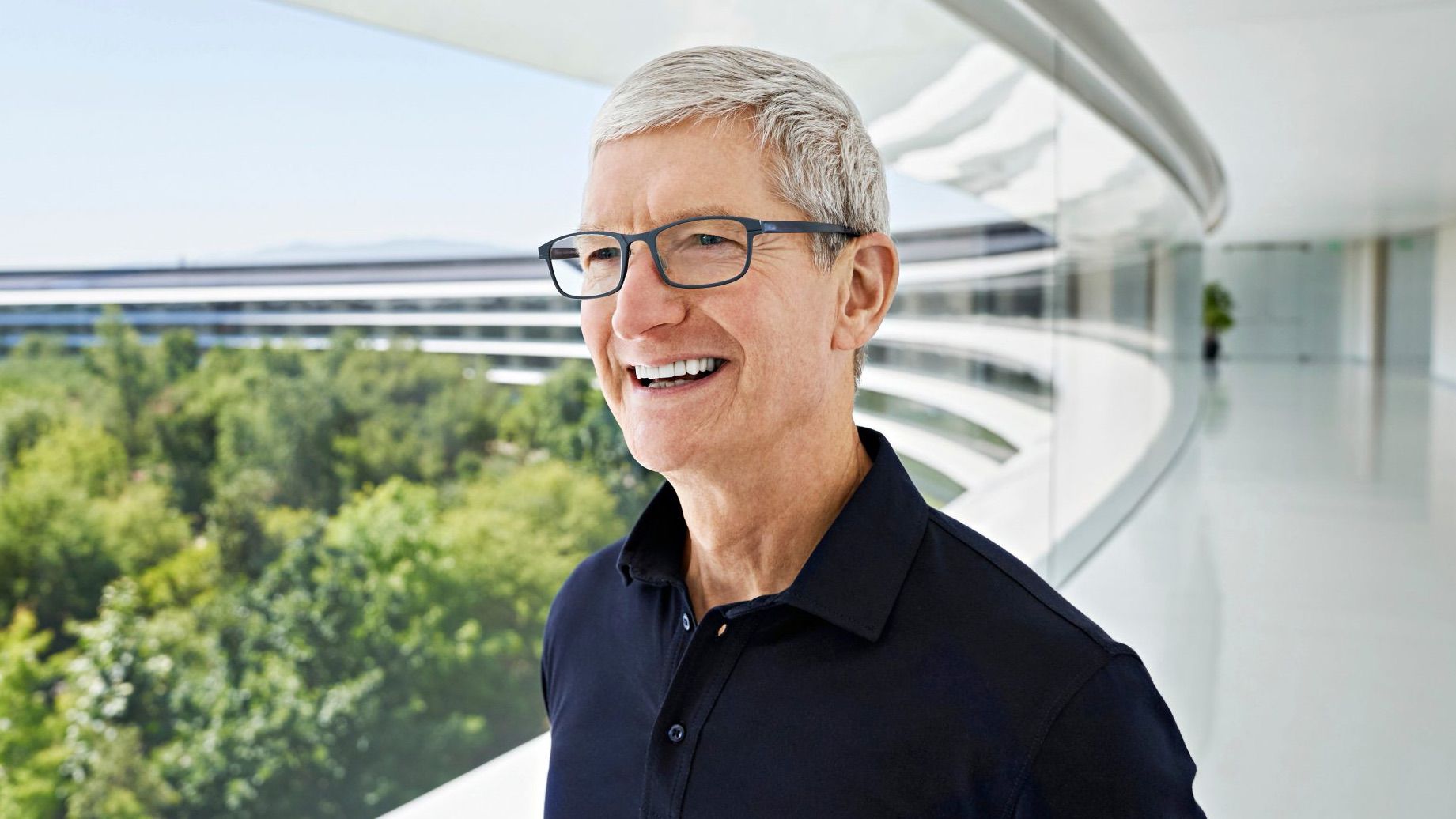
    This time, she spoke to one of the most powerful men in the world, who isn’t a Disney character, Tim Cook. The majority of the conversation revolved around data privacy and security, but the two also discussed tech, politics, Steve Jobs, Apple’s failed social media platform, Ping, as well as Tim Cook’s successor.

    The important news for the end-user, at least in the short term, is that iOS 14.5 is definitely coming out in just a few weeks (before the end of April), as promised by the company’s CEO.

    Cupertino is expanding on their already existing security features with ‘Privacy Nutrition Labels’, which will come to third-party apps. Cook explained what Privacy labels are, by comparing them to a nutrition label on foods, except Apple’s will tell you what kind of data the app developer wants to gain access to, instead of how much sugar it contains.
    His rationale was based on the fact that all privacy agreements are a few pages long, and people never read them. Privacy labels are supposed to solve this inconvenience, and we are fully on board for that!

    In fact, PL already exists within Apple’s own apps. You’ll see them upon setting up your iPhone, iPad, Mac, Apple Watch, or Apple TV, as well as before you start using an app for the very first time. Here’s a full list of them on Apple’s official website.

    Cook also talked about Apple’s relationship with Facebook, and app developers. He stated that he doesn’t see the social media giant as competition, and laughed when Swisher reminded him of Apple’s failed social network platform, Ping, which lasted two years between 2010-2012.

    In case you didn’t know, Apple’s being sued by a few big companies, such as Facebook, and Epic Games. Mark Zuckerberg and the company are suing in relation to the above-mentioned privacy features, which will become part of iOS very soon.

    Facebook isn’t happy with the fact that users will be ‘encouraged’ to turn off tracking, upon launching the Facebook app. Cook said he views privacy as ‘a basic right’, and wants to let people choose which information to share, and which not to.

  • Google rolls out Chat integration to all Gmail users

    Google rolls out Chat integration to all Gmail users

    Gmail has been enriched with a lot of additional functions over the years, as Google is trying to build an entire ecosystem around one of the most popular email apps on the market. Google Meet, Chat, and Rooms are just some of the features that Gmail users can access without having to leave the app.

    Unfortunately, some of the features are only available to those with G Suite accounts. However, Google has decided that at least one of these extra features should be accessible by everyone, not just those with Google Workspace accounts.

    XDA Developers reports Chat integration, a feature that was made available to Google Workspace accounts last year, is now rolling out to those with Gmail personal accounts. Spotted by a Twitter user, the new Chat integration is expected to become available to the rest of Gmail users in the coming days.

    Keep in mind though that to use Google Chat in Gmail, you’ll first need to enable it from the Chat option in the app settings. If the Chat option doesn’t appear in your Gmail for Android app, it means it hasn’t been updated with Chat integration yet.

    Once you enable Chat integration in Gmail, make sure to turn off duplicate chat notifications so that you won’t be notified twice for each chat message. Finally, if you notice any issues with Google Chat, know that the feature is still in beta.

  • Tim Cook comments on Elon Musk, and AR/VR and Apple Car

    Tim Cook comments on Elon Musk, and AR/VR and Apple Car

    In case you missed it, Apple’s CEO gave a 30-minute interview with Kara Swisher, which is available on all major streaming platforms in the form of a podcast.

    The majority of the conversation revolved around data privacy and security, but they also touched on other important topics for Cook and Apple.

    The boss commented on Elon Musk’s claims that Tesla’s boss offered to sell the company to Apple, but Cook ‘wouldn’t even take a meeting with him’. Apple’s head said he hasn’t met up with Musk, but strongly admires what Tesla’s been able to achieve, touching on the company’s consistency over the years.

    He finally shed some light on Apple’s own electric car! He expressed a strong opinion that ‘autonomous cars are robots’. He said there are many things that can be done with autonomous vehicles and ‘we’ll see what Apple does’.

    When Swisher asked if it is going to be ‘a technology within a car’ or a car, he laughed and avoided answering the question. He said: “We love to integrate hardware, software, and services”. This is indeed a very Apple thing to say. He added that he wants to have complete control of all of the three components, so the final product works as seamlessly as other Apple products.

    Kara Swisher mentioned the upcoming WWDC21 conference with a tagline ‘Glow and behold’, and asked if this sentence is supposed to hint at a VR headset. Cook said that he strongly believes in AR, and he’s already seeing use for it even on a smartphone. Therefore, this is definitely part of Apple’s future plans in a big way.

    When he was questioned about the new administration in the US, Apple’s boss stayed very politically correct, and said that he’ll seek involvement in policy, and not politics (if he does at all).

    The interviewer teased him with a question about people being able to vote from their iPhones, and he was positive about it, underlining the fact that most of our data is already on our phones, so using a phone for voting for the next president, might not be so far fetched of a concept.

    Yet, he doesn’t like the idea of moving into politics, but said he wants to advance work on climate change, job creation and ‘retraining’. He is willing to work with whoever is keen on helping Apple to achieve these goals.

    He also spoke about coming out as gay, highlighting the idea of being able to help young people feel safe about being themselves. He said he is going to speak out about discriminatory laws.

  • Google Assistant driving mode slowly rolling out to more countries

    Google Assistant driving mode slowly rolling out to more countries

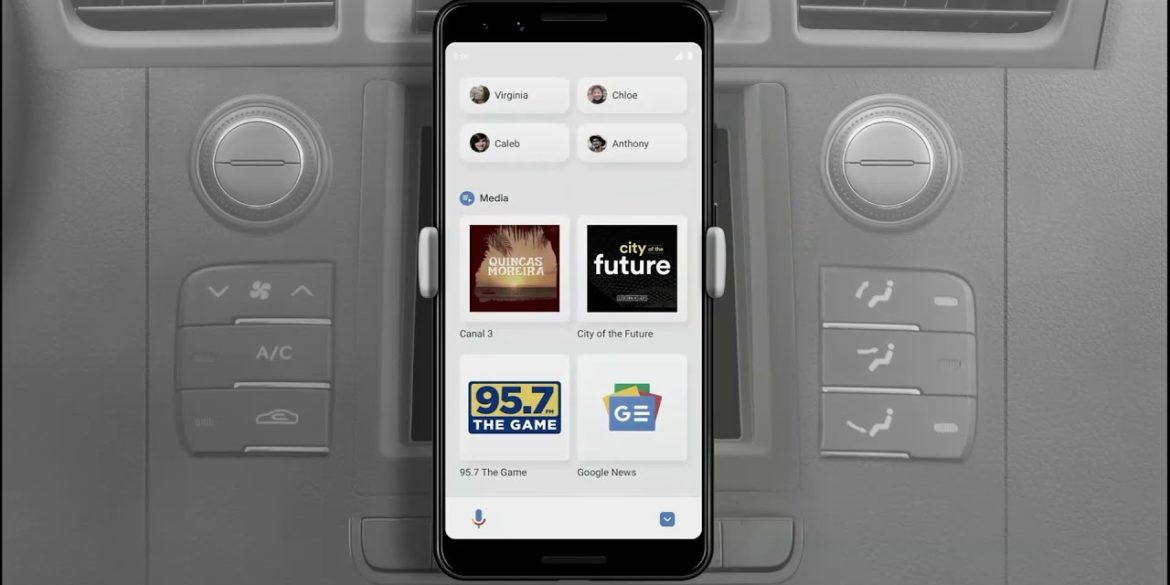
    After introducing the Assistant Driving Mode in the United States last year, Google has decided that it’s finally time to make the feature available to users in other countries too. If you’re not living in the US, chances are that you don’t know what’s this Google Assistant Driving Mode.

    Google launched the Assistant Driving Mode as a replacement solution for Android Auto’s mode from smartphones. The feature is meant to allow drivers to get their notifications read to them out loud, so they can continue to drive without having to check their phones.

    Google Assistant’s driving mode can not only read messages to drivers, but it can also send messages and make calls for you. Not to mention that you’ll be able to control your music by simply using your voice.

    Currently, we know for sure that the Assistant’s driving mode is slowly rolling out to users in the UK, but it’s safe to assume that the feature will soon be available in other countries too. As per Google’s support page, some of the features of Assistant’s driving mode “aren’t available in all languages or countries,” whereas previously it stated that it’s only live in the US.

    Of course, Google Assistant’s driving mode is limited to just one language at the moment: English. As far as the hardware requirements go, you’ll need a smartphone powered by Android 9.0 or higher, which packs 4GB RAM or more. Also, Google’s Assistant driving mode only works in portrait mode.

  • China’s Geely sets sights on aerospace

    China’s Geely sets sights on aerospace

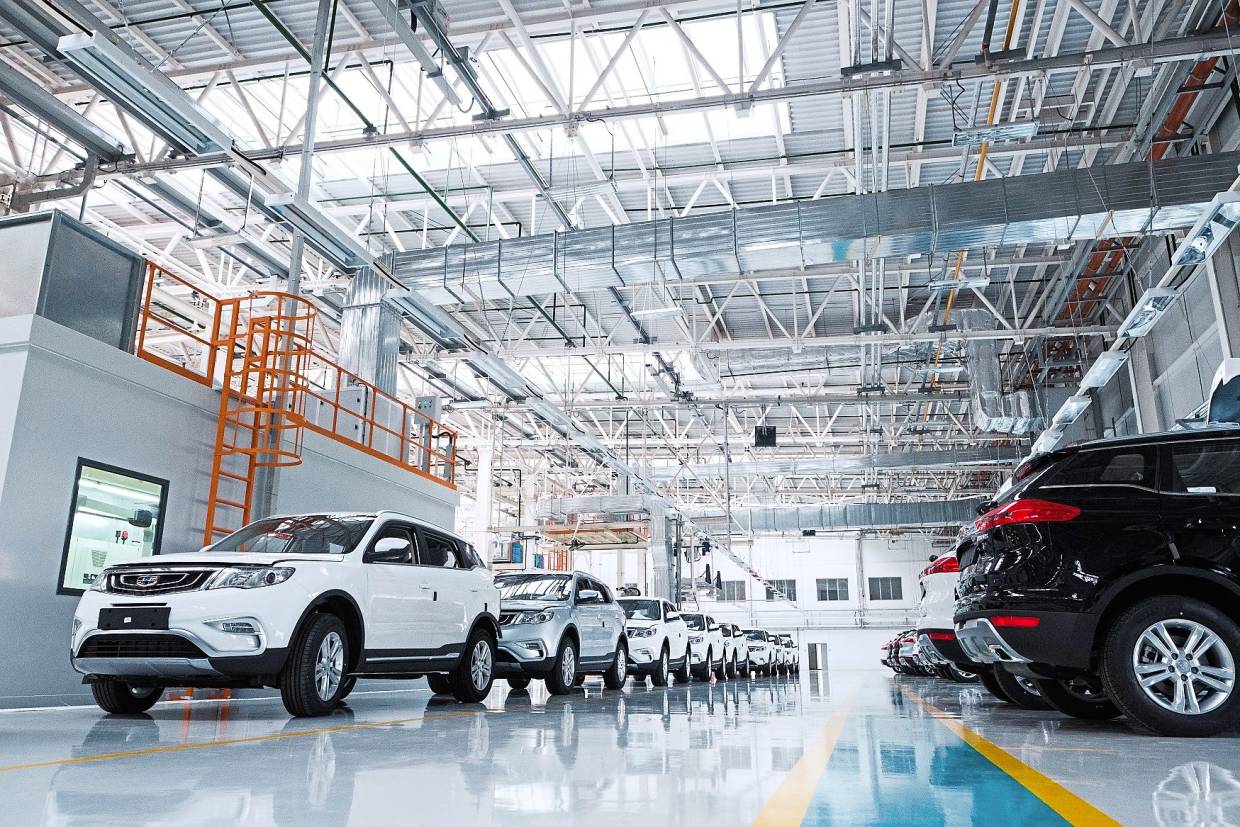
    China’s Zhejiang Geely Holding Groups, a global mobility technology group has plans to set up a commercial aerospace company, as announced by the local government.

    The company will develop and advance satellite and communications technologies in Guangzhou, by building low-orbit satellites to deliver high-speed connectivity. Geely will also be partnering with other rocket companies in Guangzhou.

    Geely owns Volvo Cars and 9.7 percent of Daimler AG. Last month, Geely posted a profit of US$850 million in 2020, representing a 32 percent drop in net profit as compared to the previous year as auto sales took a hit amid the pandemic.

  • Indian motorcycle maker Royal Enfields bids goodbye to Vietnam

    Indian motorcycle maker Royal Enfields bids goodbye to Vietnam

    Indian motorbike maker Royal Enfield is pulling out of Vietnam after a disappointing four-year run.

    Al Naboodah International, the official distributor of the brand, said the decision was made since business results did not meet expectations.

    It said since Royal Enfield vehicles are imported from India they do not get import tax waivers like other brands such as Honda, Ducati and Kawasaki, which are shipped from Thailand.

    Another reason for the poor sales was that the retro and classic designs of Royal Enfield motorcycles were not popular in Vietnam, it said.

    It did not disclose sales figures.

    But it assured that warranty and maintenance services would continue uninterrupted.

    Al Naboodah International also represents also two other brands, Triumph and Harley Davidson, in Vietnam.

    Royal Enfield was originally the U.K.’s Enfield Cycle Company Limited established in 1901.

    In 1955, it and its Indian partner, Madras Motors, founded Enfield of India with a factory in Chennai that produced the first batch of 800 Royal Enfield Bullet 350 cc engines for the Indian government.

    When Royal Enfield ceased operations in the U.K. in 1967, Enfield of India continued to operate and was acquired by tractor and commercial vehicle manufacturer Eicher Group Limited (India) in 1994.

    The company later changed the name to Royal Enfield Motors Limited.

  • Thai cement giant to make Vietnam ‘top priority’ market

    Thai cement giant to make Vietnam ‘top priority’ market

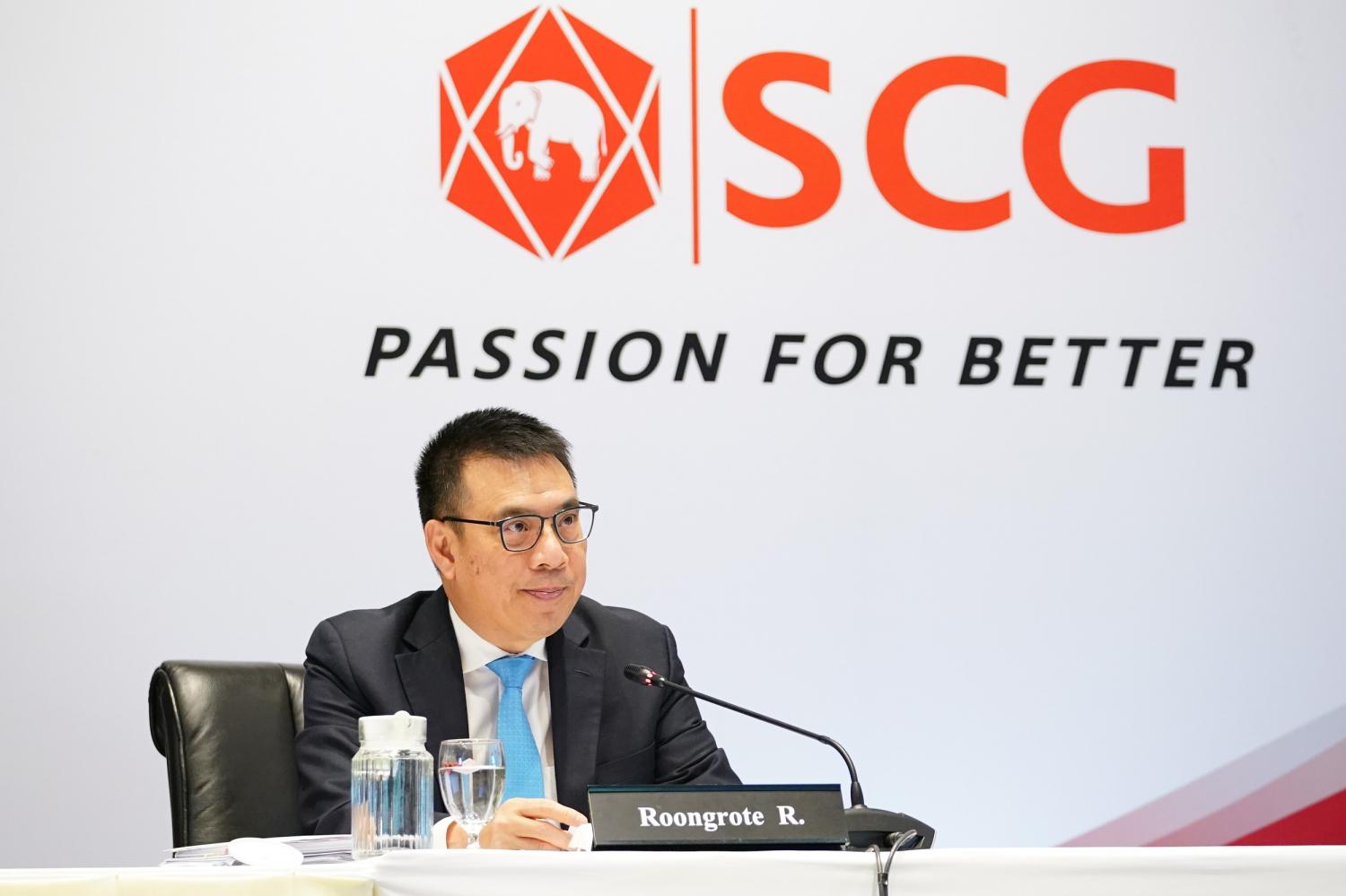
    Siam Cement Group (SCG), one of Thailand’s leading industrial companies, has earmarked Vietnam as its top priority market in upcoming years.

    Once a petrochemicals plant comes online in southern Vietnam, the company anticipates revenue from Southeast Asia excluding Thailand would rise to 35 percent of the total from the current 26 percent, its CEO Roongrote Rangsiyopash told Nikkei.

    “We have several projects ongoing, some big ones like a chemicals complex in northern Vietnam. That one, fortunately, has had no impact from the pandemic,” he added.

    The group has seen a trend of localized production within ASEAN and will make this a focus.

    “For the next few years, I foresee Vietnam would be our top priority,” Roongrote stated.

    SCG recently signed an agreement to buy 70 percent of Duy Tan Plastics, the largest manufacturer of rigid plastic packaging products in Vietnam, bringing its number of packaging companies in the country to eight.

    The group started investing in Vietnam in 1992. It has over 20 subsidiaries in Vietnam in the cement and building materials, chemicals and packaging industries. It has been investing in the packaging industry for over a decade.

  • Louis Vuitton launches Objets Nomades in Hong Kong

    Louis Vuitton launches Objets Nomades in Hong Kong

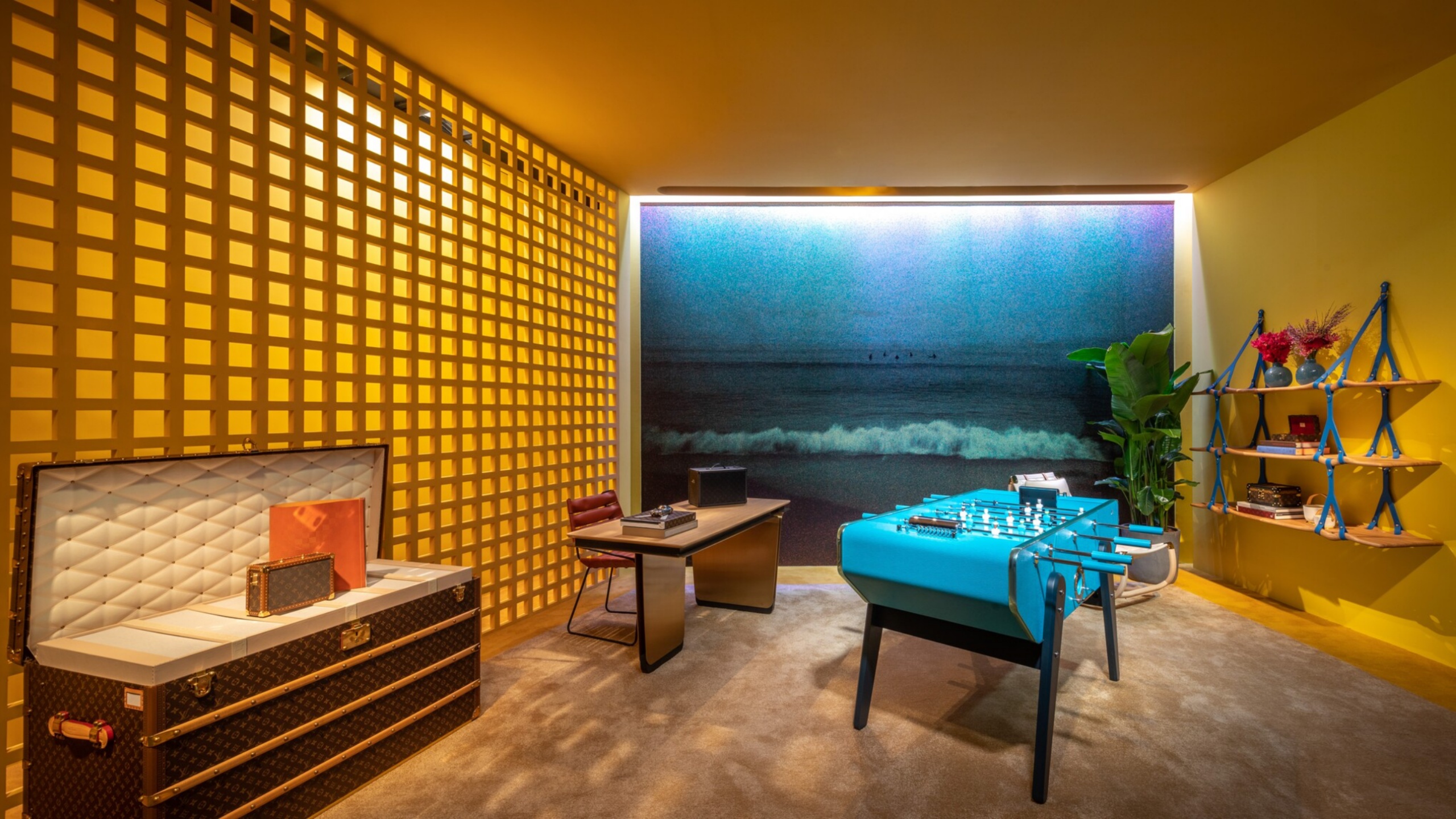
    Louis Vuitton has transformed Pedder Building into its own private salon, replete with their celebrated Objets Nomades collection. The occasion also marks the international launch of the brand’s latest Objet Nomade — Lanterns, intricately weaved lamps that are designed by design duo Zanellato/ Bortotto.

    The grand showcase is a labor of love by local scenographer and interior designer Nelson Chow. Set over two floors, the exhibition brought us into the world of Louis Vuitton, where existing iconic pieces are also displayed in a new light for visitors to see, touch and feel.

    Since 2012, the Louis Vuitton Objets Nomades collection has put the skills of international designers such as Atelier Oi, Atelier Biagetti, the Campana Brothers, Andre Fu, Raw Edges and Tokujin Yoshikoka to the test. Each designer must create objects of art that are rooted in Louis Vuitton’s vision of travel, embodying the brand’s design codes and savoir-faire. From hammocks to foldable stools and lounge chairs, to leather screens and sofas that can be transformed into smaller furniture pieces, the collection showcases the House’s attention to complex craftsmanship and creative innovation.

    Showing their support at the opening of the exhibition were stars such as Karena Lam, Grace Chan, Sham Yuet, Sham Yet and Stephanie Au. Other renowned guests also include Adrian Cheng, Andre Fu, Michelle Cheng, Yen Lo, Alan Lo, Esther Sham, Queenie Law and more.

    The Louis Vuitton Objets Nomades 2021 exhibition runs from now until April 8th, 2021 by private appointment.

  • H&M slips to loss, pledges to rebuild trust in China after backlash

    H&M slips to loss, pledges to rebuild trust in China after backlash

    Swedish clothing giant H&M said on Wednesday (Mar 31) it was doing “everything” to resolve a boycott in China that was sparked by its decision to stop sourcing cotton from Xinjiang over forced labor concerns.

    H&M and other fashion brands have been under fire in China for statements voicing concern about allegations of labor violations in cotton fields in the far west region.

    Chinese celebrities and tech firms pulled partnerships with H&M, Nike, Adidas, Burberry and Calvin Klein. H&M was even erased from Chinese shopping apps.

    “We are working together with our colleagues in China to do everything we can to manage the current challenges and find a way forward,” H&M said in a statement.

    “We are dedicated to regaining the trust and confidence of our customers, colleagues, and business partners in China,” it said.

    Australian Olympians were the latest to be embroiled in the row on Wednesday as the country revealed its uniforms for the upcoming Tokyo Games.

    The Australian Olympic committee faced criticism as it rolled out ASICS-branded sportswear, with the company facing questions over its use of cotton from the Xinjiang region.

    The vice president of the Olympic committee said it had been assured that none of the cottons came from that region.

    Rights groups say more than one million Uyghurs and other mostly Muslim ethnic minorities have been held in internment camps in Xinjiang, where they have also been forced to work in factories.

    H&M makes around 6 percent of its revenue in China, which is home to nearly 10 percent of its stores.

    China had become H&M’s third-biggest market before the boycott.

    The company has not released the figures on the financial impact of the boycott or which measures it has taken in response to the controversy.

    “China is a very important market to us and our long-term commitment to the country remains strong,” H&M said, noting it has been presented in the country for more than 30 years.

    “We want to be a responsible buyer, in China and elsewhere, and are now building forward-looking strategies and actively working on next steps with regards to material sourcing.”

    The statement was issued on the sidelines of quarterly results which showed a net loss of 1.07 billion kronor ( US$123 million) in the December to February period due to the coronavirus pandemic.

    In late March, about 1,500 of the company’s 5,000 stores were temporarily closed due to coronavirus restrictions, H&M said.

    Sales, however, jumped 55 percent in March compared to the same month last year.