Author: Mei Ling Tan

  • Citi Appoints Senior China Corporate Banker

    Citi Appoints Senior China Corporate Banker

    Citi appoints a senior corporate banker for China, amid growing expansion in the mainland market.

    Luke Lu has been named head of corporates coverage for China, reporting to Citibank China CEO Christine Lam and APAC head of corporate banking Kaleem Rizvi.

    A spokesperson for the bank confirmed the new appointment.

    Lu has 20 years of banking experience and was most recently head of Citi Commercial Bank in China after rejoining the American lender in 2019. Previously, he was with MUFG Bank China where he was the head of its global corporate bank for two years.

    Lu’s appointment occurs in the midst of increasing growth at Citi’s corporate banking unit in China.

    According to the note, Citi is serving an increasing number of companies in the mainland market and last year alone, it raised over $30 billion for Chinese clients in global capital markets across debt and equity.

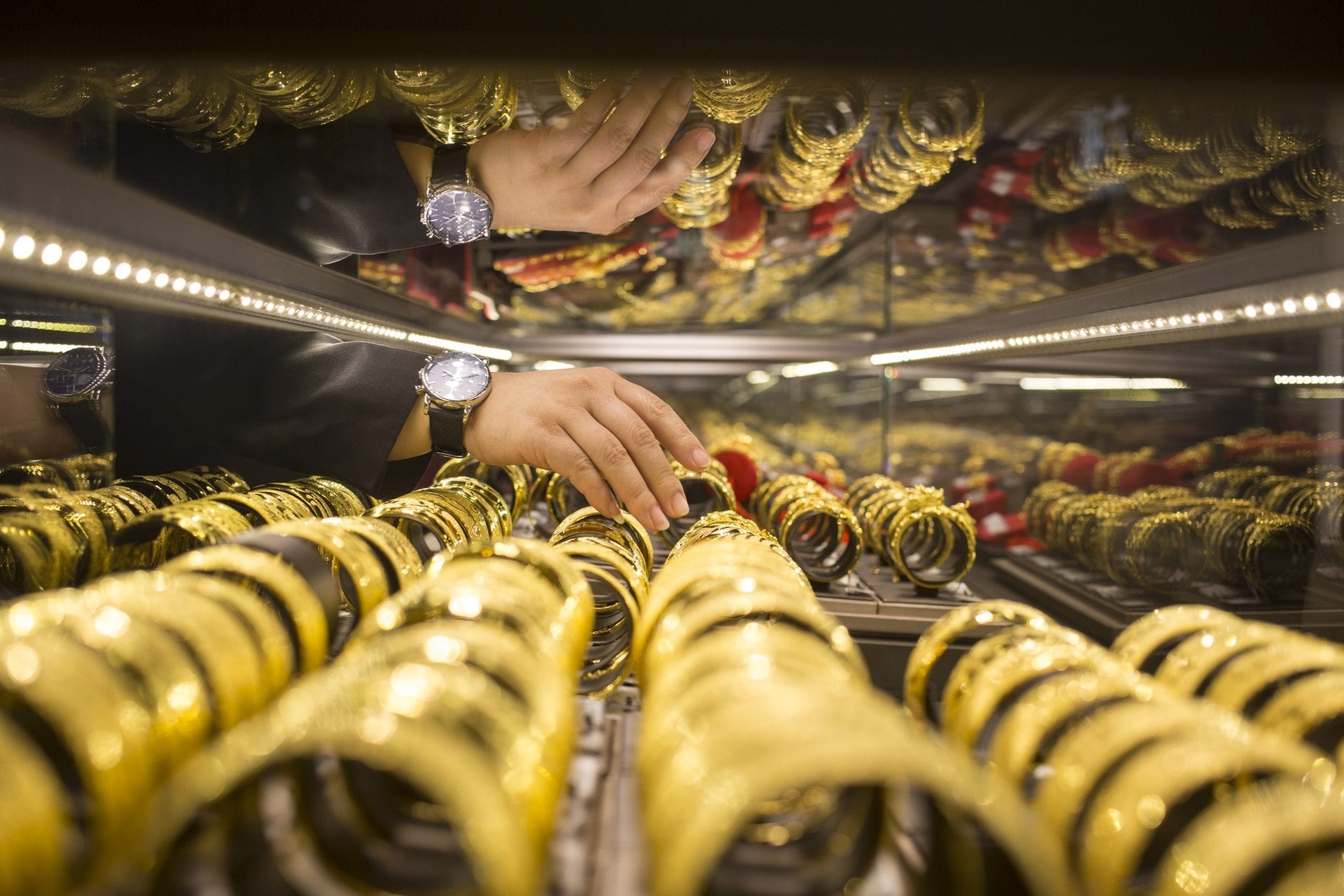
  • Malabar to open 56 stores most sit in Asia

    Malabar to open 56 stores most sit in Asia

    In India, the expansion will span Tamil Nadu, Telangana, Andhra Pradesh, Karnataka, Maharashtra, Delhi, West Bengal, Uttar Pradesh, Odisha, and Kerala, and globally, new outlets will open in Singapore, Malaysia, Oman, Qatar, Bahrain, and the UAE.

    In India 12 new stores are slated to open in Q1 of the fiscal in Chennai, Lucknow, Hyderabad, Mumbai, Pune, and Bengaluru, and in small towns like Eluru, Mancherial, Solapur, and Ahmednagar. Globally, new shops will open in Little India in Singapore, Kuala Lumpur and Penang in Malaysia, Ruwi, Baushar and Al Khoudh in Oman, Jeryan Jenaihat and Rawdat in Qatar, Bab al Bahrain in Bahrain, and in the UAE in Al Zahia and Muweilah in Sharjah, and Silicon Oasis and Dubai Gold Souk Dubai.

    Malabar Group Chairman, MP Ahammed, said: “In over 25 years, we have transformed from a small retail jewelry business to a global player across the verticals of gold and diamond jewelry retail, manufacturing, and multi-retail business. Transparency and customer trust have been our growth pillars and the new expansion will take us to the next level.”

    He said the new stores will offer an unparalleled customer experience in line with the Malabar Promise of incomparable quality and service assurance. The group’s goal is to be the number one jewelry retail brand in the world in terms of showroom numbers and turnover.

    Abdul Salam KP, Group Executive Director of Malabar Group, said: “In line with our social commitment, the expansion will create 1,750 new jobs. We follow industry best practices, ethical sourcing, and professional fund management.”

    “The expansion will strengthen the group’s retail footprints in territories where it has a strong presence,” said Shamlal Ahamed, Managing Director, International Operations of Malabar Gold and Diamonds.

  • Cafe de Coral Group appoints new managing director

    Cafe de Coral Group appoints new managing director

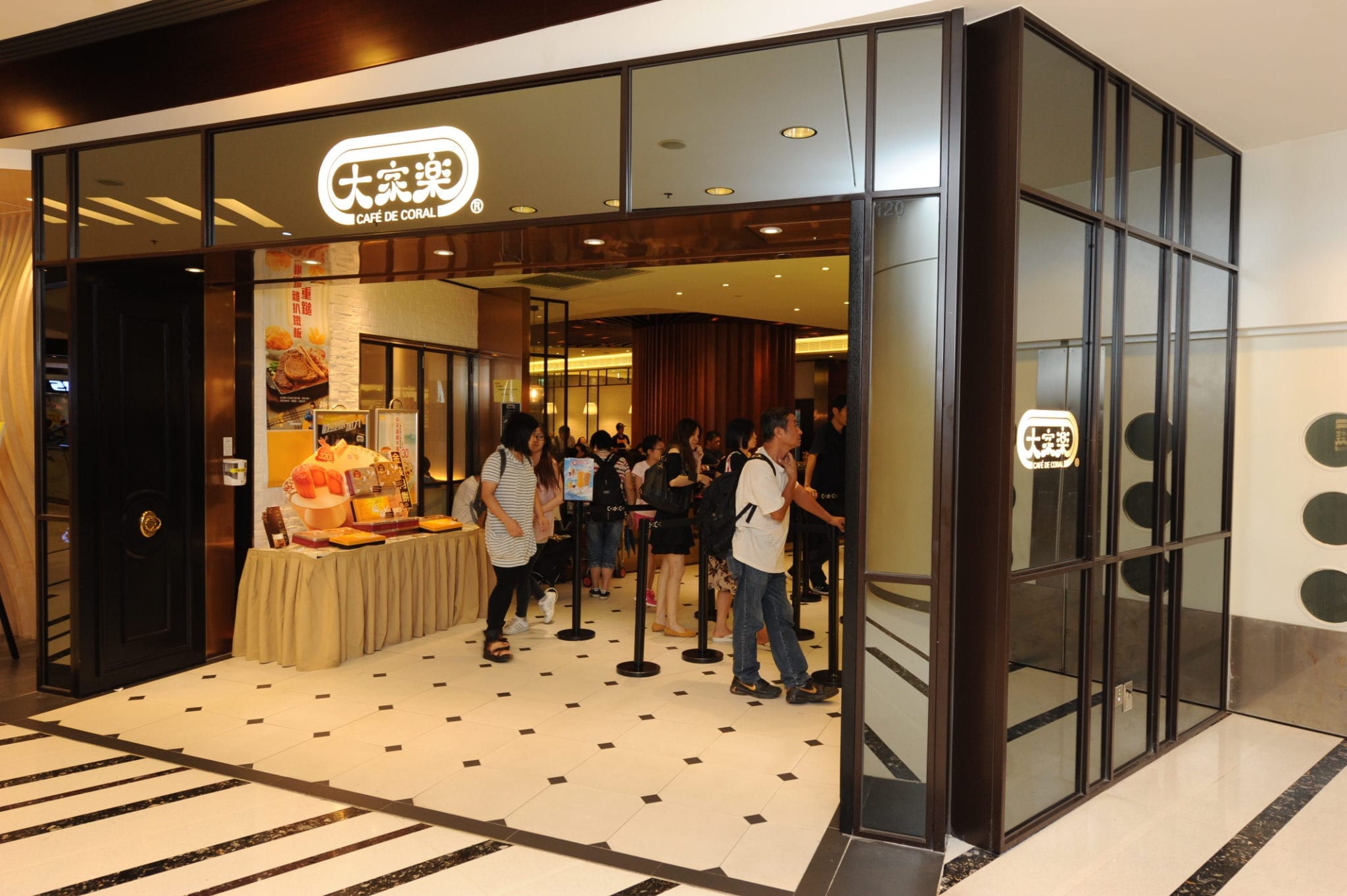
    Café de Coral has promoted Piony Leung to managing director (Hong Kong) with immediate effect.  In her new position, Leung reports to group CEO Peter Lo and manages business operations and provides strategic leadership across Café de Coral Group’s business in the city, including quick-service restaurants, casual dining, and institutional catering. She will also play a pivotal role in meeting the company’s growth goals in the Hong Kong F&B sector.

    Piony was previously managing director (quick-service restaurants) of Café de Coral Group, and boasts more than 25 years of experience in the retail and fast-moving consumer goods industries. Under her leadership in 2020, the group’s quick-service restaurants business took a number of actions to address weak market conditions, shifted marketing focus to promote take-away and delivery services, redesigned menus to meet changing demand, and introduced an e-commerce platform for selling popular seasonal products such as poon choi and party sets.

    “In the face of unprecedented challenges, I am deeply impressed by our frontline staff who have gone above and beyond to service our customers while doing their best to meet our business goals. Although the economic outlook remains uncertain, I am committed to working side by side with my team members to explore future business opportunities and retain the Group’s leadership position in this rapidly changing market,” she commented.

    Speaking of Leung’s appointment, Lo said her leadership skills had led the team through major market shocks and adapted to the challenging business landscape.

    “In the post-pandemic era, it is essential that the group is able to capture opportunities bought by the fast-changing market and consumer behaviours. I have every confidence that she will be able to maximize business synergies and build a stronger brand portfolio by integrating the quick service restaurants, casual dining and institutional catering business as a whole, offering a wide range of food options that cater to the diverse tastes of the greater community,” Lo explained.

  • Tourism recovery can take off alongside flights resumption

    Tourism recovery can take off alongside flights resumption

    Tourism companies see a proposed plan to gradually resume international flights as a necessary first step for their sector to recover from the pandemic-inflicted slump. Nguyen Minh Man, head of marketing at the HCMC-based TST Tourist Co., said that a slow and careful reopening of Vietnam’s borders can form a strong foundation to resume tourism activities.

    “This is a golden time for the tourism industry to prepare their human resources and products to recover and achieve a breakthrough next year,” he added.

    Nguyen Cong Hoan, deputy director of Hanoi Redtours, said that although the flight resumption won’t be able to “save” Vietnamese tourism this year, it will be a necessary first step for recovery.

    International flights will first help resume trade and business activities, which will boost demand for niche tourism segments such as golf and luxury tourism, and after that, other popular segments will start to recover, he said.

    “If vaccinated passengers can enter the country in September, that would be an ideal time to travel to Vietnam’s warm beaches or visit terraced fields during the harvest.”

    The Civil Aviation Authority of Vietnam (CAAV) is considering the resumption of international flights starting July, with Japan, South Korea and Taiwan the first destinations, each side operating four flights a week.

    All passengers will be quarantined upon arrival as per the Health Ministry protocol. It is expected that around 6,000 to 7,000 passengers would enter the country each week from the three Asian destinations.

    The CAAV has proposed that starting September, vaccinated foreign passengers into the country are allowed into the country without requiring centralized quarantine.

    Vietnamese carriers are eagerly awaiting the government’s green light to take to the skies again.

    Budget airline Vietjet resumes regular flights to Thailand, Japan, South Korea, and Taiwan this month, serving Vietnamese citizens wishing to study and work abroad, as well as stranded foreigners wanting to return home.

    On return trips, the carrier will only carry Vietnamese citizens being repatriated or foreign experts with permission to enter the country as per government regulations.

    Meanwhile, national flag carrier Vietnam Airlines has said it will reopen international commercial flights connecting Hanoi and HCMC with several Asian destinations including South Korea, Japan, and Australia this month.

    However, tourism companies are not too optimistic about a quick recovery. Hoan of Hanoi Redtours said that for this year and the next, domestic travel will be the main revenue source for his company, and prospects for international travel will only look up in 2023 as the earliest.

    “We are seeing rising numbers of individual and company trips bookings domestically, and this will be our main focus for the time being. Until the Covid-19 situation is well under control globally, we should not pin our hopes on international travel.”

    Vietnam closed its national borders and canceled all international flights in March 2020. Since then, only Vietnamese repatriates, foreign experts, and highly-skilled workers are being allowed in under strict conditions.

    The number of foreign visitors to Vietnam in the first quarter fell 98.7 percent year-on-year to 48,000 with travel restrictions in place to mitigate the impacts of Covid-19.
  • Container shortage compounds Vietnamese exporters’ shipping woes

    Container shortage compounds Vietnamese exporters’ shipping woes

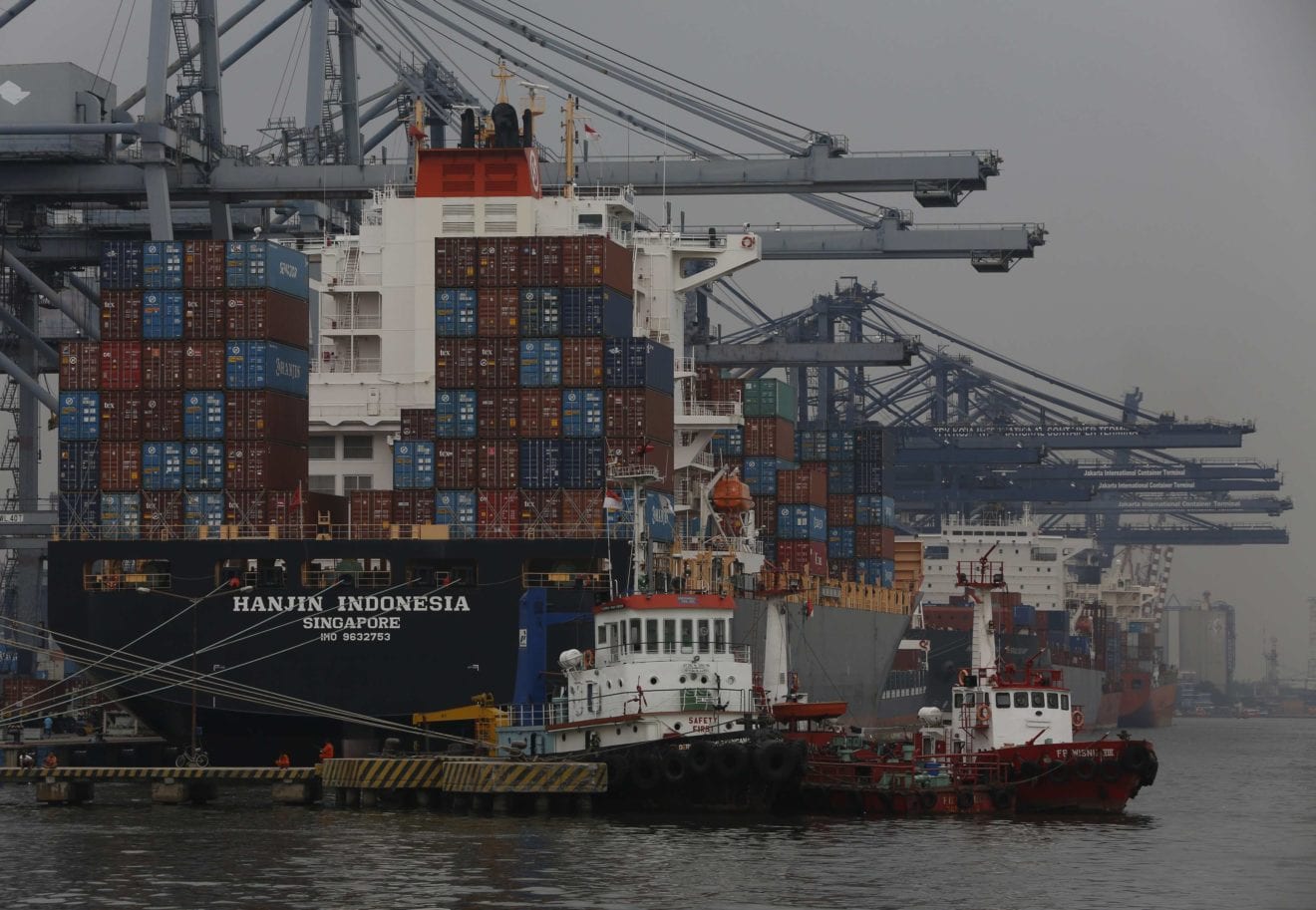
    Vietnamese businesses are once again struggling to get containers to export their goods amid a global imbalance in the logistics sector. Bui Thi Ngoc Tuyen, deputy director of Bich Chi Food Company in the southern province of Dong Thap, said as empty containers have become scarcer, prices have tripled.

    “We struggle to get enough containers for our goods, and even if we do, there is no ship to transport them.”

    Duy Tan Plastics, which gets one-fifth of its revenues from exports, is also caught in a similar struggle, with logistics costs on some main routes rising 95–231 percent year-on-year. The company has seen the number of orders declined by around 10 percent due to higher shipping costs, its deputy director Le Anh said.

    Tran Thanh Hai, deputy director of the Agency of Foreign Trade under the Ministry of Industry and Trade, said sea shipment costs have risen because container costs have surged seven or eight times.

    Vietnamese companies had already faced a container shortage towards the end of last year and earlier this year as global trade rebooted after months of limited activities caused by the Covid-19 pandemic, but the recent Suez Canal blockage has once again triggered shortages that could severely hurt exporters.

    Although the mega-ship Ever Given has been freed from the canal, some ships had been forced to reroute on a longer journey, and a two- or three-week delay of shipments is expected.

    This means Vietnamese exporters will have to wait a couple of weeks or even a month to receive empty containers for the next shipment, and they will have to bear higher costs due to shortage of the metal boxes, said Ho Van Hiet, CEO of Prime Logistics Vietnam, which transports around 200 containers a month.

    Container rents in December and January had surged 5-10 times from earlier due to a global shortage of containers. Although prices dropped by 10-20 percent last month, they could return to the previous peak in this and the next month due to the Suez blockage, Hiet told VnExpress International.

    His company has been urging customers to make quick deliveries now, before prices climbed again.

    Lam Thi Thanh Bong, CEO of Karl Gross Logistics Vietnam, said that after a period of limited trade activities last year caused by the Covid-19 pandemic, many Western countries are having an oversupply of empty containers while some Asian ones are seeing shortages.

    “This imbalance in supply and demand will have major impacts on Vietnamese exporters,” she said.

    For now, exporters need to book their shipment between two and four weeks prior to ensure they have slots on the vessels and they should negotiate sharing higher logistics costs with their partners, she added.

  • Vietnam allows Boeing 737 Max to enter its airspace again

    Vietnam allows Boeing 737 Max to enter its airspace again

    Vietnam’s Transport Ministry has allowed the Boeing 737 Max aircraft to pass through the country’s airspace after two years.

    The decision was taken following a proposal made by the Civil Aviation Authority of Vietnam (CAAV) last month, citing Boeing’s efforts to address technical issues of the aircraft and assessments by aviation authorities in the U.S. and Europe.

    However, the ministry has ordered CAAV to continue monitoring related issues and updating itself with information from peers in China, Australia, and Russia, countries that have not yet opened up their airspace for this aircraft model.

    The ministry also said that after these countries lift their respective bans on the aircraft and if it meets Vietnamese regulations, the CAAV can report it for the ministry to consider permission for the aircraft to operate in and be imported into Vietnam.

    The U.S. allowed the Boeing 737 Max to resume operations in December and Europe did so in January.

    The Boeing 737 Max aircraft was grounded worldwide in March 2019 after 346 people were killed in two crashes in the space of a few months in Indonesia and Ethiopia.

  • Chinese ‘limited edition’ sneaker sales soar after Xinjiang backlash

    Chinese ‘limited edition’ sneaker sales soar after Xinjiang backlash

    Prices of some Chinese limited edition sneakers soared among collectors and speculators following calls for local consumers to boycott global brands that have said they don’t source products or yarn from China’s western Xinjiang region. Nike and Adidas came under attack on Chinese social media last month over past comments.

    Some researchers and foreign lawmakers say Xinjiang authorities use coercive labor programs to meet seasonal cotton-picking needs, which China strongly denies.

    The listed price of the “All Star” version of Li-Ning Way of Wade 4 on the Dewu App – the country’s largest sneaker resale platform also known as “Poizon” – reached 48,889 yuan ($7,463) per pair, 31 times higher than the official price of 1,499 yuan, the state-owned Global Times reported on Monday.

    Anta’s Doraemon-themed casual shoes on the platform were also eight times higher than the original price of 499 yuan.

    Both offerings disappeared from Dewu, which deleted listings for numerous local shoe models after state media criticized speculation on sneaker prices and taking advantage of people’s patriotic feelings.

    “A large number of internet users choose to support domestic brands, which is normal,” said a Tuesday opinion piece on People.cn, the website of the People’s Daily, the official newspaper of China’s ruling Communist Party.

    “But some scalpers though they have caught on to a business opportunity as if they smelled blood.”

    Dewu on Tuesday said that it deleted listings of 20 kinds of sneakers made by Chinese sportswear brands including Li Ning and Anta Sports after noticing abnormal price fluctuation.

    Michael John, research and strategy manager at Shanghai-based consultancy AgencyChina, said he believes the frenzy for domestic sneaker brands will pass.

    “First, the platform Dewu continues to facilitate the exchange of limited edition Nike and Adidas sneakers,” he told Reuters on Tuesday.

  • Nokia demonstrates record Optus’ 5G mmWave capabilities

    Nokia demonstrates record Optus’ 5G mmWave capabilities

    Nokia and Optus announced that they achieved a record-breaking aggregate site throughput of 10 Gbps during a downlink speed demonstration using 800 MHz of millimeter Wave (mmWave) spectrum at a live 5G site in Brisbane. Powered by Nokia AirScale Radio, the site demonstrates the huge potential of 5G as it is introduced across future spectrum bands. Once deployed, the speed and a capacity boost from the 5G mmWave layer will unleash lightning-fast speeds for consumers and enterprises alike to support a range of new low-latency, high-bandwidth services.

    The recent demonstration showcased the capabilities of Nokia’s 5G mmWave technology and the benefits of adding it on top of an existing 5G/4G site. The demonstration showed how Nokia’s 5G mmWave technology delivers on the promise of super-fast data rates by boosting the site capacity to 10 Gbps and beyond.

    Nokia’s 5G mmWave technology will allow Optus to focus on scalability, automation, and performance by supporting services that utilize the full capability of 5G. Leveraging Nokia’s solutions, Optus can also harness 5G mmWave to serve the enterprise market and explore new use cases in healthcare, mining, port operations, and smart manufacturing, among other industries.

    The decision to select this mixed commercial and industrial area of Brisbane was made keeping these new use cases in mind as they sought to showcase the many real-world benefits of mmWave to the enterprise; thereby gaining early insights into this new exciting technology before wider rollout in the future.

    This achievement further strengthens the long-standing and collaborative partnership between Nokia and Optus. In early 2019, Optus became the first operator globally to deploy Nokia’s FastMile 5G indoor gateway in a live 5G network. Recently, the two companies also successfully launched 5G services at the Optus Stadium in Perth, Australia.

    Lambo Kanagaratnam, Managing Director of Networks at Optus, said: “We’re committed to keeping Australia connected and at the forefront of 5G. By partnering with global technology leaders like Nokia, we’ve taken an exciting step towards unlocking the massive potential that 5G mmWave will bring to the consumers, enterprises and industries in Australia. Reaching 10 Gbps per site is a crucial step in our 5G development and validates the progress we’ve made with the technology together with Nokia.”

    Anna Wills, Head of Oceania at Nokia, said: “This is another milestone in the development of 5G services and demonstrates the confidence operators have in our 5G solutions. Today’s achievement with Optus shows the potential of mmWave deployments, particularly at a time when connectivity and capacity are so crucial. We’re proud of our long-standing relationship with Optus and the great strides we continue to make together in this new era of connectivity.”

  • Updated Gmail for Android now includes animated swipe action

    Updated Gmail for Android now includes animated swipe action

    After reading your email on the Android Gmail app, users can use “Mail swipe actions” to delete, archive, mark as read/mark as unread, snooze, mark as, and move to messages. Each swipe is a different color. Each action is accompanied by a different color, but to make it even easier to tell the different gesture actions apart, Google has added some animation. For example, mark as read will show the fold of an envelope closing. Delete an email and the trash can lid rises, and snoozing an email will spin the clock.

    You should soon have the latest version of Gmail for Android installed on your phone. Google has been adding little things here and there in order to improve the app. For example, in February Google added confirmatory vibration feedback so that users don’t make an accidental swipe on the wrong spot. To make sure that your Gmail app is completely up to date, your Android phone should be running version 2021.03.07 which was released just last week. It is important for you to understand that the animations are not available on the iOS version of the app.

    Google is adding animation and other swipe action to its Gmail for Android app.

    You can find the Gmail for Android app in the Google Play Store. These are small things that might not seem like a big deal but they are important to users.

  • Google Play Music’s last update helps users get rid of the Android app

    Google Play Music’s last update helps users get rid of the Android app

    Google’s Play Music service is officially dead, but it seems that the Android app needed one last update that will allow users to completely get rid of it. Even those who have already migrated to YouTube Music are required to download the update since this is the only way to permanently hide the app.

    Most likely the last update for the Play Music app enables users to hide the app and all data associated with it. Many Android smartphones come preinstalled with the Play Music app and Google still hasn’t found a way to let people uninstall it, even though the service has been discontinued.

    If you don’t own a smartphone that doesn’t allow you to uninstall the Play Music, then this update is of no use since you probably already removed the app after switching to YouTube Music. The rest of you who can’t do that though should update the Play Music app and then tap the “Hide app” and/or “Delete all local data” options.

    Once both options are selected, the Play Music app should no longer appear in the app drawer. On top of that, you will no longer be able to run the app on your Android phone.

  • CU opens first store in Malaysia in collaboration with MyNews

    CU opens first store in Malaysia in collaboration with MyNews

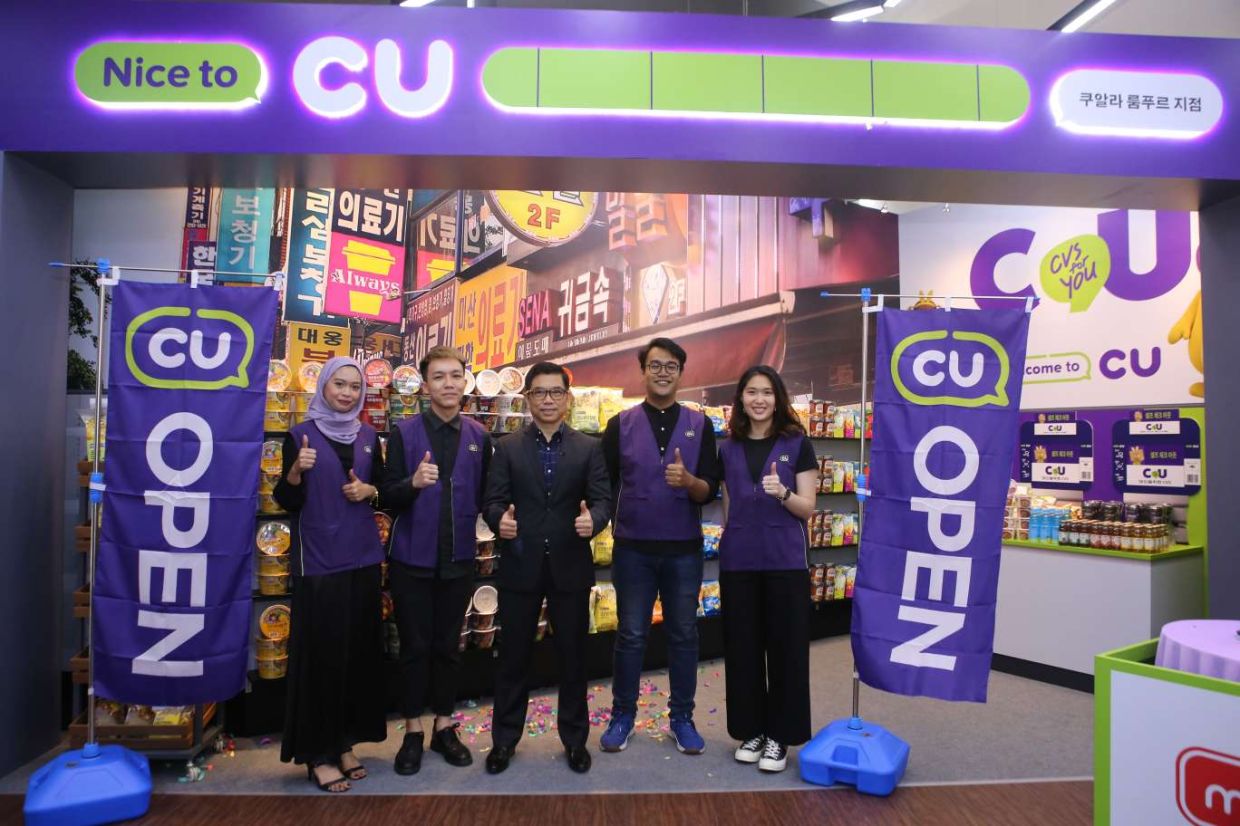
    CU has opened the doors of its first store in Malaysia, signaling a full-fledged entry into the country. CU is one of the big three convenience store chains in South Korea in terms of the number of stores, and the chain is owned by South Korean company BGF Retail Co Ltd.

    CU announced today that it opened its first store in Kuala Lumpur, making Malaysia the second foreign market the convenience store chain made an entry into after entering Mongolia in 2018. Malaysia’s first CU store has opened inside a shopping mall in Kuala Lumpur’s middle-class neighborhood. The store is large-sized, measuring approximately 165 square meters.

    The opening ceremony of the store was attended by prominent individuals such as Lim Hyung-geun, head of BGF Retail’s overseas business department, myNEWS Holdings Bhd CEO Dang Tai Luk, South Korean Ambassador to Malaysia Lee Chi-beom, and Kwon Young-jin, a director at the Korea Trade-Investment Promotion Agency (KOTRA).

    CU used BGF’s global system exclusively for overseas business for the first time in making the entrance into the Malaysian market. The South Korean convenience store chain is aiming to be the first of its industry to not only bring South Korea’s convenience store model built on decades of knowledge and experiences but also South Korean IT technologies to overseas markets.

    CU’s entry into Malaysia marks the first attempt to introduce a South Korean convenience store’s brand and system to a foreign company that operates local brands of its region. It is also an instance where a company in the retail and distribution industry was able to bear fruit from its pursuit of establishing a business in the Southeast Asian region. CU’s entrance into Malaysia is also quite significant in that the move throws a challenge to 7-Eleven, a powerhouse in the traditional convenience store business.

    With about 2,400 stores under its belt in Malaysia, 7-Eleven is the No. 1 company in its industry in Malaysia. In second place is myNEWS Holdings, a partner company of BGF, with 530 stores across the country. Japanese convenience chain FamilyMart is ranked third with about 200 stores in the country.

    CU has set a goal to open 50 new stores within a year and aspires to become No. 1 in the industry in the mid- to long-term by adding more than 500 stores over the next five years.

    CU is gearing up to expand the number of its new store openings following the opening of its first store in Malaysia, and at the same time, it is preparing to gradually convert existing myNEWS.com stores into CU stores. As a result, it is expected that CU’s stores and Japanese convenience stores will be duking it out for market share of the Malaysian convenience store market in the future.

  • Why you shouldn’t stop wearing a mask after vaccination

    Why you shouldn’t stop wearing a mask after vaccination

    The emergence of vaccines for Covid-19 has received massive acceptance all over the world. People have anticipated it for a very long time and the emergence has brought hope to people. We all want to do away with the item we were forced to adapt to protect ourselves from the virus, the face masks, but the question is, when is life going back to normal and does the emergence of vaccines mean face masks shouldn’t be worn again?

    Reasons to still wear a face mask after you have been vaccinated

    The excitement of getting vaccinated against Covid-19 comes with the obvious urge to do away with face masks for good. However, health experts have opined that the usage of masks should continue for a little while, especially in public settings, at least until we achieve herd immunity.

    Herd immunity, also known as community immunity, means that a large population of people in an area are immune to a specific disease. When this happens, the disease cannot be easily transmitted, since most people are immune to it and so infection rates drop as the disease peters out. To reach herd immunity, about 50%-80% of a population needs to be vaccinated, and for Covid-19, this might take a while. While the emergence of vaccines is a massive step in the right direction, it is advisable to exercise a little more patience before doing away with masks.

    Indeed, various reasons push health professionals to declare that face masks should be worn after vaccination.

    Time is required before the vaccine kicks in

    The vaccine does not fully kick in until two weeks after taking your second dose. After the first dose, you get some level of immune response, but this does not mean you are instantly protected from the virus.

    It takes some time before you can be termed “fully vaccinated” which means you still have to wear your mask.

    Vaccinated people may be asymptomatic spreaders

    It has been established that the vaccines prevent illness, but there is uncertainty as to whether they also prevent the transmission. Experts are worried that vaccinated people can get infected again without showing symptoms, and infect others who have not been vaccinated.

    Based on this, vaccinated people need to continue to wear their face masks to reduce virus transmissions to others.

    The vaccines do not offer 100% protection

    Although the vaccines have proven to be very effective, they offer between 94% – 95% protection. This means there are some people out there who do not respond to the vaccines and are still at risk of being infected.

    Those with compromised immune systems need to be protected

    Those with underlying health conditions react severely to Covid-19 and they need to be protected. The degree of effectiveness of the vaccines on such people has not been fully established. Thus, they need to be protected.

    Also, there are certain people who react negatively to certain ingredients in the vaccines, this means they can’t get them. Such people also need to be protected.

    There are still limited doses compared to those who need them

    This means that there are still a lot of people yet to be vaccinated. Surely, we can’t do away with the masks as though the virus were in extinction. We still need to be careful and safe in our daily lives.

    How to continue to protect yourself

    Seeing that vaccination does not automatically translate to doing away with face masks, we have a responsibility to continually protect ourselves.

    This protection is nothing different from what you did before the vaccines came on board:

    • Ensure you have your masks and your face shields on in public places.
    • Continually maintain social distancing.
    • Wash your hands as frequently as possible.
    • Avoid touching your eyes, nose, and mouth as much as you can (especially when you do not remember where your hands have been).

    Things may start to change when more people are vaccinated and when fewer cases are discovered, but until then you still have to stay safe and cautious.      


  • Knight Frank Boosts Research Team in APAC

    Knight Frank Boosts Research Team in APAC

    The global property advisor has appointed an industry veteran to oversee its research teams across the region. Knight Frank has appointed Christine Li as head of research, Asia-Pacific, based in Singapore, it said in an announcement on Monday.

    Li brings over 15 years of industry experience delivering research and strategic analysis for both commercial and residential real estate markets. She joins from Cushman & Wakefield, where she spent six years, most recently as head of research, Singapore and Southeast Asia.

    Li will oversee the firm’s forecasts and insights across office, industrial and residential sectors as well as specialist asset classes such as student accommodation, multi-family and data centres, and will provide an Asia-Pacific perspective on Knight Frank’s global reports, the announcement said.

    Christine’s experience working with Singapore’s leading institutional and private investors, alongside her breadth of expertise across Asia and profile in the market make her the ideal candidate to lead Knight Frank’s research in the region, Kevin Coppel, managing director, Knight Frank Asia Pacific, said.

  • New Year fails to help retail sales in Singapore

    New Year fails to help retail sales in Singapore

    Retail sales grew by 5.2 percent year-on-year in February, a reversal from the 6.1 percent decline recorded in January. This improvement was mainly associated with Chinese New Year celebrations in February, said the Singapore Department of Statistics (SingStat) on Monday (Apr 5). Chinese New Year was in January last year.

    Comparing the performance for the January to February two-month period of the festivities, retail sales fell 1.2 percent in 2021 compared to 2020. Excluding motor vehicles, retail sales increased 7.7 percent in February, compared to the 8.4 percent decline in January. On a seasonally adjusted basis, retail sales decreased 1.6 percent in February compared to the previous month. Excluding motor vehicles, seasonally adjusted sales fell 1.2 percent.

    The estimated total retail sales value for February was about S$3.3 billion. Online retail sales made up about 10.1 percent of this, similar to the 10.2 percent recorded in January, said SingStat.

    Online retail sales made up 44.3 percent of total receipts in the computer and telecommunications equipment industry, 26 percent of sales in furniture and household equipment and 10.7 percent of sales in supermarkets and hypermarkets.

    While most retail industries recorded improved year-on-year sales in February due to the Chinese New Year boost, on a seasonally adjusted month-on-month basis, the watches and jewelry, petrol service stations, and computer and telecommunications equipment increased between 2.8 percent and 5.6 percent during this period.

    SALES OF FOOD AND BEVERAGE SERVICES REMAIN WEAK

    Sales of food and beverage services fell 3.5 percent in February on a year-on-year basis, a smaller contraction compared to the 24.6 percent decline in January 2021. This was again mainly attributed to Chinese New Year celebrations, SingStat said.

    Food and beverage sales remained weak due to capacity constraints arising from safe distancing measures, SingStat added.

    On a seasonally adjusted basis, sales of food and beverage services declined 1.1 percent in February over the previous month.

    The total sales value of food and beverage services in February was estimated at S$699 million.

    Of this, online sales made up about 22.2 percent, slightly higher than 22.1 percent in January.

  • Vingroup reports acquisition, sale of multiple companies

    Vingroup reports acquisition, sale of multiple companies

    Vietnam’s biggest private conglomerate Vingroup sold stakes in five companies and acquired shares in six others last year, according to its audited consolidated financial statement.

    It sold 80 percent each of MV Real Estate JSC and the MV1 Real Estate JSC to Mitsubishi Corporation and Nomura Real Estate Development of Japan, and 90 percent of S-Vin Vietnam Real Estate Trading JSC to Japanese real estate company Samty Co., Ltd.

    Vingroup earned profits of nearly VND16.9 trillion ($728.45 million) from the three deals.

    It also sold a 25 percent stake in Phu Quoc Tourism Development and Investment JSC for a profit of over VND1.4 trillion, and currently owns a 5 percent stake.

    The conglomerate signed a deal with the Phu Quoc Tourism Development and Investment JSC to operate hotels, golf courses, and beachfront villas in Phu Quoc Island’s Bai Dai ecotourism area and Vinpearl Safari.

    It sold a 40 percent stake in animal feed company Viet Thang Feed JSC and now owns 26.34 percent of it.

    Vingroup spent over VND15 trillion to buy mining company Huong Hai-Quang Ngai Company Limited, real estate companies Dai An Investment Construction JSC and Nguyen Phu Trading Investment JSC, and hotel and restaurant operating firms Hon Mot Tourism JSC and Cam Ranh Invest JSC.

    It bought a 96.5 percent stake in Bao Lai Investment JSC, which mines and processes white marble to produce ground calcium carbonate powder for VND2.7 trillion. Last year Bao Lai reported a loss of VND367 billion.

    Vingroup reported revenues of VND110.4 trillion, down 15.5 percent from 2019. Its pre-tax profit was VND13.9 trillion, a year-on-year decrease of 10.7 percent.