Author: Mei Ling Tan

  • Leo Burnett India Introduces ‘StreetEye’

    Leo Burnett India Introduces ‘StreetEye’

    Leo Burnett is a global multi-disciplinary consultancy firm that specializes in, advertising, brand consultancy, communication, marketing, and so on. While the company isn’t active in the business of road safety, Leo Burnett recently introduced a first-of-its-kind product in India. Called the ‘StreetEye’, this two-wheeler mounted device is designed to detect potholes and alert a two-wheeler rider of the same in real-time. StreetEye was conceptualized, designed, and manufactured by Leo Burnett and the project was sponsored by Acko Insurance.

    India has one of the densest road networks in the world. Traffic data from 2019 suggests that 4,775 road accidents were caused by pot holes, resulting in 2,140 deaths. So a device that can be mounted on a two-wheeler and alerts motorists of pot holes well in time, has the potential to save thousands of lives and even prevent injuries to two-wheeler users.

    Leo Burnett says that the StreetEye device uses stereo cameras and light detecting to map potholes on the road’s surface and alert the rider so that he/she can take adequate action to avoid the same. The device has a pot-hole detection range of up to eight meters. The device will be light and gets a sleek design. And it is encased in a weatherproof body.

    Speaking about the prospective launch Rajdeepak Das, CEO, and Chief Creative Officer, Leo Burnett said “At Leo Burnett we believe the only way to predict the future is to create it ourselves. We have always been driven by our HumanKind philosophy which puts people and problems at the center of all our initiatives. The teams at Leo Burnett have been tirelessly researching, developing, and testing various versions of StreetEye to find a solution to one of the vital problems i.e. accidents due to potholes. And we are very excited about this product and would be launching it soon in the market.”

    The StreetEye device is yet to be launched in India and so far,

  • Etisalat to deliver first Open RAN implementation in Central Asia

    Etisalat to deliver first Open RAN implementation in Central Asia

    Etisalat partners with Parallel Wireless, Intel, and Supermicro in deploying the world’s first cloud-native Open RAN solutions in Afghanistan — the first Open RAN implementation in Central Asia.

    Hatem Bamatraf, Chief Technology Officer-International, Etisalat Group, said: “The combination of Open RAN, virtualization, and automation will enable Etisalat to meet the needs of our customers most cost-effectively in Central Asia. Being able to use an Open RAN system will help us not only extend our initial investment but also bring new services much faster. Parallel Wireless together with Intel and Supermicro have become true strategic partners and key enablers in undertaking this Open RAN implementation.”

    Mobile network operators in Central Asia are facing strong pressure to evolve their businesses and operations to drive profitability. Addressing these challenges requires industry innovation focused on reducing traditional hardware-defined 2G, 3G, or 4G networks that require expensive and bulky equipment to deploy, operate or upgrade.

    Open RAN solutions are now ready for prime time as Parallel Wireless leads with innovation in Open RAN, including the world’s first network architecture that unifies all mobile connectivity standards – 2G, 3G, 4G, and 5G– under the same software and cloud-native umbrella.

    In Afghanistan, the Open RAN radio hardware ecosystem of Parallel Wireless shall provide Remote Radio Units (RRUs) that will allow Etisalat to replace legacy 2G/3G/4G systems with white box solutions that can be upgraded to 5G in the future.

    Amrit Heer, Director of Sales, Parallel Wireless, said, “We believe it is the ideal time to align and collaborate to solve the key challenges to deliver innovative RAN solutions that are ready for commercial deployment. Implementing our world’s leading O-RAN compliant software platform will allow Etisalat to enable new services to be deployed quickly, seamlessly, and more reliably.”

    Etisalat’s strategic goal is to build and grow wireless networks to provide next-generation digital services to its customers in the region. Working in collaboration with Parallel Wireless, Intel, and Supermicro, this can be achieved by assembling viable solutions that build on an open and modular architecture; improving service agility through cloudification; and reducing operational costs across geographically distributed sites with automation.

    Jeff Sharpe, Director Edge/5G Solutions, Supermicro, commented on this collaboration: “We are pleased to be working with Etisalat, Parallel Wireless, and Intel to enable an open ecosystem of disaggregated RAN solutions using vendor-neutral RAN hardware and software-defined technology based on open interfaces and community-developed standards.”

  • Hong Kong chain AbouThai raided over labelling breaches

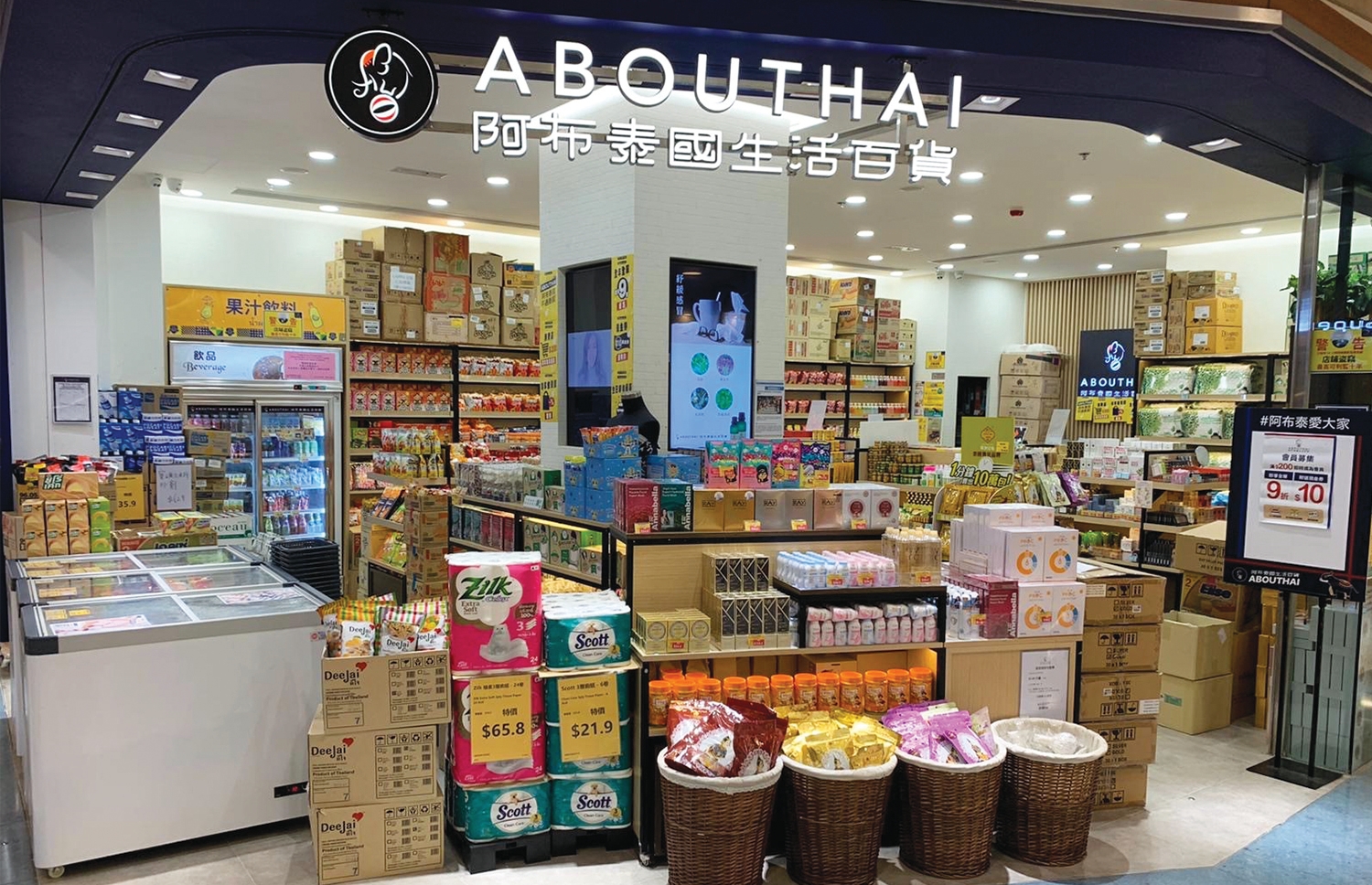
    Hong Kong chain AbouThai raided over labelling breaches

    Hong Kong authorities have seized nearly 9000 Thai cleaning products suspected to have wrong labeling from a shop founded by a pro-democracy activist facing charges under the city’s contentious national security law. Customs officers on Thursday raided 25 shops belonging to the chain, AbouThai, and arrested a 33-year-old male director of the group, the government said in a statement.

    The suspect had been released on bail and further arrests had not been ruled out, it added.

    “The product information marked on the packages of the products involved failed to bear Chinese and English bilingual warnings or cautions,” it said, adding the estimated market value of the 8805 products seized was about HK$400,000 (US$51,400).

    Under Hong Kong’s Consumer Goods Safety Ordinance, warnings or cautions on products must be in both English and Chinese and are required to be “legibly and conspicuously shown on the goods”.

    Customs chiefs said the raids were carried out in connection with missing safety warnings on cleaning products, with some only having warnings or cautions in Thai, while others bore warnings or cautions in Thai and English.

    The company’s founder, Mike Lam, is among 47 democrats charged under the city’s national security law on a charge of conspiracy to commit subversion and is currently on bail.

    Crowds queued outside branches of the shop across the city on Friday to show support for Lam, with some saying they believed the raid was politically motivated.

    “I find it unreasonable that the Customs targeted AbouThai. That’s why I come here to support. I am quite touched that many people come,” said Chris, who declined to give his full name due to the sensitivity of the national security law.

    The legislation punishes what Beijing broadly defines as secessionism, subversion, terrorism and collusion with foreign forces with up to life in jail.

    Local broadcaster RTHK quoted Vincent Chan, from the customs consumer protection bureau, as saying the department condemned any “false accusation” that the raid was an “act of repression”.

    Hong Kong anti-government protesters have queued outside businesses that openly support the democracy movement since anti-government protests flared in 2019.

    The former British colony returned to Chinese rule in 1997 with a promise of safeguards for its wide-ranging autonomy. Democracy activists say authorities are chipping away at those freedoms, accusations which officials in Beijing and Hong Kong reject.

  • Some luxury brands thriving in Korea despite pandemic

    Some luxury brands thriving in Korea despite pandemic

    Expensive luxury brands are racking up strong sales in South Korea, despite the coronavirus outbreak.

    Consumers, denied overseas travel, have resorted to spending on luxury goods instead, gaining popularity among the MZ Generation (millennials and Generation Z) in particular.

    The Financial Supervisory Service reported that Christian Dior Couture Korea Co, the South Korean branch of French luxury brand Christian Dior, generated operating profits of 104.7 billion won (US$93.6 million) last year, 2.4 times more than the previous year.

    The company reported 328.5 billion won in sales and 77.7 billion won in net income, up by 75.8 percent and 253.4 percent, respectively.

    Moncler Korea, the operator of the puffer jacket brand Moncler, generated 31.7 billion won in operating profits and 23.1 billion won in net income last year, up by 57.4 percent and 59 percent from the previous year.

    The Ministry of Trade, Industry, and Energy reported that last year’s luxury sales at major department stores jumped by more than 15 percent from the previous year.

    Out of all products sold at department stores, only products from famous foreign brands and household goods saw a rise in sales.

    There are other high-end brands, however, that failed to demonstrate better performance.

    Ferragamo Korea, the South Korean branch for the luxury shoes brand Salvatore Ferragamo, reported 4.5 billion won in operating profits last year, a drop of more than 50 percent from the previous year.

    The company generated 105.6 billion won in sales and 3.5 billion won in net income, dropping by 29.7 percent and 56.9 percent.

  • Standard Chartered Grows Digital Payments Proposition

    Standard Chartered Grows Digital Payments Proposition

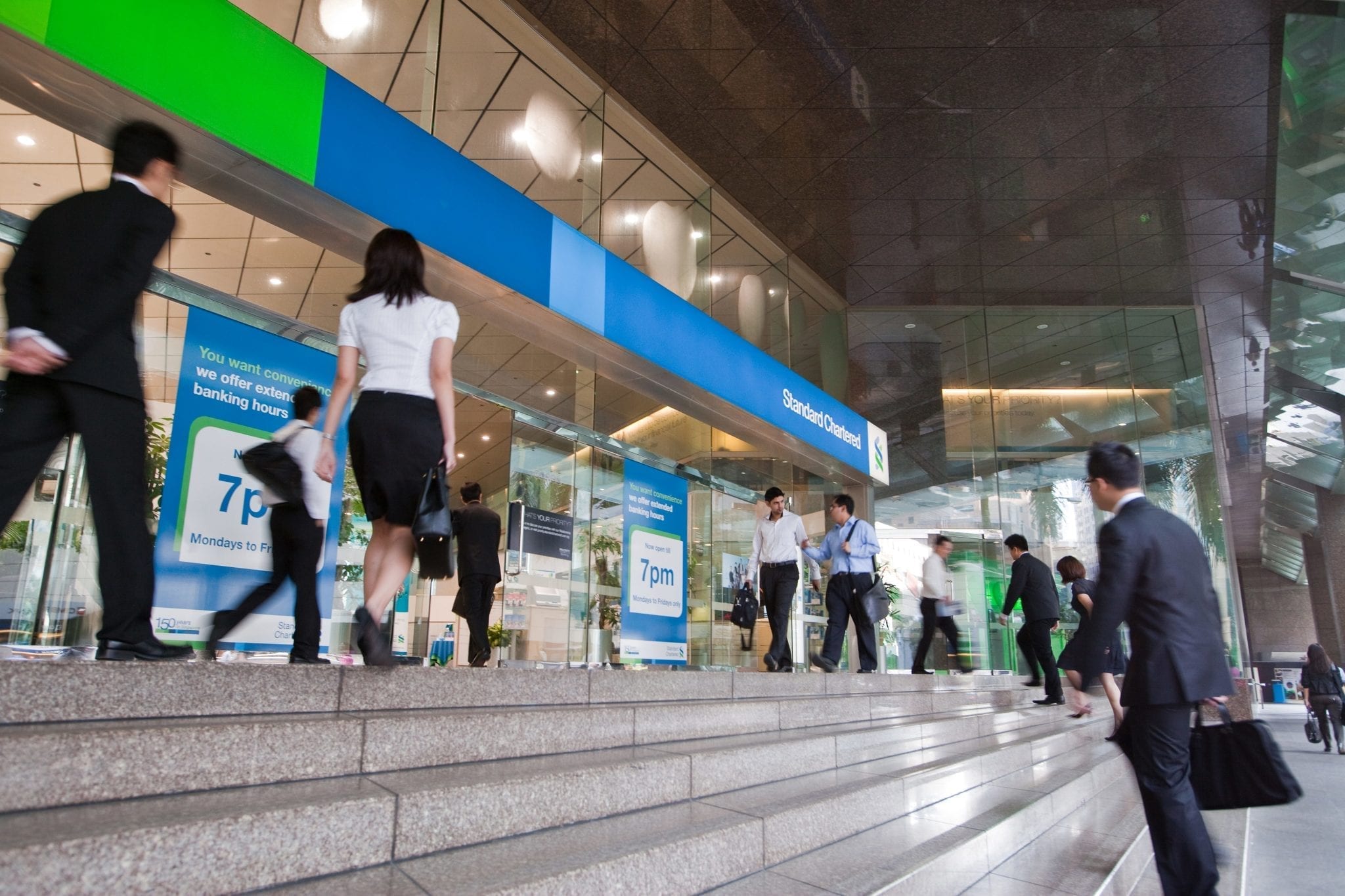
    The bank is doubling down on its commitment to the payments industry with its investment in a global cross-border payments platform. SC Ventures, the innovation, ventures and fintech investments unit of Standard Chartered bank, has made a strategic investment in Ireland-based CurrencyFair, it announced in a statement.

    As a result of the investment, CurrencyFair will merge with Assembly Payments, an Australia-based platform that automates complex payment workflows, which is invested into in 2020. The combined entity will offer the full range of payment services, providing retail and corporate clients access to fast, high-volume domestic and cross-border payments, the announcement said.

    The announcement highlighted a $2 trillion revenue market for payments, citing figures by McKinsey & Company, as well as an increasingly complex global cross-border business payments market.

    Paul Byrne, CEO of CurrencyFair, will lead the merged business, which will focus on payments, global payment accounts, partner ecosystem, lending and settlement, and services.

  • DBS Trims Office Space in Singapore

    DBS Trims Office Space in Singapore

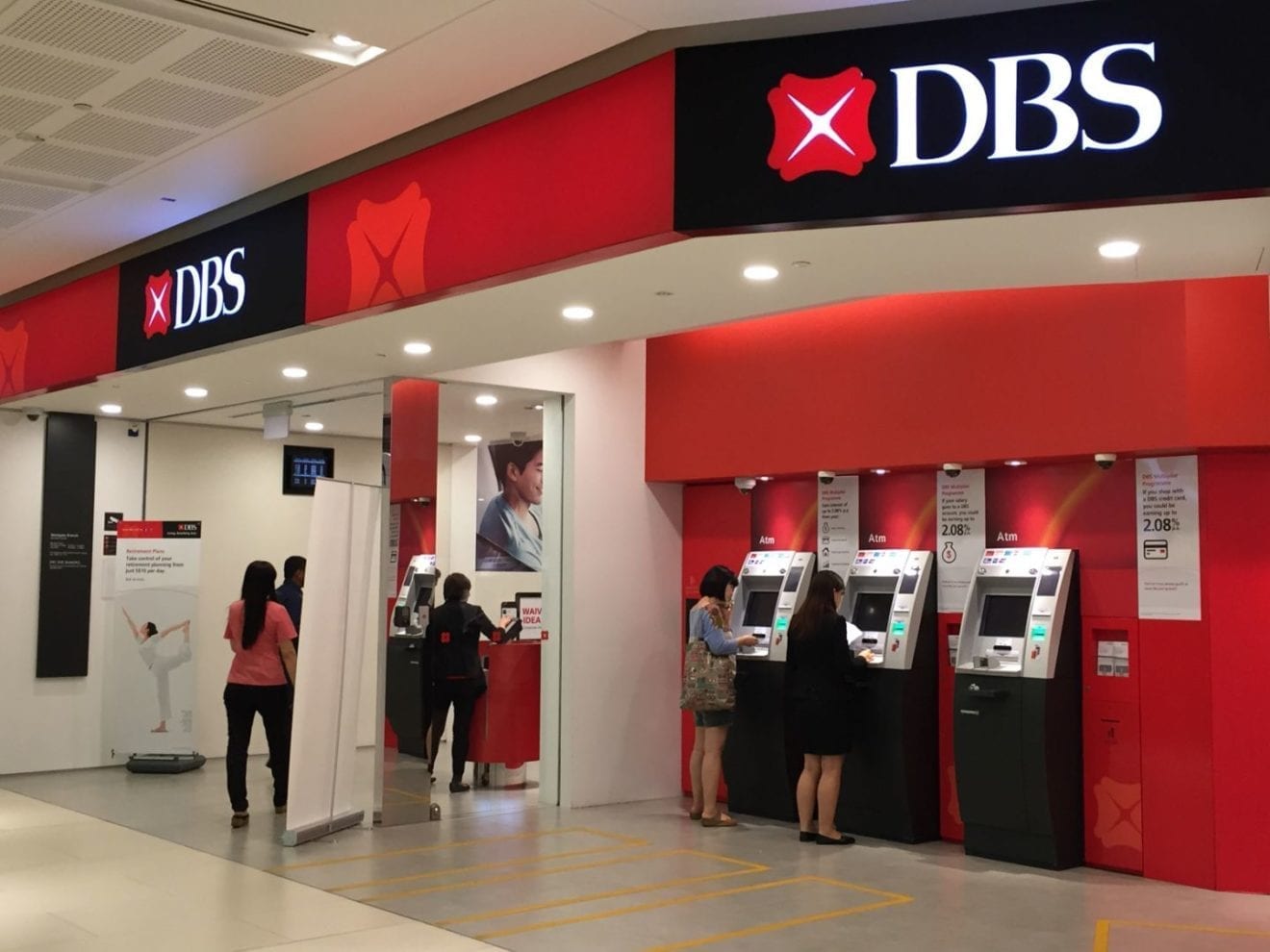
    DBS is the latest global bank to offload more office space, this time in a Singapore building where it is the anchor tenant. DBS will give up about two and a half floors out of the more than a dozen floors it occupies at Tower 3 of the Marina Bay Financial Centre, according to a report citing unnamed sources. Singapore’s largest lender is set to surrender the space, which totals 75,000 square feet, in December.

    DBS joins other global banks that are shifting their operational models by reducing office space and increasing flexible working measures.

    In Singapore, Citi is offloading three floors and Mizuho is cutting less than one floor of office space.

    In Hong Kong, DBS has also dropped eight floors of office space joining the likes of BNP Paribas, Standard Chartered and UBS.

    DBS’ reduction of office space falls in line with its announced strategy to provide flexible working conditions for its staff.

    In November, the bank said that remote working would be allowed for employees as much as 40 percent of the time.

  • Eximbank seeks to pay dividends after 7 years

    Eximbank seeks to pay dividends after 7 years

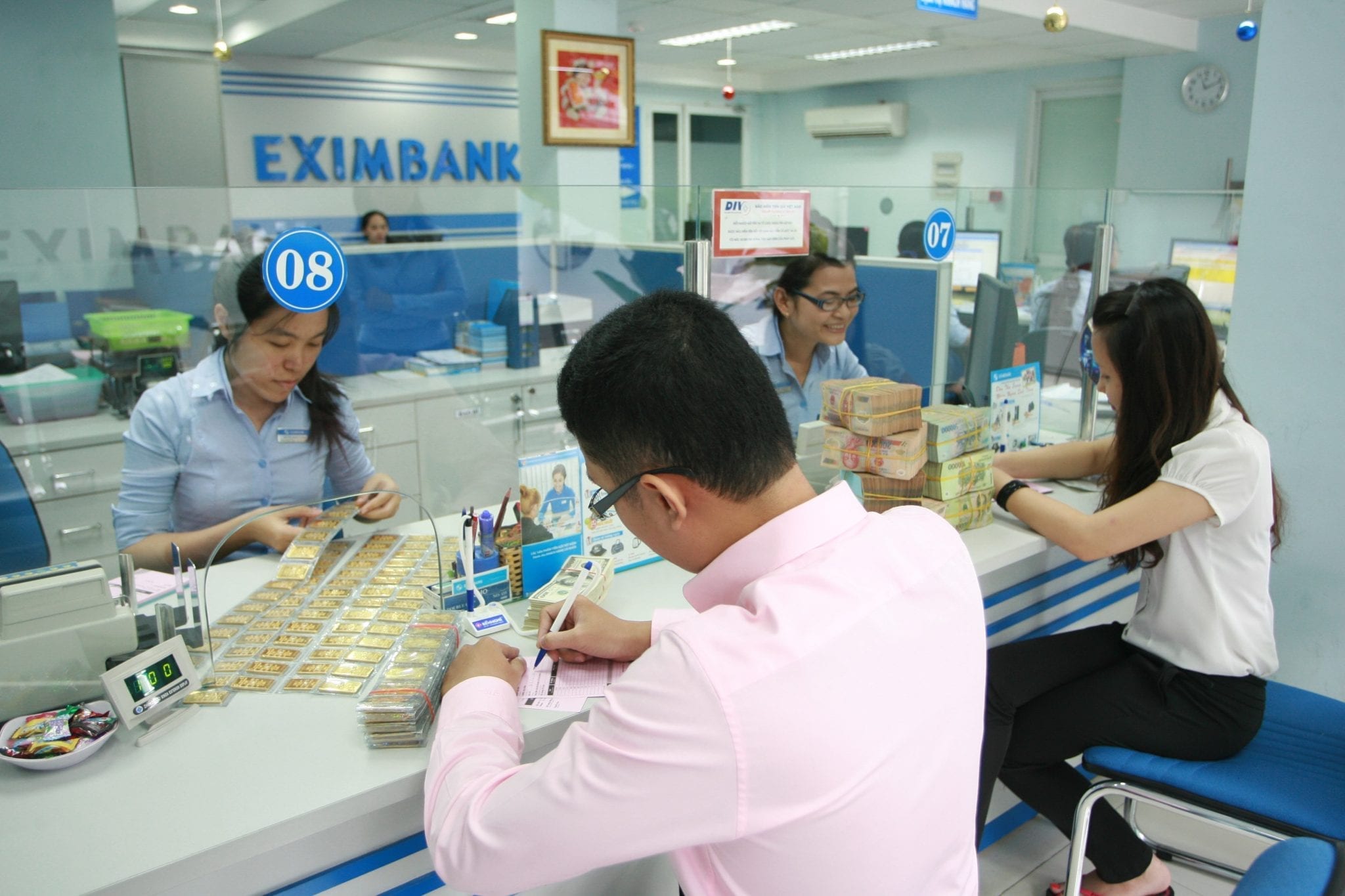
    Lender Eximbank has sought approval from the State Bank of Vietnam to pay a dividend of VND1,800 ($0.07) per share for 2020.

    The bank sold its bad debts to the state-owned Vietnam Asset Management Company (VAMC) in 2015 against bonds on the condition it is not allowed to pay dividends until the bonds are fully redeemed.

    According to documents it has circulated among shareholders, it redeemed the last of the bonds on March 30.

    The last time it paid dividends was for 2013.

  • Samsung rumored to team up with top camera supplier

    Samsung rumored to team up with top camera supplier

    Having a world-famous camera company supply a phone manufacturer with parts for the photography system on the firm’s handsets is not new. Huawei uses lenses supplied by Leica, and in the latest partnership, OnePlus uses camera parts from Hasselblad. The public might not know that name, but among professionals it is well known and the company has a great reputation.

    Tipster Ice Universe posted an interesting rumor on Weibo the other day that was seconded on Twitter by another (albeit lesser-known) tipster using the handle @heyitsyogesh. Both say that Samsung is in talks with Olympus about supplying Samsung with cameras for future smartphone models. The cameras provided under the rumored partnership will be high quality with Samsung continuing to use its own image signal processors (ISP).

    A tweet sent by @heyitdyogesh mentions that an Olympus camera might end up on a special edition model of the Galaxy Fold. Turning to regular production models, we could see Olympus take over Samsung’s camera module for the first time with next year’s Galaxy S22 flagship series. If tradition holds, we could see that line launch sometime during the first quarter of 2022.

    Samsung is believed to be working on the successor to its current top-of-the-line Exynos chipset which it has codenamed Olympus. Reportedly, the chip will deliver improved performance compared to the Exynos 2100. Do you believe that the use of the Olympus codename is a clue Sammy is giving us or is it just a coincidence?

    Despite the rumors, we would be amiss if we didn’t point out that Olympus sold its camera and imaging business to Japan Industrial Partners last year. That would seem to put the kibosh on the rumors, and so far no partnership has been announced anyway. If it turns out just to be a failed rumor, it isn’t clear anyway whether the use of a high-profile camera brand actually helps to generate smartphone sales.

  • Tesla Scouts For Showroom Space In India, Hires Executive For Lobbying

    Tesla Scouts For Showroom Space In India, Hires Executive For Lobbying

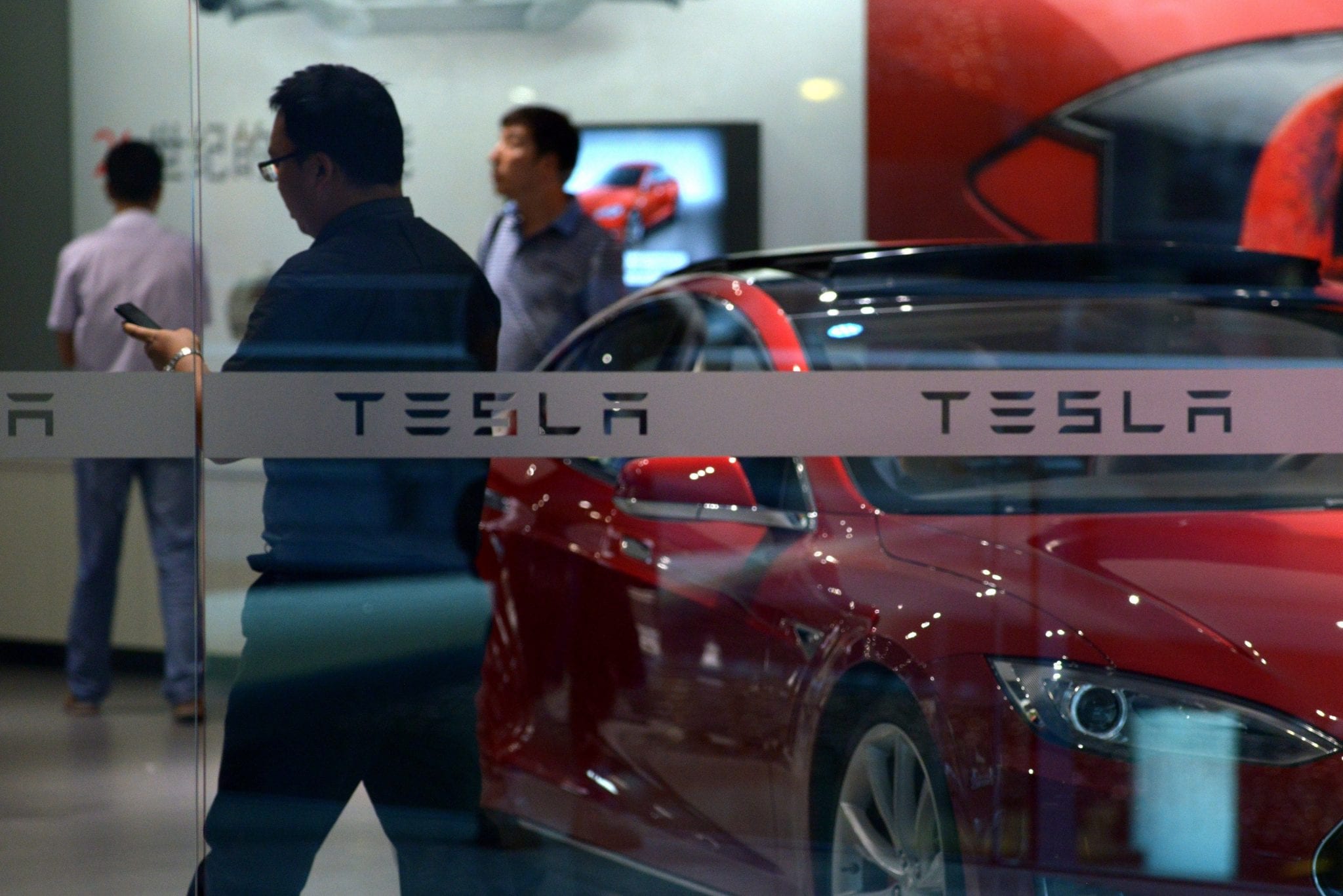
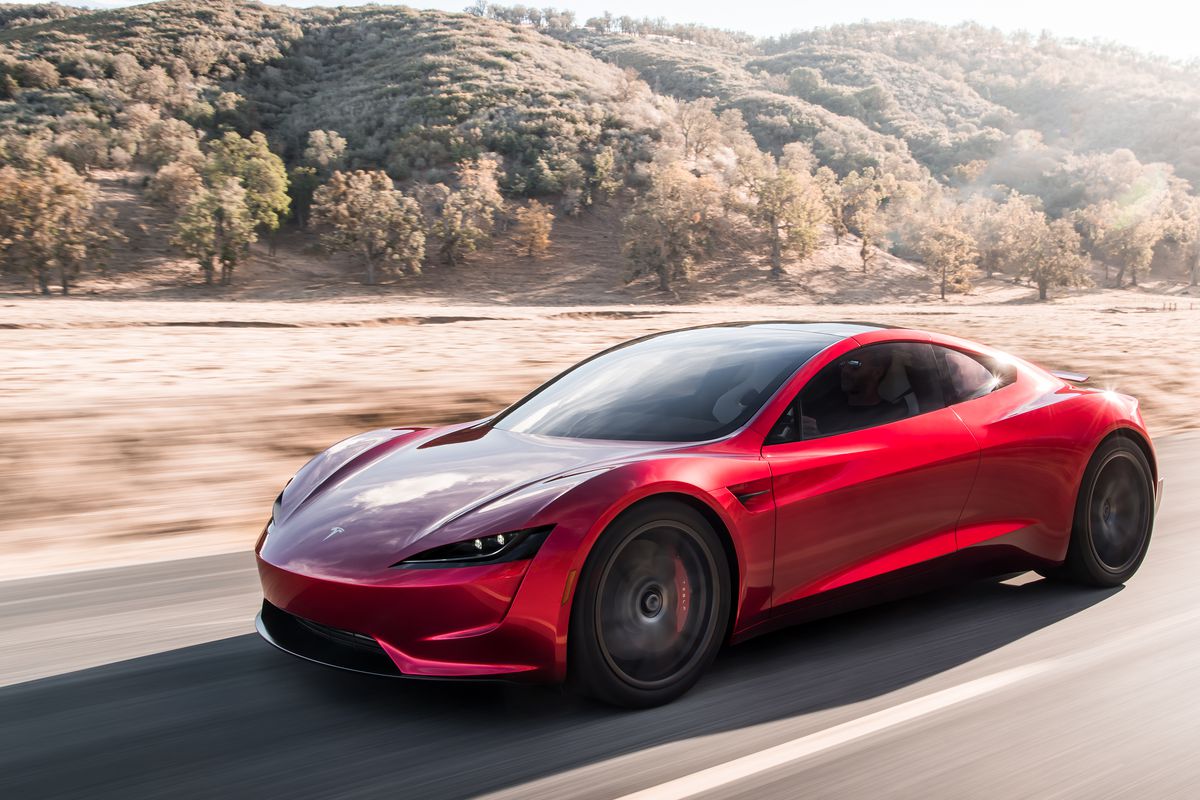
    Tesla in January registered a local subsidiary in India, which is expected to import and sell the Model 3 sedan by as early as mid-2021. Tesla has recruited Manuj Khurana, a former executive of India’s investment promotion body Invest India.

    Tesla Inc is scouting for locations to open showrooms in three Indian cities and has hired an executive to lead its lobbying and business efforts ahead of its planned entry into the country, sources familiar with the discussions told Reuters. The electric-car maker in January registered a local company in India, where it is expected to import and sell the Model 3 sedan by as early as mid-2021, seeking to target rich customers in a niche market.

    The world’s most valuable automaker by market capitalization is looking for commercial properties as large as 20,000-30,000 square feet each to open showrooms and service centers in the capital New Delhi, financial hub Mumbai in the west and tech city Bengaluru in the south, three sources said.

    Separately, Tesla has recruited Manuj Khurana, a former executive of India’s investment promotion body Invest India, in the first major hire to lead its policy and business development efforts in the country, two other sources said. Tesla did not respond to a request for comment, while Khurana declined to comment.

    In October, Tesla CEO Elon Musk said on Twitter the company will enter India in 2021 “for sure”, though the billionaire had issued similar tweets in the past. The search for showroom space and Khurana’s appointment signal Tesla is moving faster.

    Global property consultant CBRE Group Inc – hired for the showroom searches by Tesla – has been surveying places for several weeks and is focussing on locations that will give the company easier access to affluent customers, sources said.

    Some luxury car showrooms in upmarket areas of metro cities are typically between 8,000-10,000 square feet, but most showrooms are far smaller in India where high-end real estate space is usually in short supply and property prices in New Delhi and Mumbai are among the highest in the world.

    “If you look at Tesla’s showrooms globally, they are like experience centers. It would look at replicating that with some modifications for the Indian market,” said one of the sources, all of whom declined to be identified as the talks are private.

    CBRE said it does not comment “on work we may be doing on behalf of our clients”.

    Khurana has previously been on a government panel on the future of transportation led by Prime Minister Narendra Modi’s top scientific adviser. In his new role, he is also handling Tesla’s market-entry process in India, two sources said.

    But India isn’t likely to be an easy market to crack for Tesla. The country has negligible charging infrastructure and high taxes on imported cars, as well as low adoption of electric vehicles (EVs). India recorded just 5,000 EV sales out of the total 2.4 million cars sold last year, while in China new energy vehicle sales touched 1.25 million.

    However, analysts say India’s rising number of affluent consumers makes it a market the automaker can’t ignore as the government increases its focus on promoting clean cars.

    While Tesla plans to import cars at first, India’s road minister told Reuters last month that the government is ready to offer incentives to ensure the carmaker’s production cost would be less than in China if it commits to local manufacturing.

  • SpaceX satellite Internet faces regulatory hurdles in Vietnam

    SpaceX satellite Internet faces regulatory hurdles in Vietnam

    U.S. aerospace company SpaceX can only launch its satellite Internet service Starlink in Vietnam if it ties up with a local partner, Vietnam’s Department of Telecommunications said.

    SpaceX, owned by South African-American billionaire Elon Musk, recently announced that Starlink, now in its beta testing phase, would be launched in Vietnam next year and customers could preorder it for $99.

    However, telecommunications and Internet companies are in the list of conditional businesses, which requires the foreign enterprises to partner with a Vietnamese enterprise that is licensed to provide telecom services or establish a joint venture.

    According to the Department of Telecommunications, foreign enterprises are not allowed to independently provide internet and telecommunication services in Vietnam.

    The Department of Telecommunications told VnExpress that the company has yet to apply to launch the service in Vietnam.

    The department said prospective subscribers should consider carefully before making the pre-order since “it is unsure if Starlink can provide satellite Internet services in Vietnam.”

    The pre-order is currently available in 15 countries, according to its website.

  • Google’s redesigned Play Store could be on your Android device right now

    Google’s redesigned Play Store could be on your Android device right now

    Google has started to disseminate the next major redesign of the Google Play Store. The big change is the removal of the hamburger menu to the left of the search bar. Tap the profile photo in the upper right corner and you’ll see a menu that gives you access to your apps, games, payment methods, Google Play points and more.

    The settings menu is now broken up into four different categories such as General (information pertaining to your account, auto-update, auto-play video options, and a lot more different preferences you can choose from), User Controls (fingerprint controls and purchase authentication), Family (parental control and a parent guide), and About. The latter gives you information like the version of the Play Store installed on your device.

    Google has been rolling out the redesigned Play Store for weeks and the distribution of the new design is getting wider. If for some reason you don’t have the new version, you can try and force the issue by long-pressing on the Play Store app on the home screen to get the App info page. Tap on “Force Stop” and the next time the Play Store app is opened, it should feature the new design.

    Yesterday, we learned that Google I/O will once again be a streamed affair. The event will take place May 18th through the 20th and we should learn then about what Google has up its sleeve for Android 12.

  • Tesla Tells China Car Cameras Not Activated Outside North America

    Tesla Tells China Car Cameras Not Activated Outside North America

    Cameras in Tesla cars are not activated outside of North America, the U.S. automaker said on its Chinese social media page on Wednesday, seeking to assuage security concerns in the world’s biggest car market.

    Tesla faces scrutiny in China where the military in March banned Tesla cars from entering its complexes, citing security concerns over cameras in its vehicles, sources told Reuters.

    “Even in the United States, car owners can freely choose whether to turn on its (the camera system’s) use. Tesla is equipped with a network security system with world-leading security levels to ensure user privacy protection,” the electric carmaker wrote on Weibo, China’s Twitter-like social media site.

    At a virtual forum in Beijing in March, held not long after reports of the ban surfaced, Tesla founder Elon Musk emphasized the company’s business motivations for protecting user privacy.

    “There’s a very strong incentive for us to be very confidential with any information,” Musk said.

    “If Tesla used cars to spy in China or anywhere, we will get shut down.”

    China is a key battleground for electric vehicles. In 2020 Tesla sold 30% of its global total in the country.

  • CEO Mary Barra Bets General Motors Can Grow Beyond Cars And Trucks

    CEO Mary Barra Bets General Motors Can Grow Beyond Cars And Trucks

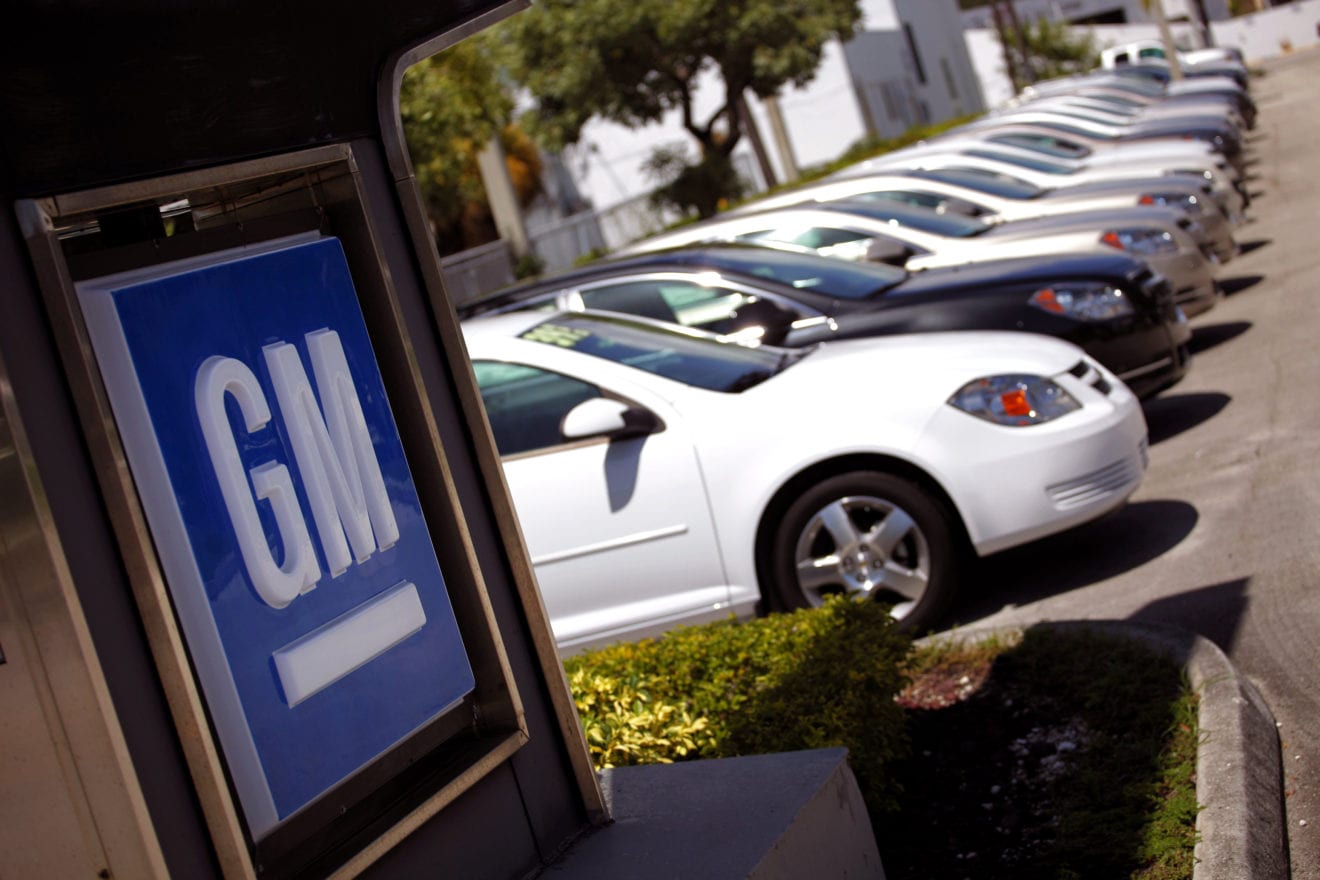
    Pam Fletcher wants to change the way General Motors Co makes money. The veteran GM engineer’s Global Innovation team is looking for new enterprises to expand the automaker’s sources of revenue well beyond vehicle sales and is incubating ventures from commercial delivery services to vehicle insurance, to address future markets worth an estimated $1.3 trillion. That doesn’t include flying cars, a market sector that alone could be worth $1.3 trillion, Fletcher told Reuters.

    On a recent video chat, Fletcher counted silently before answering how many ventures her team is shepherding. “Just under 20,” she said.

    The fact that GM is now incubating its own startups – with its corporate venture arm investing in dozens more- underscores Chief Executive Mary Barra’s sweeping effort to remake the largest U.S. carmaker. The goal is to become a diversified purveyor of mobility services – the automotive equivalent of Apple, with revenue that rolls in monthly or quarterly from software and services long after the initial product is sold.

    For legacy automakers such as GM, Volkswagen and others attempting to overhaul and transform their businesses, that task is daunting, according to Evangelos Simoudis, author and adviser on corporate innovation strategy.

    “The technologies incorporated in the software-defined vehicle will require areas of expertise that one routinely finds in technology companies rather than in automakers,” he said.

    Barra’s push to transform GM’s century-old business model is already having a significant impact – even though the first of a new generation of electric vehicles she has promised is still months from launch. GM returned $24 billion to shareholders in dividends and stock buybacks between 2014, when Barra took over, and early 2020. But those buybacks were suspended indefinitely when the pandemic hit last spring. Now, Barra told Reuters, the company has more productive uses for its money: Investing in electric vehicles and expansion of business lines that promise recurring revenue streams.

    GM’s new ventures could add tens of billions to the future revenue, Barra said, and push operating profit margins above the current 8% it achieved in 2020, and the 10% it has targeted long term. “We have very significant growth opportunities and different margin opportunity initiatives to invest in,” she said in a video interview. Barra’s shift from stock buybacks to investing in recurring revenue services, coupled with a drive to make GM an all-EV company by 2035, has achieved in one year what a decade of cost cuts and cash returns to shareholders could not.

    GM’s share price over the past six months has broken out of the range it was stuck in since the company’s post-bankruptcy IPO in 2010. GM shares hit a post-2010 high of $62.23 on March 18 and are up nearly 50% for the year. Still, GM’s $90 billion market cap lags Tesla Inc’s $600 billion valuation by a wide margin, reflecting doubts among investors that a 113-year-old Detroit manufacturer can keep up with an 18-year-old Silicon Valley company that has no technology or workforce legacy burdens to slog through.

    “I understand why people may be skeptical (of GM) because this is a company where we have seen revolutions being announced over the last half century and for some reasons it wasn’t authentic,” says Jeffrey Sonnenfeld, a dean of leadership programs at the Yale School of Management.

    Barra, he said, “has the authenticity and legitimacy to pull it off in a way that a lot of other people wouldn’t.”

    Barra’s effort to remake GM’s business relies on an executive corps that mixes long-time GM managers like herself – Barra has worked at the company for 40 years – and recent recruits from outside the auto industry.

    “We’re marrying people who really understand the auto business with people who understand these other businesses that we think are growth opportunities,” Barra said.

    A new venture that combines several aspects of GM’s approach is BrightDrop, a unit that will provide electric vans and related hardware to commercial delivery firms, starting with FedEx, along with support services from fleet management to predictive analytics.

    GM rival Ford Motor Co is introducing its own electric delivery van and expanding support services to defend its leading share of the U.S. commercial vehicle market of more than 40%.

    BrightDrop, one of the first “graduates” of Fletcher’s innovation incubator, started life less than two years ago as an idea initially dubbed Smart Cargo.

    Fletcher’s team started incubating Smart Cargo in September 2019, about the same time another GM group was working on the company’s future electric vehicle portfolio. The “big idea” – marrying an electric van with the software- and data-driven delivery services business – was hatched in February 2020.

    The enterprise gained additional traction in late 2020, when GM recruited longtime tech entrepreneur Travis Katz to become BrightDrop’s president and CEO.

    Ultimately, GM’s leadership wants BrightDrop to operate independently and cultivate “outside ideas and new ways of thinking,” Katz told Reuters.

    “We expect BrightDrop to be a very big and very profitable business,” he added. Eventually, “there will be a lot of learnings from the BrightDrop experience that will flow back into GM.”

    Barra also is building GM’s long-standing OnStar telematics business into a platform for selling insurance and other services that can be delivered over the air.

    Santiago Chamorro, head of global connected services, has expanded OnStar’s safety and security portfolio with new products and services incubated in-house, including OnStar Insurance, mobile safety app Guardian and Vehicle Insights, a data analytics platform for commercial fleet managers.

    Insurance, a new arena for GM, is led by outside hire Andrew Rose, who previously worked for auto insurance powers Progressive and Britain’s Admiral Group.

    Rose says GM dealers could offer policies to owners when they buy or lease a vehicle. OnStar could offer discounts to better drivers, as well as quicker claims service after an accident, and eventually could offer home insurance as part of the package.

    GM has never broken out OnStar’s financial results, and Barra won’t say if or when the company will do so.

    “OnStar is already a very significant business,” she said. “We think there are opportunities to grow it even out beyond our vehicles.”

  • Myanmar crisis sounds death knell for garment industry, jobs and hope

    Myanmar crisis sounds death knell for garment industry, jobs and hope

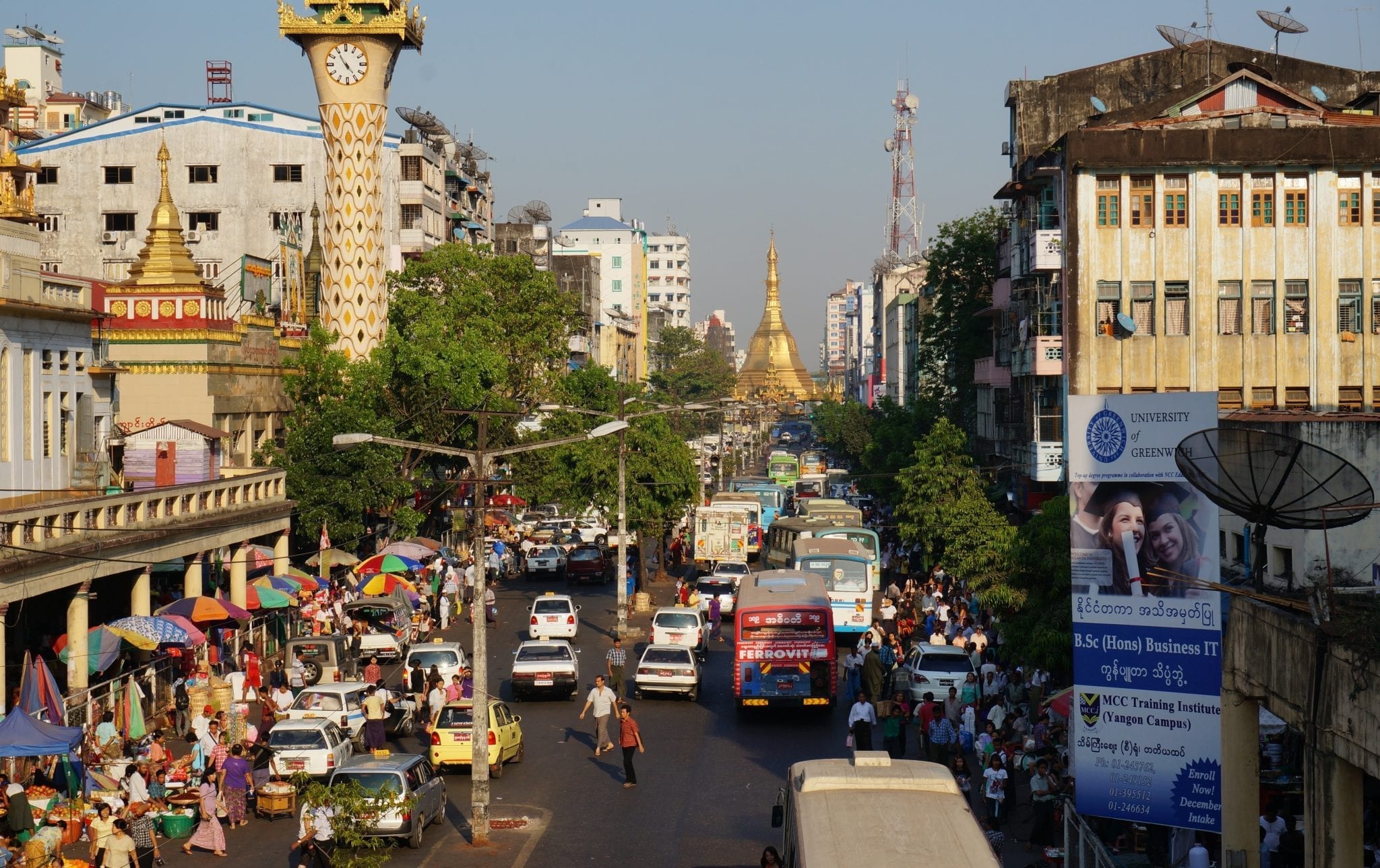
    Two years after opening his garment factory in Myanmar, Li Dongliang is on the verge of closing down and laying off his 800 remaining workers. The business had been struggling because of the Covid-19 pandemic, but after a February 1 coup that sparked mass protests and a deadly crackdown – during which his factory was set alight amid a surge of anti-Chinese sentiment – orders stopped.

    His story is emblematic of the perilous situation facing a sector critical to Myanmar’s economy, which accounts for a third of its exports and employs 700,000 low-income workers, according to UN data.

    “We would have no choice but to give up on Myanmar if there are no new orders in the next few months,” said Li, adding he has been operating at about 20 percent capacity, surviving only on orders placed before the coup, and had already shed 400 staff.

    Li said he and many of his peers were considering moving to other low-cost garment hubs like China, Cambodia or Vietnam, as big fashion brands like H&M and Primark have stopped trading with Myanmar due to the coup.

    Chinese nationals like Li fund nearly a third of Myanmar’s 600 garment factories, according to the Myanmar Garment Manufacturers Association, by far the largest investor group.

    At least two other Chinese-funded garment factories in Myanmar, employing a combined 3000 workers, had decided to close, said Khin May Htway, managing partner of MyanWei Consulting Group, which advises Chinese investors in Myanmar. She said the two firms were her clients but declined to identify them citing privacy.

    Foreign investment in garments surged in Myanmar over the past decade as economic reforms, an end to Western sanctions, and trade deals helped establish the sector as the greatest symbol of its nascent emergence as a manufacturing hub.

    Myanmar garment shipments rose from less than $1 billion in 2011, about 10 percent of exports, to more than $6.5 billion in 2019, about 30 percent of exports, according to UN Comtrade data. But the sector has been rocked by the pandemic which plunged the world into recession and choked consumer demand, resulting in tens of thousands of garment factory jobs lost in Myanmar and elsewhere in Asia. Then the coup happened.

    In the weeks that followed, many garment workers joined protests or couldn’t get to work as streets became battlegrounds. The turmoil also jammed the banking system and made it difficult to get goods in and out of the country, factory owners said.

    With international condemnation of the coup growing, European and US fashion brands last month issued a statement through their associations saying they would protect jobs and honor commitments in Myanmar.

    However, many have recently halted orders there including the world’s second-biggest fashion retailer, Sweden’s H&M, Britain’s Next and Primark, and Italy’s Benetton.

    Next said it would split its orders previously going to Myanmar between Bangladesh, Cambodia, and China, while Benetton said it would mainly move the business to China. H&M and Primark have not commented on how they will redistribute orders.

    Escape from poverty

    In Vietnam, garment factory owner Ravi Chunilal told Reuters he was starting to get more business from European buyers diverting from Myanmar.

    “They don’t want to abandon Myanmar … but it’s being forced upon them,” said Peter McAllister of Ethical Trade Initiative, a labor rights organization whose members include European high-street brands.

    McAllister said that it would be very difficult for Myanmar’s garment sector to recover if Chinese investors left.

    Anti-China sentiment has risen since the coup, with opponents of the takeover noting Beijing’s muted criticism compared with Western condemnation. It was against this backdrop that several Chinese-funded factories, including Li’s, were torched by unidentified assailants during a protest last month.

    Rights groups have repeatedly raised concerns about exploitation in Myanmar’s garment sector, where mostly women workers earn as little as 4800 kyat ($3.40) a day, the lowest rates in the region.

    But it has provided an escape from poverty for many, as workers have migrated from rural areas to the factories, mainly around the commercial hub of Yangon, and sent money back to their families.

    Khin Maung Aye, managing director of Lat War garments factory, which employs 3500 people, says the sector faces collapse if the military does not restore a democratically elected government.

    That would result in “terrible outcomes of poverty”, he said, adding that he was also staying afloat on orders placed before the coup but feared orders for next season, normally due later this month, will dry up.

    The US, which has imposed targeted sanctions on Myanmar’s military, late last month suspended trade talks with it and said it was reviewing its eligibility for its Generalized System of Preferences scheme, which reduces tariffs and provides other trade benefits for developing countries.

    That could “portend future disruption” for Myanmar’s garments sector, said Steve Lamar, president of the American Apparel & Footwear Association, which represents more than 1000 fashion brands.

    But some unions representing garment workers have called for the international community to impose tougher sanctions to press the military, even though it may further damage their industry.

    “I accept orders moving away,” Myo Myo Aye, founder of the Solidarity Trade Union of Myanmar, said through a translator. “Workers would face difficulties and hardship because there would be no jobs. On the other hand, we simply don’t accept the military regime.”

  • Nepal to debut Internet and telecom services on international airlines

    Nepal to debut Internet and telecom services on international airlines

    The Nepal Telecommunications Authority (NTA), an autonomous telecommunications regulatory body, together with the Civil Aviation Authority of Nepal has approved international airlines to use Nepal’s Internet and telecom services for its passengers.

    Airlines would need to apply to NTA, on top of obtaining permission from the International Civil Aviation  Organisation to tap into internet and telecom services above 10,000 feet in Nepal.

    Nepal is the latest country in South Asia to allow such services to passengers, following the footsteps of India and Afghanistan. Last September, Vistara was India’s first airline to offer in-flight Wi-Fi Internet connectivity onboard international flights.