Author: Mei Ling Tan

  • Switch Mobility And Siemens Partner To Work On Electric Mobility Projects In India

    Switch Mobility And Siemens Partner To Work On Electric Mobility Projects In India

    Home-grown commercial vehicle manufacturer, Ashok Leyland’s global electric mobility arm, Switch Mobility has entered into a partnership with German technology conglomerate, Siemens Limited. The two companies have signed a Memorandum of Understanding (MOU) towards building a cooperative technological partnership in the electric commercial mobility segment and work on eMobility projects in India. The company says that the main objective of this partnership between the two brands is to offer efficient, cost-effective and sustainable e-mobility solutions to various commercial vehicle customers in India.

    Commenting on the partnership, Nitin Seth, Director, Switch Mobility said, “Our collaboration with Siemens will focus on key identified areas, which will be critical to propel ourselves as an industry, towards clean and sustainable mobility solutions. Our overarching objective is to achieve the lowest Total Cost of Ownership (TCO) and our endeavour with Siemens will focus on it to make eMobility a compelling solution for businesses and the environment in India.”

    At the same time Sunil Mathur, Managing Director and Chief Executive Officer, Siemens Limited, said, “Siemens is a global leader in e-mobility solutions for commercial vehicles. We have been implementing projects for electric commercial vehicles across the globe. Together with Switch Mobility, we intend to implement high-quality techno-commercial solutions to address the needs of the growing E-mobility market in India.”

    To achieve their joint objective, for its part, Switch Mobility will offer its strong electric commercial vehicle industry experience. Siemens, on the other hand, will bring its flexible, high-efficiency charging infrastructure technology to the table, which comes with efficient and reliable medium-voltage grid connection solutions. The company says that Siemens’ charging infrastructure management software solution would enhance the energy-efficient operations of the chargers.

    As part of the MOU, Siemens Financial Services (SFS), the financing arm of Siemens AG, will consider a minority investment in OHM Global Mobility Private Ltd., the eMaas platform company to be formed as a subsidiary of Switch Mobility Automotive Limited.

  • Uniqlo owner Fast Retailing lifts full-year profit outlook

    Uniqlo owner Fast Retailing lifts full-year profit outlook

    Japan’s Fast Retailing, the owner of clothing brand Uniqlo, on Thursday reported a 23 percent jump in half-yearly operating profit and raised its full-year profit estimate.

    The company has been among the most resilient retailers during the COVID-19 pandemic, as Uniqlo’s focus on China and Japan helped it escape the worst of the downturn that hit the United States and Europe. Fast Retailing said operating profit was 168 billion yen ($1.53 billion) in the six months through February, against 136.7 billion yen a year earlier.

    The company raised its full-year operating profit forecast to 255 billion yen from 245 billion yen. The average estimate in a Refinitiv poll of 15 analysts was 262.9 billion yen. During the pandemic, Uniqlo briskly sold masks and saw strong demand for its stay-at-home jogging pants and other comfortable apparel.

    However, the company is now dealing with crises in Myanmar and China that are upsetting its supply chain and one of its most important foreign markets.

    Fires broke out at two of Fast Retailing’s partner factories in Myanmar last month amid unrest that followed a military coup. The company has had to halt operations at some facilities in the country due to martial law conditions.

    In China, the company and other Western brands are facing a backlash over criticisms of alleged human rights abuses in Xinjiang province. Fast Retailing operates about 800 Uniqlo stores on the mainland, about the same number as its home market of Japan.

    Western brands including H&M, Burberry, Nike and Adidas have been hit by consumer boycotts in China for raising concerns about forced labor in Xinjiang, a major producer of cotton. Five brand ambassadors for Fast Retailing in China have quit amid the backlash.

  • Papa John’s launches in Cambodia

    Papa John’s launches in Cambodia

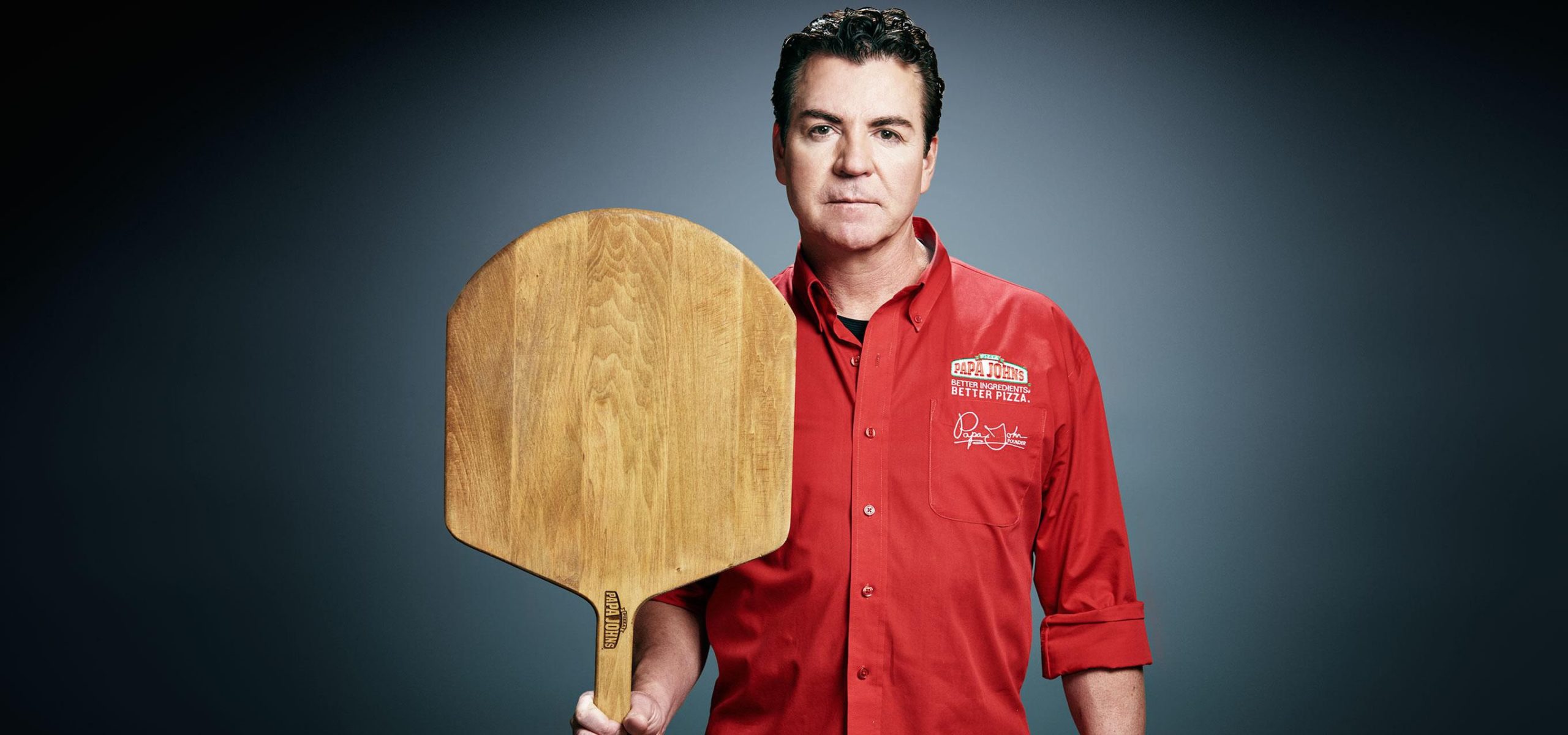
    US pizza chain Papa John’s is launching in Cambodia with 15 restaurants scheduled to open during the next three years. The company opened its flagship store in Phnom Penh last month.

    “Papa John’s Cambodia team is truly passionate about pizza,” said Peter Xu, Papa John’s Cambodia franchisee.

    “With our ‘Better ingredients – Better pizza’ promise, we look forward to providing local pizza lovers with quality products and outstanding services.”

    Xu also owns a Papa John’s franchise in New York and other business ventures in Cambodia.

    Jack Swaysland, Papa John’s COO, international, said that following a record year of sales and growth, Papa John’s is well-positioned to accelerate international development, a key pillar for the brand’s long-term growth.

    Papa John’s has restaurants in 48 countries, with the latest new openings in France, Spain, Tunisia, Iraq, the Netherlands, Morocco, Kazakhstan, Kyrgyzstan, Poland, the Bahamas, Pakistan, and Portugal. The company is eyeing expansion in Brazil, Japan, and Southeast Asia.

  • Foodpanda to drive Covid-19 vaccination awareness campaign across Asia

    Foodpanda to drive Covid-19 vaccination awareness campaign across Asia

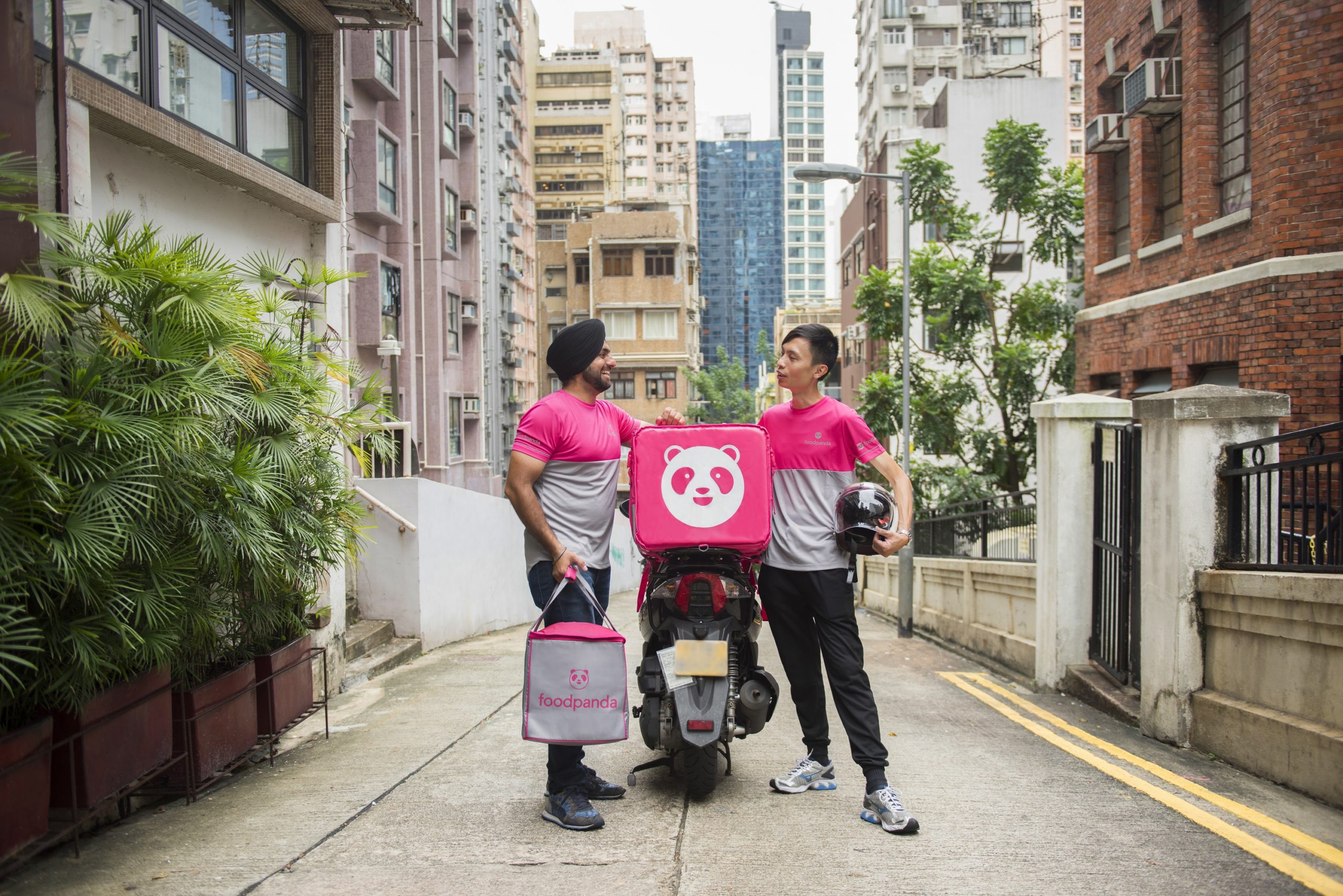
    Food and grocery delivery service Foodpanda has launched a Covid-19 vaccination awareness campaign across Asia in the lead-up to WHO’s World Immunisation Week. The campaign, which aims to reach more than 10 million people across Asia, will include a series of content across digital and social media channels, providing information and resources on local vaccination programs.

    It will be rolled out in phases across Singapore, Malaysia, Thailand, Hong Kong, Cambodia, Japan, Bangladesh, Pakistan, and the Philippines.

    “The region’s battle with Covid-19 is ongoing, and we have to stay vigilant on keeping our ecosystem safe,” said Jakob Angele, CEO of Foodpanda. “Leveraging existing channels with our network of riders, merchants, employees and customers, we can raise greater awareness around fighting misinformation and share information around local vaccination programs so that our entire delivery ecosystem can be informed and mobilized.”

    Besides its social media campaign, Foodpanda will also join hands with local authorities to support vaccination programs in Singapore, Cambodia, and the Philippines.

    “We will continuously explore ways to play a part in the fight against Covid-19.”

  • Singapore Minister Warns Public on Crypto Trading

    Singapore Minister Warns Public on Crypto Trading

    Investors should exercise extreme caution when trading cryptocurrencies, senior minister Tharman Shanmugaratnam said in parliament on Monday.

    Cryptocurrencies can be highly volatile, as their value is typically not related to any economic fundamentals. They are hence highly risky as investment products, and certainly not suitable for retail investors,» Shanmugaratnam, who is also the minister in charge of the Monetary Authority of Singapore (MAS).

    His comments come as cryptocurrency-related scams are on the rise in the republic, as investor interest in the space grows with soaring crypto prices.

    However, according to MAS, the size of Singapore’s cryptocurrency market remains small. The combined peak daily trading volumes of bitcoin, ethereum, and XRP was 2 percent of the average daily trading volume of securities on the Singapore Exchange (SGX) in 2020.

    Cryptocurrency derivatives traded through financial institutions likewise amounted to less than 1 percent of the derivatives trading activity on SGX. Cryptocurrencies comprise less than 0.01 percent of the assets in funds managed by MAS-regulated fund managers, Shanmugaratnam said.

    The parliamentary discussion comes as more than 100 people have filed police reports against crypto trading platform Torque, run by Singapore businessman Bernard Ong. The platform suspended more than 14,000 accounts across 120 countries in January, with investor claims are estimated at $325 million.

    Ong alleges of his employees had violated the company’s rules and that his unauthorized trading activities had led to significant losses. Some 2,000 Singaporeans are estimated to have invested in crypto on the platform, which is registered in the British Virgin Islands.

  • Grab to List in New York Via Blockbuster SPAC

    Grab to List in New York Via Blockbuster SPAC

    The deal – the largest merger between a company and a blank cheque company – will value the SoftBank-backed firm at about $35 billion.

    The Singapore-based technology group could finalize an agreement to list with one of Altimeter Capital’s special purpose acquisition companies (SPACs) as soon as this week. Grab will raise about $2.5 billion through private investment in public equity (Pipe), which typically involves selling shares in a private arrangement with investors. Of that, close to $1.2 billion will be funded by Altimeter, which will also backstop the sale of any shares in the SPAC by public shareholders when the deal is announced, the report said.

    Grab founder Anthony Tan will own 2 percent of the listed entity, the pink paper’s sources said. Softbank, one of the company’s biggest investors, will also be looking at a major payday.

    Founded in 2012, Grab, which started out as a ride-hailing service, now provides food delivery, payments and insurance, among other services on its app, and holds a digital banking license in Singapore. It serves a regional consumer market of 655 million people in countries like Indonesia, Thailand and Vietnam.

    Gojek, Grab’s main regional rival, is in advanced merger talks with local e-commerce marketplace Tokopedia, ahead of a planned initial public offering of the combined entity.

  • Finder Acquires Financial Comparison Platform GoBear

    Finder Acquires Financial Comparison Platform GoBear

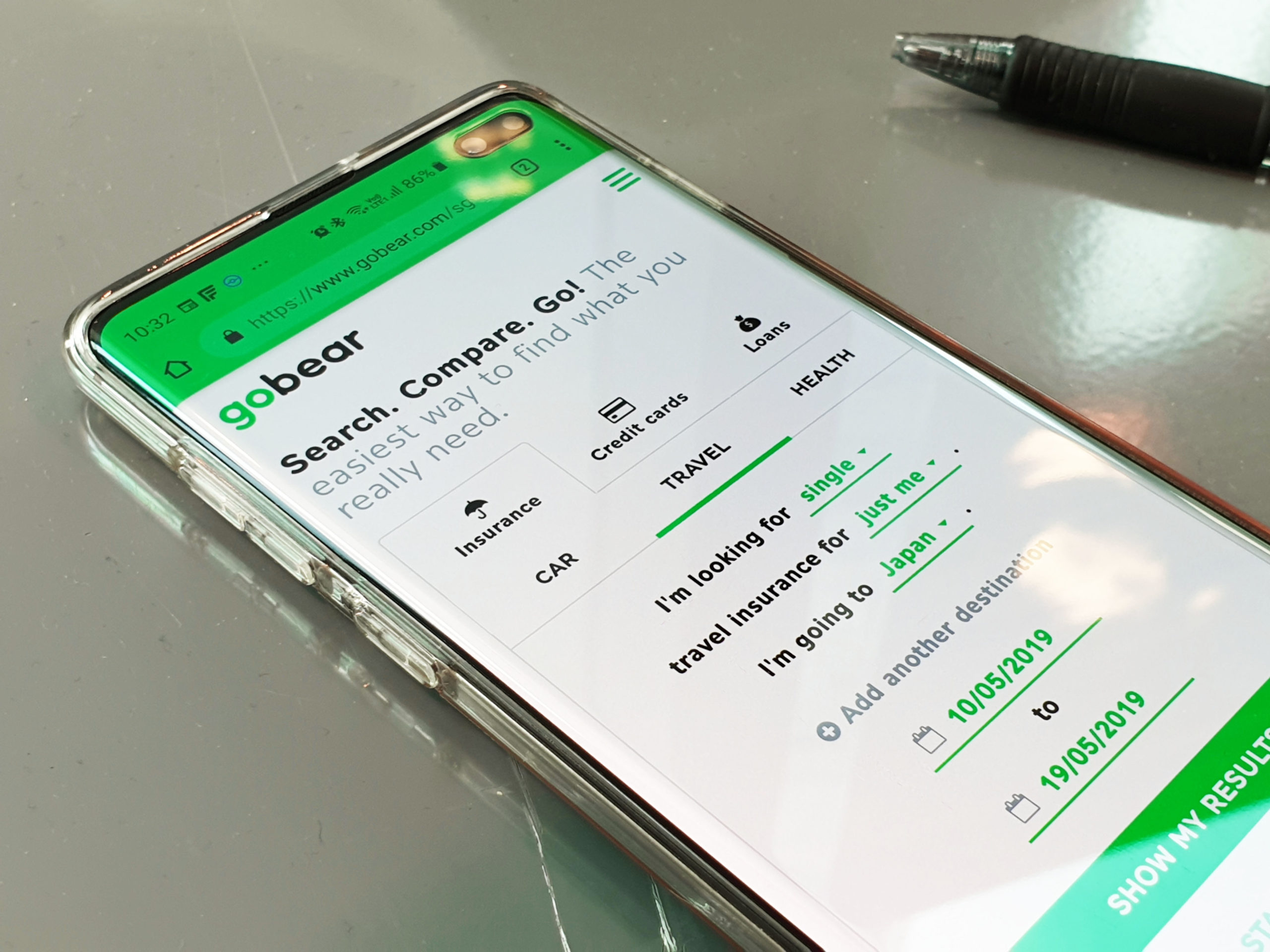
    Finder, a global comparison platform founded in 2006 in Sydney, Australia, has acquired the GoBear brand as it accelerates its global expansion.

    Finder aims to grow its presence as a key financial comparison platform in Southeast Asia with the acquisition of the GoBear brand, it said in an announcement on Thursday.

    Singapore-based GoBear, which was founded in 2015, operated a platform for insurance, banking, and lending products in seven markets in Southeast Asia, but shut down at the start of 2021, citing a challenging operating environment and its inability to raise new funds from existing or new investors.

    We felt there was a great alignment between the two brands and, after three years with a light presence in the region, we couldn’t pass up the opportunity to step in and purchase the like-minded brand, the announcement said.

    Finder noted the region’s large unbanked market, which includes some 438 million consumers, and said there is a significant opportunity for growth, as digital financial services are set to grow to a $60 billion business by 2025.

    As part of the deal, GoBear’s website content will be integrated into local Finder sites across the seven markets: Singapore, Hong Kong, Vietnam, Thailand, Philippines, Malaysia, and Indonesia. The GoBear brand will continue to operate via social media and email channels

  • Vietnam plans more solar, wind power cuts

    Vietnam plans more solar, wind power cuts

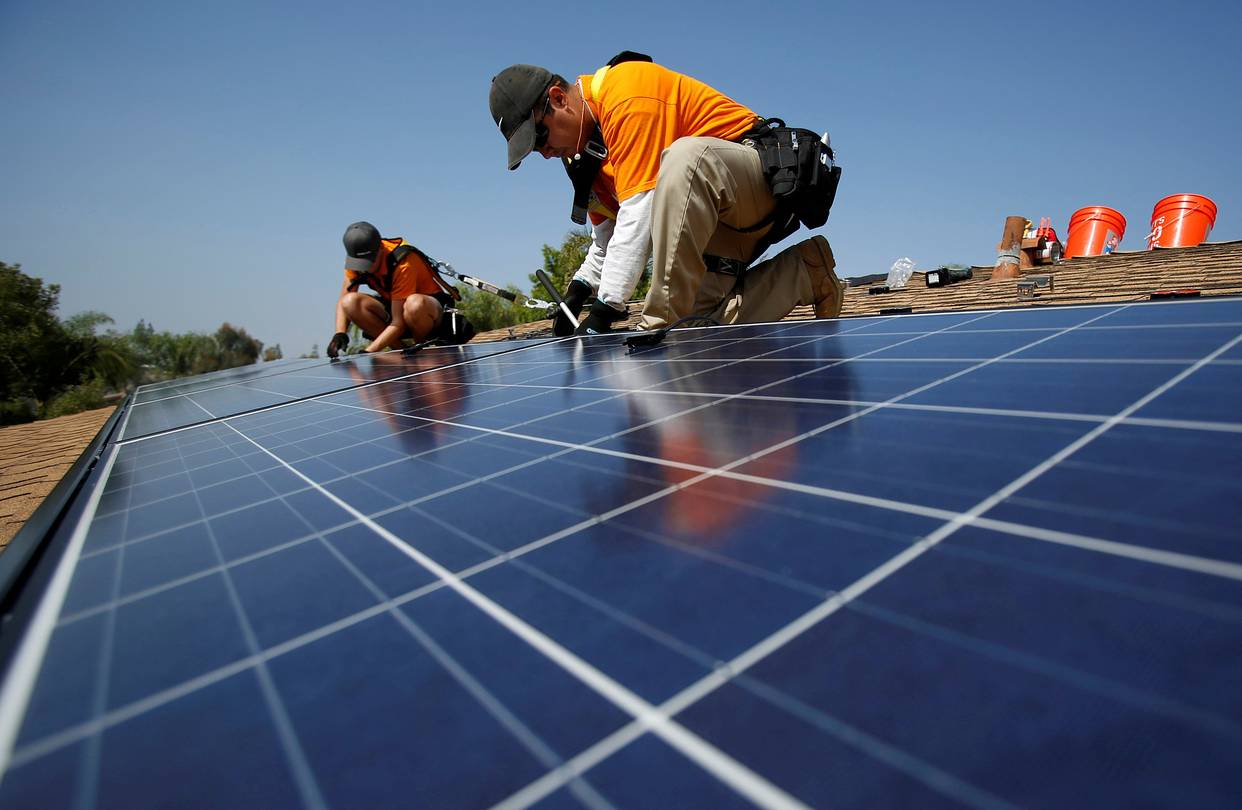
    Vietnam is set to cut up to 1.74 billion kilowatt-hours of renewable energy in the second half this year to deal with national grid overload.

    A plan proposed by the National Load Dispatch Center (NLDC), under the national utility Vietnam Electricity (EVN) intends to cut 180 million kilowatt-hours per month in the third quarter and 350-400 million kilowatt-hours per month in the last quarter.

    This time frame corresponds with the expected third and further quarter annual flooding in the northern, and central-southern regions, respectively, when hydropower power supply would increase.

    The proposed amount of 1.74 billion kilowatt-hours is 34 percent higher than EVN’s previous plan to cut 1.3 billion kilowatt-hours of renewable energy this year.Cutting solar and wind power has been the go-to solution for EVN since last year, after a surge in the number of such plants strained the national grid.

    As solar power plants depend on the number of sunshine hours during the day, authorities still have to rely on traditional sources such as coal, gas and hydropower to ensure grid stability.

    This is why solar power, whose output could fluctuate by up to thousands of megawatts in seconds depending on the intensity of sunlight, is the first to be cut when there is an overload.

    Another reason for the output cut is slower growth in consumption. Last year, due to Covid-19 impacts, demand grew by less than 2.5 percent compared to 10 percent in previous years.

    The cuts have hurt renewable energy developers. A leader of a solar power company in the central province of Ninh Thuan, who asked not be identified, said his plant has seen output cut since the end of last year.

    The company has to bear losses of hundreds of million Vietnamese dong (VND100 million = $4,300) each month, not to mention suffer interest payment to banks, he added.

    The Phu Lac Wind Power Plant in the central province of Binh Thuan is also suffering output cuts.

    The plant’s CEO, Bui Van Thinh, said both developers and EVN were victims in this situation as the number of new plants exceed the government’s original plan, while there is a lack of synchronization in source and transmission investment.

    The transmission line has reached its max capacity as dozens of plants come online, he said, adding: “Our revenues have plunged and the situation is tense.”

    Although energy authorities had earlier warned of power shortages this year, the boom in renewable power development has in reality created an oversupply, creating problems for EVN.

    Solar capacity surged to 19,400 megawatts-peak at the end of last year, accounting for 25 percent of total power capacity. This capacity came from over 100 farms and 101,000 rooftop constructions.

    Last year, authorities cut solar power by a total of 365 million kilowatt-hours after the Ninh Thuan and Binh Thuan grids were overloaded.

  • Bamboo Airways warned for overselling tickets

    Bamboo Airways warned for overselling tickets

    Vietnam’s aviation authorities have ordered Bamboo Airways to stop selling tickets for the wrong flight slots after many passengers complained of canceled and delayed flights.

    Each airline has an allocated number of flight slots, meaning a specific period of time wherein an aircraft can take off or land at an airport depending on the latter’s capacity, but Bamboo Airways has sold tickets for slots that it does not have, according to the Civil Aviation Authority of Vietnam (CAAV).

    In recent weeks customers have been complaining about Bamboo Airways frequently canceling or delaying flights, especially on the Hanoi-Da Nang route.

    On March 4, the budget carrier published a public apology over its changing of schedules, blaming it on maintenance work happening at the Noi Bai International Airport.

    However, a representative of Noi Bai airport said the maintenance work had finished earlier and that flight schedules were not affected by it.

    The CAAV has informed Bamboo Airways that if it ignored the warning and continued to offer tickets for the wrong flight slots, the carrier will not get more slots for six months.

    In January, Bamboo Airways, Vietjet, and Vietnam Airlines all received warnings for selling tickets for the wrong slots for the annual Tet (Lunar New Year) holiday.

  • HDBank profit up 87 pct

    HDBank profit up 87 pct

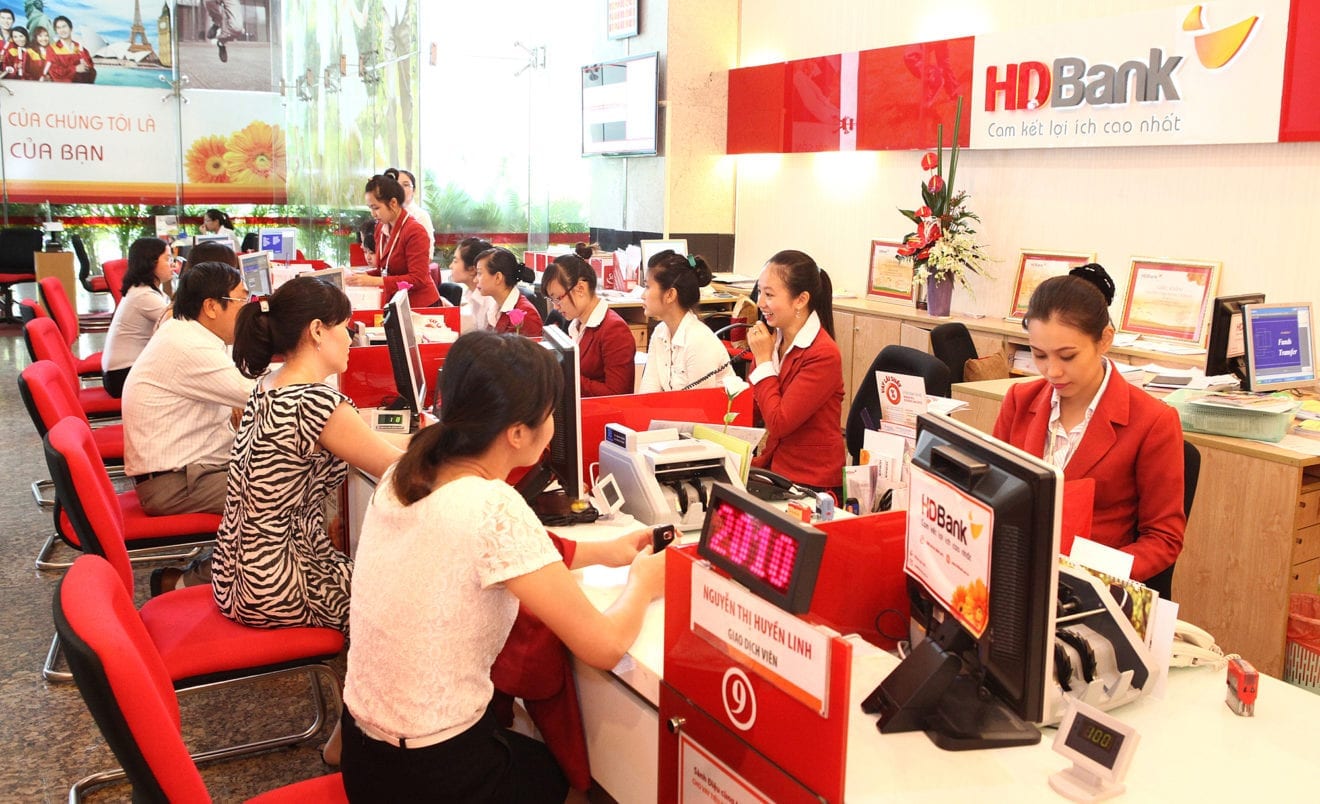
    HDBank reported a 67 percent increase year-on-year in consolidated profit in the first quarter to over VND2 trillion ($86.9 million).

    Its outstanding loans at the end of the quarter were VND198 trillion, up 5 percent from the end of last year. The parent bank’s profit was VND1.8 trillion, up 87.7 percent. The lender also owns consumer finance company HD SAISON.

    It targets full-year profits of VND7.28 trillion, an increase of 25 percent from 2020, and credit growth of 26 percent. It plans to pay a 25 percent dividend for 2020 in the form of stocks.

    HDBank is among the few banks that have not signed an exclusive bancassurance contract.

    The bank recorded VND5.8 trillion in consolidated profit last year, a year-on-year increase of 15.9 percent.

  • Twitter was in talks to buy Clubhouse for as much as $4 billion

    Twitter was in talks to buy Clubhouse for as much as $4 billion

    Clubhouse recently held conversations with Twitter over a possible acquisition of the popular audio-only social media app. Citing “people familiar with the matter,” today’s report said that the price tag of a possible purchase of Clubhouse went as high as $4 billion. Talks are no longer taking place although the reason why is not clear.

    Once the talks with Twitter broke down, Clubhouse reportedly decided that it would be better to raise money via a new round of funding from investors that valued the firm at about $4 billion. Clubhouse allows members to host audio chats similar to talk radio with guest interviews and panel discussions. While only a year old, Clubhouse has already hosted some big names as guests including Bill Gates who admitted his preference for Android over iOS on the platform back in February.

    Twitter has already started beta testing its own version of Clubhouse which it calls Spaces. The latter launched late last year and while Twitter CEO Jack Dorsey is said to be high on the concept of audio chats on Twitter, Spaces has yet to fully roll out to all Twitter users. Bruce Falck, the head of revenue product at Twitter, said at a press event today that the company is looking at ways to monetize Spaces.

    Other big names in the tech sector are hopping aboard this train as firms like LinkedIn, Facebook, and Slack are supposedly looking to add Clubhouse-like capabilities to their apps. Right now, subscribers can become a member of Clubhouse by invitation only, and the app is available only in the Apple App Store. Last month Clubhouse founder Paul Davison said that it might take “a couple of months” for an Android version of the app to appear.

    Clubhouse’s growth is throttled at the moment by its invite-only rule. Still, the growth potential is immense at current rates. In December, the app was believed to have 600,000 weekly active users and that number hit ten million weekly active users in February according to Davison.

  • Flash Coffee to open 300 outlets after fresh funding round

    Flash Coffee to open 300 outlets after fresh funding round

    Tech-enabled coffee chain Flash Coffee has raised US$15 million in its Series A funding led by White Star Capital, aiming to launch 300 stores this year.

    The Series A round sets the total capital raised by Flash Coffee to US$20 million. Investors include Delivery Hero-backed DX Ventures, Global Founders Capital, and Conny & Co.

    The raised funds will be used for accelerating Flash Coffee’s expansion plan in Asia. According to David Brunier, CEO of Flash Coffee, the company will enter into seven new markets this year: Hong Kong, Taiwan, South Korea, Japan, Malaysia, the Philippines, and Vietnam.

    “Our dream is to have a Flash Coffee every 500 meters in all major Asian cities,” said Brunier.

    “We will also build a regional HQ in Singapore and expand our regional tech hub in Jakarta to 50 people to support our vision of fully leveraging technology to improve customer experience, proactively drive growth and significantly increase operational efficiency.”

    Launched in January last year, Flash Coffee business model focuses on grab-and-go physical storefronts that rely on technology, allowing significant cost savings. The company now operates 50 outlets across Singapore, Thailand, and Indonesia.

  • Dolce & Gabbana opens first DG Beauty boutique in Southeast Asia

    Dolce & Gabbana opens first DG Beauty boutique in Southeast Asia

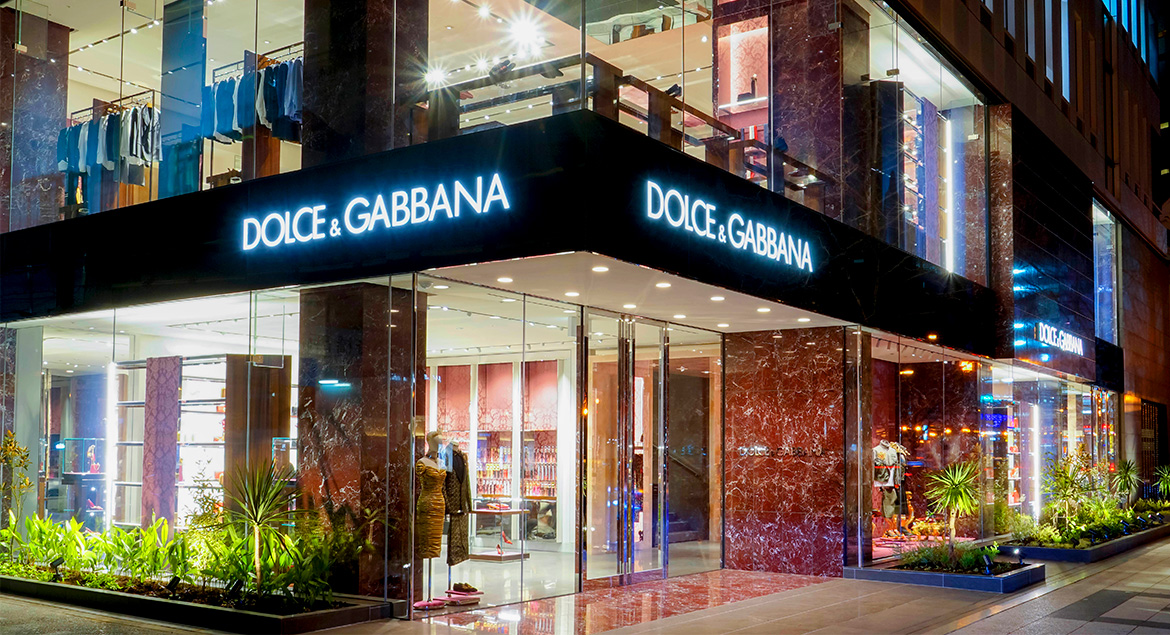
    Italian luxury brand Dolce & Gabbana has opened its first DG Beauty boutique in Southeast Asia at Ion Orchard, in Singapore.

    The 92sqm store will host a selection of fragrances, and for the first time will exclusively sell its makeup line in-store.

    Each corner of the boutique is adorned with details reflecting the brand’s “La Casa” DNA,  allowing customers to immerse themselves in Dolce & Gabbana’s aesthetic.

    According to the brand, its makeup collection will be luxurious, high-impact, and sensorial, inspired by its Italian heritage. Fragrances such as Light Blue, The One, and K by Dolce & Gabbana, will also appear alongside the brand’s latest novelties like the Fruit Collection, Dolce Rose, and Deva Cassel as the face of the fragrance collection.

    The DG Beauty boutique in Singapore will also offer the exclusive Velvet fragrance line, a collection of perfumes inspired by its designers’ vision of Sicily and the Mediterranean.

  • IMF sees Vietnam economy growing

    IMF sees Vietnam economy growing

    Vietnam’s economy is set to grow at 6.5 percent this year, well above the ASEAN average of 4.9 percent, as it shrugs off the impacts of Covid-19.

    It is the second-highest rate forecast by the International Monetary Fund for ASEAN-5 countries. The Philippines tops with 6.9 percent, Malaysia ties Vietnam at 6.5 percent, Indonesia is expected to grow at 4.3 percent, and Thailand at 2.6 percent.

    Vietnam’s growth could rise to 7.2 percent in 2022, the IMF said.

    Its unemployment rate of 3.3 percent last year is set to drop to 2.7 percent this year, the second-lowest among the ASEAN-5 and only higher than Thailand’s 1.5 percent. In the first quarter of this year GDP growth was 4.48 percent, 0.8 percentage points higher year-on-year.

    Market research company Fitch Solutions has forecast Vietnam will grow at an average of 6.5 percent through the next decade.

    The government targets 6.5–7 percent growth target for 2021-25.

  • DBS Adds Personalized Digital Advisory to Financial Planner

    DBS Adds Personalized Digital Advisory to Financial Planner

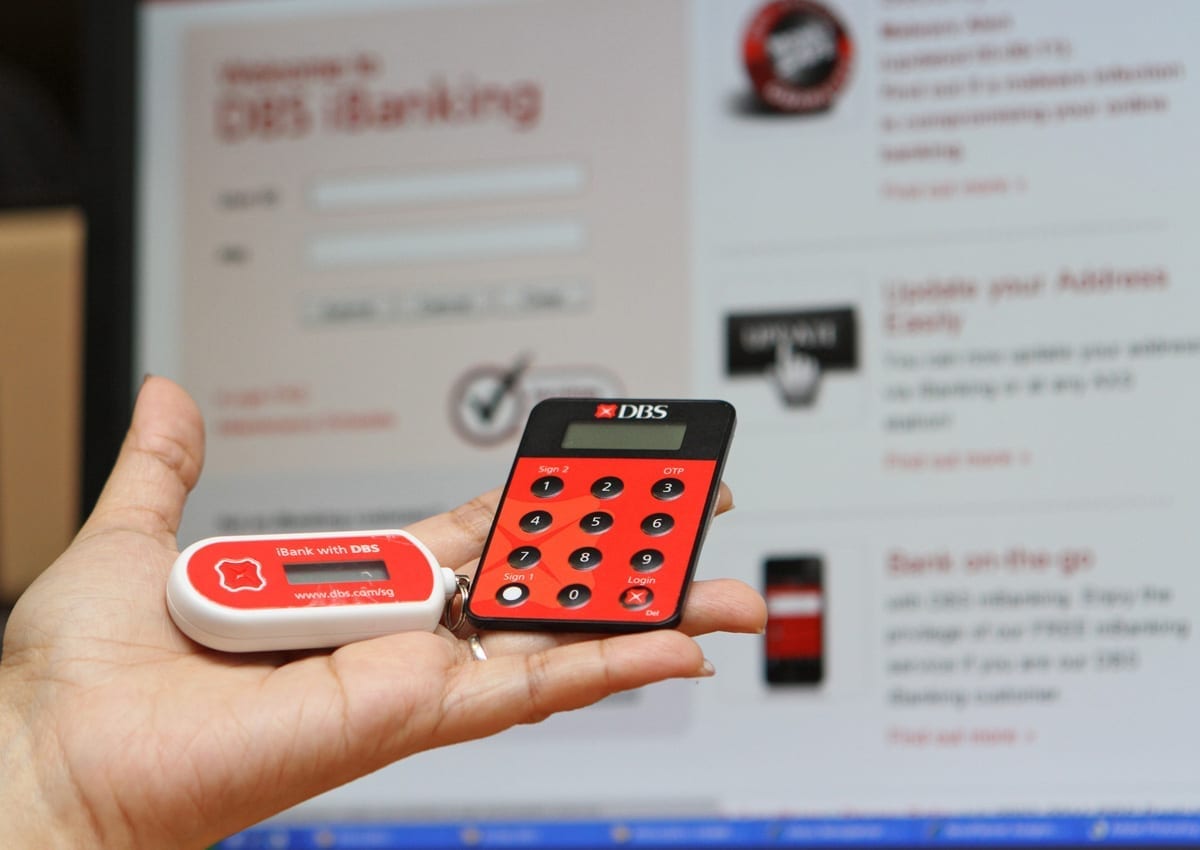
    The new tool in its NAV Planner is part of DBS’ plans to get 1 million customers insured and invested by 2023. DBS is rolling out an enhanced version of its «Make-Your-Money-Work-Harder» digital investment advisor to help retail customers make better investment decisions.

    The feature, available via NAV Planner on DBS digibank online and its mobile banking app, aims to remove guesswork and bias from investing by providing specific investment recommendations based on customer risk profile and provide a real-time hyper-personalized experience for customers.

    According to the bank, the majority of its customers are underinvested and for some, remain uninvested, with only two in 10 retail customers investing over the past 12 months.

    For new investors, many need guidance to overcome inertia, DBS said. Even with personalized recommendations and nudges provided on NAV Planner, the bank found that only one in 10 customers could complete their investing journey.

    DBS said that as customers are increasingly taking a self-directed approach to investing digitally, this approach helps investors determine their investment profiles to ensure they meet regulatory requirements before investing amid market volatility.

    This approach mirrors the offline consultation a customer would have with its wealth planning managers, which safeguards the interests of investors. «As more look to self-directed investing, it is important we equip them with the right information and intelligence digitally to construct their portfolios,» Evy Wee, DBS’ head of financial planning and personal investing, said.

    DBS said it would be more involved in helping younger customers grow by investing and with their home planning journey, which is the most common and largest-sized liability on a customer’s balance sheet.

    The bank will also focus on helping older customers monetize their assets and convert to cash for more liquidity to invest and prepare for retirement.