Author: Mei Ling Tan

  • Korean fashion house ADLV lands in Australia this May

    Korean fashion house ADLV lands in Australia this May

    The Korean clothing brand Acmé de la Vie (ADLV) opened its first stationary store in Australia in May of this year in QV Melbourne in front of a local online shop.

    ADLV co-founders Jinmo and Jaemo Goo started the streetwear business in 2017 and opened their first store in the Korean district of Gangnam. Since then, the brand has opened more than 50 stores in Asia, partnering with Disney, Pink Fong, Kakaotalk and The Simpsons.

    ADLV’s Australian director Ying Yang said the company knew streetwear was a staple of Australian fashion.

    “We love to see how consumers adapt pieces to the Australian climate. Given the circumstances and the year we have all been through, we are both proud and grateful that we can continue our growth and better serve our customers on this side of the world. “

    The brand was inspired by the French passage “acme de la vie” ;, which means “the high point of life”.

    Focusing on high-end streetwear fashions like t-shirts, sweats, hoodies, accessories, and outerwear, ADLV is known for graphics and pop culture characters like the Baby Face series.

  • H&M marks Zalora launch with exclusive online collection

    H&M marks Zalora launch with exclusive online collection

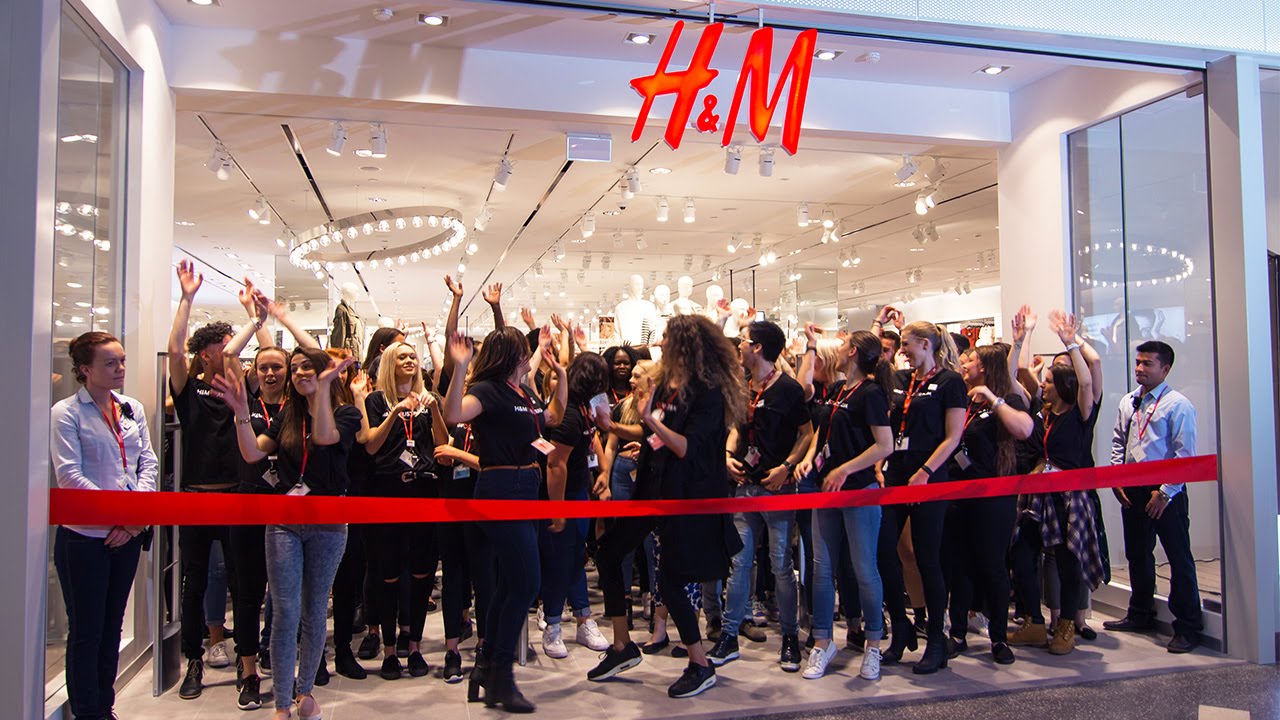
    The partnership with H&M and  Zalora as H&M’s e-commerce partner in Southeast Asia covering four markets namely Malaysia, the Philippines, Singapore, and  Indonesia. The tie-up debuted in Indonesia in mid-March, 1 April in Malaysia, and on 14 April in Singapore. H&M and Zalora also confirmed the extension of the initial two-month collaboration in the Philippines, which began in Q4 2020 to a long-term one.

    “Following our success in the Philippines these past months, we are excited to continue strengthening our partnership with Zalora by further extending our footprint across Southeast Asia. Backed by its strong presence in key markets, Zalora complements our extensive physical store portfolio as well as our digital stores at hm.com. We see great potential for substantial future growth and Zalora will be an important part of this to cater to the evolving needs and demands of our customers, so we can shape a more sustainable future for fashion and be even more locally relevant,”  says Oldouz Mirzaie, Regional Manager of H&M South Asia and Pacific.

    “We are excited to continue working with a globally renowned fashion brand like H&M and bring their extensive range to over 400 million digital consumers in Southeast Asia. As the largest online fashion and lifestyle vertical in the region, we will leverage our deep local expertise and strong fulfillment and logistics network to support H&M as they continue their strategy of integrating offline and online retail,”  shares Zalora’s CEO, Gunjan Soni.

    On 1 April 2021 , all online shoppers in Malaysia gained access to H&M´s fashion products on Zalora across all categories of customer groups: women, men, teenagers, and children. Online shoppers can now find everything with a klick of a button for any occasion –  from the casual weekend and sporty essentials to dressy workpieces and trendy must-haves.

  • Domino’s And Nuro To Start Robot Pizza Delivery In Houston, Texas

    Domino’s And Nuro To Start Robot Pizza Delivery In Houston, Texas

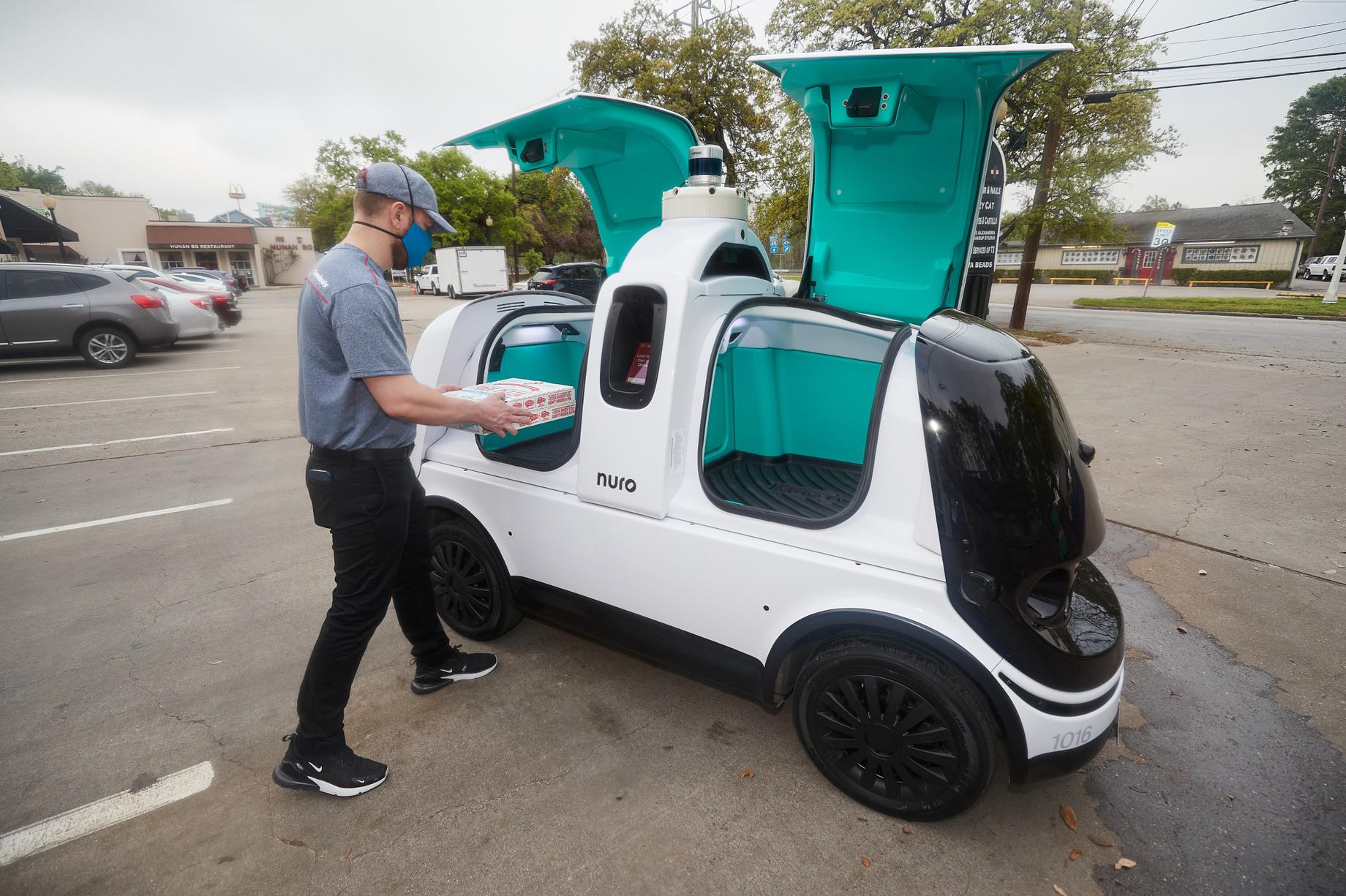
    Domino’s Pizza Inc and Nuro Inc, a Silicon Valley startup, said on Monday they will launch a robotic pizza delivery service in Houston this week as they seek to satisfy increasing online orders during the pandemic. With small, low-speed vehicles to carry packages instead of people, Nuro has been pulling ahead of other autonomous vehicle startups in gaining regulatory approvals. It won U.S. clearance last year to start unmanned delivery services. Nuro recently secured a $500 million including an equity investment from Woven Capital, the mobility investment arm of a Toyota Motor Corp subsidiary, which made its total valuation more than $5 billion, a person familiar with the matter said.

    The delivery service will begin at a Domino’s outlet in Houston before expanding to serve customers in many other locations as part of a long-term partnership, said Cosimo Leipold, Nuro’s head of partner relations. “It’s generally difficult for large companies to hire enough drivers to fill their delivery demand,” Leipold said in an emailed statement to Reuters. Leipold said Nuro, which has already partnered with retailers Kroger Co, Walmart Inc and CVS Health Corp to deliver groceries and prescriptions, said its weekly deliveries had nearly tripled in the first three months of the pandemic. Houston, the fourth-largest U.S. city, has one of the country’s highest road fatality rates. “Houston’s roadways create challenging scenarios for our technology to work with,” Leipold added.

    Nuro and Domino’s had said in 2019 they expected to launch robot pizza delivery late that year. “Nuro and Domino’s have taken a measured approach to prioritize a smooth and safe deployment,” Leipold said. Nuro, founded by two former Google engineers in 2016, previously raised $940 million from the SoftBank Vision Fund.

  • Renault To Partly Idle Spanish Plants Until End Of September Over Chip Shortage

    Renault To Partly Idle Spanish Plants Until End Of September Over Chip Shortage

    French carmaker Renault has started negotiations with unions to extend the partial idling of three of its four factories in Spain until the end of September as a preemptive measure in case a global semiconductor shortage lingers. Carmakers around the world have been impacted by the shortage of chips used in engine management and driver-assistance systems, which come mainly from Asia, especially Taiwan.

    Renault had already partly idled its Spanish plants in response to the shortage, on the expectation that chip supply would return to normal in the second half of the year.

    It is now proposing further stoppages at factories in Palencia and Valladolid for a total of between 31 and 39 days, a company spokesman said on Tuesday, as a precautionary measure in case the shortage extends into the third quarter.

    That would involve putting up to 9,000 workers on furlough, he said. The actual idling will depend on future chip supplies.

    The UGT union said in a statement Renault intended to cease output at the factories at its key European production hub for one to three days a week between April and late September.

    The COVID-19 crisis has driven up demand for chips used in consumer electronics such as laptops and phones, and manufacturers are struggling to keep up.

    Some Chinese suppliers have also been hit by U.S. sanctions imposed under former President Donald Trump.

    Renault is due to disclose first-quarter revenues next week and may update its sales projections. The company at this point expects it may sell 100,000 fewer cars in 2021 because of the chip shortage, a spokesman reiterated on Tuesday.

    The group said last month it would start producing five new hybrid SUV models in its “second home” Spain in 2022-2024.

  • Chinese Banks Accelerate Branch Cuts

    Chinese Banks Accelerate Branch Cuts

    Chinese lenders are increasingly closing down branches as online and mobile banking penetration continues to rise.

    Mainland lenders have closed 430 branches in the first three months of 2021, according to data from the China Banking and Insurance Regulatory Commission’s (CBIRC) annual report.

    This marks an accelerated reduction after the industry closed 1,300 branches in 2020.

    As a major leader by digital penetration of its population, China saw strong growth for transactions not executed via physical bank locations – or «off-counter rates.

    Such transactions, which include online and mobile banking, rose 12 percent to 2,308 trillion yuan ($352.5 trillion), according to the CBIRC report.

    Mobile banking transactions alone soar 31 percent to 439.2 trillion yuan – nearly one-fifth of total off-counter transactions.

    In addition to growing digital adoption, the branch cuts are part of a broader industry move to reduce costs especially after a year of concessions where borrowers were offered cheap loans, deferred payment options, and top Beijing officials even called for a 1.5 trillion yuan sacrifice of profits.

    Mainland lenders are also rebalancing the mix of their remaining branch network with a focus on maintaining brick-and-mortar locations in counties or rural areas as part of Beijing’s goal to promote financial inclusion.

  • ZA Tech Opens Fintech Center in Singapore

    ZA Tech Opens Fintech Center in Singapore

    The Singapore-based center aims to explore financial services innovation and help industry partners in the region to build new products that will accelerate their digital ambitions.

    ZA Tech Global has opened its first Asia Fintech Center (AFC), which will specialize in solving specific use-cases in insurance and financial services in collaboration with industry partners, according to an announcement by the Chinese firm, which provides proprietary insurtech capabilities and applications

    The center will have an initial focus on insurance use-cases by co-designing innovative propositions with insurers in ASEAN, the announcement said. It will also partner with local universities to develop further fintech expertise and talent.

    The internet economy continues to rapidly reshape consumer expectations across Asia, digital transformation is becoming as crucial as ever for financial services firms, Bill Song, CEO of ZA Tech, said, adding that the AFC is an important pillar of its regional ambitions.

    George Kesselman, ZA Tech’s head of commercial, will take on the additional responsibility as a leader of the AFC.

    ZA Tech Global is the business entity established by ZhongAn Technologies International, the international arm of Chinese online insurer ZhongAn Online P&C Insurance.

    The company previously inked micro-insurance partnerships with Grab and NTUC Income in Singapore, Ovo in Indonesia, and regionally with AIA

  • ABBank seeks to hike capital through rights issuances of shares

    ABBank seeks to hike capital through rights issuances of shares

    ABBank plans to increase its charter capital by 65 percent to VND9.4 trillion ($407 million) through rights issuances of shares to existing shareholders.

    There will be two issuances, one each in the second and third quarters of this year, the Hanoi-based lender said in a plan it outlined to shareholders.

    The bank, established in 1993, plans to use the money raised for expansion and ensuring capital adequacy.

    It targets increasing pre-tax profits by 44 percent this year to VND1.97 trillion. It achieved 10 percent profit growth last year.

  • Grab set to announce deal with US SPAC at $40 billion valuation

    Grab set to announce deal with US SPAC at $40 billion valuation

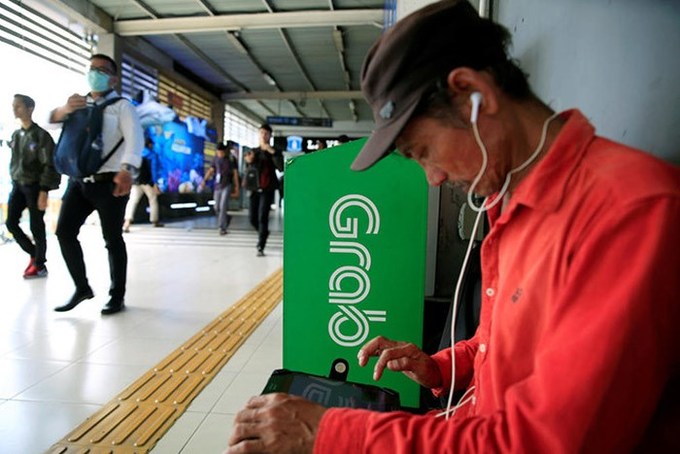
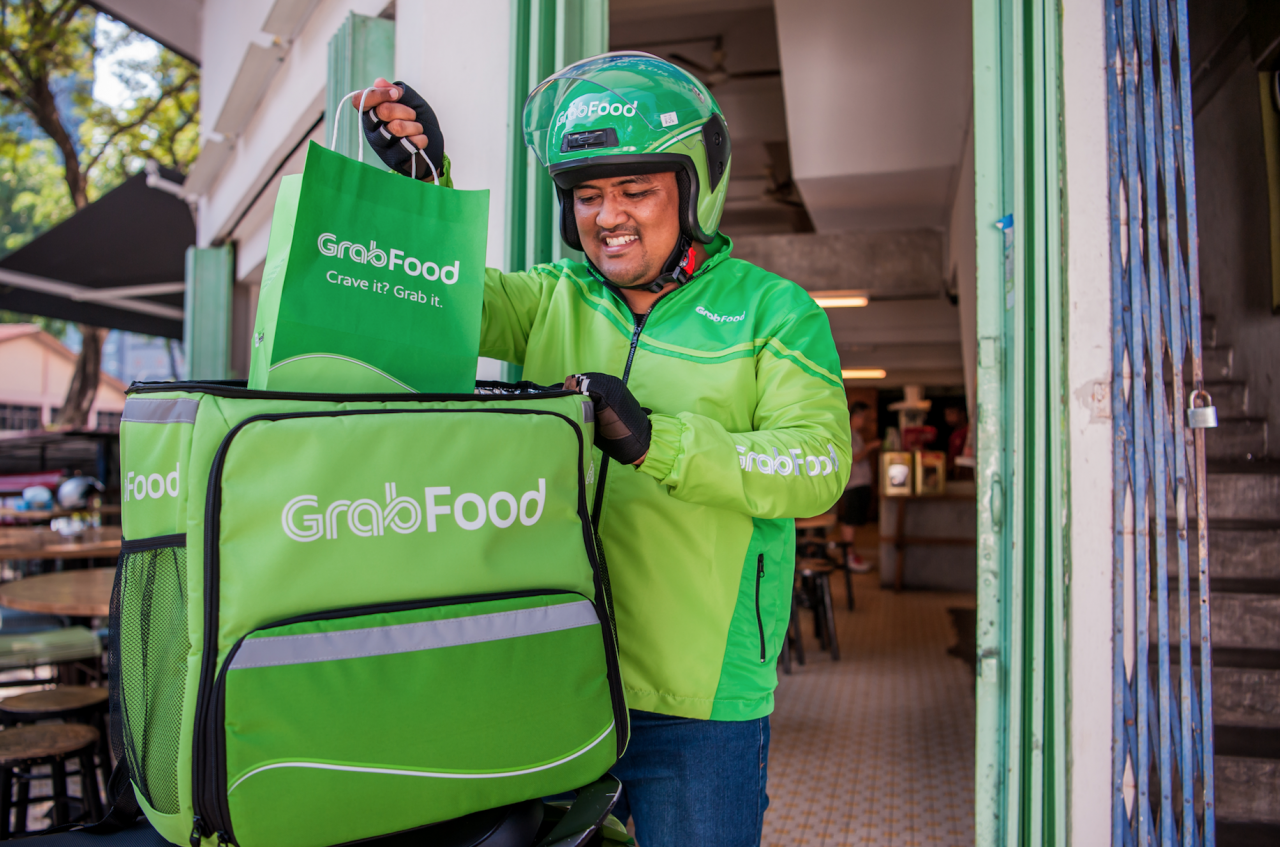
    Grab Holdings is set to announce as early as Tuesday a merger with U.S.-based Altimeter that will value Grab at nearly $40 billion and lead to a public listing.

    The merger will make it the biggest blank-check company deal ever. Southeast Asia’s largest ride-hailing and food delivery firm Grab’s agreement with a special purpose acquisition company (SPAC) backed by Altimeter Capital includes a $4 billion private investment in public equity (PIPE) from a group of Asian and global investors including Fidelity International and Janus Henderson, three people said.

    Grab declined to comment. There was no response from Silicon Valley-based Altimeter to an emailed request for comment.

    The two fund managers also did not respond to an emailed query. The sources declined to be identified due to the sensitivity of the matter.

    The deal for Singapore-based Grab, which sources have previously said was valued at just over $16 billion last year, is a big win for its early backers such as Japan’s SoftBank Group Corp and China’s Didi Chuxing.

    A U.S. listing will give Grab extra firepower in its main market, Indonesia, where local rival Gojek is close to sealing a merger with the country’s leading e-commerce business Tokopedia.

    Grab, whose net revenue surged 70 percent last year, is yet to turn profitable, but it expects its biggest segment – the food delivery business – to break even by end-2021, as more consumers shift to online food delivery after the Covid-19 pandemic.

    The nearly $40 billion valuations is based on a proforma equity value, two of the sources said.

    With operations in eight countries and 398 cities, Grab is already Southeast Asia’s most valuable start-up.

    Leveraging its ride-hailing business started in 2012, the firm has expanded into offering food and grocery deliveries, courier services, digital payments, and is now making a big push into insurance and lending in a region of 650 million people.

    Cash-rich, U.S.-listed Sea is also muscling into food delivery and financial services in Indonesia. Both Grab and Sea won digital bank licences in Singapore last year.

  • Hyundai Staria Minivan Technical Specifications Unveiled

    Hyundai Staria Minivan Technical Specifications Unveiled

    Almost a month after Hyundai showcased the upcoming Staria minivan, it has now revealed its technical specifications. Now under the skin, the Hyundai Staria is very similar to the new Kia Carnival. It measures 5,253 mm in length, 1,997 mm in width, and has a massive wheelbase of 3,273 mm. Then, it stands 1,990 mm tall for the passenger version and 2,000 mm for the commercial van. The Hyundai Staria will be offered in 2 to 11 seating configuration where the two or three-seat version is designed for business use and the total cargo capacity nearly measures at a whopping 5,000 litres.

    In Europe, the Hyundai Staria will be sold exclusively with a 2.2-liter, four-cylinder, diesel engine that will belt out around 172 bhp and 431 Nm of peak torque. Gearbox options include a six-speed manual transmission or an eight-speed automatic transmission. In other markets, the Staria will likely get a 3.5-liter naturally aspirated petrol engine that will put out around 265 bhp and 331 Nm of peak torque. Going forward, the Hyundai Staria range will also see the addition of an eco-friendly fuel-cell variant.

    Hyundai says that the new Staria will be a sophisticated minivan. It is equipped with a multi-link independent rear suspension and it has tuned the powertrains for lower noise, vibration, and harshness (NVH) levels. Even though it’s boxy to maximize available space inside, the upper part of the body has been aerodynamically optimized to lower the drag coefficient and improve efficiency, further boosted by tinkering with the underbody. It will be available in eight exterior colours and five interior themes, including two-tone finishes. The regular versions of the minivan are scheduled to go on sale in the second half of 2021 in Europe but we have no confirmation from the Korean brand on its India arrival.

  • Volkswagen Taigun Cabin Image Officially Released

    Volkswagen Taigun Cabin Image Officially Released

    The Volkswagen Taigun has been one of the much-anticipated launches for 2021. Expected to go on sale in India ahead of the festive season, the German carmaker has already revealed a fair bit about the SUV, however, so far the cabin of the SUV was kept hidden. But not anymore. Yes, Volkswagen India has officially released an image of the upcoming Taigun’s interior, giving us a good look at the SUV’s dashboard, center console and a section of the front seats.

    Now, visually, the design and styling are different, but the dual-tone black and grey color treatment is very similar to that of the T-Roc. The center stage on the dashboard is taken by the large touchscreen infotainment display, which is expected to be a 10-inch unit, and beside it, we see a large instrument cluster, which is also a fully digital unit. The Taigun also gets a flat-bottom steering wheel with controls for music, telephony, and possible cruise control. Overall the cabin comes with some sharp lines and boxy elements, like the air-con vents and the gaps for the inner door handles. Below the central vents, we have more bottoms for other in-car functions, including the air-con system. We also get to see a pair of USB charging ports, a 12V charging socket and an engine start-stop button. The SUV also gets a bunch of storage pockets, a central armrest and two-tone fabric, and faux leather upholstery.

    As for the exterior, the Taigun comes with a blast of chrome on the front grille and even around the fog lamp housing. Enhancing the SUV feel of the vehicle is the skid plate upfront and the plastic cladding on the profile, while the roof rails too make it look a bit taller and upfront, plus we also get LED headlights and DRLs. Volkswagen will also have a GT variant on offer, which will get some plush features like red brake calipers and a big dose of chrome with the addition of features on the inside, and a GT badge on the grille. At the rear section of the SUV comes attractive LED taillights connected by a large LED light bar that adds to the premium design, with the centrally positioned Taigun lettering.

    Under the hood, the Taigun will come with two turbocharged petrol engines – 1-litre TSI and 1.5-litre TSI. There is no diesel engine on offer. The first one will be the 1-litre engine that also powers the Polo and Vento, and is tuned to make 113 bhp and 175 Nm of torque. It comes mated to a 6-speed manual and an optional 6-speed automatic transmission. VW will also offer a 1.5-litre TSI engine, borrowed from the T-Roc, which makes 148 bhp and 250 Nm of torque and will be available with a 6-speed manual and a 7-Speed DSG.

  • Royal Enfield’s 350 cc Motorcycles Get A Significant Price Hike

    Royal Enfield’s 350 cc Motorcycles Get A Significant Price Hike

    Most two-wheeler manufacturers have increased the prices of their models in India April 2021 onwards. Royal Enfield too has increased the prices of its 350 cc range of motorcycles significantly. In fact, some of the models get a price hike of over ₹ 10,000. The motorcycles already received a price hike of up to ₹ 3,000 in January 2021. The Himalayan and the 650 cc twins were updated for 2021 and their current prices reflect the increase already. Here are the updated prices for all the 350 cc Royal Enfield motorcycle models.

    The Bullet 350 range gets the biggest increase, with prices being increased between ₹ 7,000 to ₹ 13,000 depending on the variant. Similarly, prices for the Classic 350 range have been increased by ₹ 10,000, for the dual-channel ABS variant. The Meteor 350 range sees an increase in prices by up to ₹ 6,000. The prices in the table above are on-road, Delhi).

    The Interceptor 650 and the Continental GT 650 were launched with new colors in February 2021 and prices for those two bikes range from ₹ 275,467 to ₹ 313,367 (ex-showroom, Delhi). These prices too are at least ₹ 6,000 more (variant-to-variant) than the prices introduced in January 2021. Similarly, the 2021 Himalayan was launched in February 2021, with prices starting at ₹ 2.01 lakh (ex-showroom, Delhi).

  • Li & Fung launches incubator LFX to kickstart sustainable consumption

    Li & Fung launches incubator LFX to kickstart sustainable consumption

    With the rapid evolution of the retail industry shaped by digital technologies and complex consumer demands, the parent company of Li & Fung Limited, the world’s leading supply chain orchestrator, today launched a new company – LFX – to capitalize on new digital opportunities transforming the retail industry and enabling supply chain sustainability.

    LFX’s business model is focused on being an incubation, investment, and operating platform providing digital solutions and digitally-enabled services across the end-to-end consumer goods supply chain. LFX will launch and operate digital ventures delivering solutions directly to brands, retailers, e-commerce companies, C2M (consumer-to-manufacturer) players, as well as manufacturers. Its solutions aim to cover all aspects of the value chain, encompassing trade, information, and fund flows. Its initial ventures will focus on 3D digital product development and supply chain fintech. Additionally, a venture capital arm has been formed to identify and invest in technologies that transform global retailing, supply chain, and logistics.

    As an offshoot of Li & Fung, LFX brings knowledge, hands-on experience spanning 100+ years, and relationships across the global supply chain. LFX has the unique ability and insights to identify and bring to market digital technologies that will have an immediate impact today, while also knowing what needs to happen next to realize the sustainable supply chain of the future, at a time when the retail industry is being shaped by digital technologies and complex consumer demands.

    Spencer Fung, Group Executive Chairman, Li & Fung, and LFX said, “We have established LFX as a separate company to build on Li & Fung’s supply chain knowledge to bring new ways of thinking and revolutionize how we create, make and sell products. Sustainable consumption starts with supply chain digitalization and LFX is forming an ecosystem that connects the innovations, people, and companies committed to accelerating digitalization and transforming the retail industry.”

    Ed Lam, CFO and Executive Committee Member of Li & Fung, has been named CEO of LFX. He brings over 25 years of strategic, financial, and commercial experience with deep supply chain knowledge and insights to lead the new company. Li & Fung is in the process of appointing a new finance leader.

    “Roughly 40 million tons of textile waste goes to landfill every year, and it is estimated that just 60% of garments were sold at full price[1]. Sustainable consumption requires behavioral shifts, and it starts with the supply chain. Our goal at LFX is to reduce the environmental impact of our industry and promote sustainable consumption. We believe that by merging real-world industry experience with new ideas that entrepreneurs and technologists bring, we get practical innovations the industry will embrace,” said Ed Lam, Chief Executive Officer, LFX.

  • Trip.com to raise US$1.09bn in Hong Kong listing

    Trip.com to raise US$1.09bn in Hong Kong listing

    Syndicated lending in Asia Pacific plunged to the slowest quarter in eight years as the coronavirus pandemic took its toll with several countries imposing lockdowns and grinding a range of business activities to a halt.

    Loan volumes in Asia Pacific (ex-Japan) dropped 39% to US$68.92bn in the first quarter from US$113.79bn a year ago, while deal flow shrunk to 221 from 377 loans completed in the same period, according to Refinitiv LPC data.

    The volumes for the first three months of 2020 represent the lowest quarterly tally since the first quarter of 2012 when lending in Asia Pacific slumped to US$62.21bn from 231 deals in the aftermath of the 2011 eurozone crisis.

    “Overall, the market has been off to a really slow start and outlook for Q2 is uncertain and changing by the day,” said Bryan Liew, regional head, loan syndications, ASEAN at Standard Chartered Bank in Singapore. “I think we will see more caution and maybe asset repricing.”

    The market volatility from Covid-19 has forced borrowers to shelve fundraising, acquisition, and capital expenditure plans, and seek covenant amendments or waivers from lenders. Every market across the region posted declines with Singapore being the worst hit, nose-diving over 84% year-on-year to US$1.09bn in the first quarter of 2020.

    Two financial sponsors terminated their proposed acquisition of New Zealand-listed dental service provider Abano Healthcare Group, dealing a blow to a NZ$190m (US$107m) five-year loan for the buyout that had been in syndication since November.

    Earlier this month Australian retail property group Vicinity Centres suspended a A$300m (US$176m) seven-year loan until further notice. Lenders to Singapore-listed Eagle Hospitality Trust issued a notice of default and mandatory prepayment on a US$341m loan signed last May. MGM China Holdings asked lenders in February to waive the leverage covenants on a HK$9.75bn (US$126m) loan for the next 12 months after Macau’s government closed all casinos for 15 days that month.

    Although G3 currency bond issuance from Asia Pacific (ex-Japan) has ground to a halt since March 11, the volumes for the first quarter posted only a 5.81% year-on-year decline to US$96.32bn. Bankers expect some bond issuers to turn to loans, which historically have been more resilient during times of crisis.

    “The coronavirus-induced market volatility will create a heightened focus for all corporates on what their funding strategy is going to be for the next 12 months,” said Gavin Chappell, head of syndications Australia at ANZ in Sydney. “I think we will see some transactions that couldn’t have been done in other markets come into the bank market.”

    In a report released on Monday, rating agency S&P warned of a risk of recession across Asia Pacific, likening the current situation to that during the 1997-98 Asian financial crisis. It noted that corporate and institutional borrowers in the region, unlike their US peers, continue to borrow a huge amount from banks rather than from other sources.

    Credits from the hardest-hit industries of aviation, tourism and hospitality, among others, are grappling with challenges, while cash-strapped companies with impending debt maturities in other sectors are also facing the heat.

    “We often see a polarisation effect during times of market disruption – strong credits in stable sectors continue to receive support from their relationship banks, while weaker credits or those in volatile sectors may struggle to raise financing or see their terms become less competitive,” said Andrew Ashman, head of loan syndicate Asia Pacific at Barclays in Singapore.

    The outcome pf syndication for Chinese travel agency Trip.com Group’s US$1.2bn loan will provide a gauge of sentiment. Singapore Airlines, Australia’s Qantas Airways, Air New Zealand and Hong Kong’s Cathay Pacific Airways took steps to lock liquidity with support from their governments and other lenders.

    StanChart said it will commit US$1bn in financing for manufacturers and distributors in the pharmaceutical industry and healthcare providers, as well as non-medical companies that have volunteered to add manufacturing capabilities for goods such as ventilators, face masks, protective equipment, sanitisers and other consumables.

    NOT ALL GLOOM AND DOOM

    Leaders of the Group of 20 major economies pledged on March 26 to inject over US$5trn into the global economy to keep Covid-19 from tipping the world into a recession. Whether this and other stimulus measures are enough to help borrowers survive through the crisis remains to be seen.

    “As perception of credit risk goes up, so too should credit spreads,” said Ashish Sharma, head of loan syndications Asia Pacific at HSBC in Hong Kong. “But as interest rates have come down, and given quantitative easing by a number of central banks, some of the stronger borrowers may see their overall interest cost come down with the significant decline in benchmark rates, even if their credit spreads go up.”

    It is not all gloom and doom, however, with event-driven financings providing the silver lining. Thai billionaire Dhanin Chearavanont’s Charoen Pokphand Group is raising a bridge loan of about US$7.5bn for its proposed acquisition of Tesco’s Asian business, the largest from the South-East Asian country. Freeport Indonesia is preparing launch of a US$2.8bn five-year loan for copper smelter in East Java into general syndication as early as April.

    Vodafone Hutchison Australia and TPG Telecom are forging ahead with a larger A$5.25bn loan for their proposed merger, returning to the loan market after cancelling a A$4.75bn facility that backed the exercise last year.

    “When the situation hopefully settles, the level of activity should come back up,” said HSBC’s Sharma. “Even though things may not be back to exactly as they were in January, there should be opportunities in the loan market, particularly in M&A financing and other financings to help rebuilding in various economies.”

    StanChart’s Liew is also optimistic of the region’s prospects and expects a pick-up of activities from the third quarter.

    “Fundamentally, the outlook in Asia remains intact with three of the largest economies – China, India and ASEAN – all in growth mode and several at the start of industrialisation,” he said.

  • China warns online platform companies to halt anti-competitive practices

    China warns online platform companies to halt anti-competitive practices

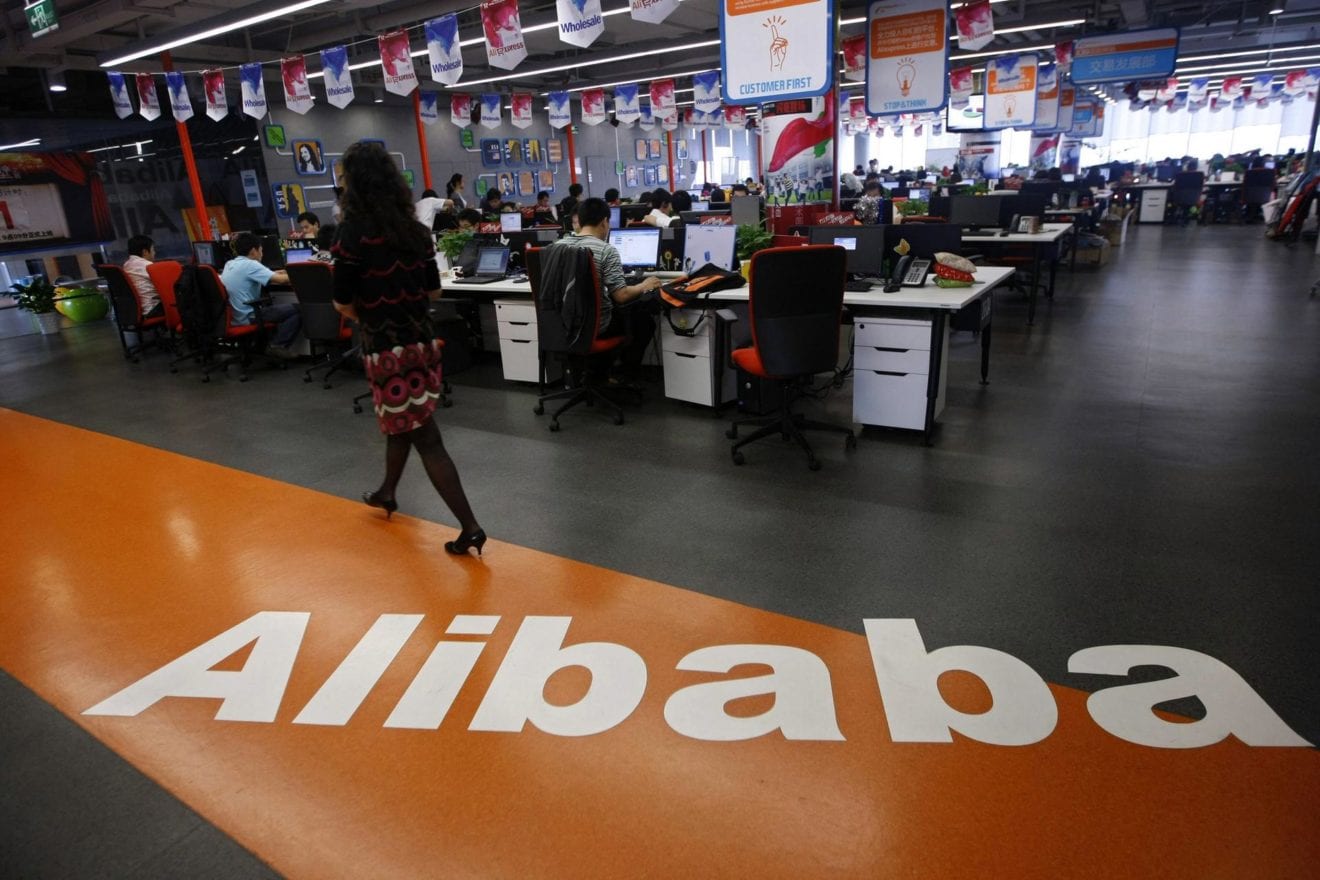
    China’s market regulator, fresh from fining e-commerce giant Alibaba US$2.75 billion, said on Tuesday it warned nearly three dozen internet companies to stop using any banned practices such as forcing vendors to use their platform exclusively.

    The State Administration for Market Regulation (SAMR) said it summoned 34 companies including Tencent, ByteDance and JD.com for a meeting, where it ordered them to conduct self-inspections within one month, warning of “severe punishment” for any that still violated the rules.

    In February, China issued new anti-monopoly guidelines targeting internet platforms.

    On Saturday, SAMR hit Alibaba with a record 18.2 billion yuan fine, and on Tuesday told the other Internet firms to heed that lesson. The regulator is beefing up staff and other resources in order to strengthen antitrust enforcement, Reuters has reported.

    In the statement issued on its website, SAMR described the overall development of China’s platform economy as improving but said no time should be wasted in correcting the way companies operate to ensure they comply with the law.

    China’s cyberspace regulator and tax administration were also represented at the meeting, SAMR said.

    In addition to Tencent, JD, and ByteDance, search giant Baidu and food delivery platform Meituan were among the firms called in by SAMR. None provided immediate comment.

    “The regulators are not aimed at a single enterprise, but the whole platform economy, as it is growing more and more powerful,” said Keso Hong, an independent analyst in Beijing.

    “I believe the companies will be more prudent in the future. Meanwhile, I think it is good for the regulator to give them a reminder to prevent them from ending up like Alibaba.”

    SAMR also criticized abusive practices in community group buying, when companies offer aggressively low prices to woo users, and warned against abuse of big data and tax-related violations.

    In particular, the regulator warned against the practice of forcing vendors to operate on only one platform, a tactic known as “choose one from two”.

    “It is extremely harmful and must be corrected from the root,” the SAMR statement said.

  • Grab agrees to US$40 billion merger, clearing way to list in the US

    Grab agrees to US$40 billion merger, clearing way to list in the US

    Southeast Asia’s biggest ride-hailing and food delivery firm Grab Holdings agreed a merger on Tuesday with US-based Altimeter Growth Corp in a deal that values Grab at an initial proforma equity value of about US$39.6 billion and will lead to a public listing

    The merger, the biggest blank-check company deal ever, underscores the frenzy on Wall Street as shell firms have raised $99 billion in the US so far this year after a record $83 billion fundraising in 2020.

    Singapore-based Grab’s agreement with a special purpose acquisition company backed by Altimeter Capital includes a more than $4 billion private investment in public equity by investors including BlackRock, Fidelity International, Janus Henderson Investors and Temasek Holdings.

    Grab said its decision to become a public company was driven by strong financial performance in 2020, despite the pandemic.

    Reuters earlier reported that Grab would announce the deal on Tuesday.