Author: Mei Ling Tan

  • Singapore-Based Blockchain Platform Zilliqa Launches Investment Hub

    Singapore-Based Blockchain Platform Zilliqa Launches Investment Hub

    Zilliqa Capital aims to invest in decentralized and fintech solutions in Southeast Asia and India, across investing, wealth management, insurance, lending, payments, and remittances, as well as critical infrastructures that will enable Web 3.0.

    Zilliqa Capital will be led by financial services veteran Michael H. Conn, the firm’s chairman, CEO, and co-chief investment officer, while Zilliqa co-founder, president, and chief scientific officer, Amrit Kumar, will serve as Zilliqa Capital’s co-chief investment officer and director, the company said in an announcement.

    The goal of Zilliqa Capital is to operate as a permanent capital, ecosystem-focused investment company, the announcement said. It will invest in Zilliqa’s native utility token «ZIL» as a strategic asset, and selectively invest in Zilliqa and relevant non-Zilliqa based businesses.

    Zilliqa, headquartered in London and Singapore, is a public blockchain platform known for use of sharding as an on-chain solution to preserve decentralization and enable greater scalability.

    Conn is the co-founder and former CEO of Ether Capital. His career spans the traditional financial services and digital assets space, with senior leadership positions at AllianceBernstein, Société Générale, Trust Company of the West, AsiaVest, and Quail Creek Ventures.

    We aim to be pragmatic and not dogmatic in seeking and delivering solutions that broaden access to financial services and products that are both accretive to our investors, as well as to the people served by the companies we support. We believe Singapore to be the ideal hub for the development and growth of our innovative approach to investing in the fintech and digital asset space, Conn said.

  • Chrome OS introduces a Phone Hub for Android devices

    Chrome OS introduces a Phone Hub for Android devices

    Chrome OS is celebrating its 10th birthday with some new features. The desktop OS’ latest version is introducing a Phone Hub which connects the user’s Android device to their laptop and synchronizes different data between the devices. The Phone Hub’s goal is to make moving between Android and ChromeOS devices easy.

    The Phone Hub shows different data from the user’s phone like its battery percentage and network reception. It also allows the user to access different phone features and settings from their Chrome OS device, such as enabling their Wi-Fi hotspot or switching to vibrate or silent modes. The different Chrome tabs opened on the user’s smartphone will also show up in this new hub.

    The Phone Hub feature will work wirelessly, as long as the two devices are connected two the same Wi-Fi network. Wi-Fi Sync has also been expanded so if only one of the devices has the network password, it is able to sync it with the other one.

    There are also other new features introduced with the anniversary update of Chrome OS. A new Screen Capture tool is featured in the Quick Settings menu, allowing users to take precise screenshots and screen recordings without using keyboard commands. The Quick Settings menu has also added media controls and pinning files with both these tools appearing in the menu when in use.

    Another new addition to Chrome OS is the ability to add a school account for children. This is managed with the company’s Family Link feature. With Family Link, a parent can automatically generate a school account for their child when signing them up to the Chrome OS device and then supervise them while they write their homework.

    Other smaller improvements in the new version of Chrome OS are found in the Desks app and Select-to-speak feature.

  • Diesel Hub concept store opens in Shanghai

    Diesel Hub concept store opens in Shanghai

    Glenn Martens may still be prepping his debut collection for Diesel, but he’s already leaving his mark on the brand. The Belgian designer, who was tapped as the Italian brand’s creative director last October, has imagined a new store concept for Diesel, an immersive branding experience in itself.

    Painted floor-to-ceiling in the brand’s signature red color, the new concept is being introduced at two temporary pop-up stores in Amsterdam and on the outskirts of Washington, D.C., at the mall Tyson’s Corner Center.

    The company said it will be extended to other pop-up units and be flanked by experiential initiatives, and the concept will also appear in the first permanent unit, called Diesel Hub, that the brand will open in Shanghai later this year.

    “This new pop-up represents a first step toward elevating the design and brand experience of Diesel, starting from its iconicity and heritage,” said Massimo Piombini, Diesel’s chief executive officer. “It is a bridge to the new permanent store concept coming at the end of the year, starting from our Diesel Hub in Shanghai.”

    Paying homage to the brand’s DNA, Martens has had a giant Diesel logo and “For Successful Living” catchphrase brushed across the spaces’ elements, including displays and shelves, which customers will be able to read in their entirety upon entering the store, giving the impression of jumping into the brand’s tag.

    Both pop-ups will carry the spring 2021 and pre-fall 2021 assortments — which were not designed by Martens. Parent company OTB, controlled by Italian industrialist Renzo Rosso, recently said the first collection designed by Martens will bow for spring 2022.

    The Paris-based Martens arrived at Diesel nine months after Piombini, previously CEO of Balmain, was named CEO at Diesel, and amid brightening prospects for the flagship property of OTB.

    Rosso has had Martens on his radar for several years and tapped him in 2018 as a guest designer of its experimental capsule series Diesel Red Tag, one year after Martens bagged the prestigious ANDAM fashion prize, of which OTB is a historical sponsor and mentor.

  • SoftBank-backed Coupang raises $4.2 billion in US IPO

    SoftBank-backed Coupang raises $4.2 billion in US IPO

    Coupang LLC, South Korea’s largest e-commerce company, raised $4.2 billion in the biggest share offering in the United States this year after selling stocks in the IPO above its deal target range, people familiar with the matter said.

    The initial public offering price of $35 apiece, higher than the marketing range $32-$34 per share, gives Seoul-headquartered Coupang, which is backed by Japan’s SoftBank Group Corp, a market value of $60 billion.

    Coupang’s successful share offering comes as the U.S. IPO market is at its strongest in more than two decades and investors are flocking to buy shares in technology companies that have benefited during the COVID-19 pandemic.

    The IPO is the biggest in the United States this year, surpassing the $2.15 billion raised by dating app Bumble Inc. It also marks a jump in Coupang’s valuation, which was pegged at $9 billion in a fundraising round in 2018, according to Pitchbook.

    Analysts in South Korea said the strong response to Coupang’s offering was a result of its market-leader position in the country at a time when, like many other e-commerce firms, its sales have grown due to the COVID-19 pandemic.

    “Considering the high level of valuation inherent in the pricing, the market is giving a generous assessment of the company’s achieving the top spot in market share,” said Park Sang-joon, analyst at Kiwoom Securities.

    Coupang was the top-ranked South Korean e-commerce firm in 2020 with 19.2% market share, according to Euromonitor, compared to Naver Corp’s 13.6% and eBay Korea’s 12.8%. It was the 10th largest e-commerce firm in the world, based on retail value excluding sales tax.

    In 2020, Coupang’s net sales jumped 91% year-on-year to $11 billion. Net losses narrowed to $567.6 million from $770.2 million posted in the prior year.

    Founded in 2010 by Korean-American billionaire Bom Suk Kim, Coupang rose to prominence after launching its guaranteed same-day or next-day delivery service in the East Asian country. SoftBank’s $100 billion Vision Fund owns 35.1% of Coupang.

    Achieving a $60 billion valuation would add to good news for the Vision Fund, which is bouncing back from an annual loss in March. Last month, it announced record quarterly profit.

    The company’s shares will begin trading on the New York Stock Exchange on Thursday under the symbol “CPNG.”

    Goldman Sachs, Allen & Co, JPMorgan and Citigroup are the lead underwriters for the offering.

  • Facebook launches Instagram Lite for improved experience on budget phones

    Facebook launches Instagram Lite for improved experience on budget phones

    Since the start of the COVID-19 pandemic everyone has become strongly dependent on their smartphone and internet connection. While many of us are used to upgrading their phone regularly (even when we might not need to), those in developing countries aren’t as fortunate.

    As you may know, smartphone innovation is mainly driven by hardware, which gets assembled in places like India, Vietnam, Taiwan and more. China is still the main smartphone-making hub, but this is slowly changing, with manufacturers like Samsung and Apple moving production away to other Asian countries mostly for economic reasons.

    While hardware is an asset, which involves a number of stakeholders, software is much easier to distribute. it can reach many more people, much quicker. That’s exactly what Facebook’s team is trying to achieve with the introduction of Instagram Lite.

    In a nutshell, this is a less demanding version of the Instagram app, which happens to cut only a few corners. Why? Well… not every country boasts yearly deals on the latest smartphones with unlimited data plans. Moreover, Apple simply isn’t a brand that fits everyone’s economic status. Brands like Xiaomi, VIvo and Oppo dominate markets like India, where the best-selling smartphones are budget models. They often offer less processing power, less storage and lower-tier connectivity hardware, which makes for limited performance under heavier load.

    You might not realize how demanding an app like Instagram or Facebook is, if you are using a high-end device (even if it’s from 2019). Running multiple apps, using navigation, taking photos etc., can quickly cause a budget phone to start acting up, so the Instagram Lite app will require only 2MB to download on Android (versus nearly 30MB for Instagram). Important features for the user experience such as dark mode, GIFs and Reels (Facebook’s version of TikTok, which is banned in countries like India and Pakistan), are kept in-tact. Corners are cut where it matters least: animations, icons, transitions are stripped-back and simple.

    This isn’t Facebook’s first attempt at such an app – Facebook Lite and Messenger Lite are great alternatives to the main versions of their full-sized brothers (or sisters!?). Speaking of family members, the main goal of the team behind this ‘lite’ idea is simple: help families and friends stay connected, despite the slower internet speeds and modest devices.

    Apps aren’t the full story. Google has made similar efforts to equip lower-end devices with Android Go, a much less-demanding version of Android, which is made to run apps like Instagram Lite, which is now rolling out in more than 170 countries worldwide, and will soon be available virtually anywhere with the upcoming global version.

    Tech can change the world, but the world can change tech too. It’s important to make phones and apps that can be used by anyone and anywhere!

  • Indosat Ooredoo launches iAds based on augmented reality

    Indosat Ooredoo launches iAds based on augmented reality

    As an experienced trusted digital partner, Indosat Ooredoo Business presents an innovative service “iAds” at the 4th Connex Webinar to answer the promotional needs of these enterprises. iAds is a digital ad platform that is designed by utilizing Augmented Reality (AR), interactive messaging, and mobile video. iAds offers the excitement of advertising and the convenience of using innovative telecommunication media.

    Chief Business Officer of Indosat Ooredoo, Bayu Hanantasena said, “Indosat Ooredoo Business is committed to supporting the growth of Indonesia’s business sector by utilizing digital technology. Today, we launched iAds to support the promotional needs of enterprises to be more innovative through social media and relevant to the current situation. We hope that through the 3 iAds services that we launched today, it will help enterprise not only survive, but also growing rapidly so that they can compete in both local and global markets, as well as supports Indonesia’s digital economy.”

    Through iAds, promotional activities can be more varied and attractive because Indosat Ooredoo Business offers several choices of digital promotion mediums, namely iAds, iAds Biz, and iAds MGram.

    • iAds: Augmented Reality (AR) technology.
    • iAds Biz: A broadcast and interactive SMS service solution that responds more precisely to promotional needs for target customers and is easily controlled through a dashboard by enterprise. Regular SMS, Premium SMS, and Interactive SMS are all promotional options provided by iAds Biz.
    • Ads MGram: Consumers can engage with interactive promotion and digital transformation solutions through images and videos that can be viewed on a variety of mobile phones, feature phone or smartphone. The other benefit of iAds MGram is that it does not require a specific application and can be accessed without internet connection or data packages. Thus, it unlocks vast reach, customer engagement and business possibilities.

    iAds can target more than hundreds of thousands of large and medium-sized companies in Indonesia to inform their products to millions of mobile users as potential targeted consumers. This service is also in line with Indosat Ooredoo’s vision as the Indonesia’s leading digital telecommunication company that encourages a more rapid and effective growth of the digital economy.

  • Huawei launches “Make any room a data center” products

    Huawei launches “Make any room a data center” products

    In his opening remarks, Brandon Wu, Chief Technology Officer (CTO) of Huawei’s Asia Pacific Enterprise Business Unit, emphasized the need to ensure enhanced resiliency across all industries, given the impact of the global pandemic.

    Wu explored the key trends emerging in edge computing, namely: better-connected infrastructure, increased resiliency through the use of edge computing, and enhanced reliability through the use of Artificial Intelligence (AI).

    According to the estimation by Gartner, within four years, 75% of data generated by enterprises will be processed at the edge. Demand for real-time interaction is driving businesses to bring computing power closer to end-users.

    • Small and edge data center are therefore making an appearance in several industries and scenarios:Retail: Small and edge data centers can exist within retail outlets as retailers close the gap between online and offline sales.
    • Manufacturing: Edge data centers deployed in distribution warehouses are capable of managing growing volumes of inventory and shipping data; in factories, such data centers manage data generated from sensors as well as communications between equipment, contributing to a growing IIoT.
    • Telecoms: Central offices of telco companies are being converted to computing rooms and used as edge data centers to make networks more dynamic.

    Mahesh Choudhary, Solution Architect for the Huawei Digital Power Line, launched the new solution directly from the Huawei Digital Power Innovation Experience Center, offering a real-life demonstration for event attendees. Changing the game with SmartLi inside —Huawei’s smart lithium battery Uninterruptible Power Supply (UPS) —now any room can be made into a data center.

    With far lower requirements placed on ceiling height, the Huawei Modular Data Center Solution has no need for a traditional raised floor design. Instead, air conditioner pipes and strong-and weak-current cables are routed from top-down, meaning that equipment can be accommodated in ceiling heights as low as 2.6 m, far below the 3 m minimum height required for a traditional data center.

    At the Smart Modular Data Center Product Launch, Huawei’s partner — NetCraft Information Technology (Macau) Co., Ltd. — shared its experiences cooperating with Huawei. Benjiman Wong, the company’s Sales Director, said: “With the Huawei Modular Data Center Solution, all required components are modular. An easy way for customers to understand this solution is to consider that each component is like a building block: you can build up your castle by adding different blocks together, so you can add more blocks in the future when needed.”

  • AirAsia sees more layoffs if April domestic flights stay grounded

    AirAsia sees more layoffs if April domestic flights stay grounded

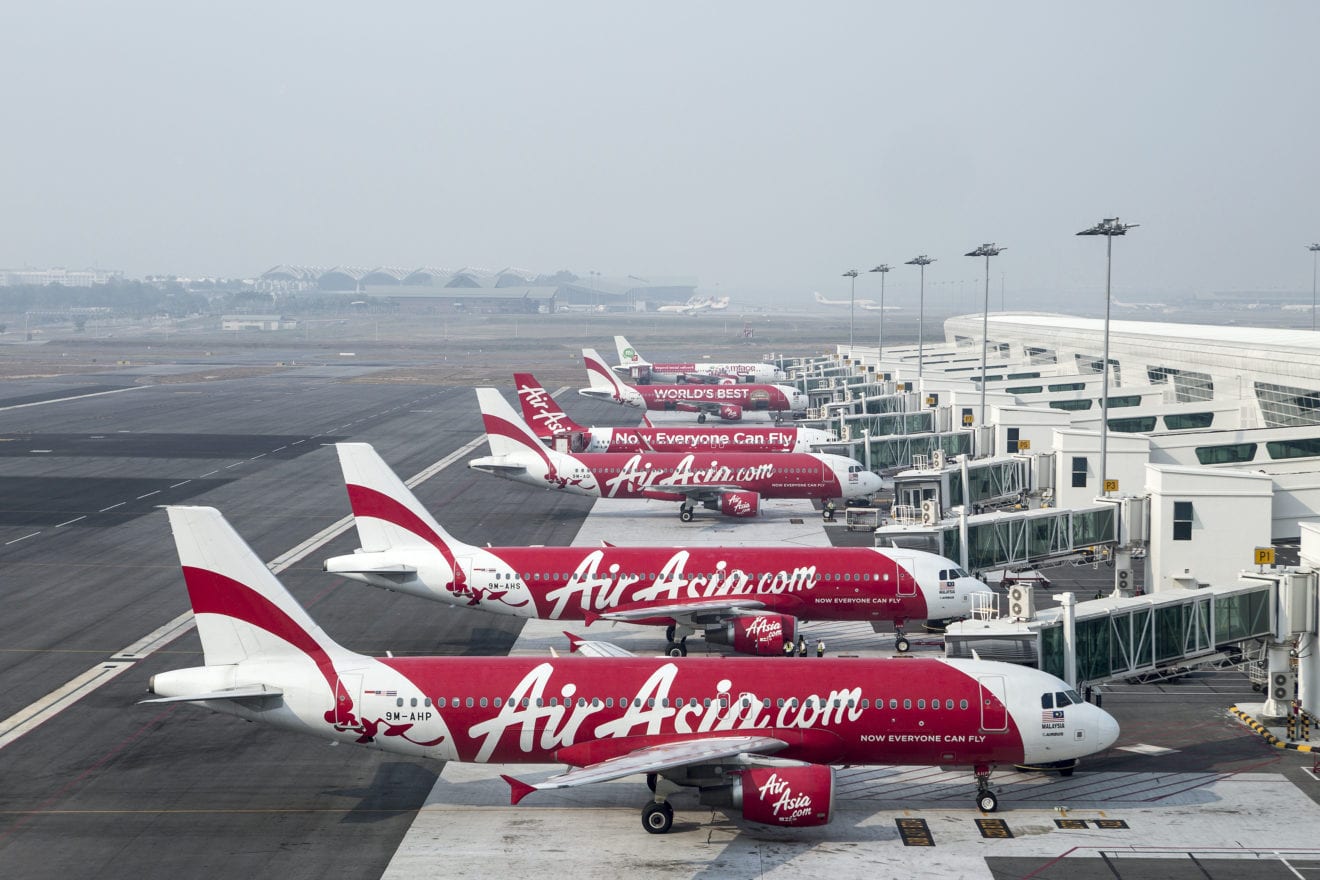
    Low-cost carrier AirAsia is ready to furlough more workers unless domestic coronavirus travel curbs end next month, even as the company speeds expansion of its non-airlines business to fill an earnings hole, top executives told Nikkei Asia.

    The airline founded by local tycoon Tony Fernandes and its budget model have been hammered by the drop in international air travel, while movement restrictions between states in Malaysia are also choking revenue. AirAsia Group President Bo Lingam said in an interview with Nikkei that it is critical for internal routes to reopen.

    “We would prefer [this] as soon as possible, but I think the green states can be opened first, and we would appreciate if it’s by next month,” he said, referring to the end of April. Green states are those with lower new COVID-19 cases, namely Melaka, Pahang, Terengganu, Sabah and the federal territories of Putrajaya and Labuan.

    The Malaysian government has not said when it will reopen domestic travel nationwide despite pressure from lobby groups, including hotels, tour operators and airlines.

    If the interstate travel ban remains into May, the company would have to dismiss more employees on a furlough basis, Bo said, adding to 3,000 mostly pilots and back-office staff already hit by the measure.

    Furloughed workers receive medical and travel benefits until called back to work. “We will pay them medical benefit[s] in full just like pre-COVID-19 and they would be first to be recalled once we fly our airplanes again,” said Bo, who has been with the company for over 21 years

    The carrier is ready to begin domestic or international travel when allowed, he said. “All necessary safety checks are always done and we have standby employees to be recalled, so we are ready anytime,” he said.

    AirAsia’s finances are clearly hurting. It suffered a net loss of 2.7 billion ringgit ($650 million) for the first nine months of 2020 compared with a net profit of 80.7 million ringgit the previous year. Revenue fell 68% to 2.9 billion ringgit from 9.1 billion ringgit. Fourth-quarter results are expected this month, with analysts forecasting a turn to profitability not before 2022.

    Bo said the airline is no longer accepting new jet deliveries from its primary supplier, Airbus. AirAsia is the European manufacturer’s largest customer in the single-aisle segment and was supposed to receive a combined 46 planes in 2020 and 2021 — mostly new A321s.

    “We have stopped taking in any deliveries because we have no place to park anymore and it’s a waste of resources,” he said. “We plan to take five aircraft next year only if the situation improves.”

    The carrier, known for its bright red and white fleet, is currently raising 2.5 billion ringgit as working capital, which includes a loan of 300 million ringgit from Sabah state-owned Sabah Development Bank. It is also seeking a guaranteed loan from the federal government aimed at companies hurt by COVID-19.

    The airline also completed the first tranche of its private placement of up to 20% of the group’s total issued shares last month, raising over 250 million ringgit.

    With the outlook for air travel uncertain, AirAsia Digital — the holding company for its growing non-airline businesses — may spinoff within the next 3 to 5 years, Aireen Omar, the AirAsia Group president who manages it, told Nikkei in a separate interview.

    Aireen said the group is trying to lure new investment by bolstering core businesses, which include restaurants, food delivery and courier services.

    The group’s chain of Santan restaurants is expected to expand into Indonesia, Thailand and the southern Chinese city of Shenzen by the end of the year, she said. Santan — which means coconut milk in Malay — is a staple ingredient in Southeast Asian cooking.

    “We’re expecting to have about 60 restaurants by year-end from the current 13,” Aireen said, adding that all new locations will be franchises.

    “We are already receiving a lot of interest and evaluating our potential first investor. All of them want to come on board early before an IPO,” she said, adding that the business has drawn attention from large funds and family offices.

    But Aireen stressed that AirAsia does not intend to keep raising funds via numerous crowdfunding rounds favored by tech startups. “We want to be responsible and want a set of stakeholders to answer to,” she said.

    The pandemic has forced AirAsia to move into non-airline businesses faster than envisioned. “The road map which was supposed to take us three years was squeezed into the last nine months,” she said.

    According to group president Bo, AirAsia expects its international routes will not resume until the fourth quarter provided Malaysia’s immunization program, which began late last month, continues as planned. Southeast Asian destinations are expected to resume first, he said.

    He urged the Association of Southeast Asian Nations to come up with a travel policy in the next few months that can be used by all member countries to smooth the way.

    “One policy for the region would ease processes rather than having customized rules for every country,” he said.

    Bo added that in preparation for the return of international travel, AirAsia has already started working to update its mobile app and website to allow customers to upload proof of digital vaccination.


  • Ferragamo flags China-driven sales rise after massive loss last year

    Ferragamo flags China-driven sales rise after massive loss last year

    Italian luxury goods group Salvatore Ferragamo said on Tuesday that China and e-commerce had boosted sales in the year so far after the COVID-19 pandemic pushed the firm to its first full-year operating loss since it listed in Milan 10 years ago.

    Deputy Executive Chairman Michele Norsa, a long-time executive brought back by the Ferragamo family last year to steer the group through the pandemic and a brand revamp, told analysts in a call that he expected sales in China to keep growing by a double-digit percentage.

    The coronavirus emergency has hit Ferragamo hard because it is geared towards traveler spending, with many shops in airports. It has also compounded the challenge of rejuvenating a brand famous for shoes worn by Hollywood stars such as Audrey Hepburn.

    Overall sales fell 33% in 2020, one of the worst performances in an industry grappling with shop closures intended to curb the pandemic as well as a lack of tourists and travelers in general.

    Several sources told Reuters late last year that the majority owners had held informal talks with investors about selling a minority stake in their holding firm. The company denied at the time that the family planned to sell a stake or had met investors.

    Asia accounting for more than half of group revenues in 2020, when turnover in the region fell 25.5%.

    The Florence-based firm said the first nine weeks of 2021 had seen a positive trend in its retail network and an 86% jump in digital sales. China and Korea are both performing strongly, it said.

    Earnings before interests and taxes (EBIT) slumped to a 62 million euro ($74 million) loss in 2020, due also to impairment charges on assets and broadly in line with analysts’ expectations. In 2019, Ferragamo made a 150 million euro profit.

    Chief Executive Micaela Le Divelec’s term expires in April, and there is speculation that management may be overhauled.

    Two sources close to the matter said on Tuesday the situation was still uncertain in that respect.

    Norsa told analysts he could not comment on possible management changes, and that a “normal process” was taking place “in continuity and harmony” ahead of the annual meeting to appoint a new board of directors.

  • Starbucks opens online with a JD flagship store

    Starbucks opens online with a JD flagship store

    Starbucks, the world’s largest coffeehouse chain, launched a flagship store on JD.com on March 3.

    The online store is bringing Chinese consumers the brand’s new spring mugs, such as the Sakura Blossom Collection, together with its classic series, including the core classic series, and Starbucks Heritage. In addition to physical products such as mugs, the store also sells physical gift cards, seasonal foods (such as rice dumplings and mooncakes), and their corresponding gift certificates, bringing more quality choices to JD’s customers. A Super Brand Day will kick off on the store’s opening day to help promote sales for the newly opened Starbucks store.

    JD’s consumers are a strong match with Starbucks’ target consumers, and JD’s nationwide logistics network will ensure high efficiency and speed of deliveries for consumers who purchase Starbucks products on JD.

    “JD’s years of experience and good reputation in authentic products, logistics, and after-sales services will also

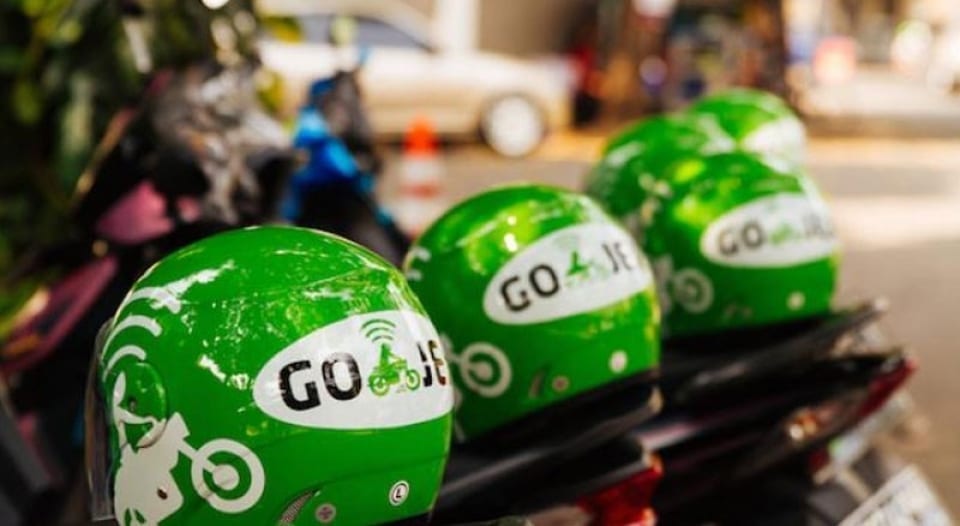
  • GoJek takes stake in e-wallet, ramping up rivalry with Grab

    GoJek takes stake in e-wallet, ramping up rivalry with Grab

    Grab Holdings and Gojek have made substantial progress in working out a deal to combine their businesses in what would be the biggest internet merger in Southeast Asia, according to people with knowledge of the talks.

    The region’s two most valuable startups have narrowed their differences of opinion, though some parts of the agreement still need to be negotiated, said the people, asking not to be named because the talks are private. The final details are being worked out among the most senior leaders of each company with the participation of SoftBank Group Corp.’s Masayoshi Son, a major Grab investor, one of the people said.

    Under one structure with substantial support, Grab co-founder Anthony Tan would become the chief executive officer of the combined entity, while Gojek executives would run the new combined business in Indonesia under the Gojek brand, the people said. The two brands may be run separately for an extended period of time, one of the people said. The combination is ultimately aimed at becoming a publicly listed company.

    Representatives of Grab, Gojek, and SoftBank declined to comment. The talks are still fluid and may not result in a transaction, the people said. The deal would need regulatory approval and governments may have antitrust concerns about the unification of the region’s two leading ride-hailing companies.

    Grab and Gojek have been locked in a fierce, expensive battle for dominance in that business along with food delivery and mobile payments over the last several years. Investors have been pushing for them to combine forces across Southeast Asia in order to reduce cash burn and create one of the most powerful internet companies in the region. Grab, which is present in eight countries, was last valued at more than $14 billion, while Gojek, valued at $10 billion, has a presence in Indonesia, Singapore, the Philippines, Thailand, and Vietnam.

    SoftBank has been pushing for a deal since Son visited Indonesia in January, but he’s grown increasingly frustrated with the lack of progress. The old rivalry and personality clashes between the two companies’ leaders have led to deadlocked negotiations in the past, according to one of the people familiar with the talks.

    Read more: SoftBank’s Son Is Said to Press Grab for Truce With Rival Gojek

    Sea Ltd.’s rise as a formidable force in e-commerce and digital payments has injected fresh impetus to the Grab-Gojek conversation, the people said. The Singapore-based company’s e-wallet, ShopeePay, has been gaining market share at a rapid clip, aided by the growing popularity of Sea’s e-commerce platform Shopee. That, in turn, is challenging market leaders GoPay and Grab-backed Ovo in Indonesia.

    Sea’s surprise journey from a scrappy startup to Southeast Asia’s most valuable company in the past 10 years has been the “biggest inspiration” for local internet companies lately, said Rohit Sipahimalani, chief investment strategist at Temasek Holdings Pte. Sea went public in 2017 after raising more than $720 million from investors and now has a market value approaching $88 billion.

    Read more: World’s Hottest Stock Is a Money-Losing Tech Giant Soaring 880%

    “People are now seeing that the public markets are a viable alternative for internet companies in Southeast Asia,” said Sipahimalani, whose firm is an investor in Gojek. “But they also recognize that they need to get to a certain scale, which is why the IPO route is becoming more attractive. I think that’s leading to some dialogue around combinations and consolidations in the region.”

    He declined to comment on the Grab-Gojek deal, adding that Singapore’s state-owned investment firm isn’t taking part in the negotiations.

  • Standard Chartered Joins BlackRock’s Provider Network

    Standard Chartered Joins BlackRock’s Provider Network

    The bank will offer integrated front-to-back office investment management solutions to mutual clients across Asia, Africa, and the Middle East on the Aladdin platform.

    Standard Chartered has become the latest bank to ink a strategic partnership with BlackRock’s «Aladdin» provider network, a platform that helps assets managers check risk in their portfolios, trade, manage data management, and other operational tasks.

    The alliance builds on Standard Chartered’s ongoing relationship with BlackRock, leveraging the focus both organizations have on innovation and digitization and is part of the Bank’s longer-term strategic partnership with the global asset manager to provide an enhanced experience for our institutional clients, Standard Chartered said in an announcement on Wednesday.

    Aladdin – or asset, liability, debt, and derivatives investment network – was conceived by the New York-based firm in the late 1990s as an internal tool. Today, it is one of Blackrock’s most powerful tech tools that it sells to smaller rivals, in a bid to stave off pressure on its active management fund arm from cheaper index funds. Credit Suisse and HSBC adopted the platform in 2019 and 2020 respectively.

    Akiyoshi Takeuchi, head of BlackRock Solutions Asia-Pacific, said Standard Chartered’s adoption of the platform «underscores growing momentum in bringing innovative solutions deeper into emerging markets throughout Asia, Africa, and the Middle East.»

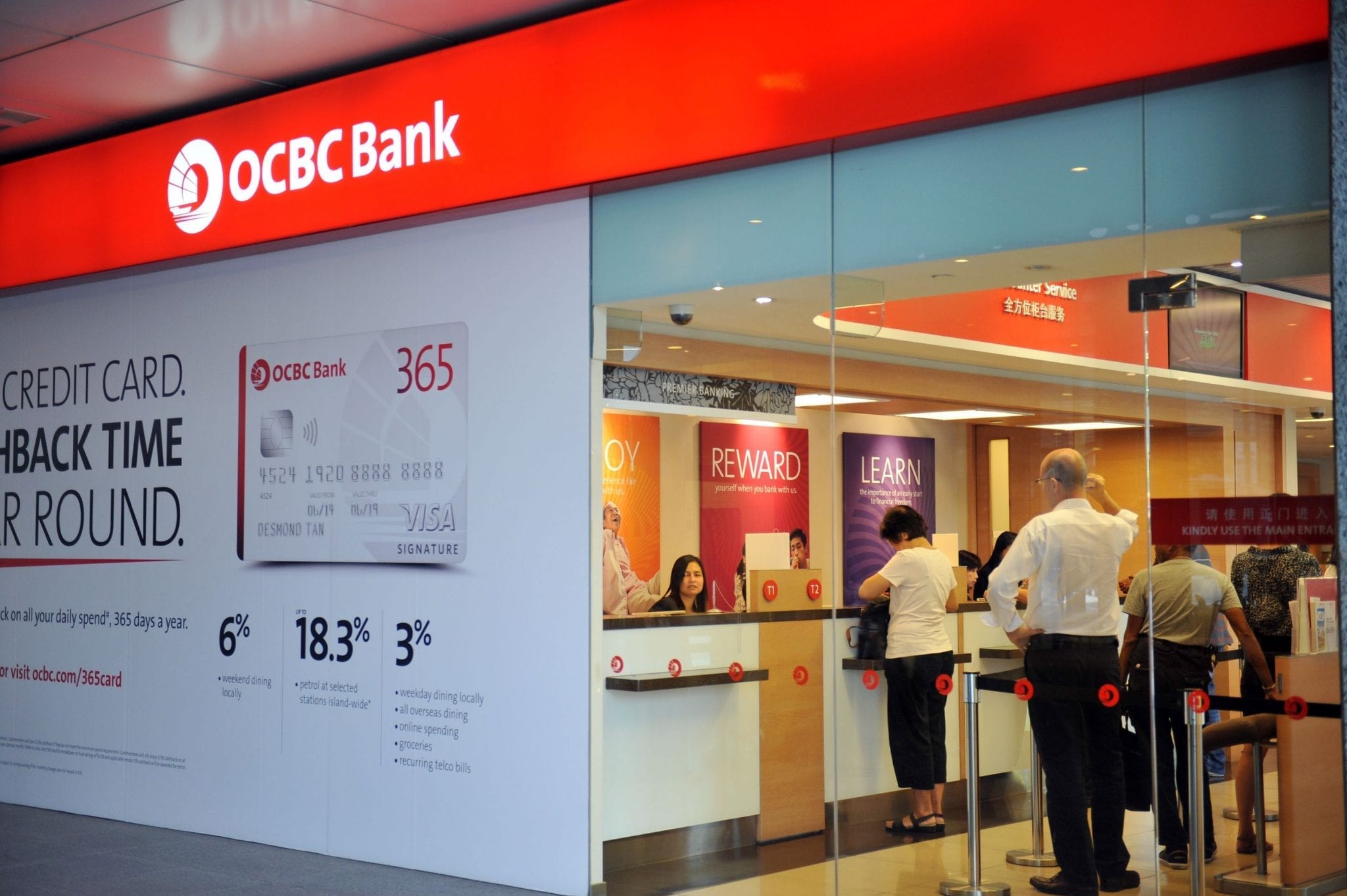
  • OCBC Appoints Independent Director

    OCBC Appoints Independent Director

    He previously spent more than two decades at the Monetary Authority of Singapore, and was deputy managing director, corporate development, when he left in 2019.

    OCBC has appointed Andrew Khoo Cheng Hoe as a non-executive and independent director, effective March 8, according to a filing with bourse SGX.

    He will serve as a member of the board audit committee as well as the ethics and conduct committee, the announcement said.

    Khoo, 57, is an adjunct professor at the NUS Business School. He is also a director at the National Environment Agency, as well as at Stroke Support Station.

  • Macquarie Telecom signs $34 million exclusive deal with Optus

    Macquarie Telecom signs $34 million exclusive deal with Optus

    The decision follows a comprehensive, strategic review of mobile solutions, and will see Macquarie offer numerous key services to Australian enterprises as the need for greater connectivity continues, including:

    • 5G Connectivity and Speeds: Providing flexibility, faster speeds, and greater capacity across multiple devices, fully managed and supported in Australia by Macquarie’s dedicated customer and engineering teams.
    • Wi-Fi Calling: Extends full coverage and network access across all Wi-Fi areas.
    • Voice over LTE (VoLTE): A network standard enabling businesses to use high-speed 4G data and voice in tandem on devices at any time.
    • Coverage: New tools to enable customers to make coverage decisions.

    Due to the increasing emphasis on mobility and 5G, Macquarie plans to expand its mobile business and hire new staff over the next three years. This continues the company’s unwavering commitment to only provide service from and hire in Australia.

    “2020 changed the way Australians work forever. By providing 5G connectivity along with business-grade NBN, we can ensure Australian businesses can work from more places than ever before,” said Luke Clifton, Group Executive, Macquarie Telecom.

    “The fact is that 5G is here. It is fast becoming a necessity and complimentary service to nbn for Australian businesses. This agreement will ensure we can continue to compete in a market that is still underserved and overcharged. These new mobile offerings will also enable the right tools, technologies and customer service to manage a mobile workforce.”

    Optus currently has more than 1,000 live 5G sites covering more than 830,000 households across Sydney, Melbourne, Adelaide, Canberra, Perth and Brisbane.

    With the agreement, Macquarie will end its wholesale mobile contract with Telstra. It chose Optus’ wholesale offering due to its focus on collaboration, rapidly evolving 5G network, and commitment to future technologies.

    “We’re backing a winner,” added Clifton. “This investment reflects our commitment to Australian businesses and providing the technologies they need today and into the future.

    “Based on our comprehensive review, Optus was the clear choice in terms of superior technology, flexibility to build the right solutions, and cooperation. It is leading Australia’s wholesale 5G market, offers incredibly fast 5G and continues to invest heavily in its 5G network. Crucially, it understands the value of partnership in Australia’s 5G future while others are actively inhibiting it.”

    “Macquarie has a great reputation for customer service and Optus is genuinely excited to be partnering with Macquarie to deliver mobility solutions that businesses need today more than ever.” says Ben White, Managing Director, Wholesale, Satellite and Strategy, Optus.

    The new agreement complements a series of partnerships and technology investments by Macquarie Telecom in recent months and years. This includes its mobile reseller agreement with Apple, a preferred networking agreement with the nbn, its first-to-market VeloCloud by VMware SD-WAN, and a complete core network upgrade and refresh with Juniper Networks.

    The mobile agreement is a multi-year agreement. Services will be available to all customers, with existing customers transitioning over the coming months. The process will be managed end-to-end by Macquarie’s dedicated and local mobile support team. 5G plans are available immediately to new and existing customers.

  • Gojek-Grab Rivalry Extends to Digital Payments

    Gojek-Grab Rivalry Extends to Digital Payments

    Gojek has joined rival Grab in backing Indonesian state-backed e-wallet company in its Series B funding round.

    Gojek’s joining as a strategic shareholder will provide LinkAja access to the Gojek ecosystem to support LinkAja’s mission in accelerating financial inclusion in Indonesia, LinkAja CEO Haryati Lawidjaja said in a statement.

    As part of the deal, the ride-hailing giant will add LinkAja as a payment option on its app. The strategic investment builds on Gojek’s ongoing collaboration with the e-wallet, which includes payment for transportation and ticket reservation services.

    Formed from a consortium of state-owned enterprises, LinkAja operates an e-wallet and merchant services business focusing on the middle class, and micro, small, and medium-sized enterprise (MSME) segments in Indonesia.

    About 80 percent of its users are from tier 2 and 3 cities, according to LinkAja.

    According to GlobalData, rising Internet penetration, increasing digitalization and the proliferation of websites have been driving the growth of e-wallets in Indonesia, which further rose during the Covid-19 pandemic as customers have turned to alternative payment tools.

    Investments in state-backed entities can be a strategic move to maintain a healthy relationship with the government machinery. Though both Grab and Gojek managed to garner investment positions in LinkAja, Gojek seems to get some home advantage, Aurojyoti Bose, lead analyst at GlobalData, said about the deal.

    Grab, which competes with Gojek for dominance in the digital payments space in Southeast Asia, announced in November 2020 that it had invested $100 million in LinkAja, with participation from Telkomsel, BRI Ventura Investama and Mandiri Capital.