Author: Mei Ling Tan

  • Chubb Names Australia and New Zealand President

    Chubb Names Australia and New Zealand President

    Zurich-headquartered insurer Chubb has appointed a new president for Australia and New Zealand.

    Chubb names Peter Kelaher country president for Australia and New Zealand, according to a statement, succeeding Jarrod Hill who is leaving the firm. Kelaher reports to Paul McNamee, senior vice president of Chubb Group and APAC regional president.

    Kelaher has 20 years of insurance experience and he joined Chubb in 2008 as a financial lines underwriter before being promoted to product manager for directors and officers, and P&C business lead for Australia and New Zealand in 2016.

    Chub has had a presence in Australia and New Zealand for over a century with seven branches and more than 800 staff.

  • Twitter is working on an Undo button

    Twitter is working on an Undo button

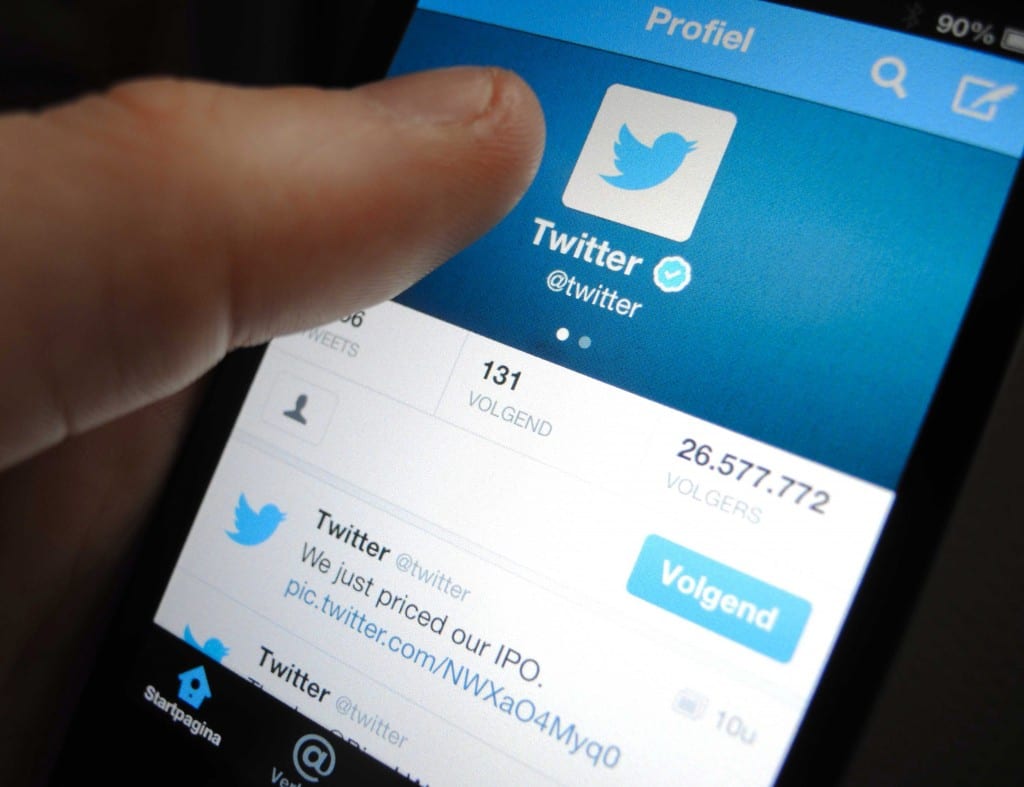
    Judging by evidence spotted by reverse engineer Jane Wong, Twitter is working on a yet-unannounced Undo button. The feature will appear after the user sends a tweet. The point of the “Undo” button is probably to give the user the option to stop their tweet from posting shortly after hitting the Send button if a mistake has been made. This alleged feature could be the answer to the criticism Twitter has gathered for not having an edit button.

    Over the years there has been pressure on the social network from the Twitter community to add an edit button.

    Twitter’s new “Undo” button seems like a partial solution, as it shows the company is still on the offensive about the idea to edit tweets.

    The Undo Button isn’t the only new feature expected to come to Twitter. Recently, the network was spotted testing a Shop button that shows up in tweets including links to online stores, and earlier, the Super Follow feature was introduced, allowing people to charge for access to their tweets. We won’t be surprised if Twitter has more goodies to show us in the near future.

  • Property deal set to save Le Saunda’s bottom line

    Property deal set to save Le Saunda’s bottom line

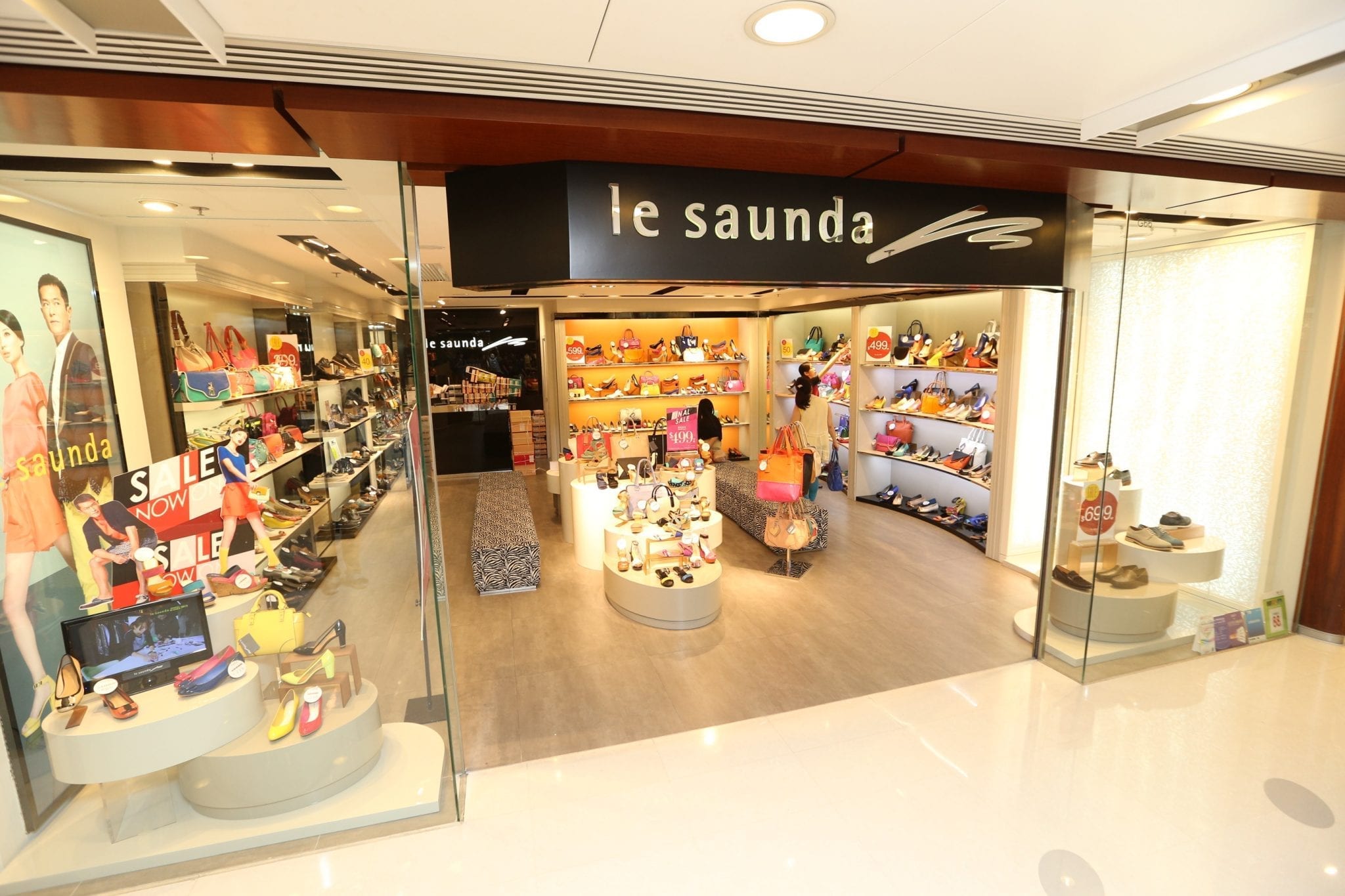
    Hong Kong-listed shoe retailer Le Saunda says same-store offline sales rose by 13.8 percent in the February quarter after it rationalized its store network.

    In a positive profit alert issued to the Hong Kong Stock Exchange, chairman James Ngai said group sales rose 5.2 percent year on year after a net 52 stores closed in Mainland China, Hong Kong, and Macau. As at February 28, the company had 389 outlets remaining, 347 of them self-owned across the three markets, and 42 franchised on the mainland.

    The company said a preliminary review of its full-year accounts shows the company “may” have recorded a profit, which would mark a significant turnaround from a US$4.7 million loss in the prior year.

    However, that was mainly attributable to the completion of the effective sale of its former factory in Shunde, Guangdong which it closed last May, and reached an agreement with the local government to hand back for $30 million. Le Saunda made a strategic decision to discontinue manufacturing and to contract production out to third parties.

    While in-store sales are on the rise after several years of decline, Le Saunda’s e-commerce business continues to underperform, with sales down 8.4 percent year on year in the fourth quarter.

  • Vietnam considers airspace permission for 737 MAX aircraft

    Vietnam considers airspace permission for 737 MAX aircraft

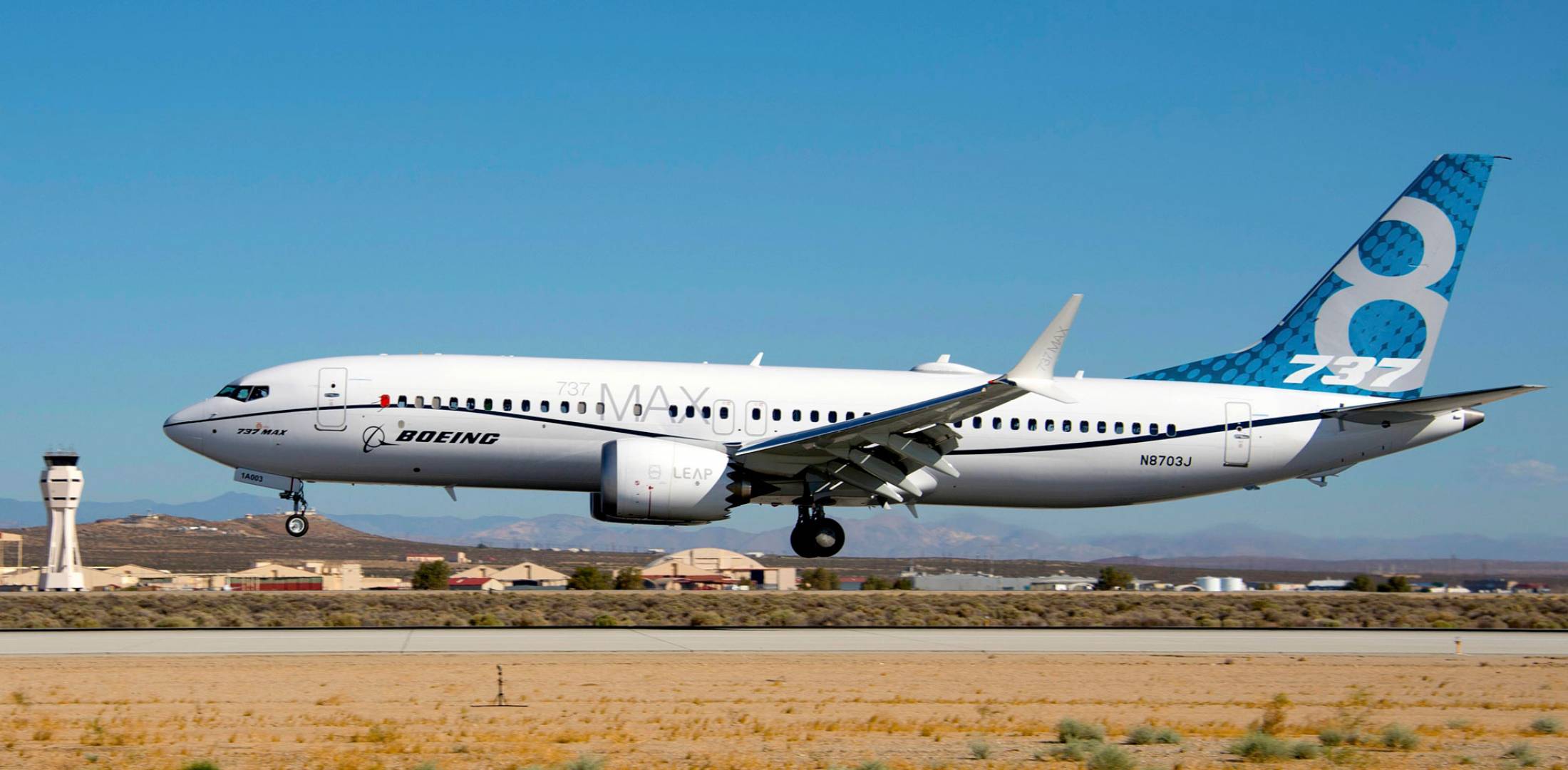
    Vietnam aviation authorities have proposed that the Boeing 737 Max aircraft be allowed to pass through the country’s airspace after two years of grounding.

    The proposal was made after the Civil Aviation Authority of Vietnam (CAAV) reviewed Boeing’s efforts to improve the aircraft and the evaluation of major aviation authorities such as the U.S. Federal Aviation Administration and the European Union Aviation Safety Agency.

    The U.S. allowed the resumption of Boeing 737 Max operations in December and Europe did so in January.

    China and Russia have not opened up their airspace, and when restrictions are lifted in these countries the CAAV will propose that this aircraft is allowed to operate in and imported into Vietnam.

    The Boeing 737 Max was grounded worldwide in March 2019 after 346 people were killed in two crashes in the space of a few months in Indonesia and Ethiopia.

  • WhatsApp is working on encrypted chat backups, disappearing photo feature

    WhatsApp is working on encrypted chat backups, disappearing photo feature

    We’ve got a bit of welcome news from a WhatsApp leak today, especially in this era of constant bombardment with news about data spills and app security breaches all over the place.

    “WhatsApp is working on cloud backups encryption,” the independent but reliable source WABetaInfo claims in the Twitter leak. Apparently, WhatsApp is introducing a new password-protected chat backup feature on their messaging app. You can choose to lock any of your chats behind a password, and not even WhatsApp will have access to these private passwords. Upon reinstallation of WhatsApp, or installation on a new device, you will receive a password prompt to unlock your protected messages.

    Although the chat database is already encrypted, the encryption does not extend to shared media, and according to WABetaInfo, the algorithm is reversible and not end-to-end encrypted.

    The cloud-backup encryption feature should become available on a future update for both Android and iOS.

    This is not the only security update news we’ve got from WhatsApp, however. A few days ago, it was revealed WhatsApp is also testing a function for sending messages which disappear after 24 hours, as well as self-destructing photos—Snapchat-style.

    In order to use any of these features, though, you will have to agree to WhatsApp’s new privacy policy before the May 15 deadline. Failing to do so will make you lose the functionality of the app and all upcoming features.

  • Malaysia retail sales slump to worst in the recent 22 years

    Malaysia retail sales slump to worst in the recent 22 years

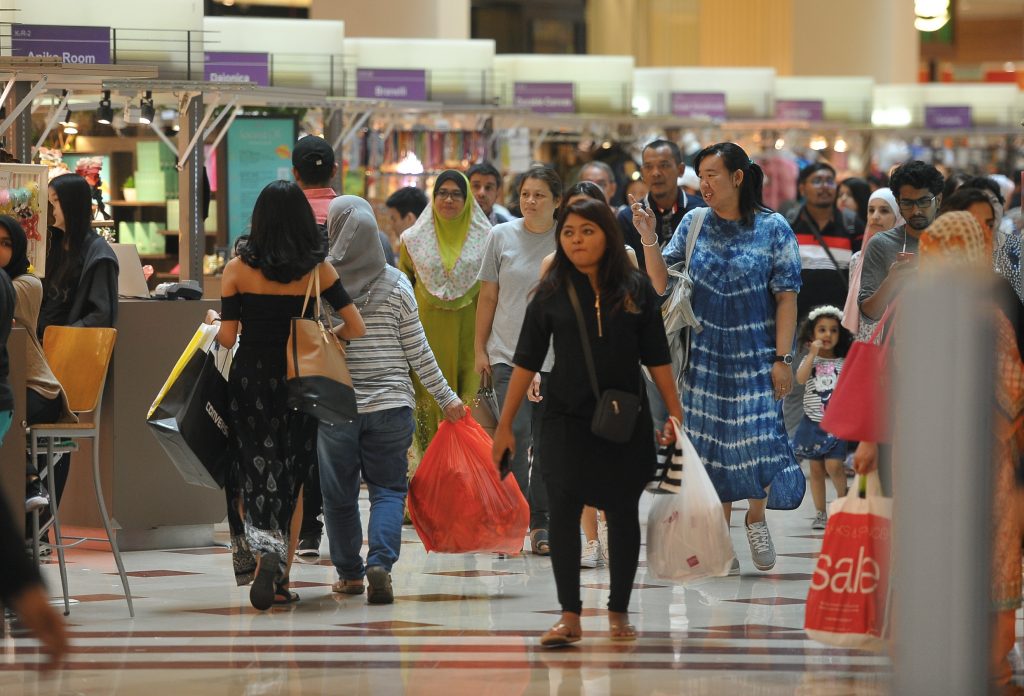
    Malaysia retail sales last year dropped to the lowest level in 22 years as the country has been heavily impacted by the Covid-19 pandemic.

    According to the Malaysia Retail Sales Report, turnover plummeted 16.3 percent last year, with most retail sub-sectors recording double-digit declines. The department store and fashion segments shrunk at 38.3 percent and 37.9 percent respectively, the worst-performing sectors.

    Since the Movement Control Order (MCO) was in place for most of the first quarter, retail sales this year are expected to drop 4.1 percent, with the first quarter’s sales down by 13.4 percent. The next three quarters will show recovery, the report predicts.

    “Last year, Malaysia’s retail industry recorded the worst performance since the Asian financial and economic crisis that took place 22 years ago,” said Tan Hai Hsin, MD at Retail Group Malaysia. “In 1998, retail sales in Malaysia dropped by 20 percent.”

    While most retail sub-sectors, including F&B, children products, and pharmacy, contracted by double digits, the convenience-store sector posted its best performance with 14.8 percent growth last year. The furniture and electronics sector surged by 0.4 percent despite the pandemic.

  • Harley-Davidson To Follow Used-Car Model To Woo Young Riders

    Harley-Davidson To Follow Used-Car Model To Woo Young Riders

    Harley-Davidson is looking to increase focus on the used motorcycle market in the United States, in the brand’s latest efforts to increase customer base. And to do this, Harley-Davidson plans to roll out a certified pre-owned bike program, known as H-D Certified, to position well-tended bikes as a substitute for entry-level models.

    The strategy is similar to what carmakers have been following to position well-maintained used vehicles as a substitute for low-margin, “entry-level” new models. The used bikes program is part of a new five-year turnaround strategy outlined by new Harley-Davidson CEO Jochen Zeitz, part of the latest efforts to expand the brand’s appeal beyond middle-aged and affluent riders.

    The 118-year-old American brand has been steadily losing market share in the brand’s domestic US market amid declining retail sales for six years. Harley-Davidson’s latest five-year plan has been dubbed “The Hardwire” and under the new plan, Harley is following a “70-20-10” structure, with 70 percent of its efforts going to the core business, 20 percent into expansion into new segments that offer clear potential for more profit, and 10 percent for testing ideas for long-term growth, including plans for smaller displacement models in new markets, like in China, with the Qianjiang Group, and in India, with Hero MotoCorp.

  • Apple is moving up to 10% of iPhone 12 5G production to India

    Apple is moving up to 10% of iPhone 12 5G production to India

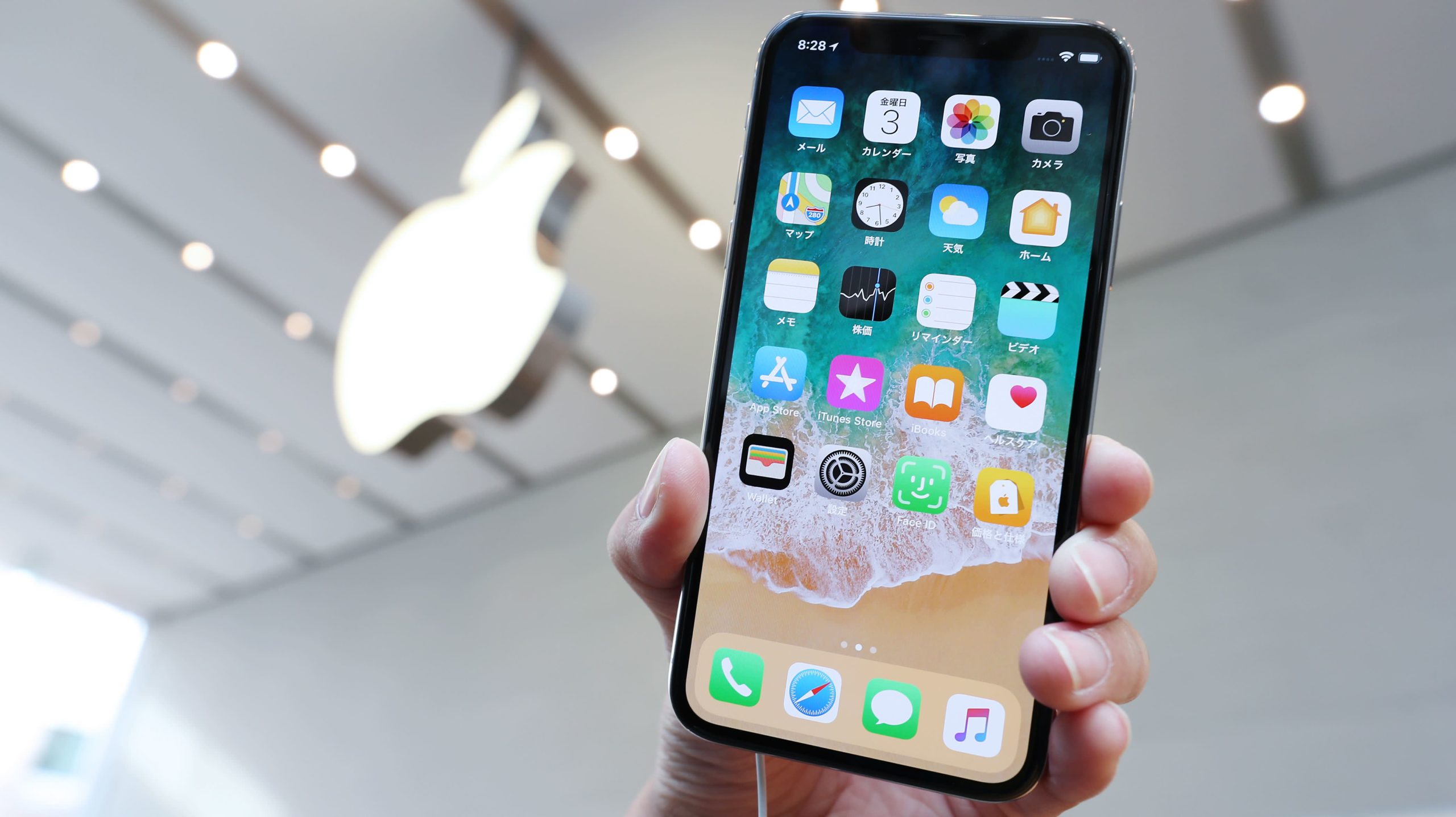
    Apple and its partners have already moved some iPhone 11 and iPhone XR production to India, and the iPhone 12 could too be manufactured in the region as the company looks to further reduce its dependence on China.

    iPhone 12 production is soon going to start in India, where devices for both the domestic market and export will be manufactured.

    The move means Apple will be able to avoid India’s hefty smartphone import tariffs. It might be able to lower the starting price of its flagship iPhone 12 in India as well, in turn providing a much-needed boost to its business.

    Apple doubled the size of its Indian business in the final quarter of 2020, but Tim Cook himself admitted that the company’s presence in the market is still very small considering its overall size.

    Apple’s initial goal is to shift between 7-10% of total iPhone 12 production to India from China. The Silicon Valley-based giant has discussed moving iPhone 12 mini production to India too, but a final decision is yet to be made.

    Foxconn is leading these local efforts and is planning an expansion to its factory in Tamil Nadu, where two of the best cheap iPhones — iPhone 11 and iPhone XR — are assembled, to accommodate for Apple’s iPhone 12.

    Later in 2021, Pegatron is expected to start manufacturing the iPhone 12 in India too. However, partner Wistron doesn’t seem to be involved at this stage, likely due to recent riots at an Indian factory that led to it being put on probation by Apple.

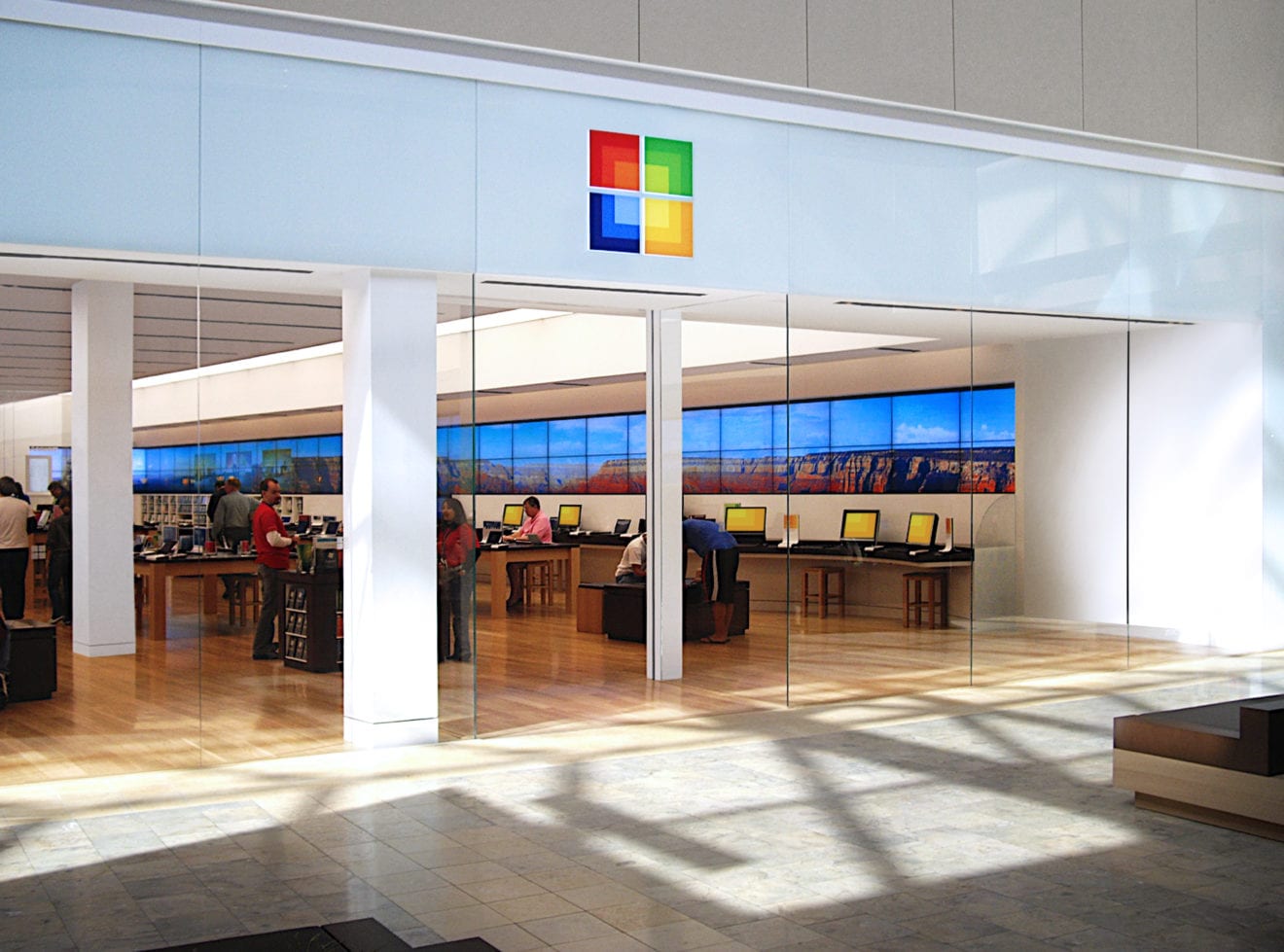
  • Microsoft appears ready to add Dark Theme to its Office suite apps for Android

    Microsoft appears ready to add Dark Theme to its Office suite apps for Android

    Microsoft is adding Dark Theme to its Microsoft Office suite apps for Android. Dark Theme replaces the standard black text on a white background with white text on a black background. This reduces the strain on the user’s eyes, especially at night or in a dark room. And Dark Theme also can help save some battery life on a phone using an AMOLED panel. That’s because unlike LCD displays, AMOLED does not use a backlight and each pixel can be controlled individually.

    The color black is created on an AMOLED screen by turning off a pixel and such pixels don’t draw power from the battery. So with a black background, enough pixels are shut down to make a difference in how much power is being used by the screen.

    Paluzzi disseminated a tweet that included screenshots of Microsoft Word in Dark Theme. The tipster said that the same look will be used for PowerPoint and Excel. There will be three options for users to select, Light theme, Dark theme or System Default. The Light theme is the traditional white background with black text, Dark theme is the inverse, and System Default uses whichever theme you have set for your phone. A blank sheet in Word is white, even in Dark Theme. But Paluzzi says that this might change to black when the feature is rolled out.

    Microsoft had already added Dark Theme to several of its Android apps including OneDrive, Edge, Outlook, OneNote, and Remote Desktop, so it is no surprise that this capability is being rolled out for its Office suite app.

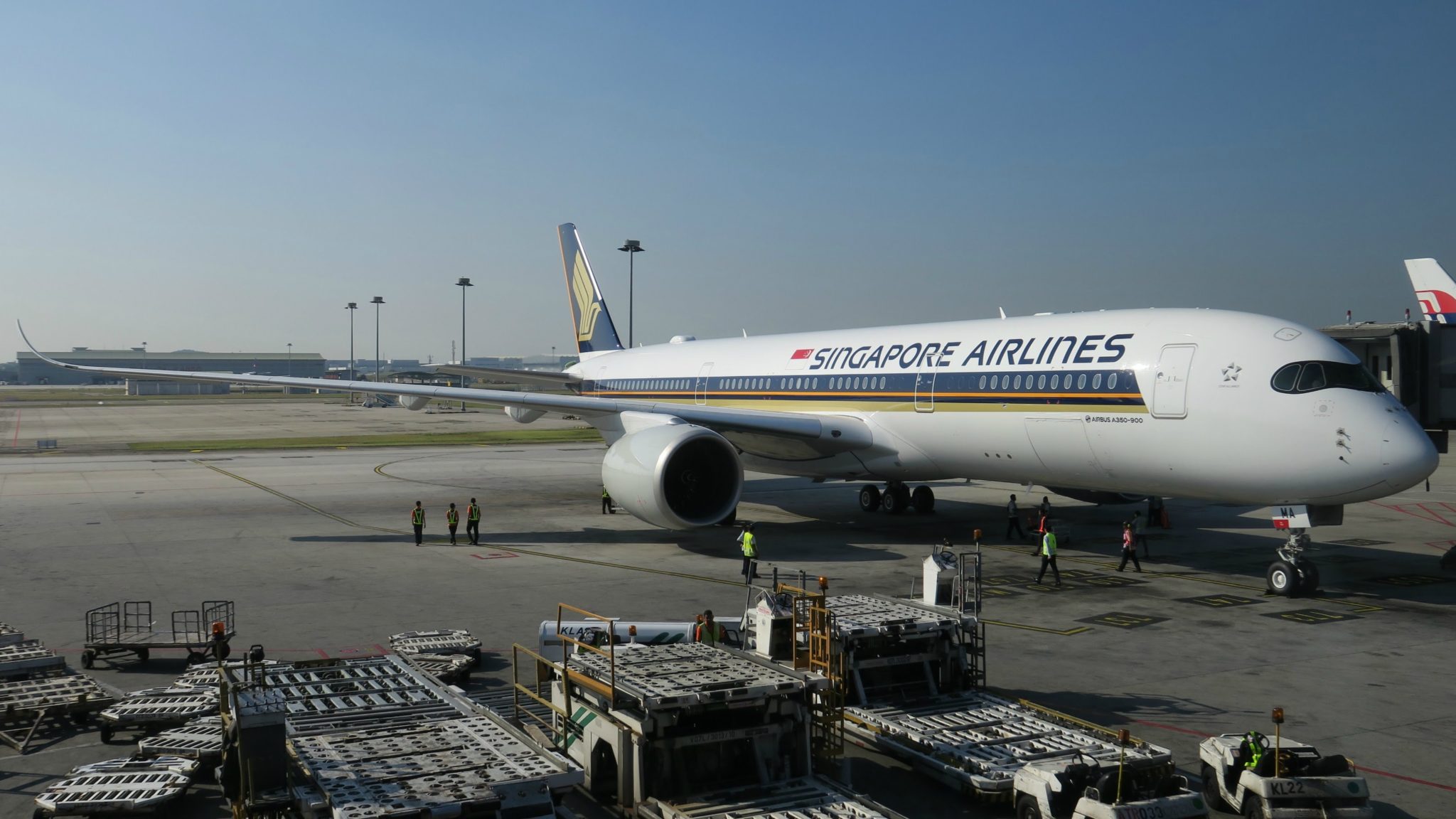
  • After 30 Years Singapore Airlines Flies The Boeing 737 Again

    After 30 Years Singapore Airlines Flies The Boeing 737 Again

    Previously operated by Singapore Airlines (SIA) decades ago, the 737 as an aircraft type will once again operate under the carrier’s brand and livery. Up until now, the Southeast Asian airline had delegated much of its low-demand, short-haul operations to subsidiary airline Silkair. Now that the Silkair brand and its operations are being absorbed by SIA, the former’s 737s will be operated by the latter. The first of these SIA 737s took off for regular passenger service on Thursday, going from Singapore to Phuket. Let’s take a look at the flight and what it represents.

    Airline Geeks noted that on Thursday, March 4th, SIA completed its first 737-800 flight. This flight was designated as flight SQ736, from Singapore to Phuket (Thailand). RadarBox.com data shows that the Boeing 737-800 departed at 16:21 local time. After one hour and 44 minutes of flying time, the aircraft landed at Phuket’s airport (HKT) at 17:05 local time.

    After just over an hour on the ground in Phuket, the 737 took off on its return flight at 18:13, arriving back in Singapore (SIN) at 21:06 local

    As for the jet that operated this service, it was registered 9V-MGA. Data from Planespotters.net shows that it first flew with SilkAir in February 2014. After more than six years of service with the regional airline, it now flies with SIA.

    The aircraft, along with SIA’s other ‘newly acquired’ jets, will be configured to seat 12 in business class and 150 in the economy. The former will have a 2-2 setup while the latter is a standard 3-3 narrowbody economy configuration.

    It was noted by Airline Geeks that the inaugural flight to Phuket offered “an upgraded experience including food, beverages, and an amenity kit.”

    In fact, a menu of signature Singapore and Thai dishes were (and continue to be) available to business class and economy class passengers. This will run through to the end of March.

    Passengers in business class will also receive a unique celebratory cocktail named Tropical Sunrise. The special drink will be available on all Boeing 737 flights.

  • Chinese New Year timing impacts Singapore retail sales in January

    Chinese New Year timing impacts Singapore retail sales in January

    Shops in Singapore had a quieter-than-usual January ahead of muted Chinese New Year celebrations, with official data showing retail sales down 6.1 percent year-on-year.

    “The larger decline in January 2021 was due partly to higher sales in January 2020, when the Chinese New Year was celebrated,” the Department of Statistics said in a Friday statement.

    Although Singapore has lifted most domestic pandemic-related restrictions on business and socializing, the usual street pageantry did not take place during this year’s holiday, which was celebrated in mid-February.

    The usual big and boisterous family parties, during which gifts are handed out, were limited to eight visitors or two households.

    January sales of food and beverages were down by around 25 percent, the department reported, as families did not stock up as usual ahead of the holiday.

    The annual Chinese or Lunar New Year is one of the main public holidays in Singapore, where around 70 percent of the population is of Chinese descent.

    With Singapore closed to almost all visitors and business travel limited to a handful of countries, tourist-dependent sectors such as department stores and cosmetics also saw huge declines, the department said, falling by around 30 percent compared to January 2020 “as they continue to remain affected by low visitor arrivals.”

    Singapore’s economy shrank by a record 5.4 percent in 2020, though the government expects a rebound this year and is projecting growth of around the same percentage as last year’s contraction.

  • Farfetch launches flagship on Tmall Luxury Pavilion

    Farfetch launches flagship on Tmall Luxury Pavilion

    Farfetch is launching a Tmall Luxury Pavilion flagship store to enable thousands of luxury brands to reach Chinese consumers as part of its localization strategy in the region.

    The integration of Farfetch on Tmall means that Alibaba Group’s 779 million consumers will have access to products from more than 3,500 luxury brands, 90 percent of which did not previously have a presence on Tmall.

    Judy Liu, managing director of Farfetch Greater China, said in a statement: “This is an important and exciting milestone in our partnership with Alibaba and creates an incredible opportunity for luxury brands to expand into the China market at a time when international travel has been curtailed and luxury customers are unable to travel to their most loved brands’ boutiques in Europe.

    “This launch is just the beginning in our partnership as we work together to help brands and retailers fully digitize their businesses online and offline through our Luxury New Retail strategy, both in China and globally.”

    The new storefront occupies a premier position on the Tmall Luxury Pavilion’s homepage with one of the five main navigation buttons and a premium permanent banner, explained Alibaba.

    To celebrate the launch, Farfetch has partnered with well-known celebrities and influencers in China to promote the storefront. There will also be social engagement campaigns and an advertising campaign across key social media platforms.

    Janet Wang, general manager of Tmall Luxury, added: “The launch of the Farfetch Tmall flagship is a very exciting moment for China’s booming online luxury market. Underpinned by Alibaba’s digital ecosystem, the Farfetch flagship store is greatly expanding the luxury product offerings to more than 779 million Chinese consumers on our platform.

    “In partnership with Farfetch, we will continually enhance our product selection, marketing strategies, and membership services for our consumers. We aim to set the standard in the industry and lead the digitization of luxury shopping.”

    The launch follows the strategic partnership between Alibaba Group, Farfetch, and Richemont announced in November 2020 to accelerate the digitization of the luxury fashion industry. The Luxury New Retail initiative aims to leverage Farfetch’s and Alibaba’s state-of-the-art omnichannel retail technologies, including a full suite of enterprise solutions powered by the two companies, to serve the needs of luxury businesses.

    These solutions will serve both mono-brand and multi-brand distribution strategies for luxury brands, including fully-connected e-commerce websites and apps, omnichannel retail technology, and access to the Farfetch and Tmall Luxury Pavilion marketplaces via a single integration.
  • BlackPink’s Jisoo appointed as global ambassador for Dior

    BlackPink’s Jisoo appointed as global ambassador for Dior

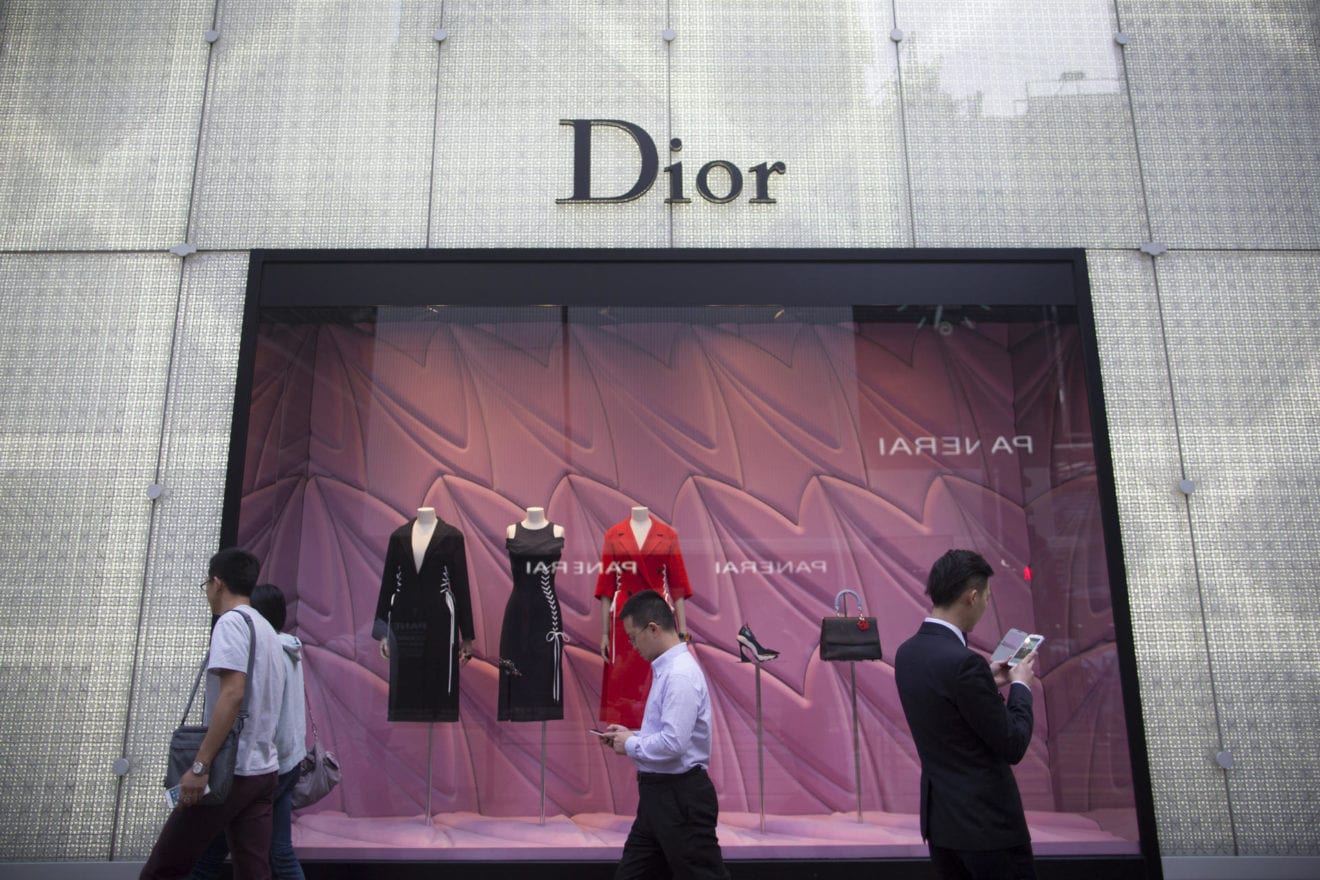
    French luxury giant Dior has appointed Kim Ji-soo, better known to Blackpink fans mononymously as Jisoo, its new global ambassador for both fashion and beauty, the brand has announced on its social media channels.

    As part of the announcement, Dior said Jisoo was a key inspiration for designer Maria Grazia Chiuri’s autumn-winter collection, which is due to be shown online today.

    European luxury brands have been increasingly turned to Asian stars for ambassador roles, with K-pop idols proving popular with brands from Givenchy to Gucci.

    With 37 million Instagram followers, as well as an existing role working with Dior Beauty, Dior is obviously hoping the incredibly popular singer and actress will be useful in amplifying its online fashion activities in an era in which brands are forced to compete fiercely for social media attention and traction for online fashion shows.

  • China Banking Regulator Appoints Vice Chairman

    China Banking Regulator Appoints Vice Chairman

    China’s banking and insurance watchdog has made an internal promotion for the appointment of a new vice-chairman.

    Xiao Yuanqi has been promoted to the new role, according to a Caixin report citing unnamed sources.

    Xiao was most recently the China Banking and Insurance Regulatory Commission’s (CBIRC) chief risk officer.

    In addition to banking supervision experience, Xiao previously worked for Bank of China and the People’s Bank of China. He authors dozens of academic articles and publications while also serving as a part-time professor at Tsinghua University.

  • DBS Cuts CEO Payout

    DBS Cuts CEO Payout

    DBS group chief executive Piyush Gupta’s total pay slid nearly a quarter after the Singapore lender saw profits fall in a similar fashion last year.

    Piyush Gupta’s compensation totaled S$9.18 million ($6.82 million) in 2020, according to the bank’s annual report, down 24 percent from 2019’s S$12.13 million.

    Gupta’s compensation included an unchanged base salary of S$1.2 million, S$4.51 million in shares and a cash bonus of S$3.41 million. The report noted that the bonus drop was attributed to the difficult operating environment which saw profits slide 26 percent and provisions quadruple.

    Last year, Gupta secured the title of Asia’s highest-paid banker after celebrating his tenth anniversary with DBS which granted him a one-time reward of 80,000 shares to recognize his «outstanding contributions» over the past decade of his leadership which saw major growth in income, profit and market capitalization.

    According to Gupta, 2020 was an «inflection point» from three key perspectives that will have future implications for the bank: accelerated digital adoption, work transformation and sustainability.

    On digitalization, Gupta highlighted opportunities from its crypto exchange launched last year. And on work transformation, he underlined the unforeseen risk of concentrating employees in a single location due to the varying lockdown rules in different markets and the bank’s location review of engineering resources.

    And despite the difficult low rate environment, he believes DBS will be able to offset the headwinds with fee