Author: Mei Ling Tan

  • Credit Pressures Drag HSBC Profits Lower

    Credit Pressures Drag HSBC Profits Lower

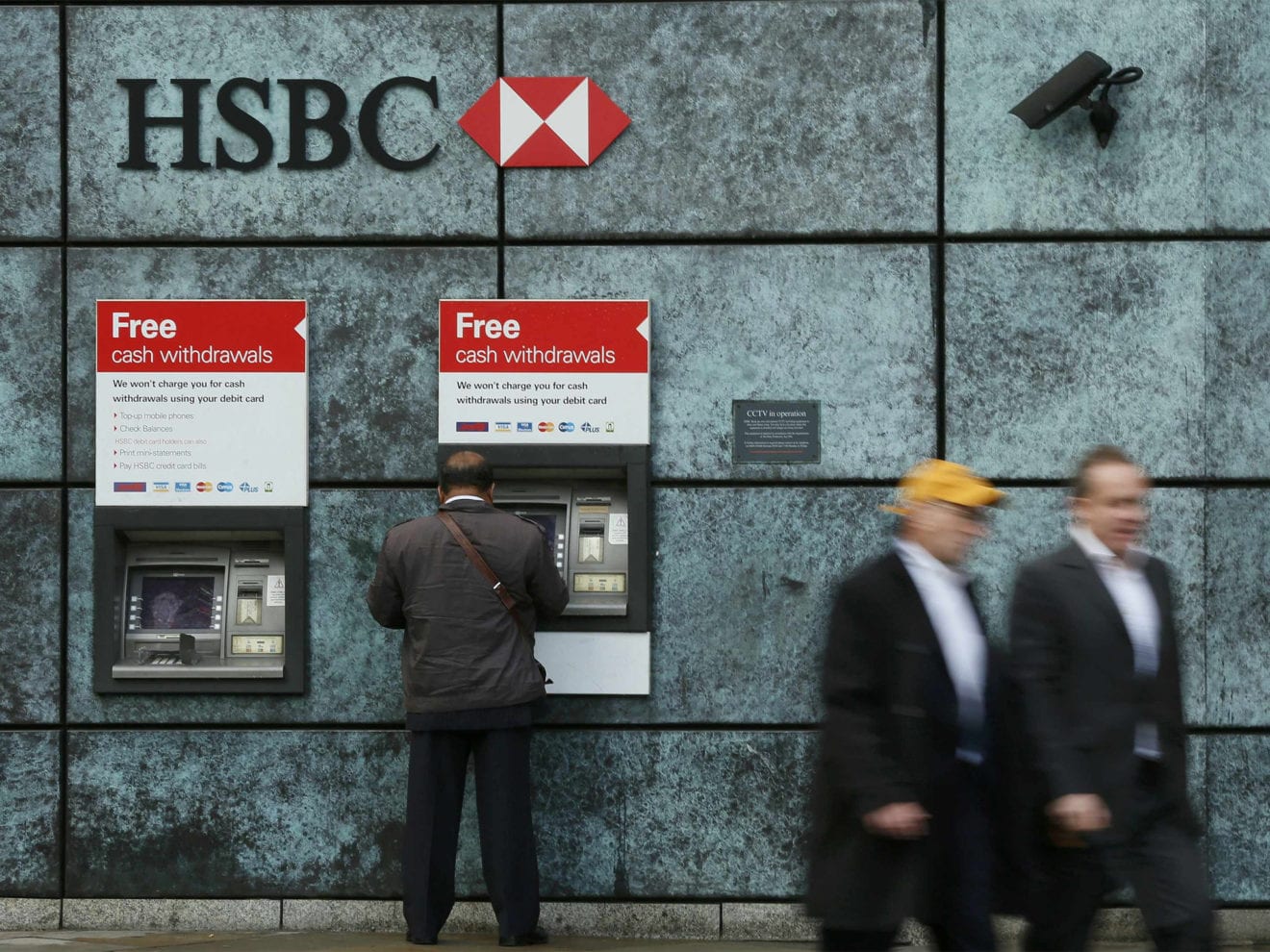
    Credit impairment charges dragged HSBC profits lower in 2020 but it still managed to beat analyst estimates.

    Pre-tax profits fell 34 percent at HSBC in 2020 due to higher expected credit losses and lower revenue, according to a statement from the bank. This includes a 10 percent drop in revenues to $50.4 billion, attributed to the impact of lower interest rates and a $1.3 billion asset impairment charge from software intangibles.

    This beat profit forecasts of $8.3 billion, according to analyst estimates compiled by HSBC.

    For the fourth quarter, it posted a 10 percent drop in revenues with a 50 percent drop in adjusted profit before tax to $2.2 billion.

    The bank announced that it would be resuming dividend payments after a long pause since the fourth quarter of 2019.

    This was a difficult decision and we deeply regret the impact it has had on our shareholders, said HSBC group chairman Mark Tucker.

    We are therefore pleased to restart dividend payments at the earliest opportunity. The Board has announced an interim dividend of $0.15 for 2020, and adopted a policy designed to provide sustainable dividends in the future.

  • VinFast eyes 2,000 electric charging stations

    VinFast eyes 2,000 electric charging stations

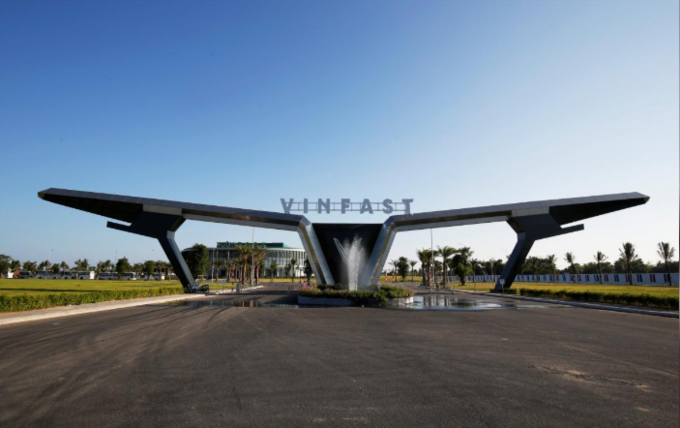
    Automaker VinFast plans to have over 2,000 charging stations set up nationwide this year to expand its electric vehicle ecosystem.

    The subsidiary of Vietnam’s largest private conglomerate, Vingroup, is looking to partner with other businesses to install these stations in apartment buildings, offices, malls, supermarkets, and other locations.

    It said in a statement that these stations will have over 40,000 charging ports for cars and bikes. The company installed the first of those last month at a mall at Vinhomes Ocean Park in Hanoi’s Gia Lam District.

    Also last month, VinFast announced three electric self-driving SUVs would hit the market this year.

    The company has acquired licenses to test autonomous vehicles in California, the U.S., which is earmarked to be its first global market.

    VinFast sold 31,500 cars in Vietnam last year. Since entering the auto industry three years ago the company now has a plant in the northern province of Hai Phong and R&D centers in Australia, Germany and the U.S.

  • Spotify announces HiFi subscription tier, coming to Premium users later this year

    Spotify announces HiFi subscription tier, coming to Premium users later this year

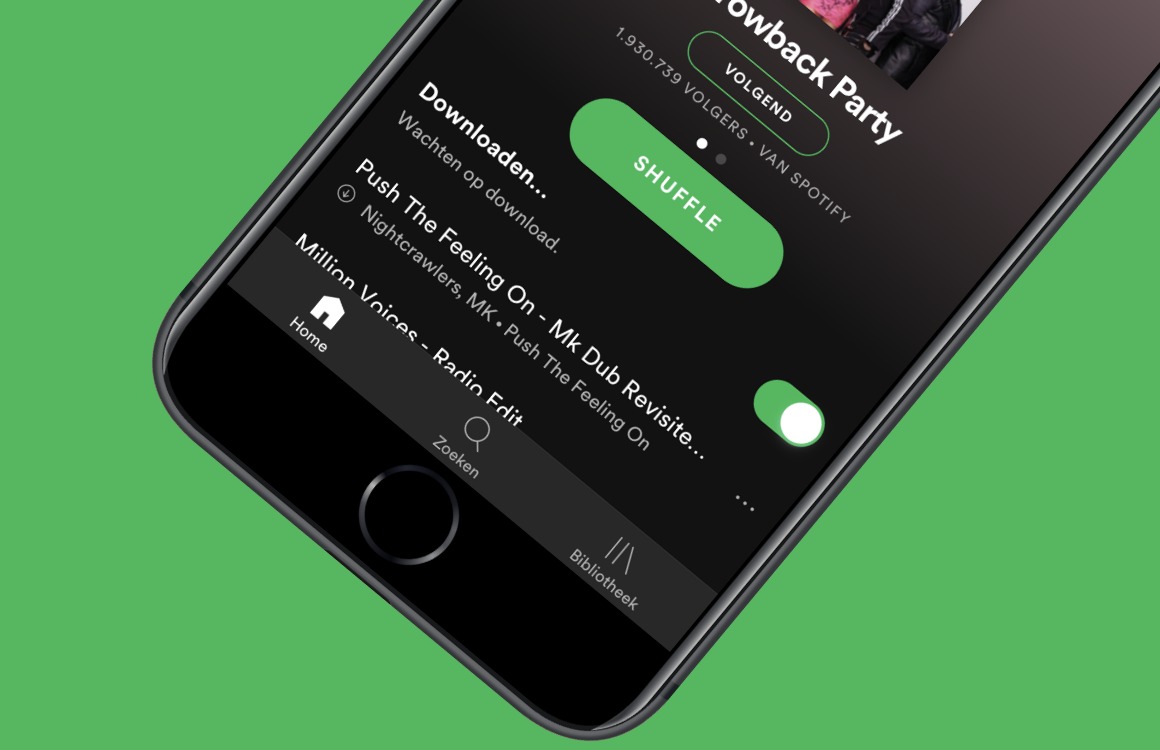
    Spotify is bringing new benefits to users who pay for a monthly subscription. Starting later this year, Spotify HiFi will be available to all Premium subscribers who wish to upgrade, regardless of what platform they use to listen to their favorite music.

    Unfortunately, Spotify HiFi will only be available in select markets, at least at launch. Also, it will not be available for free, although no price has been announced yet. We’ll come back to this when Spotify reveals the launch date and price for its new HiFi subscription tier.

    For now, let’s talk about what Spotify HiFi means. Well, just like Tidal’s HiFi service, this is all about sound quality. Spotify HiFi promises to offer music in CD-quality, lossless audio format to your device and speakers compatible with the streaming service. If you’re looking for high-quality music streaming, Spotify HiFi seems like a great choice, assuming the price won’t be too high.

    On a side note, Spotify revealed a brand new feature aimed at artists: Spotify Clips. It works like Snapchat’s Stories and allows artists to use playlists to share their stories with fans. The company announced Spotify Clips will debut on Spotify playlists, featuring artists in short videos today.

  • Three VinSmart phone models make US debut

    Three VinSmart phone models make US debut

    Three smartphone models produced by VinSmart, a unit of Vietnamese private conglomerate Vingroup, have been sold in the U.S. since earlier this year.

    Carrier AT&T distributes the phones under the names Fusion Z, Motivate, and Maestro Plus through its own stores and some retail chains like Walmart.

    The model codes match those of three VinSmart models licensed by the U.S. Federal Communications Commission (FCC) to be sold in the U.S.

    Their prices range from $39 to $89, including promotions and a two-year warranty.

    All three 4G models have six-inch screens and operate on the Android 10 operating system.

    VinSmart was partnering with AT&T to produce smartphones, with around two million units in the first batch.

    VinSmart declined to comment on the reports.

    The three phones are part of 10 smartphone models approved by the FCC, including Vsmart Aris, the latest mid-range model produced by VinSmart and is being sold in Vietnam.

    VinSmart’s factory, located in Hoa Lac Hi-Tech Park in Hanoi, is capable of producing 125 million smartphone units annually.

  • Bamboo Airways hikes capital by 50 pct

    Bamboo Airways hikes capital by 50 pct

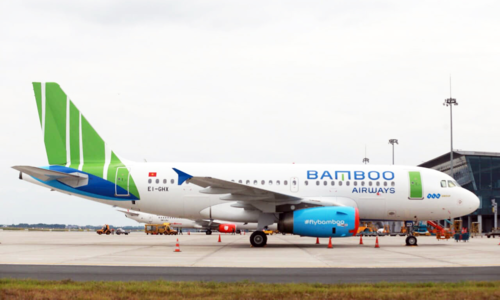
    Bamboo Airways has increased its charter capital by half to VND10.5 trillion ($458 million), its fifth hike in less than four years since establishment.

    The airline, in which conglomerate FLC owns a 51.29 percent stake, posted a pre-tax profit of over VND400 billion last year, up 34 percent from 2019.

    The airline began flying in 2019, and carried over four million passengers last year, a 40 percent increase from the previous year.

    It has a fleet of nearly 30 aircraft and plans to expand it to 50 this year. It has the best on-time performance in the country.

  • Google finally updates the Gmail for iOS app after three months

    Google finally updates the Gmail for iOS app after three months

    Google finally released an update for its Gmail for iOS app on Monday. As you might recall, many of Google’s iOS apps have not been updated for iOS and it is thought that this was done on purpose to avoid having to add App Privacy labels to its apps. Starting on December 8th, any app updated in the App Store has to include its App Privacy Label. Located near the end of each app’s App Store listing, the App Privacy Label shows the data that an app can collect including the data that can be linked to the user’s identity. In the case of Gmail, this data includes Purchases, Location, Contact Info, Contacts, User Content, Search History, Identifiers, Usage Data, Diagnostics, and Other Data.

    Google is reportedly being shy about having the App Privacy Label posted for its most popular iOS apps after seeing the criticism Facebook received for posting its longer than average App Privacy Label. Google denied all of this last month and said that it would be updating its iOS apps within weeks. But many of its iOS apps have gone without a recent update and the lack of an update for Gmail resulted in iPhone users being sent a warning earlier this month noting that their Gmail app is out of date. The message said, “You should update this app. The version you’re using doesn’t include the latest security features to keep you protected. Only continue if you understand this.”

    Before Monday, it had been about three months since the Gmail app for iOS had received an update; there are still some other Google apps that need to follow suit. But by bringing one of its most popular iOS apps up-to-date, Google has sent a message that says it is not afraid of the App Privacy Label and has started the process of updating its remaining iOS apps.

  • Uniqlo dethrones Zara as most valuable fashion business

    Uniqlo dethrones Zara as most valuable fashion business

    Japanese retail conglomerate Fast Retailing, which owns and operates Uniqlo, is now the most valuable fashion retailer in the world, outstripping Zara’s parent company Inditex.

    Fast Retailing reached a market value of $103 billion last week, eclipsing the Spanish firm for the first time, which sits around $99 billion.

    The business’ focus on the Asia Pacific market, which has seen regions such as China and Australia weather the storm of the pandemic relatively well and, and on casual wear, which has seen a spike in relevance due to the ongoing working-from-home arrangements many workers find themselves in, has helped to deliver the growth needed to dethrone Inditex.

    The business was named the biggest apparel brand in China last year after achieving record revenue of $4.8 billion during FY19, and with China projected to overtake the US as the world’s leading apparel market according to GlobalData, Uniqlo is in a strong position for further growth.

    The difference between Uniqlo and other ‘fast-fashion’ brands is that it places an emphasis on quality than quantity, and makes clothing that is simple – with most of its range being fairly devoid of patterns and logos.

    “We don’t chase trends. People mistakenly say that Uniqlo is a fast-fashion brand. We’re not. We are about clothing that’s made for everyone,” Uniqlo chief executive Tadashi Yanai said, according to Forbes.

    “People will select clothes that are comfortable to wear as working clothes, as well as in their home. There will be no need for clothes that are worn for a year and then are discarded.”

  • Amazon acquires e-commerce platform Selz

    Amazon acquires e-commerce platform Selz

    Global e-commerce marketplace Amazon has bought up Sydney-based e-commerce platform Selz.

    The platform works in much the way as Shopify, providing an e-commerce-ready backend for small businesses to utilize when creating their websites.

    “We have signed an agreement to be acquired by Amazon and are looking forward to working with them as we continue to build easy-to-use tools for entrepreneurs,” said Selz chief executive Martin Rushe.

    The acquisition could signal a shift in how Amazon seeks to grow its position in the e-commerce industry – no longer aiming to get all sellers on its marketplace, and instead of working with them behind the scenes to provide a white-label shopping experience powered by Amazon’s platform.

    The option could be attractive for businesses looking to eschew Amazon’s commission and delivery fees, though the difference between the two options are currently unknown.

    An Amazon spokesperson confirmed the acquisition but didn’t disclose any terms.

  • Gentle Monster’s newest store Haus Dosan took a year to create

    Gentle Monster’s newest store Haus Dosan took a year to create

    Gentle Monster has launched Haus Dosan, a new retail concept featuring its dessert brand Nudake and cosmetic label Tamburins.

    Located at Dosan Park, the store spans five stories, housing Nudake’s first flagship store in South Korea. Named ‘Haus 0 10 10 10 1’, the number ‘01’ is derived from quantum mechanics, representing “the future-forward direction”, whereas ‘Haus’ is a metaphorical description of the future retail.

    Haus Dosan is the eyewear brand’s first project of many more to come under the theme of ‘Unopened:Future”.

    The first floor houses a gigantic structure in the centre, a collaborative artwork with Frederik Heyman, which creates “a bizarre scene that no one has seen before and represents Gentle Monster’s bold and daring philosophy”. Inspired by the installation, an exclusive soundtrack created by Venezuelan artist Arca will be played throughout the first to the third floor of the store.

    The second floor of the building, dedicated to Gentle Monster’s optical eyewear, is designed under the concept of minimalism and moderation, featuring a media installation by Jonas Lindstroem showing video artwork ‘Truth or Dare’.

    Haus Dosan’s third floor, which displays sunglasses range, houses The Probe, a six-legged walking robot made by Gentle Monster’s own robot lab after a year of research.

    The upper-floor is home to Tamburins’ second flagship store, showing art pieces by artists such as Chulan Kwak, Mercedes Vicente and Casper Kang. Meanwhile, Nudake’s first flagship store is located on the B1 floor, offering an array of artistic desserts.

    Starting with Haus Dosan, Gentle Monster aims to launch a larger scale ‘Haus Shanghai’ this May.

  • UBS Enlists More Firepower for Parisian Appeal

    UBS Enlists More Firepower for Parisian Appeal

    Swiss bank UBS secured a coterie of Europe’s political and legal elite for its side, as it heads into the appeal of a high-stakes criminal verdict in France.

    On March 8, UBS’ legal team under chief lawyer Markus Diethelm and Allen & Overy’s Denis Chemla head back to criminal court in Paris, in an attempt to overturn a 2019 guilty verdict attached to a 4.5 billion ($5 billion) fine against the wealth manager.

    Much like UBS’ 2008 settlement in the U.S. for $780 million, the French case represents a watershed for Switzerland’s wider banking industry. Others including crosstown rival Credit Suisse are closely watching UBS’ case, which is expected to set precedent for other Swiss wealth managers.

    UBS is enlisting European political nobility including ex-European Commission head Jean-Claude Juncker and former German finance minister Wolfgang Schaeuble and Peer Steinbrueck on its side.

    It is hard to overstate the importance of the French trial for UBS: besides the huge financial impact, the case caused shareholders to deny the Swiss bank’s top management and board a key backing two years ago. UBS is pulling out all the stops as a result.

    The influential politicians join an armada of advisers to UBS, including ex-German politician Theo Waigel. The addition of Steinbrueck is especially ironic: the German politician in 2012 threatened to send a financial cavalry to Switzerland to root out tax dodgers and cheats – a tone that was perceived as tactless by Swiss diplomats.

    The reason the politicians are so key to UBS’ appeal is that the bank plans to make a European Union guideline from 2003 a key part of its argument to the court, which hears the entire case anew. The directive safeguarded cross-border interest payments and required Swiss banks to notify EU member states if their citizens were earning interest in wealth held in Switzerland.

    It was superseded four years ago when Switzerland began adopting automatic data-swapping agreements with the bloc. A big part of UBS’ new defense plan is that a large portion of French wealth held at UBS wasn’t undeclared – the bank had also been passing on withholding tax to France, though French officials wouldn’t have known who the money stemmed from.

    Waigel, an ally of former German chancellor Helmut Kohl, was instrumental in drafting the EU directive in the late 1990s. Together with his former negotiating partners, the ex-politico is reportedly being deployed to reconstruct the decades-old plan in order to support UBS’ defense. The trial was set for last June but postponed to 2021 due to the pandemic.

    This agreement allows Swiss banks to manage foreign assets while maintaining banking secrecy,» Swiss lawyer and academicPeter Nobel, who is also advising UBS, told the Swiss outlet. If the French justice system retroactively criminalizes this as money laundering, it is violating an agreement of international law.

  • HSBC Set for Pivot to Asia

    HSBC Set for Pivot to Asia

    HSBC is primed to publicly introduce its strategic shift in the upcoming 2020 earnings presentation which could include the announced relocation of top executives.

    Internally known as the pivot to Asia, HSBC will begin marketing the strategy to the public this week, according to a report citing unnamed sources.

    This follows an internal presentation where chief executive Noel Quinn said that investments at the British lender will be focused on Asia alongside the U.K. and the Middle East with an eye on becoming a market leader in wealth management.

    In addition, the strategic shift could result in the relocation of top HSBC executives and those earmarked include Nuno Matos, chief executive of wealth and personal banking; Greg Guyett, co-head of global banking and markets; and Barry O’Byrne, chief executive of global commercial banking.

    Fellow investment banking co-head Georges Elhedery was also named in a previous report as a potential relocation.

    Within Asia, the bank is already rapidly making investments to deepen its inroads in different sub-regions.

    It is most notably betting big on Greater Bay Area opportunities and it most recently began constructing a 26,000 square meter Guangzhou-based training center which is expected complete by 2024.

    The bank is also seeking opportunities across South Asia with the ASEAN region named as a strategic focus for future growth. Earlier this month, HSBC established an onshore private banking presence in Thailand led by 25-year veteran Saranya Arunsilp.

  • Citi Mulls Sale of Consumer Units in Asia

    Citi Mulls Sale of Consumer Units in Asia

    Citigroup is exploring the possibility of downsizing its consumer business worldwide with an eye on selling some of its businesses in the Asia Pacific region.

    Consumer banking units in South Korea, Thailand, the Philippines and Australia were named for potential divesture, according to a report citing unnamed sources. The Mexico consumer unit is also being reviewed, though a sale is less likely.

    No decisions have been made and there is still a possibility that no divestitures will be made.

    While Citi may potentially exit some markets in Asia, it could signal sharpened focus in other ones.

    In Singapore, the bank recently rolled out its largest wealth advisory hub with a 30,000 square feet space that can house over 300 relationship managers and product specialists. Citi aims to double its wealth management market share and boost clients by double-digit percentages in the coming years.

    In rival hub Hong Kong, net new money inflows soared 44 percent in 2020 with the wealth management (9 percent), institutional (10 percent) and treasury (5 percent) business all seeing positive revenue growth.

    Globally, the bank saw profits plunge 41 percent to $4.6 billion with a 10 percent drop in revenues to $16.5 billion. Outgoing chief executive Michael Corbat subsequently saw his compensation slashed by 21 percent to $19 million.

    As our incoming CEO Jane Fraser said in January, we are undertaking a dispassionate and thorough review of our strategy, including our mix of businesses and how they fit together,» according to a spokesperson for the bank.

    As you would expect, many different options are being considered and we will take the right amount of time before making any decisions.»

  • Vietjet acquires 67 pct in express delivery startup

    Vietjet acquires 67 pct in express delivery startup

    Budget airline Vietjet has invested VND31.5 billion ($1.36 million) to acquire a 67 percent stake in shipping startup Swift247 which seeks to improve the linkage between air and road delivery.

    The company, co-founded by Tommy Nguyen, son of Vietjet CEO Nguyen Thi Phuong Thao, has a charter capital of VND47 billion. Its CEO, Ha Nang Viet, owns 26 percent of the company.

    The Ho Chi Minh City-based company, founded in 2019, delivers products between Southeast Asian destinations within 24 hours by combining air and road transport. Other delivery services take days.

    It offers a delivery time of as low as five hours between Hanoi and HCMC.

    The company also has a tie-up with ride-hailing company Grab.

  • Study from home sends demand for computers, webcams skyrocketing

    Study from home sends demand for computers, webcams skyrocketing

    With students told to study online amid the new Covid-19 outbreak, demand for laptops and webcams is booming, with some electronics stores reporting a six-fold rise in sales.

    FPT Shop, a nationwide electronic retail chain, said laptop sales from February 16-18 were five times higher than normal.

    February 16 marked the end of the Lunar New Year holidays when many cities and provinces, including Hanoi and Ho Chi Minh City, announced that students would study from home until the end of the month as they sought to prevent the spread of the novel coronavirus.

    Nguyen The Kha, director of telecoms-mobile products, FPT Shop said: “The sudden surge in demand for laptops came after schools announced classes would be online. We had anticipated higher demand but were still surprised by the increase.”

    Laptops priced at VND10-12 million ($434-520 million) were the most popular followed by brands like Dell, HP, Acer, and Asus that cost VND16-20 million.

    There was also demanded for high-end products costing VND20-30 million like Apple’s MacBook Pro and Microsoft’s Surface 7 Pro.

    With online classes depending on videos, sellers also reported a spike in demand for webcams.

    One shop on Thai Ha Street in Hanoi’s Dong Da District, where many electronics stores are clustered, reported unusually high sales of around 100 webcams a day between February 17-19.

    Some stores ran out of stock just like in March last year when the coronavirus outbreak first began.

    ShopDunk, a chain that sells Apple products, said iPad sales are typically modest, but in recent days it has accounted for 20 percent of total sales, second only to the iPhone 12 Pro Max.

  • Here’s what WhatsApp subscribers face if they don’t opt-in to the new Privacy Policy by May 15th

    Here’s what WhatsApp subscribers face if they don’t opt-in to the new Privacy Policy by May 15th

    WhatsApp is not planning on making any changes to its new Privacy Policy and users must opt-in to the update by May 15th. In an email from WhatsApp to one of its merchant partners , WhatsApp will “slowly ask” users to agree to its new terms. Those who do not comply with the new terms will lose full functionality of WhatsApp starting on May 15th. Those subscribers not agreeing to the new policy by that date will face a punishment. In its newly posted FAQ page, WhatsApp says, “To give you enough time to review changes at your own pace and convenience, we’ve extended the effective date to May 15th. If you haven’t accepted by then, WhatsApp will not delete your account.
    However, you won’t have full functionality of WhatsApp until you accept. For a short time, you’ll be able to receive calls and notifications, but won’t be able to read or send messages from the app. By “a short time,” WhatsApp means “for a few weeks.”
    After May 15th, you can still accept the updates although WhatsApps rules regarding inactive users will apply. Those rules say that after 120 days of inactivity, accounts are usually deleted. And if you do decide to delete your WhatsApp account, there is a price to pay. The WhatsApp Help Center says, “If you’d like to delete your account on Android, iPhone, or KaiOS, we hope you reconsider. It is something we cannot reverse as it erases your message history, removes you from all of your WhatsApp groups, and deletes your WhatsApp backups.”
    So what is this whole thing about? WhatsApp has been forced to update its privacy policy after deciding that it will allow users to directly message businesses on its platform. The problem is that there is a grave misunderstanding with some subscribers believing that by agreeing to the new Privacy Policy update, WhatsApp users will be sharing their personal data with Facebook. But this is not true and private messages will remain encrypted from end-to-end. This won’t be the case for messages sent to businesses over WhatsApp. Data used in business messages can be used for ad targeting with some data kept on Facebook’s servers.
    WhatsApp once described end-to-end encryption in this way: “Strong encryption acts like an unbreakable digital lock that keeps the information you send over WhatsApp secure, helping protect you from hackers and criminals. Messages are only kept on your phone, and no one in between can read your messages or listen to your calls, not even us. Your private conversations stay between you.”
    The misplaced belief that Facebook was getting to see encrypted messages between WhatsApp users led a number of subscribers to make the decision to leave WhatsApp for rival messaging apps like Signal and Telegram. But had users understood that their personal messages remain encrypted, the rush for the exits would not have happened. Talking about the confusion and the mistaken beliefs about Facebook, a WhatsApp spokesman said, “We’ve heard from so many people how much confusion there is around our recent update.
    There’s been a lot of misinformation causing concern and we want to help everyone understand our principles and the facts.” So in the weeks leading up to the May 15th deadline, WhatsApp is going to post an in-app banner that will allow users to re-read about the new privacy update so that they will accept the changes allowing them to continue using the app. An image of that banner accompanies this article.
    The new privacy policy will allow WhatsApp and Facebook to share payment and transaction data to target ads better. For the last five years, WhatsApp has shared user phone numbers and device information with Facebook.  The latter bought WhatsApp for a final price north of $19 billion in February 2014. WhatsApp has over 2 billion users in over 180 countries.