Author: Mei Ling Tan

  • Android 12 Developer Preview hints that a 5G Pixel 6 XL is coming

    Android 12 Developer Preview hints that a 5G Pixel 6 XL is coming

    The first Android 12 Developer Preview was released last week, it carries a hidden UI that is similar to Samsung’s One UI. For those unfamiliar with One UI, the software is designed to bring interface elements like buttons, toggles, checkboxes, icons, sliders, progress bars, and more closer to the bottom of the screen. This way, users won’t have to perform calisthenics with their fingers in order to tap one of these elements in the upper reaches of the display.

    By enabling a hidden “Silky home” feature flag, new system settings UI surfaces with elements placed near the bottom of the display. Go to adb shell settings put global settings_silky_home true. The version of the UI with the flag enabled has the content moved lower toward the bottom of the display in order to make one-handed use possible.

    There is no guarantee that the “Silky home” mode will be part of the stable version of Android 12. More exciting though is the possibility that catering to a larger-sized Android screen like this feature does, is a sign that Google is going to be offering a Pixel 6 XL model this year. So far there is no indication that this is in the cards, and there are other large-screened Android phones that could use a UI with more reachable elements. But many of these are Samsung models already served by Samsung’s One UI. Eliminate Samsung from the equation and the odds improve in favor of a Pixel 6 XL.

  • AirAsia food to start deliveries in Singapore in March in first foray outside Malaysia

    AirAsia food to start deliveries in Singapore in March in first foray outside Malaysia

    AirAsia Food, budget carrier AirAsia’s delivery service, is looking to spread its wings and start operations in Singapore.

    Ms Amanda Woo, Air Asia’s chief commercial officer, told The Straits Times on Thursday (Feb 18)  that its food delivery service will launch here next month, and that it has obtained all the necessary approvals from Singapore authorities.

    On top of food and beverage outlets, AirAsia is also calling for those in the beauty, fashion, fresh produce, and hotel industry to register their interest, as it is preparing to launch more products, said Ms Woo.

    AirAsia’s chief executive Tony Fernandes had said in a LinkedIn post on Wednesday that his company’s latest venture would be coming to “Singapore with a roar”.

    The food delivery service began operations in Malaysia in May 2020. According to the carrier, it had served 500 restaurants and delivered close to 15,000 orders in its first three months of its operation.

    Coming to Singapore will be AirAsia Food’s first overseas foray.

    “As a disruptive leader, we’re ready to take on the new challenge in Singapore, providing value, simplicity, and inclusivity for everyone,” Mr Fernandes said.

    Miss Sabrina Khaw, head of AirAsia food, said that the company pivoted towards food delivery after considering that food delivery platforms in Malaysia were charging “exorbitant commission rates”, averaging between 20 percent and 35 percent.

    She added that there was very little control given to merchants over their own store when it came to food deliveries.

    “AirAsia food runs on a zero-commission model. Merchants are able to choose from flat-rate plans powering payment and delivery,” she said.

    The budget carrier has been heavily affected by the Covid-19 pandemic’s disruptions to air travel. Last July, its auditors filed a report with the stock exchange in Kuala Lumpur saying the airline may not survive.

    Three months later, it was reported that its long-haul arm was out of money and needed to raise up to RM500 million ($164 million) to restart.

    AirAsia is not the only airline forced to provide other services to survive after being battered by travel restrictions due to Covid-19.

    Singapore Airlines has started restaurant services in its airplanes and conducted behind-the-scenes tours at its training facility.

    Other airlines around the world have launched sightseeing “flights to nowhere” and started selling themed merchandise.

    AirAsia food now aims to cut itself a slice of the lucrative food delivery pie here. According to research firm Statista, online food delivery was a US$464 million (S$616 million) business in Singapore last year.

    Foodpanda, Deliveroo, and GrabFood – which entered the market in 2012, 2015 and 2018 respectively – remain the major players in food delivery here, with several new platforms such as WhyQ, Chope On, and Pickupp having leaped onto the food-delivery bandwagon.

    Mr Fernandes said that he was sure AirAsia food will do well in Singapore despite the crowded food delivery space.

    “It took me seven years to get approval to fly to Singapore but better late than never. So I’d say, we’re way ahead of schedule on food. I’m sure we (are) going to get a great welcome,” he said.

    “So Singapore: here we come.”

  • Nepal selects frequency to embark on 5G services

    Nepal selects frequency to embark on 5G services

    Nepal’s National Telecommunication Authority (NTA) has determined its 5G frequency as the country prepares to deploy 5G service. NTA will follow the recommendations set out by the National Frequency Management Forum, a body initiated by the NTA, the Ministry of Communications & Information Technology (MoCIT) and telecommunications operators.

    According to NTA’s spokesperson, Meen Prasad Aryal, the National Radio Frequency Policy Determination Committee has received a proposal with recommendations using 700 MHz, 900 MHz, 2300 MHz and 2600 MHz for the low-band spectrum, 3300 MHz, 3400 MHz, 3600 MHz and 4100 MHz for the mid-band spectrum, and 26 GHz for the high-band spectrum.

    Established to manage existing and new spectrums, the National Frequency Management Forum performed studies for 5G spectrums before recommending a suitable spectrum for allocation. The National Radio Frequency Policy Determination Committee must now approve NTA’s proposed frequencies before spectrums will be allocated to operators.

  • Japan’s Toyota, Honda Can Likely Cope With Global Chip Shortage

    Japan’s Toyota, Honda Can Likely Cope With Global Chip Shortage

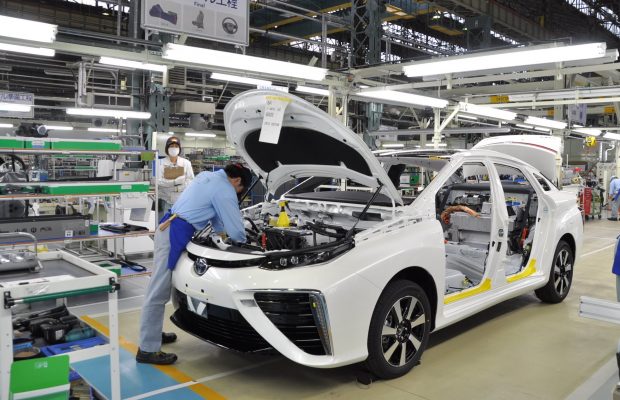
    The global semiconductor chip shortage is not likely to significantly affect the financial profiles of Japan’s Toyota Motor Corp or Honda Motor Co, ratings agency Fitch said in a statement on Wednesday. The automakers have enough financial flexibility to absorb more costs and maintain significant rating headroom, even if the shortage persists till the second half of 2021, according to the statement. 

    The automobile industry has been grappling with a shortfall in chip supply since the end of last year, driven by coronavirus lockdowns in Southeast Asia and bulk-buying by U.S. sanctions-hit Chinese tech giant Huawei Technologies, among other reasons.

    The shortage prompted top U.S. automaker General Motor to extend production cuts at three North American plants last week, while Honda Motor and Nissan Motor were set to sell a combined 250,000 fewer cars in the current financial year.

    Toyota and Honda have enough financial flexibility to absorb more costs and maintain significant rating headroom

    Meanwhile, Toyota shrugged off the issue in its quarterly report last week and said it has up to a four-month stockpile of chips, with no immediate hit to production expected.

    “We believe the shortage should ease or even be resolved in the second half of 2021 as suppliers boost production for automotive clients,” Fitch said.

    Top economic and national security officials in the White House have launched a new effort to help the U.S. auto industry fight the chip shortage, a White House official said on Thursday.

    The issue could impact nearly 1 million units of global light vehicle production in the first quarter, according to data firm IHS Markit.

  • HSBC Singapore CEO to Depart for New Role

    HSBC Singapore CEO to Depart for New Role

    He will be taking on a new role at the Saudi British Bank (SABB) – 31-percent owned by HSBC – from April 4.

    HSBC Singapore will be naming a new chief executive to succeed Tony Cripps, who will be managing director-designate and board member of SABB, the bank said in an internal memo signed by deputy chairman and chief executive Peter Wong.

    Cripps was appointed HSBC Singapore CEO in 2017. He was previously chief executive of HSBC Australia, chief executive of HSBC in the Philippines, and held leadership positions in HSBC’s Global Banking and Markets business in London and Hong Kong.

    Wong said that under Cripps’ leadership, HSBC made key people hires, strategic technology upgrades and proposition enhancement, which resulted in strong underlying revenue growth for the franchise and its wider Asean business.

    He added that HSBC will build on the «clear and focused strategy» Cripps developed, as the bank aims to increase its capability and presence across the region.a

  • Singapore’s Shopee to Launch Digital Bank in Indonesia

    Singapore’s Shopee to Launch Digital Bank in Indonesia

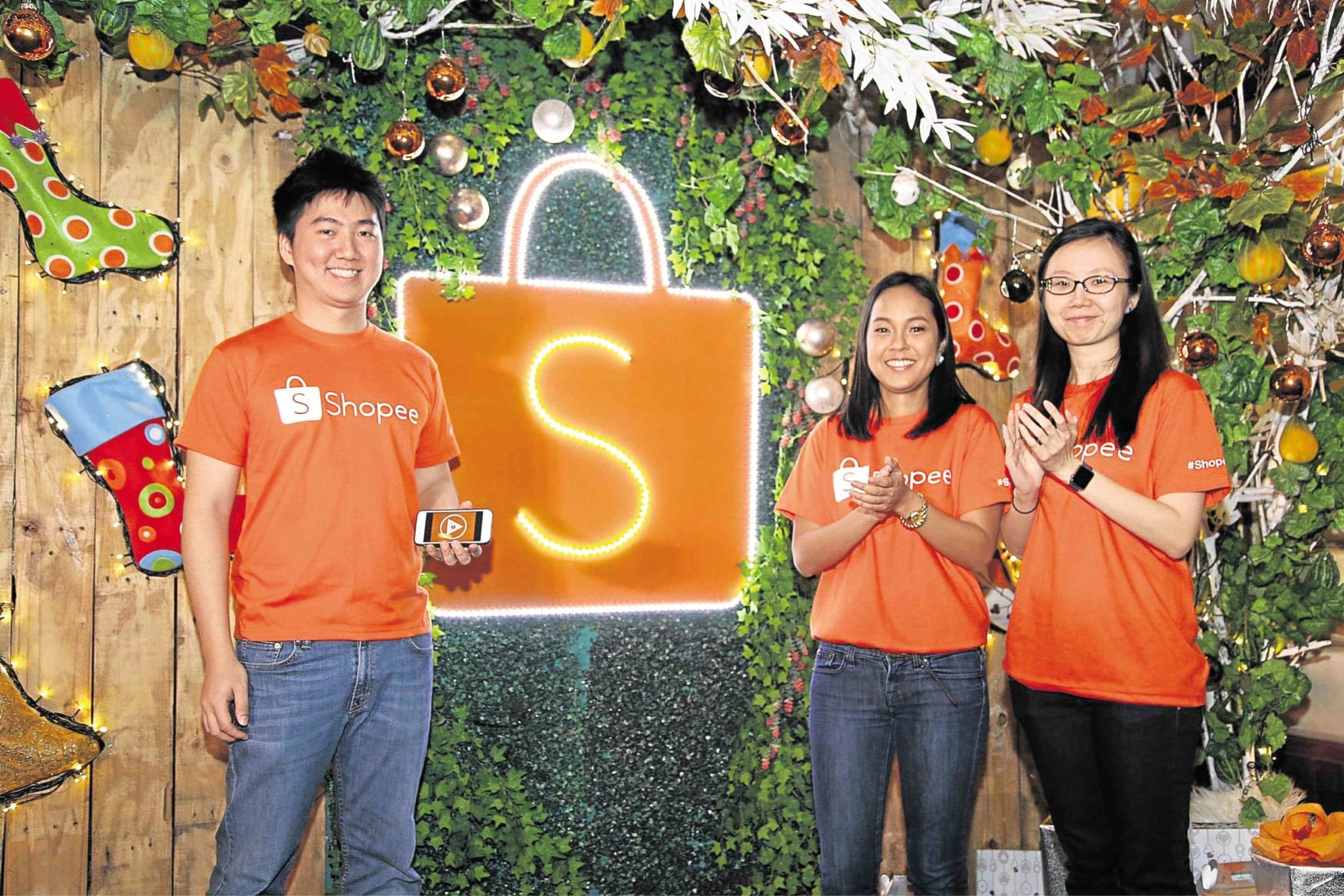
    Shopee, the e-commerce arm of Singapore’s Sea Group, is planning on transforming Indonesian lender Bank Kesejahteraan Ekonomi (Bank BKE) into a digital bank, according to a «Reuters» report on Thursday.

    An Indonesia’s Financial Services Authority (OJK) official said that Shopee has yet to make an official application with the banking regulators, but is «currently preparing the infrastructure» for the transformation.

    The bank, which began operations in 1992, was acquired by Shopee in January from the Jakarta-based lender’s existing shareholders Danadipa Artha Indonesia and Koin Investama Nusantara through its subsidiary Tubro Cash Hong Kong.

    Indonesia is in the midst of preparing regulations for new digital banks, which is expected to be released in mid-2021. A digital lender like Bank BKE would be expected to prepare 3 trillion rupiah ($213.64 million) in capital, the official said.

    Sea – Southeast Asia’s most valuable startup – raised close to $3 billion in a stock offering in December 2020. The company was also one of two to be awarded a license to operate a full digital bank in Singapore.

  • Royal Enfield Renews Partnership With American Flat Track In 2021

    Royal Enfield Renews Partnership With American Flat Track In 2021

    Royal Enfield North America has announced that the brand has renewed its partnership with Progressive American Flat Track for the 2021 season. Under the partnership, Royal Enfield North America will be an official OEM partner with Progressive American Flat Track (AFT) for 2021, and will return with its fleet of motorcycles to the AFT Fan Zone at select rounds, where fans will be able to see the bikes, and also have access to official MotoAnatomy X Royal Enfield flat track apparel. In the inaugural Progressive AFT campaign in 2020, Royal Enfield came off with an impressive performance, with Johnny Lewis’s dominating AFT Production Twins victory aboard the Royal Enfield Twins FT in October 2020.

    “The partnership between Progressive American Flat Track and Royal Enfield sums up everything that’s good about our sport these days,” said Michael Lock, CEO of Progressive AFT. “This famous and historic brand is re-asserting itself for the modern era and we are delighted to assist in showcasing the brand values, the bikes and the people behind it’s recent success. Royal Enfield will be visible in the Fan Zone, helping to evaluate the track, pioneering a new approach to racing with Build Train Race and, importantly, racing in the fast-growing AFT Production Twins class. We are very grateful for their contribution as we grow the sport.”

    Royal Enfield North America is also poised to further grow its Build Train Race program, which highlights, celebrates, and encourages the involvement of women in flat track racing. In 2021, nine women will build and race their own custom INT 650 Twins at this season’s Chicago Half-Mile (5/29), Port Royal Half-Mile (7/24), New York Short Track (8/14), and Charlotte Half-Mile (10/8).

    “We are excited to further our commitment to the American Flat Track community,” said Bree Poland of Royal Enfield. “Last year was a good experience and we can’t wait to get back out there to showcase the brand. We are incredibly honored that the Build Train Race program has been invited back, showing strong support for bringing more women into the world of motorsports.”

    The 2021 Progressive AFT season kicks off with a Volusia Half-Mile doubleheader event at Volusia Speedway Park on Friday, March 12 and Saturday, March 13, 2021.

  • Google’s Waymo Self Driving Car Unit Starts Robo-Taxis In San Francisco

    Google’s Waymo Self Driving Car Unit Starts Robo-Taxis In San Francisco

    Waymo is the pioneer of self-driving cars, but it has been beaten to the punch by Chinese rivals AutoX and Baidu to deploying robo-taxis. Well, this wasn’t going to stand for long as it has started tests of its robo-taxis in San Francisco.

    Waymo had deployed its ride-sharing service in Phoenix, Arizona earlier in 2020 called Waymo One. For the first time, it had also started testing the service without safety drivers in the area, but now a more full-fledged expansion is happening.

    Experts have predicted that the pandemic is accelerating the adoption of autonomous vehicles for transportation and delivery. Overall, global trust for autonomous vehicles has also grown by leaps and bounds in the last three years as the technology has progressed.

    Waymo has Chrysler Pacifica and Jaguar I-Pace electric SUVs which have driven over 20 billion autonomous miles through computer simulations and 20 million autonomous miles on public roads in 25 cities.

    Now Waymo employees in San Francisco will use the Waymo One app to hail rides. They will be prompted for pick-up and drop-off points before being given an ETA. This is similar to a typical ride-hailing app.

    Till 2019, Waymo had a fleet of 153 cars and 268 safety drivers in San Francisco alone, though its latest fleet size is unknown, though presumably, it has increased. These vehicles were deployed in San Francisco to deliver packages for non-profits after the pandemic induced halt in testing.

    “We’re beginning with a limited number of cars and riders and will scale over time. These rides are being offered with a single-vehicle operator,” a Waymo spokesperson said.

    “The initial program starts this week and will last for several, but we plan to grow it over time. We don’t have any specific timelines to share about when (or where) we’ll be offering a public service. It’s worth bearing in mind this is for early product testing and continuous improvement, and there are many further steps we’d need to go through … before we could deploy a service to the public,” Waymo added in a statement.

    Waymo has a permit from the public utility commission in California that’s part of the procedures to run an autonomous vehicle passenger service pilot. This is separate from the California Department of Motor Vehicles (DMV) under which 66 companies have permits.

    Waymo One currently delivers rides with a network of 600 autonomous cars from Phoenix 24 hours a day, seven days a week. It also has a partnership with LYFT to deploy 10 cars on the Waymo One platform.

    Currently, it is on track to having more than 60,000 Pacifica minivans from Chrysler and 20,000 i-pace electric SUVs from Jaguar. It also has a deal with Daimler for developing self-driving semis.

  • HSBC Investment Strategists Named to Expanded Roles

    HSBC Investment Strategists Named to Expanded Roles

    HSBC makes three new appointments to oversee the overall investment strategy across the newly merged wealth unit.

    The bank appoints Fan Cheuk Wan as Asia chief investment officer (CIO) for private banking and wealth management, according to a statement. In her expanded role, she will oversee investment strategies and themes across all asset classes for the bank’s affluent and super affluent segment, Premier and Jade, respectively, in addition to the private banking segment.

    Fan is a wealth industry veteran and joined HSBC’s private banking arm in 2016. She previously worked with Credit Suisse, ABN AMRO, Cazenove, BNP Paribas and Standard Chartered.

    In addition, the bank has also appointed Patrick Ho as the North Asia CIO and James Cheo as the Southeast Asia CIO for the unit. This is also an expanded role for Ho and Cheo who previously solely served the private bank.

    Ho joined HSBC Private Banking in 2017 and previously worked with Credit Suisse, UBS, Bear Sterns and BNP Paribas. Cheo rejoined in 2019 and previously worked with Barclays.

    The wealth and personal banking division was created in early last year by merging retail banking and wealth management, asset management, insurance and private banking to create a unit with $1.5 trillion in assets as of the third quarter of 2020.

  • Bosch, Microsoft Join Forces To Develop Vehicle Software Platform

    Bosch, Microsoft Join Forces To Develop Vehicle Software Platform

    Bosch will work with Microsoft on a software platform for vehicles, it said on Thursday, as it strives to get a foot in the door to the fast-growing market for electromobility and automated driving technologies. By using cloud technology, the software platform will ensure that vehicles’ control units and computers can get software throughout their lifetime, the German auto supplier said.

    By using cloud technology, the software platform will ensure that vehicles’ control units and computers can get software throughout their lifetime

    The technology is based on Microsoft Azure and includes software modules from Bosch, it said, adding that they plan to use the software platform in-vehicle prototypes by the end of 2021. “We are thus creating the conditions for wireless updates to work just as smoothly and conveniently on vehicles as they do on smartphones,” said Bosch Managing Director Markus Heyn.

    The companies will also cooperate to adapt existing software tools to let automakers and suppliers to simplify and accelerate their own software updates. Last week, German carmaker Volkswagen AG announced similar cooperation with Microsoft to use its cloud computing services to help it streamline its software development efforts for self-driving cars.

  • High band 5G mmWave takes 5G to the next level

    High band 5G mmWave takes 5G to the next level

    As 5G technology becomes increasingly widespread, attention is veering towards high band 5G mmWave spectrum to deliver greater capacity and faster performance levels for data-intensive 5G mobile communications such as video communications, as well as virtual and augmented reality.

    With mobile experiences become more sophisticated, networks are pressured to expand wireless spectrums to support large bandwidths and high data rates for 5G systems to drive technology evolution. For mobile operators, 5G mmWave presents an opportunity to deliver unparalleled performance benefits for fixed wireless, enterprises and industrial applications for a broad set of use cases such as smart factories, supply chain visibility and indoor navigation.

    Even though high band mmWave is not new, it fell short previously owing to challenges such as high propagation losses and sensitivity to blockages by human bodies and buildings. But these issues can be resolved as mmWave combines line-of-sight (LOS) and non-line-of-sight (NLOS) signals with distributed antenna designs and advanced beamformers to expand a network’s coverage.

    While 5G low bands deliver 5G coverage over long distances, 5G high bands or mmWave deliver optimal coverage over short distances, and best complemented with low and mid bands for improved capacity and coverage. The earliest adopter of 5G mmWave is the US, which opted for high band spectrum first in its 5G strategy. This is contrary to most countries, which opted for mid-band spectrums first, before pursuing high band mmWave.

    For mmWave to pick further momentum now, stakeholders such as regulators, mobile operators and vendors must come together. For regulators, it means embracing 5G and freeing up mmWave bands to mobile operators to grow their coverage beyond low- and mid-band spectrums, and hence enable high capacity delivery and enhanced handling of peak rates. By fuelling 5G performance levels, countries that make digital transformation a priority can yield greater economic benefits in the long run. Likewise, vendors must support this evolution by continuing to roll out suitable and even improved mobile devices and customer premises equipment (CPE) that are accessible and affordable.

    According to GSA, about 106 operators in 20 countries and/or territories hold public licenses of 5G networks utilizing mmWave spectrum. Of which, only about 24 operators in 15 countries and/or territories are using mmWave to power deployed 5G networks. In November 2019, World Radiocommunication Conference (WRC-19) identified new frequencies for IMT. While 5G mmWave is more predominant in the US and Europe, Asia Pacific is slowly coming into the picture, with Japan being the earliest adopter, followed by South Korea.

    Other countries such as Singapore and Thailand have just awarded mmWave allocations last year. Of which, Singapore Infocomm Media Development Authority (IMDA) awarded three mobile operators 800 MHz of 26 GHz and 28 GHz mmWave. One of the operators, Singtel, has switched on mmWave in certain areas in the city, with dedicated experiences zones to provide users 3.2 Gbps streamed content powered by 5G mmWave. The mobile operator will also be working with enterprise customers to develop autonomous guided vehicles and mixed reality.

    Meanwhile, Thailand’s National Broadcasting and Telecommunications Commission (NBTC) auctioned 26 GHz to three mobile operators, namely AIS, Dtac and TrueMove H. In the region, Australia is the latest to open applications for auction of 26 GHz and 28 GHz mmWave spectrums. India is very likely to carry out 5G spectrum auctions soon.

    On the other hand, in anticipation of the rise of mmWave in the region, Taiwan-based semiconductor firm MediaTek recently unveiled M80, its first mmWave-capable modem. Launched in the same month, M80 will be in direct competition with Qualcomm’s new Snapdragon 5G modem.

    Also competing in the emerging mmWave space, NEC leverages on its expertise in digital beamforming technology and Massive-MIMO in launching a distributed-MIMO technology that delivers three times the number of simultaneous connections and transmission capacity in the 28 GHz mmWave frequency band – using a large number of distributed antennas rather than in a single tray.

    It also helps that there are new technologies to support a denser and more cost-effective 5G mmWave network to deliver the desired low latency and high speed. Using integrated access and backhaul (IAB), base stations not only provide wireless access for users, but also wirelessly backhaul from nearby base stations using the same mmWave spectrum. This results in improved performance, greater efficiency of spectrum resources and lower costs, thereby allowing operators to expand their mmWave networks readily and more affordably.

    Even though APAC is behind in terms of mmWave adoption, when compared to the US, some countries are quick in catching up. Taiwan, for instance, claims the first spot in launching a smart factory powered by a private 5G mmWave network.

    According to Research and Markets, the global mmWave technology market is predicted to grow from US$1 billion in 2020 to US$3.4 billion by 2025. During this time, APAC is projected to grow at the fastest rate. Clearly, 5G mmWave is an important criterion worldwide, and particularly in APAC as countries grow their network bandwidth and capacity to enable full-fledge 5G services and experiences.

  • US President Joe Biden temporarily lifts ban on TikTok and WeChat

    US President Joe Biden temporarily lifts ban on TikTok and WeChat

    What could come as a big relief to Chinese tech companies banned in the US, newly elected President Joe Biden has temporarily halted legal action against Chinese social media apps TikTok and WeChat, which could have been banned in the United States.

    Outgoing president Donald Trump had sought to ban both apps, claiming they were a national security threat. However, the courts had temporarily blocked the White House’s attempted ban, and the presidential election had put the issue in the back burner.

    Both companies had taken legal action against the proposed bans.

    The new administration has now asked for an “abeyance” – or suspension – of proceedings while it revisits whether the apps really pose a threat.

    What the delay means is that both apps can continue to operate in the US while new staff at government agencies “become familiar with the issues in this case”,  according to the legal documents.

    Trump had claimed that the spread in the US of mobile apps developed and owned by Chinese firms threatened “the national security, foreign policy, and economy of the United States”.

    Messaging app WeChat has more than one billion users worldwide but says the US only accounts for 2% of its revenue. Video sharing app TikTok has about 800 million users worldwide, of which 100 million are in the US.

    The app’s owner, ByteDance, has been in talks with software company Oracle and supermarket giant Walmart to finalize a deal that would see TikTok’s US assets shifted into a new entity, to avoid a ban in the country.

    An earlier court filing had said the US Commerce Department was reviewing whether Trump’s claims about TikTok’s threat to national security justified the attempts to ban it from smartphone app stores and deny it vital technical services.

    The US Commerce Department had blacklisted over 70 Chinese tech companies, preventing them from buying US-made chips and components. The companies including Chinese telecom giant Huawei, were added to the United States’ “entity list”  due to national security concerns.

  • IntSights grows APAC footprint with Pacific Tech partnership

    IntSights grows APAC footprint with Pacific Tech partnership

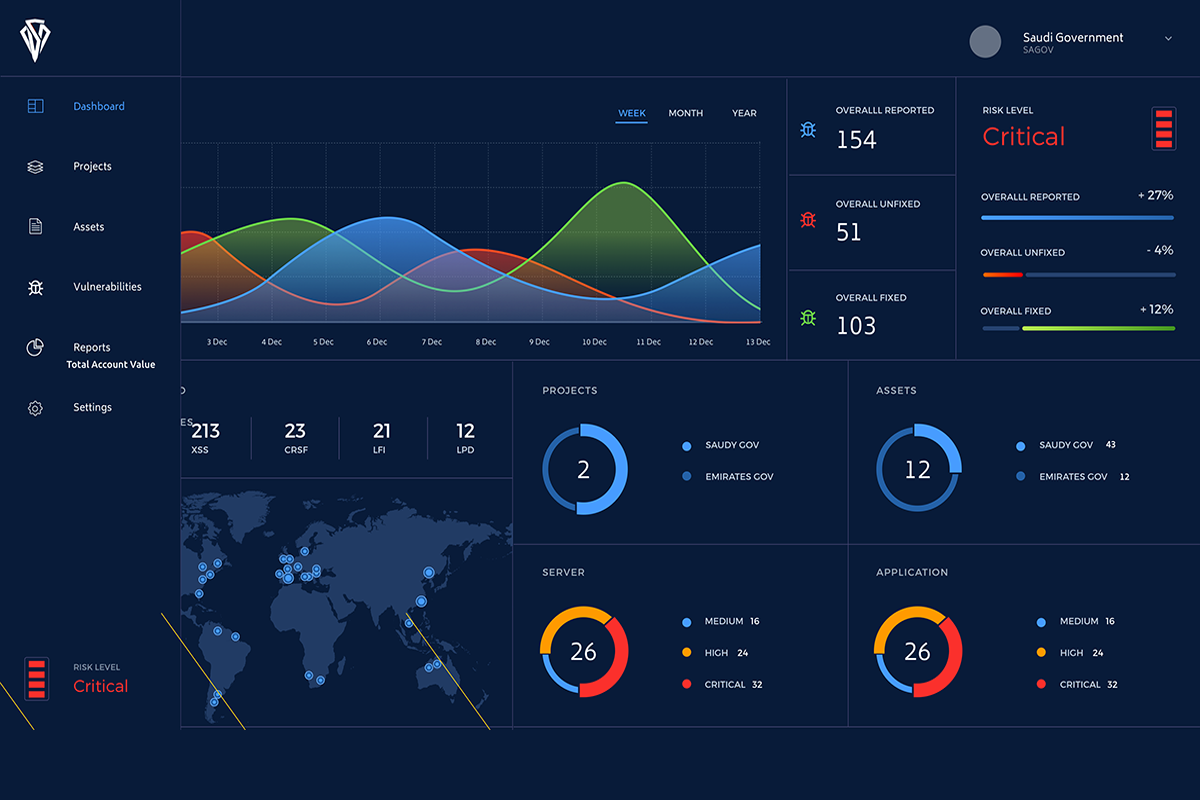
    IntSights, the threat intelligence company focused on democratizing threat intelligence, announced the appointment of Pacific Tech as its regional distributor in Singapore, Malaysia, and Thailand. The collaboration further strengthens IntSights’ network in the region to meet the fast-growing demand for threat intelligence as enterprises look to gain greater visibility and control over threats outside the wire.

    IntSights offers unique cyber reconnaissance capabilities and patented data-mining algorithms that give customers the deepest and most actionable intelligence on the market. The IntSights platform has the ability to discover, analyze, and mitigate external threats across PaaS, SaaS, and IaaS, which is critical in the remote work scenario. The new partnership with Pacific Tech aligns with IntSights global growth initiatives and affirms the company’s commitment to the region.

    Pacific Tech is an award-winning value-added distributor with more than a decade of experience in providing cybersecurity, data protection, managed security services, and IOT security solutions to customers in APAC. Pacific Tech will be distributing the full range of IntSights products, services, and solutions to the system integrator and value-added reseller channel communities; as well as end clients from target verticals including e-commerce, energy, financial services, government, healthcare, and retail.

    “We are delighted to work with IntSights as we continue to deliver value-added solutions to our partners and customers,” said Andy Woo, Regional Director, Pacific Tech. “With our regional business-coverage, especially in ASEAN, we are well-positioned to bring IntSights best-in-class solutions to enterprises in the region. IntSights has taken the complexity out of threat intelligence, and the broad accessibility to IntSights solutions will address today’s organizations’ need for effective cyber intelligence solutions.”

    “Amidst the challenging environment, IntSights continued to grow at more than 60 percent YoY in 2020 with a record fourth quarter. Asia Pacific has been one of the focus regions for growth, and we are increasing our investments in engineering, product management, sales, and marketing in the region,” said Michael Tan, Regional Director of APJ, IntSights.

    IntSights has adopted a channel-driven GTM and is being distributed by some of the biggest, most influential partners in the world. We see synergy and opportunities through our partnership with Pacific Tech as we continue our growth momentum. It is an opportune time to extend the alliance ecosystem to scale our capabilities to aid enterprises of any size to counter cyber threats today.”

  • Tata Communications partners Google Cloud India for public cloud services

    Tata Communications partners Google Cloud India for public cloud services

    Tata Communications, a global digital ecosystem enabler, announced its partnership with Google Cloud to drive cloud adoption and transform Indian businesses. With this partnership, Tata Communications has further expanded its managed public cloud services portfolio to include capabilities for Google Cloud.

    The partnership between Tata Communications and Google Cloud India will enable organizations to deploy and access Google Cloud services through Tata Communications’ IZO™ Managed Cloud while providing them ease-of-use coupled with end-to-end services, including cloud architecture planning, workload migration and ongoing operational support.

    As a Google Cloud India Partner, Tata Communications will support organizations with services across infrastructure modernization, data center transformation, application modernization, smart analytics, multi-cloud deployments and more.

    Tata Communications IZO™ Managed Cloud provides the right expertise, infrastructure, and support services to drive business growth and improve performance. Tata Communications’ IZO™ Cloud Command portal offers a single-pane-of-glass orchestration tool that integrates different enterprise IT environments into a single dashboard and simplifies the management and orchestration of the IT estate, offering a unified cloud experience. It provides a comprehensive view of IT resource utilization (across on-premise, private, Google Cloud), thus enabling greater control for the customer, resulting in cost efficiencies and improved productivity.

    With the current global scenario, there is wider recognition for business resilience and agility that cloud enables; most businesses are now beginning to explore a cloud-first model. DevOps, a set of practices that combine software development and IT operations, has become an important requirement for enterprises. To make applications future-ready, businesses are modernizing them by leveraging Containers and Kubernetes (an open-source platform for container orchestration), as they offer businesses the scalability and portability they need to be agile and build a competitive edge, enabling self-service provisioning and capacity-on-demand with ease.

    Tata Communications’ services can manage Kubernetes on Google Cloud platform that can enable application modernization seamlessly, which is an essential need as enterprises graduate in the hybrid multi-cloud environments.

    According to an IDC survey, more than 60 percent of Indian organizations plan to leverage cloud platforms for digital innovation, as they re-strategize their IT spending plans. Tata Communications and Google Cloud India together have market-leading capabilities across a spectrum of services for customers looking to reframe their business blueprint.

    “The current demands on enterprises to manage and optimize their cloud solutions has never been more important, especially in the wake of COVID-19 and our increasing reliance on cloud infrastructure,” says Rajesh Awasthi, Global Head of Cloud and Managed Hosting Services at Tata Communications. “As organizations migrate to Google Cloud, they need a partner that will support them across their entire IT ecosystem and deliver a unified cloud management platform that offers greater transparency, control and security of their data and applications.”

    “The true test of 2021 will be how organizations adopt a cloud-first approach. Through our partnership with Tata Communications, we will be able to provide our customers with a unified, end-to-end experience that will remove the complexity in cloud management and help them transform at speed and scale”, said Amitabh Jacob, Head of Partners and Alliances at Google Cloud India.

  • Huawei and China Mobile deploy world’s first 4.9 Ghz 5G indoor network with peak rate exceeding 3Gbps

    Huawei and China Mobile deploy world’s first 4.9 Ghz 5G indoor network with peak rate exceeding 3Gbps

    Huawei and China Mobile Shanghai deployed the world’s first 4.9 GHz commercial LampSite network in Shanghai, China. This is the first time that an aggregate bandwidth of 200 MHz on the 2.6 and 4.9 GHz bands and distributed Massive MIMO have been simultaneously implemented in digital indoor networks. With the peak rate exceeding 3 Gbps, the performance is comparable to that of an active antenna unit (AAU), satisfying the network requirements to provide premium service experience at large stadiums where the traffic demand and user density are high.

    This deployment was completed at the Shanghai New International Expo Center (SNIEC) where Mobile World Congress (MWC) Shanghai, an annual telecom industry event, is hosted. In 2019, nearly 60,000 people attended this event. The latest 4.9 GHz LampSite units supporting a bandwidth of 100 MHz were adopted to work together with the incumbent 2.6 GHz band to ensure a bandwidth of 200 MHz through carrier aggregation. This enhances the coverage of indoor networks at capacity-demanding indoor hotspots, including stadiums, airports, and railway stations, to deliver premium experience to mobile users.

    China Mobile Shanghai has been a leading telecom carrier in developing 5G networks. To date, it has constructed more than 13,000 5G sites, basically achieving continuous coverage in the city.

    This telecom carrier boasts leading networks and evident technological advantages. It has been working with Huawei to explore innovative solutions to guarantee mobile excellent user experience in various scenarios. 4.9 GHz is an ideal option for telecom carriers to enhance coverage in indoor hotspots, ensuring premium indoor experience for toC services. This band is also important to ensure 5G coverage in high-quality toB applications.

    China Mobile Shanghai will continue to work with Huawei to accelerate the deployment of 5G sites to deliver the continuous coverage required to ensure premium service experience across the city. It will also continue to promote the collaboration of the telecom industry with other industries, such as finance, shipping, and trade to cement Shanghai’s leadership in applying 5G to vertical industries by leveraging their respective leading advantages.