Author: Mei Ling Tan

  • Amazon tries to block Future’s retail asset sale, seeks CEO’s detention-filing

    Amazon tries to block Future’s retail asset sale, seeks CEO’s detention-filing

    Amazon.com Inc has requested an Indian court to block partner Future Group’s $3.4 billion deal to sell its retail assets and called for the Indian group’s CEO to be detained, a court filing seen by Reuters showed.

    In the U.S. giant’s latest effort to derail Future’s asset sale to Reliance Industries, it asked the High Court in New Delhi to enforce the decision of a Singapore arbitrator, which Amazon and Future had agreed to use in case of disputes, the filing showed.

    In October, the arbitrator issued an interim order saying Future’s deal with Reliance should be put on hold.

    Future has “deliberately” disobeyed the arbitrator’s order without challenging it, Amazon argued in its court filing, which is likely to be heard by the court in New Delhi later this week.

    Any violation of the arbitrator order invites the “same consequences” as a violation of an Indian court order would, Amazon argued, urging the court to also detain Future Group CEO Kishore Biyani, and some other respondents in the case, in a civil prison.

    Future, in a statement to India’s BSE and NSE stock exchanges, said it had been informed by Amazon lawyers about the court filing, and that it would defend the case.

    Future and a spokesman for Biyani, as well as Reliance, did not respond to Reuters’ requests for comment. Amazon declined to comment.

    Amazon has also asked the court to attach assets of Biyani to the case so they can’t be disposed of. Biyani is often dubbed India’s retail king for transforming the country’s retailing in recent decades.

    Amazon argues Future breached some pre-existing clauses by entering into a deal with Reliance, but the Indian group has maintained the arbitrator’s order is not binding and needs to be ratified by an Indian court.

    The U.S. group’s latest court move comes after Indian stock exchanges last week gave the go-ahead to the Future deal, after communicating with India’s markets regulator, the Securities and Exchange Board of India (SEBI).

    The Amazon filing also argued that Future should not rely on any regulatory approval it has received, in light of the arbitrator’s injunction.

    The dispute centers around Future’s decision in August to sell its retail, wholesale, logistics, and some other businesses to Reliance for $3.38 billion, including debt.

    Amazon argues that a 2019 deal it had with a Future unit had clauses saying the Indian group couldn’t sell its retail assets to anyone on a “restricted persons” list including Reliance.

    The outcome of the dispute embroiling Future, Reliance, and Amazon is seen shaping India’s retail landscape, especially in deciding who will occupy the top spot in the grocery market which could be worth around $740 billion a year by 2024, according to a forecast by Forrester Research.
  • The Vitamin Shoppe to launches stores in Vietnam

    The Vitamin Shoppe to launches stores in Vietnam

    The Vitamin Shoppe, an omnichannel specialty retailer of nutritional products, today announced a partnership agreement with Kim Lien Group for the
    Vietnam market. Under the country license agreement, Hanoi-based Kim Lien Group will open and operate The Vitamin Shoppe stores in Vietnam, as well as launch wholesale distribution of The Vitamin Shoppe family of proprietary brands in Vietnam.

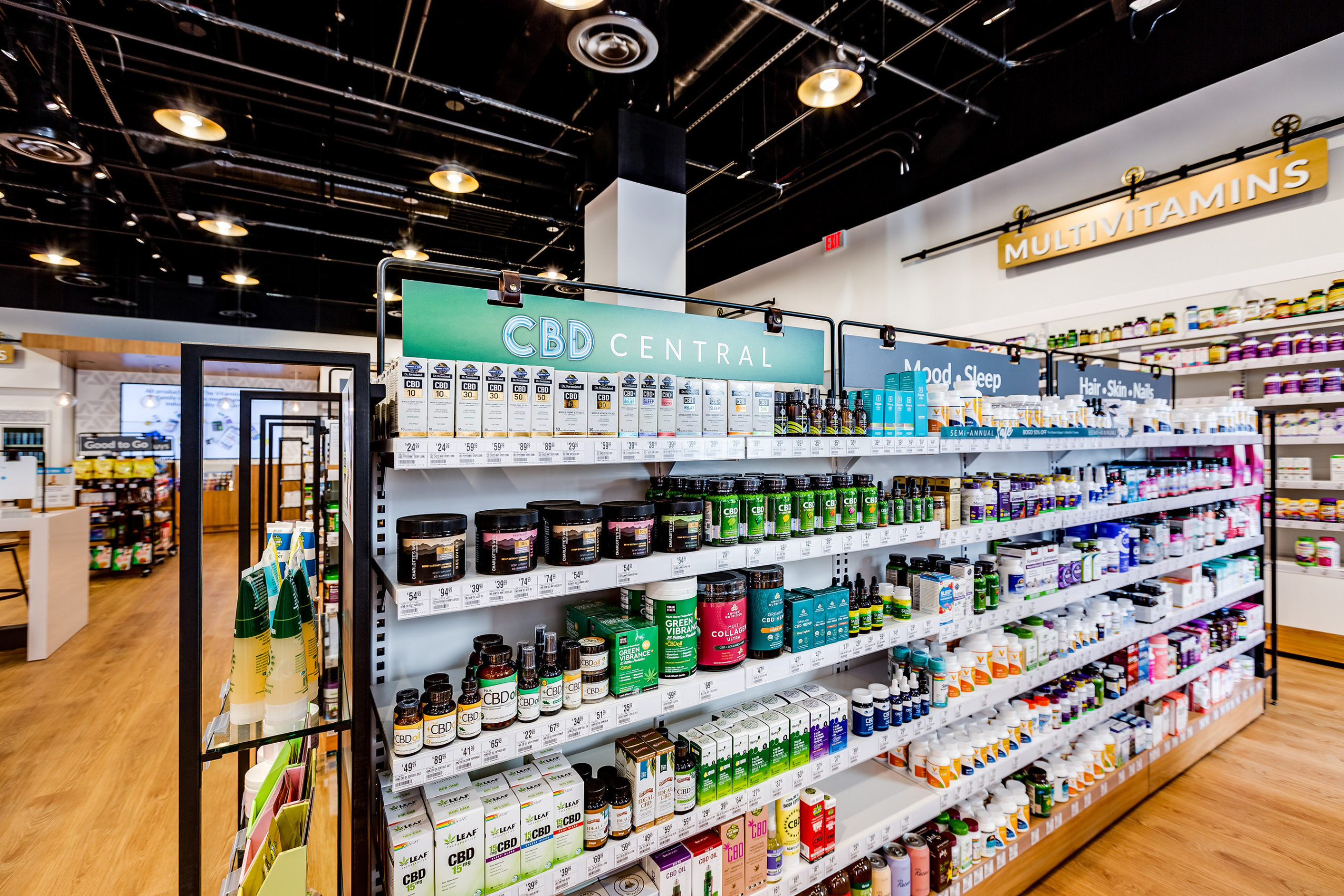
    The first store under the partnership agreement opened this month in Hanoi. The bi-level, 140 square-meter (1,500 square feet) store is located at 58B Ba Trieu Street in the Hoan Kiem district. The store offers a wide assortment of vitamins, supplements, sports nutrition, and other health and wellness products under The Vitamin Shoppe’s proprietary brands, which include The Vitamin Shoppe, Vthrive The Vitamin Shoppe, BodyTech, BodyTech Elite, fitfactor Weight Management System, fitfactor KETO, plnt, ProBioCare, and True Athlete.

    Kim Lien Group will open a second Hanoi location of The Vitamin Shoppe later this month at 49 Phuong Mai Street in the Dong Da district, with additional stores to be announced. A wholesale distribution strategy for the various The Vitamin Shoppe brands will launch in the coming months, with a focus on pharmacies, gyms, and spas throughout Vietnam.

    This agreement marks the first country license agreement in Asia for The Vitamin Shoppe. The company currently operates country license agreements in Panama (8 stores), Guatemala (10 stores), and Paraguay (3 stores).

    Sharon Leite, CEO of The Vitamin Shoppe, commented: “We are excited to bring our industry-leading expertise and innovation to the Vietnam market, where we see strong interest in our products and increasing demand for high-quality health and wellness brands. Our partners at Kim Lien Group have an exceptional understanding of the Vietnam market and the knowledge and experience to make The Vitamin Shoppe a trusted destination for wellness solutions in Vietnam, as it is throughout the United States. We continue to see additional opportunities with international partners and plan to expand The Vitamin Shoppe into new growth markets.”

    Founded in 1994, Kim Lien Group operates a group of automotive, restaurant, and hotel businesses in Vietnam, including 16 auto dealerships across the Honda, Nissan, Mitsubishi, and MG brands.

    Mr. Anh Hoang, Vice Chairman of Kim Lien Group, will manage The Vitamin Shoppe business in Vietnam. He commented: “This partnership journey started when I visited one of The Vitamin Shoppe stores in Boston to find health solutions for my mother, Madame Lien, Chairwoman of Kim Lien Group. I was impressed with the customer experience, the knowledge of the Health Enthusiasts, and the product assortment in the store.

    Since then, Kim Lien Group realized that the Vietnam market could benefit tremendously from the products and services of The Vitamin Shoppe. During this time, Vietnam was having serious issues with fake supplements from unknown sources distributed here. We wanted to end that fear and bring a trusted, high-quality brand from the United States to Vietnam so that consumers can confidently shop for health and wellness supplements here.”

    Kim Lien Group expects key product categories in Vietnam to include vitamins, probiotics and digestion, healthy aging, herbs, omegas, antioxidants, collagen, bone, and children’s health. Each of The Vitamin Shoppe’s proprietary brands is put through 320 rigorous quality assurance steps, and ingredient purity and potency are verified by independent, third-party labs. Consumers can feel confident that all products from The Vitamin Shoppe family of brands meet or exceed industry quality standards.

  • L’Occitane files for bankruptcy in US

    L’Occitane files for bankruptcy in US

    L’Occitane U.S. filed Chapter 11 bankruptcy protection in New Jersey on Tuesday, seeking to close stores. The business cited declines in brick-and-mortar sales and the ongoing coronavirus pandemic as the reasons for the filing.

    “Like most retailers in the United States, the debtor has been impacted by the COVID-19 pandemic, which has significantly limited retail operations throughout the country and suppressed consumer willingness to shop in person,” L’Occitane regional managing director Yann Tanini wrote in a declaration for the court.

    “Even prior to the pandemic, the debtor was experiencing a decline in sales revenue from its brick-and-mortar boutiques, while its e-commerce revenue has dramatically increased,” Tanini said in court papers.

    L’Occitane had already starting downsizing its real estate footprint but wants to further reduce lease obligations due to the pandemic, the company said in court papers. The company hired Hilco Real Estate as a consultant to negotiate with landlords, but they have been reluctant, which prompted the bankruptcy filing. L’Occitane intends to reject 23 leases and “right-size its brick-and-mortar footprint,” it said.

    The company is the U.S. subsidiary of L’Occitane Groupe SA which is publicly listed in Hong Kong and also owns Erborian, LimeLife, and Elemis. U.S. operations account for about 9.1 percent of total company sales, the company said in court papers.

    The U.S. operations have 166 stores in 36 states and Puerto Rico, mostly in regional malls. Net sales have declined during COVID-19, the company said. Between April and December 2020, net sales dipped 21 percent year-over-year to $111 million. Brick-and-mortar sales made up 34 percent of that total, while e-commerce sales skyrocketed.

    L’Occitane has about 1,051 U.S. employees and furloughed and laid off certain workers during the pandemic. The company said that of 325 furloughed employees, 165 have come back, and 40 have been let go.

    The company has $161 million in assets and almost $162 million in liabilities, per court papers. L’Occitane U.S.’s biggest unsecured creditor is its parent company, which is owed $26 million related to loans and $4.5 million related to inventory.

  • Robinsons Retail chief to head Ace Hardware international arm

    Robinsons Retail chief to head Ace Hardware international arm

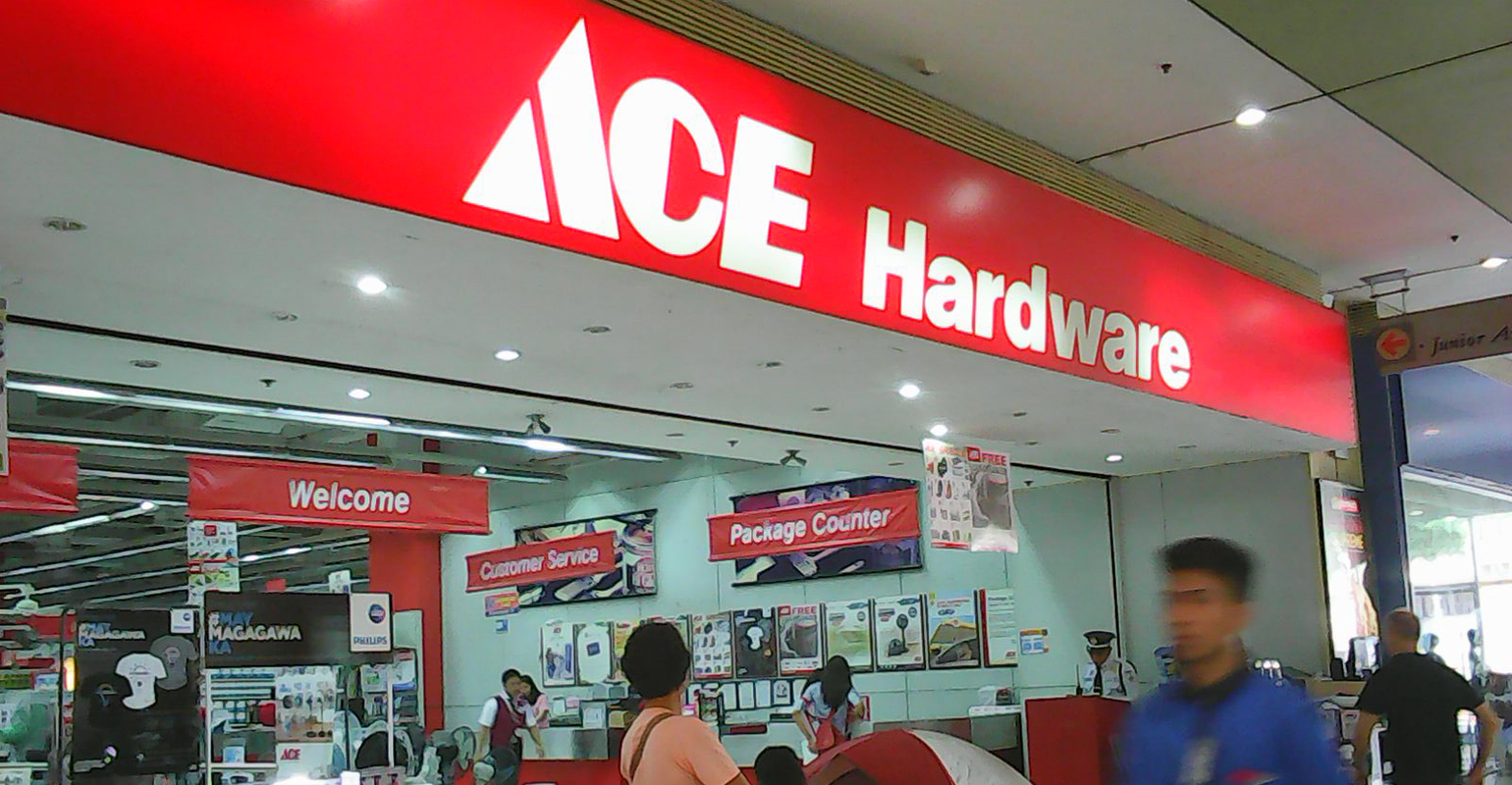
    Ace Hardware Corporation, the world’s largest retailer-owned hardware cooperative, announced today that Jay Heubner, President and General Manager of Ace International will retire March 1, 2021 after 38 years with the company.

    Heubner joined Ace Hardware in 1983 in the IT department and quickly rose up through the organization to become a director. In 2004, he took a position on Ace’s Technology Value Team within Retail Operations and was then tapped in 2007 to help lead a special retail project. In his next role, Heubner lead Operations Development and Retail Training until he was promoted in 2015 to the position of President and General Manager of Ace International, a subsidiary of Ace Hardware.

    “Jay is one of the most effective, highest character, servant-hearted leaders I know,” said John Venhuizen, President and CEO of Ace Hardware. “His wise, encouraging influence has had a significant impact on the business and made Ace a better place. I am grateful for Jay’s contributions and wish him and his family all the best as they embark on this exciting new chapter.”

    Over the coming weeks, Heubner will focus on ensuring a smooth leadership transition for Ace International.

    Effective April 5, David Goh will assume the role of President and General Manager of Ace International. Goh is currently managing director of Philippine-based retail chains Ministop convenience store, Southstar Drug and TGP (The Generics Pharmacy), which are subsidiaries of Robinsons Retail Holdings, Inc.

    Prior to this role, Goh held several leadership positions across various industries including a Vice President position at Singapore Airlines, CEO of 7-Eleven Singapore and CEO of Cold Storage, a grocery chain throughout Singapore.

    “David has a remarkable track record of success in growing businesses and transforming the customer experience,” said Venhuizen.

    Goh and his family will be relocating from the Philippines to Singapore to be closer to Ace International’s highest growth regions.

  • Indian investment in Vietnam yet to match potential

    Indian investment in Vietnam yet to match potential

    Indian foreign direct investment in Vietnam is relatively modest because of the lack of trade promotion activities, says a deputy minister of planning and investment.

    “Bilateral trade and investment relationship has seen many positive results in recent times but is still not commensurate with the potentials of both countries,” said Tran Duy Dong said at a recent forum.

    India ranked 26th in foreign direct investment in Vietnam with 296 projects and a combined registered capital of around $900 million last year, compared to Thailand (9th) and Malaysia (8th), according to official figures.

    One of the reasons for this is the lack of information sharing via trade promotion activities between the two countries, Dong said, adding that more offline and online trade activities should be organized.

    Pranay Verma, Indian Ambassador to Vietnam, said his country, with a population of 1.4 billion, is a large and potential market for Vietnamese companies to invest in.

    In recent years, direct flights between the largest cities of the two countries have been opened and this will serve to boost trade, he said.

    Don Lam, deputy head of Vietnam’s Private Economic Development Research Board, said that the two countries are seeing positive figures in trade relations with Vietnam’s imports from India rising 65 percent between 2017 and 2020 to reach $4.5 billion.

    Vietnam’s exports to India in the period surged nearly three times to $6.7 billion, he said.

    Many Indian companies are looking at Vietnam as an attractive investment destination and a hub for transferring goods to Southeast Asian countries, he added.

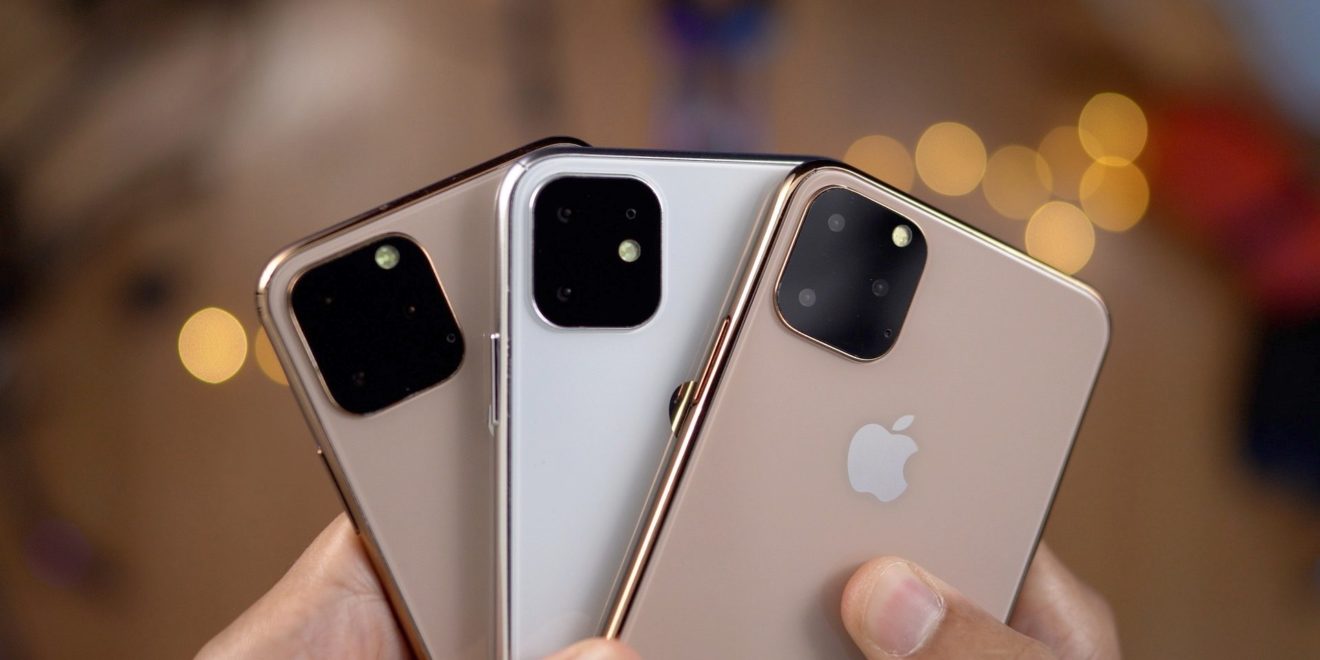
  • Time to update your Apple iPhone, iPad, and Apple Watch

    Time to update your Apple iPhone, iPad, and Apple Watch

    Apple today released several updates including iOS 14.4, iPadOS 14.4, and watchOS 7.3. With the iPhone and iPad updates, the “Find My” app adds a feature called “Find My Items.” This allows users to find misplaced accessories made by third-party manufacturers who build this capability into their products. The only compatible device available at the moment is Belkin’s SoundForm Freedom true wireless earbuds.

    In addition, the update allows smaller QR codes to be read by the iPhone’s camera, the ability to put Bluetooth connections into categories and headphone type in order to prevent eardrums from getting blown out with audio notifications and delivers a notification when the camera on your iPhone 12 series model cannot be verified as a genuine Apple camera. It also uses the U1 chip in the iPhone 11 series and iPhone 12 series to determine the distance between your iPhone and HomePod mini to allow an improved transfer of music between devices.

    The update also exterminates several bugs including one that allowed image artifacts to appear on photos snapped with an iPhone 12 Pro model using HDR. Another bug fixed by the update prevented the Fitness+ widget from including updated Activity data. One issue that the new iOS 14.4 update solves is one in which the keyboard would appear with the wrong language in the Messages app. A pair of bugs that prevented word suggestions from appearing on the keyboard and delayed the results of typing on the keyboard are both gone after the installation of iOS 14.4.

    The latest iOS build also eliminates an issue that prevented phone calls from being answered on the Lock Screen when Switch Control in Accessibility was enabled. And lastly, iOS 14.4 gets rid of a bug that did not allow stories from CarPlay’s News app to resume after being placed on pause to hear spoken directions or a response from Siri. The update is available to compatible iPhone and iPad models and can be received by going to Settings > General > Software Update. It weighs in at 344.3MB.

    Apple also pointed out that the iOS and iPadOS updates include security patches that eliminated three zero-day security flaws. Apple believes that these flaws might have been exploited in the wild. A Kernel flaw might have allowed attackers to give permission for the affected phone to run certain apps. A WebKit flaw could have allowed the hackers to make an iPhone do just about anything. The watchOS update rid the device of a security flaw that could have elevated privileges on a unit under attack.

    Apple also released watchOS 7.3 today which includes a new Unity watch face based on the colors of the Pan-African flag (Black, Red, Green, and the Pan-African colors which includes the prior three hues and yellow). The shapes of the colors change throughout the day as you move thus creating a unique look. Apple Fitness+ subscribers will receive the “Time to Walk” feature that plays inspirational audio in the Workout app as you walk. The electrocardiogram (ECG) monitor that checks for abnormal heart rhythms on the Apple Watch Series 4 and later is good to go in Japan, Mayotte, Philippines, Taiwan, and Thailand following the update. Those with abnormal readings in those countries will receive a notification. And a bug that makes the Control Center and Notification Center unresponsive when Zoom is enabled will be exterminated.

    To update your Apple Watch, open the Apple Watch app on your iPhone and tap on My Watch > General > Software Update and Install. The timepiece needs to be on the charger for the update to take place and the watch needs to be in the range of your iPhone connected to a Wi-Fi signal.

  • Thriving Louis Vuitton offsets drop in sales at luxury group LVMH

    Thriving Louis Vuitton offsets drop in sales at luxury group LVMH

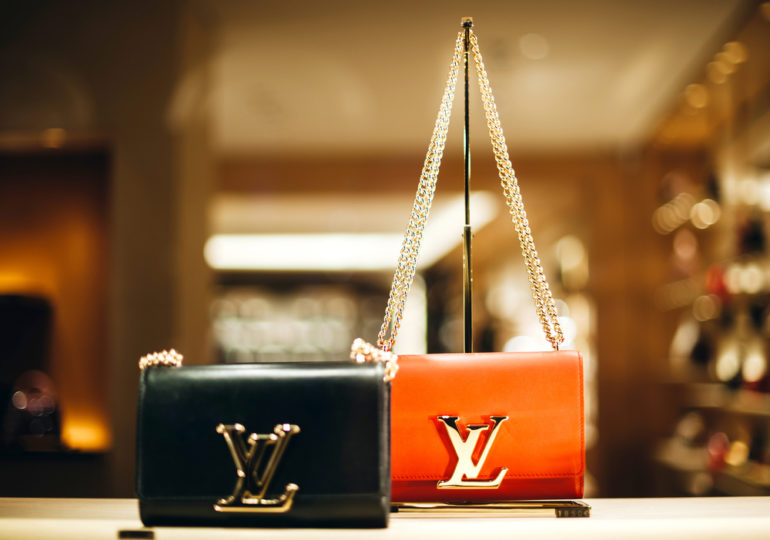
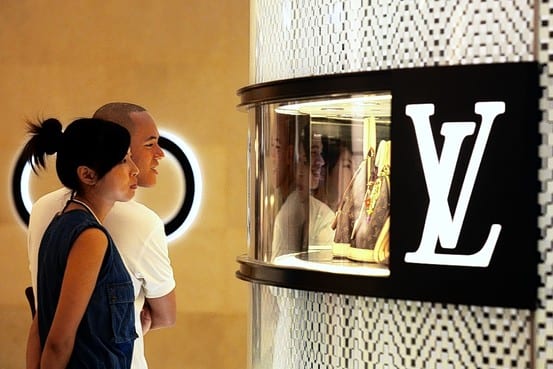
    Booming sales at LVMH’s fashion brands like Louis Vuitton, particularly in China, helped to cushion the impact of the coronavirus pandemic, which has crimped revenues at the French luxury group.

    LVMH, which closed a $15.8 billion acquisition of U.S. jeweler Tiffany in the middle of the pandemic, has like rivals taken a hit as governments the world over forced retailers to close shops during lockdowns.

    Declining international travel has also deprived luxury goods companies of tourist revenues.

    But an improving backdrop in China, one of the world’s biggest markets for luxury fashions and which had eased COVID-19 measures by the second half of 2020, has helped some companies to rebound.

    LVMH’s fashion and leather goods business, home to Vuitton handbags and other brands like Christian Dior, performed better than analysts expected in the fourth quarter, with sales rising 18% year-on-year on a comparable basis. Louis Vuitton is the group’s biggest revenue driver.

    That was an improvement on the third quarter, when like-for-like sales, which strips out acquisitions and currency effects, were already up 12%.

    “The strong beat should get LVMH’s share price home and dry,” Berstein analyst Luca Solca said in a note.

    LVMH Financial Chief Jean-Jacques Guiony told a conference call that new product launches planned before the pandemic – like a Vuitton handbag named after the Pont Neuf bridge in Paris – had helped the brand.

    LVMH – which is setting the tone for luxury rivals such as Gucci-owned Kering with its earnings – has also kept up with marketing spending while some smaller peers have cut back, and holding catwalk shows in cities such as Shanghai despite the crisis had helped, Guiony said.

    “Louis Vuitton and Dior were taking the bulk of customers’ attention when nobody was talking,” he added.

    LVMH’s billionaire boss Bernard Arnault said in a statement that the group was well placed to build on a market recovery.

    Guiony said the company had no visibility, however, on the outlook for China, at a time when new restrictions to fight a resurgence of COVID-19 cases risk overshadowing Chinese New Year festivities in mid-February, usually a major shopping highlight.

    LVMH also owns spirits brands, like Hennessy cognac, and operates airport duty-free shops, which have struggled.

    The French company went ahead with its Tiffany deal during the pandemic but ended up renegotiating the price tag slightly downwards. LVMH is now betting on growing its clout in jewelry, a resilient area of the luxury goods business.

    LVMH overall group sales for the October to December period came in at 14.3 billion euros, in line with forecasts.

    For 2020 as a whole, LVMH’s revenues reached 44.65 billion euros, falling 16% from a year earlier on a like-for-like basis.

    LVMH’s net profit reached 4.7 billion euros ($5.71 billion), down 34% on a year earlier, while profits from recurring operations – or earnings before interest and tax – fell 28% but vastly exceeded analyst forecasts.

    The group said it would propose a dividend payout against 2020 results of 6 euros per share, including a 2 euros per share interim dividend paid in December.

    It had cut its dividend last year to 4.80 euros during the COVID-19 crisis.

  • Apple doubles iPhone sales in India during the calendar fourth quarter

    Apple doubles iPhone sales in India during the calendar fourth quarter

    With Apple set to report its fiscal 2021 first-quarter earnings report tomorrow (check-in around 5 pm ET), it looks as though things are off to a good start. According to research firms Counterpoint and CyberMedia, Apple delivered over 1.5 million iPhone units in India during the fourth calendar quarter (from October through December). This was a 100% improvement on a year-over-year basis.

    The increase doubled the iPhone’s market share in the world’s second-largest market for smartphones to 4%. Despite its ranking behind only China, India is a developing country where the average person earns an annual salary of $2,000 USD; this means that consumers are looking for value and explains why Xiaomi has been doing so well in the country with its value for money strategy.

    Apple saw higher sales in India during the quarter for its 2019 iPhone 11, 2018 iPhone XR, this year’s 5G iPhone 12, and the “more-affordable” iPhone SE (2020). For all of last year, iPhone sales in India rose 60% year-over-year to 3.2 million units. Apple has been beefing up its operation in the country and has started manufacturing newer models in India. It also opened its online Apple Store and is offering AppleCare+ to Indian Apple device buyers. It also used some attractive promotions to jump-start iPhone sales with a free pair of AirPods wireless Bluetooth earbuds to those purchasing an iPhone 11. It hopes to open India’s first physical Apple Store later this year.

    The iPhone models that Apple makes in India are not impacted price-wise by an import tax. But models that are assembled in other countries have the tax added to the price of the device making the price prohibitive for the average Indian consumer. For example, the starting price of the iPhone 12 Pro Max in the U.S. is $1,099 compared to the equivalent of $1,781 in India. The $249 AirPods Pro is $341 in the country while the AirPods Max cost an Indian consumer $815 compared to the $549 price tag in the states. Surprisingly, some prices have been adjusted downward.

    For example, Apple Music costs $9.99 per month in the states but is only $1.35 monthly in India. The Apple One bundle including Apple Music, Apple TV+, Apple Arcade and 50GB of iCloud, costs the equivalent of $2.65 a month in India compared to $14.95 monthly in the U.S.

    Jayanth Kolla, chief analyst at Convergence Catalyst, told TechCrunch, “Unlike most foreign firms that offer their products and services for free in India or at some of the world’s cheapest prices, Apple has focused entirely on a small fraction of the population that can afford to pay big bucks.

  • Starbucks global sales fall despite Chinese boost

    Starbucks global sales fall despite Chinese boost

    Starbucks Corp. slumped in late trading on Tuesday after reporting a sales decline that was deeper than expected and the departure of Chief Operating Officer Roz Brewer.

    Global same-store sales, a key gauge of restaurant success, fell 5% in the fiscal first quarter. That’s worse than the estimated decline of 4.2% compiled by Consensus Metrix. A 5% drop in the U.S. was just ahead of estimates, while a 5% gain in China beat expectations.

    The results show the company is facing an uneven road back following the deep impact of the global pandemic. Despite the continued weakness in many markets, strength in China and overall same-store sales that are better than the previous quarter suggest it’s past the worst.

    Brewer’s exit, however, shows a substantial shakeup is underway in the coffee giant’s C-suite. Starbucks announced earlier this month that Chief Financial Officer Pat Grismer is leaving the company due to retirement. He will be replaced by Rachel Ruggeri, senior vice president of finance for the Americas.

    Brewer is leaving to become chief executive officer of Walgreens Boots Alliance Inc.

    In spite of the management changes, Starbucks sees performance turning around quickly from here, and the current quarter’s results will be bolstered by a year-ago comparison with the start of the pandemic when commerce was the most restricted.

    In the second quarter, U.S. same-store sales will grow 5% to 10%, the company said. Comparable sales in China will nearly double, the company said, although the result will be skewed by the pandemic comparison.

    Starbucks reported fewer transactions overall, but customers spent higher amounts, continuing a trend established earlier in the pandemic. Revenue fell 5% from the prior year.

    The U.S. and China are the company’s two largest markets, and together making up 61% of its global portfolio, with 15,340 and 4,863 stores, respectively, it said. Starbucks opened 278 net new stores in the quarter, underscoring how the company is looking to aggressively expand in spite of the global upheaval caused by Covid-19. The company also reported a 15% increase in members to its loyalty program.

  • E-commerce market grows

    E-commerce market grows

    Vietnam’s e-commerce market expanded by 18 percent last year to $11.8 billion, the only country in Southeast Asia to record double-digit growth amid the Covid-19 pandemic.

    Besides, payment services were strengthened and the largest companies in the manufacturing sector incorporated e-commerce into their long-term strategies, according to a recent report by the Vietnam e-Commerce and Digital Economy Agency.

    The country’s Online Friday e-commerce event in early December last year saw the number of transactions rise by 267 percent from the previous year to 3.7 million, it said.

    However, though the number of transactions rose last year, revenues fell because most Covid-19 related items were of low value and people’s incomes were hit, it said.

    A report last month by market research company GlobalData’s E-Commerce Analytics said Vietnam’s e-commerce is set to see compounded annual growth of 18.8 percent between 2020 and 2024 to reach $26.1 billion.

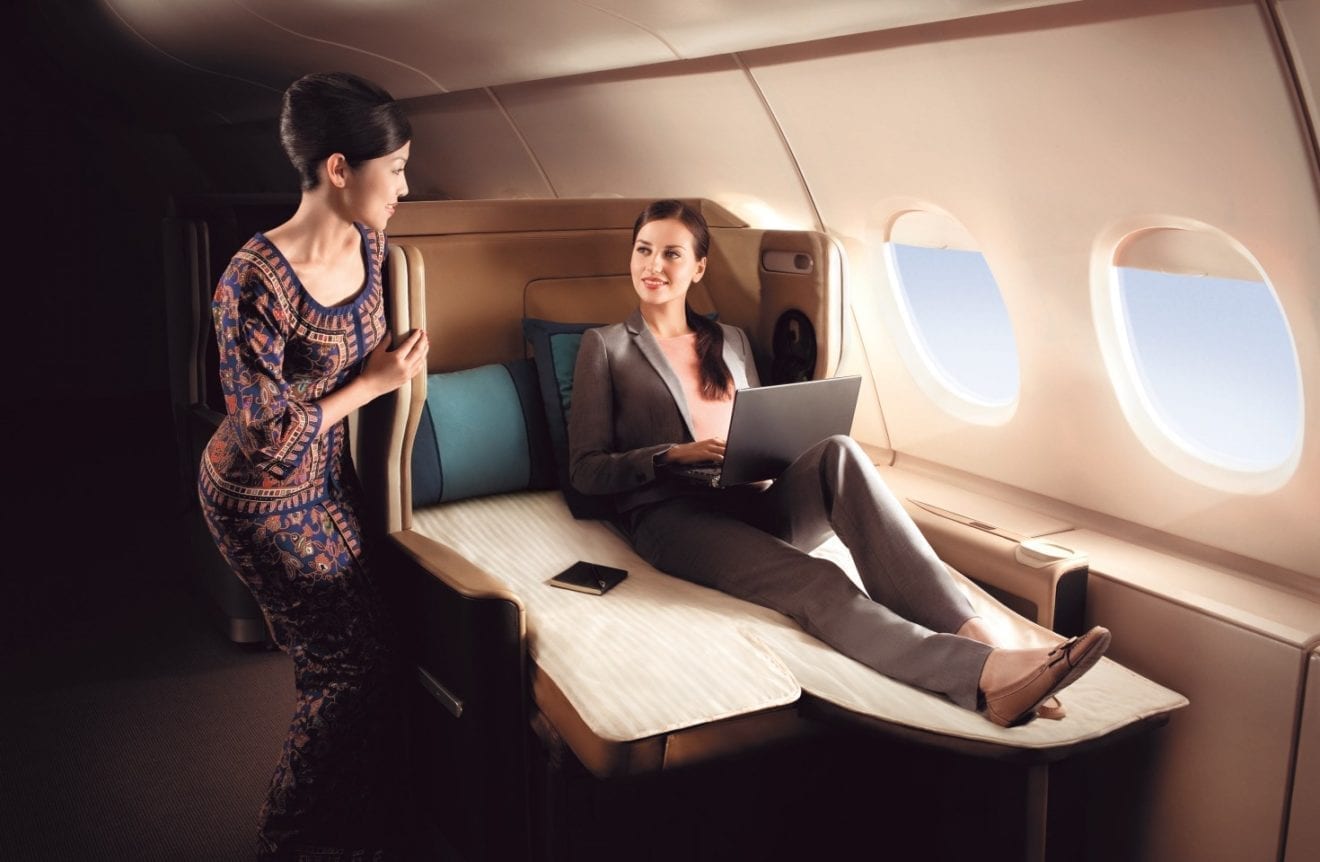
  • Singapore Airlines hopes to be world’s first airline fully vaccinated against COVID-19

    Singapore Airlines hopes to be world’s first airline fully vaccinated against COVID-19

    Singapore’s national carrier is hoping to become the world’s first airline to get all of its crew members vaccinated against COVID-19.

    Singapore Airlines confirmed to CNN Travel that all of their crew members — including pilots, gate agents, flight attendants and anyone whose job requires contact with the public – have been offered free coronavirus vaccines by the Singaporean government.

    The country has purchased the Pfizer vaccine, which requires two shots.

    “We are grateful to the Singapore government for making the aviation sector a priority in the country’s vaccination exercise,” the airline’s CEO, Goh Choon Phong, said in a statement that was emailed out to the whole company on January 18.

    “This reflects the sector’s importance and the crucial role we play in both Singapore’s economic recovery and the fight against the pandemic.”

    According to the airline, 5,200 SIA employees have already signed up to get their shots. Inoculations will begin in a few days.

    Phong, alongside Singapore’s transport minister Ong Ye Kung, was among the city-state’s first citizens to get vaccinated. He has received the first of his two shots, and reports that “the procedure was painless and fuss-free.”

    Once vaccinated, crew members will be subject to less scrutiny and fewer coronavirus-related security measures. For example, flight crew who are currently tested on the seventh day after their return to Singapore will be exempt from this test going forward.

    Singapore’s response to the pandemic has been largely successful due to border closures and a national contract-tracing app. The country has had 59,113 confirmed cases of the virus and only 29 deaths, according to data from Johns Hopkins University.

    Still, citizens of the city-state have expressed an interest in being able to travel again. A much-hyped “travel bubble” with Hong Kong was indefinitely postponed in December when Hong Kong had a spike in virus cases.

    The annual Henley Passport Index placed Singapore second in the world — just one point behind nearby Japan — for passport power. Singaporeans can enter 190 countries or territories around the world without needing a visa.

  • Uniqlo Singapore set to open ‘Hub of the East’ store

    Uniqlo Singapore set to open ‘Hub of the East’ store

    UNIQLO today announces that it will open UNIQLO Orchard Central, its first Global Flagship Store for Southeast Asia and Singapore, on Friday, 2 September 2016. Under the concept of “U+S and The World”, the new store will showcase the brand’s full assortment of LifeWear – innovative, high-quality clothing that is universal in design and comfort, and made for anyone, anywhere – and will offer Singaporeans an exciting space to share their culture with the world. UNIQLO Orchard Central will be located in Orchard Central mall, along Orchard Road.

    “UNIQLO Orchard Central will be a unique store for the region, providing a new shopping experience for customers. With its vibrant creative scene, Singapore is the ideal location for us to showcase our LifeWear concept through the eyes of the local community. We hope that through our work with highly dedicated Singaporean individuals and groups, we will be able to turn this space into a platform where creative ideas can be expressed and shared with others,“ said Taku Morikawa, UNIQLO Southeast Asia CEO.

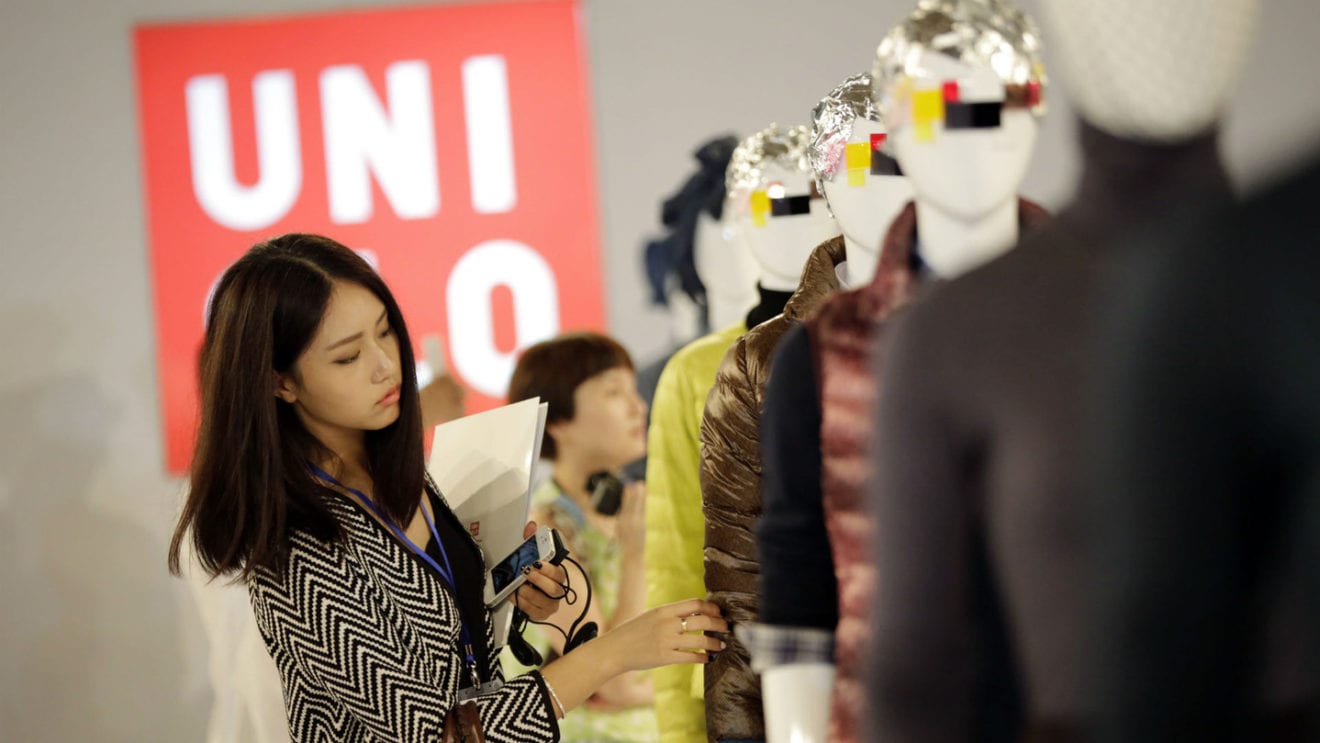
    UNIQLO Orchard Central spans three levels and covers 2,700 square meters in sales floor space. Fans of the brand can expect a new shopping experience, thanks to the combination of the in-store design, full product line-up and visually stunning displays. Even the elegant dark wood floors that evoke the mood of Singapore and Southeast Asia are intended to help create the proper setting for the largest product line-up anywhere in the region.

    Iconic rotating mannequins will be an integral part of UNIQLO Orchard Central, as well as close to 300 digital displays, the largest number anywhere in the UNIQLO world, and a total of 350 in-store mannequins, the latter matching the UNIQLO Ginza Global Flagship Store in Tokyo.

    “Singapore’s strategic location in Southeast Asia makes it the choice destination for UNIQLO’s first Global Flagship Store in the region. The opening of this new store marks a milestone in our highly successful eight-year joint venture collaboration.

    The Global Flagship Store will have exciting outreach programmes to engage the community. We look forward to serving our customers in this landmark store, and to inspire many creative talents to express themselves in this distinctive space with artistic works and concepts that are authentically Singaporean,” said Mrs Helen Khoo, Executive Director, Wing Tai Retail.

    A dedicated UT (UNIQLO T-shirt) corner on Level 1 will showcase exclusive UT designs drawn from the most popular collaborations such as Olympia Le-Tan and Bruno Munari. “i am OTHER”, the collection designed together with musician and style icon Pharrell Williams will also find a home on the shelves of UNIQLO Orchard Central. The new Disney Collection City Logo UTs includes a unique Singapore design featuring Mickey Mouse with the iconic Merlion, will be launched on the opening day of UNIQLO Orchard Central.

    The new store concept for UNIQLO Orchard Central, “U+S and The World” is taken from the words UNIQLO + Singapore and the company’s intention to serve as a bridge between Singapore and the World. The store is envisioned as the definitive place where UNIQLO will share the creativity, style and culture of a new Singapore with the rest of the world.

    Later this month, UNIQLO will launch “Your Stage Now Live”, the opening campaign of UNIQLO Orchard Central, by turning the hoarding around the store’s construction site into an urban canvas designed collectively by the local community. In addition, the campaign will also invite everyone to express themselves and showcase their culture to the world through a special “Your Stage Now Live” site.

    The opening of the store on 2 September will serve to kick-off a long-term collaboration with members of the local community through a broad array of programs centred on the store’s specially designed creative space, a launch pad for creativity and self-expression. Elements such as original in-store music, video content on the digital displays and curated spaces within the shop floor, as well as exclusive canvas tote bags and shopping bags, will all be co-created with the local community.

    “We warmly welcome UNIQLO’s global flagship store to Orchard Central, with its new shopping experience, innovative visual merchandising and special collections. UNIQLO will anchor Orchard Central’s appeal as a vibrant lifestyle and social hub for design conscious shoppers looking for quality affordable merchandise and a unique experience. Our mall enhancement works are also nearing completion and along with the opening of UNIQLO Orchard Central, our shoppers can look forward to a new retail experience as well as improved visibility and accessibility,’ said Ms Mavis Seow, Chief Operating Officer, Retail Business Group, Far East Organization.

  • Dyson opens its flagship store in Seoul

    Dyson opens its flagship store in Seoul

    British home appliance maker Dyson Ltd. said Thursday it will open its first flagship store in South Korea this week as the company eyes to expand its sales amid the pandemic.

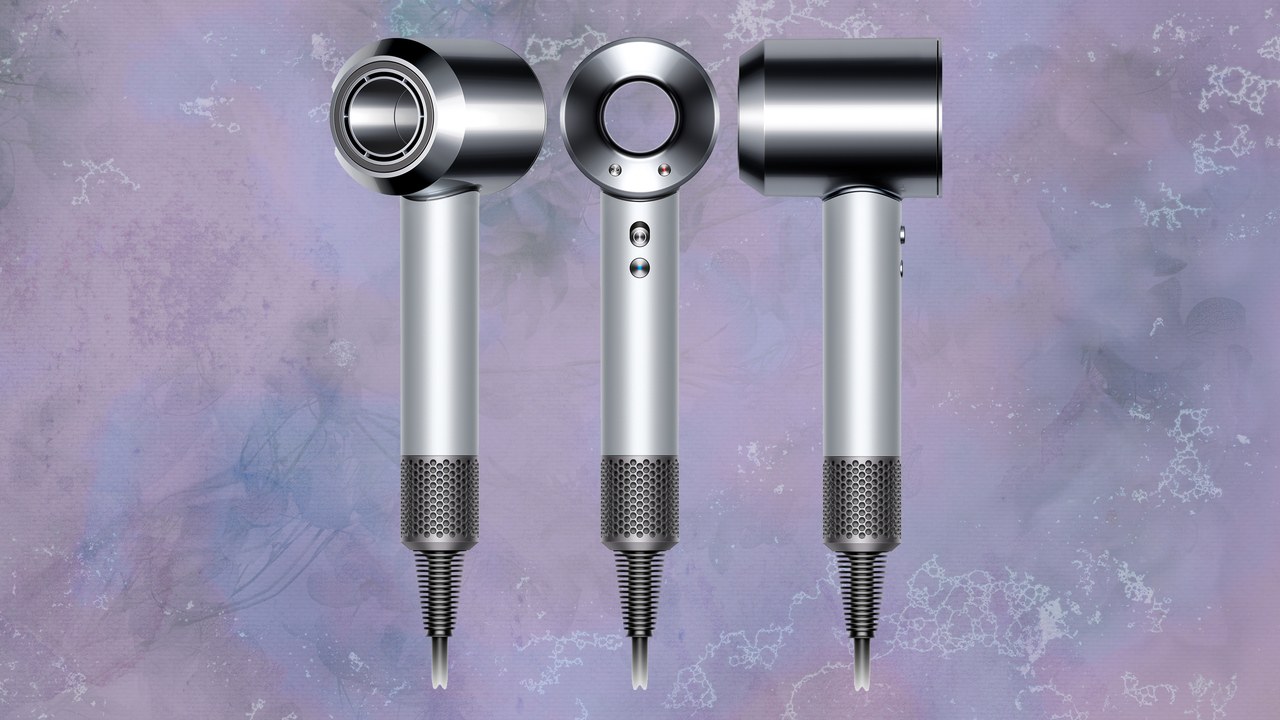
    Dyson Demo Store will open at IFC Mall in western Seoul on Friday, featuring all of Dyson’s products and services. It is the first flagship store to be directly run by Dyson Korea since the Korean unit was established in 2018.

    “We want to offer a place where people can explore, test and try Dyson’s full lineup of technology, get advice and support on everything from their first demo store in Korea,” Tomas Centeno, the managing director of Dyson Korea, said. “The demo store will offer ultimate Dyson experience of our full products and services under one roof to choose the right product for you.”

    At the 323-square-meter space, Dyson Korea said its employees who were trained by Dyson engineers, called “experts,” will assist consumers in selecting its products from vacuum cleaners to hair appliances.

    Centeno said Dyson aims to “grow strongly” in South Korea, saying the country is one of its key markets.

    “Koreans are nimble in their approach to tech,” he said. “Not only do they have high interest but are also quick to evaluate new products.”

    Last year, Dyson’s vacuum cleaner with an omnidirectional head, the Omni-glide, was launched in South Korea first in the world.

    “We will continue to introduce new products, which have never existed before, based on our deep understanding of Korea,” he said.

  • Pandemic batters South Korea’s K-beauty shop

    Pandemic batters South Korea’s K-beauty shop

    Three years ago, Suh Kyung-bae was the second-richest person in South Korea. Today he’s barely Top 10, a stark reversal in a K-beauty boom known for minting billionaires, not breaking them.

    Suh’s $3.6 billion fortune, down from roughly $8 billion in 2017, is largely comprised of shares in his family’s cosmetics conglomerate, Amorepacific Group, which have fallen more than 40% from a mid-January high. The parent of brands like Innisfree, Laniege and Sulwhasoo, Amorepacific was struggling even before covid-19, and the pandemic has ushered in a slew of lifestyle changes that have made cosmetics less central to women’s daily routines.

    That’s brought a halt to the wealth created by the rapid rise in popularity of Korean beauty products and the deal-making frenzy that followed. From 2010 to 2014, foreign companies spent at least $215 million to acquire cosmetics firms there, according to a September report by Samjong KPMG. In the five years that followed, the country became the world’s fourth-largest exporter of beauty products, and the deal volume ballooned to $5 billion, not including transactions for undisclosed sums.

    Estee Lauder Cos. made Have & Be Co., widely known for its Dr. Jart+ line, its first acquisition of an Asian beauty brand in November 2019. That deal, worth $1.1 billion, turned founder ChinWook Lee into a billionaire. Goldman Sachs Group Inc. bought a minority stake in GP Club Co., best known for face masks, making founder Kim Jung-woong one of the country’s richest people. Unilever Plc, L’Oreal SA and other multinational companies also got stakes in Korean cosmetics firms, creating massive windfalls for their founders.

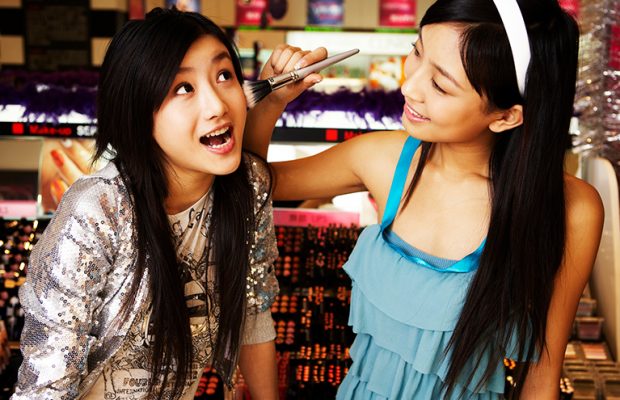
    But the pandemic has taken a double hit on K-beauty. Social distancing and remote work have lessened demand for makeup and led to store closures. For Korea, coronavirus travel restrictions have also cut off the flow of big-spending Chinese tourists and individual merchants who buy tax-free goods in bulk and sell them back home. Meanwhile, China’s customers have more access to global brands and are increasingly interested in products made locally.

    “Now it’s naive to think that cosmetic products with made-in-Korea tags would simply win over Chinese customers,” said Lina Oh, a Seoul-based analyst at Ebest Investment & Securities Co.

    Neither Have & Be nor GP Club have released financial information for 2020; GP Club’s plan for an initial public offering in 2019 hasn’t been rescheduled.

    For Amorepacific, consolidated revenue for the first nine months of the year fell 23% to 3.7 trillion won ($3.4 billion) from the same period in 2019, according to a company filing. For the first time in its history, the group announced last month a plan to offer voluntary retirement targeting employees who have worked for more than 15 years. The company declined to comment on its plans or on Suh’s personal fortune.

    At the same time, the pandemic has accelerated the shift to online in the beauty industry. Amorepacific’s revenue for the segment has seen substantial growth, pushing it to prioritize that part of the business. Cosmetics giant L’Oreal, whose sales dropped 12% in the first half of 2020, launched 300 digital services this year, including live beauty tutorials.

    Amorepacific plans to reduce the number of Innisfree stores in China but anticipates that overall, digital sales will make up half its business there next year, according to Yuanta Securities Korea. In the domestic market, the company sees the share of online revenue growing to 30% from 20%.

    “Spending on cosmetics was already down before Covid,” said Hye-mi Kim, an analyst at Cape Investment & Securities Co. in Seoul. “Covid made it even less necessary. Only must-have items like skincare products or those for facial problems are doing okay.”

    Meanwhile, South Korea has new billionaires rising, like Seo Jung-jin, founder of pharmaceutical firm Celltrion Inc., which is developing a Covid-19 antibody treatment. Seo’s wealth has almost tripled this year to $14.6 billion, making him the country’s new second-richest man.

  • How LVMH plans to reshape Tiffany

    How LVMH plans to reshape Tiffany

    French luxury goods group LVMH LVMH.PA plans to overhaul Tiffany & Co’s vast merchandise lineup to focus more on gold and precious gems while going more upmarket with its silver bangles after closing the $15.8 billion takeover of the U.S. jeweller this month.

    Six sources including two people with inside knowledge of Tiffany’s operations told Reuters the owner of Louis Vuitton would also likely revamp the appearance of the jeweler’s stores and boost its presence in Europe and Asia.

    More than a third of Tiffany’s 320 shops are in the United States and two sources described some of them as out-of-date, shoddy and in need of refurbishing.

    “LVMH can give Tiffany the kind of time and money needed to make some big investments in the product range and in stores worldwide, and wait for those to pay off in the medium term,” one of the sources said.

    At a town hall in New York for Tiffany’s 14,000 employees on Jan. 8 – a day after LVMH installed a new leadership team – the group’s new bosses laid out their initial plans to focus on high-end, sparkling jewelry, said one person who attended it. The group is also considering building out Tiffany’s lineup in watches, another source familiar with its thinking said.

    Unlike such rivals as Richemont-owned CFR.S Cartier and Van Cleef & Arpels, as well as fellow LVMH brand Bulgari, Tiffany’s products range from $150 silver pendants to diamond necklaces priced in the tens of millions.

    Silver jewelry has gross margins of around 90% and offers a perfect entry point for younger, less wealthy shoppers, but top industry names also need the medium- to the high range – with a price tag above $100,000 – to create an aura of exclusivity, experts say.

    In a video message to employees during the town hall, LVMH boss Bernard Arnault, who is also France’s richest man, said he wanted to elevate Tiffany’s standing, even if that took time.

    “We will also prioritize Tiffany’s long-term desirability over short-term constraints,” Arnault said, according to a person who attended. At one point brandishing one of Tiffany’s signature robin’s egg blue boxes, Arnault underscored the label could count on cash-rich LVMH’s resources.

    The world’s biggest luxury goods group, also home to Moet Chandon champagne, was shaken by the COVID-19 pandemic and sales in airport stores plunged, but its biggest labels have stayed the course.

    The mood among some of Tiffany’s workforce is anxious nonetheless.

    A senior store employee in Europe said the jeweler would benefit as a more sophisticated, exclusive brand under LVMH, but also worried about the group’s reputation as a demanding owner.

    “If a store doesn’t quite work, they just shut it down,” this person said, speaking on condition of anonymity.

    Arnault is known for dropping in on stores unexpectedly – including at a Tiffany store in Seoul after the deal was announced in late 2019, where he pointed out blips such as a cleaning product that had been left out on a stand and a pink Post-It note saying “not available” that had been put up on a product, people familiar with the group said.

    LVMH and Tiffany declined to comment. LVMH is due to report full-year 2020 results later on Tuesday.

    After a bruising court battle midway through the acquisition process, which ended with Tiffany and LVMH renegotiating the price tag slightly downwards, Arnault had soothing words for the U.S. jeweler.

    He told the town hall Tiffany’s resilience in recent months had exceeded LVMH’s expectations, one of those presents said.

    The group had previously called Tiffany’s prospects “dismal” due to poor management during the COVID-19 crisis.

    Tiffany regained some ground through online sales and in China in its last quarter. Jewelry as a whole, one of the fastest-growing luxury sectors in recent years, has resisted more than other areas during the pandemic.

    Tiffany is less exposed than rivals to Asia-Pacific – a major driver for luxury sales – which accounted for 28% of its worldwide sales of $4.4 billion in 2019. Europe stood at 11%.

    LVMH will scrutinize store performance and locations and could use its clout to get better leases or find better showcases freed up by other brands within the group.

    New York-based Tiffany, founded in 1837, achieved world fame with the 1961 movie “Breakfast at Tiffany’s” starring Audrey Hepburn, but a fresh marketing push could help the brand.

    Alexandre Arnault – one of four Arnault children with roles at LVMH and now Tiffany’s executive vice president, in charge of product and communication – told the town hall he would focus on advertising campaigns and luring young customers.

    The 28-year-old helped LVMH acquire luggage maker Rimowa and gave it a hipster edge while CEO there, through collaborations with Dior that made it sexy for the runway.

    The young Arnault will work alongside new CEO Anthony Ledru, who ran Vuitton’s global commercial activities but is also known for rolling out its high-end jewelry line and had a previous stint at Tiffany and also at Cartier.

    He takes over from Alessandro Bogliolo, who had already overseen a multi-year renovation of Tiffany’s flagship New York store on Fifth Avenue, and the purchase of an 80-carat-plus oval diamond to be set in a necklace that will become its most expensive piece of jewelry.