Author: Mei Ling Tan

  • AirAsia expects to resume flying to most routes by the end of 2021

    AirAsia expects to resume flying to most routes by the end of 2021

    The outlook for the global aviation industry is improving as more countries begin rolling out mass immunization programs against Covid-19, AirAsia boss Tony Fernandes said Tuesday.

    As one of Asia’s top budget airlines, AirAsia expects to resume flying to “a large part” of its routes by the end of 2021 but passenger capacity is not expected to return to pre-coronavirus pandemic levels until 2023, according to Fernandes.

    “It’s been the toughest challenge,” he said,” as part of the network’s coverage of the Davos Agenda. “But I think the outlook’s getting better.”

    “The most important thing is there’s a huge amount of demand out there and we just have to wait for borders to open and I think we’re one of the first kind of businesses that will recover, from an airline perspective, because we’re very strong in domestic and regional,” he said

    The coronavirus pandemic has crippled the global travel and tourism sector. It’s sent many airlines into survival mode as they undertake mass layoffs, cancel orders, retire some of their existing fleet,s and cut down routes.

    In December, the International Air Transport Association (IATA) said airlines will suffer a net loss of $118.5 billion for 2020 and an expected net loss of $38.7 billion in 2021.

    AirAsia is also struggling. In November, the company reported a fifth straight quarterly loss between July and September and is in the process of raising funds through loans and investors. Fernandes said the company is looking at raising up to 2.5 billion Malaysian ringgit ($618 million) for the whole group. That includes AirAsia’s digital business and the logistics unit — both of which are performing well, according to Fernandes.

    “We’re a little bit behind schedule than we wanted to be but the amount’s exactly where we want to be. We are very confident that this capital that we’ll raise will take us well into 2023,” he said, adding that the company will emerge with a better cost structure, a strong digital business, and good demand for the airline.

    The AirAsia stock is down almost 22% so far this year.

    Fernandes also said AirAsia is in talks with Airbus and that the airline’s long-term order book remains. “We’re going to have to defer some of it to a later date,” he said, adding, “We don’t want to change that for short-term decisions.”

    AirAsia is one of Airbus’ largest customers since the airline made a switch from Boeing years ago. Reuters reported that since then, AirAsia has ordered a total of more than 660 Airbus jets including planes yet to be delivered.

    The CEO explained the competitive landscape for airlines has changed due to the pandemic. Some carriers have either reduced capacity or left the market altogether. Cost-cutting measures from AirAsia are expected to improve the company’s margins, he said.

    Budget airlines that fly shorter routes and sell on-demand services are expected to recover quicker than carriers that fly to intercontinental destinations and rely on first and business-class travel, according to Fernandes.

    He said business travel will take a longer time to recover as more people would opt to conduct business meetings virtually. “Time is a great healer. Eventually, business travel will come back but there’ll be an element that will say ‘well I can do it from Zoom,’” Fernandes added.

  • Introducing Clubhouse, the invite-only alternative to Linkedin

    Introducing Clubhouse, the invite-only alternative to Linkedin

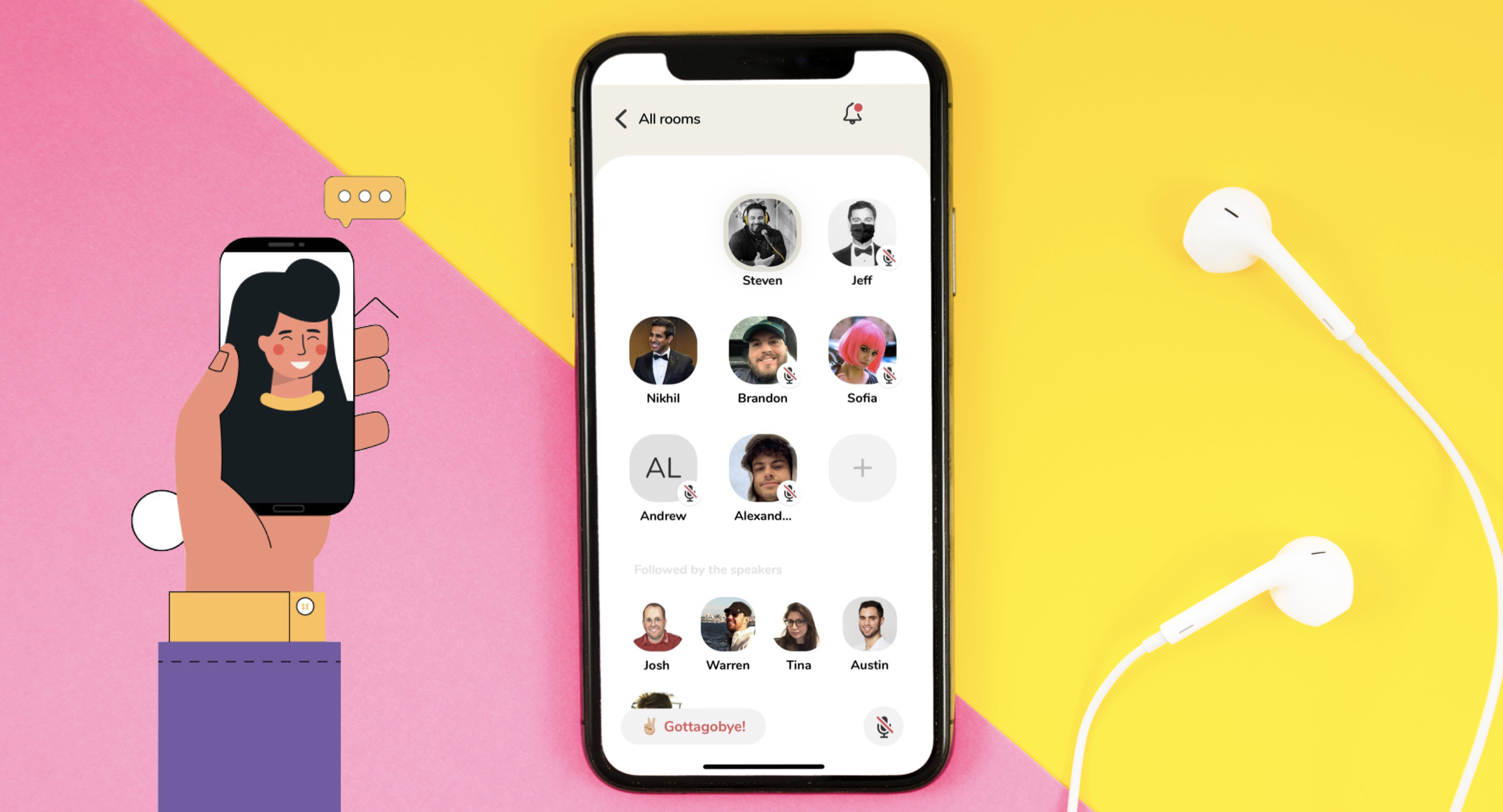
    Forget The Nice Guy or Soho House. The place to find Hollywood and Silicon Valley powerhouses during the pandemic has been on Clubhouse, the invite-only, audio-driven app that’s quickly gaining steam as a networking tool for those looking to make it in the entertainment and tech worlds.

    Hop on Clubhouse at any given time and you could stumble into conversations led by Wiz Khalifa, Tiffany Haddish, Ava DuVernay, Ashton Kutcher, Brian Koppelman or Scooter Braun, among several other celebs. Kevin Hart, in a story that’s already solidified in Clubhouse lore, recently took part in an hours-long conversation focused on whether he was, in fact, funny. And on the tech side, Clubhouse is packed with entrepreneurs like former Twitter CEO Ev Williams, Reddit co-founder Alexis Ohanian, and former Y Combinator President Sam Altman, along with a laundry list of angel investors and venture capitalists.

    Clubhouse isn’t complicated: Users can go on the app and join a “room” where a particular conversation is going on. Often, these conversations are focused on business and networking topics; “Pivoting from live events to virtual events + sponsorships” and “virtual writing cafe” were two rooms pulling in users on Monday, for example. Once inside, users can listen to the discussion and, if approved by the room moderator, chime in and join the conversation themselves. It’s not uncommon to see rooms with a few dozen speakers and a few hundred users listening in.

    Since launching in April, the app has grown to over 100,000 beta users, according to an individual familiar with the company’s internal metrics. The app’s early traction helped it land a $12 million round of funding from Andreessen Horowitz, valuing Clubhouse at $100 million.

    As the new, go-to spot to listen to entrepreneurs and stars, Clubhouse has also become the audio version of LinkedIn for those looking to make connections in Hollywood. Even in normal times, making it in the movie business is tough enough. But for Sade Sellers, a 31-year-old screenwriter from Burbank, California, one of the many problems tied to the pandemic has been the end to casual networking events — coffee meet-ups with executives, conferences and post-work drinks with people in the film industry — that have helped her career grow.

  • E-commerce market grows in Vietnam

    E-commerce market grows in Vietnam

    Vietnam’s e-commerce market expanded by 18 percent last year to $11.8 billion, the only country in Southeast Asia to record double-digit growth amid the Covid-19 pandemic.

    Besides, payment services were strengthened and the largest companies in the manufacturing sector incorporated e-commerce into their long-term strategies, according to a recent report by the Vietnam e-Commerce and Digital Economy Agency.

    The country’s Online Friday e-commerce event in early December last year saw the number of transactions rise by 267 percent from the previous year to 3.7 million, it said.

    However, though the number of transactions rose last year, revenues fell because most Covid-19 related items were of low value and people’s incomes were hit, it said.

    A report last month by market research company GlobalData’s E-Commerce Analytics said Vietnam’s e-commerce is set to see compounded annual growth of 18.8 percent between 2020 and 2024 to reach $26.1 billion.

  • Levi Strauss forecast disappoints as pandemic resurgence shutters stores

    Levi Strauss forecast disappoints as pandemic resurgence shutters stores

    Levi Strauss & Co on Wednesday forecast first-quarter results below analysts’ estimates as the resurgence of COVID-19 shutters the denim maker’s stores in major markets, sending its shares 9% lower in extended trading.

    The spike in coronavirus cases from late last year has led to lower traffic at stores and fresh capacity restrictions for shopping centers in key regions such as California, denting retailers’ sales during the crucial holiday shopping season.

    Levi said 17% of its stores globally were still closed, with a new wave of lockdowns in Europe shuttering 40% of the company’s footprint there.

    The San Francisco-based company said it expects those stores to remain closed for the rest of the current quarter, resulting in a 10 cents to 12 cents hit to its earnings per share.

    Including that impact, Levi forecast first-quarter adjusted earnings per share of 20 cents to 24 cents, below expectations of 33 cents per share, according to Refinitiv IBES data.

    The company said it expects quarterly revenue to be down by a high-teens percentage in constant currency, more than estimates of an 11.9% drop.

    However, the company could return to pre-pandemic revenue levels by the end of 2021 if conditions do not worsen, Chief Financial Officer Harmit Singh said.

    Levi also beat estimates for the fourth quarter ended Nov. 29 as online sales soared.

    Total revenue in the quarter fell about 12% to $1.39 billion but beat expectations of $1.34 billion.

    Levi earned 20 cents per share on an adjusted basis, beating estimates of 15 cents per share.

    The company also reinstated its quarterly dividend at 4 cents per share.

  • Apple revenue accelerates after record iPhone sales, China strength

    Apple revenue accelerates after record iPhone sales, China strength

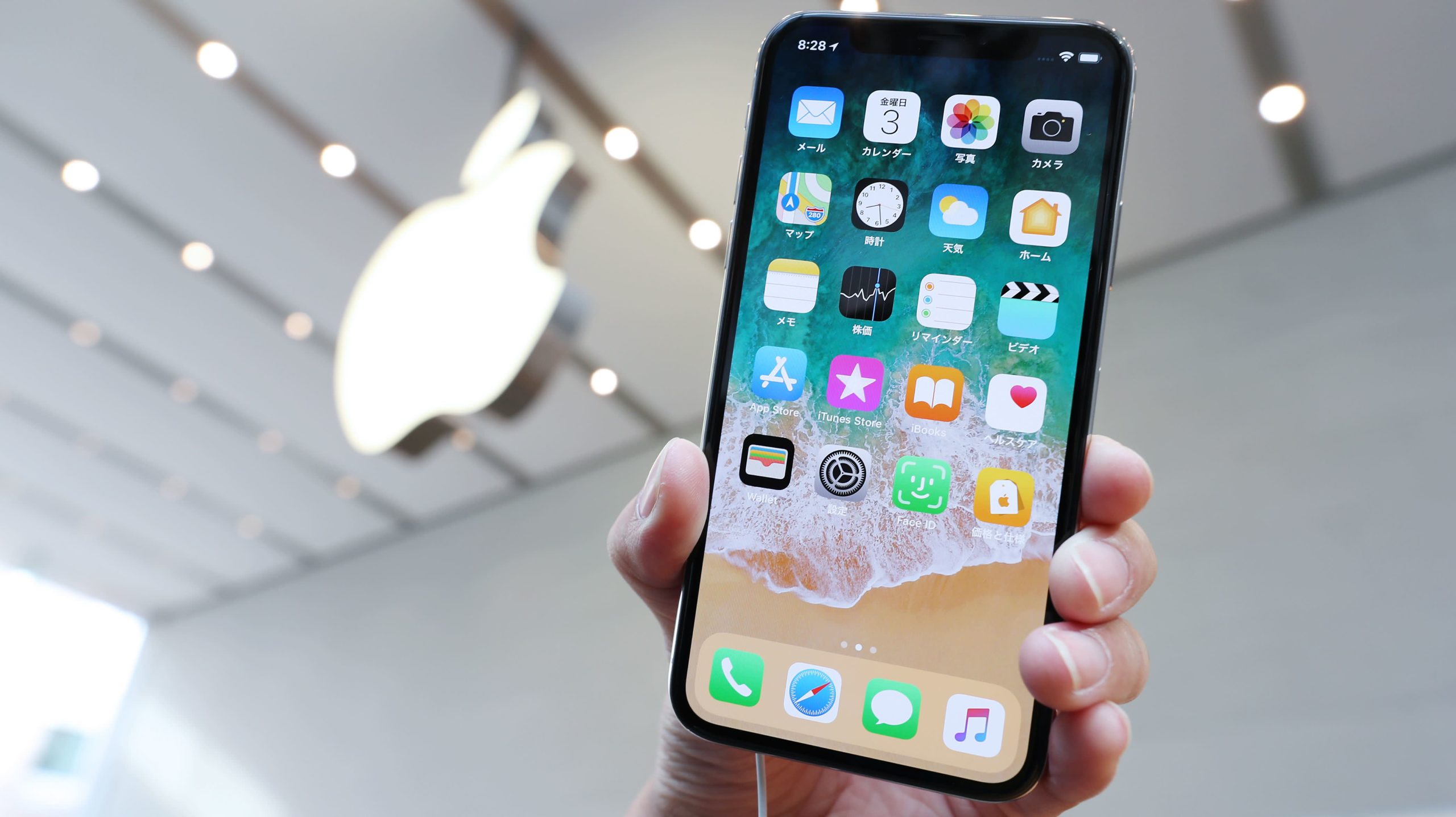
    Apple delivered its largest quarter by revenue of all time on Wednesday at $111.4 billion in its first-quarter earnings report for fiscal 2021. It’s the first time Apple crossed the symbolic $100 billion mark in a single quarter, and sales were up 21% year over year.

    Apple stock dropped 2% in extended trading. Apple’s results for the quarter ending in December weren’t just driven by 5G iPhone sales. Sales for every product category rose by double-digit percentage points. Apple’s earnings per share and sales handily beat Wall Street expectations.

    Here’s how Apple did versus consensus Refinitiv estimates:

    • EPS: $1.68 vs. $1.41 estimated
    • Revenue: $111.44 billion vs. $103.28 billion estimated, up 21% year over year
    • iPhone revenue: $65.60 billion vs. $59.80 billion estimated, up 17% year over year
    • Services revenue: $15.76 billion vs. $14.80 billion estimated, up 24% year over year
    • Other Products revenue: $12.97 billion vs. $11.96 billion estimated, up 29% year over year
    • Mac revenue: $8.68 billion vs. $8.69 billion estimated, up 21% year over year
    • iPad revenue: $8.44 billion vs. $7.46 billion estimated, up 41% year over year
    • Gross margin: 39.8% vs. 38.0% estimated

    Apple CEO Tim Cook said the results could have been even better if not for the Covid-19 pandemic and lockdowns that forced Apple to temporarily shutter some Apple stores around the world.

    “Taking the stores out of the equation, particularly for iPhones and wearables, there’s a drag on sales,” Cook said.

    Cook said that Apple’s total install base for iPhones is over 1 billion, up from the previous data point of 900 million. The total active install base for all Apple products is 1.65 billion.

    Apple did not provide official guidance for the upcoming quarter. It hasn’t offered investors forecasts since the beginning of the pandemic.

    But even the lack of guidance could not diminish what was a blowout quarter for the iPhone maker. Apple has benefited during the pandemic from increased PC and gadget sales as people who are working or going to school from home because of lockdowns look to upgrade the devices they use.

    Apple released new iPhone models in October. The four iPhone 12 models are the first to include 5G, which investors believed could drive a “supercycle” of users clamoring to upgrade. iPhone revenue was up 17% from the same period last year.

    “They’re full of features that customers love, and they came in at exactly the right time, with where 5G networks were,” Cook said.

    Apple’s other products category, which includes Apple Watch and headphones such as AirPods and Beats, was up 29% from last year to $12.97 billion, even as people are spending less time commuting and traveling. Apple released a high-end set of headphones, AirPods Pro Max, in December, with a steep $549 suggested price.

    Macs and iPads, the Apple devices most likely to be used for remote work and school, were also up this quarter. Apple released new Mac computers powered by its own chips instead of Intel processors in December to positive reviews that said they were superior in terms of power and battery life to the old models.

    Apple’s services business, which the company has highlighted as a growth engine, was up 24% year over year to $15.76 billion. That product category is a catch-all: It includes the money Apple makes from the App Store, subscriptions to digital content such as Apple Music or Apple TV+, licensing fees paid by Google to be the iPhone’s default search engine and AppleCare warranties.

    Apple highlighted in its release that international sales accounted for 64% of the company’s sales, up from 61% in the same quarter last year.

    How new iPhone models fare in China, the company’s third-largest market, is a constant topic of discussion among investors. Sales in what Apple calls greater China, which includes Taiwan and Hong Kong, were up nearly 57% to $21.3 billion.

    “China was strong across the board,” Cook said.

    Apple also declared a cash dividend of $0.205 cents per share and said that it had spent over $30 billion on total shareholder return, which includes share buybacks, during the quarter. Apple’s first fiscal quarter is typically its largest of the year and includes critical holiday sales during December.

    Wednesday’s blowout earnings are also a recovery story for Apple. Two years ago, Apple warned that its projection for its holiday quarter sales was lower than the company expected, a rare warning that raised questions about whether Apple was losing its momentum. On Wednesday, Apple revealed that revenue is up over 32% since that report.

  • Intel pumps additional $475 mln into Vietnam facility

    Intel pumps additional $475 mln into Vietnam facility

    Intel Corporation has invested $475 million in its Ho Chi Minh City facility to develop more complex technologies and tap new market opportunities.

    The latest investment takes its total in Vietnam to $1.5 billion, the U.S. chipmaker said in a statement.

    “As of the end of 2020, Intel Products Vietnam has shipped more than two billion units to customers worldwide,” Kim Huat Ooi, its general manager, said.

    “We are very proud of this milestone, which shows both how important IPV is to helping Intel meet the needs of its customers all around the world, and why we continue to invest in our facilities and team here in Vietnam.”

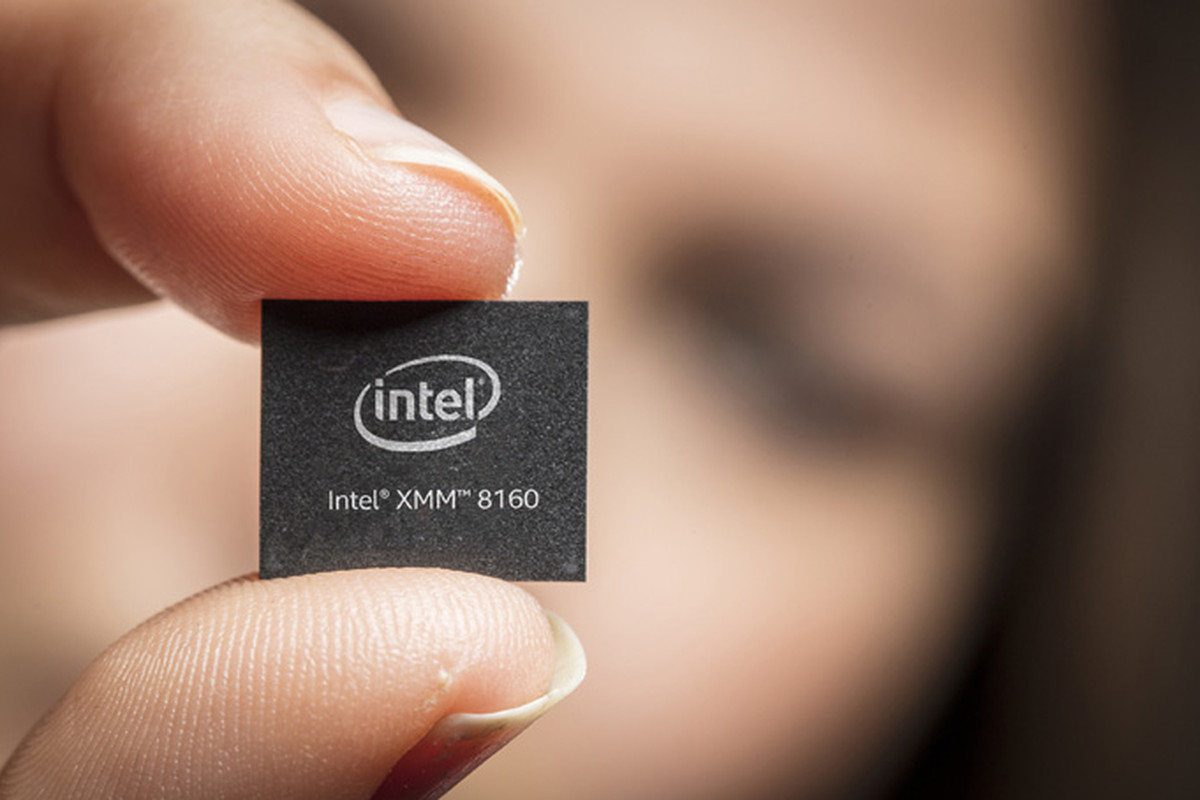
    The money will go into manufacturing 5G products and the 10th-generation Intel Core processors.

    One of Intel’s 10 manufacturing sites globally, IPV is the company’s largest assembly and test manufacturing facility with more than 2,700 employees.

    Nguyen Anh Thi, president of the Saigon Hi-Tech Park, where the plant is located, said Intel’s decision to increase its investment indicates its confidence in the workforce and Vietnam’s reliable investment environment.

    The new investment comes amid the expansion by a number of electronics giants in Vietnam as they seek to diversify their supply chains.

    Foxconn this month got the license to build a $270-million plant in the north capable of producing eight million laptops and tablets annually. It has so far invested $1.5 billion in Vietnam.

    Japan’s Panasonic decided to end the production of washing machines and refrigerators in Thailand and move it to a consolidated appliance assembly facility in Vietnam.

  • Covid hits coworking office space rents in HCMC

    Covid hits coworking office space rents in HCMC

    Rents for coworking office space in HCMC decreased 12 percent year-on-year last year due to the impacts of the Covid-19 pandemic, a report says.

    The occupancy rates of coworking office space in Grade A and B buildings last year plunged by 7 percentage points as its supply experienced the lowest growth since 2017 to 6 percent, according to a report by Savills Vietnam, the leading global property services provider.

    The gloomy outlook for the coworking space market, which boomed in the country between 2017 and 2019, has prompted investors to cancel expansion plans.

    The New York-based co-working startup, WeWork, the third-largest startup in the U.S. and the sixth-largest in the world, stopped leasing an office in HCMC’s District 1 while UP Co-working Space, headquartered in Hanoi, also postponed its plan to open two new offices in District 7, the report says.

    The number of newly registered coworking companies in the country also dropped by 6 percent.

    “2020 was a challenging year for both traditional and shared office segments. The market has been seeing a number of tenants turn to lower-priced office buildings and shophouses to cut down on rental costs in order to maintain their business,” said Vo Thi Khanh Trang, head of Savills Vietnam’s market research department.

    While the traditional office space has shown signs of a slight recovery in late 2020 thanks to better containment of the Covid-19 outbreaks in Vietnam, the shared workspace business has yet to see similar positive signs, Trang said.

    Before the Covid-19 pandemic broke out in Vietnam in January last year, co-working spaces had expanded in HCMC’s central districts since the limited traditional office space there was unable to meet burgeoning demand.

  • Apple ups Vietnam production of smart devices

    Apple ups Vietnam production of smart devices

    U.S. tech giant Apple Inc. is increasing its production of smart devices in Vietnam as it diversifies its supply chain outside of China.

    It will begin to produce the iPad tablet in Vietnam as early as the middle of this year, a Nikkei report says, citing sources.

    The company is also mobilizing suppliers to expand production capacity for the latest model of its smart speaker, the HomePod mini, which has been produced in Vietnam since it was introduced last year.

    The company is also set to move a part of its Macbook production from China to Vietnam this year, the report adds.

    Apple suppliers have also been expanding operations in Vietnam. Taiwanese tech giant Foxconn this month received its license to set up a $270 million plant in northern Vietnam.

    Luxshare Precision Industry (Luxshare-ICT) is increasing its capacity in northern Vietnam to make the HomePod mini.

  • Owndays may be sold, fetching US$300 million

    Owndays may be sold, fetching US$300 million

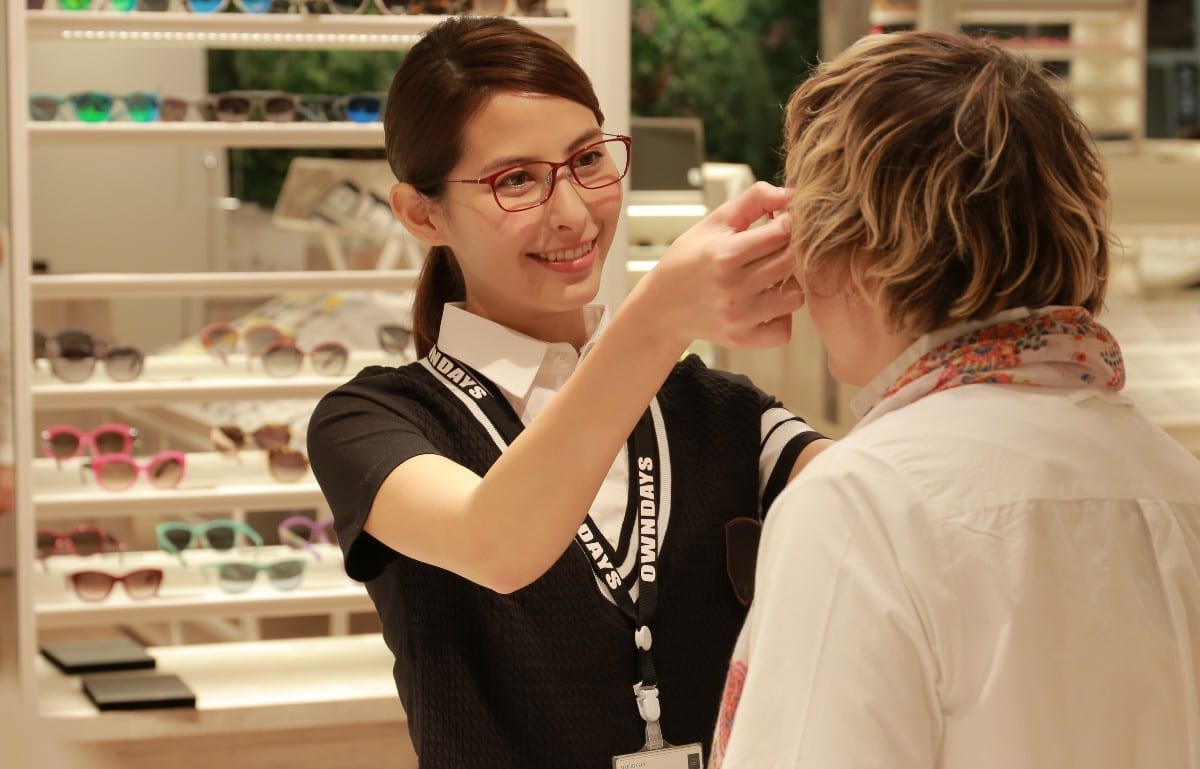
    L Catterton Asia Advisors, the Asian arm of the namesake consumer-focused buyout firm, is exploring a sale of Japanese eyewear retailer Owndays Inc., people with knowledge of the matter said.

    L Catterton Asia has invited investment banks to submit proposals and will soon pick an adviser, said the people, who asked not to be identified as the information is private. The private equity firm is considering divesting the asset with its partner Mitsui & Co. in a sale that could fetch about $300 million, the people said.

    Established in 1989, Tokyo-based Owndays designs and manufactures optical eyewear glasses and runs 156 stores across Japan, its website shows. It has another 206 stores abroad at locations including Hong Kong, Taiwan, Malaysia, Thailand, Singapore and Australia. The company had 2,200 employees as of last February.

    In 2018, L Catterton Asia teamed up with Mitsui and its subsidiary to invest in Owndays for an undisclosed sum, according to a press release at the time.

    Deliberations on the sale of Owndays are at an early stage, while L Catterton and its partners could decide to keep the business, the people said. Representatives for L Catterton Asia and Owndays declined to comment, while a representative for Mitsui said the company hasn’t acknowledged details on the sale of Owndays at this moment.

  • HSBC Appoints Singapore Commercial Banking Head

    HSBC Appoints Singapore Commercial Banking Head

    HSBC has promoted a Hong Kong corporate banker previously covering the tech sector to become its head of the commercial banking unit in Singapore.

    Regina Lee has been named as HSBC’s Singapore head of commercial banking, according to a statement, effective March 1 this year.

    Lee will replace Alan Turner who will relocate to the commercial banking unit in Canada after three years in Singapore.

    She will report to CEO of HSBC Singapore Tony Cripps and APAC head of commercial banking Stuart Tait.

    Lee has over 20 years experiencing across corporate and commercial banking. She was most recently a managing director of corporate banking in HSBC’s Hong Kong unit where she led the coverage team for TMT (technology, media, and telecommunications), consumer, retail and commodities.

    In addition, Lee has extensive operational and risk management experience as HSBC’s former chief operating officer for the commercial bank in Hong Kong and she also separately oversaw operational risk and control division for commercial banking in the broader APAC region. Previously, she also led business development for HSBC Hong Kong’s global trade and receivables finance business and the commercial banking business in Macau.

    Singapore continues to be a strategic growth market for the group, offering significant opportunities from its increasing status as an international investment hub and springboard to Southeast Asia, Cripps said.

  • Bank of Singapore Sees Strong IAM Growth

    Bank of Singapore Sees Strong IAM Growth

    OCBC’s private banking arm, Bank of Singapore, saw a major boost in new clients and revenue from independent asset managers in the midst of a pandemic, according to senior market head Teresa Lee said.

    Independent asset managers (IAM) have been one of the major strategic focus for growing our business, said Bank of Singapore’s Greater China and North Asia senior market head Teresa Lee in an interview.

    According to the Singaporean private bank, the number of onboarded IAMs grew almost 50 percent year-on-year, as of November last year, with overall IAM revenue from the same period nearly doubling. This was owed in no small part to the Hong Kong IAMs business which has seen accelerated growth following the launch of a hub dedicated to the segment several years ago.

    We have successfully set up our Hong Kong-based ‘IAM Excellence Center’ in May 2018 to act as a hub to provide dedicated support such as onboarding, trade execution, services, marketing and more, Lee added. We have managed to see good progress in new relationships and client acquisition, especially for Greater China.

    Not unlike its competitors, the coronavirus pandemic has disrupted operations and driven digital transformation at Bank of Singapore.

    In a separate conversation with its global chief operating officer Sonjoy Phukan in mid-2020, he noted that over 70 percent of client accounts have already signed up for digital services.

    Similarly for the IAM segment, Lee noted growing adoption – close to 500 participants logged on to a market outlook for an online IAM Forum in April last year.

    Despite the digital gains, Lee echoed private banks’ industrywide belief that the «human touch» was unlikely to go extinct anytime soon.

    Digital capabilities can only accelerate and maintain some processes while others cannot be replaced, she said. I believe that the human touch continues to be key to maintaining relationships.

    Examples of the relevance of high-touch services remain in areas such as wealth or legacy planning, where the bank hired seasoned veteran and ex-APAC head of the practice for HSBC Private Banking Joanna Ho last year.

    In 2020, China was a rare case of growth amongst major economies at 2.3 percent, according to its national data, and mainland equity markets have been buoyed by tech, healthcare and other rallies.

    Similarly, Bank of Singapore has seen strong growth in assets under management across all Greater China client segments which posted a 17 percent increase as of the third quarter last year, outpacing the private bank’s overall growth of 5 percent to $116 billion.

    Lee also expressed confidence that Hong Kong will maintain its hub status and that it will always be an important financial center, especially for Greater China clients, adding that she observed no significant wealth shift to Singapore.

  • Seafood processor Vinh Hoan buys 51 pct stake in snack company

    Seafood processor Vinh Hoan buys 51 pct stake in snack company

    Seafood processing company Vinh Hoan Corporation has bought a 51.29 percent stake in the Sa Giang Import-Export Corporation.

    It bought 3.56 million shares from the State Capital Investment Corporation (SCIC) at VND97,500 per share in a deal worth almost VND350 billion.

    SCIC had planned to auction the shares in July 2020 at a starting price of VND111,700 ($4.80), but failed to attract investor interest.

    Sa Giang makes ready-to-eat foods such as prawn crackers and instant noodles and newer products such as crackers made from crab, fish and squid.

    It mainly exports its products to Europe, especially Germany and the Netherlands, and some Asian countries.

    Last year it reported revenues of VND310 billion and a net profit of VND31 billion.

    The company has convened an extraordinary general meeting at the beginning of February to dismiss some members.

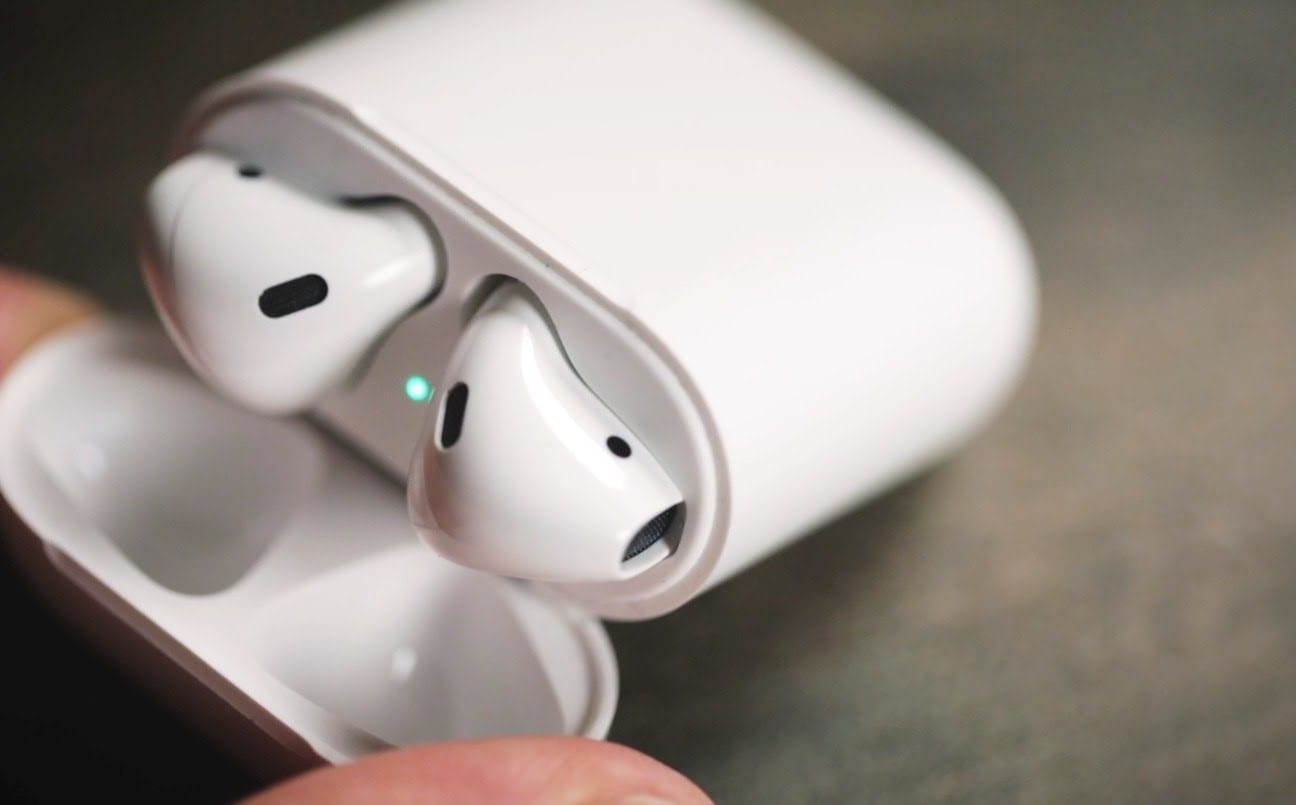
  • Apple’s AirPods held sway over all competitors in the TWS Bluetooth Headset market

    Apple’s AirPods held sway over all competitors in the TWS Bluetooth Headset market

    According to research firm Strategy Analytics, Apple’s AirPods dominated the market for True Wireless Stereo (TWS) Bluetooth headsets in 2020. Overall, the accessory remains one of the hottest products in tech as the category saw sales soar 90% last year. Even after last year’s growth, there is room for more.

    Ville-Petteri Ukonaho, Strategy Analytics’ Associate Director, notes that globally, only one in 10 people own a Bluetooth headset. Ukonaho says that with companies like Apple and Samsung no longer including wired earphones in the box with new handsets, Strategy Analytics sees “huge potential” for Bluetooth headset sales.

    Ken Hyers, Director at Strategy Analytics, said, “TWS headsets drove global sales volumes in the Bluetooth headset segment. While the pandemic slowed demand briefly during the first half of the year, sales rebounded strongly during the second half. The Work From Home shift benefited the entire Bluetooth headset category in terms of sales volume growth.”

    Hyers also touched on Apple’s current domination of the TWS Bluetooth headset market while also pointing out that the tech giant’s share is shrinking thanks to competition this year from Samsung, Huawei, and Xiaomi. Hyers said, “Apple maintained a commanding lead in the TWS segment in 2020, but its commanding share is shrinking as competition intensifies. Strong competition is expected from Xiaomi, Samsung, and Huawei in 2021. The TWS headset market is already hugely overcrowded and despite a strong sales outlook, there will inevitably be consolidation in the years ahead.”

    Apple is expected to unveil two new AirPods versions this year, the third-generation AirPods and the second generation AirPods Pro. The new models could see the light of day this March. The first generation AirPods were released on December 13th, 2016 with the second-generation model launched last March. On October 30th, 2019, the AirPods Pro hit the market with new features including Active Noise Cancellation to remove ambient noise, and the Transparency mode to allow outside noises to be heard.

  • Facebook reports strong Q4 and 2020 top and bottom line growth

    Facebook reports strong Q4 and 2020 top and bottom line growth

    Facebook reported its fourth-quarter and full-year earnings numbers today. The controversial social networking site reported advertising revenue of $27.19 billion for the fourth quarter running from October through December. That resulted in a 31% year-over-year gain from the $20.74 billion in advertising revenue that the company earned during last year’s fourth quarter. For all of 2020, Facebook grossed $84.17 billion, up 21% from 2019’s total of $69.66 billion.

    During the fourth quarter, Facebook garnered a total of $28.07 billion compared to the $21.08 billion it took in during the same quarter last year. If you’re counting, that is a 33% hike on an annual basis. For all of 2020, the company collected $86 billion dollars producing a 22% increase from 2019’s top line number of $70.70 billion.

    Let’s move on to the bottom line. For the period from October through December (yes, also known as the fourth quarter), Facebook earned $11.22 billion or $3.88 per share. Net income was up 53% from the previous year’s $7.35 billion while the per-share figure reflected a hike of 52% from the $2.56 per share figure attained during Q4 of 2019. For 2020, Facebook reported profits of $29.15 billion or $10.09 per share. That’s an annual gain of 58% and 57% respectively over 2019’s figures of $18.49 billion and $6.43 per share.

    Facebook achieved 1.84 billion Daily Active Users for December 2020, an 11% gain year-over-year. As of the end of last year, the number of Monthly Active Users amounted to 2.80 billion for a 12% annual gain.

    For the first half of 2021, Facebook expects revenue to be stable, or show a slight gain. CFO David Wehner said that Facebook expects some issues with ad targeting. As you might recall, Apple and Facebook are fighting each other over Apple’s change requiring iOS users to opt-in to receive targeted ads. Wehner says, “We also expect to face more significant ad targeting headwinds in 2021. This includes the impact of platform changes, notably iOS 14, as well as the evolving regulatory landscape. While the timing of the iOS 14 changes remains uncertain, we would expect to see an impact beginning late in the first quarter.”

    Besides owning Facebook, the company owns Facebook Messenger, WhatsApp and Instagram. It also runs VR headset producer Oculus and makes the Facebook Portal line of smart displays.

    The earnings report failed to excite Wall Street investors. During the regular trading session, Facebook (FB) shares closed down $9.91 or 3.51% to $272.14. After the report was released slightly after 4pm ET, Facebook dropped another $5.14 or 1.89% to $267.

  • PepsiCo Pilots Micro-Fulfillment Centre

    PepsiCo Pilots Micro-Fulfillment Centre

    PepsiCo today announced the launch of a micro-fulfillment center in Joliet, Illinois. A technology and approach quickly gaining ground with retailers, PepsiCo will use this strategic capability to meet eCommerce demand of our key customers and to gain important learnings through working with retail partners to build fully integrated and highly efficient solutions. This fully automated fulfillment approach improves COVID safety, reduces the costs of floorspace and expedites the picking process which allows for faster delivery and a reduction on overall delivery costs.

    “PepsiCo is one of the first CPG brands to launch an eCommerce micro-fulfillment center, and the creation of this center solidifies our commitment to making the necessary investments to continue to stay ahead of the growing online consumer demand. Through collaboration with our retail partners, we are creating an end to end solution that empowers us collectively to enhance our operations with applied insights. The goal is getting PepsiCo products in consumers’ hands and delivering more smiles as quickly as possible.”

    – Vince Jones, Head of eCommerce, PepsiCo

    PepsiCo’s solution is powered by leading automation supplier Dematic due to their broad experience and ability to meet PepsiCo’s world-class standards. Initial tests show the high level of automation provided on-location allows PepsiCo to service 7.5x more units an hour than a traditional ecommerce warehouse operation.

    “We feel very good about where we are and continue to remain focused on our capabilities and the consumer,” said Jones. “When you look at what we’ve accomplished in the five years since PepsiCo started its eCommerce presence, retailers understand the value we bring in augmenting their operations to deliver great consumer experiences.”