Author: Mei Ling Tan

  • Sustainable Assets Surge at UBS

    Sustainable Assets Surge at UBS

    UBS maintains momentum in sustainable investments, registering strong asset growth across its asset and wealth management divisions as a result of both market performance and new client demand.

    In 2020, UBS’s global wealth arm saw assets in sustainable portfolios (those defined as 100 percent invested with the consideration of environmental, social and governance (ESG) factors) exceed $18 billion, $7 billion from inflows alongside even better performance than traditional equivalents, according to a statement.

    The asset management arm also posted strong growth with sustainability-focused assets doubling to $97 billion and ‘Climate Aware’ strategies reaching $15 billion.

    The bank has also successfully met its commitment to raise $5 billion for impact investments related to United Nations Sustainable Development Goals (SDG), beating the five-year timeline (2017-2021) in the second half of last year.

    Sustainability is no longer just a talking point, but also a catalyst for action said group CEO Ralph Hamers. Investors and companies should seek to get ahead of this transformation if they wish to navigate 21st-century risks and opportunities effectively.

    The bank highlighted Asia as a region of focus for sustainability as a theme not only within investment portfolios but across other areas.

    From our conversations with investors and business owners across Asia, we know that many more are looking to integrate ESG-related aspects in their investment portfolios, business plans and philanthropic ventures, said Desmond Kuek, divisional vice chairman and chair of the bank’s APAC sustainable finance network.

    The statement accompanied a white paper for the World Economic Forum’s Davos Agenda Meetings.

    It listed ten sustainable finance trends the bank identified including investor engagement, impact investing, electric transport, net-zero emissions, innovations in big oil, diversity, plant-based meat, climate stress testing, sustainable data and greater data transparency.

  • Harley Unveils Turnaround Plan As Shares Nosedive On Disappointing Results

    Harley Unveils Turnaround Plan As Shares Nosedive On Disappointing Results

    Harley-Davidson Inc’s shares plunged more than 20% on Tuesday after the motorcycle maker unexpectedly swung to a quarterly loss, overshadowing a new turnaround plan that targets low double-digit earnings growth through 2025.

    Since the middle of last year, the Milwaukee, Wisconsin-based company has shifted focus back to big bikes, traditional markets like the United States and Europe, and older and wealthier customers.

    Harley has trimmed its workforce and global dealer network eliminated slow-selling models, and exited markets where weak sales and profits do not justify the investment.

    Chief Executive Jochen Zeitz, who took charge last year, is focused on enhancing Harley’s brand and has done away with promotional offers, tightened supplies and reduced inventory, enabling dealers to charge the sticker price for the company’s bikes.

    This more than halved dealer inventory last year and drove up prices for pre-owned bikes, which used to be a drag on new-bike sales. The leaner inventory as well as a switch in the introduction of new models to January from August, however, took a toll on the bike sales in the quarter through December.

    Fourth-quarter revenue dropped 39% versus a year earlier as motorcycle shipments almost halved, leading to a loss of 63 cents per share. Analysts surveyed by Refinitiv, on average, expected the company to report a profit of 14 cents a share.

    Harley’s shares, which had gained 38% since July when the company shared an earlier plan to reboot its business, fell as much as 22% on Tuesday morning and were still down 18.8% at $32.62 at midday.

    “Many investors had thought the turnaround plan was leading to better profitability faster than the plan the company laid out today,” said Brian Yarbrough, an analyst at EdwardJones.

    “While they are shrinking the business currently to drive more sustainable growth longer term, we continue to be concerned about lack of demand for Harley products longer term.”

    Retail sales in the United States – the company’s biggest market – fell for the 16th straight quarter, resulting in an 8 percentage-point decline in big-motorcycle market share.

    The decline comes at a time when motorcycle sales have gone up on the back of a demand for socially distanced recreational outdoor activity.

    Polaris Inc last week said retail sales of its Indian brand of motorcycles in North America were up more than 30% in the December quarter. In contrast, Harley’s sales in the region declined 15.4% year-on-year.

    Harley’s new leadership, however, remains steadfast in the strategy of keeping inventories tight as it prefers building

    The decline comes at a time when motorcycle sales have gone up on the back of a demand for socially distanced recreational outdoor activity desirability of the brand to expanding market share.

    “We are going to continue to manage inventory in line with demand,” Chief Commercial Officer Lawrence Hund told investors on an earnings call.

    As part of the five-year turnaround plan unveiled on Tuesday, the 118-year-old company would lean on combustion motorcycles to increase sales in touring, large cruiser and trike bike segments to achieve revenue growth in the mid-single digits.

    The company, which launched its first electric motorbike in 2019, will create a separate division focused on the development of electric vehicles. It also intends to make forays in premium low displacement bikes via partnerships.

    The latest turnaround strategy from the company, which has struggled for years to expand sales beyond baby boomers, comes after a decade-long effort to increase business overseas and draw younger riders with cheaper and newer models.

    Overall, Harley would invest between $190 million and $250 million a year over the next five years.

    It forecast a 5%-7% operating margin, or profit from sales, for 2021 on the back of a 20%-25% growth in motorcycle revenue.

  • Google’s strong fourth quarter pushes Alphabet shares higher

    Google’s strong fourth quarter pushes Alphabet shares higher

    Google parent company Alphabet reported its fourth-quarter earnings this afternoon and during the three-month period the company recorded a record-breaking $56.9 billion in revenue. That was a gain of 31.7% from the $43.2 billion that Alphabet grossed during last year’s fourth quarter. It also topped Wall Street expectations of $52.7 billion in revenue.

    Advertising revenue was $46.2 billion during the quarter, up 22% on a year-over-year basis. Analysts were looking for Google to report $42.3 billion in advertising revenue for the fourth quarter. To generate that amount of business, Google had to spend $10.47 billion in traffic acquisition costs.

    Alphabet’s fourth-quarter profit rose from $9.3 billion last year to $15.7 billion for a 69% hike. Analysts were expecting the company to report a profit of $11.9 billion. According to Google finance chief Ruth Porat, YouTube and Search helped Google perform so well during the period. The executive said, “Consumer and business activity recovered from earlier in the year.” Revenue from YouTube ads rose in the fourth quarter to $6.89 billion from $4.72 billion during the same quarter the previous year for a strong 46% increase.

    Looking at the bottom line for the fourth quarter, Alphabet made $15.23 billion during the 2020 period compared to the $10.67 billion the company earned in 2019’s Q4. That resulted in a 42.7% gain in earnings. Earnings per Share (EPS) rose to $22.30 per share from $15.35 per share.

    Google continues to tend to its Money Tree. At the start of the fourth quarter, Alphabet had a cash position of $20.1 billion. By the end of the quarter, that figure was up to $26.5 billion. So using our fingers and toes, we can compute that Google’s parent added $6.4 billion in cash during the fourth quarter of the year. Still, it would appear that money seems to disappear in the cloud. For the first time ever, Alphabet released information related to its cloud unit; for the quarter that business took in $3.8 billion in revenue while reporting a loss of $1.2 billion.

    Wall Street was smitten with Alphabet’s report. Shares of Alphabet, which rose $26.16 or 1.38% to $1,927.51 during the regular trading session, soared 7.66% in after-hours trading after the earnings report was released. During the later trading period, Alphabet was changing.

  • Topshop, Topman join Asos’ stable of brands

    Topshop, Topman join Asos’ stable of brands

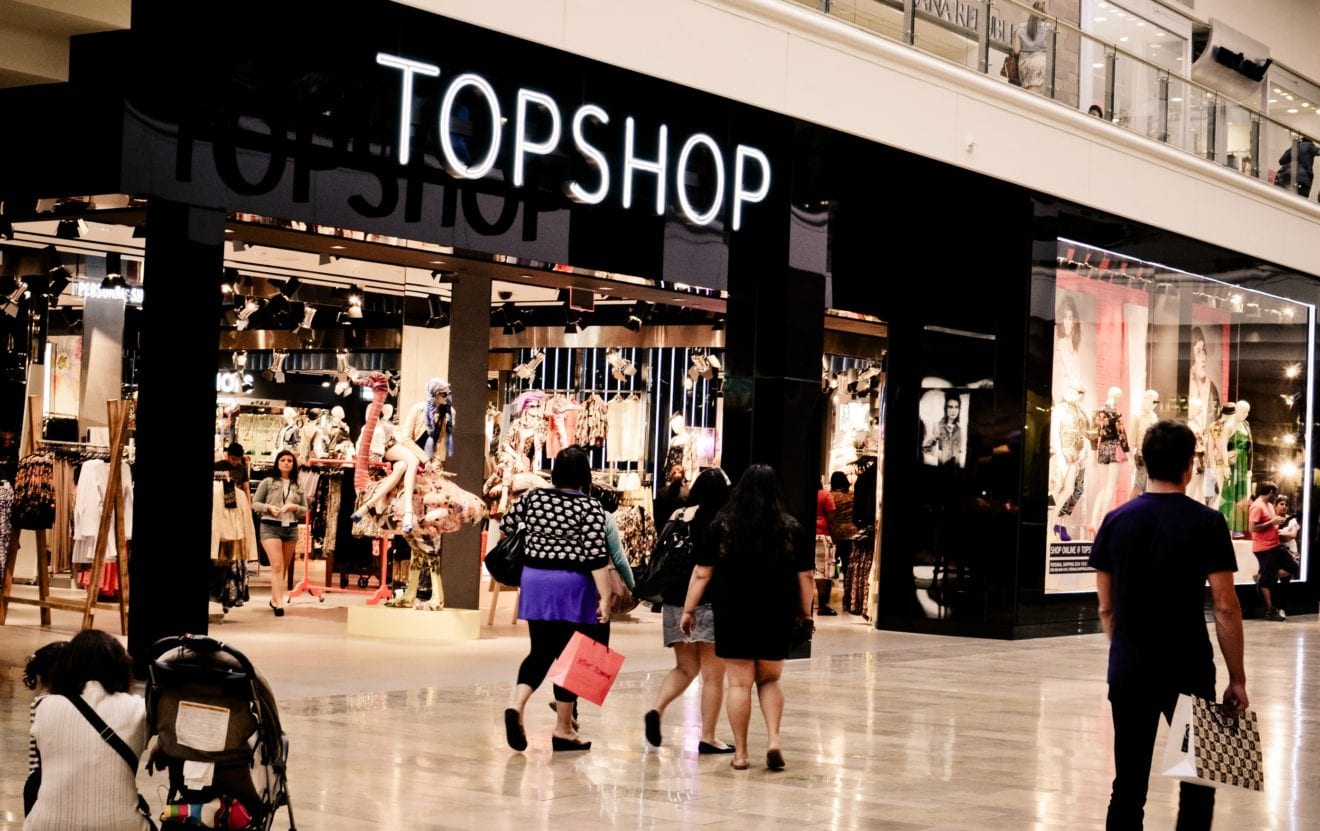
    Topshop’s ‘disgusted’ staff today revealed they were officially told they’d lost their jobs two hours after Asos announced its £330million takeover on Twitter – as Sir Phillip Green’s family is ‘set for £50m’ from the sale.

    The outraged workers, numbering around 2,500, ripped into the online retailer as it was revealed that their former boss Sir Philip Green and his family are expected to gain £50million from the fire sale as experts told MailOnline that the Topshop, Topman, Miss Selfridge and HIIT brands and their warehouses full of stock had been flogged ‘on the cheap’.

    ASOS reveled in the deal after winning a battle with rival Boohoo to grab the crown jewels of Sir Philip’s Arcadia empire after its collapse last year. It said on Twitter: ‘The rumours are true… @Topshop & @Topman are now part of the ASOS family’.

    But one Arcadia employee said minutes later: ‘Nice way to find out I’ve lost my job, ASOS, great move for the people.’ Another added: ‘Thanks for informing me I’ve lost my job, after 10 years. Very compassionate.’ And a third said: ‘It’s actually disgusting. I’ve worked for Topshop for two years and my own manager found out through Sky News as the administrators didn’t inform us.’

    ASOS hopes the deal will help it grow in the US. The sale will see 300 shops shut down and 2,500 store staff lose their jobs. But it will ‘look at’ saving Topshop’s flagship Oxford Street store, which would be its first and probably only high street shop, meaning the deal announced to the stock market this morning will leave more ‘big holes’ in UK’s ailing high streets as fast fashion companies hoover up collapsed retail brands.

    Sir Philip Green’s family will reportedly pocket £50million from the sale of Topshop – yet the shop’s 1,000 suppliers are expected to get less than 1 percent of any cash owed to them, it has emerged. Sir Philip is still worth an estimated £930million despite the disintegration of his retail empire.

    Green’s Aldsworth Equity, which is incorporated in the British Virgin Islands and controlled by his wife Lady Tina, is owed £50million due to an interest-free loan made to Arcadia in 2019. This will be paid back to the Greens before cash is handed to any suppliers, landlords, and HMRC.

    ASOS, run by Scotland’s richest man Anders Holch Povlsen, worth £6.1billion, has bought the Topshop, Topman, Miss Selfridge, and HIIT brands from administrators for £265million. They also paid another £65million for current and pre-ordered stock.

    Topshop’s sale came after an extraordinary collapse of a brand that was the biggest fashion chain on the high street just a decade ago. The brand had showstopping collaborations with designers including supermodel Kate Moss who was pictured holding hands with Sir Philip when she helped open its New York branch in 2009 – Topshop’s first in the US. Thousands camped overnight outside stores to buy Kate’s designer clothes.

    In 2012 Arcadia Group was delisted from the London Stock Exchange when it was bought by Green’s Taveta Investments group for £850million. Its success contributed to him getting a knighthood and earning the nickname: ‘King of the High Street. Now Arcadia’s crown jewels have been sold for £330million including all its clothes and accessories.

    Guy Elliott, retail analyst at consultancy Publicis Sapient, told MailOnline today: ‘Asos’ acquisition of Arcadia brands Topshop, Topman, and Miss Selfridge is a quick move to acquire some valuable consumers and brand assets ‘on the cheap’.  I think it is disappointing and somewhat short-sighted that they are not keeping any of the brand stores. That to me feels like a bad longer-term decision’.

  • Vietnam retail sales surge ahead of Lunar New Year

    Vietnam retail sales surge ahead of Lunar New Year

    Total retail sales of goods and revenue from consumer services in January are estimated at 479.9 trillion VND (nearly 20.77 billion USD), up 3.7 percent month-on-month and 6.4 percent year-on-year, according to the General Statistics Office (GSO).

    Goods-retail sales totaled 378.9 trillion VND, accounting for 79 percent of the total and up 4.1 percent month-on-month and 8.7 percent year-on-year.

    Revenue from accommodation and food service stood at around 48.7 trillion VND, representing 10.1 percent of the total. It increased 2.7 percent against December but was down 4.1 percent against January 2020.

    Tourism revenue was around 1.6 trillion VND, or 0.3 percent of the total, up 0.7 percent compared to December but down 62.2 percent year-on-year.

    Earnings from other services were estimated at 50.7 trillion VND, accounting for 10.6 percent of the total and up 1.1 percent month-on-month and 7.3 percent year-on-year.

    The GSO said retail sales and consumer services have become more vibrant as the Lunar New Year (Tet) holiday nears.

    Most enterprises, shopping centers, supermarkets, and business establishments have readied an abundant supply of goods and offered various promotional programs to stimulate consumption ahead of the lunar new year, the office noted.

  • India Proposes Crypto Ban and E-Rupee Plans

    India Proposes Crypto Ban and E-Rupee Plans

    Indian authorities plan to propose a new law to ban private cryptocurrencies and implement a framework for an official central bank digital currency.

    India will seek «to prohibit all private cryptocurrencies in India», according to a legislative agenda published by the lower house’s website on Friday last wee, with exceptions for certain purposes such as the promotion of the underlying technology and its uses.

    In addition, lawmakers will look to «create a facilitative framework for the creation of the official digital currency to be issued by the Reserve Bank of India (RBI).

    Not unlike other central banks, the RBI has been accelerating efforts to launch its own electronic money and tighten regulation against cryptocurrencies. It first issued an order in April 2018 to cut ties with all individuals or businesses dealing in digital currencies like Bitcoins within three months.

    But India’s Supreme Court subsequently overturned the ban by allowing banks to handle crypto transactions from exchanges and traders.

    The pushback reflects broader shifts in sentiments worldwide, particularly amongst banks that have been demonstrating increasing openness to cryptocurrencies.

  • Cars, phones deliver one-fifth of Vingroup revenues

    Cars, phones deliver one-fifth of Vingroup revenues

    Automobiles and smartphones accounted for 19 percent of private conglomerate Vingroup’s revenues in the last quarter of 2020.

    This marked a 40 percent year-on-year increase to VND6.9 trillion ($299.45 million).

    The largest private conglomerate in Vietnam sold 31,500 cars last year, with its VinFast sedan and SUV models among the bestsellers in their respective segments.

    The group’s VinSmart phones were also among the bestsellers in Q4, 2020.

    The company saw revenues from real estate in the quarter rising 47 percent year-on-year to over VND22.2 trillion after handing over three major Vinhomes projects.

    Revenue from tourism and entertainment, however, fell 40 percent to VND1 trillion because of the Covid-19 pandemic.

    For the whole year, Vingroup’s pre-tax profit fell 11 percent to VND13.96 trillion, while revenue fell 15 percent to VND110.46 trillion.

  • NZ smart-trolley startup finds strong demand in Japan

    NZ smart-trolley startup finds strong demand in Japan

    IMAGR says the deal with Japanese H2O Retailing Corporation is its first international sales partnership. The Kiwi tech startup is the creator of the SmartCart intelligent shopping trolley. The system uses computer vision technology and AI to reduce queues in retail stores, as it automates checkouts and payments for a frictionless shopping experience.

    IMAGR has also piloted the technology with Kiwi supermarket group Foodstuffs. IMAGR’s first international rollout is anticipated for May 2020.

    It says it is also in discussions with other New Zealand, US, and European retailers for further rollouts.

    H2O Retailing Corporation is headquartered in Osaka, Japan, and operates supermarkets mainly in Osaka and other cities such as Kyoto and Kobe.

    Globally leading retailers are investing heavily in technology to personalize and automate retail, in order to increase customer experience and profits, says IMAGR founder and CEO William Chomley.

    “We’re operating in a $5.7 trillion global brick and mortar grocery retail sector, let alone other types of retail. So, it’s a fallacy that there isn’t opportunity in bricks and mortar retail,” he says.

    “We know Japan is leading the way in evolving retail and it’s doing so on a mammoth scale.”

    He says Japan is the second-largest retail market in the world, at close to US$600 billion in supermarket revenue, home to 127 million people, 55,000 convenience stores, and over 8,000 supermarkets. It also has an aging population and labor shortages which make it cost-prohibitive for retailers to find staff.

    “To break into this market so early in our operation is a real coup and a sign of what we believe is to come,” says Chomley. “Beyond Japan, the opportunity for SmartCart is immense.”

    Off the back of this deal, IMAGR is opening its first office outside of New Zealand. The Japanese office will work closely with H2O Retailing Corporation to ensure a smooth rollout of the technology next year.

    Existing premises are also suitable for the immediate introduction of SmartCart, as the technology is self-contained in the shopping trolley.

    “With SmartCart, doing your shopping is easier and faster. There’s no need to wait in line, there’s no need to pull out a credit card, there’s no need to engage in small talk. Customers just put the goods in their trolley then walk right out of the store. It’s as easy as that,” says Chomley.

    IMAGR’s SmartCart contains four cameras that work with the world’s most powerful AI vision recognition system.

    As a result, SmartCart knows what a customer puts in, or removes, from their carts. Self-contained in a robust trolley that is visually indistinguishable from a regular shopping cart, the cameras examine, recognize and account for goods as they are added or removed.

    IMAGR says its system is vastly more efficient than ceiling-based frictionless retail solutions, such as Amazon Go, and is far easier to implement.

    There is no facial detection with SmartCart, because the SmartCart cameras are focused within the cart, not the surrounding area, it states.

    Existing premises are also suitable for its immediate introduction, as the technology is self-contained in the shopping trolley.

    Customers can use SmartCart by installing an app, linking a payment method, and then syncing their handset with the cart when shopping for the easiest experience.

    Alternatively, SmartCart can be used without linking to a handset or bank card: customers arrive at the checkout with the trolley recording a predetermined total, eliminating the need for unloading, scanning, and reloading individual items.

    “We’ve specifically designed SmartCart for an easy introduction so it generates revenue for retailers rapidly. In fact, the setup cost is roughly equivalent to that of introducing self-checkout,” says Chomley.

    “Globally, retailers are looking for ways to improve the customer experience while reducing overheads. SmartCart does both. We’re confident that once seen in action, SmartCart will become the preferred way of shopping for shoppers.”

  • HSBC Private Banking Enters Onshore Thailand Market

    HSBC Private Banking Enters Onshore Thailand Market

    HSBC will build its second onshore private banking business in Southeast Asia with the establishment of a new unit in Thailand.

    HSBC Private Banking will enable its Thai clients to access international capital markets, according to a statement, while leveraging existing infrastructure for activities such as booking assets in Singapore.

    Saranya Arunsilp, a 25-year banking veteran, joined HSBC last year and will lead the onshore team as head of global private banking, Thailand. Arunsilp will be supported by a local team of relationship managers and investment counselors who will work locally with the Singapore teams.

    We welcome the progressive opening up of the private wealth investment corridor between Singapore and Thailand, which can serve as a pilot for other markets to ‘green-lane’ wealth flows to serve genuine cross-border investment needs, said HSBC’s Southeast Asia head of private banking Philip Kunz.

    According to APAC head of HSBC Private Banking Siew Meng Tan, connectivity to the broader ASEAN region is a major strategic focus for future growth in the region.

    Aside from the new presence in Thailand, the private bank has also placed emphasis on other ASEAN markets such as Singapore and Malaysia, for which it appointed new market heads in August last year. Separately, it has also introduced offshore Vietnam coverage to serve the private wealth needs of small and medium-sized enterprises, particularly for supply chain businesses.

    This connectivity is central to our growth in ASEAN which is key to delivering our ambition to become the No 1 wealth manager in Asia, Tan said.

  • Vietjet earns $3 million profit despite pandemic

    Vietjet earns $3 million profit despite pandemic

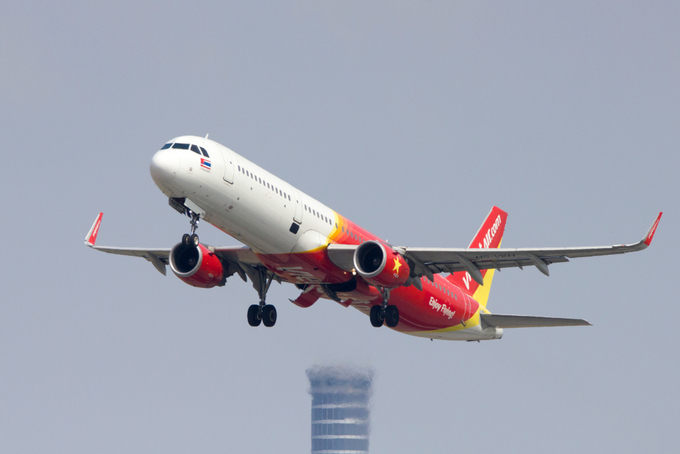
    Budget airline Vietjet recorded a consolidated after-tax profit of VND70 billion ($3 million) in 2020 despite headwinds caused by the Covid-19 pandemic.

    This makes Vietjet one of the few airlines in the world that did not reduce its workforce, the carrier said in its latest financial statement.

    The second-largest airline in Vietnam in terms of market share reported consolidated revenues of VND18.2 trillion last year, down 64 percent year-on-year.

    According to its financial statement, ancillary revenue accounted for nearly 50 percent of Vietjet’s total revenue in 2020. The airline promoted ancillary services to offset decreasing air travel revenue, the statement noted.

    For instance, it increased the number of cargo flights to make up for dwindling revenues from passenger flights and increased the application of the self-service system at the Noi Bai International Airport in Hanoi to lower costs.

    Vietjet said it conducted 78,462 flights in 2020, down from 139,000 in 2019. The airline’s total assets were valued at over VND47 trillion as of last year.

  • Ford Is Going All In On Android Automotive Starting In 2023

    Ford Is Going All In On Android Automotive Starting In 2023

    If it often befuddled you why carmakers like Ford were developing their own car infotainment system software, then that’s about to change. Ford has stated that starting in 2023, it will be turning to Google’s Android Automotive platform for the operating system of its vehicles and this will not be a one-off thing but rather millions of vehicles will be equipped with the software.

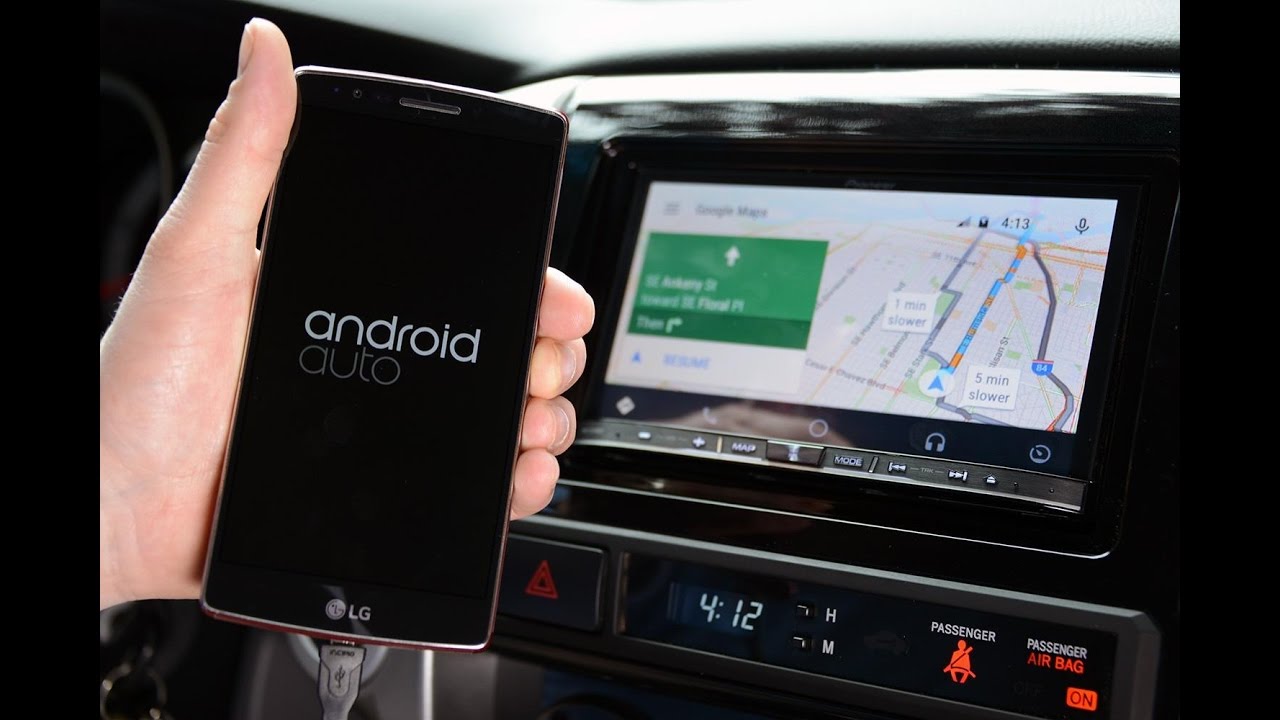
    This will give Ford’s vehicles access to core Google services like Maps, Google Assistant, and other apps without needing an Android smartphone. Currently, via Android Auto users can mirror the features of their phones onto the infotainment system of their cars.

    This integration will be deeper than what is possible via Android Auto. For instance, users will be able to summon the Google Assistant and say “okay Google” “make it warmer”. This will also enable OTA updates for adding features or addressing maintenance issues.

    Ford is making a system that will still retain compatibility with Apple’s CarPlay and Amazon’s Alexa as options too. This will scale to millions of vehicles under the Ford and Lincoln brands, except in China where Google’s services are banned.

  • Exclusive Playboy nears deal to buy sexual wellness chain Lovers

    Exclusive Playboy nears deal to buy sexual wellness chain Lovers

    Playboy Enterprises Inc is nearing a deal to acquire the parent company of sexual wellness chain Lovers as it seeks to grow its lifestyle brand following the shuttering of its eponymous magazine, people familiar with the matter said on Sunday.

    The acquisition marks Playboy’s latest effort to leverage its famous rabbit silhouette logo to expand in the consumer products arena. It already capitalizes on its brand by selling everything from apparel to art.

    The deal would value Lovers-parent company TLA Acquisition Corp at around $25 million and could be announced as early as Monday, the sources said, requesting anonymity as the details were not yet public.

    In October, Playboy agreed to go public by merging with blank-check acquisition company Mountain Crest Acquisition Corp in a deal that values Playboy at $413 million, including debt.

    Upon closing of the deal, which is expected in February, Playboy will become a publicly-traded company again, having been taken private in 2011 in a $207 million deal led by its late founder, Hugh Hefner, and private equity firm Rizvi Traverse Management.

    Lovers operate online as well as across 41 stores in five U.S. states, selling sexual wellness and health goods including lingerie and intimacy products.

    Playboy last year ceased publication of its magazine, ending a nearly seven-decade run on newsstands that began in 1953 with a debut issue featuring Marilyn Monroe.

  • Pomelo, Senreve explain how to maximise sales conversions via social media

    Pomelo, Senreve explain how to maximise sales conversions via social media

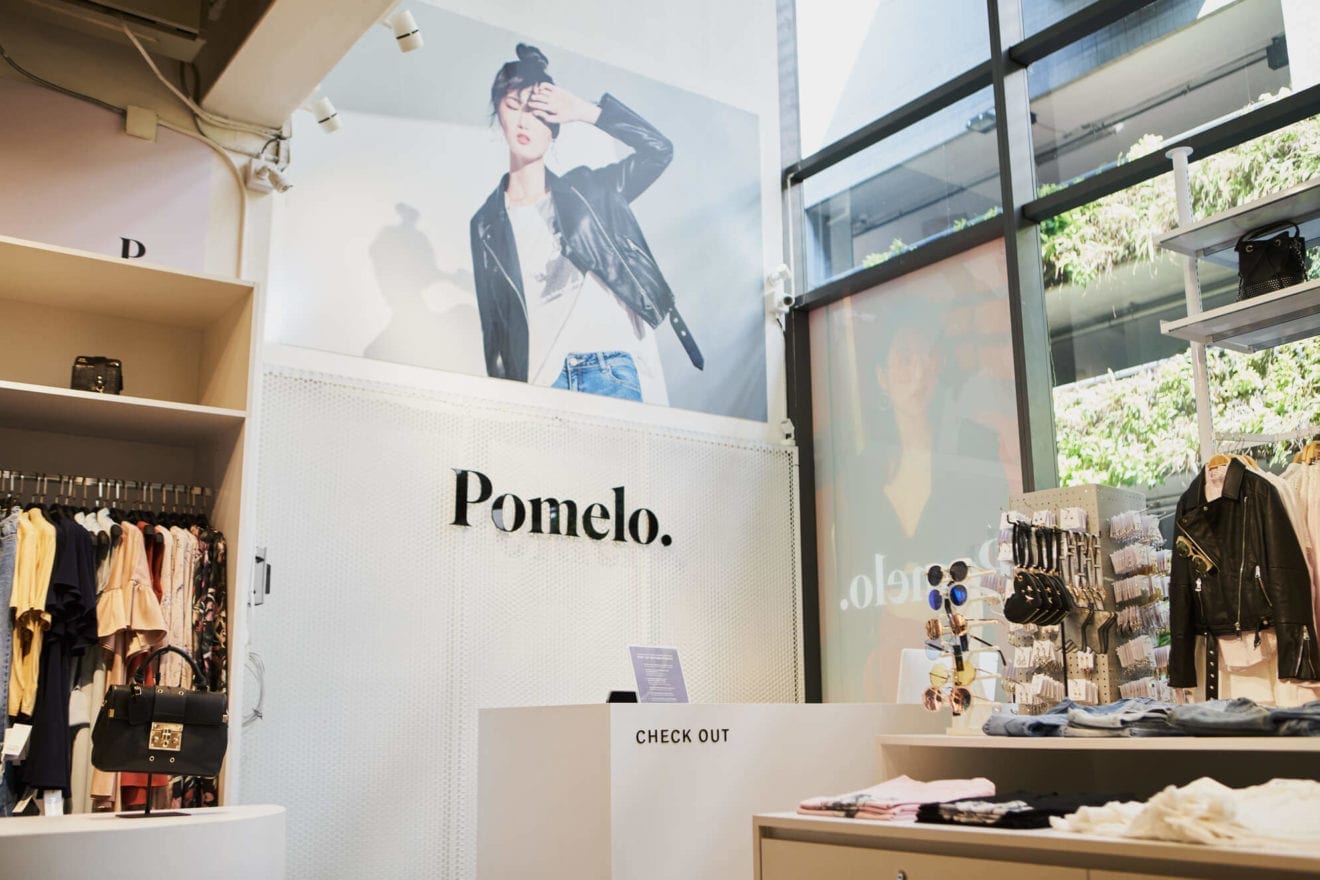
    Online retailers who follow their consumers along the customer journey can see where buyers trail off without completing a purchase. Worldwide, the online shopping abandoned cart rate is about 70%—representing a key challenge and opportunity for marketers. At leading fashion eCommerce brand Pomelo Fashion, which produces a range of stylish, affordable clothes for the digitally native female consumer, finding a way to meet that challenge was a major marketing priority, one they decided to address by leveraging Braze.

    Founded in 2013 in Bangkok, Pomelo Fashion has disrupted the fast fashion industry by providing a seamless shopping experience both online and offline. Pomelo has a strong presence in Asia, with over 4 million monthly visits to their website and a 60 million monthly reach on their social media pages. As a result of being a leading fashion brand in the region, styles frequently run out of stock as customers race to buy their favorite items.

    Customers take advantage of the purchase options Pomelo Fashion gives them, such as the ability to buy from specific store inventory and the ability to buy online and pick up in-store. Buying online and picking up in-store is so popular amongst customers that Pomelo has multiple pick-up only locations amongst its rapidly expanding retail portfolio. As a customer-centric company, Pomelo wanted to give customers a heads up when items they’re interested in are running low on stock. 90% of sales come from the Pomelo Fashion app, so communicating with push notifications and News Feed cards made the most sense.

    You’re reading Perspectives magazine, our new monthly hub for industry-shaking news and strategy—plus interactive experiences and refreshers to make the most of our platform. Want to see the whole story?

    At Pomelo Fashion, they knew that speaking to their customers as individuals was the key to encouraging users to re-engage after abandoning a cart. Pomelo Fashion utilized Canvas—the Braze lifecycle engagement tool—to target consumers based on their personal preferences and recently viewed items, as well as where they stopped along their purchase journey. The “Browsed Category” level and the “Added Item to Cart” level were the two stages where users were targeted for follow-up communications.

    At the “Browsed Category” level, the goal was to encourage users to return to the category and view a product. Push notifications and News Feed Cards mentioned the category of clothing that a user viewed, focusing on the scarcity of products within that category. This campaign saw a 5% increase in sessions, an 84% increase in conversion rate, and a 235% increase in revenue when compared to users who didn’t receive targeted messages.

    The campaign that targeted app users at the “Added Item to Cart” level also saw very successful results. The goal of this campaign was to nudge users to come back to the app to complete their order. Pomelo Fashion tested generic push notifications against hyper-personalized push that included a user’s name and an image of the low stock item that a customer had recently viewed, which was pulled into the message using the Braze platform’s Connected Connect dynamic personalization feature. This campaign drove a 126% increase in sessions and a 66% increase in conversions when compared to their generic push notifications.

    A user’s News Feed on the Pomelo Fashion app was leveraged by the brand to showcase relevant promotional content for each individual. By segmenting users based on whether they were new customers, existing customers or lapsing users, Pomelo was able to display different coupon codes in the News Feed based on user type, supporting a more targeted experience.

    Geo-triggered push notifications were also used by Pomelo to send out promotional messages. When target customers were close to brick-and-mortar locations, they received notifications triggered using Braze Geofence support. These notifications highlighted new collections and offers in stores that were relevant to users based on their preferences. Other notifications alerted users about items they had recently viewed in the app and items on users’ wishlists. By leveraging Braze APIs and Connected Content, Pomelo Fashion’s notifications were able to notify users when items were newly available in a given user’s size.

    Pomelo Fashion tackled one of the most entrenched problems ecommerce retailers face—namely, customers failing to complete a purchase after beginning the process. By skillfully utilizing data highlighting product scarcity, Pomelo sent out targeted notifications based on an app user’s viewed items that moved the needle for their engagement efforts. The success of these personalized push notifications and News Feed Cards shows how powerful testing campaigns against a control group can be.

  • H&M’s full year profit slides despite positive growth in online sales

    H&M’s full year profit slides despite positive growth in online sales

    Hennes & Mauritz released stronger-than-expected fourth-quarter results on Friday but flagged ongoing challenges in trading conditions, with more than 1,000 stores temporarily closed.

    “The ongoing restrictions along with the many temporary store closures will have a substantial negative impact on the first quarter,” said chief executive officer Helena Helmersson, speaking on a phone call with analysts to discuss the company’s full-year performance.

    The company said 36 percent of its sprawling retail network is temporarily closed, or 1,800 stores. Sales in the Dec. 1 to Jan. 27 period were down 23 percent in local currencies compared with the same period last year.

    The company posted a profit of 2.48 billion Swedish kronor, or $300 million, in the fourth quarter, from Sept. 1 to Nov. 30, and executives touted a strong financial position at the end of the year.

    “With strong, profitable online growth and good cost control we succeeded in ending the year in profit and with a strong financial position,” Helmersson said.

    Analysts said fourth-quarter results were better than expected thanks to lower operational expenditure than forecast but noted the sales update was weaker than expected.

    “Recent trading is in line with our fairly cautious estimate,” said Richard Chamberlain of RBC, noting the outlook was “tough.”

  • Arket bound to open its first retail store in China this autumn

    Arket bound to open its first retail store in China this autumn

    H&M-owned Arket has announced plans to open its first physical store in China this autumn.

    The flagship store will be located in Beijing and will stock a mix of the Stockholm-based brand’s wardrobe staples and seasonal fashion drops for both women and men.

    The store will also feature an Arket cafe and stock an assortment of beauty and home items.

    “We are incredibly happy to announce our upcoming opening in Beijing and we are looking forward to finally meeting our many Chinese customers in person,” said Arket managing director Pernilla Wohlfahrt in a statement.

    “The new store gives us an opportunity to welcome people into our world and invite them to experience the rich diversity of our collections – from beautifully-made fabrics and fashion designs to nature-inspired interiors, sustainable childrenswear and contemporary Swedish cuisine.”

    The physical store is the latest step of the Nordic band’s expansion into Asia. The company made its debut into the Chinese market in August with the launch of its digital flagship store on Alibaba Group’s B2C e-commerce platform Tmall.

    In late 2020 the brand also announced plans to open its first store in South Korea early this year.