Author: Mei Ling Tan

  • China’s domestic luxury market almost doubled in 2020

    China’s domestic luxury market almost doubled in 2020

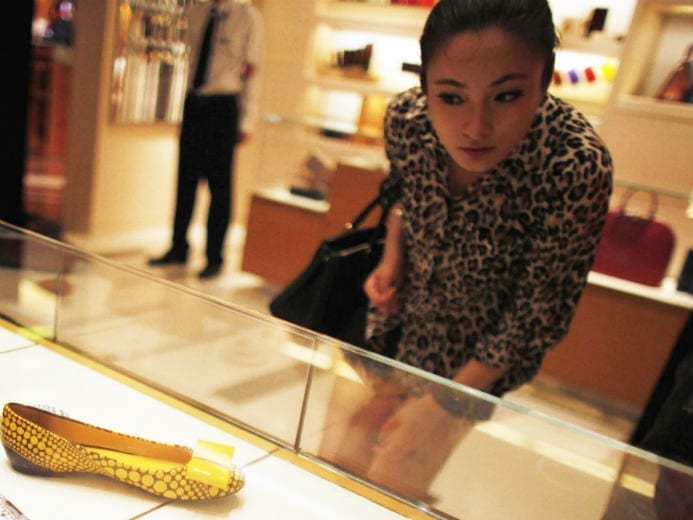
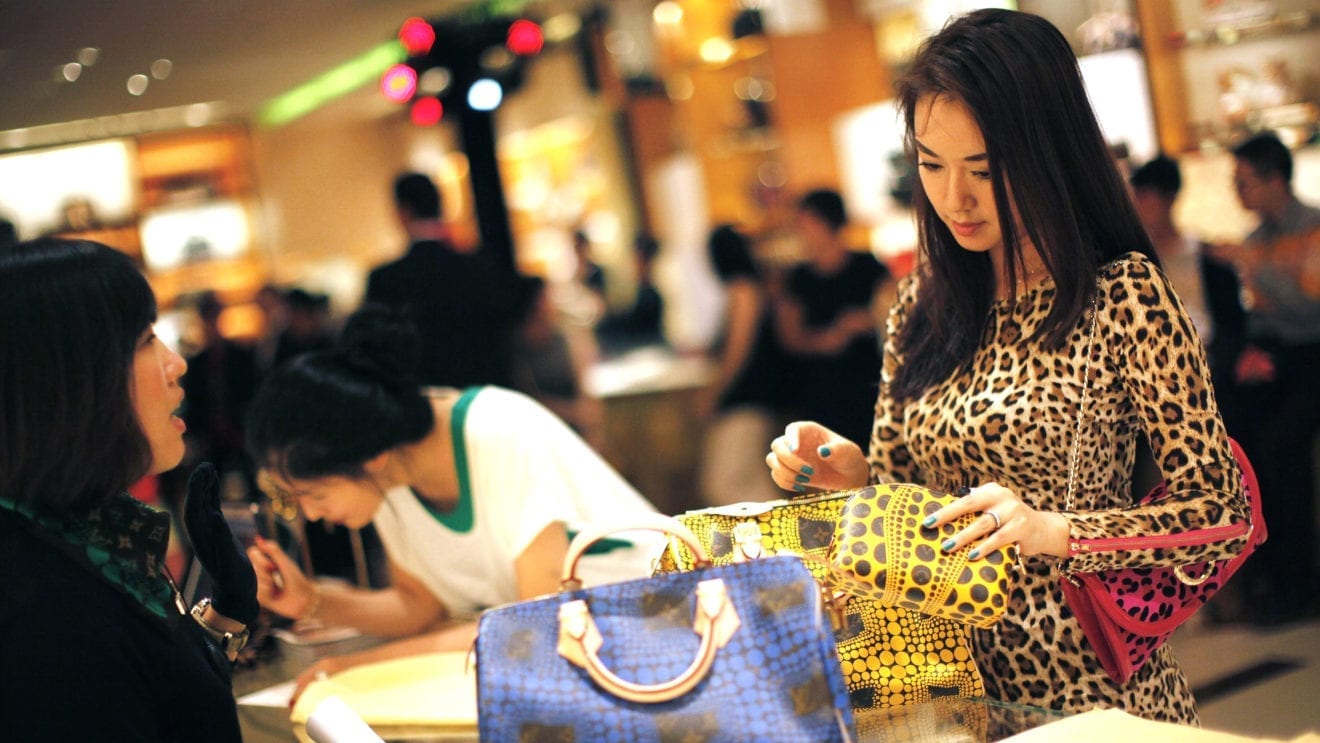
    Growth for the mainland Chinese luxury market is expected to climb by 48 percent to reach almost 346 billion yuan (around $52 billion) by the end of the year, according to Bain’s annual China luxury report released today in partnership with Tmall Luxury Division.

    This meteoric growth, driven in part by the repatriation of luxury spending and acceleration of e-commerce adoption as a result of Covid-19 and international travel restrictions, is forecasted to continue through 2025. It stands in stark contrast with the global luxury market, which the report estimates shrank by 23 percent this year due to store closures and low demand.

    To be sure, growth hasn’t occurred evenly. China’s north and northeast regions underperformed in contrast to the south, east and southwest; categories like leather goods and jewellery led the way, followed by ready-to-wear clothing and shoes, beauty and timepieces. It’s also worth noting that repatriation has only managed to offset around half of the heavy losses luxury brands are feeling in Europe and elsewhere; tourist consumption, which has fallen by an estimated 70 percent is far from fully recovered.

    Bain predicts that where global conditions are unlikely to fully recover in the next year or even two, Chinese shoppers will remain cautious about travel for at least a year, making domestic destinations like Hainan key touchpoints for brands. It also noted that shoppers from or younger than the Post-’80s generation continue to drive growth and that online shopping habits adopted mid and post-pandemic are here to stay.

  • HSBC Opens IAM Desk in Singapore

    HSBC Opens IAM Desk in Singapore

    The desk will cater to the needs of family offices and independent advisors managing wealth on the behalf of their clients.

    HSBC’s private banking arm has set up dedicated independent asset management (IAM) in Singapore to expand its reach into a fast-growing segment, the bank announced on Wednesday.

    In the announcement, HSBC noted rapid growth of the IAM industry in wealth management and said growing client awareness and demand for independent advisory services will continue to spur the development of specialized IAM advisors.

    Clients increasingly have more options and by establishing this desk, we are supporting them in their wealth ambition with capabilities underpinned by our international footprint and full private banking suite of capabilities at scale,» Philip Kunz, HSBC’s head of global private banking, Southeast Asia, said.

    HSBC previously said it would place a much greater focus on the family office segment in Asia, following the creation of its newly merged wealth unit in February.

    The bank’s combined wealth business has $1.4 trillion in assets under management, with half of those assets in Asia. Revenue from Asia in the wealth business rose by 12 percent to $5.7 billion last year.

  • Hong Kong’s First Licensed Crypto Platform Goes Live

    Hong Kong’s First Licensed Crypto Platform Goes Live

    Just one week after Singapore saw its first mainstream crypto foray by DBS, Hong Kong mirrors the city-state’s move by issuing a license to BC Technology Group’s OSL Digital Securities.

    The Securities and Futures Commission (SFC) has issued a Type 1 (dealing in securities) and Type 7 (automated trading services) license to OSL, according to a statement, making it the first licensed digital asset platform in the city.

    The platform will provide prime brokerage, custody, exchange and other services for Bitcoin, Ethereum and other cryptocurrencies alongside select security token offerings.

    In addition, OSL also has insured digital asset wallets and an audited digital asset trading platform aimed at institutions and professional investors.

    Following the local government’s call to ban retail investor access, Hong Kong’s crypto market will be focused on institutional and professional investors, those deemed as high net worth individuals (HNWI) with some market knowledge and experience.

    Institutional investment in Bitcoin and other digital assets has rapidly accelerated over the past several years, and has entered a new era of growth in Hong Kong with licensing,” said OSL chief executive Wayne Trench.

    Following in the footsteps of DBS, OSL has also already applied for a digital asset licensed with the Monetary Authority of Singapore under the Payment Services Act.

    Licensed entities are the future of digital assets and capital markets in the digital age and professional investors, hedge funds and family offices are now rapidly increasing portfolio allocations to digital assets such as Bitcoin,» added OSL head of distribution and prime Matt Long.

    According to the statement, the OSL digital asset platform business saw a 47 percent year-on-year revenue increase in the first six months of 2020, driven in part by record-high trading volumes of $28 billion.

  • Lender MSB expects to earn hundreds of millions from insurance deal

    Lender MSB expects to earn hundreds of millions from insurance deal

    Vietnam Maritime Commercial Joint Stock Bank is set to sign an exclusive bancassurance deal with a leading but unidentified insurer worth hundreds of millions of dollars to it.

    It will be signed next year for 15 years with one of the three biggest insurers in terms of market share in Vietnam, Nguyen Hoang Linh, CEO of the lender (MSB), said at a meeting on Wednesday.

    The country’s three biggest are Canada’s Manulife, the U.K.’s company Prudential and Japan’s Dai-ichi Life.

    Linh cited the example of Asia Commercial Bank (ACB) to indicate roughly how much MSB would receive in upfront payment for the deal.

    ACB received $370 million from Canada’s Sun Life.

    Linh said ACB has a monthly premium income of VND80 billion ($3.45 million), while that figure of MSB is VND50 billion.

    The Ho Chi Minh City Stock Exchange this month gave approval for MSB to list its shares on December 23 at a price of VND15,000, which will put its market cap at VND17.6 trillion.

    The bank has forecast a pre-tax profit of VND2.3-2.4 trillion this year, up 4.5 percent from last year.

  • Private banks drive VN-Index pull-back

    Private banks drive VN-Index pull-back

    The VN-Index gained 1.11 percent to 1,066.99 points Tuesday, after seeing one corrective session, with private banking blue chips the best performers.

    The Ho Chi Minh Stock Exchange (HoSE), on which the VN-Index is based, was a sea of green with 296 stocks gaining and 134 losings. Total trading volume abated over 10 percent compared to Monday, reaching VND11.86 trillion ($514.79 million).

    Unlike the previous few sessions, where investors were focused on mid-caps with more growth potential, blue chips were the main driving force behind gains on the market this session.

    The VN30-Index for the HoSE’s 30 largest caps soared 1.65 percent, with 13 stocks gaining and three losings, soaking up over 50 percent of the trading volume.

    TCB of private lender Techcombank topped gains with 6.9 percent, followed by VPB of VPBank, up 4.3 percent, and STB of Sacombank, with 4.1 percent.

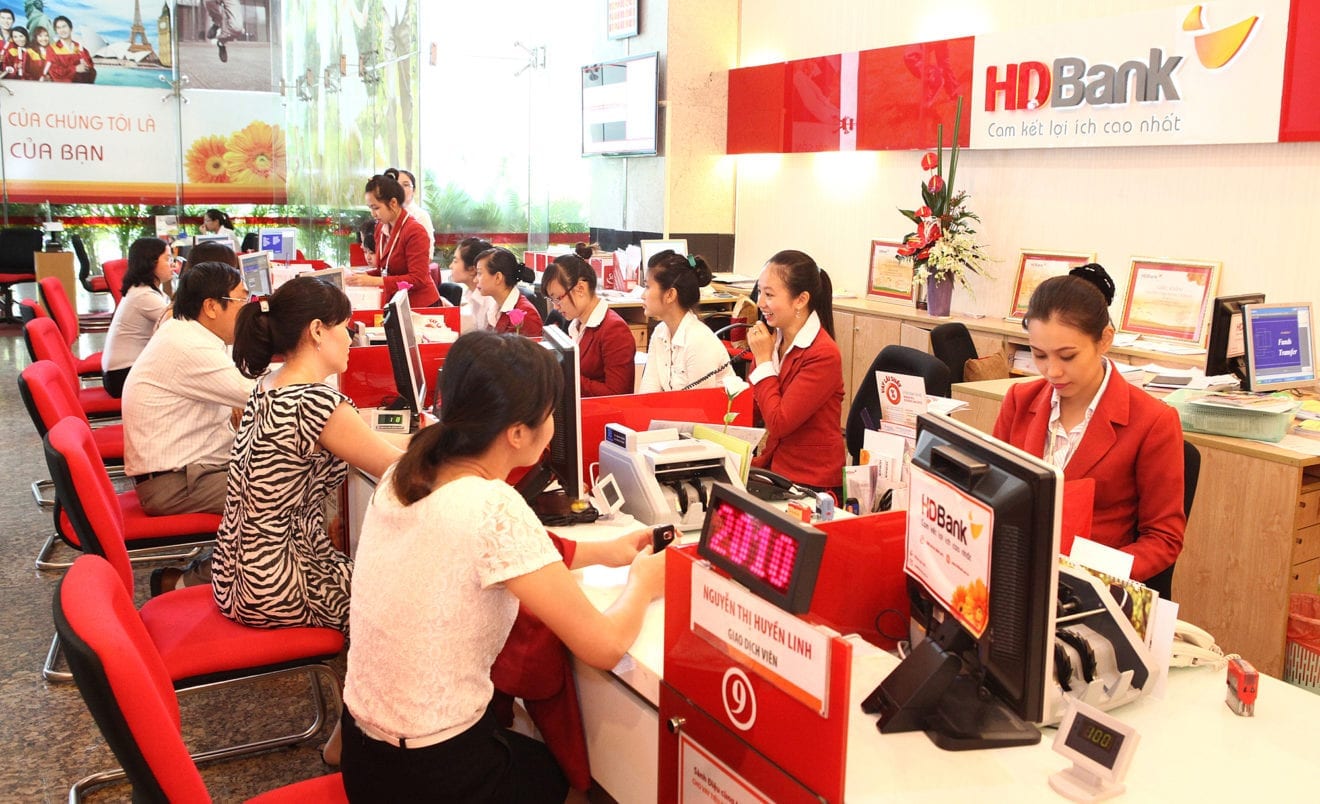
    Also in the private banking sector, HDB of HDBank added 0.7 percent, while EIB of Eximbank kept its opening price.

    State-owned banks were also some of the best performers. Of Vietnam’s three biggest lenders by assets, BID of BIDV was up 2.8 percent, VCB of Vietcombank 2.1 percent, and CTG of VietinBank, 1.1 percent. MBB of mid-sized Military Bank surged 3.5 percent.

    Another sector that outperformed this session was real estate. NVL of Novaland was up 2.4 percent, KDH of Khang Dien House 1.8 percent, ROS of FLC Faros 1.4 percent, VHM of giant Vinhomes 0.2 percent, while TCH of Hoang Huy Group was flat.

    Other major gainers, this session included VJC of budget carrier Vietjet Air with 2.5 percent, VRE of mall operator Vincom Retail with 1.3 percent, and SBT of agricultural exporter TTC-Sugar, with 1 percent.

    The only three losing stocks this session were SSI of top brokerage Saigon Securities Inc., down 1.8 percent, REE of appliances maker Refrigerated Electrical Engineering, and PLX of gasoline distributor Petrolimex, both by 0.4 percent.

    Indices for secondary main bourse Hanoi Stock Exchange (HNX), home to mid-and small-caps, and mezzanine bourse Unlisted Public Companies Market (UPCoM) rose 2.23 percent and 0.90 percent, respectively.

    Foreign investors continued to be net sellers to the tune of over 225 billion on all three bourses, with the most net offloaded stocks being HPG of steelmaker Hoa Phat Group, which gained 0.5 percent, and SSI of Saigon Securities Inc.

  • November auto sales achieve year record

    November auto sales achieve year record

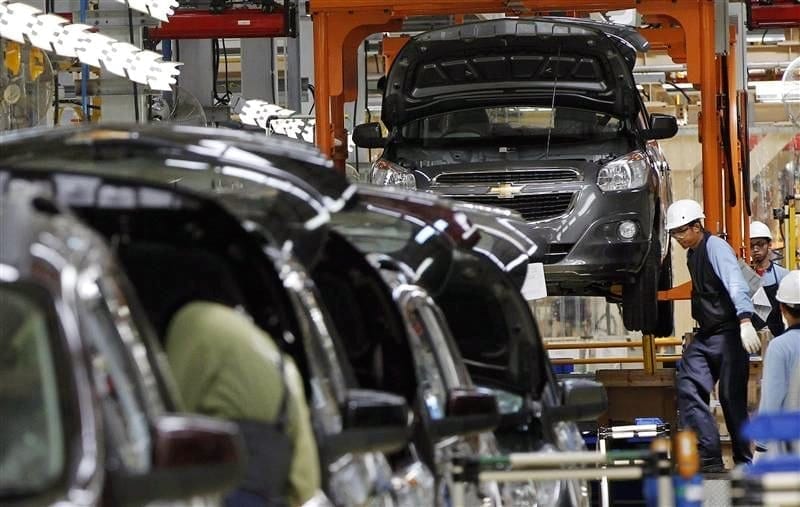
    Auto sales in November hit 36,359 units, the highest monthly number this year as Vietnam continues to contain Covid-19.

    The figure exceeded that of last year by 22 percent, making November the third month to record year-on-year growth in 2020 after February and October as Covid-19 caused sales to slump in other months, according to data from Vietnam Automobile Manufacturers Association (VAMA).

    Passenger cars accounted for 79 percent of sales, commercial vehicles nearly 20 percent, and special-purpose vehicles for the rest, data shows.

    However, auto sales in the first 11 months still fell nearly 14 percent year-on-year due to deep plunges recorded in April and August after two major Covid-19 outbreaks.

    Local brand Truong Hai Auto (Thaco) retained the top spot in the first 11 months with a 35.5 percent share of the market as sales rose two percent to 84,858 units.

    It was followed by Toyota with 59,394 units, down 16 percent and Mitsubishi with 24,387 units, down nine percent. Ford and Honda rounded off the top five.

    Last year, auto sales had risen 11.7 percent from 2018 to 322,322 units, according to VAMA.

  • Google announces major news for Android users

    Google announces major news for Android users

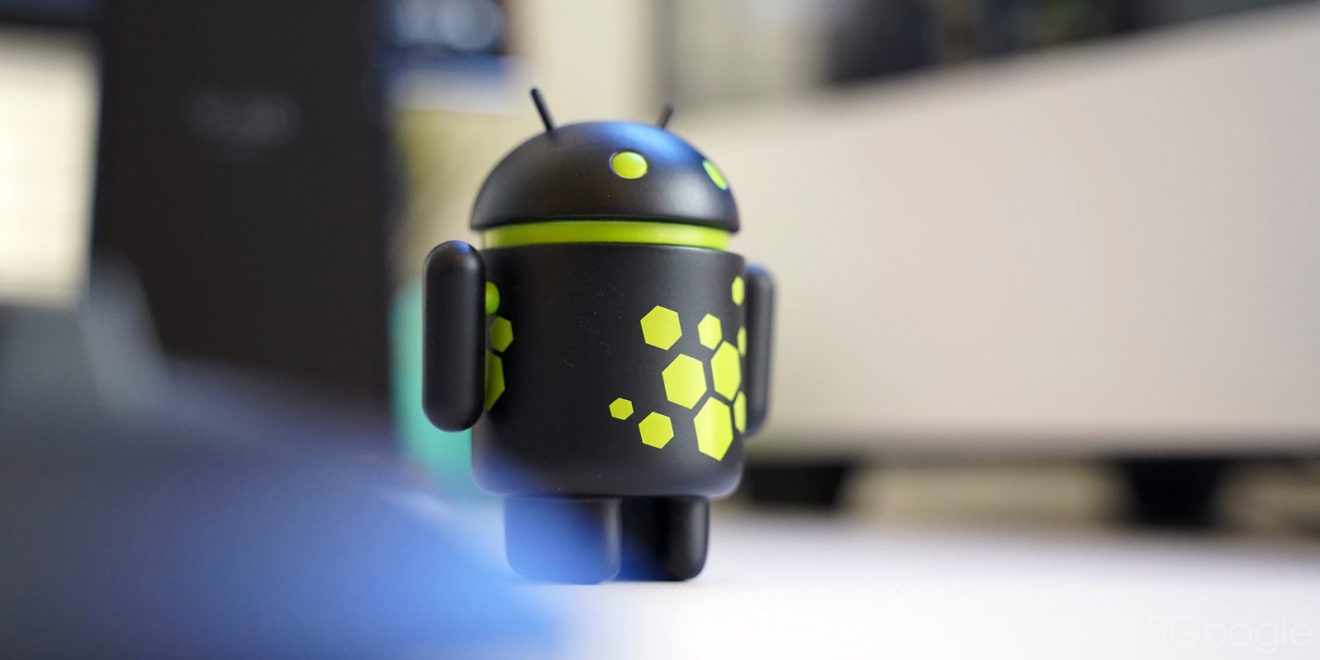
    Google has announced that Android phones starting with the ones powered by the upcoming Snapdragon 888 Mobile Platform will support four years of Android system updates instead of the typical two to three that Android phones offer. While the actual number of updates that an Android phone supports is up to the manufacturer of that handset, today’s news indicates that newer Android models will have the ability to be updated as many as four times before losing support. That would include an extra year of OS and security updates.

    Unlike Apple, which allows an iPhone model to continue to receive iOS updates until the hardware no longer can do justice to the software, Google typically ends Android support for handsets after three years. Apple has an advantage in that it not only develops iOS itself, it also is behind the design of the phone running the operating system. Google, on the other hand, does develop Android but there are quite a number of individual companies that manufacture Android phones.

    To reiterate, most Android phones can be updated for as long as three years compared to approximately five years for an iPhone model. Google’s announcement today cuts that advantage from two years to just one. But before Android users start getting giddy about that extra year of support, it will be up to Android phone manufacturers to determine whether or not to allow their phones to receive four years of Android updates.

    Extending the number of years that an Android phone can receive an OS update to four will reduce the number of times that an Android user is forced to buy a new phone just to receive the latest version of the Android OS.

  • Elon Musk’s Boring Company Proposes Citywide Expansion In Las Vegas

    Elon Musk’s Boring Company Proposes Citywide Expansion In Las Vegas

    Elon Musk’s hobby project – the Boring Company – is planning a citywide expansion of its underground tunnel system which it has been building in Las Vegas. The startup wants to build a 16-kilometer loop that serves the famous Las Vegas strip that connects the casino hotels with the downtown area of the city including its McCarran International Airport. All these loops will obviously be powered by Tesla vehicles. In addition to this, it even wants to build another loop that connects the properties owned by Caesars entertainment that includes Caesar’s palace properties. This proposal will make the tunnels that will enable transportation from the Las Vegas Convention center which is the home of CES to hotel’s like the Mandalay Bay just three minutes long as opposed to 30 minutes during peak traffic hours.

    As reported by the Las Vegas Review-Journal, a proposal was floated to the Car County officials after the Las Vegas Convention and Visitors Authority (LVCVA) finished buying the Las Vegas Monorail which filed for bankruptcy in September.

    Following the acquisition, LVCVA killed a non-compete agreement that prevented the Boring Company from digging any tunnels that served the same areas as the monorail. This monorail is not expected to reopen till 2021.

    While all of this is quite impressive, the Boring Company has been laggard in completing its original project. It is still working on its first underground people-mover which will open to the public below the Convention Center. It was originally slated for a January 2021 opening in time for CES 2021, but those plans are now not in play as CES thanks to the pandemic is a virtual event and generally, work has been slower in the wake of the COVID19 crisis.

    The Boring Company has plans of shuttling up to 4,000 people per hour through its tunnels using Tesla Model 3s and Tesla Model Xs which will operate alongside a tram built on the Model 3 platform that will be able to fit up 16 people. This tram and the cars will move autonomously, though they will also have drivers.

    Originally the LVCVA paid the Boring Company $48.6 million to build tunnels, but that cost has already swollen up to $52.5 million. If this expansion goes through, the Boring Company, will not get such a sweet deal. It will have to pay for the cost of the construction of the main tunnel of the new citywide loop, while properties that want a station will have to pay to have them built. This proposal will be put in front of the Las Vegas City Council on Wednesday and in front of the county officials in February.

  • Honda Recalling 1.79 Million Vehicles Worldwide For Safety Issues

    Honda Recalling 1.79 Million Vehicles Worldwide For Safety Issues

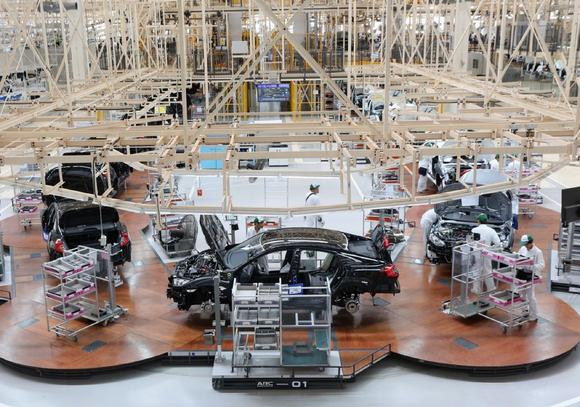
    Honda Motor said on Tuesday it was recalling 1.79 million vehicles worldwide in four separate campaigns, including some linked to reported fires. The recalls cover 1.4 million vehicles in the United States. The Japanese automaker said one recall covers 268,000 2002-2006 model year CR-V vehicles in the United States to replace power window master switches. Honda said there had been no reported injuries, but 16 fires reported related to the issue.

    Honda conducted a prior recall of the power window master switches in 2012. The new recall is in response to moisture-related failures of switches repaired under the previous campaign.

    One recall covers 268,000 2002-2006 model year CR-V vehicles in the United States to replace power window master switches.

    Honda is also recalling about 735,000 U.S. 2018-2020 Accord, Accord Hybrid and 2019-2020 Insight vehicles to update the Body Control Module software. A programming flaw could disrupt communication causing illumination of several warning lights and malfunction of electronic components, it said, including “the rearview camera display, turn signals and windshield wipers.”

    Honda is also issuing two recalls covering 430,000 U.S. vehicles in 22 U.S. states and the District of Columbia with significant road salt use to inspect and potentially replace front driveshafts. Both are in response to possible breakage of the drive shafts due to corrosion. No injuries have been reported in relation any of the recalls, the company said.

  • Facebook pissed at Apple’s new plan requiring users opt-in to receive targeted ads

    Facebook pissed at Apple’s new plan requiring users opt-in to receive targeted ads

    Apple and Facebook should not be invited to the same dinner party. Facebook fired another salvo at the iPhone maker on Wednesday accusing the company of anticompetitive behavior. Dan Levy, Facebook Vice President for Ads and Business Products, dropped the bomb in front of reporters when he said “Apple is behaving anti-competitively by using their control of the App Store to benefit their bottom line at the expense of creators and small businesses. Full stop.”

    Apple, which has been preaching privacy for its devices (especially the iPhone), is looking to prevent developers from using their apps to start tracking users and running targeted advertisements. Apple says that its new rules won’t force Facebook to change its “approach to tracking users and creating targeted advertising.” But it will force Facebook to give iOS users the option whether or not to opt in to these services. In a statement, Apple said, “We believe that this is a simple matter of standing up for our users. Users should know when their data is being collected and shared across other apps and websites — and they should have the choice to allow that or not.”

    Today, Facebook ran a full-page ad in major newspapers throughout the country. The ads criticized Apple for limiting apps from gathering information from others’ phones. This data is used to send targeted advertisements to consumers. But Facebook says that Apple is unfairly exempting its own ads platform from the new requirements it is imposing on other firms.

    During the summer, Apple said that a pop-up notification will ask iOS users for “permission to track them across apps and websites owned by other companies.” Most digital advertisers expect consumers to decline this request. Facebook’s Levy said that while his company doesn’t agree with Apple, it will comply with the new rules. “We don’t have a choice if we want our app to be available in the App Store, Levy stated. Apple and Facebook have also argued about the 30% cut of in-app purchases that Apple charges developers. Facebook has aligned itself with the small developers most affected by what is known as the “Apple Tax.” This is the same issue that has led Apple and developer Epic Games (creator of Fortnite), music streamer Spotify, and video streamer Netflix to complain about the 30% of in-app revenue that goes into Apple’s pockets.

    Facebook said today in its blog post that it was “committed to providing relevant information” in a “federal antitrust lawsuit filed by Epic Games.” Facebook wouldn’t specify how it planned to take part in the litigation.” The social media giant also paid for full-page ads in the New York Times, the Wall Street Journal and the Washington Post. The headline on the ads read, “We’re standing up to Apple for small businesses everywhere.” The ad says, “At Facebook, small business is at the core of our business. More than 10 million businesses use our advertising tools each month to find new customers, hire employees, and engage with their communities. Many in the small business community have shared concerns about Apple’s forced software update, which will limit businesses’ ability to run personalized ads and reach their customers effectively.

    Forty-four percent of small to medium businesses started or increased their usage of personal ads on social media during the pandemic, according to a new Deloitte study. Without personalized ads, Facebook data shows that the average small business advertiser stands to see a cut of over 60% in their sales for every dollar they spend.

    While limiting how personalized ads can be used does impact larger companies like us, these changes will be devastating to small businesses, adding to the many challenges they face right now. Small businesses deserve to be heard. We hear your concerns and we stand with you.”

    The bottom line is that Apple’s plan to beef up iPhone users’ privacy by asking them to opt in if they want to see targeted advertisements is not good for large or small businesses. And Facebook call this anti-competitive behavior on the part of Apple.

  • Luxury Gift-Giving Ideas in a Crisis Year

    Luxury Gift-Giving Ideas in a Crisis Year

    Gift-giving looks different in a pandemic year, but consumers aren’t eschewing luxuries entirely.

    If you like things you can hold in your hand but still want to get in on the crypto craze, Bitcoin Suisse’s certificates are worth a look: beautifully-crafted paper wallets hold bitcoin, ether, a Swiss franc-backed stablecoin, and others.

    The certificate’s design leans heavily on Bitcoin Suisse’s home: Switzerland’s spiritual mother, Helvetia, adorned by Alprose, features on the front while the reverse depicts crypto valley encircled by 23 stars representing the country’s cantons. The certificates bear a hologram designed to hold security features including nano and micro text, security guilloches, and spectral line patterns.

    Calling Enzo Enea a landscaper is like calling Dom Perignon a drink: the Swiss-based designer has designed greenscapes for the Queen of Bahrain and Prince Charles and worked with Zaha Hadid. He’s just as sought-after in his native Switzerland.

    Enea’s business is booming during the pandemic, as homebound bankers look to upgrade their surroundings. A fixture in design bibles like Monocle and Wallpaper, Enea recently-opened concept store overlooking Zurich’s Sihl river – a stone’s throw from Paradeplatz.

    Outside In embodies the philosophy of meshing the outdoors with interior quarters: the two-story shop includes statement pieces like Oscar Niemeyer’s Rio chaise longue or BassamFellows’ iconic Swiss tractor stool to Serax stoneware-cement tableware.

  • Baidu is considering designing and building electric vehicles

    Baidu is considering designing and building electric vehicles

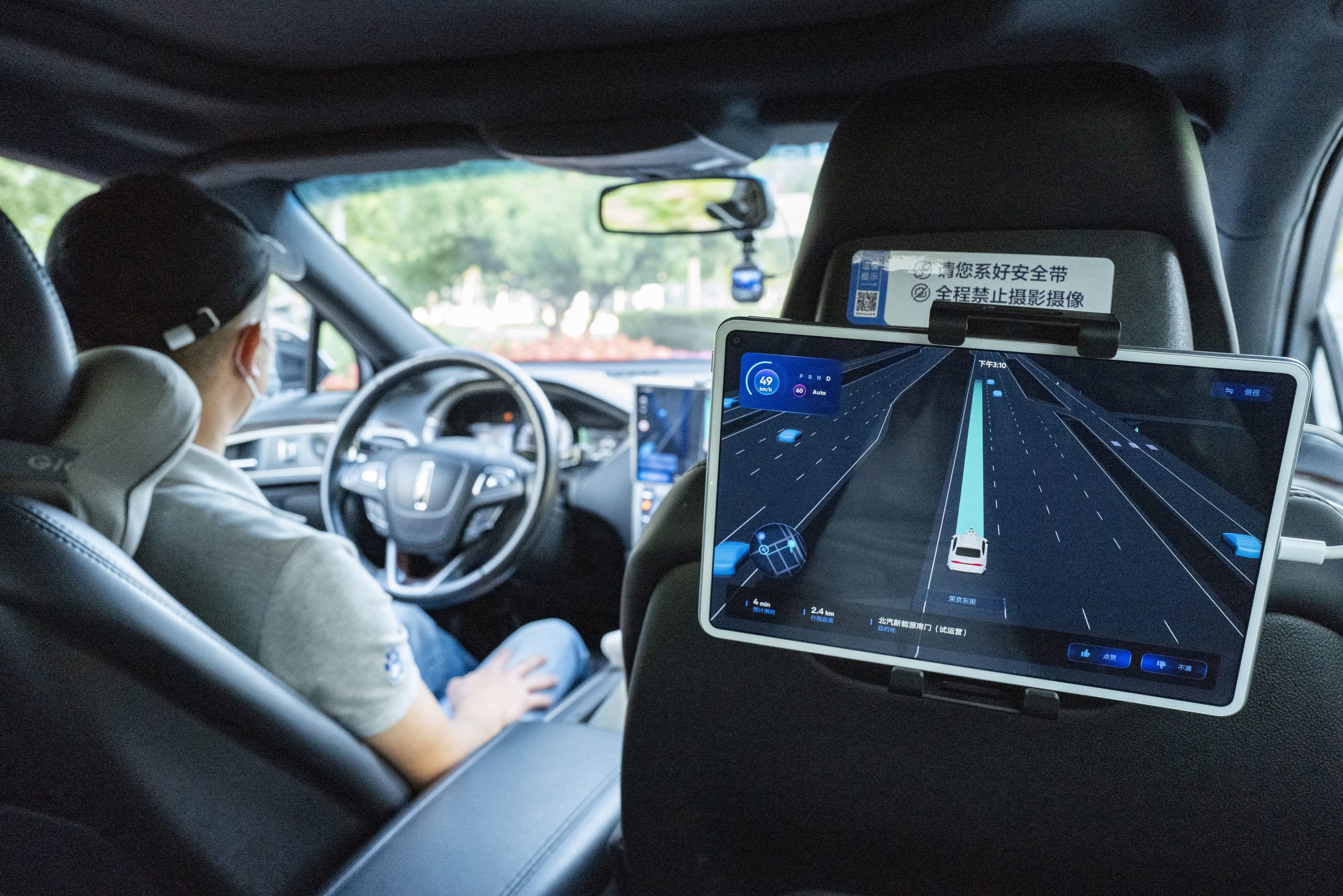
    China’s Baidu is considering making its own electric vehicles and has held talks with automakers about the possibility, three people with knowledge of the matter said, the latest move in a race among tech firms to develop smart cars.

    The search-engine leader, which also develops autonomous driving technology and internet connectivity infrastructure, is considering contract manufacturing, one of the people said, or creating a majority-owned venture with automakers.

    The initiative would be a step up from internet peers such as Tencent Holdings, Amazon, and Alphabet Inc., which have also developed auto-related technology or invested in smart-car startups.

    Baidu has held preliminary talks without reaching any decisions, with automakers including Zhejiang Geely Holding Group Guangzhou Automobile Group Co. and China FAW Group Corp.’s Hongqi, on a possible venture, the people said.

    They declined to be identified as the talks are private.

    Baidu declined to comment. GAC said it has a strategic partnership with Baidu and that any further cooperation was subject to discussion. Geely said it was not familiar with the matter. FAW did not respond to a request for comment.

    Baidu established the autonomous driving unit Apollo in 2017. The unit mainly supplies technology powered by artificial intelligence and work with automakers such as Geely, Volkswagen Group, Toyota Motor, and Ford Motor Co.

  • H&M sales dampened by second Covid-19 wave

    H&M sales dampened by second Covid-19 wave

    H&M said its net sales were down by 10% year-on-year in the fourth quarter, as a direct result of the coronavirus pandemic’s second wave. Shares ticked 0.14% lower on Tuesday morning in Stockholm.

    The world’s second-largest global clothing retailer said the first wave of the pandemic hit it the hardest, impacting its Q2 results due to “extensive social restrictions involving temporary store closures and large drops in customer footfall to physical stores.”

    It managed to gain some momentum in the third quarter, but “the recovery transitioned into a new slowdown as a result of the pandemic’s second wave.”

    For the 2020 financial year, net sales decreased by 18%.

    The group’s net sales were 52.5bn Swedish crowns ($6.2bn, £4.7bn) in Q4, down from 61.7bn Swedish crowns a year earlier.

    Its full-year report for the 2020 financial year will be published 29 January 2021.

    Meanwhile, rival Inditex, owner of Zara, posted a 14% fall in sales in the three months from August to October.

  • Singapore Exchange Makes Sustainability Push

    Singapore Exchange Makes Sustainability Push

    Singapore Exchange (SGX) is growing its sustainability capabilities and initiatives with a $20 million ($15 million) plan. SGX is allocating half of the budget towards new ESG-focused products, services and platforms, while the other half will be used for capacity building for the financial ecosystem, strengthening internal capabilities and increasing CSR commitments, the bourse announced in a statement on Tuesday.

    We want to and can push the sustainability agenda further. As a market operator and regulator, we can influence and drive greater commitment to sustainability and greener financial markets, Loh Boon Chye, CEO of SGX, said.

    All sustainability initiatives, which span across asset classes including fixed income, equities, commodities and indices, will be housed under SGX FIRST (Future in Reshaping Sustainability Together) – a multi-partner, multi-asset exchange-led sustainability platform.

    The platform also aims to equip investors and issuers in this region with greater ESG knowledge and provide them with better access to a wider range of ESG-related information

    Given its role in regional capital and financial markets, SGX can help facilitate collaboration within the ecosystem to catalyze change, SGX said in the statement.

    For fixed income, SGX is currently working with Nasdaq on the Sustainable Bond Network Initiative. While it currently covers more than 4,500 bonds, largely from the U.S. and Europe, SGX plans to enhance data access and transparency of sustainable bonds in Asia Pacific by bringing regional issuers onto the network.

    In terms of equities, more ESG-focused investment and risk management products will be rolled out in the next three years.

    SGX has expanded its existing indexing partnership with FTSE Russell, Morningstar Sustainalytics and MSCI to provide ESG ratings on companies listed on SGX. Over 30 of the most recognizable SGX-listed companies are initially covered, with plans to expand coverage in 2021. SGX is also expected to launch four futures contracts in partnership with FTSE Russell in January 2021, based on the FTSE Emerging Markets, FTSE Asia ex-Japan, FTSE Emerging Markets Asia and FTSE Blossom Japan ESG-themed indices.

    New sustainability benchmarks and ESG-related indices will also be layered alongside existing flagship multi-factor indices offered by SGX, including Scientific Beta and Index Edge products.  Scientific Beta will develop new solutions for institutional investors in the next 12 month for responsible investing that aligns to Paris agreement climate change goals.

  • Citi Registers Record-High Wealth Inflows in APAC

    Citi Registers Record-High Wealth Inflows in APAC

    Citi in Asia Pacific posted record-high net new money of $20 billion across its wealth management business in the region. This represents a 10 percent year-on-year increase, according to a statement from the bank, and pushes total assets under management across the wealth business to $238 billion with approximately one-third of billionaires in the region as its clients.

    The figures include the whole wealth business covering from emerging affluent to ultra-high net worth clients including Citi Priority, Citigold, Citigold Private Client, and Citi Private Bank.

    The Asia Pacific wealth market stands out in its scale and growth potential. And this is not a cyclical opportunity – it is structural, driven by the emergence of a vast middle class and the rapid development of regional capital markets, said Peter Babej, Citi’s APAC CEO. Along with macro-level asset growth, Asian customers increasingly require portfolio advice, design and allocation geared toward diversification of asset types and geographic exposures.

    Not unlike its industry competitors, Citi is also boosting investments in technology with a new mobile banking platform that boasts enhanced wealth management tools and user growth of over 1 million.

    As we grow our wealth operations, we are focused on first-rate service – and that means staying ahead in technology, Babej said.

    Clients increasingly want world-class advisory delivered on their preferred terms – online, face-to-face, or both. Our wealth centers, with world-class RMs leveraging digital wealth management solutions, are geared to delivering the customized value propositions that our clients require.

    Also not unlike others, Citi also believes that the human touch remains very much relevant in the wealth management industry despite rapid technological advancements. The bank’s relationship managers are currently trained by the Citi Wharton Global Institute, a joint executive education program launched with business school Wharton in 2015.

    We continually invest in both our people and our technology to remain at the forefront of this fast-moving business,” Babej added.