Author: Mei Ling Tan

  • South Korea Gets New Solar Panel Covered Bike Lane

    South Korea Gets New Solar Panel Covered Bike Lane

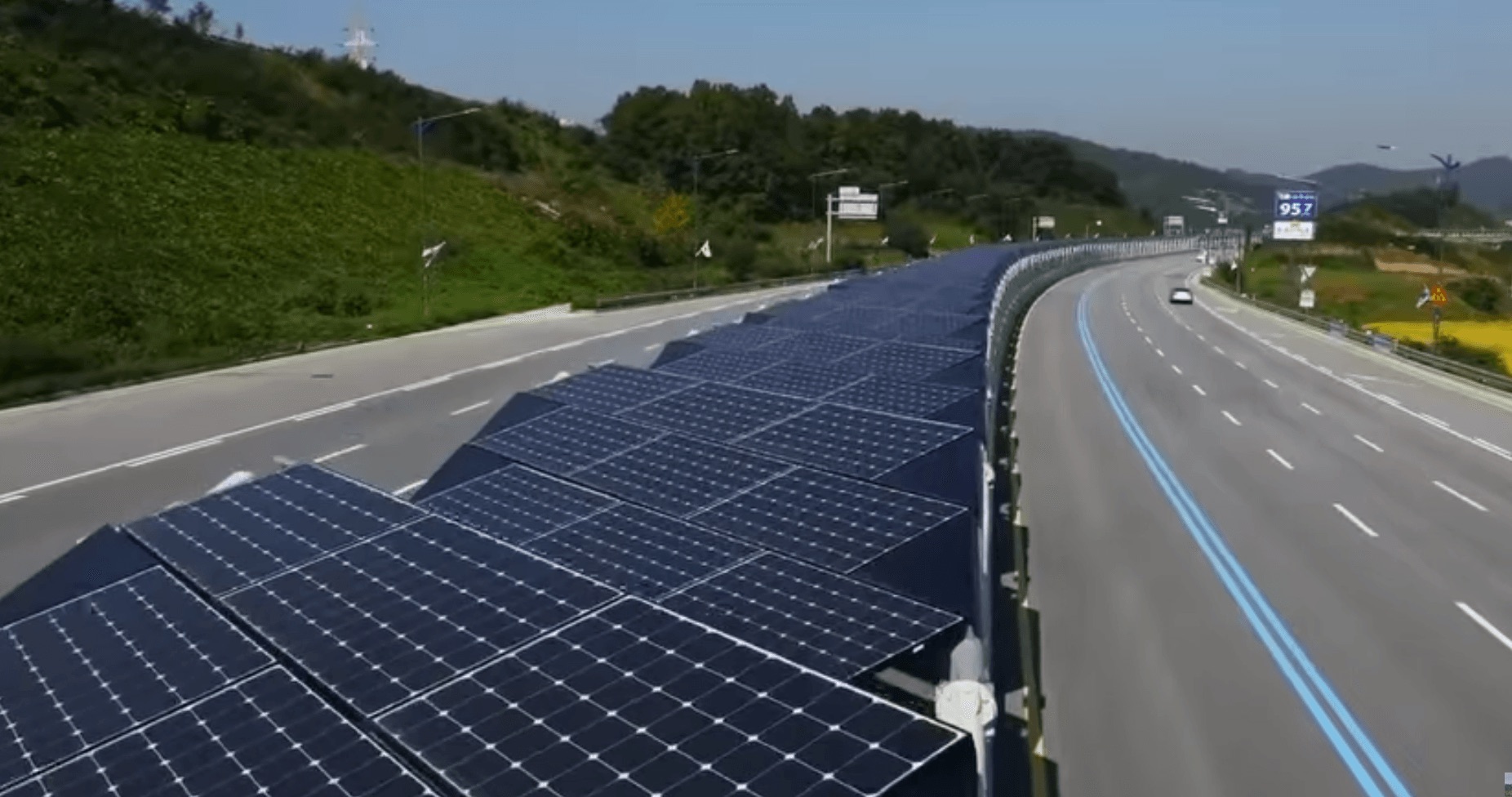
    Last year, we got to know about the SolaRoad in the Netherlands where the road was replaced by solar panels and its infrastructure was self-sufficient to power the lighting system of the highway. Now there’s a new highway in South Korea that runs between Daejon and Sejong and its entire bike lane on the 32 km stretch is covered with solar roof panels. These panels not only generate electricity but also protect cyclists from the sun and other vehicles on the highway.

    The two-way bike lane runs between both cities and is constructed right in the middle of the lanes, while there are three lanes for vehicles to travel on both sides. Furthermore, the lane is divided by the side barriers that block the view of the surrounding road and also obstructs high beam lights of oncoming vehicles. The vehicles are still visible on the medium strip but you don’t get the entire view of the opposite lane.

    These lanes generate more than enough electricity to power the lighting and the charging sockets for electric cars. The stretch is a new innovation in civil engineering and while it connects Daejon and Sejong like any other highway, it does so in a much efficient and safer manner.

  • ZA Tech Partners to Launch Insurtech in Indonesia

    ZA Tech Partners to Launch Insurtech in Indonesia

    Chinese firm ZA Tech Global is partnering Indonesian payments giant Ovo to offer Indonesian insurance companies access to its proprietary insurtech capabilities and applications.

    BCP, the holding company of Indonesia’s leading e-wallet Ovo, and ZA Tech Global, a technology venture for overseas markets of ZhongAn Online P&C Insurance, have announced a strategic joint venture to create an insurtech platform in Indonesia, towards fast-tracking digitalization of Indonesia’s insurance industry and improving financial inclusion.

    The joint venture will help Indonesian insurance companies rapidly digitize their products and offer fractionalized digital insurance products to the masses, in turn driving and improving financial inclusion in Indonesia’s vastly underserved market, the announcement said.

    The announcment noted that only 1.7 percent of Indonesia’s population of 265 million are currently covered by private insurance. It is also the fastest-growing market in Southeast Asia, with economic growth averaging over 5 percent in the past three years.

    The low awareness of the benefits and role of insurance as a tool for protection, savings and wealth creation in Indonesia is something we seek to address. The current pandemic has further highlighted the need for insurance to safeguard people’s health and welfare,» Bill Song, CEO of ZA Tech, said.

    ZA Tech Global previously inked micro-insurance partnerships with Grab and NTUC Income in Singapore, and regionally with AIA.

  • BMW 3 Series Gran Limousine India Launch Date Revealed

    BMW 3 Series Gran Limousine India Launch Date Revealed

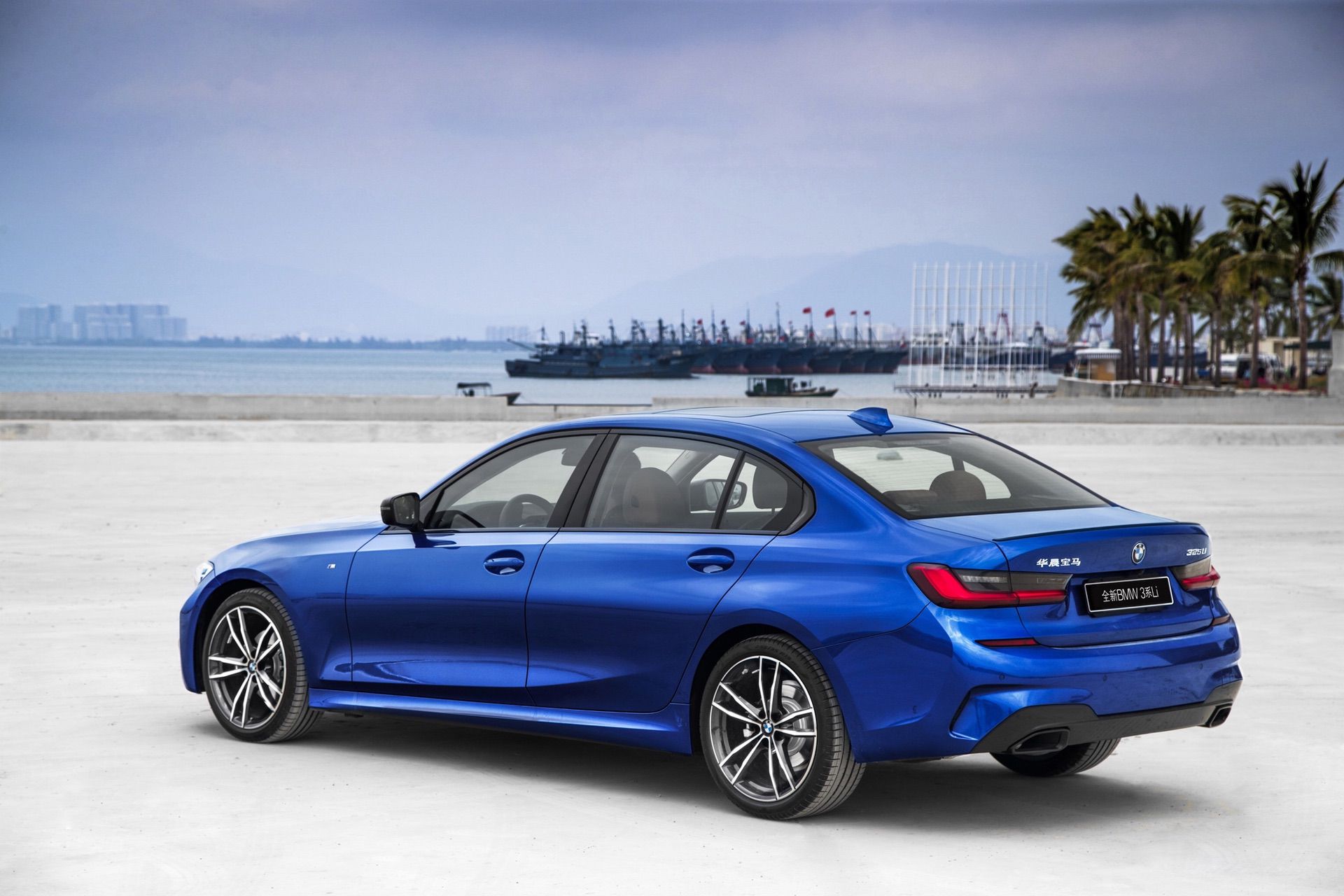
    BMW is set to launch its largest product offensive in India in 2021 and it’s starting with the all-new BMW 3 Series Gran Limousine (GL). The BMW 3 Series Gran Limousine will be launched in India on January 21, 2021 and it will be the longer wheelbase version of the standard 3 Series leveraging more legroom on the inside. It will be the longest and most spacious entry-level luxury sedan in India while will share the mechanicals and overall design with the standard car, save for the long profile.

    It is likely to share its underpinning with the standard car as well, being spawned by the CLAR platform and while the interior layout is likely to remain similar too. You can also expect it to get all the features that we have already seen in the new BMW 3 Series like the Hey BMW connected car tech, wireless charging, wireless Apple CarPlay, BMW live cockpit professional, 3D navigation, rear park assist, a 12.3-inch digital instrument cluster and a 10.25-inch infotainment screen among others.

    It’s also likely to share its engine line-up with the BMW 3 Series sedan. Under the hood, it is likely to get the 2.0-litre, four-cylinder, turbocharged petrol motor tuned to churn out 255 bhp and 400 Nm of peak torque. If BMW decides to bring the diesel iteration as well, it will be the 2.0-litre, four-cylinder, turbocharged engine that produces 188 bhp and 400 Nm of peak torque. Both engines are expected to be paired with an eight-speed automatic gearbox as standard. BMW will also launch the 2 Series Gran Coupe Petrol, 5 Series Facelift and the 6 Series GT Facelift late in 2021.

  • Apple ties up much of TSMC’s 5nm chip production for next year

    Apple ties up much of TSMC’s 5nm chip production for next year

    These are the Golden days for Apple’s in-house chipsets. For example, benchmark tests reveal that the A14 Bionic used to power the iPhone 12 series outperforms the upcoming Snapdragon 888 chipset (which will be found in 2021 Android flagship phones). Even more interesting, last year’s A13 Bionic, which drives the iPhone 11 family, also produced a better score than the Snapdragon 888. Both A-series chips are designed by Apple and are produced by TSMC, the largest independent foundry in the world. The Snapdragon 888 is designed by Qualcomm and will be manufactured by Samsung using its new 5LPE process node.

    Apple happens to be TSMC’s largest customer; Huawei was second until the U.S. changed an export rule that now blocks foundries using American-made tech from shipping chips to the Chinese based manufacturer. TSMC’s advanced 5nm production capabilities for 2021 have been “booked out.” Apple has reserved much of this production (80% according to the report) for 5nm A14 Bionic and A15 Bionic Application Processors for the 2020 and 2021 iPhone models. Apple also has booked 5nm production for its ARM related M1 computer processor. Apple replaced some Intel processors for new MacBook models with the home-grown M1; the latter contains a whopping 16 billion transistors inside. The higher a chip’s transistor density (number of transistors packed inside a dense square mm space), the more powerful and energy-efficient the component is.

    TSMC’s revenue is expected to hit an all-time high this year with another record high due for 2021. The company also plans to begin Risk Production of 3nm chips next year. Part of the process of designing and manufacturing new chips includes Risk Production. These are cutting-edge chips that are sold to manufacturers willing to buy them without having to go through testing. That puts the risk squarely on the buyer. The foundry says to expect a performance boost of 10% to 15% with its 3nm chips along with a 20% to 25% increase in energy-efficiency.

    Last month, a report stated that the A16 Bionic chip for the 2022 iPhone 14 will reportedly be manufactured using the 4nm process node. However, this past summer another report said that the A16 Bionic would be manufactured using the 3nm process node. Next year’s iPhone 13 line will be powered by the A15 Bionic and produced once again by TSMC using the 5nm process node.

    To show you how far this technology has advanced over the last decade, consider the Apple A4 chip. Designed in-house for the very first time, the A4 was manufactured for 2010’s iPhone 4 by Samsung using the latter’s 45nm process node. Speaking of Samsung, the company and TSMC are the only foundries currently capable of producing 5nm chipsets.

  • Abbott accelerates healthcare transformation in Vietnam

    Abbott accelerates healthcare transformation in Vietnam

    A conference will be held in Hanoi this month to accelerate digital transformation in the health sector, using technological achievements to raise the quality of treatments as Vietnam seeks to expand its remote healthcare network nationwide.

    Overview and approaches of the sector’s digital transformation will be high on the agenda of eHealth Vietnam Summit 2020, to be held by the Health Ministry on December 29-30, organizers stated on the event website.

    Remote healthcare consultation and support has become critically important this year when travel is restricted and hospitals face huge challenges due to Covid-19.

    Vietnam, which has been praised by the international community for its success in containing the outbreaks, has established Telehealth, a network aimed to connect some 14,000 health facilities nationwide and link them with other countries in the medical field, part of the nation’s digital transformation program towards 2025, with a vision to 2030.

    The network will allow people nationwide to access medical services, receive consultation and treatment by doctors from higher-level hospitals remotely, thus reducing patient congestion at central hospitals, said a report shared on the Ministry of Health website in September. By late September 2020, the network had connected 1,000 medical examination and treatment facilities with nearly 30 key hospitals in Hanoi and Ho Chi Minh City, the ministry stated. In late November, it required all hospitals in the country to connect to the network for treatment, practice sharing, and learning.

    Amid the country’s drive for digital transformation this year, Abbott, the Chicago-based company on the forefront of innovation for more than 130 years, has continuously brought life-changing technologies and breakthroughs in diagnostics, medical devices, medicine and nutrition to Vietnam. This demonstrates the company’s long-standing commitment as a strategic partner to shape the future of healthcare in Vietnam and the region.

    In order to boost speed, efficiency and accuracy in patient diagnosis and treatment, Abbott has brought in Alinity, a family of systems that reinvents the way diagnostic laboratories work by simplifying diagnosis.

    Alinity, derived from Alignment, Innovation and Unity, has been made available in 18 hospitals and six blood banks including Medic, Cho Ray Hospital, Tu Du Hospital, Hung Vuong Hospital, Ho Chi Minh City Medical University Hospital, Danang General Hospital, DIAG, Hanoi Medical University Hospital and the National Institute of Hematology and Blood Transfusion.

    In 2020, Abbott introduced Alinity m, its latest new-generation platform, fully integrated and automated molecular diagnostics analyzer that uses innovative technology to deliver greater flexibility and efficiency. The platform is now available in hospitals and healthcare facilities including Military Hospital 108, Medic, Medlatec, Bach Mai Hospital in Hanoi as well as Cho Ray Hospital in Ho Chi Minh City.

    Vietnam’s health facilities are utilizing Abbott’s advanced technology, diagnostics systems and devices, including High-Sensitivity Troponin-I Test, DBS viral loading test and first-of-its-kind, life-saving device MitraClip designed for those with common heart valve disorders.

    High-Sensitivity Troponin-I Test, also known as Hs Troponin-I test, aims to check the level of troponin, a protein found specifically in heart muscle cells. A high content of the macronutrient detected from the test provides better predictive information for determining a person’s chances of developing future heart disease when added to the current standard of care.

    The test also offers gender-specific cut-offs, allowing physicians to more accurately diagnose myocardial infarction, commonly known as heart attacks, in women. A study published in the British Medical Journal found Abbott’s test uncovered twice as many heart attacks in women than standard troponin screening. It is exceptionally crucial for doctors to conduct early diagnosis of a heart attack to act quickly in critical moments. As in Vietnam, one out of three people suffers a heart attack each year.

    Abbott’s Hs Troponin-I test has become the first and only approved by the Health Ministry to aid cardiac risk stratification thanks to its significance and efficiency. Therefore, the test now not only serves patients facing heart disease risks but is also dedicated to better health management.

    If the Hs Troponin-I test is aimed to serve a larger community, the DBS test, known as the dried blood spot test, helps ease access to HIV viral load testing for Vietnamese in remote areas as the procedure is simple and requires no refrigeration. It uses a few blood drops dried on a filter paper before being shipped to a laboratory for analysis. The process has recently been expanded to HCV testing, and proves efficient especially in this tough time of fighting the pandemic.

    In order to advance heart and cardiovascular disease treatment, Abbott has introduced minimally invasive mitral valve repair device MitraClip, a transcatheter-based device, to help Vietnamese with common heart valve disorders. The MitraClip procedure involves doctors guiding a thin tube through a patient’s vein toward the mitral valve to help it close more efficiently without open-heart surgery, thus enabling speedy recovery.

    In October, Prix Galien USA honored Abbott’s MitraClip therapy as the Best Medical Technology for 2020. Considered as the industry’s equivalent of the Nobel Prize in biopharmaceutical and medical technology research, the award recognizes excellence in scientific innovation that improves the state of humankind. This device has transformed the lives of more than 100,000 people globally living with mitral regurgitation, or a leaky heart valve.

    After 25 years’ expansion in Vietnam, Abbott has achieved sustainable business growth, developed strong local talent and offered significant opportunities. The company has continuously offered Vietnam with breakthroughs in nutrition, medicines, diagnostics and medical devices.Glucerna, the newly enhanced reformulation designed to help people with diabetes, is the latest arrival from Abbott. The dual therapeutic benefits of Glucerna’s new formulation promote GLP-1 secretion with its unique nutrients and improves insulin sensitivity for better glycemic control.Vietnam has been one of the first countries where Abbott’s nutrition business has launched breakthrough products, such as Similac Eye-Q Plus with HMO that nurtures stronger immunity and brain development among babies; PediaSure MRI with Arginine and natural Vitamin K2 that help children reach their optimal growth and potential; Ensure Gold with special nutritional ingredient HMB, protein, calcium, vitamins and nutrients to help the elderly overcome the loss of muscle strength.

    Besides, Abbott has also introduced Surbex Natural Lingzhi, another science-based health supporting product available in capsules that boost immunity, enhance liver function and overall body resistance.

    Last month, Abbott again made No.1 in Pharma/Medical Equipment/Healthcare for the seventh consecutive year in the list of “Vietnam Best Places to Work 2020.” Its recognition in Vietnam affirms Abbott’s leadership in the healthcare industry, having created an innovative and winning culture that empowers employees to reach their full potential.

    Abbott and its foundation, Abbott Fund, have provided more than VND250 billion ($10.5 million) in grants and product donations to address critical health issues, focused on removing barriers preventing Vietnamese from living healthy lives, and strengthening the country’s health sector.

  • Delhi High Court rejects Amazon challenge to $3.4 billion Reliance deal

    Delhi High Court rejects Amazon challenge to $3.4 billion Reliance deal

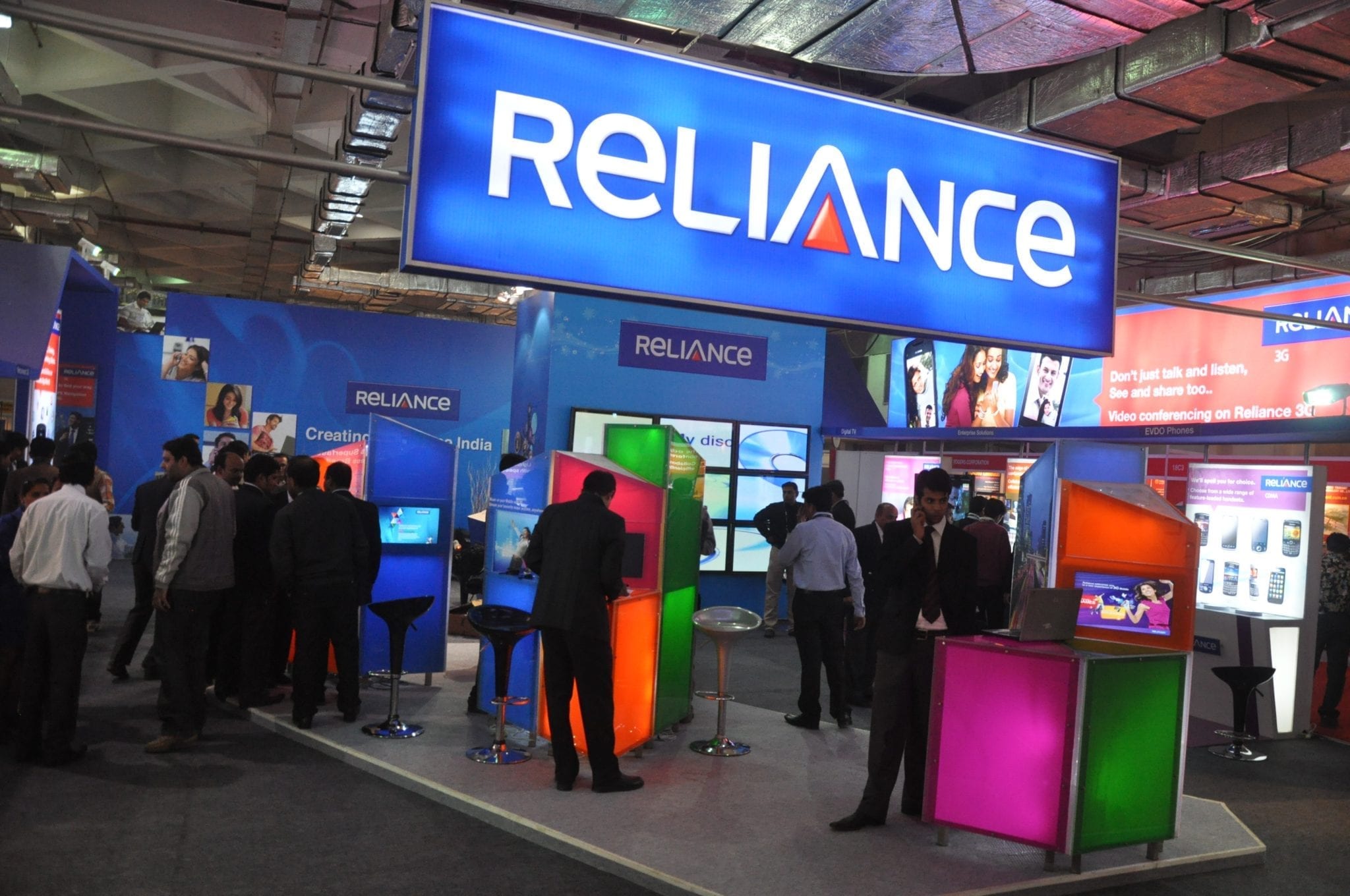
    The Delhi High Court on Monday refused to restrain Jeff Bezos-led Amazon from interfering in Kishore Biyani-headed Future Retail’s $3.4 billion deal with Mukesh Ambani-owned Reliance Retail by writing to statutory authorities.

    The order was pronounced by a Single Judge Bench of Justice Mukta Gupta in the suit by Future Retail Ltd after an Emergency Arbitrator of the Singapore International Arbitration Centre (SIAC) restrained Future Group from taking any steps in furtherance of the transaction with Reliance Retail, according to the information available on law platform Bar & Bench.

    “However, the court passed a neutral observation that the balance of convenience lay both in favor of FRL and Amazon and also observed that the statutory authorities were free to form their own opinion as per law,” said Salman Waris, managing partner at technology law firm TechLegis Advocates and Solicitors, after doing an analysis of the development. “The Court opined that it was ‘a matter of trial’ to determine whether Amazon’s case outweighed FRL’s claim and for now, it was for the statutory authorities (or) regulators to come to their own right conclusion.”

    In August, retail conglomerate Future Group struck a $3.4 billion asset sale deal with Reliance Industries Ltd (RIL). Amazon then sent a legal notice to Future, alleging the retailer’s deal breached an agreement with the American e-commerce giant. This was because last year, Amazon had bought a 49 percent stake in one of Future’s unlisted firms Future Coupons Pvt Ltd (FCPL) for Rs 1,430 crore. As per the conditions of the deal the disputes was arbitrated under SIAC rules and Amazon won a favorable ruling. Future Retail then approached the Delhi High Court seeking relief against the arbitration order passed by the SIAC with regard to its deal with Reliance.

    The Delhi High Court, prima facie, found that the suit filed by Future Retail was maintainable, the Emergency Award was valid, and that Future Retail’s resolution approving the transaction with Reliance was also valid, according to Bar & Bench.

    Waris of TechLegis said for Amazon, the court held that the ‘control’ as per the conflation of 3 agreements is not permitted under FEMA (Foreign Exchange Management Act) FDI (Foreign direct investment) rules, without the government’s approval. Thus, prima facie Amazon’s plea is void. However, Waris said the breach of the agreement by FRL would make a strong case for Amazon since it owns a stake in Future Coupons Pvt Ltd, which is, in turn, has a 9.82 percent shareholder in FRL.

    Without challenging the Emergency Award before the High Court, FRL had prayed Amazon be prevented from writing to statutory authorities such as the Securities and Exchange Board of India (Sebi) in an attempt to stall the deal, according to Bar & Bench.

    Also, FRL had asserted that the Emergency Award was of no consequence as it was not enforceable in the Indian regime.

    Earlier Future Retail’s representative had told the arbitration panel that if the deal with Reliance Retail fails, then the company would go into liquidation. The closure of the company would lead to over 29,000 job losses. Also, the company lost Rs 7,000 crore in revenue in the first three to four months of the pandemic phase.

    “(As) For Future, FRL does not want Amazon to interfere in the $3.4 Billion asset sale deal,” said Waris. “Moreover, it also contended that being an investor in Future Coupons Pvt Ltd and not FRL, Amazon had no say in a transaction between FRL and Reliance.”

    Waris said Reliance supported FRL’s case before the High Court, arguing that Amazon was “playing mischief” by stalling the deal that would save FRL from going under. “The said deal would get the benefit of economies of scale as Reliance Retail is India’s largest, most profitable retail business and is the fastest-growing retailer in the world thus far,” said Waris.

    Last month the court witnessed a lot of drama in this case. Future Retail which was represented by senior advocate Harish Salve likened Amazon to the “East India Company’” and told the court that its interference in the Future-Reliance deal would result in thousands of job losses and make FRL bankrupt. Amazon, represented by senior advocate Gopal Subramanium, told the court that it has invested $6.5 billion all over India and created 900,000 jobs. He had said some comments were made which were misplaced and said that the rhetoric should be kept aside on Amazon being called “East India Company.”

    Meanwhile, in November, the Competition Commission of India (CCI) cleared Reliance Industries’ (RIL) bid to buy Future group’s retail, wholesale and logistics assets even as Amazon had sought to block the transaction, alleging contractual violations by Future.

  • Apple to build a car by 2024, with ‘next level’ battery

    Apple to build a car by 2024, with ‘next level’ battery

    Apple Inc is moving forward with self-driving car technology and is targeting 2024 to produce a passenger vehicle that could include its own breakthrough battery technology, people familiar with the matter said.

    The iPhone maker’s automotive efforts, known as Project Titan, have proceeded unevenly since 2014 when it first started to design its own vehicle from scratch. At one point, Apple drew back the effort to focus on software and reassessed its goals. Doug Field, an Apple veteran who had worked at Tesla Inc, returned to oversee the project in 2018 and laid off 190 people from the team in 2019.

    Since then, Apple has progressed enough that it now aims to build a vehicle for consumers, two people familiar with the effort said, asking not to be named because Apple’s plans are not public. Apple’s goal of building a personal vehicle for the mass market contrasts with rivals such as Alphabet Inc’s Waymo, which has built robo-taxis to carry passengers for a driverless ride-hailing service.

    Central to Apple’s strategy is a new battery design that could “radically” reduce the cost of batteries and increase the vehicle’s range, according to a third person who has seen Apple’s battery design.

    Apple declined to comment on its plans or future products.

    Making a vehicle represents a supply chain challenge even for Apple, a company with deep pockets that makes hundreds of millions of electronics products each year with parts from around the world, but has never made a car. It took Elon Musk’s Tesla 17 years before it finally turned a sustained profit making cars.

    “If there is one company on the planet that has the resources to do that, it’s probably Apple. But at the same time, it’s not a cellphone,” said a person who worked on Project Titan.

    It remains unclear who would assemble an Apple-branded car, but sources have said they expect the company to rely on a manufacturing partner to build vehicles. And there is still a chance Apple will decide to reduce the scope of its efforts to an autonomous driving system that would be integrated with a car made by a traditional automaker, rather than the iPhone maker selling an Apple-branded car, one of the people added.

    Two people with knowledge of Apple’s plans warned pandemic-related delays could push the start of production into 2025 or beyond.

    Shares of Tesla ended 6.5% lower on Monday after their debut in the S&P 500 on Monday. Apple shares ended 1.24% higher after the news.

    Apple has decided to tap outside partners for elements of the system, including lidar sensors, which help self-driving cars get a three-dimensional view of the road, two people familiar with the company’s plans said.

    Apple’s car might feature multiple lidar sensors for scanning different distances, another person said. Some sensors could be derived from Apple’s internally developed lidar units, that person said. Apple’s iPhone 12 Pro and iPad Pro models released this year both feature lidar sensors.

    Apple had held talks with potential lidar suppliers, but it was also examining building its own sensor.

    As for the car’s battery, Apple plans to use a unique “monocell” design that bulks up the individual cells in the battery and frees up space inside the battery pack by eliminating pouches and modules that hold battery materials, one of the people said.

    Apple’s design means that more active material can be packed inside the battery, giving the car a potentially longer range. Apple is also examining a chemistry for the battery called LFP, or lithium iron phosphate, the person said, which is inherently less likely to overheat and is thus safer than other types of lithium-ion batteries.

    ”It’s next level,” the person said of Apple’s battery technology. “Like the first time you saw the iPhone.”

    Apple had previously engaged Magna International Inc in talks about manufacturing a car, but the talks petered out as Apple’s plans became unclear, a person familiar with those previous efforts said. Magna did not immediately respond to a request for comment.

    To turn a profit, automotive contract manufacturers often ask for volumes that could pose a challenge even to Apple, which would be a newcomer to the automotive market.

    “In order to have a viable assembly plant, you need 100,000 vehicles annually, with more volume to come,” the person said.

    Some Apple investors reacted to the Reuters report on the company’s plans with caution. Trip Miller, managing partner at Apple investor Gullane Capital Partners, said it could be tough for Apple to produce large volumes of cars out of the gate.

    “It would seem to me that if Apple develops some advanced operating system or battery technology, it would be best utilized in a partnership with an existing manufacturer under license,” Miller said. “As we see with Tesla and the legacy auto companies, having a very complex manufacturing network around the globe doesn’t happen overnight.”

    Hal Eddins, chief economist at Apple shareholder Capital Investment Counsel, said Apple has a history of higher margins than most automakers.

    “My initial reaction as a shareholder is, huh?” Eddins said. “Still don’t really see the appeal of the car business, but Apple may be eyeing another angle than what I’m seeing.”

  • Thai occupancy rates holding up despite Covid-19 crunch

    Thai occupancy rates holding up despite Covid-19 crunch

    Thailand’s Accommodation Occupancy Rate (AOR): Whole Kingdom data was reported at 30.400 % in Oct 2020. This records an increase from the previous number of 27.930 % for Sep 2020. Thailand’s Accommodation Occupancy Rate (AOR): Whole Kingdom data is updated monthly, averaging 66.030 % from Jan 2015 to Oct 2020, with 70 observations. The data reached an all-time high of 81.260 % in Jan 2019 and a record low of 2.260 % in Apr 2020.

    Thailand’s Accommodation Occupancy Rate (AOR): Whole Kingdom data remains active status in CEIC and is reported by Bank of Thailand. The data is categorized under Global Database’s Thailand – Table TH.Q004: Hotel Occupancy Rate and Average Room Rate (Monthly).

  • Vietnam Airlines seeks shareholder loans

    Vietnam Airlines seeks shareholder loans

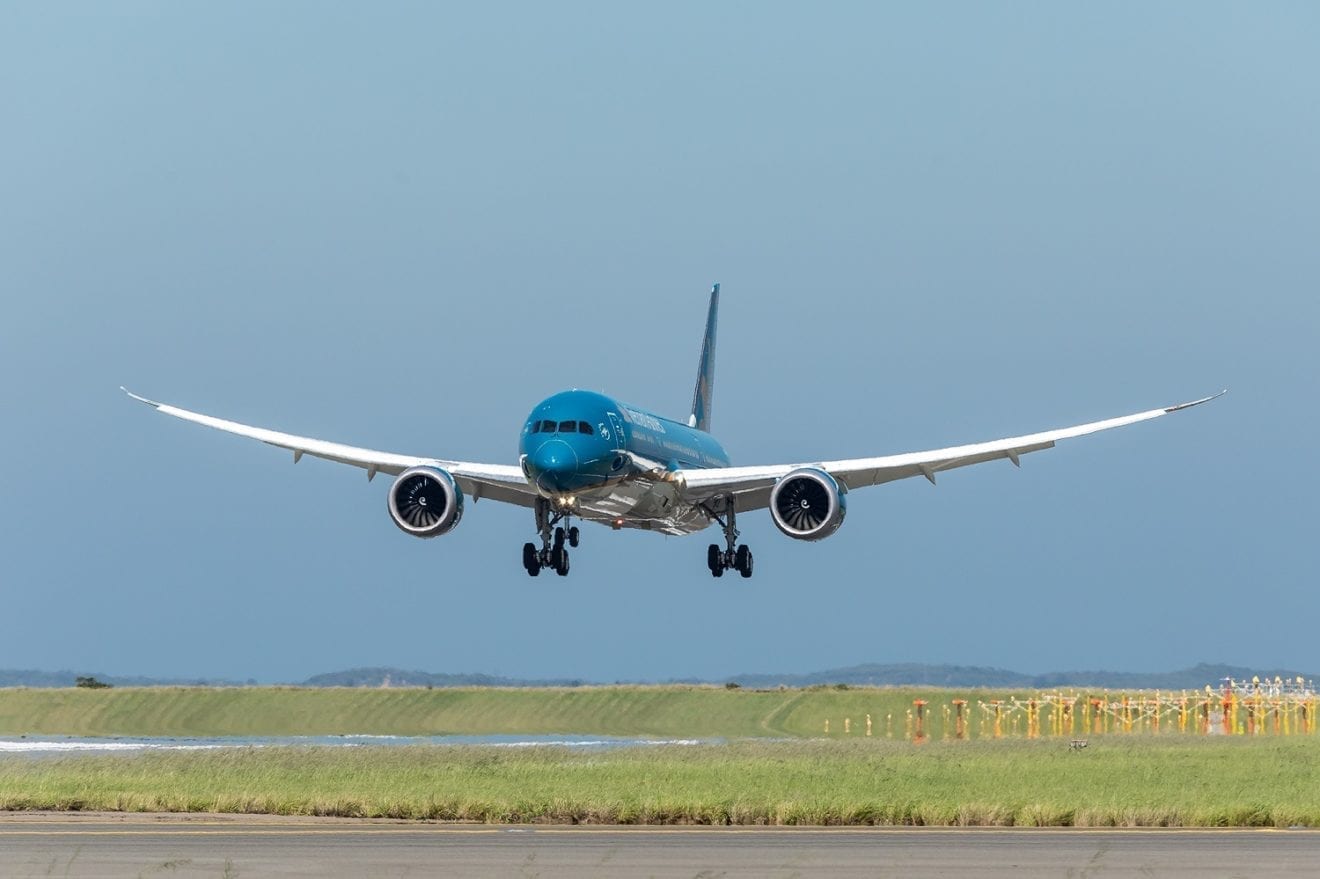
    Vietnam Airlines Group has called an extraordinary shareholders’ meeting next week to source low-interest loans to accelerate Covid-19 recovery.

    At the meeting, to be held on Dec. 29, the flag carrier will seek loans from its shareholders that comprise the government with an over 86 percent stake, Japanese aviation company ANA Holdings with 8.7 percent, and other organizations and individuals.

    The National Assembly in November approved a plan for the central bank to refinance Vietnam Airlines and rollover loans. The airline had earlier asked for a relief package of VND12 trillion.

    The group will also seek shareholder approval to issue more shares to existing stakeholders and so increase its capital.

    Vietnam Airlines Group, consisting of the carrier and subsidiaries Pacific Airlines and Vietnam Air Services Company (VASCO), posted a loss of VND10.75 trillion ($464 million) for January-September as the Covid-19 pandemic slashed its number of flights.

    It has forecast the figure would rise to VND15.2 trillion for the whole year.

    All Vietnamese airlines have fallen victim to Covid-19 this year with the number of flights plunging 36 percent year-on-year to 19.

  • Wirecard Seeks Buyer in Singapore

    Wirecard Seeks Buyer in Singapore

    The firm was ordered to cease payment services in the country in October, and to return all customers’ funds, amid an investigation into missing funds.

    Payments services provider Wirecard is seeking a buyer for its Singapore entity and has at least one party interested in acquiring the business, according to a report on Tuesday.

    The company has lost about one-third of its staff since it was ordered to cease its core business activities in Singapore, where it provided payment processing services to 1,900 companies, a report said.

    At its peak, Wirecard employed more than 350 people in Singapore, where it has a call center, sales deployment team, regional commercial team, and project management office. As of October, it still had 250 people, including 180 locals, on its payroll, who are working from home and supporting its businesses in Hong Kong and Indonesia.

    Wirecard is at the center of one of the region’s biggest corporate accounting scandals in recent years, having admitted that €1.9 billion ($2.25 billion) is missing from its financial accounts.

    Its parent company in Germany has filed for insolvency, and its CEO Markus Braun as well as other top executives have been arrested, while former operating chief Jan Marsalek remains missing.

    So far, one Singaporean has been indicted – a director of a local accounting firm that allegedly helped Wirecard falsify letters about the funds held in its escrow accounts.

  • What Volkswagen India’s SUVW Strategy Entails

    What Volkswagen India’s SUVW Strategy Entails

    How many times have you seen a Volkswagen Beetle and not given it another look? Well, the answer is zero and that’s because its design is timeless, ageless. That’s also why we can’t help but look at the new-gen models from Volkswagen India like the Jetta, Polo, Vento, Polo GTI or now even the Tiguan, T-Roc, and even the Tiguan AllSpace. It’s the design of all these cars evoke the same reaction – wow!

    And it’s because these cars have a strong lineage. They all are a culmination of what the company has been able to learn in so many years of being part of the global automotive fraternity. That’s why you see the technology funnel down to cars like the Polo GT TSI making it one of the best hot hatches in the country. In fact, it was the car that started the hot hatch trend in India and remains to date one of the most loved driver’s car in the country.

    But with SUVs fast becoming a trend in global markets, VW had to go back to the drawing board and figure out what it could do. It’s not as if the company had no SUV in the market earlier. Remember the Touareg? Yes, the one with the V6 engine. But it was ahead of its time, in fact, Indian buyers weren’t looking at buying SUVs back then, they were more into sedans. But as the market matured, VW India adapted to the change. The big step then in the SUV direction was in 2017, when the company introduced customers to the 5-seater Tiguan.

    With the Tiguan, Volkswagen tested the shores to understand the response and yes, it was a good one. The fact that you get German engineering, precision driving capabilities and of course great build quality, customers knew exactly what to expect from these products. And that was one reason why there’s a more strong focus on bringing in SUVs to India under the India 2.0 Project.

    With the Group investing ₹ 8000 for the India 2.0 project, there was going to be a strong focus on three aspects a) building cars with a high amount of localization content, b) align the business to make sure that service costs come down, and finally, make cars in India for the world!

    The company has already inaugurated a tech center in Pune in 2019 which will look into the development of these upcoming products but the attention is more on the new localized MQB-A0-IN platform. Just like the modular architecture of the MQB platform, where a number of body styles are made on a single platform, the A0-IN will also serve a similar purpose but given the high level of local content on the cars, all the products based on it will be price competitive. To put things into perspective, currently, the localized content in VW cars like the Polo and Vento is around 82 percent that will go up to 95 percent and that’s a massive leap.

    The Volkswagen Taigun will be one of the first SUVs to be built on the new localised MQB-A0-IN platform.

    The first car to be based on this platform is going to be the Taigun which was showcased just ahead of the Auto Expo 2020 and you got to see the car in the flesh back then. And this car will lead the charge for everything that comes post it. Now, the Tiguan AllSpace and the T-Roc have already had their fair share of success, so yes, it’s perfect timing for the Taigun to enter the market. The SUVW strategy then is falling into place and in 2021, we’ll see the Taigun and one more product coming to India. We can’t wait to drive everything that comes our way!

  • AirAsia Reduces Stake In Indian Subsidiary

    AirAsia Reduces Stake In Indian Subsidiary

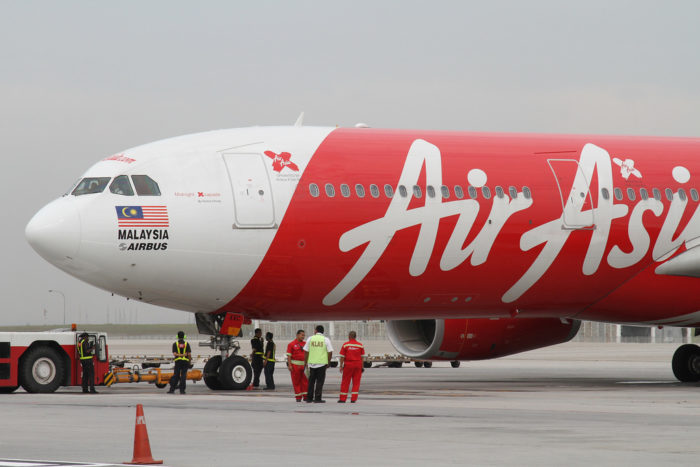
    AirAsia is scaling back its investment in AirAsia India as the group continues to face financial difficulties. The group will reportedly cut its stake to just 13%, giving the Tata Group significantly more stake in the airline. The change in ownership is unlikely to affect the AirAsia India brand but could see the airline separate from AirAsia’s operations.

    Questions over the future of AirAsia India have been swirling for a few months now, with both Tata and AirAsia considering an exit. Eventually, the AirAsia group stopped funding the airline and left Tata to decide the carrier’s future.

    According to a report, Tata has bought out most of AirAsia’s stake, leaving the group with only 13% of the airline. This means Tata now owns 87% of the carrier, making AirAsia more of an investor than a joint-venture partner. While the “AirAsia India” brand will survive, Tata is making some changes to the company.

    Tata is reportedly working on a new booking website for AirAsia India, which is currently integrated into the AirAsia group’s website. Additionally, a new crew scheduling software will also be put in place for the airline. While there are unlikely to be many changes on the surface, the Tata Group does have big plans for Indian aviation at large.

    AirAsia India first began flying in 2014, with 51% owned by Tata and 49% by AirAsia. The carrier hoped to capture the fast-growing low-cost market in India, similar to the model AirAsia had replicated in other regions. The partnership with Tata provided the airline with funding and strong name recognition in India.

    However, the airline struggled to make its mark in the Indian market, facing stiff competition from established players like IndiGo, SpiceJet, and GoAir. As of November 2020, the airline only has a market share of 6.6%. This places AirAsia India second-last on the list of major domestic airlines. The carrier currently operates a fleet of 33 aircraft, consisting of 30 A320-200s and three A320neo aircraft.

    All of this has resulted in AirAsia India being a loss-making airline for nearly all of its existence. Following a relatively better 2019, the pandemic has once again pushed AirAsia India deep into the red. The airline reported a 69% drop in revenue during the second fiscal quarter and losses of nearly $45 million in the first.

    This isn’t the first subsidiary AirAsia is exiting this year, with both its Indonesia and Japan arms being axed. The carrier has faced significant financial concerns this year, as flight traffic across Asia remains low. While traffic has been picking up slightly recently, the group continues to face existential crises as the pandemic drags on.

  • Bauhaus leaves all markets except Hong Kong, Macau

    Bauhaus leaves all markets except Hong Kong, Macau

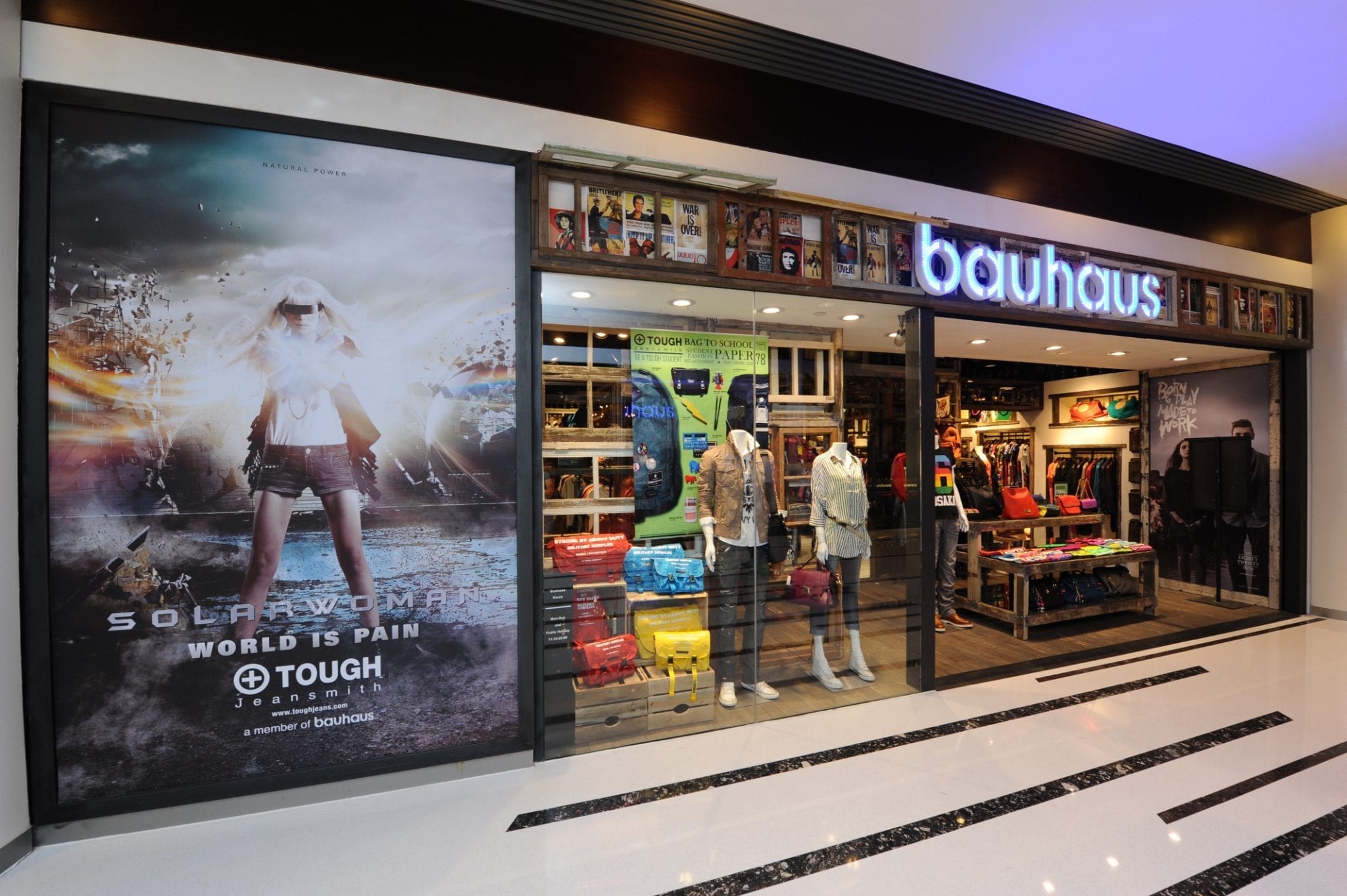
    Local apparel retailer Bauhaus International (0483) has revealed an intention to close all its retail stores outside Hong Kong and Macau by the end of March.

    The group’s loss outside Hong Kong and Macau expanded more than 13 times to HK$78.4 million in 2019 over 2018 before it narrowed to HK$68.6 million this year.

    Most of the Bauhau offline retailing operations beyond Hong Kong and Macau are in the mainland and Taiwan.

    It suffered an annual loss of HK$142.8 million this year compared with a profit of HK$2.76 million in 2019.

    The company will negotiate with landlords of the 14 stores its intends to shut down, and the precise timing of each closure will depend on how the talks go.

    About 50 employees will be laid off as a result of the closing program.

    The retailer is still looking at the possibilities of accessing the non-Hong Kong and Macau markets through centrally-managed online operations run from its Hong Kong headquarters.

    Bauhaus says more realistic economies of scope will result from the closures, which are also seen to be in the best interests of the company and its shareholders.

  • Esprit loses CEO, CFO as board moves head office function back to Hong Kong

    Esprit loses CEO, CFO as board moves head office function back to Hong Kong

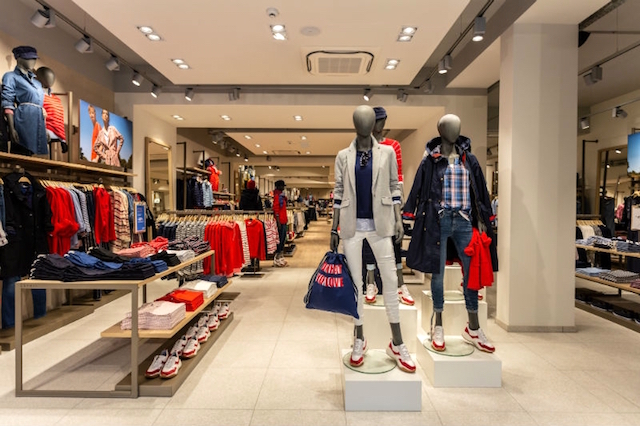
    Esprit Group has announced that its CEO Anders Kristiansen and chief financial officer (CFO) Johannes Schmidt-Schultes are both exiting the company next year.

    Kristiansen, who was formerly managing director of New Look, has been at the helm of Esprit since June 2018 and has led the group’s restructuring process during what the company describes as an “extremely difficult” period. He has resigned with immediate effect as an executive director and will remain group CEO until 28 February.

    Similarly, Schmidt-Schultes, who joined in October 2019, has stepped down with immediate effect as an executive director and will also stay on as CFO until 28 February.

    It comes after Esprit’s major shareholder, North Point Talent Limited, in July called for Kristiansen and Johannes Schmidt-Schultes to step down.

    Esprit said Friday that both Kristiansen and Schmidt-Schultes were exiting the company to pursue other business commitments and that they left having “no disagreement with the board”.

    Additionally, Christin Su Yi Chiu has been appointed as a member of the Risk Management Committee of the board, with immediate effect.

    “The board would like to take this opportunity to express its sincere gratitude to Mr. Kristiansen and Dr. Schmidt-Schultes for their valuable contribution to the company during their tenure of office,” Esprit said.

    Esprit Group, which is listed on the Hong Kong stock exchange, said it now plans to relocate its management to Hong Kong.

    Esprit applied for Protective Shield Proceedings for its German subsidiaries back in March after taking a hit from Covid-19 and temporary store closures in Europe and Asia.

    Fast forward to July, and the company announced it would cut 1,100 jobs in Germany as it looked to close around half of its stores in the country.

  • Vietnam child labor rate lower than regional average

    Vietnam child labor rate lower than regional average

    Vietnam’s rate of child labor, 5.3 percent, is around 2 percentage points lower than the average in Asia and the Pacific, a study has found.

    This equates to more than one million children in the ages of 5-17 engaged in labor, the survey was done in 2018 by the Ministry of Labor, Invalids and Social Affairs, the General Statistics Office, and the International Labour Organization and released recently, said.

    They undertake work that is prohibited because of their age, the number of working hours or the nature of the tasks involved.

    In line with global trends, 84 percent of child laborers in Vietnam are in rural areas, over half working in agriculture, forestry or fisheries.

    Other sectors where child labor is prevalent include services, industry, and construction. More than 40 percent are unpaid.

    “Child labor tends to take place in informal household enterprises down the manufacturing and production supply chains, which makes it difficult to detect,” ILO Vietnam director Chang Hee Lee said.

    The survey estimates that nearly 520,000 children in Vietnam are engaged in hazardous work or work which poses significant risks to a child’s health, safety or morals. Many of them work in industry and construction.

    The number of hours children in hazardous jobs work tends to be high, with 40.6 percent working over 40 hours a week.
    Only half of child laborers attend school, compared to the national average of 94.4 percent.

    Efforts must be speeded up immediately to end child labor in all its forms, the ILO said.