Author: Mei Ling Tan

  • The World’s largest wireless carrier is removed by the New York Stock Exchange

    The World’s largest wireless carrier is removed by the New York Stock Exchange

    This past Thursday, the New York Stock Exchange (NYSE) said that it would stop handling transactions involving the securities of China Mobile, China Unicom and China Telecom. The move by the securities exchange comes after U.S. President Donald Trump, back in November, banned American companies and consumers from investing in 31 outfits that Trump said are owned or controlled by the Chinese military.

    Among the three telecom firms mentioned by the NYSE last week, China Mobile is the world’s largest wireless provider. As of last October, the carrier had more than 946 million subscribers. Compare that figure with the 120 million+ subscribers that Verizon counted at the end of the last quarter; the latter is the largest mobile carrier in the states.

    As you might imagine, Chinese government officials are not pleased. The Chinese Ministry of Commerce said in a statement, “This kind of abuse of national security and state power to suppress Chinese firms does not comply with market rules and violates market logic. It not only harms the legal rights of Chinese companies but also damages the interests of investors in other countries, including the United States.” The Ministry not only said that it will take action to protect its firms, it also asked the U.S. to agree to a compromise over issues like trade and human rights. It isn’t clear exactly what actions China is considering against the U.S.

    Over the last two weeks the outgoing Administration has been even tougher on China than it has been. On January 20th at noon ET, the Biden era begins and China is hoping that the seating of the new U.S. president eases tensions between the two economic powers. Yesterday, China’s senior diplomat Wang Yi said that relations between China and the United States had reached a “new crossroads” and “a new window of hope” is on the way.
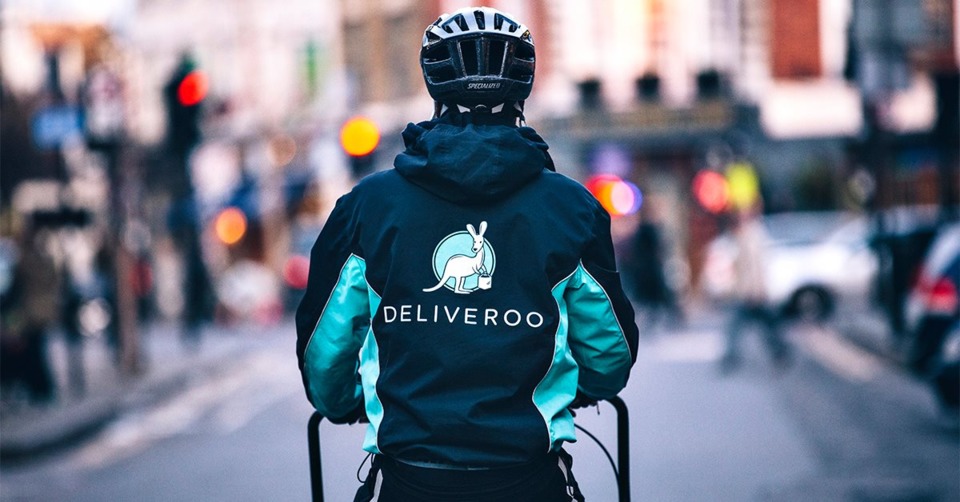

  • Deliveroo’s Six Month Partnership with Feeding Hong Kong Raises HK$650,000, delivering 130,000 Meals to Hong Kong’s Food Insecure

    Deliveroo’s Six Month Partnership with Feeding Hong Kong Raises HK$650,000, delivering 130,000 Meals to Hong Kong’s Food Insecure

    Deliveroo today announces that, together with Feeding HK, over HK$650,000 has been raised by Deliveroo customers through the delivery app’s donation feature. A first of its kind in Hong Kong, the Deliveroo in-app donation and tipping feature allowed customers to round up their totals or make an additional contribution. Since the campaign’s kick-off earlier this June, the funds raised have resulted in over 130,000 meals being delivered to Hong Kongers experiencing food insecurity.

    With unemployment at a record 16 year high of 6.4 percent, in 2021 Deliveroo is extending the partnership with Feeding HK to reach low-income-families who have been badly impacted by COVID-19 via their network of frontline charities across Hong Kong, including Action Care in Shau Kei Wan, J Life Foundation in Sham Shui Po, and People Service Centre in Tuen Mun and across four locations in Kowloon.

    Alongside the in-app donations, Deliveroo will partner with Feeding Hong Kong to officially launch its Chinese New Year Food Drive at two of its Editions locations in Quarry Bay and Sai Ying Pun. Hong Kongers can join the Food Drive by dropping off donations of staple foods such as cooking oil, rice and noodles and canned goods which will then be given to disadvantaged families throughout the celebratory period leading up to the Year of the Ox.

    Brian Lo, General Manager of Deliveroo Hong Kong, said, “We have always had high expectations for our partnership with Feeding HK. With families struggling, we want to do our best to make sure people across the city don’t go home to an empty dining table. Today, myself and everyone at Deliveroo are extremely proud to report that the initiative has achieved so much in just a short six months, resulting in over 130,000 meals delivered to beneficiaries all across Hong Kong.”

    “I’d like to personally thank all of the Deliveroo customers who donated – HK$650,000 is certainly not a small amount – and used the tip feature throughout our campaign. Your donations have made an enormous impact on the lives of thousands of people. We’re excited to continue to work alongside Feeding HK into the holiday season and new year, to help empower more across the city to extend the power of giving at our Editions locations.”

    Gabrielle Kirstein, Chief Executive Officer of Feeding Hong Kong, said “We’re immensely grateful for the past six months’ support from Deliveroo and are excited to continue to develop our partnership with them. Thanks to the assistance and generosity from Deliveroo and its customers, over 130,000 meals have been delivered to those in Hong Kong at risk of hunger. As the city continues to experience rising unemployment rates, loss of income, and higher food prices throughout the city during the pandemic, campaigns and drives such as this are all the more important.”

    “Our reach to more community members and the additional support we’ve received this year has been so touching. From the bottom of our hearts, we’d like to thank Deliveroo and all those who have donated. We are passionate to keep the momentum going and help to feed more at-risk individuals alongside Deliveroo over the Chinese New Year period.”

    The partnership with Feeding HK comes as Deliveroo pledged last year to make imperative sustainable development goals, following the United Nations Sustainable Development Agenda’s goal of ‘Zero Hunger.’ The CSR effort is among one of the many unique initiatives launched last year to support the community, following a collaboration with The Nesbitt Centre to bring cakes and biscuits to more than 150 frontline hospital staff and a partnership with The Hong Kong Jockey Club’s Charity Trust for its COVID-19 Food Assistance Programme to provide meals for hundreds of thousands of beneficiaries.

  • Wishing You All a Happy 2021

    Wishing You All a Happy 2021

    The retail news team thank you for your interest, loyal support, and trust in one of the most challenging times ever. It has been an eventful 12 months for retailers and retail events, but the new year marks a new beginning, and we’re looking forward to being able to meet, embrace, and exchange ideas again.

    Whatever the new year has in store, we’ll be in it together. Happy New Year to all our readers.

  • Apple leads in Vietnam smartphone awareness survey

    Apple leads in Vietnam smartphone awareness survey

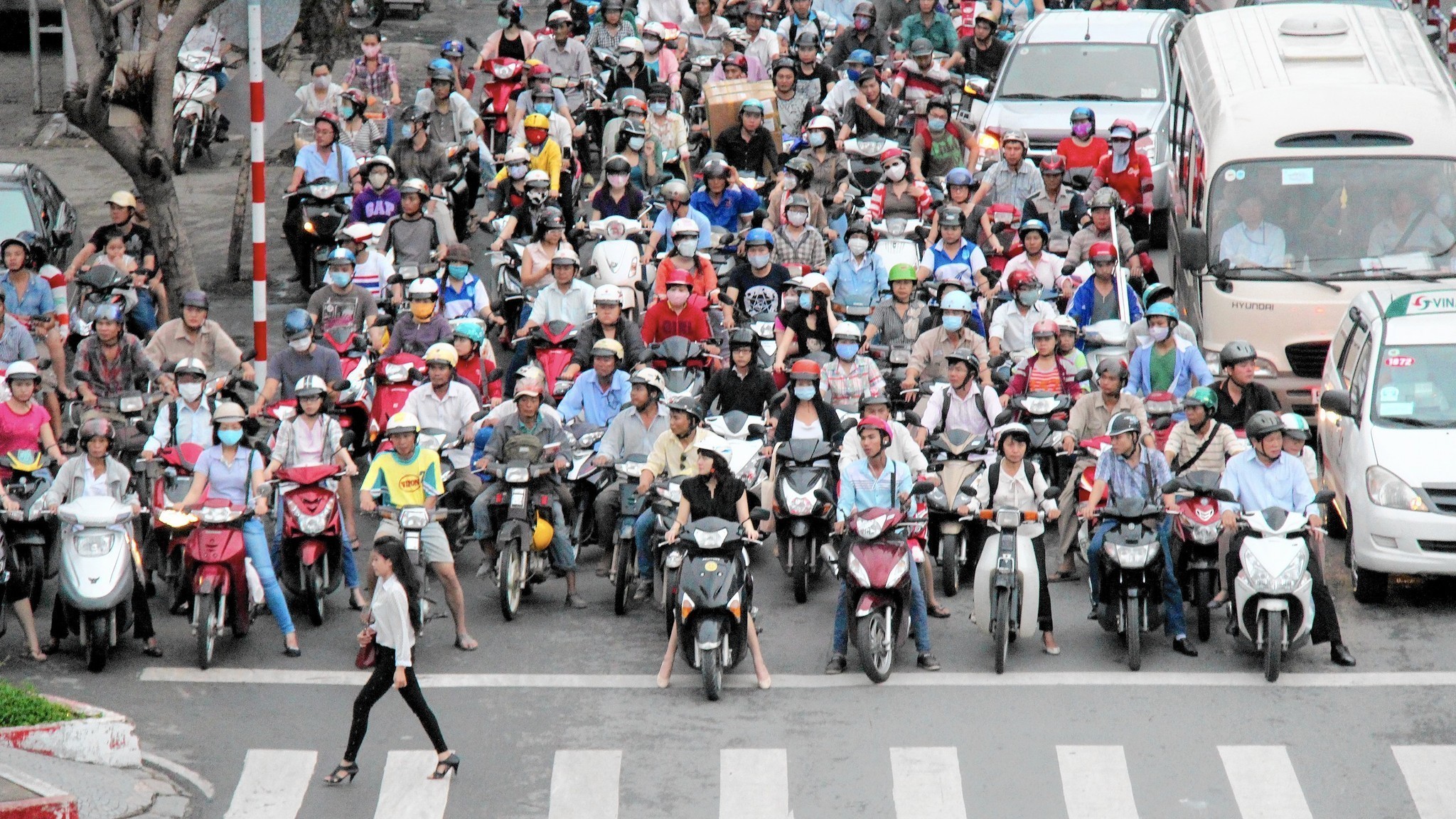
    Apple is the most popular smartphone brand in Vietnam with 46 percent of respondents thinking about it first.

    Samsung is second with 36 percent, followed by Oppo (9 percent) and Nokia (2 percent), according to a survey of nearly 600 respondents conducted by Ho Chi Minh City-based market research firm Q&Me.

    Top reasons cited for favoring Apple were high quality (78 percent), good brand (71 percent), good security (65 percent), good design (59 percent) and good camera (57 percent).

    The survey found Apple was much loved by young people, while Samsung was popular among those aged 30 and above.

    The survey’s results also showed 79 percent of Vietnamese users buy smartphones at electronics chain stores, 14 percent from e-commerce sites and the remaining from friends or relatives.

    It says 44 percent of Vietnamese users give highest consideration for Apple products for their next purchase, followed by Samsung (26 percent) and Vingroup’s Vsmart (6 percent).

    Hundreds of Vietnamese people last month queued up in front of Apple stores to become the earliest owners of iPhone 12.

    Around 75 million people, or almost 80 percent of the country’s population, use smartphones, according to We Are Social, a social media marketing and advertising agency.

  • Electrical equipment maker to hike capital to fund wind power

    Electrical equipment maker to hike capital to fund wind power

    Shareholders of electrical equipment producer Gelex have green-lighted an 81 percent increase in its capital to VND7.8 trillion ($338 million) to fund wind power plants and hotels.

    The Hanoi-based company, known for its electric cable brand Cadivi, will issue nearly 293 million shares to existing shareholders early next year at a rate of six new shares for every 10 held.

    The issue will be priced at VND12,000, nearly 50 percent lower than the closing price on Wednesday.

    The company said it hopes to raise VND3.5 trillion from the issuance, of which it plans to spend two-thirds on building several wind power plants in the central province of Quang Tri and a mixed-use commercial building in Hanoi in 2023.

    The rest of the money will be used on bolster working capital.

    Gelex forecasts pre-tax profits to fall by 10 percent this year to VND975 billion.

  • Vietnam Airlines gets new CEO

    Vietnam Airlines gets new CEO

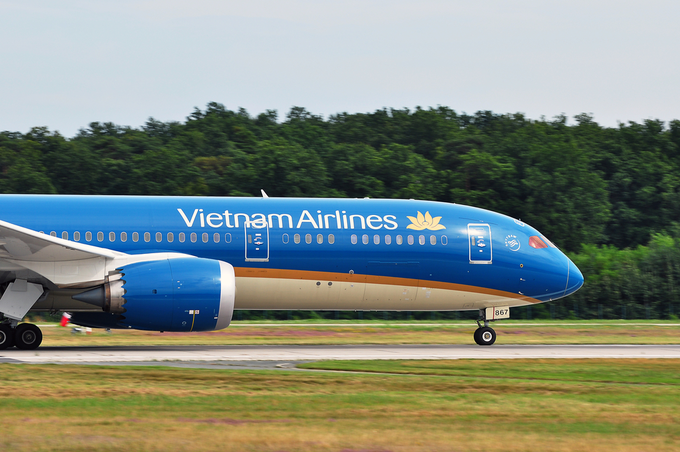
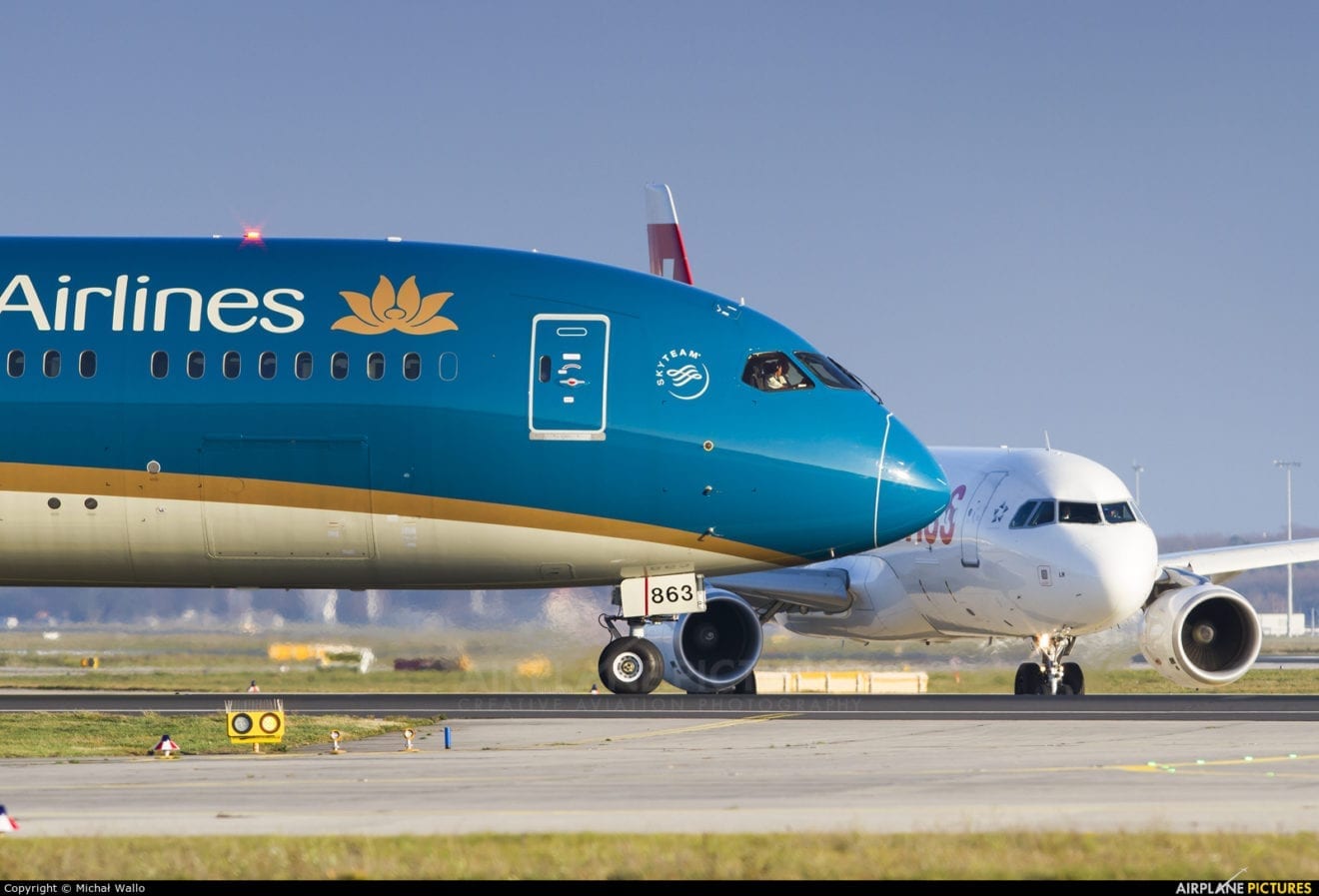
    Vietnam Airlines deputy director Le Hong Ha will take over as the national carrier’s new CEO starting January 1, 2021.

    Ha, 48, will replace Duong Tri Thanh who retires Thursday after almost five years at the helm.

    Ha began working for Vietnam Airlines in 1994 as has occupied several key positions.

    In 2015, he was appointed the CEO of Vietnam Airline’s subsidiary Jetstar Pacific (now Pacific Airlines), and is currently the chairman of the jet fuel supplier Skypec.

    Vietnam Airlines has forecast a loss of VND14.44 trillion ($625 million) this year because of the Covid-19 pandemic.

    The number of passengers it served this year is estimated to fall 51 percent year-on-year to nearly 14.23 million, with the number of flights plunging 48 percent to 96,500.

  • Stock market raises standard trading lot to 100 to cope with overload

    Stock market raises standard trading lot to 100 to cope with overload

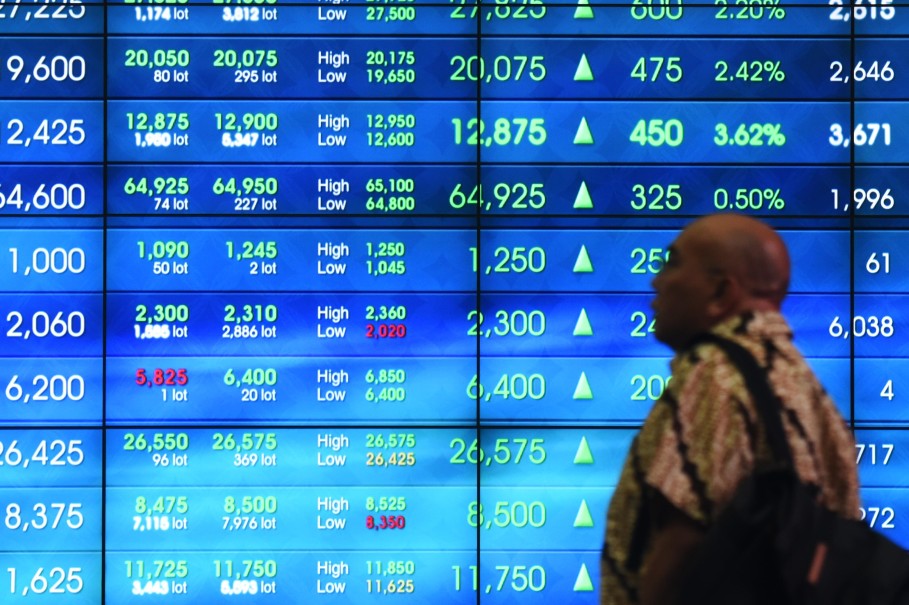
    The Ho Chi Minh Stock Exchange is set to raise the minimum number of shares that can be transacted in order from 50 to 100.

    It had planned to effect the change on January 18, but after testing and interaction with securities companies it has decided to advance it by two weeks to January 4 “if everything goes smoothly,” a bourse spokesperson said.

    Currently investors wanting to trade odd lots of 1-49 shares have to transact with securities companies instead of on the exchange.

    HoSE executives said securities companies are keen to make the switch and willing to speed it up.

    A standard lot of 100 is the norm in many countries in the neighborhood such as SET (Thailand), BM (Malaysia), and SGX (Singapore) consistent with international practices and reasonable given the current market conditions, HoSE said.

    The larger lot size is expected to reduce the load on the system at a time when market liquidity is at historic highs. Between December 17-28, the exchange had to halt trading completely for short periods of time as volumes approached VND14 trillion ($606.14 million).

    Le Hai Tra, head of its board of directors, said at a press conference last week that the exchange was receiving 3-12 times higher volume of orders than before.

    Although the system has backup capacity, it cannot cope with this sudden surge immediately, he explained.

    Before Covid-19 caused other asset classes such as property to lose their charm and redirected cash into securities, HoSE saw average daily trading of VND3-5 trillion.

    But in the last two months, it has surged to VND12-14 trillion as the benchmark VN-Index kept rising and approached the 1,000-point mark, a threshold it struggled to cross in the last two years.

    The VN-Index on Wednesday shed 0.18 percent to close at 1,097.54 points. Trading was worth VND13.5 trillion.

  • Tesla’s 4680 Battery Cells Are Manufactured By Panasonic

    Tesla’s 4680 Battery Cells Are Manufactured By Panasonic

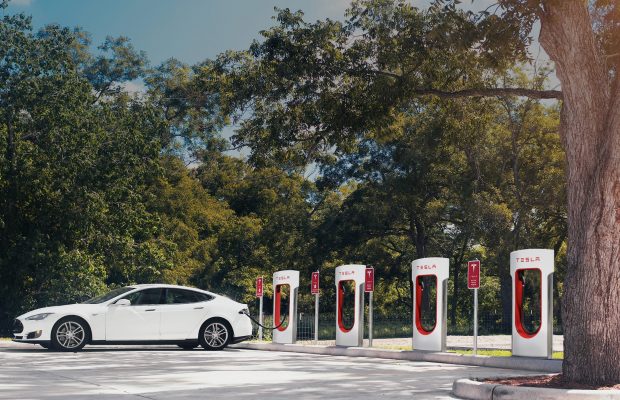
    Tesla has confirmed that its new tab-less 4680 battery cells are going to be produced by Panasonic which already has a dedicated facility at the Gigafactory in Nevada. This report comes via Nikkei Asia which states,  “Panasonic will set up a prototype production line at existing facilities. The cost of the project is expected to run into the tens of millions of dollars.”

    Tesla has been working on its own battery cell chemistry for years, but it has also maintained deep ties with traditional battery cell makers as it is more focused towards the module and the pack itself.

    For years, Panasonic has been Tesla’s go-to partner but in recent times it has also started working with LG Chem and CATL. These new tab-less batteries were unveiled in September at its “Battery Day” event.

    For these batteries, the company said that it will produce them itself with production machinery designed in-house. However, Elon Musk has stated that it will continue to work with external parties and acquire as much battery supply it can so that it can fuel its ambitious growth.

    Recently, there were reports which claimed that even LG Chem was manufacturing batteries similar to Tesla’s tab-less batteries. It could be that Tesla is tapping into both Panasonic and LG Chem for the same while also doing its own thing as it scales its business to new markets. Recent reports suggest that Tesla is also planning to enter a major market like India which from a long-term point of view could be strategic for the company even if it doesn’t have the scale in the short term.

    Currently, the new 4680 batteries are only being manufactured in the Fremont facility though Panasonic has a huge facility inside the main Gigafactory in Nevada and Tesla could even scale this model to its new GigaFactory in Berlin and other locations.

  • Honda To Pull The Plug On Car Sales In Russia In 2022

    Honda To Pull The Plug On Car Sales In Russia In 2022

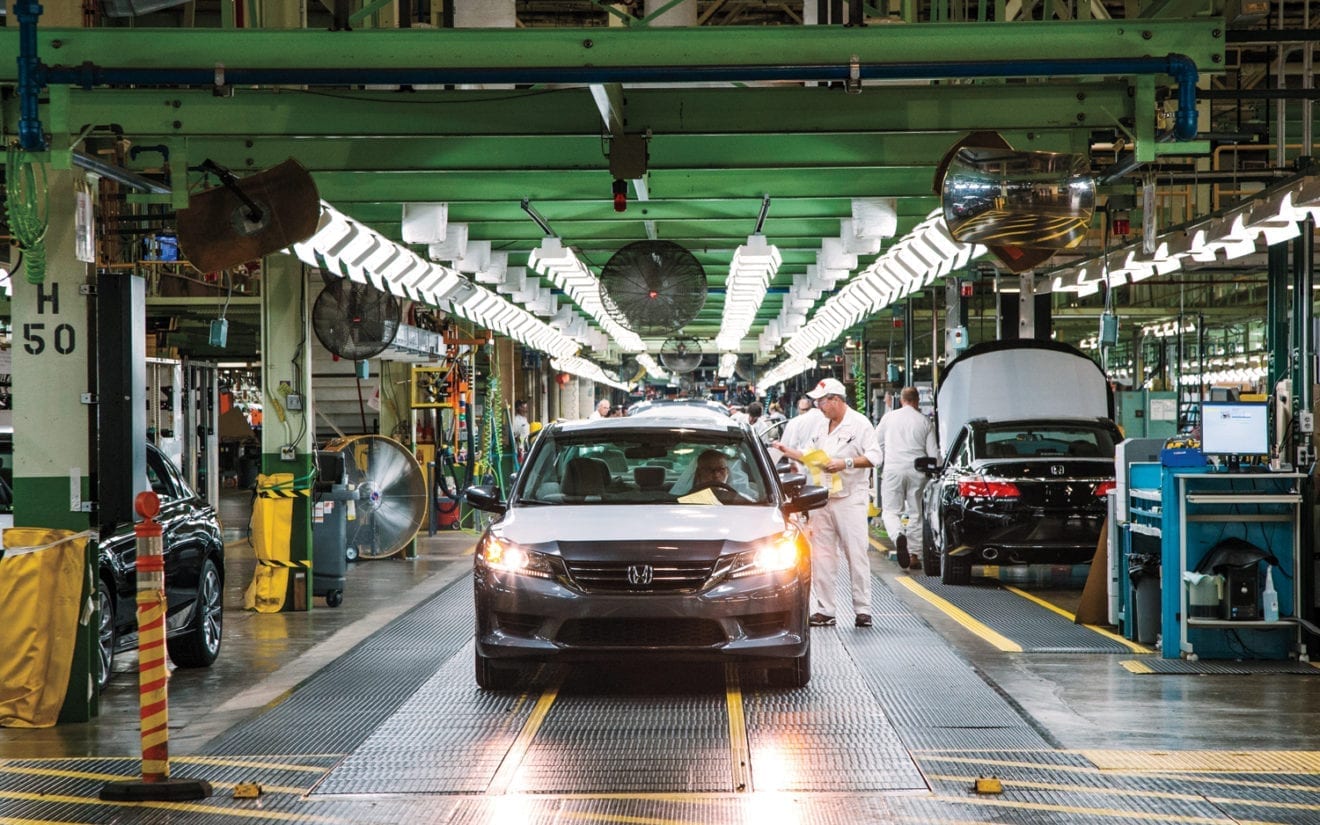
    Honda Motor Company has said that it won’t be supplying new cars to its authorized dealers in Russia in 2022 as the company is trying to restructure its operations. The Japanese automaker has confirmed that it would keep its presence in the Russian market with motorcycle and power equipment sales only. The news comes after a drastic drop of 50 percent in its sales operations last month in Russia.

    Even in India, Honda has shut down its Greater Noida plant and has shifted its entire production unit to the company’s other facility in Tapukara, Rajasthan. The carmaker has said that it has realigned its production operations “to maintain sustainability by leveraging production and supply chain efficiencies.” To that effect, from this month, the manufacturing operations for vehicles and components will happen at the Tapukara plant for all domestic sales and exports. Until last month, the Greater Noida plant produced models like the Honda City sedan, CR-V SUV, and the Civic sedan. While the transition will see the production of the City move entirely to the Tapukara unit, at present, the company has also stopped the production of its flagship models, the Civic sedan and CR-V SUV.

    As far as the Russian market is concerned, Honda does not have any manufacturing unit in Russia unlike its other Japanese counterparts like Toyota and Nissan. All Honda models are sold as CBUs in the Russian market and the carmaker sold just 79 units last month. Its sales from January to November were down by 15 percent at 1,383 units, while over 1.3 million new cars were sold in Russia during that period.

  • Government discontinues discount on car registration fees

    Government discontinues discount on car registration fees

    The government believes domestic car producers have received enough support from the discount scheme, and so will not extend it.

    The 50 percent discount scheme on the registration fees of cars produced domestically, which came into effect on June 28 this year, will not be continued, and will terminate on Thursday as planned, a leader of the Ministry of Finance’s Tax Policy Department said.

    According to the ministry, the 50 percent discount on car registration fees had only been a short-term solution, solving difficulties for domestic automobile manufacturing and assembling enterprises facing impacts of the epidemic.

    This policy has cost the state budget an estimated VND3.7 trillion ($160.56 million) in revenue, while embassies of car manufacturing countries such as Indonesia and Thailand, as well as the European Chamber of Commerce in Vietnam have approached the MoF to complain about discrimination between imported and domestically produced vehicles, the ministry said.

    Meanwhile, fees and charges continuing to receive discounts include those in the fields of citizenship registration, road maintenance, food safety, project appraisal, healthcare, and securities trading.

    The MoF said that the above policies have cost the state budget an estimated VND1 trillion this year.

  • Tesla Working On Amazon And Apple Music Integration

    Tesla Working On Amazon And Apple Music Integration

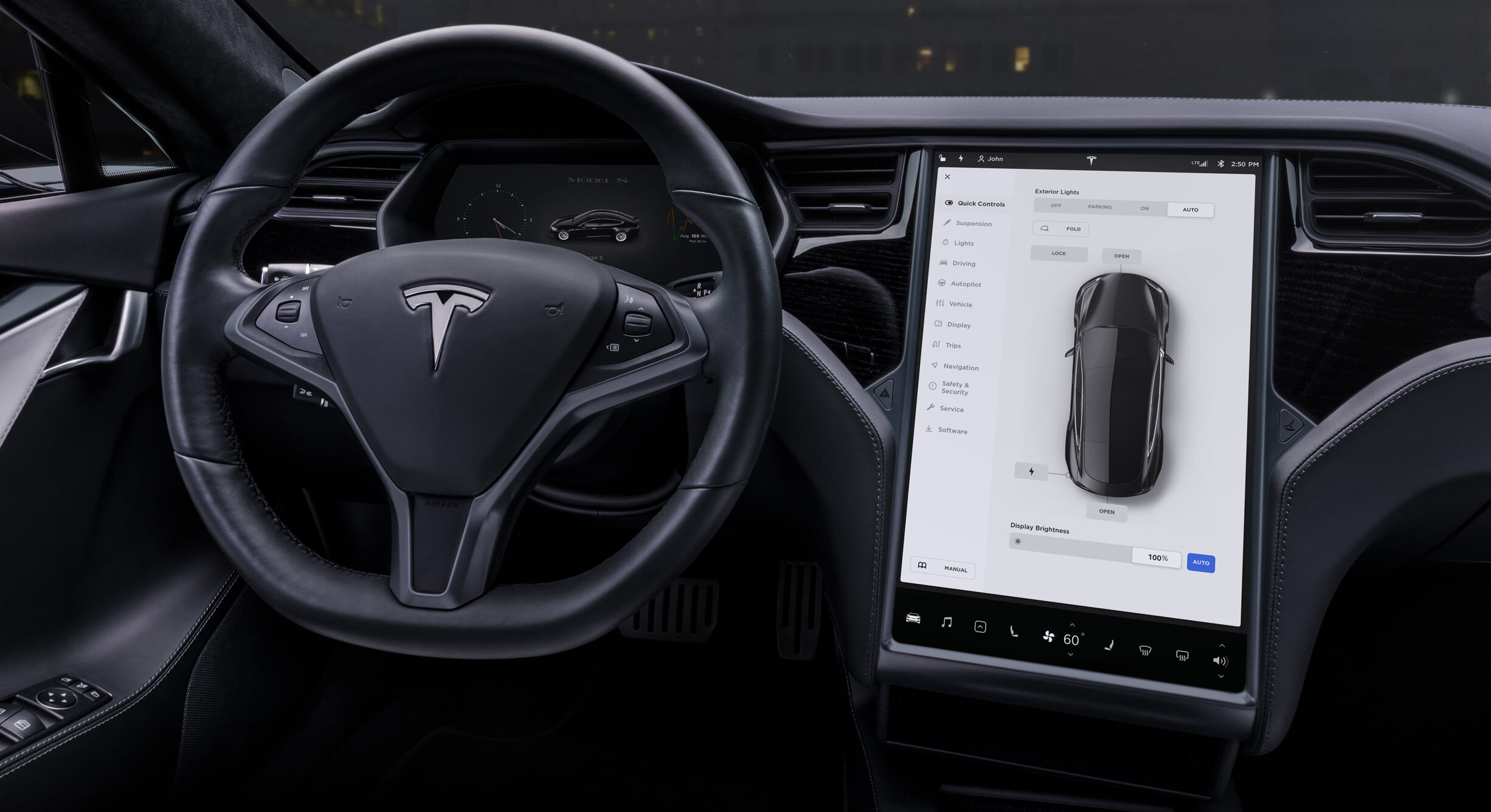
    One of the biggest influences for the massive in-dash display for the Tesla Model S was the iPad. But even though Teslas have offered this sophisticated in-car infotainment experience, what’s strange is that lack of native Apple Music and Amazon Music integration. Instead, Tesla’s offer native Spotify integration. But this is set to change.

    Tesla notably doesn’t support phone mirroring options like Apple’s CarPlay and Android Auto so if you use Apple Music or Amazon Music as your streaming service of choice you can only play music via Bluetooth but not enjoy the advances of a deep user interface integration.

    Elon Musk has already stated that Tidal, lossless high fidelity audio streaming service will be integrated into the dashboard experience of the Teslas. However, now Electrek is reporting that the world’s largest automaker is also integrating Apple Music and Amazon music into the dashboard.

    The Electrek report cites a hacker called “green” who has spotted early versions of the integration in Tesla’s UI which he has also shared in a post on Twitter. He noticed this update in a recent software update which has enabled Tidal, Pandora, SiriusXM, and Audible. TuneIn Radio, Amazon and Apple Music remain disabled. But they should be coming soon as Audible is also owned by Amazon.

    There is no timeline as to when this will become official but considering Tidal is already active, it seems to be the furthest along in development. Apple Music and Amazon Music will almost certainly have a more delayed official release.

  • Malaysia is 16th most connected logistics country in the world

    Malaysia is 16th most connected logistics country in the world

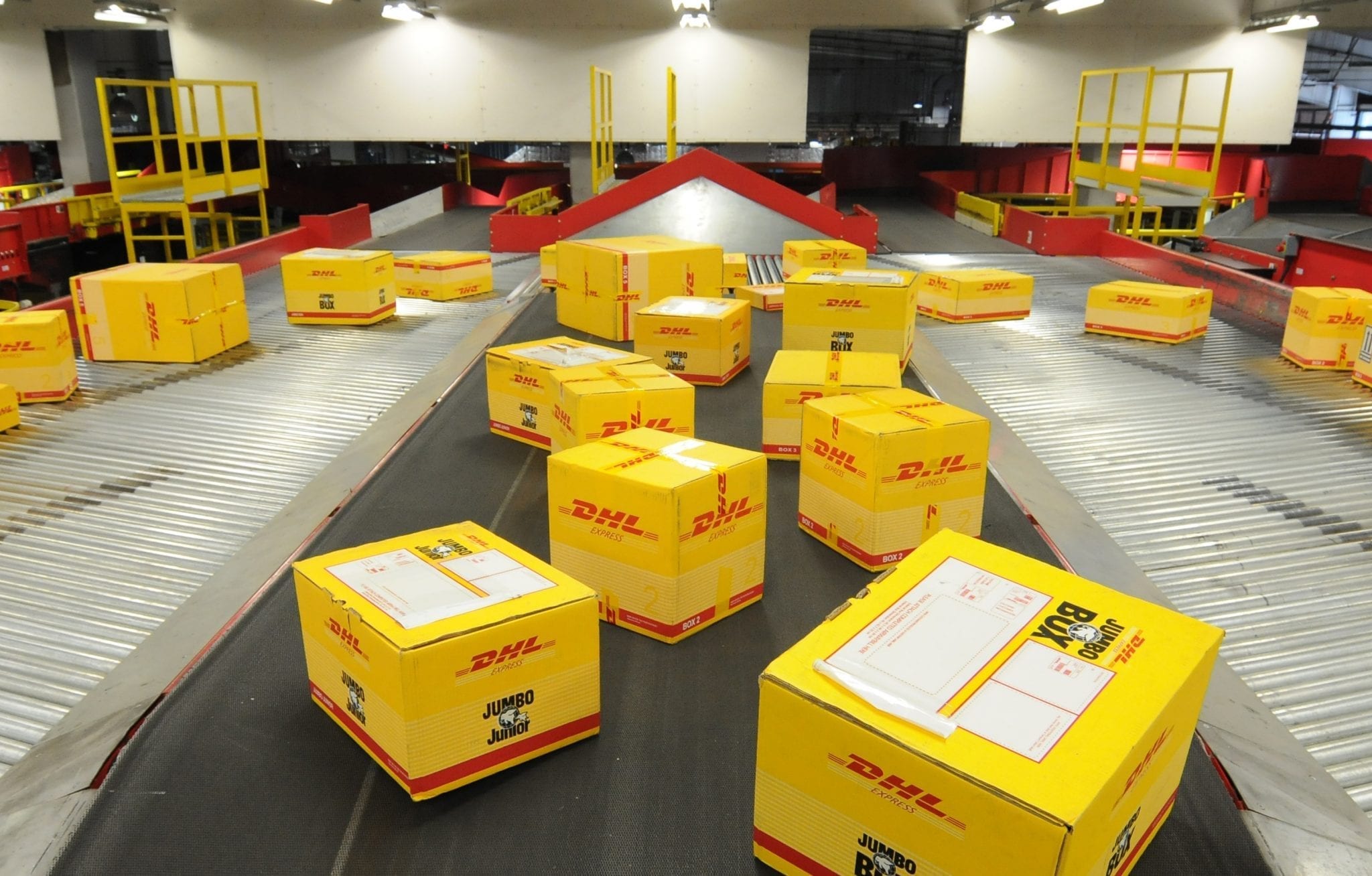
    Malaysia is now ranked the 16th most connected country, according to the DHL Global Connectedness Index 2020.

    The country is also the second most connected in the East Asia Pacific, behind Singapore which remained as the second most connected nation in the world.

    “Besides ranking countries on their actual level of globalization, we compare actual levels to predictions. based on the country’s size, economic development, and location.

    “And Malaysia is one of our top five outperformers relative to expectations on the index,” said Professor Steven Altman, the lead author of the latest edition of the DHL Global Connectedness Index, in a virtual press conference today.

    Altman is also a senior research scholar at New York University’s Stern School of Business.

    Looking forward, Altman noted that there are some interesting opportunities on the horizon for Malaysia such as the growth of supply chains in Southeast Asia that continues to be quite strong, continued Asean integration efforts as well as opportunities that are forwarded in the Regional Comprehensive Economic Partnership (RCEP).

    Overall, citing the report, Altman said the DHL Global Connectedness Index is set to decline in 2020, but it is unlikely to fall below where it stood during the 2008-2009 global financial crisis, based on the analysis of preliminary data and forecasts.

    According to the report, Malaysia has long been ahead of its peers in terms of the depth of its global connectedness.

    “Like the other top countries, it exceeded expectations on both depth and breadth scores,” the report read, adding that Malaysia has the distinction of being the most populous country with a depth score in the top 25.

    “Its top pillar rank was fourth on the trade pillar in 2019, through a combination of relatively high ranks on both depth and breadth,” the report said, noting that Southeast Asia is a region where countries tend to have unusually high trade depth.

    “Southeast Asian countries benefit from linkages with wider Asian supply chain networks as well as ASEAN policy initiatives promoting regional economic integration,” it said.

    Meanwhile, DHL Express CEO John Pearson described his company’s performance in Malaysia as “extraordinarily strong”, saying the country was as one of DHL Express’ fastest growing countries.

    “Malaysia is certainly in the 20%-30% growth and has been for many months, and that is helped by one new product which is called ‘Durian Express’, which exports the king of fruits abroad,” he said.

    Pearson said this “niche product”, on top of the e-commerce business, drives Malaysia’s growth, adding that the outlook in Malaysia is positive.

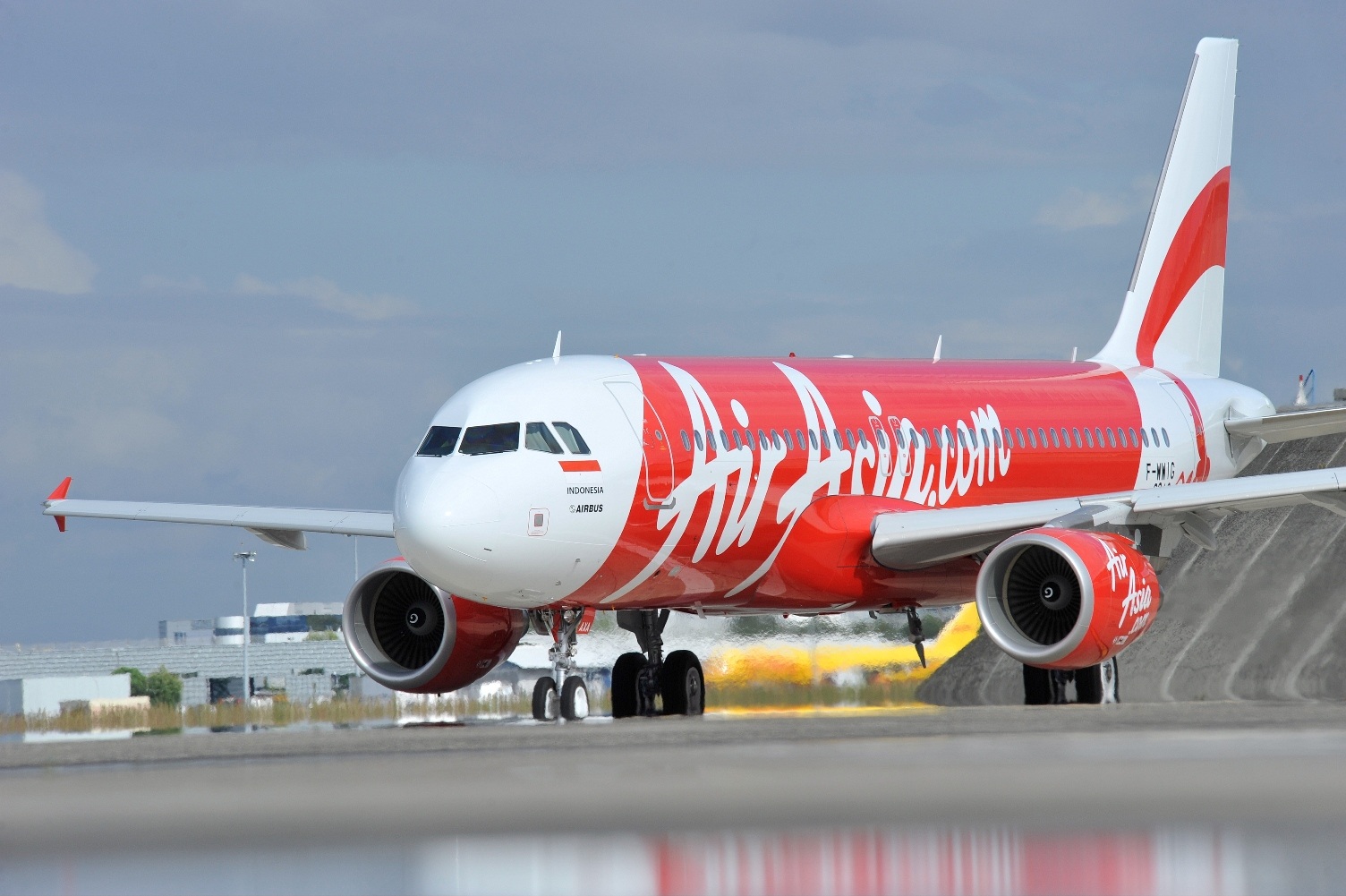
  • Tata grabs bigger slice of AirAsia India

    Tata grabs bigger slice of AirAsia India

    A number of bids have been put forward for India’s loss-making national carrier, including one on behalf of its employees. The Indian government had tried to offload its stake in Air India in 2018 but failed to attract a single bid. One group is representing employees and plans to offer them a controlling stake in the struggling airline. Another bid is reported to have been put forward by the Tata Group, which originally founded the airline in 1932.

    Tata, which owns Jaguar Land Rover, sold its stake to the government in the 1950s. India’s Prime Minister Narendra Modi is keen to sell the government’s entire interest in the airline, which has been kept aloft by a bailout and racked up billions in debts. The airline has many assets, including prized slots at London’s Heathrow airport, a fleet of more than 100 planes and thousands of trained pilots and crew. One of the bids put in ahead of this week’s deadline was from US-based investment firm, Interups.

    Under its plan, Interups will hold 49% of Air India while a controlling stake of 51% will be held by its employees.

    “We are giving an open offer to employees of Air India to substantially own the airline,” Interups chairman Laxmi Prasad told the BBC.

    “Our group will invest the entire monies required for the airline, with no capital requirement from employees to contribute into the acquisition effort.”

    Calling them the “backbone to run the airline”, Mr Prasad added that the 51% stake would be “in exchange for the deep intangible contribution you all would be making for the airline.”

    “No-one knows Air India better than its employees and management.”

    “Any new owners will need to invest heavily in Air India, improving its technology and customer services operations,” said Jitendra Bhargava, former Executive Director of Air India and author of the book, The Descent of Air India.

    “But India is a growing market and offers huge potential. My take is that Air India is better run as a private company than by bureaucrats.”

    Interups, which specialises in turning companies around, says it has also targeted another Indian airline, and if successful, will merge it with Air India. They have not specified which airline that could be.

    “The combined operations will make Air India a global leader for passenger traffic to and from India,” said Mr Prasad.

    He described the potential battle with Tata for the airline as David versus Goliath. “But David mastered the winning, and we are equally confident.”

    The Indian government is expected to notify the qualified bidders in early January 2021.

  • Malaysia says Vietnam dumping cold rolled stainless steel

    Malaysia says Vietnam dumping cold rolled stainless steel

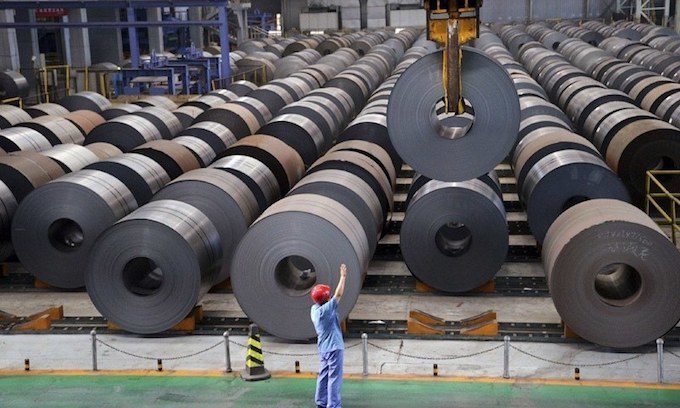
    Malaysia has slapped anti-dumping duties on Vietnamese cold-rolled stainless steel after completing a preliminary determination.

    The duties, ranging between 7.73 percent and 34.82 percent, have been imposed for three months starting December 26 on coils, sheets and all other forms of cold-rolled stainless steel, Malaysia’s Ministry of International Trade and Industry said in a statement.

    The country initiated the anti-dumping investigation on July 28 based on a petition by Bahru Stainless Sdn. Bhd., which claimed Vietnamese steel is being imported into Malaysia at a price lower than the selling price in Vietnam, which has caused it major injury.

    Malaysia will conclude the investigation before April 23, 2021. Similar steel products from Indonesia were also slapped with the duties.

    Last week Malaysia had also imposed anti-dumping duties on certain flat-rolled steel products from China, South Korea and Vietnam.

  • Vietnam Airlines set to perform better than expected

    Vietnam Airlines set to perform better than expected

    National carrier Vietnam Airlines expects 2020 losses of VND12 trillion ($521.11 million), about 17 percent lower than it had forecast in August.

    The carrier’s consolidated revenue this year is estimated at VND42.5 trillion, with parent company revenues reaching VND33 trillion, exceeding targets set earlier this year by 4.8 percent and 1.4 percent respectively, Vietnam Airlines chairman Dang Ngoc Hoa said Tuesday at an extraordinary general shareholders’ meeting.

    This allows the company to undershoot the VND14.45 trillion loss figure forecast at the annual general meeting in August, he said.

    This year’s loss could be reduced further by VND2.86 trillion after completing adjustments for amortization of repair, maintenance and ground services costs in accordance with government policy that allows delayed payments to help support airlines, Hoa said.

    In 2020, Vietnam Airlines operated about 96,500 flights, down more than 48 percent over last year. The airline transported 14.23 million passengers and about 195,000 tons of cargo, down 51 percent and 47 percent respectively over 2019, he said.

    Hoa said that for the next five years (2021- 2025), Vietnam Airlines will focus on restoring production and business activities, undertaking a comprehensive restructuring plan which will overhaul areas such as capital ownership and finance, assets and portfolios. It will strive to ensure lean production, and improve business efficacy with the sale and leaseback of aircraft.

    The national carrier will also wholly or partly divest its capital in a number of high-performing enterprises in the air-transport service supply chain to improve cash flow, offset accumulated losses, and create funds for investment and development, he added.

    Vietnam Airlines currently operates more than 60 domestic routes with an average of 300 flights per day. It has resumed one-way flights to Japan and plans to reopen routes soon to mainland China, Taiwan, Laos and Cambodia.

    In mid-November, Vietnam’s National assembly approved a bailout for the carrier that can see it get up to VND12 trillion in funds and will be allowed to sell more shares to existing shareholders to boost cash reserves.