Author: Mei Ling Tan

  • Guide to Market your Products in China

    Guide to Market your Products in China

    As the largest market in the world, China has a lot of potentials to offer for enterprises and brands to expand their businesses. Knowing the market will help you to better understand the consumer’s needs and to adjust your promotion accordingly.

    Unique market habits

    China is a huge market, and Chinese consumers’ preferences vary from a city to another.

    Doing in-depth researches about the demand of your products in the local market and provinces, will help you to know the local preferences and the way you should communicate.

    The growth in the Chinese market is undoubtly enormous, it is actually one of the only countries in the world to observe an economic recovery during the pandemic, which means that standing out among your competitors and getting recognized by the local market is getting harder and harder, as the competition to “seduce” Chinese customers is aggressive.

    China is in demand of new businesses and the country is moving forward fast. Provinces tend to specialize themselves and that key for Western brands who want to enter the market.

    For instance, Guangzhou is the kingdom of the manufacturing industry (textile, electronic, apparels, toys…), Shenzhen and Beijing invested in the IT, biomedicine and communications industries while Shanghai is specialized in the financial, petrochemicals, chemicals or pharmaceutical industries.

    Communication about your products

    Needless to say, that marketing your business on the internet is the first step of all when you want to make your way in the market. Chinese consumers are highly connected, 90% of the millennials are shopping online according to KPMG and, without a strong digital strategy, selling your products in China might be difficult.

    Search engine marketing in China is different than in the West, where Google is leading the industry. Baidu is the main search engine but other companies like Sogou, Haosou (360) and Shenma are emerging, each one of them offering advertising solutions to get exposure.

    Social media and communities are also trending and dozens of networks exist to target customers who have common interests, thanks to video, live-streaming and topic-based apps.

    Therefore, under the circumstance of intense sales environment, major merchants have gradually integrated social media and other scenes into their sale process, the key being to identify the right network used by potential customers.

    In China, the most common social media platforms that companies go to are WeChat, Youku (YouTube-like) and TikTok (DouYin is the local version of the app).

    • WeChat account page functions as a website where you can list your products, set up your customer service and even link purchases to your account, from which you can withdraw the earnings to your bank account.
    • Youku works like YouTube for advertisers and allows brands to place ads in popular videos and of course, to make videos.
    • Douyin is a platform where users can create and share videos publicly, but as for companies, they are also platforms where they can promote their businesses and products. They stand out because they offer a different way for users and brands to share in a more creative and lively way, thus, it reduces the resistance of consumers to promotions and advertisements that are being displayed on the platform.

    Other platforms exist. The key is to identify your target customers, to invest in the right channels and a digital agency specialized in the Chinese marketing can help to understand the differences between, WeChat, Weibo, Red, Douyin, Toutiao, Weitao, Kuaishou.

    Best practices to sell in China

    For companies that want to quickly market a new product in China, the goal is to combine the advantages of online marketing and rapid communication to carry out new product marketing planning.

    Meanwhile, offline promotion and demographic expansions cannot be ignored either.

    Identify a city where the market is relatively vacant and hire a professional business development team to expand your business is key to understand the local market.

    The product life cycle is becoming shorter and shorter, especially in China. Manufacturers are constantly introducing new styles and materials in order to continuously satisfy the desires of consumers, which also tend to bring the end prices down for some industries. Find the right positioning and being flexible are two important factors of success in China.

    Understanding the market and the customers, having a quality website in Chinese, adapting the communication to the local habits, using the Chinese social media and search engines are crucial to be more visible in the largest market in the world.
  • China buoys Tiffany & Co holiday sales

    China buoys Tiffany & Co holiday sales

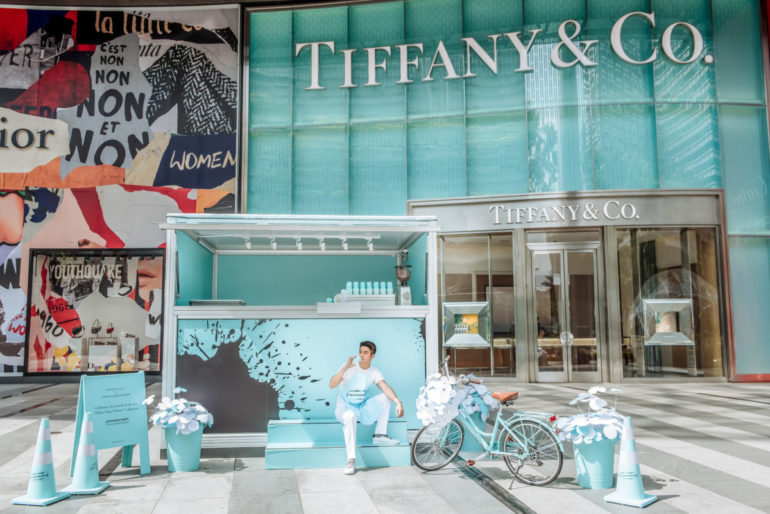
    U.S. jeweler Tiffany & Co said it reported record sales for the 2020 holiday period as consumers stuck at home shopped more online and shoppers in China spent more on jewelry.

    The company, which will soon be bought by France’s LVMH , said its overall preliminary net sales rose about 2% for the period Nov. 1 through Dec. 31, compared with a year earlier, with e-commerce sales surging more than 80% during the period.

    The 2020 holiday season was unusual as the virus outbreak upended shopping patterns, with more consumers avoiding malls and retail stores and opting to shop online.

    Tiffany, known for its engagement rings and robin’s egg blue boxes, said net sales in the Asia-Pacific region soared 20%, with mainland China posting a growth of over 50%.

    “During this period, we saw the Chinese Mainland market continue to drive our overall sales growth,” Chief Executive Officer Alessandro Bogliolo said.

    However, net sales in Americas and Europe declined as it lost out on some crucial in-store sales in certain markets.

    Last week, Tiffany’s shareholders overwhelmingly voted in favor of LVMH’s $15.8 billion deal, about $400 million lower than the European luxury giant’s first offer.

  • Chinese Payment Apps Hit by Trump Ban

    Chinese Payment Apps Hit by Trump Ban

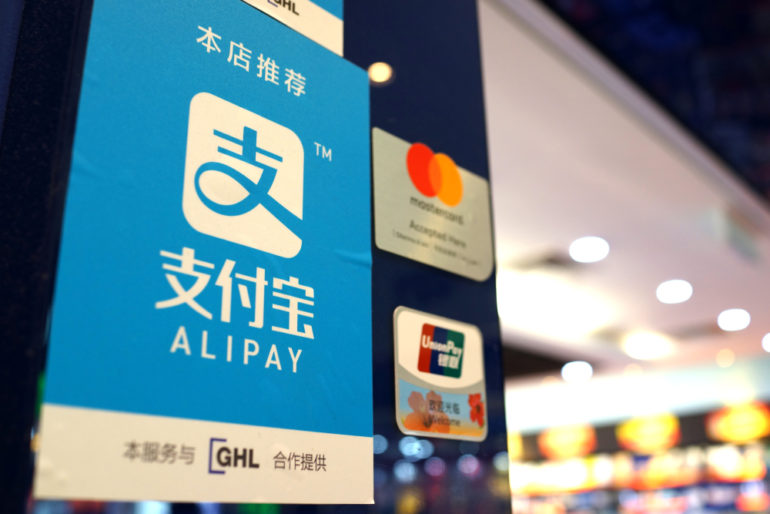
    Ant Group’s Alipay, Tencent Holdings’ QQ Wallet and WeChat pay are among the apps banned by executive order.

    Tensions between Washington and Beijing are set to rise with the latest executive order from U.S. President Donald Trump, which bans transactions with eight Chinese software applications.

    The move is aimed at curbing the threat to Americans posed by Chinese software applications, which have large user bases and access to sensitive data, citing a senior administration official.

    According to the order, the U.S. must take «aggressive action» against developers of Chinese software applications to protect national security.

    In October 2020, the U.S. State Department submitted a proposal to add Ant Group to a trade blacklist to deter U.S. investors from taking part in its lucrative initial public offering. The proposal was ultimately rejected. Trump has also previously tried to block some U.S. transactions with WeChat and the Chinese-owned video app TikTok.

    U.S. president-elect Joe Biden is set to be inaugurated on January 20, though his stance on China is still unclear.

  • YouTrip Inks Deal for Regional Expansion

    YouTrip Inks Deal for Regional Expansion

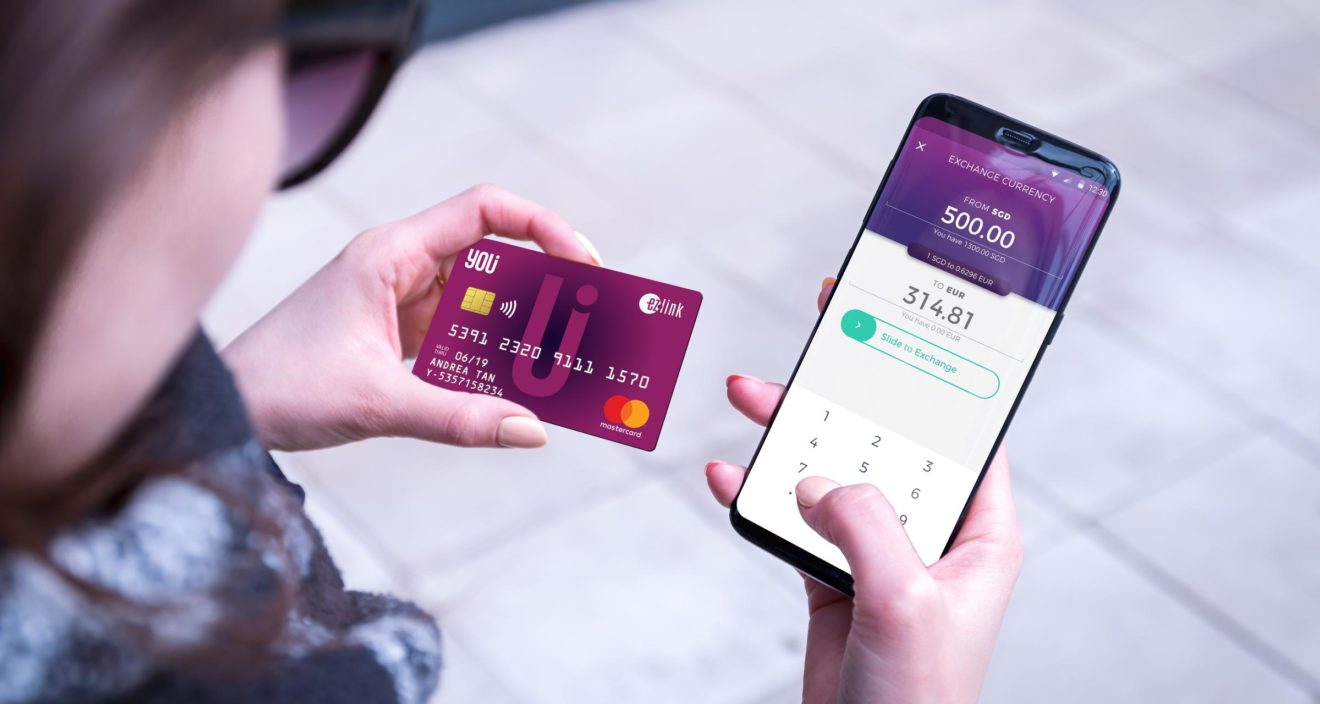
    The multi-currency mobile wallet has inked a six-year partnership with Visa to grow its reach across Southeast Asia, starting with Malaysia and the Philippines.

    The two sides are banking on an international travel recovery and hope to solve a pain point for Southeast Asian travelers by enabling access to cross border payment solutions such as wholesale exchange rates and no foreign currency transaction fees.

    Malaysia and the Philippines – two of the fastest-growing Southeast Asian countries in mobile payment adoption– have «massive untapped potential,» with outbound travel expenditure expected to reach $12.4 billion and $12 billion respectively in 2021, YouTrip noted.

    The partnership «will enable YouTrip’s continued growth to drive the next generation of payment innovation of cross border payments,» Caecilia Chu, co-founder and CEO of YouTrip said.

    Having partnered with Mastercard and EZ-Link to launch in Singapore in August 2018, YouTrip took over the role of issuer and holder of stored value accounts from EZ-Link while continuing the current brand partnership. It also closed a record $25.5 million pre-Series A fundraise in May 2019.

    The platform’s plans to tap on the booming regional travel market were nixed with the onset of the Covid-19 pandemic, but it has since pivoted to overseas e-commerce payment and recorded a three-fold increase in quarterly transactions, compared to the same period last year, YouTrip said.

    Currently also available in Thailand, the e-wallet has over 1 million downloads to date.

  • KardiaChain CEO aims to popularize blockchain in Vietnam

    KardiaChain CEO aims to popularize blockchain in Vietnam

    The KardiaChain platform founded by Pham Minh Tri has attracted Vietnamese experts globally to join the local blockchain sector.

    After graduating with a master’s degree in science from the University of East Anglia, famous for practical research, in London in 2013, Tri is now focusing on location-based messaging, text-speech processing, computer vision, and augmented reality.

    During his tumultuous years outside Vietnam, blockchain attracted Tri’s attention. He first approached this technology in 2012, after learning about the core peer-to-peer network of decentralized systems.

    Five years later, Tri had the opportunity to delve into and invest in new blockchain projects in London. In 2018, he and Huy Nguyen, currently senior technical manager at Google, Silicon Valley, founded KardiaChain, which rapidly researched blockchain interoperability.

    This breakthrough technology has helped solve the problem of communication between networks, allowing the transfer of data and assets from one blockchain to another. Important applications of cross-chain blockchain include decentralized exchanges.

    Today, only a few companies have successfully built cross-chain infrastructures like Polkadot and Cosmos, all worth billions of dollars, according to the KardiaChain CEO.

    Studying the potential market, Tri considered Vietnam one of the most promising environments for blockchain development due to its legacy system, golden population, and open regulatory environment.

    Unlike the U.K. or U.S., blockchain in Vietnam enjoys less competition with existing systems according to centralized design. Digital conversion and digitization of data are still in the early stages, so if combined with blockchain nation, our country would be able to take a shortcut, said Tri. Besides, its young population, rapid increase in education, and strong development of the middle class are all suitable for newly introduced and well-received technology products.

    More importantly, the Vietnamese government supports the startup movement, especially industries in the 4.0 revolution like blockchain and AI. Besides, the legal corridor for Fintech that is gradually being improved is also a great driving force for blockchain users.

    Returning to Vietnam in 2018, he and his partner founded KardiaChain, specializing in developing blockchain platforms. One of its most outstanding inventions is its non-invasive cross-chain technology Dual Node, pending patent. This technology helps blockchains communicate with each other despite algorithmic differences.

    KardiaChain’s decentralized platform allows any business to build transparent, secure applications with open functionality. According to business representatives, this makes blockchain infrastructure invisible, like electricity and the Internet, through mobile applications to benefit end-users.

    One of the most successful application units of KardiaChain is Youth Union in District 5, Ho Chi Minh City. The solution called TuoiTre Q5 helps the unit manage 10,000 youth union members, update daily news, support online assignments, and recognize emulation and rewards.

    With the above advantages, the app has received nearly 8,000 good reviews in recent surveys. The product initially asserted that the blockchain platform, when properly applied, is a useful tool to transform traditional models to suit contemporary society.

    From initial research and application, in April this year, KardiaChain raised $19.2 million from 2,500 investors through the Gate.io platform. KardiaChain then successfully signed a strategic cooperation with LG CNS – a subsidiary specializing in providing technology solutions of LG Group to develop blockchain infrastructure in Vietnam.

    According to Tri, the process of popularizing blockchain in Vietnam is a long journey, requiring a combination of technology, people, law and timing. But with careful preparation, we believe we will achieve this goal, inspiring people with the same passion and understanding of blockchain, he said.

  • Solar power boom poses a distribution challenge

    Solar power boom poses a distribution challenge

    The increasing solar power capacity has made it difficult for national utility Vietnam Electricity (EVN) to ensure stable power distribution nationwide.

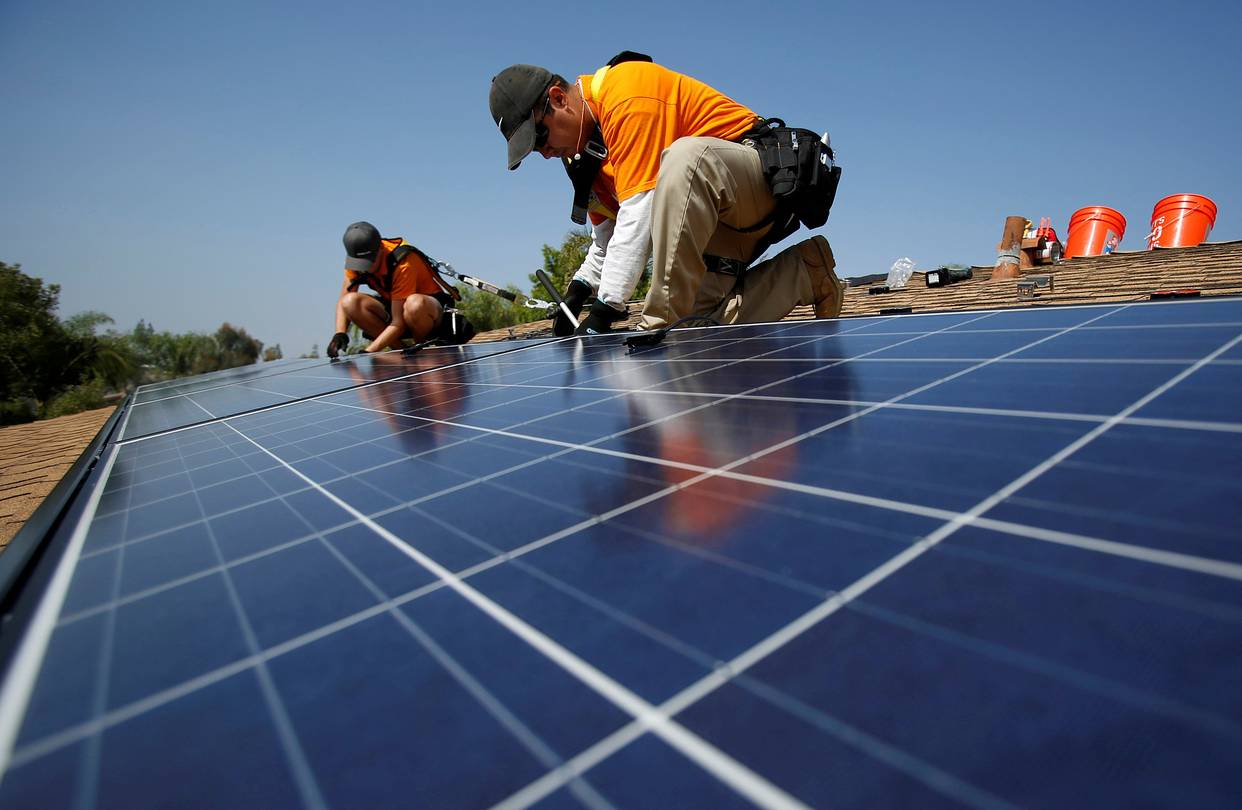
    The nature of solar power capacity, which accounts for 25 percent of the total, is to produce high volumes during the day and no production in the evening. This poses difficulties for EVN in operating the national grid, the national utility has said in a report.

    There have been times when the grid was oversupplied during the low-demand hours between 10 a.m. and 2 p.m. when solar radiation is at peak, the report says.

    On the contrary, when power demand is at the highest, the 5:30-6:30 p.m. period, solar power production falls to nearly zero and the traditional power generators have to be mobilized.

    “The ratio of renewable power generation is increasing and with it comes instability in operation,” the report says.

    Vietnam’s solar power capacity was roughly 16,500 megawatt by the end of last year, nearly 48 percent of it coming from rooftop panels and the rest from plants.

    Solar power production reached 10.6 billion kilowatt-hours last year, accounting for 4.3 percent of total.

    There was a surge in the number of solar power projects after the government offered an incentive feed-in tariff scheme to promote renewable energy production to meet rising demand in a fast-growing economy.

  • Jack Ma went missing?

    Jack Ma went missing?

    Once the poster boy for a new generation of multi-billionaire Chinese business and tech leaders, Alibaba founder Jack Ma’s fortunes have taken a serious dip in the last three months. Since a controversial speech in China in October 2020, where he lamented the country’s financial regulatory system and called for it to be reformed, the billionaire has been facing a series of actions from the Chinese authorities.

    He has faced a number of business setbacks since, including a block on his plans for a stellar listing on the stock market, actions which have in turn left the market wary of his firms.

    And he has now not been seen in public for more than two months – highlighted by his mysterious withdrawal from a scheduled appearance on his own reality TV show.

    Who is Jack Ma?

    Born in Hangzhou in eastern China, the 56-year-old came from a poor family and was once an English teacher. He bought his first computer aged 33, and in the last two decades rose to become a shining star of China’s booming economy through the success of his e-commerce giant Alibaba.

    Ma stepped down as chairman of Alibaba in 2019, but has remained in the public eye through media appearances and philanthropic work. During the Covid-19 pandemic he has donated masks and ventilators to the US – an effort that drew praise from several US politicians – and he is the face of a talent show to support young entrepreneurs.

    Where is Jack Ma?

    Ma’s removal from the good books of the Chinese authorities appears to have been even quicker than his rise to fame and fortune. The billionaire, who is known to speak freely, at a summit in October 2020 came down heavily on China’s financial regulators.

    He called for reforms in the financial system, speaking to an audience that included many officials of the regulatory organisations he was criticising.

    The response was swift. In November, a planned IPO of Ma’s Ant Group was suspended by the Chinese authorities and later, in December, the buyback plan of shares worth billions of pounds also failed to excite the investors. The authorities also opened an investigation against his firms.

    After years as the outgoing face of his companies – Ma once danced in front of tens of thousands of his company’s employees dressed in an outfit inspired by Michael Jackson – he is now conspicuously absent from the stage, without a public appearance in weeks or even a tweet in three months.

    Jack Ma net worth

    Jack Ma has various business interests. Apart from being the founder of Alibaba, he also has a stake in the online payment service Ant Group.

    It’s a dramatic change for a man who once taught English for $15 (£11) a month. He says he was rejected for 30 other jobs – including one serving at KFC – before he founded his own company.

    At one point Ma became Asia’s richest person – though he was later supplanted by another Chinese businessman.

    According to Bloomberg’s Billionaires Index, his net worth is about $50.6bn (£37bn), making him the 25th richest person in the world.

    Jack Ma and Alibaba

    Ma has said he drew the inspiration to start Alibaba from a trip to the US in 1995.  Subsequently, in 1999, Ma along with 18 people including many of his friends founded Alibaba Group from an apartment in Hangzhou, where they pooled in $60,000 (£44,000) for the venture.

    The group struggled early on and by 2002 they only had enough cash coming in to support 18 months of operation. But then came a timely intervention to connect two big markets – the US and China – ensuring that American buyers could get easier access to Chinese manufacturers, and slowly steadying the business.

    Over the years, the group became increasingly profitable and Ma and Alibaba became a force to reckon with. Ma started featuring on the covers of international business magazines – something uncommon for Chinese businessmen at that time.

    As a result, the reach of the Alibaba group, which was once rejected by funders, is now spread over 190 countries. It has become a leading platform for wholesale trade connecting millions of buyers and suppliers. It now has an estimated market cap of about $648.3bn (£474bn).

    With an estimated 100,000 employees, Alibaba now has interests in e-commerce, cloud computing, cashless payment and even movies.

    Ma stepped down from his role as chairman in 2019 and reports suggested he would focus his time and efforts on his philanthropic work.

    But as with many firms, the founder’s shadow looms large over Alibaba’s fortunes – something that the October 2020 controversy has shown. He remains an influential member of the Alibaba Partnership, for instance – a group of 36 members who can influence the nomination of the company’s board of directors.

    The company state’s that its vision is to be in operation for at least 102 years – but if the current trajectory of the crackdown on Ma continues, the dream may end much more abruptly than that.

  • Asics shutters New York flagship as Covid plagues business

    Asics shutters New York flagship as Covid plagues business

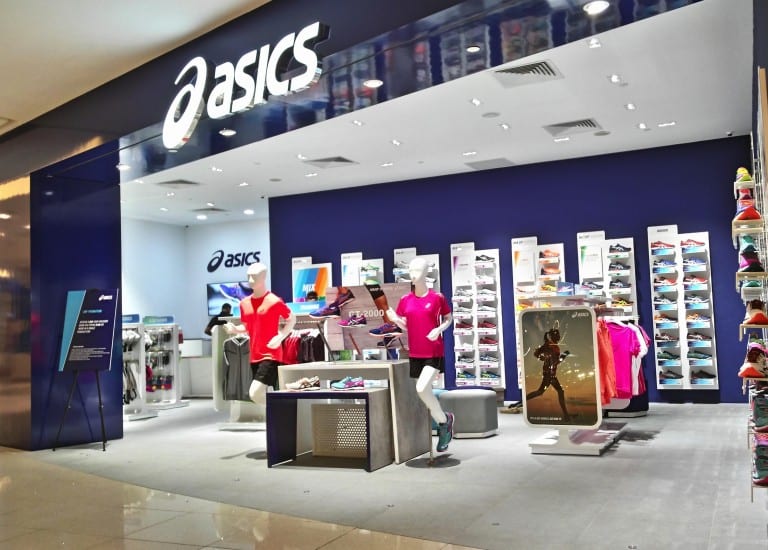
    Japanese sporting goods maker Asics closed down its New York flagship store in December amid the prolonged impact of the COVID-19 pandemic, the company announced on Monday.

    The store opened in December 2017 on Fifth Avenue, selling running shoes and sportswear. Asics’s decision comes as high rent bites the company, on top of uncertainties around when the pandemic will end.

    Due to the store’s closure, the sports brand is taking an extraordinary loss of about 2.3 billion yen ($22 million) for the fiscal year ended December 2020. The loss is already included in the latest earnings forecast.

    Asics’ sales in North America declined by 19% between January and September 2020, compared to the same period in 2019. The company is expected to take a net loss of 17 billion yen in fiscal 2020. Sales are forecast to decline by 15% to 320 billion yen.

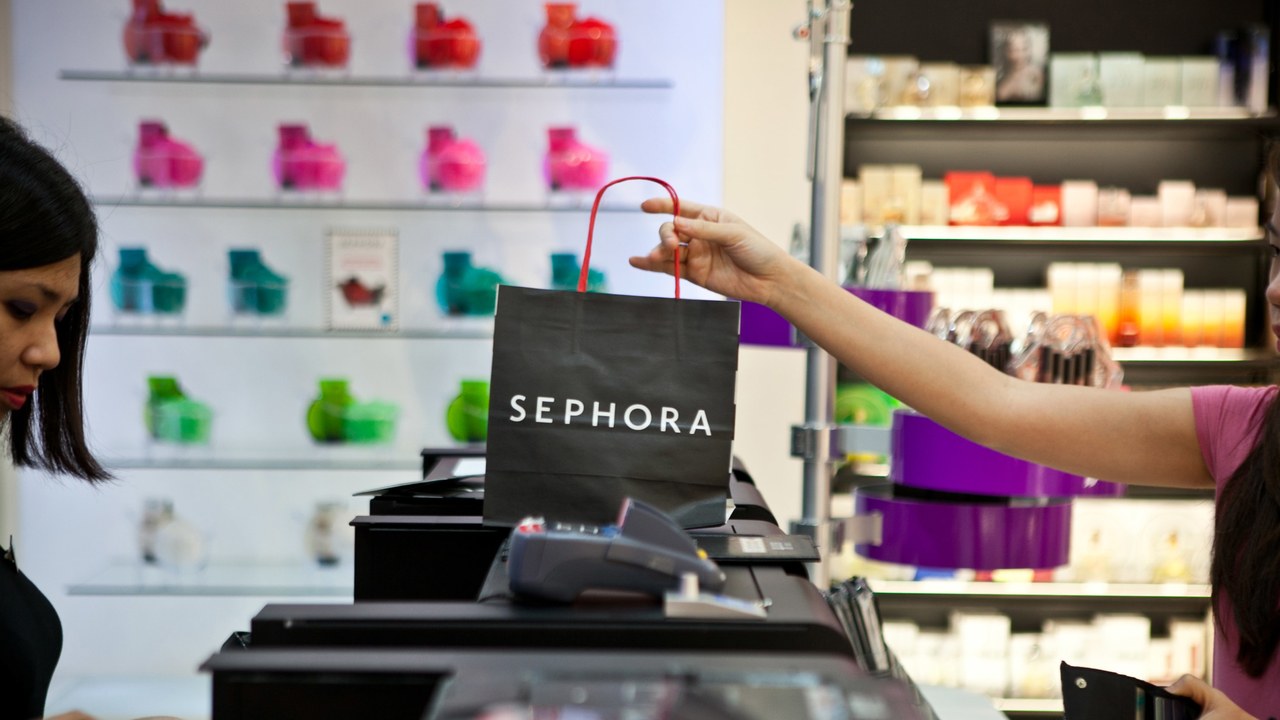
  • Third Sephora Hong Kong getting ready to be opened

    Third Sephora Hong Kong getting ready to be opened

    Located at the K11 Art Mall in Tsim Sha Tsui, the 265 square meter store will be Sephora’s first location in Kowloon, marking a new milestone in Sephora’s business expansion in the region.

    Due to open its doors in early January 2021, the new Sephora K11 Store will offer an unparalleled shopping experience with a comprehensive mix of 65 brands with numerous market most loved and exclusives such as Drunk Elephant, SUNDAY RILEY, Supergoop!, Mario Badescu, Pixi, First Aid Beauty, Cha Ling L’esprit du Thé, FRESH, and HERBIVORE BOTANICALS in Skincare; Fenty Beauty, tarte, Huda Beauty, IT Cosmetics, Benefit Cosmetics, and Urban Decay in Makeup; Olaplex, Briogeo, Ouai, Christophe Robin, KRISTIN ESS, IGK, and GHD in Haircare; as well as Maison Margiela and LOEWE in Fragrance. Last but not least, Sephora’s own brand Sephora Collection that covers the key categories.

    The new store will also offer testers and product display for some Online Exclusives including The Ordinary, Dr. Dennis Gross, Dear Dahlia and Natasha Moor.

    With an additional store in the market, Sephora will continue to expand its local beauty community through its exclusive Beauty Pass membership programme designed to offer the latest beauty news and special perks and offers to its members.

    Sephora is thrilled to the opening of its first store in Kowloon by indulging the local community with a unique and interesting beauty experience through a customized virtual game titled “SEPHORA SHAKE OFF” at their store front in K11 Art Mall. Kicking off on December 24th, “SEPHORA SHAKE OFF” presents numerous beauty perks and delights with a series of amazing prizes guaranteed to perk up everyone’s holiday spirit!

    To launch “SEPHORA SHAKE OFF” game, players simply need to scan a QR code with their smartphones and need to work their arm muscle by shaking their phones throughout it. Starting with a choice between a Day or Night look, the player(s) will be taken on a virtual shopping spree featuring some of Sephora’s best-selling items from its skincare, make-up and hair-care range with an objective to collect as many items as possible by shaking as fast as one can.

    Upon completion of the shopping spree, players will proceed to beautify a virtual avatar with their look of choice, again through shaking their phones in order to complete the look as fast as possible. The final beauty look will be revealed along with the resulting beauty ranking achieved, determining the player(s)’ prize ranging from Beauty Bae, Beauty Enthusiast, Beauty Expert, and to the top rank of Beauty Master. The various prizes consist of star products from top brands including Drunk Elephant, FRESH, Estée Lauder, Sephora Collection and many more.

    As an extension to the two existing Sephora stores in Hong Kong, the design of the new K11 store echoes the same sense of modernity and vibrant energy through its interior elements. An exclusive feature to the K11 store is the Beauty Shout-Out kiosk which is outfitted with a screen featuring key bestsellers and video submissions from the local Sephora Community which offers user-generated content and genuine recommendations of products and services available at Sephora. Also on showcase at the Beauty Shout-Out is a selection of the latest must-haves and testers for trials, as well as a magnetic wall for customers to create their own Sephora photo opportunity.

  • More Account Suspensions for Exiled Hong Kong Dissident

    More Account Suspensions for Exiled Hong Kong Dissident

    Self-exiled Hong Kong dissident Ted Hui, who was recently spotlighted over frozen accounts at HSBC, has faced even more pressure from the British lender which allegedly canceled credit cards and «unlawfully embezzled» his funds without explanation.

    Ted Hui Chi-fung claimed that HSBC had not only canceled credit card accounts belonging to him and his family but frozen funds within it that resulted from refunded purchases.

    On the credit cards of both my family and myself, as a result of consumption refunds, the credit is more than the debit,» he said on his social media account. «The balances (around a few tens of thousands of Hong Kong dollars) are all private property protected by Hong Kong’s Basic Law. They are now unlawfully embezzled by HSBC without any explanation.

    While Hui’s claims about frozen funds could potentially be contentious, banks routinely assess and close accounts based on legal and compliance risk, especially with regards to politically exposed persons (PEPs).

    This is not the first time Hui has had his accounts frozen after similar moves were made against him and his family’s HSBC Premier accounts in December. At the time, local police issued an official statement confirming it had directed the account suspension over a money laundering and national security law probe.

    Although Hui’s claims that the latest credit card account cancellations were not requested by the police, an HSBC statement indicated otherwise.

    «We have to abide by the laws of the jurisdiction in which we operate and this case is no different,» according to an HSBC spokesperson who said further inquiries should be directed to law enforcement.

  • Vietnam economy to grow almost five times by 2035

    Vietnam economy to grow almost five times by 2035

    Vietnam’s economy is expected to grow five times, becoming the 19th largest economy in the world in 2035, a report says.

    Steady and consistent growth is set to help it go past major Asian economies like Taiwan and Thailand by 2035, U.K consultancy the Centre for Economics and Business Research (CEBR) said in its annual league table on the growth prospects of 193 economies released last week. The country now is the 37th largest economy.

    Its GDP growth is forecast at 7 percent a year over the next five years, and 6.6 percent in the subsequent decade.

    The report estimated Vietnam’s nominal GDP by 2035 to be $1.59 trillion from the current $341 billion, a nearly five-fold increase in 15 years.

    Despite the Covid-19 pandemic, the Vietnamese economy, unlike most others, was able to escape a contraction in 2020 thanks to competent handling of the crisis, the report said. It grew at 2.91 percent.

    The government has set a GDP growth target of 6.5 percent for 2021.

    China will overtake the U.S. as the world’s biggest economy in 2035 after outperforming its rival during the global Covid-19 pandemic, according to CEBR.

  • Singapore Tightens Oversight of Crypto Exchanges

    Singapore Tightens Oversight of Crypto Exchanges

    MAS powers have been expanded to include regulatory measures on crypto service providers, even if they may not possess the money or cryptocurrency involved.

    The Monetary Authority of Singapore (MAS) is enhancing its regulatory framework and updating the Payment Services Act to keep pace with changes to international standards and to better mitigate the money laundering and terrorism financing related to digital payment tokens.

    Any entity that facilitates the transmission, exchange or storage of DPTs – also known as cryptocurrencies – will now have to be licensed, MAS said on Monday.

    The new legislation will help minimize the risk of DPT service providers being exploited by criminals to launder illicit proceeds or hide illicit assets, said Minister for Transport Ong Ye Kung, who is also a board member of MAS, during the second reading of the Payment Services (Amendment) Bill in Parliament on Monday.

    The amendments also give MAS powers to impose measures on DPT service providers to ensure better consumer protection and to maintain financial stability and safeguard the efficacy of monetary policy.

    We have seen recent development of new forms of DPTs which values are pegged to stable assets to gain users’ confidence. It is therefore important for MAS to be able to respond to market developments and address new risks in a timely manner, MAS said.

    The Payment Services Act, which was introduced in January 2020, provides comprehensive regulation for companies handling activities ranging from digital payments to the trading of tokens such as bitcoin and ethereum, and gives MAS formal supervisory powers for cybersecurity risks and controls on money laundering and terrorism financing.

  • Grab seeks $750 million term loan

    Grab seeks $750 million term loan

    Southeast Asian ride-hailing and food delivery firm Grab is seeking a $750 million term loan, a term sheet showed on Monday after it announced that total group net revenue jumped by about 70% year-on-year in 2020 and had recovered to comfortably above pre-pandemic levels.

    “In addition, we’ve hit our growth and profitability targets, and reached several new milestones,” Ming Maa, Grab’s president, said in an emailed newsletter update on the business.

    Hours after the update, Grab and one of its subsidiaries were seeking a five-year loan of $750 million for general corporate purposes, according to a term sheet seen by Reuters.

    Grab declined comment on the term sheet.

    Backed by global investors including Softbank Group Corp, Grab has evolved from a ride-hailing app operator to a one-stop shop for services such as food delivery, payments and insurance, helping the company to become Southeast Asia’s most valuable start-up with a valuation of more than $15 billion.

    “We’ve continued to be disciplined with spending and prudent in stewarding our shareholder capital, with monthly EBITDA spend being reduced by approximately 80% over the last 12 months,” Maa said.

    Grab said in October that third-quarter group revenue had risen to more than 95% of pre-coronavirus levels and its food business accounted for more than 50% of revenue.

    The company’s food delivery business, in which net revenue nearly tripled year on year in the third quarter, is expected to achieve breakeven by the end of 2021, it said on Monday.

    Sources have said that investors in Grab and Indonesian rival Gojek are backing a merger of the two, but a deal is far from finalised. Both companies have talked up their strengths.

  • Maison Margiela opens new retail concept store in Shanghai

    Maison Margiela opens new retail concept store in Shanghai

    Set to open on December 18 in Shanghai’s Reel Department Store, the new 160sq m boutique is the brand’s first store in China with the new store concept.

    Founded in 1988 and headquartered in Paris, French luxury fashion house Maison Margiela produces both haute-couture collections and ready-to-wear collections. The brand’s products include womenswear, menswear, footwear, fine jewellery, fragrance and home goods which will all be available at the new boutique.

    The new concept store has been designed by Dutch architect Studio Anne Holtrop in line with Creative Director John Galliano’s vision. The store is fitted with artisanal furnishings and hand-cast textile moulds. The ceilings and walls are painted in a dark-green gloss that creates a shimmering shine.

    This new store has been inspired by the brand’s first concept store that launched in London’s Bruton Street, this was followed by Avenue Montaigne in Paris, and Osaka Shinsaibashi Parco in Japan.

  • Vietnam not considering international flight resumption

    Vietnam not considering international flight resumption

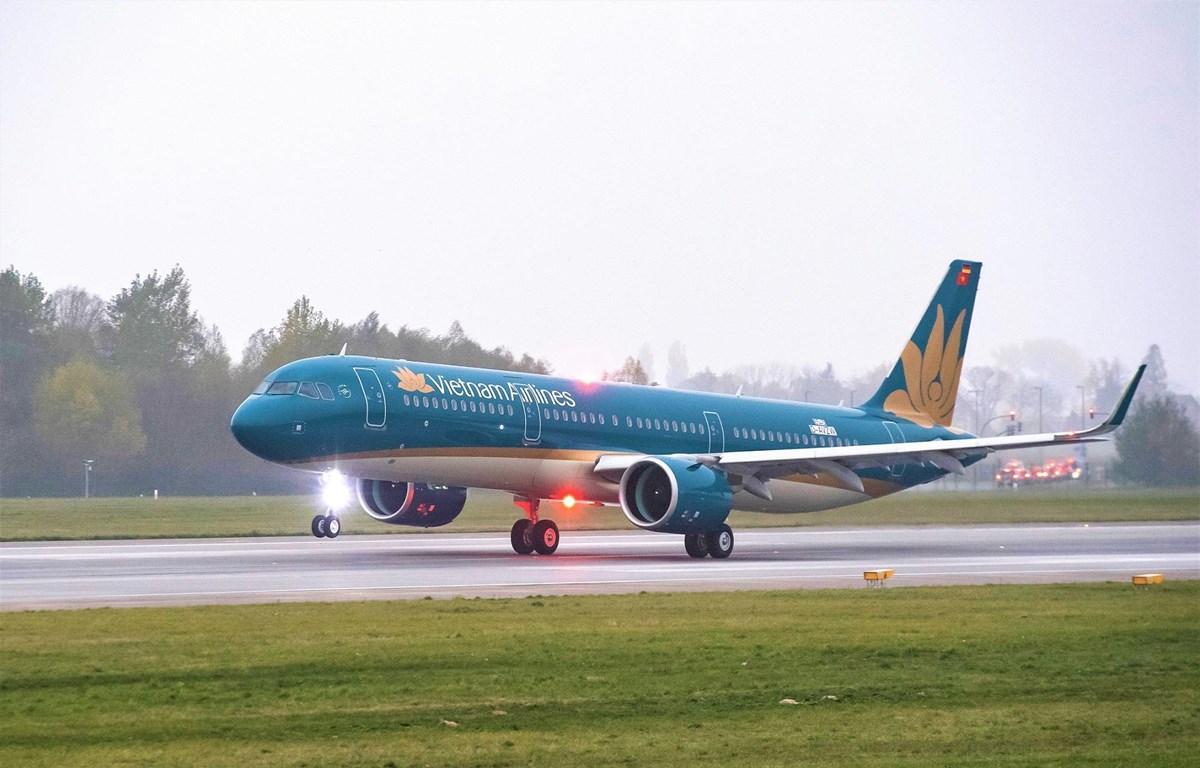
    Vietnam is not considering a resumption of international commercial flights with the Covid-19 situation remaining intense globally and vaccine distribution uncertain.

    The pandemic has been complicated by the appearance of a new coronavirus variant, with no certainty a vaccine would be distributed on a large scale this year, Deputy Minister of Planning and Investment Tran Quoc Phuong told press Monday.

    Resumption of tourism activities would only occur when deemed safe, he stressed.

    Vietnam suspended commercial international flights in late March last year to contain the spread of the novel coronavirus.

    However, the country still allows a limited number of flights for experts, businesspeople, workers and overseas Vietnamese, who are all quarantined by up to 14 days upon arrival.

    Phuong said authorities are struggling to contain illegal immigration as travel demand spikes ahead of the Lunar New Year holiday, or Tet, which falls in February this year.

    Foreign arrivals last year fell nearly 79 percent to 3.84 million, according to the General Statistics Office.