Author: Mei Ling Tan

  • Washington Mulls Alibaba and Tencent Ban

    Washington Mulls Alibaba and Tencent Ban

    Just weeks before the end of the current U.S. administration, authorities are reportedly discussing the expansion of a blacklist of companies linked to China’s military with the inclusion of major tech giants, Alibaba and Tencent.

    Discussions considering the inclusion have been underway for a few weeks amongst State and Defense Department officials, according to a report citing unnamed sources.

    The original blacklist was released in November with 31 companies including the likes of surveillance firm Hikvision and semiconductor maker SMIC.

    Most recently, the Chinese military investment ban also included an unusual case involving China Mobile, China Telecom and China Unicom Hong Kong. After an initial decision to delist the three Chinese telecommunication firms, the New York Stock Exchange (NYSE) reversed the call this Monday before making yet another reversal on Tuesday.

    Sources said that there was ambiguity about whether or not the aforementioned firms were subject to the bans which subsequently led U.S. Treasury Secretary Steven Mnuchin to phone NYSE president Stacey Cunningham to tell her he disagreed with the decision to reverse the delisting.

    The investment bans are part of a series of moves made by the Trump administration to drive decoupling between U.S. capital and the Chinese economy.

    In addition to military-linked companies, Washington also seeks to tighten on Chinese firms that fail to pass U.S. auditing standards, pressuring them with the prospects of delisting from American bourses.

    This follows a series of headline accounting scandals amongst U.S.-listed Chinese companies such as the $300 million inflation of sales figures at Luckin Coffee or 83 tons of collateralized fake gold bars at Kingold.
  • VietinBank reports record profit

    VietinBank reports record profit

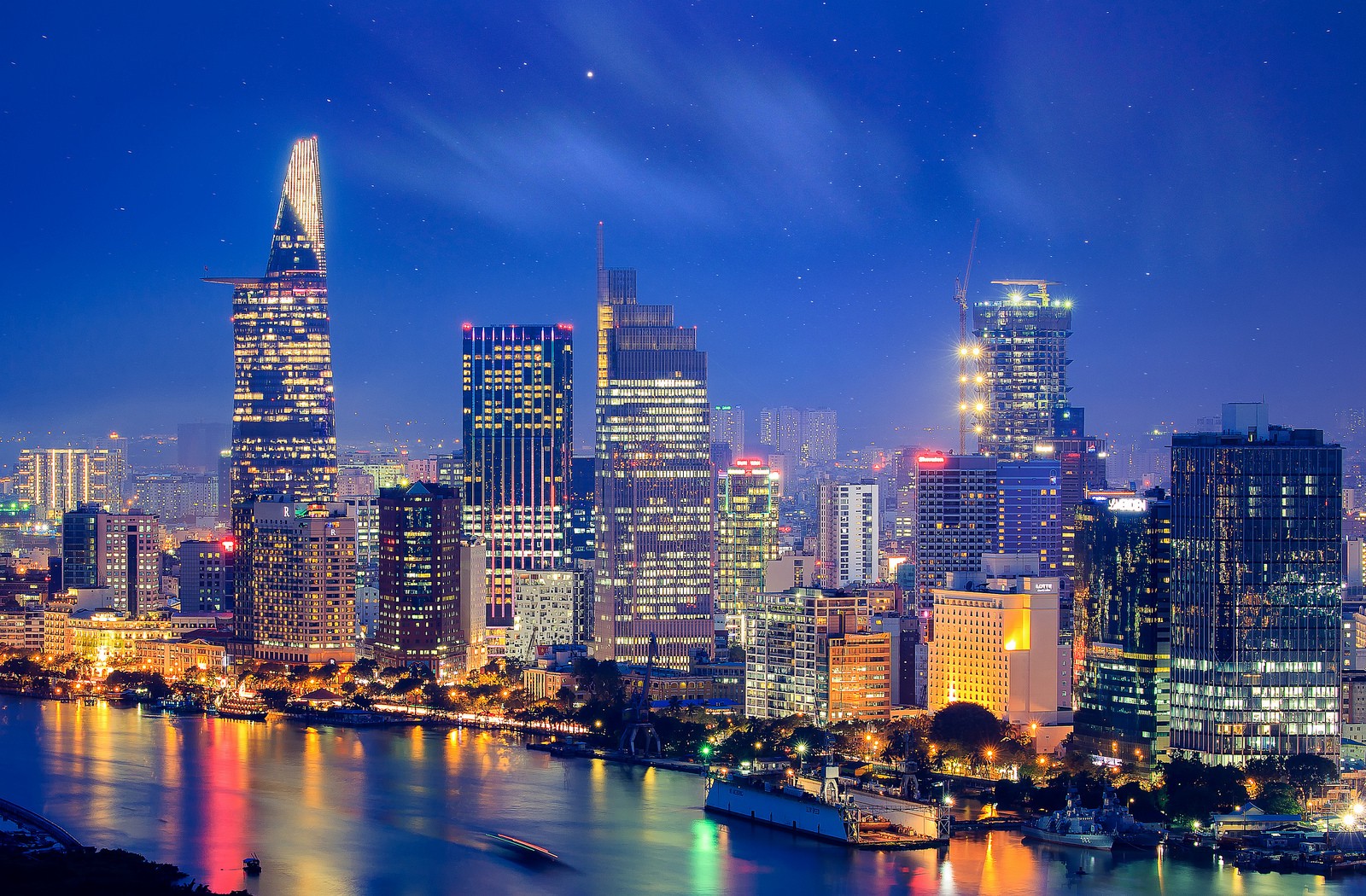
    VietinBank, Vietnam’s third largest lender by assets, has reported a 40 percent increase in standalone profits in 2020 to VND16.5 trillion ($715 million).

    This is its highest ever profit, and chairman Le Duc Tho, speaking at a meeting on Wednesday, attributed it to a surge in non-interest income and reduction in operation costs.

    While it has not published its financial statement for the year, the bank said in a press release that consolidated debts rose by 7.7 percent and non-performing loans were less than 1 percent.

    Its non-interest income jumped 35 percent, lifting it as a ratio of total income from 16.5 percent in 2019 to 20 percent.

    Income from services, foreign exchange trading and treasury operations increased by 12 percent, 24 percent and 70 percent.

    The bank targets 8-11 percent credit growth in 2021 and 10-20 percent growth in standalone profit and consolidated profit, and keeping non-performing loans to under 2 percent.

  • DBS Opens Tech Academy in Upskilling Drive

    DBS Opens Tech Academy in Upskilling Drive

    The bank has launched an in-house digital training institute to equip its 5,000-strong technology workforce with cutting-edge skills for the future.

    The Future Tech Academy covers three technology disciplines: Site Reliability Engineering, Data Processing and Analytics, and Application Security, with more programs to be added over the next year.

    Having our own DBS Future Tech Academy gives us the agility to adapt our training curricula according to the bank’s needs and enables us to stay ahead of the massive changes around us, Jimmy Ng, DBS group chief information officer, said.

    The curriculum DBS is offering incorporates a blended pedagogical approach tapping on both external experts as well as internally developed content and certifications.

    DBS believes that this will enable employees to acquire the latest technology skillsets from external industry experts and immediately apply their new skills to relevant technology projects being rolled out by the bank, it said in a statement on Thursday.

    Growing the Talent Pool

    UOB and Standard Chartered have also previously launched programs to train their staff to adapt to the digital era, with the latter launching a learning hub in Singapore in December 2020 to boost the job readiness, career prospects and future competitiveness of its Singapore workforce.

    Growing the pool of technology talent in Singapore will place the country in good stead as we respond to the disruptions ahead, Ng said.

  • US absolves Vietnamese tire exporters of dumping

    US absolves Vietnamese tire exporters of dumping

    The U.S. has made a preliminary determination that most Vietnamese tire exporters did not dump products in the U.S. and not subjected them to anti-dumping duties.

    Six producers and exporters of passenger vehicle tires from Vietnam, who account for over 95 percent of Vietnamese tire exports to the U.S., were found to not dump following an investigation by the Department of Commerce that began last June.

    But some other companies were hit with a 22.3 percent anti-dumping duty, with the Trade Remedies Authority of Vietnam saying it was because they did not fully cooperate with U.S. authorities.

    The U.S. has imposed duties of 13.25-98.44 percent on South Korea, Taiwan and Thailand. A final determination will be issued on May 14.

    The U.S. imported nearly $4 billion worth of tires from the four in 2019, with Vietnam accounting for $469.64 million.

  • Once successful fitness studio goes belly-up

    Once successful fitness studio goes belly-up

    Fitness studio chain Lamita has announced the closure of all of its 16 centers after Covid-19 caused it to go bust.

    Vu Thi Thuy Linh, the CEO of Lamita Fitness, said the main reason for the failure has been Covid-19 and not internal problems but admitted she was at fault for not realizing the risk of expanding the business despite the pandemic.

    “The pandemic has left the company unable to revive, resulting in cash flow imbalance and unpaid wages, and so we had to make the decision to shut down,” Linh said.

    “If we had not relied on the investment fund but on ourselves, developing steadily just like seven years ago, then maybe all of these regretful outcomes could have been avoided.”

    Founded in 2012, Lamita started off as a dance center called Zumba Hanoi. In 2018 restructured, changed its name to Lamita and developed the Lamita Fitness, Lamita Star, Lamita Shop, and La Pham brands.

    It used to have 65 studios and 200 employees before the pandemic outbreak. But, starting in July 2020, it began to close some and cut staff since it was unable to pay their wages as Covid-19 hit cash flows. By August only 16 studios were left.

    In 2019, Linh persuaded Do Thi Kim Lien, chairman of Song Duong Surface Joint Stock Company, and Pham Thanh Hung, chairman of Century Real Estate Investment and Development Joint Stock Company, to invest VND10 billion ($435,000) for a 35 percent share in Lamita Fitness, but the former failed to bring in the money as promised.

    At the end of 2019, Lamita Fitness got in touch with a domestic investment fund. In February 2020 it got its business appraised and was valued at VND100 billion. Linh claimed that the fund had agreed to invest VND30 billion for a 30 percent stake.

    Then, a month later, Covid-19 broke out and Lamita found itself mired in difficulties since, despite not receiving the investment from the fund, it had to maintain the growth it had committed to. It thus had to pay growing rents and staff salaries despite having little income.

    When the Government imposed social distancing, it retained all its studios and staff thinking the pandemic would soon pass. In the middle of 2020, it reopened, but business was non-existent and the lack of cash flows was beginning to tell.

    Linh plans to revive Lamita, reduce its scale and launch online products. It has agreed to refund the fees people paid for dance lessons, but those staying back can get a 50 percent discount when the next course starts.

    Lamita is the first business in the fitness industry to fail in 2021. Last year WeFit, an application connecting gyms and spas, went bankrupt due to Covid-19.

  • Google Appoints Cloud Business Leader for APAC

    Google Appoints Cloud Business Leader for APAC

    He succeeds Rick Harshman, who leaves the organization for a new opportunity after almost five years in the role.

    Google has appointed technology leader Karan Bajwa as vice president for Google Cloud in APAC, the company announced in a statement on Tuesday.

    Bajwa, who is currently based in India, where he leads Google Cloud’s operations in the country, will relocate to Singapore in 2021 for the expanded role in which he will lead all regional revenue and go-to-market operations for Google Cloud, including Google Cloud Platform (GCP) and Google Workspace.

    Before joining Google in March 2020, Bajwa a managing director for India and South Asia at IBM for almost four years. Prior to IBM, he worked with Microsoft for nine years, his last role being the managing director for the company’s operations in India.

    Google Cloud is growing rapidly in a region that is fast adopting digital transformation tools, particularly in the financial services space. Among its clients are BRI Bank, Gojek, NTUC Fairprice Co-Operative, Goldman Sachs, Citi, ANZ Bank, and more.

    The company launched its GCP regions, from where its public cloud resources are located, in Jakarta and Seoul last year, with planned expansions in Dubai and Melbourne in 2021.

    «With the disruptions of 2020 behind us, a true test of 2021 will be how companies replatform and build on the cloud not only for resilience but agility and innovation, and I’m excited for the opportunity to lead Google Cloud’s business in APAC to maximize this next phase of growth,» Bajwa said about his new appointment.

  • Financial Platform GoBear Shuts Down

    Financial Platform GoBear Shuts Down

    The startup said the global pandemic has created a challenging operating environment, and it is unable to raise additional funds from existing or new investors.

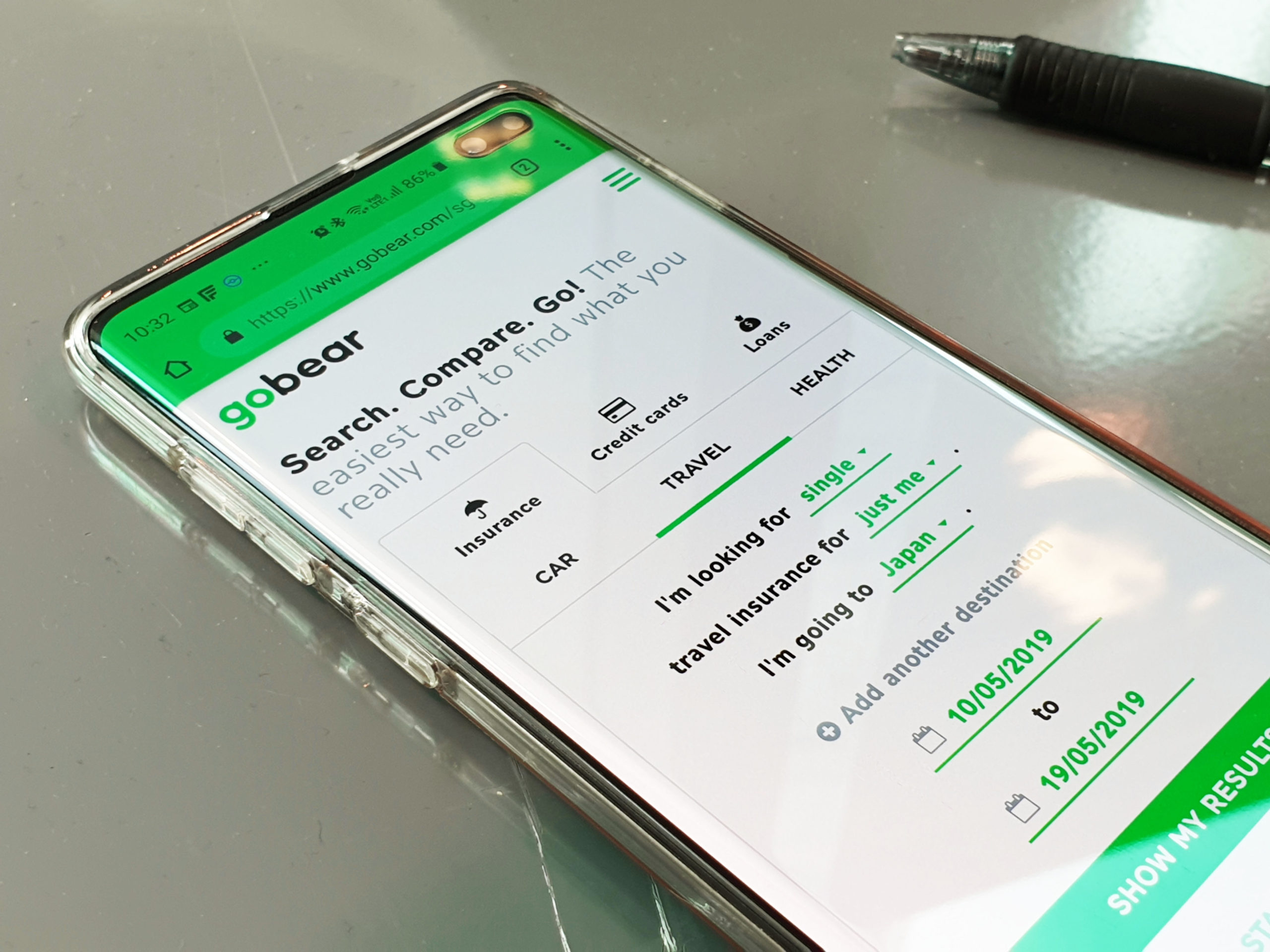
    Singapore-based financial comparison and data platform GoBear has announced that it will begin a formal process to shut down operations, after a prolonged period of weakened demand for some financial products and services, in particular travel insurance, as a result of the Covid-19 pandemic.

    GoBear has made the difficult decision to close the business. Our purpose was to improve the financial health of people across Asia and I’m proud and grateful for the contributions that all our employees and partners have made towards that mission, Adrian Chng, CEO of GoBear, said in a statement on Tuesday.

    The company said its financial resources is likely to be sufficient to fulfill its existing commitments to customers, employees, suppliers and partners, and that it will work with the relevant authorities to ensure adherence to local laws and regulations.

    GoBear, which was founded in 2015, operates a platform for insurance, banking and lending products in seven markets in Southeast Asia. The startup’s founders, chief technology officer Ivonne Bojoh and chief commercial officer Marnix Zwart, departed in November 2019.

    In September 2020, GoBear announced that it would cut 22 staff across its operations, product, and technology teams – 11 percent of its global workforce of 200.

    The platform raised a total of $97 million in funding, including $17 million from long-term investors, Dutch venture capital firm Walvis Participaties and life insurance, pensions and asset management firm Aegon as recently as May 2020. The same month, it acquired Singapore-based digital lending platform AsiaKredit.

  • Shrimp exports to rise 15 pct

    Shrimp exports to rise 15 pct

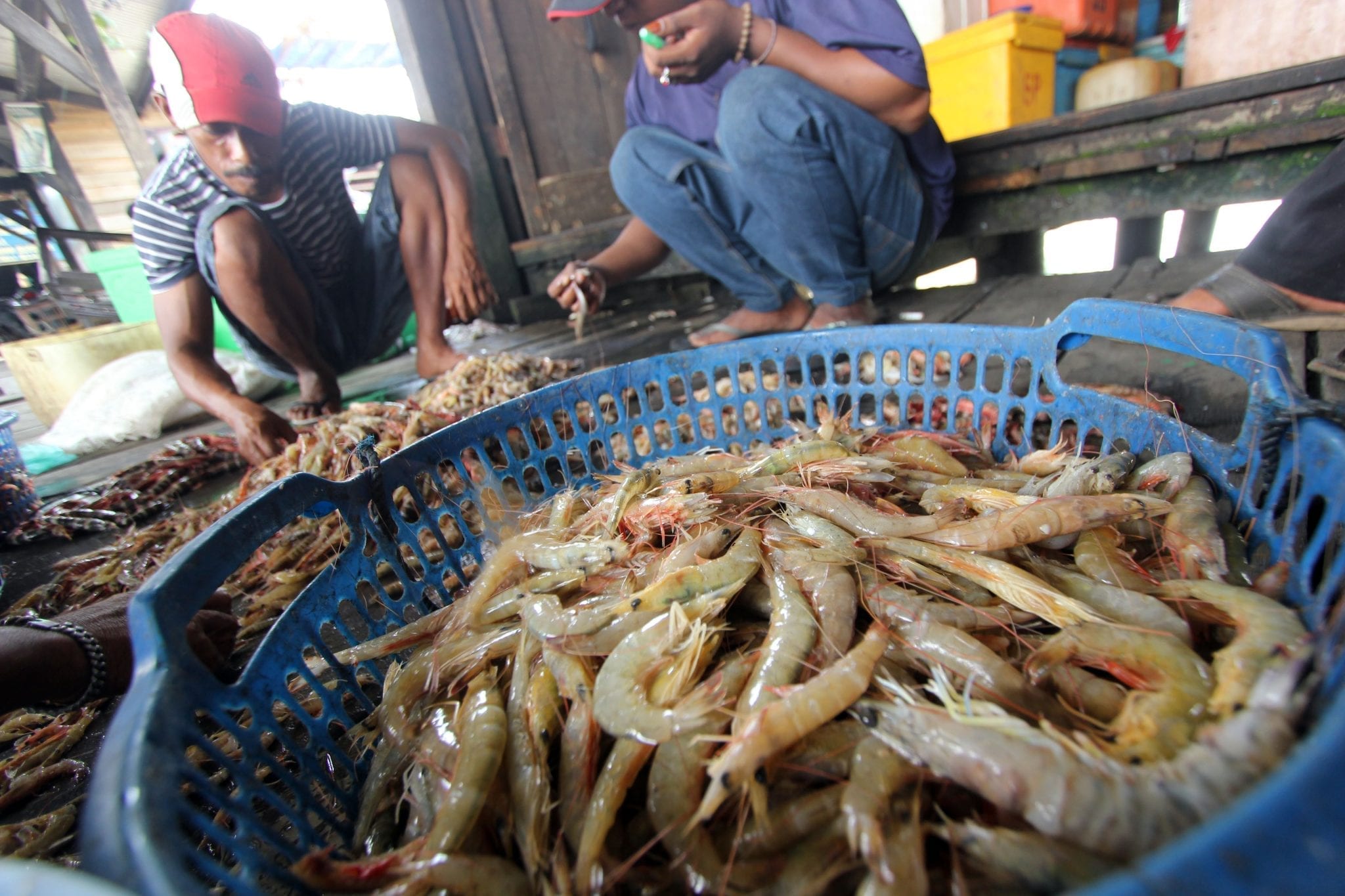
    Vietnam has advantageous conditions to increase shrimp exports by 15 percent year-on-year to top $4 billion in 2021, industry insiders say.

    Global demand has remained stable while other shrimp exporting countries have not recovered from pandemic impacts, according to the Vietnam Association of Seafood Exporters and Producers (VASEP).

    China is the biggest shrimp producer in Asia, yet it lacks shrimp supply for processing and consumption.

    Vietnam’s shrimps will benefit from tariff cut under new-generation FTAs that the country has signed.

    However, Vietnamese shrimp exported will have to face strong competition from India, where low production costs make its export prices more competitive, according to the Agro Processing and Market Development Authority.

    China has imposed import restrictions based on quality, quarantine, and procedural issues which can result in a plunge in shrimp exports to the neighboring giant.

    Shrimp exports are set to increase by 12.4 percent in 2020 to $3.78 billion despite the major impact Covid-19 has had on the seafood industry.

  • Retail sales decline slows significant in Hong Kong and Singapore

    Retail sales decline slows significant in Hong Kong and Singapore

    Hong Kong’s retail sales fell 8.8% in October, the first single-digit fall since June last year, showing further signs of a recovery after coronavirus restrictions had slammed the brakes on spending and tourism in the global financial hub.

    The drop compared with a revised 12.8% decline in September and a 6.7% fall in June 2019.

    October’s sales plummeted from a year earlier to HK$27.4 billion ($3.5 billion), government data showed on Tuesday, falling for the 21st consecutive month.

    In volume terms, retail sales slumped 9.3%, compared with a revised 13.3% fall in the previous month. It was also the first single-digit decline since June 2019.

    “With the fourth wave of the local epidemic spreading widely and quickly, the business environment of the retail trade may deteriorate again in the near term,” a government spokesman said.

    For the first 10 months of 2020, the value of total retail sales fell 27%, and 28.3% by volume, from the corresponding 2019 period.

    Hong Kong leader Carrie Lam on Tuesday again urged residents to stay at home and avoid unnecessary family gatherings as the global financial hub scrambles to contain a rise in coronavirus cases.

    Games centres, karaoke lounges and swimming pools will close from Wednesday, while the Ocean Park theme park and DisneyLand will also close.

    The worsening situation in the city also prompted the government to extend the postponement of an air travel bubble with Singapore on Tuesday to beyond 2020.

    Hong Kong’s economy shrank 3.5% in the third quarter compared with a year earlier as the coronavirus pandemic hammered consumer spending, trade and tourism, but at a slower pace as the outbreak had eased.

    The city’s tourist arrivals in October plunged 99.8% from a year earlier to 7,817 visitors, the tourism board said, compared with a drop of 99.7% in September.

    Sales of jewellery, watches, clocks and valuable gifts, which depend heavily on mainland tourists, fell 26.6% in October versus a revised 25.6% plunge in September.

  • Spanish Brand Desigual expanding presence in India through marketplace partnership

    Spanish Brand Desigual expanding presence in India through marketplace partnership

    Desigual had entered the Indian market last year through a partnership with retail group Tablez by opening its first concept store in Delhi.

    With this partnership, Desigual is looking to widen its presence across India with Tata Cliq’s reach and expects strong sales during the current year.

    Speaking on the collaboration, Adeeb Ahamed managing director at Tablez Group in a statement said, “The collaboration envisions bringing together Tata CLiQ Luxury’s extensive reach with Desigual’s high fashion offering, to deliver a seamless shopping experience for the fashion-conscious Indian consumer.”

    Gitanjali Saxena business head at Tata Cliq Luxury added, “With this addition, we are able to provide the savvy, global Indian with a truly international shopping experience – one that is focused on quality, authenticity, and thoughtfulness.”

    Desigual is an international fashion brand that was established in Barcelona in 1984. The company is currently present in nearly 90 countries through 10 sales channels, over 500 branded stores, and six product categories.

  • Physical Exchange Results in Bitcoin Robbery in Hong Kong

    Physical Exchange Results in Bitcoin Robbery in Hong Kong

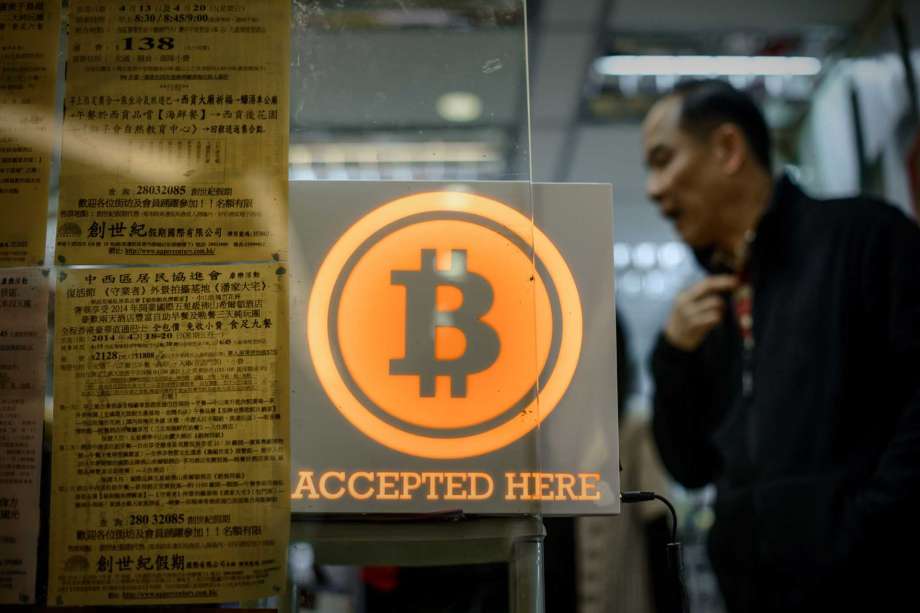
    A 37-year old man in Hong Kong allegedly sought to sell bitcoin for cash but ended up being swindled during an in-person transaction in a vehicle and kicked out.

    The victim had originally scheduled to meet two individuals to trade 15 bitcoin at HK$235,000 each ($30,000), or HK$3 million in total, outside of a hotel in Hong Kong, according to a report citing police sources.

    The vehicle proceeded to move to another location while the bitcoin transfer was being made. Upon completion, another car showed up and three more individuals related to the original two fraudulent buyers robbed the victim’s cash, two mobile phones, and kicked him out.

    Local police claim that the six robbers were non-Chinese men aged around 30 and have yet to be captured.

  • Huawei will end up among the globe’s top smartphone manufacturers this year

    Huawei will end up among the globe’s top smartphone manufacturers this year

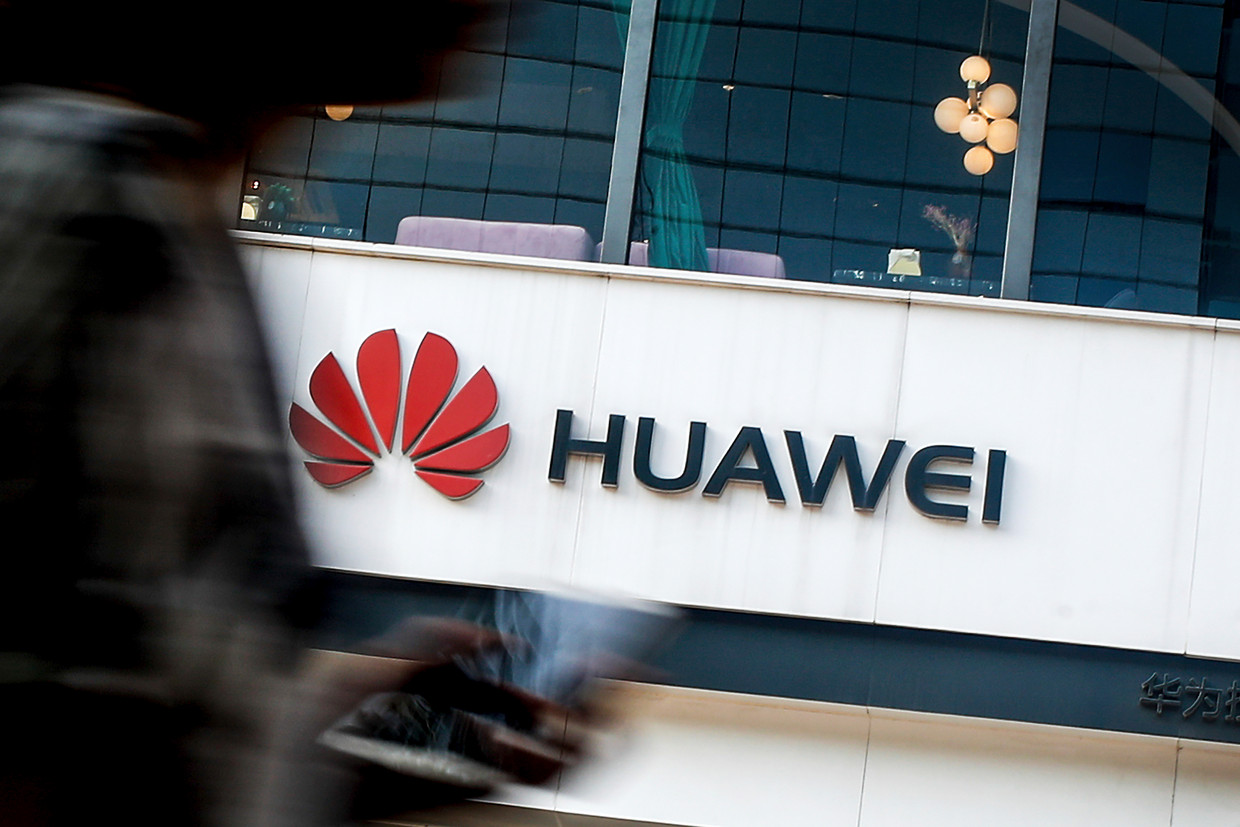
    Back in 2015, the head of Huawei’s consumer products unit, Richard Yu, made a bold forecast. He said that in two to three years, Huawei would surpass Apple to become the second-largest smartphone manufacturer in the world. He added that in five years, Huawei would top Samsung to become the world’s largest producer of smartphones. And sure enough, that is basically what happened. Huawei passed Apple and last year it finished second to Samsung. Earlier during the second quarter of this year, Huawei outshopped Samsung and for a brief period of time it was the top smartphone manufacturer on the planet.

    Despite meeting its goals for a short period of time, the long term outlook for the phone and networking equipment manufacturer is not good. That’s because the U.S., considering Huawei to be a national security threat, has made doing business difficult for the company. Last year, it placed Huawei on the Entity List preventing it from accessing its U.S. supply chain without permission from the Commerce Department. As a result, heavyweights like Micron and Google have stopped supplying memory chips and software to Huawei respectively.

    And the Trump administration aimed right at Huawei’s Achilles heel this year by adding new export rules that prevent foundries using American sourced technology from shipping chips to Huawei, The latter can’t even take delivery of cutting-edge chips that it designed itself. The U.S. actions against Huawei led it to sell its sub-brand Honor division for $15 billion. And even if President-elect Joe Biden, when he takes office in two-weeks, were to remove all sanctions against Huawei, the company will still see a sharp drop in shipments. Part of that will be due to Honor becoming a rival of Huawei instead of a sub-brand. Research firms IDC and Strategy Analytics estimated that in the first half of last year, Honor made up 28% and 38% of Huawei’s shipments respectively.

    So what is expected from Huawei this year? According to research firm TrendForce, Huawei will drop from its third-place finish last year to seventh place this year. That is a rather large fall for a company that has been considered one of the top smartphone manufacturers in the world. In 2018, Huawei delivered 208 million handsets. In 2020 that figure declined to 170 million and a further decline to 45 million is forecast for this year; that is a 73.5% decline for this year. The decline will also result in Huawei losing much of its share of the 5G market from 30% last year to 8% this year, also a 73.3% decline.

    TrendForce says that global smartphone shipments will rise 9% this year to 1.36 billion units, an anemic rebound from the 11% decline in smartphone production last year. The top six smartphone manufacturers this year could be, in order, Samsung, Apple, Xiaomi, Oppo, Vivo and Transsion. These six brands will make up 80% of global smartphone shipments this year. Transsion is a phone manufacturer based in Shenzhen, China and is popular in Africa. The researchers also say that the number of 5G phones produced will rise this year to 500 million units from the 240 million made in 2020. Chinese brands could make up as much as 60% of 5G phones produced in 2021.

    Huawei recently released its new Mate 40 flagship series and early next quarter we could see the unveiling of the photography-based P50 line. This year, Huawei could finish seventh with Honor right behind at number eight. Besides its one-time standing as a top global smartphone producer, the company is also the world’s top networking equipment manufacturer.

    The U.S. considers Huawei to be a national security threat because of its alleged ties to the Communist Chinese government.

  • HSBC sees Vietnam growing slower than earlier forecast

    HSBC sees Vietnam growing slower than earlier forecast

    HSBC has revised downward its Vietnam GDP growth forecast for 2021 from 8.1 percent to 7.8 percent, pointing to the slow recovery in tourism.

    Travel-related services such as accommodation and transportation remained in a deep slump, it said in a note.

    “There is nothing to be surprised when immigration restrictions are still in place, although Vietnam has made some travel agreements with neighboring countries.”

    The tourism industry could hardly revive until an effective vaccine for Covid-19 was developed and there was a new approach toward global tourism co-operation.

    It also said the inflation rate in 2020 was probably 3.3 percent, much below the 4 percent target set by the State Bank of Vietnam.

    Though the country escaped the worst effects of the pandemic, its businesses and consumers affected by Covid-19 needed great support, but it would be difficult since Vietnam’s public debt-to-GDP ratio was 65 percent.

    The fiscal deficit would increase to 5.2 percent of GDP in 2020 before falling to 4.6 percent in 2021, resulting in public debt falling below 60 percent.

    With the economy likely to revive, the central bank would stick to its monetary policy in the first quarter of 2022 before raising interest rates by 0.25 percentage points in the third quarter.

    Vietnam would remain a “shining star” in 2021, and also benefit from a technology-driven revival, consistent FDI inflows and various trade agreements, HSBC said.

    The only challenge was likely to come from the labor market since, despite some improvement in the third quarter of 2020, unemployment was still on the rise and salaries were declining.

    If this continued, consumer spending, a major factor boosting the economy, would take longer to recover.

  • Olive Young eyeing Southeast Asia through Shopee

    Olive Young eyeing Southeast Asia through Shopee

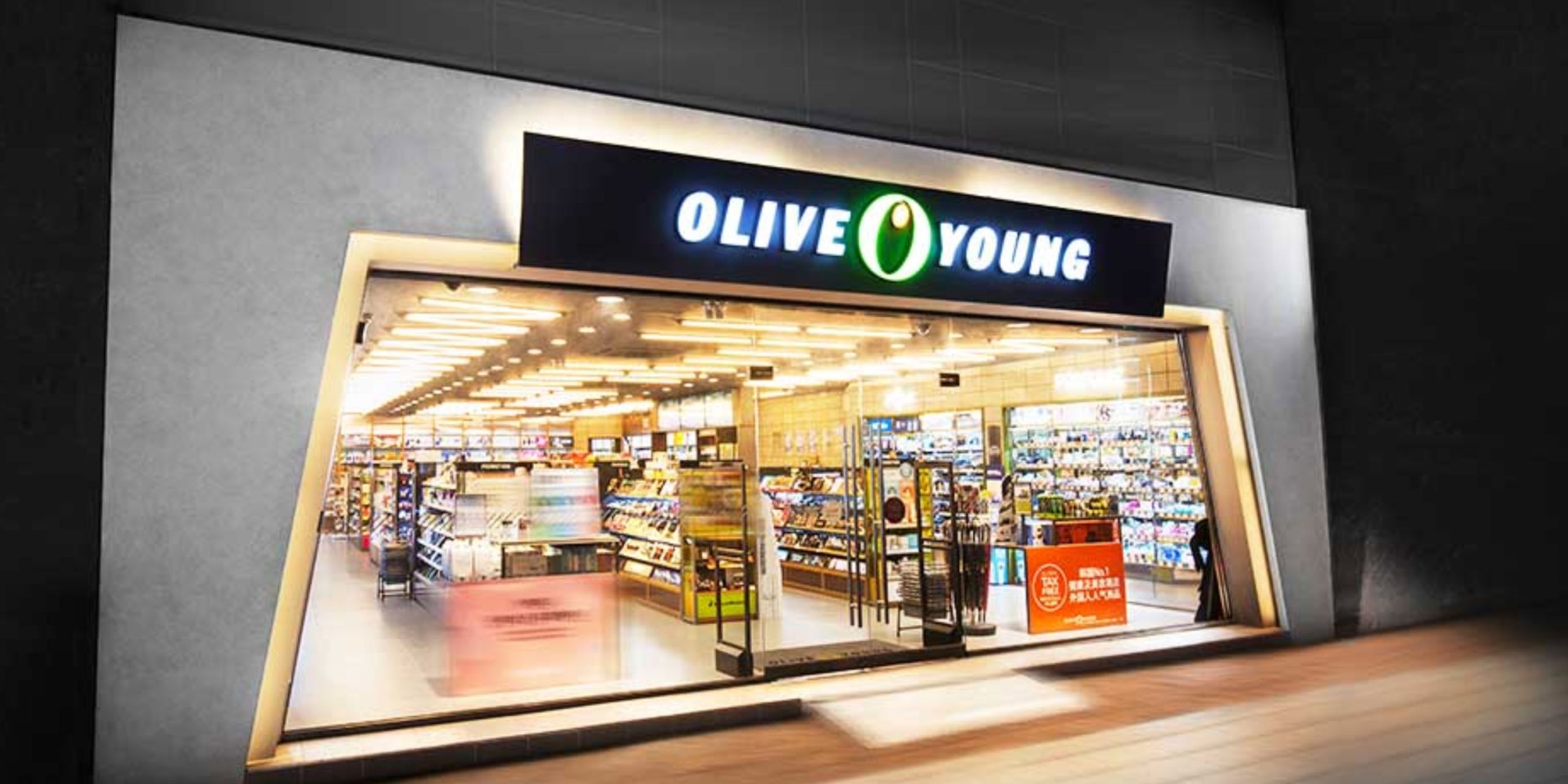
    CJ Olive Young, the country’s largest health and beauty product store, opened an online shop on Southeast Asia’s biggest e-commerce platform Shopee, Tuesday, as part of its global expansion plans.

    “From now on, Olive Young will actively seize opportunities in the global market to grow and lead the globalization of Korean cosmetics,” a CJ Olive Young official said.

    Shopee is a subsidiary of Sea Group, which sells various products from daily necessities to cosmetics and electronic goods online. It is referred to as the Amazon of Southeast Asia, as it focuses on Singapore, Thailand, the Philippines, Vietnam, Indonesia and Malaysia. Last year, the number of accumulated mobile application downloads of the Shopee platform surpassed 200 million.

    In 2020, Olive Young also signed a memorandum of understanding with Dairy Farm to launch several of its products in Guardian stores, a drug store chain in the region.

    The health and beauty product store is entering foreign markets through local retailers because it wants to minimize risks and analyze the markets first.

    CJ Olive Young has started selling 300 items from its six house brands on Shopee ― Wake Make, Colorgram, Round Around, Botanic Heal Boh, Bring Green and Filli Milli ― which are good value local brands sold for reasonable prices that are popular among international customers.

    The health and beauty product stores’ items will be available in Indonesia and Malaysia first. This is because they have a high proportion of young people who are interested in K-beauty and mobile shopping. It wants to introduce Korean products as well as improve the firm’s brand awareness in the two countries.

    CJ Olive Young sold some of its shares to the domestic firm Glenwood Private Equity last month. After the stock purchase agreement, the private equity fund became the second-largest shareholder with 24 percent interest.

    During the purchase, Glenwood valued Olive Young at 1.8 trillion won. The health and beauty product store plans to go public on the Korean bourse next year and raising its corporate value is important as it will have to pay back money to strategic investors after listing.

    Olive Young is already successful with its bricks-and-mortar business here, which has a nearly 70 percent market share. However, its online business is a whole other story. Online retail giants Coupang and eBay Korea have established gigantic sales platforms that give no reason for customers to go only to Olive Young’s online mall.

    For this reason, Olive Young decided to eye the Indonesian and Malaysian markets. Although sales in the two countries may not produce good profits at first, it has to look beyond the domestic online market that is already too competitive.

  • Americans should be glad that Google Assistant’s “Do Nothing” mode is not available in the states

    Americans should be glad that Google Assistant’s “Do Nothing” mode is not available in the states

    We’ve often pointed out how Google Assistant is the best of the virtual digital helpers. Unlike Siri, which often refers users to a webpage to get the answer to a question, Google Assistant will many times directly post the answer to a query. Ironically, you’ll see this in action often when asking a question about an Apple device. In addition, Siri seems to have a big problem trying to understand some of the questions it is being asked.

    There is a new “Do Nothing” mode that does, well, nothing. Unfortunately, though, most of you will not be able to see Google Assistant “Do Nothing” because the feature was developed in conjunction with Cadbury’s 5 Star, a chocolate bar offered in limited markets including India. To activate the “Do Nothing” mode, you can say “Eat a 5 Star” in one of the markets that support the feature. Once the “Do Nothing” mode is activated, Google Assistant says, “I feel like doing nothing now. And I’m going to help you chill too. Ask me anything.”

    The responses that come forth from Google Assistant in “Do Nothing” mode are equal parts funny and equal parts useless. For example, in this mode, if you ask Google Assistant “Egg-first or Chicken?,” the response will be “Depends on which one you ordered first.” Not exactly an answer that will elicit a chuckle or two, but that is kind of the point. Ask for the nearest salon and you might get a response from Google Assistant that says, “You’re in luck. Bushy eyebrows, hairy armpits, and no makeup selfies are in fashion.” Ask about the weather, and Google Assistant will say, “HaHa…as if you’re going to step out.”

    After perusing some of these jokes, perhaps it is just as well that the Google Assistant “Do Nothing” mode cannot be activated in the states.