Author: Mei Ling Tan

  • Sony Starts Testing Vision-S Electric Car On Public Roads

    Sony Starts Testing Vision-S Electric Car On Public Roads

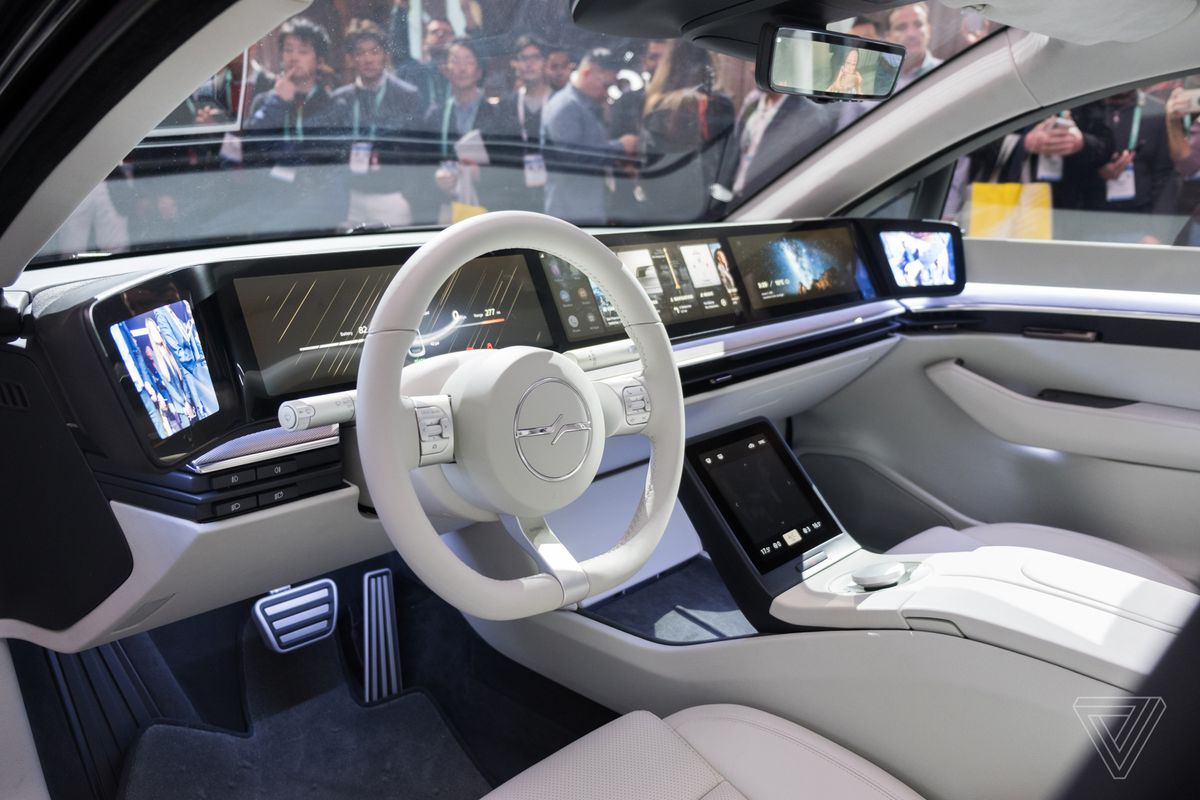
    It was last year at the 2020 Consumer Electronics Show (CES) in January when Sony Corporation surprised everyone by showcasing its fully electric car – Vision-S. The Japanese technology giant revealed the electric prototype which comes packed with high-end technologies including camera sensors, entertainment systems and much more. Sony’s Vision-S Prototype reached Tokyo in July 2020 for advancing its sensing and audio technologies. Though the car is not expected to go on sale anytime soon, the company seems to have started testing the electric car on public roads in Austria.

    Built by an in-house AI and robotics team, the Japanese company claims that it has been fully road-tested. This is just to ensure that the EV and its platform Vision-S will comply with applicable safety norms and regulations. Moreover, Sony is also working Magna-Steyr to ensure that the vehicle is well-equipped to hit the road in Europe.

    Sony’s driverless prototype comes embedded with 33 sensors which can easily sense people and other vehicles both inside and outside the car to provide driving support. It takes advantage of the brand’s expertise in the field of imaging, entertainment and sensors, which could be employed in the next-generation electric vehicles. The company is already supplying these technologies to Japanese automakers, however, it now wants to develop an individual product that can be supplied as an all-purpose solution.

    Sony hasn’t shared any details about what powers the vehicle. However, it has revealed some key specifications of the car. Dimensionally, this prototype vehicle from Sony measures 4,895 mm in length, 1,900 mm in width and 1,450 mm in height. The wheelbase and ground clearance of the car stands at 3,000 mm and 120mm (up to 135 mm) respectively. The company claims that the Vision-S can sprint from 0 to 100 kmph in just 4.8 seconds before hitting the top speed of 240 kmph.

    It is also equipped with Sony’s 360 Reality Audio offering ensuring an unprecedented and immersive audio experience. The company uses object-based spatial audio technology for recreating vivid realism. Every seat comes with built-in individual speakers so that every passenger can enjoy their music their seats with a personalised sound configuration option. Additionally, there’s a panoramic screen which offers a diverse array of content that can be accessed by driver and passengers.

  • The great banking profit paradox of Covid-hit 2020

    The great banking profit paradox of Covid-hit 2020

    Banks made huge profits in 2020 although the economy grew at the slowest rate this decade and 70 percent more companies shut down than in 2019.

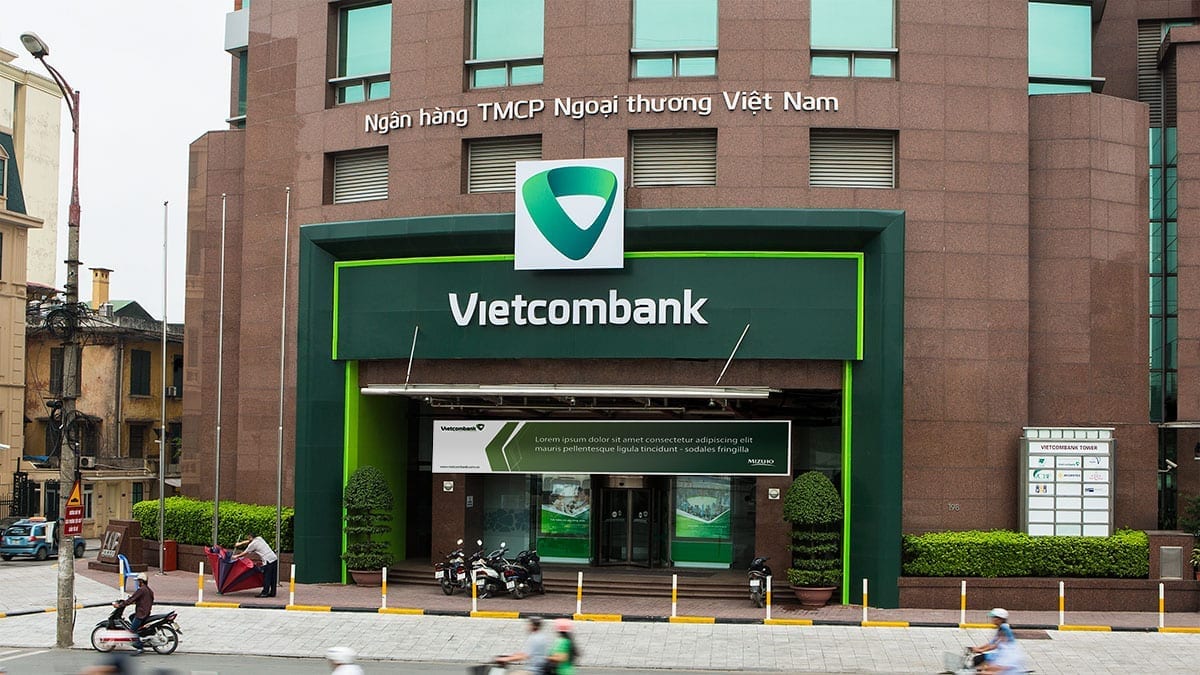
    VietinBank, Vietnam’s third largest lender by assets, reported a 40 percent increase in profit. Vietcombank reported profits of around $1 billion, the same as the previous year. Tien Phong Commercial (TPBank) and Vietnam Maritime Commercial Joint Stock Bank saw their profits increase by 11 percent and a scarcely believable 90 percent.

    State-owned VietinBank attributed the jump in profits to a surge in non-interest income and reduction in operation costs.

    Vietcombank said it owed its profits to bancassurance. In the first nine months, profits had been down 17 percent, but they recovered rapidly in the last three months, increasing by 30 percent, to claw back to the previous year’s levels.

    VPBank and Techcombank were two of the most profitable lenders. They have yet to announce full-year figures, but in the first nine months their profits rose by 30 percent and 20 percent, respectively.

    VPBank managed to cut costs while its income remained steady, while Techcombank saw interest income increase by 28 percent and non-interest income by 65 percent.

    They benefited from a particular segment auto loans. The 50 percent cut in car registration fees in the second half of the year sparked a rush to borrow to buy vehicles. VIB’s interest income in the third quarter was up 38 percent, and the fourth quarter saw probably more of the same. Income for the first nine months rose by 30 percent. TPBank’s interest income too rose by almost 30 percent.

    “Banks’ results are not as we expected,” SSI Securities researchers said in a note. They had forecast in April that banks’ profits would fall by 11 percent in 2020, but in the first nine months, they rose by 11 percent.

    They said the rising profits were due to a surge in non-interest income and improvement in net interest margin (NIM).

    For the banks SSI researched, non-interest income was up by 15 percent in the first half and almost 60 percent in the third quarter, with private joint stock banks providing a major boost.

    “Payment services, trade finance, bancassurance, and remittances revived in the third quarter after social distancing in April and May suppressed demand,” SSI said.

    The second quarter saw NIM plunge due to interest rate cuts and loan restructuring, but it recovered in the third quarter, in fact, reaching a three-year peak as deposit interest rates fell sharply and lending interest rates gradually rose back up.

    The third quarter saw a 9 percent rise in interest income and 31 percent increase in non-interest income.

    It is estimated that for the full year banks’ net profits would rise by 10.2 percent, while that of non-financial companies would fall by over 21 percent, financial data company Fiingroup said.

  • Hanoi suburbs see fast rise in housing prices

    Hanoi suburbs see fast rise in housing prices

    Housing prices are rising faster in Hanoi’s outer districts than in areas closer to downtown, thanks to improved connectivity.

    Average prices in districts like Gia Lam and Nam Tu Liem rose 1.3 percent in the last quarter to $1,473 per square meter, and at 0.7 percent in central districts, according to a recent report by real estate consultancy Jones Lang LaSalle (JLL).

    Prices at a newly launched apartment project in Gia Lam District bordering the provinces of Bac Ninh and Hung Yen climbed to a new high of $1,900 per square meter in the last quarter, it said.

    The improved transport infrastructure and the trend of developing large urban areas in suburban areas explain the increase, it added.

    Another real estate consultancy, Savills, said in November that apartment prices were rising in Hanoi’s suburbs as developers offered a number of features to make up for the distance from the city center.

    Gia Lam and Nam Tu Liem accounted for 38 percent and 37 percent of new apartment supply in the last quarter, with prices higher than those closer to downtown, it said.

    Apartment supply has been increasing in outer areas since 2016, it added.

  • Deutsche Bank Strikes a Deal on Bribery

    Deutsche Bank Strikes a Deal on Bribery

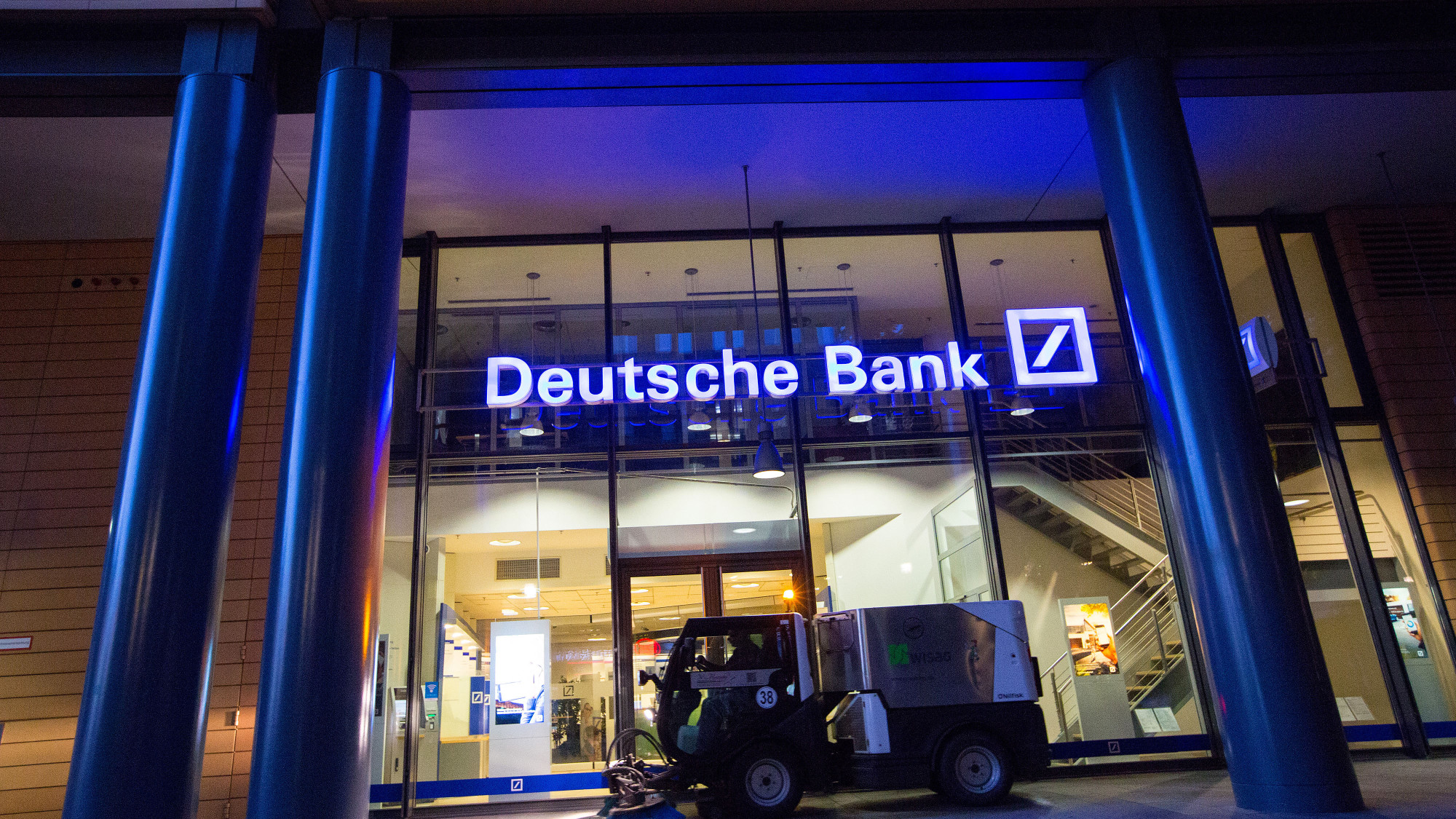
    Deutsche Bank will look to avoid U.S. charges of bribery and manipulation of precious metals markets by making a payment totaling nearly $125 million.

    Almost the entire payout relates to charges against the German lender over its dealings in Saudi Arabia, Abu Dhabi, China, and Italy, according to court papers, with a criminal fine making up two-thirds of the total sum, according to a court hearing in New York.

    Prosecutors claim that Deutsche Bank violated the federal Foreign Corrupt Practices Act (FCPA) which prohibits firms with U.S. operations from paying bribes elsewhere.

    Deutsche Bank engaged in a criminal scheme to conceal payments to so-called consultants worldwide who served as conduits for bribes to foreign officials and others to win and retain lucrative business projects said a statement from Acting U.S. Attorney Seth DuCharme in Brooklyn.

    According to prosecutors, Deutsche Bank allegedly disguised bribes as «referral fees» paid to «decision-makers» in Saudi Arabia and millions of dollars in consultancy fees to an intermediary for an Abu Dhabi official.

    The bank was also accused of making similar payments to a Chinese government entity to help establish a clean energy investment fund and a tax judge in Italy for referring wealthy clients.

    With regards to precious metals market manipulation, Deutsche Bank was accused of placing fraudulent trades to lure other stop buy and sell futures contracts at price levels they normally would not engage.

  • UOB Prices Capital Securities Using SORA

    UOB Prices Capital Securities Using SORA

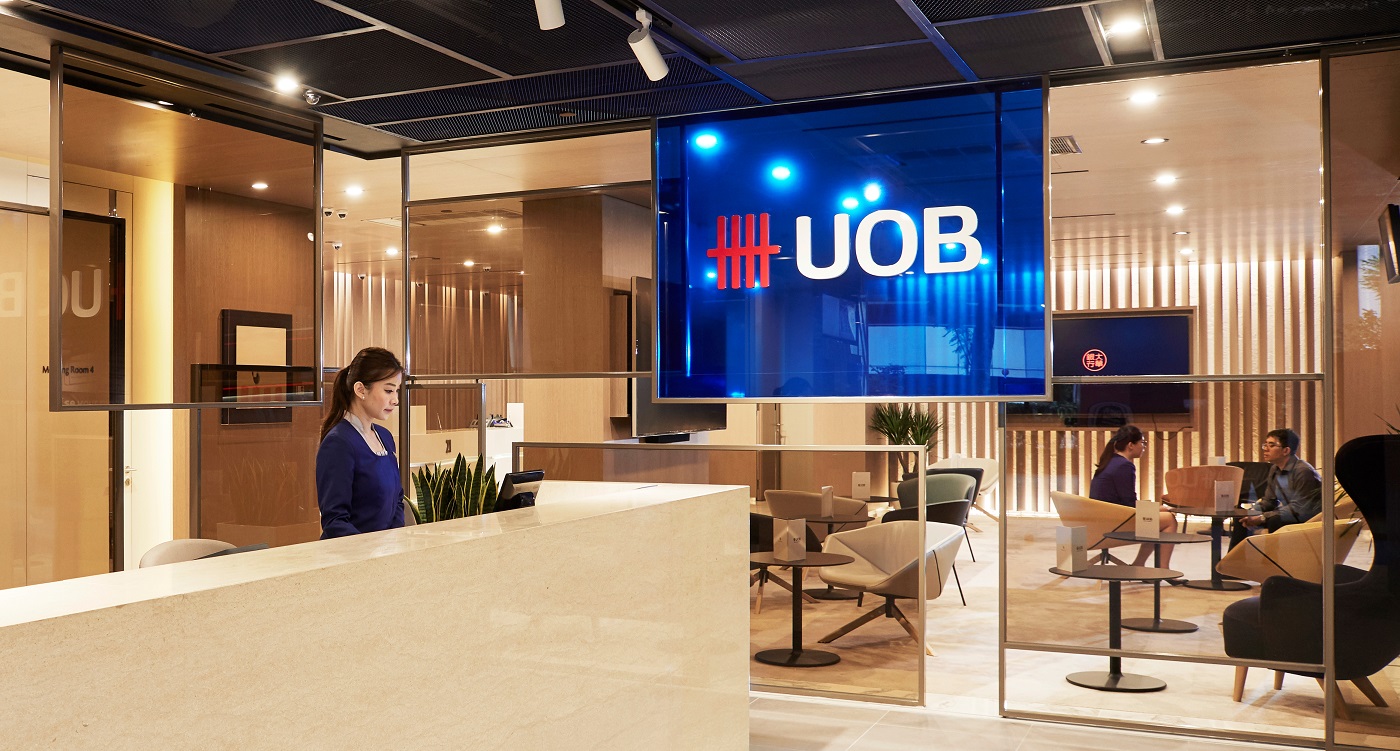
    The bank has become the first issuer to reference the Singapore Overnight Rate Average Overnight Indexed Swap (SORA-OIS) rate for a capital security.

    The reset coupon rate of UOB’s perpetual, non-call five-year additional Tier 1 (AT1) securities on the first call date will reference the five-year SORA-OIS rate, instead of the five-year Swap Offer Rate (SOR) interest rate swap that had been the benchmark reference rate in the market, the bank said in a statement on Friday.

    The issuance will further encourage the use of the new benchmark rate for pricing in the Singapore dollar bond market as part of broader industry efforts to develop deep and robust SORA-based cash and derivative markets, UOB said.

    Priced at a coupon of 2.25 percent per annum, 181 basis points above the prevailing five-year SORA-OIS as at 7 January 2021, UOB’s latest AT1 securities with a transaction size of S$150 million ($113.26 million) were subscribed by high-net-worth and institutional investors. If the bonds are not redeemed in 2026, the coupon will be reset based on 181 basis points above the five-year SORA-OIS on the first call date.

    The transition from SOR and SIBOR to SORA, a transaction-based interest rate benchmark underpinned by the SGD overnight interbank funding market, is aligned with the development that risk-free rates are being used across the global markets as new benchmark rates for financial markets.

    As the industry progresses on the transition to SORA, we will continue to step up our efforts and play our part in expanding the use of SORA across more financial products, Lee Wai Fai, UOB chief financial officer, said in the statement.

  • APAC Investment Banking Fees Break Records Amid Pandemic

    APAC Investment Banking Fees Break Records Amid Pandemic

    Investment banking fees in the Asia Pacific ex-Japan region rose to reach record-highs in 2020, driven most notably by a surge in Chinese capital markets.

    Asia ex-Japan investment banking fees reached $28.5 billion in 2020, a 23.4 percent increase, according to Refinitiv data.

    This marks an all-time high in annual fees earned since Refiniv began collecting such data in 2000 and also the first time the region surpassed European fees.

    The most notable record broken was in debt capital markets which saw proceeds from APAC-domiciled issuers reach $3.1 trillion – a first time ever the $3 trillion mark was broken since Refinitv started keeping records in the 1970s.

    This represents a 23.3 percent increase, breaking last year’s record of $2.5 trillion, with China making up the lion’s share at around $2.3 trillion.

    The most notable surge was from equity capital markets which saw $409.9 billion of funds raised (up 66.5 percent) – surpassing the last all-time high of $342.5 billion in 2010 – while issuances grew 40.2 percent.

    China once again dominated as the top issuing country, raising over $275 billion in funds, while industrials was the leading sector with a 185 percent year-on-year spike.

    Mergers and acquisition activities also saw a robust climb of 10.3 percent to $1 trillion after activity in the second half of 2020 rebounded 85.5 percent and 24.1 percent in value and deal number, respectively.

  • Samsung files with ITC to ban U.S. imports of Ericsson’s 5G base stations

    Samsung files with ITC to ban U.S. imports of Ericsson’s 5G base stations

    Samsung on Thursday filed a complaint with the International Trade Commission (ITC) demanding that U.S. imports of Ericsson’s 5G base stations be blocked. Just the week before, Ericsson had filed its own case with the ITC seeking to block U.S. imports of Samsung phones, tablets, and televisions. At the heart of this matter is a battle over a patent-licensing agreement that needs to be renewed. Cases are often filed with the ITC because, at an average of 15 months, final decisions are reached more quickly.

    Sammy’s argument is that Ericsson’s base stations, which connect mobile phone users to a network, employ equipment patented by Samsung. Both companies are arguing over whether a court in Texas or one in Wuhan will decide the royalties paid by Samsung for using Ericsson’s 4G and 5G inventions covered by the standard-essential patents. The latter are patents that a manufacturer must license in order for a product to comply with a technical standard. Rates charged for using these patents must be determined on a Fair, Reasonable, And Non-Discriminatory (FRAND) basis.

    Both companies have patents that the other one needs. Ericsson says that on balance it is owed money because it has more telecom patents than Samsung and the latter has more devices that require the licensing of Ericsson’s patents. If both firms can’t reach an agreement on a new licensing pact, Ericsson could end up taking something of a hit to its bottom line. After all, Samsung is the world’s largest shipper of smartphones.

    Samsung says that it is unfair to allow Ericsson to use its patents since the latter does business in the states and Samsung has yet to establish its base station business in the U.S. Ericsson filed a new lawsuit against Samsung on January 1st and Samsung filed a patent infringement suit against Ericsson in response. Ericsson spokeswoman Mikaela Idermark said the company is aware of Samsung’s new complaint and “willfully review what has been filed before deciding on any further comment.

  • Thai AirAsia says latest virus outbreak has dented business

    Thai AirAsia says latest virus outbreak has dented business

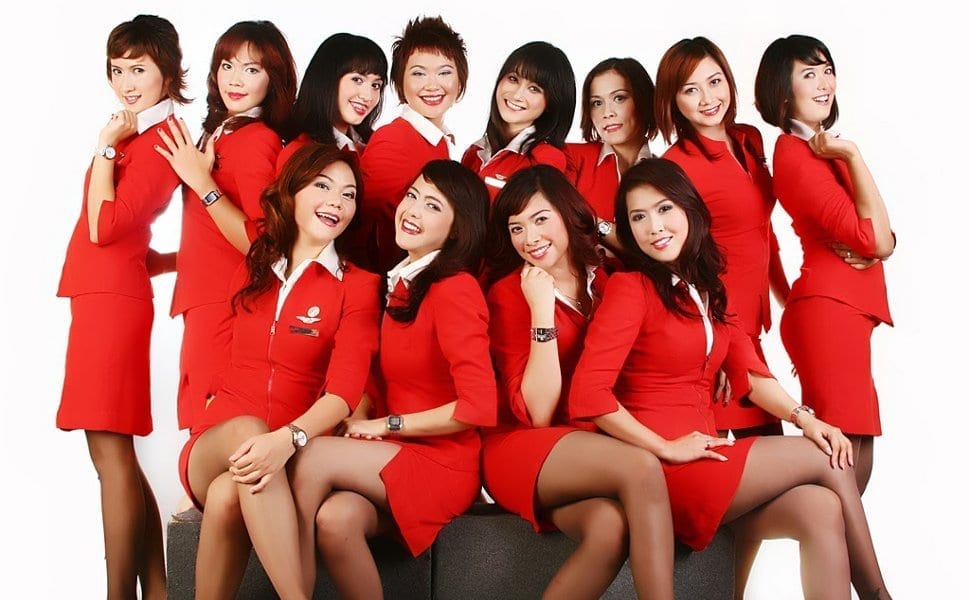
    Thai AirAsia Co Ltd (TAA) said the latest Covid-19 outbreak in Thailand has dented the already weak travel sentiment in the country after the company witnessed a whopping 50% plunge in its domestic flight booking numbers this month.

    “Travel sentiment has plunged lower than last year. This is different this time because people are voluntarily skipping their travel plans even without a nationwide lockdown order from the government,” TAA largest shareholder Tassapon Bijleveld was quoted by the Bangkok Post as saying.

    Tassapon is also an executive chairman of Asia Aviation, a company that owns a 51% stake in TAA, while the remaining 49% stake is held by AirAsia Investment, an investment arm of AirAsia Group Bhd.

    Accoring to him, TAA’s domestic flight numbers shrank by more than 50% as it had to merge and cancel many flights, with the average load factor taking a nosedive this month.

    He added that some flights had only 20 to 30 passengers, a sharp contrast to the resurgent market two months ago.

    “We were just rebounding from the first lockdown last year. Despite hardly any profits, at least we could have had a consistent revenue stream from the domestic market. But this outburst of new cases destroyed us,” said Tassapon.

    Tassapon said most airlines expect the market will continue to be severe in February. He warned that the weak travel sentiment could cause some airlines to cease operations.

    He said the pessimistic outlook for next month is despite the Chinese New Year holidays, citing that “travellers may not increase domestic trips if people are worried about the outbreak”.

    “This could be the quietest Chinese New Year we’ve ever had,” he noted.

    Reuters previously reported that Thailand, which had largely controlled the virus by mid-2020, saw a second wave of outbreaks beginning in December.

    “The government has declared 28 provinces, including Bangkok, as high-risk zones and asked people to work from home and avoid gathering or travel beyond provincial borders, as infection numbers climbed after an outbreak was detected last month at a seafood market near the capital,” said the report dated Jan 4.

    The pandemic-battered aviation industry has adversely impacted most airlines in Thailand financially, as they have received no financial support from the government, particularly the soft loans they have been requesting since last year.

    Eight airlines that teamed up to send the financial aid proposal to the government last year do not have plans to discuss the progress of that proposal as they have already clearly stated their concerns, said Tassapon.

    He said the group conveyed all information to the Thailand’s prime minister and three finance ministers, as well as banks that were assigned to help airlines. But, there has not been any response since.

  • LVMH completes $20 billion acquisition of Tiffany, replaces leadership team

    LVMH completes $20 billion acquisition of Tiffany, replaces leadership team

    LVMH Moët Hennessy Louis Vuitton SE installed new management at Tiffany & Co., as the French conglomerate seeks to place its imprint on the U.S. jeweler and steer it through the pandemic.

    LVMH executive Anthony Ledru is returning to Tiffany, where he previously oversaw North American operations, as chief executive, effective immediately. Alexandre Arnault, the son of LVMH CEO Bernard Arnault, was appointed executive vice president of product and communications. Michael Burke, the CEO of Louis Vuitton, will become Tiffany’s chairman.

    Tiffany’s current CEO Alessandro Bogliolo will depart on Jan. 22. Reed Krakoff, the chief artistic director, and Daniella Vitale, executive vice president and chief brand officer, also will leave after a short transition.

    LVMH completed its $15.8 billion acquisition of the U.S. jeweler on Thursday after months of wrangling over the price that led to both companies suing each other. Bernard Arnault threatened to pull out of the deal, arguing that the Covid-19 pandemic had harmed Tiffany’s business. In the end, he agreed to pay a 2.6% discount to the original price.

  • Viettel revamps as it eyes to enter Cuba

    Viettel revamps as it eyes to enter Cuba

    Viettel Group, Vietnam’s largest mobile network operator, which is wholly owned and operated by the Ministry of Defense, has plans to expand to sister socialist countries Cuba and North Korea, both of which are in the early stages of building up mobile phone networks. Earlier plans to expand to Venezuela have been put on hold owing to the dismal economic state of the latter nation.

    According to Viettel executives, the company is seeking to hold negotiations with the two countries in order to gain a foothold in their underdeveloped wireless markets.

    In Cuba, the company is waiting for a decision by Empresa de Telecomunicaciones de Cuba, the state-owned telecom provider and operator of the sole mobile network Cubacel whether it would grant Viettel a license.

    In North Korea, where Koryolink, a joint venture between the North Korean state and Egypt’s Orascom Investment Holdings, has reached millions of subscribers since its 2008 launch, Viettel had sought permission to build a mobile network as early as in 2010 but is still waiting for sanctions to be lifted and for the country to open its market to foreign investors.

    Viettel in its international expansion has set sights on a number of otherwise overlooked destinations. It began its global expansion by setting up a joint venture in Laos in 2008 and became the largest mobile phone operator in Cambodia after launching operations there in 2009. Since that time Viettel has expanded its operations to Burundi, Cameroon, East Timor, Haiti, Mozambique, Peru, Tanzania and eventually Myanmar.

    Between 2015 and 2017, the company invested over $2.23 billion or its foreign expansion strategy and by 2017, Viettel’s international operations covered an area of more 350 million potential subscribers. The company has invested in heavily in infrastructure in Myanmar where it is seeking to double its five million-subscriber base by the end of this year.

    The company has said that it will stop investment in the African market where the company has struggled to make a profit due to poor economic growth. According to telecommunications industry insiders, Viettel is in talks to buy stakes in existing telecommunication firms in Indonesia and Malaysia and a 20% stake in an unnamed European mobile carrier. Plans are to expand further in Bangladesh, Nepal, Belarus and Ukraine in the near future.

  • JK Tyre Partners With Hyundai To Supply Tyres For The Creta

    JK Tyre Partners With Hyundai To Supply Tyres For The Creta

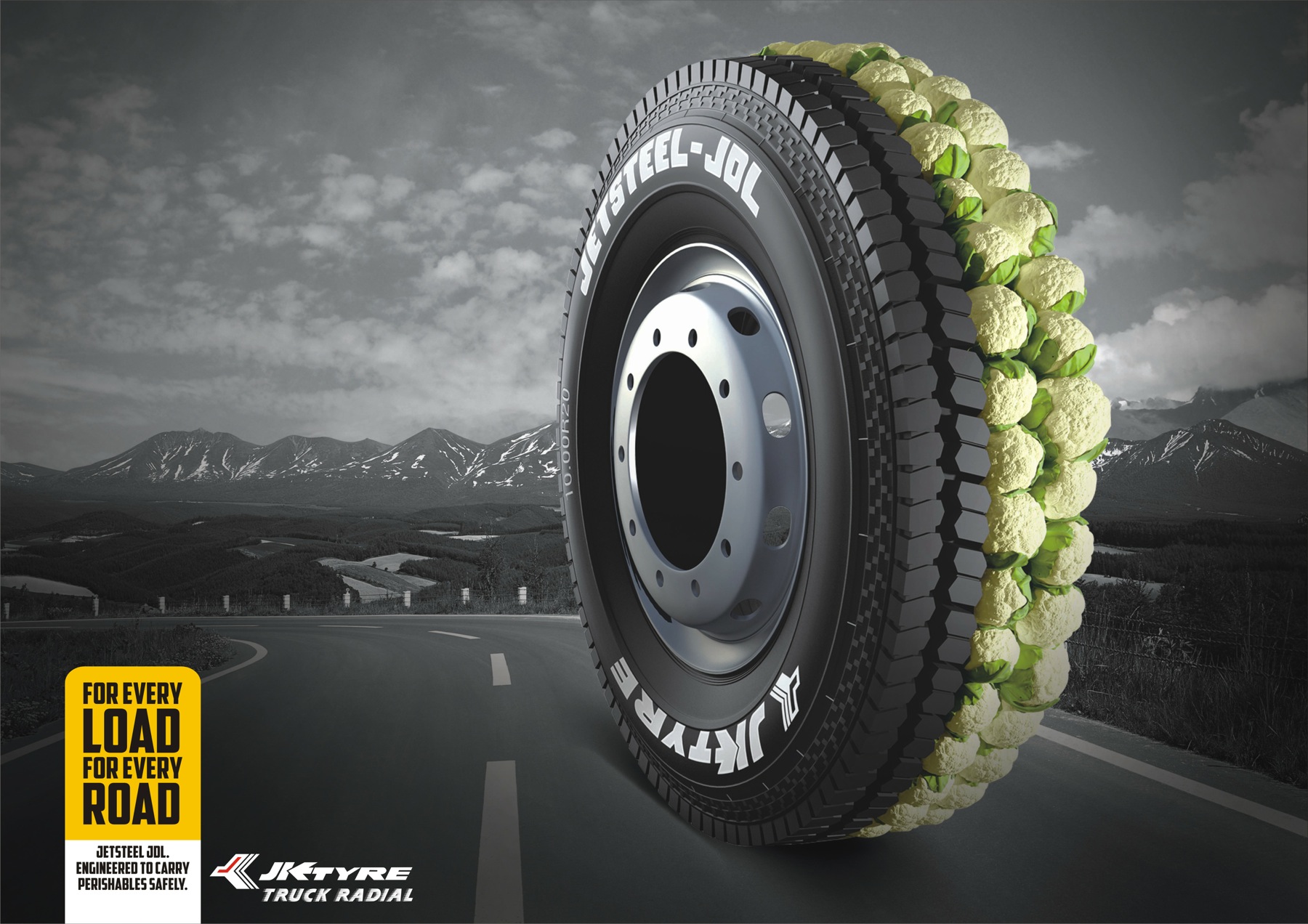
    JK Tyre India has joined hands with Hyundai Motor India to become its official tyre partner for the Creta. JK Tyre has been introducing hi-technological products that are specifically designed for Indian roads. The top-end variants of the Hyundai Creta are equipped with 17-inch alloy wheels and JK Tyre will be supplying its UX Royale 215/60 R17 radial tyre to the Korean carmaker. The tyre has been designed to suit the dynamics of the model and bring in a good balance between handling and right comfort.

    Commenting on the partnership, VK Misra, Technical Director, JK Tyre and Industries said, “We are proud to further strengthen our partnership with Hyundai India for one of India’s best-selling SUV’s Creta. Through this collaboration, we aim to provide supreme quality tyres with cutting-edge features to complement the ride quality for the customer. JK Tyre’s best-in-class technologies in radial tyres and tyre testing mechanism will ensure safety of customers driving Creta in multiple terrains. We are confident that this association will further strengthen our market presence and we look forward to a continued and reinforced partnership with Hyundai Motors.”

    Commenting on the partnership, Hyundai Motor India said, “All New Creta has been a benchmark SUV ever since it was launched in March 2020. Offering customers exceptional performance, unparalleled comfort & convenience as well as opulent aesthetics, the Creta continues to be the customers’ brand of choice. Our partnership with JK Tyre to offer the Creta with UX Royale 215/60 R17, continues to carry forward this SUV’s premium offering with superior handling & driving dynamics.”

    JK Tyre is claiming that the UX Royal 215/60 R17 tyre is the perfect fit for Hyundai Creta. With its 5-Rib asymmetric design, variable draft groove technology, stable shoulder tread blocks, waffle groove and aero wing design, it supports the dynamics of the car very aptly. JK Tyre is also the official tyre partner of Kia Motors for the Seltos.

  • Vietnam’s retail sales see lowest growth in nine years

    Vietnam’s retail sales see lowest growth in nine years

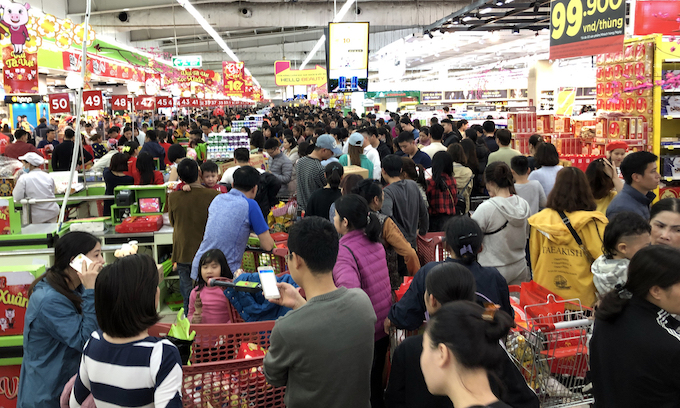
    This year’s retail sales growth was much lower than 9.5 percent seen in 2019 and was also the lowest rate in the 2011-2020 period due to the significant impact of the COVID-19 pandemic.

    Revenue from retail sales of consumer goods exceeded 3.9 quadrillion VND, up 7 percent year-on-year or accounting for 79 percent of the total. Especially, revenue increased by 10.7 percent for food and foodstuff; 7.5 percent for the group of household appliances, tools and equipment; 3 percent for garments and 1 percent for cultural and educational services.

    Meanwhile, revenue from accommodation and catering services dropped by 13 percent year-on-year to 510.4 trillion VND, making up 10 percent of the total. Last year, the revenue from these services saw a yearly increase of 9.8 percent.

    Other services also experienced a slight revenue decline of 4 percent to 535 trillion VND in 2020.

    However, VNDirect Securities forecast that the nation’s retail sales growth would bounce back to pre-COVID-19 levels next year, reaching 8.5-9 percent year-on-year.

    The projection was made on the back of the country’s successful containment of COVID-19, which was a major contributor to the economic rebound in the third quarter that saw unemployment fall 0.23 percent against the previous quarter to 2.5 percent.

    VNDirect also predicted that consumer confidence would likely recover soon, against a backdrop of COVID-19 vaccines expected to be available in 2021.

    With the rapid growth of the middle class and rising per capita income, domestic consumption remained the main growth driver of the retail industry, even during COVID-19.

    The Ministry of Industry and Trade expected the domestic trade sector’s added value to contribute 13.5 percent to GDP by 2025 and total retail sales of goods and services to grow around 9-9.5 percent annually over the next five years.

    The ministry forecast that total retail sales would reach nearly 350 billion USD by 2025.

    The market’s recovery offers huge opportunities for retailers to expand their distribution networks.

    Saigon Co.op is targeting to add at least 2,000 stores to its chain over the next five years, with revenue rising 8-10 percent annually.

    Major Japanese retailer Muji, which sells a wide variety of household and consumer goods, has opened its first store in Vietnam, in HCM City, and is planning to open another in Hanoi, it added.

    Inflation forecast to be controlled less than 4% in 2021

    Many essential goods prices are forecast to fluctuate in 2021, thus the Consumer Price Index (CPI) will rise more sharply than in 2020. However, the average price hike for the whole year is projected to be less than 4%, as the target set by the National Assembly (NA).

    This comment was proposed by experts at a seminar held by the Academy of Finance on January 5 to discuss price fluctuation in 2020 and forecast for 2021.

    Nguyen Anh Tuan, Director of the Price Management Department, said that both objective and subjective impacts have made the Government and ministries and branches’ task of stabilizing the macro-economy, promoting growth, and controlling inflation face great challenges. Therefore, the department had built and set up a price management scenario for this year, closely following the NA target of controlling inflation at below 4%.

    In that context, price management has been directed by the Government and the Prime Minister to implement a prudent point of view, closely coordinating to ensure the harmonization of common goals.

    It was difficult to predict prices of commodities this year, so the Price Management Department would continue to work closely with ministries, agencies and localities to drastically and effectively implement the public management, administration and price stabilization under market mechanisms to control inflation according to set targets, said Tuan.

    At the same time, it would continue to implement the market price roadmap for public services and essential goods.

    Economic expert Ngo Tri Long said that 2021 is still very unpredictable, so price management should be operated in a prudent, flexible and proactive manner. Fiscal policy should coordinate closely with monetary policy and other macroeconomic policies in order to control inflation in accordance with the set targets; at the same time, contributing to supporting and removing difficulties for production and business, and the lives of people affected by the COVID-19 pandemic.

    According to Nguyen Duc Do, Deputy Director of the Institute of Economics and Finance, in 2021, when the disease is better controlled thanks to vaccines, and the world and domestic economy recovers; inflation compared to the same period last year tends to increase again.

    Da Lat aims to welcome 4 million tourists in 2021

    Da Lat city greeted more than 58,000 visitors during the 2021 New Year holiday from January 1 to 3, said Ms. Tran Thi Vu Loan, Deputy Chairwoman of the Da Lat People’s Committee.

    Of this, domestic visitors reached 57,500, a year-on-year increase of 44% while foreigners numbered over 500, a year-on-year decrease of 92%. Total number of visitors staying overnight was 48,000.

    While the tourism industry of many countries in the world and many localities in the country are greatly affected by the COVID-19 pandemic, the number of tourists choosing Da Lat for their destination on New Year is remarkable and is expected to open prospect for the city’s tourism industry in 2021.

    In 2020, Da Lat welcomed four million tourists; down 44% compared to 2019. Of which, over-staying visitors were more than 3.6 million, down 24.7%.

    It is forecasted that by 2021, the COVID-19 pandemic may still be complicated; the local tourism industry focuses on attracting domestic tourists, with many programs linking tours, stimulating tourism demand during the tourist season and holidays. It aims to welcome more than 4 million visitors this year./.
  • Honda Two-Wheeler India Announces Voluntary Retirement Scheme For Employees

    Honda Two-Wheeler India Announces Voluntary Retirement Scheme For Employees

    Honda Motorcycle and Scooter India has initiated a voluntary retirement scheme (VRS) for the company’s permanent employees. The decision comes in the middle of challenging market conditions and a downturn in the Indian economy, although the automotive industry has seen somewhat of a bounceback after the challenges from the COVID-19 pandemic. The VRS will run from January 5 till January 23 this year and cover permanent employees, barring director-level officials. Permanent employees who have completed 10 years with the company as on January 31, 2021 or who are above 40 years of age can opt for the V ₹

    In a statement, HMSI said that the Indian auto industry is going through an exceptionally challenging phase from the past three years “considering the prolonged demand slowdown and overall economic fallout from the COVID-19 pandemic.”

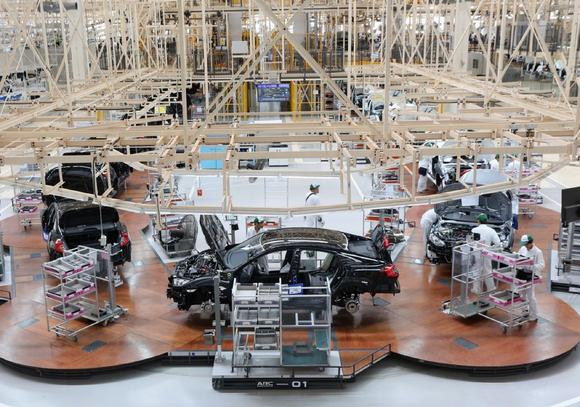
    “The VRS scheme announcement for our associates is a part of Honda’s overall production realignment strategy across all 4 factories to improve our operational efficiency with the objective of ensuring long-term business sustainability,” HMSI said in a press statement.

    “As part of this strategy, the Voluntary Retirement Scheme (VRS) option for all eligible permanent associates. It gives a new opportunity to those associates who may wish to explore new dimensions in their life and empowers them with best among the industry financial and healthcare benefits, while helping the organisation improve its overall operational efficiency,” the statement added.

    Under the VRS, Senior Managers, Vice-Presidents and permanent workmen can get a maximum amount of ₹ 72 lakh. Managers can get ₹ 67 lakh, Deputy Manager , Assistant Manager, Senior Executive, Executive and Assistant Executive. The company is also offering ₹ 5 lakh extra for the first 400 employees who opt for the scheme.

    In December 2020, HMSI reported domestic sales of 2,42,046 units, just a 5 percent increase over the same month a year ago. Exports accounted for 20,981 units, with total December 2020 sales at 2,63,027 units. The October to December 2020 quarter stood out as the first quarter of the current financial year where Honda reported positive sales.

  • Deutsche Bank Taps Singapore Fintech for Digital Assets POC

    Deutsche Bank Taps Singapore Fintech for Digital Assets POC

    The two sides will jointly explore a proof-of-concept (POC) using a grant under the Monetary Authority of Singapore’s Financial Sector Technology and Innovation (FSTI) scheme.

    Deutsche Bank Securities Services will work with Singapore-based blockchain development firm Hashstacs to explore the technological and practical feasibility of digital assets interoperability, liquidity, cross-border connectivity and smart contract templates.

    The POC will also explore the support of sustainability-themed digital bonds, according to a joint statement on Thursday,

    We see a clear place for an integrated platform that can service cross-border issuer-investor needs in Singapore and around the world, Jeslyn Tan, global head of product management, securities services at Deutsche Bank, said about the collaboration.

    Founded in 2019, Hashstacs previously partnered with Malaysia’s national stock exchange on a blockchain POC project for its bonds marketplace, and is working with EFG Bank to co-develop a blockchain platform that will enhance and simplify the processes of structured products.

  • Foreign automaker says it is in talks with Apple to develop self-driving car

    Foreign automaker says it is in talks with Apple to develop self-driving car

    Late last month we discussed speculation that the self-driving Apple Car would undergo production as soon as 2024. There were thoughts about whether Apple would be able to handle the onerous task of manufacturing a vehicle. Many pointed out that it is not the same thing as producing a phone. As a result, some theorized that instead of making an automobile from scratch, Apple would provide its self-driving technology to a mainstream car developer for a price, perhaps via a royalty deal.

    On Thursday, South Korea’s Hyundai Motors said that it is in talks with Apple about working together to develop a self-driving car. News of the talks electrified investors who sent Hyunda’s shares up over 20%. CNBC’s Chery Kang was told by Hyundai earlier today, “We understand that Apple is in discussion with a variety of global automakers, including Hyundai Motor. As the discussion is at its early stage, nothing has been decided.” A report from the Korea Economic Daily said that it was Apple that suggested working with Hyundai and that the latter firm was in the process of reviewing the proposed terms of a collaboration between the two companies.

    Development of the vehicle and the battery were reportedly included in the proposal. The car could be released in 2027 said CNBC’s report. Speaking of the battery, last month we pointed out that the cell rumored to be used on the vehicle is considered to be “next level” and would feature a “monocell” design. More room would be made available inside the battery for the placement of additional active materials. This would allow a car to travel longer distances between charges.

    TF Securities analyst Ming-Chi Kuo, the man who knows more about what Apple will do in the future than anyone outside of CEO Tim Cook, says that everyone is getting too bullish about the Apple Car. Part of the reason why Kuo made this comment is that by his reckoning, the vehicle might not be released until 2028. The project, known as Project Titan inside Apple, has supposedly passed a review inside Hyundai. An approval is still required from Hyundia chairman Chung Eui-son.