Author: Mei Ling Tan

  • Heytea unveils convenience-store-like concept in Singapore

    Heytea unveils convenience-store-like concept in Singapore

    Chinese milk-tea brand Heytea has launched a retail concept resembling a convenience store in Singapore.

    The store, which is also the brand’s first outlet in the city’s south, is located at VivoCity and features bright orange and grey striped frontage, illustrating “the fun and quirky store concept”.

    The store also has large glass windows so customers can see how staff are making their orders. Besides teas, Heytea VivoCity also offers pastries, croissants and muffins.

    An “Order On The Go” service is available for customers to avoid queues.

    Founded in 2012 in China, Heytea operates more than 260 outlets in China and four outlets in Singapore. Three other outlets are located at Ion Orchard and The Shoppes at Marina Bay Sands.

  • Baidu Plans Smart EV Company, To Make Cars At Geely Plant

    Baidu Plans Smart EV Company, To Make Cars At Geely Plant

    China’s Baidu Inc plans to form a company to make smart electric vehicles (EV), two sources familiar with the matter said, with manufacturing to be carried out at plants owned by automaker Geely. Baidu, the leading search engine company in China, will take a majority stake and absolute voting power in the new company. The venture will revamp some of Geely’s existing car manufacturing facilities to make the vehicles, with in-car software input from Baidu and engineering know-how from Geely, sources told Reuters.

    The companies are in talks to use Geely’s EV-focused platform, Sustainable Experience Architecture (SEA), for future product development, one of the sources, who declined to be identified as the plan was private, said.

    Baidu, which is developing autonomous driving technology and internet connectivity infrastructure, did not immediately respond to a request for comment. Geely declined to comment.

    Baidu’s Nasdaq-listed shares jumped more than 4% after Reuters reported the plan.

    Reuters had already reported last month that Baidu was contemplating making its own EVs and had held talks with Geely, Guangzhou Automobile Group Co Ltd (GAC) and China FAW Group Corp Ltd’s Hongqi on a possible venture.

    Baidu’s rival Alibaba has formed an EV joint venture with China’s biggest automaker SAIC Motor Corp while China’s Didi Chuxing is making EVs designed for ride-hailing services with BYD. Cheered by Tesla Inc’s success in the commercialization of EVs, internet giants including Tencent Holdings Ltd, Amazon.com Inc and Alphabet Inc, have also developed auto-related technology or invested in smart-car startups. People familiar with the matter said last month Apple is pushing to design an electric vehicle and batteries, aiming at a possible 2024 launch.

    Hangzhou-based Geely, China’s highest-profile automaker due to group investments in Volvo Cars, Daimler AG and Malaysia’s Proton, is expanding EV production. Shares of its main listed company, Geely Automobile, which aims to sell 1.53 million vehicles this year, jumped over 10% on Friday.

  • Biggest Drop In UK New Car Sales Since World War Two

    Biggest Drop In UK New Car Sales Since World War Two

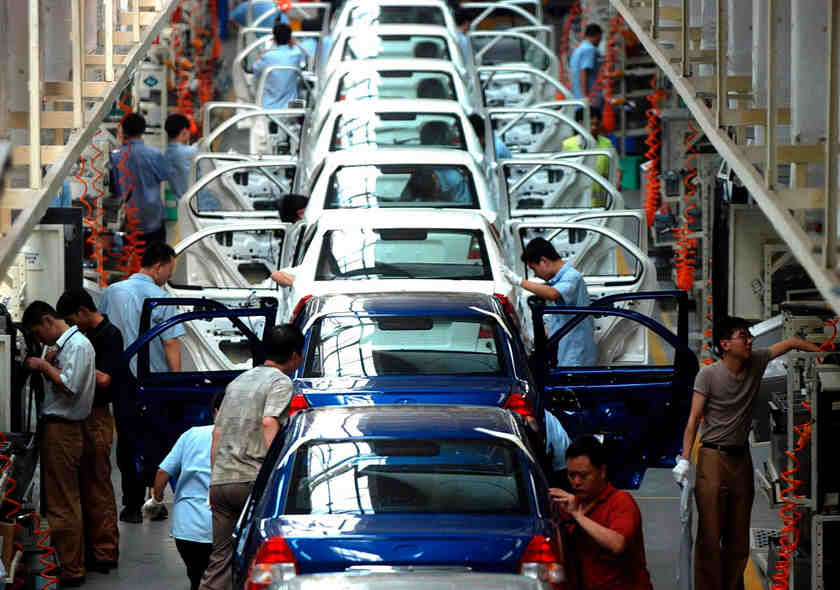
    British new car sales fell nearly 30% last year in their biggest annual drop since 1943 as lockdowns to curb the spread of the coronavirus hit the sector, an industry body said on Wednesday. Demand stood at 1.63 million cars in 2020, according to data from the Society of Motor Manufacturers and Traders (SMMT). It was particularly hard hit by a 97% fall in April, the first full month of a national lockdown.

    Dealerships gradually reopened in June on differing dates across the United Kingdom’s four nations.

    “We lost nearly three-quarters of a million units over three or four months, which we never got back,” said SMMT Chief Executive Mike Hawes.

    Showrooms in England have closed again during a second lockdown in November but many were better prepared with “click and collect” options, allowing more purchases, but still leading to a 27% year-on-year slump.

    The performance leaves new car sales at their lowest level since 1992, and suffering the biggest drop since 1943, when sales fell by more than 90%.

    Then, Britain was fighting World War Two, and the industry was repurposed for the effort.

    In 2020, diesel car registrations more than halved, while nearly 30% of sales were electric, hybrid, and mild hybrid vehicles as Britain brought forward a ban on the sale of new combustion engine-only cars to 2030.

    The sector was also awaiting a trade deal with the European Union. An agreement was reached on Dec. 24, meaning immediate tariffs and disruption were avoided, but the sector has warned of additional costs.

    The car sector, like others, now faces the challenge of new lockdowns announced in England and Scotland this week.

    The SMMT expects sales to be below 2 million this year, with the sector nervously looking ahead to March, one of the top two selling months of the year due to the change in the license plate series.

    “Where the industry is focussed at the moment, is what do we need to do to try to sustain sales …, sustain manufacturing over the next two to three months, especially with March being such a critical month for the industry and that will undoubtedly be affected,” said Hawes.

  • Tesla Hunts For Design Chief To Create Cars For China

    Tesla Hunts For Design Chief To Create Cars For China

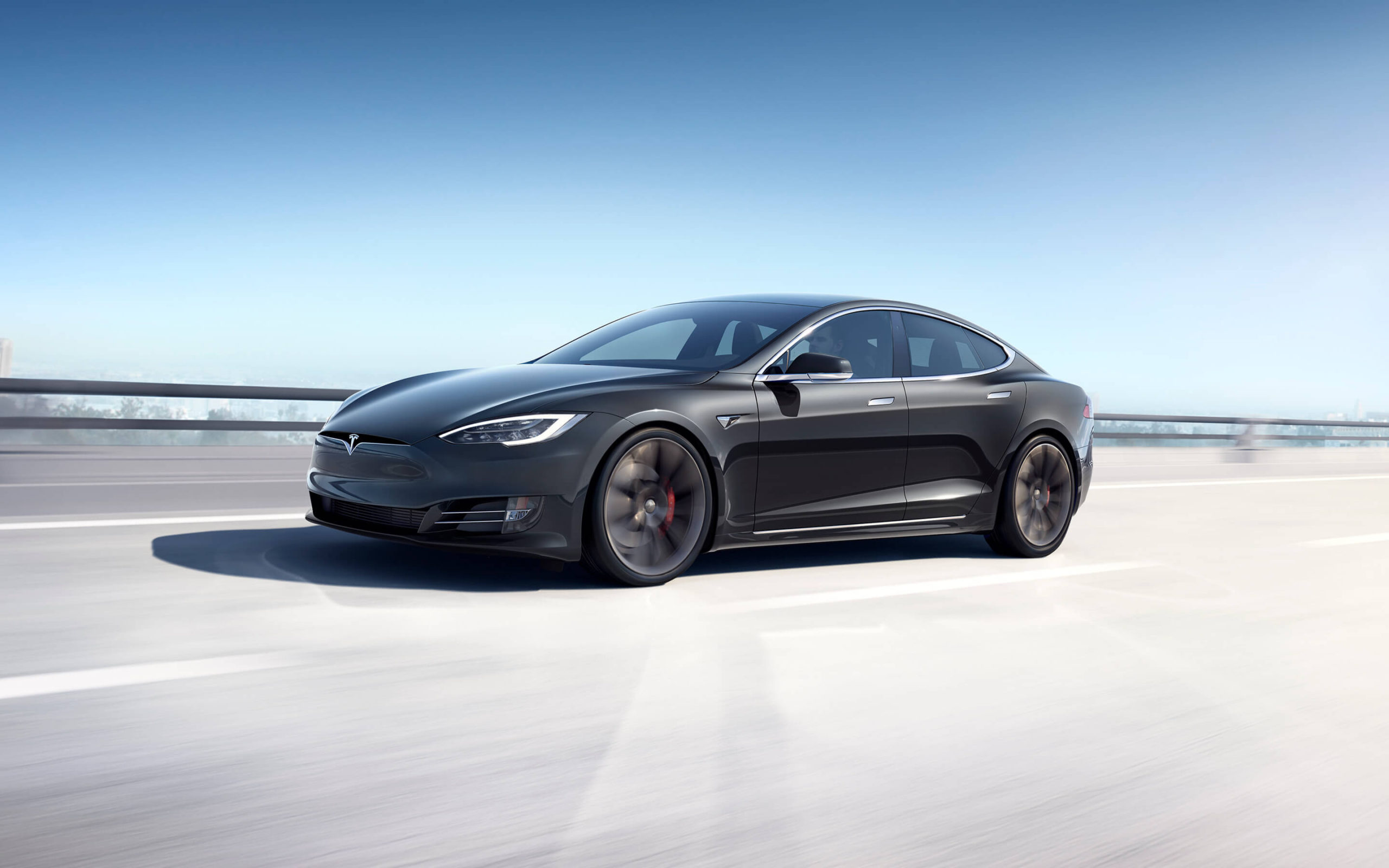
    Tesla Inc is searching for a design director in China, part of efforts to open a “full-function” studio in Shanghai or Beijing and design electric cars tailored to Chinese consumer tastes, according to three people with knowledge of the matter.

    The U.S. carmaker’s human resources managers, as well as several headhunters, have been trawling the industry over the past four months, the sources said.

    They are looking for “bi-cultural” candidates with 20 or more years of experience who are familiar with Chinese tastes and can bridge the gaps between China and the United States, they added.

    Some candidates have been interviewed by Tesla’s global design chief Franz von Holzhausen, according to the people, though it was not clear how many potential candidates had been approached by the company and recruiters.

    Tesla is also planning to set up a design studio in China but will likely wait for more clarity on strained U.S.-China relations under a new U.S. president

    China is the world’s biggest auto market, plus the largest for all-electric vehicles with sales volumes expected to reach roughly 1.5 million vehicles there this year, according to consultancy LMC Automotive. It is also Tesla’s No.2 market after the United States.

    The carmaker’s plans for the design studio are not fully developed, and the sources believe Tesla will likely wait for more clarity on strained U.S.-China relations under a new U.S. president before making a final decision on the move and all its details.

    The talent search, which the sources said was mainly focused within China, fits with comments from Tesla boss Elon Musk early last year.

    “I think something that would be super cool would be … to create a China design and engineering centre to actually design an original car in China for worldwide consumption. I think this would be very exciting,” he said at a media event in Shanghai.

    Musk’s interest in developing cars in China is part of a broader push by Tesla to boost the company’s global sales volume well past the 500,000-vehicle-a-year mark, which it came just 450 short of hitting in 2020.

    All three sources said Tesla’s search for a China studio director began around September, and that there was a flurry of activity as recently as December when a number of headhunters used LinkedIn and other means to approach candidates.

    One of the sources, who has knowledge of Tesla’s headhunting activities in China, said that once a design director was hired, Tesla would recruit the director’s team which would likely be around 20-strong and include designers plus modelers who help turn design renderings into clay models.

    All the sources said the planned center aimed to be a comprehensive design outfit, with one describing it as a “full-function studio”, which would not only help conceptualize the design of a car but also come up with the final shape – digital three-dimensional data – of a model.

    The data could then be handed over to Tesla’s vehicle engineers, who are mostly based in northern California.

    Two of the sources said Tesla’s China studio would likely also carry out research on Chinese consumer tastes, as well as work for cars expected to be produced at Tesla’s vehicle assembly plant in Shanghai, where designs are tweaked to make sure specific components fit within engineers’ specifications.

    “They want to give vehicle design a lot more bias toward China; they have already done a lot here, setting up a major manufacturing site and having sold a ton of EVs, but it seems Tesla’s ready to put roots down,” said one of the sources.

    This push might lead to a more independent Tesla China, added the person, who has spent more than a decade in the country working at design centres run by global automakers, among other places.

    Chinese consumers bought around 145,000 Tesla vehicles last year, accounting for roughly a third of the company’s overall global volumes, LMC said.

    Two of the sources said one likely “China-specific” model was a lower-cost volume generator such as a $25,000 electric car that Musk referred to at a Battery Day event in September, which he said Tesla might aim to bring to market in about three years.

    Musk said Tesla was confident it would be able to hit the market with “a very compelling $25,000 electric vehicle that’s also fully autonomous”.

    At that price, according to two of the sources as well as industry experts, it was likely to be a compact car, smaller than Tesla’s Model 3, which would be as affordable as some mainstream gasoline-fueled vehicles.

    Compact cars are not big sellers in the United States where bigger, taller vehicles such as Ford’s F-150 pickup truck and SUVs, as well as midsize sedans, rule the road.

    They account for about 10% of America’s overall vehicle market. By contrast, compacts make up 25% of sales in China, or around 5-6 million cars a year, according to consultancy LMC Automotive.

    That’s why the planned $25,000 car Musk has discussed would be better suited to the China marketplace, according to the two sources and industry experts.

    “A compact Tesla car would do well in China, as well as the rest of Asia and Europe,” said Yale Zhang, head of Shanghai-based consultancy Automotive Foresight. “It could potentially put a serious dent in sales of cars like Toyota’s Corolla and the Volkswagen Golf.”

  • AXA Names Managing Director for Life Insurance

    AXA Names Managing Director for Life Insurance

    AXA Insurance names a new managing director to lead its life strategic business unit, succeeding incumbent Sean Goh. Li Choo Kwek-Perroy joins as a managing director for AXA Insurance’s life strategic business unit, according to a statement, while Goh will leave the firm to pursue other opportunities. In her new role, Kwek-Perroy reports to Jean Drouffe, chief executive at AXA Insurance.

    Kwek-Perroy has two decades of insurance experience and rejoins AXA where she first worked in 2000 before holding various senior positions in Paris, Brussels, Hong Kong, and Singapore. She was trained as an actuary and held a diverse mix of roles in the industry across product, marketing, digital and distribution transformation, risk management, and finance. She was most recently a chief transformation officer and chief customer officer with rival Manulife.

    I am delighted to welcome Kwek-Perroy back to the AXA Singapore Executive Committee, said Drouff. Her strong technical background, extensive industry experience, and proven leadership capabilities make her the ideal choice to drive our life business forward. I am confident that she will bring valuable new perspectives and innovative and customer-focused insights to the business.

  • Standard Chartered Appoints Chief Investment Officer

    Standard Chartered Appoints Chief Investment Officer

    Standard Chartered promotes a 25-year financial markets veteran internally to become its chief investment officer based in Singapore, according to an internal memo.

    Standard Chartered appoints Steve Brice as its new chief investment officer, according to an internal memo, as well as head of the discretionary portfolio management division.

    He will lead 25 investment professionals and chair the bank’s global investment committee which forms cross-asset investment views for the private and retail banking segments.

    A spokesperson for the bank confirmed the appointment.

    Brice is a longstanding Standard Chartered employee, spending 23 of his 25 years in the industry with the bank beginning in 1998. He was previously its Southeast Asia chief economist; head of research for the Middle East and South Asia; and South Africa head of global markets.

    Prior to joining Standard Chartered, he began his financial career with London-based consultant IDEA where he was its regional head of FX for Europe.

  • Philippine Airlines suspends all UK flights

    Philippine Airlines suspends all UK flights

    Philippine Airlines has suspended flights to and from London till the end of February 2021 as Britain battles a new coronavirus strain, said a report.

    The airline said it supports all measures that seek to curb any potential increase in Covid-19 cases during the holiday season and beyond.

    Passengers already in transit and those who arrived in the Philippines from the UK before December 24 will be allowed to enter the country, but they must undergo stricter quarantine and testing protocols, the report cited Presidential spokesman Harry Roque as saying.

  • UBS’ Top Private Bank Strategist Advances

    UBS’ Top Private Bank Strategist Advances

    A top adviser to UBS private bank co-head Iqbal Khan won a major promotion as part of a shake-up of the Swiss bank’s strategy and corporate development team.

    Zurich-based UBS is tasking Christian Zeinler with group strategy, from February 1, according to a memorandum. Zeinler is head of strategy and business development at UBS’ flagship $2.6 trillion wealth management arm – a job he will retain – as well as chief of staff to Iqbal Khan, who co-runs the unit.

    The change was set into motion by the departure of Michael Bonacker, who had held the top strategy job since 2017, and will leave by mid-year. Bonacker, an ex-McKinsey partner who held top roles at Deutsche Bank, Lehman Brothers, and Commerzbank before joining UBS, was instrumental in the Swiss bank’s strategy reviews since 2017.

    After Bonacker departs, UBS’ mergers and acquisitions chief, Malte Schwaner, will oversee corporate development, which will include M&A, equity investments, and benchmarking activities. Schwaner and Richard Barrett, who oversees UBS performance assessment and analytics, will report financing chief Kirt Gardner.

    The changes are also in connection to the advancement of Sabine Keller-Busse to the top Swiss job, Gardner said in the memo. The 60-year-old finance chief also poached from Morgan Stanley last month for a key finance role.

  • Honda 2Wheeler India Likely To Start Production On Gujarat Plant’s Third Line In Next 2-3 Years

    Honda 2Wheeler India Likely To Start Production On Gujarat Plant’s Third Line In Next 2-3 Years

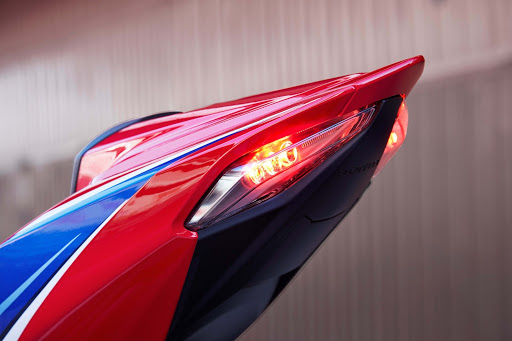
    Honda Motorcycle & Scooter India is likely to initiate production on the third line of its Gujarat Plant in the next two to three years. According to a recent report from PTI, the two-wheeler manufacturer took this step as demand has shrunk in the market due to the coronavirus pandemic. The company commenced the construction activity of a third line to add six lakh units per annum at its Gujarat plant to increase total capacity to 12 lakh units per annum.

    Yadvinder Singh Guleria, Director – Sales & Marketing, HMSI said, “As for our new line which we had made in our fourth factory in Gujarat, we call it our third line. The construction activity and other activities went on as per schedule. However, we have put on hold the decision on when to start production at that line because the overall market has shrunk. In terms of demand, the existing lines and existing capacity are good enough to take care of the demand, which is currently in the market and in the coming next two years or so.”

    He further said, “It depends on how quickly the market rebounds and the new demand shoots, green shoots visible to us. That is the only time we will decide to start production in the third line. From today’s point of view, since the overall market condition is very fluid and a lot of unpredictability around, it looks like two to three years”.

    The company’s business is majorly contributed by scooters which constitute 60 to 65 percent while the remaining business comes from motorcycles. Currently, the two-wheeler maker has four production facilities across the country that are located at Manesar in Harayana, Tapukara in Rajasthan, Narsapura in Karnataka and Vithalapur in Gujarat. The total annual production capacity of all these four plants stands at 64 lakh units.

    The company official said the Indian two-wheeler industry has been hit adversely due to the pandemic which is down by 25 percent. While motorcycle and scooter segments are down by 22 percent and 33 percent respectively. However, the company had to face its challenges as the business is majorly driven from urban India, which had been in the lockdown for a significant number of days than the rural India that reflected on the business.

  • Apple had strong App Store sales in 2020

    Apple had strong App Store sales in 2020

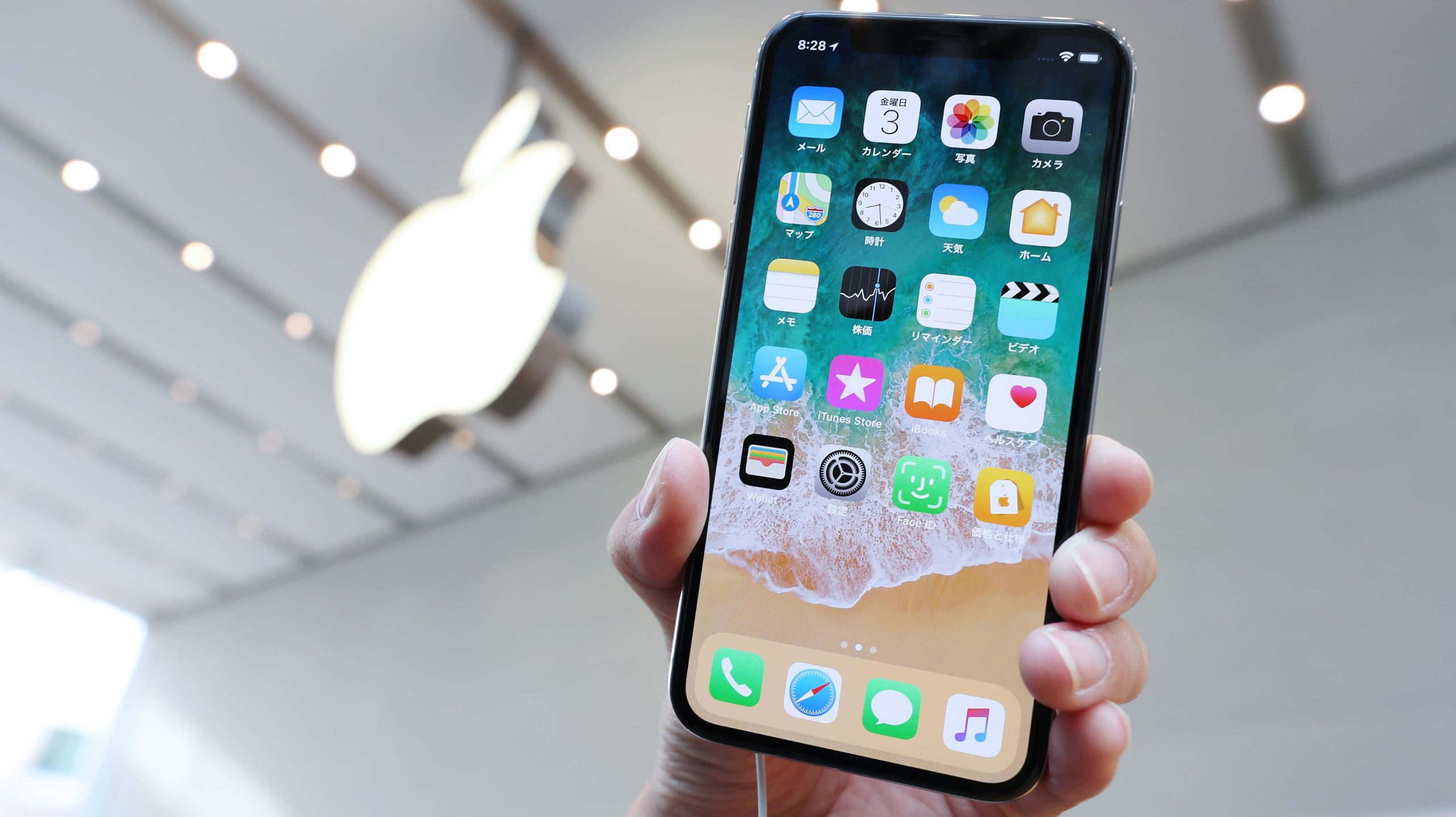
    The Apple App Store generated over $64 billion in revenue last year. That would be a 28% increase over the $50 billion that the iOS digital storefront collected in 2019; it would also represent a 3.1% hike over 2018’s revenue of $48.5 billion. Part of the reason for the surge in the top line has to do with the global pandemic which led businessmen working from home and children engaged in remote learning to download certain apps from the App Store. In addition, there were apps installed to help both kids and adults kill time. Mobile games come to mind as does the short-form video app TikTok used to create 15 seconds and 60-second videos

    The App Store is part of Apple’s Services division which garnered over $50 billion in gross for the first time ever in fiscal 2020. This helped the company achieve a major goal of doubling Services revenue from $25 billion to $50 billion over five years. Consider the businesses that are included in this unit and you’ll see why it is the fastest-growing business unit inside Apple. The Services division houses the App Store, Apple Pay, AppleCare+, Apple Music, Apple News+, Apple Arcade, iCloud, Apple TV+, Fitness+, Apple Books, and more. Apple Music has grown to 85 million subscribers in just five years which Loup Ventures says, “illustrates the power of services built on top of default apps.” Apple’s services sector grew by 16% last year to $53.7 billion in sales and Loup Ventures sees another 15% hike next year. And consider that the App Store makes up 35% to 40% of Services Revenue.

    Loup Venture’s Andrew Murphy sees Apple creating more services that would add new features to some of the tech giant’s existing or default Services platforms.  Some examples could include:

    • Stocks+ could allow Apple to provide trading and advisory services for users.
    • Maps+ could be monetized by Apple by suggesting destinations to users that would be based on input from them.
    • Mail+ would be a premium email service offering productivity, inbox management, scheduling and more.

    In 2019, Apple CEO Tim Cook explained that Apple’s Services sector had a goal to “help our customers get the most out of the products and to enrich lives” by making companion apps “more entertaining, more useful and more informative.” The original plan for the Services sector was to generate recurring revenue allowing Apple to collect flows of cash even in years when the iPhone just isn’t selling. These recurring revenues are high margin allowing Apple to bank large sums of money.

    Loup Ventures used Fitness+ for a case study noting that it adds value to Apple Watch users who can view biometric data on their watch screen. Besides integrating with the Apple Watch, it also integrates with the Apple iPhone, Apple TV, and AirPods.

    Based on revenue, Apple’s Services business is just about the size of a Fortune 50 firm. Would Apple ever decide to spin it off as a separate company? It is a possibility but nothing that is being looked at right now. During the holidays, App Store customer spending was up 27% year over year. In 2019, App Store customer spending was up 16% on an annual basis.

    Apple, as many of you know, takes a 30% cut of in-app purchases made using the App Store’s “in-app” platform. Because iOS is a closed system, Apple’s customers can’t sideload apps and are forced to buy paid apps through the App Store even if they can be purchased for less money from another app store. As a result, Apple is being investigated by some regulatory agencies for monopolistic behavior. Recently though, Apple dropped its cut to 15% for the purchase of apps created by developers with less than a $1 million in annual sales.

  • Google Meet update adds new ways to create meetings

    Google Meet update adds new ways to create meetings

    Unsurprisingly, a tragic event like COVID-19 led to a surge in virtual meetings with employees being stuck at home. Moreover, families and friends forced into isolation needed to remain in touch, and apps like Google Meet, Zoom, as well as others, had to evolve to provide these kinds of services.

    Google Meet went through a lot of changes in the last few months, but the transformation isn’t over yet. Mostly used by companies, Google Meet is now being updated to offer users easier ways to create new meetings.

    For example, once you tap on the “New meeting” button, you’ll now have three options at your disposal, each allowing you to create a new meeting at different times: Create a meeting for later, Start an instant meeting, and Schedule in Google Calendar.

    If you choose the third option, you’ll have to go to Calendar in a new tab to create an event with Meet conferencing details automatically populated. Of course, users will still be able to enter a meeting code or nickname to join a meeting.

    The update went live this week, but the rollout may take up to 15 days. The new Google Meet changes will be available to all users, regardless of whether they have a Google business or personal account. It’s important to add that Workspace Essentials users will not see the “Schedule in Google Calendar” option but will have the two options available.

  • Cebu Pacific 2nd PH airline to ban citizens from countries with new coronavirus variant

    Cebu Pacific 2nd PH airline to ban citizens from countries with new coronavirus variant

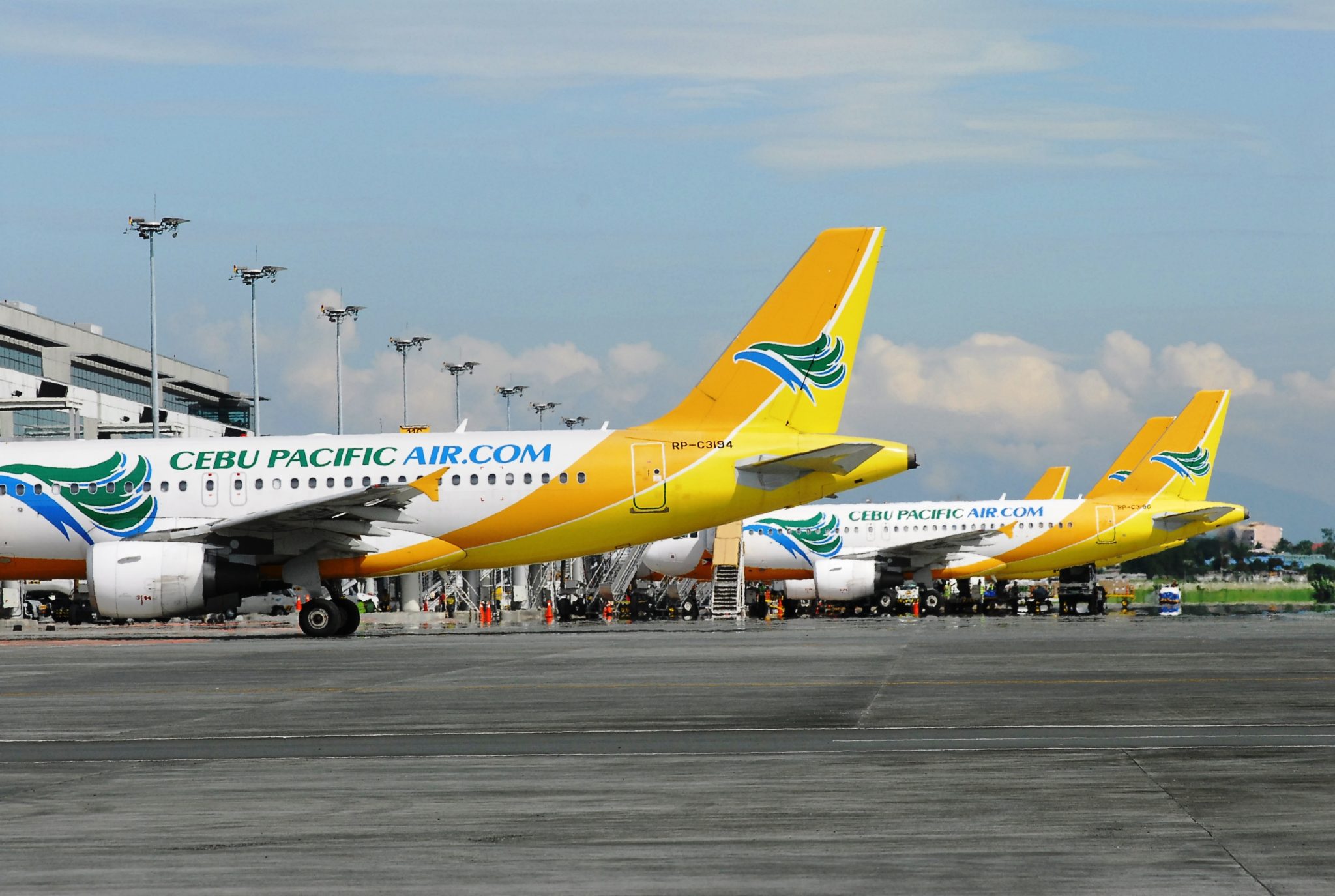
    Cebu Pacific Air said it will stop carrying foreigners coming from countries included in an expanded travel ban amid the appearance of a new coronavirus variant.

    Cebu Pacific added it will allow only Filipino citizens on its flights from Hong Kong, Nagoya (Japan), Singapore and Seoul (South Korea).

    “CEB will not accept foreign nationals who originated from, transited via, or visited within 14 days prior to arrival in the Philippines, any of the 20 countries specified in the IATF resolution,” Cebu Pacific said, referring to the Inter-Agency Task Force Resolution No. 91.

    The IATF resolution said the ban will run from Dec. 30 this year through Jan. 15, 2021.

    The countries are Denmark, Ireland, Japan, Australia, Israel, the Netherlands, Hong Kong, Switzerland, France, Germany, Iceland, Italy, Lebanon, Singapore, Sweden, South Korea, South Africa, Canada, Spain and the United Kingdom.

    Cebu Pacific said affected passengers may avail themselves of free rebooking within 90 days, a full refund or make use of its travel fund, which is valid for two years.

  • Rice exports rise despite stockpiling amid pandemic

    Rice exports rise despite stockpiling amid pandemic

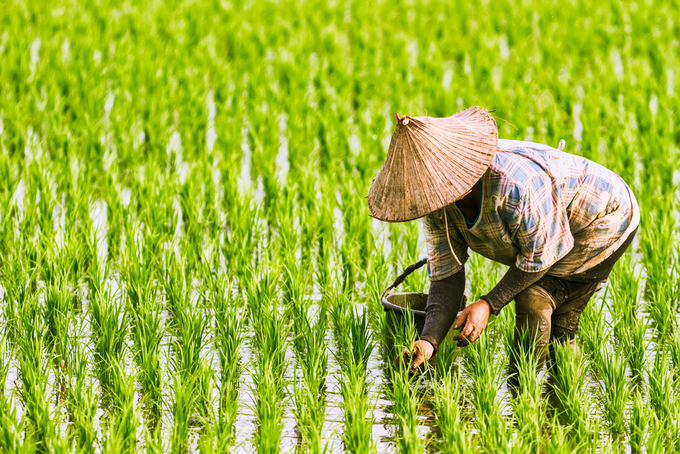
    Vietnam’s rice exports grew by 9.3 percent last year to $3.07 billion though it stockpiled the grain to ensure food security after Covid-19 broke out.

    But volumes were down 3.5 percent to 6.15 million tons since the country stopped exports for over two weeks in March and April to ensure adequate domestic supply amid the pandemic.

    The average price rose by 13.3 percent from the previous year to $499 per ton, the highest in years, the Ministry of Industry and Trade reported.

    Vietnamese farmers and exporters are focusing on quality and getting higher prices by meeting import standards in markets like the E.U., South Korea and the U.S., it said.

    Eighty-five percent of the country’s exports last year were considered to be of high quality, according to the General Statistics Office.

    In 2019, Vietnam was the world’s third-largest rice exporter behind India and Thailand with shipments of $2.81 billion. Its biggest buyer was the Philippines.

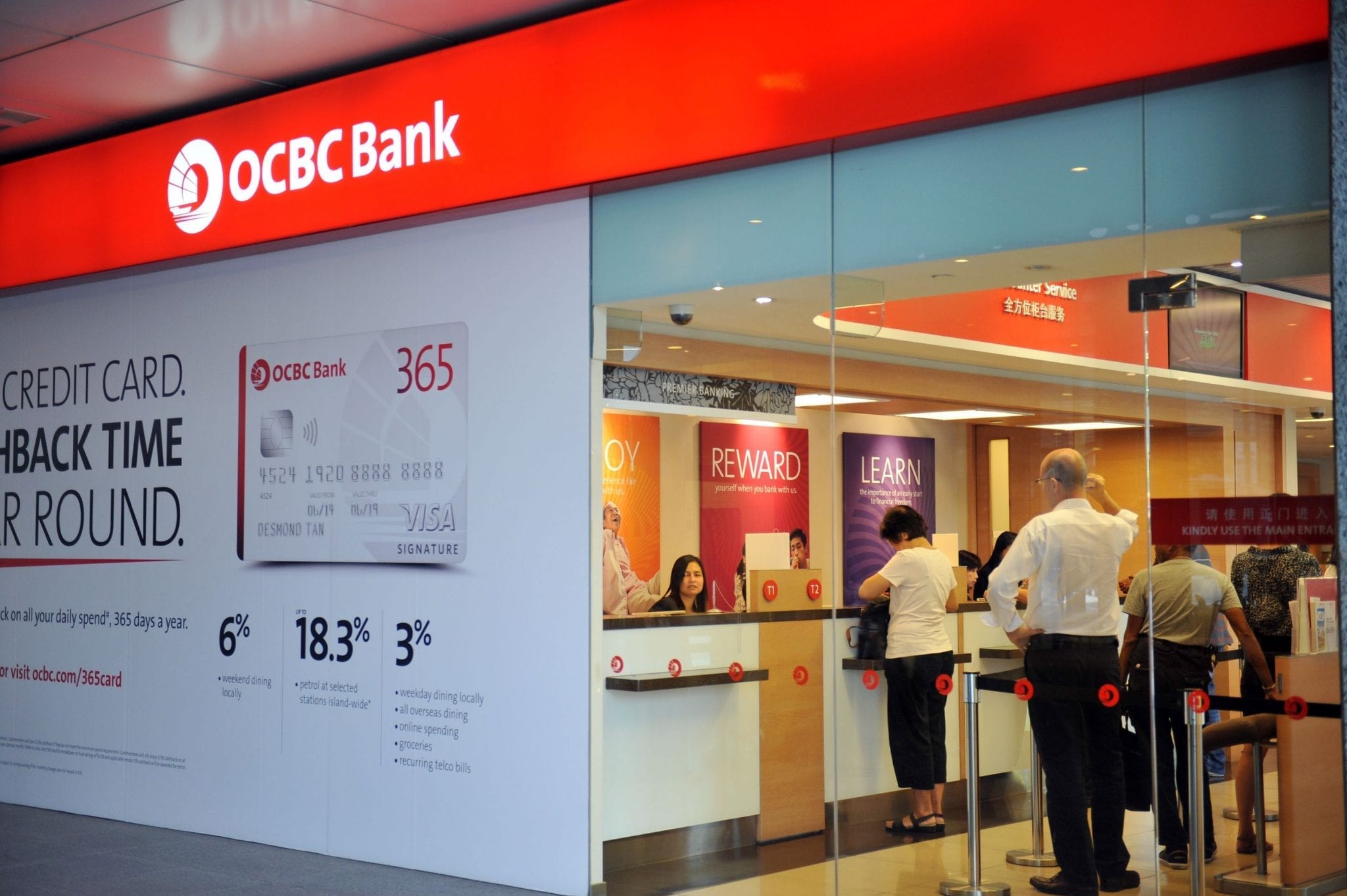
  • OCBC Names New CEO as Samuel Tsien Retires

    OCBC Names New CEO as Samuel Tsien Retires

    The banking industry veteran, with 35 years of banking experience, will take the helm from 14 April 2021.

    OCBC has named Helen Wong as the successor for its outgoing chief executive Samuel Tsien, who retires after 14 years at the bank, the firm announced on Friday evening.

    Wong, who rejoined OCBC in January 2020 to lead OCBC’s new wholesale banking unit after starting her career at the bank as a trainee in 1984, was appointed after a rigorous global search, the bank said in the announcement.

    Wong is widely regarded as a top female banker in Hong Kong with deep Greater China experience and extensive market knowledge and is regarded as an expert on the Southeast Asian region.

    She previously spent 27 years at HSBC, where she held various senior management positions in corporate and investment banking, including president and chief executive of HSBC China, head of global banking (Hong Kong), and chief executive of Greater China.

    Tsien, 66, joined OCBC Bank in July 2007 as the global head of global corporate bank and was appointed the group CEO in 2012.

    In his nine years as the Group CEO, Sam has significantly built the OCBC franchise into a much more diversified and resilient business. He has strengthened the risk culture and internal processes, and instilled a set of solid corporate values to guide the team in doing business in a sustainable way, OCBC chairman Ooi Sang Kuang said in an internal memo to staff.

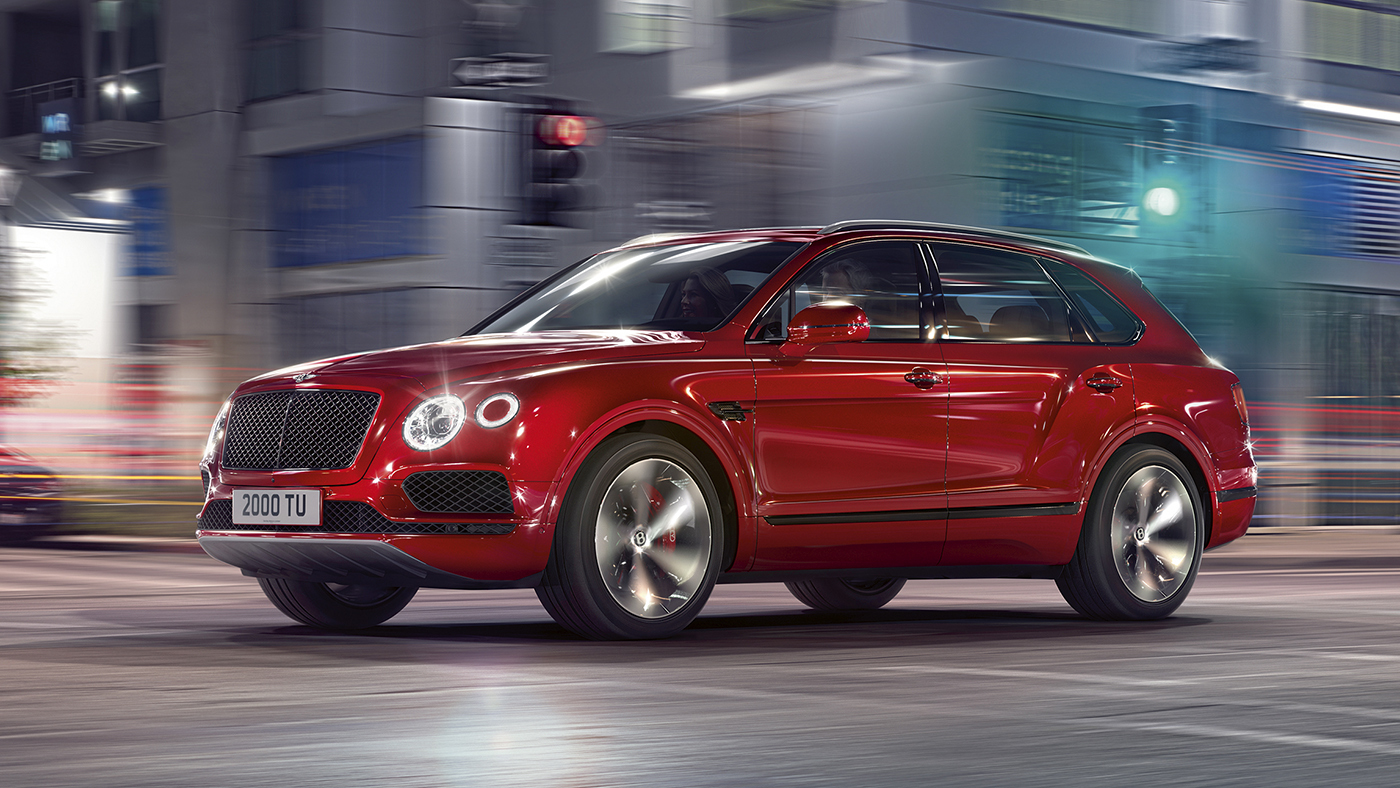
  • Bentley Posts Highest Ever Sales Numbers In 101 Years In 2020

    Bentley Posts Highest Ever Sales Numbers In 101 Years In 2020

    Bentley Motors announced total sales of 11,206 in 2020, an increase of 2 percent over 2019. Although the pre-COVID sales forecast was much greater, new model introductions fuelled this significant achievement which was the highest sales performance in any of the luxury British marque’s 101 years. Bentley’s production was shut down for seven weeks beginning in March, and running at a 50 percent output for a further nine weeks thereafter, as social distancing measures were

    The Americas remained Bentley’s number one region although a strong performance in China, posting an increase of 48 percent came in a close second. The Bentley Continental GT (24 percent) and GT Convertible (15 percent) together accounted for 39 percent of total sales. However, in spite of the run out of the previous generation model, and delays to market entry of the all-new Bentayga due to the COVID-19 pandemic, the SUV was still the biggest selling single model, accounting for 37 percent of total sales.

    The Americas region delivered 3,035 cars, an increase of four percent on the corresponding figure for 2019, 2,913. Placing the region as Bentley’s number one market, this strong performance was boosted by the introduction of the Flying Spur and a full year of sales of the Continental GT and GT Convertible luxury Grand Tourer.

    Bentley’s biggest growth was reserved for China, posting a sales increase of 48 percent, 2,880 cars, against 1,940, as the traditional sedan market welcomed the introduction of the all-new Flying Spur, with Bentayga sales remaining strong.

    Europe closed the year with the delivery of 2,193 cars, against a figure of 2,670 in 2019, a decrease of 18 percent with the region impacted because of the market entry delays of the all-new Bentayga.

    Bentley’s home market in the UK continued its consistently strong performance, recording sales of 1,160 cars. This represented a decrease of 22 per cent over the previous year. Bentley delivered 735 cars to the Middle East in 2020, against a total of 852 the previous year.