Author: Mei Ling Tan

  • Porsche Sold More Than 20,000 Taycans In 2020

    Porsche Sold More Than 20,000 Taycans In 2020

    Porsche announced that it has sold 20,015 units of the Taycan all-electric car in 2020. The company has been able to achieve this feat even after the disruption caused due to the coronavirus pandemic. The company had shut down all production activities for 6 weeks and this, when the company was ramping up production as many markets globally, were planning premieres in the coming months.

    It needs to be noted here that Porsche sold a total of 4480 Taycans from January to June 2020, and 6464 units were sold in the next 3 months. Therefore in the first 9 months of 2020, the company had sold more than 10,000 units of the car and the next 10,000 took just about 3 months, showing how strong the demand is for the all-electric sedan.

    Detlev von Platen, Member of the Executive Board for Sales and Marketing at Porsche AG said, “The coronavirus crisis posed a great challenge from spring 2020 onwards. Nevertheless, we were able to keep deliveries comparatively stable for the year as a whole. Our fresh, attractive product range, the successful start of the Taycan as the first all-electric Porsche and the charisma of our brand – all this contributed to this positive result despite the difficult times.”

    The Porsche Taycan is scheduled to hit the Indian shores as well very soon. We know that it’s good because we’ve driven the car and told you all about it. The Porsche Taycan sports two permanently excited synchronous electric motors that can churn out a maximum of 600 bhp and will a range of over 500 km thanks to its high voltage lithium-ion batteries. The electric car will get 800-volt chargers with fast charging capability, which can offer a 400 km range in 15 minutes of charge time. It can go from 0-100 kmph in under 3.5 seconds.


  • UBS Poised for Indian Fintech Deal

    UBS Poised for Indian Fintech Deal

    Swiss bank UBS is reportedly poised to pour several hundred million into a payments start-up in India. The investment is alongside some of the Swiss wealth manager’s ultra-rich clients.

    Zurich-based UBS is negotiating a $400 million investment in Paytm, an Indian e-commerce payment system reported on Thursday, citing people close to the talks. The bank’s asset management arm wants to co-invest with UBS’ wealthy clients, the outlet reported – which would mark one of the largest such deals.

    The ten-year-old fintech was valued at $16 billion in its last round of financing two years ago. It competes with services like Google Pay or WhatsApp’s payment service, as well as regional start-ups.

    UBS is attempting to buy shares from Paytm employees, the news service reported. It doesn’t appear to be a done deal yet: «UBS aims to finalize an agreement as soon as this month, though talks could still be delayed or fall apart,» «Bloomberg» reported from sources.

    Paytm counts Softbank, Ant Financial, Berkshire Hathaway, and asset manager T. Rowe Price, among its investors. Its CEO, Vijay Shekhar Sharma, said this week Paytm could turn a profit as soon as this year.

  • AirAsia’s digital platform eyes more airline partnerships

    AirAsia’s digital platform eyes more airline partnerships

    Malaysian budget carrier AirAsia Group’s travel, e-commerce and fintech unit airasia.com is in partnership talks with several Middle Eastern and European airlines, its chief executive said on Wednesday.

    Airasia.com CEO Karen Chan said the company was working on selling more flights on the online platform.

    “Apart from just selling AirAsia flight tickets, we are now selling any airline’s flight tickets. We are now in serious discussions with quite a few full-service carriers,” Chan said at a CAPA Centre for Aviation event.

    She said the company is working closely with Middle Eastern airlines to drive traffic to pilgrimage destinations.

    “Religious travel has taken a huge delay, and already we are getting a lot of requests from customers for pilgrimages,” she said.

    Airasia.com is also in talks with some European airlines, she said. “Once the international borders are open, all of us are banking on the pent up demand,” she said without providing details.

    Last November, airasia.com announced a strategic partnership with Turkish Airlines for cross-promotion of its flight inventory with AirAsia flights, and offer travel itineraries with discounted fares.

    “Now we can pull their content and inventory onto airasia.com’s platform,” Chan said. The company offers more than 15 lines of products online and via its super-app “to fly, to stay, to shop, to eat”, an earlier media statement showed.

    With the airline business taking a hit from the coronavirus pandemic, AirAsia Group last year rebranded its digital arm as AirAsia Digital, which houses airasia.com.

    Malaysia’s flagship budget airline AirAsia Group said last September it is considering raising capital to expand its digital business.

  • Kawai Malaysia, The Japanese Zen Style Flagship Store, Opens in Malaysia

    Kawai Malaysia, The Japanese Zen Style Flagship Store, Opens in Malaysia

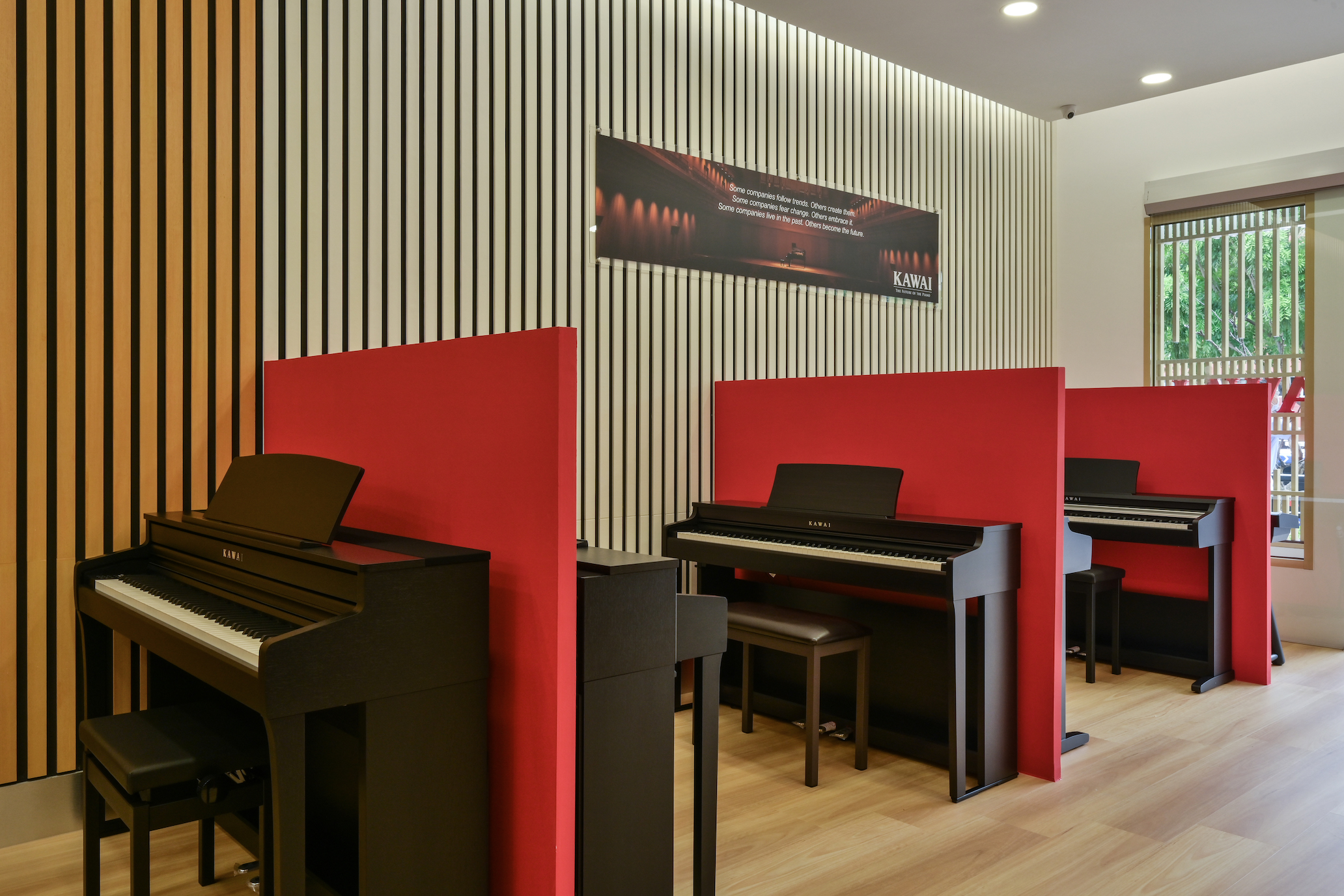
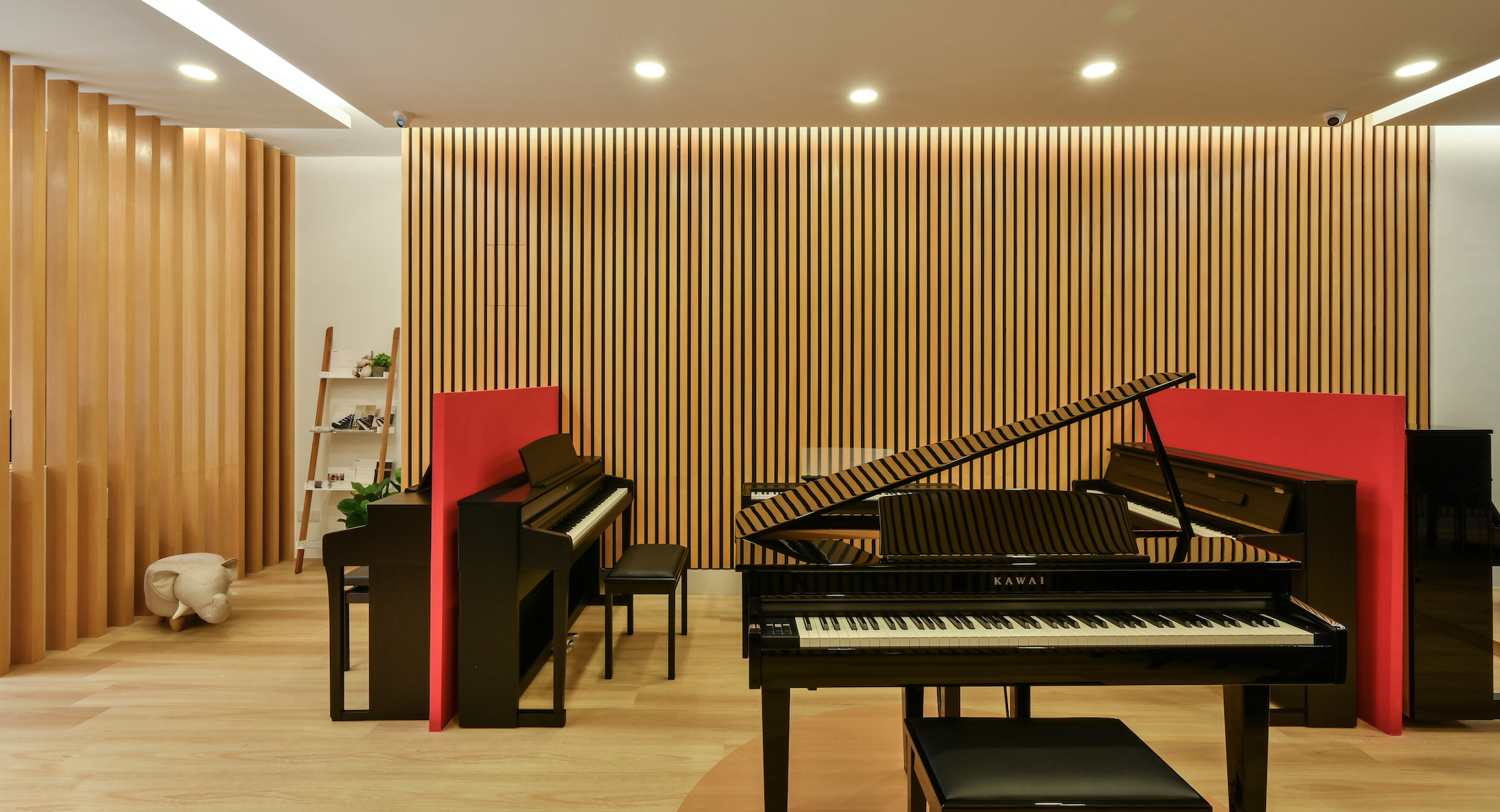
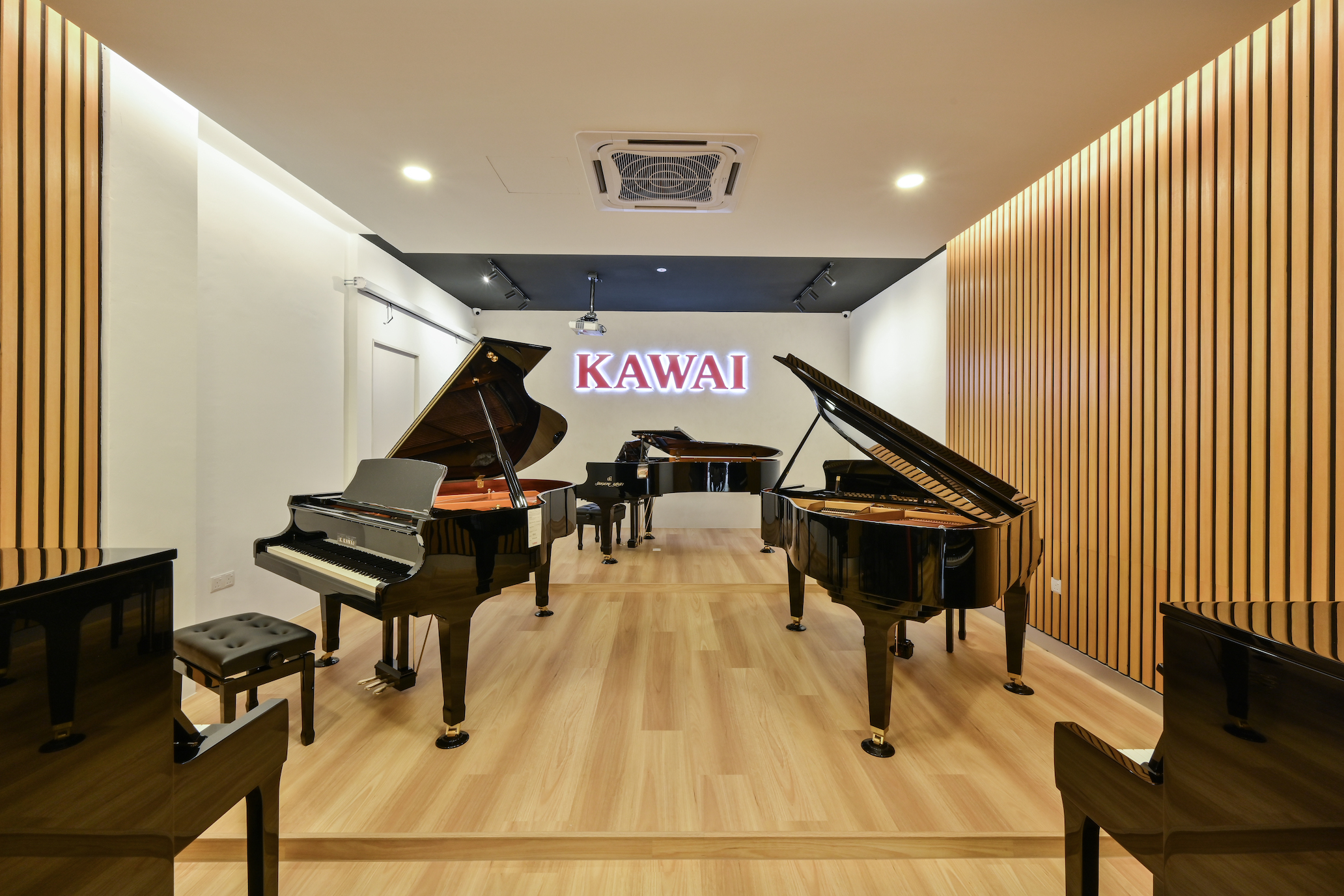
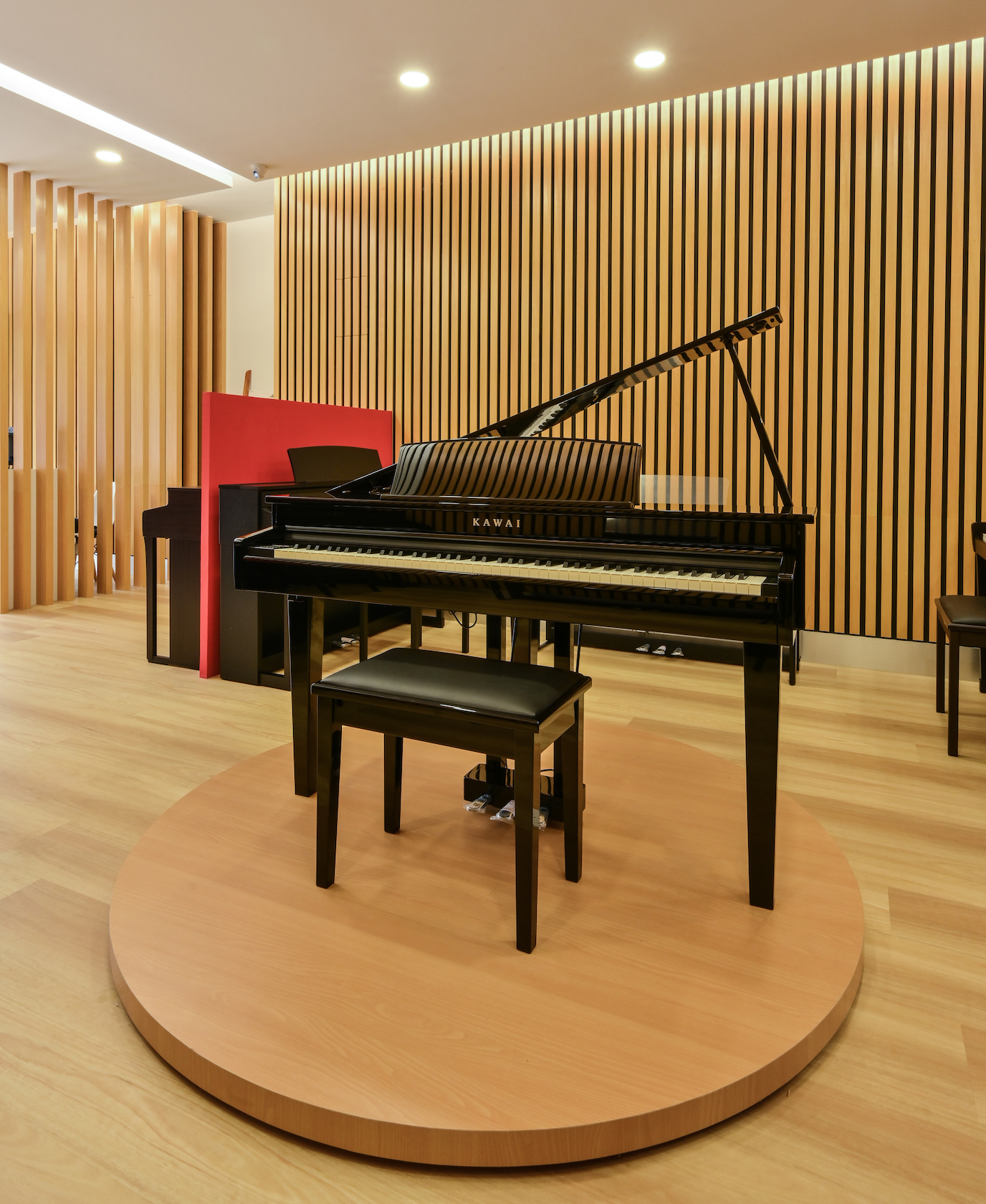
    The founder of the Kawai Malaysia showroom has announced the opening of his flagship store in Malaysia. Kawai Malaysia is an amazing showroom built to showcase a large variety of musical instruments and their accessories. The store comprises a Japanese Zen style interior design concept store, the first one of its kind in Malaysia. With the goal of perfecting the art of the pianos, Kawai’s master craftsmen strive to get the best patterns, designs, and new materials to adhere to the latest piano standards. The piano models on display combine the very latest digital sound technology with the most advanced key action designs to beautifully capture the essence of playing a fine concert grand piano.

    A spokesperson for Kawai Malaysia said, “The future of the piano lies in the fact that the imaginative spirit of Koichi Kawai, our founder, laid an ambitious foundation for all who would follow and is the primary reason why the name Kawai has been synonymous with our innovations since 1927”

     Perfecting the art of pianos, a brand-new showroom for musical instruments is now open to the public

    Over the last 30 years, Kawai digital piano designers have worked side-by-side with their acoustic piano counterparts to create an extraordinary range of digital instruments. It is this hard-earned synergy of complementary skills that has made Kawai digital pianos some of the most highly praised instruments in global music products industry. Indeed, Kawai is one of the most celebrated companies in the category, having received over 50 major international awards for product and service excellence.

    Kawai Malaysia features a beautiful showroom at the ground level. The second floor houses Kawai’s service center headquarters. From digital to acoustics, all varieties of the latest models of pianos are also available at the showroom. Kawai Malaysia has initiated many of the piano industry’s most captivating and useful innovations, including the aluminum action rails, slow-close fallboards, hard finish music desks, and revolutionary use of ABS. The three main types of Kawai pianos, upright, digital, and hybrid are all found at the Kawai showroom.

    Kawai Malaysia follows the unique designs and patterns of the Zen philosophy. Using soft tones and neutral colors like shades of greys and whites which are meant to be relaxing, contemporary, and appealing. The founder of Kawai Malaysia has used natural materials and innovative ideas for structuring magnificent interior designs. Using simple furniture and grandeur decorations induces the power of serenity and purity in the customers.

    Always searching for new materials and technologies, Kawai Malaysia improves the tone, touch, stability, and durability of a piano and enhances the piano actions. The company’s passion for innovation also extends to electronics, where Kawai created some of the industry’s earliest digital pianos with real wooden keys. Kawai was also among the first to offer built-in recorders and affordable digital pianos with real wooden soundboards.

    For more information on Kawai Malaysia, visit:

    Website :           www.kawaipiano.com.my

    YouTube:         www.youtube.com/channel/UCXuWrOXAJuo6auhTuKUS8GA

    Facebook:        www.facebook.com/kawaimalaysiaofficial

    Instagram:        www.instagram.com/kawaimalaysia/

  • Korean startup translates dog barks using AI

    Korean startup translates dog barks using AI

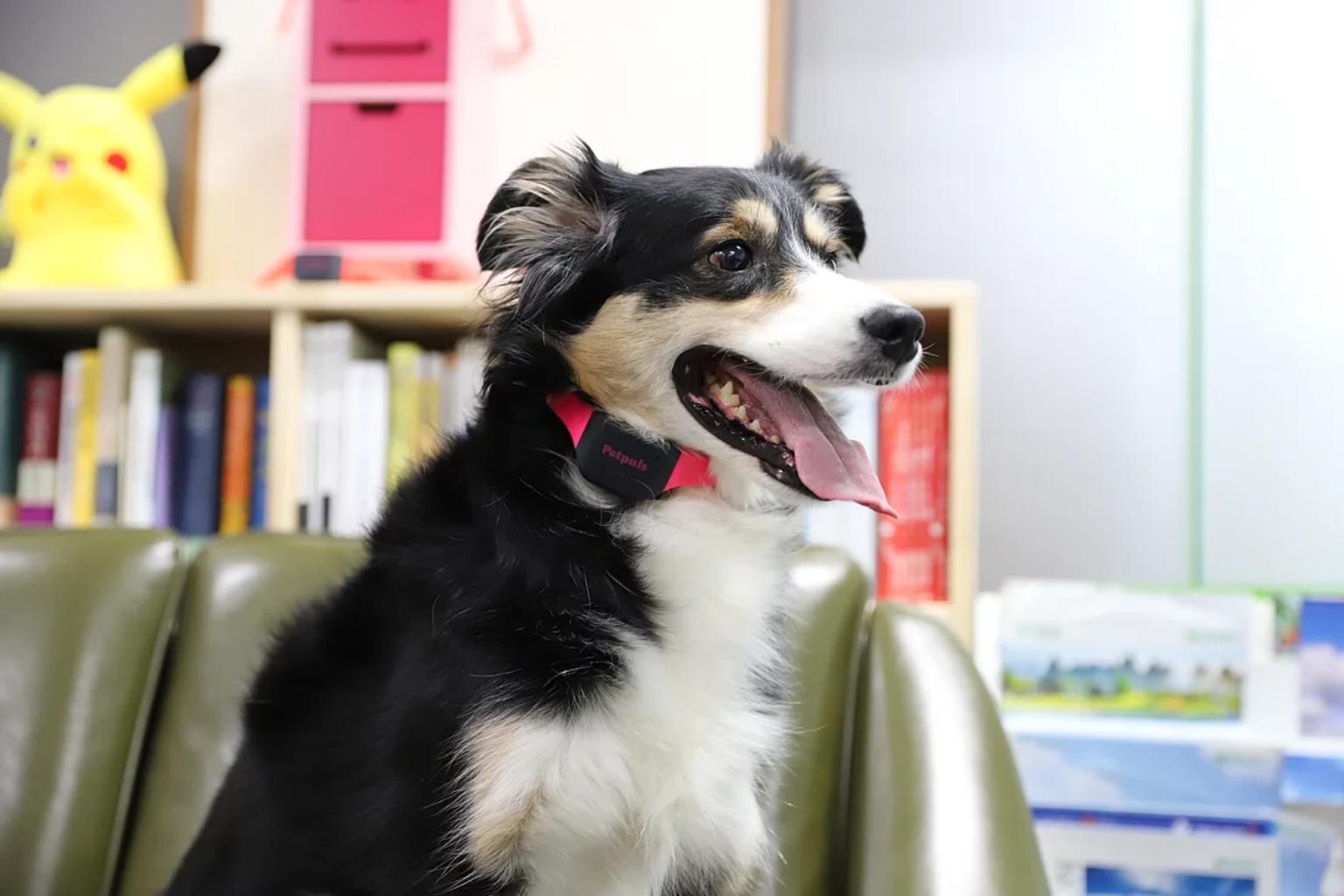
    A South Korean startup has developed an AI-powered dog collar that can detect five emotions in canines by monitoring their barks using voice recognition technology.

    The Petpuls collar can tell pet owners through a smartphone application if their dogs are happy, relaxed, anxious, angry or sad. It also tracks dogs’ physical activity and rest.

    “This device gives a dog a voice so that humans can understand,” Andrew Gil, director of global marketing at Petpuls Lab said.

    The company began gathering different types of barks to analyse dogs’ emotions in 2017. Three years later, they developed a proprietary algorithm based on a database of more than 10,000 samples from 50 breeds of dogs.

    “I thought she was just happy when she played and felt sad and anxious when I wasn’t home…actually she felt angry when she lost a game she played with me, like how humans feel,” said Moon Sae-mi, who has a six-year-old Border Collie.

    The collar has a 90 percent average accuracy rate of emotional recognition, according to Seoul National University, which tested the device the company says is the first of its kind to be powered by AI voice recognition technology.

    Petpuls Lab started marketing the collar online in October last year at $99.

    The global pet care market was worth $138 billion in 2020, up 34 percent, Euromonitor data showed, as more people spent time at home with their pets or adopted pets during the COVID-19 pandemic. The global dog population also grew 18% the same year to 489 million.

    “More people began to adopt dogs, but unfortunately some of them abandoned their dogs due to miscommunication,” Gil said. “Petpuls can have an important role in the pandemic…it helps owners understand how dogs feel and increase their bonding.”

  • Sheldon Adelson, creator of the Cotai Strip, Marina Bay Sands, dies at 87

    Sheldon Adelson, creator of the Cotai Strip, Marina Bay Sands, dies at 87

    “It is with unbearable pain that I announce the death of my husband, Sheldon G. Adelson, of complications from a long illness,” she said in a statement.

    Adelson was diagnosed with non-Hodgkin’s lymphoma in 2019 and recently resumed treatment.

    She dubbed the casino mogul as the “love of my life” and her “soulmate,” before saying he is “utterly irreplaceable.”

    Adelson is survived by his wife, five children and grandchildren. In a statement, President Trump said that “Sheldon lived the true American dream.”

    “The world has lost a great man. He will be missed,” the statement read.

    President Bush released a statement in tribute to his “friend” Adelson, who he praised as an “American patriot.”

    “Sheldon battled his way out of a tough Boston neighborhood to build a successful enterprise that loyally employed tens of thousands – and entertained millions,” the statement read.

    Trump’s eldest son, Don Jr, also paid tribute to the casino giant, saying: “He treated his employees like family. His philanthropic generosity changed countless lives.”

    According to Forbes, Adelson had a net worth of $35.6billion as of Monday.

  • Coach launches Disney Mickey Mouse x Keith Haring Line

    Coach launches Disney Mickey Mouse x Keith Haring Line

    What happens when two American icons get together? A new collection that paints Disney’s Mickey Mouse in a whole new light. Stuart Vevers isn’t the only one who was inspired by the art of Walt Disney. Artist Keith Haring learned to draw Mickey Mouse from a Disney “how-to-draw” book at his grandmother’s house, and considered following in Disney’s footsteps by becoming a cartoonist. Although that didn’t come to pass, it did pave a path that ultimately led Haring to study fine art. Those initial references never left him and became a part of his now-famous style.

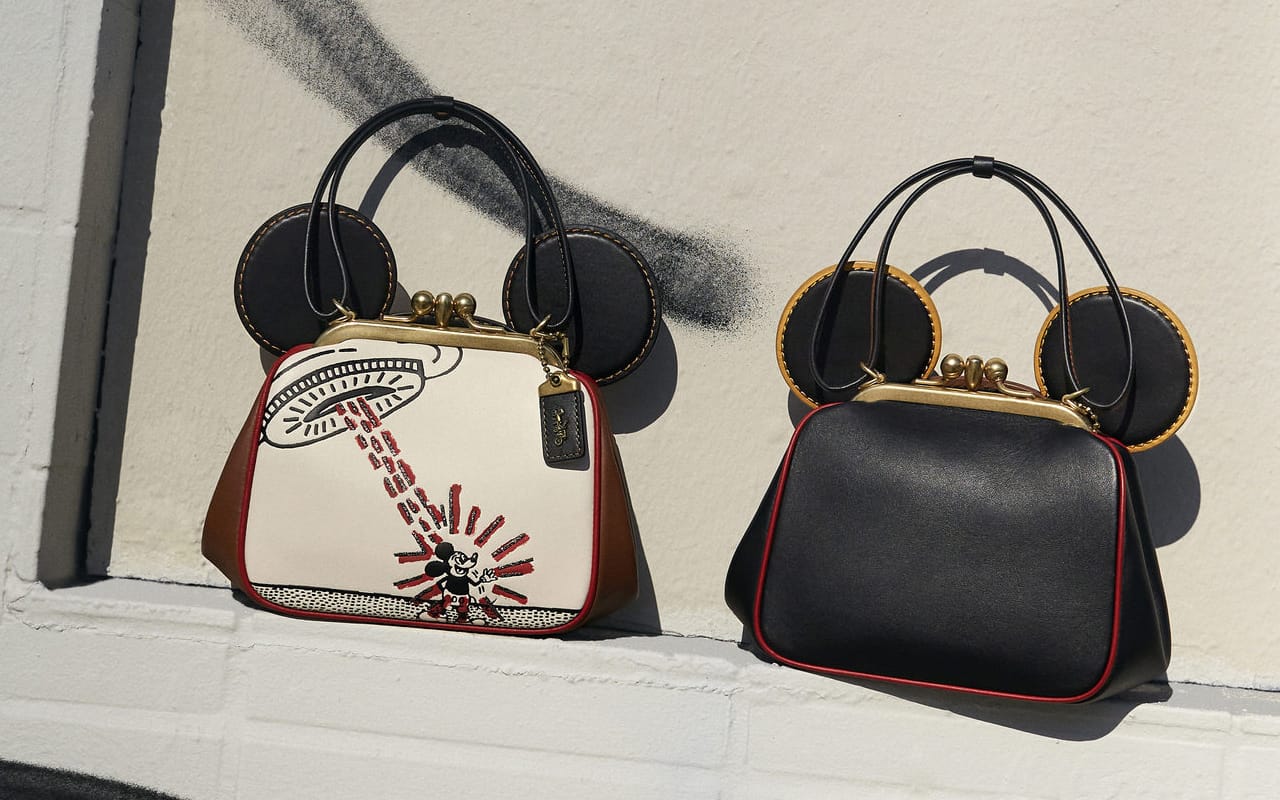
    Now Vevers, creative director of Coach, has created the Disney Mickey Mouse x Keith Haring collection of apparel and accessories. A campaign, created in collaboration with photographer Alessandro Simonetti features Kaia Gerber, Cole Sprouse, Koki, Xiao Wen Ju and Myles O’Neal and was shot in the streets in Vancouver, Los Angeles, Guangzhou and Tokyo, in scenes intended to be reminiscent of New York in the Eighties, where Haring lived and worked.

    The collection of glove-tanned leather bags topped with Mickey Mouse ears, along with shearling jackets, totes and sweatshirts, is printed with Haring’s illustrations of the famous rodent from the Eighties. The special-edition collection celebrates Pop Art and is intended to reflect Haring’s belief that art should be for everyone. The illustrations used on the line include Andy Mouse, Haring’s interpretation of his hero, Andy Warhol, drawn as Mickey Mouse.

    “Sometimes the best design comes from the most unlikely juxtapositions, and I can’t think of a cultural clash that brings me more joy than Mickey Mouse and Keith Haring,” Vevers said. “Ahead of its time when it was first made, this art feels so timely today as we can celebrate and appreciate the diverse work of great creators whoever they may be, without social boundaries. As my collections over the years have shown, I love Disney and I love Keith Haring, so this collaboration makes for my ultimate treat.”

  • UAE among top export destinations of Cebu Pacific for Philippine produce and goods

    UAE among top export destinations of Cebu Pacific for Philippine produce and goods

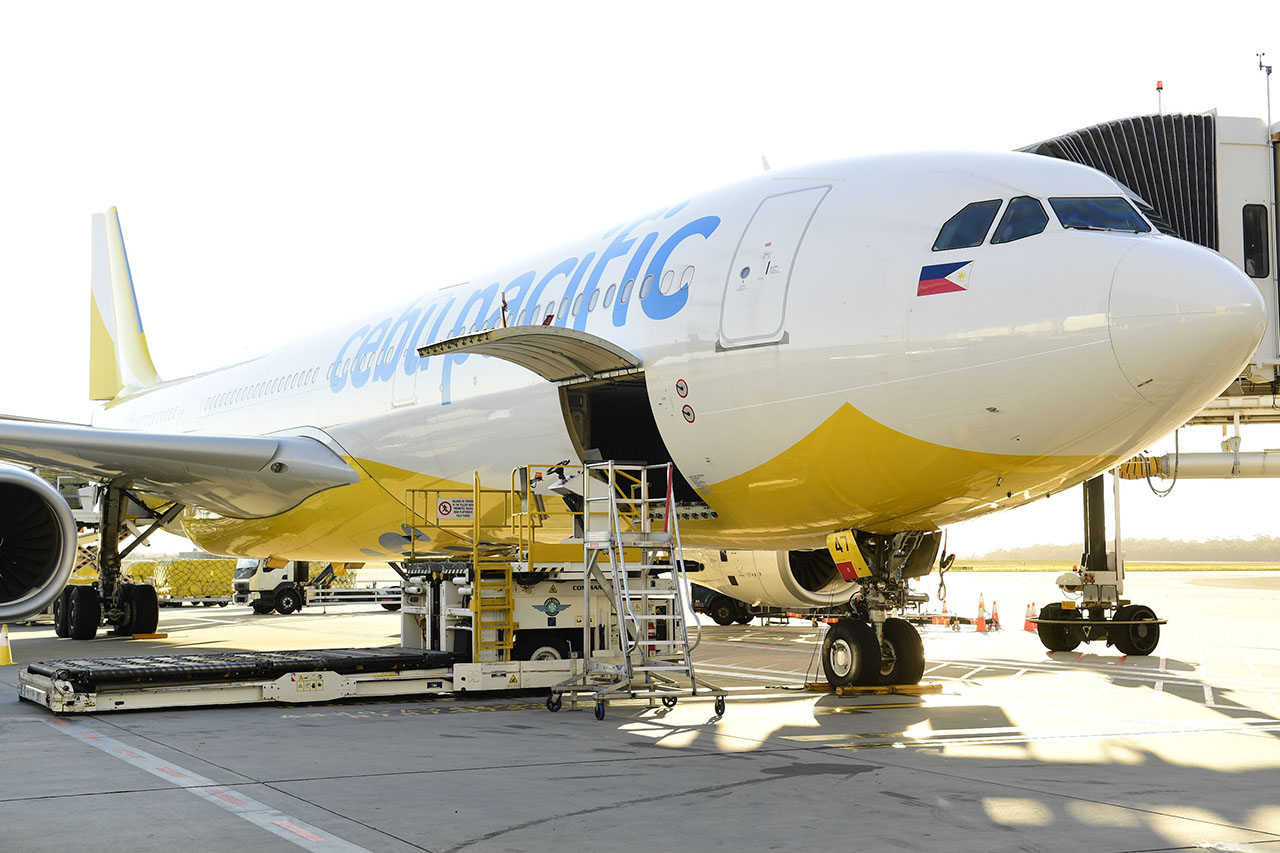
    Cebu Pacific (CEB), the Philippines’ largest national carrier, continues to fly Philippine produce and goods via its direct flights to the UAE amidst the current pandemic.

    In its steadfast commitment to serving the Filipinos in the UAE including in months with stern movement restrictions, CEB has conducted 12 cargo flights from the second and third half 2020 (Q2 to Q3 of 2020) for Manila to Dubai and vice versa. Prior to the onset of the global health crisis, the airline had operated in first quarter (Q1 of 2020) 75 cargo flights on the same route for the export of food commodities from the Philippines.

    According to the cargo data released by CEB from January to September 2020, the UAE is one of the top global export destinations of the airline for Philippine produce. Of the total 37,405 kilograms of fruit exported to various international destinations, 29 percent or a total of 10,674 kilograms were delivered to Dubai. It ranked second to Hong Kong, where the airline delivered 55 per cent or a total of 20,641 kilograms of fruit in the same period.

    The Philippine mango topped CEB’s list of most exported fruits, amounting to 27,132 kilograms. This was followed by Philippine lime or calamansi, soursop or guyabano, sapota or chico, and turnip or singkamas at 6,178 kilograms.

    According to Charmaine Yalong, Commercial Attaché of Philippine Trade and Investment Centre (PTIC) of the Department of Trade and Industry, the increasing demand for Filipino food products in the UAE may be attributed to the high disposable incomes of consumers, primarily owing to the large presence of Filipinos in the country, as well as the growing proportion of Filipino brands being mainstreamed in the market.

    “The continued support to Philippine exporters, through trade referrals and organization of Philippine participation in trade exhibitions and outbound business missions, contributed to the increasing presence of Philippine products in the UAE. As such, aside from gratifying the cravings of our kababayans for native Philippine products, the cosmopolitan tastes of locals and expatriates in the UAE are now being catered to as well. A wide range of these products are now available side-by-side with other products from Asia, Europe and the United States in the shelves of supermarkets here in the UAE,” Yalong said.

    Yalong highlighted that during the first half of 2020, Philippine food exports to UAE has seen sustained growth. Aside from fruits, the Philippines saw an uptick trend on the export of its processed food and beverages to the UAE which accounted for a whopping US$20.86 million or AED76.61 million. Also on the list were pineapple and by-products, US$14.02 million; fresh bananas, US$12.9 million; tuna, US$3.3 million; and fresh/processed fish, US$0.59 million.

  • Tata Motors’ Global Wholesales Grew 1% In Q3 FY2021

    Tata Motors’ Global Wholesales Grew 1% In Q3 FY2021

    Tata Motors has released the Group’s global wholesales numbers for the third quarter of Financial Year 2020-21. In the quarter that ended on December 31, 2020, Tata Motors Group’s global wholesales stood at 2,78,915 units (including Jaguar Land Rover), registering a marginal 1 percent growth as compared to what the company sold during the October-December period in 2019. However, compared to the second quarter that ended on September 30, 2020 (Q2 FY2021), when the company’s total wholesales were 2,02,873 units, Tata has witnessed a 37 percent growth.

    Between October and December 2020, the Tata Motors Groups passenger car wholesales stood at 1,88,550 units, witnessing a growth of 4 percent compared to Q3 FY2020. Out of this, global wholesales from Jaguar Land Rover alone accounted for 1,19,658 vehicles, which includes the 17,078 vehicles sold by CJLR the joint venture between JLR and Chery Automobiles, in Q3 FY21. Jaguar’s wholesales for the quarter were 22,466 vehicles, while Land Rover’s wholesales for the quarter were 97,192 units.

    Tata Motors vehicle sales in the domestic market have also been quite impressive in the previous quarter. Between October and December 2020, the company’s total Passenger Vehicle (PV) sales stood at 68,803 units, registering a massive 89 percent growth as compared to Q3 FY2020, when it sold 36,354 units. It was Tata’s highest-ever quarterly results for passenger vehicles in 33 quarters or over eight years.

    At the same time, the Group’s global wholesales from commercial vehicles, including, the Tata Daewoo range in Q3 FY21 were at 90,365 units, witnessing a decline of 4 percent, compared to what to company sold in Q3 FY20.

  • Female Exec Pulls Multi-Million Dollar Casino Heist

    Female Exec Pulls Multi-Million Dollar Casino Heist

    A casino executive is on the run after allegedly taking 14.6 billion ($13 million) in cash from a South Korean casino operated by a Hong Kong developer.

    Jeju Shinhza World, operated by Hong Kong-listed property firm Landing International Development, said in a statement that it was unable to reach the employee in charge of the casino funds.

    Local police confirmed that an investigation was underway, according to a report by local media firm «Yonhap».

    Jeju is a popular tourist island in the southern region of South Korea, with casinos for foreigners only.

    According to the report, the female employee in question is a Malaysian national who did not return to work following a vacation. Surveillance footage secured showed that the period in which the funds may have disappeared has been erased.

    There is reason to believe the heist was done by more than one individual as the funds were all cash and weighed about 280 kilograms.

  • HTC has reported revenue growth for the second consecutive month

    HTC has reported revenue growth for the second consecutive month

    It’s that time of the month when we review HTC’s latest revenue numbers and brace for disappointment. But in an unexpected twist, this time the Taiwan-based brand has positive news to report.

    For the last month of 2020, HTC reported NT$615 million ($21.96 million) in unaudited consolidated revenue. That’s a small increase of 1.02% versus the same period a year earlier, much better than the median decline of 42.03% experienced throughout 2020.

    The impact of the all-important annual holiday season was visible in HTC’s latest numbers too. In comparison to November, the company’s monthly sales numbers climbed a decent 10.68%.

    As a direct result of these results, December has become the second-consecutive month that HTC has posted both month-on-month and, more importantly, year-on-year growth.

    The last time HTC reported two consecutive months of year-on-year revenue growth was four years ago, specifically February and March 2017 before the launch of the flagship HTC U11.

    Whether or not these positive trends continue into 2021 will remain to be seen. But at the moment, it seems HTC is mostly focused on its lineup of VR products rather than the smartphone segment, despite the occasional launch.

  • Top UBS Banker Defects

    Top UBS Banker Defects

    Quintet is replenishing its management with a high-profile Dutch banker, in its latest raid on UBS. The Luxembourg-based private bank is hiring Eli Leenaars as its operating chief, it said in a statement on Tuesday. Currently a vice-chairman at UBS, Leennaars is due to replace Colin Price in the job, effective June 1.

    The hire of Leennaars, a prominent Dutch banker, is the latest in a string of high-profile hires from UBS for Quintet. The Qatari-controlled private banking group is seeking a revival of its fortunes under new management stocked heavily with ex-UBS top executives.

    The project was spearheaded by UBS’ ex-private bank head Juerg Zeltner until he died suddenly in March. Now run by Jakob Stott, also an ex-executive of the world’s largest wealth manager, Quintet opened a Swiss bank last year and is in the process of streamlining eight largely autonomous private banks across Europe.

    Leennars, who has kept a low profile since moving to Zurich in 2015, was far more prominent in his 24-year career with ING. He was reportedly ultimately outmaneuvered for the top job in 2013 – by none other than Ralph Hamers, now also in Switzerland. Just ten weeks into Hamers’ tenure as CEO of UBS, Leennaars appears overworking for big companies.

    After decades of service at large organizations, I am eager to put my experience and energy to work at this highly entrepreneurial firm, he said in a statement. The 60-year-old banker was instrumental in the transformation of ING after the 2008/09 crisis, after which Hamers overhauled its aging infrastructure in favor of a so-called agile organization.

  • Tesla To Set-up Operations In Bengaluru, Registers Indian Subsidiary

    Tesla To Set-up Operations In Bengaluru, Registers Indian Subsidiary

    The wait is nearly over as American electric carmaker Tesla is all set to set-up operations in India and zeroed down on Karnataka, as its preferred state to set-up its headquarters. The electric auto giant has registered its Indian subsidiary under the name ‘Tesla India Motors and Energy Private Ltd’, which was incorporated in Bengaluru on January 8, 2021. The company is expected to commence operations by June this year and the first product to be made available will be the Model 3 sedan, according to reports.

    According to the document filed with the Ministry of Corporate Affairs, Vaibhav Taneja, Venkatrangam Sreeram, and David Jon Feinstein have been named as directors. The company has been registered as a private unlisted company with an authorized capital of ₹ 15,00,000 and a paid-up capital of ₹ 100,000. The document also reiterates Tesla co-founder and CEO, Elon Musk’s tweet last year that said the automaker would enter India “next year for sure.

    India has been on Tesla’s radar since 2016 but plans did not materialize despite a number of speculations. It was also reported recently that state governments including Maharashtra, Andhra Pradesh, Tamil Nadu, and Karnataka had talks with the automaker to set-up operations in their region, while the company is also considering local partnerships. Reportedly, the Karnataka government has already offered a land parcel to Tesla in Tumkur, on the outskirts of Bengaluru, to set-up a manufacturing facility.

  • General Motors Unveils Futuristic Flying Cadillac Concept Vehicle

    General Motors Unveils Futuristic Flying Cadillac Concept Vehicle

    General Motor on Tuesday presented a futuristic flying Cadillac – a self-driving vehicle that takes off and lands vertically and carries the passenger above the streets and through the air. A senior GM executive described the concept as “reimagining the future of personal transportation”. The single-passenger Cadillac – technically, a vertical take-off and landing (VTOL) drone – will be able to travel from urban rooftop to urban rooftop at speeds up to 55 miles per hour.

    It is fully autonomous and all-electric, with a 90kW motor, a GM Ultium battery pack and an ultra-lightweight body with four pairs of rotors.

    The flying Cadillac was presented in a video as part of a virtual keynote presentation by Chief Executive Mary Barra, along with a family-friendly Cadillac electric shuttle.

    Barra last year revealed the automaker was exploring such alternative transportation modes as aerial taxis.

    The concepts in the CES video were introduced by GM design chief Mike Simcoe, who described the VTOL as “the Cadillac of urban air mobility”.

    “VTOL is key to GM’s vision for a multimodal future,” he said.

    The autonomous Cadillac shuttle, described in the video as “arriving soon,” features a boxy silhouette that recalls the Cruise Origin, also designed by Simcoe’s team. It features fore and aft sliding doors and a panoramic glass roof.

    The cabin has wraparound lounge-like seating, plus biometric sensors, voice control and hand gesture recognition.

    GM declined to disclose further details.

    Other automakers, including Toyota Motor, Hyundai Motor and Geely Automobile, have previously have shown concept aerial vehicles as part of their future planning.

  • MediaTek teases unveiling of new flagship chip

    MediaTek teases unveiling of new flagship chip

    Last month, we might have surprised you by passing along Counterpoint Research’s third-quarter report on the top suppliers of chips to the smartphone industry. Instead of seeing Qualcomm’s name at the top, MediaTek led the way by supplying manufacturers with 31% of the smartphone chips sent to manufacturers during the quarter. And now the chip designer has put up a teaser on its official Weibo account calling for a January 20th announcement of new Dimensity chipsets.

    The company wrote on Weibo “On January 20, the new products of the Dimensity series will meet with you. Brand new products, superior technology, and upgraded experience. While MediaTek didn’t reveal much information about the component, sources are saying that one of the new chips will be the MT689X. The latter could be MediaTek’s next flagship chip manufactured using the 6nm process node.

    The 5nm A14 Bionic chipset used on the Apple iPhone 12 series is the most cutting-edge chip used on a smartphone at the moment. Soon, the 5nm Exynos 2100 and Snapdragon 888 will be employed on the Samsung Galaxy S21 line. The lower the process number, the higher a chip’s transistor density and the more powerful and energy-efficient a chip is.

    MediaTek’s 6nm chip, the MT689X, will feature the Mali G-77 GPU. ARM’s high-performance Cortex-A78 core will also be included. And based on an Antutu benchmark test, the new chip will be similar in performance to Qualcomm’s top-of-the-line 2020 chip, the Snapdragon 865+. The new 6nm chip is expected to be employed in smartphones that are priced in the neighborhood of $300.

    The fact that the chip designer’s components find favor with manufacturers producing lower-priced devices is one of the reasons why MediaTek’s Dimensity line has been so successful. In the middle of a global pandemic that has destroyed consumers’ finances, many are settling for lower-priced handsets and tablets, especially in developing countries.