Author: Mei Ling Tan

  • India Seeks Comment On Proposal To Make Airbags Mandatory For Car Front Passengers

    India Seeks Comment On Proposal To Make Airbags Mandatory For Car Front Passengers

    India on Tuesday sought public comment on a proposal to make airbags mandatory for the front passenger in all cars from next year, in a move that could raise costs for automakers slowly seeing a revival in demand.

    Carmakers are required to provide an airbag only for the driver, though Indian officials have been talking about the need to improve safety.

    All new models manufactured from April 1, and existing models made from June 1, will have to meet the new guideline if approved, the Ministry of Road Transport and Highways said in the notification dated Dec 28.

    It asked for suggestions and objections from the public within 30 days from Tuesday before the rule is implemented.

  • Cebu Pacific now offers antigen tests to passengers

    Cebu Pacific now offers antigen tests to passengers

    The Philippines’ largest carrier, Cebu Pacific (CEB), commercially launches its Test Before Boarding (TBB) process for passengers flying from Manila, after its successful pilot run with the local government of General Santos. This process makes use of an antigen test taken just hours before the scheduled time of departure, with results released within 30 minutes.

    The TBB testing facility at the NAIA Terminal 3 is now open for walk-ins from 2AM to 2PM daily. CEB passengers will only have to register onsite and pay the fee directly to CEB’s diagnostic partner, Philippine Airport Diagnostic Laboratory (PADL).

    Throughout the pilot run from 3-14 December 2020, CEB tested a total of 1,143 passengers, three of whom tested positive and were not allowed to proceed with their flight. Only those who tested negative were allowed to board the aircraft. Subsequently, based on the data provided by the local government of General Santos, CEB passengers were retested after their 7-day quarantine and results were still negative, showing consistency with the earlier results of the TBB process.

    “Following the successful TBB pilot, Cebu Pacific is ready to offer this option to all their passengers. We are urging everyone to take advantage of this convenient alternative, especially since the testing site is strategically located at the airport, making the whole process easy and hassle-free for our residents,” said Mayor Ronnel Rivera of General Santos City.

    Apart from General Santos, the local governments of Butuan, Dipolog, and Pagadian also accept negative antigen test results as a pre-travel requirement. CEB passengers going to these destinations may also conveniently avail of the TBB beginning December 17, 2020.

    As a number of local and international destinations require negative RT-PCR test results prior to entry, CEB is offering RT-PCR tests for only PHP 3,300 (approx. USD68)viaits three partner laboratories, namely PADL, Health Metrics, Inc. (HMI), and Safeguard DNA Diagnostics Inc. (SDDI).

    Passengers booked on Cebu Pacific and Cebgo can easily choose and book appointments online. One will simply have to click on the “Testing Options” tab and choose from any of those in the list. From there, they will be redirected to each laboratory’s page to finalize their schedule online.

    “We remain committed to making flights affordable for everyone and seeing that testing is required by a number of destinations at the moment, we have partnered with accredited laboratories that may offer affordable testing options. We look forward to the day trust and confidence in air travel have been restored, but until then, let us all work together towards that,” said Candice Iyog, CEB vice president for Marketing and Customer Experience.

    Testing is just one out of the three key steps CEB strictly implements to regain passenger confidence. Other approaches include safety and sanitation, as well as track and trace. CEB continues to implement a multi-layered approach to safety and has been rated 7/7 stars by airlineratings.com for its COVID-19 compliance. Passengers are also constantly reminded to register in the Department of Transportation’s Traze App for a more efficient contact tracing process.

  • Covid-19 troubles push over 100,000 businesses to suspend operations

    Covid-19 troubles push over 100,000 businesses to suspend operations

    The Covid-19 pandemic’s severe impacts have seen as many as 101,700 businesses in Vietnam close up shop in 2020, up 13.9 percent year-on-year.

    Of these 46,600 have registered to temporarily suspend operations, while 37,700 are waiting to complete dissolution procedures, according to a new report by the General Statistics Office. The report also says that 17,500 enterprises completed their dissolution procedures this year.

    The surge in business suspensions has been attributed to the adverse impacts of Covid-19, which has cripped key sectors and seriously affected socio-economic activities worldwide.

    The number of newly-established enterprises in Vietnam this year fell 2.3 percent year-on-year to 134,900 with a combined registered capital of VND2,200 trillion ($94.31 billion), up 29 percent.

    If the VND3,300 trillion in additionally registered capital for 39,500 companies is included, the total registered capital added to the economy this year is more than VND5,500 trillion, an increase of 39.3 percent year-on-year.

    The GSO report says a survey on business sentiment in the manufacturing and processing sectors in the fourth quarter of 2020 found 40.6 percent of enterprises experiencing improvement in business performance over the previous quarter, while 24.7 percent faced difficulties and 34.7 percent said their business remained stable.

    Almost 43 percent of companies expect things to get better in the first quarter of 2021, while 19 percent foresee more difficulties and 38.2 percent believe the situation will be stable.

    Vietnam’s economic growth slowed to 2.91 percent this year, its lowest level in a decade, given the negative impacts of Covid-19, natural disasters and a sluggish global economy. However, it was one of the few economies in the world to record positive growth, most others experiencing contractions.

  • Tesla To Commence India Operations By Early 2021

    Tesla To Commence India Operations By Early 2021

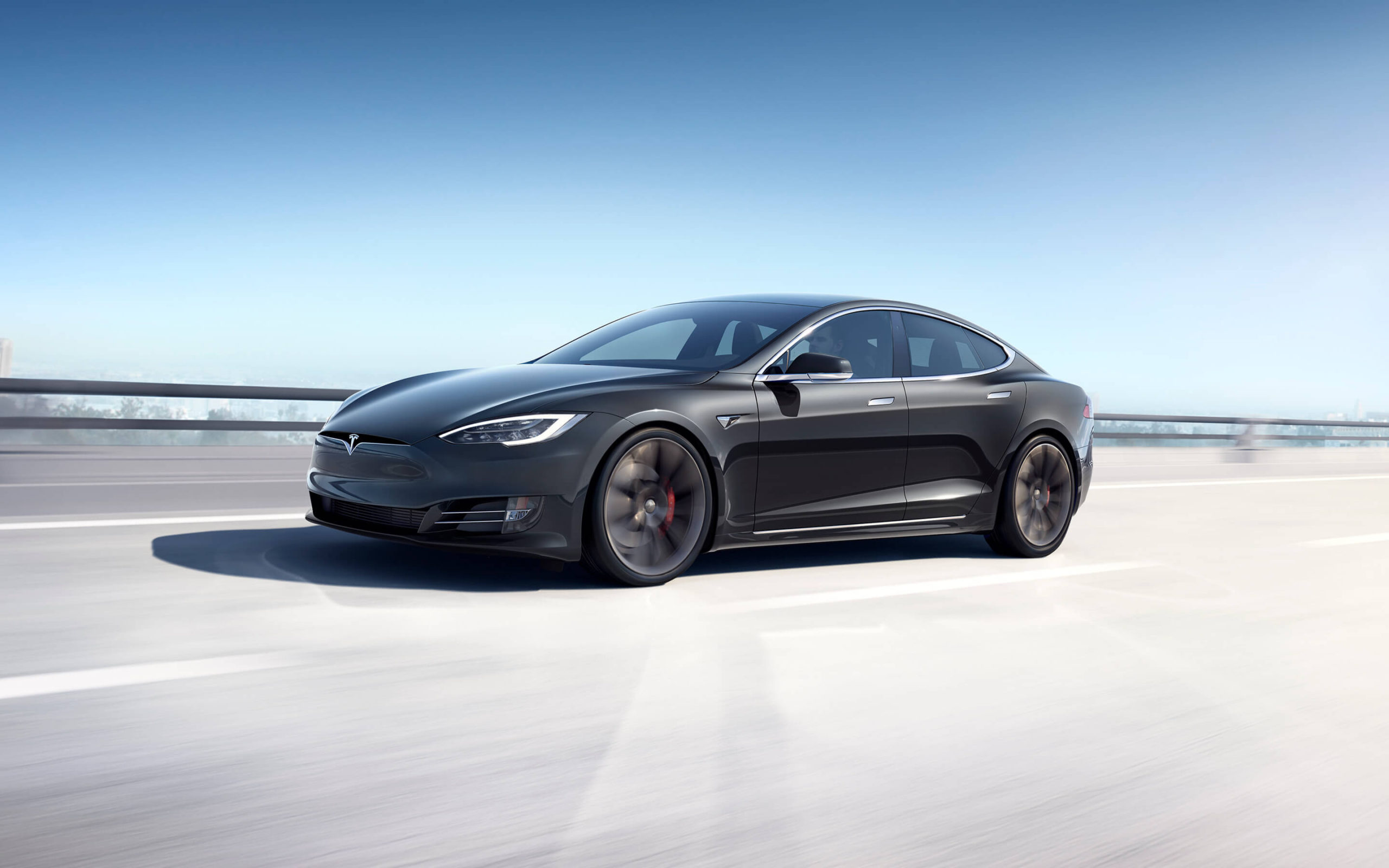
    Tesla, the American electric carmaker is expected to make its debut in the Indian market by early next year. The company reportedly will be accepting pre-bookings for the Model 3 and deliveries will follow later in the year, probably by the end of the first quarter of 2021-22. In a recent interview with Indian Express, the Union Minister for Road Transport and Highways and MSME, Nitin Gadkari has confirmed that the electric giant will start operations in the country by early 2021.

    Nitin Gadkari told Indian Express, “The minister underlined the push for electrical cars in the country and said a lot of Indian companies were also working on electrical vehicles that might be more affordable, but technically as advanced as the Tesla. He said Tesla will start operations first with sales and then maybe look at assembly and manufacturing based on the response to the cars. India is going to become a number 1 manufacturing hub for auto in five years.”

    It was earlier this year in October when CEO Elon Musk confirmed Tesla’s entry into the Indian market by 2021. This information was revealed by Musk while replying to a Tweet from a handle – ‘Tesla Club India’. Moreover, the electric vehicle manufacturer is also exploring options to open an R&D centre and a battery manufacturing facility in India.

    Tesla is expected to make its India debut with the Model 3, which reportedly could be a more affordable version. Moreover, it will come to India as Completely Built-Up (CBU) unit. Likely to be priced somewhere around ₹ 55 lakh, it might not be retailed in the country via dealerships as the EV will be handing direct sales. However, there is no official confirmation from the company regarding the same.

  • Volkswagen Taigun Teased Ahead of Launch

    Volkswagen Taigun Teased Ahead of Launch

    Volkswagen India has officially teased the upcoming Taigun compact SUV, suggesting the launch is around the corner. The carmaker released a teaser video of the Taigun on its official social media account. The SUV has been listed on VW’s official India website for collecting online enquiries. Specifically designed for the Indian market, the SUV was showcased at the 2020 Auto Expo in February. It will be based on the company’s MQB A0 IN platform, which will also be used on VW Group’s upcoming models, such as the production version of Skoda’s Vision-IN concept.

    This all-new product from Volkswagen will be slightly inspired by the T-Cross that is already on sale in the international markets. It will flaunt elements like wider grille with horizontal chrome slats and logo in the center, horizontally positioned LED headlights with LED DRLs, muscular bonnet, neatly designed bumper, large intakes, fog lamps. The production version is expected to get sporty alloys, wheel arch cladding, roof rails and LED taillamps connected by a reflective strip and smoked details similar to the concept model. The rear profile will be underlined by a muscular rear bumper, faux diffuser, heavy chrome/silver details, and matching side skirts.

    On the inside, the SUV will feature dual-tone black and grey upholstery along with a premium interior with body-colored panels on the dashboard, centre console and doors. The SUV is expected to come equipped with an all-digital instrument console, bigger touchscreen infotainment system, fast-charging USB slots, and app-based connected features, flat-bottom steering wheel, rear AC vents, automatic climate control and more.

    Mechanically, the soon-to-be-launched Taigun compact SUV will be powered by a 1.0-liter three-cylinder turbocharged TSI petrol engine. The unit is likely to develop 113 bhp and 200 Nm of peak torque. Transmission options could include a 6-speed manual gearbox as standard along with an optional 7-speed DSG automatic. The company will not offer an all-wheel-drive (AWD) variant of the SUV. When launched, it will rival the Hyundai Creta, Kia Seltos, Renault Duster and the MG Hector.

  • Vietnam’s sixth carrier making plans to take of by mid-January

    Vietnam’s sixth carrier making plans to take of by mid-January

    Vietravel Airlines, Vietnam’s sixth carrier, has received permission to fly aircraft for commercial purposes, and plans to begin operations in mid-January.

    It received the aircraft operator certificate from the Civil Aviation Authority of Vietnam (CAAV) last week, the last permit it needed to fly.

    Vietravel would start selling tickets in January, Vu Duc Bien, its general director, said. It targets breaking even in its second year of operations, he said

    Starting amid the turbulence created by the pandemic has helped the carrier acquire good aircraft and pilots and engineers at competitive rates besides benefiting from low fuel costs and a stimulus package from the government, he added.

    It recently took delivery of its first 220-seat Airbus A321CEO plane and is due to get two more soon to meet the increased travel demand during the Lunar New Year Tet in Februrary, 2021.

    Based at Phu Bai International Airport near Hue, Vietnam’s former imperial capital, it will start with services to Hanoi and HCMC before expanding to major tourist destinations like Nha Trang, Da Nang and Da Lat.

    It has hired some 200 pilots and flight attendants, and is looking to expand its fleet to 30 to prepare for international operations.

    It plans to fly to Southeast Asia, especially Thailand, the Middle East and Northeast Asia, markets that Vietravel services.

    The airline enters a fiercely competitive aviation market which already has five players, Vietnam Airlines, Vietjet, Jetstar Pacific, Vietnam Air Services Company, and Bamboo Airways, at a time when the industry has gone through one of its most challenging years ever due to Covid-19 restrictions, which have caused airlines huge losses.

  • Goldman Sachs Proffers Affluent Wealth App

    Goldman Sachs Proffers Affluent Wealth App

    The U.S. investment bank plans to expand its wealth offering to affluent clients. The move represents a further departure from its Wall Street roots.

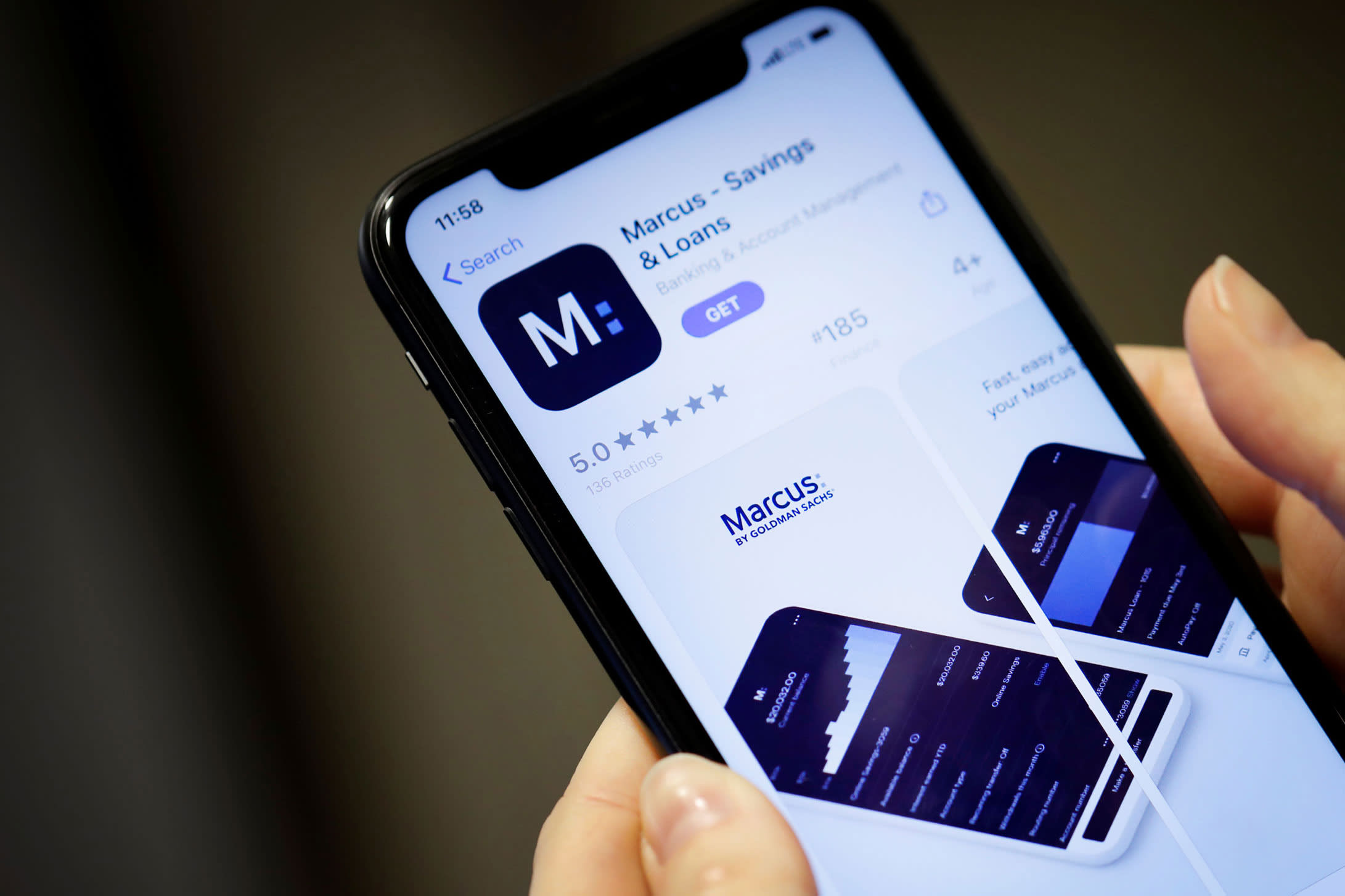
    Goldman Sachs, the best-known investment bank in the world, is pushing deeper into mass-market banking. Four years after launching Marcus for retail clients, the New York-based company is now releasing an app for affluent clients to invest, according to a report by CNBC which cites an internal memo.

    A beta version of the app – Marcus Invest – has already started and a wider launch is planned for the first quarter. Employees are the first to test Marcus Invest, which charges an annual fee of 0.15 percent of assets.

    The move is emblematic of how Goldman, known as Wall Street’s most voracious trading house, is quietly seeking a reinvention as a trusted wealth manager under CEO David Solomon. Though still minute in comparison to its investment banking activities, the wealth arm has steadily expanded in recent years – including returning to the world’s largest offshore center.

    Goldman’s entrance into the mass affluent market was foreshadowed by Marcus, which it launched in 2016 in the U.S. and expanded to the U.K. two years ago. Marcus was so successful in hoovering up British money that Goldman reportedly shut it to new clients this year. The app was meant to be launched in Germany as well, a move which was pushed back due to Brexit as well as the pandemic.

    Until recently, Goldman’s wealth managers catered only to the wealthiest of clients and those who also commanded investment banking-grade services (generally from $25 million in assets and up).

    Unlike traditional wealth managers, Goldman is making technology a backbone of its efforts to court the wealthy – plowing billions into its own development as well as into deals. It bought United Capital, a tech-backed wealth manager, last May, but has been quietly acquiring consumer banks and wealth managers since 2016.

  • Qualcomm is no longer the top supplier of chipsets for smartphones

    Qualcomm is no longer the top supplier of chipsets for smartphones

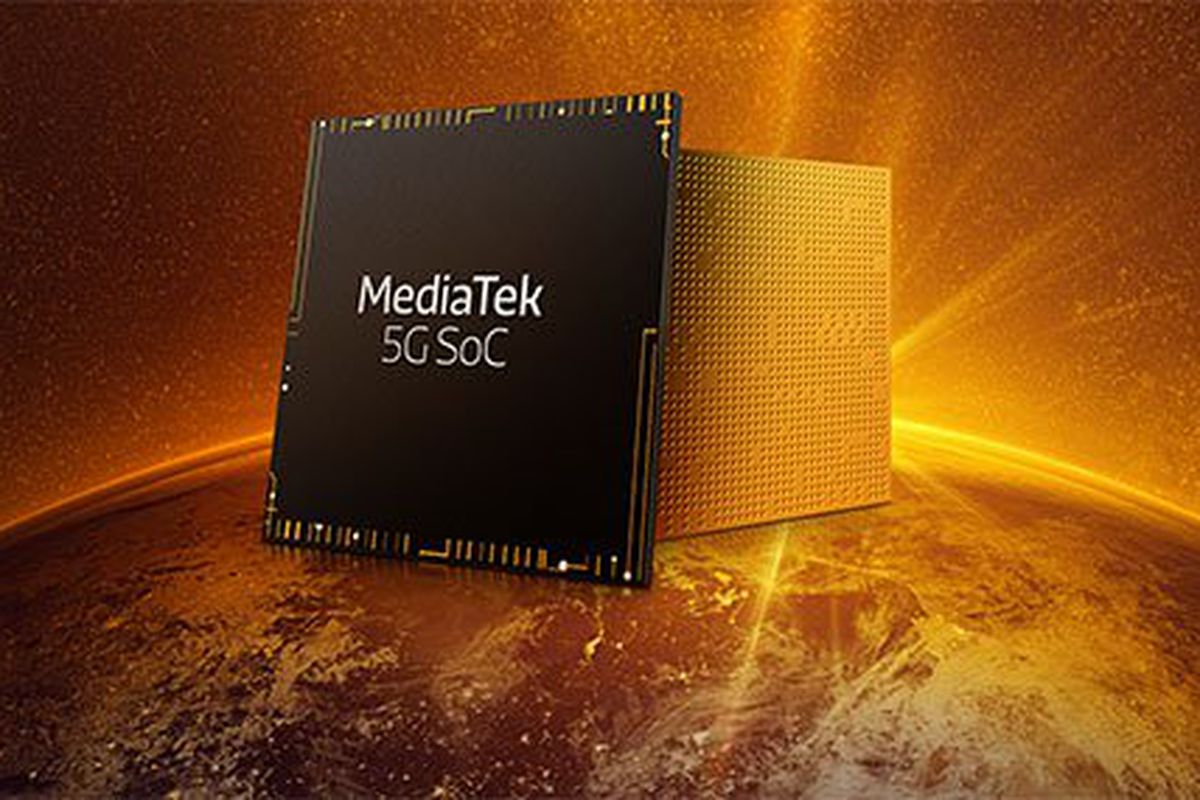
    There has been a change in the smartphone industry. During the third quarter of this year covering July through September, MediaTek overtook Qualcomm to become the top provider of chipsets for the smartphone industry with a 31% share of the market. Counterpoint attributes MediaTek’s success to strong sales of phones in the $100-$250 price range amid strong growth in the top two smartphone markets in the world; that would be China (#1) and India (#2). As a developing country, Indian consumers prefer value brands many of which use MediaTek chips instead of Qualcomm’s pricier Snapdragon silicon.

    This is not to say that Qualcomm couldn’t find a sweet spot for growth in Q3. With 39% of the market, the chip maker is the leading provider of 5G chipsets for phones and this is a market that doubled during the third quarter. Counterpoint says that 17% of  all phones sold during the third quarter supported 5G. That figure is expected to rise to 33% for the current quarter that started in October and concludes at the end of the year. With strong growth in 5G shipments for the fourth quarter, Qualcomm does have a chance to take back the crown that MediaTek took away from it.

    MediaTek’s leading 31% share of the smartphone chipset market was a 19% percent gain from the 25% share that the Taiwan based firm had last year. During the same time period, Qualcomm’s slice of the chipset pie for handsets declined from a leading 31% to the current 29%. Apple was third as its A-series chips, built exclusively for its phones and tablets, garnered 12% of the market. That put Apple in a three-way tie with Samsung and Huawei’s HiSilicon unit.

    Counterpoint Research Director Dale Gai pointed out that “MediaTek’s strong market share gain in Q3 2020 happened due to three reasons – strong performance in the mid-end smartphone price segment ($100-$250) and emerging markets like LATAM (Latin America) and MEA (Middle East and Asia), the US ban on Huawei and finally wins in leading OEMs like Samsung, Xiaomi and Honor. The share of MediaTek chipsets in Xiaomi has increased by more than three times since the same period last year. MediaTek was also able to leverage the gap created due to the US ban on Huawei. Affordable MediaTek chips fabricated by TSMC became the first option for many OEMs to quickly fill the gap left by Huawei’s absence. Huawei had also previously purchased a significant amount of chipsets ahead of the ban.”

    Gai also noted that, “On the other hand, Qualcomm also posted strong share gains (from a year ago) in the high-end segment in Q3 2020, again thanks to HiSilicon’s supply issues. However, Qualcomm faced competition from MediaTek in the mid-end segment. We believe both will continue to compete intensively through aggressive pricing, and mainstream 5G SoC products into 2021.”

    Counterpoint Research Analyst Ankit Malhotra added, “Qualcomm and MediaTek have both reshuffled their portfolios, and consumer focus has played a key role here. Last year, MediaTek launched a new gaming-based G-series, while Dimensity chipsets have helped in bringing 5G to affordable categories. The world’s cheapest 5G device, the realme V3, is powered by MediaTek. Using his crystal ball to look into the future, Malhotra said, “The immediate focus of chipset vendors will be to bring 5G to the masses, which will then unlock the potential of consumer 5G use cases like cloud gaming, which in turn will lead to higher demand for higher clocked GPUs and more powerful processors. Qualcomm and MediaTek will continue to contend for the top position.”

  • The entire Retail News Editorial team wishes you a Joyful and Merry Christmas

    The entire Retail News Editorial team wishes you a Joyful and Merry Christmas

    It’s been a difficult year; we better say the most difficult year in decades with Covid-19 and all social restrictions that were put in place. But we were resilient, and prepare ourselves for a better year.

    Hopefully with more and more retail events and summits; cause that’s what we retailers live from. Showcase and demo products, networking, and meeting up with customers and vendors. It’s not that far ahead of us… we already prepare ourselves in order to get ready when the markets are ready again to shift gears.

    Thanks for being part of the largest retail community covering Asia this year. The entire Retail News Editorial team is wishing you a Happy Holiday season. We wish you joy and peace in the upcoming year. Wishing you all the joys of the season and happiness throughout the coming year.

    Thanks for support us; thanks for reading us and stay close in the new year!


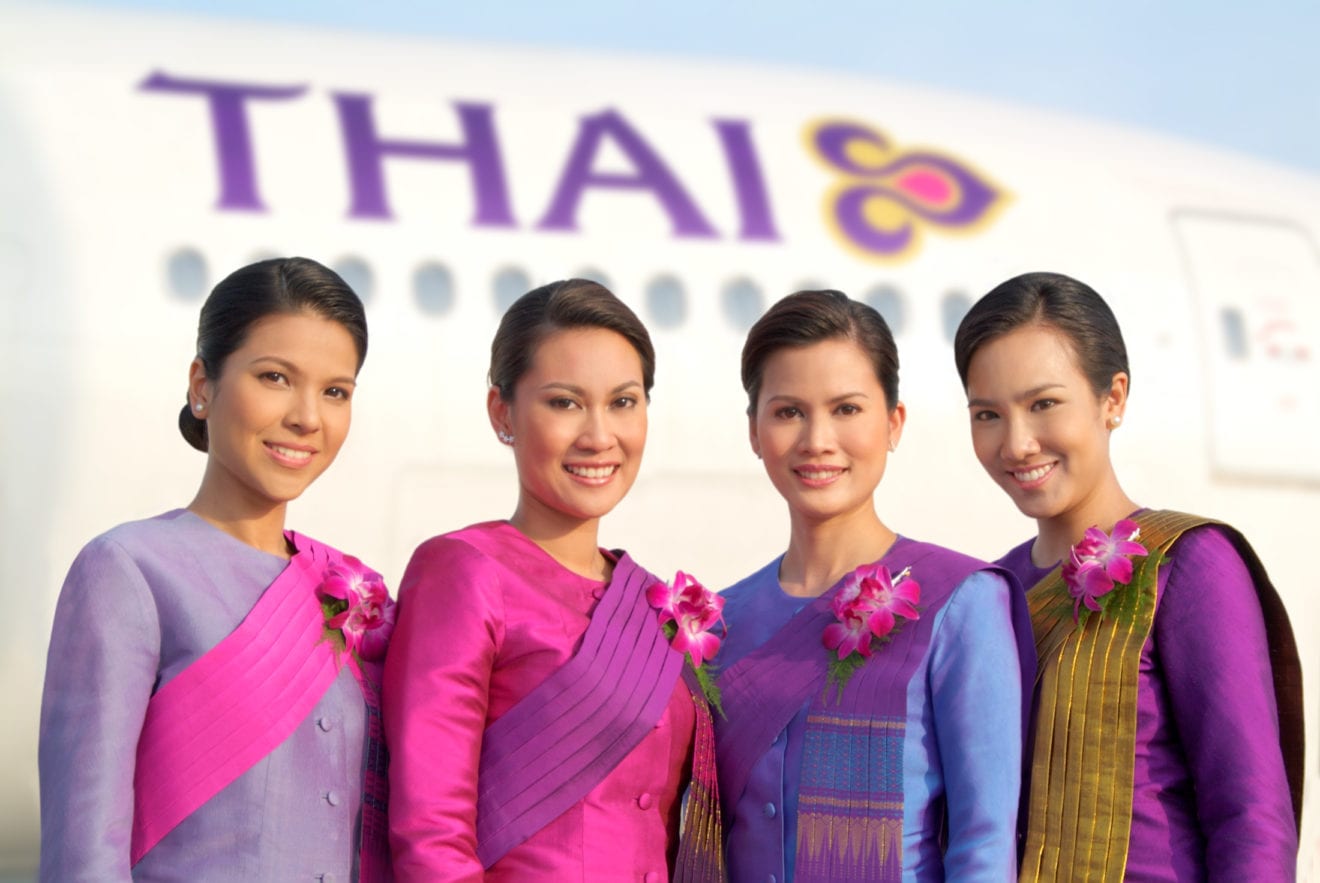
  • Thai Airways Launches Scenic Fly By and Over Buddhist Attractions

    Thai Airways Launches Scenic Fly By and Over Buddhist Attractions

    Proving the ‘flights to nowhere’ trend is taking off, Thai Airways has given religious tourists a bird’s-eye view of 99 holy places across Thailand. Olivia Palamountain reports.

    Led by “celebrity fortune-teller and religion history expert” Dr Khata Chinbunchon at the end of November, the “Thai Magical Flying Experience Campaign” from Thai Airways gave Buddhists the chance to see 99 sacred sights from the air, complete with chanting.

    Passengers on the Thai Airways flight from Bangkok received Buddhist prayer books and a special in-flight meal while flying over temples in 31 provinces before returning home. Tickets ranged in price from 5,999 baht (£149) to 9,999 baht (£248).

    The sacred sights included Bangkok’s Wat Arun and Wat Phra Kaew (commonly known as the Temple of the Emerald Buddha), Phra Samut Chedi in Samut Prakarn, Wat Phra Boromma That Chaiya in Surat Thani and UNESCO-listed heritage sites in Sukhothai and Ayutthaya, in the kingdom’s central plains.

    Part of a plan to boost domestic tourism, the initiative comes hot on the heels of similar offerings from the likes of Qantas, China Airlines and Eva Air, all of which have launched their own series of scenic and themed flights over the past few months. Globetrotter has also reported on Covid-secure luxury cruises to nowhere, recently launched in Singapore.

    Tourism accounts for up to 20 percent of GDP in Thailand, and in a blow to the national carrier, the kingdom has remained shut to foreign travellers throughout the pandemic. However, the airline had been struggling even before coronavirus turned travel upside down. Estimates suggest it is now buried under £6 billion worth of debt.

    Still, Thai Airways has been a pioneer of creative initiatives that boost revenue. The airline has put bags made from life vests and slide rafts on sale, opened an airline-themed café selling in-flight meals in Bangkok, and a food stall selling dough fritters. It has also opened its Airbus and Boeing flight simulators to the public.

    In the autumn, Thailand reopened its borders to international travelers with the launch of a new 90-day Special Tourist Visa (STV).

  • Asia is Ready for a Digital Banking Revolution

    Asia is Ready for a Digital Banking Revolution

    In the next three years, Asia will see more than fifty new digital banks that will completely change the financial services landscape. That’s just the beginning, GFT’s Christopher Ortiz says. The region will also see broader adoption of blockchain technology with new private exchanges, multi-currency e-wallets and digital assets.

    Some of the incumbent banks understand that a technological revolution is inevitable and are working on a digital reshaping of their offering, with broader cloud adoption, end-to-end digitalization of processes and a revamped user experience. What’s interesting is the focus remains predominantly on the retail offering, while the institutional and wealth businesses are trailing behind, weighed by the concept of personalized relationships.

    While this remains true for the current core client base of the top wealth managers, some wealth players are underestimating the impact of the transfer of wealth to the next generation, who despite not being digital natives have already adopted a complete digital lifestyle.

    Some of the most prestigious Swiss private banks understand the impending evolution and have already started a deep transformation of their offering and services with a digital mindset, to smoothly transition to a real personal digital experience. Asian wealth institutions are poised to start this process and revisit the impact of these new services on their current revenue streams.

    This is no longer about providing digital channels; that was the goal of the past ten years. The challenge is to reshape business models and create revenue-generating digital processes and services. It is estimated that cloud migration can help financial institutions reduce 80 percent of their mainframe costs, but this is not a short migration process it could take several years. As such, our recommendation to CIOs is to start embracing the cloud and initiate the migration as soon as possible.

    By 2025, most banking services will be completely digitalized. Multi-currency e-wallets with multiple central bank digital currencies and stable coins will replace physical currency, and the broad tokenization of investment assets and real state will be a reality, while most cross-border transactions will be booked on DLT technology. Financial intermediaries will also have reinvented themselves.

    Banks, as we know them today, are undergoing a fundamental change to become IT platforms with a banking license. However, the overall readiness of current financial services incumbents is under par. With some exceptions, the risk-aversion mindset is likely to prevail, and the lack of a transformational change mindset will stretch the profitability and long-term survival of key incumbents.

    The median age in Asia is around 30 years old, and about 70 percent of the region’s population is underbanked. The scale and challenges are unprecedented.

    In addition, If we look at the amount of unserved retail wealth in Asia, the opportunities are limitless. Yes, Asia will witness a revolution. Now it’s up to the incumbents to jump on the wagon and help drive it.

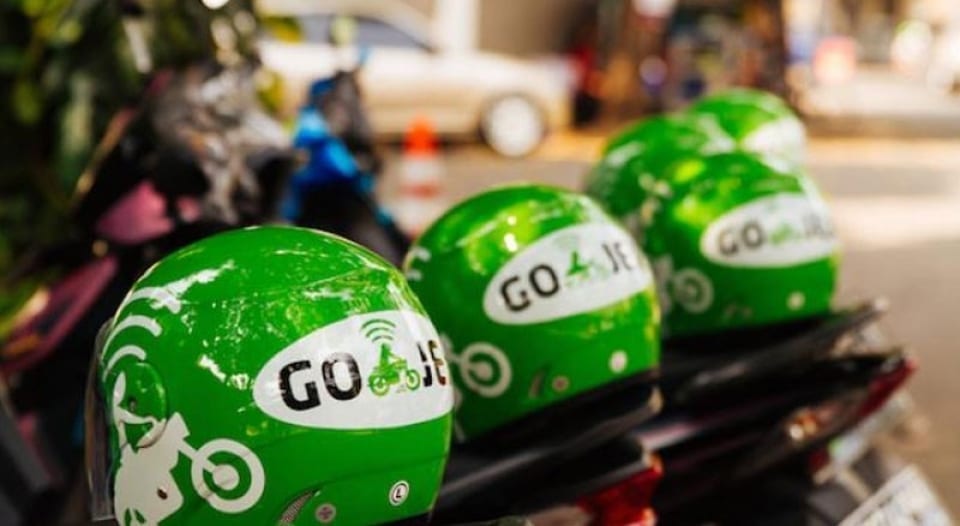
  • Gojek Makes Financial Push in Indonesia

    Gojek Makes Financial Push in Indonesia

    The Indonesia-headquartered super-app is increasing its stake in Bank Jago as part of its bid to accelerate financial inclusion in Asia.

    Gojek’s payments and financial services arm GoPay will own 22.2 percent of Indonesia’s Bank Jago, up from 4.1 percent, as part of a deal worth $159 million. Controlling shareholders Metamorfosis Ekosistem Indonesia and Wealth Track Technology will continue to own a combined 51 percent of the bank.

    The deal is a key part of our strategy and will underpin the growth and sustainability of our business in the long term,» Andre Soelistyo, Gojek Co-CEO, said in an announcement on Tuesday.

    The partnership will allow Gojek users to access digital banking services through its platform, as well as to instantly open a bank account with Jago and manage their finances via the super-app.

    Bank Jago is a technology-based bank that delivers digital banking services for the SME, consumer and mass-market segments in Indonesia, home to the fourth-largest unbanked population globally.

    Some 52 percent of adults (95 million people) do not own a bank account and a further 47 million adults are underbanked or have insufficient access to credit, investment and insurance, Gojek noted.

    As a bank designed with an open API, we will go on to work with multiple digital ecosystems to reach a wider audience and drive our aspiration to enhance the finances of millions of people through digital financial solutions, Kharim Siregar, Bank Jago’s president director, said.

  • More Japanese firms opt for Vietnam after China

    More Japanese firms opt for Vietnam after China

    Twenty-two more Japanese firms have registered Vietnam as their next investment destination under a scheme in which the Japanese government will fund a production shift from China.

    With the latest additions, 37 out of 81 Japanese firms receiving the government’s subsidies to move factories out of China and set them up in Southeast Asian markets have opted for Vietnam, Japanese ambassador to Vietnam Yamada Takio said at a conference between Japanese firms and the Vietnamese government Monday.

    In July, the Japan External Trade Organization (Jetro) released an official list of 15 Japanese firms that had chosen to move to Vietnam. Most of these firms make medical equipment while the rest produce semiconductors, phone components, air conditioners or power modules.

    “Vietnam currently tops the list of potential investment destinations among Japanese firms choosing to diversify their supply chains,” Yamada said, adding that Thailand came second with 19 firms.

    He said while many economies around the world were struggling to fight against the Covid-19 pandemic, Vietnam has successfully contained outbreaks and is one of the few economies posting positive growth in 2020, estimated at 2.48 percent.

    In the first 11 months of this year, Vietnam’s total export value reached $489 billion, up 3.5 percent year-on-year.

    “In the world, only Vietnam has achieved such great success,” Yamada said. As a result, Vietnam has become more attractive for foreign investors, including Japanese enterprises, he said.

    The Japanese government had earlier announced a 243.5-billion-yen ($2.3 billion) stimulus package to help Japanese companies move production out of China. Jetro said the Japanese government will give each company 0.1-5 billion yen for the move.

    Though Vietnam has emerged as an attractive destination for Japanese investors, there are investment environment problems that need to be resolved, it added.

    Many Japanese firms have complained to the Vietnamese government about complicated administrative procedures.

    Nakagawa Tetsuyuki, general director of Aeon Mall Vietnam, said their projects often take a long time to complete admin procedures. Some projects have to wait more than one year to receive the investment registration and land use right certificate.

    For projects that need approval under the Prime Minister’s licensing authority, it takes even longer, Tetsuyuki added.

    Therefore, Japanese businesses expected the government to shorten and speed up administrative procedures to improve business environment.

    Japanese firms are also concerned about tax incentives, equitization and entry and quarantine policies, infrastructure, and human resources.

    Japan was the fourth-largest foreign direct investor in Vietnam in the first eight months of this year with a total registered capital of $1.64 billion, behind Singapore, South Korea and mainland China.

  • Thai cement giant buys 7th packaging firm in Vietnam

    Thai cement giant buys 7th packaging firm in Vietnam

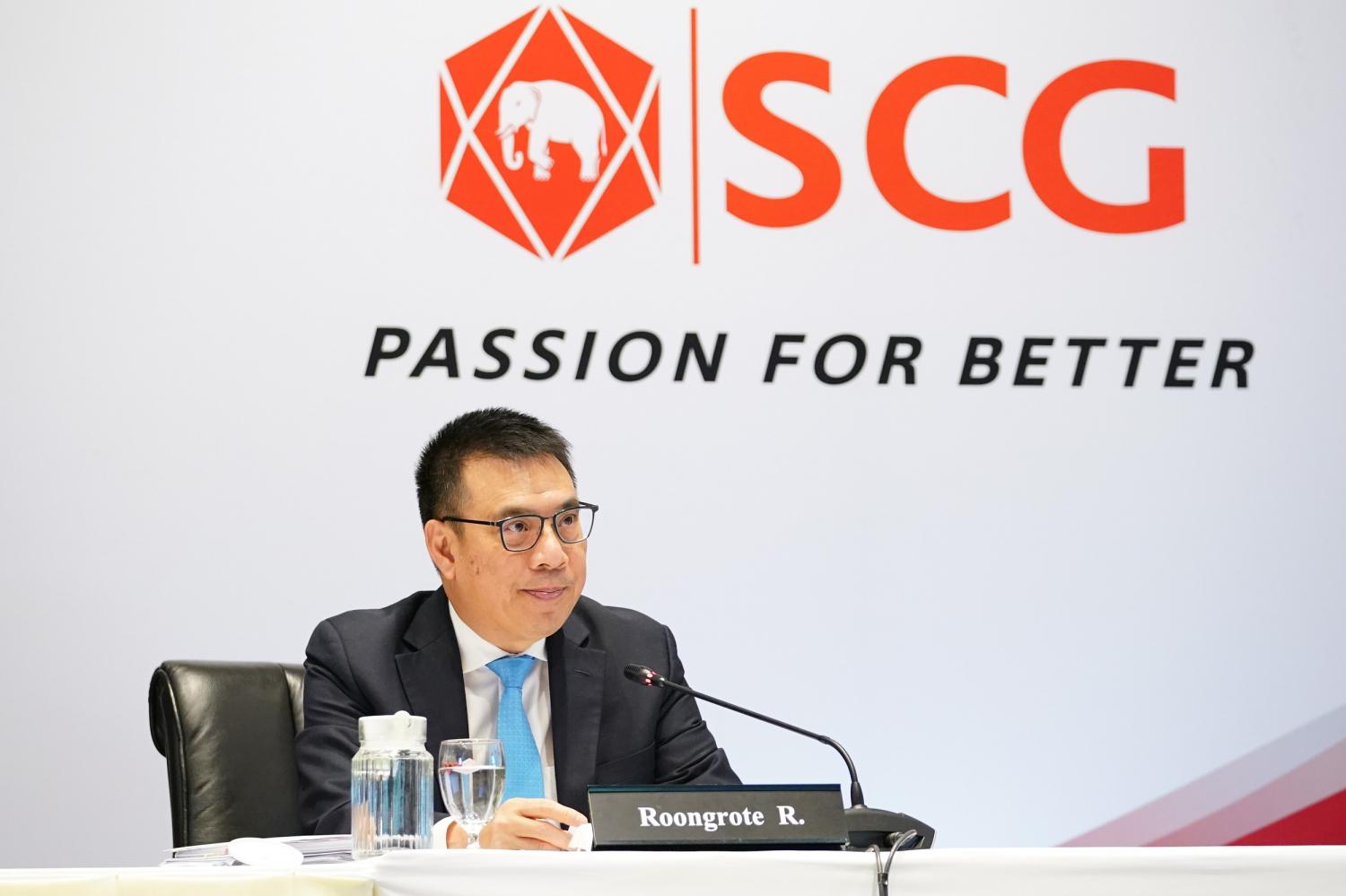
    Thai cement giant SCG Group has acquired its seventh packaging company in Vietnam, Bien Hoa Packaging, at a cost of VND2.07 trillion ($89 million).

    The company owns a 94.11 percent stake in the company through its subsidiary Thai Containers Group Company Ltd, according to a recent statement.

    It paid VND171,450 ($7.38) for each share of Bien Hoa Packaging, 84 percent higher than the current market price.

    Bien Hoa’s clients are mainly high-growth consumer brands that are multinationals, the statement said.

    Its three manufacturing facilities in southern Vietnam will enlarge SCG’s customer base in the food, beverage and fast-moving consumer goods segments, it added.

    One of the six companies SCG acquired earlier is the largest in the country, Kraft Vina, a joint venture with Japanese packaging firm Rengo.

    SCG was one of the earliest foreign investors in Vietnam, coming as it did in the 1990s.

    Over the last decade it has been pouring money to acquire major companies, including one of the largest plastic producers, Binh Minh Plastics.

  • Key Apple supplier is one step closer to building its new U.S. factory

    Key Apple supplier is one step closer to building its new U.S. factory

    Back in May, the world’s largest foundry, Taiwan Semiconductor Manufacturing Co. (TSMC), was going to announce that it was building a U.S. based chip manufacturing facility. The U.S. facility moved one step closer to reality. Taiwan’s ministry of economic affairs gave the go ahead for TSMC to proceed with the first phase of building the factory in Arizona with an investment of $3.5 billion. The total cost of the facility is expected to be close to $12 billion.

    The country’s ministry of economic affairs has the job of authorizing major investments made overseas by Taiwan companies. TSMC’s application has been approved by the ministry according to an announcement made earlier today. The plant is expected to be operating by 2024 and churn out chips made using the 5nm process. By that year, the most cutting-edge integrated circuits will be made using the 3nm process. TSMC’s Arizona factory will turn out 12-inch wafers with as many as 20,000 a month rolling out of the facilities.

    The factory was originally planned by President Donald Trump as a sign that the U.S. would become a leader in tech production. While many U.S. companies design their products in the states like Apple does, the actual manufacturing is usually done overseas in Taiwan or China. For example, the iPhone is designed in Cupertino but is assembled by three Taiwan firms. Trump had asked TSMC to announce its plans prior to the U.S. election as he figured that his chances for re-election would get a shot in the arm if he could announce that the world’s largest chip manufacturer was building a plant in the states. However, it looks as though Trump will be out of office by the time the factory in Arizona starts volume production.