Author: Mei Ling Tan

  • Volkswagen Bets On Porsche Racecar Engineer To Help Overtake Tesla

    Volkswagen Bets On Porsche Racecar Engineer To Help Overtake Tesla

    Alexander Hitzinger, a 49-year-old engineer who defected to Apple after helping to develop Porsche’s winning 919 racecars, has been lured back to Volkswagen Group for perhaps his biggest challenge yet – building an electric car to take on Tesla. While Volkswagen, the world’s largest automaker, has been rolling out electric vehicles from the ID.3 compact to the high-end Porsche Taycan, analysts say it needs a more comprehensive system that integrates electric power with new self-driving and infotainment technologies if it hopes to overtake Tesla.

    It has turned to Hitzinger, whose ability to conceptualize clean-sheet designs and manage projects helped Porsche develop a racecar that won the Le Mans endurance race in 2015, 2016, 2017. After a stint working on Apple’s autonomous cars, Hitzinger now heads up Volkswagen’s “Project Artemis”, named after the Ancient Greek goddess of hunting, with the aim of chasing down electric car pioneer Tesla. “At Porsche, I always thought of a vehicle as a comprehensive system. This is a very important point. It is what Tesla does well,” he explained in a video interview.

    The task of building a car has gotten more complex with the advent of electric and autonomous driving technologies, forcing new battery-driven powertrains to compete for electricity with camera, radar, and lidar sensors, plus infotainment systems. Rather than stitching together separately designed systems, Artemis wants to create something new and seamlessly integrated, from the ground up, Hitzinger told Reuters. “The idea behind Artemis is to have a comprehensive understanding of the vehicle. When something is optimized, this has knock-on effects and these need to be understood.”

    Volkswagen’s “Project Artemis”, named after the Ancient Greek goddess of hunting, with the aim of chasing down electric car pioneer Tesla

    Allocating processing power between propulsion, automated driving and infotainment systems such as satellite navigation and music streaming is a key challenge, he said.

    “The human-machine interface, the interior design, the exterior design, aerodynamics and the range are all interconnected. If I modify something on the exterior, it will impact the aerodynamics and the efficiency,” Hitzinger said.

    Volkswagen Group, whose brands range from budget Seats and Skodas to high-end Audis and Bentleys is now focussing on developing systems that can handle all these new demands.

    The car, which is due to be produced in 2024, will make use of components developed for Porsche and Audi’s premium electric vehicle platform, PPE. The group’s factory in Hanover, Germany, is being retooled to build an electric sport-utility vehicle for Audi, Bentley and Porsche.

    Having a small team of highly qualified engineers, who are empowered to take decisions unencumbered by the corporate bureaucracy of the Volkswagen empire, should end up producing a better vehicle more quickly.

    Analyst say VW needs a more comprehensive system that integrates electric power with new self-driving and infotainment technologies if it hopes to overtake Tesla.

    Project Artemis will have between 200 and 250 staff once Hitzinger is done hiring, up from 10 at present.

    “I am putting the team together on a top-down basis. The managers come first. Then I look for A-players, who will attract other A-players. I don’t want managers, but people who love to develop technologies, who are prepared to take risks,” he said.

    Artemis will seek to draw on existing skills within the Volkswagen Group, such as expertise in making vehicle bodies at Audi, but take the lead in developing new techniques that speed up production and improve the customer experience.

    “We want to set new standards for what a customer can do in a vehicle and how he interacts with the car,” Hitzinger said.

    He declined to elaborate on what user experiences the new car would offer, citing the confidential nature of the project.

    He also declined to comment on a power struggle unfolding at Volkswagen, which has convened its executive committee to meet on Tuesday to decide whether to extend CEO Herbert Diess’s contract.

  • Thai company buys Vietnam solar farm

    Thai company buys Vietnam solar farm

    Thai energy firm Gunkul Engineering Plc has acquired the 50-megawatt Phong Dien II solar power plant in the central Thua Thien Hue Province for $39.9 million.

    The plant is set to begin commercial power generation on December 15 with a feed-in tariff of 7.09 U.S. cents per kilowatt-hour for 20 years.

    The acquisition is part of the company’s plan to expand in Southeast Asia in the renewable energy sector, which it says has low risk and high growth potential

    Other Thai investors have also made moves to buy solar power plants in Vietnam, taking advantage of the country’s incentive feed-in tariffs to promote solar energy amid growing demand for electricity.

    Other Thai energy firms have also been busy in Vietnam.

    Gulf Group increased its ownership of two solar farms in the southern province of Tay Ninh from 49 percent to 90 percent during the second quarter of this year.

    Super Energy Corporation has invested $457 million in four solar power plants in southern Vietnam.

    Power production by Vietnam’s 100 odd solar plants surged 2.3 times year-on-year in the first 10 months to 7.95 billion kilowatt-hours, according to Vietnam Electricity.

  • BlackBerry and Amazon Team Up On Vehicle Data And Software Platform

    BlackBerry and Amazon Team Up On Vehicle Data And Software Platform

    Canadian technology specialist BlackBerry and e-commerce titan Amazon have developed a cloud-based software platform designed to help automakers and suppliers standardize vehicle data and speed deployment of new revenue-generating features and services, the companies said on Tuesday.

    BlackBerry and Amazon Web Services (AWS) said the new intelligent vehicle data platform, called IVY, will compress the time to build, deploy and monetize in-vehicle applications and connected services across multiple brands and models, making it easier for automakers to collaborate with a wider pool of developers to accelerate the development of apps and services.

    Carmakers have been reluctant so far to share with outside technology providers much of the data generated by their vehicles. IVY is designed to complement and run simultaneously with new digital vehicle architectures developed by Volkswagen, General Motors and others.

    The platform is built on BlackBerry’s QNX, a vehicle operating system in 175 million vehicles worldwide, according to John Wall, head of BlackBerry Technology Solutions.

    “The biggest challenge that most carmakers have in getting applications in the vehicle or monetizing their data is that there is no standardized way to access the data,” Wall said.

    One goal of BlackBerry and AWS is to establish IVY as a standard platform across the auto industry, as Apple and Google have done in mobile phones through their iOS and Android platforms.

    Without that standardization, Wall said, automakers “can’t really establish an ecosystem” or leverage the broader community of app developers. IVY is expected to be installed on the first production vehicles in the model year 2023, said AWS executive Sarah Cooper. BlackBerry and Amazon declined to say which companies will be the first to use IVY.

  • Hyundai Motor To Launch Dedicated EV Platform In Major Push Into Electric Cars

    Hyundai Motor To Launch Dedicated EV Platform In Major Push Into Electric Cars

    South Korea’s Hyundai Motor Group said on Wednesday it will introduce an electric vehicle-only platform early next year that will use its own battery technology to cut production time and costs.

    The plan underscores efforts by the world’s No.5 auto group to become a major player in the global EV market, as car makers around the world are pouring billions of dollars of investment to improve battery technology, which keeps EV prices high compared with combustion engine models.

    Market leader Tesla said in September it aims to halve the cost of its EV batteries and bring more production of the key auto component in-house to lower EV prices to $25,000 each.

    Hyundai expects its dedicated Electric Global Modular Platform (E-GMP) will allow it to use its own battery module technology across various EV models and cut the number of components by 60%.

    “E-GMP will be highly effective in expanding the Group’s EV leadership position as it will enable the company to enlarge its EV line-up over a relatively short period through modularisation and standardisation,” it said in a statement.

    An electric vehicle based on E-GMP will offer driving range of 500 kms (310 miles) or more on a single charge, an improvement of at least 23% from the Kona EV, the longest driving range model among Hyundai’s EV lineups.

    Hyundai Motor and its sister company Kia Motors together aim to sell 1 million EVs in 2025 to become the world’s third-largest seller of EVs.

    It has promised 23 new EVs including 11 all-electric models by 2025 and plans to introduce a family of EVs under the Ioniq brand from early next year to spearhead its near-term transition toward EV production.

  • Tokyo pop-up mask store lures shoppers with festive face coverings

    Tokyo pop-up mask store lures shoppers with festive face coverings

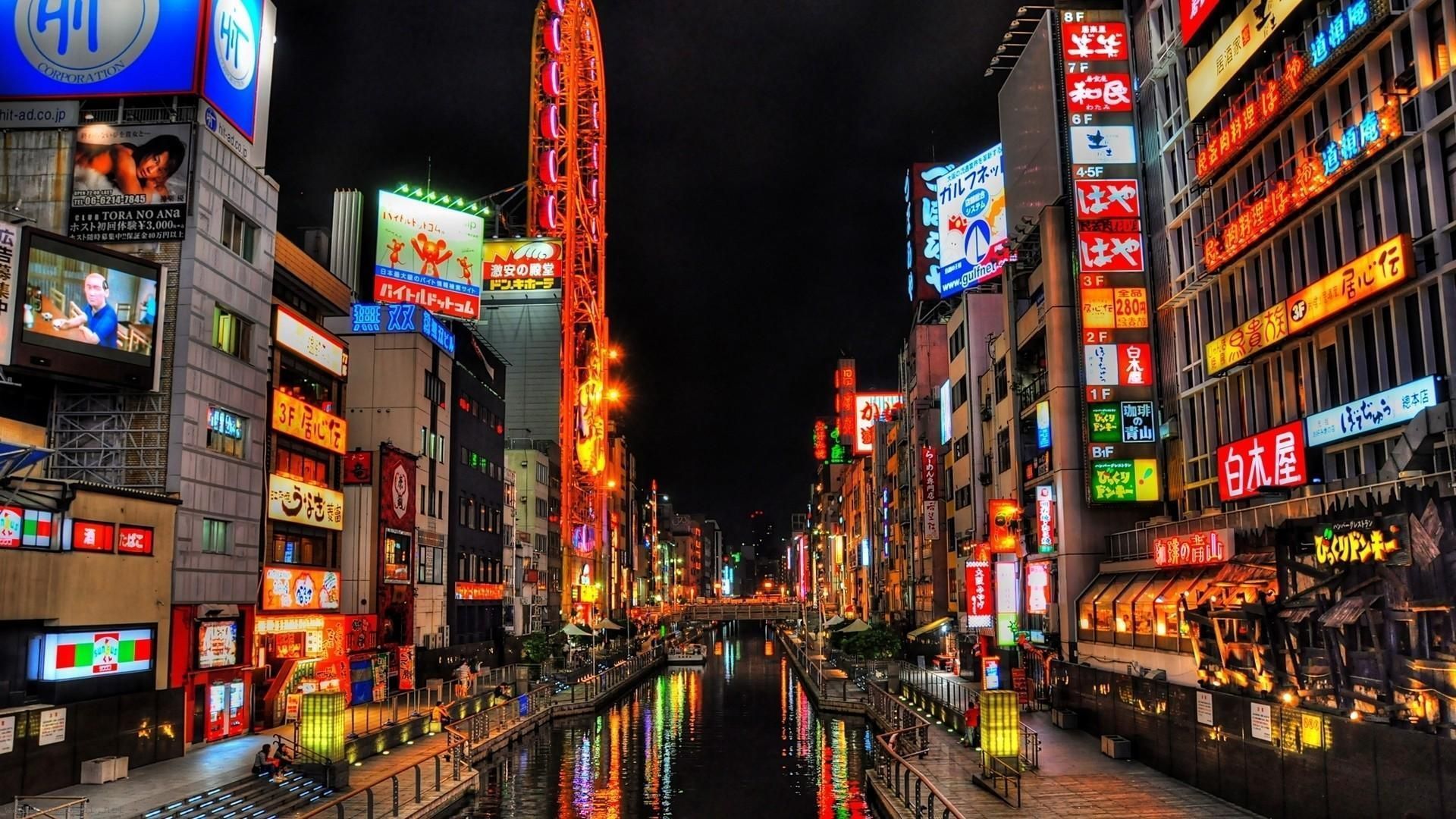
    As a new wave of coronavirus infections sweeps Tokyo, a pop-up store near Japan’s capital is luring Christmas shoppers with 250 types of face mask, including festive versions with decorative lights.

    Tokyo Mask Land, which opened Tuesday for a month in an office building in Yokohama, also has a mask bar and is offering mask-making workshops to draw visitors.

    People often wore face mask in Japan before the pandemic, particularly during the winter flu season and in Spring when cedar and cypress pollen triggers hay fever.

    Although no law mandates wearing them, it is currently unusual to see someone without a mask in Tokyo, even outside.

    The store also plans an exhibit on the history of face coverings and a photo booth featuring Christmas trees and a mannequin dressed up as Santa Claus.

    “I don’t think you would come up with an idea like this if there had been no coronavirus outbreak,” 23-year-old Ryota Nabetani, who was shopping for masks with his mother, said of the photo spot.

    Although it has had far fewer cases than in the United States and Europe, a recent surge in coronavirus infections prompted authorities in Tokyo last week to request bars and restaurants to shorten opening hours.

    Japan’s capital on Tuesday reported 372 new cases, the seventh straight day above 300, according to public broadcaster NHK.

    A spokesman for the store said it had implemented measures to ensure that visitors didn’t catch the coronavirus while shopping for masks.

  • Japanese sushi chain Sushiro eyes cross-border expansion next year

    Japanese sushi chain Sushiro eyes cross-border expansion next year

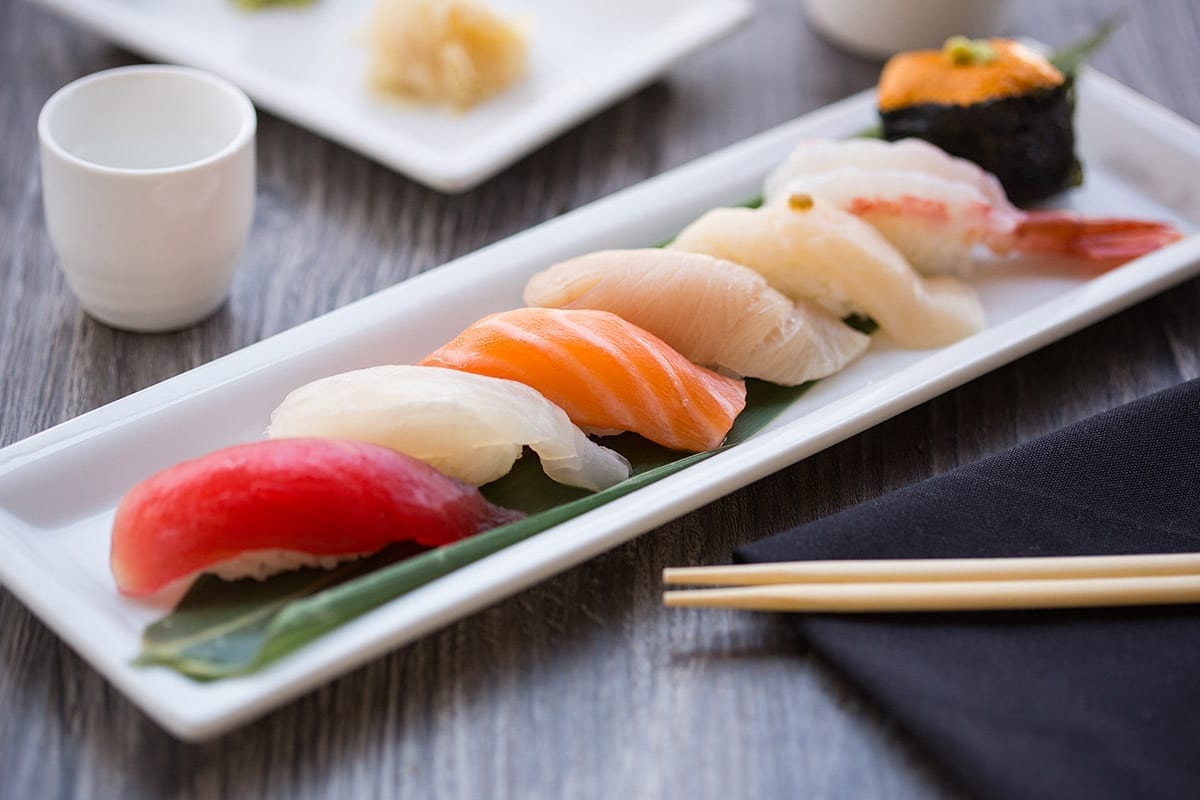
    Sushiro Global Holdings, the Japan-based operator of sushi chain Sushiro, plans to boost its Asian presence with the opening of new restaurant units in Thailand and China.

    The company will be renamed to Food & Life in April 2020. It will launch its first Thailand location in Bangkok next spring, Nikkie Asia reported.

    Sushiro will establish its business unit in China by December this year and intends to open one restaurant by September 2021.

    Commenting on the entry into these Asian markets, Sushiro Global Holdings CEO Koichi Mizutome was quoted by the publication as saying: “Asia has rice culture, and Asian people have a higher tolerance for raw fish.”

    Sushiro expects to ramp up its overseas sales to approximately 10% of total sales in fiscal 2021 by next September with the establishment of new restaurants in China and Thailand.

    The Japanese firm plans to set up 24 to 28 restaurants abroad during fiscal 2021.

    Meanwhile, the chain will slow down its expansion in the home market.

    Several Japanese sushi chains have been under pressure to focus on their growth in foreign markets due to the country’s rapidly ageing population.

  • Indonesia’s new fashion craze showcasing cosplay for cats

    Indonesia’s new fashion craze showcasing cosplay for cats

    It may not be haute couture, but former Indonesian school teacher turned tailor Fredi Lugina Priadi has found a lucrative market for his cat fashions, creating unique costumes and cosplay outfits for cats.

    After quitting his job as a teacher, he tried his hand at a number of businesses, including running a motorbike repair shop, before stumbling upon cat fashions, an idea from one of his cat-loving cousins.

    The 39-year-old now supplies outfits to picky pet owners looking to dress their felines in everything from superhero outfits for figures like Thor and Superman to cosplay characters, nurse uniforms and even traditional Islamic wear.

    “At first, my cousins who love cats gave me the idea to make these costumes and I thought it was weird,” said Fredi.

    “But it turned out to be funny to see them with costumes,” he said, speaking from his rustic workshop with a sewing machine in Bogor just south of the capital Jakarta .

    Since setting up his online business three years ago, he now generates up to 3 million rupiah ($210) a month if he sells at least four pieces a day. Each outfit is priced at between $6 to $10.

    Customer Risma Sandra Irawan has bought at least 30 outfits for her cat Sogan and puts in orders for special occasions like the Muslim festival of Eid al-Fitr or at Christmas.

    “Its for fun only…it can relieve our stress,” said Risma, who created an account on social media platform TikTok showing off Sogan’s outfits that has more than 50,000 followers.

    While many find it cute, Fredi has received some negative comments on social media from those who consider it cruel to dress up a cat and he advises buyers not to make their pet wear an outfit for too long.

    Indeed, in the wake of a boom in social media postings of pets dressed up, often in increasingly bizarre poses or outfits, some animal welfare groups have issued guidelines to make owners more aware of any signs that it may be causing their pet distress.

  • Dell backtracks on Singapore retail exit, leaving Malaysia

    Dell backtracks on Singapore retail exit, leaving Malaysia

    According to the company, they will transition out of the retail market in Singapore and Malaysia; however, customers can still purchase items via the company’s online store. An internal memo revealed the company’s intention, stating that they will cease their bricks-and-mortar retail locations in these two countries, following a review of a number of the markets they currently operate in. As a result of this withdrawal, new orders will no longer be accepted by Dell from retail stores; however, any existing contracts and agreements will still be honored by the company.

    Although customers will not be able to purchase new Dell products in physical outlets, they will still be able to purchase these via their online store and will be able to get their hands on older products and product lines in a number of retail locations.

    The company commented: “Dell Technologies has announced plans to transition out of the retail market in Singapore and Malaysia. Customers will still have access to the full complement of our products and services through Dell direct.”

  • Nike Japan ad on bullying, racism sparks hot online response

    Nike Japan ad on bullying, racism sparks hot online response

    A video ad from Nike Japan against bullying and racism that features biracial athletes and other minorities, such as those of Korean descent, has prompted a sharp online response including calls to boycott the company.

    Japan has traditionally prided itself on being racially homogeneous, although successful mixed-race athletes such as tennis star Naomi Osaka are challenging that image.

    The commercial, “Keep Moving: Yourself, the Future,” released on Nov 30, shows several teen girls bullied in school over their race or other differences, but who ultimately find confidence through soccer prowess.

    One scene features a girl whose father is Black surrounded by fellow students, squealing and pulling her hair.

    The video, viewed 14.1 million times on Nike Japan’s Twitter feed by noon (0300 GMT) Wednesday, had racked up 63,000 likes but also a cascade of critical comments from many who vowed never to buy Nike products again.

    “Nowadays, you often see one or two people of different nationalities going to school perfectly peacefully. The one that’s prejudiced is Nike,” wrote one user named “hira1216”.

    Another asked, “Is it so much fun to blame Japan?”

    Although Japanese sports fans have celebrated Osaka, who counts Nike as a sponsor and makes a cameo appearance in the ad, she was once depicted as a cartoon character by another sponsor, Nissin, with pale hair and light brown hair, while a comedy duo said she “needed some bleach”.

    Nike Japan was not immediately able to comment on the response, but said on its website it believes in the transformative nature of sports.

    “We have long listened to minority voices, supported and spoken for causes that fit our values,” it added.

    “We believe sports have the power to show what a better world looks like, to bring people together and encourage action in their respective communities.”

  • Google Steps into the VPN Market — Starting with Android

    Google Steps into the VPN Market — Starting with Android

    Google Steps into the VPN Market — Starting with Android

    With the size and dominance technology companies like Apple and Google have, it can be a surprise when there isn’t a service they offer, or, at least, one that isn’t closer to being well known. The VPN industry is a thirty-billion-dollar industry, but Google, Apple, nor Facebook have a mainstream product available. That changes with Google announcing an Android-based VPN.

    But, considering the fact that VPNs are nothing new, and plenty of ‘mainstream’ internet users are currently deploying them for professional and personal use, why has Google chosen to advance on this tech now? Read more below.

    Changing Priorities

    The issue of online security for the average internet user is growing more profound every year. The world is continuing to foster an ever more versatile approach to internet use, with public Wi-Fi spaces continuing to open up digital spaces and make public usage easier than ever before.

    Google’s decision also coincides with the broadening scope of the gaming industry. Cloud gaming services are increasing the industry’s sway over the hardware and software that goes into creating our phones. We will be using them in public spaces more than ever before, and need to ensure that our connections are safe.

    This is in line with the ongoing changes within the gaming industry. Consumer trends demand better features in support of safe and efficient gaming, and this has placed the onus on the developers to ensure that they are keeping up with the player’s priorities. In response to widespread fears over security, for instance, the online casino industry needed to ensure that the steps in using free spin bonuses were able to strike the perfect balance between efficiency and safety — all while appearing attractive enough to draw in players.

    Similarly, large scale developer Zynga, for instance, experienced a significant (and highly public) breach that put millions of users at risk. Their efforts were out of a necessity simply to continue to compete against other developers whose track records were more appealing to players.

    For Subscribers

    Google’s VPN is nestled into a subscription for their 2TB cloud storage. This isn’t exactly committing to a mainstream rollout of a Google VPN yet. Their cloud storage service has 100GB, 200GB, and 2TB tiers.

    The 2TB is the premium one which offers 10% back on Google store rewards, Pro sessions (which means users can schedule a meeting with Google experts to learn more about one of their services, features, or products), gold status on Google play points (which automatically promotes users to the third tear of the Google play points system, meaning users can earn more points to spend in the store), as well as the VPN, for seven dollars a month more than the 200GB. These perks are also available in the higher tiers for higher prices. If someone is sitting in a Starbucks, using the free Wi-Fi to send work emails or to play Call of Duty: Mobile, they can rest assured the VPN will protect them.

    Google has had a VPN-enabled system for a while now: Google Fi. This is their carrier service. How it works is that a user’s phone, in the United States and if it’s designed for Fi, will be able to connect to T-Mobile, Sprint, and U.S. Cellular towers, switching between them for whichever offers the best signal. Additionally, the device will constantly be looking for available Wi-Fi. It has a database of reliable networks which it will prefer, but it will connect whether the Wi-Fi is known or not. Enter the VPN. When connecting to Wi-Fi, it will automatically run it through Google’s VPN, ensuring their safety.

    Mainstream release?

    The Google cloud-storage VPN must be enabled. It isn’t like the Google Fi VPN which is automatically running when it connects to Wi-Fi. There is a separation. Everything is ready for a wider release.

    Google are treating the cloud-storage VPN as part of the process of rolling out into the more mainstream market. Subscribers are guinea pigs. Or, as the market is quite competitive at the moment – even if it’s lucrative – Google might be keeping it simple and exclusive, using VPNs as an added incentive to use their cloud storage services.

    Google do, however, have a business security option but isn’t a VPN – though it is something similar.

    Business Security

    In the 1990s, the original VPN technology wasn’t developed with wider use in mind. It was for businesses. They wanted their different offices spread over countries or continents to be able to access their company’s data and share files securely. As such, it was imperative to secure the connection between various terminals, as opposed to the terminals (which is what anti-virus attempts to achieve).

    Google has developed this business-use VPN technology further, without the need for a VPN itself. It’s called BeyondCorp Remote Access. It offers exactly the same service as a VPN, in that employees from untrusted networks can access their company’s sensitive data securely. Sunil Potti and Sampath Srinvias wrote in a blog post how VPNs, for businesses and organizations, might increase risk because it increases their network perimeter and assumes everyone with it can be trusted. However, their new system enables policies to be set and, therefore, access can be better managed.

    Google will always be – either through in-house innovation or acquisitions – on the forefront of technological development. As for its market interests, they might look at the business, VPN-less, remote access market as something which is better suited to their long-term goals.

  • Social Factors that Influenced the Retail Industry in 2020

    Social Factors that Influenced the Retail Industry in 2020

    In the world of retail businesses, reaching success won’t solely depend on being able to offer your goods to consumers. Instead, you need to understand that both your customers and your offer are just a cog – and a very important one for that matter – in a well-oiled machine your enterprise is, or at least needs to be. That’s why every business needs to try and define their ideal customer base as early as possible.

    By defining your customer base, you’ll be able to – more clearly – define some of the social factors that may influence your retail business experience. Needless to say, social factors do and will continue to affect your potential success. These factors are tightly connected to the changes in the overall population. Social media and the ever-growing concern for the environment are just some of the leading ones. So, with that in mind, here are some of the social factors that influenced the retail industry in 2020.

    Advertising preferences

    Since we’re living in the age of technology, it comes as no surprise that the world of advertising has experienced some serious changes. Aside from all of the traditional forms of marketing, online marketing now reigns supreme. That said, it’s important to also realize that not all consumers find the same type of advertisements equally appealing. While some consumers may find simple calls to action more appealing, others may prefer longer formats or even video advertising. That’s why retailers need to determine which approach best resonates with their audience, in order to maximize their reach.

    Buying habits

    Buying habits also changed quite a bit, especially in 2020. With consumers being encouraged to practice social distancing and minimize their outings, the way in which consumers shop in 2020 widely differs from just a year ago. What this means for the retail industry is that they also need to reshape their offer to meet this new type of demand. Additionally, 2020 brought huge emphasis on online shopping which is another thing that simply shouldn’t be neglected.

    Customer service expectations

    Customer service is arguably one of the most important areas of your business. Since without customers you wouldn’t really be able to conduct your business, you need to ensure that you provide them with the best possible service. But in order to be able to do so – at least to the best of your abilities – you’ll first need to learn what those customer service expectations are. As an example, while some customers prefer shop clerk assistance when browsing a retail store, others prefer to be left alone. An interesting way you can combat this is by introducing a two-basket system. Some stores decided to add two different colors of shopping baskets, so that the customers who prefer to be assisted could take one and the ones that prefer being left alone while shopping could take the other color.

    Dress code

    Along somewhat of the similar lines, the retail dress codes also experienced some changes. Aside from the fact that the majority of dress codes is nowadays far more casual than they used to be, they now also feature a new addition – a protective face mask. Having a clear dress code was always a great way to visually diversify your employees from the rest of the crowd. That way your customers know who to address in case they need some assistance. Even in other industries, such as the casino industry for instance, a dress code was a great way to somewhat uniform your staff. That’s why casino dress code has actually experienced very little change since its early days. And nowadays, even if your company has a very loose and casual dress code, you can still rely on the face masks to bring that sense of uniformity among your employees.

    Green consciousness

    Another change in the retail industry that’s gradually increasing its impact is the green movement. With the green consciousness being at an all-time high, more and more businesses need to recognize this and work their way towards making it an integral part of their offer. There are so many ways businesses can make their operations eco-friendlier. Offering reusable bags, discounts and special promotions to your eco-conscious consumers is just one of the ways you can make it clear to your consumers that your business also cares about the environment.

    Comfort with technology

    In the end, it’s also important to mention modern technology. Even though it may seem that everyone and their dog nowadays has access to some type of a smart device and the internet, that doesn’t necessarily mean that everyone is savvy or feels comfortable using them. That’s why retailers should ensure that their offer can be accessed both through the online world and the physical brick-and-mortar stores. This way, only will you expand your reach to both the online and the offline world but you’ll also endure that you cater to all of your customers equally.


    Undoubtedly, 2020 brought numerous changes in seemingly all industries in the world. And while  some industries were more affected by these changes than others, it’s safe to say that those industries that managed to adapt have better chances of reaching success than the ones that were overrun by all the latest trends.

  • CapitaLand sells three Japanese malls to invest in logistics

    CapitaLand sells three Japanese malls to invest in logistics

    Capitaland has divested three malls in Japan and an office building in South Korea for a total of S$448.7 million, as part of its ongoing portfolio reconstitution strategy, it said Tuesday morning in an exchange filing. It also announced that it has made its first foray into Japan’s logistics sector, entering into a joint venture with Mitsui & Co Real Estate, with CapitaLand as the majority partner, to develop and operate a logistics project in Greater Tokyo.

    The divested properties in Japan are La Park Mizue and Vivit Minami-Funabashi in Greater Tokyo, as well as CO-OP Kobe Nishinomiya Higashi in Greater Osaka, which were sold for a total of 21.99 billion yen (S$283.6 million).

    It also divested ICON Yeoksam in Seoul for 142.2 billion won (S$165.1 million) in August this year. The office building was held through a private fund, Ascendas Korea Office Private Real Estate Investment Trust (Reit) 5. CapitaLand remains the asset manager of ICON Yeoksam and will continue to receive fee income.

    CapitaLand said the divestments were done above valuation, and the buyers are unrelated third parties. Post divestment, CapitaLand will retain S$3.8 billion of assets under management (AUM) in Japan and S$2 billion of AUM in Korea.

    With the divestments, the total gross value of divestments by CapitaLand and its real estate investment trusts (Reits) would be S$3.02 billion, crossing its annual target of recycling S$3 billion of capital.

    CapitaLand and its Reits have invested more than S$3.3 billion into new assets as at end-November.

    “The divestment of these mature malls and office assets is part of CapitaLand’s capital recycling strategy to unlock value by reinvesting the capital into new growth opportunities such as the logistics sector in Japan,” said Jason Leow, president, Singapore & International, CapitaLand Group.

    “By paring down our exposure in Japan’s retail sector and leveraging our logistics experience in markets such as Singapore, Australia and the United Kingdom to expand into the new economy sector in Japan, we are responding swiftly to shifting market trends and consumer behaviors, positioning CapitaLand for future growth,” he added.

    CapitaLand’s new logistics venture in Japan is close to Central Tokyo, and is expected to be completed in Q4 2022. The four-story logistics facility will have a gross floor area of about 24,000 square metres.

    Gerald Yong, chief executive officer, CapitaLand International, said the logistics sector in Japan presents “significant opportunities” for CapitaLand.

    “The global pandemic has accelerated the growth of e-commerce and the logistics sector has been a prime beneficiary of this trend,” Mr Yong said. “We aim to achieve meaningful scale over time by leveraging Mitsui & Co Real Estate’s local knowledge and access to business opportunities to grow our logistics portfolio in Japan.”

  • Starbucks teams with Kate Spade New York

    Starbucks teams with Kate Spade New York

    This Holiday season, Starbucks is collaborating with acclaimed American life and style brand kate spade new york for the first time to offer a curated designer merchandise collection, available for a limited time at select Starbucks stores in Asia.

    The Starbucks X kate spade new york collection embodies the holiday spirit, incorporating colorful and playful designs against a New York City backdrop. Motifs of curious cats, as well as kate spade new york’s signature dots and stripes, ring in the season, is a celebration of joy, femininity, and optimism.

    “Starbucks is excited to partner with kate spade new york to bring this fun and festive collection to customers across Asia,” said Erin Silvoy, vice president, Product, and Marketing, Starbucks Asia Pacific. “The Starbucks X kate spade new york collection was created to inspire joyful connections and optimism for the future, two values at the heart of both brands.”

    “We are thrilled to bring our iconic kate spade new york spirit to the Starbucks customers in Asia this holiday season,” shared Charlotte Warshaw, Vice President, Wholesale, Travel Retail and Global Licensing at kate spade new york.  “The Starbucks x kate spade new york collection reflects the playfulness, color, and optimism that our brand is known for around the world, and we hope the product will spark joy for shoppers throughout the holidays.”

    This unique line-up of Starbucks X kate spade new york drinkware and lifestyle accessories is perfect for holiday gifting or as a special treat for yourself. Highlights include a ceramic mug, stainless-steel tumbler, and a stainless-steel water bottle.

    The designer collaboration will be available for a limited time starting December 1, 2020 at select Starbucks stores across Asia, including Australia, Vietnam, Hong Kong, Indonesia, India, Japan, Malaysia, New Zealand, Philippines, Singapore, Thailand, and Taiwan while supplies last.

  • British footwear brand Tricker’s to launch in China

    British footwear brand Tricker’s to launch in China

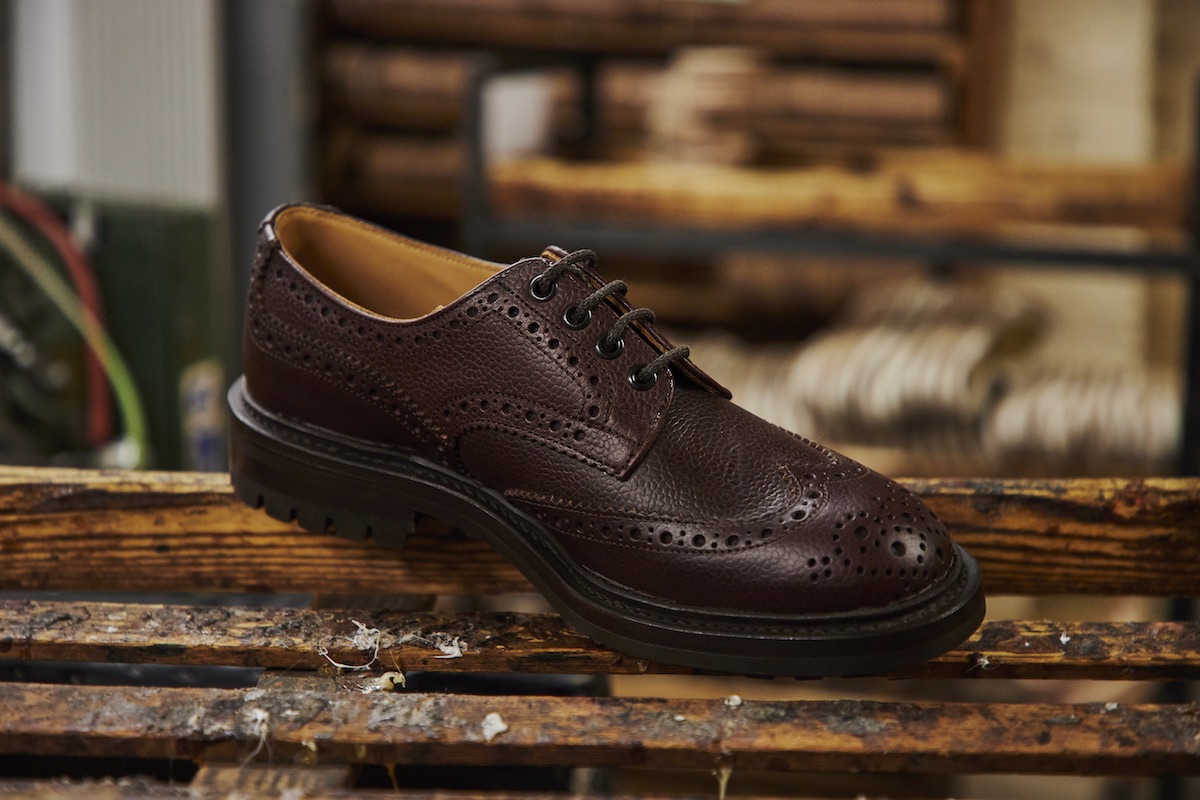
    The brand has held a Royal Warrant with Prince Charles since 1989 and was recently visited by the Prince of Wales to celebrate its 190th anniversary with a commemorative plaque. It manufactures its leather shoes and boots in a factory in Northampton, a town renowned for its shoe industry. A total of 260 individual processes are involved in the creation of each pair of shoes.

    Martin Mason, brand managing director, told BBC News that footwear made in Northampton was “revered” in Japan and that the brand’s products are seen as a luxury.

    “If you head into Tokyo, Northampton footwear has a really important place,” he said.

    Japan seems to be a big market for English footwear, with Northamptonshire shoemakers said to be exporting £20m worth of shoes to Japan each year.

    For Tricker’s, Japan helps boost international sales, which account for about 80% of the firm’s revenues. The brand is considering opening further stores in countries including South Korea and the United States.

    In a social media post, the brand said its new store located in the wealthy Aoyama neighborhood is an absolute replica of its Jermyn Street shop, which opened in the high-class destination noted for men’s tailoring in 1938.

  • L’Occitane shrugs off Covid impact as Asian sales surge

    L’Occitane shrugs off Covid impact as Asian sales surge

    L’Occitane International is looking to boost development in the hand care category to keep up with demands generated by the novel coronavirus (COVID-19) outbreak. The company’s fourth-quarter net sales saw a decline of 0.7% at reported rates compare to the previous year while FY2020 net sales grew by 15.2% at reported rates.

    According to the company, it managed to maintain good sales momentum in January before COVID-19 impacted the business in the subsequent months due to travel bans, lockdowns, and shop closures mostly in China, Hong Kong, and Japan.

    Currently, almost 75% of the company network of stores throughout Europe, the Americas, Japan, and Australia remain closed.

    The company now plans to undertake certain initiatives to manage the future impact of the crisis.

    “While it is too early to gauge how the COVID-19 pandemic will impact our ongoing performance, we are taking various steps to minimize the fallout from the very serious turndown in business. This includes optimizing our cost structure while ensuring that we maintain the capacity to resume growth as strongly as possible when the conditions allow,” ​said Reinold Geiger, chairman and CEO of L’Occitane.

    The firm has observed demand for hand washes and hand creams. In South Korea, sales of those items helped to boost the company’s performance by 18.8%, making it one of the fastest-growing markets.

    “Sales in our hand care category have increased as a percentage of total sales since the outbreak of COVID-19. We have seen a pronounced boost in our e-commerce sales over the past few months, partly attributed to increased overall consciousness of hand hygiene and hand care — this is a sweet spot for us,” ​said André Hoffmann, vice chairman of L’Occitane International.

    As such, the firm plans to develop new products related to hand care and personal hygiene to keep up with the demands of the market.

    “We are also adapting further to this rising demand by launching new products such as a hand purifying gel, which we feel will be a great add-on product for travel retail,”​ said Hoffmann

    The company will be launching a new hand purifying gel in order to adapt to new consumer demands. The 75-millilitre bottles will be available for sale in key markets in Asia, Europe as well as travel retail.

    Hoffman believes the demand for hand care products will continue well after COVID-19.

    “Innovation has always been at the core of our DNA. But it is more than that. COVID-19 has led consumers to re-discover the premium hand care products that we are known for — we expect this trend to be sustained post-COVID-19 both online and offline as our physical stores around the world begin to re-open.”​

    In spite of the difficulties, L’Occitane remains committed to supporting the community with several relief efforts.

    The group has re-directed some of its manufacturing facilities in Manosque to the production of hand sanitizer and has donated a million bottles of care products in support of healthcare workers.

    “The global COVID-19 pandemic is an extremely challenging period for all of humankind. We are committed to doing everything we can to meaningfully support healthcare authorities and healthcare workers around the world,” ​said Geiger.