Author: Mei Ling Tan

  • UBS Poised for Swiss C-Suite Shake-Up

    UBS Poised for Swiss C-Suite Shake-Up

    UBS is reportedly preparing to retire one of its oldest top executives. The move paves the way for the Swiss bank’s highest-ranking female banker to take on a key business unit.

    The Zurich-based wealth manager is preparing to move Sabine Keller-Busse into the job of running its domestic arm, according to Manager Magazin. The German outlet didn’t cite sourcing for the move, nor provide any detail on when such a move could take place. A spokeswoman for UBS declined to comment.

    At the Swiss bank, where Ralph Hamers took over as CEO five weeks ago, she would replace Axel Lehmann, who has been in the top Swiss job for the last two years. The 61-year-old banker, the third person to oversee UBS’ home turf in five years, is among the oldest top executives at the Swiss bank.

    UBS, where the retirement age is 65 for men, doesn’t have a formal cut-off date for its top executives, but it isn’t much of a stretch to posit that Hamers will rejuvenate and diversify the body. The most likely time to do so would be when he hits 100 days in the job, in the spring of next year.

    The German outlet’s reporting is especially noteworthy because it was spot-on about the exit of Martin Blessing, the ex-CEO of Commerzbank, last year. The outlet’s reporting sparked an immediate, fierce rebuttal from CEO Sergio Ermotti at the time.

    The 55-year-old former McKinsey consultant earned plaudits for fast-tracking UBS’ work-from-home arrangements when the pandemic hit. At UBS, she has mainly overseen so-called corporate functions like human resources since 2010.

    She joined top management four years ago, was promoted to operating chief in the same shuffle that elevated Lehmann to the top Swiss job, and last year added UBS’ business in Europe, the Middle East, and Africa to her remit. Keller-Busse, who ran Credit Suisse’s business with private clients in Zurich from 2008 until joining UBS in 2010, was previously touted as a candidate for the top UBS job.

  • Japan May Ban Sale Of New Petrol-Powered Vehicles In Mid-2030s

    Japan May Ban Sale Of New Petrol-Powered Vehicles In Mid-2030s

    Japan may ban sales of new petrol-engine cars by the mid-2030s in favour of hybrid or electric vehicles, public broadcaster NHK reported on Thursday, aligning it with other countries and regions that are imposing curbs on fossil fuel vehicles.

    The move would follow Prime Minister Yoshihide Suga’s pledge in October for Japan to slash carbon emissions to zero on a net basis by 2050 and make the country the second G7 nation to set a deadline for phasing out petrol vehicles in a little over two weeks.

    Japan’s industry ministry will map out a plan by the year-end, chief government spokesman Katsunobu Kato told a news conference on Thursday.

    Japan’s Prime Minister Yoshihide Suga pledge in October for Japan to slash carbon emissions to zero on a net basis by 2050.

    The likelihood of state interventions to lower carbon emissions is fuelling a technological race among carmakers to build electric cars and hybrid petrol-electric vehicles that will lure drivers as they switch from petrol models, particularly in the world’s two biggest auto markets, China and the U.S.

    Measures already in place in Japan mean Japanese automakers, particularly big ones such as Toyota Motor Corp with greater research and development resources, could use electric vehicle technology they have already developed at home.

    Nissan Motor Co chief operating officer Ashwani Gupta last month told Reuters his company was ready to respond to Britain’s decision to hasten a phase-out date for new petrol and diesel powered cars and vans by five years to 2030 because it was part of a global trend.

    Japan’s industry ministry is considering requiring all new vehicles to be electric, including hybrid vehicles, NHK reported earlier, adding the ministry would finalise a formal target following expert-panel debates as early as the year-end.

    Nissan says it’s ready to respond to Britain’s decision to hasten a phase-out date for new petrol and diesel-powered cars and vans by five years to 2030

    Japanese automakers for now are keeping quiet on what impact those measures could have on their businesses.

    Toyota, Honda Motor, Nissan and its alliance partner Mitsubishi Motors Corp declined to comment.

    In Japan, the share of electric vehicles is expected to increase to 55% in 2030, Boston Consulting Group said in a report on prospects for battery-powered cars.

    Globally, “the speed of expansion of the share of electric vehicles will accelerate due to the fact that battery prices are falling more rapidly than previously expected,” Boston Consulting said in the report.

    Japan, China and South Korea recently announced firm targets to end net emissions of carbon, which has given momentum for companies and banks to push for cutbacks to keep global warming in check.

    Apart from Britain, parts of the United States and Canada, Norway and Germany, are or plan to imposed curbs on fossil fuel cars. The wider European Union is expected to decide on future restrictions as early as this month.

  • AirAsia Group to reduce fleet size in 2021

    AirAsia Group to reduce fleet size in 2021

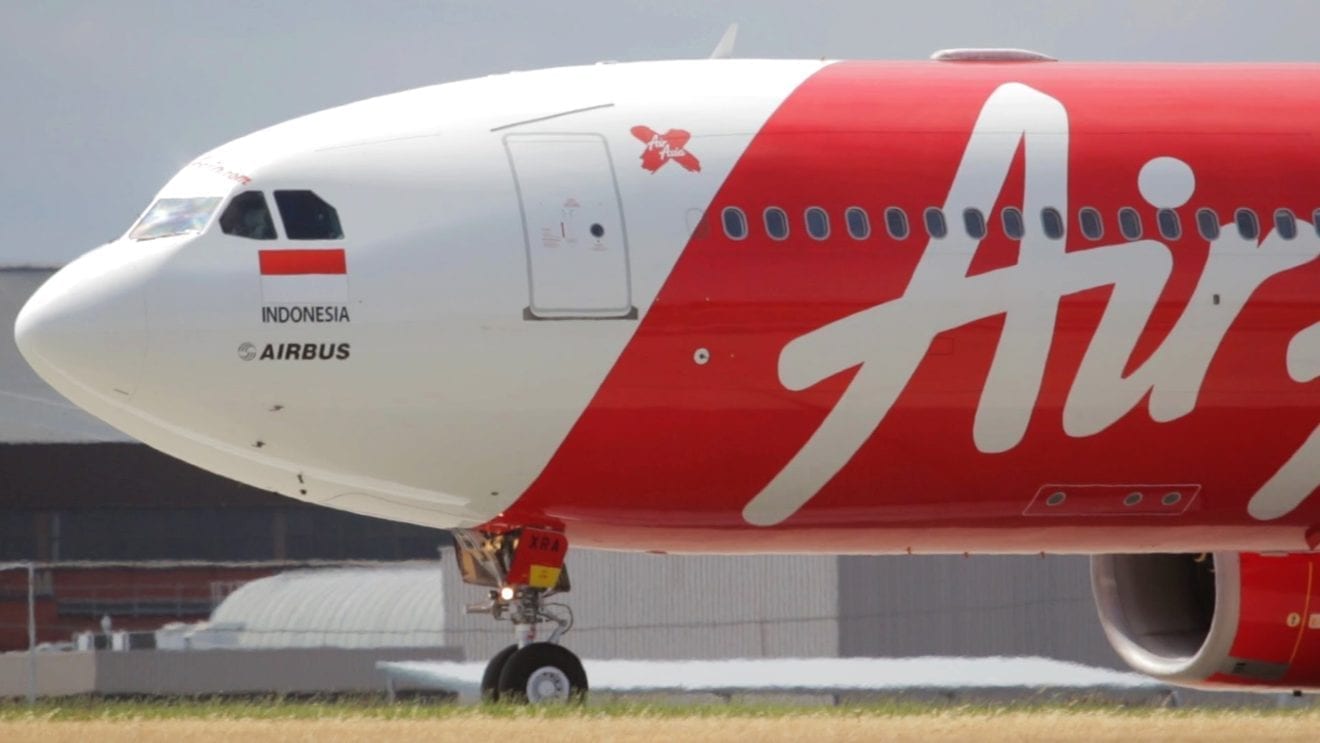
    AirAsia India will be the group’s only unit to see fleet growth by the end of 2021, amid an ongoing investment review conducted by the low-cost group.

    In slides presented at an analyst briefing following the release of its third-quarter results, AirAsia Group states in its outlook that it has “planned for a reduction in our fleet count to match our expected recovery” post-pandemic.

    AirAsia India looks set to expand its fleet by the end of 2021.

    The group, comprising units in Malaysia, Thailand, Philippines, Indonesia and India, anticipates a reduction of 23 aircraft by the end of 2021 to 221 aircraft.

    By the end of 2020, the group will have one less aircraft than the end of 2019. This is led by a decrease in fleet size from Thai AirAsia, as well as the now-shuttered AirAsia Japan.

    Malaysia-based AirAsia Berhad, as well as Indonesia AirAsia, will have zero aircraft growth for the year, while Philippines AirAsia and AirAsia India will expand their fleet by one and four aircraft respectively.

    Information from the AirAsia Group shows an overall fleet reduction of 23 aircraft by the end of 2021.

    By 2021, all of the group’s carriers, except AirAsia India, will reduce their fleet size by between one to eight aircraft. AirAsia India, meanwhile, will add one aircraft to its fleet.

    AirAsia India’s five aircraft addition between 2020 and 2021 is reported to be Airbus A320neos, of which it currently has two examples in its fleet.

    Indian media, citing an AirAsia India spokesperson, says the airline will be taking a third A320neo by December, with the remaining two aircraft arriving by 2021.

    AirAsia India, a joint venture with the group and Indian conglomerate Tata Group, was also reported to have its eyes set on expansion, with the carrier targeting to operate nearly two-thirds its pre-pandemic capacity, an increase from the current 55%.

    The carrier was most recently the subject of ongoing investment review, with AirAsia Group president for airlines Bo Lingam stating that “cost containment and reducing cash burns remain key priorities” for the group, which led to the closure of AirAsia Japan, and an “ongoing review of our investment in AirAsia India”.

    There were also rumors that the Tata Group could increase its shareholding in the carrier, effectively taking over AirAsia Group’s stake. In June, group chief Tony Fernandes was reported to be considering pulling out of the joint venture altogether. AirAsia Group has not publicly commented on the matter.

    The latest fleet update comes after the group said in April it was negotiating its outstanding orders with Airbus, and would be taking no new aircraft in 2020. The group’s earlier estimates indicate that AirAsia and AirAsia X were due to receive 14 aircraft in 2020, and a further 29 aircraft in 2021.

    Cirium fleets data shows the AirAsia Group to have more than 360 A320 family aircraft on order, the majority of them A321neos.

  • Bentley Hires Jets To Fly Car Parts To Britain During Brexit

    Bentley Hires Jets To Fly Car Parts To Britain During Brexit

    Bentley, the luxury carmaker owned by Volkswagen has booked five Antonov cargo jets to help overcome potential supply bottlenecks in the event of a disorderly exit of Britain from the European Union, the carmaker said on Wednesday. Car manufacturers are securing additional supply routes as policymakers in Brussels and Westminster seek to strike a deal to determine the future trading relationship with continental Europe after Britain exits the European Union.

    Bentley, which makes high-end sports cars, buys 90% of its components from continental Europe, and sells around 24% of its cars into Europe, Chief Executive Adrian Hallmark told the Financial Times’ Future of the Car summit.

    “We have spent two years planning. We have five Antonovs that we have on reserve to fly bodies to Manchester,” Hallmark said, adding that in addition to shifting car bodies by air, Bentley has hiked the level of spare parts stored for production.

    Bentley has booked additional warehouses and planned new logistics routes in case traditional supply methods are hampered by bottlenecks

    “We used to run just-in-time with two days stock. Now we have 14 days of stock. That’s 14 working days, so that’s three weeks of stock,” he said.

    The company has booked additional warehouses and planned new logistics routes in case traditional supply methods are hampered by bottlenecks.

    If Britain fails to secure a negotiated trade agreement with European policymakers, Bentley would be able to absorb 10% import tariffs by raising prices and cutting costs. This would be less damaging than supply disruptions.

    “It is not existential as long as everything flows. Stopping flows is far more dangerous than Brexit tariffs,” Hallmark said, referring to supply bottlenecks.

    This year Bentley expects to sell more than 10,000 luxury cars and to reach breakeven, mainly thanks to a rebound in demand in China, Hallmark said.

    China sales are up 35% when compared with before the COVID-19 crisis. Sales in Europe and the United States up 15% Hallmark said.

    “Overall we are in a position where we will do well over 10,000 sales this year,” he said via Webcast. “We are on the cusp of going beyond breakeven.”

  • Singapore Airlines unveils new short-haul economy catering

    Singapore Airlines unveils new short-haul economy catering

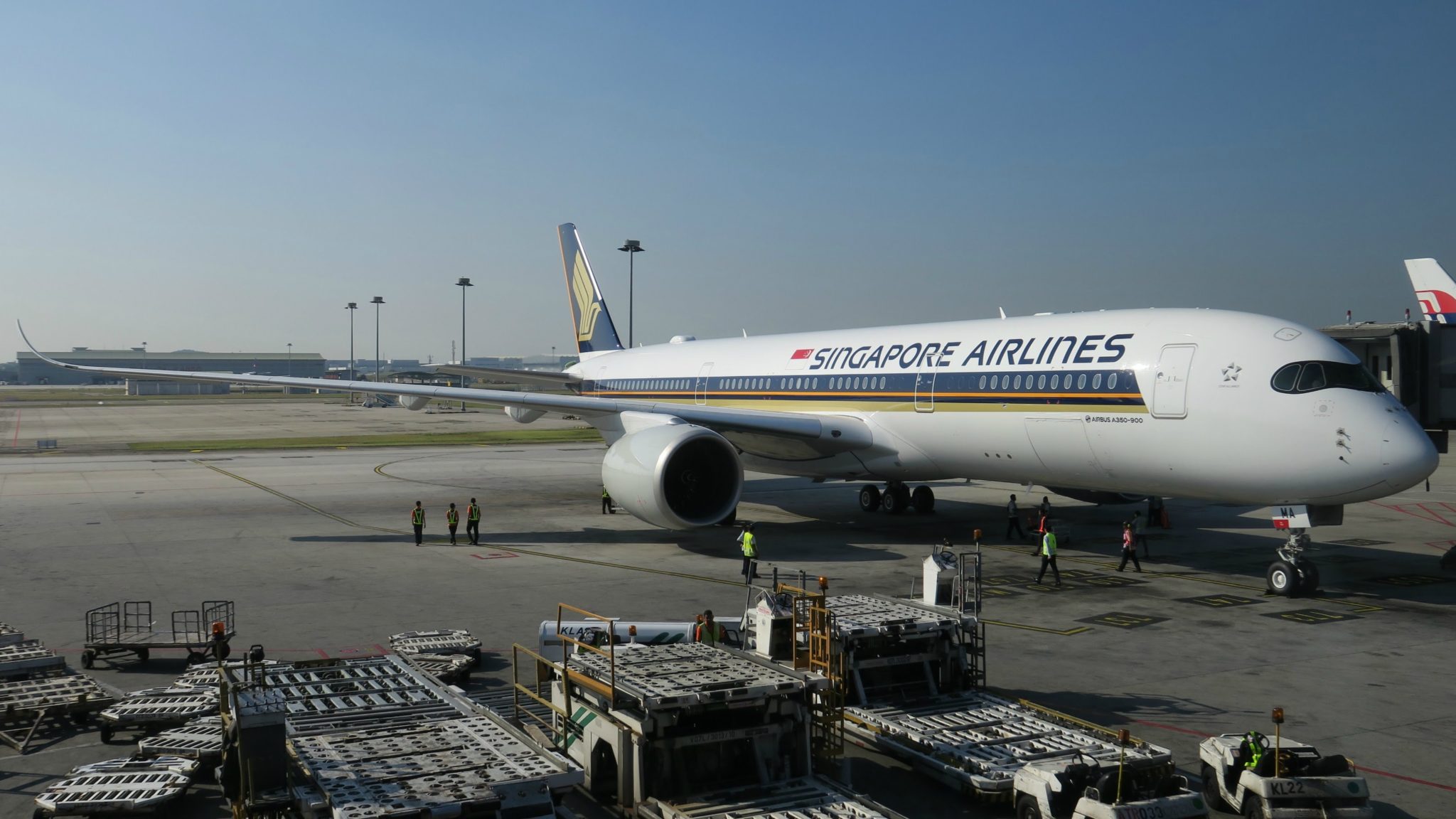
    Singapore Airlines passengers will see a change to short-haul economy class catering as the carrier ditches casseroles and appetizers in favour of boxed meals. Beginning on December 1, flights under three and a half hours will feature a rotation of more than 40 new Singaporean and international dishes.

    Economy class passengers on Silkair, a subsidiary of SIA, will also see the same catering changes as the regional carrier edges closer to fully merging with its parent.

    SIA’s new meal concept follows a broader trend among industry peers to shake up the economy class dining experience. In recent years, Delta and Qantas, for instance, have moved towards bistro-style catering on international flights with an emphasis on quality over quantity.

    Yeoh Phee Teik, senior vice president customer experience at Singapore Airlines, commented:

    “We are delighted to be able to offer a greater variety and quality of meals on our short-haul flights, including selections from Singapore’s popular local favorites that we hope both Singaporeans and international customers will find familiar and comforting.”

    The revamped breakfast dishes on SIA flights include congee with pork ball and century egg, mee siam, and pear cinnamon steel-cut oat porridge. Outside of meal hours, soups such as beef barley, beef goulash, and white bean with smoked duck, will be served.

    Meanwhile, flights featuring lunch or dinner will serve heartier courses including beef brisket with egg noodles, laksa goreng, and lamb albondigas. This is complemented by a variety of cakes for dessert, such as pulut hitam (pictured above) and earl grey chiffon.

    SIA said the new meal concept will help reduce the amount of inflight waste. By opting for leak-proof paper boxes, bamboo cutlery, and a simplified meal-offering, the airline will reduce single-use plastic consumption by 80 percent by weight.

    The boxed meals hold the same amount of food as the previous casseroles, according to the airline. However, SIA will remove appetizers such as bread rolls and fresh fruit portions, previously standard with economy class meals, as part of the new concept.

    A SIA spokesperson said:

    “We have done an extensive research to understand our customers’ preferences. From this, we have learned that most customers prefer a larger portion of the main course compared to an appetizer. We also found that there was high waste of appetizers, especially on short-haul flights. As such, we have removed the appetizers in [short-haul] economy class as part of efforts to reduce food waste.”

  • How Modern-Day Technology Has Placed Casino Industry In A Much Better Position

    How Modern-Day Technology Has Placed Casino Industry In A Much Better Position

    The inception of the internet and thrive in current technology has offered galore of advantages till now. Almost all sectors across the globe have been notably changed because of the flourish in modern-day technology. And, being a renowned one, the casino industry is no exception to it. Because of the inception of high-speed internet and the advancement of portable devices and gaming PCs, casino games have found a new breeze of oxygen.

    Within this very little time, the industry has also adapted various innovative technologies for bestowing the players with a seamless and more immersive gambling experience. The introduction of virtual reality to innovative blockchain technology is the only technology that has made the industry’s path to success smoother.  Let’s discuss how the casino industry has become efficient for punters because of technological development.

    Online Gambling Experience

    The internet had appeared to change the entire scenario of casino gambling, opening up a galore of fresh opportunities for players and casino service operators both.  Gambling games include the element of fortunes and depend on mathematical calculations. Therefore, casino games have been conveniently transformed into online activities. Besides, for playing through online gambling sites, a gambler needs to share minute information with the casino site; hence, it’s relatively easy to access.

    At present, interested players can easily visit the best online casino sites through personal computers and mobile devices for indulging in their preferred wagering variant anytime they desire. The enticing part is that all the casino games are at players’ disposal for 24×7, so they don’t have to wait to play them.

    The Industry has Reached a Wider Audience Base

    Before the internet has appeared, casino-oriented services are limited to a comparably small number of punters. But, in modern times, because of the gradual growth of technology, casino gambling has successfully reached a broader audience base. Anyone who can access the internet can play any online gambling game he desires. Besides, gambling enthusiasts can also indulge in online gambling action with their friends, family, or strangers.

    Enhanced Protection

    Gambling of any kind encompasses real money amounts. Hence, safety concerns are quite natural. Brick and mortar casinos usually offer players physical chips in exchange for cash. As with online casinos, players need to make an online transaction of cash amounts; the service providers took the assistance of technology and put concerns on back seats.

    For protecting players’ sensitive data, online casinos have Security Socket Encryptions. For maintaining fairness in gambling outcomes, they use RNG (random number generators). And, as all renowned online casinos are licensed and regulated by well-known gambling controlling authorities, you don’t need to worry about any deception related issues.

    The Overabundance of Online Gambling Variants

    Do you know it is impossible to play every gambling title available on the internet? Yes! It’s quite right, and hence, it’s very tough to tell you how many games are available online. But, players are enjoying close to all possible gambling game formats, including slot machines, progressive reels, video poker, table games like blackjack, roulette, and many more.

    Besides, many online casino entities are proffering players with specific applications for experiencing their game offerings more seamlessly.

    Marketing Tactics

    The gambling industry has crafted plenty of changes in its style, operations, and features after the appearance of an internet connection. It was challenging for casino operators to perform required marketing as there are prohibitions in different media outlets. However, this impediment, too, has been diminished after online platforms have appeared. Now, over the internet, online casino service providers can extensively market themselves without any such restrictions. And, this has brought them closer to every gambling enthusiast from all around the world.

    Technology is serving the casino industry by making it more entertaining and accessible to gamble loving people. Thanks to the thriving modern-day technology, the sector is also set for a mentionable growth for proffering a more intense convenience level in the future. Players can even choose online platforms for playing live casino games; different games are getting developed with life-like three-dimensional technology. Transaction methods are getting better with lesser time and sturdier security. And, possibly, the introduction of technologies like artificial intelligence and virtual reality will lead the industry towards more success.

  • Social media payment apps test Vietnamese waters

    Social media payment apps test Vietnamese waters

    Social payment, or money transfer via social media, is entering an early development stage in Vietnam as new players step in.

    Payment service company PayMe last month launched its payment solution via chat boxes of popular social media like Facebook, Instagram and messaging app Viber.

    A user can link his or her PayMe and Facebook Messenger accounts and create a link to send money to another person or request a payment. The receiver can pay using his or her bank card.

    Home-grown messaging app Zalo had earlier this year launched a similar service allowing users to transfer money with a few taps on their phone, taking advantage of the company’s e-wallet service, ZaloPay.

    A Zalo spokesperson had said in August that the social payment solution was a factor in the number of transactions on ZaloPay increasing by 300 percent year-on-year in the first eight months of this year.

    Industry insiders say that the large number of social media users in Vietnam makes the country a market with large demand for social payment solutions.

    Facebook has 50 million users in Vietnam, while other social media like Twitter, Google and Instagram combined have around 40 million. Zalo says it has 100 million users.

    In this scenario, companies like PayMe are seeking a head start in the industry by offering social payment solutions to Facebook vendors and other companies with a large number of app users.

    “We are working to provide services to nearly 10 partners, each of them having nearly one million users in their ecosystems, meaning we will immediately have six million users,” said Le Hoang Gia, CEO of PayMe, which received the license for its e-wallet last year.

    He said that the booming of social commerce in Vietnam, or the combination of social media and e-commerce, is key to the development of social payments. Vietnam’s social commerce market was estimated at $5.9 billion in 2018.

    A survey by German statistics portal Statista in May 2019 showed that the penetration of social commerce among people 20-30 years old was over 51 percent.

    Many Vietnamese social media users have gotten used to requesting more information about products and making orders via messaging apps, but they mostly pay with cash on delivery.

    The goal of PayMe is to digitize and automate the social payment solution to complete this final step in the e-commerce system, Gia said.

    Stiff competition in other segments of the e-wallet industry, such as MoMo seeking to be a super-app providing various different types of services and other companies like Grab and VinCommerce having established deals with payment firms or developed their own app, forces new players like PayMe to branch out into a niche segment with potential. For now, that is social payment.

    However, there are roadblocks facing development of this new payment channel. The Military Bank (MB) in 2018 launched a feature to allow users to transfer money via Facebook Messenger using only their phone number. However, it decided to stop focusing on this payment solution and switched attention to developing its own payment app.

    Vu Thanh Trung, director MB’s digital bank department, said security was the biggest roadblock for this type of payment. Many social media users in Vietnam have reported receiving messages from accounts of friends and family members requesting payment. It turns out often that the person asking for money is a hacker.

    As hackers often use links to steal social media accounts, people get suspicious when they receive a social payment link, he said.

    “When it comes to transferring money on social media, even young people become cautious.”

    Most banks have already developed their own payment apps that are fast and convenient with a high degree of reliability and security, so many companies have tended to neglect the social payment segment, Trung said.

  • Sugar producers accuse Thai firms of dumping

    Sugar producers accuse Thai firms of dumping

    Thai companies are allegedly dumping sugar in Vietnam and hurting farmers, according to Vietnamese producers.

    Nguyen Van Loc, general secretary of the Vietnam Sugarcane and Sugar Association, said citing figures from Thailand’s Office of Cane and Sugar Board the average export price of Thai raw and refined sugar is $334 per ton though the cost of sugarcane alone to produce a ton is $410.

    The Thai government in April unveiled a support package of $325 million to sugarcane farmers hit by drought though Brazil had earlier filed a complaint to the World Trade Organization that Thailand had given support to cane growers that was inconsistent with international trade agreements, Loc said at a forum on Monday.

    A decree issued by the Thai government in March showed signs that it was limiting imports to protect domestic producers, he said.

    The influx of cheap Thai sugar is hurting Vietnamese companies and farmers.

    Tran Ngoc Hieu, CEO of Soc Trang Sugar Jsc in the southern province of the same name, said the area under sugarcane in his province has dropped by over 71 percent since 2017 to 2,400 hectares, and is set to fall to 2,000 hectares next year.

    Annual production has fallen 64 percent to 170,000 tons this year, he said. The competition from Thai sugar is the main reason for the declining figures, he added.

    Thai sugar is also smuggled into Vietnam, and whenever smuggled goods are seized, domestic sugar sales rise.

    Tran Thi Yen, a sugarcane farmer in the central province of Phu Yen, said: “Many sugarcane farmers have reduced their farming area or abandoned the farming due to losses.”

    The Trade Remedies Authority of Vietnam is conducting anti-dumping and anti-subsidy investigations into Thai sugar.

    Under ASEAN commitments, Vietnam has to allow unlimited sugar imports from member countries at 5 percent tariff.

    Imports of sugarcane in the first nine months surged five fold year-on-year to 1.06 million tons, with nearly 90 percent of it from Thailand, according to the Trade Remedies Authority.

  • Amazon Music Unlimited users are getting a surprising new feature

    Amazon Music Unlimited users are getting a surprising new feature

    Amazon has been competing for years against music streaming services like Google Play Music, Spotify, and Apple Music, hence the large number of resources the US giant has been pouring into development.

    Lately, Amazon Music Unlimited has been gaining a lot of new customers to the point that the service is now just 5 million subscribers away from Apple Music, which recently revealed a 60 million subscriber count.

    But Amazon isn’t stopping here, so the next step is yet another important new feature that only Music Unlimited users will benefit from. Starting this week, Amazon Music Unlimited users will have access to a database of music videos they can watch.

    There’s little information about the new feature, although Amazon does mention that “paid subscribers can start with videos from a favorite artist or a video playlist.” At the moment, music videos can only be watched in the United States, and it’s unclear whether or not the feature will be introduced in other countries too.

  • Hong Kong retail sales fall again in October

    Hong Kong retail sales fall again in October

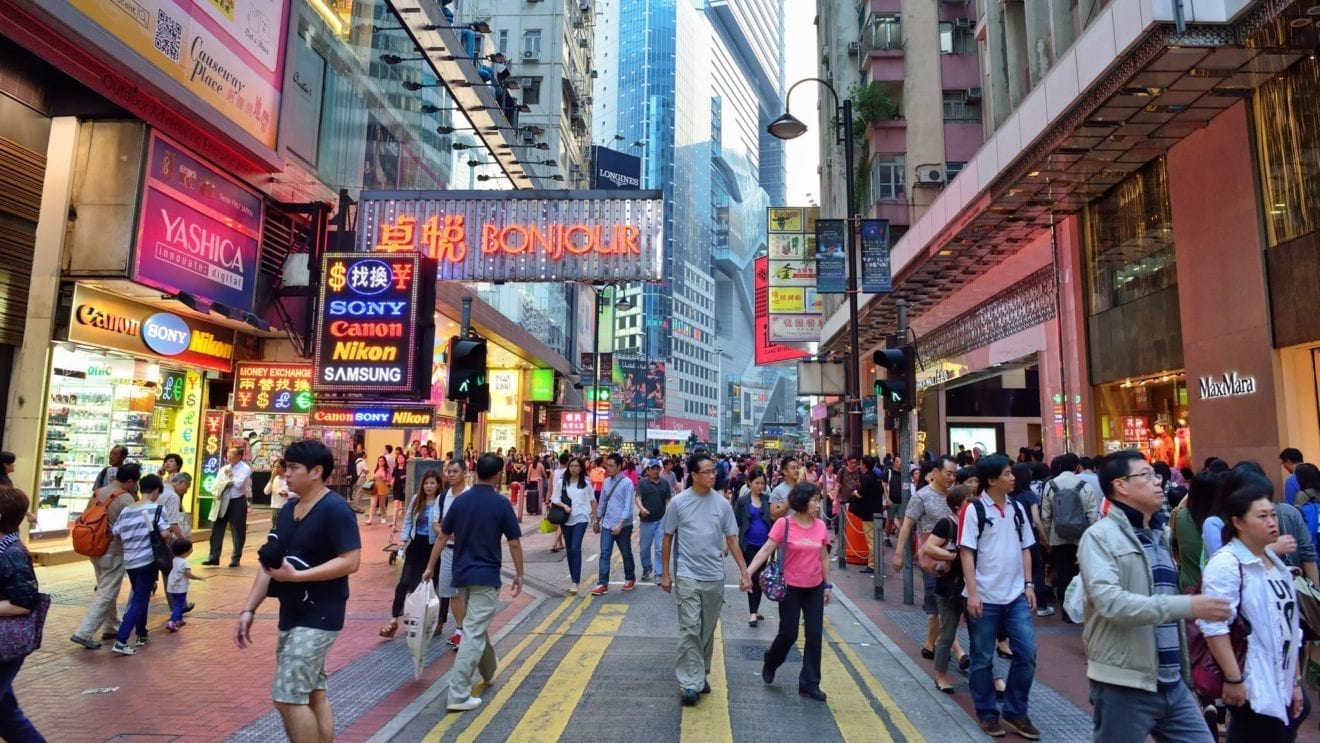
    Hong Kong’s retail sales fell 8.8% in October, the first single-digit fall since June last year, showing further signs of a recovery after coronavirus restrictions had slammed the brakes on spending and tourism in the global financial hub.

    The drop compared with a revised 12.8% decline in September and a 6.7% fall in June 2019.

    October’s sales plummeted from a year earlier to HK$27.4 billion ($3.5 billion), government data showed on Tuesday, falling for the 21st consecutive month.

    In volume terms, retail sales slumped 9.3%, compared with a revised 13.3% fall in the previous month. It was also the first single-digit decline since June 2019.

    “With the fourth wave of the local epidemic spreading widely and quickly, the business environment of the retail trade may deteriorate again in the near term,” a government spokesman said.

    For the first 10 months of 2020, the value of total retail sales fell 27%, and 28.3% by volume, from the corresponding 2019 period.

    Hong Kong leader Carrie Lam on Tuesday again urged residents to stay at home and avoid unnecessary family gatherings as the global financial hub scrambles to contain a rise in coronavirus cases.

    Games centres, karaoke lounges and swimming pools will close from Wednesday, while the Ocean Park theme park and DisneyLand will also close.

    The worsening situation in the city also prompted the government to extend the postponement of an air travel bubble with Singapore on Tuesday to beyond 2020.

    Hong Kong’s economy shrank 3.5% in the third quarter compared with a year earlier as the coronavirus pandemic hammered consumer spending, trade and tourism, but at a slower pace as the outbreak had eased.

    The city’s tourist arrivals in October plunged 99.8% from a year earlier to 7,817 visitors, the tourism board said, compared with a drop of 99.7% in September.

    Sales of jewellery, watches, clocks and valuable gifts, which depend heavily on mainland tourists, fell 26.6% in October versus a revised 25.6% plunge in September.

  • It’s all over for Debenhams as liquidators appointed

    It’s all over for Debenhams as liquidators appointed

    British department store retailer Debenhams is to be liquidated after failing to find a buyer, administrators FRP Advisory announced on Tuesday.

    FRP will commence a wind-down of the business, which was founded back in 1778, spelling the end of 12,000 jobs, mainly in the UK. It has 124 stores there and in Denmark, where it owns Magasin du Nord.

    However, the liquidator said it would continue to seek offers for all or parts of the business during the process.

    The collapse comes a day after Sir Philip Green’s Arcadia Group was placed in administration.

    Debenhams was first placed in administration on April 9 last year in a pre-pack administration which resulted in 22 stores being closed and rent reductions secured for many more. A second administration came exactly 12 months later this year.

    Efforts to find a suitor have been underway for eight months, with the most recent being JD Sports which quit rescue talks on Tuesday following the demise of Arcadia.

    According to its website, Debenhams operated 45 stores under licensing agreements in 17 countries including Malaysia, the Philippines and Pakistan in Asia. An earlier foray into Vietnam failed.

    The remainder of the franchises are in Eastern Europe and the Middle East, with the first franchise opened in Bahrain in 1997.

    In a statement, FRP said that given the current trading environment and the likely prolonged effects of the Covid-19 pandemic, the outlook for a restructured operation is highly uncertain.

    “The administrators have therefore regretfully concluded that they should commence a wind-down of Debenhams UK, whilst continuing to seek offers for all or parts of the business.”

    Trading will continue at UK stores and online to clear current and contracted stocks.

    “On conclusion of this process, if no alternative offers have been received, the UK operations will close,” said FRP.

  • Singapore Beefs Up Wealth Management Talent Pipeline

    Singapore Beefs Up Wealth Management Talent Pipeline

    The Private Banking Industry Group launches a talent development initiative aimed at undergraduate students in Singapore.

    The Private Banking Industry Group (PBIG) in Singapore will look to «enhance the employability and job readiness of students entering the workforce» by offering 200 undergraduate traineeship positions over the next three years, according to a statement.

    Training will be related to in-demand roles such as relationship managers, product managers, data analysts, business risk managers and cybersecurity analysts.

    The PBIG is made up of industry leaders in the city-state, including 14 banks, and is currently co-chaired by the Monetary Authority of Singapore (MAS) and UBS.

    Candidates will be selected from a relevant program, of which 30 percent of the duration will be dedicated to the traineeship.

    The longer traineeship period will allow banks to develop more meaningful structured on-the-job training to complement the academic courses taken by the trainees, allowing them to be better equipped for full-time roles upon graduation, and stand a better chance to pursue a career in the wealth management sector, the statement said.

    Supporting financial institutions will benefit from a scheme that will fund 80 percent of the internship stipend, capped at $1,000 ($750) per month, for each trainee.

    The initiative, entitled Build, Encourage, Nurture (BEN), is being driven in response to both the growth and diversity in demand for talent within the financial services.

    The initiative will provide a sustainable pipeline of job-ready talent to Singapore’s private banking industry, which is essential for the sector’s growth, said Gillian Tan, an assistant managing director at MAS.

    We believe that to stay competitive in an ever-changing and disruptive future, it is critical for the industry to develop and nurture a workforce of the future with the right sustainable skills that can further enhance the financial industry and Singapore’s role as a key global financial center, added August Hatecke, APAC co-head of wealth management at UBS.

  • Digital payment firm Vietnam’s second startup unicorn

    Digital payment firm Vietnam’s second startup unicorn

    VNPay has become the second unicorn startup in Vietnam and one of 12 companies in Southeast Asia with a valuation of $1 billion.

    The payment company was listed as a unicorn in the recent “e-Conomy SEA 2020” report by Google and its partners, alongside well known firms like Indonesia’s ride-hailing firm Gojek and Singapore’s e-commerce platform Lazada.

    VNPay, which manages a network of payment systems using QR codes in major cities, is currently partnering with over 40 banks and 20,000 companies. The company has over 15 million monthly users who access its app to transfer money, pay utility bills and buy bus tickets.

    The company was one of the startups that attracted the highest investments in the Southeast Asian fintech industry last year, with a total of $1.7 billion being poured into this industry, up 40 percent from 2018, the Google report said.

    VNPay reportedly received $300 million from Japan’s Softbank Vision Fund and Singapore’s sovereign wealth fund GIC last year.

    The first Vietnamese startup with a valuation of over $1 billion was tech firm VNG in 2014. Its valuation has now increased by over 50 percent to $1.5-1.7 billion.

    Vietnam targets having five unicorn tech firms by 2025 and 10 by 2030 as part of its Industry 4.0 advancement plans, the Ministry of Planning and Investment said in a report last year.

  • Singapore Beefs Up Wealth Management Talent Pipeline

    Singapore Beefs Up Wealth Management Talent Pipeline

    After a deadly pandemic wiped out most revenue for the year, Macau’s gaming industry could face a permanent structural shift with the potential introduction of a new system to exchange digital yuan for gambling chips.

    Macau’s watchdog, the Gaming Inspection and Coordination Bureau, has been in talks with various casino operators over the usage a digital yuan to buy casino chips, according to a report citing unnamed sources.

    The discussions are still in the initial stages and no final decision has yet to be made.

    Currently, tourists entering Macau to gamble commonly use two methods to obtain casino chips. One method is to obtain chips by converting Hong Kong dollars (which is widely accepted in the fellow special administrative region). Another is to obtain credit often from junket providers, a method commonly used by mainland high rollers to sidestep Chinese capital control rules.

    By introducing the digital yuan and enforcing it as the medium to exchange casino chips, authorities risk disrupting Hong Kong dollar flows and, more importantly, putting junkets out of business.

    In addition to hurting service providers in the middle, imposing a digital yuan would significantly increase the transparency of money flows from the mainland to Macau.

    Industry watchers are concerned not only about the lack of privacy for gamblers but also the potential of a conversion cap to expand the coverage of mainland China’s capital control rules.

    Although some believe the introduction of the move could boost Chinese middle-class participation in Macau’s gambling sector through the ease of conversion, others expect a fallout in the casino hub due to its strong reliance on high rollers that need financial flexibility.

    The report added that the increased exposure to casinos in Russia and the Philippines by Suncity Group, the listed arm of Macau’s biggest junket operator and the recent mystery buyer of cigar brands like Cohiba, was a response to changes such as the potential implementation of the digital yuan, citing another unnamed source.

    Gaming revenue in Macau has plunged by $27 billion this year, down at least 90 percent for six straight months since March.

  • Korean cars find few takers in Southeast Asia, sustained by Vietnam market

    Korean cars find few takers in Southeast Asia, sustained by Vietnam market

    Out of 185,595 South Korean cars sold in Southeast Asia last year, Vietnam accounted for 59 percent. While the Vietnamese auto market only ranks fourth in size in the region, its contribution to the sales of Hyundai and Kia, two major Korean brands, has been remarkable. Since 2018 Vietnam has accounted for more than half of all South Korean car sales in Southeast Asia.

    Sales of Hyundai and Kia in Vietnam in the first 10 months of 2020 rose to 82,129 units for a 31 percent market share.

    Hyundai topped the market with sales at 57,039 vehicles, followed by Japan’s Toyota with 49,950.

    Hyundai vehicles are made by TC Motor at its plant in the northern province of Ninh Binh while Truong Hai Auto (Thaco) makes Kia at its factory in the Chu Lai industrial zone in the Southern Quang Nam Province.

    According to the Korea Automobile Manufacturers Association, South Korean cars had a 5.2 percent share of the regional market in 2019. The figure for Japanese cars was 74.3 percent or 2.63 million units last year.