Author: Mei Ling Tan

  • California’s New Coronavirus Curfew Does Not Apply To Tesla Workers

    California’s New Coronavirus Curfew Does Not Apply To Tesla Workers

    Workers at Tesla Inc’s California vehicle factory are deemed essential and are not impacted by the state’s latest restrictions to curb a new surge in coronavirus infections, the California health department said on Friday. Tesla and local California officials in March engaged in a heated months-long standoff over restrictions imposed to curb the first wave of infections, which culminated in the company’s chief executive, Elon Musk, defying health orders, suing local officials and threatening to leave the state. California’s governor on Thursday imposed a curfew on social gatherings and other nonessential activities

    Beginning on Saturday, the stay-at-home order prohibits non-essential business from 10 p.m. until 5 a.m. each day and applies in the majority of the state’s counties, including Alameda County, where Tesla’s factory is located.

    Workers at Tesla Inc’s California vehicle factory are not impacted by the state’s latest restrictions to curb a new surge in coronavirus infections.

    Asked whether the order applied to workers at Tesla’s Fremont factory, the California Department of Public Health in a statement said it did not apply to employees deemed essential workers, with manufacturing listed as an essential workforce.

    “The Critical Manufacturing Sector identifies several industries to serve as the core of the sector including Transportation Equipment Manufacturing Products,” the office said.

    CNBC first reported on the health department’s policies. Under California law, local counties can impose more restrictive measures than mandated by the state. Alameda County on Friday did not immediately respond to a request for comment.

    In a statement on Monday the county’s health department said it was following state guidance, but may act to restrict activities beyond the state’s requirements.

    During the initial virus outbreak in March, local officials ordered Tesla to halt production and Tesla’s factory remained shut down for roughly six weeks. Billionaire Musk in early May defied county orders by reopening the factory, telling county officials he stood ready for arrest.

  • Fiat Chrysler, PSA Merger To Include Investor Loyalty Scheme

    Fiat Chrysler, PSA Merger To Include Investor Loyalty Scheme

    Fiat Chrysler’s merger with Peugeot maker PSA will include a loyalty scheme to reward long-term investors and help prevent future takeover attempts, the prospectus for the planned tie-up shows. Italian-American carmaker Fiat Chrysler (FCA) and France’s PSA agreed to combine in a $38 billion all-share deal in December, uniting brands such as Fiat, Jeep, Dodge, Ram and Maserati with the likes of Peugeot, Opel, Citroen and DS.

    Holders of shares in Stellantis – as the merged group will be known – for an uninterrupted period of at least three years may receive a special voting share in addition to each common share, the companies said in the prospectus.

    Such a move could make management changes and takeover attempts of Stellantis more difficult, they added. The tax consequences of the loyalty scheme are uncertain, the companies said.

    Stellantis will have a Dutch-domiciled parent company and its shares will be listed in Paris, Milan and New York.

    Loyalty schemes are common for companies in the Netherlands and have already been used by Exor, the holding company of Italy’s Agnelli family and FCA’s controlling shareholder, not least during the spin-off of Ferrari, boosting Exor’s grip on the luxury sports car maker.

    PSA CEO Carlos Tavares will run Stellantis and will receive a 1.7 million euro ($2.02 million) bonus upon completion of the merger.

    FCA CEO Mike Manley will receive “a recognition award with a value equivalent to approximately five times his annual base salary” and a cash retention after the merger if certain conditions are met.

    The two companies said they have agreed to review the potential distribution of 1 billion euros to shareholders, either through a dividend evenly before the merger, or to be distributed afterwards by Stellantis.

    PSA and FCA have filed the merger plan with antitrust authorities in 21 countries and the European Union. To date, they have obtained approval from 15 countries and a preliminary okay from Brazil which becomes final next week. The EU is also expected to authorise the merger, sources have said.

  • Revolut Singapore Compliance Chief Joins Swiss Private Bank

    Revolut Singapore Compliance Chief Joins Swiss Private Bank

    He leaves the fintech a little over a year after he joined from Credit Suisse.

    Rayson Tan, who joined Revolut Singapore in September 2019, has left the company. Tan joined the fintech as chief compliance officer, and was later appointed chief risk officer and head of legal in April 2020.

    Since his departure, Tan has taken on a new role at Geneva-based private bank Pictet as chief risk officer, Asia. A spokesperson for Pictet confirmed the appointment as of 4 November 2020.

    Based in Singapore, Tan is responsible for overseeing the firm’s risk management framework across Asia, covering all key risks (including strategic, operational, regulatory, financial, reputational, etc.), as well as management of its Risk and Compliance teams.

    Tan was one of Revolut’s most senior hires. He spent 18 years in banking, and was a managing director in the Compliance & Regulatory Affairs department of Credit Suisse.

    He was previously with Deutsche Bank and UBS Investment Bank in various country, regional and global compliance roles.

  • CIMB Restructures Singapore Business

    CIMB Restructures Singapore Business

    The Malaysian bank is letting go of three business heads in Singapore, following a review of its operations.

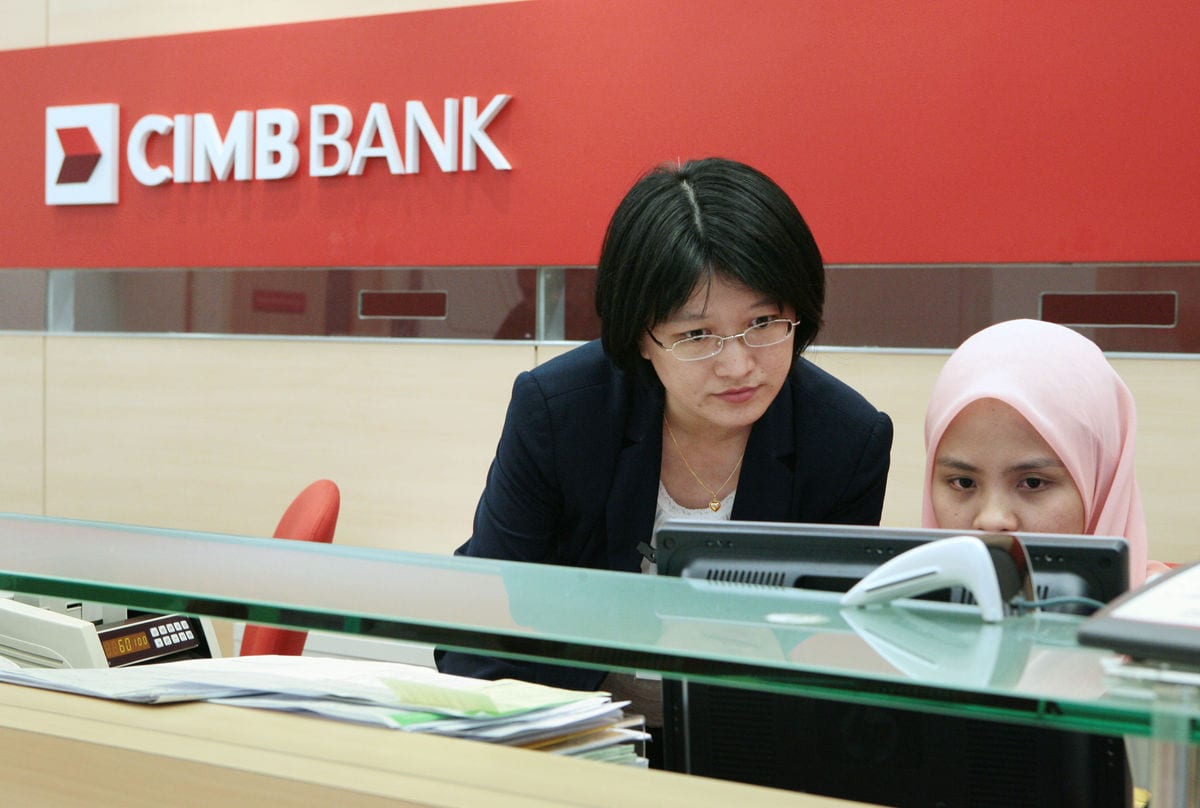
    Changes are afoot at CIMB Singapore, as the bank has moved to ax its consumer, commercial and corporate banking heads: Josandi Thor, Yong Jiunn Run and Lai Ven-Li, citing an internal memo viewed by the portal.

    The bank cited the poor performance brought about by the pandemic, which required it to reshape its business portfolios to drive cost efficiency across the bank. The bank said it recently adapted its Forward23 five-year growth plan, launched in 2018, in response to the pandemic.

    CIMB Singapore’s posted losses of 939 million ringgit ($229.42 million) for the first half of the year, largely due to impairments.

    However, there have been talks of restructuring since the middle of the year and the possibility of wider layoffs.

    An observer told the publication that CIMB Singapore CEO Victor Lee, who was appointed earlier this year, was looking to restructure the senior management team and bring in people he had previously worked with.

    Given the business pivots moving forward, we have carefully deliberated with group management on the optimal structure to deliver our Forward23+ strategy. This entails streamlining the leadership structure and reducing the CEO’s span of control to focus on key areas impacting the business, Lee said in the email.

  • Gucci revives classics to regain edge in crimping luxury market

    Gucci revives classics to regain edge in crimping luxury market

    Gucci is revisiting 1960s handbags and other classics in its latest collection, mixing them with up-to-the-minute sneakers and logoed skateboards, as it seeks to reach a wider audience and reverse a fall in sales after years of stellar growth.

    With traditional fashion shows cancelled because of the coronavirus pandemic, designer Alessandro Michele teamed up with US director Gus Van Sant to shoot a seven-part miniseries to show off his largely season-less, gender-neutral creations.

    Gucci is showing the videos as a virtual fashion film festival, with a new instalment released daily over the course of this week.

    The films, which have a dream-like, retro quality with vintage cars and juke-boxes, follow a woman, played by Italian actress Silvia Calderoni, as she goes about her daily routine in Rome.

    They feature cameo appearances by celebrities close to the fashion house such as singers Billie Eilish and Harry Styles – all wearing Gucci creations, including re-editions of Michele’s designs from his first 2015 collection.

    The former One Direction singer has also created a buzz in the fashion world by appearing on the cover of a December edition of Vogue, clad in a Gucci ball gown.

    Watershed moment

    Behind the scenes, luxury industry watchers say this is a watershed moment for Gucci, the business that drives the bulk of revenue and profits at parent Kering, but which has been losing steam over the past year.

    After a nearly fourfold increase in earnings since Michele took the creative helm, Gucci’s revenues have slowed down, lagging rivals like LVMH’s Louis Vuitton and Hermes. Gucci was the only fashion brand in Kering’s stable to suffer a sales decline in the third quarter.

    Much of the brand’s success up until recently relied on well-heeled, young Chinese shoppers travelling to Europe’s fashion capitals and snapping up Michele’s quirky, flamboyant designs.

    But with international tourism almost frozen due to the pandemic, Gucci can no longer rely on foreign visitors coming to Europe’s shopping streets to boost sales.

    Consultancy Bain, which produces closely-followed forecasts for the luxury industry, said on Wednesday the share of high-end goods purchases by local clients is expected to rise to 80-85 per cent of the total this year from 60 per cent in 2019. Local buyers are still set to account for 65-70 per cent of luxury shopping in 2025.

    Gucci is rejigging its marketing and product line-up to refocus the label and boost its appeal among local and older shoppers in Europe and the United States. The fashion house has, for example, produced “re-edited” versions of its classic handbags such as the 1800-euro Jackie 1961.

    People born from 1981 onwards — Millennials and Generation Z buyers — now make up almost 60 per cent of luxury purchases, Bain said, but brands cannot afford to neglect the remaining 40 per cent.

    That is why on top of tweaking their ranges to include less trend-driven items, most luxury labels are directing their customer service to establish close contact with clients who are not able to go to the stores themselves.

    Gucci is still doing well on many fronts, including an operating margin of 30 per cent in the first half of 2020, down from a record high of 40.6 per cent a year earlier but still far exceeding that of many competitors.

    But analysts say there are some signs of fatigue. Luca Solca of Bernstein said Gucci’s social media traction, while still high, is diminishing. It also seems to have more trouble selling excess inventory at full price.

    “There is no red flag at Gucci, but we see an opportunity to act now in order to avoid bigger issues down the road,” said Solca in a note.

  • Korean department stores are being converted into culture spaces

    Korean department stores are being converted into culture spaces

    South Korean department stores are on track to transform their outlets from simple shopping centres into culture spaces.

    The primary factor behind the department stores’ increasing efforts to install cultural spaces is the sluggish performance of their offline stores amid the expansion of contactless consumption through online channels resulting from the spread of the Covid-19 pandemic.

    Lotte Department Store, for example, started setting up experience-focused cultural facilities within its outlets across the country last year.

    The company’s flagship store in Jamsil, southern Seoul, is running a cultural space called 291 Photographs, which hosts a variety of photo exhibitions and offers profile photograph services for professional writers, in addition to camera and book sales.

    Hyundai Department Store also built a cultural space at its Pangyo branch, south of Seoul.

    Under the concept of an ‘Art Museum’ that focuses on installing a variety of artworks including sculptures and paintings on each floor of the store, Hyundai Department Store is turning its Pangyo store into a kind of art gallery.

    Shinsegae Department Store is running professional galleries at its flagship location in Seoul and as well as stores in Busan, Gwangju and Daegu.

    As the shopping experience itself is becoming not enough to lure consumers, department store operators are looking for ways to differentiate themselves by transforming their stores into cultural attractions where visitors can enjoy not only shopping but also a variety of culture and art.

  • Hong Kong faces tourism bust

    Hong Kong faces tourism bust

    Hundreds of parked tour buses are gathering dust at a northern Hong Kong container port, having been off the road for 10 months since authorities banned non-resident arrivals into the city due to the new coronavirus.

    The area has turned into a “bus cemetery,” said Freddy Yip, president of Hong Kong’s Travel Agent Owners Association. He said the former British colony – which was the world’s leading tourist city destination last year – faces a similar fate at the end of November, when the government ends a wide-ranging wage subsidy program that has helped about 2 million employees in all types of industries.

    The program was introduced in June and renewed in September, but the Hong Kong government has ruled out an extension beyond the end of November citing the high cost, leaving many tourism-dependent businesses on the brink of collapse, unable to find other revenue sources and unable to pay wages.

    “If they cannot see any light ahead of them, they will just stop and cut their losses,” said 70-year-old Yip, who has worked in the trade for nearly 50 years.

    A spokesperson for the Hong Kong government said it would “keep a close watch on the latest situation and respond in a timely manner,” but gave no further details.

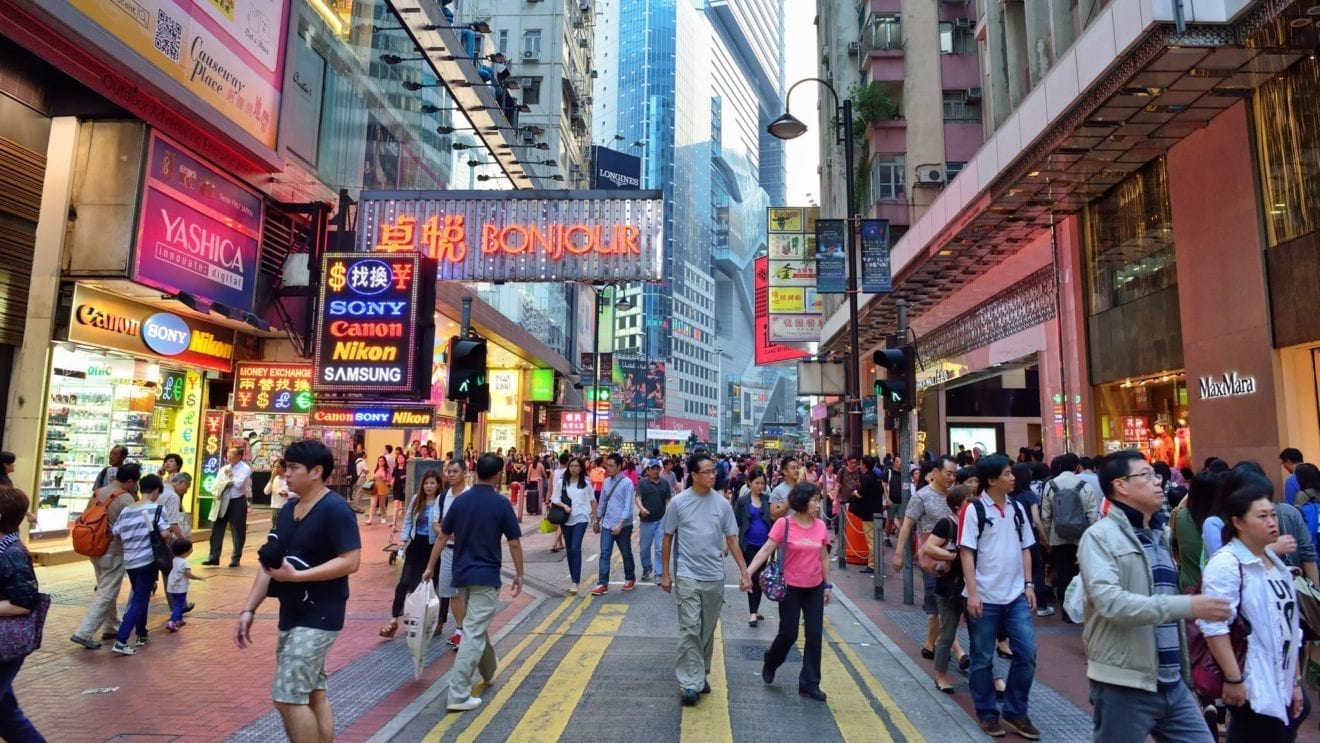
    About 56 million people visited Hong Kong last year. The city was ranked number one for arrivals globally last year by research company Euromonitor International. Visitors, most of them from mainland China, are drawn to its vibrant mix of cultures, dramatic harbour views and world-class shopping.

    The Chinese-ruled, semi-autonomous global finance hub makes about 5 per cent of its gross domestic product, or about US$18 billion, directly from tourism, not counting money spent in local shops and restaurants. Hong Kong’s tourism sector directly employs about 260,000 people, according to the government.

    Mainland Chinese visitors typically spend more per day than the average resident on baby formula, cosmetics and luxury goods, driven by a perception that Hong Kong has better quality standards than at home. That source of spending was cut off in early February, when Hong Kong sealed its borders to mainland China, with exemptions only for a small number of business travellers.

    Bubble trouble

    Visitor arrivals have been down 96 per cent to 99 per cent year-on-year every month since February, according to government figures. A travel bubble with Singapore – allowing a limited number of people to move between the cities after being tested for the virus – is due to begin this week, but is not likely to halt that decline, industry executives said.

    The arrangement lets travellers forgo quarantine, but is initially limited to one daily flight of only 200 passengers each way. That is a drop in the ocean for Hong Kong, which set its own record in January last year with 6.8 million visitors, including 5.5 million from Mainland China.

    Tour guide Mimi Cheung, 46, said she was pessimistic about the travel bubble, due to the limited number of people, strict regulations and high costs – around HK$2000 ($260) for mandatory virus tests, plus around HK$6000 ($774) to buy a tour in either city.

    “The government should open the mainland border under safe conditions. It will bring some hope,” said Cheung, who has found temporary work as a night security guard to provide for her parents and two children.

    Hong Kong leader Carrie Lam has said reopening the border with the mainland remains a priority, but Chinese officials have shown no indication they are willing to do so until virus cases fall to zero in Hong Kong.

    The city’s government has been trying to spur local tourism by offering free tours for small groups, but operators say it has been little help.

    Dozens of travel agencies have told staff to take unpaid leave from December, saying they can no longer afford to pay salaries or rent, according to employees interviewed by Reuters, travel associations and local media reports.

    Violent anti-government street protests in the second half of last year discouraged some tourists, leaving many operators without cash buffers to weather this year’s crisis.

    The city’s meetings and conventions business is also likely to see a 90 per cent revenue drop this year, equivalent to about HK$50 billion ($6.45 billion), said Stuart Bailey, chairman of the Hong Kong Exhibition & Convention Industry Association.

    The sector, which employs around 80,000 people, has had to cancel most of this year’s events, he said.

    “People are not optimistic we will be back to 2019 levels for at least 18 months to two years.”

  • Satellite to track rising seas as climate warms

    Satellite to track rising seas as climate warms

    An Earth-observation satellite developed by European and U.S. space agencies will measure sea level rise, tracking changes threatening to disrupt tens of millions of lives within a generation.

    If all goes according to plan, the payload will be hoisted into a low-Earth 1,300-kilometer (800-mile) orbit by a Space X Falcon 9 rocket, with lift-off from Vandenberg Air Force Base in California at 17:17 GMT Saturday.

    Sentinel-6a will be the first of two identical satellites – the second to be launched in five years – that will provide measurements of unprecedented precision until at least 2030.

    Each Sentinel-6 probe carries a radar altimeter, which measures the time it takes for radar pulses to travel to Earth’s surface and back again.

    The satellites will circle the planet in the same orbit as earlier missions that supplied sea-surface height data over the last three decades, mapping 95 percent of Earth’s ice-free ocean every 10 days.

    Accelerating sea level rise is arguably the climate change impact that will affect the largest number of people over the next three decades.

    Nearly 800 million people live within five meters of sea level, and even an increase in sea level of a few centimeters can translate into vastly more damage from high tides and storm surges.
    An Earth-observation satellite developed by European and U.S. space agencies will measure sea level rise, tracking changes threatening to disrupt tens of millions of lives within a generation.

    If all goes according to plan, the payload will be hoisted into a low-Earth 1,300-kilometer (800-mile) orbit by a Space X Falcon 9 rocket, with lift-off from Vandenberg Air Force Base in California at 17:17 GMT Saturday.

    Sentinel-6a will be the first of two identical satellites – the second to be launched in five years – that will provide measurements of unprecedented precision until at least 2030.

    Each Sentinel-6 probe carries a radar altimeter, which measures the time it takes for radar pulses to travel to Earth’s surface and back again.

    The satellites will circle the planet in the same orbit as earlier missions that supplied sea-surface height data over the last three decades, mapping 95 percent of Earth’s ice-free ocean every 10 days.

    Accelerating sea level rise is arguably the climate change impact that will affect the largest number of people over the next three decades.

    Nearly 800 million people live within five meters of sea level, and even an increase in sea level of a few centimeters can translate into vastly more damage from high tides and storm surges.

    China, Bangladesh, India, Vietnam, Indonesia and Thailand are home to the greatest number of people who today live on land that could be threatened by permanent inundation by 2100.

    Already today, there are more than 100 million people living below high tide levels.

    “Extreme sea level events that are historically rare – once per century in the recent past – are projected to occur frequently, at least once per year, at many locations by 2050,” especially in the tropics, the UN climate science advisory panel, the IPCC, concluded in a major report last year.

    Satellites tracking the world’s oceans since 1993 show that global mean sea level has risen, on average, by over three millimeters (more than a tenth of an inch) annually.

    More recently, that rate has increased to 5 mm per year.

    “It is crucial that we are able to see these accelerations,” said Alain Ratier, outgoing Director-General of Europe’s meteorological satellite agency, EUMETSAT.

    The IPCC forecasts an increase in global sea level rise of up to 1.1 meters (43 inches) by the end of the century.

    The Copernicus Sentinel-6 mission is a collaboration of the European Commission, the European Space Agency (ESA), EUMETSAT, NASA and the U.S. National Oceanic and Atmospheric Administration (NOAA).

    The Sentinel satellites are each about the size and shape of a large minivan topped with slanted solar panels, and weigh nearly 1,200 kilos (2,600 pounds), including rocket fuel.

    They are designed to last for five-and-a-half years, but could provide data for far longer. China, Bangladesh, India, Vietnam, Indonesia and Thailand are home to the greatest number of people who today live on land that could be threatened by permanent inundation by 2100.
    Already today, there are more than 100 million people living below high tide levels.

    “Extreme sea level events that are historically rare – once per century in the recent past – are projected to occur frequently, at least once per year, at many locations by 2050,” especially in the tropics, the UN climate science advisory panel, the IPCC, concluded in a major report last year.

    Satellites tracking the world’s oceans since 1993 show that global mean sea level has risen, on average, by over three millimeters (more than a tenth of an inch) annually.

    More recently, that rate has increased to 5 mm per year.

    “It is crucial that we are able to see these accelerations,” said Alain Ratier, outgoing Director-General of Europe’s meteorological satellite agency, EUMETSAT.

    The IPCC forecasts an increase in global sea level rise of up to 1.1 meters (43 inches) by the end of the century.

    The Copernicus Sentinel-6 mission is a collaboration of the European Commission, the European Space Agency (ESA), EUMETSAT, NASA and the U.S. National Oceanic and Atmospheric Administration (NOAA).

    The Sentinel satellites are each about the size and shape of a large minivan topped with slanted solar panels, and weigh nearly 1,200 kilos (2,600 pounds), including rocket fuel.

    They are designed to last for five-and-a-half years, but could provide data for far longer.

  • DHL Supply Chain to build warehouse at DP World London Gateway

    DHL Supply Chain to build warehouse at DP World London Gateway

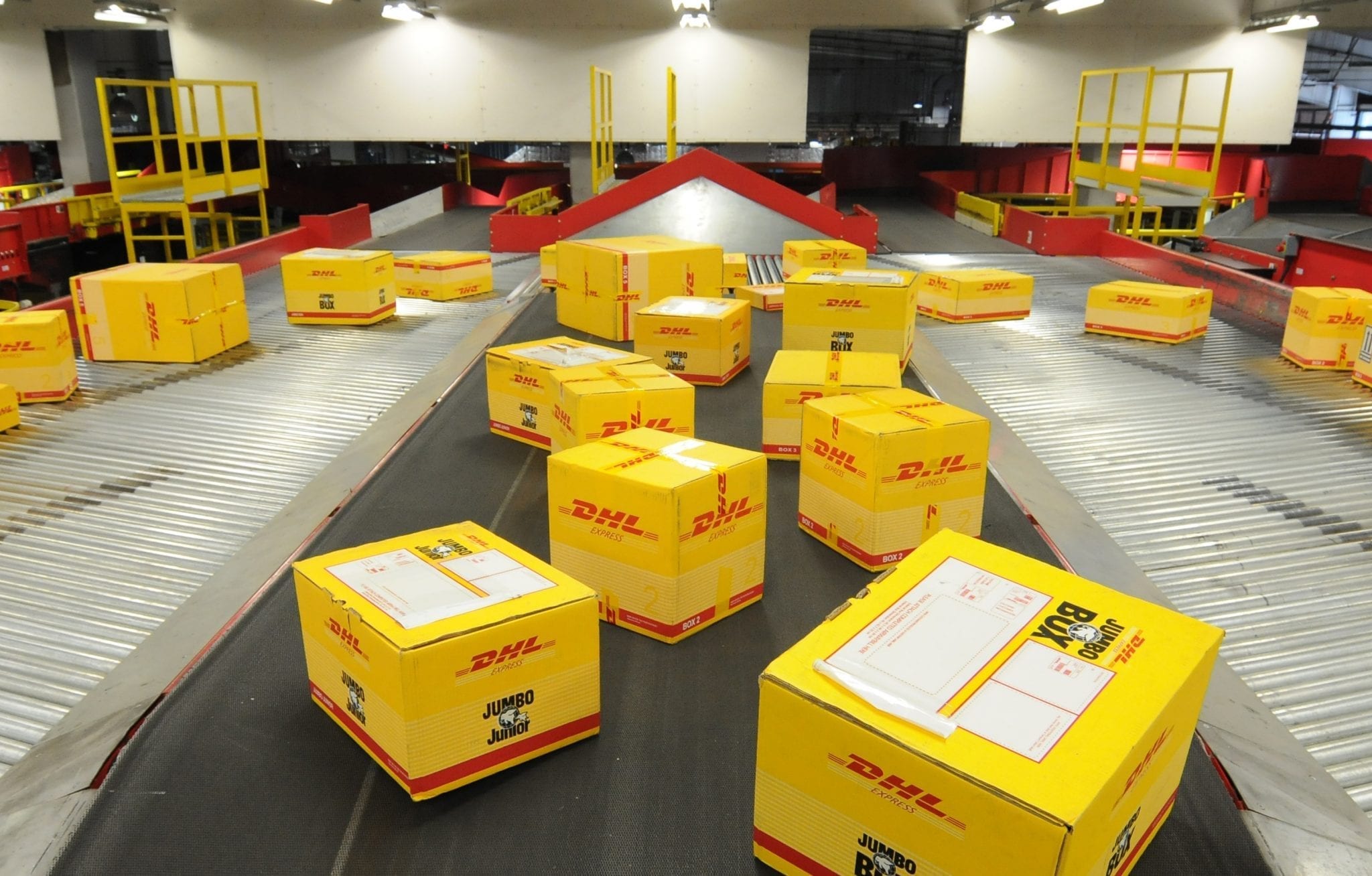
    DHL will construct the brand-new bespoke facility at Plot 3040 on London Gateway’s Logistics Park with the main facility build due to commence in early 2021. On completion, DHL will lease the facility from DP World London Gateway.

    The 42m high bay warehouse will feature 36m of clear internal eaves height. DHL said it would be fully automated and ready for operation in early 2023.

    When completed, the facility will be the largest single-unit at London Gateway’s Logistics Park.

    Oliver Treneman, Park Development Director at DP World London Gateway, said: “The most striking feature of this new letting is DHL’s significant investment in automation that underpins its commitment to this strategic location.”

    DHL joins UPS, Dixons Carphone, MADE.COM, Lidl, Ceva Logistics, P&O Ferrymasters, Halo Handling (SH Pratt), Ziegler UK and Compagnie Fruitiere at DP World London Gateway.

    DP World sponsored the Supply Chain Excellence Awards 2020. Discover how it feels to win a Supply Chain Excellence Award by watching the virtual ceremony on-demand.

  • AirAsia Japan files for bankruptcy in latest Covid casualty

    AirAsia Japan files for bankruptcy in latest Covid casualty

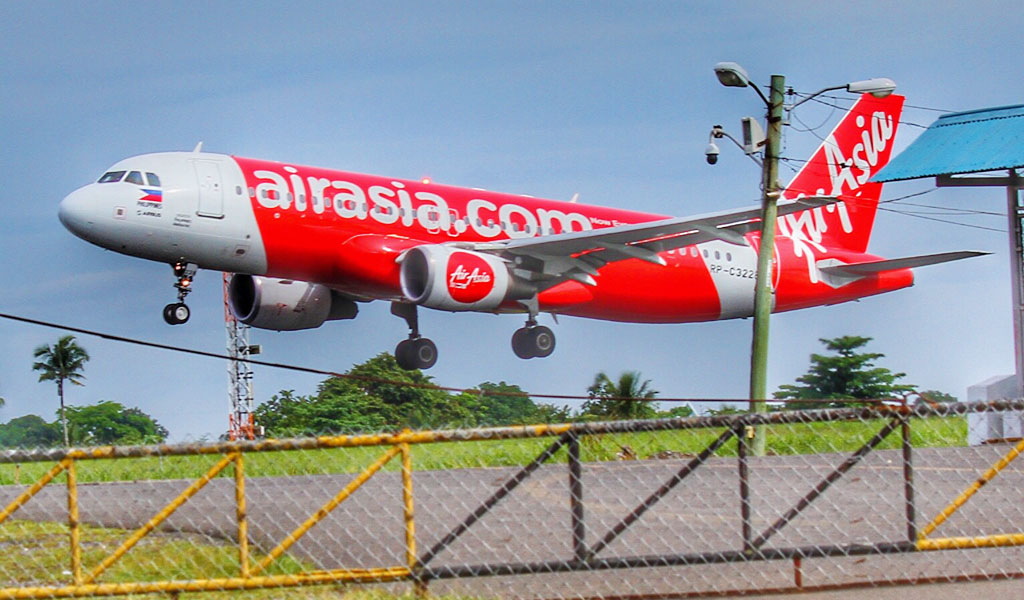
    AirAsia Japan Co has filed for bankruptcy with the Tokyo District Court after flagging last month it would cease operations in the country, as the coronavirus pandemic that’s wiped out travel globally took its toll.

    Flights between Japan and destinations such as Bangkok will continue to be operated by other AirAsia carriers.

    The Japanese arm of Malaysia’s AirAsia Group Bhd received a provisional administration order from the court Tuesday, it said in a statement.

    “Given AirAsia Japan’s current financial position, we regret to inform that AirAsia Japan is currently unable to settle the outstanding refunds,” the statement said. “We sincerely apologize for any inconvenience caused to customers who have used or booked AirAsia Japan flights.”

    AirAsia, which reported its largest loss on record in the second quarter ended June 30, has been under immense pressure this year as Covid-19 roils the aviation industry. Airlines globally have been plunged into crisis, with many cutting thousands of jobs and trying to secure funds for survival. Some, pushed to the brink, have gone out of business.

    The low-cost airline has also stopped funding its Indian affiliate, leaving the future of AirAsia India Ltd largely dependent on its majority shareholder, Indian conglomerate Tata Group. Long-haul budget arm, AirAsia X Bhd, isn’t faring much better, earlier this month submitting a new debt restructuring proposal to creditors.

    AirAsia Japan had already canceled all flights, including one between Nagoya and Taipei. Services operated to Japan by AirAsia’s other carriers in places like Thailand and the Philippines won’t be affected. International services to Japan from Malaysia, Thailand and the Philippines will resume as travel restrictions are eased and borders reopen, the airline said Tuesday.

    Customers who have booked AirAsia Japan flights can apply for a refund, which should be available from April next year, or they will receive a credit that can be used on any other AirAsia-operated flight.

  • Thai puts 34 aircraft on sale, including entire 747 fleet

    Thai puts 34 aircraft on sale, including entire 747 fleet

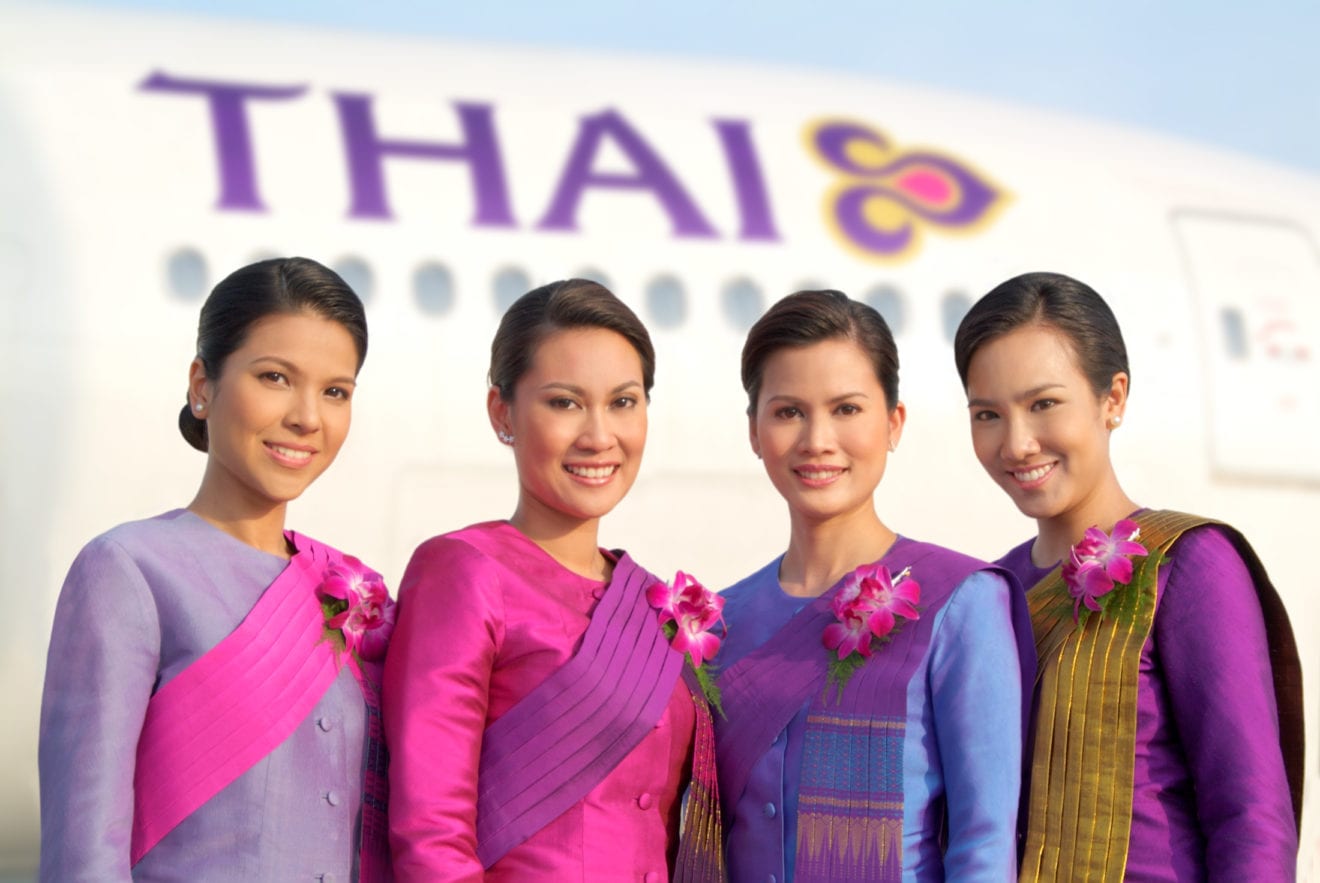
    Embattled Thai Airways has put up its entire Boeing 747 and its 777-200/300 fleet up for sale, as it aims to raise cash amid a long-drawn business rehabilitation process.

    The Star Alliance carrier disclosed on its aircraft trading website that 34 aircraft from its fleet will be put up for sale. Of these, 10 are 747-400s, six are 777-200s and another six are 777-300s.

    Thai Airways has 10 Boeing 747s currently in storage.

    The other aircraft include six Airbus A340-600s, which the carrier has not operated since 2015, and another three A340-500s, which it flew until 2012. Two 737-400s and one A300-600 round up the list of aircraft on sale.

    Thai states that the aircraft offered for sale are on an “as-is, where-is” condition, with most expected deliveries to take place in the second quarter of next year.

    The 10 747s (MSNs 26609, 26610, 27724, 27725, 28705, 28706, 32369, 32370, 33770 and 33771) are powered by GE CF6 engines and were manufactured between 1993 and 2003. They remain in storage, according to Cirium fleets data.

    The 777-200s (MSNs 27726, 27727, 27728, 27729, 27732 and 27733) were built between 1996 and 1998, and are powered by Rolls-Royce Trent 875 engines. Thai’s 777-300s (29150, 29151, 29211, 29212, 29213 and 29214) are fitted with R-R Trent 890s and were built between 1998 and 2000.

    Cirium fleets data shows the carrier has only 11 aircraft in service, with 85 in storage. Thai has a varied fleet, ranging from A330s, A380s and 787s.

    Thai filed for business reorganization in May, as it acutely felt the impact of the coronavirus outbreak. Already in a precarious financial situation, the pandemic saw travel demand collapse and widened the airline’s losses.

    Thailand’s central bankruptcy courts gave the troubled carrier the green light to reorganize in September, allowing it to appoint its rehabilitation organizers.

  • Nike gets local with new Nike Unite retail concept

    Nike gets local with new Nike Unite retail concept

    Adding to Nike House of Innovation, Nike Rise and Nike Live concepts, Nike introduces Nike Unite. Built to help locals connect more closely with sport, Nike Unite creates new in-and-out-of-store experiences, rooted in serving people the most valuable sport destination in their community.

    Read on for what to know about Nike’s latest retail concept.

    Nike Unite exists to serve and celebrate the people in each local community, and each store is designed to be a reflection of their heart and spirit. Consumers are welcomed by an in-store community wall highlighting the store team and local partnerships, and design elements throughout the space also look to tell the story of the community. From local landmarks to hometown athletes, the design allows the local residents to feel represented in the space.

    The products in each Nike Unite door are also reflective of what the community is interested in: locally curated, every-day essentials at the best price, matched with the newness of select seasonal offerings. Additionally, Nike Unite doors reflect Nike’s commitment to hiring people who live in the local community.

    In order to help protect the future of sport, sustainable offerings like reusable shopping bags are available at stores like Nike Unite – Namyangju, or at Nike Unite – East Kilbride, with takeback services like Nike Reuse-a-Shoe.

    Online or offline, Nike Unite doors deliver new ways to gear up and get moving together. Whether serving athletes in the digital spaces that speak to them, supporting local schools and nonprofits that give children more opportunity to stay active through Made to Play or participating in the Nike Community Ambassador program (which trains Nie store employees to be coaches), these measures allow Nike Unite doors to bring members closer to sport, and closer to one another.

    New Nike Unite stores are now open to the public in the following locations, with additional doors opening soon:

    Namyangju (South Korea)
    Portland, Ore. (United States)
    East New York (United States)
    San Antonio (United States)
    East Kilbride (UK)

    Coming Soon:
    South Chicago (United States)
    Atlanta (United States)
    Beijing – Jingliang (China)
    Beijing – Jingzang (China)

  • Dire forecast for global luxury goods sales

    Dire forecast for global luxury goods sales

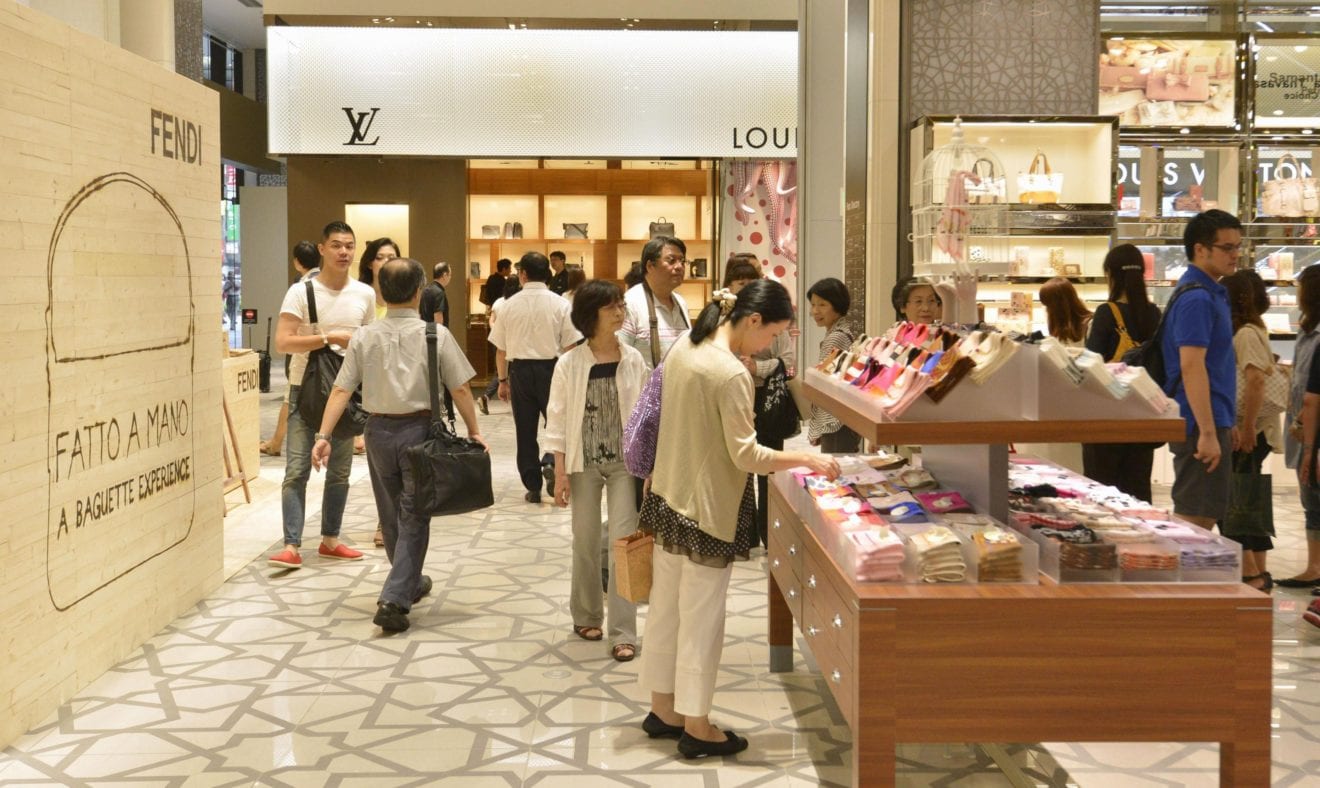
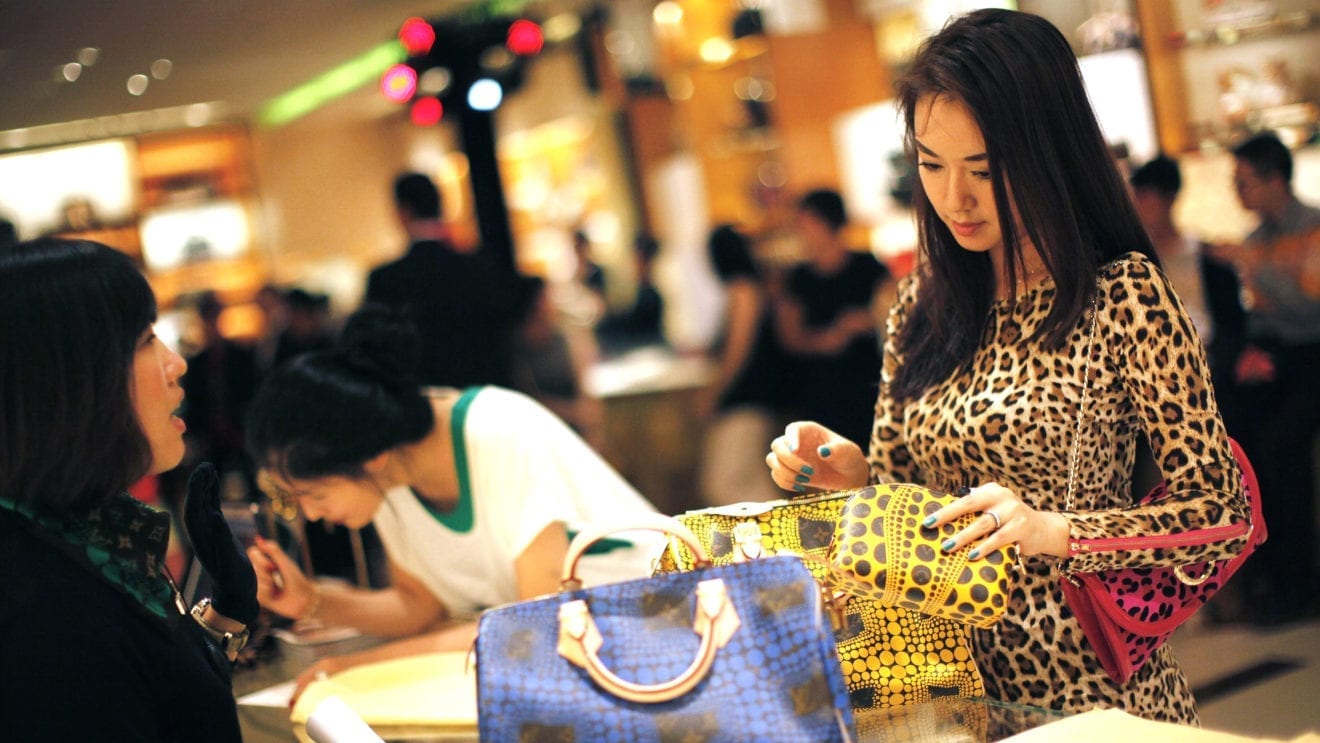
    Sales of luxury goods worldwide are set to fall by 23 percent to US$258 billion this 12 months, their largest ever drop and first since 2009, as a result of fallout from the coronavirus pandemic, in line with consultancy Bain.

    The anticipated decline, regardless of a powerful sales recovery in China, is on the decrease finish of a 20 percent to 35 percent vary which Bain’s carefully adopted business forecast had predicted in May.

    That is because of an even bigger than anticipated rebound in the course of the summer season when lockdown measures had been lifted or eased internationally and shops promoting high-end purses, garments, jewelry, and watches had been reopened.

    However, a resurgence of the pandemic in Europe and the United States since October has led to new restrictions and store closures whereas uncertainty linked to the US elections additionally weighed on client sentiment.

    The solely vivid spot is China, the place sales have surged because it started to emerge from the well-being disaster within the spring. Sales in mainland China are seen rising by 45 percent at present trade charges to $52 billion this 12 months.

    “We have a two-speed world, with Europe and the US strongly hit by the second wave and by social and political uncertainty, while China is relentlessly accelerating day after day,” Federica Levato, a companion at Bain, mentioned.

    Fourth-quarter sales are anticipated to drop by 10 percent, though the decline may very well be larger relying on how a lot of the brand new shutdowns hit the essential Christmas season.

    Revenues for the likes of Louis Vuitton proprietor LVMH, Hermes, and Prada ought to partly recuperate in 2021, though Bain says it is going to take till the top of 2022 and even 2023 to return to final 12 months’ ranges.

    The coronavirus disaster has accelerated three developments, Bain mentioned, with purchases on-line nearly doubling from 12 percent in 2019 to 23 percent in 2020, and e-commerce set to turn into the main channel for luxury purchases by 2025.

    International journey curbs have led to folks shopping for extra of their dwelling nations, whereas buyers born from 1981 onwards now account for nearly 60 percent of complete purchases.

  • Suria KLCC revamps its food court

    Suria KLCC revamps its food court

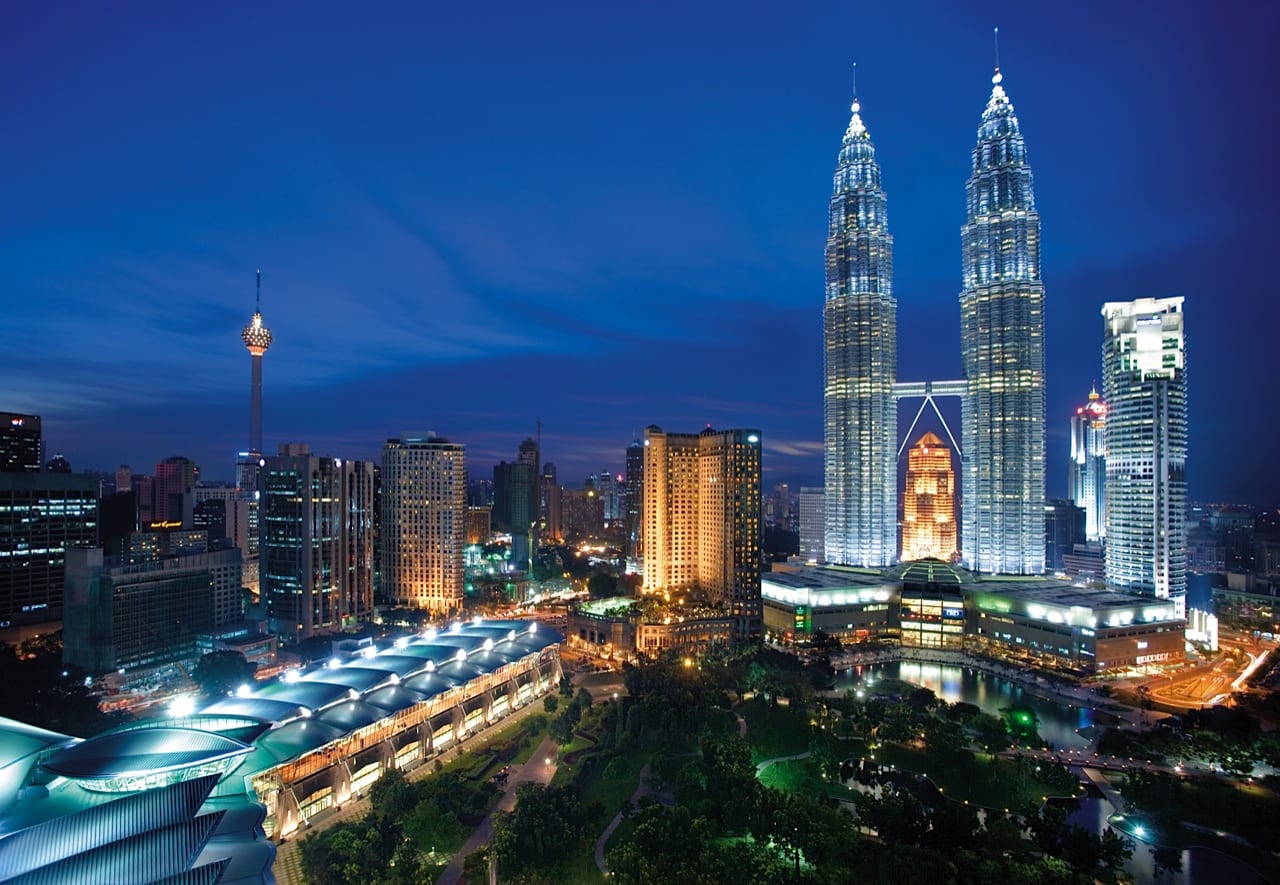
    Suria KLCC in the heart of Kuala Lumpur has unveiled its newly refurbished food court, which was designed to adapt to the Covid-19 era.

    Incorporating the space formerly occupied by department store Parkson, the Signatures food court boosts seating to more than 1500 while still ensuring enough space to comply with physical distancing requirements.

    Dining options have also been expanded with 23 food court outlets, six kiosks and seven restaurants. The revamped food court is equipped with a 5G infrastructure, and sports device-charging sockets.

    “A lot of thought and effort went into improving Signatures to what it is now,” said Andrew Brien, CEO of Suria KLCC.

    “Nothing has been left to chance, from the standard operating procedures to ensure hygiene, all the way to aesthetics capable of satisfying new norms for a long time.”

  • Samsung could be the first to launch a rollable phone

    Samsung could be the first to launch a rollable phone

    Although foldable devices are yet to go mainstream, smartphone vendors are already experimenting with a new form factor: rollable phones. During the recent Inno Day 2020 event, Oppo demoed its X 2021 concept device that could transform from a 6.7-inch phone into a 7.4-inch tablet, and LG has already teased its expandable handset, which would be its second Explorer Project device after the LG Wing.

    LG was earlier expected to release its rollable phone in March 2021, but the launch has seemingly been delayed to May now. A report from the South Korean blog Naver suggests that the “driving part” of the device is not working as intended, and the company also seems to be dealing with supply-side constraints. As a result, it has seemingly decided to push back the release.

    Samsung’s Vice Chairman Lee Jae-yong was apparently seen with a rollable prototype recently. Virtually nothing is known about the device, except that it will probably horizontally expand from 6-inches to 8-inches.

    Tipster Ice Universe suggests that Samsung could beat competitors to the punch, which makes us wonder if the Galaxy Scroll, or whatever the company ends up calling its rollable handset, will arrive in H1 2021.

    Regardless of who releases a rollable phone first, it could be a long time before the tech gains traction. Ice doesn’t see expandable devices entering mass production anytime soon and they believe 2021 will be very much about foldable phones.

    Samsung and Huawei are the only major vendors that sell foldable phones at the moment, but they will likely be joined by Xiaomi, Oppo, and possibly Google next year. Later in 2022, Apple will reportedly jump the bandwagon too.