Author: Mei Ling Tan

  • Hanoi short of premium office space

    Hanoi short of premium office space

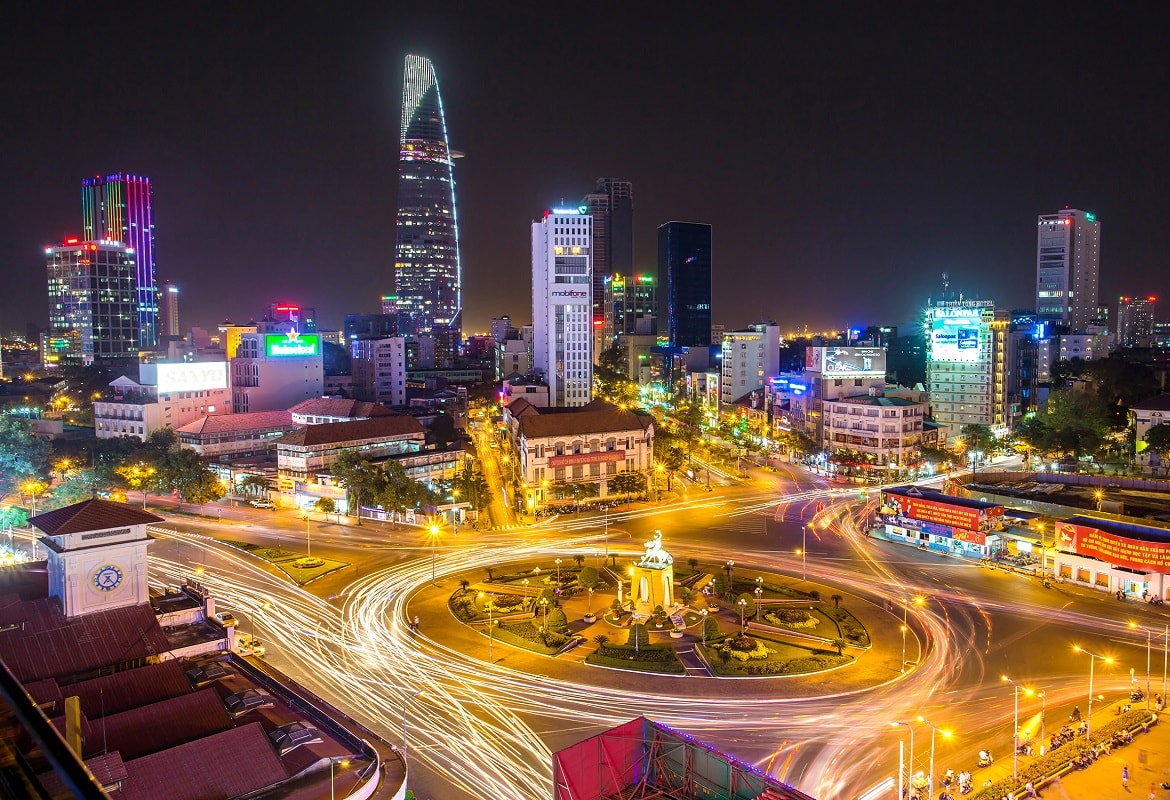
    Companies in Hanoi are struggling to find Grade A office space in the downtown area because of limited supply.

    Major Grade A office buildings in the downtown district of Hoan Kiem are recording 95-100 percent absorption rates due to high demand in the capital city, according to a recent report by real estate consultancy Savills.

    These buildings include the BIDV Tower with an occupancy rate of 100 percent, ConerStone Building, 99 percent, Hanoi Towers, 97 percent and Pacific Place, 96 percent.

    The Covid-19 pandemic has not caused major impacts on office demand in the capital city, with the absorption rate in the third quarter falling just 1 percentage point to 90 percent, the report said.

    Demand for office from foreign direct investment companies is set to rise in the future, Savills expects. Hanoi posted the highest GDP growth in the country in the first nine months at 3.3 percent, said Le Tuan Binh, head of Hanoi commercial leasing at Savills.

    The real estate consultancy said it has received many requests for new office space in the city, especially from foreign companies with deep pockets that are expanding or establishing their factories in the country.

    Hanoi’s overall office supply rose 4 percent year-on-year to 1.9 million square meters in the third quarter, and Savills forecasts that addition of over 60,000 square meters will enter the market in the last quarter.

  • UBS Private Equity Head Joins Fintech

    UBS Private Equity Head Joins Fintech

    The head of private equity at the wealth management of UBS is joining a Berlin-based investment platform.

    The CVs of the staff at Moonfare, a German private-equity-investment platform, include some serious heavy-weight experience: KKR, Apax Partners, J.P. Morgan, Blackrock, Amazon, Microsoft, Angellist, N26, and Google.

    Since this November, Swiss bank UBS is also part of the list of former employers of the Moonfare staff. The German startup has hired Winson Ng as its chief investment officer.

    He will work with managing director Magnus Grufman to develop the fund offering of Moonfare. The company is busy expanding the offering from private equity to new asset classes, according to a statement released on Wednesday.

    Ng will remain based in London and join the investment committee of Moonfare. He will play a key role in the positioning of the firm in digital private markets investing and growing its presence in the U.K.

    Experience From UBS and GIC

    Ng was head of the wealth management private equity team of UBS. At UBS and in senior roles at GIC, the Singapore state fund, Ng oversaw large allocations to growth, middle-market, and large-cap buyout funds as well as investments in funds focused on mezzanine capital, credit, infrastructure, and venture capital.

    A native of Hong Kong and Malaysia, Ng has an MBA from INSEAD and graduated with a medical degree from the University of London.

  • Bamboo Airways licensed to fly directly to the US

    Bamboo Airways licensed to fly directly to the US

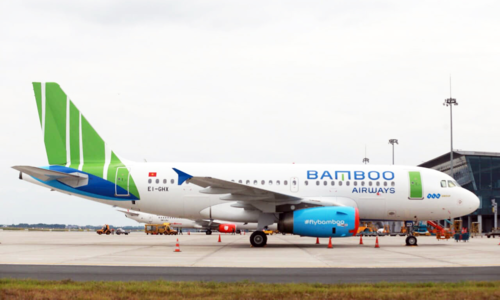
    Bamboo Airways has received a permit from the U.S. Department of Transportation to carry passengers and cargo to that country.

    It has been allowed to use the wide-body Boeing 787-9 Dreamliner to fly directly from Hanoi and Ho Chi Minh City to places like Los Angeles and San Francisco.

    Bamboo Airways is the second airline to get permission after Vietnam Airlines.

    It is set to begin direct service to the U.S. at the end of 2021 or early 2022, and will next seek licenses from the Federal Aviation Administration (FAA), the Transportation Security Administration and other relevant agencies in the U.S.

    The FAA granted a Category 1 rating to the Civil Aviation Authority of Vietnam under its International Aviation Safety Assessment program last February, which meant the latter met safety standards to operate flights to the U.S.

    There are currently no non-stop routes between the two countries, and passengers have to transit through East Asia, taking 18-21 hours in all. A direct flight would bring the travel time down to 14-16 hours.

    Americans are among the top foreign visitors to Vietnam, with 687,226 arrivals last year, while an ethnic Vietnamese population of over 2.1 million in the U.S. is also expected to be a steady source of travel demand.

  • Cebu Pacific extends flexible booking options

    Cebu Pacific extends flexible booking options

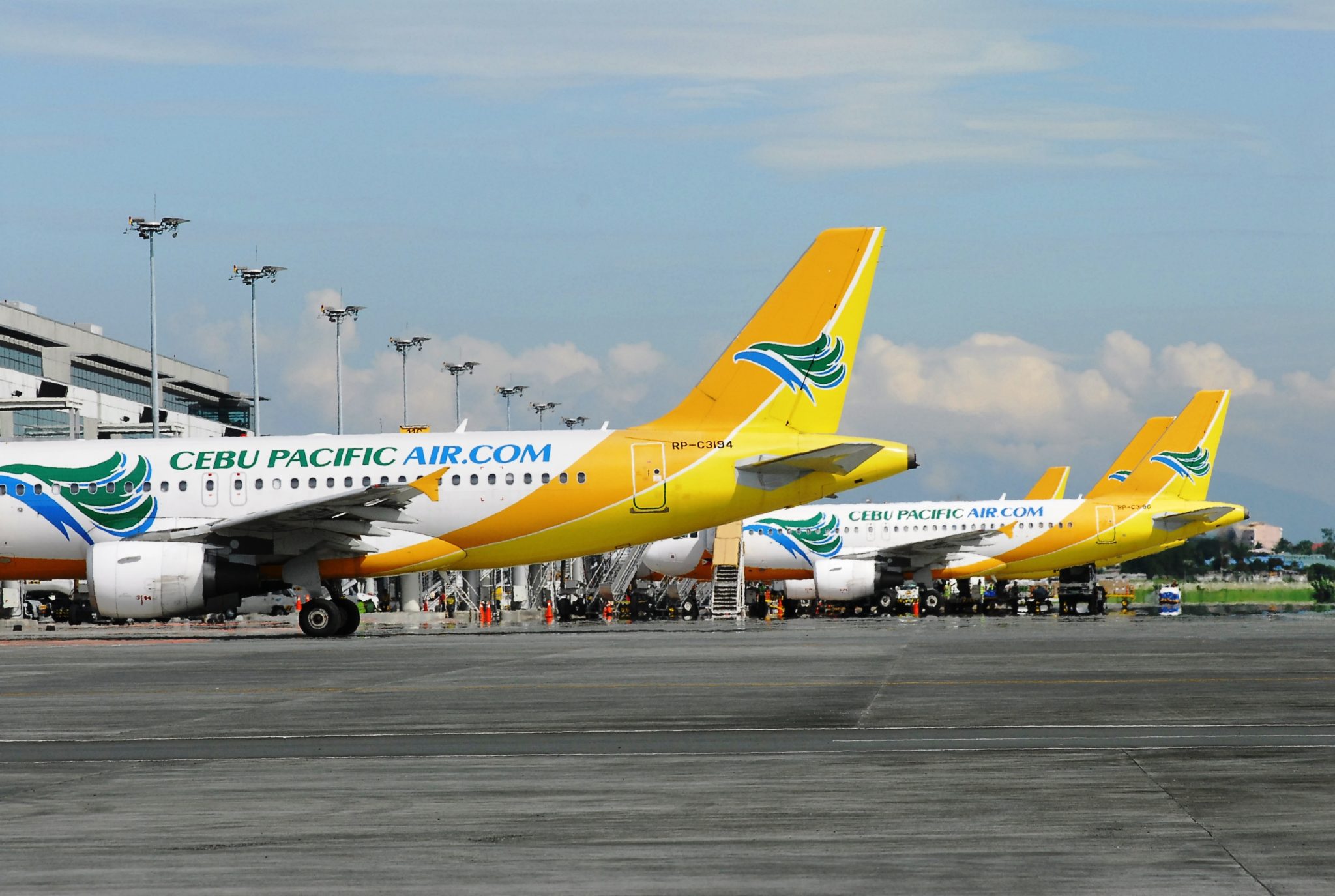
    CEBU Pacific (CEB) extends the coverage of its flexible booking options for passengers traveling until Dec. 31, 2020.

    The Travel Fund, valid for two years, can be used to book flights up to 12 months ahead, given that transactions are done before the fund expires. This means customers can use their Travel Funds to book trips potentially until 2023.

    This virtual wallet will consist of the full cost of the ticket and can even be used for purchasing ancillaries such as baggage allowance and seat blocking.

    For customers with existing Travel Funds, the two-year validity will be applied retroactively.

    Those who wish to postpone travel plans may opt to rebook their flights as many times as possible. A minimal fare difference may apply.

    Those with canceled flights will continue to have the following options: placing the full cost of the ticket in a Travel Fund valid for two years; rebooking flights with no limit (both rebooking fee and fare difference are waived if new travel date is within 90 days); or availing of a full refund.

    One simply has to go to the “Manage Booking” portal on the Cebu Pacific website. Bookings can be modified up to two hours before the flight.

  • Cebu Pacific refunds hit P2.7B as virus grounded flights

    Cebu Pacific refunds hit P2.7B as virus grounded flights

    Cebu Pacific said ­refunds to customers for flights canceled due to the COVID-19 crisis already reached P2.7 billion, with billions of pesos more to be returned.

    The budget airline assured passengers their refund requests would be processed but it could take up to six months from the time of filing.

    “We understand how difficult this situation is for everyone and we sincerely apologize for the delay,” Cebu Pacific said in an update to flyers this week.

    The latest figure was higher by P300 million from its previous update last September. At the time, Cebu Pacific also suggested total refund request during the pandemic reached nearly P5 billion.

    Cebu Pacific said it was currently processing refund requests filed in June.

    Like other airlines, it was severely hit by the global health crisis while strict lockdowns grounded flights for extended periods during the summer travel season and in August.

    The industry is currently operating a fraction of its pre-pandemic network as broad travel restrictions remain in place and customers defer their travel plans.

    Refunds add to the financial strain at a time when airlines are struggling to generate revenues.

    In its update, Cebu Pacific pointed to efforts to raise fresh capital. That includes an earlier-announced plan to raise $500 million selling shares and bonds to strengthen its balance sheet.

    Local carriers will no longer have to worry about new refund filings with the passage of the Bayanihan to Recover as One Act last September. While in effect, the law allows airlines to instead issue travel vouchers.

    Cebu Air Inc., which operates Cebu Pacific, earlier announced a P9.1-billion loss in the first half of 2020, during which there was an almost three-month strict lockdown of major cities across the Philippines.

    The loss reverses a P7.14-billion profit in the January to June period of 2019.


  • AirAsia X set to amend debt revamp plan

    AirAsia X set to amend debt revamp plan

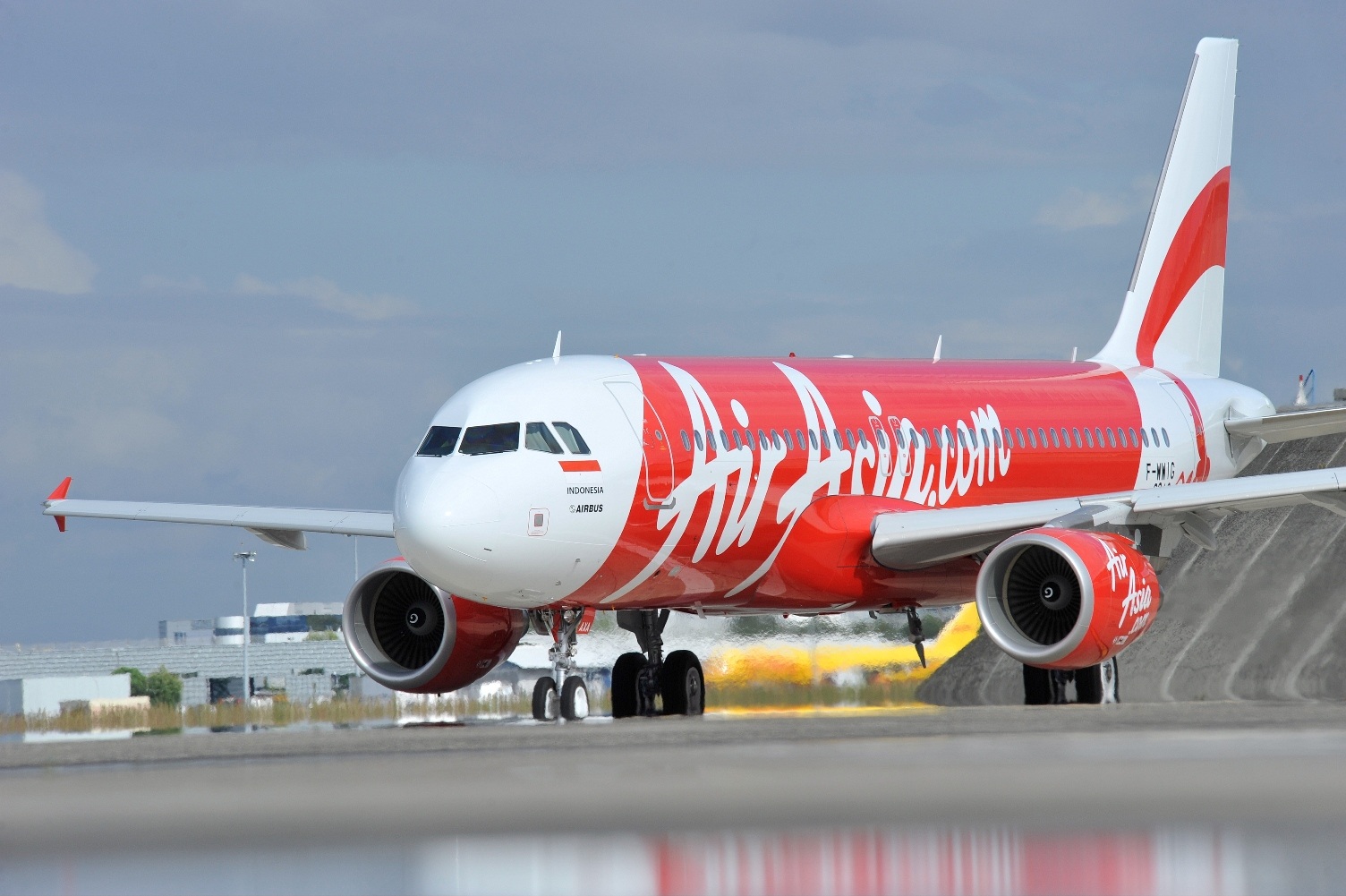
    AIRASIA X, the low-cost long-haul affiliate of AirAsia Group Bhd, is expected to file an amendment to its originating summons next week, to make its debt restructuring proposal more palatable to the 1,200 unsecured creditors that the airline is asking to write down their dues.

    This was disclosed to Kuala Lumpur High Court Judicial Commissioner Anand Ponnudurai by the lawyer for AAX last Friday (Oct 30). The matter came up before Anand at a case management hearing of an application by several of AAX’s unsecured creditors to intervene in the airline’s application for leave to hold a creditors’ meeting to vote on its proposed debt restructuring scheme.

    Sources say AAX seeks to amend its originating summons, as well as some of the terms of its proposed scheme. This comes as more lessors and creditors have come out against AAX’s proposed scheme that was disclosed on Oct 6.

    Under its proposed scheme, AAX is seeking to get at least 75% of the total debt value of its unsecured creditors to agree to take a 99% haircut, effectively cutting RM2 billion in current debts and another RM61 billion in future liabilities to RM200 million. It also entails undertaking a 90% share capital reduction to RM150 million from RM1.53 billion currently, and a consolidation of every 10 existing shares into one consolidated share.

    It is learnt that apart from airport operator Malaysia Airports Holdings Bhd (MAHB) and aircraft leasing company BOC Aviation Ltd, Macquarie Aircraft Leasing Services (Ireland) Ltd, Sky High I Leasing Co Ltd and three other creditors are the latest to file an intervention application for their objections to the proposed debt restructuring scheme to be heard. Oct 30 was initially the date of the hearing for AAX’s application for leave to convene the creditors’ meeting for purposes of voting on the proposed scheme.

    Sources say during the case man­agement hearing, AAX had no objections to the intervention application filed by the creditors, which means the concerned parties are allowed to intervene and take a position in terms of the proposed scheme.

    According to sources, Anand has also decided to recuse himself from the case, as he had previously appeared on behalf of AirAsia in its dispute with MAHB and the Malaysian Aviation Commission before he was pulled from private practice into the judiciary last November.

    It is understood that another case management would be held next week to fix the leave hearing for the concerned creditors to raise the reasons for their objections to the proposed debt restructuring scheme. This is likely to be held before Judicial Commissioner Ong Chee Kwan.

    “At the leave hearing, the creditors will then state if they think the proposed scheme is not good, unfair, or that they want to be excluded from the scheme,” one source said.

    Sources also say the hearing date for AAX’s application for leave to hold the creditors’ meeting to vote on its proposed scheme is also expected to be fixed at next week’s case management hearing. “Depending on the judge’s schedule and subject to the availability of all the lawyers (representing the scheme creditors), the hearing could be held at the end of November or early December. Of course, it is best for AAX to hold the creditors’ meeting as soon as possible,” another source adds.

    On a recent report that AAX plans to revise its scheme to address concerns raised by MAHB to be excluded from it — as the airport operator takes the view that it is a secured creditor — sources say this was not raised during the case management hearing on Oct 30. “There is nothing formal to suggest their removal (from the scheme) at the moment,” says one source.

    At the case management hearing, AAX was represented by Foong & Partners with Gopal Sreenevasan as its lead counsel. MAHB and Sky High were represented by Claudia Cheah of Skrine while BOC Aviation and Macquarie were represented by Kwan Will Sen and Joyce Lim of Lim Chee Wee Partnership. David Hoh, counsel for Abdullah Chan, represented three other creditors.

    On Oct 22, MAHB announced that it was suing AAX to recover RM78 million in outstanding aeronautical charges. The debt that it is owed is less than 0.01% of the total debt owed in the proposed scheme, it added.

    BOC Aviation had also filed an intervention application in the court for its objections to the proposed scheme to be heard. It is seeking about US$30 million in dues from AAX.
  • McDonald’s launches new growth strategy; beats profit estimates

    McDonald’s launches new growth strategy; beats profit estimates

    It will also debut a “McPlant” line of plant-based menu items, though it declined to say which suppliers it would use for faux burger, faux chicken and breakfast items. It previously tested a vegan “P.L.T.” burger by Beyond Meat in Canada.

    The world’s biggest burger chain beat revenue and profit estimates for the third quarter on Monday as customers in the United States ordered more hamburgers and fries in drive-through outlets and on delivery apps to avoid dining out during the pandemic.

    Overall, global sales fell 2.2% in the quarter, an improvement over the previous quarter’s drop, as McDonald’s had already announced in an October update.

    The company’s limited-time promotional deal with rapper Travis Scott, which caused shortages of some ingredients, and other marketing investments also helped sales bounce back from pandemic lows.

    Through 2022, the chain plans to spend about $2.3 billion (£1.7 billion) on capital expenditure, about half of which will build new stores, with some of the rest used for remodels stalled by the pandemic.

    Next year, McDonald’s will focus on core products such as burgers, coffee and chicken, including a new Crispy Chicken Sandwich – something some franchisees have long sought in order to compete with the success of similar products at Popeyes, a unit of Restaurant Brands International and Chick-fil-A.

    It will also redesign its packaging globally. And soon, it will launch another growth driver that other chains have long had — a loyalty program.

    “MyMcDonald’s” digital program will allow customers who sign up to get tailored offers, the company said. A loyalty rewards program using the MyMcDonald’s program will start as a pilot in the coming weeks in Phoenix and next year across the United States.

    Finally, it will build some locations without any dining rooms to focus on carryout, drive-through and delivery only.

    Despite some sales recovery and better-than-forecast margins, the company is still pressured in key markets outside the United States, including France, Germany and Britain by new lockdown restrictions due to a spike in coronavirus cases.

    McDonald’s total revenue fell about 2% to $5.42 billion in the three months ended Sept. 30, largely recovering from the over 30% plunge posted in the second quarter.

    Analysts on average had estimated revenue of $5.40 billion, according to IBES data from Refinitiv.

    Net income surged 10% to $1.76 billion, helped by gains from the sale of a part of McDonald’s stake in its Japanese affiliate.

    Excluding those gains, the company earned $2.22 per share, beating estimates of $1.90.

  • China’s Xiaomi takes third place in Vietnam smartphone market

    China’s Xiaomi takes third place in Vietnam smartphone market

    China’s Xiaomi grabbed a 12 percent market share in the third quarter to surpass Vivo and become the third-largest smartphone brand in Vietnam.

    Xiaomi reported sales growth of 114 percent year-on-year despite Covid-19 impacts, Singaporean technology market analysis firm Canalys said in a recent report.

    South Korea’s Samsung stayed on top with a 33 percent market share, followed by China’s Oppo (15 percent); but sales of both brands dropped sharply at 6 percent and 21 percent year-on-year respectively.

    VinSmart, a subsidiary of Vietnam’s largest listed company, Vingroup, was fourth with a 9 percent market share.

    VinSmart had launched its first product at the end of 2018, and produced its first 5G smartphones in collaboration with U.S. chip giant Qualcomm last month. The brand is focusing on the low-end segment with 12 offerings all priced at below VND5 million ($212).

    China’s Vivo also grabbed a market share of 9 percent in the third quarter after growing 75 percent.

    Almost 10 smartphone brands have been vying for third place in recent years, with Apple, Xiaomi, and Vivo the most notable names. No brand has remained in that position for more than six months.

    According to We Are Social, a social media marketing and advertising agency, around 75 million people, or almost 80 percent of the country’s population, use smartphones.

  • Google Maps Street View might soon allow users to upload their own photos of places and streets

    Google Maps Street View might soon allow users to upload their own photos of places and streets

    Google Maps is now one of the most popular navigation and exploration tools, and a new feature coming to its Google Street View might soon allow people to upload photos to make sure hardly reachable areas of streets or cities can be visible in Google Street View. The feature to upload images will be present in the standalone app Google Street View, which will allow you to use your smartphone to contribute to Google Maps.

    In the beginning, in order to be able to place you on a street in Google Maps, Google had cars that went about with big 360-degree cameras that took photos of the streets. This later helps anyone who needs more precise navigation or to get a feel of the streets in Google Maps and Google Street View to virtually place themselves in the middle of the street and look around.

    Now, to further this capability and make previous unavailable-for-visualization places accessible, Google’s Street View will have a feature that can use your smartphone to take photos of the place as you drive. Reddit user -J-G- spotted the feature in Google Street View Driving mode. Additionally, Google might need to use some image processing and software to merge the photos together for a 360-angle view.

    As expected, the app will blur faces and vehicle plates, protecting the privacy of everyone while at the same time providing more images and visualization to Google Street View in places unreachable for Google alone.

  • VF Corp adds Supreme to its stable in US$2.1 billion deal

    VF Corp adds Supreme to its stable in US$2.1 billion deal

    VF Corp pays US$2.1 billion to purchase streetwear attire firm Supreme, including one other standard model to the Vans shoe maker’s portfolio. VF Corp, which additionally homes manufacturers reminiscent of The North Face and Timberland, mentioned it might make a further fee of up to $300 million, topic to satisfaction of sure post-deal closing milestones.

    Shares of VF Corp surged about 13 percent to $78.94 in afternoon buying and selling.

    The firm mentioned present buyers Carlyle Group and New York-based personal fairness agency Goode Partners had been promoting their stakes in Supreme, based by American-British businessman James Jebbia in 1994.

    Known for its pink field emblem with “Supreme” written in white, the model has gained a following amongst “hypebeasts,” or followers of the streetwear model, with product launches of the whole lot from hoodies to burner telephones promoting out in minutes and folks lining up outdoors its 12 shops worldwide for hours.

    The perceived shortage has helped Supreme to purchase a cachet amongst younger folks and allowed it to cost far increased costs than different streetwear manufacturers like VF’s Vans and Nike.

    “This scarcity, novelty and strong social influence model supports meaningful pricing power resulting best in class profitability,” VF Corp CEO Steve Rendle mentioned.

    VF Corp estimated the broader streetwear market to be a roughly $50 billion world alternative and that Supreme was on the epicenter of this market, he mentioned.

    The firm mentioned the Supreme deal will assist bolster its e-commerce enterprise, which has change into extra pressing for attire and footwear makers due to the Covid-19 pandemic.

    Supreme, which has collaborated with many outstanding style names together with Louis Vuitton in addition to Nike, Levi and Vans, will get over 60 percent of its income from the net enterprise.

    The deal, which is predicted to be accomplished late this 12 months, is anticipated to contribute a minimum of $500 million of income and adjusted earnings per share of 20 cents in fiscal 2022.

    Supreme doesn’t present group gross sales or revenue figures however its UK-based European arm is obliged to publish annual accounts and these have confirmed speedy development and industry-leading margins in current years.

    In the 12 months to the top of January 2019, Supreme’s European enterprise racked up the income of 100 million kilos ($130 million) regardless of having simply two shops and a revenue margin, earlier than curiosity bills, of 44 percent – a number of of the margins earned by different streetwear manufacturers like Vans, Abercrombie & Fitch and even luxurious manufacturers like Gucci, firm filings present.

    Analysts have questioned whether or not Supreme will probably be in a position to preserve its premium pricing as its merchandise change into extra ubiquitous, however, had been extra sanguine after Monday’s announcement.

    “Supreme is a strong streetwear brand …. and while the brand has built its appeal on scarcity, we believe the market will be excited at the margin and growth profile and its contribution to VFC,” Bernstein analyst Jaime Merriman mentioned.

  • Vietnamese startup acquires US mobile testing platform

    Vietnamese startup acquires US mobile testing platform

    Vietnamese tech startup Kobiton has acquired U.S.-based mobile testing platform Mobile Labs Inc after raising $14 million for the purpose. Kobiton, which provides a platform for app developers to test their products, said in a statement that the acquisition would help customers deliver apps of higher quality faster by utilizing artificial intelligence.

    The acquisition was funded by U.S.-based investment funds BIP Capital and Fulcrum Equity Partners.

    Ha Ngoc Vinh Du, director of Kobiton in Vietnam, said that the acquisition was also positive news for the Vietnam tech industry as it confirms the talent of Vietnamese tech engineers among the global tech community.

    Jim Douglass, the partner at Fulcrum Equity Partners, said that companies are increasingly reliant on their mobile channels to improve revenues, and they need new ways to test their apps on real devices without sacrificing quality.

    Kobiton, with offices in Ho Chi Minh City and Atlanta, U.S., was founded by Vietnam-based KMS Technology in 2016. It has over 50 IT engineers and developers in its employ. Its platform is used by over 60,000 developers worldwide.

  • Zoom lied about using end-to-end encryption and is lightly spanked by the FTC

    Zoom lied about using end-to-end encryption and is lightly spanked by the FTC

    Announced on Monday, a settlement between video conferencing app Zoom and the FTC revealed that since 2016, Zoom had been lying about providing ‘end-to-end, 256-bit encryption’ to protect the security of users’ communication. The truth was that Zoom was actually giving users a lower level of security. As the FTC said on Monday, “Zoom maintained the cryptographic keys that could allow Zoom to access the content of its customers’ meetings, and secured its Zoom Meetings, in part, with a lower level of encryption than promised.”

    The FTC complaint chronicles the rapid growth of the company. In July 2019 it had 600,000 paid subscribers and 88% of its paid subscribers were small businesses with 10 or fewer employees. By December of 2019, 10 million people around the world were participating in a Zoom chat daily. And by the time COVID-19 hit the U.S. big time in April 2020, the number of people around the globe participating on a Zoom chat everyday had skyrocketed to a whopping 300 million.

    During this amazing period of growth, Zoom made various representations about the strength of its security measures. On its websites and in its security guides Zoom said that it takes “security seriously,” that it “places privacy and security as the highest priority.” Zoom also made it known that “it is committed to protecting your privacy.” Since 2016 Zoom has been making claims that its chats offer end-to-end encryption. One way that it did this was by placing an icon of a green padlock in the top left corner of a Zoom Meeting. When a user hovered near the icon, he or she would see a popup that read “Zoom is using an end-to-end encrypted connection.”

    But as the FTC notes, “Zoom did not provide end-to-end encryption for any Zoom Meeting that was conducted outside of Zoom’s Connector product. On a blog post written by Zoom’s Chief Product Officer, the company finally admitted that “while we never intended to deceive any of our customers, we recognize that there is a discrepancy between the commonly accepted definition of end-to-end encryption and how we were using it.” The FTC also noted that the claim made last year by Zoom that its recorded meetings were stored encrypted as soon as the Meeting was over simply was not true. As it turns out, recorded Meetings were kept in Zoom’s own server unencrypted for up to 60 days before they were transferred to Zoom’s secure cloud storage where they were stored encrypted.

    The Democrats on the FTC panel are not happy about the settlement since they feel that it does not punish Zoom enough for its lies. Democratic Commissioner Rebecca Kelly Slaughter said, “Zoom is not required to offer redress, refunds, or even notice to its customers that material claims regarding the security of its services were false. This failure of the proposed settlement does a disservice to Zoom’s customers, and substantially limits the deterrence value of the case.” However, Zoom does face lawsuits from customers and investors and these could result in the company being ordered to make financial restitution to those who were hurt by the firm’s dishonesty.

    The proposed settlement that Zoom has agreed to includes beefing up its security including the use of multi-factor authentication as a way to prevent unauthorized access to the Zoom network. The settlement is open for the public to comment on it for 30 days; once that time is up, the Commission gets to vote on making it final. The 30 days begins once the settlement is published in the Federal Register. Zoom will have to notify the FTC if there are any data breaches. All software updates will need to be examined by Zoom for any security flaws. And a third-party will need to sign-off on Zoom’s security program once the settlement is finalized and for every two years after that for a total of 20 years.

  • Hyundai Looks Ahead To New SUVs In 2021 And Urban Air Taxis By 2028

    Hyundai Looks Ahead To New SUVs In 2021 And Urban Air Taxis By 2028

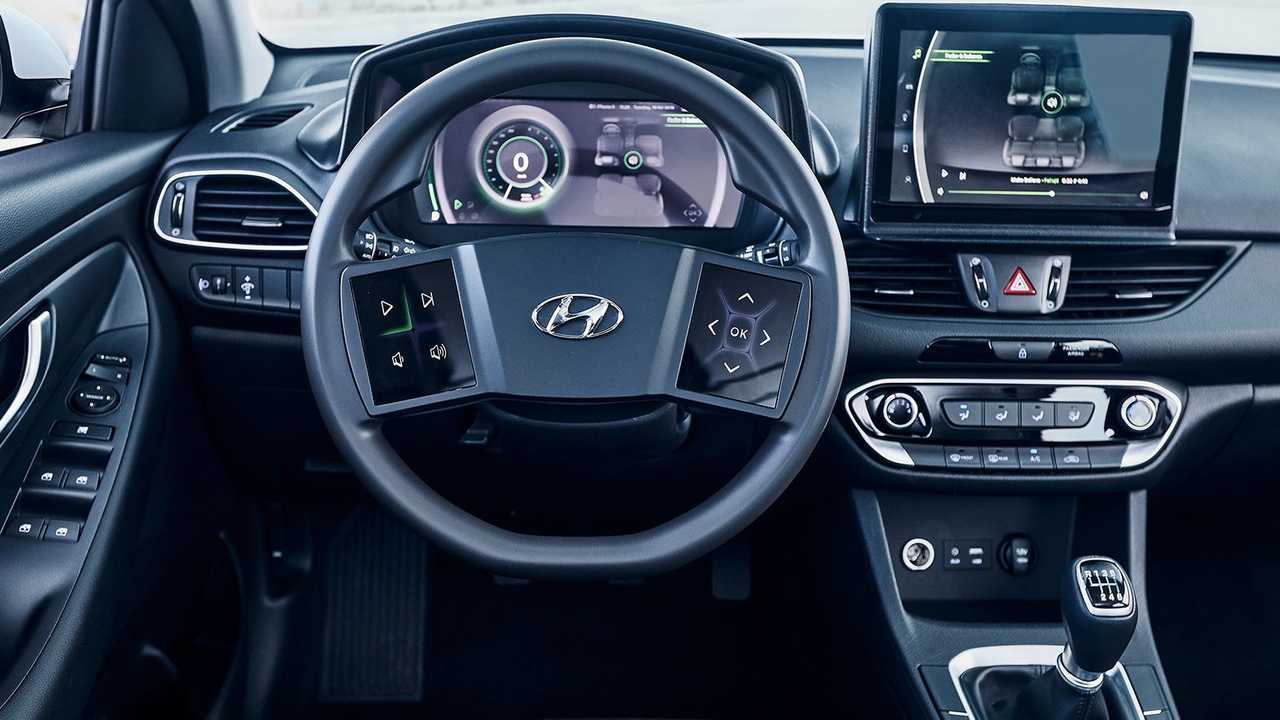
    South Korean automaker Hyundai Motor Co is supercharging its product portfolio next year with the introduction of several new SUVs, while looking even farther out to the launch of its first urban air taxis toward the end of the decade, the company’s top U.S. executive said on Monday.

    “We are all-in on autonomous vehicles,” as well as electric vehicles, said Jose Munoz, president and CEO and Hyundai Motor North America, at an Automotive Press Association teleconference.

    His remarks come at a time when investment in robo-taxis has slowed, even as the global pandemic has spurred interest in personally-owned vehicles, especially trucks and SUVs. Hyundai hopes to tap that interest next year with the all-new Santa Cruz, a compact utility vehicle with a pickup bed, and the Ioniq 5 crossover, the first in a series of new all-electric models.

    Early next year, the redesigned Tucson compact crossover goes into production at Hyundai’s Montgomery, Alabama plant, which also will begin building the Santa Cruz in late spring as part of a $410 million expansion. Munoz said Hyundai will work with the new Biden administration to develop infrastructure to support battery-electric and hydrogen-electric vehicles.

    He seemed most excited by Hyundai’s work with Motional – its $4 billion (£3 billion) self-driving technology joint venture with Aptiv PLC and its partnership with Uber Technologies on urban air taxis, which Munoz predicted would be in operation at such major U.S. airports as LAX in Los Angeles and JFK in New York “by 2028, maybe earlier.”

    Hyundai already is developing “flying devices” powered by electric motors and batteries that can transport five to six passengers from highly congested urban and suburban centers to those airports, Munoz said. “We see a lot of opportunities ahead of us in autonomous vehicles,” including air taxis, he said.

  • Tesla Is Looking To Move to AMD Navi Chips For The Media Control Units On Its Cars

    Tesla Is Looking To Move to AMD Navi Chips For The Media Control Units On Its Cars

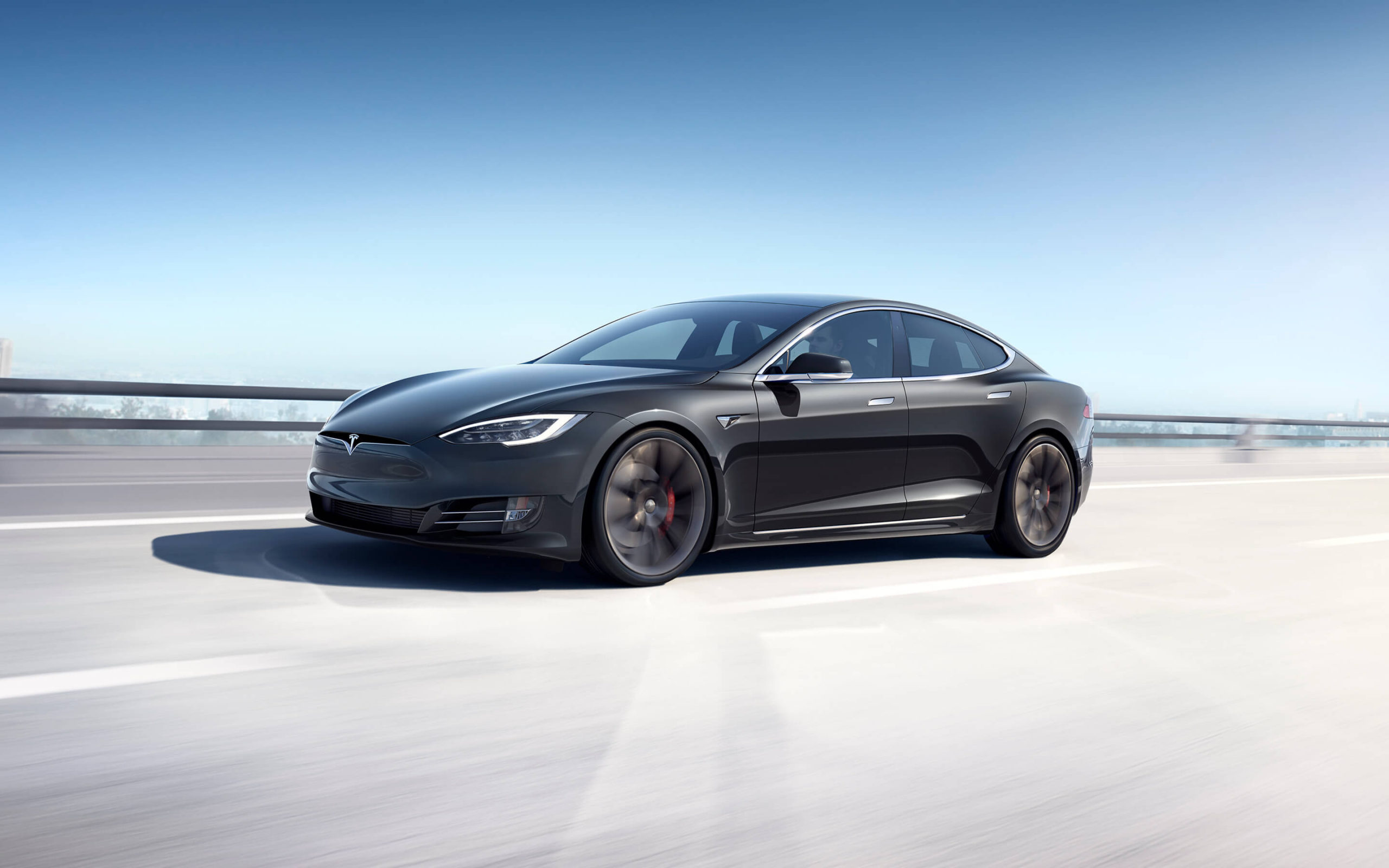
    While Tesla has moved away from Nvidia’s silicon for its self-driving autonomous car capabilities, it still uses Nvidia’s Tegra mobile chips for the media control unit or MCU on its vehicles. It seems like Tesla wants to fully break up as it is considering AMD’s new Navi chips which form the basis for its new GPUs and the GPUs AMD has supplied both Microsoft and Sony for the Xbox Series X and PlayStation 5.

    Tesla has already switched to Intel-based x86 processors for its MCU on many vehicles and AMD’s Navi system on chips will have the same x86 architecture which will make the transition less painful. Patrick Schur has shared a document on Twitter which indicates that Tesla is particularly looking to move to AMD’s Navi 23 chip.

    Announced in October, AMD’s latest chips are said to match Nvidia’s GPUs in performance and outflank Intel’s CPUs in the same department while being significantly cheaper than products from the two companies.

    “Groundbreaking AMD RDNA 2 gaming architecture delivers up to 2X higher performance and up to 54 percent higher performance-per-watt compared to AMD RDNA-based graphics cards,” AMD says in a press statement describing its new Navi chips which are based on the RDNA 2 architecture.

    Tesla has also been hiring game developers which could mean that the world’s most valuable automaker could be very serious about gaming inside the vehicle. It is a strange choice but GPU compute these days is regardless more important than GPU compute for even AI tasks.

    This chip is said to be more powerful than Nvidia’s chips.

    Tesla has been at the forefront of this trend – it developed its own self-driving chip which it claims is better than Nvidia’s Xavier platform. For this, it even hired legendary chip designer Jim Keller, who has had stints at Intel, AMD and Apple. Jim Keller left Tesla in 2019 to join Intel but his stint at the iconic Santa Clara-based company also came to an end in June of this year.

  • Virgin Hyperloop Tests First Hyperloop With Humans Aboard

    Virgin Hyperloop Tests First Hyperloop With Humans Aboard

    Virgin Hyperloop has become the first company dabbling in Hyperloop which is an ultra-fast mode of grounded transportation, with humans aboard. This test took place this Sunday at the company’s DevLoop test track in the desert outside Las Vegas, Nevada. The Hyperloop featured two passengers.

    The first two passengers were Virgin Hyperloop’s chief technology officer and co-founder Josh Giegel, and its head of passenger experience Sara Luchian.

    The Hyperloop pods dubbed the Pegasus was transferred into an airlock as the air inside the enclosed vacuum tube was removed. The pod then accreted at 160 kmph down the length of the track.

    Virgin Hyperloop was founded in 2014 after the original concept for the Hyperloop was shared by Tesla and SpaceX founder and CEO Elon Musk. Musk’s original concept claimed that Hyperloop would be able to achieve a top speed of 1,223 kmph in nearly airless tubes.

    The DevLoop track is just 500 metres in length and 3.3 meters in diameter which is also one of the reasons why the top speed wasn’t as extreme. The company now claims that it has completed over 400 tests.

    “No one has done anything close to what we’re talking about right now,” said Jay Walder, CEO of Virgin Hyperloop, told The Verge. “This is a full scale, working hyperloop that is not just going to run in a vacuum environment but is going to have a person in it. No one has come close to doing it,” he added.

    Giegel has revealed the acceleration of the Hyperloop will be similar to a plane taking off. The pod is propelled by magnetic levitation, a type of technology already used in MagLev trains in China which can achieve speeds of up to 480 kmph.

    The pod which is called Pegasus was designed with the help of danish architect Bjake Ingels. This is actually a scaled-down version of the pod that Virgin Hyperloop plans on commercializing. It weighs 2.5 tons and measures 15-18 feet long.