Author: Mei Ling Tan

  • Hong Kong and Singapore Split on Crypto Future

    Hong Kong and Singapore Split on Crypto Future

    Asia’s two marquee global financial hubs have hit a fork in the road of crypto assets and they appear to be heading in different directions.

    Last year, the local chief securities watchdog, Ashley Alder, also chose the FinTech Week to reveal a so-called «opt-in» regime for crypto asset trading platforms, which allowed operators to choose whether or not they wanted to be regulated by the Securities and Futures Commission (SFC). This was due to the fact that some crypto assets cannot be strictly classified as securities.

    This is about to change, Alder said earlier this week, also during the FinTech Week.

    Today, the Government proposed a new licensing regime under the Anti-Money Laundering Ordinance for platforms that trade any type of crypto-asset, even if none are classified as securities. So if they are operating in Hong Kong, or target Hong Kong investors, they would need to apply for an SFC license. Failure to do so would be an offense.

    In addition to licensing, the proposed rules will also ban retail investors from trading crypto assets, limiting access to professional investors which includes the requirement to have a minimum of $1 million.

    Given the risks involved, the proposal is that they should offer their services to professional investors only, at least initially, Alder said.

    Simply speaking, we will require all virtual asset trading platforms to be operating transparently, like working under the sunlight, added Christopher Hui Ching-yu, Hong Kong’s secretary for financial services and the treasury.

    Meanwhile, Singapore continues to take a liberal approach to allow operators to develop more freely and organically.

    Although there were moments when the Monetary Authority of Singapore (MAS) stepped in to rein in on the market – in 2018 it returned funds to Singapore-based investors of an unnamed initial coin offering (ICO) which it considered a security – the regulator has yet to issue licenses to operators nor has it taken a strict stance, unlike Hong Kong, on crypto assets that aren’t classified as securities.

    Even major exchanges like Coinbase and Binance operate in the city-state and have been granted temporary exemptions from holding a license.

    MAS: Investor Responsibility

    On investor protection, Hong Kong authorities made the choice to decide for retail investors when or if access would be appropriate. This is an area where the MAS has also taken a decidedly different route, preferring to promote investor responsibility while encouraging more education and prudence.

    In fact, the MAS’ Capital Markets assistant managing director Lee Boon Ngiap provided a simple and straightforward warning: The public should be aware that there is no regulatory safeguard if they choose to trade on unregulated digital token exchanges or invest in digital tokens that fall outside of the remit of MAS rules.

    And under the MAS’ regulatory, Singapore has rapidly emerged as a global leader in the crypto asset industry.

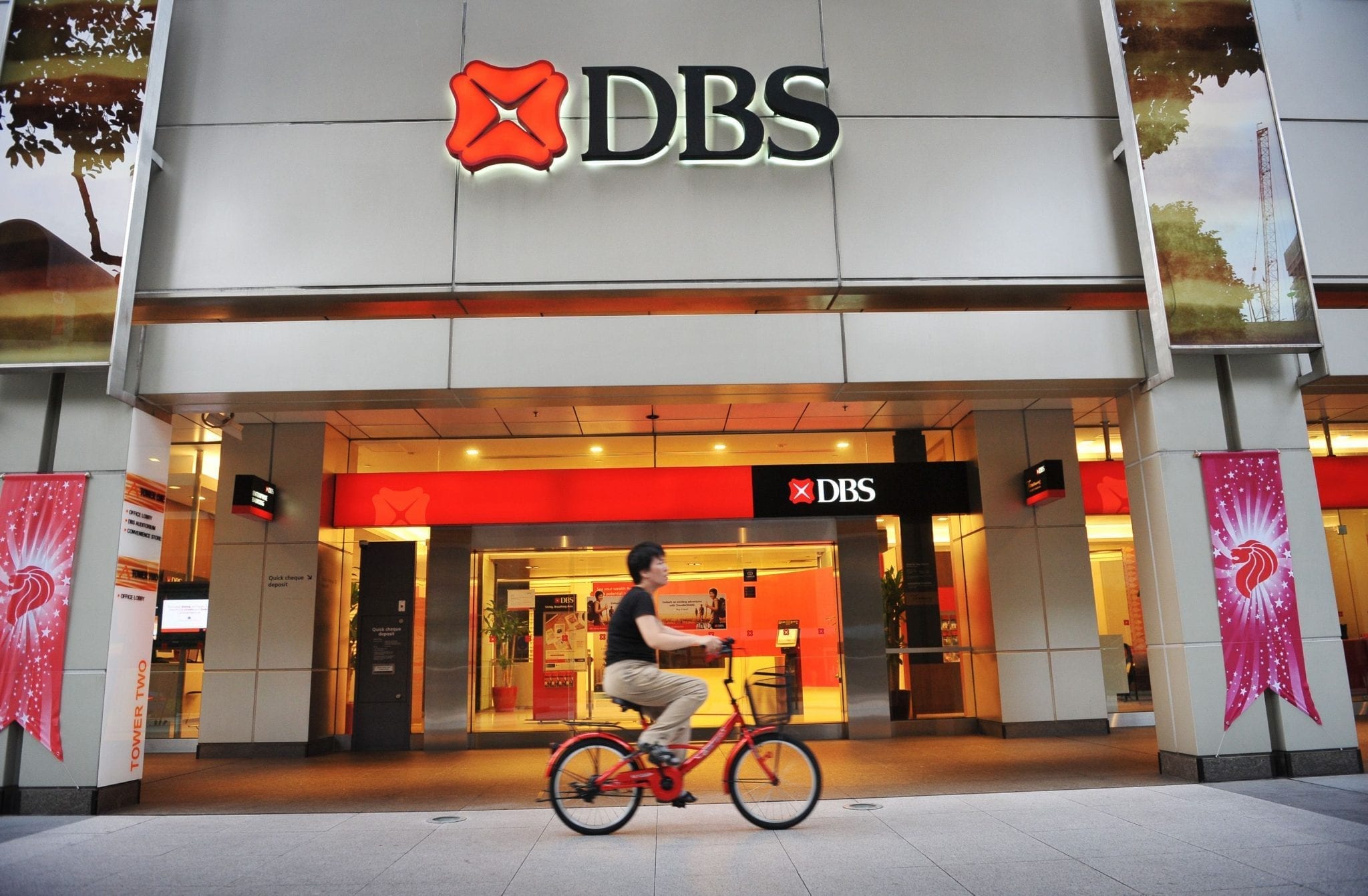
    It is currently home to 234 entities involved in blockchain including Mastercard, VISA, Ant Financial, Tencent-backed WeBank, Facebook-backed Libra, and more with Ripple now shortlisting the city-state for its headquarter relocation. Even Singapore’s largest lender, DBS, is reportedly cooperating with regulators to potentially launch a cryptocurrency trading with retail access.

    The subsequent outcome has been the rapid establishment of Singapore as a global crypto market leader. Despite having a population of just 6 million, Singapore is second worldwide in the number of ICOs and ICO value ($2.5 billion), according to data from ICObench, only behind the U.S.

  • Amazon Singapore Launches Holiday Shopping Season with Holiday Gift Guides, Early Deals and More

    Amazon Singapore Launches Holiday Shopping Season with Holiday Gift Guides, Early Deals and More

    Customers can shop and save now as Amazon Singapore begins its holiday shopping season with new Holiday Gift Guides launching on Amazon.sg today. Customers can shop the Holiday Toy Store, browse curated lists of Top 100 Toys and Top 100 Board Games, and enjoy early holiday savings on Amazon.sg with discounts and thousands of deals from brands including Bioderma, Laneige, LEGO, Star Wars, and more — making it easy to check friends and family off the gift list earlier than ever. In addition, Prime members can enjoy fast, free shipping on their holiday shopping to arrive in time for celebrations.

    Delivering smiles to those in need, Amazon is expanding its collaboration with Children’s Wishing Well by pledging a donation of S$5 with every order above S$50 spent on products purchased from the Children’s Wishing Well’s Gift Guides. Amazon.sg will donate a minimum of S$10,000 to Children’s Wishing Well through this initiative to help the charity fundraise for underprivileged children*. This collaboration is in addition to the recently launched Amazon X Retail for Good Wishlistcampaign, which supports donations to the wishlists of nonprofits. Singapore Children’s Society is the latest nonprofit to join in this campaign alongside Blessings in a Bag, Children’s Wishing Well, Club Rainbow (Singapore), The Food Bank Singapore, Singapore Red Cross, and SOSD.

    Early Holiday Shopping Deals

    With the new Holiday Gift Guides, Amazon is making it easier than ever to find great gifts at amazing prices ahead of the holiday hustle. The deals included below, and many more, will be available on various dates and times beginning today, while supplies last.

  • Volvo Cars Thailand launches an expansive new warehouse in Thailand

    Volvo Cars Thailand launches an expansive new warehouse in Thailand

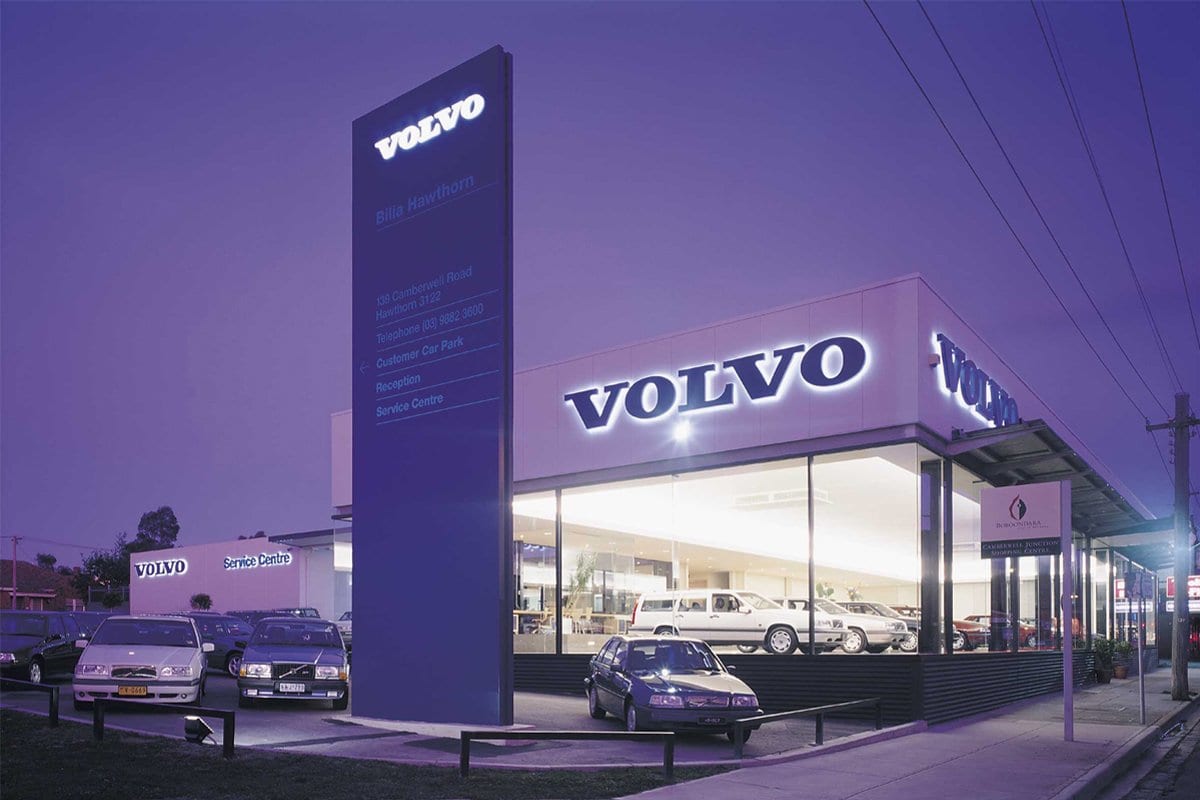
    Volvo Cars Thailand officially launches an exciting and innovative new dedicated Volvo warehouse for the first time in Thailand. The “VOLVO CAR THAILAND CENTRAL DISTRIBUTION & TRAINING CENTER” (VCT CDTC) on Bangna-Trad Road Km 23, Samut Prakan Province, spread over an area of 23,331 square meters, is set to become Volvo’s one-stop hub in ASEAN and is the result of an investment of over 1 billion baht. The warehouse can store up to 550 Volvo cars with efficient spare parts management. There is also a comprehensive vehicle condition inspection department with world-class technology ensuring that every Volvo delivered to dealers across the region, and for direct delivery to customers, is in perfect condition. In addition, there is an international training center and a dedicated performance-testing center for the press. This warehouse has been developed to support future growth and expansion for Volvo’s business in Thailand and is in line with Volvo’s strategic plan and vision of becoming a regional leader in the premium car business.

    Mr. Chris Wailes, Managing Director, Volvo Car (Thailand) Limited, said, “Our new Volvo Car Thailand Central Distribution & Training Center, or VCT CDTC warehouse, is specially designed for Volvo Cars Thailand, in collaboration with our partners, the WHA Group. It is equipped with cutting-edge technology to manage warehouse and spare parts stock and has been designed to support our long-term strategic plans for Thailand. Our focus, as always, is on quality; all our new cars undergo a thorough quality check and steps before being delivered to our retailers and customers. This level of care and attention ensures every vehicle that leaves the warehouse is in perfect condition for the customer. We have also planned ahead and installed a new battery charger for recharging cars the electric cars we will be launching next year. We are confident that this new warehouse will play a major role in moving Volvo’s business forward in the future.”

    Volvo Car Thailand Central Distribution & Training Center (VCT CDTC) covers an area of 23,331 square meters, this expansive warehouse has been Built-to-Suit in cooperation with WHA Corporation Public Company Limited. Volvo has a comprehensive warehouse management plan developed to be the center of five key Volvo business units:

    • Distribution Center: a large distribution center equipped with a high-tech management system conveniently located to facilitate easy transportation access and enable Volvo cars to be efficiently delivered to customers and distributors across the region.
    • Pre-Delivery Service (PDS): this service provides Volvo vehicle condition inspection services that meet our stringent world-class standards, with a software station for ensuring that all software and systems are in perfect condition before the car leaves for delivery and is the first of its kind to be launched in Thailand. This dedicated software program has been developed specifically for Volvo cars only, ensuring each and every car that leaves the center is in perfect conditions, this adds an additional level of confidence for distributors and customers across the region.
    • Parts Distribution Center: providing the management and distribution of Volvo car parts and accessories supported by the latest in warehouse technology so as to enhance the efficiency of both before and after-sales services as well as supporting the lifetime warranty for Volvo parts and accessories (Customer Lifetime Parts Warranty).
    • Training Center: the new Volvo mechanic and sales consultant training center, operated by a team of experienced professionals from Volvo Cars (Thailand) Co., Ltd. The training center has been transformed into a modern new workshop under the concept of Volvo Personal Service (VPS) with an atmosphere that is elegant, airy, and resplendent in Scandinavian style, reflecting the aesthetic found at all Volvo car centers throughout the country.
    • Press Car Center: developed specifically for the testing and performance of Volvo cars for the press, all coordinated under the supervision of the PDS Center (Pre-Delivery Service Center) and the Press Car staff, so as to provide Volvo car test drives for the media. With VCT CDTC’s extensive space, there is ample private parking space for the press with a 24-hour a day security system, including a lounge area, and Volvo staff on hand to give professional and informed advice on all cars and services.

    Volvo Cars always prioritize the customer experience and know it is one of the most important factors when it comes to owning a Volvo and as such makes every aspect of Volvo’s operations, from warehouse to showroom, align with this concept.

    “Our goal is to provide a streamlined, efficient, and advanced experience for all our staff whose job it is to coordinate all sectors of our business, including working with all our distributors, customers, and the media. Volvo can clearly see the great potential for current and future growth in the premium car sector in Thailand. The opening of this new and expansive one-stop warehouse is an integral part of Volvo’s vision to become a true leader in the premium vehicle business in this country and is part of our infrastructure plans to make Thailand Volvo’s future business center in the region.” Mr. Chris Wailes added.

  • DBS Profits Fall in Third Quarter

    DBS Profits Fall in Third Quarter

    The bank will issue an interim one-tier tax-exempt dividend of 18 cents per share, for which the scrip dividend scheme will be applicable, for the third quarter of 2020 DBS Group reported net profit of S$1.30 billion ($960 million) for third-quarter of 2020, according to financial results released on Thursday.

    This is 20 percent lower than the same period a year before (S$1.63 billion), but 4 percent up on-quarter on the back of improved business momentum. During the quarter, DBS also set aside S$554 million in allowances for potential bad loans and lower net interest income, bringing total allowances for the nine months this year to S$2.49 billion.

    The bank noted improved business momentum as fee income rebounded 17 percent to pre-Covid levels of S$798 million, led by wealth management and card fees, which softened the impact of lower interest rates as well as a decline in trading income from a high base.

    Due to the higher allowances, the bank’s net profit for the nine months declined 24 percent from the year before to S$3.71 billion.

    DBS said it expects a strong economic rebound in Asia from the current low base to support mid-single-digit loan growth and double-digit fee income growth in 2021.

    The accelerated build-up of allowances has strengthened our ability to meet the challenges of an uneven economic recovery in the coming year. In the longer term, Asia’s fundamentals remain undiminished, Piyush Gupta, chief executive, said.

  • BMW Warns Of Pandemic Risks As Third-Quarter Profit Rebounds

    BMW Warns Of Pandemic Risks As Third-Quarter Profit Rebounds

    BMW’s third-quarter profit rose almost 10% thanks to Chinese demand for luxury cars, but the German automaker warned a new wave of coronavirus infections sweeping Europe and the United States posed a “considerable” risk to its business. Sales of luxury models such as the 8 series and X7 helped the carmaker reach a new sales record in the quarter, but the cautious outlook sent BMW shares lower on Wednesday.

    “After a more stable phase in the economic environment in the third quarter, the pandemic is now clearly regaining momentum,” BMW said.

    “If the pandemic takes an even more serious course and the global economy experiences a perceptible downturn, the risk exposure could be considerable, particularly on the demand side.”

    The growing importance of China led BMW to abandon its strategy of seeking “balanced sales across all continents”. BMW shares were down 1% at 1112 GMT, underperforming Germany’s blue-chip DAX index. Like rival Mercedes, BMW’s pretax profit recovered in the third quarter, rising 9.6% to 2.46 billion euros ($2.87 billion), lifted by an 8.6% increase in deliveries.

    The automotive EBIT (earnings before interest and tax) margin rebounded to 6.7%, from minus 10.4% in the second quarter and 6.6% a year earlier.

    “BMW beat mostly on earnings quality with auto margin recovering to year-ago level,” Jefferies analyst Philippe Houchois said, pointing to prudent cost management, lower R&D spending and a rebound in demand from China.

    But after the pandemic-related hit in the spring, BMW still expects overall deliveries of high-end vehicles and group pretax profit this year to be significantly lower than last year.

    Deliveries of BMW and Mini-branded vehicles rose 8.6% in the third quarter, mainly thanks to a 31% spike in China, which helped offset a 15.7% drop in demand in the United States, where the pandemic has hit sales hard.

    The growing importance of China led BMW to abandon its strategy of seeking “balanced sales across all continents”.

    “We don’t like to refer to it as a dependency (on China). What is happening is a natural adjustment,” Chief Executive Oliver Zipse told reporters on a conference call.

    “If we speak about dependencies, we are dependent on our customers,” he said, noting China has a higher population than both Europe and the United States.

    China accounted for 34% of all BMW Group’s new car deliveries in the third quarter, followed by Germany on 13% and the United States on 12%. Zipse also said BMW would come to terms with whoever wins the U.S. presidential election. “Naturally it is in everybody’s interest that there is an unambiguous result,” he added.

    Expecting global demand for premium cars to drop by more than 10% this year, the Munich-based company is adjusting its production footprint. Manufacturing of the BMW X1 and Mini Countryman will be phased out at Dutch contract manufacturer VDL Nedcar, with production moved to BMW plants, Zipse said. The company is also preparing to introduce a new vehicle architecture in 2025, developed to build mainly electric and digitally connected vehicles, he added.

    BMW reiterated it expected to achieve an automotive EBIT margin of 0%-3% this year.

  • Pandemic cuts demand for overseas jobs

    Pandemic cuts demand for overseas jobs

    Vietnam’s labor export has plunged this year due to pandemic imposed travel restrictions and fear of contracting the virus abroad. The number of Vietnamese leaving abroad for work in the first nine months fell 59 percent year-on-year to just over 42,800, according to the overseas labor department.

    Japan and Taiwan, the largest and second-largest foreign markets for Vietnamese labor, saw the number of new workers go down nearly 49 percent and over 56 percent, respectively. The plummeting figures reflect the difficulties labor export companies in Vietnam have faced this year.

    Nguyen Viet Xuan, chairman of the Hanoi-based Viet Thang Corp, said his company has successfully sent just a few dozen workers to Japan, Taiwan, and Romania since September, down 90 percent year-on-year.

    Most of them were supposed to leave earlier, but unable to do so due to the pandemic, and the company was having trouble recruiting new candidates because people were reluctant to leave Vietnam with the Covid-19 situation remaining intense in many countries, he told local media.

    The Laco Labour Cooperation Company Ltd in Hanoi has only sent 40 workers to Japan since September after a mostly inactive period from February to August. Vietnam recorded its first Covid-19 case at the end of January and the situation was contained by the end of August.

    Although the Japanese market still has a high demand for imported labor, the long process of acquiring health certificates in the pandemic context could be one of the reasons preventing candidates from going, said Laco CEO Nguyen Xuan Hung.

    Before the pandemic, Japanese employers often traveled to Vietnam and conducted face-to-face interviews, but now the recruitment process has become more challenging as interviews have to be conducted online, he added.

    Other recruiters have pointed out to the high costs of air travel as a factor that discourages workers from going.

    The government’s labor programs are also facing difficulties in recruiting workers. The Department of Overseas Labor had recently extended its deadline for a nurse recruitment program to Japan by one month after failing to recruit the 240 candidates it needed.

    The pandemic has forced companies to cut recruitment costs due to falling revenues. These companies traditionally need to pay a local agent VND20-30 million ($865-1300) per worker, but now they focus more on running ads on social media to approach workers directly.

    Industry insiders do not expect a full recovery in the market anytime soon. Doan Mau Dien, chairman of the Vietnam Association of Manpower Supply (VAMAS), said that as the rising number of Covid-19 cases are being recorded in Europe and some countries have reimposed social distancing measures, it would take until at least the middle of next year for labor export activities to resume to pre-pandemic levels.

    Last year, 147,387 Vietnamese left to work abroad, up 3.2 percent year-on-year, according to the overseas labor department.

  • Malaysia Airlines and AirAsia, once contrasting, now face same crisis

    Malaysia Airlines and AirAsia, once contrasting, now face same crisis

    Struggling flag carrier Malaysia Airlines’ previous attempt turn itself around collided with low-cost local rival AirAsia Group’s rise. Now, both companies have run into the same turbulence.

    Malaysia Airlines, which has yet to recover from two 2014 tragedies that made global headlines, faces a growing risk of being forced to halt flights unless it secures aid. But the state has frowned on the idea of another bailout.

    A group of creditors recently rejected a proposal by Malaysia Airlines to restructure its 16 billion ringgit ($3.85 billion) in liabilities. This comes after the company made deep pay cuts for management and pilots, as well putting staff on unpaid furloughs to reduce costs as the coronavirus pandemic paralyzed global air travel.

    This disruption has also clouded the prospects for leaner AirAsia Group, which together with the flag carrier holds a majority market share in the country.

    “Our partners and creditors will have to sacrifice for the better of the future,” Izham Ismail, group CEO of Malaysia Airlines, told The Edge Malaysia newspaper in mid-October. “If they don’t want to help themselves to survive, I have no choice but shut it down.”

    Malaysia Airlines revealed that it entered into debt restructuring negotiations with creditors in early October. The airline called on leasing companies and suppliers to cooperate with the turnaround effort. If the creditors had agreed, the restructuring would have been completed within the next few months, according to Malaysia Airlines’ plan.

    The government has expressed its unwillingness to embark on another public-sector bailout of the national carrier, which is fully owned by the sovereign wealth fund Khazanah Nasional.

    “The Ministry of Finance will not be injecting any cash or any capital into Malaysia Airlines through Khazanah,” said Finance Minister Tengku Zafrul Aziz. A proposal has been floated to liquidate the airline and transfer a portion of the assets and staff to Firefly, the group’s low-cost carrier.

    Khazanah first took over Malaysia Airlines in 2001 following the ravages of the Asian financial crisis, holding a stake of 69%.The carrier’s fortunes turned again in 2014, when flight MH370 disappeared mysteriously en route from Kuala Lumpur to Beijing. This was followed months later by flight MH17 being shot down over Ukraine.

    The two tragedies drove away passenger traffic, prompting Khazanah to acquire the remaining shares in Malaysia Airlines and fully nationalize the carrier. Malaysia Airlines laid off roughly a third of its staff in a bid to revive its earnings.

    This previous restructuring effort never bore fruit because of competition from powerful rival AirAsia. The budget carrier made great strides in the 2000s with its low fares, eventually gaining control of half the domestic market.

    Malaysia Airlines, meanwhile, has lost money since 2011. Part of the problem is Malaysia’s unstable political situation. Former Prime Minister Mahathir Mohamad’s government sought capital and operational tie-ups with foreign carriers after determining that Malaysia Airlines could not heal itself. Japan Airlines was seen as a leading candidate to sponsor a turnaround due to the company’s experience recovering from bankruptcy.

    But Mahathir abruptly resigned and was succeeded by Muhyiddin Yassin this March. Not only has the pandemic sapped the finances of any potential sponsors, but Muhyiddin has his hands full maintaining his hold on power. Malaysia Airlines’ restructuring took a back seat.

    “None of the restructuring went deep enough,” said Brendan Sobie, an independent analyst. He added that it is too early to tell if the proposed debt restructuring plan would be sufficient.

    “All airlines face an incredibly challenging outlook,” Sobie said. “A lot will depend on how quickly the market recovers and if it fully recovers.”

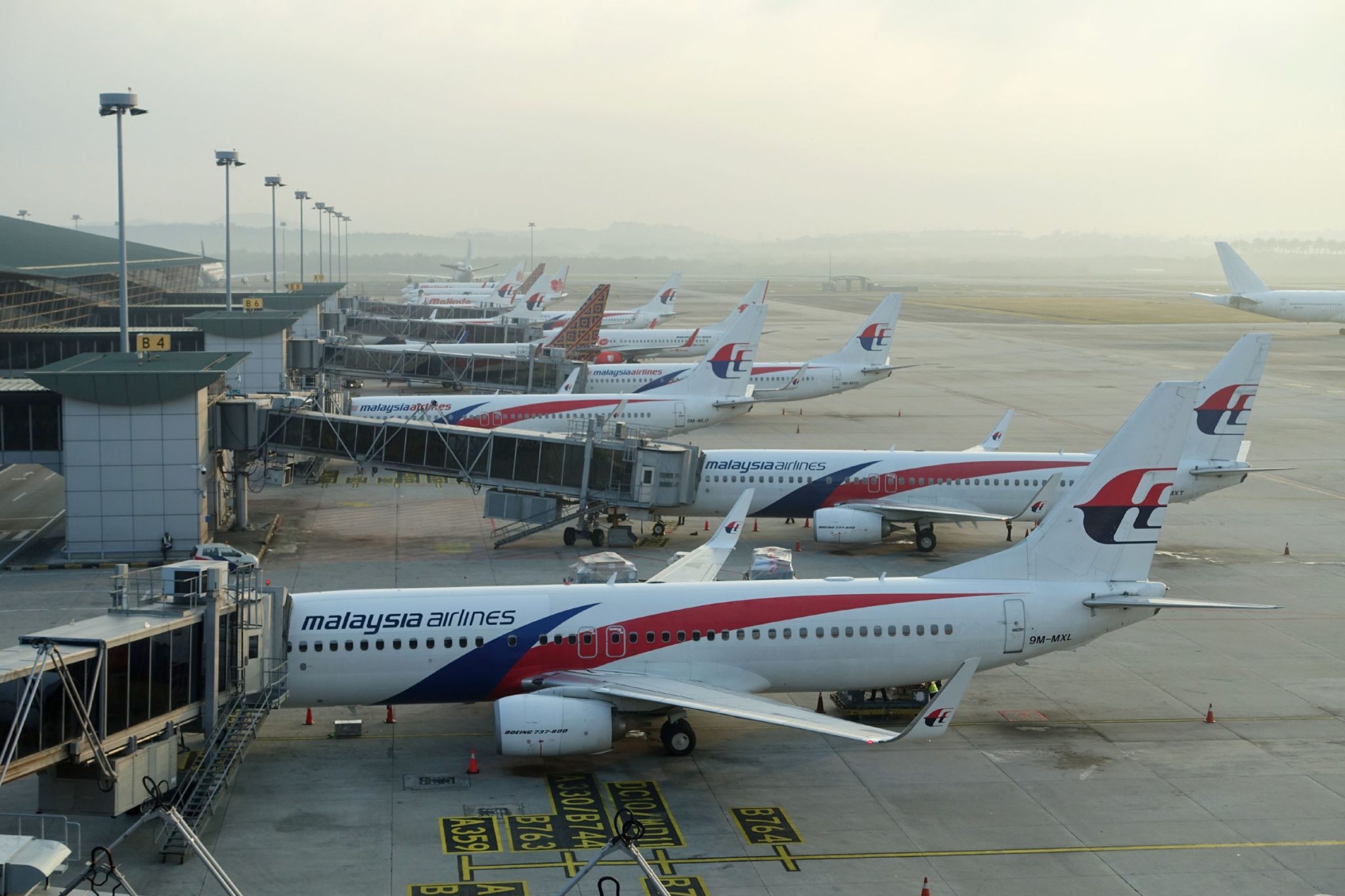
    AirAsia planes sit at Kuala Lumpur International Airport on Oct. 6. The budget airline has not been immune to the effects of the pandemic   © Reuters

    Because Malaysia Airlines is the flag carrier, observers believe the government will ultimately be forced into a new bailout. But the damage to corporate value may have already been done by the drawn-out restructuring process.

    Other flag carriers in the region have been faster to rehabilitate. Singapore Airlines, which is majority-owned by government investment group Temasek Holdings, came out with a $10.5 billion fundraising plan in March that leans on existing shareholders. Thailand, which holds 51% of Thai Airways International, signed off on a court-supervised rehabilitation process for the carrier in May.

    Long profitable private-sector carrier AirAsia has not been immune to the effects of the pandemic, and it has sought to steer out of its slump.

    The group founded by CEO Tony Fernandes won Malaysian state backing of a 1 billion ringgit loan in October. Early that month, the group’s long-haul carrier AirAsia X applied in court for a debt forgiveness plan that would slash 63.5 billion ringgit in liabilities, including aircraft purchase commitments, to just 200 million ringgit.

    The plan still needs the approval of creditors holding 75% of the debt. AirAsiaX said the debt relief is needed “to avoid a liquidation and to allow the airline to fly again.”

    AirAsiaX — which offers flights to Australia, Hawaii and other Asia-Pacific destinations — operated at a loss in the most recent two years.

    AirAsia Group said in October it would end its Japan operations, and analysts expect further cutbacks in scale. The group posted a 992 million ringgit net loss for the April-June quarter on a 96% plunge in revenue.

    “AirAsia was a profitable airline and was potentially sustainable had it not added capacity rather recklessly,” said Nungsari Ahmad Radhi, ex-executive chairman of the Malaysian Aviation Commission. “It got to the point where the seat growth probably outstripped demand growth. The pandemic was a fatal blow.”

  • Alibaba eyes to invest in online fashion retailer Farfetch

    Alibaba eyes to invest in online fashion retailer Farfetch

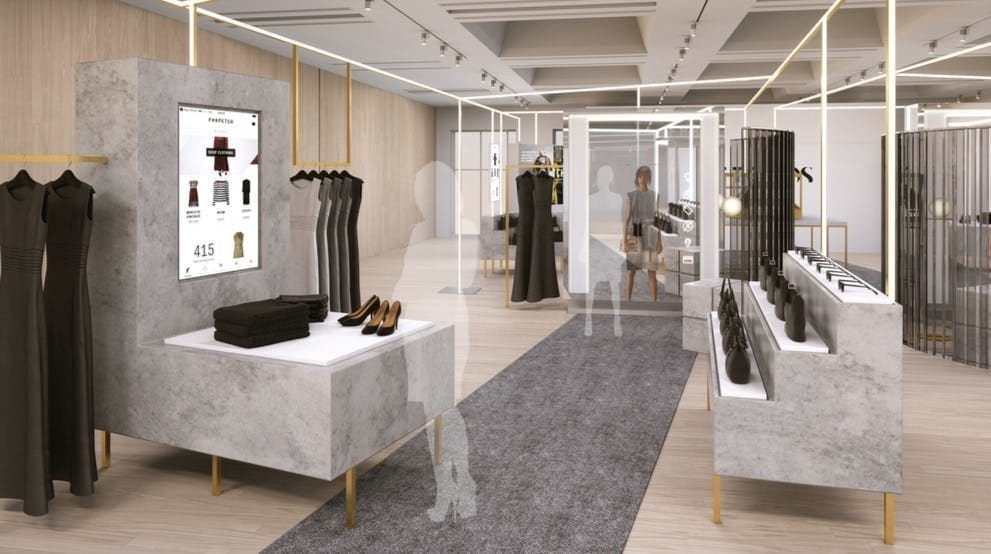
    Alibaba Group Holding Ltd 9988.HK is in advanced talks to invest nearly $300 million in online luxury fashion retailer Farfetch Ltd FTCH.N, the Information reported on Monday, citing people familiar with the matter.

    Shares of London-based Farfetch jumped about 16% to $32.59 following the news.

    The two companies are also in talks to create a Chinese joint venture, the report said here, adding that Cartier-owner Richemont, which has teamed up with Alibaba to create mobile applications, is also considering investing in Farfetch alongside the Chinese e-commerce giant.

    Both Farfetch and Alibaba were not immediately available for comment.

    Farfetch, which counts Alibaba’s competitors JD.com 9618.HK and Tencent Holdings Ltd 0700.HK among its investors has been betting on China’s burgeoning online luxury goods world. Chinese consumers make up a third of luxury goods purchases worldwide.

    Terms of the current and past deals with Tencent and JD would not prevent Alibaba from investing in Farfetch, the Information said, citing a source.

  • Couche-Tard acquires Circle K business in Hong Kong

    Couche-Tard acquires Circle K business in Hong Kong

    Convenience Retail Asia Ltd said on Thursday it had agreed to sell its convenience store business in Hong Kong to Canadian convenience store and road transportation fuel retailer Alimentation Couche-Tard Inc for HK$2.79 billion ($359.8 million).

    The Circle K convenience stores and Saint Honore bakery chain operator plans to declare a special dividend of HK$3.85 per share to its shareholders, with the dividend to be paid before the end of 2020, the firm said in a filing to the Hong Kong bourse.

    The convenience store business, with a net asset value of HK$622 million as of end-June 2020, comprises of 340 Circle K stores in Hong Kong, and the net proceeds will be used to pay the special dividend, the Hong Kong-listed firm added.

  • Google Pay continues to expand in the US, nearly 90 new banks now supported

    Google Pay continues to expand in the US, nearly 90 new banks now supported

    Google Pay is pretty big in the US, and starting this week it will get even bigger. Currently, thousands of banks and financial institutions offer customers support for Google Pay, so the 89 names added this week will probably feel like a grain in the sand.

    The list of 89 banks that now support Google Pay is below, so if you didn’t find yours among the 3,000 supported banks listed on Google’s support site, you can look for it here. The list is ordered alphabetically for easier reading

    1st Trust Bank, Inc. (KY), Algonquin State Bank, Alliance Bank Central Texas (TX), Bank of Advance (MO), Bank of Herscher (IL), Bank of Newington (GA), Bank of Old Monroe (MO), Bossier Federal Credit Union (LA), Buckeye State Bank (OH), Central Valley Community Bank, Clean Energy Federal Credit Union (CO), Clearwater Credit Union, Community Partners Savings Bank (IL), Dover Federal Credit Union (DE), E-Central Credit Union, Exchange Bank of Northeast Missouri (MO), Families and Schools Together Federal Credit Union, Farmers – Merchants Bank of Illinois (IL), Farmers and Drovers Bank, Financial Horizons Credit Union, First Century Bank (TN), First Federal Savings Bank (IN), First Financial Bank, NA.

    First Nebraska Bank, FirstCapital Bank of Texas, Fort Davis State Bank Franklin Mint Federal Credit Union, Gateway Metro Federal Credit Union, Genoa Community Bank, Gowanda Area Federal Credit Union, GreenState Credit Union (IA), Greenville Heritage Federal Credit Union, Gulf Capital Bank (TX), HNB First Bank (AL), Hardin County Savings Bank (IA), Harris County Federal Credit Union (TX), Heartland Credit Union (IL), Heartland Credit Union (MI), Honolulu Fire Department FCU (HI), Hurricane Creek Federal Credit Union (AR)

    Jersey State Bank (IL), Jolt Credit Union (MI), KSW Federal Credit Union, Lakeview Federal Credit Union, Latrobe Area Hospital FCU (PA), Live Life Federal Credit Union, Magnolia Bank (KY), Martha’s Vineyard Savings Bank (MA), Millyard Bank (NH), Minnwest Bank (MN), Mountain Credit Union (NC), Mt. McKinley Bank, Needham Bank (MA), Northwest Christian Credit Union, One Community Bank (WI), One Source Federal Credit Union (TX), Partners Bank of California, Pawtucket Credit Union, People’s United Bank, National Association (CT).

    Peoples Bank & Trust Co (MO), Plains Commerce Bank Raritan Bay Federal Credit Union Rio Grande Valley Credit Union, Rollstone Bank & Trust (MA), SPE Federal Credit Union (PA), Sabine Federal Credit Union, Saco Valley Credit Union, Safra National Bank of New York (NY), San Luis Valley Federal Bank, Savings Bank of Walpole (NH), Secured Advantage, Federal Credit Union, Sentry Credit Union (WI), Southbridge Credit Union (MA).

    Springfield First Community Bank, St. Louis Bank, Susquehanna Valley Federal Credit Union, Taunton Federal Credit Union, Telcomm Credit Union (MO), Texas Regional Bank, The Bank of Salem (MO), The New Orleans Firemen’s Federal Credit Union, Treasury Department Federal Credit Union (DC), TruStar Federal Credit Union (MN), United Credit Union, Varo Bank, National Association, WESLA Federal Credit Union, WESTcoasin Credit Union (WI), Wells River Savings Bank (VT), and WestStar Bank (TX).

    Ok, 3,000 is a big number, but there’s a chance that many Google Pay users won’t find their banks on this huge list. Well, judging by the constant wave of banks and financial institutions that are getting Google Pay support each month, sooner or later we’ll be able to use the mobile payment service across all America.

  • Standard Chartered Names Regional Head of Private Banking

    Standard Chartered Names Regional Head of Private Banking

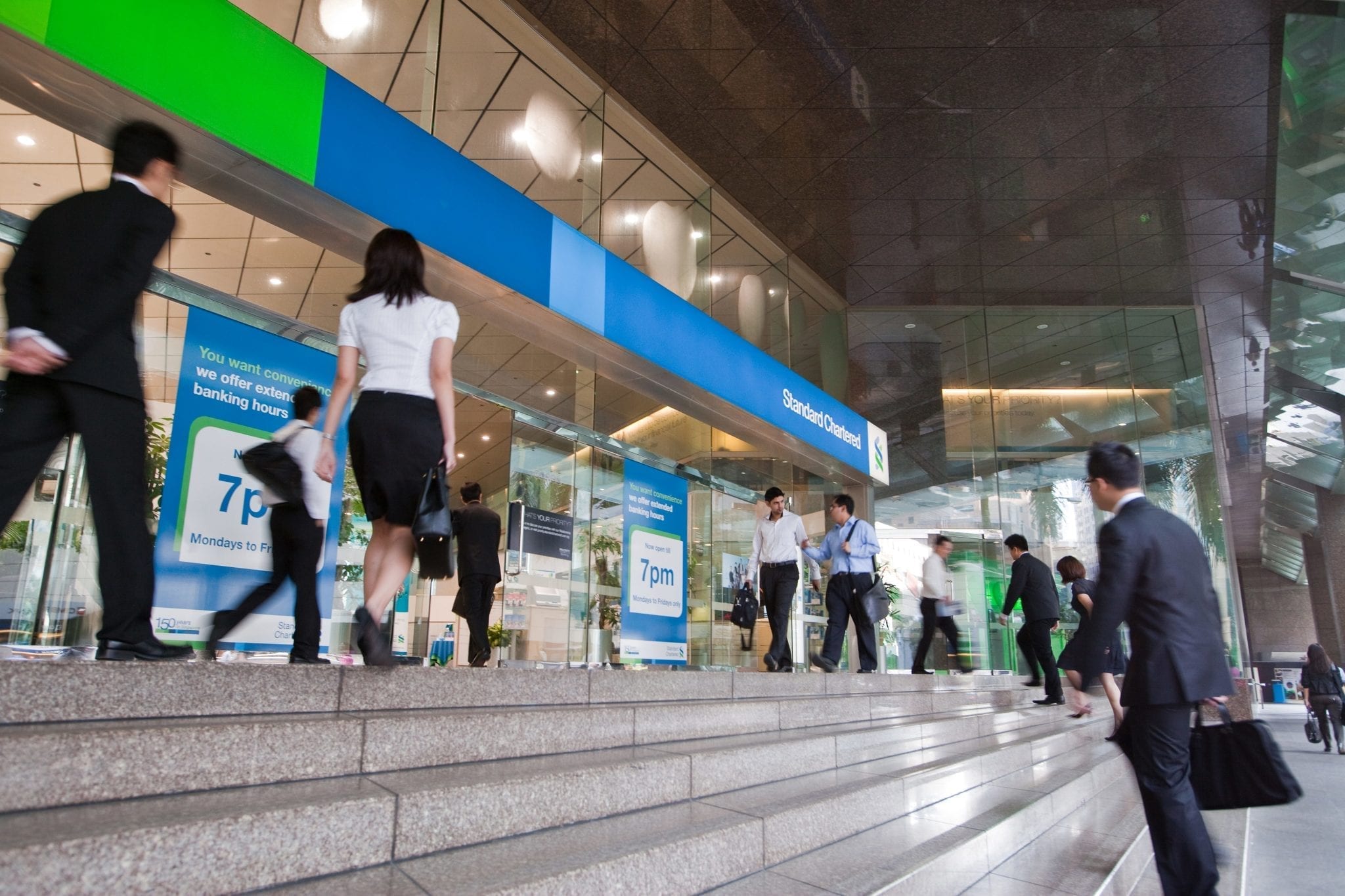
    The bank has hired a new regional head to replace its outgoing regional head, Private Banking West.

    Standard Chartered has appointed Grant Parkinson as regional head of its private banking business for Europe, Africa, and the Middle East, the bank said in a statement.

    Parkinson joins the bank from U.K. wealth manager Brewin Dolphin, where he was a chief operating officer. He was also a chief operating officer at Coutts from 2012 to 2017, and previously worked for Barclays and McKinsey. Based in London, he reports to Didier von Daeniken, global head, private banking.

    Current regional head, Private Banking West, Steve Atkinson, is stepping down from his role and will be leaving after three decades with the bank. He will work closely with Parkinson to ensure a smooth leadership transition over the next few weeks, the bank said.

    The Private Bank’s franchise in the West is an important part of its global Private Banking business, complementing its franchise in Asia to cater to the needs of a global client base,» Standard Chartered said in the statement.

    The London-headquartered private bank previously stated plans to grow its assets under management (AUM) from $65 billion currently to about $100 billion in three to five years and said it would be hiring 30-40 relationship per year over the next two to three years.

  • Fabric origin a problem for textile firms seeking to benefit from EU trade deal

    Fabric origin a problem for textile firms seeking to benefit from EU trade deal

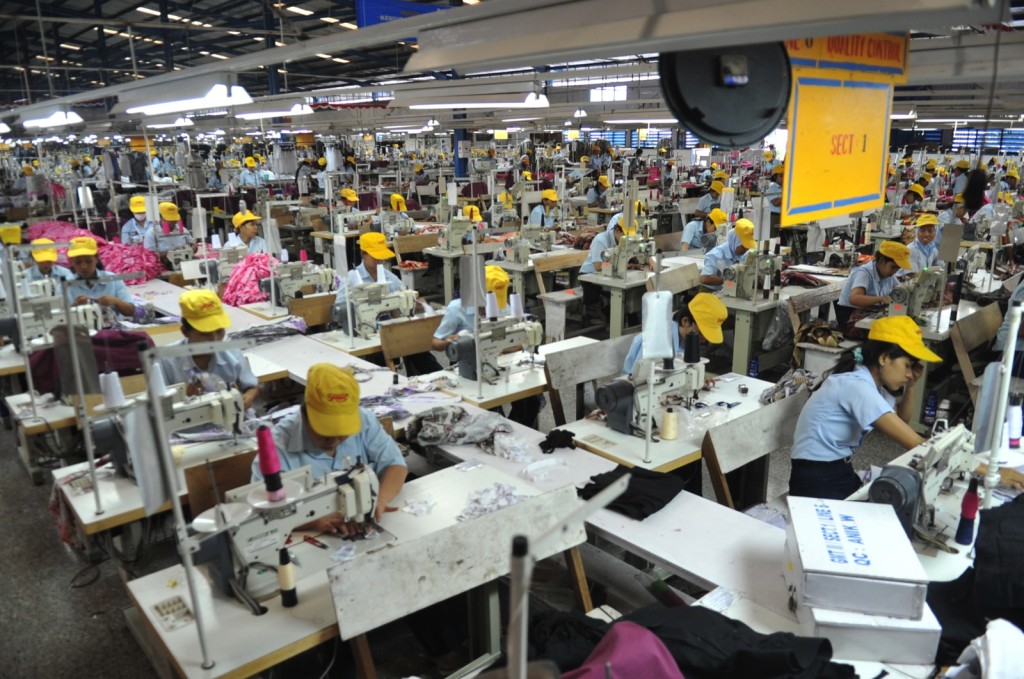
    With Vietnam not producing enough or competitively priced raw materials for the textile industry, its companies are struggling to fully benefit from the EVFTA. The lack of fabric production in the country means businesses are unable to meet origin requirements to enjoy tax incentives, SSI Securities Corporation said. To do so, they need to use domestically produced fabrics or imports from countries that have free trade deals with the E.U., it added.

    But Vietnam depends on China for 60-70 percent of its textile feedstock, and fabrics imported from South Korea account for only 15 percent of the total requirement.

    The E.U.-Vietnam Free Trade Agreement, which took effect on August 1, has strict rules of origin for goods exported to the bloc.

    Under its provisions, 77.3 percent of Vietnam’s textile exports it will enjoy zero percent tax within the first five years while the rest follow a seven-year roadmap.

    The EVFTA is the E.U.’s second trade deal with an ASEAN member country after one with Singapore, and one of the few with a developing country.

    It will see Vietnam eliminate 99 percent of its import duties over 10 years and the E.U. doing the same over seven.

    Before the deal was signed, Vietnam’s garment and footwear exports to Europe were given preferential treatment under the Generalized System of Preferences (GSP) program, with a 9.6 percent tariff on the former.

    For the first two years enterprises can choose to continue to be taxed under the GSP program or EVFTA. From the third year, if a company does not meet the rules of origin as stipulated in the deal, the tariff rate will increase to 12 percent.

    The Vietnam National Textile and Garment Group (Vinatex) said the tax incentives under EVFTA are not attractive enough for businesses to switch from Chinese to Vietnamese fabrics since the former are 10-40 percent cheaper and delivered faster due to the scale of production.

    China’s textile and dyeing industry has a capacity of 80 billion meters of fabric a year while Vietnam’s is 2.5 billion meters against a demand of eight billion meters.

    But SSI believed that in the long run Vietnam needs to develop its own industry and ensure sufficient scale to compete on cost with China.

    There are around 6,800 textile and garment businesses in the country and their exports were worth $32.85 billion last year.

  • Indonesian beauty retailer Sociolla lands in Vietnam

    Indonesian beauty retailer Sociolla lands in Vietnam

    Beauty technology company Social Bella announced its first overseas expansion with the launch of the beauty e-commerce platform Sociolla in Vietnam.

    Demand from beauty enthusiasts in Vietnam was one of the company’s considerations, following a US$58 million funding from investors, such as Singaporean state investment fund Temasek and its private equity subsidiary Pavilion, alongside Singaporean venture capital firm Jungle Ventures.

    The beauty and self-care market in Vietnam has stayed robust and adaptive amid the COVID-19 pandemic, a website on cosmetics and the personal care industry. The beauty sector in Vietnam has seen rapid growth in online sales.

    Christopher Madiam, cofounder and president of Social Bella, said the company was excited to expand its market internationally. “As one of the fastest-growing beauty and self-care markets in Southeast Asia with a population of a digitally literate young generation, Vietnam bears a resemblance to Indonesia,” Christopher said in a statement. “We’re certain that Vietnam is the right country for our first international expansion.”

    John Rasjid, cofounder and CEO of Social Bella, said the company intended to provide access for Indonesian beauty brands to consumers abroad through the expansion. “We’ve witnessed how local beauty brands are getting innovative in releasing quality yet affordable products that can compete with international products,” John said. “With the expansion, we’re not only opening distribution access, but we’re also giving comprehensive support to ensure that their products receive a warm welcome in Vietnam. We are collaborating with a number of our local partners to support a holistic business growth plan in Vietnam.”

    ESQA is among the Indonesian brands Sociolla brings to Vietnam. Cindy Angelina, the cofounder of ESQA Cosmetics, said the firm was proud to be part of the expansion. “We’ve experienced significant growth since joining Sociolla in April 2017. Hopefully, this success will continue in Vietnam,” Cindy said.

    Established in 2015, Social Bella has several business units, including offline stores under the Sociolla brand, Beauty Journal, and Lilla by Sociolla. In July, the company appointed renowned Indonesian make-up artist Archangela Chelsea as the makeup director of Sociolla.

  • Hai An bookstore opens its doors in Ho Chi Minh City

    Hai An bookstore opens its doors in Ho Chi Minh City

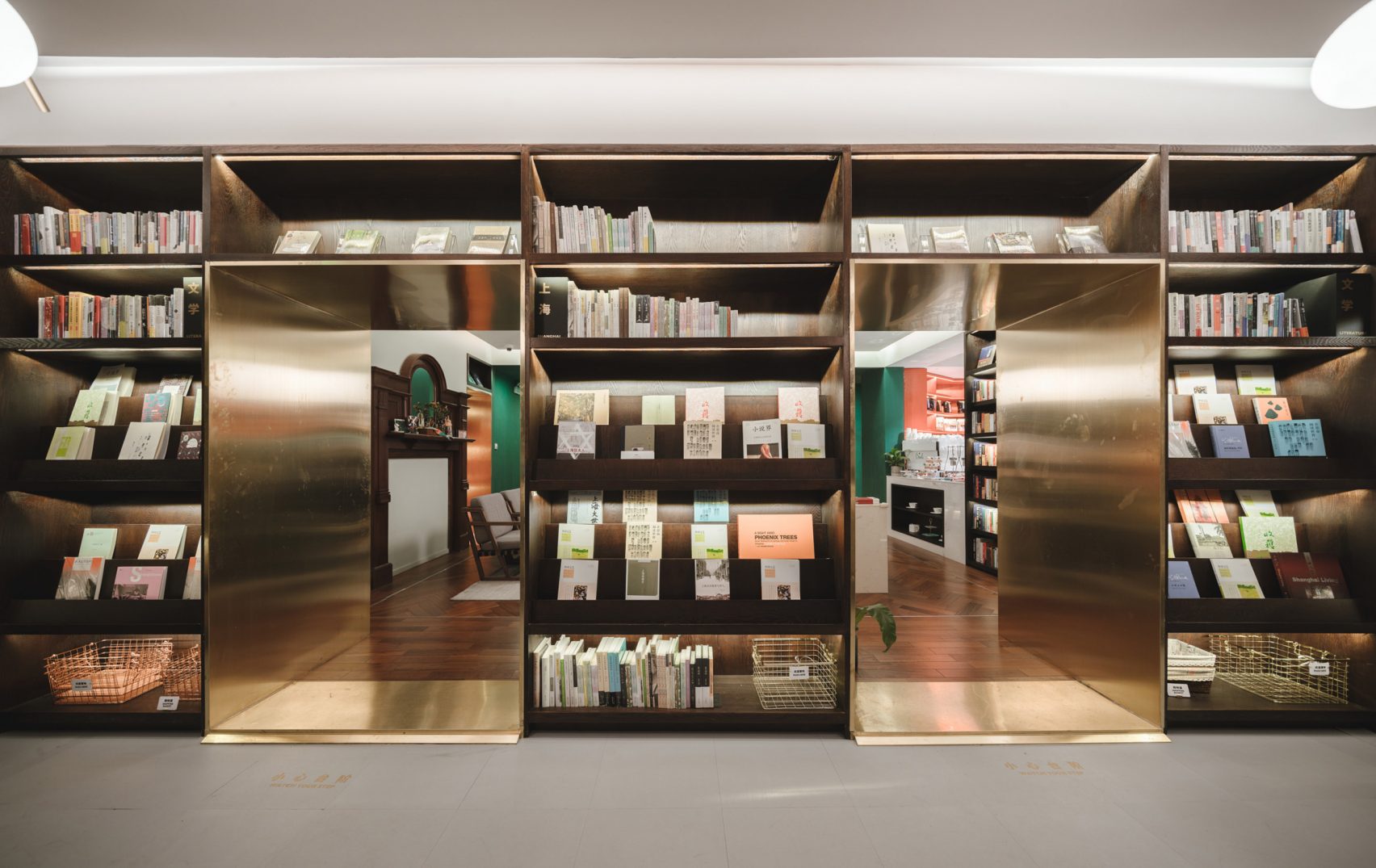
    In downtown Ho Chi Minh City, Vietnam’s largest bookstore yet, Hai An, has opened its doors. Spanning five stories, the store features a contemporary design with an ocean-inspired concept including an art installation in an atrium.

  • OCBC Earnings Drop Significantly

    OCBC Earnings Drop Significantly

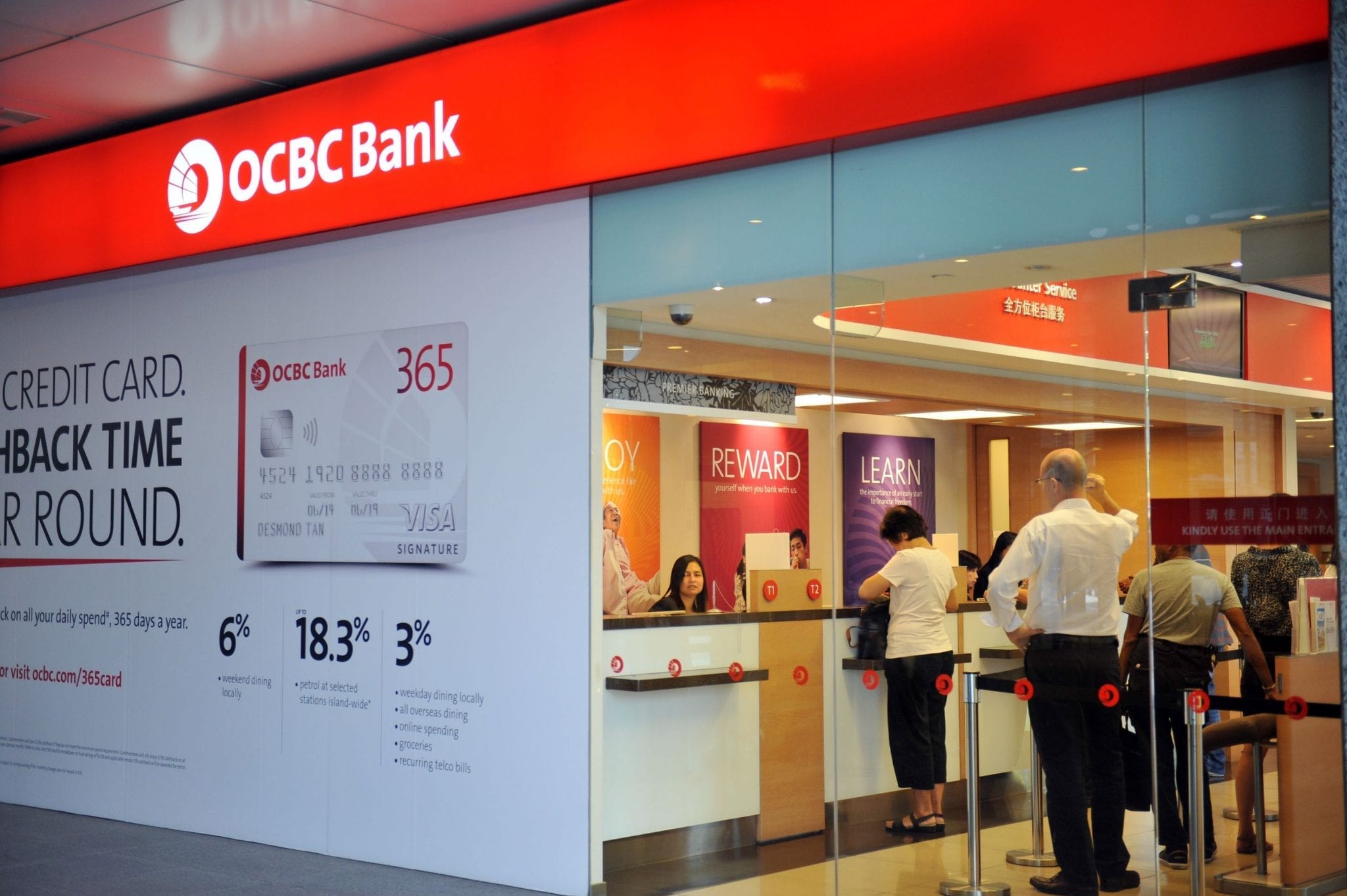
    While the bank’s net interest income was impacted by lower market rates, its banking and wealth management businesses saw strong quarter-on-quarter fee-based growth, and its insurance franchise reported strong sales and new business growth.

    OCBC’s net profit for the third quarter of 2020 was S$1.03 billion ($760 million), up 41 percent from the previous quarter’s S$730 million and 12 percent lower compared to a year ago, according to financial results published by the bank on Thursday.

    The growth in profit was largely a result of a fall in allowances, OCBC said. The bank set aside S$350 million in allowances during the quarter, which included a management overlay of S$150 million, compared to S$750 million in the previous quarter.

    Net interest income declined 4 percent from last quarter’s S$1.42 billion from lower rates – an 11 percent decline from the same period in 2019. At the same time, non-interest income rose 6 percent to S$1.12 billion, led by higher trading income and insurance profit.

    The bank reported growth in wealth management fees of 24 percent on-quarter and 4 percent year-on-year to S$252 million.

    Assets under management at Bank of Singapore, OCBC’s private banking subsidiary, grew 3 percent from the previous quarter and 5 percent year-on-year to $116 billion (S$159 billion), underpinned by net new money inflows and better market valuations.

    At Great Eastern, OCBC’s insurance arm, total weighted new sales rose 51 percent quarter-on-quarter to S$433 million, supported by improved sales both in Singapore and Malaysia, while New Business Embedded Value was 47 percent higher at S$160 million, while the NBEV margin was 37 percent.

    OCBC said the full extent of the lagging economic impact of the crisis will only likely have more visibility next year. However, it said it is well-positioned for recovery and is focused on driving long-term sustainable value.

    With the outlook still uncertain, it is most important that we continue to strengthen our capital and balance sheet. This will position us well for the crisis and enable us to emerge well-prepared for new opportunities when the market recovers,» Samuel Tsien, OCBC group CEO, said in a statement.

    Singapore’s two other listed banks already reported their quarterly earnings – DBS saw its profits fall by 20 percent from the same period last year to S$1.3 billion, while UOB reported a 40 percent decline to S$668 million.