Author: Mei Ling Tan

  • Did Siri affected Biden or Trump with some votes?

    Did Siri affected Biden or Trump with some votes?

    Over the years we have knocked Apple for its failure to make Siri as good and accurate a digital helper as Google Assistant is. Siri has been known to make the occasional blunder. For example, let’s say that last weekend you had forgotten when Election Day was. So you turned to  Siri. iPhone users were told by their virtual assistant that Election Day was scheduled for November 8th. The problem with that answer is that it is wrong. Very wrong. Election Day was November 3rd  so if you were relying on Siri’s response to remind you when to visit your polling place, you would have arrived five days too late missing your opportunity to vote for president.

    This is not the first time that the iPhone told users the wrong information about time and date. For years, the idea of Daylight Saving Time continued to elude the grasp of iOS. One year, instead of moving iPhone clocks ahead an hour, it moved the clocks back an hour instead which really helped iPhone users get their day off to a very poor start.

    The interesting part of Siri’s most recent screw up is that November 8th was the date of the last U.S. presidential election back in 2016. On the other hand, November 8th 2022 will be when the U.S. holds its next major election, the mid-terms. Either way, Siri’s response was wrong and we wouldn’t vote for either one.

    While only the most clueless would have ended up missing election day because of Siri’s response, well, such clueless people do exist. Luckily, the number of those who listened to Siri was probably not large enough for its faux pas to impact the election results.

    So here’s a word to the wise. If you ask Siri for the date of an upcoming event that you must attend, it might behoove you to confirm the answer with another source even if that goes against the reason for Siri’s existence in the first place. Like any digital assistant, Siri is only as good as the data bank it gets its information from.

  • Tax evasion remains rife among online sellers

    Tax evasion remains rife among online sellers

    Many people earning huge incomes from online commercial activities do not pay tax until discovered by tax authorities. There were more than 1,100 individuals working as a software and online game developers in the capital, a study done by the Hanoi Department of Taxation in June found. They earned a combined VND4.8 trillion ($206 million) between 2017 and 2019, with one person earning VND140 billion ($6 million). No one paid any taxes until authorities discovered the extent of their earnings.

    Sellers on Facebook and e-commerce platforms are also doing well thanks to a growing trend of online shopping. Recently authorities found a warehouse selling smuggled goods via Livestream with a turnover of VND650 billion ($27.8 million) in the last two years. The owner had not paid a single dong in taxes prior.

    Tax officials said many businesses selling online have huge revenues but do not declare them or pay taxes. They include artists and celebrities, who, some claim have revenues of billions of dong.

    According to the Ministry of Finance’s regulation, businesses or individuals with an annual income of VND100 million ($4,300) or more must pay value-added tax (VAT) and income tax.

    But officials said assessing their incomes and collecting taxes from them is not easy. But things might be changing. New tax regulations that took effect in July gives the tax department the authority to ask banks for financial information about people who have income from online commercial activities.

    Vu Manh Cuong, director of the General Department of Taxation’s inspection agency, said 45 commercial banks have been asked to provide information. “Tax evaders cannot escape forever and must pay up sooner or later once we obtain data from the banks.”

    Those who do not declare and pay taxes also have to pay a fine of 0.03 percent per day for late payment.

    According to the data provided by banks, in Hanoi alone, there are more than 18,300 organizations and individuals engaged in online sales with a total income of more than VND1.46 trillion ($62.66 million) from Google, Facebook, YouTube, and other platforms.

    The tax agency has asked them to pay nearly VND14 billion in taxes. It was also able to identify many businesses offering rental services like Booking, Agoda and Airbnb with revenues of more than VND5 trillion in the first eight months of this year and collected taxes of VND93 billion.

    Cuong added that the State Bank of Vietnam’s banking supervision and inspection agency has identified 23 cases with suspicious transactions, including those where account holders receive money for advertising online or from Google, Facebook, and YouTube on behalf of others.

    On September 28 the inspection agency reported to the tax department about these suspicious bank transactions, and an investigation is ongoing.

    The census, which is due to be completed next July, will also help take a step toward making it easier for tax authorities to identify individuals who evade taxes.

    But experts remain apprehensive it would be difficult to collect tax from online sellers, especially since many consumers prefer to pay cash.

  • Foodpanda grows q-commerce with more than 2,500 7-Eleven stores  across Singapore, Malaysia, Taiwan and the Philippines

    Foodpanda grows q-commerce with more than 2,500 7-Eleven stores across Singapore, Malaysia, Taiwan and the Philippines

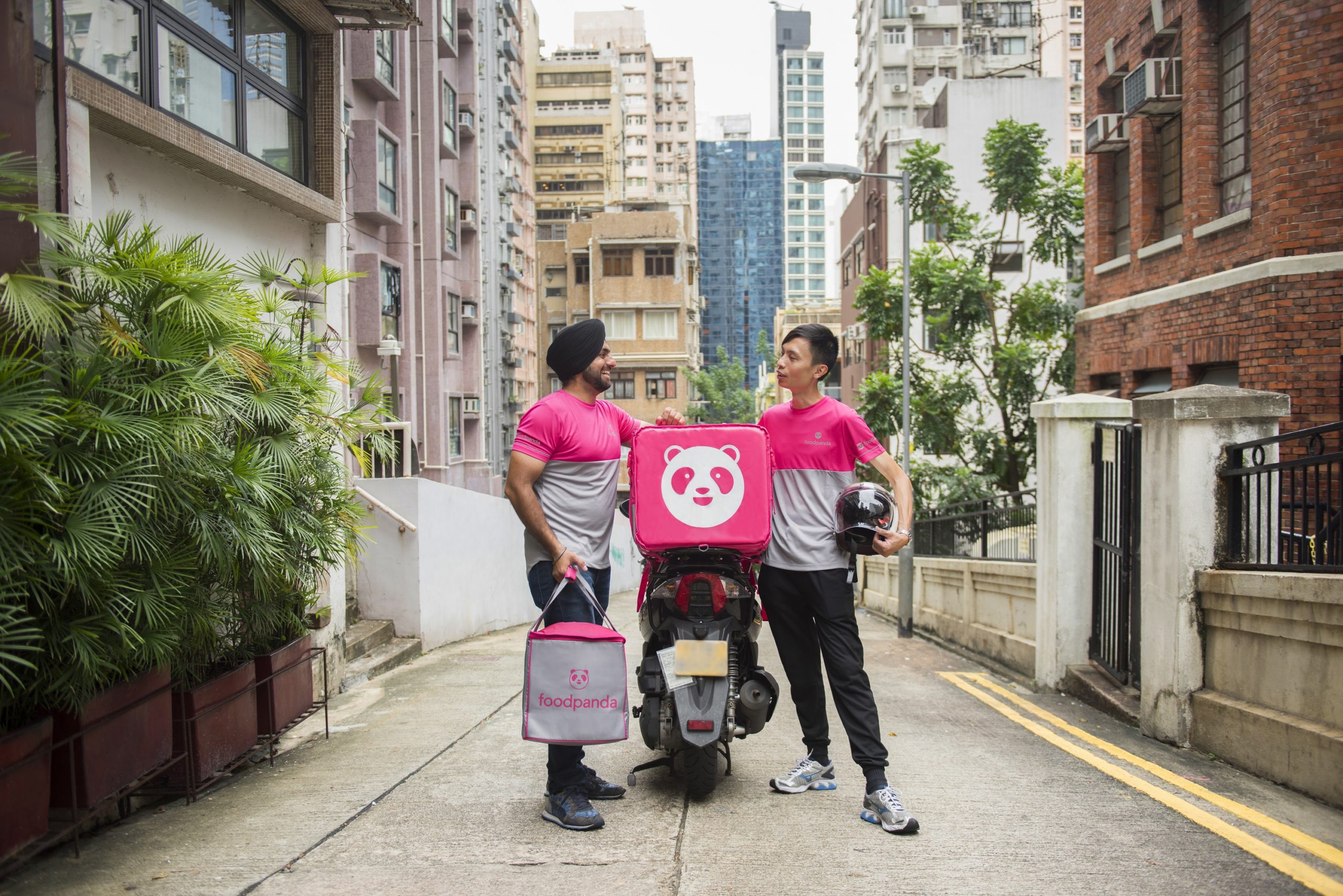
    What’s more convenient than a convenience store? An online one, of course – delivering food, and essentials to customers’ doorsteps quickly, at the touch of a button. foodpanda, the leading delivery platform in Asia Pacific, marks a new milestone with the announcement of more than 2,500 7-Eleven stores on its app, making the leading convenient store available in Singapore, Taiwan, Malaysia and the Philippines.

    With this partnership, foodpanda brings hundreds of 7-Eleven items including hot food, ready-to-eat insta-meals, snacks and alcohol and even pre-paid mobile phone cards into customers’ hands within an average delivery time of 20 minutes. Deliveries can be made anytime, anywhere, 24/7 via foodpanda.

    In the beta phase for integration into the foodpanda “shops” feature, the number of 7-Eleven orders on foodpanda shops grew 50% month-on-month over the past six months. 7-Eleven stores on foodpanda offer over 1,000 unique items on average across the four markets.

    The most convenient convenience store, powered by technology

    As a pioneer in quick commerce, or q-commerce, foodpanda believes in using technology to better the lives of their customers. With 7-Eleven – a brand synonymous with convenience – on the foodpanda platform, consumers enjoy easy access to the choice and variety for their daily essentials.

    In the Philippines, the largest variety available from a 7-Eleven store via foodpanda is almost 1,600 unique items. In Taiwan, consumers have a preference for post-dinner orders from 8pm to midnight, especially for snacks. We see similar trends across the other markets in Asia as foodpanda continues to provide consumers with better varieties and access to on-demand convenience.

    Industry watchers like IGD have predicted growth in online grocery retail with more brick-and-mortar retailers partnering with delivery and technology companies to grow their online footprint, even prior to the COVID-19 pandemic. This is in line with the rise of the ‘convenience economy’ over the past few years, as consumers get accustomed to food and grocery deliveries. COVID-19 has accelerated this evolution and process. IGD reported that online grocery penetration is expected to remain at elevated rates post-COVID-19 as consumers stay home more. The report also predicts that consumers will continue using online deliveries when social distancing measures are lifted to save time.

    As a leading platform for on-demand deliveries in the Asia Pacific region, foodpanda supports the entire delivery ecosystem to ensure that it satisfies consumers’ appetite for greater choice and convenience through its expansion plans. This partnership underscores foodpanda’s dual focus on growing its core food delivery business as well as its q-commerce offerings.

  • DHL names new management in South Korea

    DHL names new management in South Korea

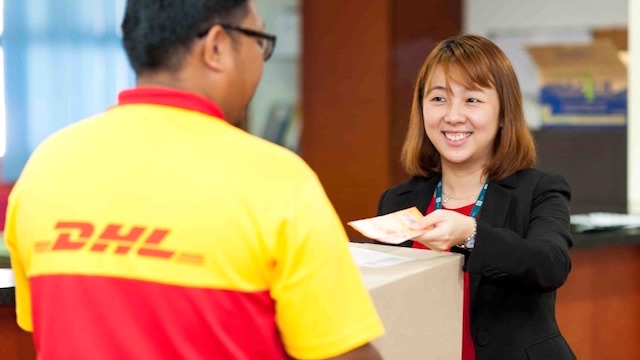
    DHL Supply Chain has appointed Edmund Hsiung as managing director for its South Korea business. Hsiung, who has relocated to Seoul, will manage the business operations across 11 facilities, and oversee business strategy, new business development, expansion, and accelerate digitalization projects in the country.

    With more than three decades of experience in the logistics industry, Hsiung has spent half of that performing various roles at DHL Supply Chain and DHL Express, both of which are under the Deutsche Post DHL Group.

    He was most recently the head of strategic partnerships for DHL Supply Chain in Asia-Pacific, where he was instrumental in driving key corporate initiatives in the region, including a ten-year strategic partnership with SF Holding and a joint venture with JG Summit, one of the largest conglomerates in the Philippines, to provide best-in-class transportation, warehousing, and distribution solutions.

  • WhatsApp adds new filters for storage management

    WhatsApp adds new filters for storage management

    One day after WhatsApp detailed the Disappearing Message feature, the social app is bringing yet another important improvement to its users: new filters for storage management. For those who are using smartphones with low storage, the new filters are going to be of great use.

    An update is now rolling out to Android users that will allow them to review, bulk delete items and free up space much easier than before. The update introduces a new design for the storage management tool, which can be found in Settings / Storage and Data / Manage Storage.

    Also, whenever your phone’s storage is getting close to being full, WhatsApp will notify you via a warning card in the Chats tab. You can even see how much of the disk is full thanks to the storage meter that’s now sitting at the top of the screen.

    More importantly, thanks to the new filters, WhatsApp users can order files by size whenever they want to free up some space. A preview tool for media files is available as well, allowing users to see what they’re deleting at a glance.

    According to WhatsApp, the new update that adds the new filters for storage management is rolling out this week, so be patient if you don’t see it yet on your phone.

  • Hugo Boss on the look for China growth as it returns to profit

    Hugo Boss on the look for China growth as it returns to profit

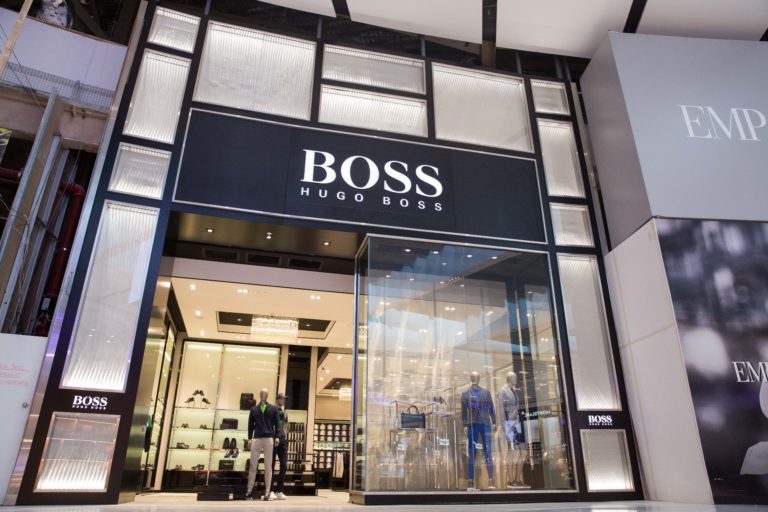
    German fashion giant Hugo Boss returned to profitability in Q3, after having reported losses in Q2, and also said that it was focused on business recovery via digital channels and in China as pandemic-linked uncertainty continues.

    Overall, it’s quarterly revenue fell 24% on a currency-adjusted basis to €533 million, which was lower than analysts had expected. But its operating profit was €15 million and that managed to beat analyst predictions. However, it was still down from €83 million a year ago.

    The company’s digital and Chinese focus is perfectly understandable given that sales in mainland China rose 27% during the quarter and online sales saw a massive leap of 66% as the company opened 24 more markets to e-tail sales between June and August.

    “Supported by the accelerated consumer demand shift towards digital, sales on hugoboss.com and the group’s self-managed offerings on key partner websites recorded strong improvements in both traffic and conversion rates,” it said. The period from July to September marks the 12th consecutive quarter with “significant double-digit online sales growth” for the firm.

    And while physical stores remained challenged, the company was upbeat. With the vast majority of its own stores back in operation, the group’s own retail business recorded a “considerably more robust performance” compared to the first half of the year, with its own retail revenues down by ‘only’ 20%, currency-adjusted.

    But the quarter clearly wasn’t all about good news. While local demand in key markets picked up noticeably as compared to the previous quarter, sales to tourists continued to suffer from international travel restrictions.

    Sales dropped 21% in Europe despite encouraging signs of demand bouncing back in key markets such as the UK and France. The tourism downturn that has had such a big impact on many luxury companies obviously weighed heavily on Hugo Boss.

    And like other companies at all price levels, the group has been adjusting its offer to meet the new normal with a bigger focus on casual clothing that had already started before the pandemic hit. The company said that its more youth-focused Hugo label saw casualwear sales down only in mid-single-digits during the quarter.

  • The Layout Of Tesla’s Nevada Gigafactory

    The Layout Of Tesla’s Nevada Gigafactory

    Tesla’s famous Nevada Gigafactory has been under construction for three years but it has only been completed 30 percent. It is one of the key strategic assets for Tesla to secure battery cell supply. In fact, some of the space in the Gigafactory was reserved for Panasonic as the leading electric car maker had partnered with the Japanese company. Panasonic is said to deploy a new battery cell production capacity at the facility which Tesla will use to build battery packs for its vehicles and Powerwall products.

    Originally, the plant was to produce 105GWh battery cells per year and 150GWh of battery packs per year. This would’ve made this Gigafactory the largest building in the world. But this hasn’t happened as both Tesla and Panasonic have just used up 30 percent of the space and focussed its energies on optimizing the current production facility. Panasonic’s Celina Mikolajczak, its Vice President for battery technology in North America has revealed what the future expansions are in-store for the Gigafactory. Mikolajczak was actually formerly at Tesla where she was an expert in batteries and technical leaders in the development and validation of lithium-ion batteries.

    Mikolajczak has released a slide that shows the plan for the future sections of the Gigafactory. Panasonic currently occupies the majority of the factory, but future expansions are meant to give Tesla more manufacturing space, more battery manufacturing space for Panasonic and additional space for raw materials.Now this factory has 13 battery cell assembly lines 24 hours per day 7 days a week producing 35GWh of battery cells per year. With the extra space, the factory could top beyond the 105GWh battery cell capacity.

  • Mercedes-AMG GLC 4MATIC Coupe

    Mercedes-AMG GLC 4MATIC Coupe

    Mercedes’ fifth AMG launch in India in 2020 is rather special. For the first time any automaker has considered local assembly of its performance oriented car and it’s the Mercedes-AMG GLC 4MATIC Coupe that is the first made-in-India AMG model to go on sale in India. The Mercedes-AMG GLC 4MATIC Coupe went on sale at ₹ 76.70 lakh (ex-showroom, India). Here’s everything you know about this new model.

  • Masan closes 433 VinMart stores to cut losses

    Masan closes 433 VinMart stores to cut losses

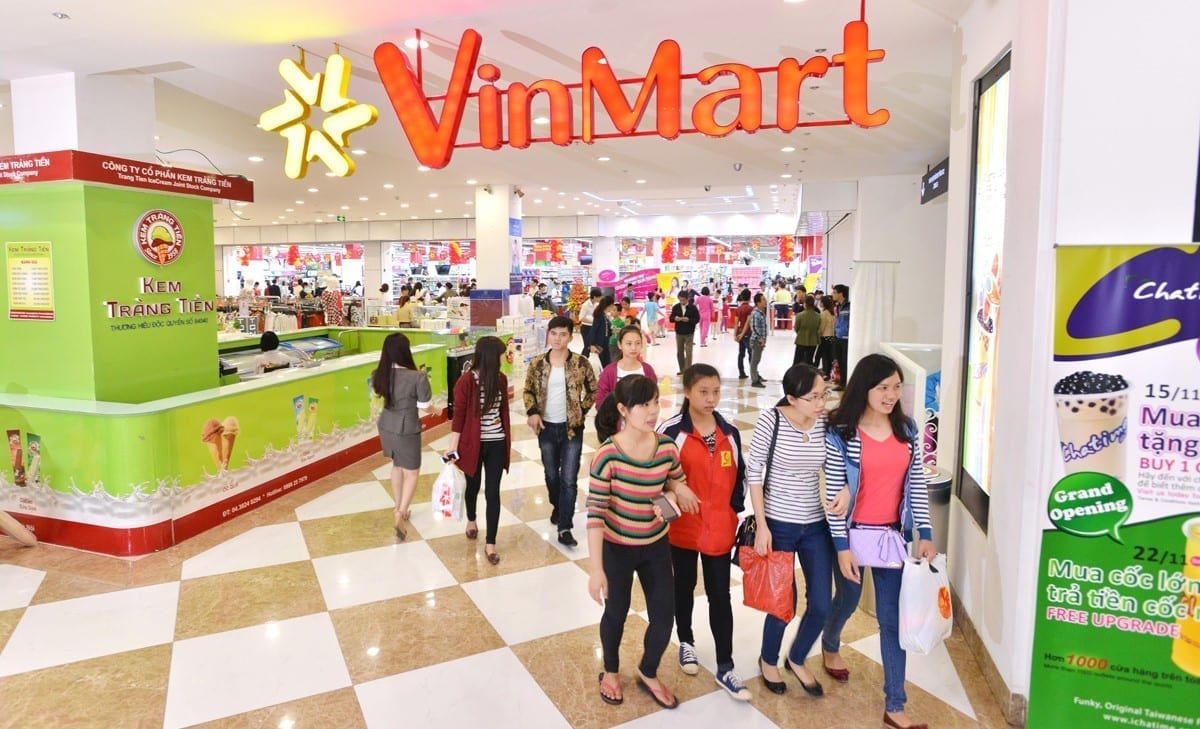
    Masan has closed 421 VinMart+ convenience stores and 12 VinMart supermarkets this year as it restructures the retail business it acquired this year from Vingroup. Most of the closed stores were in Ho Chi Minh City. The closure has resulted in a cut in losses for its VinCommerce subsidiary, with the earnings before interest, taxes, depreciation and amortization (EBITDA) margin increasing from negative 6.7 percent in the first nine months of last year to negative 2.8 percent in the same period this year, Masan said in a release.

    Most of the 433 outlets had revenues 50 percent lower than optimal levels required to achieve breakeven and posted a combined loss of VND239 billion ($10.3 million) this year before their closure.

    VinCommerce hopes to reach breakeven EBITDA in the last quarter and achieve 10 percent revenue growth over the third quarter. Its gross profit is set to be improved by optimizing product assortment and renegotiating terms with suppliers, the release said.

    “Improved profitability from closing underperforming locations is expected to be fully realized in 2021.”

    The company also opened 57 new VinMart+ outlets and one new VinMart supermarket in the first nine months, launched three new concept VinMart+ store formats in Ho Chi Minh City and Hanoi with more fresh products and an improved layout to understand consumer behavior and design model stores for the next round of expansion.

    As of the end of September VinCommerce had 2,646 outlets, 122 of them supermarkets.

    Masan acquired VinCommerce from Vietnam’s biggest private company, Vingroup, in January this year and owns a 83.74 percent stake in it.

  • Samsung killing yet another redundant service in December

    Samsung killing yet another redundant service in December

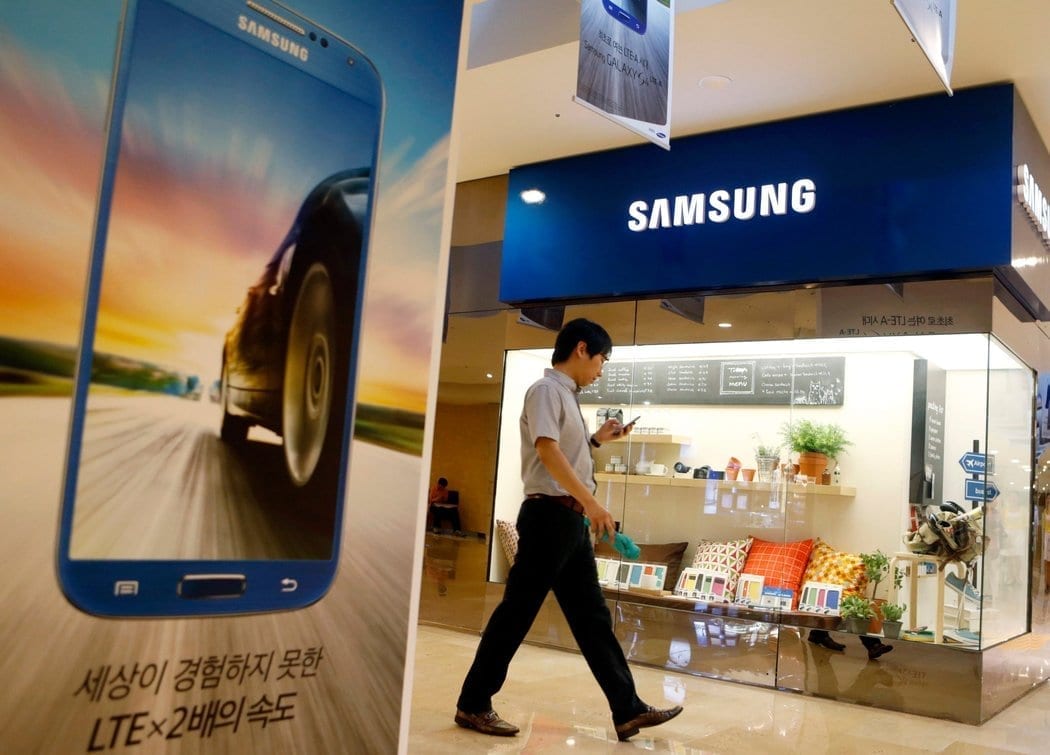
    Samsung has always been trying to make people use its tools on their phones, regardless of whether or not there were better alternatives out there. That’s one of the reasons we’re seeing the South Korean giant closing many of them due to few people using them.

    For example, S Translator was launched as an alternative to Google and Microsoft Translator services but didn’t manage to find too many fans among Samsung smartphone users. Add to that the S Translator was available on high-end Galaxy devices for the most part, and you have a recipe for failure.

    Well, it looks like come December 1, Samsung will be shutting down S Translator, the company announced earlier this week. The announcement mentions that all information the service collected from users will be destroyed on the same day.

    In the meantime, we would like to thank those who have used the S Translator service. We inform you that the above service, which has given us a lot of interest and love, can no longer be provided due to the company’s operating policy. Upon termination of this service, your personal information collected for the purpose of providing the service will be destroyed without delay in order to protect your personal information.

    Apparently, Samsung is trying to streamline its mobile app ecosystem, so many apps and services that have become redundant, such as S Voice, Mirrorlink, and Find My Car. It’s hard to say if Samsung is done killing its unpopular services, but Bixby might next on the list.

  • Vietnam retail sales up despite absence of tourists due to Covid

    Vietnam retail sales up despite absence of tourists due to Covid

    Asia is currently going through widespread economic and business disruptions caused by the outbreak of the coronavirus (COVID-19), which originated in Wuhan, Hubei province in China, and the stringent government measures to contain it, threatening to stall the economic growth of major markets in Asia. Reason enough for Fung Business Intelligence, the knowledge bank and think tank for Hong Kong-based multinational Fung Group, to analyze the impact of the coronavirus disease on Asia’s retail markets, with a focus on department stores and the duty-free sectors. The resulting report “Impact of Coronavirus Disease on Asia’s Retail and travel-related Sectors” also looks at the coronavirus’s impact on the tourism industry in Asia.

    Fung Retail Intelligence believes that the current COVID-19 outbreak could have a deeper impact on Asian economies and their respective retail and travel-related markets compared to the SARS epidemic in 2002-03 given that there are now more Asian countries with increased economic ties to China – for instance, China is now the largest export country for Vietnam, Singapore, Japan, South Korea, Malaysia and others. “As these countries become more reliant on Chinese demand as a source of growth, dampened consumer demand from China, along with supply chain disruptions on the production side, will have a significant impact on their economies,” cautions the report.

    Add to that the fact that Chinese tourists remain the biggest spenders of all international travelers, thus their absence, following the Chinese government’s ban on all outbound group travel after the Chinese New Year (from 27th January 2020) to contain the spread of the disease, comes as a tough blow to the retail and travel-related sectors in many Asian countries, of which the fashion and luxury industries are a part. “The outbreak also reveals how dependent retail businesses – especially department stores and travel retailers – are on visitors from China,” finds the report.

    However, Fung Business Intelligence remains positive and points to four important reasons why Asia is now better geared to handle the current crisis than almost two decades ago when SARS 2002-03 struck: “The difference for Asia, now, is that its economic fundamentals are more robust, its technology more advanced, its services more diverse, and its consumers more resilient. For these and other reasons including a raft of initiatives launched by local governments and relevant parties to support businesses, we believe the COVID-19 outbreak is not likely to cause long-term effects on Asia’s retail and travel-related markets.

    As of 18th February 2020, there are now more than 73,000 confirmed coronavirus cases, with a majority (more than 72,600) in China, followed by Japan (more than 500 including cases on the Diamond Princess cruise ship) and Singapore (more than 80). Other cases have been confirmed in Hong Kong, Thailand, South Korea, Malaysia, Taiwan, Vietnam, Australia, India and the Philippines. Thus, many people are calling off travel plans over coronavirus fears and hassles over the currently imposed travel bans and quarantine requirements.

    According to the Economist Intelligence Unit (EIU), this means that Chinese outbound tourism is unlikely to recover to pre-coronavirus levels until the second quarter of 2021 and the coronavirus outbreak is expected to cost the global tourism industry about 80 billion US dollars (about 60 billion pounds) in lost revenue, with key players in the market probably taking more than a year to recover.

    ASEAN countries will suffer the most as they are all among the top 20 destinations for Chinese outbound tourists, continues the EIU, estimating that visitors from China will decrease sharply by 30 – 40 percent this year, resulting in a loss in tourism revenue of 7 billion US dollars (about 5.4 billion pounds) in the region. Especially Japan has felt the pinch, where Chinese tourists represent 30 percent of all foreign visitors, and spent 16.2 billion US dollars (12.55 billion pounds) in Japan last year.

    According to the Singapore Tourism Board, China is the city’s largest tourist source and Singapore is thus expected to see a drop in tourism arrivals of up to 30 percent compared to last year, representing a daily loss of 18,000- 20,000 foreign tourist arrivals. In Thailand, this number even dropped by 86.5 percent in the first week of February and is expected to plummet to 50 percent in the first half of 2020 according to the Tourism Authority of Thailand, costing the Thai economy 3.05 billion US dollars (2.36 billion pounds) in the first four months of the year alone.

    Though the impact on the tourism sector in Europe and the United States is comparatively milder, with Chinese tourists only making up 4 percent of total foreign visitors, “some European economies are likely to see weakened consumption if there is a sharp decline in Chinese tourists throughout 2020,” states the report. In the first half of 2019, Chinese nationals made 3 million visits to European countries, up by 7.4 percent year-on-year, according to the Chinese Tourism Academy.

    In Japan, department stores like Isetan Mitsukoshi, Takashimaya, Sogo & Seibu, and Daimaru Matsuzakaya all have seen a decrease in foreign visitors starting from the Chinese New Year holidays, resulting in a drop in sales. In South Korea, department stores like Lotte, Shinsegae and Hyundai and Lotte and Shilla duty-free stores were temporarily closed due to sterilization efforts. Sales dropped between 11 and 30 percent during the first weekend in February.

    In Singapore, department stores like Honestbee, OG, and BHG Holdings either adjusted their timings or shut their stores temporarily, with the latter seeing sales of its six outlets drop between 40 and 50 percent since the first case was confirmed in the city on 23th January. Luxury travel retailer DFS announced the closures of its locations T Galleria by DFS in Tsim Sha Tsui East and Hong Kong T Galleria Beauty by DFS from 8th to 29th February.

    While the Japanese government announced a limited 96 million US dollar (about 74 million pounds) package of emergency funds on 14th February, the Taiwanese Ministry of Economic Affairs plans to provide financial assistance to domestic retailers and foodservice providers by offering loans, loan extensions and subsidies on interest. The government also considers providing coupons worth 66.1 million US dollars (around 51 million pounds) to be used at night markets, shops and restaurants as a means to boost local consumption once the spread of the virus subsides. In Singapore, the government announced that it has set aside 4.02 billion US dollars (about 3.11 billion pounds) in the coming year to help businesses and households.

    The Restaurant Association of Singapore has also asked shopping mall landlords for a rental rebate of 50 percent from February to April to help the food and beverage industry, which has seen a significant drop in business. Singapore’s largest property developer, CapitaLand, has launched a 10- million-Singapore-dollar (7.14 million US dollars or close to 6 million pounds) marketing assistance program to help its retail partners cope. Jewel Changi Airport announced a rental rebate of 50 percent for its tenants during February and March.

    “It is hard to predict when COVID-19 is going to end. Considering the sharp drop in the number of Chinese tourists and the subsequent adverse impact on domestic consumption, we expect major retail markets in Asia to remain under pressure in the first half of 2020. That said, the sound economic fundamentals of these markets, along with a raft of initiatives launched by local governments and relevant parties to support the retail and travel-related sectors during the COVID-19 outbreak, are likely to guide businesses through the tough times and pave the way for recovery,” ends the report.


  • Mercedes-Benz India Sees Positive Annual Growth Despite Challenging Situations

    Mercedes-Benz India Sees Positive Annual Growth Despite Challenging Situations

    Auto sales have been on the upswing for the last four months. While we still cannot expect any exponential growth this year, thanks to the coronavirus crisis that dampened sales for three months, automakers are expecting sales to be restored and at least inch to breakeven level for the overall year. Even luxury carmakers like Mercedes-Benz India has observed sales getting back on the growth trajectory gradually and the festive season is expected to give automakers the much-needed shot in the arm.

    Speaking to Siddharth Vinayak Patankar, Editior-In-Chief, on the latest Freewheeling with SVP webisode, Martin Schwenk, Managing Director (MD) and Chief Executive Officer (CEO)- Mercedes-Benz India said, “Overall, I think we’re back as a leader brand. Again, we’re back in a completely normal year but we have sales that are comparable to what previous years have done. Overall, we are in the stable mode now and have a good starting base for next year.”

    Now the German carmaker has also started with the local assembly of its performance AMG range in India and that’s indeed a bold move especially at a time when many plans have been put off owing to the Coronavirus crisis. In fact, the German brand is confident that AMG models do have a burgeoning market by segment standards in India making them more affordable by way of localization will help to tap a potential market. “2019 was 50 percent higher in AMG and obviously this year there is some setback as well, but AMG still is doing better than the normal segment. So performance seems to be a little bit stronger in terms of growth, but honestly, the numbers are absolutely much smaller compared to our regular models,” Schwenk added. Mercedes-AMG has launched the locally built GLC 43 Coupe in India at ₹ 76.70 lakh, ex-showroom, India.

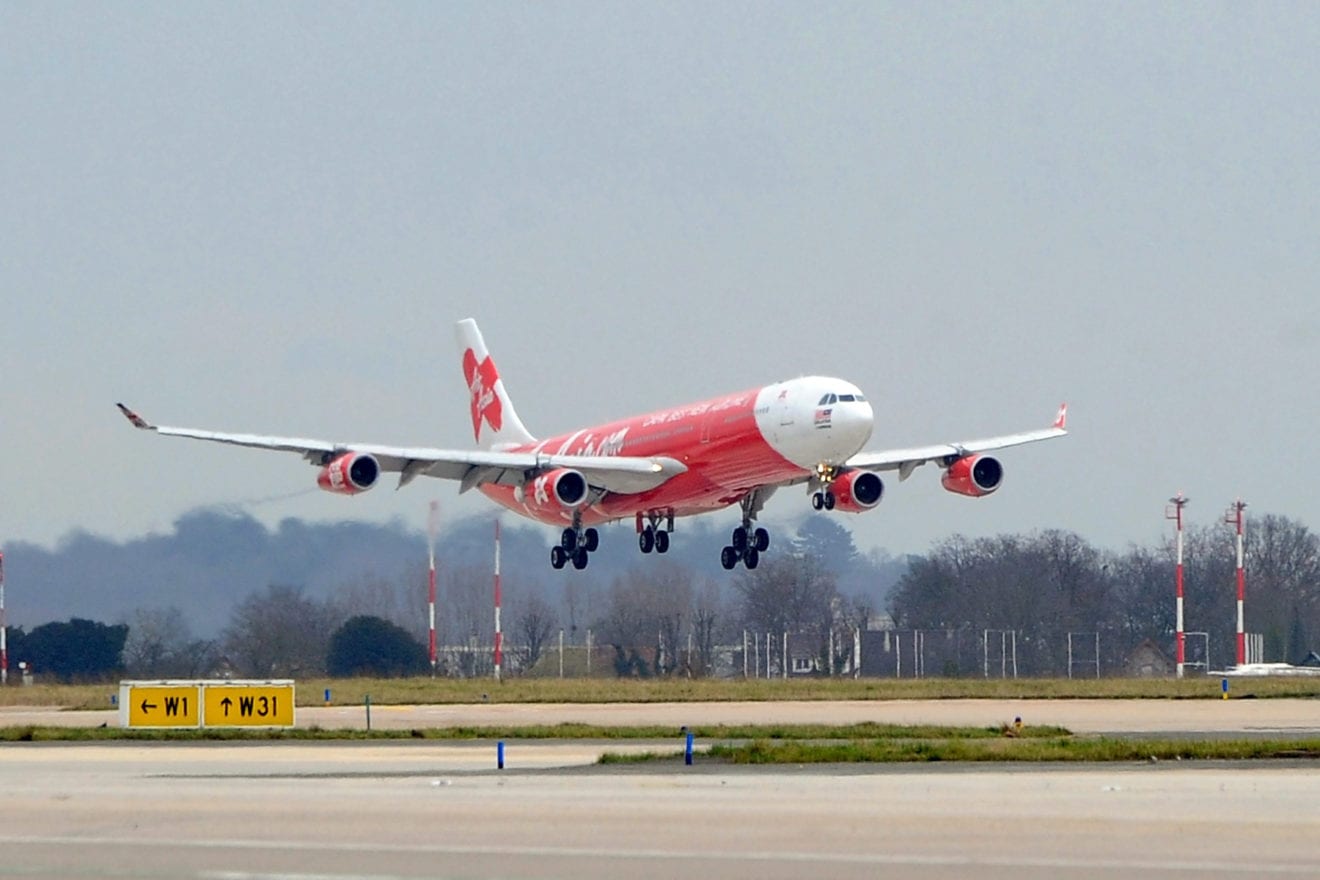
  • AirAsia’s new platform for medical services

    AirAsia’s new platform for medical services

    Karen Chan, chief executive officer of AirAsia.com said the digital platform is aimed at making it as seamless as possible for everyone from the initial consultation to post-treatment services. “Healthcare is essential, and its affordability and accessibility should be a right for everyone. We want to help facilitate that. AirAsia Health is where healthcare meets travel, complemented by the strength of our ecosystem encompassing travel logistics such as flights, accommodation and mobility options, enhancing the convenience factor for any medical traveller’s end-to-end journey,” she said.

    Furthermore, AirAsia Health will partner with reputable medical providers and hospitals.

    To kickstart the launch, it is offering booking for Covid-19 RT PCR tests on its platform, provided by its medical partners from Lifecare Diagnostic Medical Centre and Sunway Medical Centre.

  • Hong Kong fintech STATRYS secures USD $5M

    Hong Kong fintech STATRYS secures USD $5M

     Statrys, a Hong Kong-based digital payment services platform, has recently accepted a USD $5M funding round to help kick off its newest products to a rapidly growing market. This round was led via a closed-door funding arrangement with an angel investor in the region with the expectation for Statrys to carve out market share in the growing digital payment and remittance space. 

    The global digital payment and remittance market was valued at USD $2.99 billion in 2019 and is expected to continue growing at a CAGR of 27.6%. According to a recent report by MarketWatch, the global digital payments and remittance market is expected to reach USD $16.79 billion by 2025. 

    Statrys is an innovative payments solution alternative geared towards SMEs, startups, and entrepreneurs who require flexible banking and advanced Forex solutions that can enable them to grow globally. The new funding round is a part of Statry’s global growth strategy, starting with a big push into Asia to help support SMEs and entrepreneurs with business accounts, Forex needs, and other payments solutions that larger payment processors charge higher fees for, or banks simply won’t provide. 

    “After a few months of operations, our business has already reached upwards of HKD500mil remittance and HKD200mil FX dealings. This clearly validates our original assumption that there is a big demand for the services we provide at STATRYS. This new financing will help us to accelerate 

    the development of the company both in terms of products, with the addition of local currency accounts, payment card, integration with accounting software, and geographically, as we will target new markets in South-East Asia” said Bertrand Theaud, Founder & CEO of Statrys. 

    The first project the new funding has been used for was the recent September website overhaul that moved to reinforce Statrys’s branding and deliver a better user experience when it comes to site navigation and usability. 

    The main value that Statrys will bring to SMEs specifically in Asia is the ease of setting up a business account in the face of traditional Asia-based banks where creating business accounts with bootstrapped funding or light runway can oftentimes end in failure. By offering a payment platform that can operate with the same functions of a traditional bank while not actually being a bank, Statrys can fill gaps for SMEs and startups that otherwise couldn’t find themselves with a bank or with a bank that restricts smaller businesses in overall services offered. 

    Among other platform features, integrations are the next big goal post for Statrys to cross for clients with other tools at the heart of their operations. The Statrys-Xero integration which is currently in development, is one of many other integrations planned for Statrys, that will help synchronize payments to their Xero account, bridging a gap between payments and accounting software that never existed before with traditional banks. 

    Statrys’s Forex trading features offer payments and trades in 11 different currencies with plans for more to come in the future. The new funding round is intended to also expand the company’s presence, or ability to serve clients, in other ASEAN countries like Singapore, Thailand and Indonesia where competitors have less focus on solutions for SME customers, startups and entrepreneurs. 

    “Flow of business, and therefore flow of payments, between China, Hong Kong and South-East Asia is rapidly growing. We anticipate that this trend will accelerate with the combined effect of the China-US trade war and the changes in global supply chain that will result from the Covid-19 pandemic. We want to position STATRYS to answer the needs of companies present in these regions as they are looking for better solutions to deal with payments and FX. ” says Bertrand 

    Statrys will also be launching its own Statrys Debit Payment MasterCard for Hong Kong so local Hong Kong entrepreneurs can make payments from their Statrys business accounts at all MasterCard participating retailers and vendors, currently in HKD only. 

    Already quickly becoming an office-name in Hong Kong, Statrys aims to take digital payments and Forex to more SMEs globally with the same price-competitiveness. Compliance is at the heart of every transaction and trade on the Statrys platform, where SMEs can feel safe to make the payments they need around the globe in any currency Payments don’t just happen in Asia, so it’s likely that future funding rounds are around the corner with the expectation to take Statrys out of Asia and beyond. 

  • UOB deepens partnership with VMware to enable safe and effective

    UOB deepens partnership with VMware to enable safe and effective

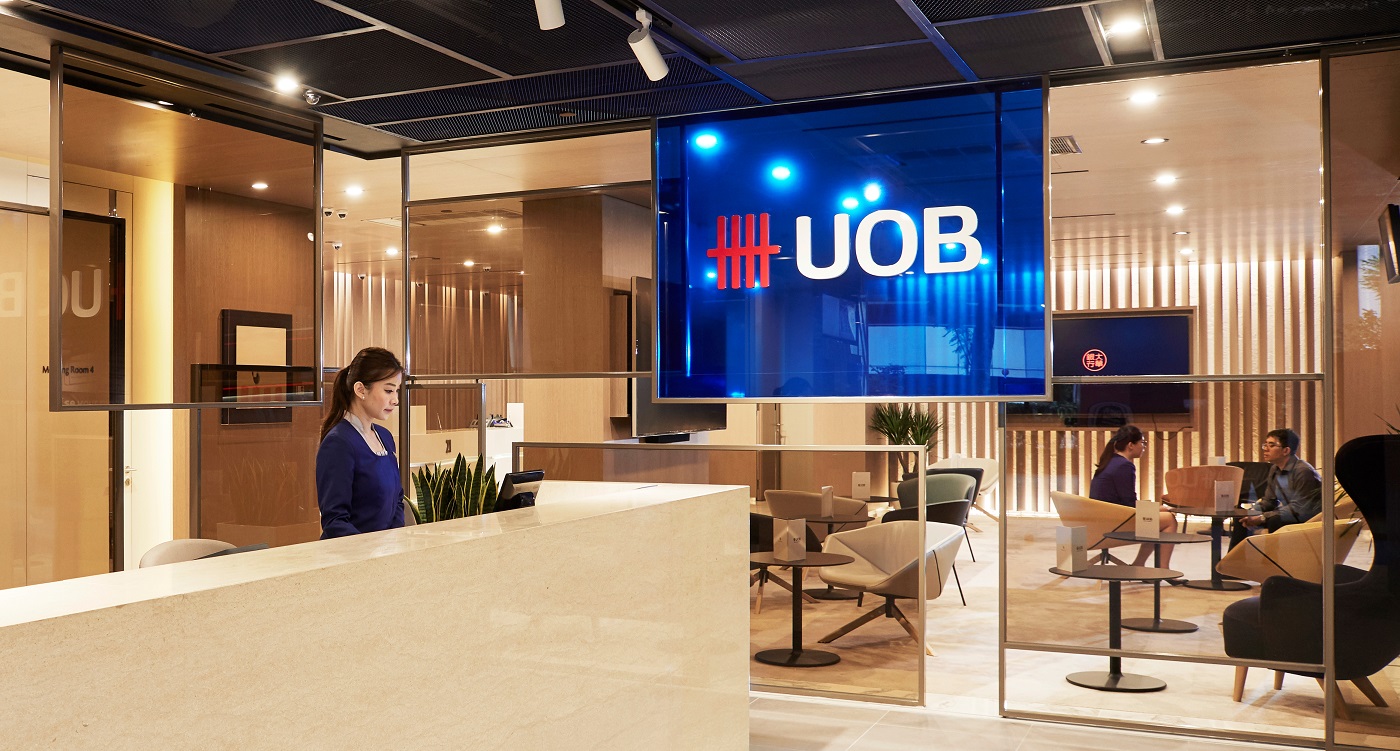
    As the COVID-19 pandemic resulted in the majority of the workforce shifting to home-based work, United Overseas Bank (UOB), a leading bank in Asia, collaborated with VMware to enable the Bank to continue its innovation drive without disruption. UOB was one of the fastest organizations in ASEAN to deploy a secure virtual desktop – UOB DevTop – for its team of 3,000 information technology (IT) developers, having done so in just 21 days instead of the up to three months it would typically take. Designed to meet the Bank’s robust security standards and to minimize risks, UOB DevTop provides IT developers with a secure sandbox to test and to implement upgrades to UOB’s digital services and solutions. This enabled its IT developers to meet the Bank’s software development schedules without disruption or delay as they move to work from home within weeks.

    UOB developed UOB DevTop by integrating VMware’s virtual desktop solution VMware Horizon with UOB’s highly secure IT and hybrid cloud infrastructures. This infrastructure was vital to the Bank being able to accelerate the deployment of UOB DevTop as the Bank did not need to install hardware servers on its premises even as it expanded its computing capacity to meet the surge in load with 3,000 IT developers working remotely.

    Through safer and remote access to the Bank’s development environment, UOB’s team of IT developers achieved significant milestones for several software development projects this year. Within the last three months alone, UOB has launched three industry-leading innovative solutions.

    In August, UOB launched it ASEAN digital bank, TMRW, in Indonesia. In September, the Bank launched its all-in-one mobile banking app UOB Mighty in Malaysia, featuring a new user interface and features that tap artificial intelligence to help customers spend and save more wisely. In the same month, UOB also launched UOB Infinity, a new mobile app for its clients across regions that provides these businesses with intuitive features such as a customizable desktop, cash management capabilities, and trade services to meet their banking needs.

    Ms Susan Hwee, Head of Group Technology and Operations, UOB, said, “As the majority of our colleagues across the UOB Group shifted to home-based working during the pandemic, we prioritized equipping them with the right tools and resources to enable a quick and seamless transition as we continued to serve our customers without disruption.

    Tapping our technology and cloud infrastructure, coupled with VMware’s solutions, we developed and deployed a more secure virtual desktop solution at an unprecedented pace and scale. This enabled our team of 3,000 IT developers to continue to support the Bank’s business activities and innovation drive without compromising on security.”

    Mr Sanjay K. Deshmukh, Managing Director and Vice President, Southeast Asia and Korea,VMware, said, “Digital technologies have shone through during this period of uncertainty as an effective enabler for organizations to conduct business, engage employees and connect with customers. We are excited to continue our partnership with UOB, supporting their operational needs while enabling them to comply with the bank’s stringent security and data privacy requirements.