Author: Mei Ling Tan

  • Singapore retail rents tipped to slide up to 15 percent

    Singapore retail rents tipped to slide up to 15 percent

    The increased activity in Singapore’s retail sector hints at a bottoming out of rents by the end of this year or early next year, Knight Frank’s research team said in a report published on Friday (Oct 16).

    Overall retail rents are expected to fall by 10-15 percent for the whole of this year due to recessionary pressures and safe-distancing restrictions, according to the real estate consultancy.

    That being said, in the suburban region, rents of retailers will likely decline by just 7.5 percent or less.

    “As physical retail stores resumed operations, shopper traffic also returned to a greater extent in the suburban malls compared to the centrally located ones that are more reliant on the tourist dollar,” Knight Frank analysts wrote.

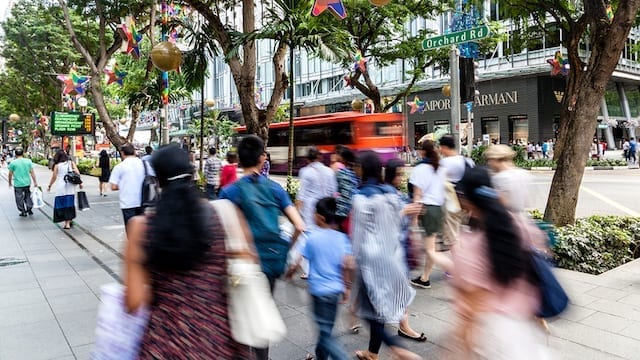
    Thus, the rental gap between suburban malls and those in Orchard will likely continue to narrow, given that the inflow of tourists into Singapore is still impeded by travel restrictions. Suburban retail rents are expected to recover sooner because they are supported by the domestic catchment resident population.

    In the third quarter this year, prime retail rents islandwide decreased by 10.3 percent year on year to average $27.40 per square foot (psf) per month, as safe-distancing measures and border controls remained in place.

    This drop was largely led by the 11 percent fall in gross rents for prime retail spaces along the Orchard Road shopping belt, as stores there continued to struggle with the absence of international tourists, Knight Frank noted.

    Prime spaces refer to rental-yielding units between 350 and 1,500 square feet with the best frontage, connectivity, footfall and accessibility in a mall. Such spaces are typically located on the ground level of a mall or the basement level of a mall that is linked to an MRT station or bus interchange.

    In the Marina Centre, City Hall and Bugis region, gross rents of prime retail spaces tumbled by 13.5 percent year on year to $25.40 psf per month on average for the third quarter.

    The city fringe, meanwhile, posted an 8.6 percent decline from a year ago, to $23.40 psf per month.

    Propping up the retail market was the suburban areas, where rents started to stabilize during the July-September period.

    “As more employees work from home, the malls located within residential population centers were visited by many for daily necessities and household sundries,” the analysts wrote.

    The suburban region recorded the smallest drop in gross prime retail rents during the quarter, slipping 6.9 percent on the year to average $26.60 psf per month.

    Quarter on quarter, rents of prime retail spaces in suburban areas also inched down by just 1.4 percent, compared to the bigger declines of 6.4 percent in Orchard, 7 percent in Marina Centre, City Hall, and Bugis, and 4.5 percent in the city fringe.

    While traditional retailers such as Topshop at VivoCity and Robinsons at Jem closed during the latest quarter, there were also newcomers to the scene. For instance, 100-year-old Hong Kong bakery Hang Heung opened its first Singapore outlet at Ion Orchard, Knight Frank noted.

    Other notable retail openings in the three months include store expansions such as Foot Locker at Orchard Gateway @ Emerald and Decathlon at The Centrepoint.

    In August, retail sales – excluding motor vehicles – fell by 8.4 percent year on year, according to figures released by the Department of Statistics last week.

    On a seasonally-adjusted month-on-month basis, total retail sales were higher by 1.4 percent in August. Excluding motor vehicles, sales edged up 0.1 percent on the month.

  • Tesla Is Pushing New Software Update To Increase The Range The Model Y

    Tesla Is Pushing New Software Update To Increase The Range The Model Y

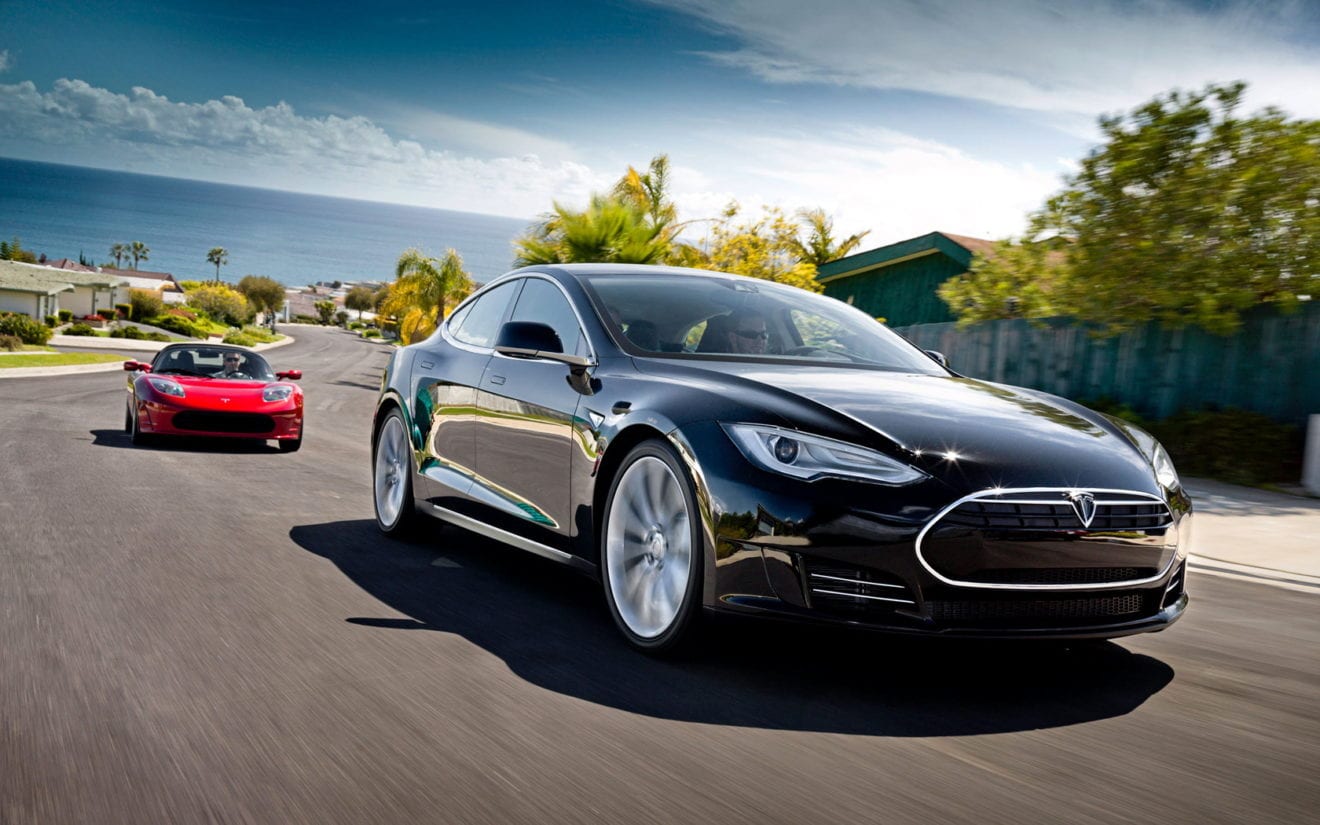
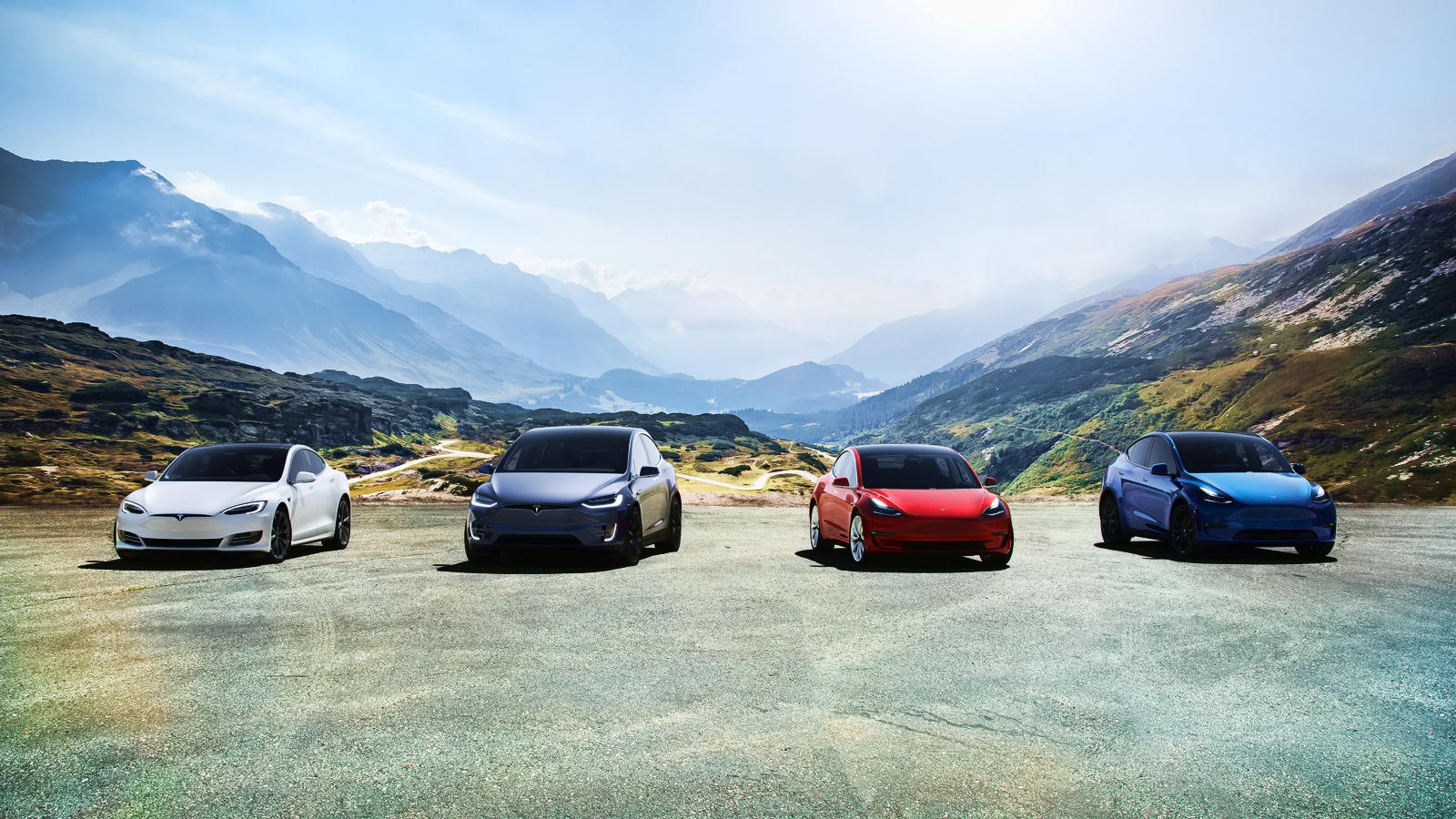
    Tesla has been relentlessly improving its cars and now a new software update that is coming to the relatively new Model Y will enhance the range of the vehicle. The software update numbered 2020.40.7 is behind these new efficiency improvements.

    “Your car’s range has increased with new software that improves the efficiency of the motors and the climate control systems,” Tesla said in the update release notes.

    It also notes that there is no impact on the efficiency of the HVAC system or the performance of the vehicle with these range enhancements. Fundamentally, there are no trade-offs.

    “Note: These changes do not impact acceleration or overall climate control performance,” Tesla added.

    As reported by Electrek, a Tesla Model Y owner noted the new software update accounted for a meager enhancement in range to something between 320 and 325 miles. Tesla officially has also enhanced the range of the Model Y from 316 miles to 325 miles.

    This is not the first time the company has done this as it recently increased the range of the Model 3 by 15 miles.

  • NASA awards Nokia a $14.1 million contract to build a 4G LTE network on the Moon

    NASA awards Nokia a $14.1 million contract to build a 4G LTE network on the Moon

    If you’re planning on taking a trip to the Moon in the near future to escape the madness of this planet, we have some good news and some bad news. The good news is that Nokia has been awarded a $14.1 million contract from NASA to build the first 4G network on the Moon. The bad news is that for now, the Moon will not have 5G service. NASA’s current plans call for a sustainable human presence on the Moon by 2028. Elon Musk’s SpaceX, Jeff Bezo’s Blue Origin, and a company named Dynetics will develop the human landers that will deliver humans to the Moon.

    In late 2022, Nokia Bell Labs will “build and deploy the first ultra-compact, low-power, space-hardened, end-to-end LTE solution on the lunar surface.” Nokia will integrate the network into Intuitive Machines’ lunar lander and when deployed, the network will self-configure to produce the first LTE system on the Moon. The network isn’t being made just so astronauts can use TikTok. Nokia says, “The network will provide critical communication capabilities for many different data transmission applications, including vital command and control functions, remote control of lunar rovers, real-time navigation and streaming of high definition video. These communication applications are all vital to long-term human presence on the lunar surface.”

    Nokia says that its LTE network is perfect for any activity that astronauts might need it for including “voice and video communications capabilities, telemetry and biometric data exchange, and deployment and control of robotic and sensor payloads.” The lunar LTE network is designed to survive the harsh conditions of the launch and the landing on the moon. NASA says that “the system could support lunar surface communications at greater distances, increased speeds, and provide more reliability than current standards.”

    If you’re bummed out that connectivity on the Moon is limited to 4G, don’t fret. Nokia says that it will work on developing space applications for 5G connectivity. Imagine how fast you’ll be able to download Apollo 13 on your 5G handset to prepare for your space flight to the Moon. The manufacturer is the second-largest networking equipment supplier to Huawei.

    In its blog post, Nokia says “As a market leader in end-to-end communication technologies for service provider and enterprise customers globally, Nokia develops and provides mission-critical networks adopted by airports, factories, industrial, first-responders, and the harshest mining operations on Earth, for automation, data collection and reliable communications. By deploying its technologies in the most extreme environments, Nokia Bell Labs will validate the solution’s performance and technology readiness level, and further, optimize it for future terrestrial and space applications.”

  • Samsung heir visits Vietnam to discuss possible investments plan

    Samsung heir visits Vietnam to discuss possible investments plan

    Samsung Electronics vice-chairman Lee Jae-yong departed for Vietnam for a three-day visit to explore business opportunities. He is scheduled to meet Prime Minister Nguyen Xuan Phuc on Tuesday to discuss possible investment plans and visit Samsung’s plants in Hanoi.

    The focus will be on whether Lee announces new investment plans including the construction of a factory for electronic-car batteries in Vietnam.

    Lee is also expected to inspect the progress of a Samsung Electronics research center that is currently under construction in Hanoi.

    Construction of the $220 million research and development center, the first of its kind outside South Korea, began last March.

    It is Lee’s first visit to Vietnam since October 2018. He is exempt from mandatory quarantine after the government scrapped the quarantine requirement for foreign managers, investors, and diplomats visiting the country for less than 14 days.

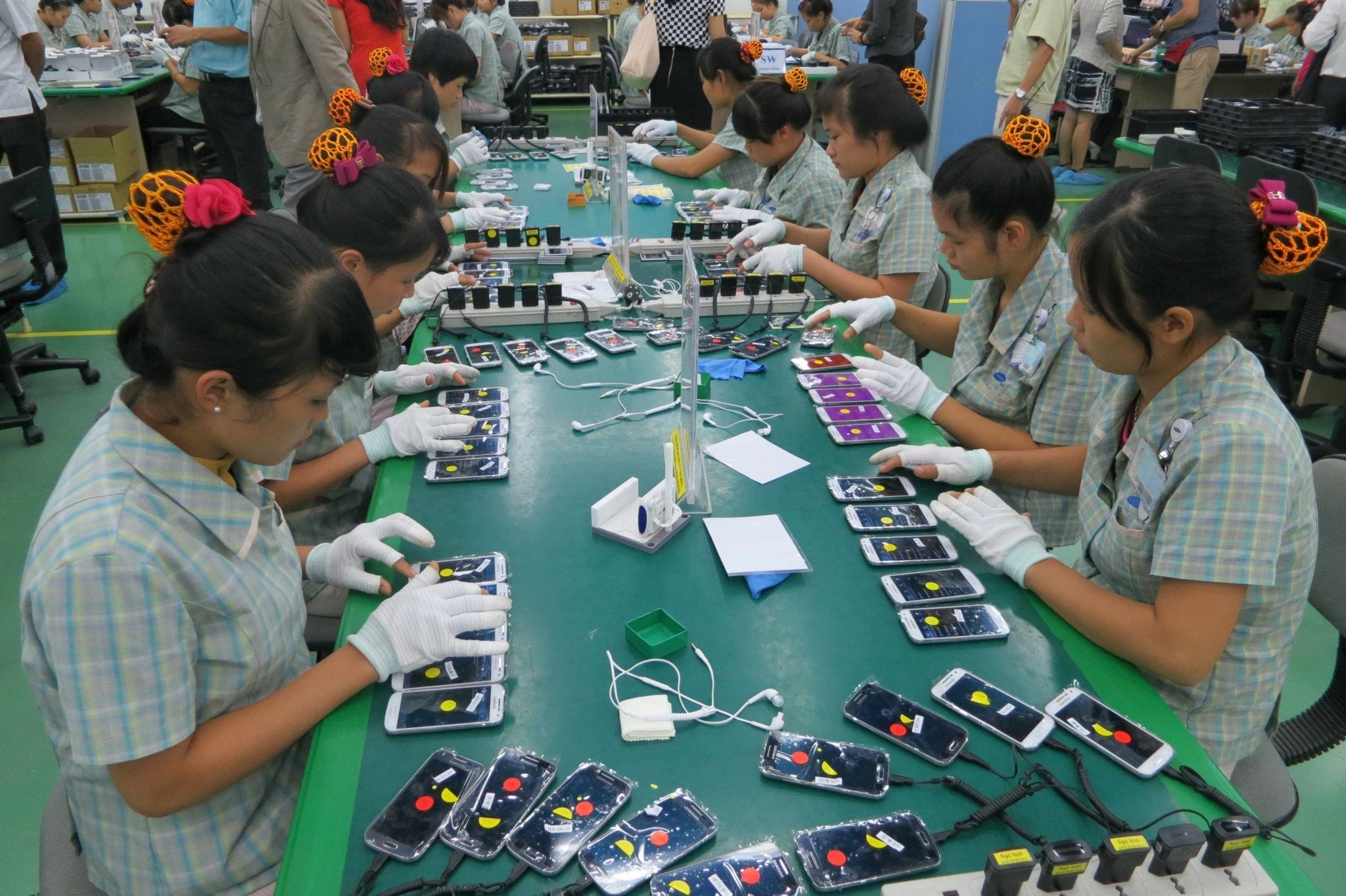
    Vietnam is Samsung’s largest smartphone production base, with half of all its phones being made in the country at plants in Bac Ninh and Thai Nguyen provinces in the north. It has invested over $17 billion in Vietnam so far.

  • UBS as Training Ground for Female Executives

    UBS as Training Ground for Female Executives

    Schwyzer Kantonalbank, one of the plethora of Swiss cantonal, or state, banks, has appointed a new female CEO. She joins the bank from banking giant UBS. The switch away from the big firm is not a first. Schwyzer Kantonalbank (SZKB) is early out of the starting block and has found a replacement for outgoing CEO Peter Hilfiker. Hilfiker is handing over responsibility for the bank at the end of March 2021 and will retire.

    Susanne Thellung has been selected as his successor. She joins from UBS, where she currently heads the business management corporate and institutional clients. From 2004 through 2018 Thellung was working for UBS Switzerland, including as regional head of all customer segments for the entire central Swiss region.

    She will be the first female head of a cantonal bank. These banks, typically owned by the regional tier of the Swiss state, have some catching up to do in respect to the representation of female top managers.

    In 2018, the share of female managers at 19 such banks was 45 percent. In the middle management though the share was 17 percent and among top managers, the number dropped to a paltry 9 percent, ie less than one in ten. The executive boards had 8 percent women, while 18 percent of supervisory board members was female, with 16 percent of the chairs taken by women. The background of Thellung comes as less of a surprise. UBS has a good reputation as a training ground for female managers. But, equally so, a perceived difficulty to tie the women to the bank. For a variety of reasons, they tend to leave earlier or later.

    One such example is Laura Meyer. She is managing director and head of digital distribution and analytics at UBS Switzerland. At the end of the year, Meyer will join Hotelplan, the travel agency of Swiss retail giant Migros. The company employs 2,100 staff and has sales of 1.54 billion Swiss francs.

    Another well-known case was Dagmar Kamber Borens. She first signed at the Swiss unit of Credit Suisse as chief operating officer (COO), before later joining Quintet, the private-banking group assembled by ex-UBS executive Juerg Zeltner.

    Kamber Borens had spent 17 years with UBS, having started in its private bank after her Ph.D. At the turn of the century, Kamber Borens joined the M&A-desk in London. For another four years, from 2004 through 2008, she worked in the personal staff of the chairman, before being appointed as chief of staff of the group finance.

    And sometimes they even retrace their steps and return to the fold. Simone Westerfeld (pictured below), who had been with the bank from 2000 to 2006 had then joined the University of St. Gallen. In 2015 she be CFO at Basler Kantonalbank and later had a spell as interim CEO of the bank (2018-2019).

    She has since rejoined UBS and received the position as deputy head of corporate and institutional clients international. There, she catered to the complex world of global corporate clients. In 2020, Westerfeld became head of personal banking, taking charge of the business with private clients for the bank in its home market of Switzerland.

  • Japan’s Tsutaya Books opens first China outlet

    Japan’s Tsutaya Books opens first China outlet

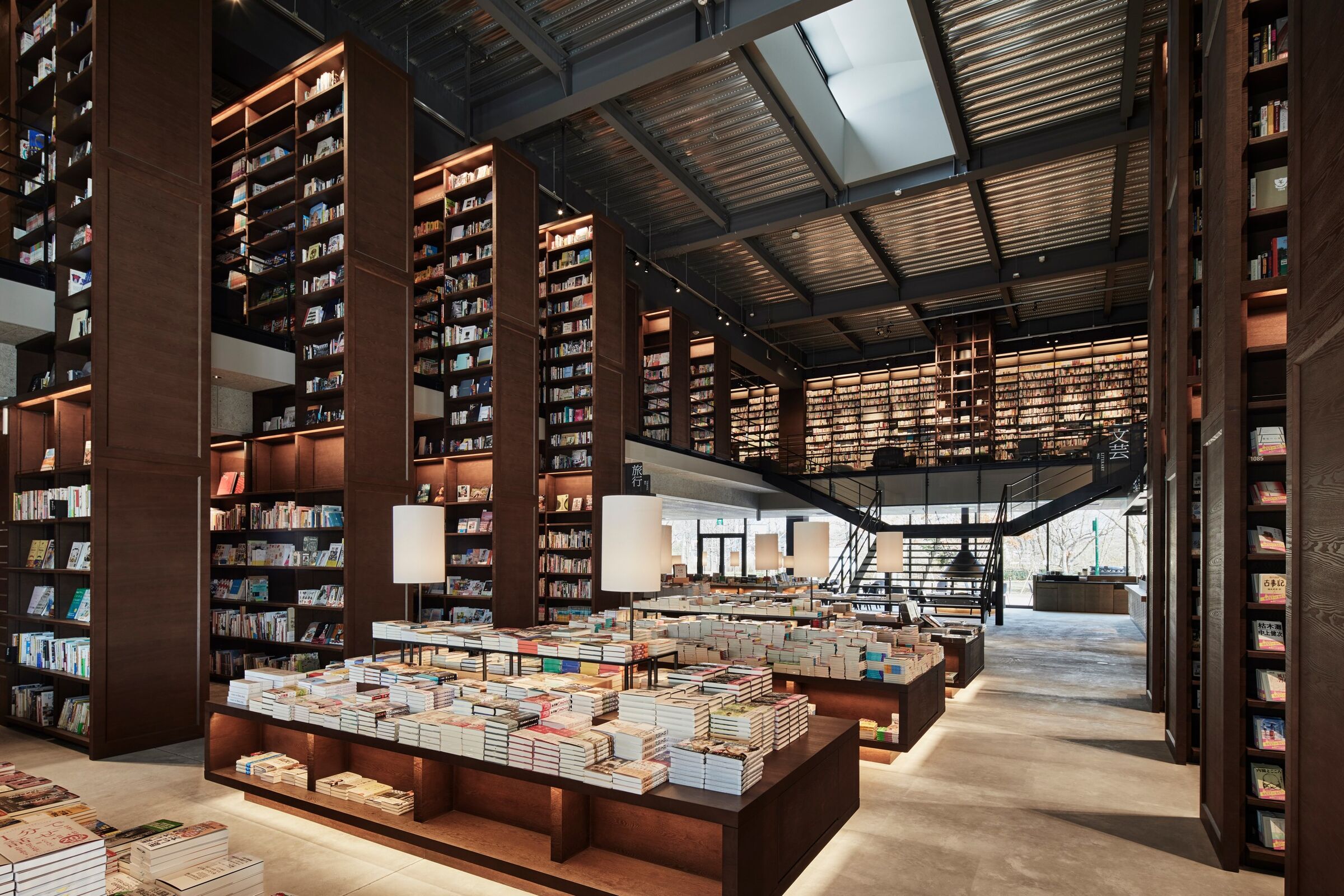
    Famed Japanese franchise Tsutaya Bookstore said at the ongoing Shanghai Book Fair that its first branch in the city is scheduled to open in December.

    The bookstore chain has joined hands with major Chinese property developer Vanke to build an artistic outlet in the Changning District of Shanghai, which will be on a par with its famous branch in the Ginza Six shopping center and its flagship store in Daikanyama in Tokyo.

    Takuya Nomura, general manager of Tsutaya Investment (Shanghai) Co., Ltd., said Tsutaya’s new store will be located in the Columbia Circle, a redeveloped culture park with preserved, old mansion-compound and industrial buildings, widely known for the Columbia Country Club in the 1920s.

    The new two-story bookstore will cover an area of 2,000 square meters and provide a large collection of selected books and limited commodities, as well as rich experiential activities, according to Tsutaya.

    The book retailer, an affiliate of the Tokyo-based culture and entertainment service group Culture Convenience Club Co., ran about 1,198 outlets around the world.

    The new Shanghai outlet is aimed at providing Chinese readers with more lifestyle choices and enhancing the public’s perception of beauty, said Shohei Matsuo, producer of the new store, who also noted that more clerks will be recruited in China.

  • US chain The Habit Burger Grill launches in Cambodia

    US chain The Habit Burger Grill launches in Cambodia

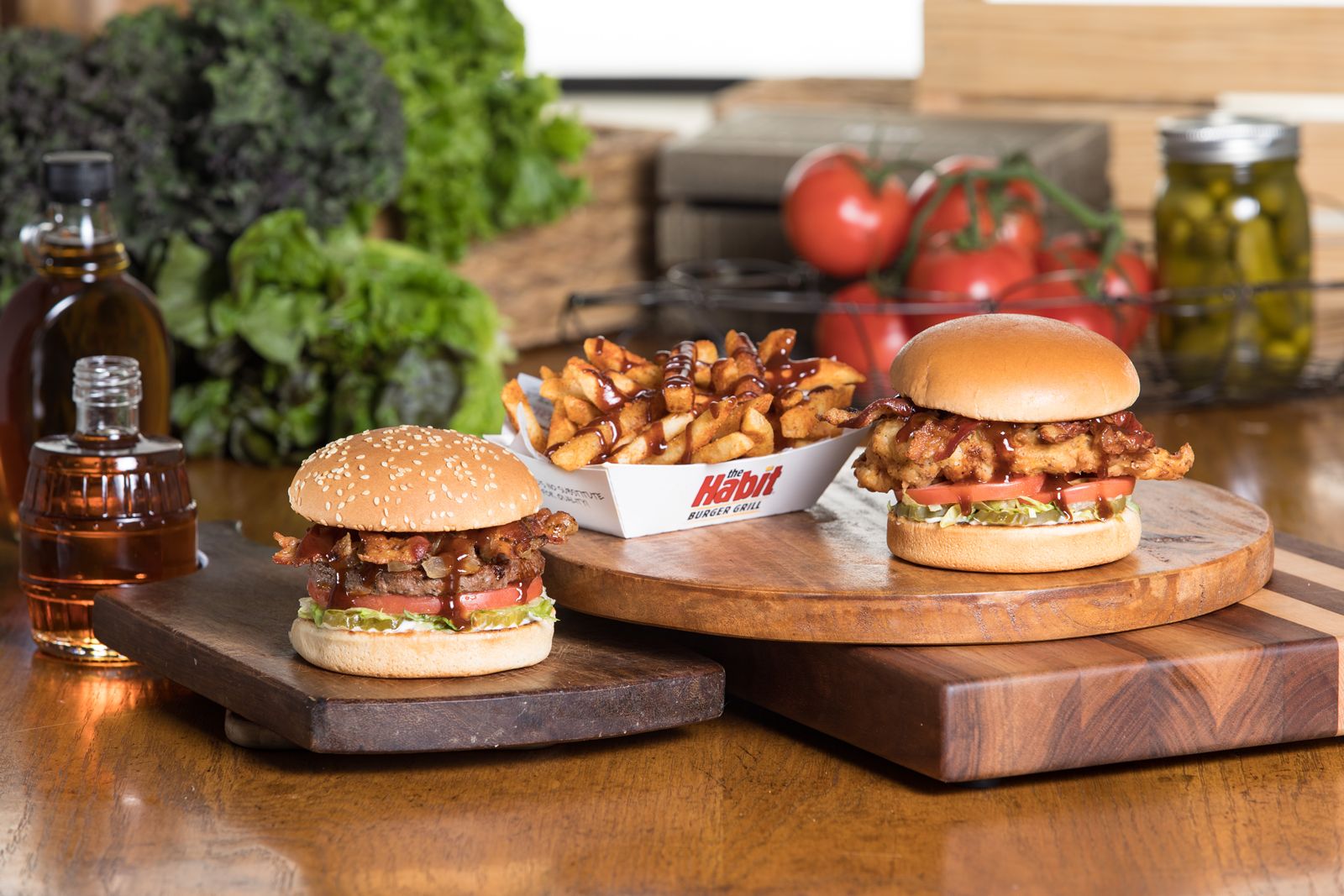
    Over 50 years ago, America’s best tasting burger was born in Santa Barbara, California, and now the award-winning taste of The Habt Burger Grill will be opening its newest international location in Cambodia on October 21st! The California-based restaurant company renowned for its award-winning Charburgers grilled over an open flame, signature sandwiches, fresh-cut salads, and more announces the highly anticipated opening in the center of Phnom Penh, the capital of Cambodia, at the Tela Toul Kork Station.

    The Habit Burger Grill is California’s best-kept secret, as it’s been awarded various food-focused awards in the United States. At the center of The Habit’s menu is the signature Charburger, made with a fresh 100% ground beef patty, chargrilled over an open flame for a unique smoky flavor, and topped with cheese, caramelized onions, pickles, fresh tomato slices, crisp lettuce, and mayo served on a toasted bun. The Habit has been serving the best tasting burger in America in exactly this way since 1969.

    “We are excited to continue The Habit Burger Grill’s international expansion by joining forces with our new franchise partner Kampuchea Tela Company, LTD to open our first location in Cambodia. We look forward to creating new Habit fans by inviting them to enjoy our handcrafted chargrilled food delivered with best-in-class hospitality and in a welcoming Southern California environment,” said Iwona Alter, Chief Brand Officer at The Habit Burger Grill.

    This marks as The Habit’s second international expansion with eight restaurants open in China today. This is just the beginning, The Habit is partnering with Kampuchea Tela Company, LTD to develop and operate restaurants throughout the Kingdom of Cambodia.

    In anticipation of The Habit’s grand opening, local guests are invited for an exclusive sneak peek of the menu. The first 200 guests per event on October 16 and 17th between 11:30a.m. – 1:30p.m. and 5 p.m. – 7p.m will receive a complimentary Charburger, French fries, and drink. Upon opening, this two-story location will offer dine-in and takeout.

    With its cooked-to-order mantra and creative culinary culture, The Habit Burger Grill’s open flame sears a distinctive smoky flavor into their already famous Charburgers, fresh marinated chicken, sushi-grade Ahi tuna, and USDA Choice tri-tip steaks. The Habit also has an incredible selection of sides to choose from as well as delicious hand-spun frozen treats. Guests at The Habit Burger Grill can always count on freshly-made, the handcrafted quality served up with genuine hospitality.

  • Crepe Delicious expands Hong Kong footprint

    Crepe Delicious expands Hong Kong footprint

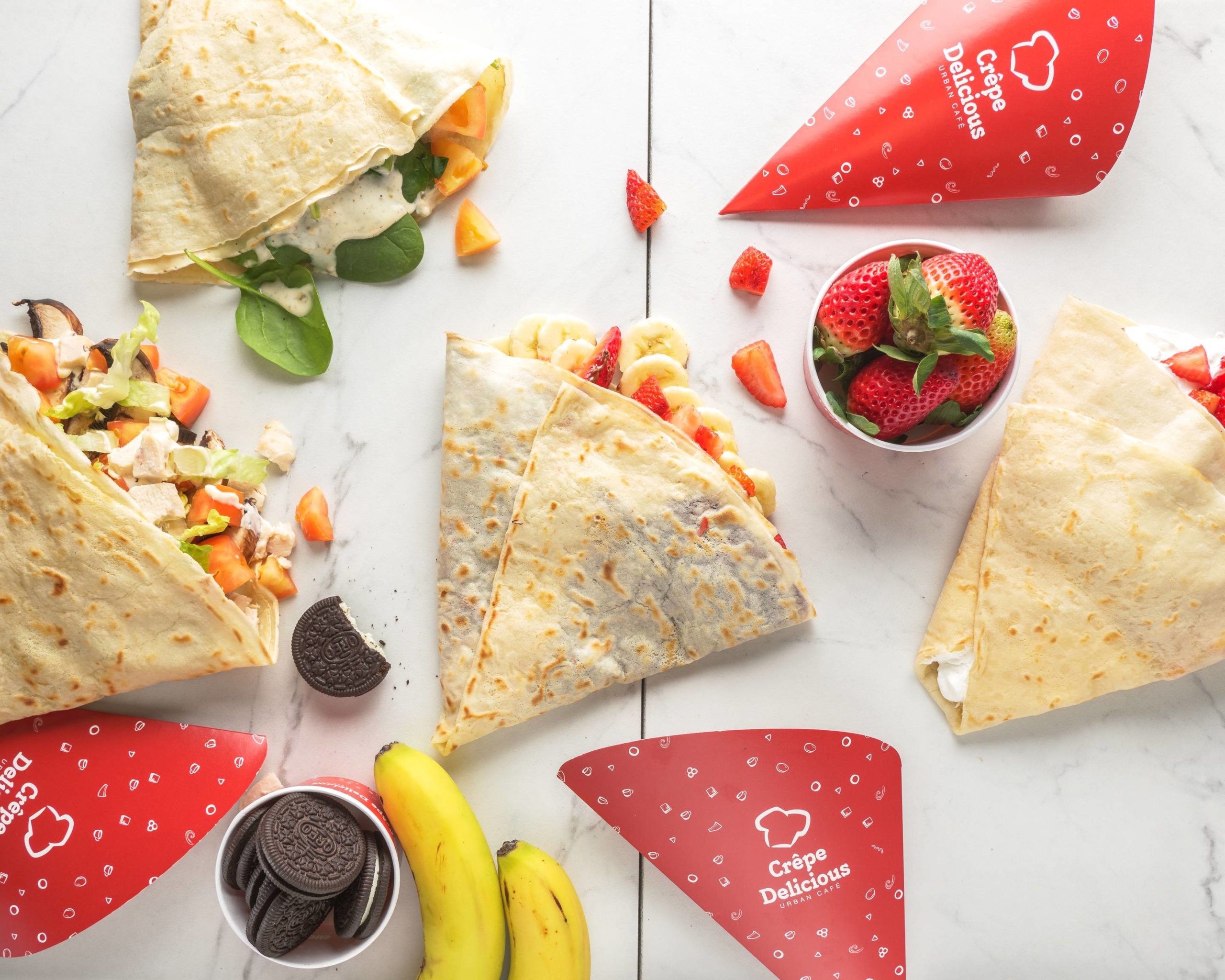
    Crêpe Delicious has opened its first Hong Kong Island branch and a brand new youthful urban café concept in trendy Lee Tung Avenue, Wanchai, presenting the brand’s premium quality, healthy sweet and savory crêpes, hand-crafted gelato, and puff pizzas.

    With a focus on the highest quality ingredients and dishes freshly made to order, Crêpe Delicious has pioneered a global craze for the iconic French cuisine classic since 2004 – expanding worldwide from Canada to Hong Kong, USA, UK, the Middle East, India, and Thailand.

    Following its successful launch in Hong Kong in December 2017 at MOKO in Mongkok, Crêpe Delicious is now continuing the winning recipe with its first Hong Kong Island branch and a brand new youthful urban café concept.

    Among classic savory crêpes such as Hokkaido Scallop and Salmon Deluxe, Big Feast is a new hearty combo of braised BBQ pulled pork, with butter lettuce and red onion. Welcome Hong Kong is an exclusive creation for the Hong Kong market launched in late 2017, topped with truffle scrambled eggs, butter lettuce, cheddar cheese, mozzarella cheese, and truffle mayonnaise dressing.

    Exclusive Hong Kong headliners extend to signature ‘Puff Pizzas’ on light puff pastry, with new creation BBQ Pulled Pork, along with signatures such as Chorizo Supreme, Quattro Formaggi, and more.

    New salads and snacks presented at Crêpe Delicious include Caprese Salad (HK$108), Arancini Ball (HK$88); Baked Beef Meatball Bolognese (HK$88); Crab & Avocado Stack; and Wings Platter chicken wings served in two styles, in honey and spicy buffalo sauce.

    Along with pastas and risotto, new favorites include Grilled Salmon Fillet (HK$188) with lemon butter dill sauce; well-marbled, juicy and savory Grilled Angus Ribeye (HK$218), served with homemade beef gravy; Roast Spring Chicken (HK$138), Sous Vide Beef Cheek with Mashed Potato (HK$188), BBQ Ribs (HK$168) and Creamy Mussels with French Fries (HK$168).

    Enhancing the trendy dining experience, Crêpe Delicious’ home-made gelatos and sorbets are a double dose of refreshing and flavourful goodness. Handcrafted daily with over 20 choices of fresh flavors to mix and match, the brand’s signature gelatos weigh-in at just 95-125 calories, and sorbets 125-155 calories for a healthier, vitamin-rich choice.

    Newly-created Gelato Shakes are an indulgent variation of the signature gelato recipe, including strawberry flavored Pink Lady and The Naughty, with chocolate and hazelnut.

    Along with Instagrammable sundaes and desserts, even more, tempting sweet treats feature Panna Cotta with new daily flavors, Homemade Brownie, and Lava Cake. Dessert Combo combines all three house-made signatures – Panna Cotta, Lava Cake and Gelato for enjoying with friends and family.

    An extensive range of drinks completes the menu at Crêpe Delicious with fresh juices, Brazilian Tierra 100% Arabica Lavazza coffees, and teas, with wine also served exclusively at the newly-opened Lee Tung Avenue branch.

    The new 1,219 sq. ft. Crêpe Delicious (Urban Café) extends over two floors seating 50 in a cozy, warm, and friendly setting at Shop G26 & F26A, Lee Tung Avenue, 200 Queen’s Road East, Wanchai, Hong Kong.

    A visually-stunning ‘Open Bar’ on the ground floor serves convenient ‘grab and go’ of the brand’s signature sweet treats and coffee. Interior design is in white marble with weathered wooden stairs and timberwork, and grey cement walls and floors for a light and spacious street-style ambiance – complete with red and blue columns symbolizing a traditional French-style crêperie and simple, natural designer Scandinavian chairs.

    Crêpe Delicious also makes the perfect healthy meal on-the-go for takeaway; or delivery from November 2020 for a chic dinner at home via Deliveroo, FoodPanda and Uber Eats.

  • Tesla To Export China-made Model 3 vehicles to Europe

    Tesla To Export China-made Model 3 vehicles to Europe

    Tesla said on Monday it would start exporting China-made Model 3 cars to more than 10 European countries this month, joining a growing number of automakers using China as an export hub for electric vehicles.

    The U.S. carmaker, which started delivering vehicles made in its Shanghai factory in December, will export China-made cars this month to countries including Germany, France, Italy and Switzerland, it said in a statement.

    Elsewhere, German rival BMW is preparing to export its electric iX3 model, made at a joint venture plant in Shenyang, China, to Europe, while Daimler is shifting production of its Smart branded city cars to Hangzhou Bay.

    Tesla has been expanding in China even as tensions between Washington and Beijing have been escalating. The Shanghai factory, Tesla’s first car plant outside of the United States, aims to build 150,000 vehicles this year.

    “Support from Chinese government towards the industry, innovative local companies and customers embracing new technologies make China the best market for smart electric vehicles,” Tesla said, adding it would expand car production, charging and sales networks in China.

    The electric vehicle maker, which sold more than 11,000 Model 3 cars last month in China, the world’s biggest auto market, is also building new car manufacturing capacity in Shanghai to make its Model Y sport-utility vehicles.

    Reuters reported in September that Tesla was planning to export Model 3 vehicles made in China to Asian and European markets, citing people familiar with the matter.

    The export of the Model 3 to Europe comes as Tesla is in the process of building a German factory on the outskirts of Berlin and after the German government announced a subsidy of up to 9,000 euros for buyers of electric cars, including the Model 3.

  • Dairy Farm sells Rose Pharmacy chain to Robinson Retail

    Dairy Farm sells Rose Pharmacy chain to Robinson Retail

    Listed Robinsons Retail Holdings reported on Friday that it acquired local drugstore chain Rose Pharmacy Inc. through its subsidiary South Star Drug Inc.

    In a disclosure, the Gokongwei-led retailer said South Star Drug and Dairy Farm International Holdings Inc. subsidiary Mulgrave Corp. B.V. (MCBV) signed a share purchase agreement to buy Rose Pharmacy.

    Dairy Farm acquired a 49-percent share in Rose Pharmacy in 2015 before increasing it to 100 percent in November 2018.

    “I am delighted that Rose Pharmacy will be part of our portfolio as it takes us back to our hometown in Cebu, where my father and JG Summit Holdings and RRHI founder John Gokongwei Jr. started as an entrepreneur. Mr. John also admired Rose Pharmacy for its strong brand reputation in the Visayas and Mindanao,” Robinsons Retail President and Chief Executive Officer Robina Gokongwei-Pe said in the disclosure.

    “The deal also further bolsters our strategic partnership with Dairy Farm to strengthen our position in Philippine multiformat retailing. We first worked with Dairy Farm for the acquisition of Rustan Supercenters Inc. in 2018, which deepened our footprint in the premium supermarket space. Our acquisition of Rose Pharmacy yet again offers ripe opportunities for innovation through strategic synergies,” she added.

    Rose Pharmacy was established as a family-run drugstore in Cebu City in 1952. It generated P9 billion in net sales last year and has over 300 branches in the Visayas and Mindanao.

    “Rose Pharmacy is a very strategic addition to our drugstore portfolio with its highly regarded brand in VisMin and complementary network to South Star Drug’s strong presence in Luzon and Metro Manila,” South Star Drug Managing Director David Goh said.

    “Together, we can leverage our scale and synergies to drive wider product assortment, better customer service and offer greater value to our customers across Philippines when they need it most,” he added.

  • Come Fly With Me – Is the world ready for self-flying planes?  

    Come Fly With Me – Is the world ready for self-flying planes?  

    Come Fly With Me – Is the world ready for self-flying planes?

    Recently, Tesla has, once again, hit the headlines for all the wrong reasons as it prepares to roll out its self-driving cars, despite criticism that the technology is not yet ready. If we’re reluctant to accept self-driving cars, it would stand to reason that self-flying aircraft would be a no-no but, surprisingly, these are closer than we might think.

    This is not your Captain speaking

    To begin with, it’s important to understand the difference between automation and fully self-flying aircraft. In the modern world, most flights run automatically to a large extent. For example, with a commercial flight, a pilot will input a flight plan into the flight management system and will then manually guide the plane through take-off before engaging auto-pilot.  

    Although modern airplanes can land autonomously, they are usually monitored carefully by the pilot from the cockpit to ensure that everything stays on course. In contrast, when talking about self-flying planes, we’re referring to an aircraft which will conduct a flight from start to finish without a human pilot in the cockpit. Although this may initially sound terrifying, in reality, it’s not actually that much of a leap when we look at how much of the average flight is already automated.  

    As we speak, a number of airlines, including Boeing, are looking into the possibility of pilot-less flights with the benefits stated as cost savings and the elimination of pilot error during a flight. In fact, in July of this year, Airbus reported that it had successfully concluded tests on an airplane which can taxi, take off and land without a human pilot. Far from science fiction, Swiss Bank UBS concluded in a recent survey that pilot-less flights may be coming to an airport near you as soon as 2025. So, how will it work? 

    Technology in the upright position

    The answer to that question lies, of course, in the technology. Unlike the existing auto-pilot technology, safely operating pilot-less aircraft within busy airspace will require some really complex engineering, far beyond the ability to stay in the air for a period of time. In reality, a pilot-less aircraft will need to be able to:  

    • Taxi and take-off safely and accurately 
    • Seek out obstacles and dangers such as building, birds and other aircraft (including drones) 
    • Identify and address issues during a flight 
    • Make alterations to the course of a flight to take into account weather systems, failures and obstacles 

    This kind of advanced technology will require embedded software and the use of artificial intelligence in order to plan a safe path of motion and correctly execute such a path. The kind of capabilities needed will mean that the actual aircraft will be very different and will require a number of innovations including:  

    • Electric propulsion for the purposes of reducing urban emissions 
    • Lightweight frames for maneuverability and efficiency 
    • Redesign of the cockpit 

    This is how it could be done but, the other question is, should it be done? 

    Winging it

    The 2016 movie, Sully, tells the story of pilot, Chelsey Sullenberger, who made the decision to land an Airbus Airbus A320-214 in New York’s Hudson River after birds destroyed both engines. The movie highlights the fact that, despite the technology saying otherwise, Sullenber’s 42 years of experience told him that the aircraft would not make it to the nearest airport. For this reason, it’s easy to understand why many people are uncomfortable with the very idea of boarding a pilotless flight. However, whether we like it or not, we may be buckling up on a flight run entirely on technology in the next five years.

    The future of air travel

    2020 has been disastrous for the airline industry and, for the travel industry as a whole. By the 8th of October this year, 43 airlines had been forced to declare bankruptcy with more forecast to follow. As the airline industry struggles to recover from this extraordinary year, many will be looking to the concept of self-flying aircraft as a means of survival. In fact, some airlines are already introducing single pilot flights for freight and cargo which most agree is the first step toward full automation.  

    While self-flying aircraft will almost certainly play a role in the future of air travel, sceptics needn’t start to worry just yet. As with any innovation as important as this in terms of safety, there will need to be extensive testing and a huge number of guidelines to be set in place before our skies are filled with these airplanes of the future.  


  • DHL Express Asia Pacific lauded for its resilience and digital transformation

    DHL Express Asia Pacific lauded for its resilience and digital transformation

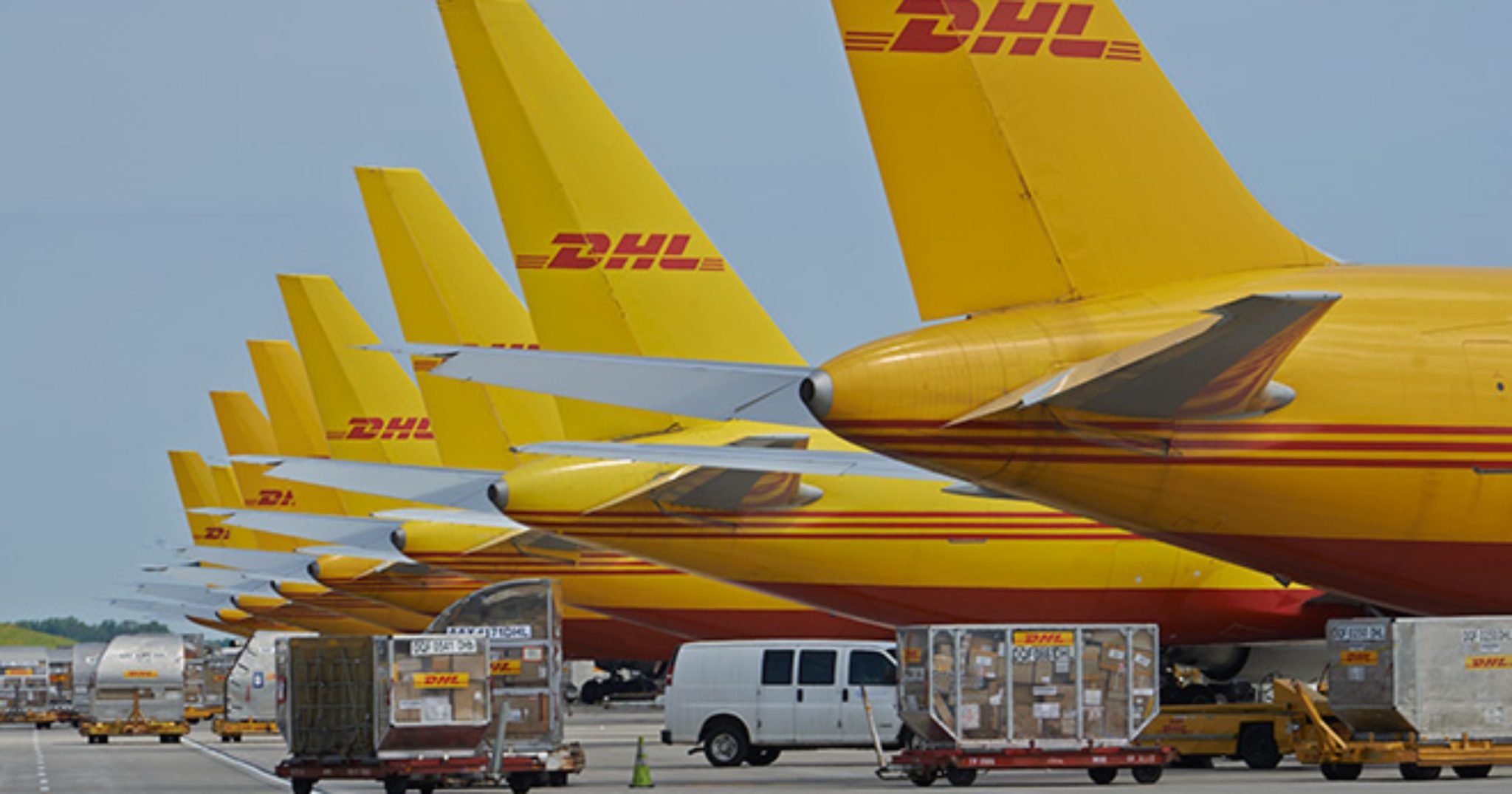
    DHL Express Asia Pacific, the world’s leading express service provider, was honored with the 2020 Special Award for Resiliency at this year’s IDC Digital Transformation Awards (DX Awards). The special award, introduced for the first time in the awards’ four-year history, recognizes organizations that have used digital transformation to address the challenges of Covid-19 and minimize its impact on business operations.

    “Our digital transformation investments and efforts have played an important role in ensuring the resilience of our business, but the dedication and ingenuity of our people through this challenging period cannot be understated. Our teams across the region have come together with a Can Do spirit to adapt to adverse situations and we would not be in such a strong position today without their resilient spirit,” said Ken Lee, CEO of DHL Express Asia Pacific. “This award is proof that we are on the right track with our Strategy 2025 and we will continue to invest in and employ innovative solutions and technologies to meet the growing demands of cross-border e-commerce and the demand for fast and reliable express deliveries.”

    DHL Express’ digital transformation program was selected from over 1,200 entries received from organizations across Asia Pacific. The company was recognized in particular for the quick deployment of its business continuity plans, which included the transition of more than 6,000 employees from across the region to work from home seamlessly, without significant impact to operations and DHL’s customer promise.

    Jimmy Yeoh, Chief Information Officer of DHL Express Asia Pacific noted, “The pandemic also provided an opportunity for DHL Express to accelerate the adoption of technologies like live chat and digital assistants, which helped to maintain excellent customer service levels despite the surge in customer queries.”

    “As 2020 progressed, we saw many organizations in Singapore rise to the challenges posed by the pandemic by turning to digital technologies to build resiliency within their businesses. This achievement by DHL Express Asia Pacific is an example of how organizations can maintain high levels of customer satisfaction while ensuring employees remain safe and empowered to fulfill the organization’s central purpose during a difficult time,” said Sandra Ng, Group Vice President, Practice Group, IDC Asia/Pacific.

    IDC’s DX Awards recognizes outstanding organizations that have made critical breakthroughs in digital transformation across the Asia Pacific region, spread across seven different categories. It follows a two-phased approach to determine the country and regional winners. Each nomination is evaluated by a local and regional IDC analyst against a standard assessment framework based on IDC’s DX taxonomy.

    DHL – The logistics company for the world

    DHL is the leading global brand in the logistics industry. Our DHL divisions offer an unrivalled portfolio of logistics services ranging from national and international parcel delivery, e-commerce shipping and fulfillment solutions, international express, road, air and ocean transport to industrial supply chain management. With about 380,000 employees in more than 220 countries and territories worldwide, DHL connects people and businesses securely and reliably, enabling global sustainable trade flows. With specialized solutions for growth markets and industries including technology, life sciences and healthcare, engineering, manufacturing & energy, auto-mobility and retail, DHL is decisively positioned as “The logistics company for the world”.

    DHL is part of Deutsche Post DHL Group. The Group generated revenues of more than 63 billion euros in 2019. With sustainable business practices and a commitment to society and the environment, the Group makes a positive contribution to the world. Deutsche Post DHL Group aims to achieve zero-emissions logistics by 2050.

  • Strong third quarter arrests LVMH’s sales decline for the year

    Strong third quarter arrests LVMH’s sales decline for the year

    Luxury items and liquor-retail group LVMH recorded a 21-per-cent decline in income throughout the first 9 months of this year in what it describes as a “very turbulent environment” in the wake of the Covid-19 pandemic.

    The decline in sales – 30.3 billion euros – largely occurred throughout the first two quarters of the three, with the decline recovering to an extra modest 7 percent in the third quarter, largely pushed by rebounding sales of cognac, vogue, and leather-based items. This was particularly sturdy in the US and Asia.

    Liquor sales fell 15 percent over the 9 months and three percent over the third quarter, whereas sales of vogue and leather-based items, led by Louis Vuitton and Dior, have been down by 11 percent for the full 9 months however surged at a double-digit rate in the third quarter. 

    Covid-19 noticed the suspension of the worldwide journeys and the closure of the group’s shops and manufacturing websites in most nations over an interval of a number of months.

    Sales in its watches & jewelry division led by Tag Heuer, Bulgari and Chaumet, declined by 30 percent in the first 9 months, however, a rebound in China throughout the third quarter was inadequate to arrest a general decline of 14 percent for the full interval.

    LVMH’s selective retailing division skilled a 31-per-cent drop in sales throughout the 9 months. The beauty-retail chain Sephora demonstrated “good resilience during the health crisis,” in keeping with the firm regardless of the closure of virtually all its shops globally for almost two months earlier than sales improved in the third quarter.

    Strong online sales noticed Sephora develop market share throughout its major markets. However, DFS predictably noticed a big decline in its exercise in most locations because of the suspension of a worldwide journey.

  • The Starhill reveals high-end tenants ahead of reopening early next year

    The Starhill reveals high-end tenants ahead of reopening early next year

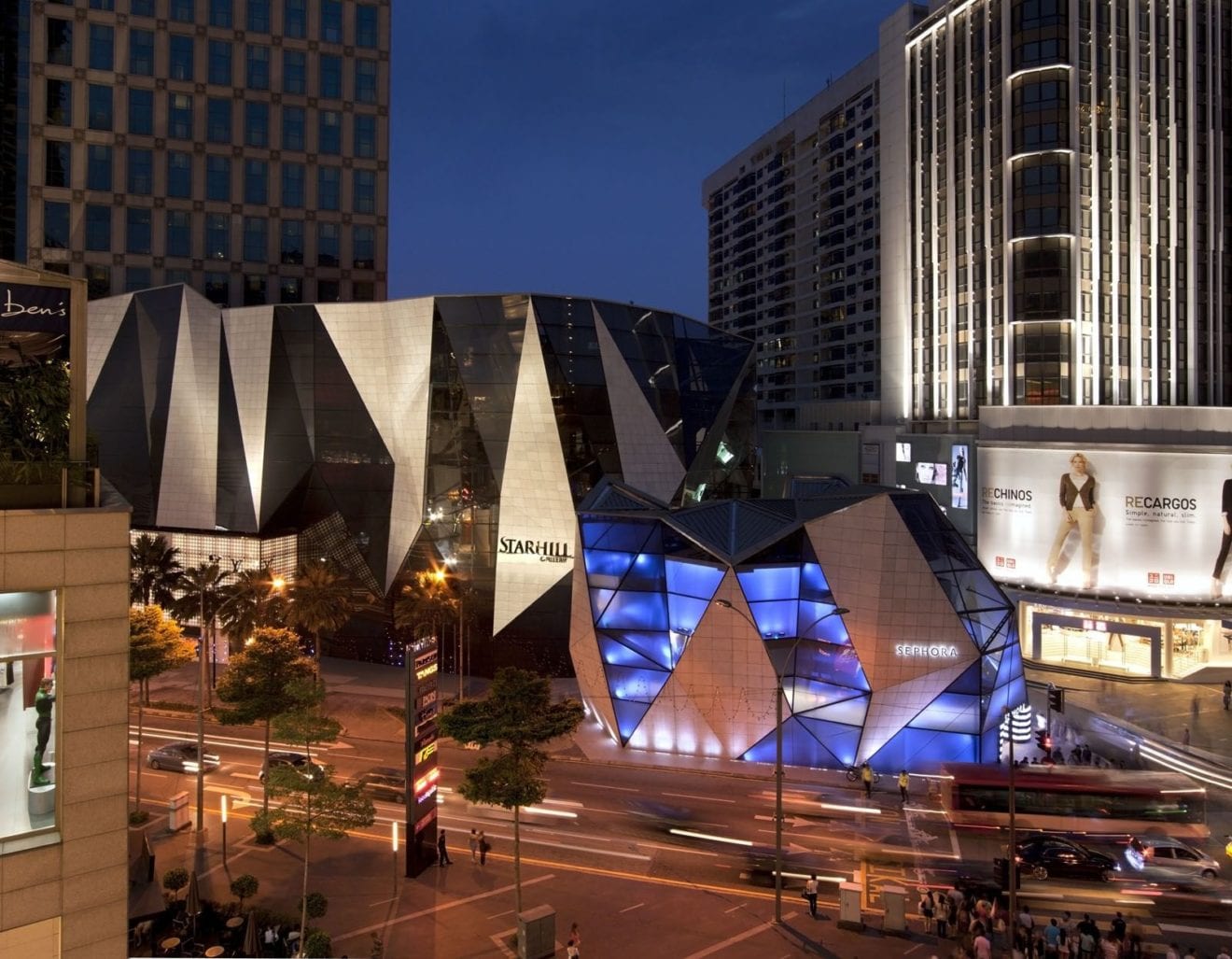
    The iconic Starhill Gallery, which is part of a portfolio of retail assets owned by Singapore-based Starhill Global Real Estate Investment Trust (SGREIT) will undergo a transformation and revealed as The Starhill – Home of the Tastemakers in 2021.

    The mall, the most luxury retail establishment in the Bukit Bintang shopping district was developed by YTL Corp Bhd more than two decades ago.

    It opened in 1996 and houses more than 100 renowned luxury timepiece and jewellery brands, as well as other contemporary luxury labels.

    The mall was renovated in 2005, with renowned American architect David Rockwell at the helm of the project, which resulted in its current glass dome-like façade.

    YTL Land & Development Bhd vice president Joseph Yeoh said the mall will be partially closed (from October this year) for renovation with some brands continuing to operate.

    Yeoh said, the completion of phase one renovation is scheduled for the second quarter of 2020 in tandem with the relaunch of Shook!, Lu Yu Tea House and Jogoya.

    The soft opening of new stores and other food and beverage outlets is scheduled in the last quarter of 2020.

    Hospitality and retail experience under one roof

    Yeoh said the mall, after undergoing the transformation will redefine Kuala Lumpur’s shopping scene in a new concept that infuses hospitality into the retail experience.

    The mall, which sits directly opposite Pavilion KL, is connected to YTL’s five-star JW Marriott Kuala Lumpur hotel by a “Time Tunnel”. The link bridge also connects to YTL’s The Ritz-Carlton Kuala Lumpur.

    Yeoh said, with Kuala Lumpur remaining among the top five most popular tourist destinations in the Asia Pacific region alongside Tokyo, Seoul, Bangkok and Singapore based on Mastercard Destination Index 2019, it is crucial for The Starhill to optimize the cross cultivation of experiences between the retail and hospitality floors to offer unique shopping offerings for hotel guests from the two luxury hotels.

    Key to the refurbishment is to improve spatial layout, circulation and overall shopping experience; all interior common areas will be fully refreshed.

    A new double-volume entrance atrium will feature a lush green wall with multiple LED screens projecting brand videos of The Starhill and tenants to welcome all visitors.

    The central atrium will also be overhauled to include a new connecting bridge plying across the sun-lit atrium and cantilevered balconies designed as pop-up space.

    The Bukit Bintang facade will be given a facelift with new LED screens and a new café terrace on level one overlooking the new piazza.

    Yeoh said, the concept of The Starhill reinforces the group’s positioning as the place to be in Bukit Bintang.

    “The Starhill bucks the city’s cookie-cutter mall trend, going boutique-sized at 300,000 square feet of retail space to cultivate a more personalised retail ambience which is warm yet discreet when others have gone mega with an anodyne take on the shopping experience. Today, discerning shoppers seek special access and discoveries but most importantly, they want meaning, authenticity and connection and this is what we set out to achieve in The

    Starhill,” he said.

    YTL has partnered with top consultants from the region.

    Yeoh said, the consortium comprising Cistri (Singapore), Husband Retail Consultant (Hong Kong), Kokai Studio (Shanghai) and Eight Partnership (Hong Kong) – expert retail, design and branding consultants have meticulously studied the fluid landscape and identified transformative, game-changing strategies for The Starhill over the last two years.

    “With fast-changing values and consumption behavior among savvy and socially-connected consumers, the transformation to become The Starhill is in line with the need for retail malls to constantly evolve and differentiate to stay at the forefront of the changing retail landscape,” said Yeoh.

    More luxury rooms after the transformation

    The JW Marriott Kuala Lumpur will add 162 rooms to its current inventory on the upper floors of The Starhill.

    The Starhill, facing Jalan Gading and Jalan Bukit Bintang, will be distinguished by four floors of experiential retail space and three more floors of hotel rooms creatively converted from former retail space in the upper levels of the mall.

    Offering new and stylish accommodation, the new extension will be seamlessly integrated with the lower retail space in one vertical seven-floor development – a first in Asia that truly breaks down the boundary between retail and hospitality.

    Combining JW Marriott Kuala Lumpur and The Ritz-Carlton, Kuala Lumpur, there will be over 1,100 rooms seamlessly connected to The Starhill in two year’s time contributing excellent footfall to the retail floors, said Yeoh.

    The Starhill, coupled with the new hotel rooms, will officially launch in 2021.

  • Hanoi new apartment supply hits 5-year low

    Hanoi new apartment supply hits 5-year low

    Hanoi’s Q3 new apartment supply fell 60 percent year-on-year to a five-year low of 3,100 units as Covid-19 hampered new launches. Of the new supply, only 700 units, or 23 percent, came from four new projects, while the rest were from nine existing ones, Do Thu Hang, director of advisory services at real estate consultancy firm Savills Hanoi, said at a press briefing Thursday.

    “Major developers have been delaying launching new units this year due to Covid-19 impacts,” Hang said.

    The supply shortage has caused prices to rise 10 percent year-on-year to $1,500 per square meter, Savills data shows.

    However, these factors have also caused sales to fall 44 percent year-on-year to 5,200 units, with Grade B and Grade C accounting for 99 percent, while the absorption rate dropped 12 percentage points year-on-year to 20 percent.

    In the best-case scenario, apartment sales in the capital city is estimated at 20,000 units this year, nearly half of last year, Hang said.

    In the last quarter, nearly 10,000 apartments, mostly Grade B, are set to enter the market from 12 projects.

    Whether there will be a surge in new supply in the last months of the year depends on Vietnam’s ability to contain the pandemic, said Nguyen Duc Them, project sales manager of Savills Hanoi.