Author: Mei Ling Tan

  • Harbour City signs up 70 new tenants as it refocuses from tourists to locals

    Harbour City signs up 70 new tenants as it refocuses from tourists to locals

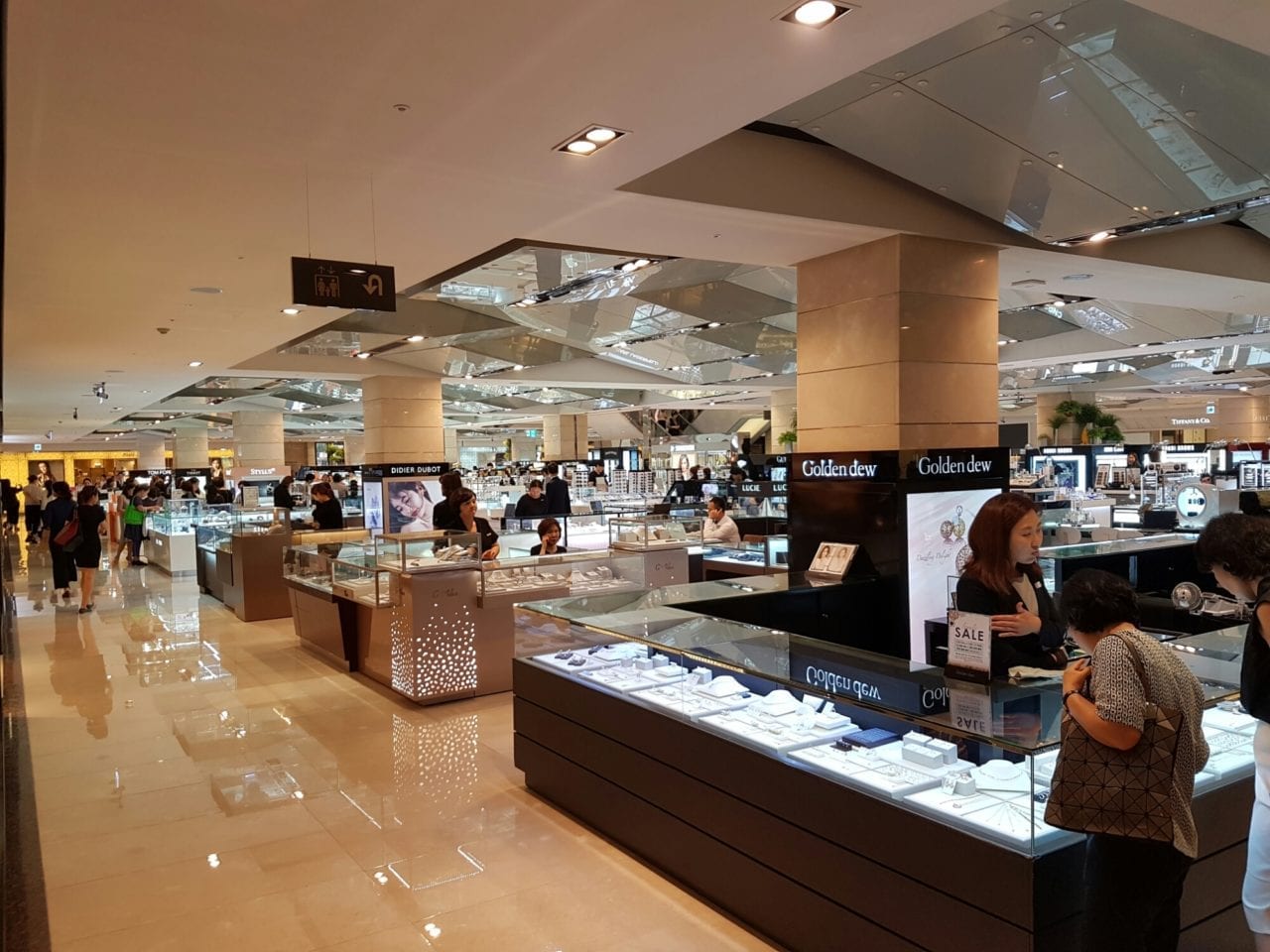
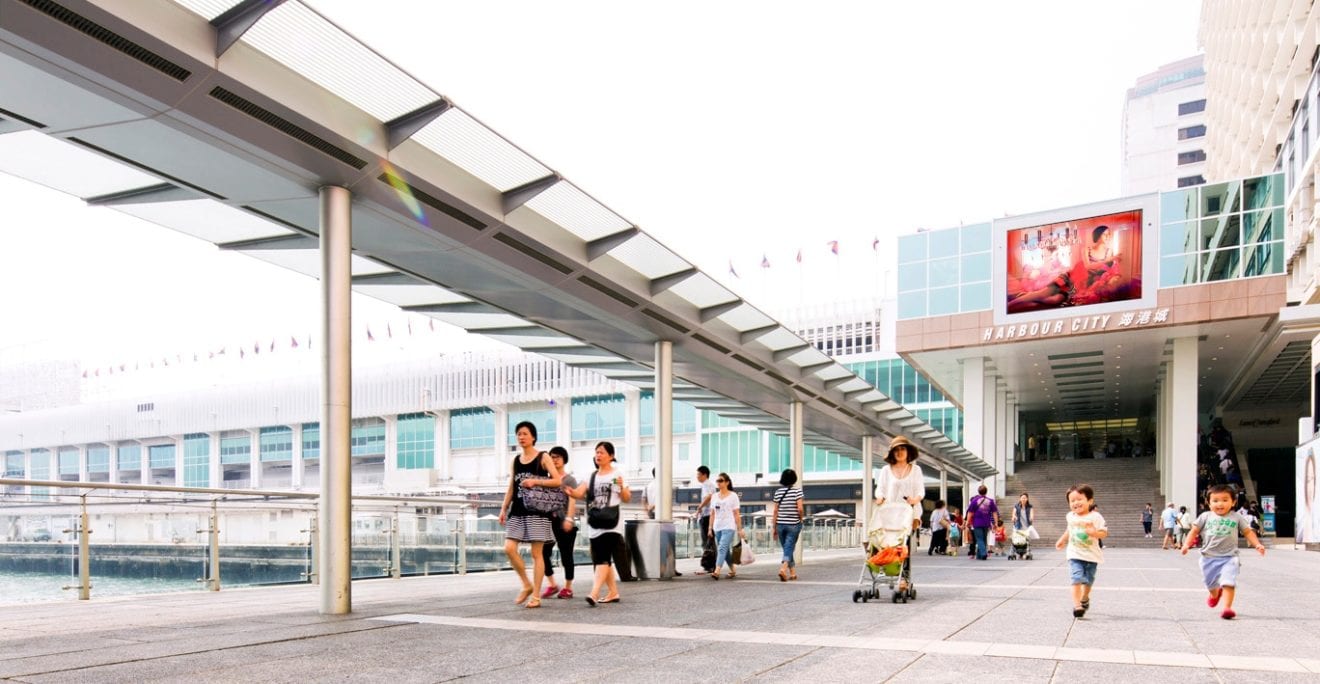
    The owner of Hong Kong’s biggest shopping center is offering its tenants additional rent concessions, with a catch: extend the leases for at least 18 months in a market facing the third wave of coronavirus infections. The tactic has come as a shock to retailers at Harbour City, an upmarket mall located in Tsim Sha Tsui tourist district that is vying with Causeway Bay for dwindling visitors in the city. The mall, ultimately owned by Wharf Reic, has asked its 400-odd tenants to decide by July 24 in a strongly-worded letter seen.

    Besides committing to new leases, Wharf also requires its tenants to meet other conditions to receive a 40 percent retroactive discount to rents in May, according to the July 10 letter. Wharf had earlier halved rents for tenants from February to April.

    Among other requirements, they will need to have paid up before July 15 all their outstanding rents, charges, and arrears accrued as of June 30, according to the letter.

    The offer “is a one-off measure” to deal with the current situation faced by the retail industry and does not mean more are in store, according to the letter signed by Veronica Chan, who is general manager of retail leasing and business development at Harbour City Estates.

    “If we fail to receive your signed version of the Side Letter by 24 July or if you shall attempt to make any changes to our Side letter, we would treat it as your refusal to accept the arrangement … and in which event we would not consider offering you any rental concession for the month of May,” she said in the letter. “We would like to emphasize that we would not entertain any changes or amendments thereto.”

    While the tenants’ responses to the Harbour City’s letter were mixed, many have quietly expressed their disapproval of the tactic, according to an industry source who declined to be identified because of confidentiality issues.

    Some of them are not signing, while several are signing by crossing out the lease renewal clause, the person said. Others have decided to sign for now and could still return the concession to the landlord when they decide to not renew the lease, the source added.

    The practice of requiring lease renewal in exchange for rent concessions is rare, said Lilian Chiang, senior partner and head of the property department at law firm Deacons.

    “There was actually no such thing in the past until this year. Currently, I have tenants asking me every day whether they could exit [the lease],” she said, adding that it would “shock you” that international brand names are also asking the same thing.

    Hong Kong retail landlords set alarm bells ringing with profit warnings.

    Wharf may not be alone in employing the tactic. Link Reit, the biggest property trust in Asia, is said to have requested lease renewal before granting rent concessions, according to people with knowledge of the matter.

    “There has to be given and take on both sides and any leasing agreement will only be mutual concessions and compromises,” said Link’s spokesperson. “The closest thing to the arrangement is lease restructuring.”

    Every landlord has a different practice to retain tenants and avoid having too many vacant shops, which hurts the overall attractiveness of a shopping centre, Chiang added.

    “Tenants tend to compromise with the new terms and conditions in exchange for rental concession, otherwise they might not be able to keep their business or pay rents or other operating costs to overcome this difficult period,” said Polly Chu, a partner at law firm Withers.

    The letter is a way of rent restructuring by the developer or landlord to keep their tenants, she said. It may also suggest the landlord has confidence that the retail business will return to normal in the future, Chu added.

    Tsim Sha Tsui is a tourist district that is among the hardest hit in the retail crisis. Yet, at the same time, it has recently usurped protest-hit Causeway Bay as the most expensive shopping belt in the city.

    Harbour City is one of the most expensive shopping centres, charging as much as HK$1,000 per square foot on average, according to market sources.

  • Vietnam’s e-commerce market tipped to grow second half of the year

    Vietnam’s e-commerce market tipped to grow second half of the year

    In case the Covid-19 pandemic continues to pose major risks to the economy in the final quarter of 2020, Vietnam’s e-commerce market could be severely impacted, seeing a revenue loss of US$2.6 billion from the previous estimate to US$11 billion this year, according to a report from the Ministry of Industry and Trade (MoIT).

    Such a figure would indicate a revenue growth rate of 13% year-on-year, stated the MoIT.

    In a more positive scenario, the MoIT expected revenue from e-commerce activities to expand by 20% year-on-year in the fourth quarter, resulting in a combined revenue of US$12 billion for 2020.

    In 2019, revenue from online sales of business-to-consumer e-commerce, known as B2C e-commerce, stood at US$10.08 billion, accounting for 4.9% of total goods retail sales and services revenue, while the rate of the population shopping online reached 42%.

    This led to the e-commerce revenue projection of US$13.6 billion in 2020. However, the Covid-19 pandemic has dealt a major blow to the forecast. During the first four months of 2020, 57% of firms operating in the e-commerce market saw their revenue grow less than 30% year-on-year while 24% reported an increase of at least 51% in revenue.

    Revenue growth in e-commerce in the January – June period was estimated to decrease by 6 percentage points year-on-year, despite a 25% surge in the number of transactions.

    In May, the government released a national plan for the development of e-commerce by 2025, which targets revenue from B2C e-commerce to reach US$35 billion, or a growth rate of 25% per annum and to account for 10% of total goods retail sales and service revenue.

    Meanwhile, the government expects the rate of the population using related services, including non-cash payment services, at 50%, and through intermediary payment services at 80%, along with 55% of the population to shop online with average spending of US$600 annually by that time.

    Notably, Hanoi and Ho Chi Minh City would make up half of e-commerce revenues in the next five years.

  • Taxi giant lays off 1,300 employees

    Taxi giant lays off 1,300 employees

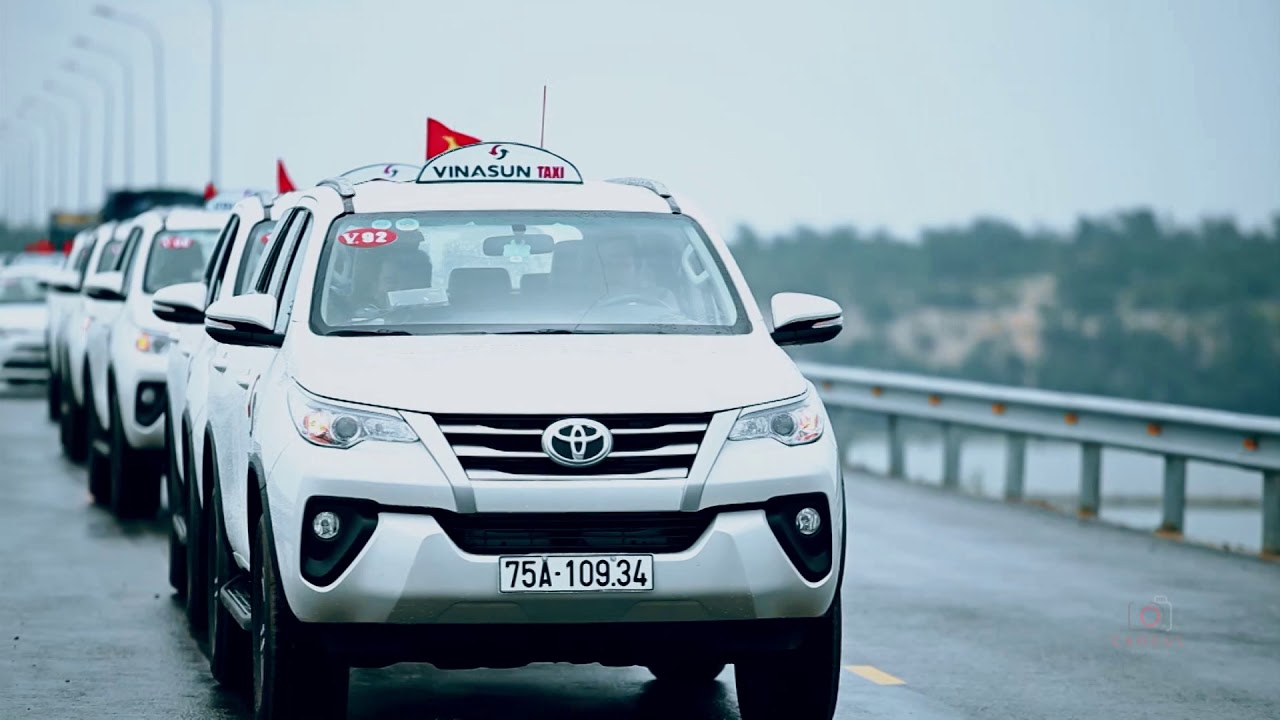
    Vinasun has cut its staff by 1,300 in the first nine months as it restructures to reduce costs amid the Covid-19 pandemic. The staff cut has lowered the company’s salary costs by 35.5 percent year-on-year to VND80 billion ($3.4 million), saving it VND4.9 billion each month. It now has 4,480 employees.

    However, lower salary costs have not been enough to offset Covid-19 impacts. The firm’s revenue in the first nine months plunged 52 percent year-on-year to VND734.7 billion, with business mostly frozen in April during the nationwide social distancing campaign.

    It has posted a loss of VND185 billion so far this year, compared to a post-tax profit of VND94 billion in the same period last year.

    It forecasts a post-tax loss of VND115 billion this year.

    Company leaders have said they expect the recovery process to be slow due to a lack of foreign visitors. After Vietnam closed its borders and stopped international flights in March, only a few routes have resumed operations

  • Android 11 bug blocks users from seeing important parts of the screen

    Android 11 bug blocks users from seeing important parts of the screen

    Android 11 is over a month old having been released on September 8th and already there are several complaints from users about apps that are supposed to go full screen but are not able to. And even when these apps are in full-screen mode, the status bar and the navigation bar aren’t disappearing like they are supposed to. For example, games and certain apps like YouTube are supposed to fill up the whole screen with content when full-screen mode is enabled. But ever since Android 11 launched, some Android users have discovered that these apps no longer fill up their phones’ displays entirely.

    As a result, game players, many of whom hold their devices in Landscape mode, are discovering that some elements of a game are being cut off by the status bar or the navigation bar making gameplay impossible. While Android users shared this problem with Google and others on the Google issue tracker site during the time when the Android 11 betas were being released, Google did nothing with the information because it allegedly was unable to replicate the problem. But considering that the issue is beginning to garner attention once again, we’d be surprised if Google didn’t take another look at this bug. Especially since last month, Google admitted that the problem is a product feature issue, not a developer feature.

    Some Android users who have been experiencing the issue say that by closing the apps and restarting them, they are able to fix the problem. If you are having this issue, you might want to give this solution a whirl. We can save you some time and aggravation by letting you know that wiping your Android device will not solve the problem. Hopefully, Google will disseminate an update shortly that will exterminate this bug.

  • Line Launches Social Banking Platform in Thailand

    Line Launches Social Banking Platform in Thailand

    Thailand is the first market where Line has integrated banking services on its main mobile platform. Japan-based Line, which operates one of Thailand’s most popular social media platforms, has rolled out banking services in the kingdom in partnership with Kasikornbank.

    The Line BK service allows users to customers to transfer money, open savings accounts, apply for loans, and make payments directly from the messaging platform. It also promises high-interest rates for saving accounts and a range of banking services, including personal loans for freelancers and individuals without fixed incomes, according to an announcement on Tuesday.

    The company said it plans to expand banking services into other countries, including Japan, Taiwan, and Indonesia.

    The Line messaging app launched in 2011 and since then has grown into a diverse, global ecosystem that includes AI technology, fintech and more.

    In Thailand, LINE introduced its messenger service in 2012, and quickly grew into the country’s leading social media platform.

  • Impossible Foods launches in supermarkets in Hong Kong and Singapore

    Impossible Foods launches in supermarkets in Hong Kong and Singapore

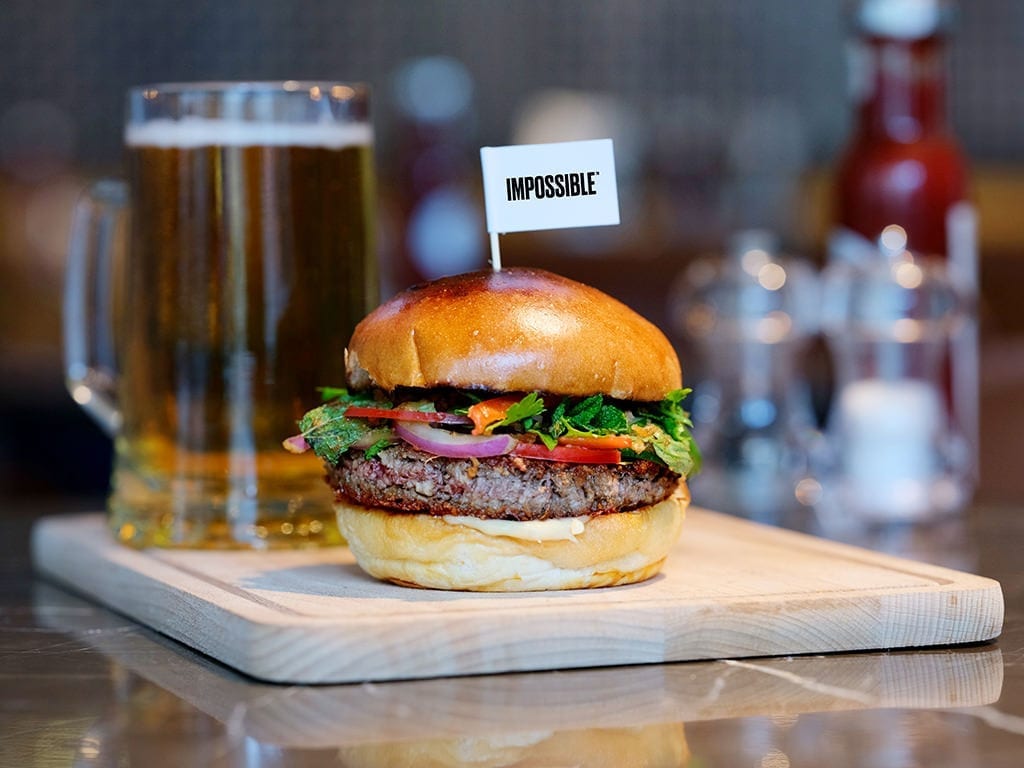
    During an exclusive virtual media conference held today (October 20), which featured the food tech’s senior executives attended by Green Queen, Impossible Foods officially announced the first retail launch of its plant-based products in Asia. From this week onwards, consumers in Hong Kong and Singapore will be able to purchase plant-based Impossible Beef in major supermarket outlets including the biggest chain in Hong Kong, ParknShop, and in Singapore’s FairPrice. It comes shortly after the Silicon Valley startup’s newly debuted Impossible Sausage product made its first foray into the Asian market in a citywide partnership with Starbucks Hong Kong and collaborating restaurants.

    Impossible Foods is establishing its retail footprint in Asia for the first time, launching its Impossible Beef product across nearly 200 grocery stores in Hong Kong and Singapore. In Hong Kong, consumers will be able to purchase the plant-based beef alternative across 100 ParknShop locations, including in its subsidiary brands Fusion, Taste, Food Le Parc and Great Food Hall, as well as via online delivery via the ParknShop website. It will retail at HK$89.90 per 340 gram package. In Singapore, Impossible Beef will be available at close to 100 FairPrice stores and on RedMart, the city-state’s biggest online grocery platform, sold for SG$16.90 per 340 gram retail packages.

    It marks the first time that consumers in the two cities will be able to directly purchase the plant-based beef alternative to cook at home in their kitchens, after the food tech tested the business model amid coronavirus pandemic lockdowns when it gave its foodservice partners the go-ahead to resell their Impossible Beef inventory to customers, firstly in Singapore back in May, then in Hong Kong in August.

    “The world’s most respected chefs consistently tell us that the Impossible Burger blows them away. And we can’t wait for Hong Kong and Singapore’s home chefs to experience the same magic in their own kitchens – whether using Impossible Beef in their traditional family favorites or inventing new recipes that go viral,” said Patrick Brown, Impossible Foods founder and CEO.

    “Hong Kong and Singapore have been great launching pads for us, they have an amazing culinary culture here. It’s been so eye-opening to us and we’ve learned a lot. In the U.S. it’s such a burger heavy market, but here, we can try so many things – meatballs, dumplings, all sides of global cuisines. Just this year, even with such a challenging environment, we’ve seen a huge increase in our restaurant sales. So when we thought about where to launch our international retail, it was clear that Hong Kong and Singapore were going to be the markets,” added Nick Halla, senior vice president of international at Impossible Foods, during the conference.

    Just this year, even with such a challenging environment, we’ve seen a huge increase in our restaurant sales. So when we thought about where to launch our international retail, it was clear that Hong Kong and Singapore were going to be the markets.

    Impossible’s move comes as the firm makes significant inroads into consumer retail as more decide to cook at home instead of dining out. Earlier in June, the food-tech launched its first direct-to-consumer website in the U.S. where customers can order bulk-sized packages for delivery to their doors.

    “We had to pivot quickly to get our consumers to access to retail because of coronavirus and that’s been really successful. In the U.S. we’ve achieved about a 100-fold increase in our retail footprint,” Brown told reporters.

    Soon after, Impossible landed on the shelves of Walmart, the biggest retailer in their domestic U.S. retail market, and has since grown its point-of-sales to over 11,000 outlets nationwide. And according to the company, 92% of sales of its famous bleeding plant-based Impossible Burger is directly displacing animal-derived meats from consumers who are actively shifting away from all meat categories.

    We had to pivot quickly to get our consumers access to retail because of coronavirus and that’s been really successful. In the U.S. we’ve achieved about a 100-fold increase in our retail footprint.

    But with Asian consumers on board – a key market that Impossible has time and again signalled as its target – the environmental impact of more consumers opting for its plant-based alternative could be huge. The brand’s “impact calculator” says that its meatless beef uses 96% less land, 87% less water and emits 89% fewer greenhouse gases compared to conventional beef.

    And if the current rising plant-based and flexitarian trend amongst Hong Kong and Singapore consumers continues, establishing its retail footprint in both cities could be a strong play for the food tech. Since the beginning of this year, sales of Impossible Beef at partnering restaurants have shot up 150% across Hong Kong and Macau and 120% in Singapore.

    Plant-based meat has been a big growing trend, and we’ve begun to introduce more to our shelves and we’ve seen sales triple within just this year.

    “We’re really excited to be the first retailer to launch Impossible Beef. It’s important for us to give that sustainable choice to our customers. In Hong Kong, our ongoing research has shown that they care about the environment, so we’re giving them the choice now. Plant-based meat has been a big growing trend, and we’ve begun to introduce more to our shelves and we’ve seen sales triple within just this year,” Malina Ngai, chief operating officer of ParknShop’s parent company, Watsons Group, said at the press conference.

    Other plant-based brands have too seen their products garner greater shows of support. Take Green Monday’s vegan pork mince analog OmniPork, for instance, which has been added onto the menus of the biggest food players in town, including in all McDonald’s and 7-Eleven locations across the city, no doubt in response to demand from their customers.

    “We’ve seen tremendous growth year-on-year on customers searching for plant-based products, and it’s translated into sales across a number of categories and meat alternatives being one of them. Impossible has been a top search term too, so we know there is enormous demand here in Singapore and it’s exciting to be the first online retailer to launch Impossible Beef in the city,” said Richard Ruddy, chief retail officer at RedMart Singapore.

    When asked about Impossible’s price parity with conventional animal products and Brown was clear that plant-based meats will be cheaper in the short term: “Within a few years, all of the products we make will be less expensive than the animal version,” he predicted.

    One particular highlight during the course of the press conference was when Pat Brown was asked directly about the political turmoil surrounding places like the U.S. and mainland China. He was clear that they don’t get consider politics when tackling new markets: “Would we not launch in a market whose politics we don’t agree with? The answer is no. If we said no, we’re only going into places with whose policies we are in complete agreement, it would thwart our entire mission.”

    “There’s nothing contradictory about us going into a place whether or not we are fully aligned with their politics. We’re not engaged in politics. We’re engaged in an environmental mission, a public health mission,” he added.

  • Outdoor Venture unveils new retail concept

    Outdoor Venture unveils new retail concept

    Despite COVID-19 restrictions, there is plenty to do outdoors and plenty to do in Scouting. The Chief Cornplanter Council of the BSA and Chapman State Park are sponsoring a Cub Scout Outdoor Venture from 2 to 6 p.m. Sunday. The event is intended to give families a feel for the kinds of activities Scouts participate in, District Executive Jim Shaw said. And, “we’re trying to show people you can still do things outdoors.

    Chapman Dam is such a great asset. It’s amazing how beautiful it is and how many different things they can do.”

    “We’ll have a treasure hunt geocache,” he said. “Knot-tying, tree identification nature hike, archery, boating, fishing, and field games like capture-the-flag and tug-o-war.”

    The Martz Observatory is providing a solar scope. There is a special filter on the telescope that will allow visitors to look directly at the magnified sun. Most of the events will be ongoing from 2 to 6, but some, like geocaching and the guided hikes, will follow a schedule.

    “You can bring the whole family,” Shaw said. “Everybody’s welcome. No charge.”

    The registration area will be located in the pavilion nearest the spillway. Visitors should take the left turn at the park entrance, cross the bridge at the spillway, and turn into the first parking lot. There will be signs to help with navigation.

    Families are welcome to sign up youngsters for Scouting. Anyone who signs up will be entered into drawings for door prizes, Shaw said.

    Precautions against the spread of respiratory illness will be taken, according to Shaw. Masks will be available for those who do not bring them. Social distancing will be maintained. Hand sanitizer will be available at each station and Scouts and volunteers will wipe down equipment between each use.

  • China’s Miniso makes it’s Parisian debut

    China’s Miniso makes it’s Parisian debut

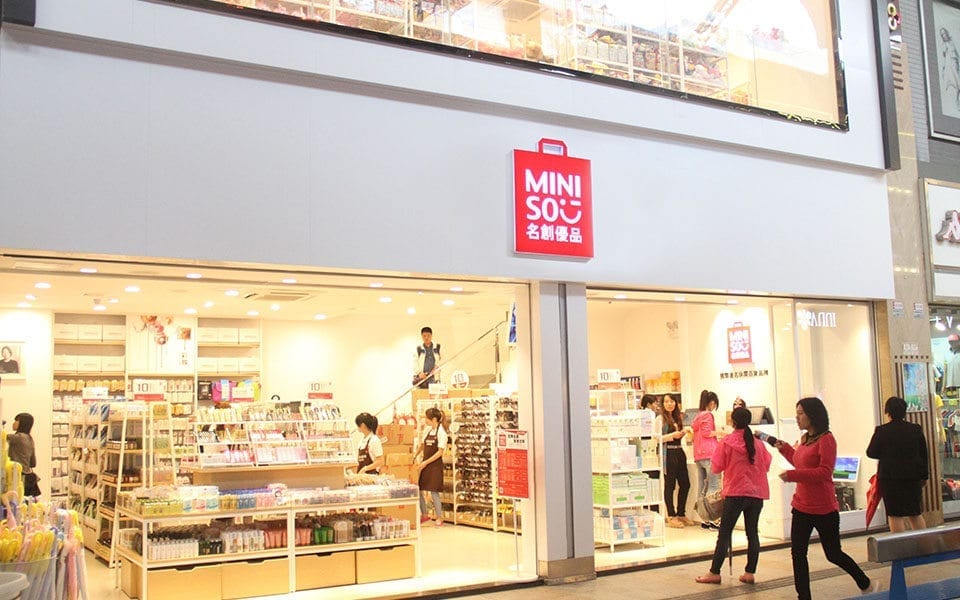
    MINISO, the Japanese-inspired lifestyle product retailer, opened its inaugural outlet in Paris today. The first store to open in Europe since the company’s successful listing on the New York Stock Exchange earlier this month, it signals continued global expansion for the brand as retail rebounds in Europe.

    Two more store openings are planned in France for this year, and MINISO aims to open additional locations in 2021. The retailer offers around 2,000 creative and low-priced goods ranging from creative home necessities, health and beauty products, fashion accessories and stylish gifts to office supplies, boutique package decorations, digital accessories, as well as food and seasonal products.

    Luxury bargains for fashion-forward consumers

    Shoppers in the chic District 8 now have the choice to purchase sleek goods without worrying about the price tag. Located on 58 Rue de la Chaussée-d’Antin, MINISO’s new store is within walking distance of Paris’ luxury stores, and offers more than 80% of its well-designed, quality products priced at under 10 euros.

    Before officially bringing its international aesthetic to the global fashion capital, MINISO first caught Parisians’ attention by debuting 40 original products at the Manson & Objet Fair last September. Almost exactly one year later, the brand was introduced to the French market by seasoned retail businessman Jonathan Siboni, the President of Luxurynsight.

    “Following much anticipation, I am thrilled to bring MINISO to French consumers. MINISO was a love-at-first-sight story for me at the Maison & Objet Fair last year,” said Siboni. “From the start, Ye Guofu’s vision has been generous and consistent, with an accent on customer experience. We have solid evidence that only being a visionary in retail can lead to also becoming a giant in digital. I was set on bringing this popular brand to the French market the moment I saw their stylish yet affordable products together with their advanced store management, and even more so determined after visiting dozens of MINISO stories throughout Europe.”

    MINISO, too, shares that excitement and eagerly looks forward to bringing its successful brand to France.

    “For MINISO, the French market is one of the most important and influential markets in Europe and across the world. Through our close collaboration with Mr Siboni and his team, we plan to open two other stores in Paris by the end of this year, said Edward Zhu, MINISO regional director. “We are confident that French consumers will increasingly fall in love with the thousands of affordable, quality products that MINISO has to offer.

    International design influence

    In 2018, the company established the MINISO Design Academy (MDA) in order to create more high-quality products that skillfully blend creativity and practicality. As of this June 30, the MDA has teamed up with 25 external partners and 49 brilliant designers from FinlandDenmarkNorwaySpain and South Korea. Their work has won 28 renowned international design awards such as the iF, Red Dot and ‘K Design’. The company is also continuously searching for and cultivating young designers with its MINISO Design Day, participating in art fairs and holding design competitions.

    MINISO opened its first store in Guangzhou, China, in 2013. Following seven years of rapid growth, MINISO has now opened more than 4,200 stores in over 80 countries and regions, including the US, UK, CanadaAustraliaSpain, UAE, India, and Mexico. Earlier this month, MINISO listed on the NYSE, becoming the fastest budget chain to go public.

  • Tesla May Build A Battery Plant In Indonesia

    Tesla May Build A Battery Plant In Indonesia

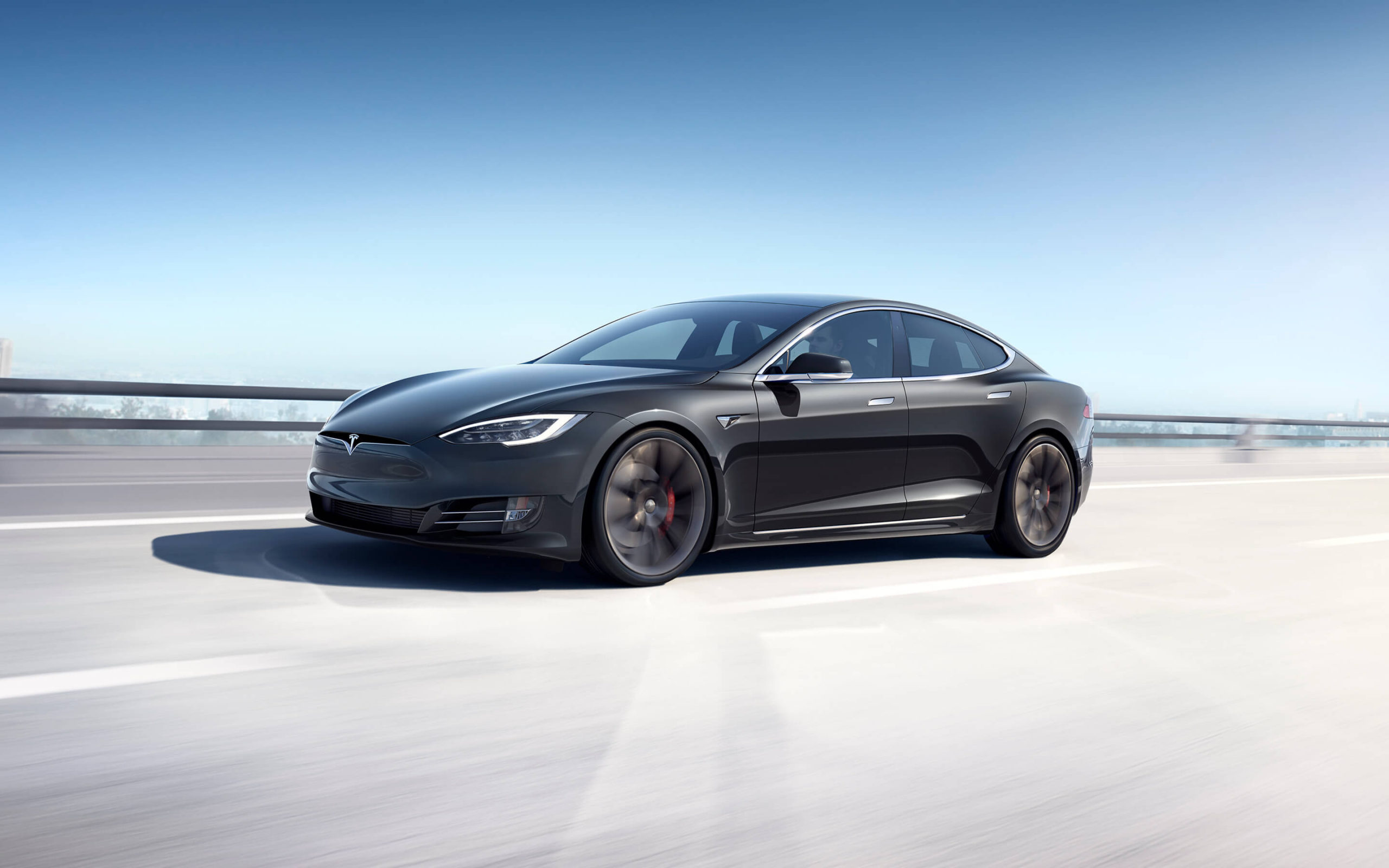
    Tesla is reportedly planning to build a facility for making batteries in Indonesia a report by CNBC revealed. “Minister of Industry (Menperin) Agus Gumiwang confirmed about Tesla’s plan, he said that Tesla would later be directed to build a factory in Batang. Currently, the discussion process between Tesla and the government is still ongoing,” says the report.

    “I said you put the investment here today, we will give the reserves. So, if we always change from commodity base to downstream. So, we see production downstream. That will turn Indonesia into a great country into the global supply chain,” said Indonesia’s coordinating minister of maritime affairs and investment, Luhut Binsar Pandjaitan.
    Reportedly, this facility would come up in Batang. All this comes after Tesla CEO Elon Musk pleased with mining companies to increase their Nickel production. Tesla was already in talks with the Indonesian government for building a new venture for nickel as the South East Asian country has rich reserves of the mineral.

    Indonesia has banned exporting Nickel which could be one of the reasons why Tesla is now keeping to invest in the country. Tesla has already outlined its vision for scaling the production of its batteries to 200 GWh by 2023 and 3 TWh by 2030 and the only way it will achieve this ambitious target is by having a facility in Indonesia.

  • Daimler Chief Eyes China Growth As Trade Tensions Rise

    Daimler Chief Eyes China Growth As Trade Tensions Rise

    Daimler’s Chief Executive said China will remain Mercedes-Benz’s biggest growth market in the next decade and the German carmaker will adjust production locations to capture shifts in demand as global trade tensions continue to rise.

    The remarks by Ola Kaellenius come against a backdrop of increasingly strained relations between the United States, China and Europe after almost a decade of growth that has helped Mercedes to emerge as the world’s biggest-selling luxury car brand.

    “The situation has become much rougher, with a tendency toward rougher talks, right up to and including trade conflicts,” Kaellenius told the Frankfurt-based ICFW Journalists association late on Monday. “We need to look at our production footprint and where it makes sense, shift our production,” he said during the video call meeting.

    “Last year we sold around 700,000 passenger cars in China. The next biggest market is the U.S. with between 320,000 and 330,000 cars.”

    Thanks in large part to a strong rebound in demand from China, Daimler and German rival BMW both pre-released forecast-beating third-quarter results.

    “In the next 10 years we also expect the biggest growth in China,” Kallenius added, explaining that the luxury carmaker will follow the market.

    But with international trade tensions on the rise, the outlook for global sales remains uncertain.

    Britain’s Brexit negotiations could end without tariff-free trade with the European Union and serves as an example of how things can go wrong, the Swedish executive explained.

    If Britain and the European Union fail to clinch a deal, World Trade Organization (WTO) rules would apply, resulting in tariffs.

    “In the event of a so-called hard Brexit, we would not open factories, because this would not be worth it, given our sales numbers,” Kaellenius said, referring to sales in Britain. “We would have to learn to live with WTO rules.”

    Increasingly fragmented global markets make it harder to build cars at a profit because it reduces economies of scale in production, he said.

    Mercedes-Benz, for example, only builds its top-of-the-line S-Class model in Germany. With global sales of only 100,000 vehicles, it hardly makes business sense to build new production lines in the United States and China to build these cars locally, he said.

    However, tensions between the United States and the rest of the world are likely to remain, regardless of whether the Republicans or Democrats win the U.S. election next month.

    “What the two (presidential) candidates are saying is that they have an interest in improving the trade balance, and we need to be ready for that,” Kaellenius said.

  • Vietnam PM tells Samsung to set up chip plant

    Vietnam PM tells Samsung to set up chip plant

    Prime Minister Nguyen Xuan Phuc has called on Samsung Electronics to build a semiconductor plant in Vietnam. He made the suggestion at a meeting on Tuesday with the South Korean company’s vice chairman, Lee Jae-yong, who is on a three-day business trip to Vietnam to explore business opportunities, the Government news site reported.

    He said a semiconductor plant would enable the company to have a closed production chain in Vietnam where it already has smartphone and consumer electronics plants.

    Samsung has two factories making smartphones in the north and a consumer electronics manufacturing plant in Ho Chi Minh City.

    Phuc promised Vietnam would create the best possible conditions for Samsung to invest, including in R&D and hi-tech projects.

    He said Vietnam has managed to contain the Covid-19 pandemic and would be the only country in Southeast Asia to achieve positive growth this year, possibly emerging as the fourth-largest economy in the region this year.

    Lee said Samsung’s $220 million research and development center in Hanoi, the first of its kind outside South Korea, would begin functioning in 2022. Construction began in March this year.

    With more than 3,000 engineers it would become the company’s key R&D center globally, he said.

    He thanked the Vietnamese government for allowing more than 3,000 Samsung personnel to enter the country to work since March through the Covid-19 pandemic.

    If Samsung’s production units in Vietnam did not function normally, it would disrupt its global production and supply chain, he said.

    He plans to visit TV screen producer Samsung Electronics HCMC CE Complex (SEHC) at the Saigon Hi-Tech Park in HCMC’s District 9 and consider expanding it.

    The PM told him the government had agreed with HCMC’s proposal to allow SEHC to become an export processing company to enable it to expand and strengthen its global competitiveness.

    Vietnam is Samsung’s largest smartphone production base, with half of all its phones being made in the country. It has invested over $17 billion in Vietnam so far.

  • Hyundai Department Store to open Pet Park complex

    Hyundai Department Store to open Pet Park complex

    A pet park complex that features daycare centers for pets as well as pet swimming pools is coming soon.

    Retail giant Hyundai Department Store Group announced Tuesday that one of the largest ‘pet parks’ in South Korea will open at the new Hyundai Premium Outlet Space 1 that is scheduled to open on Nov. 6 in Namyangju, Gyeonggi Province.

    The park will be named after the pet park’s signature mascot, Heendy, and will cover an area of 1,322 square meters on top of the outlet store.

    Playgrounds, feeding tables, photo zones, water fountains, and other facilities will become available as well as premium pet facilities including pet schools, swimming pools, spas, hotels and grooming shops.

  • Jollibee increases stake in Tim Ho Wan

    Jollibee increases stake in Tim Ho Wan

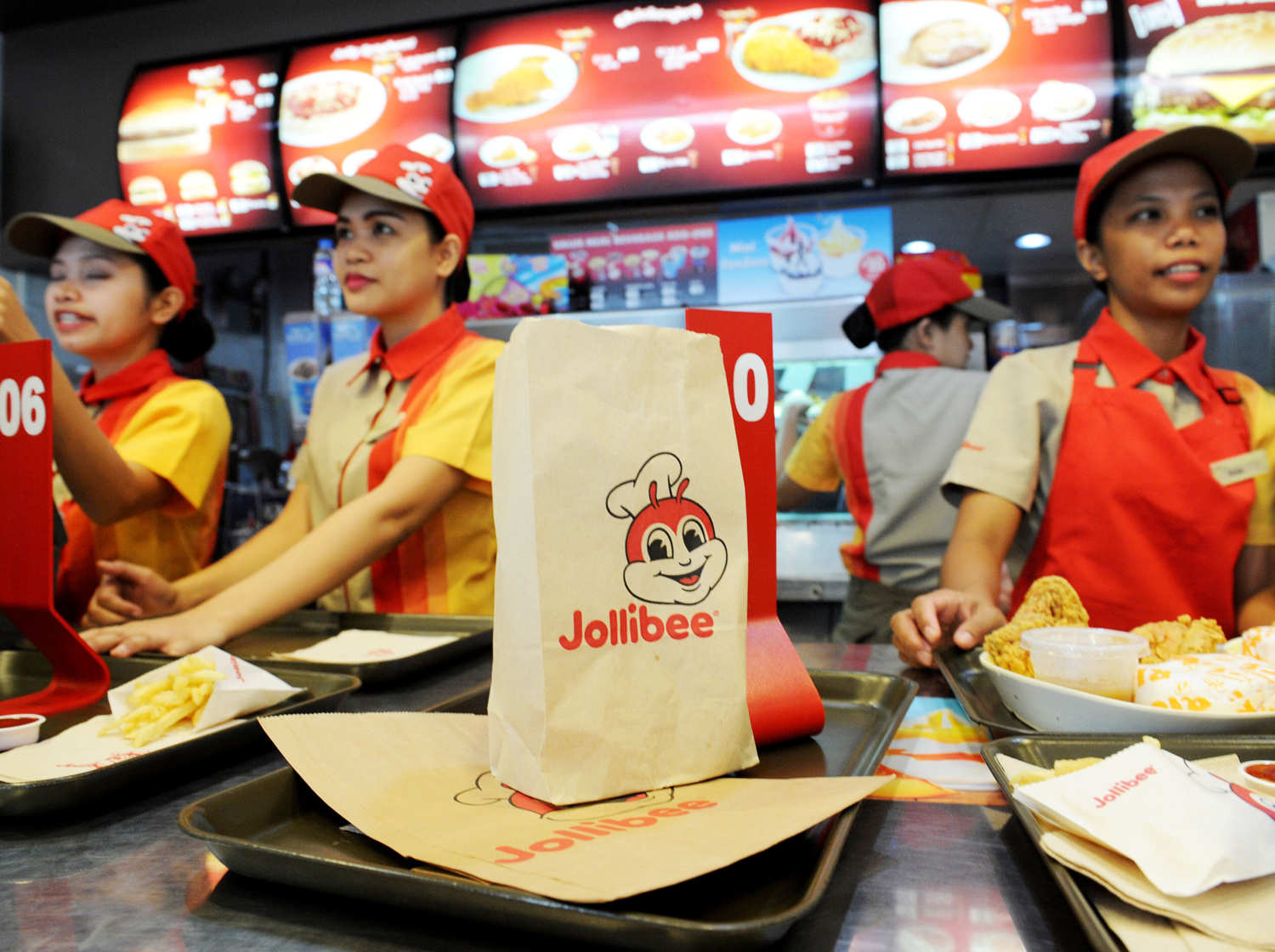
    Despite uncertainties in the food industry due to the coronavirus pandemic, Jollibee Foods Corporation is increasing its stake in the ultimate holding entity of popular restaurant chain Tim Ho Wan.

    Through its subsidiary Jollibee Worldwide, it increased its stake in the Michelin-starred restaurant to 85% from 60% by purchasing the 25% interest of Aragon Investments in Titan Dining, the private equity fund and ultimate holding entity of Tim Ho Wan.

    The transaction worth SGD36.3 million to be paid in cash is expected to be completed on October 30.

    In May 2018, Jollibee invested SGD45 million in Titan Dining, representing a 45% stake. The deal gave Jollibee an opportunity to acquire a “substantial ownership” in the dim sum restaurant chain’s master franchisee in the Asia Pacific in 7 years.

    When the deal was made, Tim Ho Wan and its affiliate Dim Sum Pte Ltd, which owns and operates Tim Ho Wan stores in Singapore, also had franchisees in Cambodia, Indonesia, Japan, Macau, Taiwan, Thailand, Vietnam, Australia, and the Philippines.

    In October 2019, Jollibee increased its investment to SGD120 million, representing a 60% stake.

    Jollibee then opened the first Tim Ho Wan restaurant in China in September 2020.

    Jollibee currently has 3,247 restaurants in the Philippines and 2,566 stores overseas.

  • Sri Lanka holds great potential to become a leading hub in Asia

    Sri Lanka holds great potential to become a leading hub in Asia

    Sri Lanka is a gateway to almost 3 billion people in Asia and has a perfect geographical location. According to the Norwegian ambassador in Sri Lanka, Trine Joranli Eskedal the country has great potential to become a leading trade and maritime hub in Asia.

    Sri Lanka – NORDIC Business Council of the Ceylon Chamber of Commerce was the event where the ambassador was addressing the audience.

    Mr Eskedal also noted that developing a bilateral partnership with Sri Lanka was one of the top priorities for the country, including business, trade, and investment.

    The ambassador added that cooperation between these two countries is strong because it is based on mutual respect and understanding. He also talked about the project called ‘Match-Making Programme’ which is aimed at incentivizing Norwegian businesses to invest and initiate commercial co-operation with Sri Lankan partners.

    Fertile ground for future cooperation

    One of the main aspects that Norway can help Sri Lanka is the tourism industry. Although there was a massive loss this year due to the pandemic there is no more room to grow. An essential part of the tourism industry is the gambling industry which the Sri Lankan government recently took care of by releasing a new set of laws to better regulate the environment.

    However, Norway can support this matter by providing its own system of regulation, but many have said it’s not the best way to revive the industry. Based on the information gathered through the Nye casino website, Norway has quite a controversial gambling landscape. The government essentially owns the whole industry. However, Sri Lanka is quite similar in ways it governs the country so there could be some similarities. But those similarities are also to be addressed soon. Based on the news source here, we can see that Norway is soon to change its gambling laws or at least start thinking about changing them.

    The role of the Bilateral Business Councils

    The Bilateral Business Councils is considered to be a pivotal part of the Ceylon Chamber of Commerce, and it has a massive role in promoting international business. The main activity of the Councils is the expansion of business between Sri Lanka and its partner country. The Ceylon Chamber operates 20 Bilateral Business Councils with the prime objectives of promoting trade and investment, joint ventures, services including promotion of tourism between Sri Lanka and the respective countries. 

    How did Sri Lanka deal with the pandemic?

    Sri Lanka’s Ministry of Health has decided to ban all mass events in the island nation as the number of patients with COVID-19 exceeded the 7,000 mark after a new cluster of infections was detected in the suburbs of the capital, Colombo. 

    The Ministry’s statement clarifies that all celebratory events, conferences, seminars, lectures, exhibitions, concerts, festivals, marches, demonstrations, and any other non-binding meetings are prohibited until further notice, as tests for coronavirus infection of more than 700 people – employees of a garment factory in the village of Minuvangoda – have shown a positive result.

    “The occurrence of COVID-19 cases in one area requires vigilance by the public to comply with strict precautions against COVID-19 to limit any further transmission,” the document states.

    As of 26 October, the total number of COVID-19 infections in Sri Lanka had plummeted to more than 7 thousand after 707 people in Gampaha District had been confirmed with coronavirus, leading to a decision by the authorities since the evening of 6 October to impose a curfew there. This case was the first cluster of infections detected in one locality of the country in recent months. Police said all movements inside Gampaha are restricted. Local residents were urged not to leave their homes until further notice.


  • Singaporeans expect retailers to adopt unified commerce to enrich their shopping experiences

    Singaporeans expect retailers to adopt unified commerce to enrich their shopping experiences

    The COVID-19 pandemic has shaken the retail sector to its core and forced an abrupt change in Singaporeans’ shopping habits and expectations. New data released by Adyen, the global payments platform of choice for many of the world’s leading companies, reveals that consumers in Singapore were quick to adapt, adopting online channels at a rate well above the global average. While restrictions are easing, consumer behaviours and expectations have changed permanently, and retailers will need to evolve to stay competitive in the new normal.

    The 2020 Agility Report, commissioned by Adyen, interviewed over 25,000 consumers across 16 countries, including more than 1,000 in Singapore, to understand what people expect from shopping and dining experiences today. It found that the pandemic led to a mass migration to online channels, with around half (49%) of the Singaporeans surveyed saying they shopped more online than prior to the pandemic, more than the global average of 33%. However, while many consumers moved to online alternatives, 72% of Singaporeans are looking forward to shopping in an offline store for pleasure again, higher than the global average of 55%.

    Warren Hayashi, President, Asia-Pacific, Adyen comments: “Singaporean consumers are agile and will find ways to shop that work for them. While restrictions are easing, and people are returning to offline stores, shopping behaviours and expectations will not be the same as what they used to be. With many impressed with how the retail sector adapted quickly to offer new services online, expectations have increased as a result and consumers want online options to stay. To thrive, retailers will need to maintain or exceed these new expectations and adopt a seamless, omnichannel approach.”

    Consumers moved online during the pandemic to continue shopping

    According to Adyen’s research, most (59%) Singaporeans prefer to shop in a physical store. However, despite this, many turned to online alternatives during the pandemic to continue shopping. Apart from using websites, 64% also used shopping apps more during this period than previously, especially amongst 18 to 34-year olds (71%).

    While there is a preference for shopping offline, there’s some hesitance about going back despite restrictions easing, with 75% still avoiding shopping in store for non-essential items. The most common reason has been the close proximity to strangers (57%), with those over the age of 55 being the most concerned (63%). Other common reasons include Singaporeans watching how much they spend due to economic uncertainty (50%), as well as not wanting to stand in length queues (46%).

    New consumer expectations in Singapore

    Findings from the Agility Retail Report point to consumer behaviours having changed permanently. Despite this, Singaporean consumers remain loyal. The report found that 53% would shop at retailers they deem as important heritage or traditional brands to see them survive, and 65% would visit physical stores near them because they want them to stay open.

    While loyalty is there, expectations of retailers who moved online to offer ecommerce offerings have changed, and they will need to maintain these experiences to sustain loyalty. According to the research, 87% of Singaporeans believe that if retailers can sell across multiple channels during the pandemic they should adopt the same flexible approach permanently.

    The need to maintain and offer these online offerings moving forward is especially important as more than half (54%) of the Singaporeans surveyed said they plan to shop more online despite the easing of restrictions, significantly higher than their global (36%) and Hong Kong counterparts (47%).

    The wants of Singaporeans: The new normal retail experience is unified

    To capitalise on these new customer behaviours, retailers will need to focus on delivering seamless and secure omnichannel experiences through unified commerce. The demand is there from consumers, as the majority (87%) of Singaporeans believe retailers should maintain a cross channel approach following the pandemic, even when stores open again.

    Additionally, retailers should also offer the following to cater to the new demands and expectations of Singaporean consumers:

    1. Contactless payments for hygiene: For payment experiences, most Singaporean consumers want choices and prefer cashless and contactless options as they are concerned about hygiene (72%). In fact, they are more concerned about this than their global (54%) and Hong Kong (59%) counterparts. Retailers can cater to this by reducing person-to-person contact by offering solutions such as self-checkout with mobile apps or kiosks.
    2. Ease of use critical: Customers want ease of use, so ahead of the busy shopping peaks of Christmas and Chinese New Year, retailers would be wise to implement the right technology that will help customers easily navigate their online offerings. If not, 83% of Singaporeans said they would not shop with a retailer whose website or app are difficult to navigate.
    3. Improving loyalty: Retailers should consider changing how they currently offer their loyalty and rewards programmes, as 82% of consumers believe those being offered to them can be improved. Two options for consideration would be making the program available through an app or linked to the customer’s credit card. Connecting a loyalty programme to an app would also be beneficial to the brand, as 56% of Singaporeans believe there’s currently not enough advantages to download a retailer’s app.


    Chen Yongchang, Head, Research & Consulting, Institute of Service Excellence at Singapore Management University comments: “Prior to the pandemic, we were already observing a steady increase in the proportion of consumers shopping online. The Agility Retail report by Adyen supports the notion that this trend has not only accelerated, but has also fundamentally changed customer expectations, attitudes and behaviour towards digital technologies and contact-less payment systems. Retailers need to consider deploying some form of omni-channel digital strategy to stay relevant and to tap into these shifting consumer behaviours and consider leveraging technologies to redesign service processes to meet these new demands.”