Author: Mei Ling Tan

  • More domestic firms enter list of best workplaces

    More domestic firms enter list of best workplaces

    Though foreign firms continue to dominate the best workplace list, things are changing with more and more Vietnamese companies making the cut.

    The latter accounted for half of this year’s top 20 in the 100 Best Places to Work survey released on Thursday by career network service Anphabe and market researcher Intage Vietnam.

    Vietnamese dairy giant Vinamilk remained the best company for the third year in a row, followed by lender Vietcombank, Swiss-based food giant Nestle, telecom giant Viettel, and American multinational medical devices and health care company Abbott Laboratories.

    Last year there had been only eight Vietnamese firms in the top 20.

    The survey polled 71,450 employees at 559 international and domestic companies and ranked the latter based on employees’ salaries and bonuses, welfare, and work-life balance.

    Many Vietnamese firms made leaps up the list, including private conglomerate Vingroup (23rd to 11th), food giant Masan Group (32nd to 17th), dairy producer Nutifood (31st to 25th), and technology company FPT (35th to 15th).

    Real estate firms Hung Thinh Group and Nam Long Group and telecom operator Vietnam Posts and Telecommunications Group made the list for the first time.

    Overall, there were 35 local firms in the top 100. Once again multinational Unilever failed to make it.

  • Suzuki mulls assembling passenger cars in Vietnam

    Suzuki mulls assembling passenger cars in Vietnam

    Japanese automaker Suzuki is possible to assemble passenger cars in Vietnam in the coming time, a leader of the company says.

    Toshiyuki Takahara, general director of Suzuki Vietnam, told local media that the country is a key market for the company and it is considering assembling certain models there.

    When selecting a country for establishing a car assembly plant, Suzuki needs to take into consideration the possible sales volume, he said, but did not mention a specific target, saying it was a trade secret.

    With its current market share, it is more reason for it to import completely built unit (CBU) cars for local distribution, he added.

    Suzuki now assembles light trucks and vans in Vietnam. But all passenger cars, including four- and seven-seater, are imported from Indonesia and Thailand.

    Takahara said assembling passenger cars in the country requires huge capital investments in the production line. If the assembling depends on imported components, it would be ineffective because of increasing costs, resulting in higher car prices.

    Suzuki’s market share in Vietnam has been increasing over the past three years. It sold more than 6,800 vehicles in 2018, accounting for 2.5 percent of the market share. Last year, these numbers increased to 11,780 and 3.9 percent, correspondingly.

    The market share of Suzuki brand cars increased to 5.1 percent in the first 9 months of this year.

  • German firm hopes to build $1.5 bln offshore wind farm in Vietnam

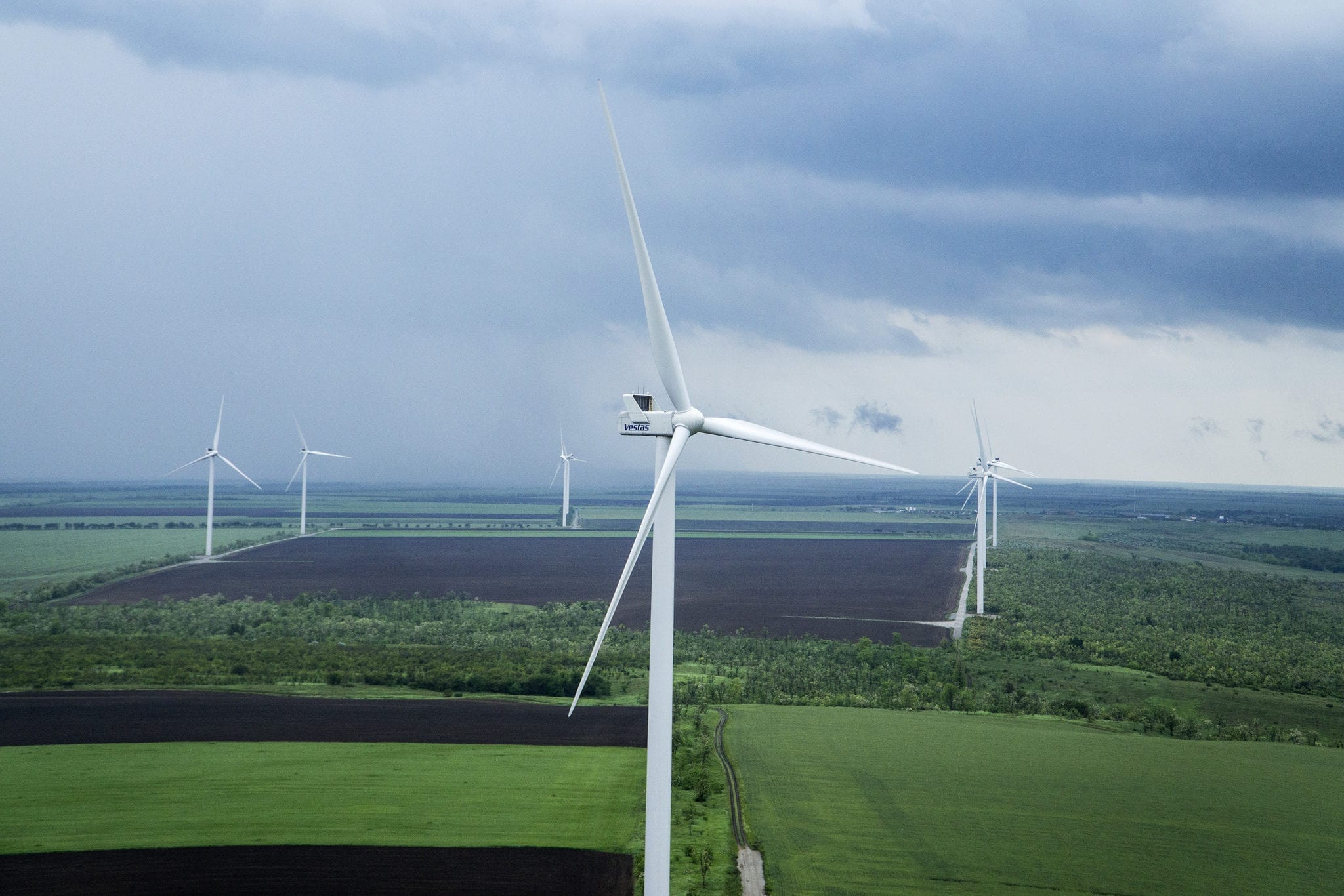
    German firm hopes to build $1.5 bln offshore wind farm in Vietnam

    Binh Dinh Province has given approval to a German company to study the possibility of building the country’s second offshore wind power plant. PNG AG will carry out a year-long study for a $1.5-billion wind power plant in the districts of Phu Cat and Phu My.

    The company, which has over 20 years of experience in renewable energy, had earlier proposed building a 500-700-MW power plant in the province, its first project in the country.

    The first offshore wind power plant, the 99MW Bac Lieu Wind Power Project in the southern province of the same name, went on stream in 2016.

    It is expected that in 2021-30, for which period the national plan is being drafted, the country will need 30 GW of wind and solar power.

    There are 11 wind farms in the country with a total capacity of 429 MW, according to Vietnam Electricity (EVN).

  • Apple’s environmentally-motivated decision is boosting sales of its new wireless earphones

    Apple’s environmentally-motivated decision is boosting sales of its new wireless earphones

    The new iPhone 12 series, as well as older models that Apple continues to sell, don’t come with a power adapter or EarPods. Apple claims it took this step to cut down on environmental waste. Although rivals like Samsung, Xiaomi, and OnePlus have mocked the company for removing these accessories, a new precedent may have been set. Apple is already benefiting from the removal of the EarPods from the iPhone 12 retail box.

    Beats, which is owned by Apple, announced the new neckband-style $49.99 Beats Flex on October 13, the same day the iPhone 12 series was revealed. The release of the neck-mounted headphones was also perfectly timed – they went on sale on October 23, which is when the iPhone 12 and iPhone 12 Pro hit the shelves.

    According to supply chain insiders, the Beats Flex is off to a good start, and the sales momentum is expected to continue well into the first half of the next year.

    The report also claims that the AirPods, which had 35 percent of the True Wireless Earphones (TWS) market in the second quarter of 2020 per research firm Counterpoint, continue to do well.

    Usually, TWS sales peak in the third quarter, before edging down in the fourth quarter. The case is different this year, as demand remains strong, probably because many people continue working from home.

    Supply-side sources also believe that other vendors will also stop bundling headphones with their new smartphones. Needless to say, this would further boost wireless earphone shipments.

    According to a forecast by research firm Canalys, TWS sales will grow 29 percent in 2020.

  • Daimler Posts Forecast-Beating Results For Q3 2020 As Demand Rebounds

    Daimler Posts Forecast-Beating Results For Q3 2020 As Demand Rebounds

    Daimler shares surged 4.5 percent on Friday after the luxury carmaker posted forecast-beating third-quarter results, buoyed by a better-than-expected rebound in sales of luxury cars in September. European car registrations rose slightly in September, the first increase this year, industry data showed on Friday, suggesting a recovery in the auto sector in some European markets where coronavirus infections were lower. Swedish truckmaker AB Volvo also posted third-quarter core earnings well above forecasts thanks to a healthy jump in orders.

    Daimler’s third-quarter earnings before interest and tax reached 3.07 billion euros ($3.59 billion), it said late on Thursday, beating the 2.14 billion euro Refinitiv consensus.

    The Stuttgart-based company is due to publish further financial details on Oct. 23 and said it would publish updated guidance for the full year at that time.

    Analysts had expected premium carmakers to benefit from a rebound in demand and welcomed Daimler’s strong cash flow during the quarter.

    “Free cash flow beat is a solid surprise,” Philippe Houchois, an analyst at Jefferies, said in a note.

    Daimler said it expected the positive momentum to continue in the fourth quarter, assuming there are no further coronavirus lockdowns.

    The COVID-19 pandemic had led to a slump in sales, pushing the company to operate losses in the first and second quarters.

    To counter losses, Daimler’s Mercedes-Benz has stopped building sedans in the United States to focus on more profitable SUVs, combined its fuel cell development with Volvo Trucks, and halted an automated development alliance with BMW..

    Earlier this month, Daimler said it will cut fixed costs, capex, and research and development spending at Mercedes-Benz by more than 20% by 2025 as part of a strategy overhaul to take the brand further upmarket.

    The move will see Mercedes-Benz, currently, the world’s top-selling premium car brand, turn its back on a decades-old strategy of chasing sales volume to focus on the industry’s most profitable segments: limousines and sport-utility vehicles.

  • Huawei’s breakthrough Petal Search app helps users install content banned by the U.S.

    Huawei’s breakthrough Petal Search app helps users install content banned by the U.S.

    You might remember that back in May, we told you about Huawei’s plan to work around the manufacturer’s inclusion on the U.S. Commerce Department’s Entity List. The U.S. put the company on this list because it considers the firm to be a national security threat. Placed on the Entity List, Huawei is not allowed to access its U.S. supply chain which means that it cannot license the Google Mobile Services version of Android. It also means that Google’s Android apps like Search, Maps, YouTube, the Play Store, Drive, and Gmail can not be installed on a Huawei phone. Most of Google’s apps are banned in China anyway, so only the international variant of the company’s phones are impacted.

    The Entity List placement also means that Huawei cannot work with U.S. firms including app developers. So Huawei’s phones, both inside and outside China, do not give users a selection of popular U.S. based apps to use. For example, in Huawei’s own AppGallery Android app distribution platform, you won’t find apps like Amazon, Snapchat, Speedtest.net, and AccuWeather. But as we pointed out in May, Huawei developed a new search engine called Petal Search. Petal Search will not only list “daily weather forecasts and top news; live sports scores and schedules; video, image, and music searches; and financial news and stock market updates.” When it comes to travel, it will “search millions of hotels worldwide and book rooms; and check flights and travel info for top global destinations.” Petal Search will also “look up local services and businesses with comprehensive directories.” But that isn’t the exciting cool feature.

    When you open up Petal Search and tap in the name of an app, the search engine looks for the one that you have in mind. If it finds the title in the AppGallery, it will be installed on your Huawei handset. If Petal Search can’t find a listing, it will search for it on third-party app stores. If it finds the app, a simple tap of the Install button will handle the task of downloading it on your phone.

    When we first heard about Petal Search, we told you that the idea behind it was to help Huawei customers find and install apps that are blocked due to the U.S. ban. These include Google’s own Android apps and U.S. developed social media and entertainment apps. And now, according to Forbes, Petal Search has become a full-service search engine as well. Petal even got some promotion during last week’s unveiling of the new flagship Mate 40 series.

    With the U.S. continuing to be offended by Huawei’s will to survive, the company could end up having to leave the smartphone industry and concentrate on providing an ecosystem to other phone manufacturers. Huawei created its own Mobile Services ecosystem that has over 700 million users, a 32% annual gain from last year. More importantly, the number of app developers registered by Huawei has risen 76% year-over-year to 1.6 million. This is of major importance because the larger the number of developers working on content for HMS, the more of a challenge Huawei becomes to other phone manufacturers.

    The main challenge that Huawei has at the current time is finding a foundry that can produce cutting-edge chips without using American-made technology. Back in May, the U.S. Commerce Department changed its export rules preventing foundries like TSMC from shipping chips to Huawei without a special license issued by the U.S. Recently it was discovered that the Chinese manufacturer ordered 15 million units of its 5nm Kirin 9000 chipset but received only 8.8 million of them. The new export rule started to take effect on September 15th.

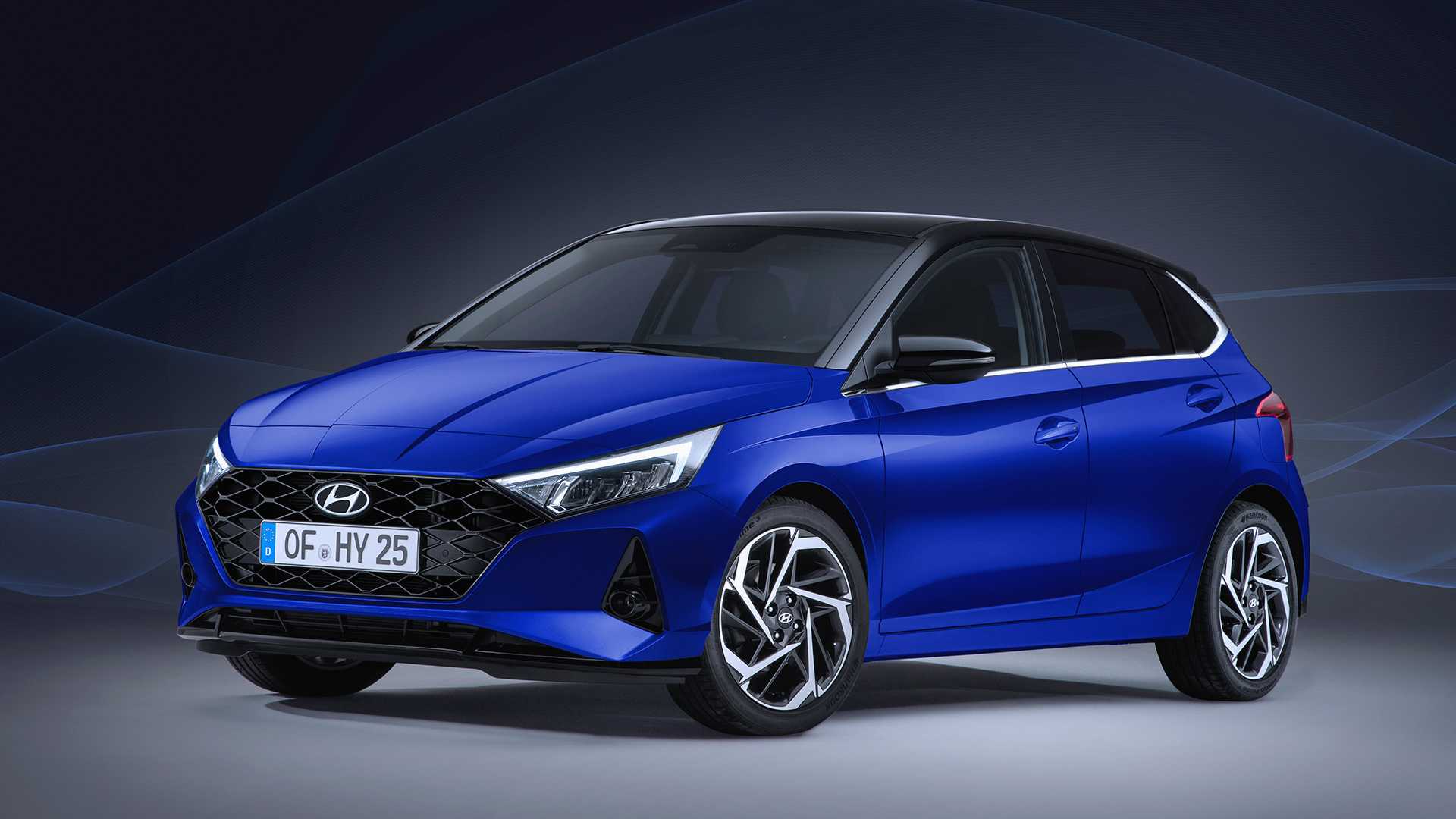
  • New-Generation Hyundai i20 Sketches Revealed

    New-Generation Hyundai i20 Sketches Revealed

    Hyundai Motor India Limited (HMIL) has revealed the design renderings of the new-generation Hyundai i20, which will be launched in India next month. This will be the third-generation model of the i20, with the current generation model having debuted in 2014. The new i20 is designed around the company’s theme of sensuous sportiness. Needless to say, the new-gen i20 gets a complete overhaul including a new design. The look of the car is bolder now and the stance is sportier too, with a sloping hood upfront. The cascading grille and the headlight cluster are completely new and add to the bold look. The rear too sees a complete change of design, with new boot lid and sharp looking taillights which form a ‘Z’.

    Hyundai says that the new i20 has been designed keeping four elements in mind which are proportion, architecture, design, technology. The cabin of the new i20 has been completely re-done. It is likely to be an all-black affair and get features like a digital instrument cluster, 10.25-inch touchscreen infotainment unit, flat-bottom steering with mounted controls, dual airbags, rear AC vents, charging sockets, Hyundai’s BlueLink connected car technology, and other more

    The new i20 is expected to get three engine options which include the 1.2-liter petrol, the 1.5-liter diesel and the 1.0-liter turbocharged petrol engines, similar to the ones found on other Hyundai cars. Transmission options will include both manual and automatic gearboxes. The car has already started making its way to Hyundai dealerships across the country and as we said earlier, we expect the new-generation i20 to be launched in November 2020. It will continue to go up against rivals such as the Maruti Suzuki Baleno, Tata Altroz, and the Volkswagen Polo.

  • Geely’s New EV Plant Will Build Premium Polestar Cars

    Geely’s New EV Plant Will Build Premium Polestar Cars

    An electric vehicle (EV) factory planned by the Chinese automaking group Geely will produce cars under the premium Polestar marque, two people with direct knowledge of the matter told Reuters on Monday. Zhejiang Geely Holding Group Co Ltd plans to build a plant with an annual manufacturing capacity of 30,000 premium EVs in the western city of Chongqing, run by a wholly-owned, newly registered company, showed documents on its website.

    Geely and Polestar declined to comment on the marque. The plan comes as foreign automakers including BMW AG and Tesla Inc expand EV production in the world’s biggest market, sourcing major EV components such as batteries locally and often exporting the end product.

    Hangzhou-based Geely is China’s most internationally known automaker. It owns Volvo Cars and Lotus, almost half of Proton and 9.7% of Daimler AG. Its Hong Kong-listed Geely Automobile Holdings Ltd is planning a Shanghai float.

    Through wholly-owned company Polestar, it builds low-volume Polestar 1 hybrid performance cars in the western city of Chengdu and Polestar 2 volume sedans in Taizhou in the east.

    It also plans to begin production of the Precept sedan, displayed at this year’s China auto show.

    Polestar aims to eventually offer bigger, more sporty vehicles at its showrooms, which currently span nine countries and whose number it plans to raise to 45 from 23 by year-end.

    Polestar Chief Executive Thomas Ingenlath told Reuters the firm is scouting markets in Asia-Pacific and the Middle East.

    Geely is also building a factory in China to make sport-utility vehicles under the Lotus marque, Reuters reported.

  • No plans for Netflix office, servers in Vietnam at this time

    No plans for Netflix office, servers in Vietnam at this time

    Netflix does not have plans to open a representative office or place servers in Vietnam, but said it is working with authorities to meet tax obligations.

    The U.S. streaming giant said in a statement Friday that it is for governments to decide the rules on tax, and Netflix complies with applicable laws, but these do not require the company to open a local office, nor to place servers locally.

    It is “supportive of the implementation of a mechanism that will make it possible for foreign service providers like Netflix to collect and remit taxes in Vietnam,” it said.

    A mechanism for this does not currently exist but should be set up in the near future, and it is discussing best practices with the authorities to make it practical for all, it added.

    In other markets where it does not have a local office, it is still able to contribute to growth, remit taxes and protect consumers through simple offshore registration, it claimed.

    This contradicts what a Vietnamese tax official recently said. Vu Manh Cuong, director of the General Department of Taxation’s inspection agency, said on Tuesday that Netflix had been working with the Ministry of Finance and the tax department to set up a representative office and servers in Vietnam to declare tax.

    The department is working to assess Netflix’s revenues in Vietnam since its entry in 2016 for tax collection, he added.

    The Cybersecurity Law requires all foreign businesses which earn an income from online activities in Vietnam to store their data in the country and file tax returns.

    Authorities had earlier said that Netflix, which has around 300,000 subscribers in Vietnam and collects a monthly subscription of VND180,000-260,000 ($7.75-11.19), has never paid tax in the country.

    Other Southeast Asian countries have also been making moves to tax Netflix and other Internet giants. Indonesia imposed a 10 percent value-added tax on sales on technology firms including Amazon, Netflix, Spotify, and Google in July, while Singapore has since January required subscribers to Netflix and other overseas digital services to pay a 7 percent goods and tax.

  • Banks maintain profit growth but bad debts rise

    Banks maintain profit growth but bad debts rise

    Most banks reported profit growth in the first nine months, but bad debts posted a double-digit rise due to the impacts of the Covid-19 pandemic. VPBank saw its pre-tax profits surge by nearly 30 percent year-on-year to VND9.4 trillion ($402.75 million) as it managed to cut operating costs by nearly 6 percent. But its bad and doubtful debts rose by 15 percent to over VND10 trillion.

    Military Bank’s profits rose by nearly 7 percent to VND8.13 trillion while its bad and doubtful debts rose by 39 percent.

    ACB’s profits were up nearly 15 percent at VND6.41 trillion while bad and doubtful debts rose by 71 percent.

    But some banks also reported declines in profits.

    Vietcombank continued to be the most profitable, but its pre-tax profit fell by over 17 percent to VND15.96 trillion as revenues remained flat or declined but it had to hike provisions for bad debt by 25 percent.

    Bad and doubtful debts were up 15 percent to nearly VND7.9 trillion.

    Sacombank’s profits fell by nearly 7 percent to VND2.33 trillion as provisions for bad debts rose by nearly 70 percent.

    Financial data provider FiinGroup had said in a report in July that the financial health of businesses and their ability to repay debts have declined and people’s incomes have dropped, and these factors could affect the quality of credit in the near future.

    As lenders gradually have to increase provisions for doubtful debts, their profits in the coming quarters could slump, it added.

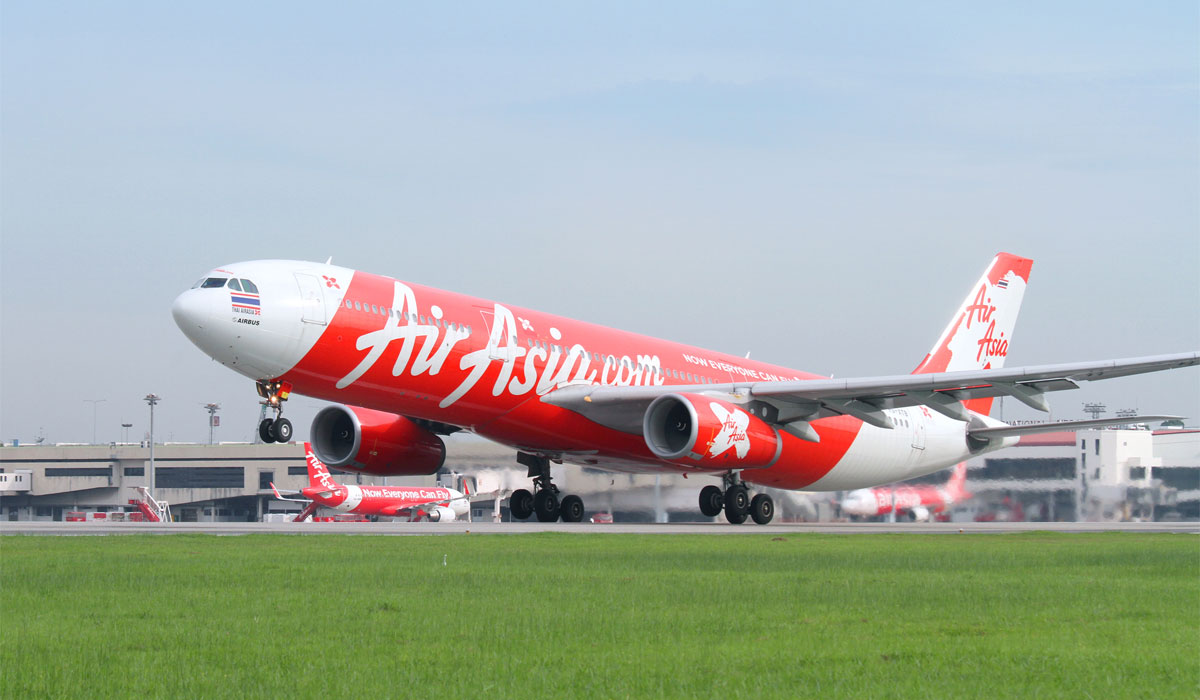
  • AirAsia X ‘out of money’

    AirAsia X ‘out of money’

    The long-haul budget carrier AirAsia X Bhd has run out of money and needs to raise up to 500 million ringgit (US$120 million) to restart the airline, according to deputy chairman Lim Kian Onn. The Malaysia-based affiliate of AirAsia Group said this month it wanted to restructure 63.5 billion ringgit ($15.3 billion) worth of debt and slash its share capital by 90% to continue as a going concern.

    “We have run out of money,” Lim said in an interview. “Obviously, banks will not finance the company without shareholders, both old and new, putting in fresh equity. So, a prerequisite is a fresh equity.”

    He said the airline had actual liabilities of 2 billion ringgit, with the larger figure of 63.5 billion ringgit including all lease payments for the next eight to 10 years and its large order for Airbus planes and contracted engine maintenance with Rolls-Royce.

    “If we find 300 million ringgit in new equity, then the shareholder funds are 300 million at the restart of business and if we are able to borrow 200 million ringgit, we feel that we will have a good platform to start all over again,” Lim said.

    He said AirAsia X also needed to convince its lessors of its business plan, adding that an unnamed lessor recently took back one of the airline’s planes to convert it to a freighter.

    The airline plans to liquidate its small Indonesia-based carrier and has completely written down its stake in Thai AirAsia X, with the Thai carrier not part of the restructuring scheme, Lim said.

    Rival Malaysia Airlines is also in financial trouble, but Lim said there would be “no good outcome” from seeking to merge two airlines in dire straits.

    Initial negotiations with creditors have been tough as they are understandably upset, Lim said in the interview. They had asked for better terms, including free equity for the forgiven debt — something that would be impossible for the airline to fulfill, he added.

    Still, Lim said all of them genuinely wanted to find a common ground to take the airline forward. “No one has anything to gain from our demise,” he said.

    The airline is planning to resume flights in the first quarter of 2021, though the process remains “dynamic”, said Lim. Should the rescue plan get approval, the company will have to renegotiate every single contract and will do its best to look after all stakeholders’ interests, he said.

  • Panda Express calls out fake eatery in Kunming

    Panda Express calls out fake eatery in Kunming

    A restaurant named Panda Express in the southwestern Chinese city of Kunming has been closed for investigation after the American chain of the same name said it was unauthorized and infringed its trademark.

    The US fast-food chain, which serves American-style Chinese cuisine, said it would consider taking legal action, while the Kunming restaurant – which has an almost identical panda logo – was closed and the management of its landlord, Chenggong Seazen Wuyue Plaza, told news portal Thepaper.cn it was reviewing the outlet’s credentials.

    The Chinese version’s listing on food review portal Dianping said its operations were suspended. The restaurant declined to take calls on Thursday from us.

    In an official statement, Panda Restaurant Group – the US company – said: “This restaurant is not affiliated in any way with Panda Express and Panda Restaurant Group. We have trademarked the Panda Express name and likeness in China for use by Panda Restaurant Group.”

    On Monday, the China Cuisine Association had issued a notice on behalf of Andrew Cherng, co-founder and co-chief executive of Panda Restaurant Group, saying the Chinese outlet was an imitation and advising the public not to be misled.

    Last week, there was excitement on Chinese social media as word spread that a Panda Express had been operating in Kunming for some time. On Dianping, some customers said they had visited it because they had enjoyed the chain’s food in the US, but others said the food was different.

    Photos posted on Dianping showed that the Chinese restaurant’s panda logo was similar to that of the US chain, but the panda’s mouth differed and it bore the words “panda theme restaurant” instead of the American company’s “Chinese kitchen” or “gourmet Chinese food”.

    Previously, management of the plaza said that the restaurant was not a fake, and that the plaza had signed a contract with an intermediary, Shenzhen Xiguifu Catering Management.

    Business information website Tianyacha showed that Shenzhen Xiguifu was established in 2018 and had a wide range of operations including investment consulting, catering equipment wholesale, catering services and beverage production.

    The Shenzhen-based intermediary did not respond to requests for comment from us.

    Founded in 1983, the real Panda Express has more than 2,000 restaurants in the US. It had revenues of US$3.5 billion last year, according to Forbes.

  • Royal Enfield Meteor 350 Launch Date Revealed

    Royal Enfield Meteor 350 Launch Date Revealed

    The Royal Enfield Meteor 350 finally has a launch date! It will be launched in India on November 6, 2020. It is going to be the most important launch for Royal Enfield after the 650 Twins. The Meteor range represents a new era for the company, as the bikes are built on a brand new platform and get an all-new engine too. The Royal Enfield Meteor 350 will be positioned as a global product and is likely to replace the Thunderbird 350. Leaked brochures and other documents suggest that Royal Enfield will offer the Meteor 350 in three variants, Fireball, Supernova, and Stellar.

    The main differences, cosmetically, seem to be the new instrument console set-up and the new split seat design, together with other changes in the rear fender, headlight, and taillight. The instrument console, certainly is the center point of the changes, with an asymmetrical design, and could possibly offer far more information than the rather rudimentary set-up on the Thunderbird 350X. Design cues are likely to include a tear-drop shaped fuel tank, bright colour options, LED daytime running lights, new alloys, and a split-seat.

    As mentioned earlier, the Meteor is likely to employ a new frame and a new engine. Spyshots reveal that the Meteor 350 uses a double-cradle chassis as opposed to a single downtube frame on the Thunderbird 350. Plus, the new 350 cc engine on the Meteor is likely to generate better power and torque figures than the 350 cc UCE (unit construction engine) but not so much that it overwhelms first time buyers. The leaked brochure suggests that the engine will pump out 20.2 bhp and 27 Nm of peak torque.

    Another set of spy shots suggest that the Meteor will get a secondary TFT color display, along with the main unit that comes with an analog speedometer and LED panel for trip meter and other essential information. The leaked images show that the new TFT display will have a turn-by-turn navigation feature, which in turn suggests that the new Meteor could also get Bluetooth connectivity, making it the first Royal Enfield motorcycle to get it.

    We expect the RE Meteor 350 to be priced between ₹ 1.5 lakh and ₹ 2 lakh and it will go up against the Benelli Imperiale 400, Jawa 300 and the newly launched Honda H’Ness CB350 and the latter has been solely launched by HMSI to go up against the Meteor 350.

  • Most Vietnamese expect increased incomes

    Most Vietnamese expect increased incomes

    A recent survey by French market research firm Ipsos has found 61 percent of respondents expecting their earnings to improve in the next six months.

    However, the survey also found 15 percent fearing a further decline in their incomes during the same period.

    The impact of the second Covid-19 outbreak that started July 25 has been less severe than the first, the firm says in its report titled “Rebounding from Covid-19 in Vietnam” published Thursday.

    The survey found 79 percent of Vietnamese respondents reporting a decrease in income, down 11 percentage points compared to data collected by the company in May 2020. The rate of respondents seeing their incomes drop by half also dropped to 6 percent from the earlier 12 percent.

    The survey, conducted September 18-22, used online interviews to collect the opinions of 500 people. Participants were divided into three groups – low income: below VND7.5 million ($323.6) per month; average income: from VND7.5-23.5 million; and high income: above this level.

    Ngan Ly, Ipsos Country Manager in Vietnam, said with a margin of error of about 4 percent, the survey results could be representative of the general trend in the country. She said that Vietnamese were more optimistic than citizens of other countries in the region in terms of economic prospects and personal incomes.

    In the latest survey, only 1 percent said their income had increased, but when asked about the next six months, 61 percent expected improvements, with the high-income group reporting the best recoveries.

    Most of the 15 percent who worried that their income might slip further were unskilled labor.

    Many Vietnamese seem to remain optimistic about the future, but they were still concerned about the stability of their jobs. This prompted them to cut down their savings and investments in real estate, stocks, gold, loan and insurance schemes.

    Their spending on entertainment and similar activities reduced by 45 percent.

    Over 80 percent of respondents said they would be more careful when shopping, giving priority to essential needs like food and healthcare.

    The new lifestyle that have emerged from the social distancing period has been sustained, with consumers more willing to stay at home and maintain a healthy lifestyle. Over 60 percent confirmed that they were using more healthy foods, nutritional supplements and have reduced the frequency of alcohol and tobacco consumption.

    Shopping habits have also changed as people limit direct visits to markets and supermarkets and increased online shopping, the report said.

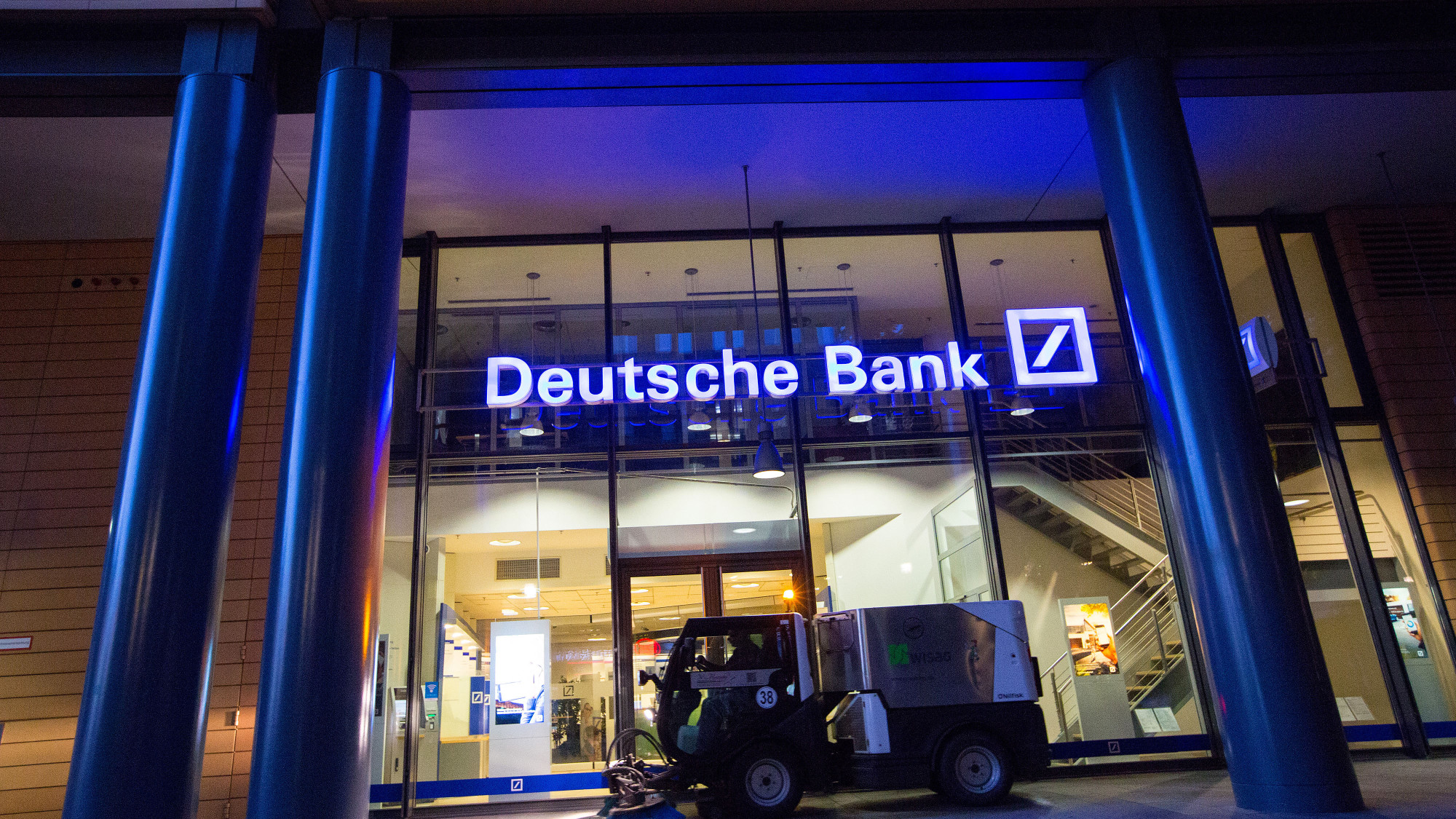
  • Deutsche Bank in Talks with Tata to Offload Tech Unit

    Deutsche Bank in Talks with Tata to Offload Tech Unit

    Deutsche Bank is reportedly in advanced talks to sell its technology services unit to India’s Tata Consultancy Services.

    Tata Consultancy Services – Asia’s biggest software exporter and the tech subsidiary of Indian conglomerate Tata group – could take over Deutsche Bank’s Postbank Systems, according to a «Bloomberg» report citing unnamed sources.

    There are expectations for a deal to materialize by year-end though negations are ongoing and no conclusions have been made.

    If successful, Tata Consultancy would onboard Postbank System’s 1,400 employees while Deutsche Bank would come closer to its restructuring target to reduce 18,000 jobs.

    The Bonn-based technology unit generated revenue of 533 million euros ($629 million) in 2015, the latest annual figures available.

    Bottom lines aside, the bank is currently focused on importing Postbank’s operational capabilities by merging with its technology in a move that would render Postbank System’s obsolete by 2021-end and shed 1 billion euros ($1.18 billion) of operational costs, the report added.