Author: Mei Ling Tan

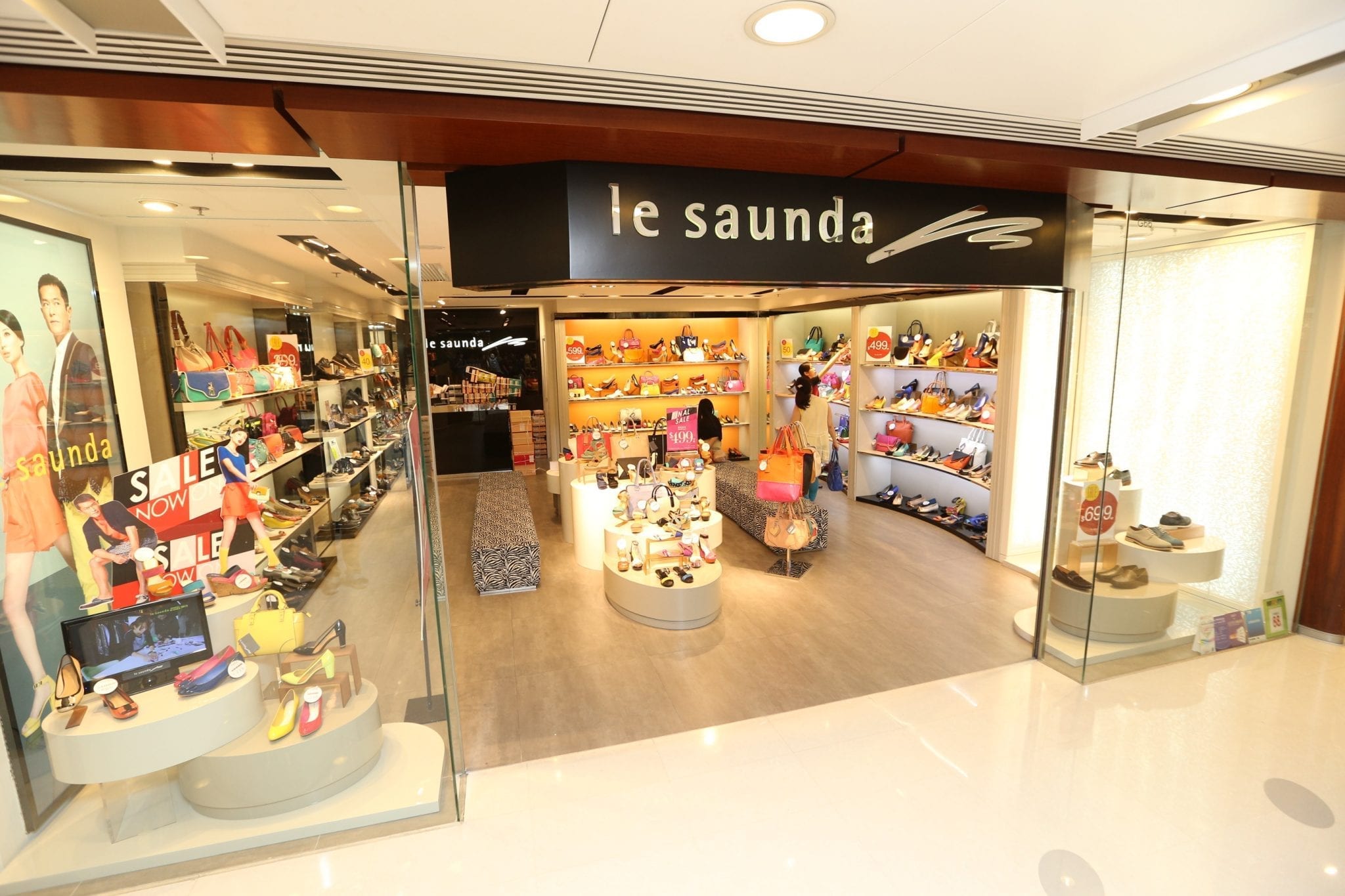
  • Le Saunda roams from profit to loss

    Le Saunda roams from profit to loss

    Chinese footwear retailer Le Saunda saw revenue and profit fall by more than 30 percent in the last six months as the impact of the Covid-19 pandemic ravaged the fashion industry.

    Revenue for the six months to August 31 fell to US$38.7 million, 30.8-per-cent lower than the same period last year, while gross profit fell 32.1 percent to $24.24 million.

    The impact of Covid-19, which severely hit Le Saunda’s main markets of Hong Kong, Mainland China and Macau, led to a $4.4 million overall loss.

    “Overall, during the first half of the financial year, the group changed from profitable to loss-making,” the business said.

    “The group made timely adjustments to its strategy to reduce daily expenses, including a 25-per-cent pay cut for all directors for a period of six months from March and … tapped into emerging Mini Programs and social-media marketing platforms to expand its online sales channels.”

    However, the business’ e-commerce revenue also took a significant hit, down 15.7 percent during the six months.

    And now, with the worst of the virus seemingly behind it, Le Saunda is looking to learn from the “new normal” that has developed – investing in the development of goods in the athleisure space, as customers become more health-conscious, as well as sales and marketing on social media to better leverage social commerce and reach a younger consumer base.

  • ShopWorn opens its first Hong Kong office

    ShopWorn opens its first Hong Kong office

    Authentic luxury-goods platform ShopWorn has opened a satellite office in Hong Kong ahead of a planned expansion in Mainland China and Asia-Pacific.

    Unlike other online marketplaces, ShopWorn, launched in 2015, sells designer labels at discounts of 50 to 90 percent off the Manufacturer’s Suggested Retail Price (MSRP).

    From Carl F. Bucherer to Graham and more, past season’s luxury watches, jewelry, and other accessories sourced directly from brands and authorized retailers can be found on ShopWorn with authenticity guaranteed.

    The prices are kept low because items have never been worn by the consumer or pre-owned, but merely ‘shop worn’ – an industry term for merchandise that has been used in in-store displays.

    Typically, luxury retailers would either designate specific merchandise to be used in visual merchandising displays, or write-off items that have been lightly handled but are in an unsaleable condition, selling them to staff at a substantial discount or destroy them.

    ShopWorn also launched its first overseas virtual flagship on Tmall Global to target 800 million high-end Chinese consumers, joining other luxury labels from Dunhill to Marc Jacobs as of late – just in time for Singles Day.

    The platform aims to expand to Europe and other markets during the next five years, while a presence on other major Asian marketplaces such as Shopee, Lazada, and JD are already in the works.

  • AmorePacific opens first ‘refill store’

    AmorePacific opens first ‘refill store’

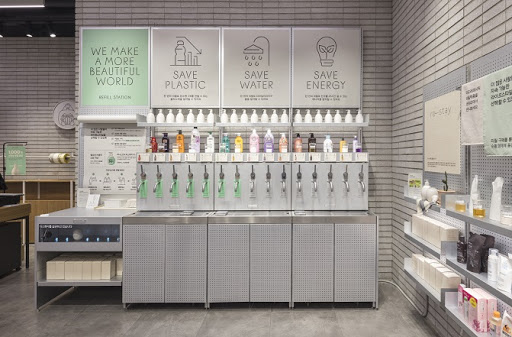
    South Korean cosmetics giant AmorePacific Corp has opened a so-called ‘refill station’ – a first for the nation’s cosmetics industry.

    The company opened the facility as a trial inside its new Gwanggyo store that opened last week in Suwon, Gyeonggi Province.

    Customers can take an empty container made of coconut shells from the store and fill it with the product of their choice, with 15 different kinds of shampoos and body washes on offer.

    After filling the container with the product of their choice and measuring the weight, they pay per gram.

    Although the price is different by product, customers can generally fill a container at savings of roughly 50 percent compared to pre-packaged cosmetics products.

    The contents for refill will be limited to those with a manufacturing date of less than 100 days prior. Returned empty containers will be sterilised before being released to be refilled.

    “We decided to run the refill station to better meet the demand of the times requiring a wider variety of sales methods and the promotion of refill products,” the company said.

  • Singapore’s BHG Bugis opens reimagined Beauty Hall

    Singapore’s BHG Bugis opens reimagined Beauty Hall

    BHG Bugis has launched a Beauty Hall, spanning more than 13,000sqft, featuring 27 beauty brands and 45 fragrance labels, 12 new beauty counters, a ‘Beauty Library’, and five spa concepts.

    According to the company, the launch is part three of BHG’s reinvention plan, following the launch of its e-commerce platform, and the introduction of in-house locally designed fashion labels.

    The concept space Beauty Library features nature-inspired beauty products, including local skincare brand Rooki and a selection of vegan makeup products from Makeup Store.

    The Beauty Hall offers several digital touchpoints, including Lift and Learn digital walls where customers can find information about products. Exclusive gamification and a social wall at HoneyWorld Counter allow customers to collect points they can exchange for HoneyWorld products.

    The precinct also houses SkinCeuticals’ largest departmental store counter, where customers are welcomed by an AI Robot Assistant.

    The Beauty Hall also features store-in-store cashiers, allowing customers to purchase within the brand area without having to go in search of a traditional cashier counter.

    BHG was originally opened as a joint venture between Japan’s Seiyu and Hong Kong’s Wing On in 1995. Seiyu took over Wing On’s share in 1998 and in 2005 the stores were bought out and renamed BHG.

  • Puma surfaces in third quarter as stores open again

    Puma surfaces in third quarter as stores open again

    Puma says its third-quarter sales rose 13.3 percent on a currency-adjusted basis to US$1.85 billion, leaving year-to-date sales down just 5.1 percent despite the impact of the pandemic.

    “The third quarter developed much better than I expected,” said Bjorn Gulden, Puma’s CEO.

    “Retail stores reopened, sports events resumed, consumer confidence improved and our sales increased week by week. I feel this strong performance confirms the strength of both PUMA as a brand and the sporting goods industry in general.”

    Puma’s gross profit margin decreased to 47 percent, largely due to negative currency impacts and increased promotional activity as the company adjusted to an unusual trading environment. However, operating expenses dropped by 3.3 percent allowing a pre-tax profit of $223 million.

    “Despite a very promotional market environment and currency developments that put pressure on our margins, we were even able to improve our EBIT compared to last year,” said Gulden.

    “This was achieved by continued strong cost control that we initiated in the extremely weak second quarter and through less but more efficient marketing activities.

    “October started well, but the recent development of Covid-19 and the number of infections we are seeing globally make us cautious for the rest of the year. We will continue to maneuver through this pandemic in the short-term without hindering Puma’s mid-term momentum.”

    Sales in Asia/Pacific declined by 1.9 percent, mainly due to slower growth in Greater China and a sales decline in India, Korea and Southeast Asian markets.

    For the first nine months of the year, including the time when lockdowns were in place across much of Asia, sales in the region fell 9.1 percent.

    Global net earnings for the nine months combined were down from $287 million last year to $63.7 million.

  • Profit up for Yum China despite Covid-19

    Profit up for Yum China despite Covid-19

    Yum China has reported a flat third quarter to September, with sales up 1 percent year on year to US$2.35 billion.

    The company said operations improved during the period, but sales were still impacted by reduced traffic at transportation and tourist locations, a delayed and shortened school-holiday season, and other lingering effects of the Covid-19 outbreak.

    “Dine-in volume has been recovering, while delivery and takeaway remained popular options,” the company said in a statement. “Our primary focus continues to be safety, efficiency, and driving traffic.”

    The fast-food company, which completed a secondary listing on the Hong Kong stock exchange during the quarter, said it has launched digital and membership campaigns offering strong value propositions to consumers to drive a recovery in sales post-pandemic.

    Yum China achieved productivity improvements and improved operating profits through trimming costs and improving productivity, however, the company now plans to increase staffing levels in the coming months to balance service and efficiency.

    Same-store sales declined 6 percent year on year, excluding foreign exchange, but the results included the consolidation of the Huang Ji Huang chain since April and a further 25 percent ownership of the Suzhou KFC operator since August.

    The company opened 312 new stores during the quarter taking its count to 10,150 at the end of September.

    Operating profit rose 86 percent from $300 million to $556 million (excluding foreign exchange impact), largely due to the gain from remeasuring the contribution of the Suzhou KFC business, of which Yum China now owns 72 percent. Net income increased 96 percent to $439 million.

  • Google tests cool new feature for the Play Store

    Google tests cool new feature for the Play Store

    In its never-ending battle to improve the Google Play Store, Google is testing a method to allow users to make comparisons between two or more apps. This comes after Hamburgers were removed from the Play Store menu earlier this month. No, Google wasn’t competing with Mickey D’s. The Hamburger menu was an icon consisting of three straight horizontal lines that looked like a Hamburger from the side (top bun, meat, and bottom bun) and when tapped, a menu list appeared.

    The Compare apps section appears near the bottom of a Play Store listing and at the moment it seems to be limited to a few side-by-side comparisons of media players under the heading of Compare apps. The apps are compared based on things like offline playback, visual quality, ease of use, controls, and whether or not a particular app will cast content. A major assumption is that Google is gathering the information it uses for comparisons directly from feedback from users who are prone to leave reviews.

    Remember that this is just a test right now and it has appeared in the Play Store when some users are running version 22.4.28 of the app. Being able to compare key elements of two or more similar apps listed in the Google Play Store is sure to improve the experience of using Google’s Android app storefront.

  • DHL Express to Create Gateway at Hartsfield-Jackson

    DHL Express to Create Gateway at Hartsfield-Jackson

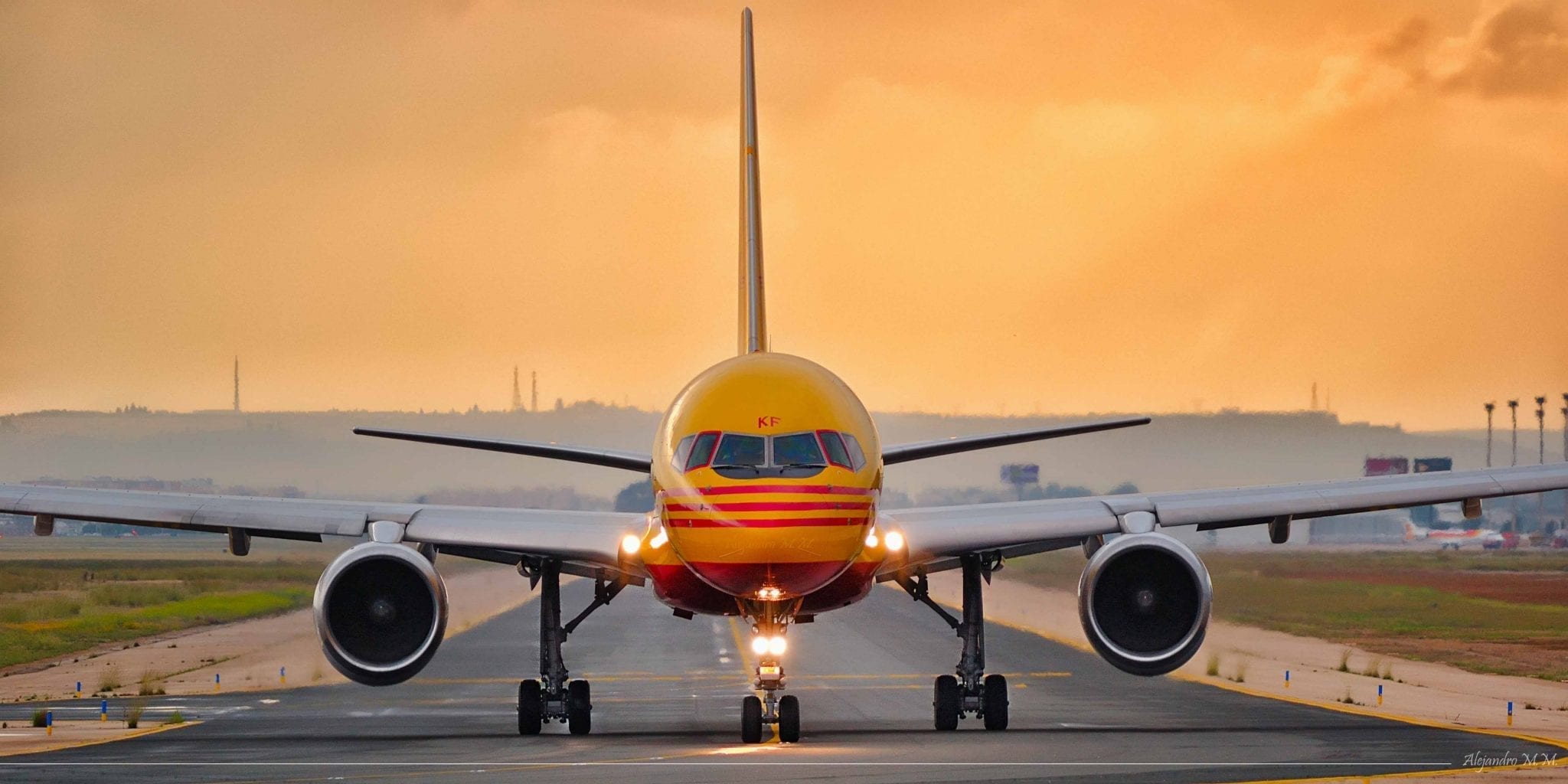
    DHL Express plans to move into a new cargo building at Hartsfield-Jackson International and create a “gateway to the Southeast” as it expands its presence in the region.

    DHL Express, which serves the U.S. market with only international shipments, saw a nearly 60% year-over-year increase in shipping volume in Atlanta for the March-July period as consumers increasingly shop online during the COVID-19 pandemic.

    “I think it’s fair to say that individuals’ buying behaviors for e-commerce has changed,” said DHL Express U.S. CEO Greg Hewitt. “We’re seeing huge amounts of flow as American buy items from Asia and Europe,” and as people overseas buy American goods.

    UPS and FedEx, the two biggest U.S. shipping companies, also have seen explosive growth in demand for shipments.

    Hewitt said DHL is growing its employee base in the Atlanta area by more than 29% and is starting to invest more in airport operations. “”We see Atlanta being really a growing market for us. We’re going to expand and create a gateway at Hartsfield- Jackson.” He called Atlanta “really our gateway for the Southeast.”

    DHL is moving from a smaller space on Toffie Terrace near Hartsfield- Jackson to the new Cargo Building C, and is adding the needed infrastructure for its operations there.

    “DHL’s expansion into Cargo Building C is welcome and will increase their footprint here, add jobs and lead to more cargo flights into ATL,” Hartsfield- Jackson director of air service development Elliott Paige said in a written statement.

    Hartsfield- Jackson’s 130,000-square-foot Cargo Building C has been in development since 2015. The $27.6 million construction project by JE Dunn was part of the airport’s long-envisioned plan to expand air cargo. It was originally expected to be operational in 2017, but leasing out the building took years. In September 2019, Atlanta City Council approved a 20-year lease with ground handler Worldwide Flight Services.

    DHL is subleasing space from Worldwide Flight Services, according to Hewitt.

    “We’ve wanted to have a bigger facility. Atlanta’s long been on our roadmap,” Hewitt said. He added that the company looked for airports where it could bring in goods from Asia and Europe, with “a good understanding” with Customs authorities.

    “All that moved us towards Atlanta,” he said. “We think it will be kind of a growth center for the next decade.”

    Eventually, the DHL plans to hire about 300 employees at the airport.

    That’s in addition to about 120 jobs for couriers and dockworkers for DHL’s other operations in the Atlanta area. The company has facilities in Norcross, where it is expanding, as well as in Atlanta and Smyrna.

    DHL has flights into Atlanta from its primary U.S. hub in Cincinnati, as well as from New York, and plans to add capacity for more shipping volume.

    ” Cincinnati is growing so fast and so big, we want to de-stress that by opening other gateways,” Hewitt said. ” Atlanta is an attractive airport because of the number of commercial flights that come in.”

    DHL is booking cargo space on Delta Air Lines planes for this holiday peak season.

    In addition to belly cargo space on its passenger planes, Atlanta-based Delta also has converted a Boeing 777-200 ER jet into a cargo-only freighter plane by removing the seats. Delta says it is operating more than 20 cargo-only flights a week.

    By the fourth quarter of next year, DHL will “be in a position to be operating our own cargo fleet direct in from Europe and Asia, rather than have that come down from Cincinnati,” Hewitt said.

    Some of the biggest areas of growth in goods coming from overseas are consumer electronics, clothing, medical equipment and personal protective equipment, he said.

    Hartsfield- Jackson also plans to add a new air cargo facility in the airport’s South cargo area.
  • Cebu Pacific promotes Philippine tourism with ‘Juan Love’ campaign

    Cebu Pacific promotes Philippine tourism with ‘Juan Love’ campaign

    The resilience of the country’s tourism sector was put to the test as local businesses and industries had to deal with the immense challenges brought about by the COVID-19 pandemic.

    However, it also brought out the Filipino spirit of Bayanihan, sparking hope for the nation as everyJuan provided support to one another.

    As an airline that strongly believes in #EveryJuanWillFlyAgain, Cebu Pacific further encourages everyJuan to step up and support the country as it gradually recovers.

    The country’s leading carrier has launched its newest campaign “Juan Love – One love for the Philippines.” At a time when borders are slowly reopening, this online campaign aims to inspire everyJuan to travel again – to see the places they have missed and experience the local culture and cuisine unique to every destination.

    The Juan Love campaign will not only highlight the beauty and wonders of Philippine destinations but will also capture how flying supports the people keeping the tourism industry afloat. Each flight, each tourist will help people sustain livelihoods – everyJuan for everyone.

    As this campaign showcases the scenic spots, thrilling activities, and native delicacies each destination is known for, Juan Love will also shed light on all the local businesses and fellow Filipinos making all these possible.

    “We are delighted that Cebu Pacific came up with this heartfelt initiative. More than rekindling the desire of Filipinos to travel once again, the Juan Love campaign also puts a spotlight on the people whose jobs and livelihoods depend on the inclusive growth brought about by tourism,” expressed Secretary Berna Romulo-Puyat of the Department of Tourism.

    “We are always grateful for the support, and rest assured that we will continuously collaborate with the aviation sector so we may all help our industries, and our economy, recover,” she also said.

    Staying true to its commitment to provide safe, affordable, and fun-filled air travels for everyJuan, Cebu Pacific celebrates local tourism with a series of exciting Juan Love Seat Sales!

    “We have been continuously working hand-in-hand with our partners in the government to help ensure the nation bounces back from this crisis. We believe as more destinations open up for tourist travel, we are able to support the small businesses and communities,” said Candice Iyog, Cebu Pacific Vice President for Marketing and Customer Experience.

    “With the launch of our Juan Love campaign, we hope everyJuan joins us in showing one love for the Philippines,” Iyog added.

    A total of one million seats to domestic destinations will be up for grabs throughout the ‘ber’ months for the Juan Love push.

  • My Volkswagen Connect App Launched

    My Volkswagen Connect App Launched

    Volkswagen India has joined the connected car bandwagon with the launch of the ‘My Volkswagen Connect’ mobile app. The new interactive sim-based app brings connected car technology to Volkswagen cars sold in the country and provides access to a host of features like vehicle telematics, geofencing, remote tracking and more. The app is available for both Android and iOS devices. The new Polo GT TSI and the Vento Highline Plus will get the new My Volkswagen Connect app as standard, the company has said in a statement.

    Commenting on the launch, Steffen Knapp, Director, Volkswagen Passenger Cars India said, “At Volkswagen India, we have relentlessly been working towards enhancing and providing our customers the best of technology and connected solutions. Today, we introduced the upgraded ‘My Volkswagen Connect’ app that offers customer convenience and safety at their fingertips. Customers will have access to real-time vehicle analysis and assistance that would make them aware of their vehicle condition, driving patterns, and enhance the overall fun-to-drive experience that a Volkswagen stands for.”The new Volkswagen connected car app essentially uses a dongle that’s plugged in the car’s on-board diagnostics (OBD) port that relays information on the mobile app. The app offers a range of data that includes the user’s driving style quantifying speed, braking behavior, coolant temperature, acceleration, and rpm. The app also enables users to locate the point of interest and also reach out to customer care or roadside assistance, in case of emergencies.

    The My Volkswagen Connect app also has the provision to scan and store vehicular documents for a paperless record. You can also use the app to set reminders for vehicle insurance renewal. Volkswagen India is offering the app with a three-year subscription for free and three years of warranty. Similarly, Honda Cars India also offers the Honda Connect app on its cars, while Nissan offers the Nissan Connect app on the same lines. It is noteworthy to mention that both companies among several others have been offering the technology for about a few years now.

  • I.T flags big loss as Covid-19 impacts shoppers’ enthusiasm

    I.T flags big loss as Covid-19 impacts shoppers’ enthusiasm

    Multibrand Hong Kong fashion retailer I.T Limited has warned shareholders it will likely post a loss of at least US$38.7 million for the six months to August, such has been the impact of the Covid-19 on sales.

    Chairman Sham Kar Wai said in a letter to shareholders that the Covid-19 pandemic had led to a decline in consumer-spending enthusiasm across the world. While it has offered extra discounts to boost sales volume amid “an incredibly difficult trading environment” sales were down substantially.

    This is the third profit warning the company has issued this calendar year, following earlier announcements in July and August. It is based on initial figures and subjects to change before final results are reported tomorrow, (October 29).

    “Although during the period ended 31 August, the group took rapid and decisive action to reduce costs considerably, the savings in operating costs were not sufficient to offset the decline in sales and gross margin,” he said.

    August’s likely half-year loss follows a deficit of $9.2 million in the same period last year.

    I.T Group operates its own brands, including Chocolate and 5cm, concept stores Izzue and Double-Park; international brands it has local licenses for including Kurt Geiger and Camper; and A Bathing Ape, which the company rescued from Japanese owners in 2011.

  • L’Occitane sales recover fast in APAC

    L’Occitane sales recover fast in APAC

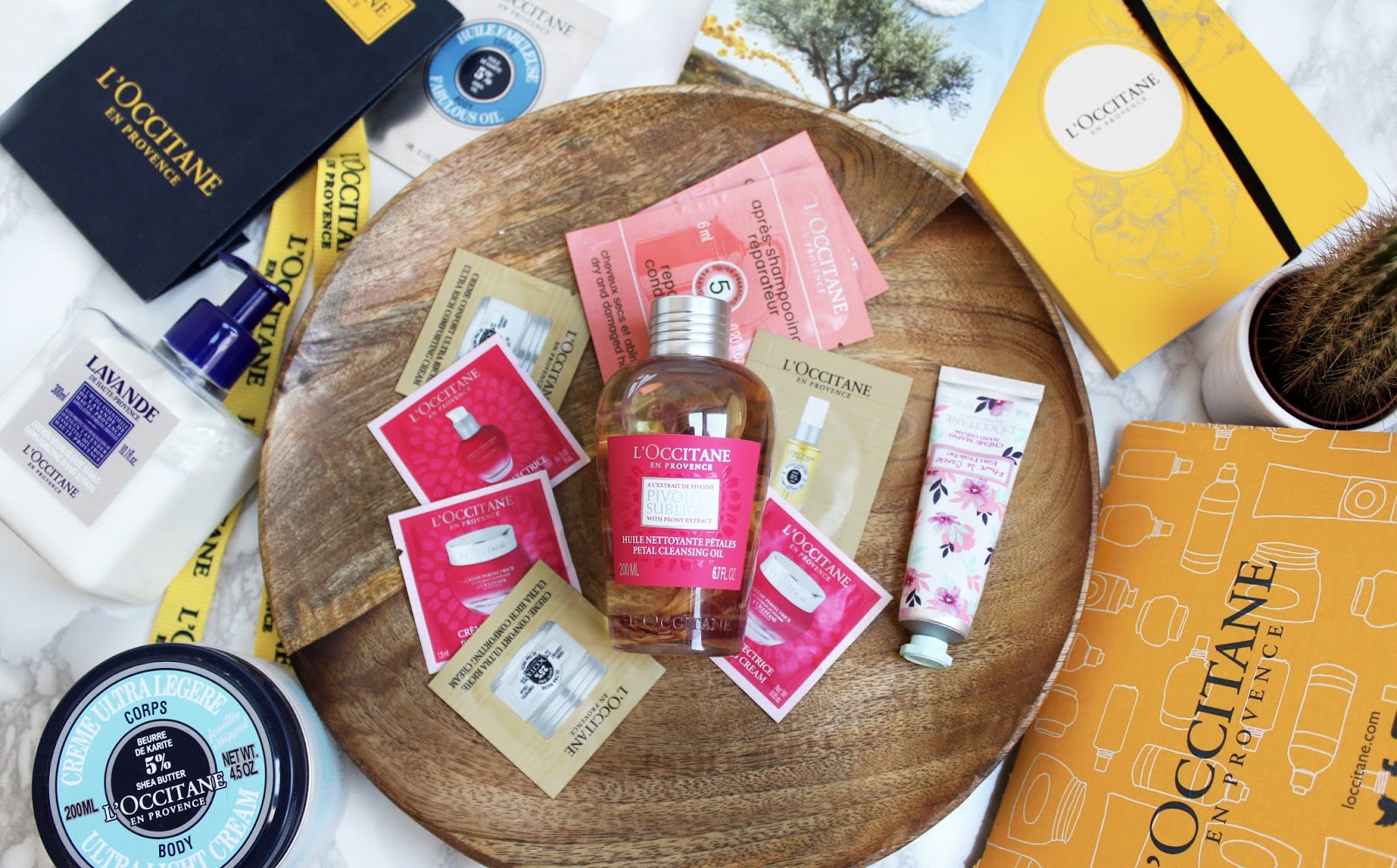
    Beauty products brand L’Occitane saw sales momentum improve significantly in the September quarter as consumers resumed shopping in the wake of Covid-19 lockdowns in much of the world.

    The year-on-year decline in sales improved from 22.2 percent in the June quarter to a more modest 4.5 percent in the subsequent three months.

    Sales for the combined first half-year reached US$726.2 million, down 13.1 percent in the same period a year earlier. Growth in South Korea was the most spectacular – up 37.4 percent year on year, with China close behind, up by 30.5 percent, and Taiwan up by 15.3 percent.

    While foot traffic into physical stores began to recover, the company’s online channels outperformed brick and mortar shops, soaring 80.8 percent to account for 40.7 percent of total sales in the September quarter.

    L’Occitane chairman Reinold Geiger said all of the company’s brands saw significant improvements in sales momentum in the second quarter, compared to the first. L’Occitane en Provence was particularly resilient — its sales decline narrowing from 25.7 percent to 4.1 percent. The travel retail business also showed some improvements, particularly in Asia.

    The group recently commenced a reorganization process aiming to be more efficient and flexible, which will likely lead to the loss of about 300 jobs, primarily in corporate roles, from its global workforce of 9000.

  • HCMC serviced apartment rents hit five-year-low

    HCMC serviced apartment rents hit five-year-low

    The average rent for serviced apartments in HCMC has fallen to a five-year low as the Covid-19 pandemic stifles demand. The $23 per square meter per month price tag in the third quarter marks a 10 percent year-on-year fall, according to data compiled by real estate consultancy Savills.

    Occupancy fell 19 percentage points to 65 percent as there were few international flights entering the country. Foreign businesspeople and experts are the main tenants of serviced apartments.

    In the first nine months, registered foreign direct investment capital in HCMC dropped 28 percent year-on-year to over $3 billion.

    Owners of over 20 percent of Grade B projects are offering discounts of up to 30 percent for long-term tenants or other perks like free utilities.

    The supply of serviced apartments fell 7 percent year-on-year to 6,200 units, with one Grade B project withdrawing 164 units for renovation and a 31-unit Grade C project being converted into office space.

    Eleven projects are expected to boost supply by another 1,300 units in the next four years.

  • Mercedes-Benz To Increase Its Share In Aston Martin

    Mercedes-Benz To Increase Its Share In Aston Martin

    Aston Martin is a celebrated British car manufacturer and the company is not in great shape financially. But in order to make the going easier, Aston Martin has announced that Mercedes-Benz will increase its stake in the company to 20 percent. In return, Mercedes-Benz will grant Aston Martin access to its latest technologies. These also include Mercedes’ technology for plug-in hybrid and fully electric vehicles. What this essentially means is that Aston Martin will reduce the cost and risk of developing its own technology for electrified vehicles and will focus on investment in other areas and expand its model portfolio.

    Lawrence Stroll, Executive Chairman of Aston Martin Lagonda, said “Today, we take another major step forward as our long-term partnership with Mercedes-Benz AG moves to another level with them becoming one of the Company’s largest shareholders. Through this newly expanded agreement, we secure access to world-class technologies to support our long-term product expansion plans, including electric and hybrid powertrains and this partnership underpins our confidence in the future.”

    Mercedes-Benz will provide technology (including powertrain architecture for a conventional, plug-in hybrid, and electric vehicles) for all product launches through 2027. Aston Martin has plans to reach 10,000 unit sales per annum by 2024/25 although there is still a long way to go, with the British company delivering just 2,752 cars so far in 2020, which is a drop of 39 percent over 2019. But a part of that can be attributed to the global corona pandemic as well. Aston Martin’s operating losses for 2020 so far stands at £229m. The company aims to have a net income of £500m with interest, taxes, depreciation, and amortization added back by the mid part of the decade.

    In its recently released financial statement, Aston Martin says that the company has a plan to update its entire front-engined sports car line-up, introduce a new SUV model which will sit along-side the DBX, and launch a new range of mid-engine cars.

  • Tokyu department store leaves Thailand

    Tokyu department store leaves Thailand

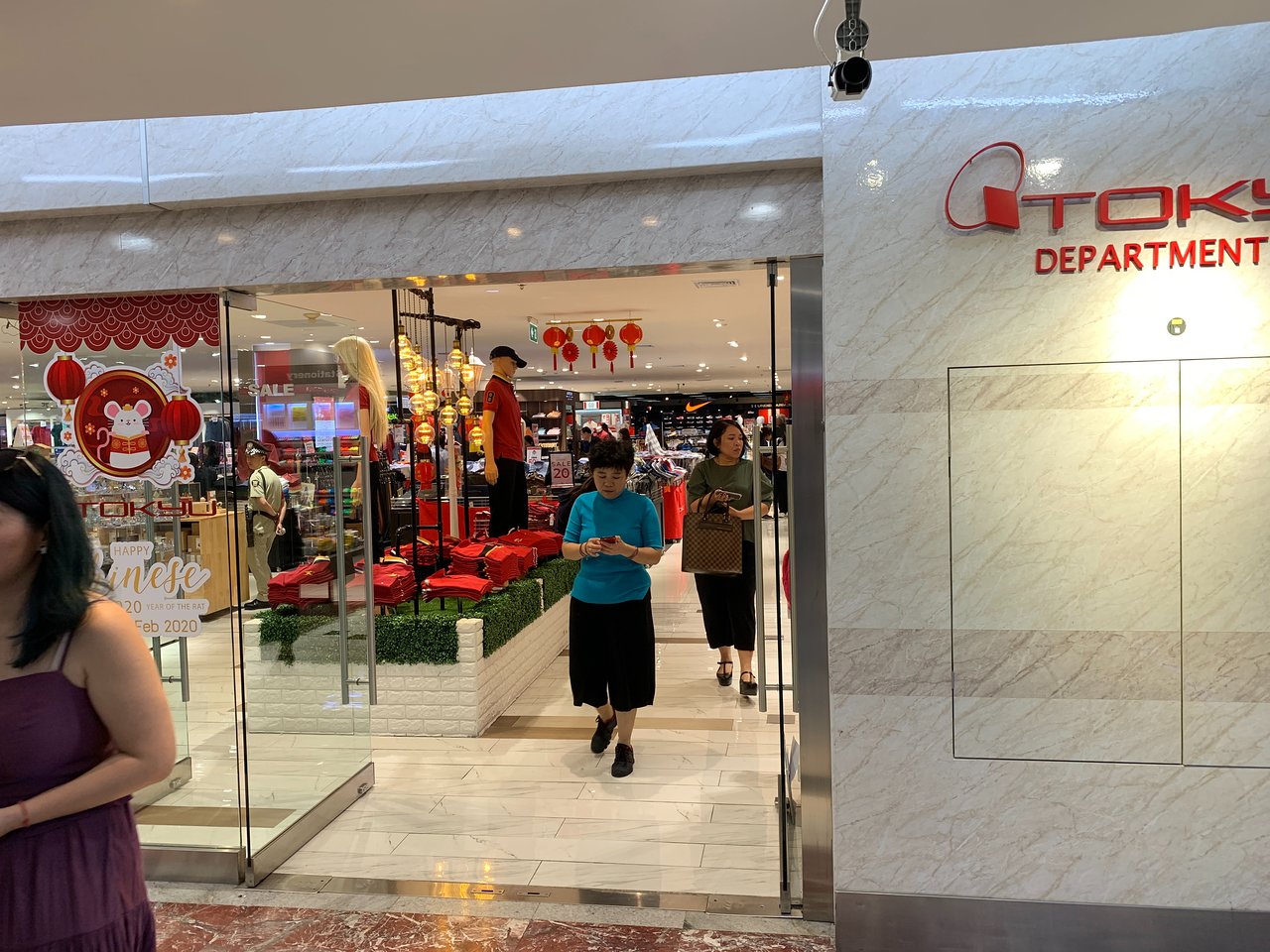
    Japanese department-store chain Tokyu is to exit Thailand, the third Japanese retailer to withdraw from the country this year.

    Tokyu aims to close its last store at Bangkok’s MBK shopping center next January, ending 35 years of trading in the city. The retailer closed its second, newer store at Paradise Park last year.

    The department store has been struggling in the shopping center competition due to the launch of a series of new developments in Bangkok. However, the tourism depression resulting from Covid-19 proved a fatal blow to the company, forcing it to retreat home.

    The closure came suddenly, with the management of MBK saying just two weeks ago that the store would undergo a renovation after the lease agreement was extended for another nine years.

    Tokyu’s withdrawal follows the departure of Japan’s upmarket department store Isetan in September. That company pulled out of Thailand after 28 years of trading there, saying it was unable to continue to compete with other retailers.

    With Tokyu leaving Thailand, Takashimaya will become the only Japanese department-store chain left in the country.

    Another Japanese retailer, FamilyMart effectively withdrew this year after selling its stake to local partner Central Retail, effectively becoming a franchisor.