Author: Mei Ling Tan

  • Fosun finally completes acquiring fashion label Tom Tailor

    Fosun finally completes acquiring fashion label Tom Tailor

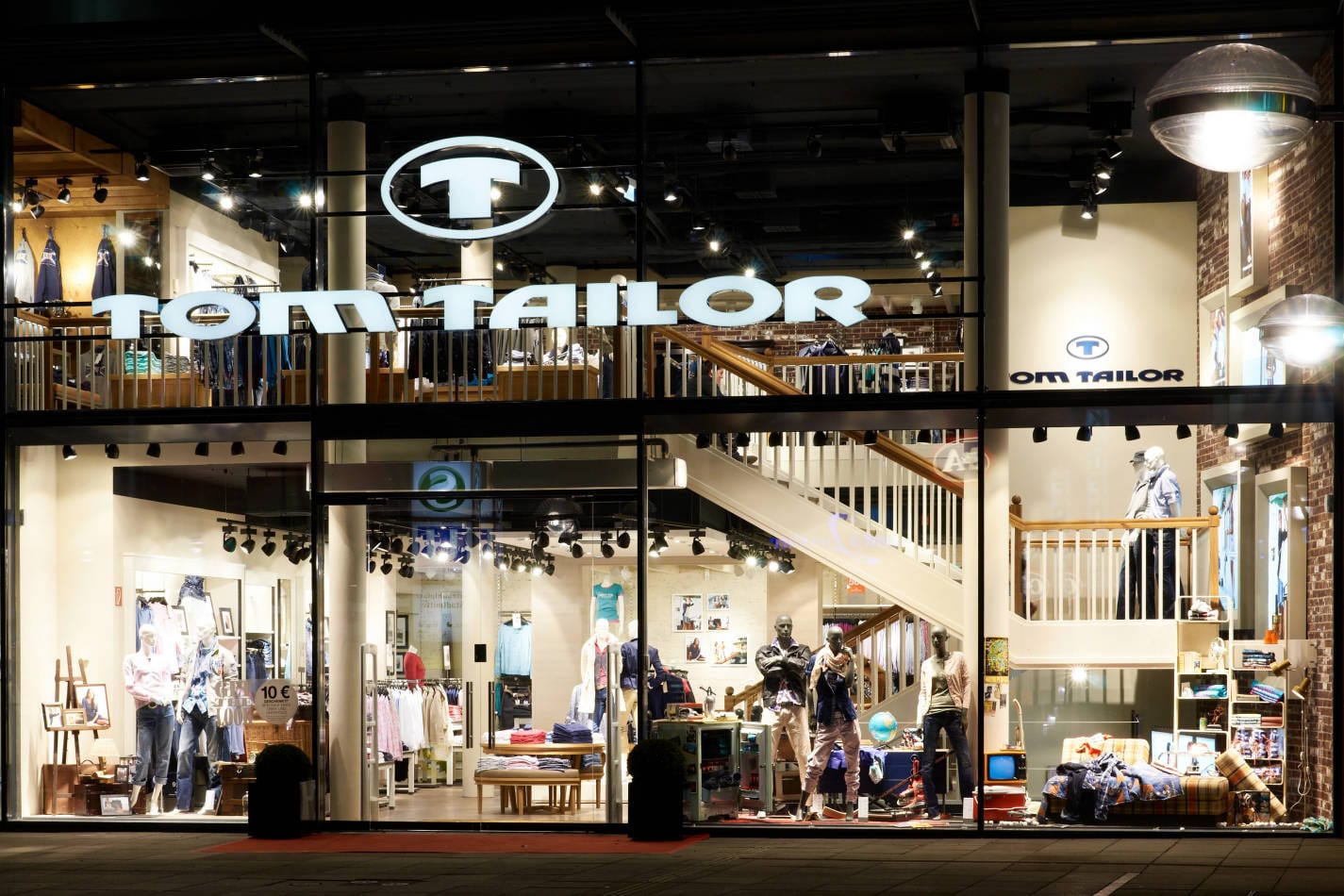
    Fosun International Limited (Stock Code: 00656.HK) today announces to acquire 100 percent of the shares in Tom Tailor GmbH, together with its subsidiary companies. This enables the fashion brand, with around 3,400 employees, to achieve long-term business development and sustainable growth through Fosun’s strategic empowerment and ecosystem.

    Fosun has always believed in the brand value of Tom Tailor since the beginning and has purchased the minority of brand shares of its listing company TOM TAILOR Holding SE as early as 2014. After years of investment and funding, Fosun finally acquired its controlling stake in 2019.

    “Since first becoming a shareholder in 2014, Fosun has been deeply committed to Tom Tailor – and has always believed in the brand and continued to invest in it, even in particularly challenging times for the entire Tom Tailor Group,” said Gernot Lenz, CEO of Tom Tailor GmbH. “The knowledge and experience we have gained together over the years make Fosun the ideal partner to take Tom Tailor GmbH to the next level once again, both during and after the coronavirus outbreak.”

    From now on, Tom Tailor GmbH is hoping for a stronger come back in the fashion market, being able to stay ahead in the competition with Fosun’s steady empowerment. Fosun Fashion Group (FFG), as an important industry sector within the Fosun ecosystem, is continually providing support through investments and aligning with management to ensure that capital and strategy are in place. Thanks to the continued financial support from Fosun, as well as new strategic measures with a clear focus, Tom Tailor GmbH is confident about its future in the industry, at the same time capable of contributing to the fashion ecosystem of Fosun.

    “Fosun is committed to making long-term strategic investments in companies that offer high-quality products and services to families around the world,” explained Xu Xiaoliang, Co-CEO of Fosun International. “As one of the largest fast-fashion brands in Germany, Tom Tailor GmbH has developed a firm market base and an extremely high level of brand recognition among consumers, as well as a fully developed supply chain and logistics system in German-speaking countries. We remain confident about this. We would like Tom Tailor GmbH to become an even more resilient and more fruitful partner for us.”

    Tom Tailor GmbH aims to overcome its current and future challenges and will be able to build on the growth recorded in 2019. With financing secured for all areas of the Tom Tailor GmbH business until September 2024, the company can implement the numerous operational and strategic measures as planned. These measures will primarily address the following five aspects:

    • Improve products: Tom Tailor GmbH will invest in effectively improving the quality and appeal of its products.
    • Increase customer loyalty: Tom Tailor GmbH will introduce a variety of individual initiatives to significantly improve and maintain the loyalty of its customers in the long term.
    • Continue with targeted internationalization: Tom Tailor GmbH aims to continue its successful growth trajectory in several countries outside of its existing core markets, particularly in South-Eastern Europe.
    • Strengthen online business: Tom Tailor GmbH will selectively expand its digital sales channels and online presence for a significant growth online revenue.
    • Improve efficiency: Tom Tailor GmbH will cope with the effects of the COVID-19 pandemic by implementing a bold program to streamline processes along the company’s entire value chain.

    Despite all the challenges, Tom Tailor GmbH’s clear ownership structure and financing arrangements make it one of the few players in the fashion industry, resting on a very concrete foundation for further development. This stability does not only ensure a solid ground for upcoming improvements. It is also going to provide all of the company’s stakeholders – particularly its trading partners, suppliers, financing partners and, of course, its employees – with the reliability required to successfully develop the business going forward.
  • DBS and Keppel to Collaborate Under MOU

    DBS and Keppel to Collaborate Under MOU

    Under the memorandum of understanding (MOU), the two sides will collaborate on a range of initiatives that harness digital technologies to better serve customers and suppliers.

    DBS Bank and Keppel Technology & Innovation have agreed to work together on digital technologies to create more opportunities and efficiencies for both companies, according to an announcement on Tuesday.

    Three areas are covered under the MOU: exploring synergies between Keppel Group’s consumer businesses like M1, Keppel Electric and City Gas, and DBS’ consumer marketplace platforms; developing 5G-enabled digital banking solutions, and developing digital tools and platforms to provide bundled services from both M1 and DBS to large corporates and small-to-medium enterprises (SMEs); and providing digital supply chain financing solutions to Keppel Group’s supplier ecosystem.

    The initiatives will be rolled out over the rest of the year, the announcement said.

    The value of knowledge grows when it is shared. Our collaboration with Keppel’s ecosystem of businesses exemplifies this by demonstrating how the cross-pollination of expertise and networks from different industries can help Singapore seize new opportunities here and in the global marketplace, Tan Su Shan, DBS group head of institutional banking, said about the partnership.

  • Domestic aviation on the road to recovery

    Domestic aviation on the road to recovery

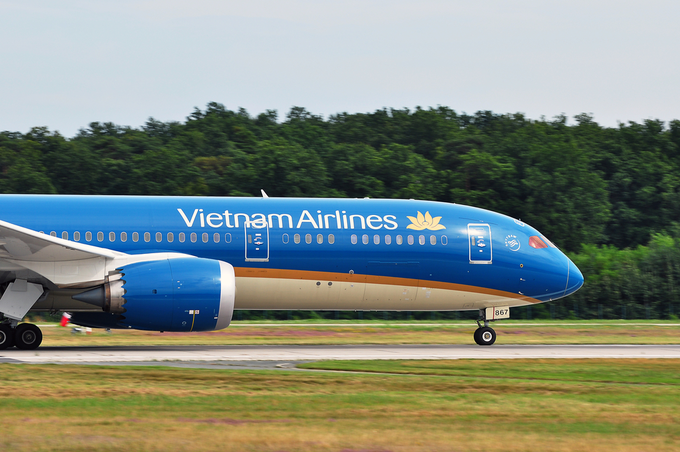
    Vietnam’s aviation industry is gradually recovering with passenger numbers heading toward pre-pandemic levels after a months-long slump. Noi Bai International Airport in Hanoi handled 29,000 passengers daily during the weekend, nearly triple the daily average of August when there was a Covid-19 resurgence.

    To Tu Ha, deputy director of the airport, said there has been a weekly increase of 15 percent since the beginning of September. “As Vietnam is doing well in controlling the pandemic, we expect domestic travel growth to be maintained for the rest of the year as traveling abroad is mostly limited.”

    International flights have been halted since March. Vietnam Airlines currently operates 200 flights a day, with the number of passengers rising from 17,500 in August to nearly 40,000 now.

    It resumed services on six domestic routes this month and increased the frequency of eight others. It plans to resume flying on six more routes next month, including popular travel destinations Da Lat in the Central Highlands and Nha Trang and Da Nang in the central region.

    “The growth in a number of passengers will help us pare trillions of dong in losses from our earlier forecast,” a spokesperson said. The airline had forecast a loss of VND13 trillion ($560 million). Bamboo Airways is also recovering with the number of passengers doubling this month to 12,000-15,000.

    “We expect strong growth in the routes between Hanoi and Ho Chi Minh City and Con Dao Island,” a spokesperson said. Budget airline Vietjet said passenger numbers have risen by 30 percent since last month though still less than in September last year.

    A spokesperson for Vietjet said: “As the aviation market recovers, losses are being reduced. But airlines continue to face difficulties and we still need government support with taxes and fees.”

    Vietnamese carriers are also expecting a revenue boost from the resumption of flights to seven destinations including Japan, South Korea, China, and Thailand, a proposal the government has approved.

    But Dinh Viet Thang, head of the Civil Aviation Authority of Vietnam, said Tuesday that flights to these destinations have not resumed due to the need for Vietnam and these countries to first reach agreement over-testing, immigration, and quarantine protocols.

    Another challenge is that both Vietnamese and foreign carriers are having trouble identifying businesspeople and “experts,” the only categories of non-diplomatic passengers allowed to enter Vietnam, he added.

    The CAAV wants the Ministry of Public Security and Ministry of Foreign Affairs to take this into consideration when issuing visas so that airlines could sell tickets to the right passengers.

    Vietnamese airlines carried 24.2 million passengers in the first eight months, down 35.1 percent year-on-year, according to the General Statistics Office.

  • Maruti Suzuki Launches Its Car Subscription Programme In Delhi, NCR And Bengaluru

    Maruti Suzuki Launches Its Car Subscription Programme In Delhi, NCR And Bengaluru

    Expanding its vehicle subscription program – Marti Suzuki Subscribe, to newer cities, the carmaker today launched it in Delhi, NCR (Noida, Ghaziabad, Faridabad, Gurugram) and Bengaluru. Earlier in August, the company had launched a pilot program for its vehicle subscription model, in partnership with Myles Automotive Technologies, in Pune and Hyderabad. However, this time around, the company has partnered with Orix Auto Infrastructure Services India to offer its car subscription program to individual buyers in Delhi, NCR and Bengaluru. The carmaker says that with this subscription model, it aims to offer easy, and flexible car ownership options to its customers.

    The subscription plan will include a duration ranging from 12 to 48 months, depending on customer preference, and will involve an all-inclusive monthly subscription fee. There will be no down payment, and the monthly charge will cover expenses like maintenance, zero dep insurance, and 24×7 roadside assistance. And all this will be handled by Orix India, through Maruti Suzuki’s dealer channel. To give you an example, the subscription fee for a Swift Lxi in Delhi, for a tenure of 48 months, starts at ₹ 14,463 (including taxes). In July too the company had launched a subscription program with Orix in Bengaluru and Gurugram, but now the prices have come down.

    After the completion of the subscription tenure, the customer can either opt to upgrade to a new vehicle, extend the tenure, or buy the car at market price. Under the new program, customers can select their desired Maruti Suzuki car – Swift, Dzire, Vitara Brezza or Ertiga from Maruti Suzuki Arena, and the Baleno, Ciaz or XL6 from the Nexa line up.

    Commenting on the new ownership program, Shashank Srivastava, Executive Director (Marketing and Sales) Maruti Suzuki India said, “The vehicle subscription market is new to India and as such offers huge untapped potential. Globally, the penetration of such a leasing program varies between 5% and 30%. The comprehensive Maruti Suzuki Subscribe initiative offers customers multiple advantages and peace of mind from the botheration of maintenance costs and insurance renewal. The program is especially focussed to bring convenience to the individual customers.” He further added, “Progressively we aim to offer Maruti Suzuki Subscribe in 40-60 cities in the next 2-3 years.”

    At the time of getting the new car, customers will have the option to register the vehicle in either white plate, that is under the name of the customer itself, or black plate with all India permit, in which case it will be registered in the name of Orix.

  • Google Pay Launches Refreshed App in Singapore

    Google Pay Launches Refreshed App in Singapore

    The refreshed app, which builds on Singapore’s payments infrastructure, now allows real-time money transfers via PayNow for DBS PayLah!, OCBC Bank and Standard Chartered customers.

    Google has launched a new version of its payments app Google Pay, which streamlines money transfers from different banks on one platform and allows customers to make peer-to-peer transfers via PayNow and to merchants via UEN or PayNow QR, which is available on Android and iOS.

    Instead of taking a digital wallet approach, Google focused on everyday relationships its users had between friends and businesses in designing the app, Patrick Teo, director of engineering, Google Pay, said at a media launch on Thursday. The result is an app that makes it quick and easy to transact with people and businesses, which is as simple as sending a chat message.

    Google Pay also includes features like split bill payments, restaurant menus for take-out and delivery, which can be ordered within the app, movie ticket booking, as well as cash-back rewards for payments made using the app.

    SMEs and corporates are leveraging digital to change the way that they buy, sell, and operate. They have to do so if they want to thrive in the post-Covid-19 new normal and e-payments are an important part of that, Melvyn Low, OCBC Bank head of global transaction banking, said.

    Singapore is the first country in Southeast Asia and the second globally after India to offer the new version of Google Pay. The number of PayNow users in Singapore stands at 4 million, with nearly three-quarters of all organizations on PayNow Corporate.

    We believe that we are at a tipping point on digital adoption and building more client-centered solutions and services will provide a further boost to adoption. Building a strong digital ecosystem through industry collaboration will give clients a seamless digital payment experience, Dwaipayan Sadhu, head of retail banking for Singapore at Standard Chartered Bank, said.

  • TikTok asks judge to block a ban against U.S. downloads of the app

    TikTok asks judge to block a ban against U.S. downloads of the app

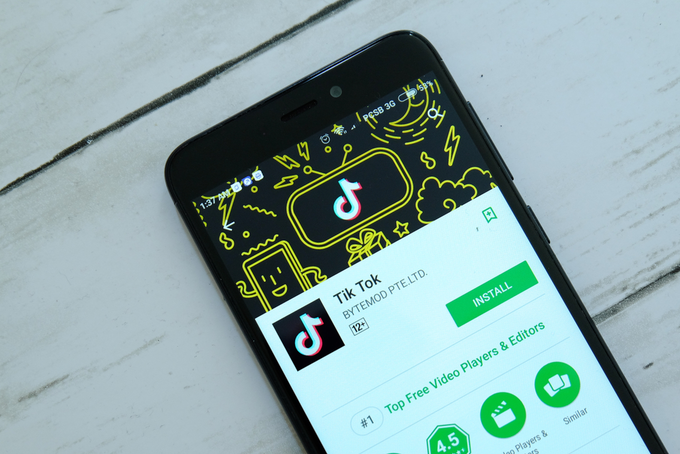
    Starting this Sunday, TikTok will be removed from the Apple App Store and the Google Play Store based on an order from the Trump Administration. On Wednesday, TikTok asked a U.S. judge to block the administration’s order similar to the way a federal judge on Saturday issued a preliminary injunction that prevents the U.S. government from banning downloads of WeChat in the states.

    TikTok is a short-form video app with over 50 million daily active users in the U.S. Extremely popular with teens, subscribers can create 15-second and 60-second videos. Much of the content includes lip-synchs, dances, comedy bits, and pranks. During the pandemic, TikTok became even more popular as it gave those stuck at home something to do. TikTok owner ByteDance is a Chinese company and the U.S. government fears that it is able to steal the personal data belonging to 100 million American subscribers and send it to Beijing. Thus, the Trump administration has called TikTok a threat to national security.

    Downloads of TikTok were supposed to be banned in the U.S. starting this past Monday. But talks between Oracle, Walmart, and Byte Dance over a plan that would give Oracle 12.5% and Walmart 7.5% of a new company called TikTok Global was considered a step in the right direction. Thus, the Commerce Department decided to give TikTok an additional week to get the deal done. TikTok Global would be an American company 80% owned by ByteDance, and President Donald Trump has already given his blessing to this arrangement.

    In the papers that were filed in court on Wednesday, TikTok said that it is not a national security threat. In fact, TikTok said that the restrictions that the Trump administration want to be placed against it “were not motivated by a genuine national security concern, but rather by political considerations relating to the upcoming general election.” If the order against it isn’t blocked by the court, TikTok says, “hundreds of millions of Americans who have not yet downloaded TikTok will be shut out of this large and diverse online community – six weeks before a national election.”

    Chinese State media is not happy about the deal between Oracle, Walmart, and Byte Dance. China Daily and the Global Times said yesterday that there was no reason for a deal to be signed. The papers said that the transaction being discussed is based on bullying and extortion by the U.S. Chinese state news agency Xinhua said on Wednesday that the national security concerns that the U.S. consistently brings up are bogus. The papers wrote, “It is time that other countries saw through the outrageous farce of the TikTok drama, knew what is really at stake, and joined hands to oppose such blatant robberies and maintain a fair global business environment.”

    ByteDance has also applied for a tech export license. The application was made through Beijing’s municipal commerce bureau and ByteDance is awaiting a decision. Last month, for the first time in 12 years, the Chinese government updated the list of technologies that it can ban from export. On that list is the algorithm used by TikTok that determines which videos users get to see. Developed in China, the algorithm cannot be exported out of China which gives the Communist Chinese government some control over the deal that is being worked out between ByteDance, Oracle, and Walmart. There have been some conflicting statements between the companies over the terms of the deal they each reached with the White House which means that we could remain extremely far away from a deal being announced. But again, there is the deadline to think about and once again those in the states who want to download TikTok on their mobile devices might have only a few days to do so. In November, U.S. subscribers might be forced to give up the app forever.

  • National power utility faces financial crunch

    National power utility faces financial crunch

    Vietnam Electricity (EVN) will face increasing financial difficulties in the coming years as its payment obligations to independent power projects keep rising. National utility EVN’s gross margin fell from 15.1 percent in 2015 to 12.9 percent last year due to rising costs of payment to new coal-fired independent power projects (IPPs), a recent report by the Institute for Energy Economics and Financial Analysis (IEEFA) says.

    As EVN has to pay these projects a fixed price for their power, as more such plants come online, the sole power distributor in the country will experience a financial crunch. Between 2015-2019, EVN’s own generation capacity shrank from 61 percent to 52 percent of the total system, a ratio that IEEFA Vietnam expects to fall even more rapidly in comping years.

    It estimates that in the next three years, there will be on average 4.4GW of capacity addition annually from IPPs, significantly increasing EVN’s payment obligation. Payment for IPPs, which accounted for 42.7 percent of EVN’s total cost of sales last year, will likely rise to 60.1 percent in 2023, it says. This means the drop in EVN’s gross margin “will likely continue as more IPP capacity with fixed capacity payments comes online.”

    The solution is to increase tariffs, but this has become more difficult this year with the Covid-19 pandemic crippling key industries and cutting jobs.

    A plan to increase tariffs by the end of this year has been suspended as the government now focuses on protecting jobs and ensuring economic growth while keeping inflation below 4 percent.

    EVN also had to offer a 10 percent reduction in billings to customers from April to July, resulting in subtraction of VND6.8 trillion ($292 million) from its revenue.

    The national utility now “faces the risk that if tariff increases cannot keep pace, the new debt will be needed to help meet the company’s growing IPP payment obligations,” the report says.

    It cites credit rating firm Fitch as saying that EVN’s financial profile can be significantly affected if tariffs are not adjusted regularly as it faces major hydrology, currency, and demand risks.

    IEEFA forecasts that EVN could report a loss of VND14.5 trillion this year against a post-tax profit of VND9.7 trillion last year.

  • South Korean department stores refurbished to attract cashed-up MZ shoppers

    South Korean department stores refurbished to attract cashed-up MZ shoppers

    Department stores are undergoing renovations to attract the so-called MZ generation – encompassing the Millennials and Generation Z.

    After its first renovation in 11 years, Hyundai Department Store’s Jungdong branch reopened the ‘U-Plex’ Fashion House on Wednesday in Bucheon, west of Seoul.

    The storehouses 130 domestic and international fashion brands popular among the MZ generation, including the Street Fashion Zone, where the top 10 most-popular fashion brands online are located.

    The largest shopping mall dedicated to sportswear in the greater Seoul area opened on the department store’s fourth and fifth floors, featuring boutiques from Nike, Adidas, New Balance, and 34 other sports brands.

    Lotte Department Store Yeongdeungpo Branch also redesigned its floor space by filling the first and second floors with brands popular among the MZ generation. Cosmetics brands, originally located on the first floor, have been moved to the third floor.

    Shinsegae Department Store Yeongdeungpo Branch also completed renovations to attract younger customers.

  • Ruten Japan launches international website

    Ruten Japan launches international website

    Japanese e-commerce platform Ruten has launched a global website, offering more than 60 million Japanese including snacks, supplements, kitchen appliances, beauty products, and fashion to 13 markets.

    The site is now shoppable from markets including Singapore, Hong Kong, Canada, Indonesia, South Korea, and New Zealand and Ruten Japan says it will expand its product range and add more countries in the future.

    The idea started after Yun Su, CEO of Ruten, saw the increasing demand for Japanese products after traveling became almost impossible with the advent of Covid-19.

    The company has also dedicated a separate category for Covid-19 related products, including facial masks, automatic liquid soap dispensers, infrared thermometers and anti-splatter protective face shields.

    In celebration of its global launch, customers will enjoy free international shipping for orders more than US$50. According to the company, the average delivery time within Asian countries is seven working days.

  • Byredo opening Singapore flagship store

    Byredo opening Singapore flagship store

    Swedish luxury brand Byredo has opened its first flagship store in Singapore.

    Located in Ngee Ann City shopping center, the store offers a wide range of fragrances, leather goods, and accessories.

    The store facade features a gray concrete wall with the brand logo highlighted by white lights. The interior design creates a modern and futuristic vibe by using elements such as metal shelves and metal-framed mirrors. The storehouses three displays in orange, standing out from the plain gray background and carpet.

    Besides launching its first boutique in Singapore, the brand is to launch its first beauty line with makeup artist Isamaya Ffrench next month. The line will include eyeshadow, eyeliner, mascara, lip balm, and lipstick.

    Founded in 2006 by Ben Gorham, Byredo is known for its fragrances, leather goods, and accessories.

  • Pizza chains post double-digit growth

    Pizza chains post double-digit growth

    With over 180 outlets, three popular pizza chains in Vietnam posted double-digit growth last year with combined revenues of over $83 million.

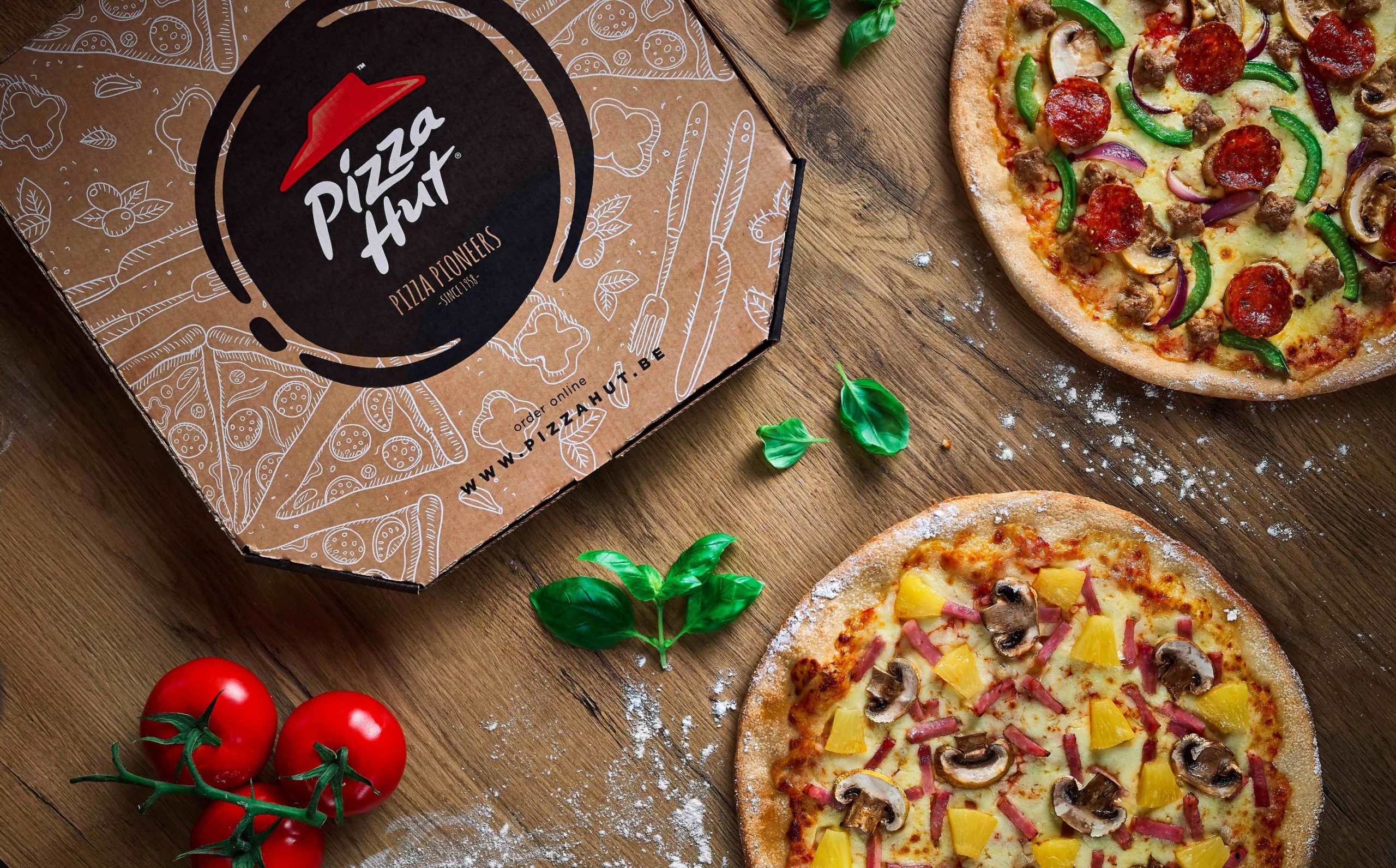
    American chain Pizza Hut was the revenue leader with VND749 billion ($32.2 million), up 22 percent year-on-year; followed by Thailand-headquartered The Pizza Company, which passed the VND600 billion revenue mark last year, up 24 percent; and Vietnam’s Pizza 4Ps with VND568 billion, up 38 percent.

    As one of the earliest pizza chains established in Vietnam, Pizza Hut has had the advantage of being a market pioneer and has now operated for 14 years with over 90 outlets nationwide.

    But as new players entered the market, its growth fell to below 20 percent annually in the 2015-2018 period; even down to 6 percent in 2017-2018.

    Second-placed The Pizza Company has been rapidly expanding in Vietnam since 2013, its number of stores second only to Pizza Hut at over 70 nationwide. It also took the company just six years to pass the VND600 billion revenue mark, while it took Pizza Hut 12 years to record the same figure.

    While it is in third place with just 20 stores, Pizza 4Ps’s revenue last year was only 8 percent behind that of The Pizza Company.

    It was also the only of the three that posted profits of over VND50 billion in the last two years. Pizza Hut has reported losses in three of the last four years while The Pizza Company has done so for three years in a row.

    Euromonitor International, a London-based strategic market analyst, estimated the value of Vietnam’s pizza market at $120 million in 2017.

  • Vietnam opens anti-dumping probe into sugar imports from Thailand

    Vietnam opens anti-dumping probe into sugar imports from Thailand

    The Ministry of Industry and Trade has initiated an anti-dumping investigation into sugar imports from Thailand, which have increased six-fold this year.

    The probe follows complaints by Vietnamese sugar producers that Thai exporters, with a subsidy from their government, are dumping their products in Vietnam and causing damage to the local sugar industry, the Trade Remedies Authority of Vietnam said in a statement.

    The import of sugar from Thailand increased six times year-on-year in the first eight months of this year to nearly 950,000 tonnes, it said.

    Vietnamese producers, represented by six major companies, said the surging imports hit their production, causing it to fall by 33 percent to 800,000 tonnes in the 2019-2020 crop.

    They have sought an anti-dumping duty of 37.9 percent. Vietnam removed import duties on sugar imported from ASEAN countries this year in accordance with the commitments of the ASEAN Trade in Goods Agreement (ATIGA).

  • Amazon Prime Day 2020 finally has a start date

    Amazon Prime Day 2020 finally has a start date

    Everything was delayed due to the COVID-19 pandemic this year, including Amazon’s huge sale known as Prime Day. Typically, Amazon Prime Day takes place in July, but this year, due to obvious reasons, the sale was reportedly delayed for October.

    The initial reports dated early July claimed Amazon Prime Day will be scheduled for the week starting October 5, and that a definitive date will be announced later. However, a new report mentions another start date for Amazon Prime Day.

    Without further ado, Amazon’s Prime Day 2020 will start on October 13, at least according to four people familiar with Amazon’s plans. Although Amazon declined to comment on the date, it looks like the company has already “blacked out vacation for its full-time warehouse workers from October 13-20.”

    It’s important to mention that the sources of this crucial information don’t know how long the sale will last, just the start date. It’s hard to make any assumptions at this time since Amazon has already extended these huge sales in the last couple of years, so it won’t be a surprise to learn that this year we’ll have a 3-day Amazon Prime Day sale event.

    Last year, the annual deal event exclusively for Prime members lasted for two days, whereas the year before it was squeezed into a 36-hour sale event. If the information proves to be accurate, Amazon should make an official announcement in the next couple of weeks, so stay tuned.

  • Google launches Android 11 on Android TV

    Google launches Android 11 on Android TV

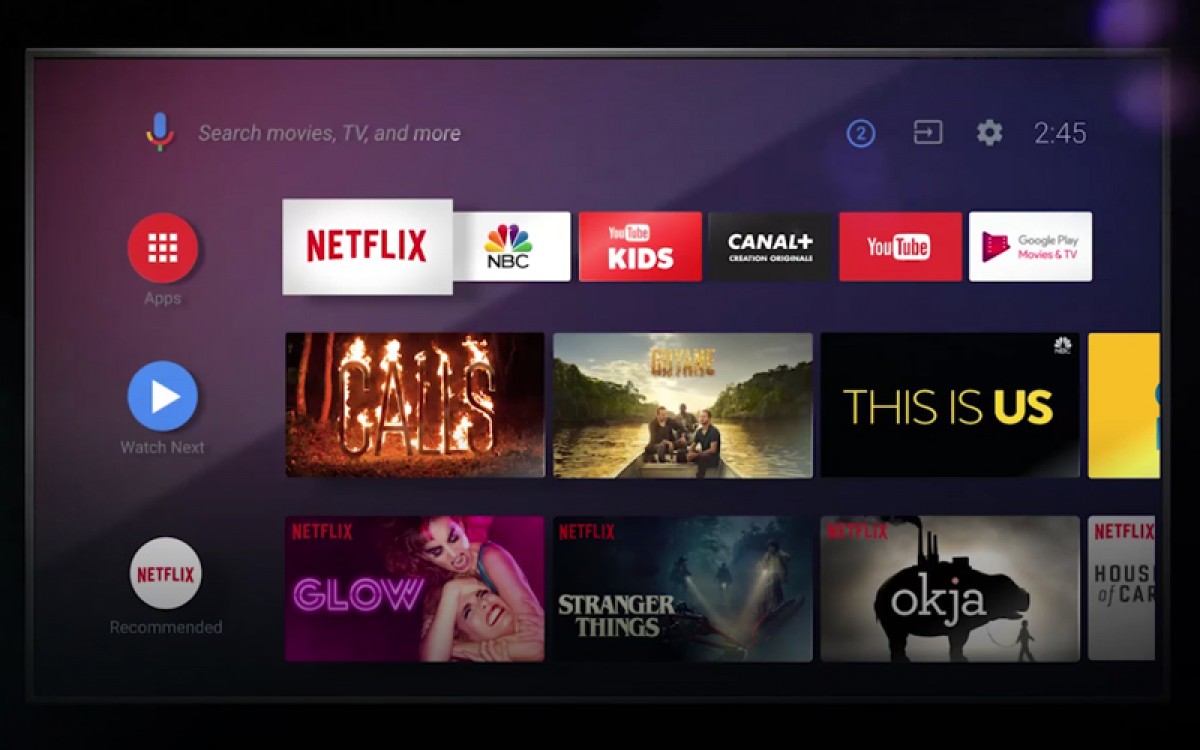
    Google is bringing Android 11 to Android TV devices, the search giant revealed today. Several performance enhancements and privacy improvements will be part of the new Android update, as well as a plethora of new features specifically designed for the TV.

    Among these improvements, Google mentioned enhanced memory management, one-time permissions, and support for Auto Low Latency Mode and low latency media decoding. Since gaming has become such a major part of the entertainment industry, Google is introducing extended gamepad support for Android TV.

    Also, silent boot mode for system updates, inactivity prompts, and OEM configurable wake keys are included in the upcoming Android 11 update for Android TV. All these and more should give users greater control over TV functions.

    And for those interested, testing on Android TV will be much easier with Android 11 thanks to the addition of the so-called “test harness mode,” a feature for third-party app developers that want to automate a device for a fleet of devices.

    According to Google, Android TV OEM partners should release and upgrade to Android 11 over the coming months, so the rollout hasn’t begun yet.

  • 7-Eleven in Taiwan to offer restaurant grade fresh meals

    7-Eleven in Taiwan to offer restaurant grade fresh meals

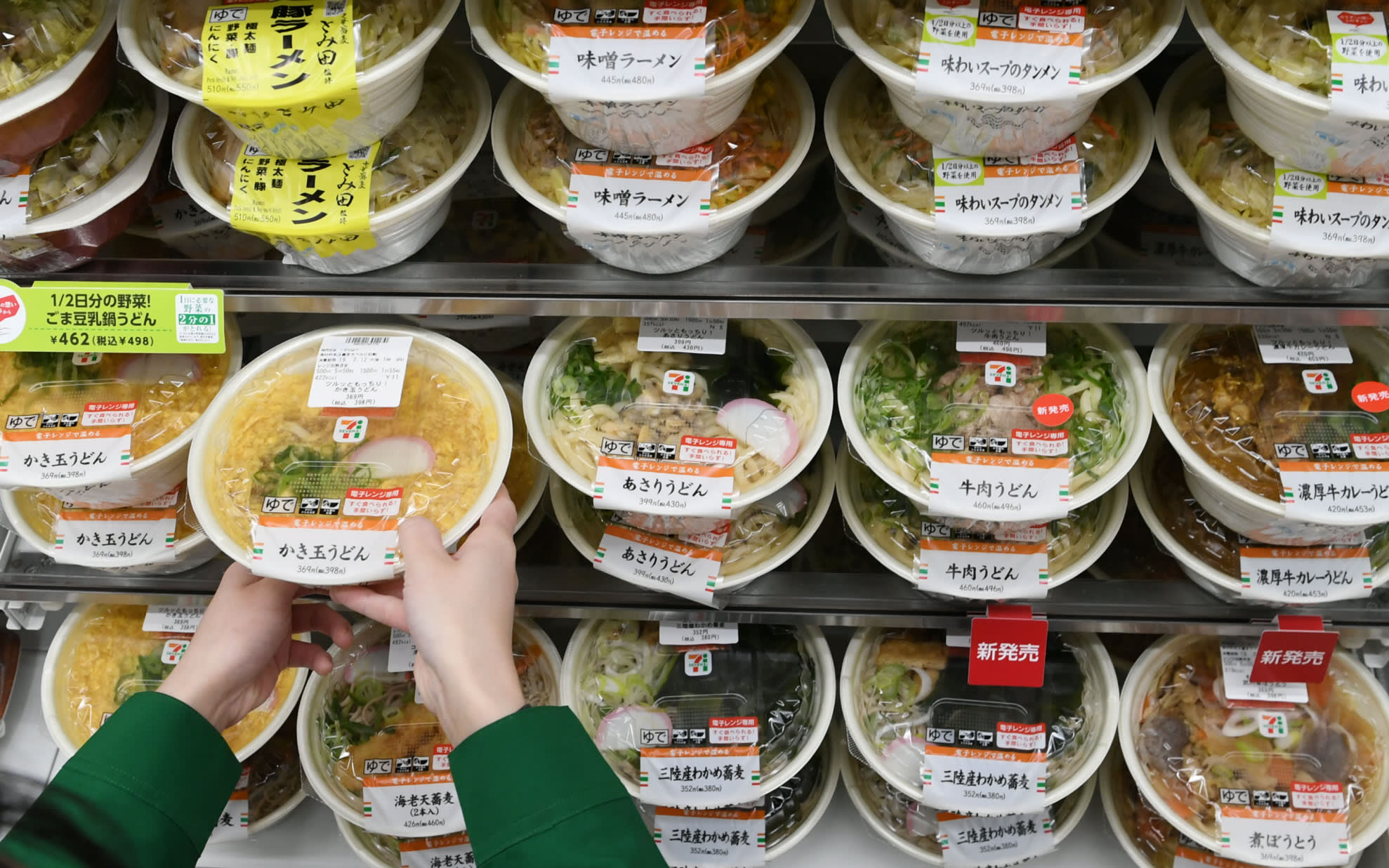
    Convenience store chain 7-Eleven in Taiwan has partnered with a restaurant and a hotel to offer fresh-cooked meals to consumers.

    The service, launching this week at the Dongxing Road outlet in Taipei, will retail assorted boxed meals targeting office workers following seven different menus prepared for the venture by Regent Taipei chefs and restaurant Su/food.

    Customers are invited to place advance orders for the meals, to be picked up on the same or following day at noon. The partnering providers will deliver the meals to the participating stores, which will store them to preserve the temperature.

    7-Eleven in Taiwan expects the venture to increase its meal sales by 10 to 20 percent. After a trial period, the concept is expected to be rolled out more widely.