Author: Mei Ling Tan

  • Skoda To Add 100 New Dealers In India By The End Of 2020

    Skoda To Add 100 New Dealers In India By The End Of 2020

    Skoda Auto India is currently focusing on expanding its footprint across the country. Apart from adding new outlets, the company will also be replacing the existing ones, who do not have enough financial resources to expand with the brand. The Czech automaker is working on the dealer expansion network throughout the country alongside its digital sales growth. The automaker intends to double its dealership network by 2022 as a part of project India 2.0.

    As per the original plan, the company aimed to strengthen its network by opening 124 new dealers by the end of this year. However, the plans were disrupted by the COVID-19 pandemic and the brand has revised its target to 100 new outlets by the end of this year.

    Speaking on the sidelines of the launch of the Rapid automatic, Zac Hollis, Brand Director, Skoda Auto India, said, “We have reduced our target to 100 by this year-end and 130 by the middle of next year. This year we will open new outlets in Bhopal, Mysore, and Guwahati, and new service centers with completely new dealers in Navi Mumbai and other places. This year we will add 27 new outlets.”

    The company also confirmed that it will not be introducing the Kodiaq RS in the Indian market. But, the BS6 Kodiaq TSI model will hit the market by early next year. The recently launched the Skoda Rapid TSI automatic in India with a starting price of ₹ 7.49 lakh and goes up to ₹ 13.29 lakh (all prices ex-showroom).

  • Temenos, Alibaba Partner

    Temenos, Alibaba Partner

    The banking software company is joining up with the Chinese internet giant on cloud-based services. The deal opens a huge new potential market for Geneva-based Temenos: it is joining Alibaba’s cloud services, the company said in a statement on Thursday. In effect, banks can adopt Temenos’ software – Transact – on the Chinese firm’s cloud infrastructure.

    The move represents a massive step forward in so-called software as a service or SaaS. Providers like Temenos are moving towards more piecemeal sales and away from large one-time installations. Much of this is cloud-based, meaning banks can easily and less expensively grab what they need quickly. The technology providers hope for increased recurring revenue as well as scale effects.

    Alibaba and Temenos are currently testing with banks to establish so-called proof of concept, and already have joint customers in the wider Asia-Pacific region, they said. Transact is set up to be compatible with as many data clouds as possible.

    Alibaba, strongly anchored as China’s leading e-commerce and payments firm, is also the leading domestic cloud provider. The cloud subsidiary recently pledged an $28 billion investment in expanding, including hiring 5,000 new staff.

  • South Korean duty-free operators ‘desperate’ amid protracted pandemic

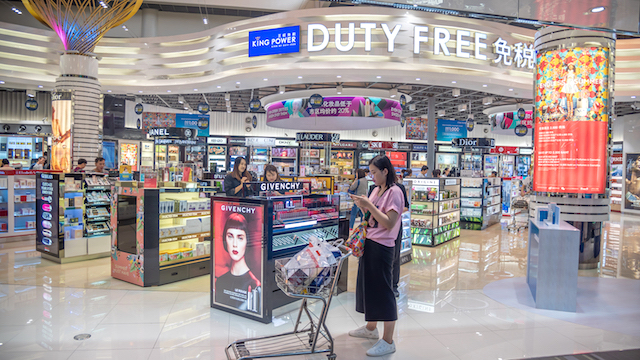
    South Korean duty-free operators ‘desperate’ amid protracted pandemic

    Stung by the protracted new coronavirus outbreak, South Korean duty-free operators are struggling to overcome the industry-wide slump with belt-tightening measures, including increasing the number of closing days at some outlets in major local cities and cutting their overseas operations.

    Industry leader Lotte Duty-Free began closing its outlets at Coex in southern Seoul and the southeastern port city of Busan every Sunday and Monday from this month.

    In April, Lotte decided not to open the two stores every Monday, as the number of customers sharply declined due to the Covid-19 pandemic. The latest move came as a resurgence in virus cases made it difficult to expect imminent business normalization.

    Since late May, Shinsegae Duty-Free has closed its outlets in Seoul’s upmarket southern district of Gangnam and Busan every Sunday and Monday.

    Hit by the virus outbreak, South Korean duty-free operators have suspended the operations of their outlets at major airports either partially or wholly.

    The pandemic has also dealt a blow to duty-free operators’ overseas business. Local duty-free shops had rushed to expand their foray into overseas markets in recent years in a bid to reduce their reliance on Chinese visitors and generate decent profits.

    Lotte Duty-Free plans to close its duty-free stores in Jakarta and Bangkok in the second half and liquidate its units in Indonesia and Thailand.

    In the first half, Lotte withdrew its business from Taiwan. The number of Lotte Duty-Free overseas units will fall to 12 outlets in six countries if it completes the closure of the two units in Southeast Asia.

    Some improvement in sales may give some solace to local duty-free operators, but their revenues remained far below the pre-pandemic level.

    Combined sales at duty-free shops in South Korea in July rose by 12.4 percent from the previous month, as small Chinese vendors returned to scoop up duty-free goods, according to industry data.

    It marked the third straight month of gains since the figure fell below 1 trillion won for the first time in four years in April.

    The number of visitors to local duty-free units topped 500,000 in July, marking the first time in four months.

    “Duty-free sales are tipped to further increase in the third quarter, compared with three months earlier, on the back of the government’s eased restrictions on sales channels of duty-free goods,” said Na Eun-chae, an analyst at Korea Investment & Securities Co.

    To prop up the pandemic-hit segment, the government decided in late April to temporarily permit sales of duty-free goods via local sales channels.

    It also allowed registered foreign buyers to receive duty-free products at their home countries without the need to visit South Korea.

    Meanwhile, major duty-free players are expected to take part in the bidding for new business licenses at the country’s main international airport as they set sights on long-term recovery in the post-Covid-19 era.

    The operator of Incheon International Airport, the country’s main gateway west of Seoul, will close the bidding for new duty-free shop business licenses at six sections, including cosmetics, liquor and tobacco, at the airport’s Terminal 1, on Tuesday.

    In March, Lotte Hotel, Hotel Shilla and Hyundai Department Store Duty-Free won duty-free business licenses at Terminal 1, but Lotte and Shilla gave up the business rights in April amid faltering sales.

    As the airport operator failed to pick new entities, Lotte and Shilla have continued to run their business after extending their licenses.

    Industry watchers expect major duty-free operators to participate in the bidding, as the airport operator has proposed a sharp cut in lease fees.

    “Earnings are still not good, but we are considering participating in the bidding (for the long-term perspective), taking into account the post-pandemic situation,” said an official at a local duty-free operator.

  • Trump claims to have a deal in concept with Oracle, Walmart, and TikTok

    Trump claims to have a deal in concept with Oracle, Walmart, and TikTok

    U.S. President Donald Trump told reporters gathering to see him off to a campaign rally, that he has approved “in concept” Oracle’s bid for the U.S. operations of TikTok. The short-form video app, owned by China’s ByteDance, has been accused by the Trump administration of being a national security threat because it could pass along personal data from U.S. customers to the Communist Chinese government in Beijing. Trump signed an executive order that forced ByteDance to divest itself of TikTok’s U.S. operations this coming Monday, September 21st

    Last week, after several U.S. companies had expressed interest in TikTok such as Microsoft, Oracle, and Walmart, Oracle’s plan was given the nod by ByteDance. However, the administration felt that the plan didn’t go far enough to protect them better than 50 million active U.S. TikTok users. As a result, the U.S. said that it would ban downloads of TikTok in the states starting on Monday morning. Those who have already downloaded the app before Monday would be allowed to continue using it until November 12th unless a deal was approved by the U.S. But everything might have changed following this afternoon’s announcement. What isn’t clear at this point is what the president means when he says that a deal has been approved “in concept.”

    While things are still up in the air at this hour, Trump says that the deal will also include Walmart and hinted that TikTok would be “totally controlled” by Oracle and Walmart, something that he repeated several times this afternoon. “I have given the deal my blessing,” the president said. “If they get it done, that’s great. If they don’t, that’s okay, too.” Previously, the president wanted the companies involved in acquiring TikTok’s U.S. operations to make a payment to the U.S. Treasury. But such a deal would be illegal, something that Trump was not aware of. Still, the president spoke with Oracle Chairman Larry Ellison and Walmart Inc. Chief Executive Officer Doug McMillon on Friday, telling both executives that he still wanted a cash payout for the U.S. government.

    A new company called TikTok Global will be created, according to those in the know, and it will help create a $5 billion fund for U.S. education. Discussing this contribution, Trump stated that “They’re going to be setting up a very large fund. That’s their contribution that I’ve been asking for.” The new TikTok Global will probably be headquartered in Texas and 25,000 people will be hired according to the president. But that figure could not be independently verified. Facebook had 45,000 employees last year while Twitter had 4,900 employees. There is speculation that TikTok Global will hold an IPO and go public within the next year. The president said about TikTok Global, “It will have nothing to do with China, it’ll be totally secure, that’ll be part of the deal. All of the control is WalMart and Oracle, two great American companies.”

    ByteDance will retain TikTok’s algorithm which is used to decide which videos are available to certain TikTok users. China recently announced a regulation that prevents other countries from using any algorithm created in the country. Oracle will get full access to review TikTok’s source code and any updates to make sure that there are no backdoors involved that could be used to steal U.S. subscribers’ personal data.

    TikTok has been a popular destination for teens and others looking to pass time during the pandemic. Users can create 15 or 60-second videos showing lip-synching, dancing, pranks, protests, and more. The app has been installed over two billion times from the App Store and the Google Play Store.

  • Police investigate Saigon Beer copycat

    Police investigate Saigon Beer copycat

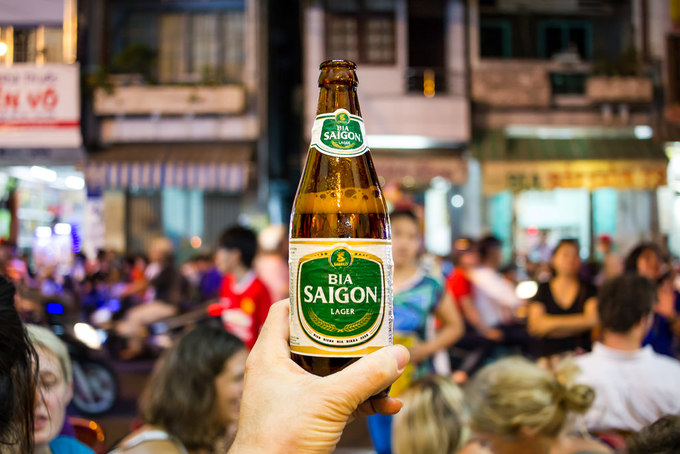
    Police in Ba Ria-Vung Tau Province are investigating a copyright infringement involving Saigon Beer by a former employee of its brewer, Sabeco. They found over 9,000 boxes of the Saigon Vietnam Beer with the brand name and packaging similar to that of the 43-year old Saigon Beer brand produced by Sabeco, the largest brewer in Vietnam.

    The beer is distributed by the Saigon Vietnam Beer Group Jsc., not a subsidiary of Sabeco. Its CEO, Le Dinh Trung, held several positions in Sabeco for years, including assistant to the deputy CEO and head of its legal department.

    Another person involved in the copyright infringement is Tran Thi Ai Loan, a distributor of Sabeco beer for the last four years.

    The original headquarter address of Saigon Vietnam Beer Group Jsc was registered at Floor 9, Vincom Building, 72 Le Thanh Ton, District 1, Ho Chi Minh City, the same as Sabeco. Although the Saigon Vietnam Beer Group Jsc. later changed its headquarters to a different location in Binh Thanh District, its beer packaging carried the old address, confusing customers.

    Authorities said Loan, as a legal representative, had signed a contract with BiVa Beer Brewer in southern Ba Ria–Vung Tau Province to produce the Saigon Vietnam Beer and started distributing the product in May.

    The same month, Sabeco requested the Vietnam Intellectual Property Research Institute to inspect the similarities between the packaging and brand name of the two beers. The institute concluded in June that there were signs of copyright infringement, following which Sabeco requested market authorities to intervene.

    Authorities later found thousands of Saigon Vietnam Beer boxes in the southern localities of Ba Ria-Vung Tau, Binh Phuoc, Soc Trang and Can Tho as well as the Central Highlands province of Dak Lak. Each box was being sold at VND159,300 ($6.91), nearly 12 percent lower than that of Sabeco’s Saigon Beer.

    Vu Tuan Chau, owner of BiVa Beer Brewer, told authorities that they had distributed a total of 4,400 boxes so far. Chau said they only produced the beer to the requirements of Saigon Beer Vietnam and was not aware of any copyright infringement. A lawyer representing Sabeco said that the infringement has damaged their brand’s reputation and misled customers into purchasing the wrong product. Sabeco is working with authorities to continue the investigation, the lawyer said.

    No comments were available from the representatives of Saigon Beer Vietnam at the time of going to print.

  • UBS Mulls VR-Based WFH Traders

    UBS Mulls VR-Based WFH Traders

    UBS is reportedly exploring the option for traders to work from home through simulated experiences via virtual reality headsets.

    The bank is experimenting with creating a trading floor simulation for its London-based staff, according to a report, using Microsoft’s HoloLenses.

    If people really can’t come to the office, can we create a virtual presence?» said Beatriz Martin, head of U.K. at the bank. «We are thinking about experimenting with the tools that are out there.

    The HoloLenses are a head-mounted unit that uses multiple censors, advanced optics and holographic processing that display information and images that can blend in with the real world.

    UBS’s work-from-home efforts extend beyond just its trading operations or the European region. The Swiss bank has already launched a «UBS Workspace» platform which allows employees to have mobile-based access to any files or the information in the exact same format at any time and place.

    Within Asia, 90 percent of employees are able to work from home via «UBS Workspace» with three-quarters of all staff across wealth management and investment banking already being enabled by the platform.

  • Driver Arrested For Sleeping While Tesla Was On Autopilot At 140 kmph

    Driver Arrested For Sleeping While Tesla Was On Autopilot At 140 kmph

    A Tesla driver in Alberta, Canada was arrested for sleeping while the car was cruising at 140 kmph on the Autopilot. “Alberta RCMP received a complaint of a car speeding on Highway 2 near Ponoka. The car appeared to be self-driving, traveling over 140 km/h with both front seats completely reclined & occupants appeared to be asleep,” posted the official RCMP twitter account.

    “The driver received a Dangerous Driving charge & summons for court,” tweeted the RCMP. In a more detailed report on its own website, it was revealed that the driver was a 20-year old whose license was suspended for fatigue. “Although manufacturers of new vehicles have built-in safeguards to prevent drivers from taking advantage of the new safety systems in vehicles, those systems are just that – supplemental safety systems,” Superintendent Gary Graham of Alberta RCMP Traffic Services stated in the RCMP report. It also noted that Tesla’s didn’t come equipped with self-driving systems and onus is still on the driver to drive the car.

    Tesla itself doesn’t allow its users to implement the Autopilot feature for full autonomous use. It also adds a number of safeguards such as reminders and requires the driver’s hand on the steering wheel frequently for staying enabled. That being said, many users have proven the ability to manipulate the system and the same has been pointed out by many on Twitter who noted that this was probably a prank.

    This comes at the backdrop of Tesla’s founder claiming that a big update for its autonomous capabilities is in the works thanks to the neural network it is running on the DOJO supercomputer. The latest Tesla’s run its FSD chips for its autopilot capability while the older ones are based on Nvidia’s semiconductors. Next week, Tesla is also slated to announce some big updates related to its battery tech at its battery day event.

  • Uniqlo launches initiative to recycle its products

    Uniqlo launches initiative to recycle its products

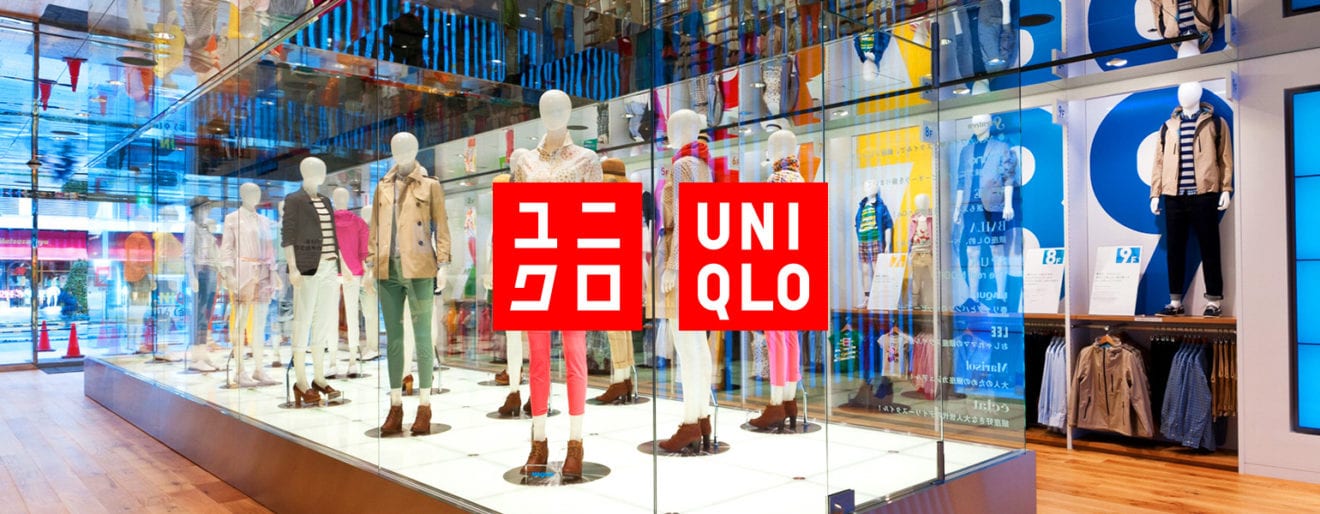
    Japanese apparel business Uniqlo has launched a recycling initiative aimed at reducing the footprint of its products being improperly disposed of.

    Called Re.Uniqlo, the program enables the business to recycle old clothes into new clothes, redistributing old clothes to people in need, and, in Japan only, recycling old clothes into fuel and materials.

    Goods to be recycled can be taken into Uniqlo stores and deposited within Re.Uniqlo boxes. All Uniqlo items are accepted, but the business asks that customers wash clothing beforehand and ensure there are no personal belongings included.

    “We collect second-hand Uniqlo clothes in stores for reuse and deliver them to people in need worldwide in the form of emergency clothing aid for refugee camps and disaster areas together with the United Nations Refugee Agency, NGOs and NPO,” Uniqlo said on its Re.Uniqulo website.

    “And recently, we have been actively recycling clothes into clothes, starting with our own products.”

    The business’s first recycled product, a down jacket, will be on sale later this month.

  • Issues with the Samsung Galaxy S20 Ultra 5G and other high-end-models are frustrating users

    Issues with the Samsung Galaxy S20 Ultra 5G and other high-end-models are frustrating users

    Some of the phones in Samsung’s 2019-2020 flagship lineup are experiencing issues with the indicator that shows how much battery life remains on these models. The particular phones affected include those in the Galaxy S10 and S20 families and the Galaxy Note 10 and Note 20 lines. There are two major problems affecting these phones. One is that the battery (and thus the phone) shuts down before the indicator measuring the remaining battery life hits 1% or less. The other problem is that the phone runs through the last 1%-5% of battery life too quickly.

    Several users confirmed that these battery issues are legitimate. One subscriber with the handle of Ldn_brother wrote: “I can confirm this on the s20 ultra. As soon as I get down below 15% the battery magically disappears rapidly. I’ll be on 6% and all of a sudden my phone has turned off after I pick it up 2 mins later. I’ve kind of learned to live with it, although I know its not right. Never had this with the S4 or S7.”

    One Galaxy S20 Ultra 5G user had a suggestion. He posted “Easy solution, charge your phone whenever possible and don’t let it get that low.” This might sound like an impractical fix, but if you don’t mind spending a few bucks for a power bank (one with a 10,000mAh capacity battery or larger), you might be able to try out this bit of advice to see if there is any improvement.

    If you feel like blaming the blazing fast charging capabilities supported by some of these devices, you might be barking up the wrong tree. For example, it is true that the Galaxy S20 Ultra 5G comes with a 25W charger out of the box, and Super Fast Charging 2.0 does support 45W charging,  But one of the devices having battery issues is the Galaxy Tab S5e, and that slate charges at “only” 15W. And this brings us to another point; while we have been focusing on flagship Galaxy phones, other Samsung devices have had these problems as well.

    So far we have yet to hear from Samsung about these battery issues. Owners of Galaxy devices impacted by this problem should keep their fingers and toes crossed hoping that the manufacturer can solve this issue with a simple OTA update. Or you can take matters into your own hands by calling Samsung yourself and alerting them to the problem. In the states, pick up your phone (and assuming that there is enough battery life on the device) and call 1 (800) 726-7864. The company’s online support site can be found by tapping on this link.

  • Swarovski opens Crystal Studio concept store in KL, Malaysia

    Swarovski opens Crystal Studio concept store in KL, Malaysia

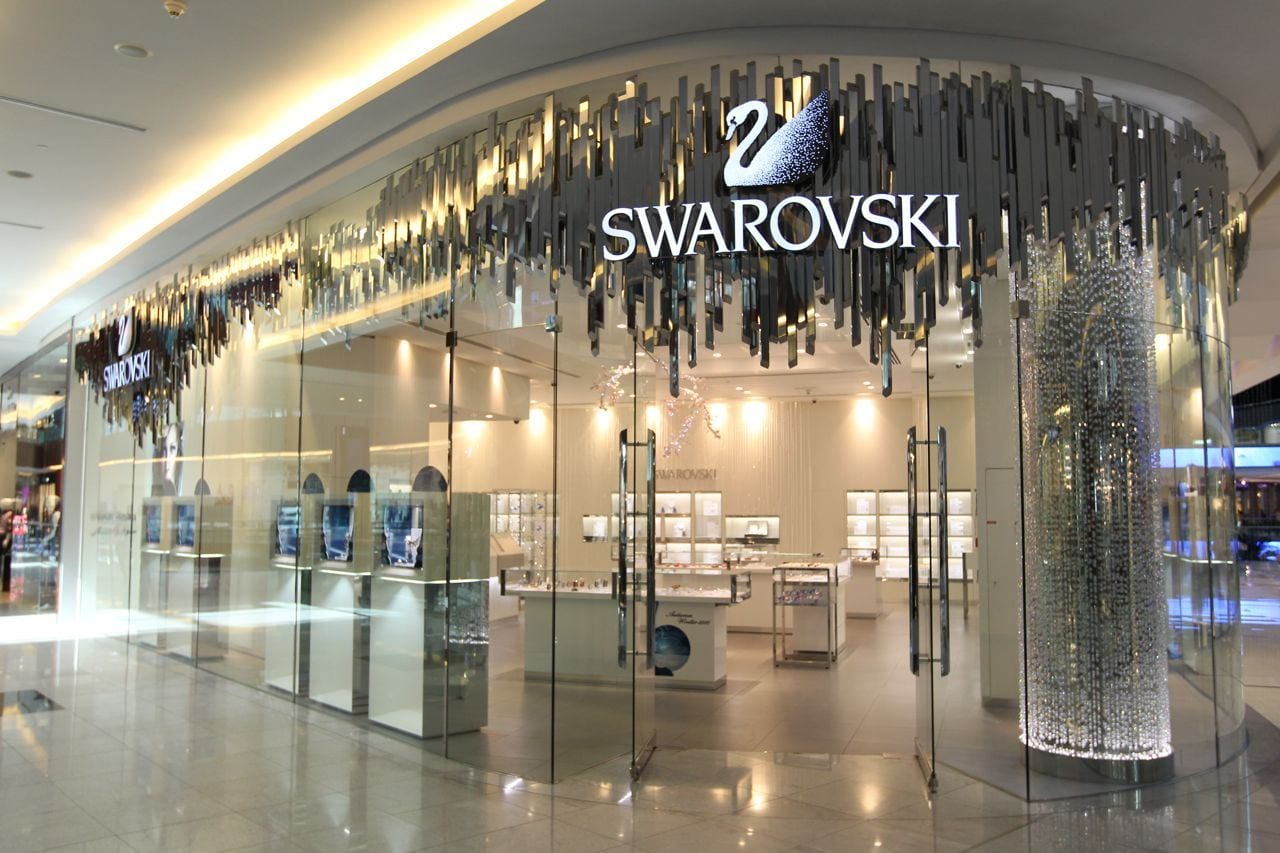
    Swarovski has launched Southeast Asia’s first Crystal Studio concept store, in Kuala Lumpur, Malaysia. Located in Mid Valley Megamall, the store offers interactive digital touchpoints throughout the store, including shop window screens and interactive tablets.

    Designed by Patricia Urquiola, the store concept “follows the last store redesign 10 years ago and heralds a new phase in Swarovski’s differentiated approach to the retail experience,” the company said.

    “The new Swarovski retail concept truly puts consumers at the center,” said Michele Molon, EVP omnichannel and commercial Oo/erations. “We are breaking the traditional distance between staff and customers, facilitating an interactive and continuous dialogue with them.”

    The store theme color is an incorporation of a warm color palette and Swarovski’s signature blue. Crystal Studio Malaysia houses a Crystal Bar, a station where customers can view new products with in-store experts.

    “Innovation, creativity, and the customer are at the core of this exciting new store concept,” said Robert Buchbauer, chairman and CEO, consumer goods business.

    “Before we started working on the aesthetics, we focused on functionality, with the ambition being to meet the digital demands of our consumers while offering them a unique and immersive brand and shopping experience,” he said.

  • Arc’teryx Shanghai opens first global flagship

    Arc’teryx Shanghai opens first global flagship

    Performance apparel brand Arc’teryx has opened its first global flagship store in Shanghai, its largest store to date.

    Called the Arc’teryx Alpha Center, the store occupies an 8000sqft area, offering what the brand describes as an “experiential design and apparel from each of the brand’s performance, lifestyle, and Veilance collections”.

    “We wanted to create a shopping experience that was unique not only to our brand but also to our customers as well,” said Megan Cheesbrough, VP of Retail, Arc’teryx. “As a brand, we want to encourage everyone to enjoy the outdoors, and with this in mind, we’ve decided to bring the outdoors in by incorporating the concept of hut-to-hut touring into our store design.”

    The flagship features four different experiential huts. The Hardshell Hut is located at the store’s front, featuring a triangular kaleidoscope LED screen displaying views of the sweeping Canadian mountain landscape. The Gore-tex Hut features a “rain room,” allowing customers to try on and water-test the technical functions of Gore-tex products.

    While the Hardgoods Hut houses a selection of the brand’s hardgoods, the Brand Hut features a virtual reality module that changes seasonally, a community lounge, and an events board.

    “We want to create an unparalleled shopping experience at Arc’teryx Alpha Center, and one of the ways we could do this is to offer a selection of different products serving different purposes, all in one space,” said Cheesbrough. “Whether you’re looking for a pair of trail running shoes and a climbing harness, or an insulated hardshell and an urban-style coat, we want Arc’teryx to be available to everyone.”

    Arc’teryx operates 30 retail stores across China – 22 branded stores and seven factory outlets.

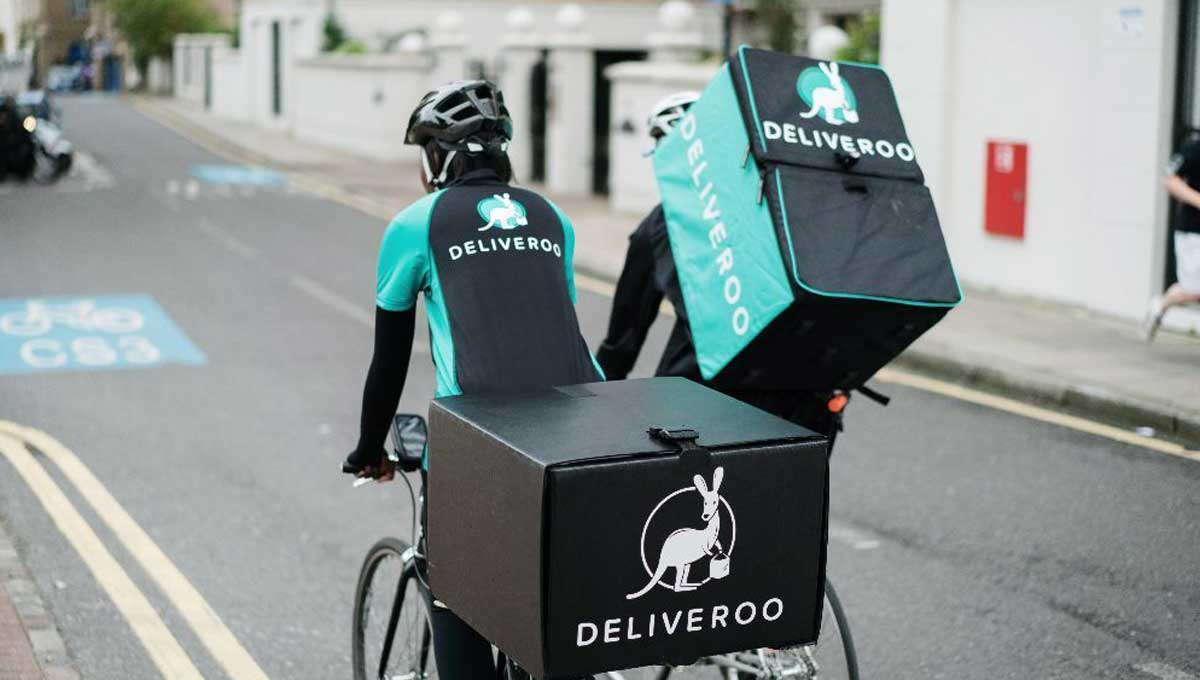
  • Deliveroo Singapore kicks off partnership with Food from the Heart with a pledge of S$10,000 in donations

    Deliveroo Singapore kicks off partnership with Food from the Heart with a pledge of S$10,000 in donations

    Deliveroo Singapore today announced its partnership with Food from the Heart (FFTH), a charity organisation that is devoted to alleviating food insecurity through efficient distribution of food – an issue that affects approximately 200,000 of the population in Singapore.

    The long-term partnership is part of Deliveroo’s community-focused campaign in Singapore, No Child Goes Hungry, to tackle food insecurity among children, with focused initiatives around contributions to philanthropic causes and community service.

    #CleanPlateChallenge: Supporting FFTH to champion food waste reduction

    In the first initiative of the partnership, Deliveroo will be supporting FFTH’s food waste initiative, Clean Plate Campaign, and is calling for solidarity among its customers to join the fight towards zero food waste.

    From 28 September to 16 October, Deliveroo customers can show their support from home by taking part in a social media challenge, #CleanPlateChallenge. To participate, customers must finish their food, take a photo of their clean plate or takeaway box and upload it onto Instagram or Facebook with the hashtag #CleanPlateChallenge, and tag @deliveroo_sg and @foodfromtheheartsg (Instagram) / @foodheart (Facebook).

    Deliveroo will donate S$1 to FFTH for each submission, with donations totalling up to S$10,000. The donations will go towards beneficiaries of FFTH’s School Goodie Bag programme, which focuses on providing underprivileged primary and secondary school students and their families with food rations and better nutrition. The School Goodie Bag comprises food from different categories such as staples, vegetables and proteins and cooking essentials to ensure a well-rounded diet

    The Clean Plate Campaign was started by FFTH in conjunction with World Food Day, marked annually on 16 October, to raise awareness of the environmental and societal impact of food waste and to inculcate the habit of mindful eating. Food waste is a critical issue, especially since the amount of food waste generated in Singapore has increased by about 20% over the past ten years. In the last year alone, 744,000[2] tonnes of food was wasted – equivalent to two bowls of rice per person a day.

    “As a socially responsible company which delivers great tasting food to thousands of consumers’ doorsteps each day, food wastage is a cause close to our hearts. We are always seeking opportunities to give back to the communities we operate in and are determined to help contribute to efforts to reduce the amount of food waste in society. By teaming up with Food from the Heart, we want to inform and empower our customers to play their part in reducing food wastage, and at the same time, give back to those in need. The Clean Plate Campaign marks the first initiative of our long-term partnership with Food from the Heart. We look forward to continuing our support through the No Child Goes Hungry initiative to deliver real, tangible changes that will help our environment and the disadvantaged in society,” said Sarah Tan, Interim General Manager, Deliveroo Singapore.

    “We are deeply heartened that Deliveroo has stepped forward to join our cause of minimising food waste and feeding the hungry needy, more so during these challenging times. The generous donation will go a long way in bettering the lives of our young beneficiaries and their families through nutritious food.  We look forward to a most fruitful partnership in alleviating child hunger together,” said Sim Bee Hia, CEO of FFTH.

    “Times are tough and the School Goodie Bag food pack has helped me a lot. My kids like the food that I make with it and I don’t have to worry about them not having enough food. They can concentrate on their school,” said Amilah, a single mother and FFTH beneficiary.

    Deliveroo Singapore’s partnership with FFTH is the latest in a series of community focused tie-ups. Previous partnerships include WeCare@MarineParade, where Deliveroo riders delivered over 1,000 iftar meals to vulnerable Muslim families during Ramadan, TOUCH Community Services, where Deliveroo rallied customers, restaurants and riders to get behind the Meals-On-Wheels initiative, and social enterprise Glyph, which saw Deliveroo hosting quarterly Food & Cultural Exchanges and offering discounted Glyph membership fees for riders’ children.

  • Push notifications for new episodes feature is finally coming to Spotify

    Push notifications for new episodes feature is finally coming to Spotify

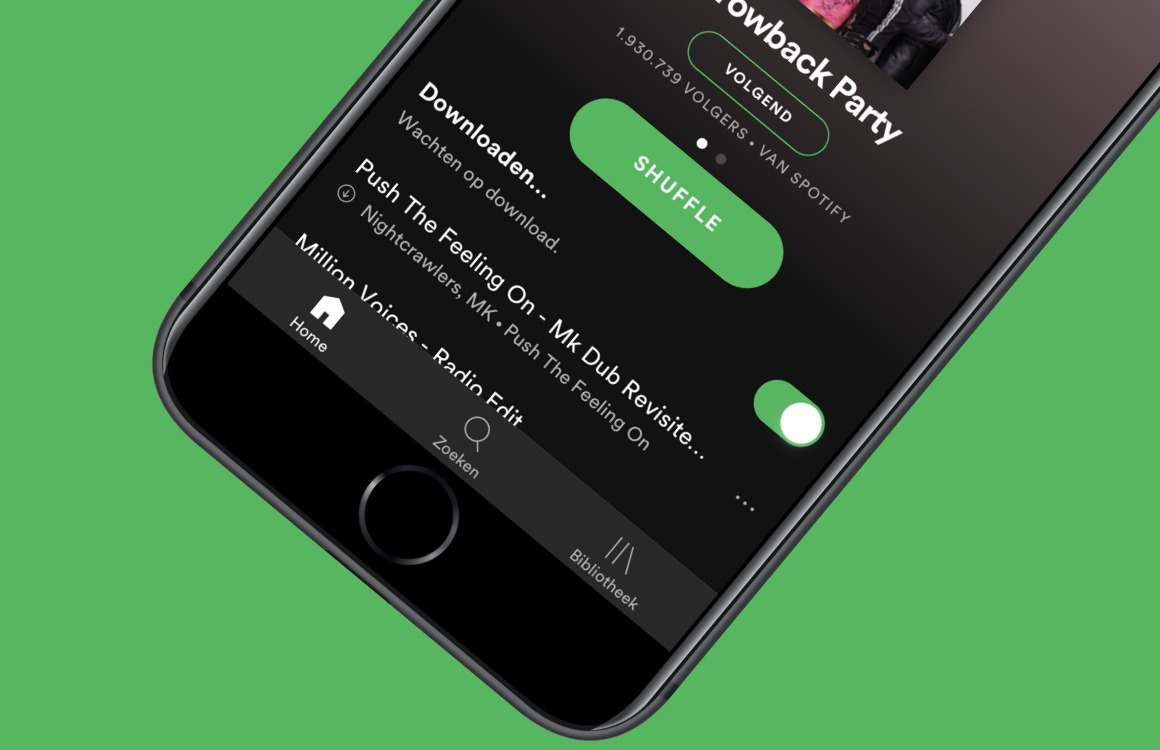
    Spotify is now finally adding a crucial feature to its podcasts section, making users finally able to get notifications for upcoming new podcasts they have followed. Now, thanks to a new update, users will be able to benefit from this feature.

    It may seem evident for an app, supporting podcasts, to have notifications available if you would want to never miss a new episode of a show. However, at the launch of Spotify’s podcast section, and even months after that, Spotify did not offer this possibility to its users. In order to compete with the biggest in the podcast business, this is quite the necessary feature.

    Although not everyone would want to get push notifications, there’s a good amount of people that actually want to be among the first to listen to a new podcast episode of someone they like. Now, in order to benefit from this feature, you need to, quite understandably, follow the podcast series you want to get notifications for and then enable the feature.

    This new feature is available for both premium and free users of Spotify. The update is enrolling starting today for mobile devices, so you should be able to get it pretty soon.

  • Benelli May Launch A New Four-Cylinder Motorcycle

    Benelli May Launch A New Four-Cylinder Motorcycle

    Benelli may showcase a brand-new sportbike with a new inline four-cylinder engine at the China International Motorcycle Trade Expo (CIMA) which will take place at Chongqing from September 19, 2020 till September 22, 2020. CIMA is set to be one of the only large motorcycles shows to be held this year, with both the EICMA and Intermot shows being canceled. Benelli, which is owned by Chinese giant Qianjiang Group, is set to showcase several new and upcoming motorcycle models at the CIMA.

    The brand is teasing the new bike and new engine on the Chinese language website, and there are no details available yet, other than what we can see from the images. And from the looks of it, Benelli will be unveiling a new motorcycle, as well as a new four-cylinder engine, although if both are related is not clear at this stage. The bike may not come fitted with the new engine and has been teased with the image of a covered motorcycle. And considering the image is not of a real motorcycle, it’s difficult to ascertain what kind of bike it will be. But one of Benelli’s most anticipated bikes is the slightly bigger adventure tourer, with a 800 cc parallel-twin engine, and it could very well be that, the new Benelli TRK 800, which will be unveiled at the show.

    If it’s indeed the TRK 800, which will be showcased at the CIMA, then the engine will probably be a standalone unveil. From the pixelated image, it’s not easy to make out the details of the engine, but what is clear is that it’s a four-cylinder motor with double overhead cams and liquid-cooling. From what we can make out, the engine doesn’t look like Benelli’s existing 600 cc inline-four, which is used in the Benelli TNT 600i, so this could be a new engine. The only question that remains is what kind of bike will this new four-cylinder engine be used on? From all indications, Benelli may be planning a new model offensive, apart from updating its existing line-up with new styling and feature updates. More details will be revealed at the CIMA.

  • Foodpanda planning six locations in Japan

    Foodpanda planning six locations in Japan

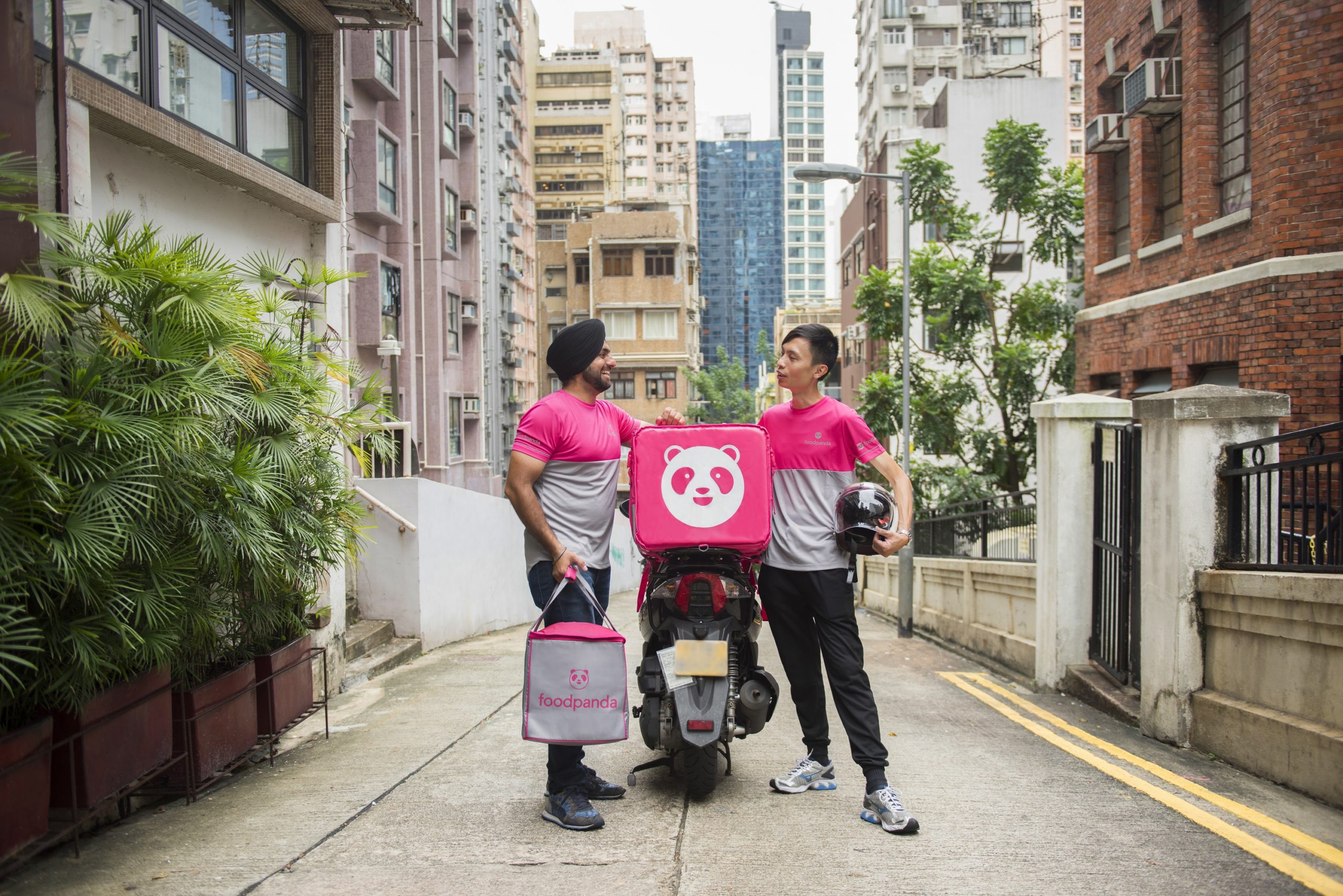
    Food-delivery service Foodpanda is to launch in Japan, its 12th market in Asia.

    During the first phase of the launch, Foodpanda will roll out its service in six cities, including Nagoya, Sapporo, and Hiroshima. The move is part of Foodpanda’s strategy to strengthen its presence in Asia Pacific, with Japan one of the largest and most mature of the region’s consumer markets.

    The service has been launched in three cities – Kobe, Yokohama, and Nagoya – with Foodpanda saying it will commence in other cities from October 1.

    “This is a market we have long admired, and this market expansion is an important step in making food and grocery delivery accessible to everyone in Asia,” says Eric Wei, CEO at Foodpanda Japan.

    Foodpanda Japan will also invest to grow its quick-commerce, where customers will be able to get their groceries within 25 minutes. The Foodpanda app will also offer an in-store pick-up feature.

    The demand for food delivery in Japan has been increasing due to Covid-19. According to Statista Market Outlook, the online food delivery segment in Japan is expected to record 23.6-per-cent growth this year.

    “In the first half of this year, we expedited onboarding and doubled the number of merchants and riders on our platform across the region so their businesses can survive the economic impact, while rider partners can continue to earn a living,” said Jakob Sebastian Angele, CEO at Foodpanda APAC.

    The company said it aims to expand to more markets in the Asia Pacific region. Founded in 2012, Foodpanda operates in more than 300 cities across 12 countries.