Author: Mei Ling Tan

  • AirAsia resumes KL-Singapore flights under RGL scheme

    AirAsia resumes KL-Singapore flights under RGL scheme

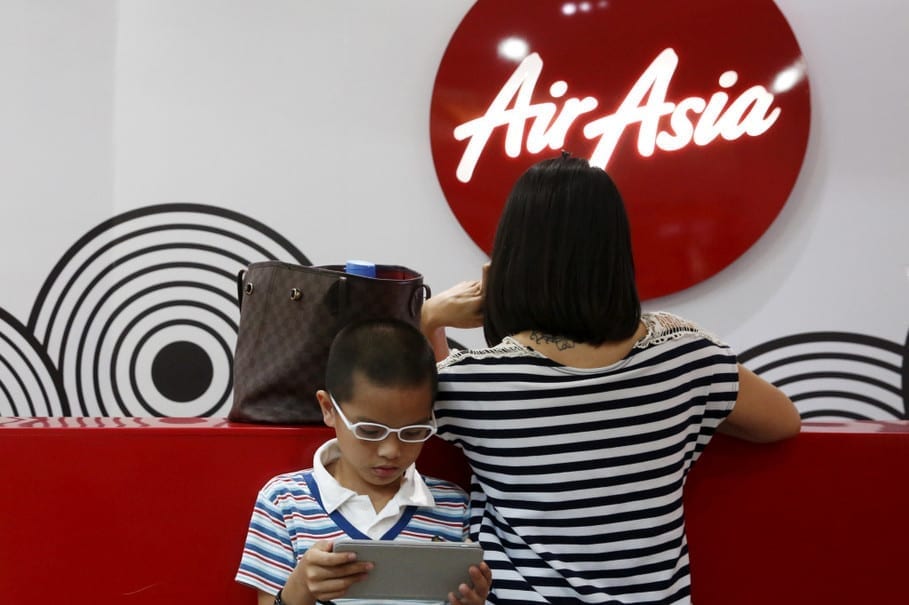
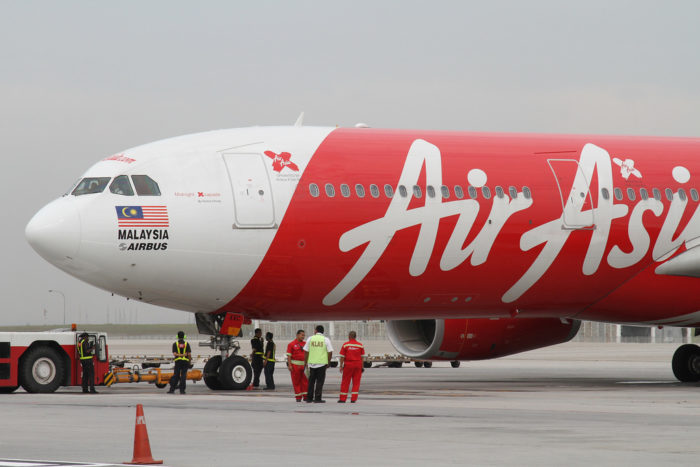
    AirAsia resumed its Kuala Lumpur to Singapore flights today, allowing cross-border travel for essential and official travellers, following the implementation the Reciprocal Green Lane (RGL) scheme by both countries.

    AirAsia Malaysia CEO Riad Asmat said both countries have taken relentless efforts and strict discipline in containing the spread of Covid-19, and the RGL is a first step towards reviving the economy, especially for those who have essential travel needs between both countries.

    “We look forward to seeing more ‘travel bubbles’ and ‘green lanes’ formed between countries with low infection rates or active cases, and proven pandemic curbing systems to facilitate the need for air travel.

    “At the same time, we urge all guests to adhere to the required regulations and follow the safety measures for a safe flying journey,” he said in a statement today.

    The flight departed from klia2 today at 11.50am to Changi International Airport, and returned to klia2 at 2.35pm.

    He said AirAsia will continue to review the suitability of introducing more frequencies between the two countries.

    “AirAsia would like to remind guests of travel requirements set by both countries under the RGL scheme, all inbound and outbound travellers for essential business and official travel between Malaysia and Singapore via the RGL are required to check their eligibility and travel requirements before their scheduled departure,” he said.

    More information on the matter is available on AirAsia’s Travel Requirements page.

  • UBS Asia Head Promises Higher Return

    UBS Asia Head Promises Higher Return

    Asia will contribute a much higher percentage to UBS’ earnings going forward, according to Edmund Koh, the head of the company’s business in the region. One reason is the region’s faster recovery from the corona-crisis.

    Asia contributed 30 percent to the profit of UBS in the first half of 2020, the first time that the region has had such a major impact on Switzerland’s largest bank. While Asia previously contributed with a share of between 14 and 20 percent of group earnings, the division now aims to go beyond 30 percent, said Edmund Koh, the head of UBS Asia-Pacific in an interview.

    The Asian economies seem to be emerging from the pandemic-induced slump much earlier than European and American economies, which is one of the main reasons for the surge in the contribution of the region to UBS earnings. UBS Asia-Pacific pretax profit jumped 71 percent to $233 million in the second quarter compared with a year earlier.

    With plenty of liquidity in the market and very low-interest rates, clients went shopping for higher yields in the first half, which meant that trading was brisk and invested assets rose, according to Koh.

    The banker expects the good earnings momentum to persist throughout the second half of 2020, with July being described as «pretty good». Koh told the newspaper that based on the team’s performance in the first half and since he would expect the unit to maintain the result and end the year on an all-time record.

    The U.S. elections and the economic slump in parts of the world most affected by the pandemic will create more «nervousness» in the market in the second half, which will present more opportunities for investors, Koh added. Overall, trade and consumption will fuel economic growth in Asia in the second half, which gives the bank reason to remain «risk-on» in the region. Singapore and India are the equity markets most preferred by UBS in Asia.

    Koh also suggested that the banking industry may suffer in coming quarters as government support measures end. Still, with UBS being in the market for the wealthy clientele, it is likely to be less affected by the risk of bad debt.

  • Mr DIY revives IPO plan, launches new format

    Mr DIY revives IPO plan, launches new format

    Mr DIY Group has revived plans for a US$500 million IPO following the postponement in March due to the coronavirus.

    The deal, which could be the largest Malaysian IPO in four years, is now pending the enthusiasm of potential investors and could be scheduled for October. It would be singularly responsible for lifting the country’s beleaguered equity capital market, floundering at just $70.7 million worth of IPOs thus far this year.

    Mr DIY saw record sales in May and June following the partial lifting of Malaysia’s movement restriction order.

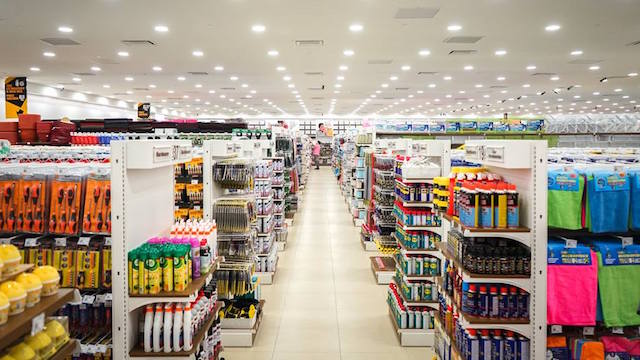
    The firm has recently launched its new dollar store concept in the territory, selling snacks, drinks and food items for either RM2 or RM5, while its core business is now trading in Vietnam through a franchise partner, with two stores already in business and another under construction in Ho Chi Minh City’s Estella Place, scheduled to open in October.

  • China’s retail sales fall as consumers adopt caution

    China’s retail sales fall as consumers adopt caution

    China’s retail sales slipped in July, dashing expectations for a modest rise, as consumers in the world’s second-largest economy failed to shake off wariness about the coronavirus.

    Meanwhile, the recovery in the factory sector struggled to gain momentum.

    Asian markets pulled back on Friday following the disappointing set of economic indicators, which raised concerns about the fragility of China’s emergence from coronavirus.

    China’s recovery had been gathering pace after the pandemic paralyzed huge swathes of the economy as pent-up demand, government stimulus and surprisingly resilient exports propel a rebound.

    However, the data from the National Bureau of Statistics on Friday showed weaker-than-expected year-on-year industrial output growth and retail sales extending declines into a seventh straight month in July. That was slightly offset by firmer property investment, which showed a recent stimulus was supporting construction activity.

    “Looking ahead, we expect a renewed acceleration in infrastructure investment in the coming months as planned government bond issuance continues to ramp-up,” said Martin Rasmussen, China Economist at Capital Economics.

    “This should drive a further rebound in industry and construction, helping to absorb labor market slack, indirectly shore up consumption and keep the economic recovery on track.”

    Industrial output grew 4.8 percent in July from a year earlier, in line with June’s growth but less than forecasts for a 5.1-per-cent rise.

    Retail sales dropped 1.1 percent year on year, missing predictions for a 0.1-per-cent rise and following a 1.8-per-cent fall in June.

    The decline in retail sales was broad-based with garments, cosmetics, home appliances, and furniture all worsening from June.

    A key exception was auto sales, which surged 12.3 percent, turning around an 8.2-per-cent fall in June.

    China’s economy returned to growth in the second quarter after a deep slump at the start of the year, but unexpected weakness in domestic consumption weighed on momentum.

  • Fatburger to buy Johnny Rockets

    Fatburger to buy Johnny Rockets

    Fatburger’s parent, Fat Brands, is to acquire the US restaurant chain Johnny Rockets. The acquisition, worth about US$25 million, is expected to be completed this September.

    Founded in 1986, Johnny Rockets is known for its 1950s diner-style decor, serving hamburgers, sandwiches, hand-spun shakes and malts. The restaurant chain operates more than 325 locations across more than 25 countries.

    “Similar to Fatburger, Johnny Rockets got its start in Los Angeles, and we couldn’t be more pleased to add another true staple in our home city to our portfolio,” said Andy Wiederhorn, president and CEO at Fat Brands. “This acquisition is a transformative event for Fat Brands in terms of scale and brand awareness. We see a lot of synergy with Johnny Rockets and our current restaurant concepts and we are eager to take the brand to new heights.”

    The acquisition of Johnny Rockets will increase the number of Fat Brands’ franchised and company-owned restaurants to more than 700 with annual system-wide sales exceeding US$700 million, according to the company.

    Fat Brands currently owns eight restaurant chains, including Fatburger, Buffalo’s Cafe, Hurricane Grill & Wings, Elevation Burger, and Bonanza Steakhouses, and franchises more than 375 units worldwide.

  • JD outlines aggressive expansion strategy for Mainland China

    JD outlines aggressive expansion strategy for Mainland China

    Chinese e-commerce giant JD is planning on a widespread store network expansion within five years.

    The firm will open 20 E-Space experience stores in first-tier cities, 300 home-appliance flagship stores in prefectural-level cities and 5000 stores in towns and villages by 2025, according to the firm’s senior VP Yan Xiaobing.

    Yan made the announcement at a press conference marking the completion of JD’s full acquisition of home-appliance chain 5Star, commenting that the complete store network “will create a new offline JD”.

    The E-Space stores, known for allowing consumers to try anything in store, will be 50,000–100,000sqm in size, while the home-appliance stores will be 10,000–20,000sqm each.

    5Star, to be renamed JD 5Star, is the third-largest home-appliance chain in the territory, with annual sales of more than US$2.6 billion.

    “The Covid-19 pandemic took its toll on the home appliance industry in the first of this year,” said China Household Electrical Appliances Association director Jiang Feng. “JD’s acquisition of 5Star could play a key role in driving the industry’s transformation.”

  • 7-Eleven launches apparel range with Forever 21

    7-Eleven launches apparel range with Forever 21

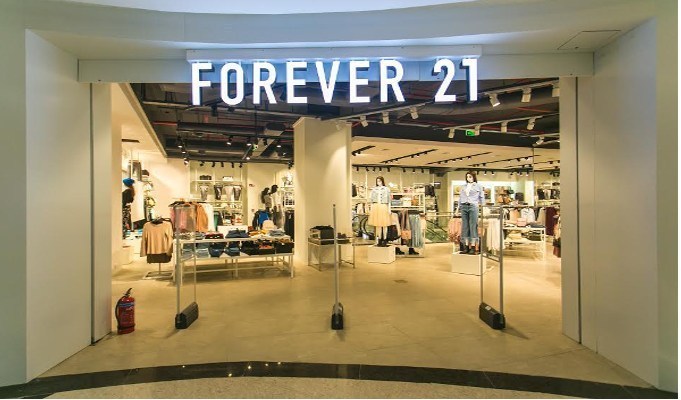
    Forever 21 has teamed with 7-Eleven to launch a casual apparel range, featuring the US convenience chain’s famous logo and soft drinks.

    The US-released 7-Eleven apparel collection comprises 16 colorful pieces, including regular Tees and hoodies, representing the convenience-store chain’s summer drinks – Slurpee and Big Gulp.

    “7-Eleven is a modern breathing brand, but also a nostalgic phenomenon for many,” said Joanna Choo, global creative director at Forever 21.

    “Forever 21 echoes this mindset by presenting a collaboration for its customers that pays homage to everyone’s favorite memory of being out, but staying close to home, heading out for a quick snack run with friends, and finding comfort in the little things.

    “During this time, it makes sense to create a capsule that’s about being cozy but stylist,” she said.

    Forever 21 has launched several promotions on Instagram and TikTok, including a dance challenge, poll, games, and sweepstakes. A Slurpee AR hologram in the Forever 21 app allows followers to take photos and share on social media.

    “When this year turned everyone’s summer plans on their head, including our free Slurpee drink birthday celebration, we were thrilled to add some sizzle to the summer through our collaboration with Forever 21,” said Marissa Jarratt, chief marketing officer and senior VP at 7-Eleven.”

    The Forever 21 x 7-Eleven collection is sold only online.

  • Foot Locker launches Singapore’s largest store on Orchard Rd

    Foot Locker launches Singapore’s largest store on Orchard Rd

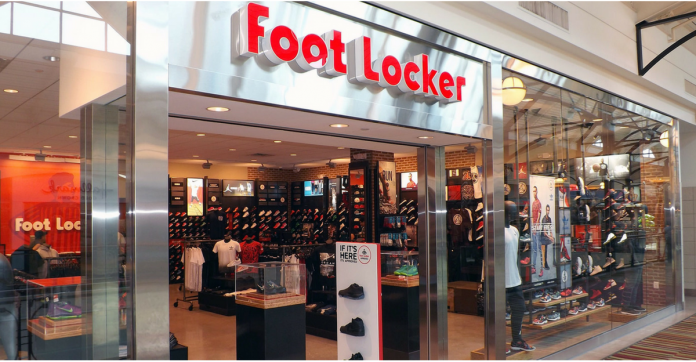
    Foot Locker Singapore has opened its largest store yet on Orchard Rd, celebrating basketball culture.

    Located at Orchard Gateway @Emerald, the Foot Locker store spans five stories, three of which are retail spaces, offering a multi-branded basketball collection.

    Foot Locker Singapore also partnered with local artists MessyMsxi and Clogtwo to feature artworks at both Level 1 and the B2 basketball half-court, expressing the brand’s appreciation for basketball culture.

    “This is where we embarked on our Asia journey and Singapore has really embraced our brand out of the gate,” said Tomas Petersson, GM, and VP at Foot Locker Asia. “Our purpose is to inspire and empower youth culture and our belief is that when we speak to the consumer through the lens of curated brand and product stories via our omnichannel focus, then we connect deeply with the Sneaker and Sport community.”

    Besides basketball collections, Foot Locker Orchard also features a wide range of footwear and apparel from global brands, including Nike, Jordan, Adidas, Puma and New Balance.

    “The Orchard Road store is a pinnacle expression of our brand together with our partners and we are especially proud as a team to deliver this in these challenging times, as this will give the Singaporean consumer a truly unique experience,” said Petersson.

  • Audi India Introduces Ready To Drive Service Campaign With Special Offers

    Audi India Introduces Ready To Drive Service Campaign With Special Offers

    Audi India has rolled out its new Ready To Drive service campaign that brings a host of offers and benefits for its customers. Under the Ready To Drive campaign, customers can avail a 20 percent discount on brake pads, discs, and sensors, as well as a 10 percent discount on Audi genuine accessories, Audi Collection and merchandise for all models. The discount also extends to purchases made on the company’s virtual store. Customers can also avail savings up to 50 percent on myAudi Connect dongle on select vehicles in the range.

    Customers can save up to 20 percent on purchasing an extended warranty under the service campaign.

    Furthermore, Audi is offering savings up to 20 percent on availing extended warranty and service plans as well as the Comprehensive Service Value Package. For cars older than five years at the start of the campaign, customers will be eligible for a complimentary lube service. Customers will need to get in touch with their nearest authorized workshop to avail of the benefits of the campaign. The service campaign begins from August 17 and will continue until September 30, 2020.

    Commenting on the announcement, Balbir Singh Dhillon, Head of Audi India said, “At Audi, the customer is at the heart of everything we do. In line with our overall business strategy, we are happy to announce a service-specific campaign that brings savings and a host of offers that will ease a return to normalcy in the post lockdown period. All our workshops are fully sanitized and are constantly monitored to ensure that maximum hygiene is maintained at all times. We have seen increased aftersales activity over the last few weeks and we look forward to welcoming back our customers to our service centers. It is our endeavor to ensure that all Audis are running at their best, always.”

    The new campaign comes as life across the country goes back to normalcy in a phased manner with vehicles spending more time on the road instead of the garage. The service packages will also help those customers that have had their vehicles parked for a long time since the start of the lockdown.

    Audi India has been on a product offensive since October last year and has introduced four new models so far including the new-generation A6 and A8 L, Q8 SUV, and the RS7 Sportback. The automaker is gearing up to introduce the RS Q8 by the end of this month or in early September. The automaker also commenced online sales and service of its vehicles in May this year in the wake of the lockdown. More recently, the company announced the ‘One App’ that caters to the needs of new and existing customers.

  • Tata Starbucks opens all-women stores

    Tata Starbucks opens all-women stores

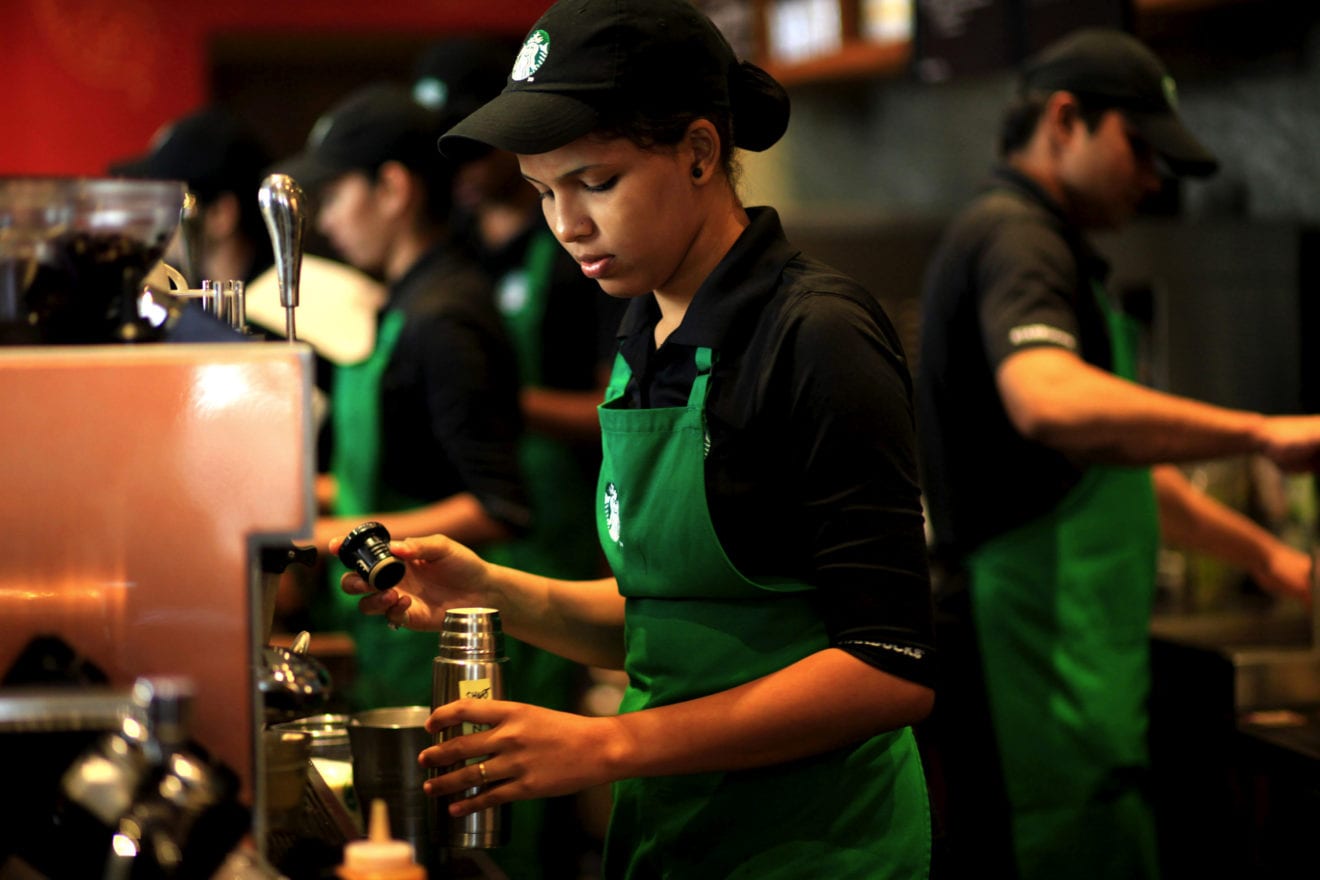
    Tata Starbucks has opened two stores in India operated entirely by women as part of the firm’s efforts to address systemic inequities in opportunities for female workers within the country.

    The two female-staff-only stores are located in Delhi and Mumbai, and constitute a step forward in Tata Starbucks’ commitment to expanding the representation of women in the workforce. The program also includes initiatives to offer opportunities to women that take into account the responsibilities of motherhood. The firm offers 100-per-cent gender pay equity and aims to ensure women make up 40 percent of its total workforce by the end of 2022.

    Tata Starbucks says it will double the number of its female-led stores by the end of this year in the interests of empowering and supporting women leaders.

    “Tata Starbucks remains focused on creating and strengthening opportunities for women and fostering diversity across our organization,” said Tata Starbucks CEO Navin Gurnaney.

    “We are proud to open these all-women stores that will increase our commitment to diversity and inclusion in India and empower our female partners in new and meaningful ways.”

  • Thai, Vietnam retail back at pre-Covid-19 levels says Central Retail CEO

    Thai, Vietnam retail back at pre-Covid-19 levels says Central Retail CEO

    Thailand’s Central Retail Corporation says sales in its home and offshore markets have already bounced back to pre-Covid-19 levels.

    Revealing a loss of US$80.7 million in the June quarter, CEO Yol Phokasub said its businesses are showing a positive sign of recovery, thanks to the group’s agility.

    “Since June, our business in Thailand, Vietnam and Italy has resumed its sales at the same pace as what had happened before the Covid-19 outbreak in February,” he said. “Its profit (EBITDA) has also been positive again.”

    Phokasub said trading at more than 80 percent of the group’s retail space was suspended for more than 46 days of the 91-day second quarter when the pandemic hit all three countries. But despite the restricted trading, the company’s quarterly revenue was down only 21 percent year on year to $1.33 billion.

    Revenue for the first six months of the year reached $3.07 billion, declining by just 10 percent, with a half-year loss of $52.2 million, down by 139 percent.

    Phokasub said the company’s investment in an online model three years paid off during the pandemic as it was able to migrate some trade online.

    “During the Covid-19 crisis, the main factor that allowed the business to continue in a secure manner was solid support from customers, business partners, and the contribution from all employees who whole-heartedly worked hard and adjusted their work to offer the best services to customers, as well as resilient business strategies, including cost, investment, and expenditure management, and an efficient liquidity boost enabled Central Retail to regenerate its profit quickly,” he said.

    “Central Retail foresees the continuous recovery of the business in the second half of 2020 regarding positive signs including the policies of the government and the capability of its new economic team that will be driving the economy, helping SMEs and stimulating employment, especially in retail and service sectors which cover more than 19 million workers. Public health measures are also important.”

  • AirAsia’s charter flights to boost Malaysia’s medical tourism

    AirAsia’s charter flights to boost Malaysia’s medical tourism

    AirAsia is set to grow its medical tourism business by providing charter flight services from Indonesia, giving patients and medical tourists from Indonesia greater access to medical treatments and health services in Malaysia.

    On August 14, AirAsia welcomed its first international medical charter flight from Medan into Penang International Airport. The next medical charter flight from Indonesia will be from Jakarta to Kuala Lumpur on August 24.

    AirAsia set to grow medical tourism business with charter flight service from Indonesia

    The medical charter service will be expanded to other cities in Indonesia and soon develop into an end-to-end service offering under the AirAsia.com platform.

    AirAsia.com CEO Karen Chan said that the carrier is committed to connecting people to their critical needs amid Covid-19 travel restrictions.

    “These are stressful times for families with members suffering from chronic illnesses that require specialized medical treatments. AirAsia is working closely with medical institutions and government authorities to ensure inbound patients have a seamless traveling experience from Indonesia to Malaysia,” she said.

    She added that the airline will continue to work with strategic partners like Island Hospital in Penang, and with the full support of Malaysia Healthcare Travel.

    According to Chan, Indonesia as a country accounts for the highest inbound healthcare tourists arriving into Malaysia.

  • Esprit set to post US$503 million loss

    Esprit set to post US$503 million loss

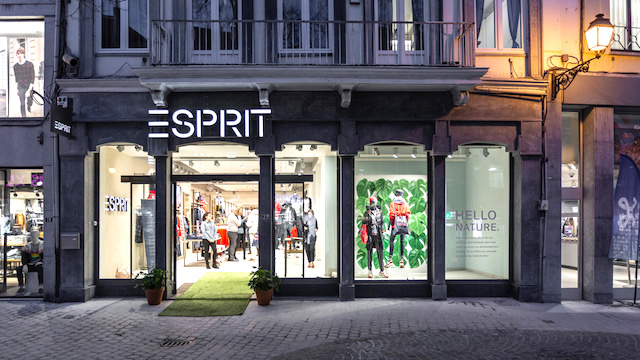
    Enfeebled clothing retailer Esprit has just advised shareholders it expects to post a loss of US$503.2 million when it releases its annual results late next month.

    With its European subsidiaries operating under a form of statutory administration and its shares trading for 12 cents each in Hong Kong today, many investors must by now be wondering if the chain has any reason to continue trading.

    The company said the loss was primarily attributable to the impact of Covid-19 which it blamed for a 24-per-cent decline in revenue from $1.66 billion last financial year to about $1.277 billion this year and another $310 million in impairments on trademarks, property, plant and equipment, provisions for store closures and severance payments.

    Falling sales and massive losses are not the company’s only worries right now. On July 8, Karen Lo of the family that founded Vitasoy called a special meeting of shareholders to vote on the immediate removal of Esprit’s CEO Anders Christian Kristiansen along with CFO and director, Dr Johannes Georg Schmidt-Schultes from the board.

    Lo’s investment vehicle North Point Talent Ltd had spent $17 million boosting its stake in the company from 4.93 percent to just under 13 percent, making it the single largest shareholder before it lodged the requisition. That was withdrawn on July 21 by which time North Point had built its stake to 20.1 percent.

    In an apparent compromise, the board appointed North Point nominees Marc Andreas Tschirner, Christin Chiu Su Yi and Wong Hung Wai as additional executive directors of the company and subsequently declared it had “strong confidence in the Group CEO and Group CFO as well as their management team”

    Earlier in July, Esprit said it would axe 1100 jobs, mostly in Europe, and close another 50 German stores under its court-protected administration process. The company had closed all its Asian by the end of June in an earlier round of cuts as it attempted to reverse years of losses driven by a long-standing inability to design clothes that appeal to its core customer base.

  • Toyota, Mazda Joint Venture Alabama Plant Will Now Cost $2.3 Billion

    Toyota, Mazda Joint Venture Alabama Plant Will Now Cost $2.3 Billion

    Toyota Motor and Mazda Motor Corp said on Thursday they will invest $2.3 billion (1.76 billion pounds) in a new joint venture factory in Alabama, $830 million more than announced in their original plan in 2018. Production is expected to start next year building up to 150,000 future Mazda crossover vehicles and 150,000 Toyota sport utility vehicles annually. The Japanese automakers are expected to receive $97 million in additional tax incentives for the added investment, a person briefed on the matter said.

    The automakers have faced challenges as they continued construction work during the coronavirus pandemic on the plant, which will now cost about 50% more than first estimated. The companies said the higher investment “accommodates production line enhancements made to improve manufacturing processes.”

    The plant continues to target up to 4,000 new jobs and has hired approximately 600 employees to date. “Mazda and Toyota’s increased commitment to the development of this manufacturing plant reiterates their belief in the future of manufacturing in America and the potential for the state of Alabama to be an economic leader in the wake of unprecedented economic change,” Alabama Governor Kay Ivey said in a statement. The companies said the plant’s roofing, siding, floor slabs, ductwork, fire protection, and electrical work is 75% to 100% complete.

    State and local governments in Alabama previously provided more than $700 million in tax incentives. In September, President Donald Trump and Japanese Prime Minister Shinzo Abe signed a limited trade deal that cuts tariffs on U.S. farm goods, Japanese machine tools and other products but delayed the question of auto imports for future talks. Trump threatened hikes but did not raise current auto tariffs of 2.5% on passenger vehicles and 25% on pickup trucks.

    Japan exported 1.7 million vehicles last year to the United States, making up about 10% of U.S. vehicle sales.

  • Apple removes Fortnite from the App Store after Epic added its own purchase system

    Apple removes Fortnite from the App Store after Epic added its own purchase system

    Apple has quite strict rules when it comes to App Store, so developers who want their apps on the iOS ecosystem must respect Apple’s policies. That’s one of the reasons Microsoft couldn’t bring its upcoming Project xCloud streaming service to iOS and, more recently, why Apple has removed Fortnite from the App Store.

    Epic Games introduced earlier today its own purchase system for Fortnite on Android and iOS, which will skirt Apple and Google’s 30% fee on every purchase made through its app stores.

    The company announced a permanent discount on V-bucks, the in-game currency Fortnite is using to buy cosmetics, as well as other cash purchases in the game of up to 20%. In a statement published today, Epic Games said that these are the new prices for Fortnite’s currency on mobile since it introduced its own purchase system that won’t go through either the App Store or Google Play Store.

    Basically, this means that Epic Games no longer pays 30% fees for each transaction it makes in Fortnite through App Store or Google Play Store. As such, the company decided to offer what would have been paid to Apple and Google to the players in the form of a permanent discount on V-bucks. By offering an alternate payment system, we’re not only offering players more choice, but we’re able to pass along the savings to players.

    Unfortunately, the move didn’t remain unsanctioned by Apple, as the company decided to completely remove Fortnite from the App Store just hours after Epic Games added its purchase system in the game.

    The way Epic Games decided to get around App Store’s fees probably infuriate some people at Apple, which decided to show them otherwise. Apple claims that the reason it removed Fortnite from the App Store is that Epic Games rolled out an update for the game without getting permission from Apple. The update introduces the changes to the payment system that we’ve detailed above and would’ve probably rejected by Apple.

    Epic Games took the unfortunate step of violating the App Store guidelines that are applied equally to every developer and designed to keep the store safe for our users. As a result, their Fortnite app has been removed from the store. Epic enabled a feature in its app which was not reviewed or approved by Apple, and they did so with the express intent of violating the App Store guidelines regarding in-app payments that apply to every developer who sells digital goods or services.

    The statement also mentions that there will be no negotiations with Epic Games, so unless the developer doesn’t abide by App Store’s rules, Fortnite won’t return to the iOS store. Apple also states that there’s no room for exceptions, so any Epic Games decision that violates the App Store’s terms and guidelines will be rejected.

    Epic has had apps on the App Store for a decade, and have benefited from the App Store ecosystem – including its tools, testing, and distribution that Apple provides to all developers. Epic agreed to the App Store terms and guidelines freely and we’re glad they’ve built such a successful business on the App Store. The fact that their business interests now lead them to push for a special arrangement does not change the fact that these guidelines create a level playing field for all developers and make the store safe for all users. We will make every effort to work with Epic to resolve these violations so they can return Fortnite to the App Store.

    Fortnite would’ve have been the only app that features its own payment system. Other apps like Best Buy, Uber, and a lot of others don’t pay the 30% fee to Apple for transactions and are allowed to operate normally.

    It’s not surprising that Epic Games’ move comes only days after Microsoft complained about Apple’s strict App Store rules. It looks like several giants that do business with Apple are starting to show their discontent about the way the Cupertino-based company chose to treat their successful products. It’s like Apple wants a piece of everyone else’s pies at any cost, even if that means losing some customers in the long run.