Author: Mei Ling Tan

  • Apple hits two trillion in valuation

    Apple hits two trillion in valuation

    August 2nd, 2018 was a red-letter day for Apple. The little company that was founded by Steve Wosniak and Steve Jobs in April 1976, was worth $1 trillion making it the first public company in the U.S. to hit that figure. And now here we are again, two iPhone cycles later, and the company has become the first publicly traded U.S. firm with a valuation of $2 trillion. However, by the end of the day, Apple’s valuation had fallen back under the two trillion dollar mark.

    Apple closed at $224.37 on March 23rd when the pandemic first started making its presence known in the U.S. At today’s close of $462.83, the stock has more than doubled in almost five months. Just last month, Apple’s valuation surpassed that of state-owned oil giant Saudi Aramco making the tech giant the most valuable publicly traded company in the world. Hitting the $2 trillion mark comes after Apple reported record revenue of $59.7 billion during its fiscal third-quarter earnings report released on July 30th.

    Analysts are calling the 60% gain in Apple’s stock price this year more proof of the outstanding leadership provided by Apple CEO Tim Cook. Part of the reason that the iPhone manufacturer has a rich stock price is that the company is trading less like a tech hardware outfit and more like a sexy software firm. You can see that in Apple’s price-to-earnings ratio (PE) which shows that the company is trading at 33 times earnings. Edward James analyst Logan Purk says, “Over the past four months, the market has really been valuing Apple as a software company. The services business is growing nicely — it seems to give them a multiple over 30, and gives them all the credit in the world for this subscription business. They’re starting to get compared to some really big software heavyweights.” For example, software leader Microsoft trades at 36 times earnings while Amazon’s stock has a PE over 123.

    Tim Cook should get much credit for this. Back in 2015, the year that iPhone shipments peaked, the company decided that instead of trying to focus on selling new iPhone models, it would be able to obtain higher profit margins by selling recurring subscriptions to a large number of iPhone users worldwide. Apple set a goal of doubling its Services revenue from the $25 billion earned in the fiscal year 2016 to $50 billion by this fiscal year. And three quarters into fiscal 2020, the company has generated $39.2 billion in Services revenue; barring a major global economic meltdown in the current quarter, Apple should hit at least $50 billion in Services revenue for this fiscal year.

    The Services unit includes ApplePay, the App Store, iCloud, iTunes, Apple Arcade, Apple TV+, Apple News+, AppleCare+, Apple Music, and more. There are about 1 billion active iPhone users that the company is mining for gold.

    The stock hike helps Apple executives’ restrictive stock units (RSU) gain in value and recently Tim Cook joined the billionaire’s club. It has been a heady rise for Cook who joined Apple in March 1988 as a Senior Vice President. In January 2009, Steve Jobs took a leave of absence leaving Cook in charge. After the ailing Jobs returned, his deteriorating condition forced him to step down for good and in August 2011, Cook once again took the CEO position. The executive has had that position over the last nine years running and during that time, Apple’s valuation has soared from $348 billion to $1.9 billion.

    Later this month, Apple will split its shares 4 for 1. That means that an investor with 100 shares of Apple that currently trades at $462.83, will own 400 shares trading at (approximately) $115.71.
  • Visa launches “Team Shop Chat Thai” lucky draw campaign to help power Thailand’s economic recovery

    Visa launches “Team Shop Chat Thai” lucky draw campaign to help power Thailand’s economic recovery

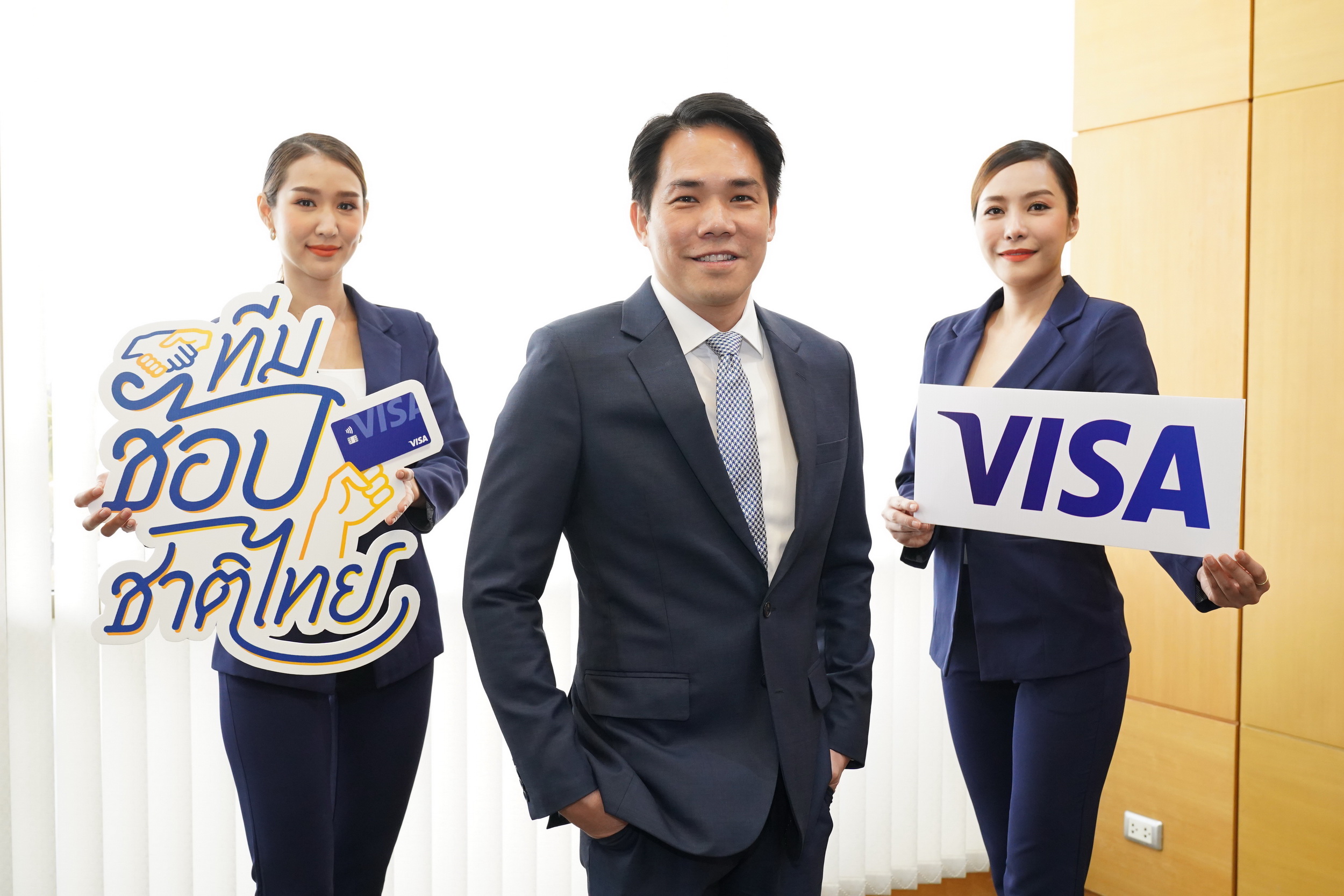
    Visa, the world’s leader in digital payments, today announced the launch of “Team Shop Chat Thai” lucky draw campaign offering rewards to Visa cardholders.  The campaign is a collaborative effort led by Visa, along with its bank and merchant partners, to stimulate local economic activities and support Thailand’s economic recovery.

    Under the campaign, Thai shoppers stand a chance to win prizes worth up to 2,000 baht when spending a minimum of 1,000 baht per receipt on their Visa cards, including credit, debit or prepaid.

    Prizes include a 2,000 baht hotel stay, Thai Smile air tickets to the value of 2,000 baht, and 1,000 baht worth of entry tickets to tourist destinations in Bangkok, Pattaya, Chiang Mai and Phuket.  The total prize pool will see 2,000 prizes to be given away worth a total of 3,000,000 baht.  The campaign runs from today to 30 September 2020.

    Visa has recently announced its cooperation with the Tourism Authority of Thailand (TAT) to expand the acceptance of digital payment locations in Bangkok and five major tourist cities across the nation in a bid provide local businesses with a more hygienic digital payment option and help recapture consumer confidence. Visa has also collaborated with Thailand’s leading FinTech companies to make it easier and faster for Thai social commerce sellers, including individual sellers and small businesses on social media platforms, to accept Visa card payments.

  • Samsung denies moving part of Vietnam smartphone production to India

    Samsung denies moving part of Vietnam smartphone production to India

    Samsung has rebutted reports it plans to shift part of its smartphone production in Vietnam to India, saying the former will continue to be the group’s major manufacturing base.

    Samsung Vietnam said in a statement that its smartphone manufacturing factories in the northern provinces of Bac Ninh and Thai Nguyen are operating as usual.

    Vietnam will always be Samsung’s important production base in the world, it stated on Tuesday, adding that reports on the shift to India are “unfounded.”

    The statement came after India’s Economic Times on August 17 reported that Samsung “may shift a major part of its smartphone production to India from Vietnam and other countries,” citing sources.

    The report said the South Korean conglomerate had submitted estimates of making smartphones worth over $40 billion in the next five years to the Indian government.

    “Samsung is likely to diversify its production lines for making smartphones to India under the PLI (Production Linked Incentive) scheme and this will have an impact in its existing capabilities across various countries like Vietnam,” the English-language daily quoted a source “familiar with the matter” as saying.

    About half of Samsung’s smartphones are produced in Vietnam, where it has invested over $17 billion so far. Its first plant in the country was built in 2008.

  • Citi-Backed Data Management Firm to Expand in APAC

    Citi-Backed Data Management Firm to Expand in APAC

    U.K.-based enterprise data management company Solidatus said it will accelerate its growth plans in the region, following a strategic investment by Citi.

    Citi, the first major investor in the startup, will also implement the Solidatus platform internally at a global enterprise level, according to an announcement on Tuesday.

    Solidatus’ software helps organizations to gain greater insight and control of complex data across operational and technological ecosystems, which allows them to both satisfy regulators and react quickly to change. Its clients include retail giant Walmart and Deutsche Bank.

    The Solidatus solution will support Citi’s ongoing commitment to change management, helping our global infrastructure to stay agile, efficient and robust, Chris Hayward, Citi chief data officer, said in the announcement.

    Solidatus said it sees great opportunities in the Asia-Pacific market, and opened its Singapore office in 2019, which functions as its regional headquarters as it sets its sights on growth in Southeast Asia and China.

    The Singapore office is led by information technology and banking industry veteran John Berven, who previously spent almost 18 years at State Street, most recently as its head of real money FX sales in Hong Kong and Singapore.

  • Updates to Google Maps add more detail to countries and city streets

    Updates to Google Maps add more detail to countries and city streets

    Google has been continually improving the Google Maps app and today some new visual improvements for the app were announced. The changes add more detail to the imagery giving the user more information when taking a virtual drive through an area, or when planning a visit. One update to Google Maps brings a more natural look to an area being viewed on the app. As Google notes, “Exploring a place gives you a look at its natural features—so you can easily distinguish tan, arid beaches and deserts from blue lakes, rivers, oceans and ravines. You can know at a glance how lush and green a place is with vegetation, and even see if there are snow caps on the peaks of mountaintops.”

    This can be achieved through Google’s high-definition satellite imagery that covers 98% of the global population. Add to that a new color-mapping algorithmic technique and Google Maps becomes more vibrant showing better details and more realistic colors that make it easier to understand the environment of a specific area. The color mapping technique starts by using a computer to pick out natural features found in satellite images looking specifically for “arid, icy, forested, and mountainous regions.” These areas are analyzed and assigned different colors using the HSV color model. As an example, Google says that it would use dark green to signify an area with a densely covered forest. A lighter shade of green could be used to show an area of “patchy shrubs.”

    The update to Google Maps leaves the app with “one of the most comprehensive views of natural features on any major map app—with availability in all 220 countries and territories that Google Maps supports. That’s coverage for over 100M square kilometers of land, or 18 billion football fields!” Google states that the “This update is visible no matter what area you’re looking at—from the biggest metropolitan areas to small, rural towns.

    Besides helping users visualize the natural conditions of a country and region, Google Maps will soon be delivering more detailed street information that not only shows the correct scale of a road but will also include the correct shape of it. Correct placements of sidewalks, crosswalks, and pedestrian islands will appear, important information for those in a wheelchair or pushing a stroller. It also is helpful to people taking solo walks due to the pandemic. In the coming months, the detailed street maps will roll out in New York, London and San Francisco with more cities added over time.

    The more natural images will start rolling out this week and can be viewed by zooming out on the app. Google Maps Platform developers will soon be able to use the new look for their maps. You can install Google Maps on your iOS device from the App Store and download it on your Android device by snagging it from the Google Play Store.

    As Google continues to add more and more features to Maps, Apple is also buying working on its mapping app. In June 2018, Apple announced that it was building Apple Maps from scratch and would use its own mapping data instead of using third-party providers like TomTom. Specially designed Apple vehicles have driven 4 million miles to capture more detailed and refined views for users. While Apple tries to catch up with Google, the latter continues to be the unquestionable leader in navigation for mobile device users.

  • Tata Motors Roll Out 1000th Nexon EV From Its Pune Plant

    Tata Motors Roll Out 1000th Nexon EV From Its Pune Plant

    Tata Motors on Tuesday announced a momentous milestone in the EV segment by rolling out the 1000th Nexon EV from its Pune plant in India. The Indian car manufacturer has achieved this significant landmark in just over six months after the launch of the electric vehicle portraying that the demand and interest for EVs are increasing across the country. The Nexon EV has also helped the carmaker to post a market share of 62 percent in the electric car segment in the first quarter of FY21. Tata Motors’ Nexon EV is the first of its new generation electric cars with the Ziptron technology.

    The EV was launched in the country earlier this year in the presence of the Tata Group Chairman, Ratan Tata and Tata Motors CEO, Guenter Butschek. The EV is priced in India from ₹ 13.99 (ex-showroom, India) for the XM variant. However, the top-end variant – XZ+ costs ₹ 15.99 lakh (ex-showroom, India). The electric SUV is offered in three variants – XM, XZ+, XZ+.

    Shailesh Chandra, President – Passenger Vehicle Business, Tata Motors Ltd. said, “Acceptance of EVs is accelerating fast, and we are seeing growing interest in it from all parts of the country. The rollout of the 1000th Nexon EV in a short time span, despite the challenges of Covid-19, reflects the rising interest of personal segment buyers in EVs. Tata Motors will continue to innovate and develop comprehensive sustainable mobility solutions to meet global standards. EVs are the future and as the industry leader, we are committed to making them desirable and a mainstream choice for the customers.”

    The Tata Nexon EV comes powered by the Ziptron technology offering zippy performance and a range of 312 km on a single charge. The EV also gets fast charging capability, IP67 rated battery as well as class-leading safety features, and 35 connected car features. The electric powertrain makes 245 Nm of peak torque, which is enough for the EV to sprint to clock 100 kmph under 9.9 seconds.

    To further accelerate the adoption of EVs in the country, the homegrown automaker has announced an e-mobility ecosystem called ‘Tata uniEVerse’. Powered by Tata uniEVerse, the customers will get a host of e-mobility options including charging solutions, retail experiences and easy financing options.

  • Huawei says existing devices will continue receiving Android updates

    Huawei says existing devices will continue receiving Android updates

    Huawei has confirmed that its devices will continue to receive software and security updates, reports Huawei Central. Last year, Google stopped providing non-public software to the company to comply with a US blacklist.

    The company was provided a temporary relief which allowed it to provide software updates to its existing phones. Handsets launched after the trade ban come with an open-source version of Android and lack key services and apps.

    The temporary general license expired recently and this raised speculations that older Huawei and Honor phones would stop receiving Android updates from Google.

    Huawei says that phones that were released before it was put on the entity list have not been impacted and will keep getting updates.

    As for the new devices which do not feature Google Mobile Services (GMS), updates will be managed through Huawei’s AppGallery. Google had previously said it would keep providing updates as long as the government lets it do so. There is no indication from its side that it will continue sending out updates now that the temporary general license has expired.

    The Commerce Department recently said that the license will not be extended.

    The US shows no intention of letting Huawei off easily as is evident by a recent move that aims to make it even harder for the company to source chips. The company recently said it could no longer make its own chips because of restrictions imposed by the US government and that the Mate 40 will be its last phone to have a Kirin chip.

    Later this year, the manufacturer is expected to launch its first phone with Harmony OS, its own operating system.

  • Shopee dominates online shopping in Vietnam

    Shopee dominates online shopping in Vietnam

    Shopee reported a new web traffic record in Vietnam with 52.5 million monthly visits last quarter, exceeding Lazada’s previous record in 2017.

    The Singapore online shopping platform’s numbers exceeded those of the next two put together, Vietnamese companies Mobile World (25.1 million) and Tiki (21.1 million), according to data collated by Malaysian online shopping aggregator iPrice Group.

    Shopee achieved growth of 21.6 percent from the first quarter, while the three behind it, Mobile World, Tiki, and Singapore’s Lazada, saw declines of 6-12 percent.

    In the last quarter of 2017 Lazada reported 50.5 million monthly visits, but since then its numbers have declined — to 18.5 million in the second quarter of this year — as other players grabbed a bigger share of the market.

    Tiki and another homegrown player Sendo informed authorities in June that they planned to merge, but later decided to call off the deal due to disruptions caused by the Covid-19 pandemic and disagreements between their shareholders.

    Last year Vietnam’s Internet economy, which has been growing annually at 38 percent since 2015, was estimated to be worth $12 billion.

    It is expected to rise to $43 billion by 2025, according to the “e-Conomy Southeast Asia report 2019” by Google, Singapore investment firm Temasek and U.S. global management consultancy Bain.

  • Yi Fang Fruit Tea increasing its global expansion pace

    Yi Fang Fruit Tea increasing its global expansion pace

    Taiwanese tea brand Yi Fang Fruit Tea is expanding its retail network globally despite the Covid-19 pandemic.

    The founder of Yi Fang, Ko Tzu-kai, said the brand will open more stores in northern California where consumers are seeking healthier beverage options. More stores will follow later this year in Dubai along with European countries, including Paris and Sweden.

    Yi Fang operates more than 170 branches outside Taiwan, including Japan, China, the UK, Australia, and New Zealand. The brand aims to reach 200 stores by the end of this year.

    According to UDN, since July, Yi Fang has opened more than 12 outlets across regions including Thailand, the Philippines, Cambodia, and Canada. Yi Fang’s offshore sales account for about 40 percent of the brand’s revenue.

    Last year, the brand was forced to close more than 30 outlets in Taiwan after its announcement to support China’s “one country, two systems” policy triggered a boycott in the country.

  • Australia’s Mecca opens in China

    Australia’s Mecca opens in China

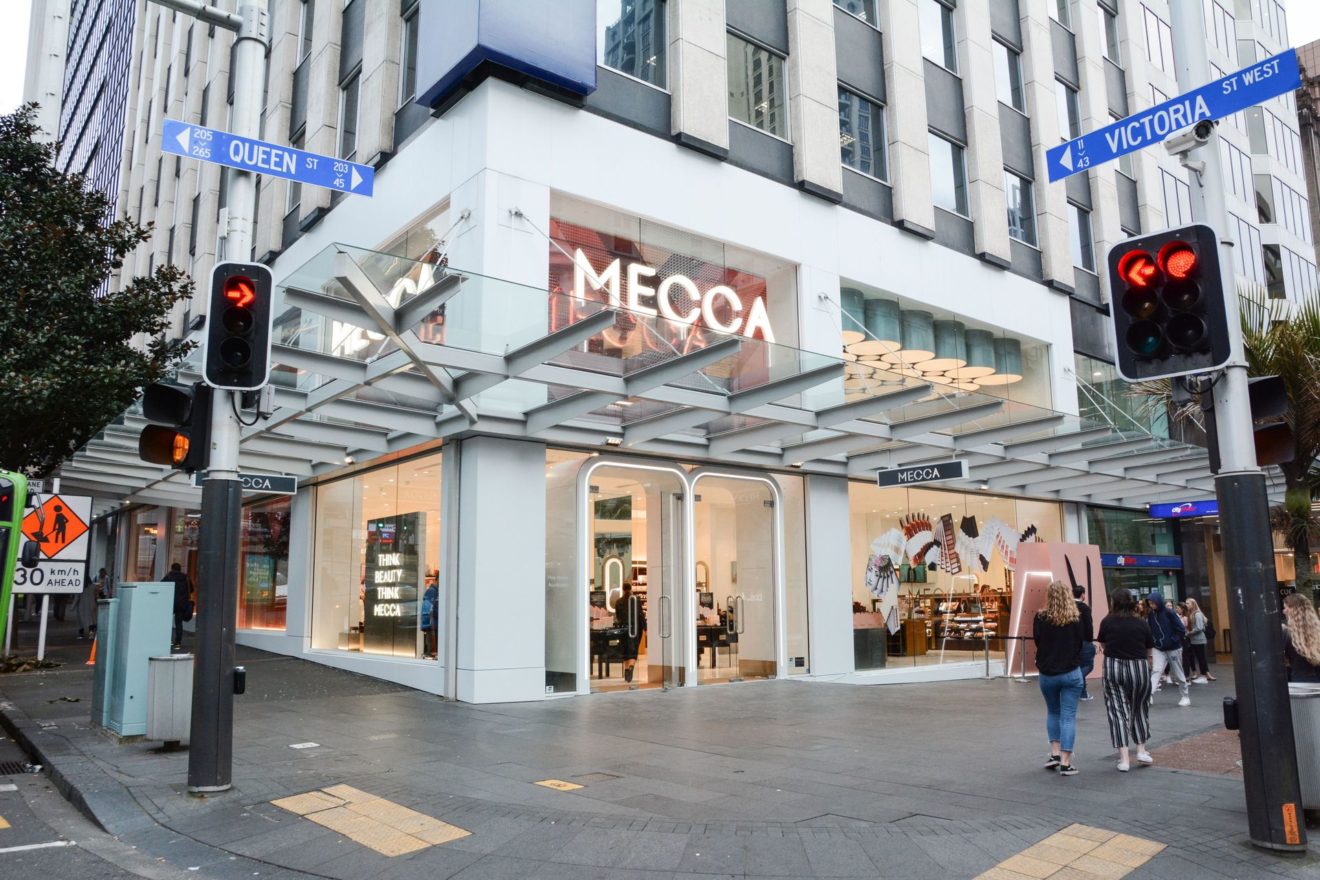
    Australian beauty retailer Mecca is entering the competitive Chinese market and launching its luxury flagship store at the online marketplace Tmall today.

    Known for its curation of niche and luxury local and international cosmetics, the brand has launched an edit of 22 first-to-market brands at its Tmall store, including its private-label brands, Mecca Brands and Mecca Max. Mecca’s Beauty Loop loyalty program will also now be available to Chinese customers.

    “I started Mecca with the desire to make every customer look and feel their best. From our very first store in the Melbourne suburb of South Yarra, to now launching in China our second international market, we have stayed true to this philosophy over the last 23 years,” said Mecca founder Jo Horgan in a statement.

    “I am thrilled that we are assisting Chinese customers, some of the most well-informed beauty shoppers in the world, to unearth incredible new brands and products and know that once they experience the Mecca magic, it will be love at first ‘add to cart’.”

    Celebrations will kick off today in Shanghai in the penthouse of luxury hotel Middle House, and will be attended by more than 100 Chinese media and key opinion leaders, while Horgan live streams from Melbourne.

    Horgan opened Mecca’s first shop in 1997 and the well-loved beauty business has since grown to 100 stores in Australia and New Zealand, along with e-commerce in both markets.

    “The idea was to bring these innovative brands into a service-driven, luxury boutique environment where women could shop across all brands and customize the product offer to suit their specific needs and wants,” Horgan said back in 2017.

    “Our goal was to take someone from a beauty novice to feeling like an expert in a single session, and for a makeup artist to feel like they had found their nirvana – we really wanted everyone to feel welcome, in control and walking out having had a great time.”

    While some beauty brands have avoided the Chinese market as legislation mandates cosmetic products in government laboratories must be tested on animals, many others such as Rihanna’s Fenty Beauty and The Body Shop have found a loophole by selling on cross-border e-commerce platforms such as Tmall and JD.

    Several brands now available at Mecca’s Tmall store are vegan and cruelty-free.

    According to a report from AlixPartners last year, 90 percent of those Chinese millennial customers surveyed indicated that purchasing ‘healthy or clean products’ was of importance to them.

  • Elie Saab vows to rebuild after devastating Beirut blast

    Elie Saab vows to rebuild after devastating Beirut blast

    It felt like an eternity rather than just a few minutes as haute couture fashion designer Elie Saab scrambled to make sure his 200 staff members, including his son, were safe when this month’s massive explosion shook Beirut.

    Like many Lebanese on August 4 when chemicals at the port detonated, the 56-year-old felt the blast was on his doorstep.

    “I saw my son covered in blood, I could not believe it. I said okay, he is wounded, but it was okay, it was just cut to his head and arms,” Saab said.

    “But it was 15 minutes that felt like two days long. It was not just because it is a father and son thing, it was because we all work together like one family under one roof.”

    The explosion killed 178, injured 6000 and damaged whole neighborhoods of the Lebanese capital.

    Saab said his main office and headquarters were badly damaged. His home a few hundred meters from the port, was gutted.

    The blast destroyed the shops and ateliers of at least two other designers, Zuhair Murad and Rabih Keyrouz, himself badly injured.

    Saab is no stranger to devastation. He started his label in 1982, at the height of Lebanon’s 1975-1990 civil war.

    The August 4 blast revived those memories.

    “It was the same smell, the same dust, the broken glass. Honestly, we did not want to relive this and it was not necessary,” he said.

    “This is a huge setback but we have to be like Beirut – every time dusting itself off and returning to the way it was,” Saab said.

    Saab’s team plan to go back to their offices from August 20 to meet a deadline for the September Paris couture show.

    He also plans to rebuild his residence, with its high ceilings and arches, marble columns and Arabesque tiles. For now, rubble and dust were everywhere.

    “We must go on … It does not become us as Lebanese to give up,” Saab said. “That is the doable part. But the biggest loss is the people you can’t bring back.”

    On a table lay a record by singer Fairouz, “Lebanon Forever”. It was broken in two.

  • JD sales beat estimates as customers move online

    JD sales beat estimates as customers move online

    China’s JD beat analysts’ estimates for quarterly sales, as the firm benefited from a shift in shopping habits of domestic consumers who have largely moved to online ever since the outset of the Covid-19 pandemic.

    The results coincide with growing tensions between Beijing and Washington. Several Chinese companies are putting off plans for US listings amid tensions between the world’s top two economies, while those listed in New York are seeking to return to exchanges closer to home. In June, JD raised about $3.87 billion in its Hong Kong secondary listing.

    JD executives did not offer any comments on US-China tensions on a conference call with analysts on Monday.

    China, which has under a thousand active Covid-19 cases currently, has largely emerged out of lockdowns but demand is still picking up in many sectors.

    Retail sales in the world’s second-largest economy slipped in July, dashing expectations for a modest rise, as consumers failed to shake off wariness about the coronavirus, while the factory sector’s recovery struggled to pick up the pace.

    The company’s net product revenue, which includes online retail sales, rose 33.5 percent to $25.74 billion in the second quarter.

    Net income attributable to shareholders rose to $2.38 billion from $89.4 million a year earlier.

    The company’s total net revenue rose 33.8 percent to $28.98 billion in the quarter ended June 30.

  • iKala raises US$17M Series B to expand global footprint

    iKala raises US$17M Series B to expand global footprint

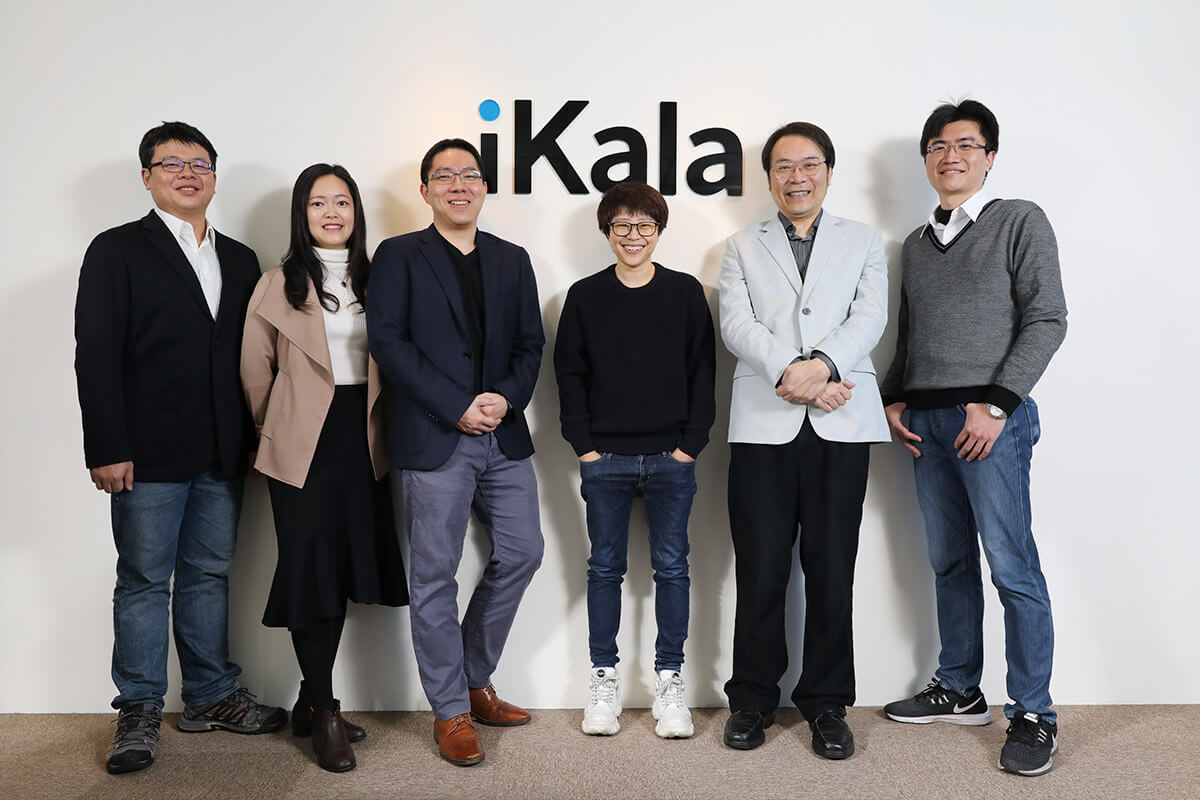
    iKala, Asia’s leading AI company headquartered in Taiwan, has raised US$17M in a Series B round of funding led by Wistron Digital Technology Holding Company, a Wistron Corporation’s wholly-owned subsidiary which focuses on digital technology industries and software application related investments. Previous investors Hotung Investment Holdings Limited and Pacific Venture Partners are also coming in, showing confidence in iKala’s practical AI and digital solutions and SEA cross-border operational efficiency.

    The latest round of funding takes the company’s total funding to US$30.3 million and will be used to further fuel iKala’s AI and digital technologies innovation. Equally, it signals the company’s expansion into new markets including Indonesia and Malaysia, while strengthening its position in its existing key markets of Singapore, Thailand, Taiwan, Hong Kong, Philippines, Vietnam and Japan.

    This strategic investment marks the lead investor Wistron Digital Technology Holding Company, which also focuses on big data analytics, entry into  Southeast Asia. Together, both companies are confident of propelling the region’s digital transformation journey forward and facilitate the development of Artificial Intelligence technology and software.

    “We’ve been on a strong growth trajectory over the last couple of years, expanding into new markets and developing cutting-edge technology that has put us in a leading position in the region’s digital transformation and commerce space. With this funding, we look forward to exploring new opportunities in AI commerce beyond our existing markets,” said Sega Cheng, co-founder and CEO of iKala.

    “Taiwan has an excellent reputation for having some of the best high tech talents in both hardware and software around the region. With Wistron as a strategic partner, iKala can become a major driving force for transforming Taiwan into an AI industry and talent hub in Asia,” said Dr. Lee-Feng Chien, iKala’s board member, former Google Taiwan managing director, who joined earlier this year.

    “As part of the Fortune Global 500 and as a TSP (Technical Service Provider) company,  iKala’s AI and software capabilities will be a value-adding element to Wistron’s long-held and leading hardware industry presence. We have heavily invested ourselves in digital transformation and further creation of new business to provide our clients with new opportunities brought by digital transformation,” said Robert Hwang, Vice Chairman & President of New Business, Wistron.

    Following its exceptional growth in the cloud and digital transformation industry since Series A round of funding early last year, iKala established a new division in June: iKala Commerce. The new solution consolidates AI-powered influencer database KOL Radar, and AI social commerce solution Shoplus, to provide an integrated solution and holistic customer data insights for the region’s social commerce players.

  • Grab and Unilever establish wide-ranging partnership to support lives and livelihoods in Southeast Asia through COVID-19

    Grab and Unilever establish wide-ranging partnership to support lives and livelihoods in Southeast Asia through COVID-19

    Grab and Unilever today announced an extensive partnership in Southeast Asia to protect Grab drivers and riders as well as support the livelihoods of small business owners as they weather the impact of the COVID-19 pandemic.

    The partnership covers Grab’s Transport, GrabFood, GrabMart, and GrabExpress services. Unilever’s personal and home hygiene brands such as Lifebuoy and Cif will support Grab drivers to deliver safer and more hygienic rides under GrabProtect. By leveraging Grab’s platform and technology, Unilever products will be available for consumers to purchase directly from Unilever’s vast network of retailers in Southeast Asia through GrabFood and GrabMart, thereby also helping small retailers and mom-and-pop shops around the region.

    “Unilever is committed to helping protect the lives and the livelihoods of those impacted by the COVID-19 pandemic. By providing Unilever’s hygiene products such as Lifebuoy and Cif to Grab’s driver-partners, Unilever is helping people get back on the move safely. The partnership will also assist small retailers, many of whom are still without a digital presence, move to an online platform, whilst also giving people more ways to purchase their favorite Unilever products. As a purpose-led organization, we will continue playing our part to support our communities through this crisis,” said Umesh Shah, Chief Executive Officer, Unilever International.

    “The pandemic has hit communities hard, particularly small and offline businesses. By partnering with Unilever, we hope to help Southeast Asians adapt and thrive in this new normal – whether by providing cleaner, safer modes of transportation or by connecting them to the growing digital economy. We’re particularly excited about the breadth and depth of the partnership with Unilever, which is a testament to the value of the open ecosystem that we’ve built. We offer an unparalleled combination of consumer reach, data insights, and logistics fleets that partners like Unilever can tap on to grow their footprint in the region,” said Russell Cohen, Group Managing Director – Operations, Grab.

    The Grab x Unilever partnership includes:

    • Boosting confidence in a new normal with GrabProtect

    Grab and Unilever is bringing greater peace of mind to driver-partners and passengers by equipping vehicles in Indonesia, Malaysia, and the Philippines with Lifebuoy hand sanitizers and Cif disinfectant sprays, at no cost to driver-partners or passengers.

    • Growing income for small and offline business owners through Unilever Ice Cream virtual stores on GrabFood and GrabMart

    Grab and Unilever is setting up Unilever Ice Cream virtual stores on the Grab platform which will offer Grab users instant access to their favorite Unilever ice cream brands such as Wall’s, Ben & Jerry’s and Breyers.

    Orders will be fulfilled by Unilever retailers located closest to the consumer – the majority of which are offline businesses such as neighborhood mom-and-pop shops and ice-cream carts. The partnership will generate more sales for these businesses, supporting their livelihoods and families. Grab aims to help these businesses further digitalize, by giving them the option to create individual storefronts on the Grab platform in the future.

    Over 250 Unilever Ice Cream virtual stores have been established across Malaysia, the Philippines, and Thailand, with the goal of reaching over 550 stores by end-2020 through upcoming expansion into other Southeast Asian countries like Indonesia.

    • Addressing the increasing demand for home deliveries and driving visibility and traffic to small retailers via GrabMart

    As social distancing measures continue, Unilever will expand its range of food, household and personal hygiene products available to Grab users and help retailers list their products online through GrabMart – Grab’s on-demand delivery service for daily essentials available across 8 countries in Southeast Asia. The partnership has kicked off in the Philippines and will expand to Indonesia, Singapore, and other Southeast Asian markets by the end of the year.

    This will be complemented by GrabAds to help grow demand for Unilever products. Orders will be fulfilled by Unilever retailers, helping them to grow and ensure resilient future-fit income streams. The rich audience data based on real-life behaviors derived from different touchpoints across the Grab platform will offer valuable consumer and category insights to further support their business.

    • Creating additional income opportunities for thousands of GrabExpress driver-partners in Indonesia

    Unilever and Grab will run pilots in Medan and Makassar in Indonesia to leverage the GrabExpress delivery fleet to ship inventory from Unilever’s warehouses to retailers, such as grocery stores and mom-and-pop shops, in response to real-time demand. Grab’s wide and readily available pool of delivery-partners will allow consumers to receive Unilever’s food and hygiene products quickly even during peak periods. At the same time, this creates additional and diversified income opportunities for Grab’s delivery partners.

    Launch dates of the partnership vary by market and by Grab service.


  • Kerry Logistics Network’s subsidiary Kerry Apex ranked number one NVOCC from Asia to the US

    Kerry Logistics Network’s subsidiary Kerry Apex ranked number one NVOCC from Asia to the US

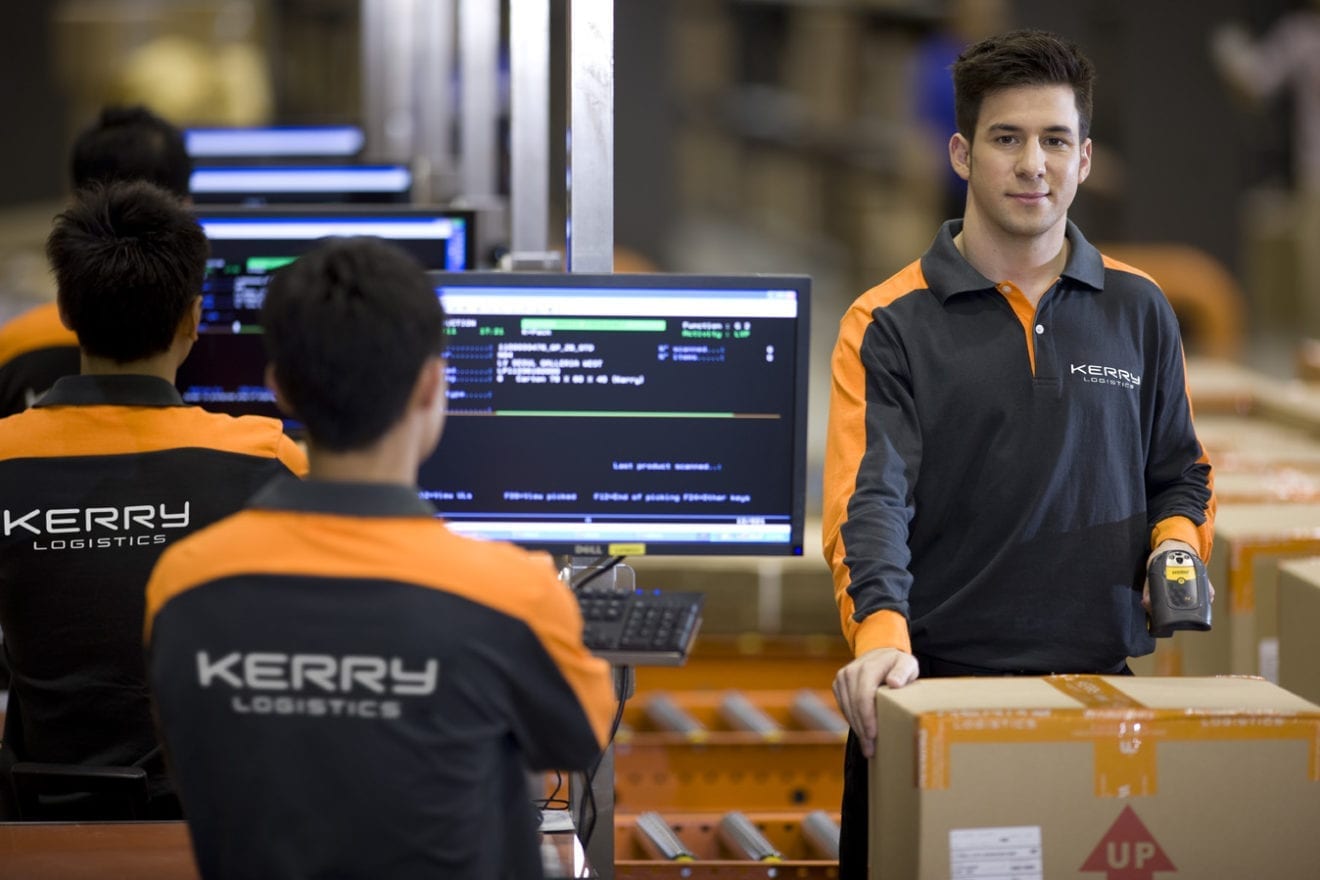
    Kerry Logistics Network Limited is pleased to announce that Kerry Apex, its indirect wholly-owned subsidiary, was the number one non-vessel operating common carrier (‘NVOCC’) from Asia to the US from January through July 2020, supported by a well-positioned team in Southeast Asia to capture the export volume shift from China to Asia.

    Kerry Apex was the third-largest NVOCC in terms of volume from Asia to the US in 2019. In the first seven months of 2020, Kerry Apex outperformed the market by recording a 6% growth in volume against the market trend of a 7% contraction in the same period.

    Kerry Apex shot to the top spot through capturing the volume shift from China to Southeast Asia by a strong regional team perfectly situated to handle the volume surge, earning additional origin-controlled shipments and winning new customers, on top of the increased demand from existing customers who restocked their inventory. Kerry Apex was also able to build on its long-standing relationships with ocean-carrier partners who helped it to secure the space needed to move its customers’ freight from Asia to the US. Kerry Apex’s achievement was made possible by the tremendous support from within Kerry Logistics’ global network both in origin and destination.

    Vicky Cheung, Executive Director of Kerry Logistics Network, said, “We are gratified to see that the efforts of our team in Southeast Asia and the relationships we have built with our partners have paid off. While the protracted US-China trade war and the as-yet-uncontained COVID-19 pandemic are clouding the horizon, we are confident that we will maintain our leading position in ocean freight for the rest of 2020.”