Author: Mei Ling Tan

  • Deliveroo Seeks Hong Kong Government Support on Urgent Action to Further Aid Restaurant Sector hit by COVID-19

    Deliveroo Seeks Hong Kong Government Support on Urgent Action to Further Aid Restaurant Sector hit by COVID-19

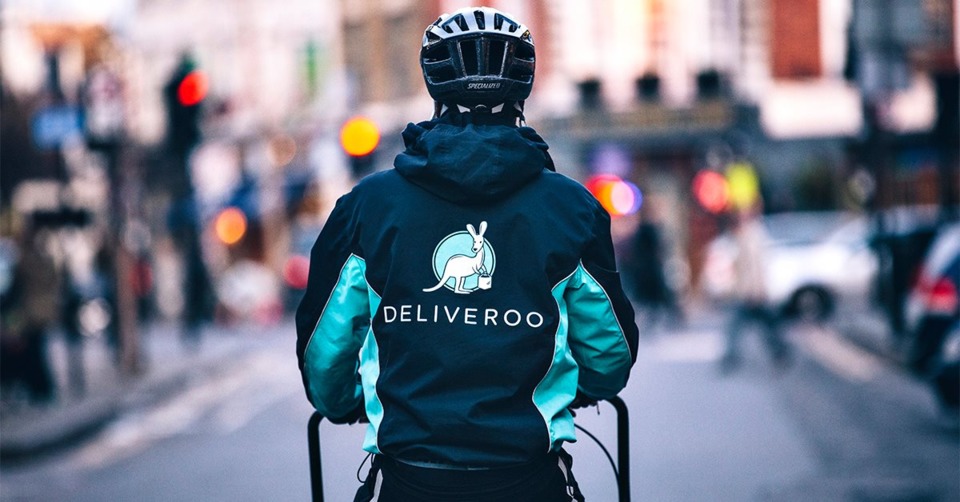
    Deliveroo is calling on the Hong Kong Government to build on recent measures and further aid the restaurant sector, in the face of continuing and unprecedented challenges posed by the third wave of COVID-19. Brian Lo, General Manager of Deliveroo Hong Kong and Board Director of the HK Federation of Restaurants and Related Trades, has written to Chief Executive Mrs. Carrie Lam on the matter, asking for urgent action.

    Brian Lo said, “The Government has taken a number of steps to support Hong Kong’s restaurant industry this year, including the Employment Support Scheme, the Food Licence Holders Subsidy Scheme and the Catering Business (Social Distancing) Subsidy Scheme. These one-off subsidies have prevented thousands of restaurants from going out of business and protected many people from losing their jobs – but the crisis is far from over. Restaurants continue to see significant revenue losses under the current dine-in ban and 50% reduced capacity; and while these measures are critical for public safety, urgent action is needed to protect the sector.”

    Deliveroo partners with close to 8,000 restaurants in Hong Kong, representing around 40% of the city’s licensed food providers. A recent survey of Deliveroo’s small and independent restaurant partners revealed that more than 50% are facing the prospect of immediate business suspension. Many predict that if the current situation continues, within the next three months they will be forced to permanently close or even pushed to bankruptcy.

    Lo added, “Restaurants have seen significant revenue losses during the lockdown even if they are able to remain open for delivery business. The growing contribution of delivery sales to their total revenue is not sufficient to cover cumulative fixed costs such as rent obligations. The precipitous drop in dine-in sales means restaurants are finding it close to impossible to operate and cover their day to day costs. Since last week, we saw close to 1,000 restaurants on our platform alone temporarily shut their doors. Many of these are small and medium sized businesses with no foreseeable date to reopen.

    As the leader in the food delivery sector and as an important stakeholder in the F&B industry, we have invested over HK$30 million in a number of measures in the past 6 months including commission reduction, payment delay, funding promotions and rider COVID-19 testing kits, to support our restaurant partners and the industry, as well as our rider community. However, without further Government support to help restaurants to generate revenue and cover costs, more than 5,000 restaurants may be forced to permanently close their doors in the coming months, putting at risk over 80,000 jobs in the industry itself, as well as the loss of income and jobs in businesses providing goods and services to the F&B industry.”

    In its detailed submission to the Government, Deliveroo, based on extensive consultation with a large proportion of its 8,000 restaurant partners in Hong Kong, has formulated a series of key policy proposals which would help the industry to recover through this challenging period, adapt to the new economic environment and thrive in the future. These include:

    1. Subsidy Scheme Extensions: Following on from the success of the first Licensed Hawkers Subsidy Scheme and Food Licence Holder Subsidy Scheme back in March 2020, Deliveroo proposes the provision of incremental HK$200,000, HK$80,000 or HK$5,000 payments per licensed outlet for every three months of continued enforcement of social distancing measures. This will be vital in allowing restaurants to pay rent, supplier bills and staffing costs; and to stave off immediate liquidity concerns.
    2. Action on Rents: Rent costs in Hong Kong are equivalent to around 20-25% of a restaurant’s usual revenue, compared to the 10-15% range in major European markets, the UAE, Australia and Singapore. The recent drop in sales of 50% or more due to COVID-19 means that rent as a percentage of sale has increased even further, squeezing Hong Kong operators’ margins to the breaking point. Deliveroo proposes a series of measures including waiving rental fees for four months, introducing an evictions moratorium, and encouraging landlords to use turnover leases.
    3. Action on Staffing Costs: The unemployment rate for the F&B industry rose from 8.6% in Q1 to 14.7% in Q2, according to Government Census data. Deliveroo’s data shows further signs of deterioration, indicating a 300% increase in restaurant closures in July alone compared to the same period last year. Deliveroo therefore urges the Government to extend the Employment Support Scheme for at least six more months or as long as social distancing measures prevent restaurants operating at full capacity. This will potentially safeguard tens of thousands of jobs.

    Other areas for proposed action include helping restaurants meet the cost of becoming COVID-secure, launching a government-led campaign making clear that restaurant food is safe, and providing a subsidy for restaurants to conduct deep-cleaning

    Restaurants such as Mini Bangkok, Man Kee Cart Noodle, Chilli Fagara, Golden Monkey, Holy Eats, nood food, La Rotisserie, Limewood, Sip Song, Mott 32 and Pololi are in support of the suggestions Deliveroo has put forward.

    Mark Lam, Owner of Mini Bangkok, a popular Thai restaurant in Kowloon City, said, “Like many others in our industry, we’ve had to make major readjustments to cope with this extremely difficult time. It’s tough not knowing from day to day if we will be able to maintain our operations – and the situation continues to become increasingly urgent. While delivery and takeaway is an important part of our business, the revenue lost through minimizing dine-in truly challenges us, preventing us from being able to support fixed costs that we can’t escape. We need further support from the government to safely sernoodve customers, maintain our workforce, ensure a steady supply chain, and so on. We hope that further action will be taken to help us and others in the industry to weather the ongoing storm.”

    Tracy Wong, Owner of Chilli Fagara, a modern Sichuan restaurant in Lan Kwai Fong, said, “While we completely understand the need for social distancing measures, the unfortunate truth is that our business has suffered heavy losses as a result of the downfall in foot traffic, especially as a restaurant located in Lan Kwai Fong when alcohol selling and dine-in are prohibited. If we were to cut losses and close the business today, we would still continue to lose money, as a result of forgoing the rent deposit. It has truly become a desperate situation for our restaurant and from what I understand, for many other operators in our same position. We strongly urge the Government to further bolster support for the industry at this difficult time.”

    Lo concluded, “We are proud to be a part of Hong Kong’s restaurant sector, renowned as one of the most vibrant and dynamic food scenes in Asia and indeed around the world. We are glad to support our restaurant partners via increased delivery sales during this time, but we recognise that more and urgent action is necessary to counter the financial effects of yet another wave of COVID-19. We believe the measures that Deliveroo is today proposing to the Government can help to ensure that Hong Kong’s restaurant industry survives this pandemic and rebounds after it; and we look forward to further opportunities to discuss and aid the sector during these difficult times.”
  • NYC commuters with an iPhone are risking COVID exposure just to unlock their devices on the subway

    NYC commuters with an iPhone are risking COVID exposure just to unlock their devices on the subway

    Apple iPhone users worldwide started to get frustrated when global agencies suggested that face masks be worn as a preventative measure against the spread of COVID-19. That’s because those iPhone models using Face ID couldn’t verify the identity of the person holding the phone because of the mask. As good as Face ID is in matching a person’s face even if he/she grows a beard, wears glasses, or gets a haircut, Apple couldn’t anticipate when developing the feature that users would be wearing a mask when going outside.

    Mask wearing iPhone users would have to wait to get the passcode screen, eating up valuable time. So in iOS 13.5, Apple added an algorithm that quickly detects when the phone’s owner is wearing a mask and brings up the passcode screen after a swipe up from the bottom of the display. But apparently, the faster transition time from Face ID to the passcode screen is not fast enough for some New York City commuters.

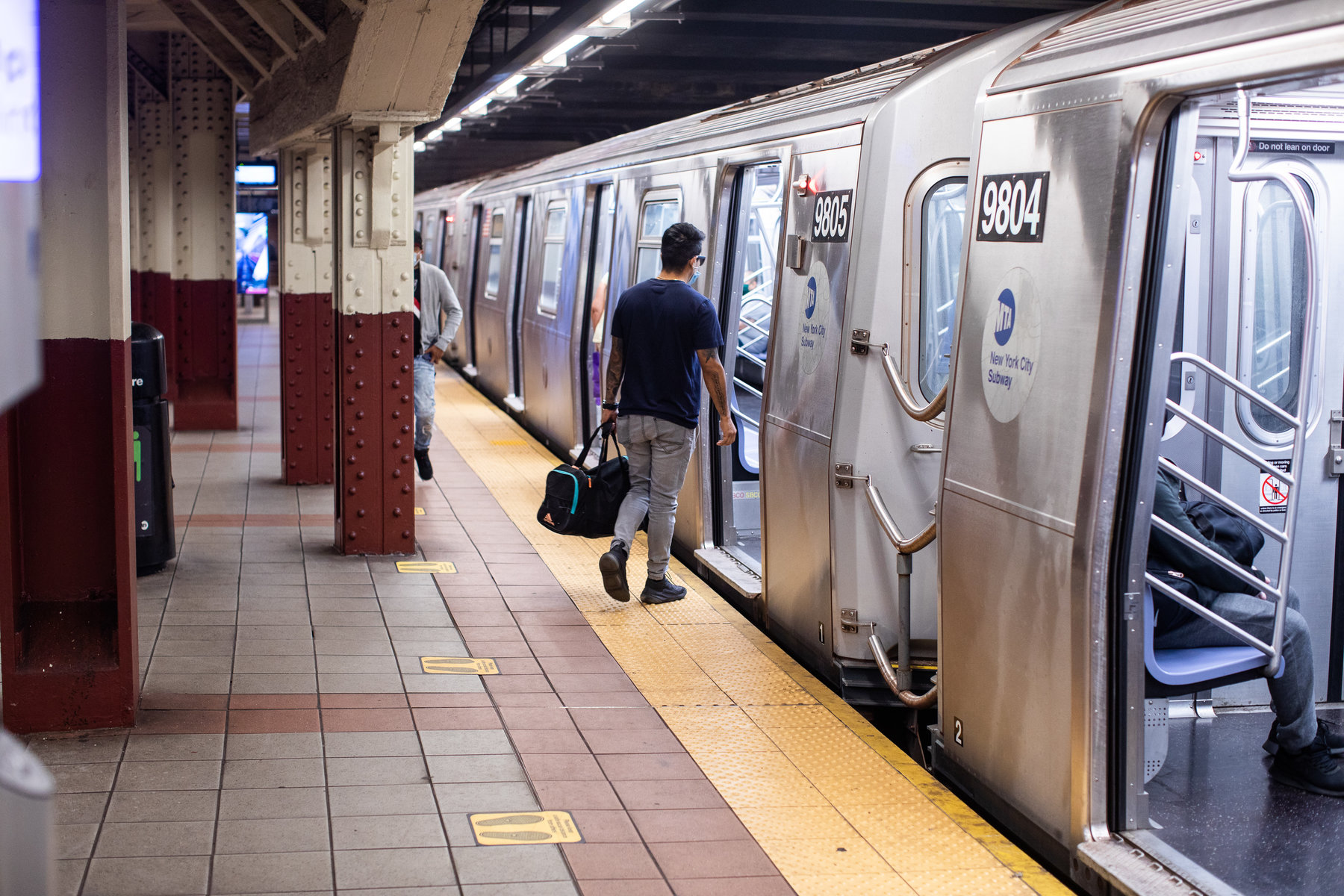
    Patrick Foye, the chairman of the Metropolitan Transportation Authority (MTA), sent a letter to Apple CEO Tim Cook that was obtained by the Associated Press. In the letter, Foye says that he has seen commuters removing their masks to log-in to their iPhones. During a pandemic that continues to infect and kill Americans, removing your face mask to satisfy Face ID is not suggested, especially on a crowded subway platform or on the train itself. Apple also added Apple Pay Express Transit which allows riders of some subway and bus lines to use an iPhone or Apple Watch to pay without having to wake the device.

    In New York City, all bus and train riders must wear masks and maintain social distancing. The MTA says that 90% of its customers are wearing some type of face covering which means that quite a few iPhone users could be exposing themselves to the virus by lifting or removing their masks to get Face ID to work (if you’re familiar with the New York City subway system, you know that they might be exposing themselves period).

    In his letter to Cook, Foye wrote, “We understand Apple is working to address the issue and know that Apple has a range of technologies at its disposal as a global leader among tech companies. We urge Apple to accelerate the deployment of new technologies and solutions that further protect customers in the era of COVID-19.” The MTA chairman added that he would be willing to work with Apple on a promotional campaign to alert riders about the changes made in the latest iOS update.

    Apple responded by sending an emailed statement. “There’s nothing more important to us than the health and safety of our customers,” the tech giant wrote. “We are fully committed to continuing to work with the MTA to support their efforts to prevent the spread of COVID-19.”

    The MTA isn’t asking Apple to develop new technology or update the passcode screen. It merely wants to work with the tech company to put up display ads or otherwise inform riders on MTA vehicles and subway cars that they don’t need to take off their masks even for just the short time it takes Face ID to work.

    While subway ridership in New York City plunged by 90% at the pandemic’s peak, the numbers are rising although they are still well below pre-pandemic levels. New York City was once the global COVID-19 epicenter, the city has not seen over 1,000 new cases on a daily basis since May 30th. New York City’s success in beating back the virus’ spread might leave commuters less diligent which would also be a good reason for the MTA and Apple to collaborate on a message that can be promoted to commuters riding the MTA bus and subway lines.

  • Starbucks unveils first unmanned self-serve outlet in Thailand’s

    Starbucks unveils first unmanned self-serve outlet in Thailand’s

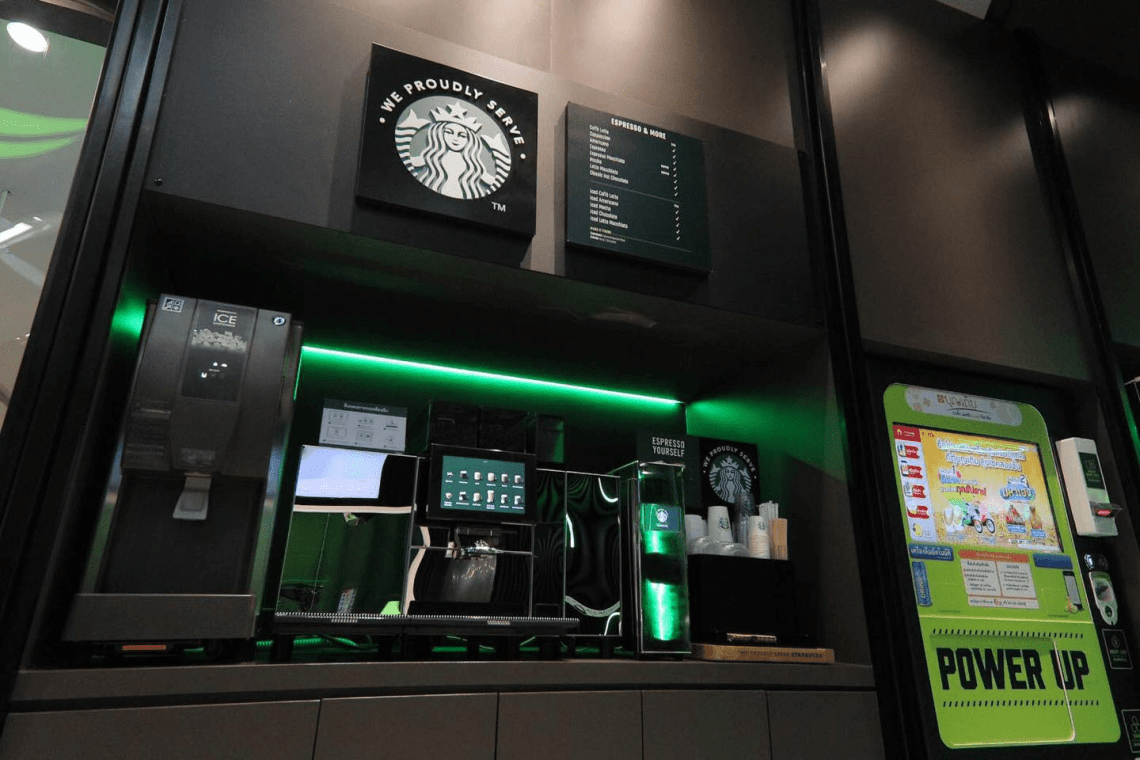
    Starbucks Thailand has launched its first-ever self-service machine with full customizable capabilities and digitized payment options.

    Located inside Bangkok’s new AIS eSports studio at Samyan Mitrtown mall, the venue aims to serve a boost of caffeine for the gamers, serving beverages 24 hours a day.

    A cup of coffee from the machines is priced from US$1.93 (THB 60) which is less than the price at a staffed branch. The drink is fully customizable via a digital touch screen.

    In five easy steps, a consumer can select their drink, tailor it to their liking and scan the QR code to pay either through Rabbit Line Pay or using a general QR code payment through their native banking app.

  • Pierre Herme opens its first Japanese store with Lagardere Travel Retail

    Pierre Herme opens its first Japanese store with Lagardere Travel Retail

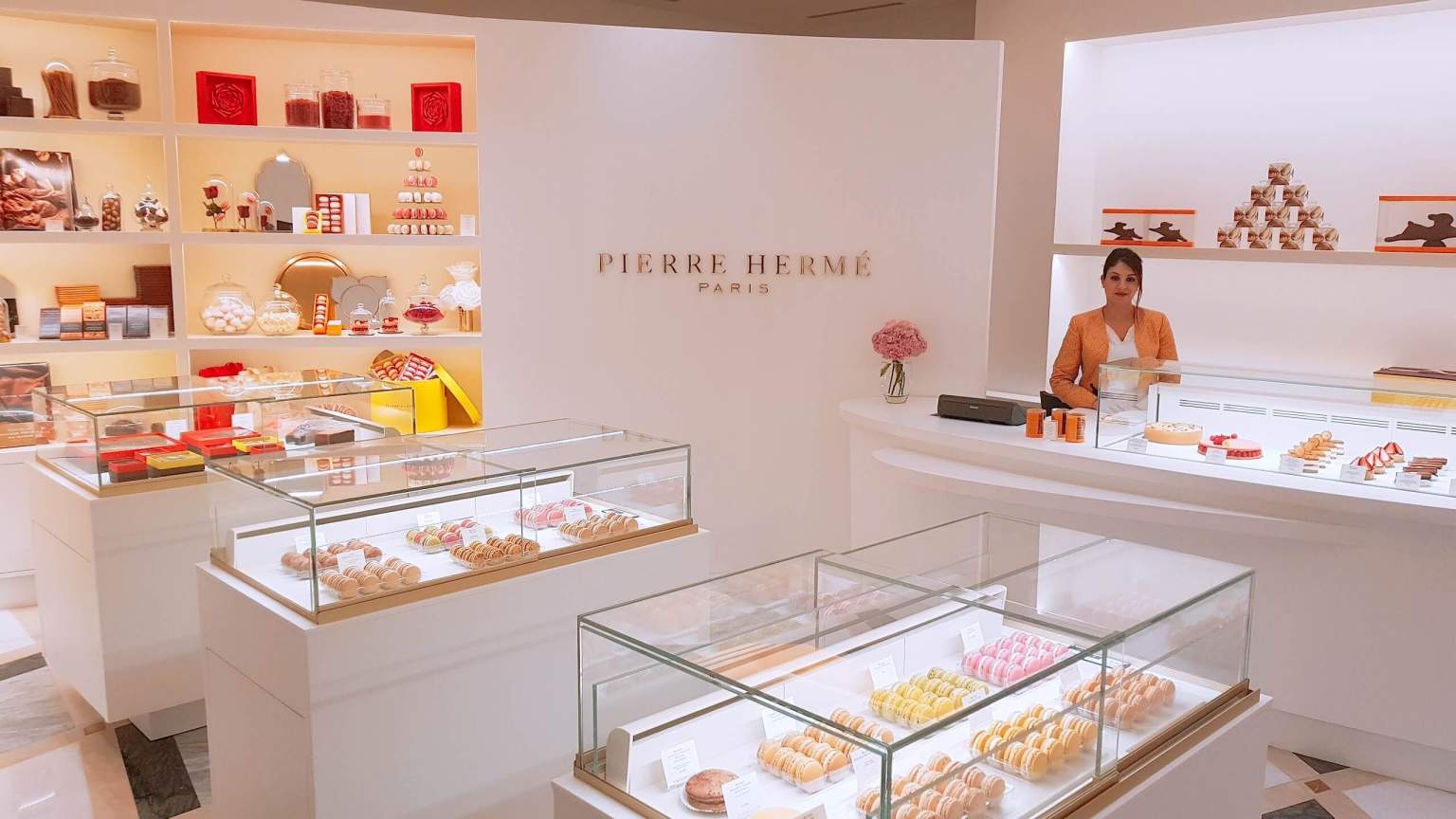
    French pastry chef and chocolatier Pierre Herme has partnered with Lagardere Travel Retail to open the first of several food & beverage concept stores in Japan.

    Located in Tokyo Station, the store occupies a 105sqm area, and is branded ‘Made in Pierre Herme’. Besides food, the store offers a variety of products from different regions of Japan to support agriculture and promote local and ethical food production.

    These products include prepared and packaged food, specialty drinks, and a variety of branded gifts and items carrying Herme’s signature.

    Located in one of Japan’s busiest railway stations, the ‘Made in Pierre Herme’ flagship is expected to draw the attention of commuters, local and foreign visitors, and neighboring office workers alike.

    “We believe this is the beginning of a strong partnership and we expect this first step in Japan will create new opportunities for Lagardere and its partners in this exciting market which has attractive growth prospects,” said Eudes Fabre, CEO at Lagardere Travel Retail North Asia.

    The ‘Made in Pierre Herme’ concept store is the first of several openings planned jointly by the two companies, according to Lagardere Travel Retail.

    “Pierre Herme has been present in Japan for more than 20 years, and it is part of our mission to help French companies internationally recognised know-how to develop here,” said Richard Ledu, CEO at Pierre Herme Paris Japan.

    “There are significant synergies between Pierre Herme and Lagardere so this is a fantastic opportunity with further openings already planned.”

  • Yokohama Begins Tyre Production After Phase Two Expansion

    Yokohama Begins Tyre Production After Phase Two Expansion

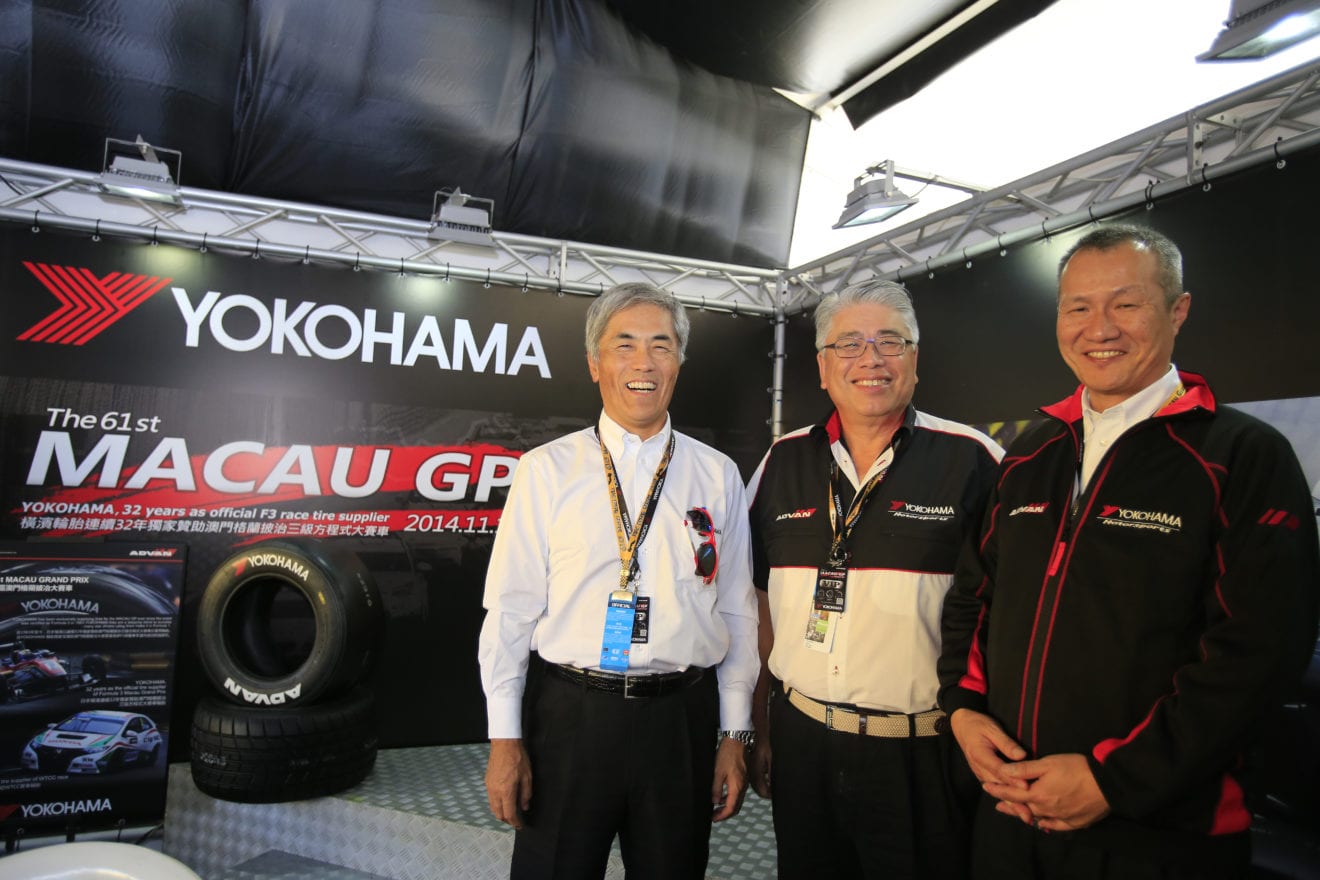
    Yokohama India has begun manufacturing tires after the completion of its second phase of expansion. The company began its manufacturing operations in India in 2014 with an annual capacity of 0.7 million and now it has gone up to 1.6 million tires per year. The company has also strengthened its standard operating practices in a bid to facilitate smooth progress of production lines at the factory. Yokohama entered the Indian market in 2007 and achieved the 1 millionth tire production mark in 2016.

    Anil Gupta, Vice Chairman Yokohama India said, “In response to the increasing demand for Yokohama Tyres in India and keeping in mind the projected market growth, we decided to double our domestic manufacturing capacities. Incidentally, it has happened at an opportune time as restrictions on the import of tires have been announced by the government. This decision is in line with the government’s clarion call for “Atmanirbhar Bharat” – from the drawing board to the dealer shops, the new Phase-2 facility is fully equipped to meet Indian market needs.

    With technological expertise from its parent company in Japan, Yokohama now manufactures its extremely popular Geolandar A/T along with Geolandar SUV tire and the BluEarth-RV02 tire at the new facility. The company says it has several new tire models on the anvil, ready to be launched in the near future.

    The company says that the expansion will also help increase employment opportunities at the Bahadurgarh plant. At present, the plant has 500 employees and with the increase in production, the plant will require an additional 200 people. The Yokohama Club Network or YCN is a specialized sales network that aims to provide a good experience to customers at the point of purchase and India has these dealerships as well. Yokohama is the original equipment supplier to automotive brands like Audi, Mercedes-Benz, Porsche, Nissan, Honda, Suzuki, Toyota, and Mitsubishi as well.

  • Lady M teams with Netflix to create Over the Moon mooncake lantern

    Lady M teams with Netflix to create Over the Moon mooncake lantern

    Luxury cake boutique Lady M is serving a limited-edition mooncake lantern to celebrate the musical Over the Moon, in a partnership with Netflix and Pearl Studio.

    Timed to mark the Mid-Autumn Festival, Lady M’s Over the Moon mooncake lantern also marks a rare collaboration with Netflix – and illustrates the potential for seemingly unrelated brands to collaborate on products.

    Lady M’s pastries will come with an exclusive lantern package illustrating scenes from Pearl Studio’s animated musical Over the Moon.

    The lantern features gold and jade colors with laser-cut imagery of characters and scenes from the film with an interactive illumination effect. Inside the lantern is a collection of six individually-wrapped Lady M mooncakes in two flavors – sweet egg custard and chocolate custard.

    Each lantern package comes with a gift bag, a greeting card, an instruction card, and an envelope creating a memorable gift for family or friends.

    The movie Over the Moon tells the story of a bright young girl who builds a rocket ship to the moon to prove the existence of a legendary Moon Goddess. It will begin streaming on Netflix this fall.

  • SGX to Expand Equity Derivatives Shelf

    SGX to Expand Equity Derivatives Shelf

    The bourse is adding 13 Asia ex-Japan and emerging markets Asia regional and single country futures to its shelf of benchmark equity derivatives.

    The new futures are based on Net Total Return (NTR) and Price Return indices calculated by FTSE Russell, which has approximately $16 trillion in reported fund assets under management (AUM) tracking its benchmarks.

    SGX said the benchmarks of the new future, which cover Indonesia, Malaysia, Philippines, Taiwan, Thailand, and Vietnam, addresses customers’ «increasing demand for institutional-grade exchange solutions in Asia which offer superior operational and capital efficiency.»

    The new contracts are expected to be certified by the Commodity Futures Trading Commission (CFTC), enabling US investors to trade them directly from within the U.S.

    SGX currently has the largest and most liquid FTSE and MSCI equity index derivatives for Asian markets.

    Michael Syn, head of equities at SGX, said its collaboration with FTSE Russell is the «next step in further developing and advancing SGX’s Asia-access waterfront.»

    «We look forward to bringing investors even more asset-class opportunities within the pan-Asian capital structure, based on broad strategies, sectors, and themes,» Syn said.

  • Upcoming Kia Sonet Spotted In A New Unlisted Orange Shade

    Upcoming Kia Sonet Spotted In A New Unlisted Orange Shade

    New spy photos of the Kia Sonet have surfaced online, and while we know that the SUV has already been unveiled, these new ones warrant attention. The Kia Sonet in these photos comes in a special orange exterior color, which is not listed on the company’s website among its official colors. It’s possible this could be a one-off, or a special color will be introduced at the time of the launch or sometime in the near future. As of now, Kia dealers have opened unofficial pre-bookings for the new subcompact SUV, while the official bookings will commence later this month. The launch, of course, is slated for September 2020.

    The new Kia Sonet will be offered in both GT-Line and Tech-Line trims, and the former will come with sportier styling with different bumpers, black exterior details, and red accents. The SUV also comes with Kia’s signature Tiger Nose grille with LED headlights, LED daytime running lamps, sporty 16-inch alloy wheels, LED taillamps, roof trails, and more. The cabin too will come with a premium design, offered in either a dual-tone beige/black treating (Tech-Line) or all-black interior with red accents (GT-Line). The GT-Line trim will also come with a flat-bottom steering wheel.

    On the features front, the upcoming Kia Sonet will come with a segment-first 10.25 inch HD infotainment display with Kia’s UVO connected car tech, premium Bose 7 Speaker sound system with mood lights, segment-first ventilated front seats, air purifier which claims to come with virus protection, wireless phone charger, and an electric sunroof among others. Kia says the Sonet will feature an extensive list of active and passive safety equipment, including up to six airbags – including front, side, and curtain airbags.

    Powertrain wise, the new Kia Sonet will share its engines with the Hyundai Venue, so it will come with a 1.2-liter naturally aspirated petrol engine, a 1.5-liter diesel motor, and a 1.0-liter turbocharged petrol engine. Transmission options will include a 5-speed manual, a 6-speed manual gearbox, a DCT automatic, 6-speed Intelligent Manual Transmission (iMT) unit, and an automatic torque converter unit for the diesel model.

  • Three Asian fashion-tech startups to set sail

    Three Asian fashion-tech startups to set sail

    Three fashion-tech businesses, all graduates of Singapore’s Textile and Fashion Federations’ Bridge Fashion Incubator program, are launching this month.

    The three businesses—Shop Bettr, Republiqe and Tropick, are “some of the most promising innovative entrepreneurs” witnessed last month at the Cohort #2 Demo Day.

    The Shop Bettr brand is positioning itself as Asia’s first fashion tech search-and-shoppable platform for sustainable fashion. The firm aims to “solve the conscious consumer’s three-pronged challenge of not understanding certifications, not wanting to be deceived by greenwashing, and not finding sustainable products that resonate with their style and budget while helping sustainable businesses reach the ever-growing conscious community”.

    More than 50 brands from the Apac region have registered with the platform, reaching more than 90,000 through the firm’s waiting list and brand partners.

    Republiqe, an entirely digital luxury consumer fashion label, prepares to open this Friday, promising to “redefine and disrupt the fashion industry through tech-driven digital clothing and creativity”. The firm has launched an enigmatic Instagram account in anticipation of the upcoming launch.

    The third brand, Tropick, focuses on staple menswear items (as opposed to temporary trends) created with fabrics optimized for wearing in the tropics, implementing the innovations and attributes of athletic wear. The firm will drop new designs one by one in limited quantities as a means to conserve on resources and avoid wastage.

    “We believe Tropick is addressing a huge gap in the menswear market in Asia, but trying on the shirt is where the real magic happens,” said Tropick’s founder Monica Millington. “By creating pieces that are so comfortable and easy to care for – yet still look polished in this climate – we are setting a whole new standard for the men’s modern wardrobe.”

  • Christian Louboutin showcasting Hong Kong boutique

    Christian Louboutin showcasting Hong Kong boutique

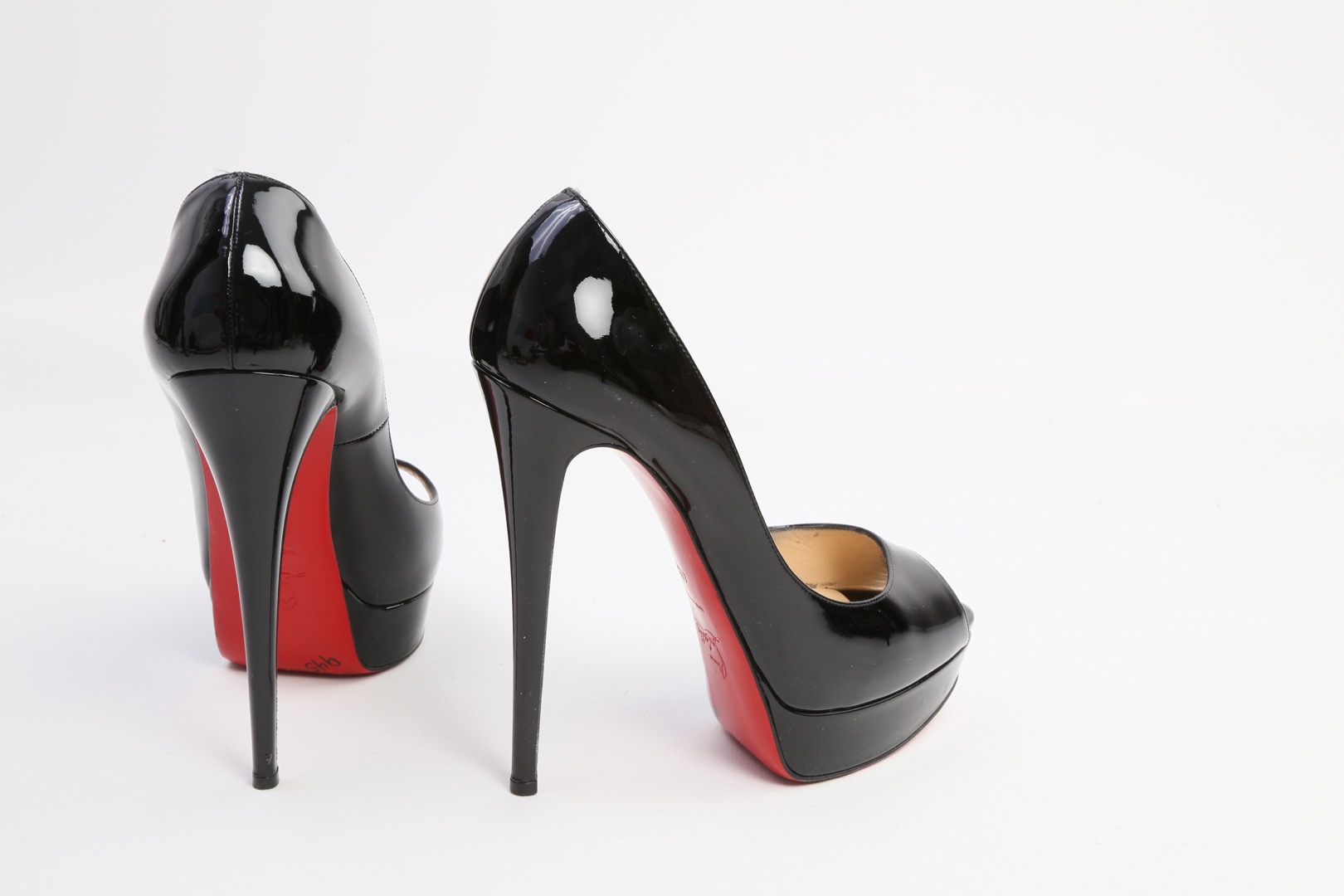
    Christian Louboutin has opened a new boutique in Landmark Prince’s, at Hong Kong’s Central.

    Inspired by the brand’s first boutique in Galerie Vero Dodat, the store facade features red-tiled walls with “petroleum-blue ceramics” and a Christian Louboutin neon sign. The storefront also houses displaying areas behind large glass windows, showing the brand’s latest products.

    The boutique’s interior is decorated in two main colors – red and blue. At the heart of the store is a blue display podium, showcasing women’s footwear.

    Two large red sofas create a lounge for customers with a flower-painted backdrop designed by French artist Alexandre Poulaillon.

    Meanwhile, the men’s room features gold-stained elements together with brown and beige wallpapers, aimed at creating a masculine vibe.

    The boutique reflects the Maison’s signature visual elements while nodding to the designer’s “creativity and eclectic aesthetic,” the company said in a statement.

    The label’s new capsule collection of Cabaraparis is available only at the Landmark Prince’s boutique.

  • Japan’s World Co closing 358 stores by March

    Japan’s World Co closing 358 stores by March

    Japanese apparel firm World Co is shuttering 358 outlets nationwide by March next year. The move is in response to the impact of the Covid-19 outbreak and will involve jettisoning five clothing brands owned by the parents firm – including unprofitable brands Aquagirl and Ozoc – and potentially more.

    The closure plan will involve implementing a voluntary early-retirement program for staff and around 200 layoffs.

    World Co has operated for more than 60 years within Japan and went into private ownership 16 years ago.

    The company is not the only Japanese apparel retailer to announce plans to scale back operations this year. Last month, rival Cecil McBee said it would shut down all of its physical outlets in the country. It said at the time it could not survive another outbreak with a period of store shutdowns.

    The firm’s 43 stores are closing consecutively throughout Japan, with final closures to be made by February next year.

  • June Indonesian retail sales down again

    June Indonesian retail sales down again

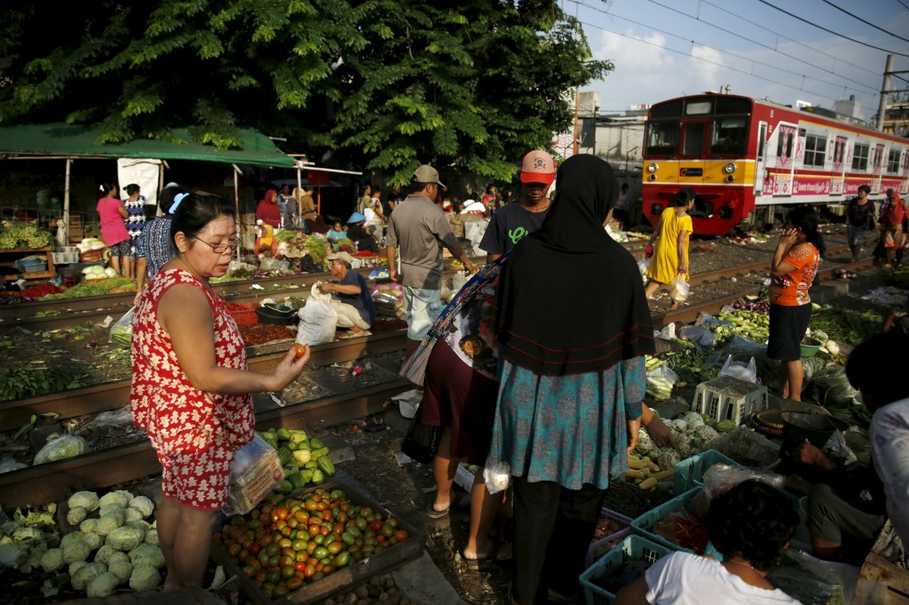
    June Indonesian retail sales fell 17.1 percent over the same month last year – but that decline was slower than during the previous month.

    According to data from the country’s central bank, retail sales fell by 20.6 percent in May, as the Covid-19 pandemic forced store closures and consumers stayed home.

    Sectors to show improvement were food, beverages & tobacco, along with communication services.

    The Bank Indonesia is expecting the decline in Indonesian retail sales to further slow in July, to 12.3 percent.

  • LA’s NYX Cosmetics closing in Hong Kong

    LA’s NYX Cosmetics closing in Hong Kong

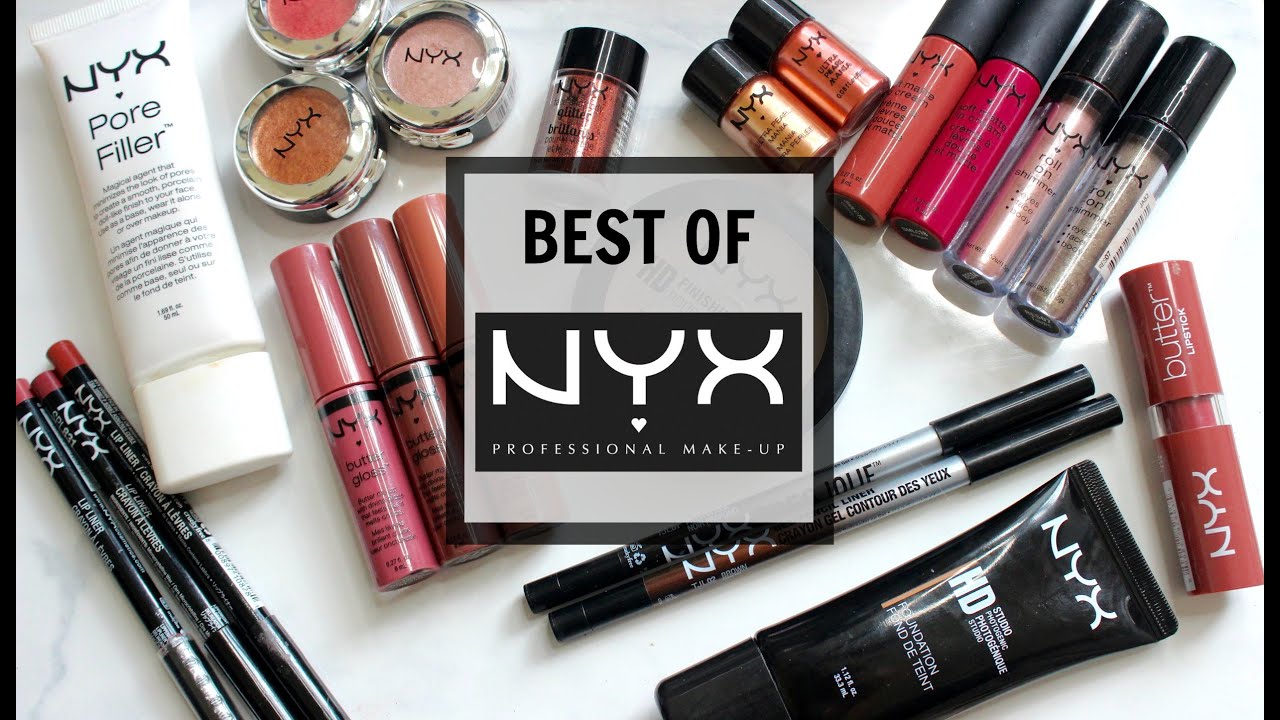
    In an ongoing winding down of its Asian operations L’Oreal-owned NYX Cosmetics has announced in a Facebook post the pending closures of its stores across Hong Kong and Macau.

    The move follows the brand’s Malaysian exit and was described as part of a “business strategy readjustment”

    The brand entered Hong Kong three years ago and currently has six retail stores: three flagships in Sha Tin, Mong Kok and Tuen Muen, and three counters in department stores.

    The company has not given a definite date of the closures, but it advised loyal customers to redeem their membership points before September 15.

    So far, NYX does not have an online e-commerce presence in Hong Kong and Macau and it is not ranged by local marketplaces.

  • Axa Mulls Sale of Singapore Unit

    Axa Mulls Sale of Singapore Unit

    The French insurer is reportedly considering the sale of its Singapore business as part of plans to raise funds by divesting peripheral operations.

    The firm is working with an adviser on the potential sale, which could take place in the next few weeks, Bloomberg reported on Tuesday, citing people familiar with the matter.

    The business, which offers life and property and casualty insurance, could draw interest from rivals looking to expand in the region, the report said, noting that the business generated €615 million ($722.71 million) of revenue in 2019, according to Axa’s annual report.

    Axa’s net profits in the first half of 2020 tumbled by 39 percent to €1.4 billion euros ($1.7 billion), as it took a hit from customer claims arising due to the coronavirus pandemic.

    Axa CEO Thomas Buberl has been trying to shift the firm’s focus on property and casualty insurance, following its $15.3 billion purchase of XL Group in 2018. It has been reviewing options for smaller businesses across the world, including in the Middle East, to help pay for the XL deal, «Bloomberg» said.

    Across the border in Malaysia, Axa is looking to raise funds from the sale of the life and general insurance joint ventures with Affin Bank. The sale could fetch some $650 million.

  • The SM Store Advances Omnichannel Merchandising Strategies with Aptos Technology

    The SM Store Advances Omnichannel Merchandising Strategies with Aptos Technology

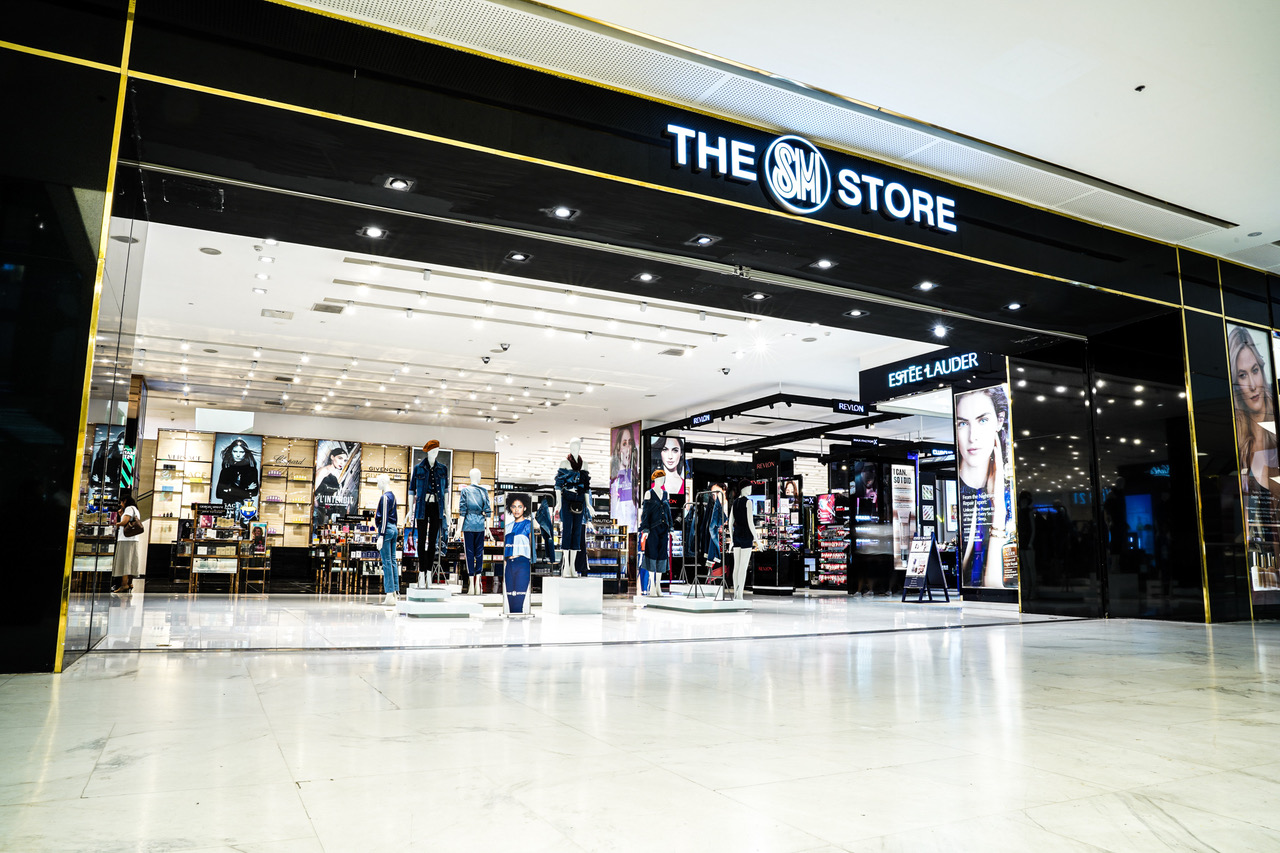
    Aptos, a recognized market leader in retail technology solutions, today announced that The SM Store, the largest department store chain in the Philippines, will deploy Aptos Merchandise Financial Planning to optimize its omnichannel merchandising strategies. The solution will provide end-to-end support for the retailer’s merchandise planning activities across its bricks-and-mortar and online channels.

    The SM Store, formerly known as SM Department Store, has over 60 stores strategically located in key cities throughout the Philippines and carries a wide range of apparel, accessories, housewares, general merchandise and lifestyle products. The SM Store is part of SM Retail, Inc., a significant player in the retail industry in the Philippines.

    SM Retail has come a long way since its founder, Henry Sy Sr., realized his dream to open a shoe store in Manila in 1958. Today, SM’s retail operations are the country’s largest and most diversified, with food, nonfood and specialty retail stores.

    With the guiding principle of offering a one-stop shopping experience, The SM Store continues to enhance the way it engages with its loyal customers. This has included investments in its online shopping platform, ShopSM, allowing customers to shop anytime, anywhere.

    As customers’ browsing and buying behaviors have expanded, so too has The SM Store’s complexity in planning merchandise across channels. In order to delight customers with the right merchandise while consistently meeting financial goals, the Aptos solution will provide end-to-end support for The SM Store’s merchandise financial planning activities. This includes strategic planning and budgeting, planning by attributes, buying and assortment strategy, in-season management, and more.

    Once deployed, Aptos Merchandise Financial Planning will be utilized by over 120 merchandise planners within The SM Store business. The Aptos solution was selected over competitive offerings due to its ability to support The SM Store’s different shop formats and an increasing number of channels, the ease of use and intuitiveness of the application, and the flexibility of the solution to evolve with The SM Store over time.

    “SM’s tagline of ‘We’ve got it all for you’ emphasizes the importance this retailer places on its merchandising strategy, buying decisions and vast assortment,” said Noel Goggin, Aptos CEO and culture leader.

    “Merchandise planning is the foundation of developing, buying and delivering the best assortments to customers while achieving margin and inventory investment targets. With Aptos Merchandise Financial Planning, The SM Store can optimize product distribution and stock levels across channels — a powerful differentiator as it advances its omnichannel vision. We are proud to work with this customer-centric and highly diversified retailer, a true leader in the dynamic and growing Philippine retail market.”