Author: Mei Ling Tan

  • Total Investment Partners with Alibaba to Drive its Digital Transformation

    Total Investment Partners with Alibaba to Drive its Digital Transformation

    Total (China) Investment has signed a Memorandum of Understanding (MoU) in order to pursue strategic collaboration with Alibaba Group (“Alibaba”) (NYSE: BABA; SEHK: 9988) and leverage their respective resources to drive the digital transformation of the Company’s operations in China.

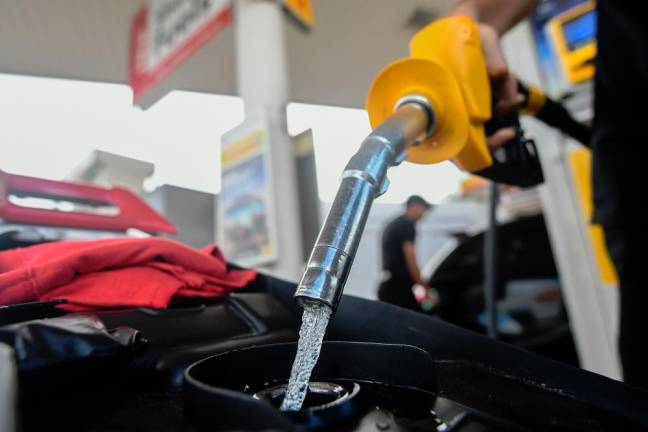
    Under the MoU, the two companies will develop in-depth collaboration based on the Alibaba Business Operating System (ABOS). Total (China) Investment will utilize Alibaba’s leading digital capabilities and technology across e-commerce, online payments, local services, supply chain, big data, and organizational management. The partnership will provide digital infrastructure and support for TOTAL’s service stations, lubricants and special fluids businesses in China, helping the company to enhance the accessibility and flexibility of its product offerings and services, accelerate its branded retail and outlet footprint and drive sustainable growth opportunities.

    Total has been present in China for almost 40 years. This collaboration signifies that Total has become the first international energy company to leverage Alibaba ABOS, setting a digital transformation benchmark in the energy industry.

    “Digital technology is a critical driver for achieving our excellence objectives across all of Total’s business segments. Total Group’s ambition is to generate as much as $1.5 billion in value per year for the company by 2025 through digital transformation initiatives,” said Ian Lepetit, President of Total (China) Investment. “China has a world-leading environment for digital innovation and a fertile ground for making it a reality. We hope the partnership will not only improve our business in this country but also create a best practice that we can roll out to Total Group’s overseas business, delivering better products, services, and better customer experiences to more than 8 million customers everyday worldwide.”

    “As one of the foremost players in the global energy industry, Total is renowned for an excellent lineup of products and services”, said Jet Jing, Vice President of Alibaba Group. “It is a privilege to work together and leverage the Alibaba Business Operating System to accelerate Total’s digital transformation, particularly in the areas of product innovations, customer acquisition, order fulfillment and organizational development. We believe the ABOS will support Total to establish a data-technology-driven and customer-centric operating system. Thriving on Alibaba’s integrated platforms and customer touchpoints, the ABOS will also facilitate Total to serve more customers, serve each customer to the fullest and provide better customer experience at a lower cost and in a more efficient manner.”

    The partnership will cover Total (China) Investment’s major business activities (including service stations, lubricants business and car care business) and cooperate with more than 10 business units in the Alibaba Digital Economy. Total will have a cross-platform consumer-facing storefront, which will be launched to the market soon. Customers will be able to enjoy a seamless online-to-offline experience for TOTAL’s products and services on various popular apps, such as Taobao, Tmall, Alipay, Eleme and Amap, at anytime and anywhere.

    Total has long been pursuing digital transformation. As part of an effort to efficiently implement its digital strategy, Total has adjusted its enterprise organizational structure, establishing the new role of Chief Digital Officer and appointing digital officers to its business segments.
  • SingPost Partners with Tech Startup Shippit to Fuel Small Business Growth in Asia

    SingPost Partners with Tech Startup Shippit to Fuel Small Business Growth in Asia

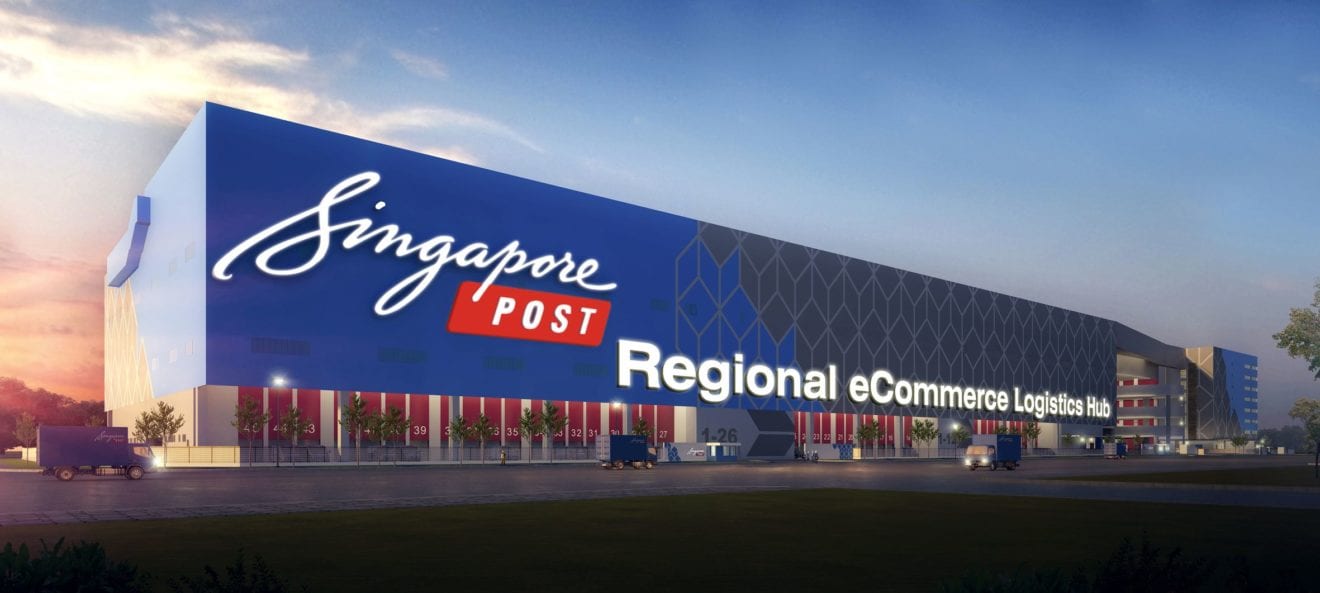
    Today, fast-growing logistics technology company Shippit, announced a new partnership with Singapore Post (SingPost), Singapore’s leading homegrown e-Commerce courier. The deal allows Shippit to empower small and medium-sized enterprises (SMEs) to scale by providing them with instant access to more delivery options — including packages to be delivered directly to Pick Own Parcel Station (POPStations) and letterboxes — a service typically reserved for larger companies. As part of the deal, Shippit will also offer SingPost’s Speedpost Express Service to SMEs, alongside discounted, pre-negotiated rates for next day and economy delivery services.

    SMEs on the Shippit platform will now be able to also offer end-customers parcel collection at any time by tapping into the islandwide POPStation network that SingPost currently operates. This brings added convenience to end customers, since parcels can be deposited directly at their closest available POPStation for pickup, without the need to wait for delivery at home.

    These SingPost services are integrated directly into Shippit’s existing online platform, which enables SMEs to access data-driven delivery insights that can be used to optimize shipping costs and share better customer experiences. SMEs also get access to pre-negotiated, delivery SingPost rates on the platform, enabling them to tap into SingPost’s large delivery network and fleet, at a lower cost.

    Lavneesh Arora, Director of Market Development at Shippit, said: “Shippit aims to disrupt the way legacy logistics firms operate. We are always looking for great partnerships to expand our capabilities and give clients a competitive edge. Through the latest partnership with Singapore’s largest and most prominent logistics company, SMEs can use Shippit to get direct access to SingPost’s premium, enterprise-grade delivery services at a fraction of the cost.”

    Shippit’s intelligent tracking system benefits both senders and receivers through proactive delay avoidance technology and accurate delivery estimates — SMEs will know exactly where the parcel is, ensure delivery issues are resolved before customers find out and can also send branded push emails and SMSes to keep their customers informed. On the receiver’s end, one-link tracking and smart notifications are automated, so customers can easily track their shipment, get real-time updates and access delivery support directly from the track page.

    Sara Kalle, Senior Vice President of Group Sales at SingPost, said: “We are tremendously excited to offer our last-mile services to Shippit. Customers can look forward to a hassle-free shipping experience from the moment they confirm their order on Shippit’s award-winning platform, to collecting their shipments from us at their doors or at a nearby POPStation.”

    Shippit officially launched in Singapore on 14 July, to serve as the startup’s regional headquarters. It plans to expand into Malaysia, Philippines, and Indonesia in the near future. Shippit’s existing client base currently includes Sephora, UNIQLO, CottonOn, and Harvey Norman — to name a few.


  • Amazon Project Zero Launches in Seven New Countries

    Amazon Project Zero Launches in Seven New Countries

    Amazon announced the expansion of Project Zero to seven new countries – Australia, Brazil, Netherlands, Saudi Arabia, Singapore, Turkey, and the UAE – making it available in 17 countries where Amazon has a store. Project Zero combines Amazon’s advanced technology, machine learning, and innovation with the sophisticated knowledge that brands have of their own intellectual property so we can together drive counterfeits to zero.

    Launched in 2019, Project Zero builds on Amazon’s long-standing work and investments to ensure that customers always receive authentic goods when shopping on Amazon. Over 10,000 brands – from large, global brands to emerging entrepreneurs including Arduino, BMW, ChessCentral, LifeProof, OtterBox, Salvatore Ferragamo, and Veet – have already enrolled in Project Zero.

    “Amazon is committed to protecting our customers and the brands we collaborate with worldwide,” said Dharmesh Mehta, Vice President of Worldwide Customer Trust and Partner Support. “Project Zero has been a leap forward in protecting brands, especially for those that use all three of its components.”

    BMW, one of the world’s leading automotive brands with a portfolio of global trademarks, said: “Project Zero has been a very easy and effective tool at protecting BMW on Amazon. We are very appreciative of the tools Amazon has built to enable us to protect our brand.”

    “We are excited to see that Project Zero is expanding into the new marketplaces,” said Adrienne McNicholas, Co-Founder and CEO of Food Huggers. “The program has already had a very positive impact on our enforcement efforts and we are glad to see Amazon’s continued commitment to protecting our brand across the world.”

    Brands that are enrolled in Amazon Project Zero and already have a trademark enrolled in one of the newly launched countries will automatically be able to use Project Zero in these additional stores. New brands can learn more about and enroll in Amazon Project Zero at: https://projectzero.com/sg.

    Project Zero uses three key components to protect and empower brands:

    • Amazon’s automated protections proactively and continuously scan more than 5 billion attempted daily product listing updates globally to look for suspicious listings. These automated protections are powered by Amazon’s machine learning and are continuously fed new information, so we continue to get better in automatically preventing and blocking potential counterfeit listings.
    • We have invested significant resources over the years to proactively prevent counterfeits and continue to innovate and build technology-based solutions. Project Zero goes further with a self-service tool to empower brands and provides them with an unprecedented ability to directly remove listings from our store. These removals also feed into our automated protections, so we can better catch potential counterfeit listings proactively in the future.
    • Product serialization is enabled by a unique code that brands apply within their manufacturing or packaging process, and it allows us to individually scan and confirm the authenticity of every single purchase of a brand’s enrolled products from Amazon’s stores. While product serialization is optional, brands enrolled in Project Zero are seeing the best results when using product serialization.

    Project Zero is among a suite of tools Amazon has introduced to empower brands to protect their IP.

    • Amazon IP Accelerator helps businesses more quickly obtain intellectual property (IP) rights and brand protection in Amazon’s stores. The program was designed specifically with small and medium businesses in mind and is available to entrepreneurs worldwide that are looking to secure intellectual property in the U.S. IP Accelerator connects entrepreneurs with US law firms with expertise in trademark applications. Entrepreneurs also benefit from pre-negotiated rates. To learn more: https://brandservices.amazon.com/ipaccelerator
    • Amazon Brand Registry, a free service that gives brand owners access to a powerful set of tools that help them deliver an accurate and trusted customer experience on Amazon while protecting a brand’s IP. To enroll and learn more: https://brandservices.amazon.com/
  • Cebu Pacific sends 14 planes for storage

    Cebu Pacific sends 14 planes for storage

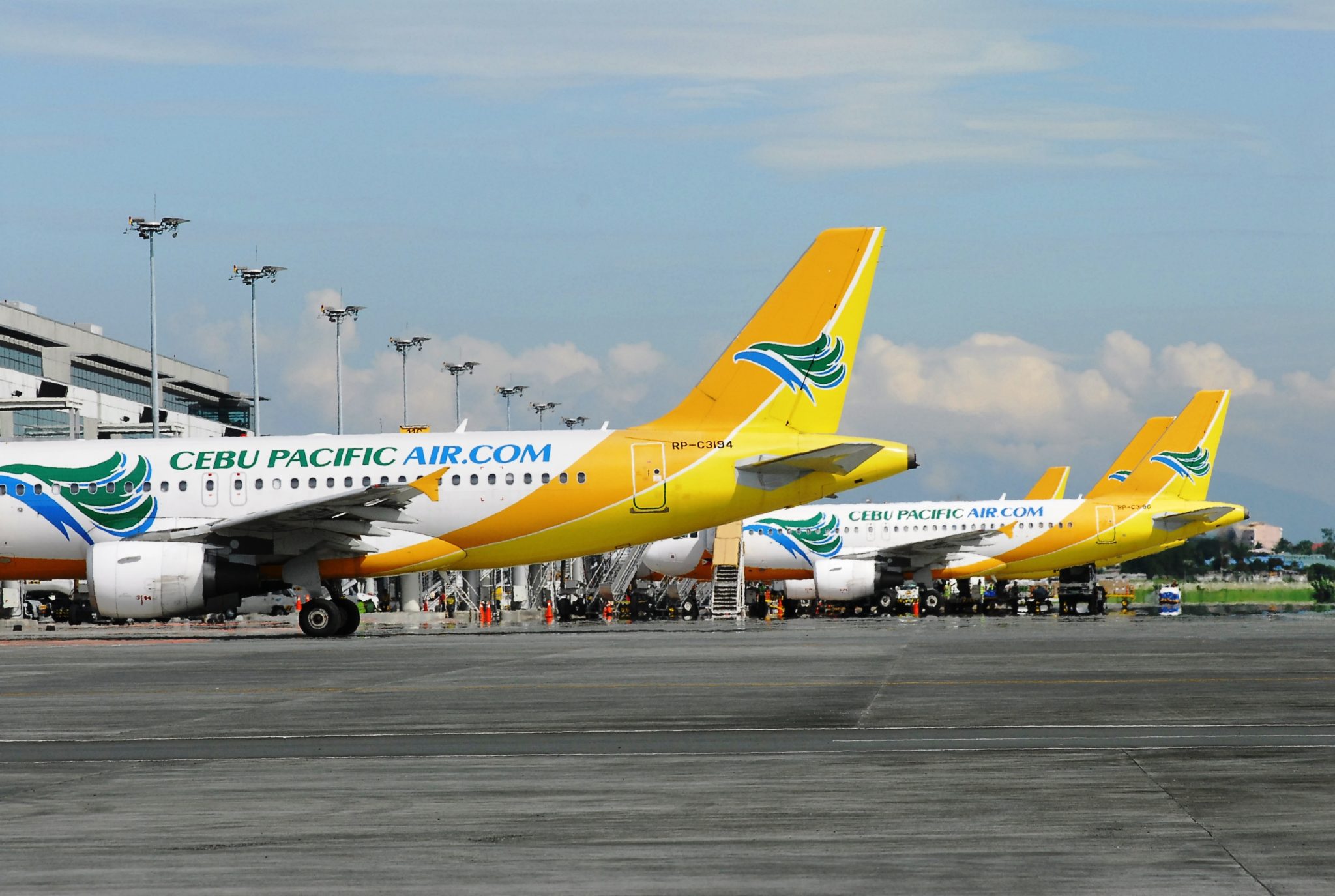
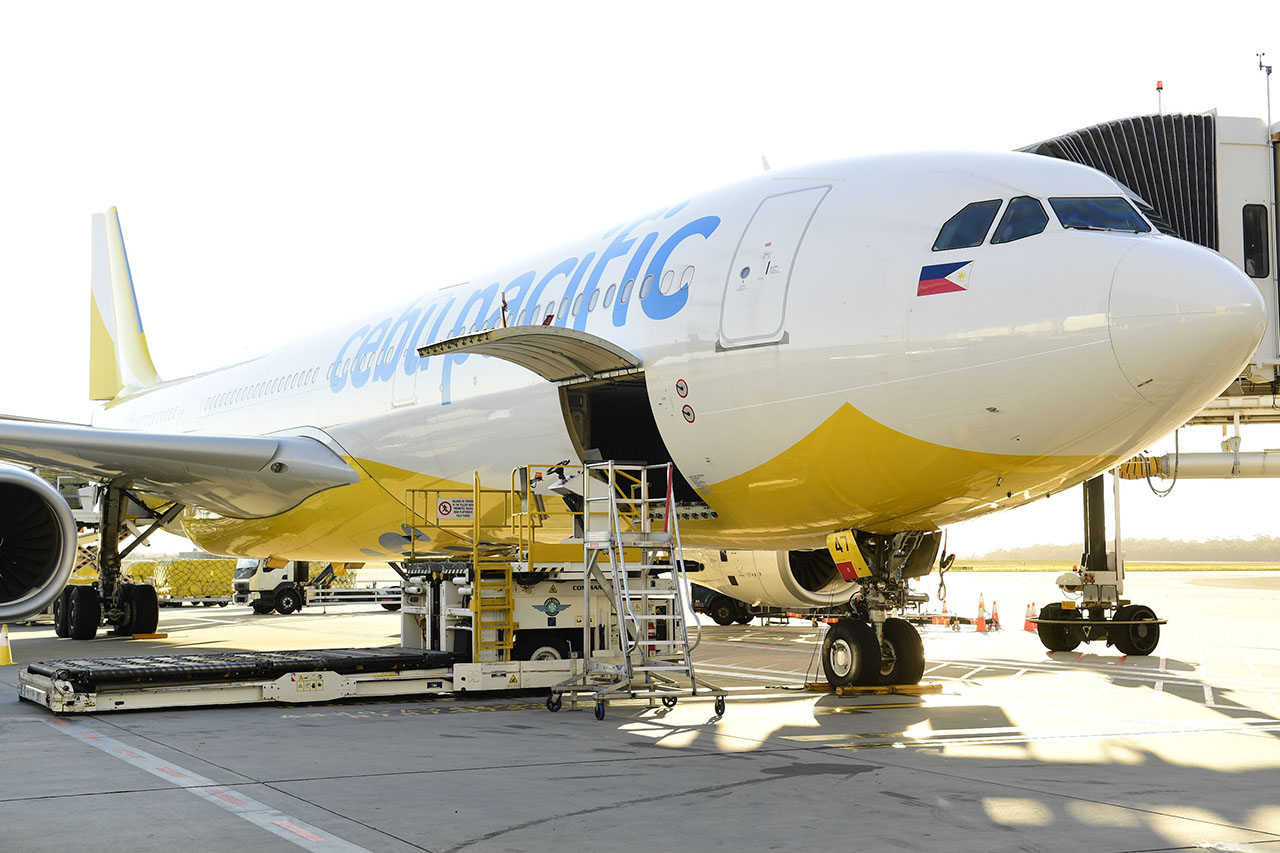
    Budget carrier Cebu Pacific has now sent a total of 14 aircraft for storage at Alice Springs in Australia, with more possibly eyed as travel demand is not expected to return to its robust state anytime soon.

    On top of the 14 aircraft that have been sent so far, Cebu Pacific spokesperson Charo Logarta Lagamon said the next batch is still under study.

    “We have a fleet of 75 aircraft. Because costs continue to be challenged, we have sent aircraft to Alice Springs along with many other airlines, and we are looking to send additional aircraft there for additional storage because obviously we do not see demand coming back in the immediate future,” Lagamon, who is set to leave the airline effective Aug. 15, said yesterday.

    “We will have to store these aircraft in a more proper setting and in a cost-efficient manner,” she said.

    As part of its cost mitigation measures, Cebu Pacific last month said it sent nine aircraft to the Asia Pacific Aircraft Storage at Alice Springs for storage.

    “The best place to store aircraft is somewhere that is dry. This is a facility that stores aircraft because we need to make sure that it stores in a facility that will minimize damage or be equipped for storing aircraft so that once the demand comes back we can easily bring the aircraft back into the line,” Cebu Pacific vice president for marketing and customer experience Candice Iyog earlier said.

    Meanwhile, Lagamon said Cebu Pacific management and their counterparts in Airbus are currently in discussions on the adjustment in delivery or possible cancellation of some of the company’s aircraft orders given the impact of the COVID-19 pandemic to the aviation industry.

    “This is subject to discussions with Airbus. But again, it’s not only Cebu Pacific that is the only carrier in the world that is in talks with the manufacturers for the delay or adjustment of delivery schedules of these orders,” she said.

    Quoting Cebu Pacific president and CEO Lance Gokongwei, Lagamon said the airline is expecting challenging numbers in its second-quarter financial results.

    “This is on account of the course of continuing quarantine. We are still unable to fly the majority of our flights. We’re only at 10 percent of what our capacity used to be,” she said.

    Lagamon said Cebu Pacific has canceled some 150 flights a week, or a total of about 300 flights, from Aug. 4 to Aug. 18 following the return of Metro Manila to modified enhanced community quarantine.

    Cebu Pacific incurred a P1.18 billion net loss in the first quarter, a turnaround from the P3.36 billion net income it recorded in the same period last year, as travel restrictions brought about by the COVID-19 pandemic started taking its toll on its operations.

  • Toyota Vietnam recalls 2,700 cars over faulty airbags

    Toyota Vietnam recalls 2,700 cars over faulty airbags

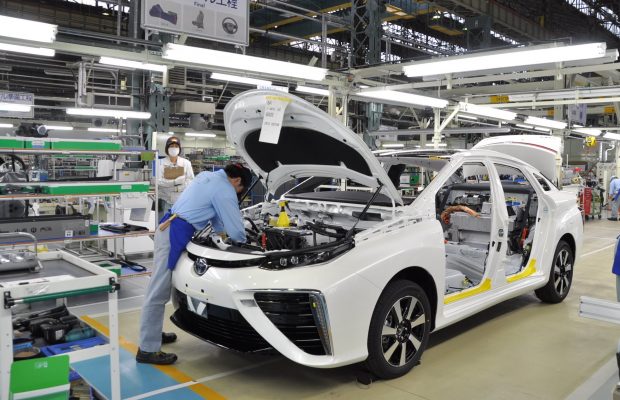
    Toyota Vietnam is recalling over 2,700 Vios and Corolla sedans for airbag faults that can cause severe damage to users in the event of a crash.

    The recall covers 2,568 Toyota Vios cars assembled in Vietnam between September 2007 and December 2008, and 145 imported Toyota Corolla cars produced between January 2004 and April 2005, according to a statement submitted by the automaker to the Vietnam Register.

    The inflator canister in these vehicles can be penetrated by humidity. In some crashes, the activation of the airbag can break the inflator into pieces. These pieces can be pushed through the inflated airbag, causing serious damage to users, Toyota Vietnam said.

    Customers can bring their vehicles for a free replacement of the faulty parts at Toyota dealers. The replacement should take up to 1.5 hours. The recall will run until August 2022.

    In 2018, Toyota Vietnam recalled more than 11,300 cars with similar airbag faults.

  • Twitter reportedly meets with TikTok about a combination

    Twitter reportedly meets with TikTok about a combination

    People who make their way around Twitter know a way that they can see if the Twitterverse hates a particular tweet. It’s called getting ratio’d. It’s quite simple really; if the number of replies vastly outnumbers a tweet’s likes and retweets, it means that the content of that tweet is disliked by Twitter subscribers. The messaging app recently tested changing some of the terminology associated with the app and also made it easier to figure out a particular tweet’s ratio.

    During the test, retweets with comments were called Quotes. In an email sent to The Verge, a Twitter spokesman said, “A few months ago, we’ve made Retweets with Comments more visible when you tap to see Retweets on a Tweet. This is available to everyone. Now, we’re testing making Retweets with Comments accessible directly on the Tweet and new language (Quotes) to see if this makes them easier to access and more understandable.”

    Back in May, Twitter tested a Retweets with comments counter on some iOS devices. But now, the new test adds the Quote counter to the stats on the bottom of a tweet. Twitter, like most social media sites, has been under attack for the polarizing and baiting comments left by many users. Twitter said in the past that it wants to add features to its UI to improve conversations between users.

    Speaking of Twitter, last Sunday it has had preliminary discussions with TikTok about a potential combination. The short-form video app has until the middle of next month to find a partner willing to take the U.S. operations of the app off the hands of its parent firm ByteDancer. That’s because the latter is a Chinese tech firm which automatically raises suspicions by the U.S. government. An executive order signed by the president last week calls the company a threat to national security and notes that being owned by a Chinese firm means that it is potentially allowing China to track the locations of Federal employees and contractors, build dossiers of personal information for blackmail, and conduct corporate espionage.”

    Microsoft is seen as the leading candidate to take over the U.S. operations of TikTok and has the wherewithal to make such a purchase which could cost the software giant tens of billions of dollars. It isn’t clear how Twitter would be able to finance any deal. The company’s stock market capitalization is approximately $29 billion compared to Microsoft’s $1.6 trillion valuations. As of June, Twitter had $7.8 billion in cash and securities compared to $136 billion for Microsoft. TikTok has been installed over two billion times from both the Apple App Store and the Google Play Store. Globally, TikTok has 800 million active users with 100 million in the states. During the pandemic, TikTok gave teens, pre-teens, and even parents stuck inside a chance to release some steam by producing 15-second or 60-second videos. Typical content includes lip-syncing, dancing, playing comedic pranks, and more.

    Twitter once ran an app that was somewhat similar to TikTok. Vine was developed in 2012 and was purchased by Twitter during the following year; the app allowed users to create video clips lasting six or seven seconds and content was shared over Facebook and Twitter. In 2016, Instagram Video was launched allowing users to record longer 15-second clips and many Vine users started to move on to Instagram, Snapchat, and other apps. Vine hung around in various forms with the last iteration of an app using the Vine name closed in 2019.

  • Fuelled By Volvo, China’s Geely Seeks Launchpad To Enter Auto Giant Orbit

    Fuelled By Volvo, China’s Geely Seeks Launchpad To Enter Auto Giant Orbit

    Chinese carmaker Geely plans to use a platform developed with input from Volvo to build new models in Malaysia for its partly owned Proton brand, a strategy that shows how it aims to accelerate its push to become China’s first global auto giant. The yet-to-be-finalized plans for Proton are just one strand of a Geely project to revamp factories at home and abroad using joint platforms it has been perfecting with Volvo since 2013. Geely bought the Swedish brand 10 years ago for $1.8 billion (1.4 billion pounds) – a deal that raised its international profile and sent shockwaves through the global auto trade.

    Senior Geely officials and engineers told Reuters that a project dubbed Compact Modular Architecture (CMA) will allow them to develop, design, and build different types of compact cars with similar mechanical layout faster than before – and at a lower cost.

    They said CMA, along with a platform for smaller cars known as B-segment Modular Architecture (BMA) that Geely plans to roll out for Proton, allows them to harness the Swedish automaker’s technologies and Geely’s capabilities in cost control, supply chain management, and local production.

    “CMA will be the core of Geely’s future architecture design … We learn technologies and build up talents through developing it,” said Li Li, vice president at Geely Automobile Research Institute, confirming the Proton plan during an interview in Ningbo, south of Shanghai. Li declined to disclose details of the general investment, financial targets, or a timetable for expansion plans.

    From its lowly foundation in 1986 in Taizhou on the east coast as a maker of refrigerator parts, Geely has grown into one of the biggest players in China, the world’s largest auto market accounting for nearly one in every three passenger cars sold around the planet. Geely now sells more than 2 million cars a year across all brands, ranking it not far from the world’s top 10 automakers by unit sales.

    The CMA platform in particular will allow Geely and Volvo to design vehicles more quickly and cost-effectively, Li said, providing a technological springboard towards a higher market share at a time when the auto industry must embrace a future featuring electric and autonomously driven transport.

    Like Geely – an anglicization of the Chinese word for ‘lucky’ – domestic peers Great Wall Motor and GAC have branched out with their own versions of vehicle platforms, harboring greater ambitions for selling cars in major Western markets.

    But grand plans have previously been delayed, or simply canceled, amid a lack of practical preparedness, analysts have said, against a backdrop of years of trade tensions between China and the United States that have roiled the global economy. At the same time, attention has been diverted to deal with stalling sales at home as the pace of China’s growth has slowed.

    Geely Automobile and its sister company Volvo Cars are planning to merge and list in Hong Kong and possibly Stockholm, giving Volvo access to public markets after it dropped a move to list its stock two years ago.

    In its pursuit of global automaker status, Hangzhou-based Geely is now holding talks to merge the Volvo Cars business with its Hong Kong-listed Geely Automobile – worth about $22 billion by market value, bigger then famed industry names like Fiat Chrysler Automobile and Nissan Motor.

    As well as the 49.9% stake it took in Proton three years ago, the broader Geely group – Zhejiang Geely Holding Group, led by Taizhou-born billionaire Li Shufu – now also comprises a 9.7% stake in Germany’s Daimler AG and a majority stake in British sports car brand Lotus.

    And while giants from Toyota Motor Corp to Volkswagen AG and General Motors Co have followed a similar shared platform project for their respective brands, Geely’s strategy is a first for a Chinese company.

    The automaker plans to develop all its future models for the Geely and Lynk & Co brands on CMA or other related product platforms, like BMA. It is also developing a new architecture to accelerate the launch of pure battery electric vehicles with intelligent connectivity functions, said Li, a former Ford engineer.

    In addition, Geely wants to shift the development of next generations of some popular existing models, like Borui and Emgrand sedans, to those architectures, he said. It takes around 18 months for Geely to significantly change a CMA-based car, versus 24-30 months to do so on a non-CMA-based model.

    Using CMA, plant managers can switch production of different models to maintain smooth overall capacity utilization rates at production lines, said Oskar Falk, the Volvo-trained head at Geely and Volvo’s first joint production site in Taizhou.

    The plant already exports Volvo Polestar 2 electric sedans to the United States and Europe, and is preparing to make Volvo’s first battery-powered electric vehicle, Falk said.

    Geely also plans to start exporting China-made Lynk & Co 01 SUVs to Europe this year.

  • Saigon zoo operator posts $800,000 loss

    Saigon zoo operator posts $800,000 loss

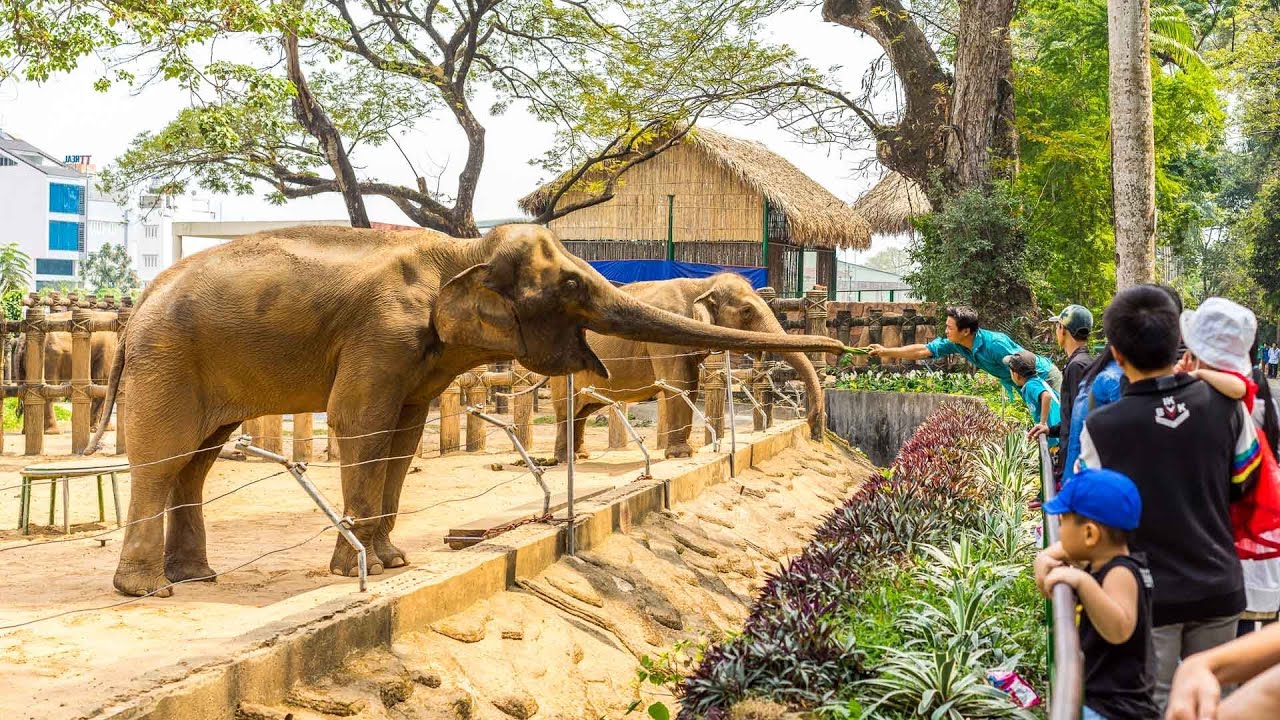
    The Saigon Zoo-Botanical Garden Company Ltd reported a loss of VND18.8 billion ($809,600) for the first half as Covid-19 kept people away from its zoo.

    The operator of the country’s largest zoo in Ho Chi Minh City saw revenues drop by half year-on-year to VND27 billion ($1.2 million). The 156-year old zoo in District 1 closed for two months from March 20 as Covid-19 containment measures took effect. Its loss was the third largest among seven loss-making state-owned companies based in the city. The operator also has VND18 billion ($775,200) in debts, mostly salaries. Its 270 employees have agreed to a 30 percent salary cut this month.

    It recently called for public donations to help the zoo care for its 1,500 animals, which require nearly five tons of meat, vegetables, fruit, and leaves daily.

    The zoo has over 125 animals and 900 plant species.

  • Yum China eyes US$2 billion HK stock listing

    Yum China eyes US$2 billion HK stock listing

    Yum China – the operator of KFC, Pizza Hut, Taco Bell, and local restaurant chains – is reportedly preparing to list on the Hong Kong stock exchange as early as next month.

    The IPO, should it proceed, is likely to raise as much as US$2 billion, according to Bloomberg, which cited inside sources who asked not to be identified

    Approval for the listing will be sought from the territory’s stock exchange as early as this month.

    Yum China, controlled by its US namesake Yum! Brands, has been working with Goldman Sachs, China International Capital, Citigroup, UBS and CMB International to prepare for the listing.

    Last month, Yum China marked its 10,000-store milestone, opening a KFC in Bo’ao, Hainan province, and CEO Joey Wat said then that the Covid-19 pandemic will not impact this year’s store rollout plan.

    “With our innovation capabilities, strong digital strategy, and resilient business model, I believe we will emerge from this pandemic stronger than ever, and ready to capture the exciting long-term market opportunity in China,” she said.

    Yum China’s total sales fell 11 percent year on year to US$1.9 billion in the first quarter of this year, while net income fell 26 percent to $132 million.

    Michael Pearson, head of corporate equities at Oak Stone Limited, said the specifics of the deal such as timing and size have not yet been finalized and are likely to change in the coming weeks.

    “New York-listed Yum China is another company who join the growing wave of US-listed Chinese firms seeking a trading foothold in Hong Kong due to the deteriorating relations between the US and China,” added James Burnley, head of wealth management at Oak Stone.

    “Regulators in the US are threatening to restrict the access of Chinese companies to the American capital markets if they refuse to let authorities review their audits,” he said.

  • Total’s Indian Joint-Venture To Seek Fuel Retailing License

    Total’s Indian Joint-Venture To Seek Fuel Retailing License

    A joint-venture by India’s Adani Gas and France’s Total will soon seek government permission to open retail fuel stations in India, Adani’s chief executive said on Wednesday. India has become a lucrative market for global oil majors after the government removed controls on the retail pricing of gasoline and gasoil and relaxed rules for setting up fuel stations in the country, the world’s third-biggest oil consumer and importer. The joint venture, Total Adani Fuels Marketing Pvt Ltd, will soon apply for a license under the new liberal fuel retailing rules, Manglani said.

    “Definitely we will take full benefit of the expertise and strength of Total,” Suresh Manglani told reporters on an earnings call, adding that the intent was to become a full-service operator, providing a multi-fuel offering.

    Fuel demand in India is expected to rise in the coming years as Prime Minister Narendra Modi pushes for Asia’s third-largest economy to grow from $2.9 trillion of gross domestic product in 2019 to $5 trillion by 2025.

    British oil major BP has already teamed up with Reliance Industries in a fuel retailing joint venture, and Shell and Abu Dhabi National Oil Co also both want to strengthen their presence in India.

    Total bought a 37.4% stake in billionaire Gautam Adani-promoted Adani Gas last year to capitalize on India’s push for cleaner sources of energy. Adani Gas, which has so far focused on selling gas to industry and households, also wants to sell liquefied natural gas (LNG) for transportation. Modi wants to raise the share of gas in India’s energy mix to 15% by 2030 from the current 6.2%.

  • Foot Locker establish presence in Macau

    Foot Locker establish presence in Macau

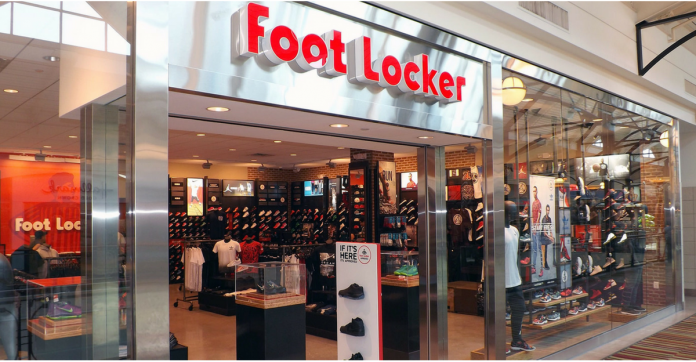
    Foot Locker has made its Macau debut with two stores opening this month.

    Located in Shoppes at the Parisian Macau, the Foot Locker’s first Macau store features a wide selection of footwear and apparel collections from different global brands, including Nike, Jordan, Adidas and Puma.

    “Opening our first store in Macau marks another milestone in our journey, where we aim to engage and inspire youth culture within the local community,” said Tomas Petersson, GM and VP at Foot Locker Asia.

    According to the company, Foot Locker’s second store in Macau is scheduled to launch later this month in The Shoppes at the Venetian Macau.

    Foot Locker operates 3129 retail stores across 27 markets across North America, Asia, Europe, Australia and New Zealand.

  • New retail brands join line-up at The Shoppes at Marina Bay Sands

    New retail brands join line-up at The Shoppes at Marina Bay Sands

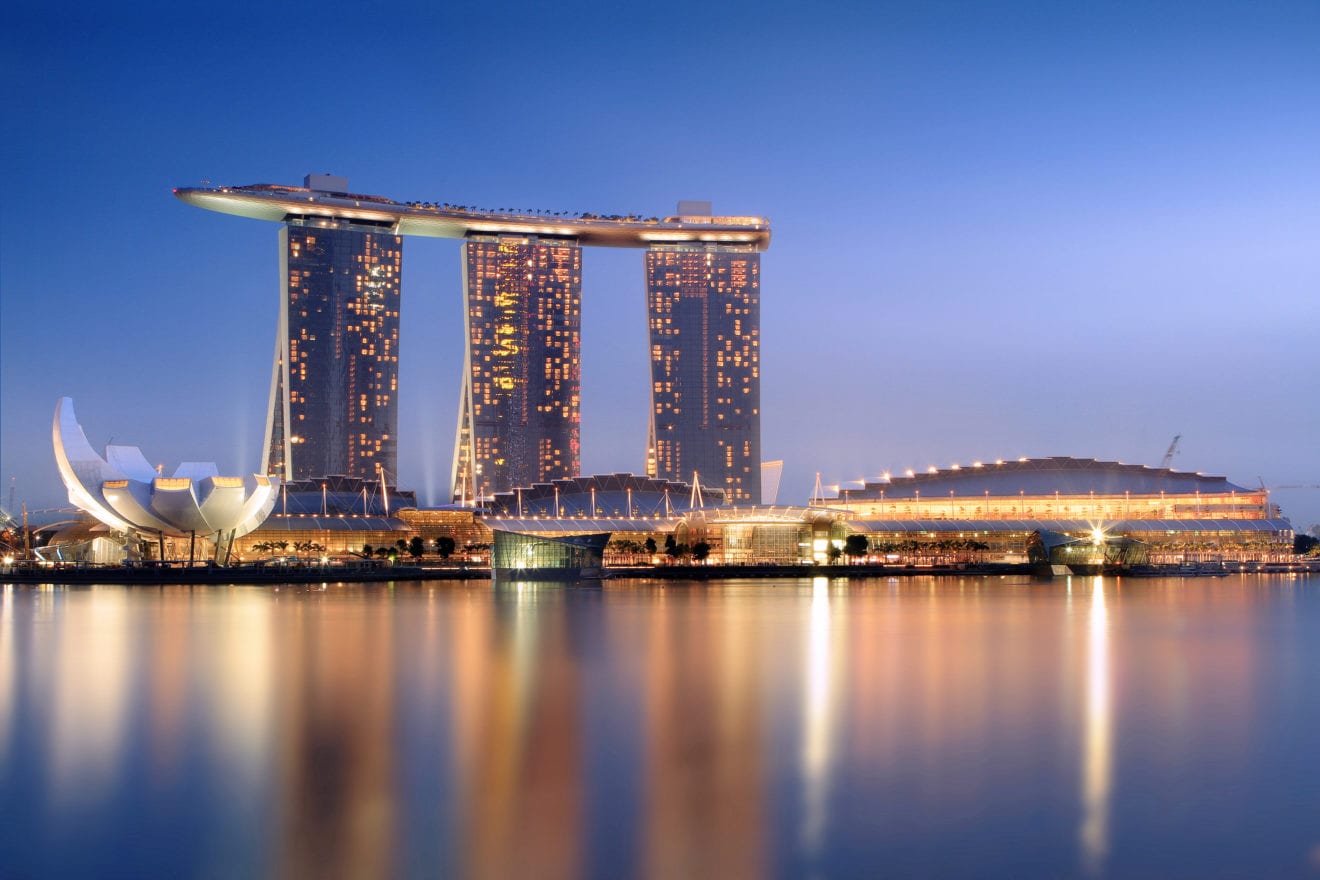
    The Shoppes at Marina Bay Sands has revealed a list of store openings and new brands for the shopping center this year.

    In the childrenswear category, Italian label Monnalisa has opened its first Southeast Asian standalone store, following the opening of Fila Kids last month.

    The Shoppes at Marina Bay Sands has also announced a plan by British luxury fashion house Alexander McQueen to refurbish its retail store. Relocated in the center, the new store will occupy a 3300sqft space, three times the size of its existing outlet, and featuring a new-generation store design. It is scheduled to re-open at the end of this year.

    Watch and jewelry brands to join The Shoppes include Japan’s Ahkah (this month) and Chinese label Qeelin whose first Singapore store will open later this year.

    High-end luxury Korean skincare brand Su:m37 will launch its first standalone kiosk and a skincare line in Singapore in the fourth quarter of this year.

    In the food & beverage category, renowned Chinese restaurant Putien is to join The Shoppes dining options early next year, taking up space previously occupied by the DC Comics SuperHeroes cafe.

  • Cebu Pacific to refund tickets of 1.5M passengers

    Cebu Pacific to refund tickets of 1.5M passengers

    Budget carrier Cebu Pacific will provide refunds to an estimated 1.5 million passengers as 50 percent of its fleet remains grounded due to the coronavirus pandemic.

    Charo Logarta Lagamon, corporate communications director for Cebu Pacific Air, assured that passengers who requested refunds since April or earlier will be refunded by August.

    “All of a sudden, we have a situation where hundreds of thousands of passengers are all clamoring for a refund in a 160-day time frame. It’s not that simple to refund, especially now that there’s no cash flow in the airline. Nothing is going in and everything is going out,” she said in a Zoom meeting Friday, Aug. 7.

    Lagamon said they are doing their best to fast-track the process and that there are reforms underway to help in the refund process.

    She said the airline will reimburse payments made through credit or debit card while for those who paid in cash, the refund will be deposited in the bank account of the customer.

    Moreover, to stay afloat during these challenging times, the airline also implemented cost-cutting measures like the layoffs of 800 employees, which is 20 percent of the airline’s 4,000 employees.

    Company officials also had pay cuts.

    “Our second-quarter performance was very challenged due to the prolonged Covid-19 situation,” she said.

    Meanwhile, Cebu Pacific placed 14 of its 76 aircraft in long-term storage in Alice Springs, Australia to preserve the airline’s condition. Others were parked in the different hubs in the country.

  • Financial aid for AirAsia crucial due to high multiplier effect

    Financial aid for AirAsia crucial due to high multiplier effect

    Financial assistance such as loans with easier terms to AirAsia Group is crucial in helping the struggling low-cost carrier to turn around as its recovery will bring about a huge spillover effect to the broader economy.

    AirAsia X  chairman Tan Sri Rafidah Aziz reportedly said easier loan terms will not only provide the carrier with operating funds but also create a high multiplier effect in boosting and reviving the country’s economy.

    She was quoted by Utusan Online as saying AirAsia is negotiating for bank loans with low-interest rates and longer tenures.

    “We have a multiplier effect from flights which is 12 times, with every RM1 we bring in, another RM12 given to (economic) sectors such as hotels, resorts and restaurants, ” Rafidah was quoted as saying in the report.

    She said countries understand, when the aviation industry opens, business people and tourists will come, so hotels and restaurants will resume operations and receive visitors

    According to Rafidah, support and financial assistance is needed by the airlines affected by the enforcement of the Movement Control Order (MCO) to curb the Covid-19 pandemic.

    She noted that no income is earned during the MCO period because flights in and out of the country are stopped while expenses continue to be incurred.

    Rafidah said the Covid-19 pandemic situation has not stopped AirAsia from continuing to find new flight destinations.

    However, she said, various aspects need to be looked at first including the number of visitors and fuel prices.

  • H&M suspends employees over use of racial slur

    H&M suspends employees over use of racial slur

    Fashion giant H&M says it has suspended a number of employees over the use of a racial slur relating to the name of a hat to be sold at stores of its & Other Stories brand.

    CNN Business, which first reported the incident, said that the slur, in an internal H&M document, related to a hat that appeared on a list of items and accessories to be sold in the autumn/winter collection.

    “We are deeply sorry to have discovered that one of our brands, & Other Stories, used a racist slur in an internal product overview,” H&M spokeswoman Ulrika Isaksson said in a written comment to Reuters.

    “We take the use of racially offensive language extremely seriously. While internal and external investigations are taking place, we have suspended the team and managers responsible for this area of the business.”

    H&M, the world’s second-biggest fashion retailer, did not say how many employees had been suspended.

    In 2018, the Swedish company was forced to apologize for an advert that was widely perceived as using racist language and in its statement on Thursday H&M acknowledged that it had “challenges with the diversity of some of our own teams”.

    It said it would also take further measures including specific targets for boosting diversity in its major markets by the end of 2020 and the creation of an external advisory council to consult on its business direction.

    According to H&M’s website, & Other Stories has 70 stores in 17 markets in Europe, the United States and Asia.