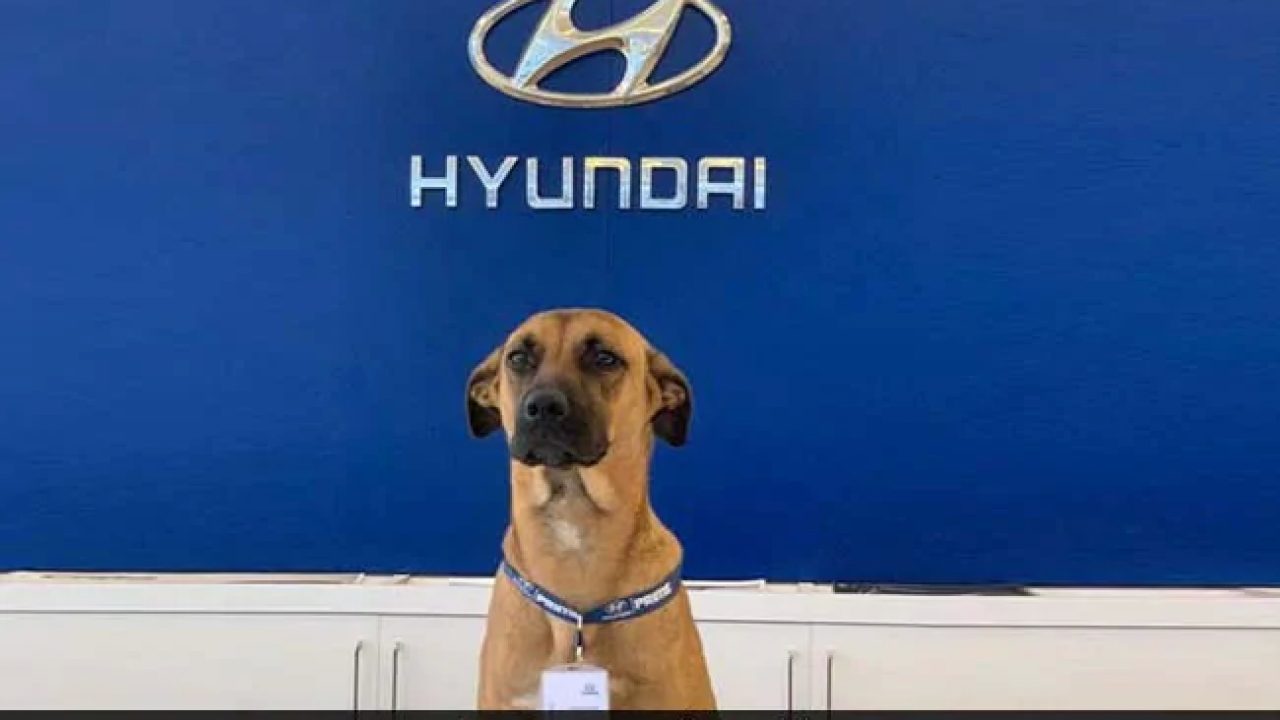
Hyundai’s new ‘four-legged’ Tucson might be one of the most adorable things you would have seen on the internet at a time when we are mostly getting to read all kinds of negative news. Just imagine walking into a car showroom and being welcomed by a dog! It’s nothing less than a treat for animal lovers. In fact, the dog we are talking about is Hyundai’s employee of the year and works at a Hyundai Showroom in Brazil. Tucson Prime was a street dog that a Hyundai showroom in ES, Brazil adopted and its story is indeed heart-warming.
Tucson was often found hanging around a Hyundai car showroom in Brazil. No marks for guessing! He soon befriended almost everyone at the showroom and their bond grew so strong that he was soon adopted by the showroom and was made an honorable employee who has his own ID card as well. Just like any other dog, Tucson used to guard the Hyundai showroom and now has been promoted to a salesman by the company. Hyundai took to Instagram to introduce its new employee and said, “The new member is about a year old, was welcomed by the Hyundai family and has already won over co-workers and customers.”
Hyundai Prime has his own Instagram handle as well with over 28,000 followers already and counting. According to a news report published by World of Buzz, Tuscan Prime was adopted on May 21, this year by Hyundai Serra, ES, Brazil outlet.
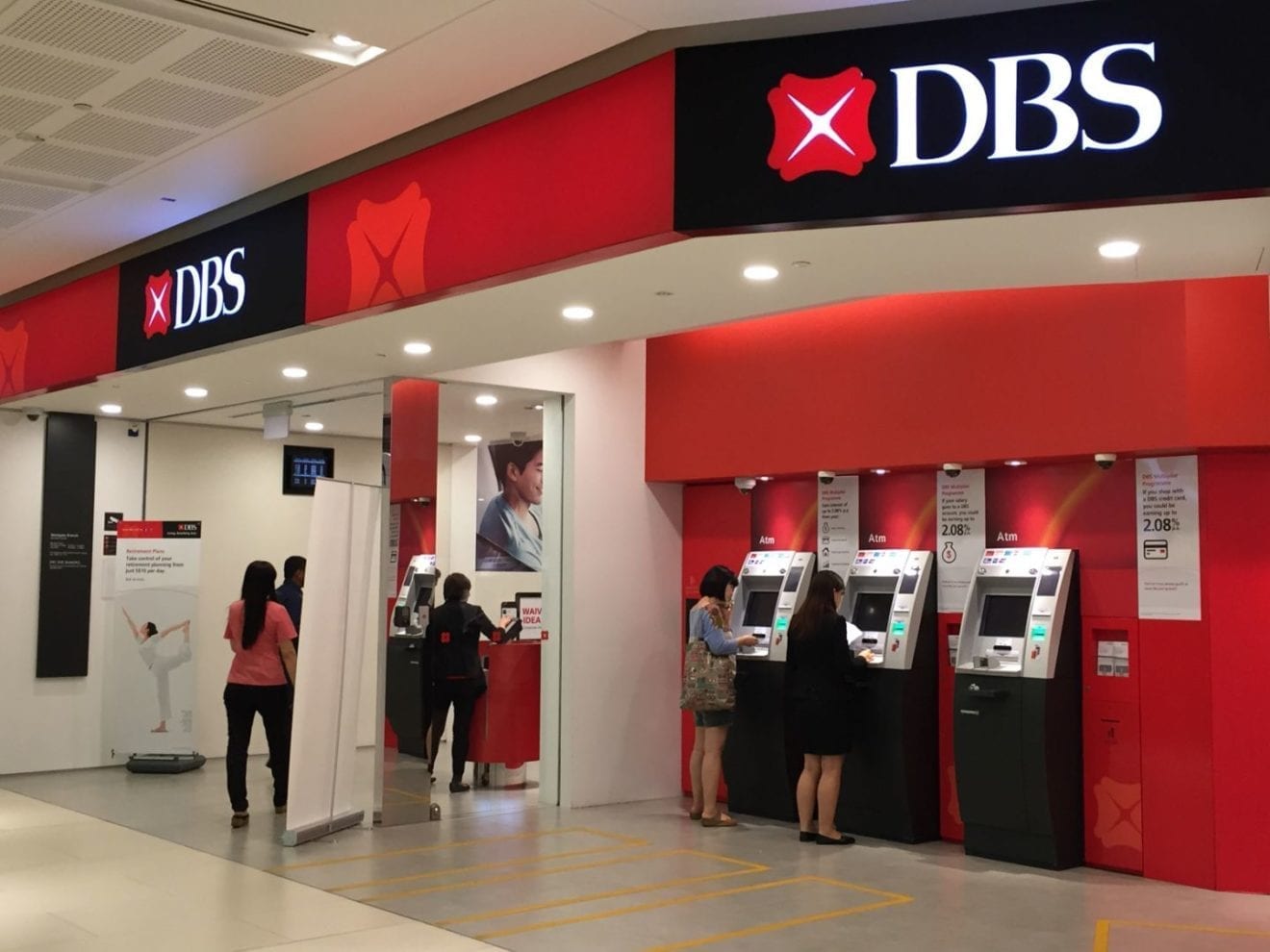
A five-fold surge in allowances primarily focused on coronavirus-linked risks drove net profits at DBS to tumble 26 percent in the first half.
DBS Group posted a net profit of S$2.41 billion ($1.76 billion) in the first half of 2020, a 26 percent year-on-year drop, according to a statement. This was driven largely by a five-fold increase of total allowances which reached S$1.94 billion of which S$1.26 billion has been «conservatively set aside to fortify the balance sheet against risks arising» from the ongoing pandemic.
Singapore bank’s ex-allowance profits increased 12 percent and reached a record S$4.71 billion driven in part by a 7 percent income rise to S$7.75 billion.
Our solid balance sheet was further fortified by a significant increase in allowance reserves, strong liquidity inflows and healthy earnings, said DBS CEO Piyush Gupta. «Notwithstanding the uncertainties, we are in a good position to continue supporting customers and the community through the difficult months ahead of us.»
Japanese automakers’ China sales grew by more than 10% from a year earlier in July as the world’s biggest auto market sustained its recovery.
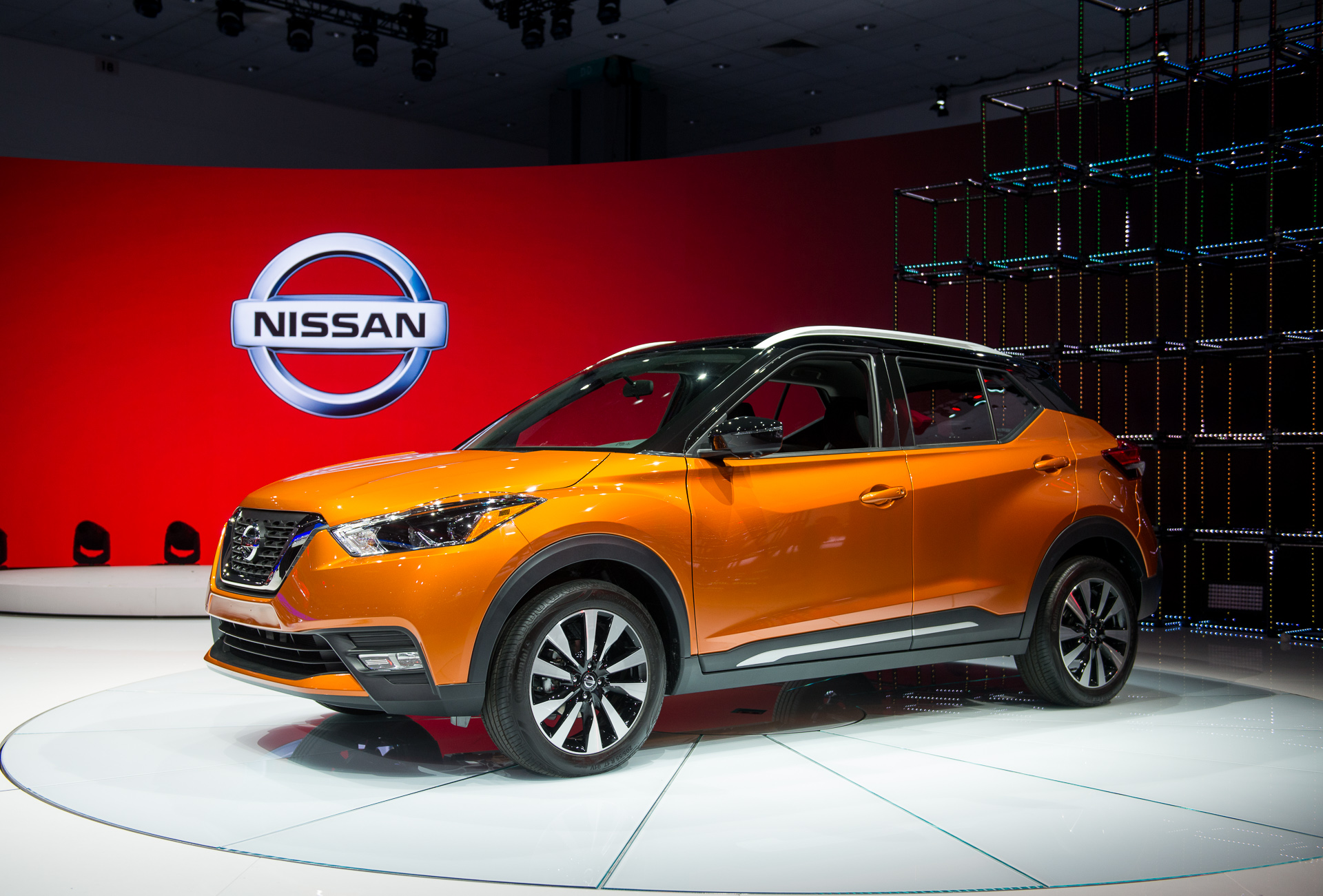
Nissan Motor said on Wednesday its sales in China rose 11.6% last month from a year earlier to 120,945 vehicles. China is a market that Nissan is focusing on as the embattled carmaker struggles to fix problems from ousted leader Carlos Ghosn’s aggressive expansion drive
Nissan’s sales in China rose 11.6% last month from a year earlier to 120,945 vehicles.
Toyota Motor Corp sold around 165,600 cars last month in China, up 19.1% year-on-year. Of the total, 22,300 came from its premium Lexus brand, which showed a 38.6% sales jump compared to a year earlier.
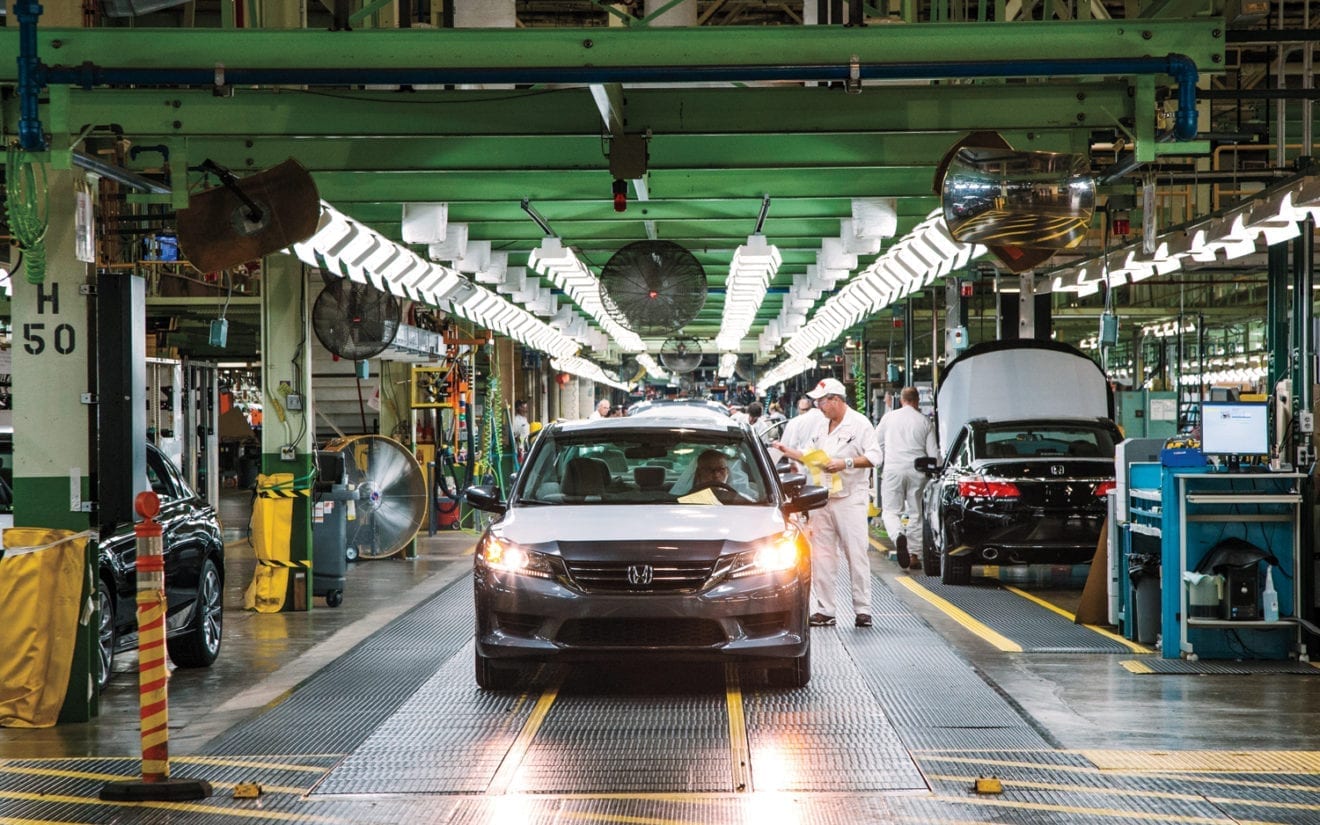
Honda Motor Co said on Wednesday it sold 136,646 vehicles in China in July, up 17.8%.
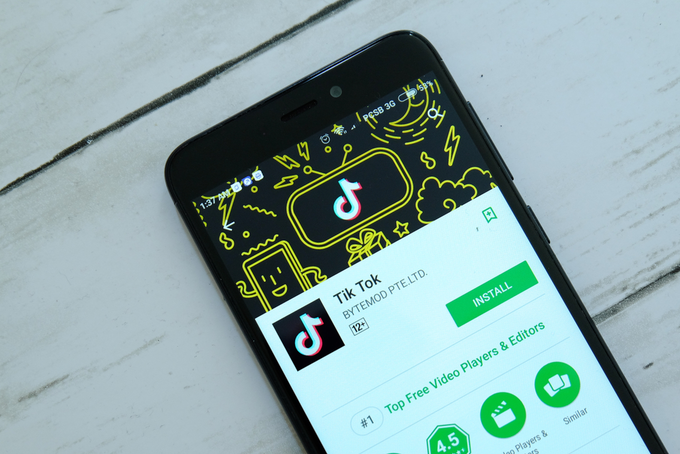
Short-form video app TikTok has 41 days to complete a deal with Microsoft or any other U.S. company or else President Donald Trump has said that he will ban the app in the U.S. That’s because TikTok’s parent company, ByteDance, is based in China and a law in the country allows the communist government to order tech firms to collect intelligence from consumers and companies in the states and send it to Beijing. This is the same reason why outfits like Huawei and ZTE are considered national security threats in the states.
NPR reported that twenty separate lawsuits accusing TikTok of capturing information about users’ facial characteristics, locations, and close contacts were merged into one class-action suit. The plaintiffs are minors who use the app and the suit states that the personal data collected by TikTok is sent to servers in China. ByteDance says that the servers it uses for TikTok are located in the U.S. with backups in Singapore. Experts for the plaintiffs said in the filing that personal data collected by TikTok is “under the control of third-parties who cooperate with the Chinese government. Such information reveals TikTok users’ precise physical location, including possibly indoor locations within buildings, and TikTok users’ apps that possibly reveal mental or physical health, religious views, political views, and sexual orientation.”
With talk of a possible ban, many of the 100 million TikTok users in the U.S. have been looking for a new app to record their lip-syncing, dancing, singing, comedy bits, and protests. One app called Clash launched months early so that it could sign up TikTok members worried about losing the app to a ban. Instagram announced the launch of its short-form video feature called Reels. Instagram says, “Reels invites you to create fun videos to share with your friends or anyone on Instagram. Record and edit 15-second multi-clip videos with audio, effects, and new creative tools. You can share reels with your followers on Feed, and, if you have a public account, make them available to the wider Instagram community through a new space in Explore. Reels in Explore offers anyone the chance to become a creator on Instagram and reach new audiences on a global stage.”
To use Reels, open Instagram and touch the camera icon in the upper left of the screen. On the bottom of the page, tap the Reels tab to get started. On the left side of the screen, you’ll see icons for Audio, Speed, Effects, and Timer. With the Audio setting, you can search for a song from Instagram’s music library or use your own by creating a reel with original music. If you share an original song on Reels, you will get credit for it. And your musical creation can be used by others by selecting “Use Audio” from your Reel.
With AR Effects you can pick one from Instagram’s effect gallery which also includes effects made by creators all over the planet. This will allow you to create multiple-clips with different effects. If you are recording a Reel, you can record it hands-free by tapping on Timer and Countdown. A 3-2-1 countdown will alert you when your device has started recording.
Perhaps one of the most important features on Reels is Align. This allows you to line up objects from your previous clips to help you record seamless transitions for outfit changes and more. And Speed lets you speed up audio and video. Reels can be recorded one at a time or all at once. Instagram says, “Record the first clip by pressing and holding the capture button. You’ll see a progress indicator at the top of the screen as you record. Stop recording to end each clip.”
If you have a public account, your Reel can be shared in Explore or over your feed. If you use a private account, only your followers will be able to view your content from your feed. Original audio can’t be shared with this setting and others cannot share your Reels with others who don’t follow you. And a Reel can also be shared like a Story which means that it will disappear after 24 hours.
“Reels in Explore showcases the best of trending culture on Instagram. Discover an entertaining selection of reels made by anyone on Instagram, in a vertical feed customized for you. If you love a Reel, you can easily like, comment or share it with your friends. You’ll also see some Reels with a “Featured” label. If your Reel is featured in Explore, you’ll receive a notification. Featured Reels are a selection of public Reels chosen by Instagram to help you discover original content we hope will entertain and inspire you.
Reels gives people new ways to express themselves, discover more of what they love on Instagram, and help anyone with the ambition of becoming a creator take center stage.”
The bank’s performance was hit by declining margins and pre-emptive credit provisioning as the effects of the Covid-19 pandemic continues to devastate the global economy.
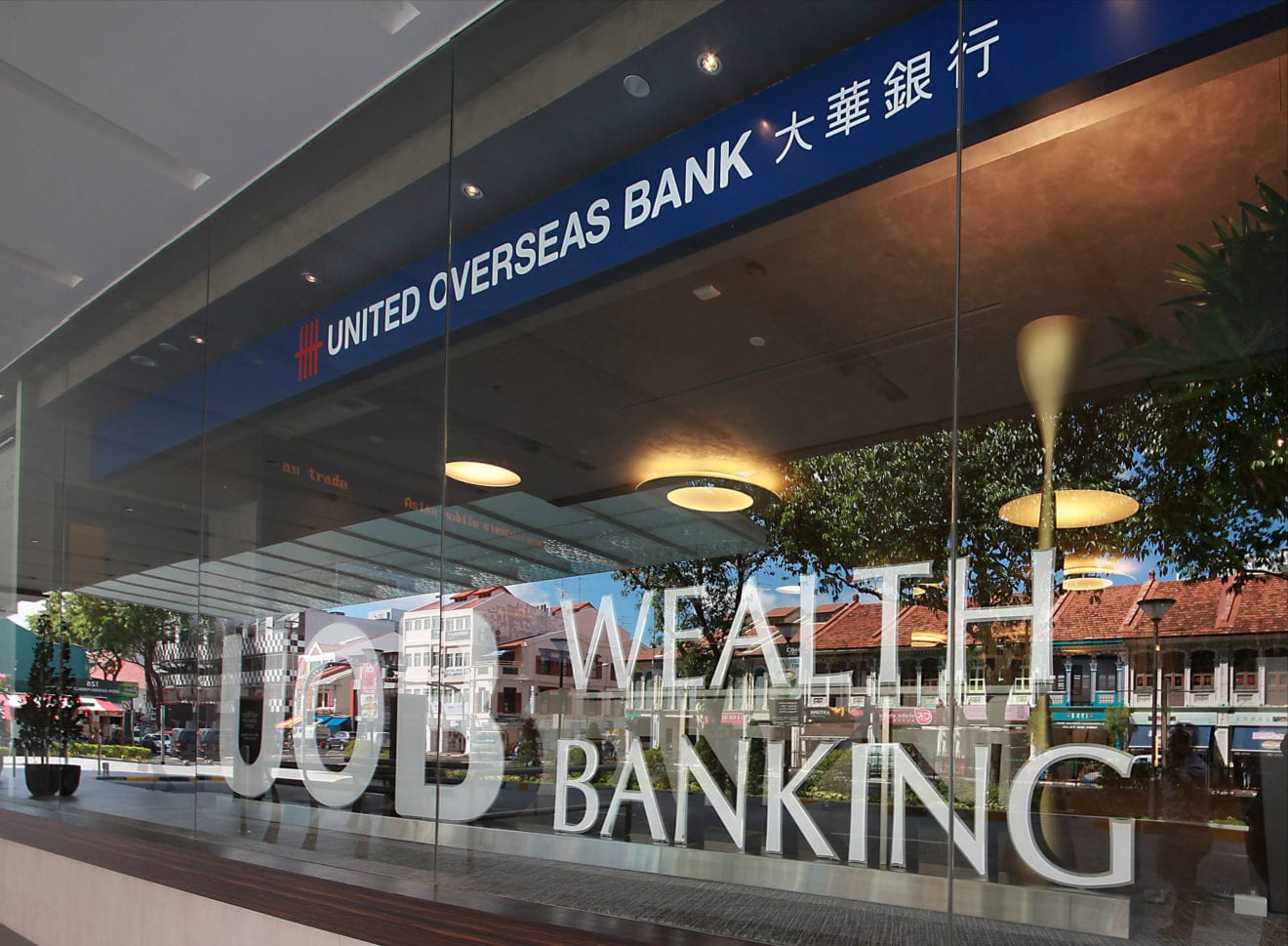
United Overseas Bank reported second-quarter net earnings of S$703 million ($513.41 million) – 18 percent down from the previous quarter and 40 percent down from the same period the year before, mainly due to lower margins and higher credit costs, according to its second-quarter earnings report, published on Thursday.
Earnings for the first half of the year stood at S$1.56 billion – 30 percent lower than a year ago. Net interest income decreased 6 percent year-on-year to S$3.05 billion as a result of declining margins alongside interest rate cuts, while net fee and commission income was 4 percent lower at S$960 million due to lower consumer spending and slower loan disbursement fees.
The board has recommended a dividend of 39 cents per share, with the scrimp scheme, which provides shareholders with the option to elect to receive new shares in lieu of part or all of the cash amount, applied. This move is in line with calls by the Monetary Authority of Singapore for local banks to conserve capital and moderate dividends.
Our strong balance sheet, robust capital and liquidity positions equip us well to navigate the uncertain macro environment ahead and in sharpening our service and digital capabilities,» Wee Ee Cheong, deputy chairman and chief executive officer, said in a statement.
Singapore entered a technical recession in the second quarter of the year, with the economy shrinking 12.6 percent year-on-year, following -0.3 percent growth in the first quarter, as a result of a partial lockdown and widespread closures of businesses to stem the spread of Covid-19.
DBS on Thursday reported a 22 percent year-on-year drop in Q2 net profit for the first quarter to S$1.25 billion. Oversea-Chinese Banking Corporation will release its earnings results tomorrow.
BMW expects to make a profit this year if demand continues to recover, despite posting a record loss for its car division in the second quarter after sales slumped 25% because of coronavirus lockdowns, it said on Wednesday.
The German manufacturer of BMWs, Minis, and Rolls-Royces said sales had started to recover during the latest three-month period, including a 17% jump in deliveries in China, but the rebound would not fully make up for sales lost to COVID-19.
As a result of the sales slide, and higher costs for developing low-emission cars, BMW posted a pretax loss of 498 million euros, its first in over 11 years, and an operating loss of 666 million euros ($790 million) for the quarter.
Shares in BMW fell 3% following the results, with some analysts saying they had not expected such a big loss in earnings before interest and taxes (EBIT).
BMW, which makes Minis and Rolls-Royces said sales had started to recover during the latest three-month period, including a 17% jump in deliveries in China.
“What matters now is how robust this upward trend is and when individual markets will follow suit,” said Chief Executive Oliver Zipse, adding that its overall cars sales in July were higher than last year.
BMW said, however, that its outlook did not factor in the potential impact of the second wave of COVID-19 infections, nor the prospect of a more sustained or deeper recession than expected in its key markets.
Zipse said on a call that developments in the United States, which has the highest number of COVID-19 cases and deaths worldwide, were “extremely worrying”.
Sales in the United States made up 12.6% of deliveries in the first half of 2020, down from 15.2% in 2020. Overall, BMW said it expected global demand for luxury cars to fall by a fifth this year.
The COVID-19 pandemic has already hit carmakers such as Fiat Chrysler, Ford, and Daimler particularly hard at the time when the auto industry is ramping up spending to clean up their combustion engines as well as developing low-emission technologies to conform with stringent European anti-pollution rules.
Japan’s Honda Motor Co on Wednesday forecast a 68 percent decrease in annual operating profit to a 10-year low with global demand for cars expected to slide because of the coronavirus pandemic.
The country’s No. 3 automaker expects profit to sink to 200 billion yen ($1.89 billion) in the year to end-March 2021, its weakest since the 2010/11 year, and undershooting analyst estimates.
Honda is bracing for a 6 percent decrease in annual vehicle sales after a 40 percent plunge in the June quarter, which resulted in a 113.7 billion yen operating loss.
Global automakers are taking a big hit from the coronavirus outbreak, which shuttered vehicle factories this year and has kept customers out of car dealerships.
The maker of the CR-V SUV crossover and the Fit compact hatchback expects to sell 4.5 million vehicles this year, versus 4.79 million last year. It predicts a 16 percent sales slide in North America, a key market where the United States is struggling to control a surge in virus infections.
“If the current situation continues as is, we think the situation will not get worse (than we saw earlier this year), but it will take time for demand to recover to pre-pandemic levels,” Executive Vice President Seiji Kuraishi told a live-streamed briefing.
Despite weaker sales in North America, Honda expects annual sales in Asia to increase by 8 percent.
China, one of Honda’s biggest markets, has become a rare bright spot for many global automakers, as demand in the world’s biggest car market has been recovering faster than in other countries.
Honda sank into the red for the second straight quarter and posted its worst operating loss since the March 2009 quarter.
Despite its dire outlook, Honda is weathering the coronavirus pandemic better than rivals Nissan Motor Co, Mitsubishi Motor Corp and Mazda Motor Corp, which last week forecast record operating losses for the year.
Gold prices in Vietnam climbed to a new peak, as global rates hit an all-time high. State-owned Saigon Jewelry Company sold its popular SJC gold at VND60.7 million ($2,628) per tael of 37.5 grams (1.2 ounces) on Thursday morning, up 2.88 percent from Wednesday.
Major jewelry company DOJI sold at VND60.3 million ($2,611). The State Bank of Vietnam said it has the resources to stabilize the gold market and would closely monitor the price movements.
Global rates edged down to $2,041 on Thursday after reaching an all-time high of $2,055 on Wednesday. Analysts said the rapid rise in Covid-19 cases has dented hopes of a swift economic rebound, driving inflows into safe-haven assets such as gold, which has gained more than 34 percent this year.
Vietnam’s gold bar and coin demand in the first quarter fell 8 percent year-on-year to 12.3 tonnes, according to the World Gold Council.
Singapore’s competition regulator has effectively cleared the activities of food-delivery platforms and dark kitchens in the city-state after a 10-month probe.
The investigation by the Competition and Consumer Commission of Singapore (CCCS) began on September 30 last year after concerns were raised that food-delivery services were refusing to work with dark kitchens operated by rivals. (Dark, or virtual, kitchens are where meals are prepared for delivery or takeaway with no seating for customers.)
CCCS says that conduct has since ceased and while it will continue to monitor online food delivery and virtual kitchens, it has no cause for concern at this time.
“CCCS notes that competition in the virtual-kitchen sector remains dynamic, with players entering and competing for market share,” the organization said in a statement posted online.
Singapore’s online food-delivery industry is highly competitive with three main operators battling for market share: Deliveroo, Foodpanda and GrabFood.
Each has started providing virtual kitchens as an additional service to food & beverage operators. Meanwhile, Smart City Kitchens (SCK) competes with them to offer virtual kitchens to F&B companies but does not operate any online food-delivery service itself, leaving it reliant on Deliveroo, FoodPanda, and GrabFood to deliver the meals.
The CCCS launched an investigation into the sector after reports the delivery services were refusing to work with companies using SCK’s virtual kitchens.
“Following CCCS’s investigation, GrabFood and Deliveroo have started supplying their online food delivery services to F&B operators in SCK’s virtual kitchens which already have access to FoodPanda’s online food delivery service,” said the CCCS. “As a result, F&B operators using SCK’s virtual kitchens now have the choice of using multiple online food delivery providers to expand their consumer reach.
“There is greater competition in the virtual kitchen sector, and consumers are also able to enjoy a greater choice of food ordered online. With greater competition, businesses are incentivized to innovate to cater more efficiently to the evolving needs and preferences of their customers.”
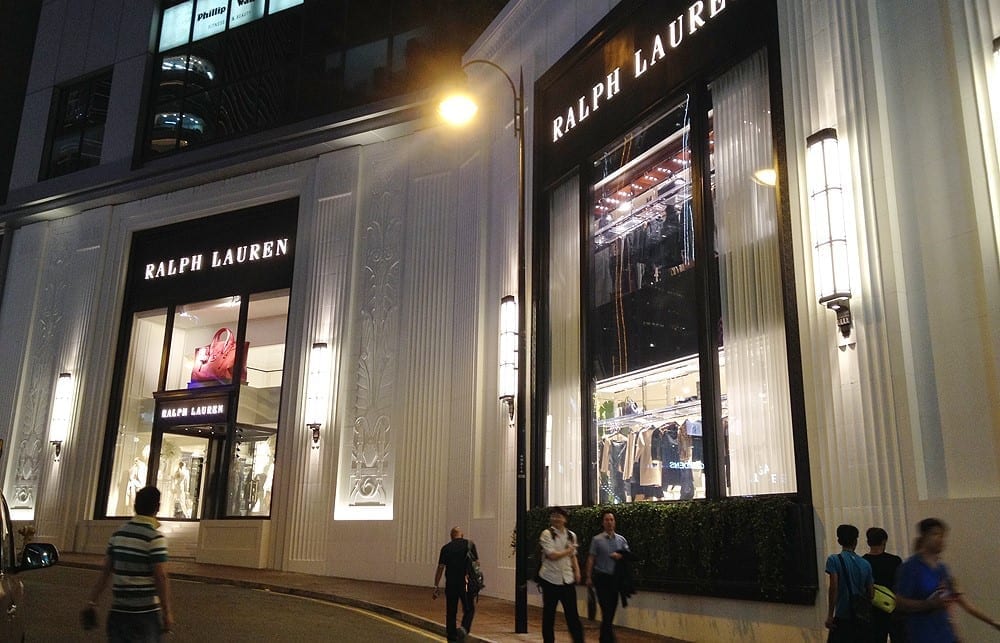
Ralph Lauren Corp said on Tuesday its quarterly revenue plunged by nearly US$1 billion, as it struggled with coronavirus-led store closures and a slowdown in demand for luxury goods across the world.
The big drop in revenue and a larger-than-expected loss pushed shares of the New York-based fashion house down nearly 7 percent in trading before the bell.
The company’s revenue slumped 77 percent in North America, with analysts saying demand for high-end handbags, apparel and accessories is not expected to rebound quickly as the global economy enters a recession.
Ralph Lauren is more exposed to the health crisis than other apparel companies as its jackets, coats and dresses are designed for social or formal occasions, said Neil Saunders, managing director of research firm GlobalData Retail.
“While some customers have been prepared to pay premium dollars for luxury apparel, many middle-income shoppers have de-prioritized their spending on clothing in favor of spending on the home – an area where Ralph Lauren does play, but not nearly as strong as it should,” Saunders said.
Ralph Lauren’s net revenue fell 66 percent to $487.5 million, missing analysts’ average estimate of $615 million, according to IBES data from Refinitiv.
Sales at European luxury goods giants LVMH , Kering and Hermes fell between 38 percent and 44 percent – much slower than those posted by the company.
Ralph Lauren also reported a mere 3-per-cent rise in North American online sales, a far cry from triple-digit sales increases recorded by a number of US retailers.
The company reported a net loss of $127.7 million in the quarter to June 27, compared with a profit of $117.1 million, or $1.47 per share, a year earlier.
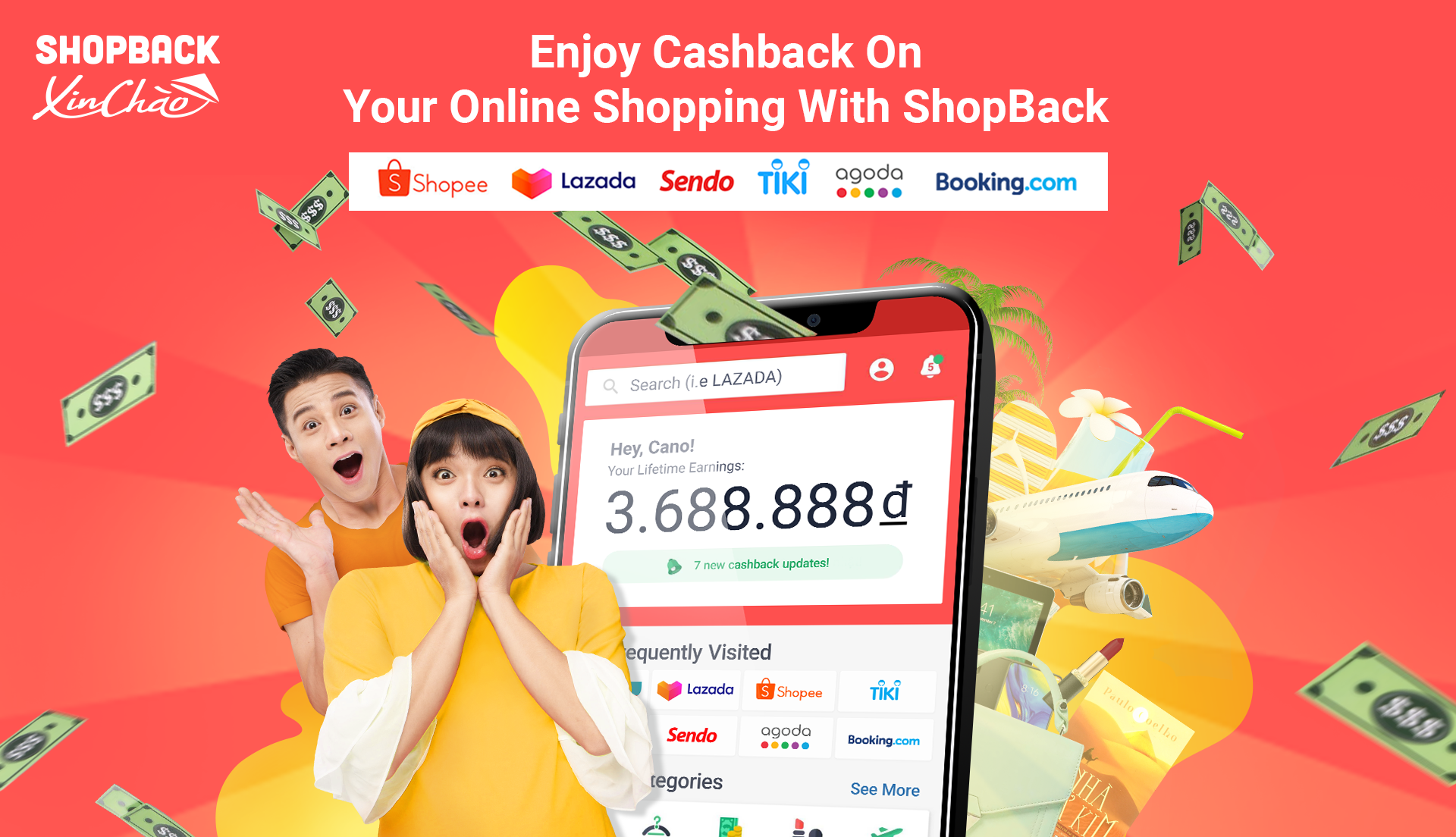
ShopBack, Asia Pacific’s leading rewards and discovery platform, will officially launch its website and mobile app in Vietnam on 8 August, in line with an 8.8 launch campaign. Online shoppers in Vietnam can now earn up to 25% cashback from ShopBack Vietnam’s roster of over 150 merchants. These include international and regional brands like Lazada, Shopee, Watsons, and Booking.com, as well as local brands like Tiki, Sendo, Juno, G Kitchen, Vascara, and Fahasa.
Founded in Singapore in 2014, ShopBack now serves over 20 million users in nine markets across Asia Pacific, including Malaysia, the Philippines, Indonesia, Taiwan, Thailand, Australia, South Korea, and Vietnam. ShopBack rewards its users with cashback across a wide range of categories including general merchandise, travel bookings, fashion, health and beauty, groceries, and food delivery.
“At ShopBack, one of our six core values is ‘Never-Ending Customer Obsession’, and we hope to bring the high-quality ShopBack experience that our users know and love to consumers in Vietnam. The increasing number of internet users, rising internet penetration, and steady increase of the e-commerce share of total retail sales in Vietnam makes it a core and high-potential market for us,” said Josephine Chow, Head of Expansion, ShopBack.
ShopBack Vietnam was launched in Beta at the end of 2019, and since then has acquired over 150 merchants and around 800,000 users. ShopBack Vietnam has seen consistent month-on-month growth of over 1.5x increase in sales and over 1.5x increase in orders this year. To date, 4 billion VND in cashback has been given out to ShopBack users in Vietnam.
“According to a survey conducted by McKinsey, Vietnamese are feeling the impact of COVID-19 on their livelihoods, with some 70% expecting to be more careful with their spending going forward. With a strong and clear value proposition – to simplify the shopping experience and bring users savings on time and money – we are confident that ShopBack is well-positioned to attract consumers in Vietnam, especially those who are looking to cut costs and maximize savings during this challenging period. In fact, ShopBack Vietnam has been very well received since its beta launch late last year. We are thrilled to be officially launching ShopBack Vietnam and excited for what’s in store next,” said Jacky Ha, Commercial Director, ShopBack Vietnam.
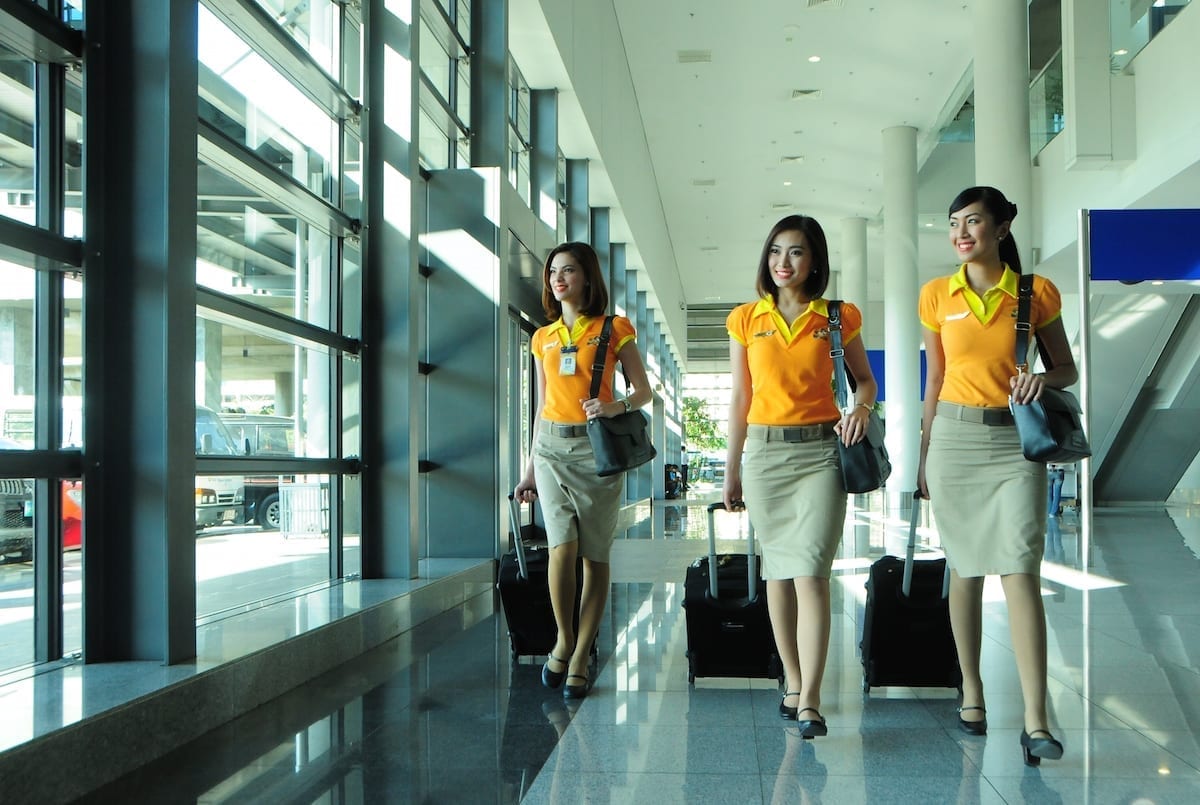
All Cebu Pacific and Cebgo DOMESTIC flights to/from Metro Manila are canceled from August 4 to 18, 2020, in line with the announcement of Modified Enhanced Community Quarantine (MECQ) over Metro Manila and adjacent provinces, and continued community quarantine over the rest of the country.
CEB will continue to operate the following domestic flights:
· Clark-Cebu-Clark, every Tuesday
· Cebu-Davao-Cebu, every Tuesday
CEB also intends to operate the following international flights:
Frequency
5J 18
Manila-Dubai
Every Sunday
5J 19
Dubai-Manila
Every Monday
5J 194
Manila-Seoul (Incheon)
Every Thursday
5J 5059
Tokyo (Narita)-Manila
Every Wednesday / Saturday
(Starting Aug 8)
5J 817
Osaka-Manila
Every Friday (Starting Aug 6)
5J 807
Manila-Singapore
Every Thursday / Saturday
(Starting Aug 6)
5J 808
Singapore-Manila
Every Friday/ Sunday
(Starting Aug 7)
Flights between Manila and Taipei, along with all other Cebu Pacific international flights, are also canceled during this time.
CEB will also continue to mount all-cargo flights to ensure the transport of essential goods across the country. We will also work with the government at the national and local levels to assist stranded passengers.
Passengers on canceled flights have the following options:
1. Unlimited rebooking
Rebook to any travel date within three (3) months from original flight, with change (rebooking) fees and fare difference waived. If travel is after three (3) months, change fees are waived, but minimal fare difference may apply.
2. Two-year Travel Fund
Place the full cost of the ticket in a Travel Fund, or a virtual wallet with Cebu Pacific. Valid for two (2) years, the Travel Fund can be used to pay for flights up to a year out, or purchase add-ons (e.g. baggage allowance, seat selection, etc.)
3. Full refund
Passengers on canceled flights are entitled to a full refund. However, due to the unprecedented volume of requests for refunds, the process may take at least four (4) billing cycles.
Anyone of these options can be availed by managing bookings online via the Cebu Pacific website. Customers who booked through travel agencies or online booking sites must coordinate with them to manage their bookings or claim refunds.
This is a developing situation. We may adjust flights depending on government regulations. We will contact passengers through the email addresses and mobile numbers provided upon booking for any information regarding their flights. We shall also provide updates through our website and official social media accounts.
PAL
Philippine Airlines said all its domestic flights to and from Manila (MNL) from August 4 to 18, 2020 are also canceled.
PAL said domestic flights between Clark, Cebu, Davao and cities other than Manila are not affected and shall remain operational.
International flights to and from Manila shall continue to operate, subject to further guidelines from the authorities in line with quarantine capacity and related arrangements.
Domestic passengers of these canceled flights have options to rebook, refund or convert their ticket into a travel voucher.
PAL told its guests that they seek the understanding and full cooperation “as we make these necessary changes to comply with the government directives and above all to support public safety.”
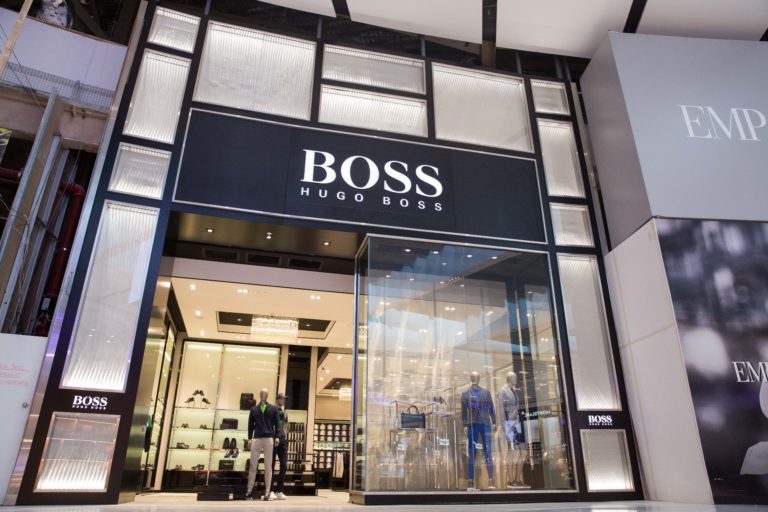
Hugo Boss sales returned to strong growth in China in June and global online sales jumped 74 percent in the second quarter, even as the German fashion house reported an overall 59-per-cent fall in sales for the period due to lockdowns.
Analysts at Baader Helvea noted the company was particularly exposed as people have been shifting to more casual wear during the coronavirus pandemic, cutting demand for the smart suits for which it is particularly known.
Hugo Boss reported quarterly revenue of €275 million, missing an average analyst forecast for €288 million, while its operating loss of €124 million euros was ahead of consensus for a loss of €133 million.
The company said it had seen a less pronounced fall in sales of casual wear and “athleisure” than in formal wear, with products like T-shirts, polo shirts, trousers and loungewear proving their resilience.
Hugo Boss is currently led by finance chief Yves Mueller after Mark Langer stepped down as CEO. Daniel Grieder, the former CEO of Tommy Hilfiger Global & PVH Europe, is due to take over as CEO on June 1, next year.
Hugo Boss China sales rose by 4 percent in the quarter, including double-digit growth in June, a similar trend to that reported by LVMH , the world’s biggest luxury goods group, which said last week that momentum had especially improved in China.
By contrast, sales fell 59 percent in Europe and 82 percent in the Americas, with unrest and demonstrations in the US in May and June putting more strain on its business.
The company expects a gradual improvement for the second half of this year, but declined to provide a full-year forecast.
U.S. President Donald Trump is giving Microsoft until the middle of September to work out a deal with China’s ByteDance to own and operate TikTok in the United States, Canada, Australia, and New Zealand. The administration is concerned that Chinese tech firms collect data from U.S. consumers and corporations and send that data to a server in Beijing. It is this possible tie to the communist Chinese government that has led the U.S. to call companies like Huawei and ZTE national security threats. This could be the reason why the president prefers to see the short-form video app in U.S. hands or banned from the U.S. altogether.
A class-action lawsuit filed by parents of over 70 U.S. children who use the app claim that it gathers data including facial features, the kids’ locations, and their contacts. The suit alleges that this information is quietly sent to servers in China, although the Chinese government is not specifically mentioned.
While Microsoft seems to be the only U.S. company that has expressed interest in shelling out the big bucks to buy TikTok, Axios reported that other U.S. firms are believed to be interested in the app, which has been installed over 2 billion times from the Google Play Store and the App Store. One of the companies that are reportedly looking at a deal to buy TikTok is Apple.
Axios’ Dan Primack wrote that he has been told by multiple sources that Apple is interested in TikTok. He did note that none of these sources works inside Apple and pointed out that TikTok’s app works on both iOS and Android. Primack later wrote that he was told by Apple that there are no discussions underway with ByteDance and that the company isn’t interested in TikTok. A purchase of TikTok would certainly cost Apple more than the $3 billion that the tech giant spent to purchase Beats Audio back in 2014. That is the largest acquisition ever made by Apple which usually restricts purchases to smaller companies with a technology that is one to two years away from being used in a product like the iPhone.
While TikTok would seem to fit into Apple’s largest business segment, Services, the apps in that unit generate revenue from recurring subscription fees paid by the user. Instead, TikTok is a free app supported by advertisers. Even if we were to assume that Apple’s denial of any interest in TikTok was to be a negotiation ploy, it is hard to see how the company and its customers would benefit from such a purchase.
By putting a September 15th deadline on completing a deal, Trump might have pained himself into a corner. Because of TikTok’s valuation, this is not an easy deal to complete. If September 15th comes and goes without a transaction taking place, the president is going to be forced to ban an app that is immensely popular even among those of voting age. Meanwhile, the implications of a deal are having effects everywhere. In China, TikTok parent ByteDance is being branded as a traitor for agreeing to sell TikTok to a U.S. firm. While TikTok itself doesn’t operate in China, ByteDance is a Chinese firm.
In the states, TikTok users are jumping to rival platforms. Short-term video app Clash launched months earlier than planned to take advantage of the confusion surrounding TikTok and Instagram’s Reels is also close to launching. Snapchat is taking on TikTok with a service it is testing, and there are other apps already available such as byte and Triller. A 15-year-old TikTok user named Kyle Thomas told the Journal, “I spend all of my time on it. As much as it is my job, it’s also my entertainment. If I can’t have it, I wouldn’t be sure what to do.”
Yesterday, President Trump made a comment about the U.S. Treasury collecting a percentage of any deal that results in the purchase of TikTok by a U.S. company. White House economic adviser Larry Kudlow said, “It may be that the president was thinking because the Treasury has had to do so much work on this, there are a lot of options here. I’m not sure it’s a specific concept that will be followed through…Regarding fees or anything like that, all that remains to be seen.” Having the U.S. government profit from what the Chinese government sees as a forced sale of TikTok is sure to make the current relationship between the two economic powers much worse.
Vietnam’s retail industry continued to recover after the March lockdown to fight Covid-19, with a 4.3-per-cent increase year on year in July’s retail sales.
However, after being virus-free for more than three months, Vietnam is now facing the second wave of Covid-19 which originated in the coastal city of Danang. With a full lockdown in Da Nang and partial lockdown in Ho Chi Minh City and Hanoi, retail sales are expected to be impacted this month.
According to the General Statistics Office (SGO), retail sales dropped just 0.4 percent year on year over the first seven months of this year, reaching about US$121.7 billion.
The office said Vietnam’s retail sales have shown positive signs of economic recovery due to domestic consumption and tourism push in July. Last month, Vietnam retail sales rose 3.3 percent from June’s figures.
Sales of consumer goods reached $96.4 billion, increasing by 3.6 percent year on year. Growth sectors include home appliances and fresh-food products with 7.6 percent and 7.5 percent increases respectively. Meanwhile, F&B revenues fell 16.6 percent, generating $12.2 billion.