Author: Mei Ling Tan

  • New Institute to Lead Digital Finance Research in Singapore

    New Institute to Lead Digital Finance Research in Singapore

    Singapore will soon see the establishment of a research institute that will develop deep capabilities to support the needs of digital financial services in Asia.

    Expected to begin operations by the end of 2020, the Asian Institute of Digital Finance (AIDF) will provide thought leadership and strengthen synergies between education, research, and entrepreneurship in the thriving area of digital finance, a statement on Wednesday said.

    The institute, which combines education, research, innovation, and business incubation, is a joint initiative of the Monetary Authority of Singapore (MAS), the National Research Foundation (NRF) and the National University of Singapore (NUS), where it will be hosted.

    AIDF will be an important addition to Singapore’s rich and vibrant FinTech ecosystem. Through applied research and active collaboration with industry, AIDF will help to build strong capabilities in digital finance and fintech,» Ravi Menon, MAS managing director, said.

    Led by led by NUS Business School professor Duan Jin-Chuan, AIDF will offer masters and doctoral programs in digital finance and fintech, as well as train post-doctoral fellows in these fields, building a pipeline for fintech leadership development in Singapore and the region.

    A steering group comprising NUS deputy president and provost, Professor Ho Teck Hua, MAS chief fintech officer Sopnendu Mohanty and thought leaders from the financial and technology industries will provide guidance on curriculum design and align AIDF’s research direction with strategic priorities in Singapore and the region.

    The steering group will also evaluate the impact of AIDF’s research and identify opportunities for collaboration and partnerships in Asia and beyond, the announcement said.

    Potential areas of focus for research include digital assets and ledger technology, artificial intelligence and machine learning, digital finance platforms, green finance technology, and next-gen financial services on 5G networks.

    The institute will also establish a Fincubator program to drive transformation of ideas and projects by promising students and entrepreneurs into market-ready products and services.

  • HSBC Ramps Up China Hiring Despite Tensions

    HSBC Ramps Up China Hiring Despite Tensions

    HSBC stay on course with its China ambitions with the latest target to hire 2,000 to 3,000 wealth planners over the next four years for its mainland business. HSBC’s will seek to broadly expand its count of wealth planners in Asia with much of the growing focus placed on China where it could hire up to 3,000 by 2024. The bank is already housing its first 100 digitally-enabled wealth planners in its Guangzhou and Shanghai offices.

    Our new venture in mainland China, signals not only our commitment but our progress in increasing investments in people, technology, and wealth capabilities over the next few years, said Greg Hingston, HSBC’s APAC head of wealth and personal banking, in a statement.

    This will be central to our ambitions to become the leading wealth manager in Asia.

    While accelerating its global overhaul which includes 35,000 job cuts, the bank continues to hire in the region, most notably for its China business.

    Since 2017, the bank hired 800 people for its wealth management business and opened six Jade Centers – its affluent segment – since the start of 2019. Earlier this year, the bank also reportedly said it had also planned to add another 500 to its private banking and wealth management business by 2022 with a focus on Hong Kong and Singapore.

    HSBC maintains its expansion plans for its newly merged retail and private banking unit despite increasing political uncertainty including, most notably, the British bank’s involvement in the Huawei scandal and its public support for the controversial national security law in Hong Kong.

    On the former, HSBC faces increasingly intense pressures in the mainland over its involvement which most recently included allegations that it feigned ignorance about Huawei’s dealings and even suggested that it took unnecessary risks that resulted in U.S. detection. State-backed media Global Times claimed last month that the bank’s resumption of planned job cuts may mark the beginning of the end for the embattled British bank in China, citing an unnamed Beijing observer that suggested it could be pushed out of the mainland market over the legal scandal.

    In the first half, pre-tax profits at HSBC plunged 65 percent to reach $4.32 billion missing analyst estimates of $5.67 billion. Although its China business posted $1.5 billion of pre-tax profits, the wealth and personal banking business in the country registered a $26 million loss.

  • Disney+ hits a crucial figure four years ahead of expectations

    Disney+ hits a crucial figure four years ahead of expectations

    The Disney+ streaming service launched on November 12th and after just two weeks we called it “a real threat to Netflix.” While that was met by more than a few skeptics among our loyal readers saying that we jumped the gun, the streamer has gone from strength to strength. According to Today, the House of Mouse released its fiscal third-quarter earnings and announced that as of Monday, Disney+ had 60.5 million paid subscribers. The company’s goal of reaching 60 million to 90 million paid subscribers by 2024 was achieved four years earlier than expected thanks to the pandemic.

    With many families locked inside because of the coronavirus outbreak, Disney+ provided entertainment featuring characters well-loved by parents and their children. And this afternoon, the entertainment firm announced that with movie theaters still closed, the live-action version of Mulan will launch exclusively on Disney+. The film will debut on the site beginning September 4th. However, it will still cost subscribers an additional $29.99 to watch the film on the platform.

    And as if we needed another streaming service in the world, Disney also announced an upcoming new “general entertainment” streamer that will debut next year; it will use the Star brand that Disney acquired from Fox. The streaming content offered by this streamer will include titles from companies already owned by Disney such as ABC Studios, Fox Television, FX, Freeform, 20th Century Studios, and Searchlight. In many markets, the new service will be integrated with Disney+.

    While the most up-to-date numbers show 60.5 million paid subscribers for Disney+, during the fiscal third quarter that figure was 57.5 million while Hulu had 35.5 subscribers. Add in the 8.5 million ESPN+ paid members during the same three months and overall Disney had over 100 million subscribers paying for its streaming services.

    The real test for Disney will come on Disney+’s one-year anniversary. That’s because the initial batch of Verizon’s unlimited subscribers, who receive a free one-year Disney+ subscription, will have to decide whether or not they want to lay out their own money to continue receiving the service. Unlike most things, Disney, Disney+ is actually very reasonably priced at $6.99 per month or $69.99 for a year. Each account can include seven different user-profiles and four can stream on different screens simultaneously.

    While it is obvious that Disney+ includes Disney’s classic animation like Cinderella, the Lion King, and Beauty and the Beast, it also includes Pixar classics like all of the Toy Story films. If you grew up on Disney Channel shows like That’s So Raven, Even Stevens, Hannah Montana, and Lizzie McGuire, they are all on the app as well. And some shows that were broadcast on network television while produced by Disney, such as the very underrated Boy Meets World, make great binge-watching fare. Star Wars fans can view every film from the series and relive the moments when you first met characters like Luke, Darth Vader, R2D2, and Jar Jar Binks. Other Star Wars related titles can be streamed include Disney+’s first breakout hit The Mandalorian which introduced us to the adorable Baby Yoda.

    Marvel fans can turn to Disney+ to watch the Avengers, Iron Man, and Black Panther films. And adventure junkies will surely find content to watch under the National Geographic heading on the app. While the service might not cater to all tastes as Netflix does, you shouldn’t have a problem discovering something to stream on Disney+.

    Discussing the results of its streaming services during the quarter, Disney CEO Bob Chapek said, “Despite the ongoing challenges of the pandemic, we’ve continued to build on the incredible success of Disney+ as we grow our global direct-to-consumer business. The global reach of our full portfolio of direct-to-consumer services now exceeds an astounding 100 million paid subscriptions — a significant milestone and a reaffirmation of our DTC strategy, which we view as key to the future growth of our company.”

    If you have an iPhone, iPad, or iPod touch, you can download Disney+ from the Apple App Store. Those with an Android device can do the same from the Google Play Store. And the app can be loaded on the web at www.disneyplus.com. But be careful. Watch Disney+ for too long and you might start feeling a little goofy.

  • Long time Apple marketing chief Phil Schiller is replaced

    Long time Apple marketing chief Phil Schiller is replaced

    Apple has announced that its long-time marketing chief Phil Schiller is leaving his current position and is being replaced by Greg Joswiak. The 60-year old Schiller, whose exact title was Senior Vice President of Worldwide Marketing, joined Apple in 1987. In 1993 he left to join FirePower Systems and in 1995, he moved to Macromedia. He returned to Apple in 1997. He now becomes an Apple Fellow and will continue to run the App Store and Apple Events. Under his new position, he will continue to report to CEO Tim Cook.

    Speaking of Cook, Apple’s Chief Executive said, “Phil has helped make Apple the company it is today and his contributions are broad, vast, and run deep. In this new role, he will continue to provide the incredible thought partnership and guidance that have defined his decades at Apple. Joz’s many years of leadership in the Product Marketing organization make him perfectly suited to this new role and will ensure a seamless transition at a moment when the team is engaged in such important and exciting work. I’m thrilled that the whole executive team will benefit from his collaboration, ideas, and energy.”

    Schiller recently helped Apple plan and prepare for the virtual presentation of WWDC 2020. The Developers Conference was streamed online this year because of the coronavirus, and Apple put on an amazingly polished show. Schiller has seen just about everything during his years at Apple; he was featured prominently in many new product announcements even taking a phone call from Steve Jobs during the 2007 unveiling of the original iPhone.With Steve Jobs on medical leave in 2009, Schiller unveiled the iPhone 3GS. He also worked at Apple on marketing the of products like the iMac, MacBook, MacBook Pro, iPod, macOS and subsequent devices. He’s also credited with coming up with the click wheel interface used on the iPod.

    “It has been a dream come true for me to work at Apple, on so many products I love, with all of these great friends — Steve, Tim, and so many more,” Schiller said. “I first started at Apple when I was 27, this year I turned 60 and it is time for some planned changes in my life. I’ll keep working here as long as they will have me, I bleed six colors, but I also want to make some time in the years ahead for my family, friends, and a few personal projects I care deeply about.”

    Replacing Schiller as the SVP of Worldwide Marketing, as we mentioned at the beginning of this article, is Greg (Joz) Joswiak. During the past four years, he has been the vice president of Worldwide Product Marketing and has over 20 years of experience working at Apple handling product management and product marketing for several “breakthrough products including the original iPod and iPhone.” Apple says that he will be “responsible for Apple’s product management and product marketing, developer relations, market research, business management, as well as education, enterprise, and international marketing.”

    This should be an interesting time for Joswiak with Apple set to release four new iPhone models at the same time, all of them expected to connect to 5G signals for the first time. And Apple could be introducing its first Apple Glass headset, a completely new product, as soon as this year. Other rumored products that Joswiak could be in charge of marketing include wireless charging pad AirPower and Apple’s Ultra-wideband tracking system Apple Tags.

  • Uniqlo same-store sales up 4 percent in July on stay-at-home demand

    Uniqlo same-store sales up 4 percent in July on stay-at-home demand

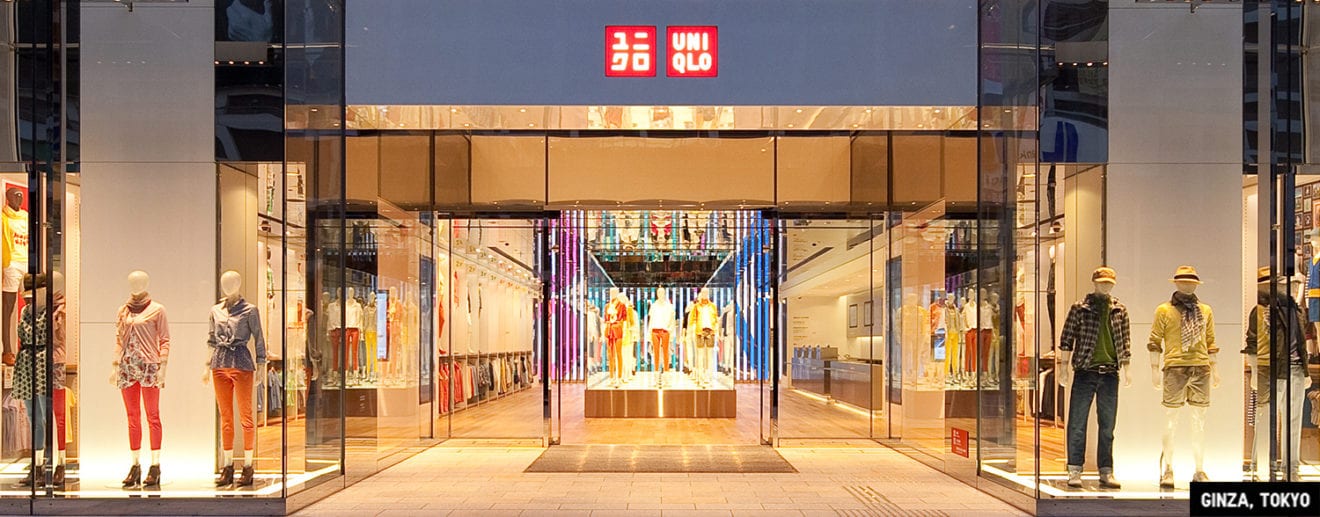
    Casual fashion brand Uniqlo’s Japanese same-store sales rose 4 percent year on year in July as consumers stocked up on comfortable “stay at home” clothes amid the novel coronavirus pandemic, its owner, Fast Retailing Co, said.

    The rise in domestic same-store sales, including online purchases, followed a 26-per-cent jump in June, which came after a three-month slump when the coronavirus outbreak kept shoppers at home and tourists away.

    “Stay at home demand” lifted July sales, with items such as stretchy jogging pants and oversized T-shirts proving popular, the company said.

    Analysts have said Uniqlo’s focus on practical, everyday clothes rather than more on-trend fashion may help it weather the coronavirus downturn better than global peers.

  • GS Retail recruits local residents to deliver products

    GS Retail recruits local residents to deliver products

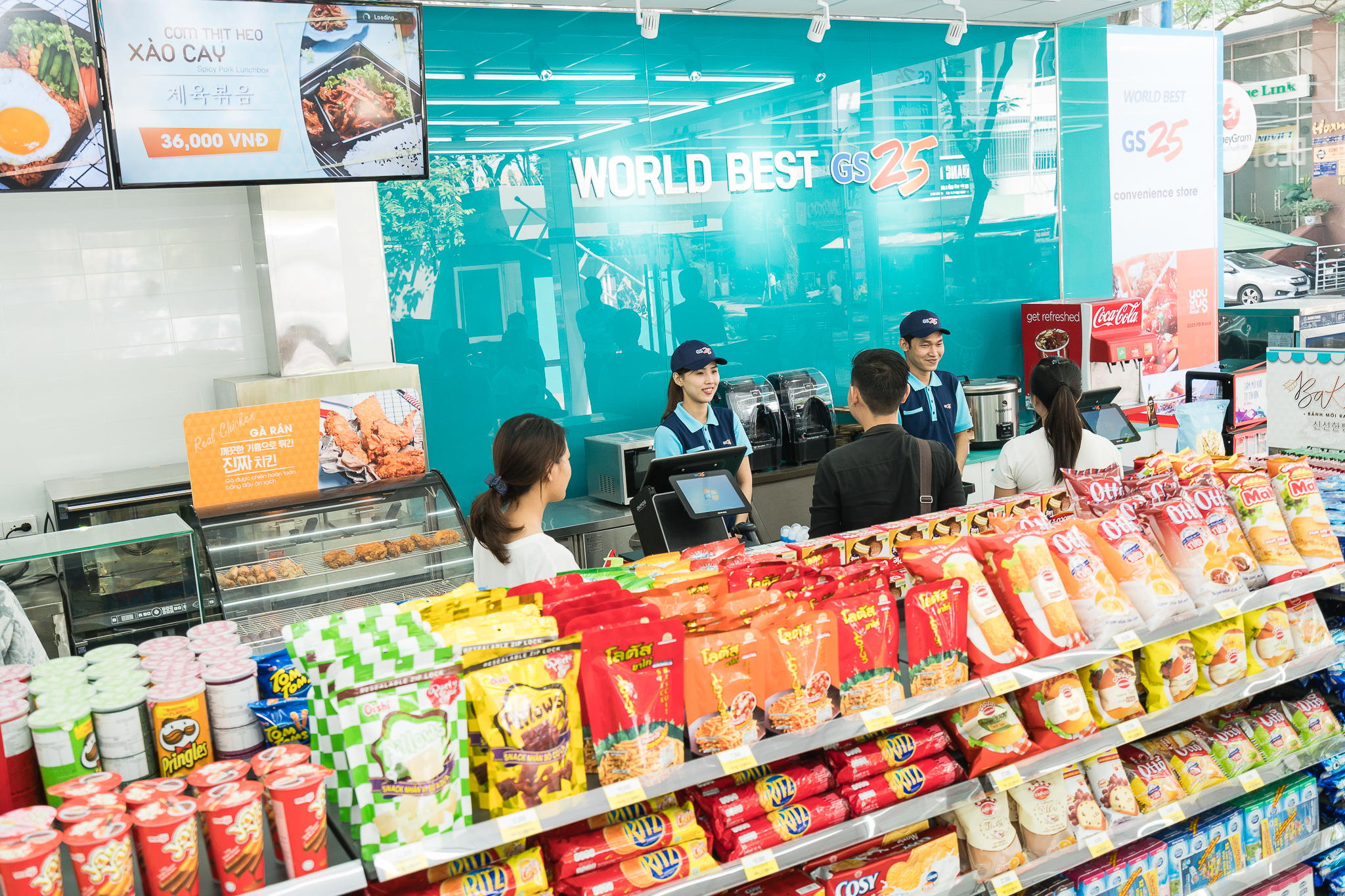
    South Korean convenience-store operator GS Retail plans to hire local residents with ample knowledge about their neighborhoods to speed delivery of products in areas where alleyways and addresses may prove confusing.

    GS Retail, which runs the convenience-store chain GS25, will begin testing its new ‘Neighborhood Delivery’ service, which is open to all applicants without limits to time and task.

    Each person will be delivering products within a 1.5km radius of their current location. The products, too, will weigh less than 5kg, allowing retirees, homemakers, and after-work office workers to work without difficulty.

    If a customer orders a product from a nearby GS25 convenience store through the Yogiyo app, the delivery person can respond to an incoming delivery call to bring the product to the customer.

    Each delivery will pay US$2.35-$2.68 in commissions.

    GS Retail plans to test the new delivery program at three convenience stores in Seoul’s Gangnam District starting Monday. On August 17, the program will be expanded to cover all GS25 stores throughout Seoul.

    The company aims to infiltrate the $17 billion delivery market with ‘Neighborhood Delivery’, a short-distance quick-commerce platform based on 15,000 brick-and-mortar stores.

  • Football club PSG opens retail store in South Korea

    Football club PSG opens retail store in South Korea

    Football club PSG has become the first European side to open a retail outlet in Seoul, South Korea’s capital city.

    The new store – which is described as a pop-up but looks rather long-term to us – was organized with local football magazine Over the Pitch. It will sell a range of branded goods, including food-and-beverage items, sports products, and entertainment, with a number of exclusive items available only at Seoul.

    “Seoul has long been a key target city for Paris Saint-Germain, a core pillar of our international strategy, and so we are thrilled today to step up our commitment to the market and become the first European club to launch an official store in Korea, with this innovative retail concept,” said the club’s head of diversification and merchandising Fabien Allegre.

    “Seoul and Paris go hand in hand as two iconic cities, and we enjoyed our successful collaboration with Over the Pitch during our previous PSG tour in Miami.”

    The venue, which opened last week, includes the licensed store, a themed cafe, and a display of the team’s football jerseys.

  • Toyota recalls cars over loose bolts

    Toyota recalls cars over loose bolts

    Toyota Vietnam has called back 721 vehicles to fix a bolt issue that could stall operation. The recall, starting Monday, involves 183 Innovas and 538 Fortuners, manufactured between January 21 and May 11.

    The affected vehicles were equipped with automatic transmissions, in which the steering wheel is connected to the torque converter by six bolts. Automaker Toyota Vietnam said due to errors in the assembly process, these bolts may not be tightened as usual and might come loose when the vehicle is operating.

    Loose bolts create abnormal noise in the engine compartment when the driver applies the brake pedal, or when shifting gears. In special cases, the vehicle cannot move.

    Car owners can take their vehicles to a Toyota dealership for tightening the bolts which would take between 20-30 minutes.

    Last year, Toyota was the best-selling car brand in Vietnam with 78,795 units sold, followed by TC Motor with 69,916 Hyundai cars.

  • Vietnam retail sales continued to recover before Covid-19 second wave hit

    Vietnam retail sales continued to recover before Covid-19 second wave hit

    Vietnam’s retail industry continued to recover after the March lockdown to fight Covid-19, with a 4.3-per-cent increase year on year in July’s retail sales.

    However, after being virus-free for more than three months, Vietnam is now facing the second wave of Covid-19 which originated in the coastal city of Danang. With a full lockdown in Da Nang and partial lockdown in Ho Chi Minh City and Hanoi, retail sales are expected to be impacted this month.

    According to the General Statistics Office (SGO), retail sales dropped just 0.4 percent year on year over the first seven months of this year, reaching about US$121.7 billion.

    The office said Vietnam’s retail sales have shown positive signs of economic recovery due to domestic consumption and tourism push in July. Last month, Vietnam retail sales rose 3.3 percent from June’s figures.

    Sales of consumer goods reached $96.4 billion, increasing by 3.6 percent year on year. Growth sectors include home appliances and fresh-food products with 7.6 percent and 7.5 percent increases respectively. Meanwhile, F&B revenues fell 16.6 percent, generating $12.2 billion.

  • SaSa teams with Boutir to develop personal online stores for sales staff

    SaSa teams with Boutir to develop personal online stores for sales staff

    Hong Kong-based cosmetics & personal care chain SaSa has set up personal online stores for its beauty consultants to provide a new sales channel for the brand’s customer-facing staff in partnership with the e-commerce platform Boutir.

    The solution uses the Boutir mobile app to allow customers to make purchases on the consultants’ personal storefronts, providing additional commissions for staff as well as a more flexible experience for consumers. The move is an opportunity for the brand to combine its strengths in in-person shopping with digital retail, helping SaSa expand its omnichannel sales approach.

    “SaSa is committed to social commerce and is constantly developing new online sales channels,” said SaSa chairman and CEO Dr Simon Kwok. “The partnership with Boutir allows SaSa to transcend the spatial-temporal boundaries, use social media to engage and sell more with customers in Hong Kong SAR and leverage potential synergies between its online presence with the existing brick-and-mortar stores to provide a seamless online-to-offline shopping experience that is more flexible, accessible and intimate.”

    SaSa has been building its digital strategies swiftly following the advent of the coronavirus pandemic, including the development of a WeChat mini program to target customers from the mainland who had previously visited physical outlets in Hong Kong or Macau. The personal service component made possible via the Boutir platform is expected to potentially outperform the brand’s traditional online sales in terms of house brand mix, gross margin and basket size.

    Boutir founder Eric Ng said the partnership with SaSa would use the expertise of the chain’s professional beauty consultants to extend their customer service in brick-and-mortar stores onto the online platform. “It will also improve customer loyalty, broaden the customer base and increase the sales conversion rate.”

  • Grab Grows Suite of Financial Products

    Grab Grows Suite of Financial Products

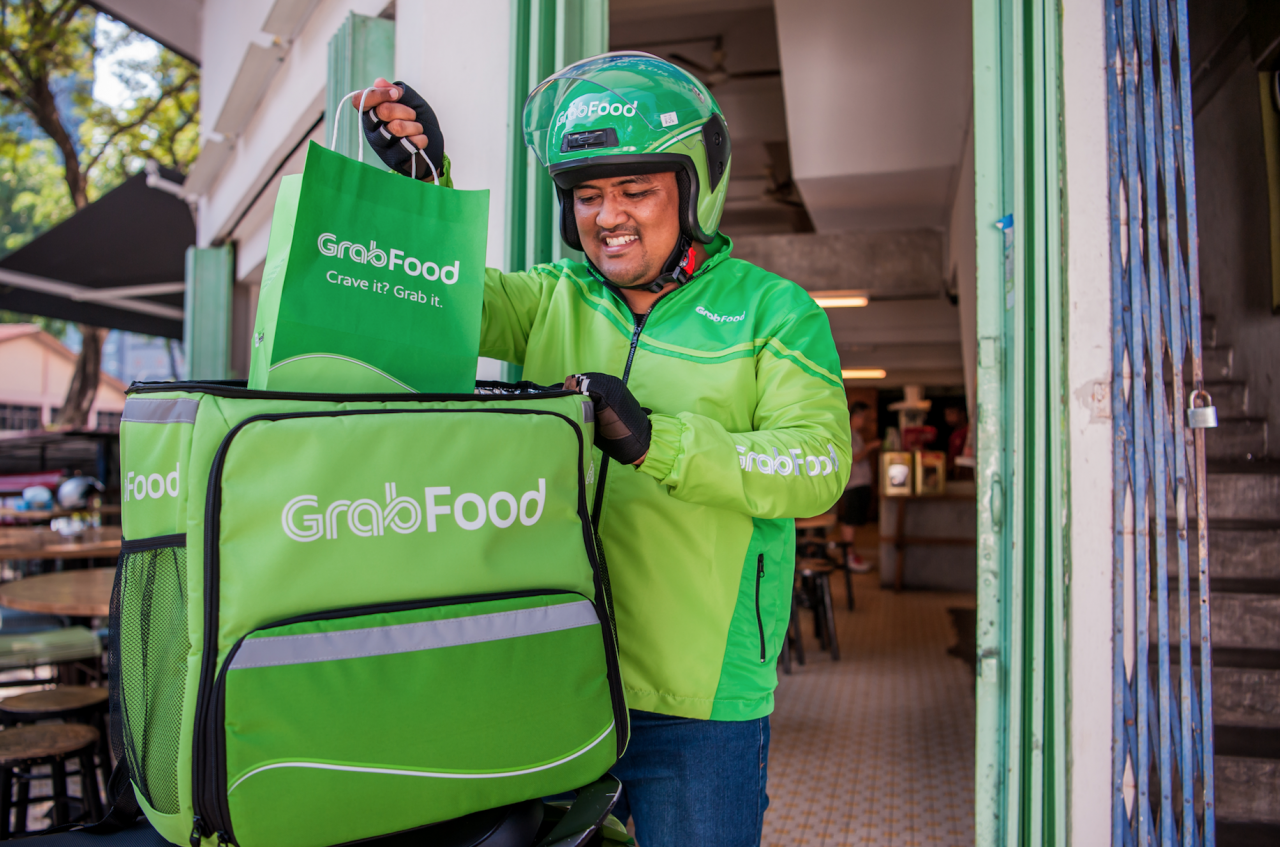
    The platform is launching new products, which include a micro-investment solution, a third-party loan platform and a buy-now-pay-later service for purchases with e-commerce partners.

    The finance arm of Singapore-based ride-hailing and payments firm Grab has rolled out a new strategy to expand its consumer services ecosystem and «empower individuals to grow their personal wealth, manage their finances and protect what they value,» the firm announced on Tuesday.

    Thrive With Grab brings an expanded range of new lending, wealth, and insurance products, with which it hopes to tap into Southeast Asia’s vast mass market financial services opportunity.

    By offering innovative micro-transaction-based financial services, convenient financial management tools and access to products from leading global financial institutions, we hope to unlock the tremendous potential in financial services in the region in ways that serve all Southeast Asians,» Reuben Lai, senior managing director, Grab Financial Group (GFG), said.

    Grab will be pushing into retail wealth by focusing on accessible, convenient, and transparent investment products and solutions while broadening its wealth management offerings that feed into its goal of strengthening its open fintech ecosystem, Lai said at a media briefing ahead of the launch on Tuesday.

    The company will also provide customers with opportunities to invest in products and solutions traditionally limited to affluent individuals and institutional investors, Lai said, adding that Grab will also launch a series of financial education programs to help users make more informed in financial decisions.

    Following its acquisition of wealth management platform Bento earlier this year, Grab will roll out micro-investment solution AutoInvest in September, which allows users to invest as they spend with their everyday Grab transactions from S$1 ($0.73), and invest from their wallet balance to earn returns of about 1.8 percent per year, which can then be cashed out directly to their GrabPay wallets.

    Lai also noted the growing demand for online consumer lending, citing research from Boston Consulting Group that shows that more than one-third of Southeast Asian consumers are willing to shift some banking activities, such as loans, too non-banking platforms.

    To meet this demand, it is launching a third-party consumer loan platform, starting in Singapore, before expanding to Malaysia and other countries. Consumers will be able to apply for personal loans offered by bank partners directly within the Grab app.

    GFG will also expand its buy-now-pay-later line of offerings by launching PayLater Instalments and «PayLater Postpaid» on select e-commerce sites in Singapore and Malaysia in October, and launch its first hospitalization insurance plan for consumers in Indonesia.

    The company laid off 5 percent of its workforce in June, which founder and CEO Anthony Tan said would help it better face the challenges of a post-Covid economy. He also said the strategic roadmap for Grab Financial, which is a «long-term bet for the future,» remains unchanged.

    Grab is also part of a consortium with Singtel that has applied for a digital banking license in Singapore.

  • Covid-19 will strip US$95.4bn from Apac apparel market

    Covid-19 will strip US$95.4bn from Apac apparel market

    The coronavirus pandemic is likely to cost the apparel and footwear industries across the Asia-Pacific region US$95.4 billion in lost sales this year.

    The impact on the broader global industry will be a massive US$395.6 billion in lost sales, according to analytics firm GlobalData, which represents a 19.5-per-cent decline on last year’s figures. The sector will account for 29.1 percent of the total $1.3617 trillion impacts of lost revenues by the retail industry during the period.

    The figures are the result of an industry examination undertaken by GlobalData, which found that the apparel sector is still the worst affected by the outbreak, continuing to be hit by store closures and poor consumer demand. Rising unemployment and a possible recession is likely to worsen the situation for players in the industry.

    According to research conducted by the firm, 60 percent of consumers surveyed said that trustworthiness, risk-free and familiarity are factors currently influencing their choices of products/services.

    “Brands need to continuously engage with consumers through social media channels and personalized messages to stay in contact and engage with their customers,” said GlobalData Retail analyst Vijay Bhupathiraju.

    “They should continue to build trust by delivering messages addressing Covid-19 and social responsibility and advertise the safety and hygiene measures taken during the manufacturing process and in-stores to drive more consumers to the stores.”

  • Vietnam Airlines loss soars to $280 mln

    Vietnam Airlines loss soars to $280 mln

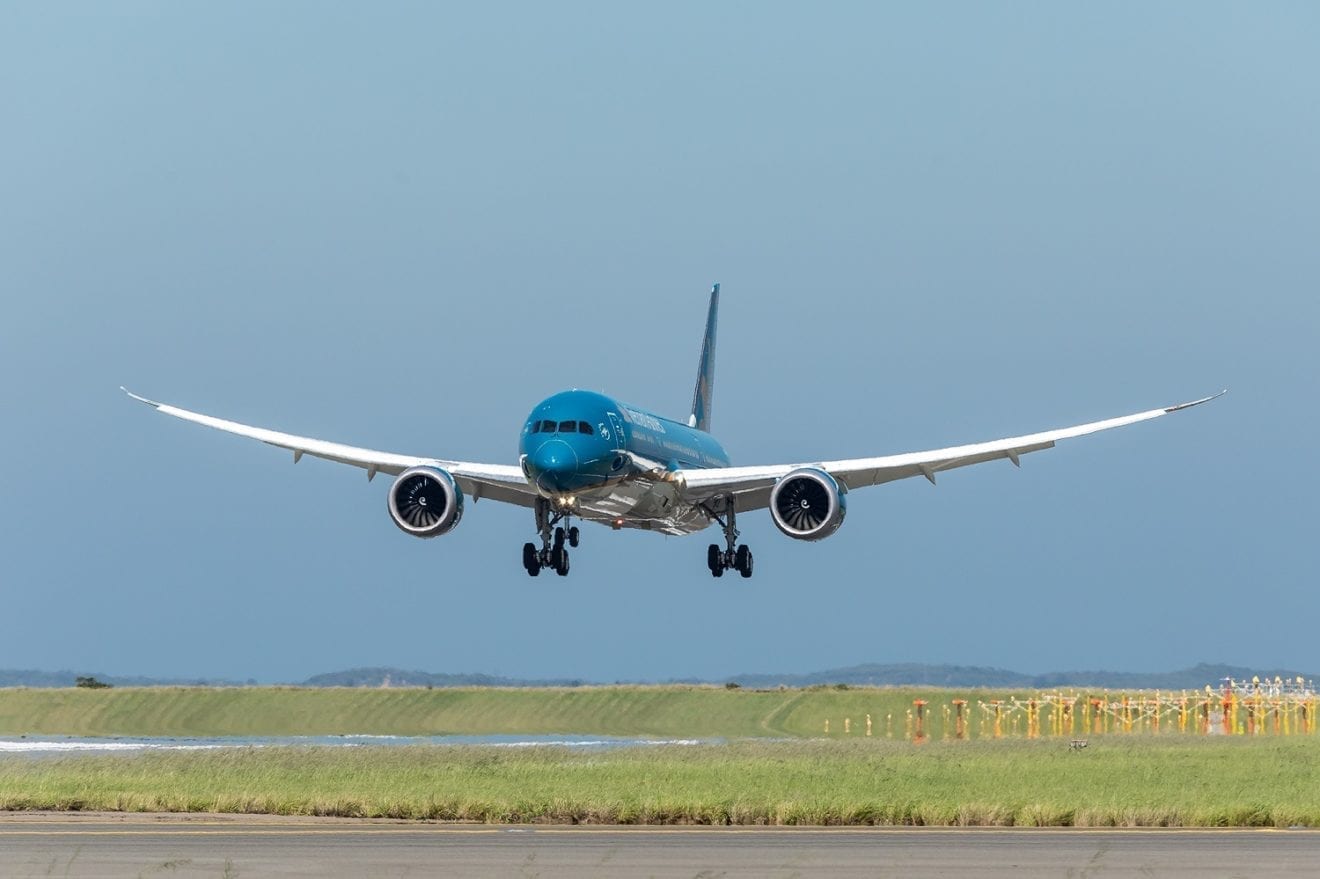
    Vietnam Airlines reported a loss of over VND4 trillion ($170 million) in the second quarter and cumulative first-half losses of over VND6.64 trillion ($286 million).

    In its consolidated financial statement for the second quarter of 2020, the carrier reported revenues of just VND6 trillion ($258.6 million), a 68 percent fall from the previous quarter.

    It blamed the decline on the Covid-19 pandemic, which had forced it to suspend all international flights and, during the social distancing period in early April, limit domestic flights.

    Significantly cutting sales, financial and management costs did not enable the airline to remain in the black. Earlier this month its CEO, Duong Tri Thanh, estimated that its full-year revenues would drop by half from last year to just VND50 trillion ($2.16 billion), and the loss would be around VND13 trillion ($560.34 million).

    The airline has asked the government for an urgent VND12 trillion ($517.24 million) bailout, claiming it would otherwise be in a very difficult situation by the end of August. It will hold its annual general meeting, which has been delayed twice due to the agenda, on August 10.

  • Seven & I confirms on-again, off-again Speedway deal

    Seven & I confirms on-again, off-again Speedway deal

    Japanese 7-Eleven convenience store chain owner Seven & I will purchase Marathon Petroleum’s American Speedway petrol stations in a US$21 billion deal that has been significantly delayed by the advent of the coronavirus pandemic.

    The firm was reported to be in talks to purchase the brand’s convenience-store network in the US last February, in a move then expected to be the largest overseas acquisition by a Japanese firm in the US so far this year. The purchase was dropped in March because the expected asking price was considered too pricey by the group’s board of directors.

    Now that the deal has been picked up, Seven & I has the opportunity to look beyond its own market and greatly extend the number of outlets it already operates in the territory, bringing its estimated total North American stores to around 14,000. The deal also comes with a 15-year fuel supply agreement with Speedway.

    7-Eleven is facing stiff competition from competitors at home in a saturated market both in terms of physical operators and online retailers.

    For Marathon, proceeds from the sale are likely to go towards reducing the company’s significant debt.

  • Messaging app plans to challenge TikTok

    Messaging app plans to challenge TikTok

    When Snapchat first crossed our consciousness in May of 2012, its claim to fame was self-deleting photo messages that would disappear after 10 seconds. Eventually, Snapchat invented the “Stories” feature that Instagram and other social media apps copied. Today, Snapchat is known for its AR Lenses which can turn you into a sunglasses-wearing motorcycle cop, a dog sticking out his long tongue, and more.

    And now Snapchat is planning on going head-to-head against TikTok. The latter, with over 2 billion installs from the App Store and the Google Play Store, is one of the most popular apps in the U.S. as it allows users (mostly teens, pre-teens, and a smattering of adults) to create short-form videos of 15 and 60 seconds in length. Content includes lip-syncing, dancing, comedy bits and more. Snapchat announced today that it will be testing a new feature that will allow users to have their Snaps play with music in the background. Sound familiar?

    This is the perfect time for Snapchat to explore adding TikTok-esque features to the app. President Donald Trump has made it clear that the U.S. will not allow companies with possible ties to the communist Chinese government to operate in the states, and while he is allowing Microsoft to negotiate with TikTok parent ByteDance (a company based in China) to acquire the app in the U.S. and several other countries, such a transaction comes with a pretty high price tag which means that there is no guarantee that it will get done. If a deal isn’t agreed to, TikTok could get banned in the states and its 800 million global active users (100 million in the U.S.) will be searching for an alternative to the app, something that we’re sure that Snapchat understands.

    Snapchat parent SNAP has licensing deals with a number of music publishers including Warner Music. The music will be available for Snapchat users to add before recording a video, or afterward. When one of the new Snaps with music is shared, the person on the receiving end will swipe up to see album art, the title of the song being played, and the name of the artist. A “Play this song link” will send the user to Linkfire’s website or to the user’s preferred streaming music platform where the entire song can be played. That could be considered an improvement over what TikTok offers; tap the “sound” link on the latter app and you’ll see other clips that use the same song. Snapchat says that the new feature is designed for sharing music with your “real friends.”

    “We’re always looking for new ways to give Snapchatters creative tools to express themselves,” said a SNAP spokesman. “Music is a new dimension they can add to their Snaps that helps capture feelings and moments they want to share with their real friends.”

    While Snapchat seems to be overlooked in the messaging apps category, as of last quarter it counted 238 million daily active users worldwide. It also reaches more 13-to-24-year olds in the U.S. (90%) than Instagram, Facebook, and Messenger. Even more impressive, Snapchat says that it reaches more users in the U.S. than Twitter and TikTok combined.

    A Snapchat spokesman said, “We’re constantly building on our relationships within the music industry, and making sure the entire music ecosystem — artists, labels, songwriters, publishers and streaming service — are seeing the value in our partnerships.” Snapchat plans on rolling out this feature in English-speaking markets starting this fall, although it is being tested starting today in New Zealand and Australia.

    Meanwhile, Instagram is about to roll out its own short-form video feature called “Reels” which is making TikTok parent ByteDancer very unhappy. In a statement late Sunday, ByteDancer accused Instagram owner Facebook of “plagiarism.” The whole statement read, “ByteDance has always been committed to becoming a global company. During this process, we have faced all kinds of complex and unimaginable difficulties, including the tense international political environment, collision and conflict of different cultures and plagiarism and smears from competitor Facebook.”