Author: Mei Ling Tan

  • Facebook Shops opens in South Korea

    Facebook Shops opens in South Korea

    Facebook Shops has launched in South Korea to compete in a booming e-commerce market.

    On a playing field dominated by local businesses, Facebook’s service allows sellers to showcase their products via a highly customizable online storefront, which shoppers can browse using Facebook or Instagram accounts, saving products they wish to purchase. The service will include a feature to make purchases via instant messaging within the near future.

    The firm has partnered with local services Shopify, Bigcommerce, Woocommerce, and Cafe24 as it rolls out the platform.

    Facebook Shops has been live in the US and key locations in Europe since last month, in a move Facebook says it will support small enterprises impacted by the coronavirus pandemic.

    Rival platform Google Shopping is also expected to unfold in the territory this year.

  • UBS and The Future of Working From Home

    UBS and The Future of Working From Home

    The concept of the home office is taking root: Switzerland’s UBS is developing new structures that will allow up to a third of its personnel to work from home at any one time.

    While Switzerland as a country is slowly working its way back into the office, the times of the strict distinction between work and home increasingly looks a concept of a past era. Large companies such as UBS are in the process of implementing new forms of flexible work for its staff.

    Sabine Keller-Busse, the chief operating officer of the Zurich-based bank, told Bloomberg that in future, up to a third of the company’s staff will be allowed to work from home

    A spokeswoman for the bank said that the bank wouldn’t have a set quota and that the possibility to work from home would be handled flexibly. This means that a third of the workforce working from home will be made up of different people, with many members of staff able to do some home office work in the future.

    The bank has the technology available to maintain its services throughout an emergency situation such as the one presented by the pandemic, giving remote access to its bankers to systems they need for their work – anywhere, at any time from any device. Thus, UBS was able to run its business with as many as four out of five staff working from home during the lockdown period.

    The extended form of home office for UBS staff evidently will require an adjustment of the office space needed by the bank. The bank has no ready concept yet of such changes, the spokesperson added.

  • Triple-whammy sees jeweller Tse Sui Luen post US$11.6m loss

    Triple-whammy sees jeweller Tse Sui Luen post US$11.6m loss

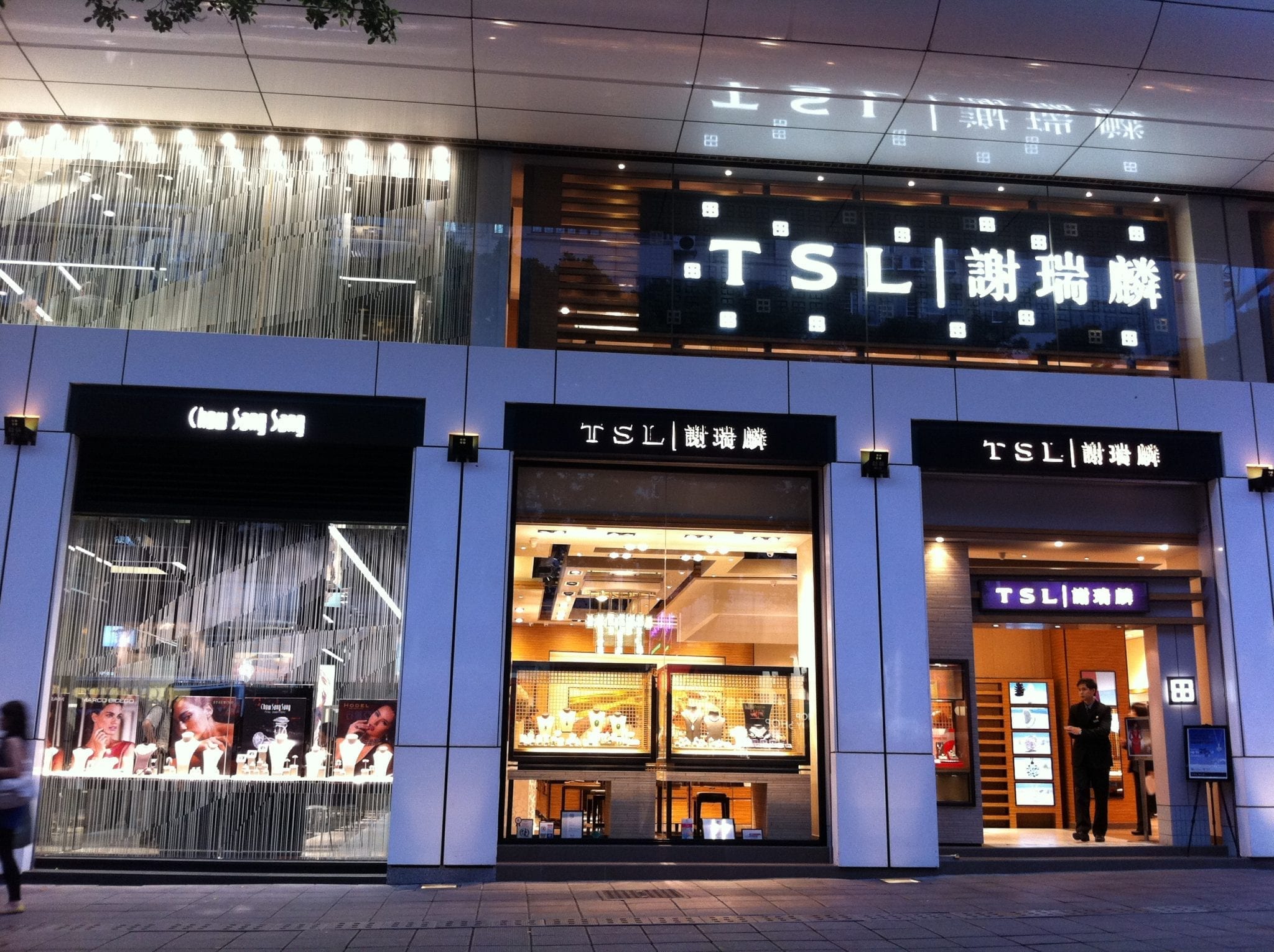
    Tse Sui Luen Jewellery has reported a US$11.6 million loss attributable to shareholders for the year to March. Sales declined by 28.3 percent to $376 million. The previous year the company turned a profit of $7 million.

    The company cited the trade dispute between the US and China, which weakened consumer sentiment in the company’s main markets, followed by social unrest on the streets of Hong Kong from June and then the “devastating” impact of the arrival of Covid-19 from the end of last year, for the disappointing result.

    Tse Sui Luen responded by negotiating rent relief with landlords, minimizing staff costs and administrative expenses, and streamlining its store network.

    Chairman Annie Yau said that in addition to those steps, the group adjusted its product portfolio and marketing strategies to stimulate sales and lowering its inventory level to reduce holding costs. The company’s payroll reduced from 3300 to 2870 during the year to March.

    During the year, the turnover of Hong Kong and Macau retail businesses decreased by 44.6 percent and same-store sales fell by 41.6 percent.

    The group opened four new stores in Hong Kong – at Tsim Sha Tsui, Tung Chung, Nam Cheong, and North Point – stores it had committed at the beginning of the year, prior to the social unrest and coronavirus pandemic.

    “In the face of the exceptionally high rentals in Hong Kong, following negotiations, many landlords have offered us rental cuts to help us tide over the current tough operating period, though far from comparable to our decrease in sales. We will keep on negotiating with landlords for further rental concessions as and when required,” said Yau.

    Self-run stores on the mainland recorded a year-on-year decrease of 20.8 percent in sales and same-store sales fell by 21.3 percent. The company opened 12 new self-operated stores and 78 new franchised stores, but there was a net gain of just 10 stores for the year as poor-performing outlets were shuttered.

    Sales in Malaysia grew by 19.3 percent through the year, despite the nationwide retail shutdown to halt the spread of Covid-19 from mid-March. The company now has six stores there, the newest at Mid Valley South Key Megamall.

    Online sales grew 17.2 percent during the year, boosted by a presence on marketplaces including JD, Tmall, Taobao and HKTV Mall, and growth of its own direct-to-consumer site.

    “As the retail landscape transforms, we believe that e-business will become a significant and sustainable source of revenue for the group,” said Yau.

  • Amazon pledges US$2 billion in Climate Pledge Fund

    Amazon pledges US$2 billion in Climate Pledge Fund

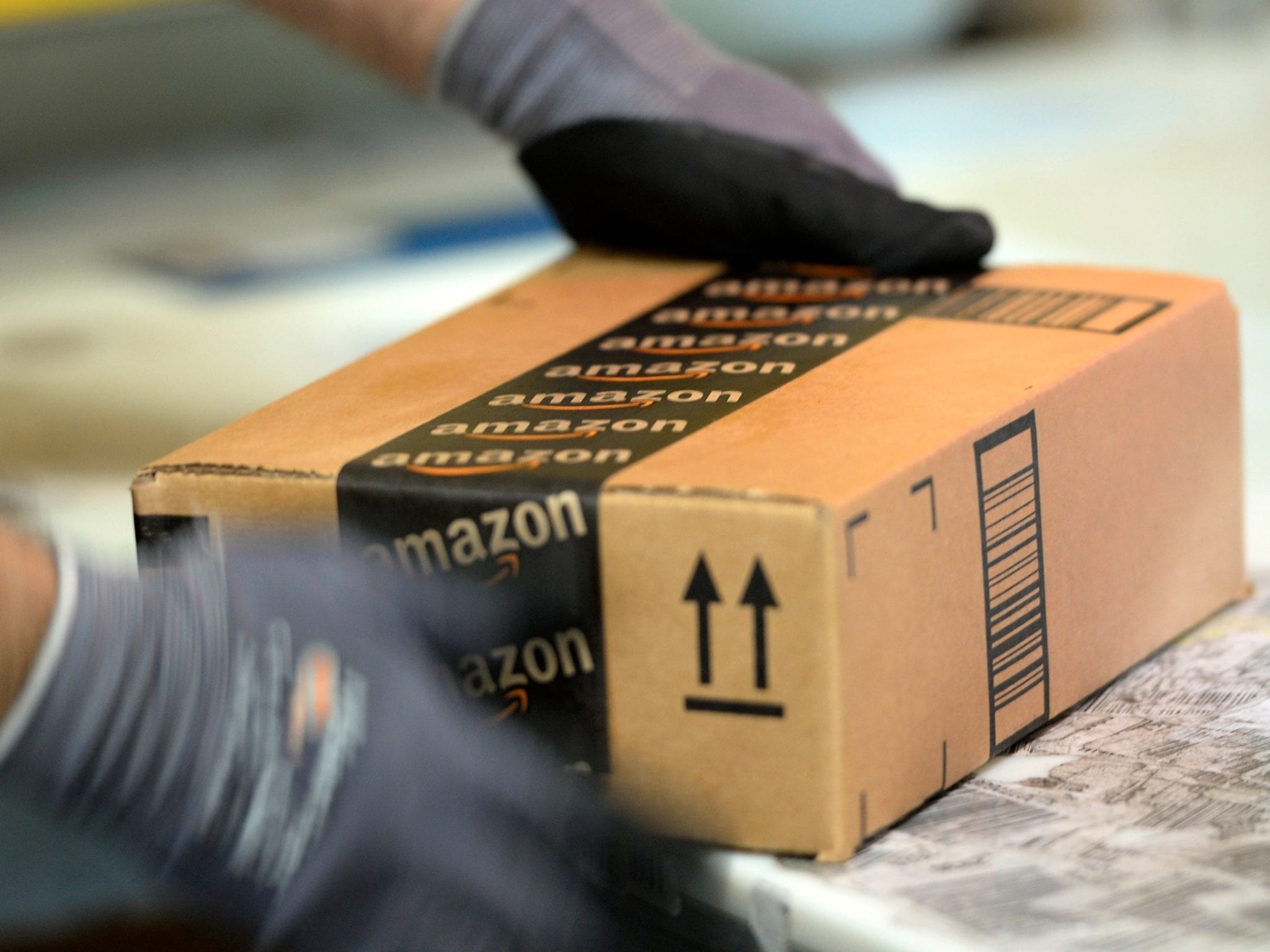
    Global retail giant Amazon has pledged US$2 billion for a new Climate Pledge Fund to foster sustainable technologies and services that will enable it to achieve net-zero carbon by 2040.

    The US-headquartered company says it will “back visionary companies whose products and services will facilitate the transition to a zero-carbon economy”.

    Founder and CEO Jeff Bezos says the fund will accept applications for grants from companies of any size worldwide, from pre-product startups to well-established enterprises. “Each prospective investment will be judged on its potential to accelerate the path to zero carbon and help protect the planet for future generations,” he said in a statement.

    Companies operating in industries including transportation and logistics, energy, manufacturing, the circular economy, and food will be eligible.

    The Climate Pledge was founded by Amazon in partnership with Global Optimism last year with a commitment to reach the goal of the Paris Agreement 10 years early – by 2040. Other companies have since signed on to the pledge, including consumer-goods company Reckitt Benckiser, tech giant Infosys and US telco Verizon.

    Bezos said the commitments by companies of that size send an important signal to the market that there will be rapid growth in demand for products and services that help reduce carbon emissions.

    Amazon has already invested in a company called Rivian, ordering 100,000 electric-powered delivery vans as a step towards reducing its carbon footprint.

    “Amazon has demonstrated its leadership in adopting low carbon technologies at scale,” said Rivian CEO RJ Scaringe. “We’re excited about a future of decarbonized delivery services.”

    The e-commerce company says it expects to run on 100-per-cent renewable energy by 2025, five years ahead of its original target date.

    It has also invested in nature-based solutions and reforestation projects around the world from its $100 million Right Now Climate Fund.

  • Singtel ushers in 5G era with 5G licence

    Singtel ushers in 5G era with 5G licence

    Singtel today was officially awarded the 3.5GHz and the millimeter wave spectrum as part of the 5G license issued by the Infocomm Media Development Authority. This paves the way for Singtel’s nationwide 5G rollout that will not only massively boost the quality of connectivity of its services but set the stage for extensive digital innovation that will prove transformative for industries, businesses, and how people work and live.

    “We are excited to get this greenlight to lead and shape 5G in Singapore by building a world-class, secure, and resilient 5G network that will serve as the backbone of Singapore’s digital economy. More than a business investment, we see this as a significant investment in Singapore’s digital future as 5G spurs innovation among enterprises and industries, creating new businesses, jobs, and economic value in the process,” said Singtel Group CEO Ms Chua Sock Koong. “This license is also very timely in light of Covid-19 and the ensuing reliance on robust infrastructure and connectivity. Our existing network capabilities have allowed us to pivot quickly to the needs of the public and businesses at this critical time and 5G will help extend and accelerate the digital adoption we’ve witnessed as we navigate our way out of Covid-19 towards recovery.”

    Singtel will build on the momentum created from ongoing 5G trials in the fields of port operations, manufacturing, and cloud gaming to offer the most transformative services and solutions to support Singapore’s digital economy.

    “As a company, we intend to move beyond access and connectivity to create new enterprise use cases and innovative platforms, applications, and services to reposition ourselves for growth in the converging eco-systems of tech and telecoms,” Ms Chua added. “As our subsidiary Optus in Australia and our regional associates forge ahead with their 5G strategies, the Group will leverage this experience and scale to build a robust 5G ecosystem with the right partners across our footprint.”

    After a rigorous tender process, Singtel has selected Ericsson to commence a period of negotiation to provide the 5G SA Core, RAN and mmWave network, with a view to finalising the contractual terms as soon as practicable.

    Singtel has been test-bedding new consumer and enterprise 5G solutions through various trials with key technology vendors and public service agencies. This includes working with the PSA on developing port-related 5G use cases such as drones and crane automation at the Pasir Panjang Terminal, exploring how 5G can enable Industry 4.0 manufacturing technologies at the Agency for Science, Technology and Research’s Advanced Remanufacturing and Technology Centre, and testing network readiness for 5G cloud gaming with IMDA and Razer. Singtel is also driving 5G innovation at the 5G Garage together with Ericsson and Singapore Polytechnic, a live facility where enterprises can develop and test 5G solutions. In the same vein, Singtel’s Centre of Digital Excellence helps enterprise customers realise the value and speed up the adoption of 5G in their digital transformation journeys.

    In a first for Singapore, Singtel is bringing 5G to life for consumers at its unmanned 24/7 pop-up retail store, UNBOXED, which has been outfitted with live 5G connectivity. With 5G powering all self-serve Singapore Telecommunications Limited Company registration number: 199201624D

    kiosks and sentinel surveillance systems within the store, UNBOXED can now be relocated anywhere without laying fibre cables and serve customers with faster transactions. From late July, customers can get a taste of a 5G future while trying out applications such as cloud gaming, 360⁰ immersive entertainment, augmented reality education, as well as checking out the latest 5G mobile devices. Consumers will be able to visit UNBOXED at its current location at Tampines Hub or find out more about 5G at www.singtel.com/5g.

  • 10 Million Asia Pacific Small Businesses to Participate in Visa’s Global

    10 Million Asia Pacific Small Businesses to Participate in Visa’s Global

    Visa, today announced a commitment to support 10 million small businesses across Asia Pacific in an effort to get local communities back to business in the wake of the COVID-19 pandemic. Visa is introducing a range of programs and solutions to help small and medium enterprises (SMEs) drive efficiency and sales by accepting and making payments digitally to meet increased demand for cashless payments – both online and in-store. Visa also formed the Visa Economic Empowerment Institute (VEEI) focused on economic and societal issues, including pandemic challenges SMEs face and closing racial and gender opportunity gaps.

    The 10 million pledge is part of a global program that will see Visa supporting 50 million small businesses worldwide. Small businesses will play a vital role in helping communities recover – they account for more than half of global employment and are among the most affected by the pandemic. In Asia Pacific, SMEs account for more than 90 per cent of businesses and employ 50 per cent of the workforce.

    In addition to the economic impacts, COVID-19 is accelerating the use of digital commerce experiences, from people seeking new ways to pay that do not involve touching a terminal to a boom in eCommerce, as stay-home orders result in shopping online instead of in-store. In Asia Pacific, 41% of consumers made five or more eCommerce transactions in the past three months. Three quarters of consumers in the region have said they will keep using digital payments instead of going back to cash, even after the global pandemic has subsided.

    “Commerce across Asia Pacific is shifting further into digital in the wake of COVID-19, from more people ordering essentials online to people looking for secure, touchless ways to pay in person,” said Chris Clark, regional president, Asia Pacific, Visa. “Visa’s role as a payments network means we can help SMEs adapt to these new ways of managing and growing their business, ensuring that these crucial players can recover.”

    To help small businesses, Visa is focusing initially on four strategic areas to promote digital commerce and economic growth, with plans to continue to create products and services as the needs of entrepreneurs change over time. These areas include:

    • Empowering digital-first businesses: Visa has built localised online resource centres – now available in more than 20 countries and territories – providing tools, partner offers and information on how to start, run and grow a digital small business. Visa is teaming up with leading eCommerce platforms such as Shopify and Boutir to help local businesses get online. Visa will be expanding its global partnership with IFundWomen to Asia Pacific, providing grants and digital training to women-owned small businesses in India.
    • Encouraging digital payments:  Deploying easy to adopt touchless payment technology – rapidly, and at scale – is critical to enabling faster, more secure commerce. Visa is working to introduce low-cost digital payments acceptance, including solutions that do not require point-of-sale systems and can enable a merchant’s mobile phone to become a payment terminal. Visa and our partners have launched tap to phone solutions in Malaysia, with more Asia Pacific markets such as Australia, Hong Kong, India, Taiwan and Vietnam to follow. Visa is also supporting SMEs to make business-to-business (B2B) payments digitally. By digitalising procurement payments through the use of a Visa Business Card, SMEs can utilise reconciliation tools and benefit from higher efficiency and data insights, in addition to managing their working capital effectively. Visa has curated special partner offers for SMEs using these business cards, which include access to cloud accounting platforms, digital marketing and professional courses.
    • Incentivising neighbourhood support: Visa partnerships encourage consumers to shop local and remind them that where you shop matters. The Visa Back to Business Project – an online tool that helps consumers identify businesses that may be open in the wake of the pandemic or a natural disaster – is now live in Australia, New Zealand, and the U.S., and further expanding globally. Visa has launched its new ‘Where You Shop Matters’ initiative in Australia and New Zealand that champions and enables entrepreneurs while encouraging consumers to support small businesses. Visa will be expanding the initiative to other Asia Pacific markets such as Hong Kong, Malaysia, Philippines, Singapore and Vietnam.
    • Developing positioning and policy: In addition to the initiatives Visa is undertaking, the company today announced the formation of the Visa Economic Empowerment Institute. This new institute comprises Visa experts and partners who will help address underlying problems and provide insights for SMEs growth and closing racial and gender gaps. Key projects in the next six months will address topics including post-crisis recovery and resilience, urban mobility, closing equality opportunity gaps and insights into the gig economy.

    Suripong Tantiyanon, Country Manager for Visa Thailand, said: “As part of this commitment, Visa Thailand repurposed its available resources and struck new partnerships with fintechs to help small and micro businesses make the necessary digital transformation. The recently-launched Everyone Speaks Visa program is helping businesses of all sizes gain access to digital payments that are fast, convenient and secure.  In addition, as businesses reopen and consumers head back in-store, Visa is committed to ensuring buyers and sellers have the best and safest commerce experience through the acceptance of digital payments.  To that end, Visa is partnering with merchant partners across the country to expand the use of contactless terminals in order to help meet the growing demand for safe, secure and reliable digital payments.”

    Today’s announcement follows a global commitment from the Visa Foundation announced in April, to provide USD210 million in COVID-19 relief funding to address the longer-term needs of the small and micro business community over the next five years.

  • KBank establishes fintech company in China to be financial innovation lab

    KBank establishes fintech company in China to be financial innovation lab

    KBank has established KASIKORN Vision Information Technology Co., Ltd. It is a fintech company wholly owned by KASIKORN Vision Co., Ltd. (KVision) with registered capital of RMB 300 million. It is the first fintech company to be set up by a foreign bank in Shenzhen this year. The company’s main business will involve the design, creation and research of new technologies. It has formulated a five-year operating plan to support the future development and provision of financial technology.

    Mr. Ruangroj Poonpol, Chairman of KASIKORN Business-Technology Group (KBTG), said that KBank has established KASIKORN Vision Information Technology Co., Ltd. which is registered in Luohu district, Shenzhen, People’s Republic of China. It is a financial technology, or fintech, company which is wholly owned by KVision. Its registered capital is RMB 300 million, or equivalent to THB 1,300 million. It is the first fintech company to be established by a foreign bank in Shenzhen this year. The company’s main business involves the design and creation of IT systems, research of new technologies, search for new business models conducive to digital banking and digital economic systems, as well as the development and testing of prototype products and provision of new financial technologies to KASIKORNBANK FINANCIAL CONGLOMERATE and its customers.

    KASIKORN Vision Information Technology Co., Ltd. has formulated a plan involving three steps over the course of five years: The first step, in the first year of business, is to consolidate the foundation, focusing on the completion of team building, business models and other basic work, to support KASIKORNBANK (China) Co., Ltd.’s digital strategy as the main development direction. The second step, over the second and third years, involves steady progress through in-depth integration with shareholder resources, key business group in Thailand and China + ASEAN regional institutions; and the integration of leading domestic technological achievements, especially those of Shenzhen, to provide innovative financial science and technology solutions. The third step, over the fourth and fifth years, is the acceleration of development in the course of becoming an influential fintech company in the region. At the same time, in the fields of technology accumulation, research and development, the company will join with leading international research and educational institutions to explore the establishment of financial science and technology laboratories to support the research and application of related basic disciplines.

    KASIKORN Vision Information Technology Co., Ltd. will promote the expansion of financial science and technology services to ASEAN countries, and make Shenzhen an important node for the Guangdong-Hong Kong-Macau Greater Bay Area, which is an important support pillar for the Belt and Road Initiative to reach out and connect with ASEAN countries. This would benefit ASEAN and enhance China-ASEAN economic and financial cooperation.

    Luohu district is a newly developed area in Shenzhen, a central business district which houses the headquarters of more than 70 licensed financial institutions and first-line branches, or the approximate equivalent of one-fifth of the city’s licensed financial institutions. Thus, Luohu district serves as a frontrunner in terms of development, with technological innovation serving as the primary driving force. Additionally, the district has been able to attract new investment and new talent, which will comprehensively improve the scale and quality development of its emerging industries. KASIKORN Vision Information Technology Co., Ltd. is expected to receive the full benefit of being located in this region.

  • 1 in 3 Australian casual workers lonely

    1 in 3 Australian casual workers lonely

    Research from Humanforce, a Sydney based global provider of workforce management solutions, has found that nearly one-third of Australia’s casual workers – including retail workers – have reported feeling lonely in the workplace, leading to lower employee engagement, and lasting customer experience consequences.

    More than 60% of casual workers surveyed said loneliness at work stemmed from the fact that they worked solo or with few colleagues, while 43% also said non-traditional work hours leads to less social interactions with others outside of work hours and 36% said there were limited interactions with management and the company.

    “With many of us having been asked to work from home full-time due to COVID-19, worker loneliness has become a big challenge for almost all types of workers,” said Bruce Mackenzie, Managing Director and Founder, Humanforce. “However, this is not a new issue for the 25% of casual workers that make up Australia’s casual workforce. Casual workers have always been more likely to work alone or with a small number of colleagues who frequently change, and on an unfixed and non-traditional schedule, which means they are at higher risk of loneliness.”

    Survey respondents said the flow on effect of loneliness was that 57% of casual workers had reduced motivation at work, 53% experienced lower job satisfaction and 41% faced mental health issues.

    “Our research shows that lonely retail casual workers face a range of challenges that undermine their ability to be fully engaged in their roles at work,” added Bruce. “Worker engagement is crucial to delivering the best customer experiences. And with those in the retail and hospitality industries currently facing an incredibly challenging business environment, customer experience is of the utmost importance in achieving ongoing sales and consumer loyalty.”

    More than half of casual workers surveyed said loneliness could be reduced through regular communication with casual workers from managers and the company, while an additional 40% said a casual worker reward program that recognises and values the work of casual employees and 39% said giving casual workers more control of the days/hours/shifts they work, would help.

    “To avoid loneliness and a lack of engagement, casual retail workers clearly need a higher level of communication, to receive more recognition and to be able to take control of their work days and shifts,” said Bruce. “Unlike fulltime employees, the issue of worker loneliness won’t disappear for casual workers when COVID-19 restrictions are eased. Therefore, casual worker employers must develop long-term approaches to helping keep employees connected, valued and motivated at work, in order to achieve the best results for the businesses now and into the future.”

    Advanced digital workplace engagement solutions are available that help employers leverage apps and digital tools that streamline two-way communication with casual workers and allow employees to take charge of selecting and changing their shifts, as well as rate their shifts so managers can monitor worker wellbeing.

    Find out more about Humanforce. 

    Methodology

    Humanforce surveyed 500 Australian part-time and casual workers in April 2020.

    About Humanforce

    Humanforce is a global provider of workforce management solutions for companies who need flexibility to manage complex workforces. Companies use Humanforce to manage everything from time and attendance, employee rostering, onboarding and availability. Humanforce has strong partnerships with industry leading payroll providers, with over 100 integrations and enable customer employees in over 9000 locations globally.

    Humanforce was founded in Sydney in 2002, and today has offices across Australia, New Zealand, Singapore and the UK. For more information: www.humanforce.com

    Media Contact:

    Corinne Nolte

    Mulberry Marketing Communications

    +613 9023 9110

    cnolte@mulberrymc.com

  • AirAsia may eventually exit India JV

    AirAsia may eventually exit India JV

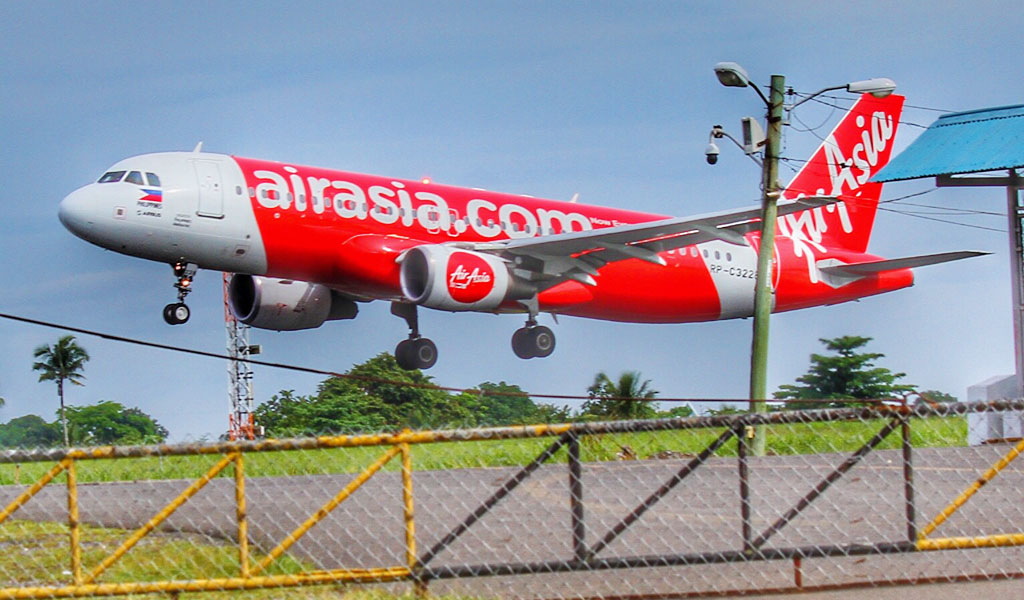
    India and Japan are peripheral markets for Malaysian no-frills airline, Air Asia Berhad, which could at some point exit its Indian venture with the Tata Group, the carrier acknowledged, according to a recent report by Credit Suisse that quoted the airline’s chief executive Tony Fernandes.

    The Asean region is a core market for the airline, while India and Japan are peripheral markets, Fernandes said during a global call arranged by Credit Suisse. “Thus he shared that while currently growing and committed, ‘we would never say that we would never exit India’. He shared that they have a good partner in Tata and are looking for an international license. There has been market share gain in this resumed phase of flying (from 25 May),” Credit Suisse said in a report on 22 June. “However, Air Asia said that it is not thinking of adding any new planes for a quite a while. Air Asia seemed to believe that oil prices can stay low for a long while (a lot of oil) and, thus, there are limited gains from a 15% fuel saving in a low oil price environment,” the report said. “Air Asia seemed willing to take second-hand capacity if need be rather than go for a new plane.”

    AirAsia India spokesperson was not available for comments. When contacted, a Tata Sons spokesperson said “no comments”

    AirAsia India, a joint venture between Tata Sons and AirAsia Berhad, reported 46% load factor and 7.8% market share in May, after domestic operations resumed on 25 May. It carried 22,000 passengers during the period. Market leaders IndiGo, which had a 50.6% market share in May, registered 52.6% load factor, carrying 142,000 passengers.

  • Espoir enters offline channels in Japan

    Espoir enters offline channels in Japan

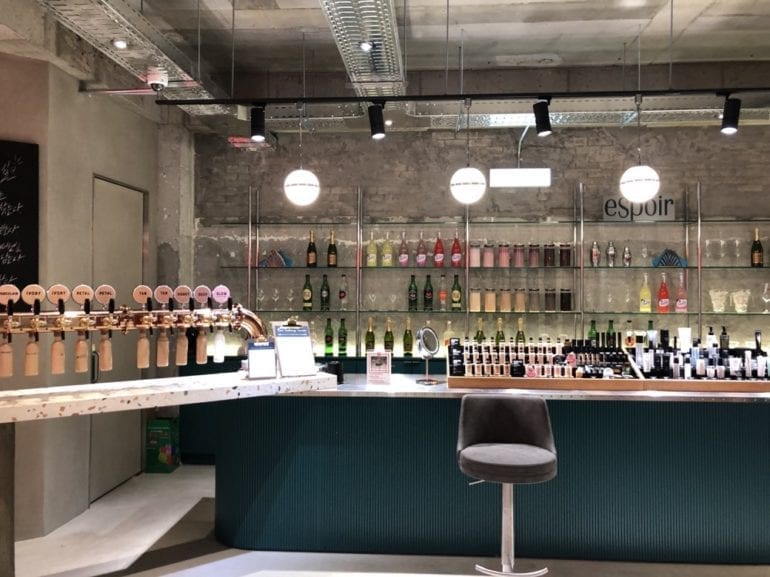
    Amorepacific’s makeup brand Espoir has entered Japanese offline retail channels after making an online debut in April.

    The South Korean brand expanded into some mainstream multi-brand shops in Japan including @Cosme, Loft and Tokyu Hands. The brand’s top-selling products such as Pro Tailor Be Glow Cushion, Water Splash Suncream or Real Eye Palette are now on sale at these stores.

    “We plan to broaden our product range in response to the demand of local customers,” said Jieun Lee, brand communication manager at Espoir. “Starting with the Japanese multi-brand shop channel, we will expand the global retail network further.”

    Espoir entered the Japanese beauty market through several online channels in the country including Qoo10, Rakuten, Yahoo Japan and Amazon Japan. Since then, the brand has attracted many local customers who are fond of South Korean makeup.

  • Deliveroo Hong Kong launches plan to feed the needy

    Deliveroo Hong Kong launches plan to feed the needy

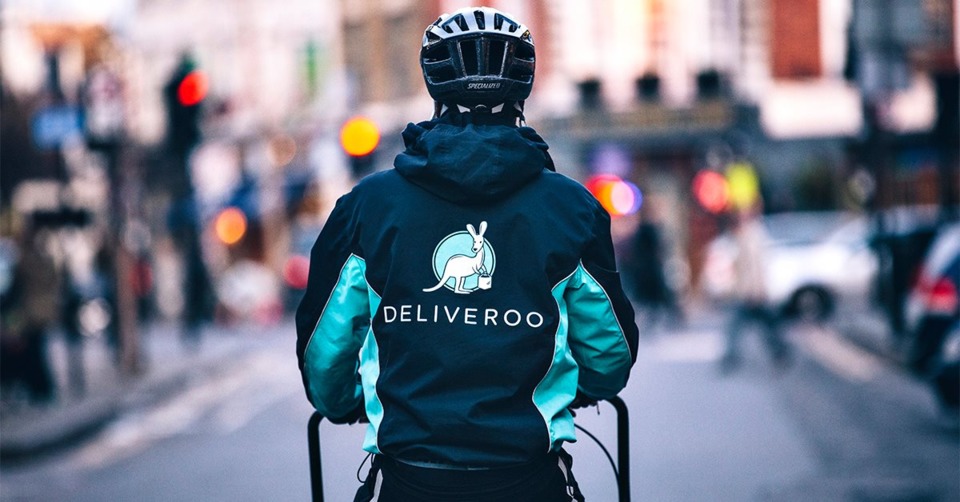
    Deliveroo has unveiled a new program allowing customers to round up payments for their orders to feed people in need.

    Deliveroo will collect the donations made via its app to selected charities, starting with local NGO Feeding HK.

    “One of the most challenging effects of Covid-19 has been a significant rise in demand from charitable food systems across Hong Kong,” said Deliveroo Hong Kong GM Brian Lo. “One of our imperative sustainable development goals at Deliveroo is ‘Zero Hunger,’ in line with the United Nations Sustainable Development Agenda, and so together with Feeding Hong Kong, we’re trying to make sure that no one in Hong Kong goes unfed.”

    Feeding HK collects surplus stock from food companies, sorts and stores it, before redistributing it to multiple charities across the city.

    The company’s support for Feeding HK expands beyond its cash contribution initiative. Until the end of this year, Deliveroo will contribute 100 hours of volunteering by its employees to help rescue and redistribute surplus food to help frontline charities across the city.

    The company hopes to raise more than US$129,000 (HK$1 million) during the next six months from the app.

    “Deliveroo is dedicated to being a positive member of the Hong Kong community, which includes making sure that the economically disadvantaged get the help they need,” said Lo.

  • JD and Sony testing AR foot-measurement tool for online shoppers

    JD and Sony testing AR foot-measurement tool for online shoppers

    Chinese online e-commerce platform JD and Sony Semiconductor Solutions are working together to develop AR technology to measure foot size online.

    The JD and Sony solution requires customers to use their smartphone equipped with a distance-detecting camera and scan the front and sides of their feet in order to take an accurate measurement. The camera works by calculating the time it takes for a signal to bounce off the foot and return to the sensor.

    JD launched an AR feature on its app earlier this year for online customers to virtually try on shoes, a function is now available for more than 1000 sneaker SKUs on the platform and which is also available to external partners as a service, along with the firm’s other AR applications.

    “We hope to use innovations in technology to give all consumers equal access to efficient and convenient purchase and service,” said JD’s head of AR/VR Mingqiang Ye.

    “JD will continue to promote innovations in the area of AR and benefit both our customers and industry partners.”

    The firm is now planning to further develop its AR offerings in additional scenarios such as AR skin evaluation and AR live streaming.

  • Grab Malaysia sees ‘instant retail’ reducing need for physical stores

    Grab Malaysia sees ‘instant retail’ reducing need for physical stores

    Grab Malaysia is expanding its instant retail service after studying customer demand for goods during the nation’s Covid-19-related social-distancing initiative.

    According to Grab Malaysia MD Sean Goh, many convenience stores and grocery retailers were able to treble their sales using the GrabMart delivery service during the lockdown restrictions. Now, as the country’s retailers are allowed to open their doors again and normal trading resumes, Grab believes more consumers are seeking safe, reliable ways to shop for daily needs without visiting stores.

    “While we saw a clear uplift to safe, instant deliveries for food, drinks, snacks and other essential goods via GrabFood, GrabMart and especially ‘Pasar’ on GrabMart, we see a new challenge for retailers,” explained Goh.

    “The ‘new normal’ will potentially affect retailers who traditionally rely on high foot traffic and walk-ins – from health and beauty retailers, toys, gifts and stationery shops to florists. This is a gap where we believe GrabMart is able to step in and address while helping to make the government’s upcoming Shop Malaysia Online initiative a success.”

    GrabMart was launched last November, before anyone foresaw the emergence of Covid-19.

    Goh said that after the government’s movement controls were put in place, many retail chains signed up to GrabMart, not just in the grocery and food categories, but pharmacies, health & beauty, eyewear, books, stationery and gift retailers.

    He believes this has caused consumers to evolve into ‘on-demand shoppers’ who are already accustomed to using mobile technology for their daily needs, and increasingly expect faster speed and safety for their retail purchases. Grab is delivering most goods from retailers in less than 30 minutes for a charge as low as US$1.20 (MYR5).

    Goh believes the convenience of services like GrabMart and the rapidly increasing adoption of apps by consumers to order online will substantially reshape retailing.

    “It is no longer sustainable for businesses to keep expanding their retail presence to get closer to their customers’ homes. Together, we can realize our nation’s vision for a more robust digital economy as businesses adjust seamlessly to the new norm,” he said.

    “We are excited to expand and help more businesses transition seamlessly to adopt instant retail.”

    Grab Malaysia operates GrabMart in Kuala Lumpur’s Klang Valley, Johor Bahru, Kota Kinabalu, Kuching, Ipoh, Melaka and Penang.

  • Toyota Sees July Global Output Down 10% On Initial Plan

    Toyota Sees July Global Output Down 10% On Initial Plan

    Toyota Motor Corp said on Monday it would make 10% fewer vehicles next month than originally planned, as it gradually resumes output following factory closures earlier this year due to the coronavirus pandemic.

    The Japanese automaker said it planned to make 71,000 fewer vehicles globally in July than its original goal of about 700,000. While production has yet to return to normal, the July reduction is smaller than the 20% output cut for June.

    “We expect the recovery trend to continue in August,” a spokesman said.

    Global automakers are trying to get their plants back up and running after many were closed earlier this year to curb the spread of the virus.

    Toyota Motor, Japan’s biggest automaker, said on Tuesday it expects its lowest annual operating profit in nine years, down over 4 billion US dollars, or 80%, from the previous year.

    For the April-July period, Toyota anticipates a global production drop of 30% from its initial plans, made before the virus outbreak and a plunge in demand for vehicles.

    The automaker produced nearly 3.7 million vehicles during the same period last year.

    At home, Toyota plans to make 39,000 fewer vehicles in July, or 10% less than initially planned.

    It will stop making its Coaster minibus model for six days, while lines producing the Land Cruiser and Prado SUV models, and the Porte subcompact, will stop for two days. These adjustments will affect six production lines at three of the automaker’s plants.

    Second shifts at some of these plants will remain canceled, potentially until September. In total, Toyota operates 28 production lines at 15 vehicle factories in Japan.

    Toyota will also cancel some Saturday shifts next month on four lines that produce models including its popular RAV4 SUV crossover model and the Prius gasoline hybrid, many of which are exported overseas.

  • Ikea Home of Tomorrow urban concept unveiled in Poland

    Ikea Home of Tomorrow urban concept unveiled in Poland

    Home furnishings giant Ikea has introduced its new environmentally friendly concept store in Szczecin, Poland, dubbed the Ikea Home of Tomorrow.

    The new store concept was designed for customers who are looking for a zero-waste lifestyle

    Located in a 120 year-old building, Ikea Home of Tomorrow houses a soil-free home garden featuring a wide range of plants, including tomatoes, strawberries, herbs, and even spirulina. Ikea customers can create their own in-door ‘farms’ such as microgarden, aquaponic farm, spirulina farm or aeroponic farm.

    Ikea Home of Tomorrow also introduces a metabolic process where waste can be used in many different ways. For example, coffee grounds can be composted and used as fertiliser or to make candles and cosmetics.

    The Creative Zone offers household equipment for reparation and modification which customers can use to give worn-out furniture a second life. Meanwhile, the store features a kitchen called Planning Space where visitors can learn to make vegetarian dishes from ingredients taken from the farm.

    “We wish to encourage the residents of Szczecin to take responsibility for waste,” said Gustaw Jakubowski, Ikea, who was responsible for bringing Ikea Home of Tomorrow to life.

    “I believe that only by starting to vote with our wallets for environment-friendly solutions we will create a substantive step towards sustainable life.”