Author: Mei Ling Tan

  • China Regulator Issues Record-High Penalty

    China Regulator Issues Record-High Penalty

    China’s securities watchdog issued 3.6 billion yuan of penalties over a case of insider trading by a Shanghainese entrepreneur and his daughter – an all-time record-high regulatory fine.

    Wang Yaoyuan and his daughter Wang Chengcheng were fined 2.72 billion yuan ($380 million) for using inside information to build long positions on the shares of listed healthcare company Joincare Pharmaceutical Group. The two made a net gain of 906.4 million yuan ($128 million) which was also confiscated by the China Securities Regulatory Commission (CSRC).

    According to the CSRC, the two had obtained insider information that Joincare’s second-largest shareholder Hongxinhang would transfer a 4.8 percent stake to units controlled by two major investors: Tencent founder Ma Huateng and ZhongAn chief executive Ou Yaping. The elder Wang obtained insider information in 2015 through Ou and the controller of Hongxinhang via phone calls and physical meetings.

    Neither Tencent’s Ma nor ZhongAn’s Ou was fined or reprimanded by the regulator.

    China’s regulator has been increasingly active with issuing fines in a move viewed by onlookers as the end to the practice of immaterial penalties to further discourage unhealthy practices. Earlier this year, the People’s Bank of China imposed the first-ever fines of above 10 million yuan ($1.4 million) to China Minsheng Banking Corporation, China Everbright, and Huatai Securities.

    In the first quarter of 2020, the CSRC issued a total of 19 penalties accounting for a 35 percent year-on-year increase, involving mostly cases of insider trading, market manipulation and violation of disclosure rules.

    The 3.6 billion yuan fine on the Wangs reportedly surpassed the former leading fine of 3.47 billion yuan issued against the ex-controller of Shanghai Duolun Industry over price manipulation and disclosure breaches.

  • Harley-Davidson To Cut 140 Jobs In The US

    Harley-Davidson To Cut 140 Jobs In The US

    Harley-Davidson has decided to cut as many as 140 jobs in the US as a result of reduced production volume after assembly plants and dealerships were shut in the face of the Covid-19 pandemic. The layoffs are expected across two Harley-Davidson facilities and will affect 90 production workers at Harley’s York facility in Pennsylvania and 50 other workers at its Tomahawk facility in Wisconsin. The decision comes after Harley-Davidson was forced to shut down its factories in March as part of the efforts to stop the spread of the coronavirus pandemic kept non-essential workers at home.

    In April 2020, Harley-Davidson announced that the company had temporarily laid off most of its global production employees and implemented salary cuts to lower costs, as the coronavirus pandemic hurt the iconic American motorcycle brand’s business. In April, the company announced that the CEO and Board of Directors will forego their salaries, without specifying for how long. Salaries of executive leadership were cut by 30 percent, while most other employees’ salaries were cut by 10-20 percent. Hiring has been frozen and the company also announced that salary reductions will be reassessed at the end of the second quarter.

    While Harley-Davidson re-opened its factories in May 2020 at lower production rates, the company also said that fewer models will be shipped in 2020 to dealers in the US. Production will be limited this year to bestselling models and palette of colors, and without customizable features for the rest of the year. Harley also announced that any additional new motorcycles will not be shipped to about 70 percent of its 698 dealers across the US.

    Harley-Davidson has been struggling with slow sales for several years now, particularly in the brand’s home market of the United States

    Harley-Davidson has been battling slowing sales for several years, particularly in its top market of the United States, which accounts for more than half of the brand’s motorcycle sales. To make matters worse, the coronavirus pandemic has further dented demand for motorcycles as more Americans continue to stay at home. In May 2020, Harley-Davidson also replaced former CEO Matt Levatich with Jochen Zeitz, who is also the chairman of the Harley-Davidson board and former CEO of sporting goods manufacturer Puma. Jochen and his team have been working on a new five-year strategic plan to revive sales, which Harley-Davidson plans to reveal in the second-quarter earnings update.

  • Chinese tea brand Nayuki opening in Japan

    Chinese tea brand Nayuki opening in Japan

    Chinese fruit-based cheese tea brand Nayuki is making its debut in Japan, opening its first cafe in the Zero Gate shopping complex in Osaka.

    The new 200sqm store features a teahouse experience similar to the brand’s locations in its home market, incorporating special details to match modern Japanese culture.

    “As a brand dedicated to becoming the innovator and promoter of the tea culture, we wish to deliver an exceptional experience for the local residents, one that reflects our passion for creating unique tea-based drinks for tea lovers worldwide,“ said Nayuki founder Peng Xin.

    The new outlet serves a wide range of tea drinks made by tea baristas as well as low oil and sugar-content soft-euro bakes.

    Nayuki operates nearly 400 stores in China, ranging from 1200–11,000sqft in prime locations across the country and also has stores in Singapore.

  • Korean beauty giant opens 10th store in Australia

    Korean beauty giant opens 10th store in Australia

    Two years after first entering the Australian market, Innisfree has just opened its 10th store at Westfield Hurstville in southwest Sydney and says it will open two more stores in Westfield centers in Parramatta, NSW, and Burwood, Victoria, by August.

    The global beauty brand, which is owned by Amorepacific Group, the L’Oreal of South Korea, is known for its affordable skincare and makeup and environmental awareness. It claims to have collected and recycled over 15 million empty bottles since 2003 and planted over 79,000 of trees globally.

    Its steady expansion in Australia follows a strong response to its launch two years ago.

    “Australia has been a significant growth market for Innisfree and our customers have really adopted our naturally inspired products and our immersive retail experience,” Brian Jeong, GM of Innisfree Australia, said in a statement about the Westfield Hurstville launch this week.

    Company representatives have previously said the brand is committed to the Australian market for the long-term. Jeong said the brand will continue to review its growth strategy.

    Like many retailers in Australia, Innisfree closed its brick-and-mortar stores for the month of April amidst the COVID-19 pandemic. It has since resumed normal trading hours with new safety measures in place, including a limit on the number of people in stores, floor markings to maintain 1.5-meter social distancing, hand sanitizer at the entrance and throughout stores and increased cleaning.

    “All of our staff are sanitizing and washing their hands before and after each interaction and are regularly trained in stores in hygiene and safety practices,” Jeong said.

    Testers are also available on request and are sanitized before and after use. This is a new measure; until two weeks ago, testers had been taken off the floor.

    While rent has become a divisive issue for many shopping center retailers, Jeong said Innisfree has strong relationships with its retail partners.

    “It’s a long road ahead with many uncertainties; maintaining our relationships with retail partners and ensuring our customers’ optimal experience is our key focus,” he said. Innisfree offers over 650 products across skincare, makeup, body care, hair care, home fragrances, and beauty tools ranging in price from $1 to $98.

    It has over 1750 stores globally in 15 countries with over 20 million customers worldwide and claims that one bottle of its best-selling Green Tea Seed Serum is sold every seven seconds.

    The brand has an office in Melbourne and a partnership with local online beauty leader, Adore Beauty. Sister brands, Amorepacific and Laneige, are also stocked at Mecca and Sephora.

    In February, Amorepacific Group posted annual revenue of 5.6 trillion South Korean won (A$6.8 billion) for FY19, KRW 2.1 trillion (A$2.6 billion) of which was generated internationally.

  • Changing the Way Singapore Buys Wine

    Changing the Way Singapore Buys Wine

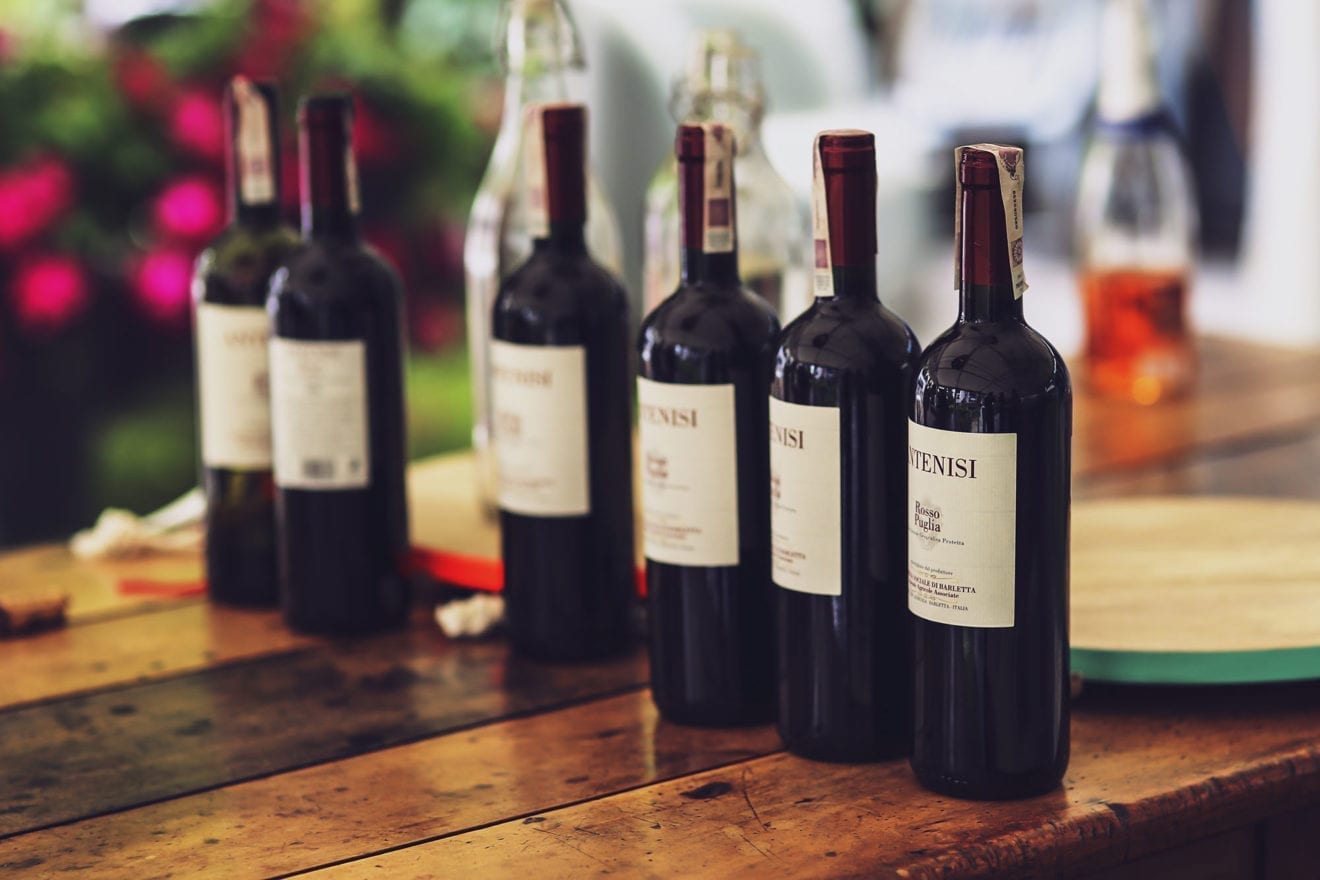
    With few people having wine cellars, the minimum order size required by many wine merchants in Singapore makes buying a case of each both time consuming and inconvenient. Wine. Delivery solved this issue.

    How can you replicate the pleasures of purchasing wine in a physical shop in the online space? Where can you go to get the personalized service and recommendations available from your favorite wine merchant while still having access to a vast array of diverse options?

    How can a specialized wine importer have access to a larger audience online without needing to develop expensive tech? These were the questions that Alex Caballero sought to answer in creating a specialized marketplace, where quality, user experience, and a love of wine are celebrated.

    The premise was simple: Create top-notch tech, get quality importers on board, ensure impeccable service, and improve the experience of wine and spirit drinkers everywhere. Amongst Alex Caballero’s first steps was acquiring the URL www.wine.delivery. Beautiful in its simplicity, the ultimate wine shop had just become digital.

    From the very beginning, Wine.Delivery was a tech company that sold wine and not the other way around. The goal was to build a platform that would provide seamless customer experience and make it easy for specialized merchants to sell their wine to the general public. The website launch was quickly followed by an app, making it even easier to order whenever and wherever.

    Building a marketplace from scratch was very much a learning experience. In-house developers allowed the company to quickly develop new solutions and adapt to the changing needs of both the end-user and the importers in real-time, with feedback from both sides being quickly put into practice.

    New functionalities allowed the consumer to explore different wine regions or grapes, much like in their local wine store. Recommendations were added to guide the novice wine drinker and sections were developed to steer the last-minute buyer towards wines available the next day, including weekends.

    Wine.Delivery Singapore soft-launched in 2016 with early-adopter importers keen to experiment. All saw the potential of the platform and the opportunity linked to the change in Singaporeans’ online purchasing behavior.

    Today the marketplace counts over 40 importers and showcases more than 1,500 labels from all over the world, with bottles ranging from the cheap and cheerful to exclusive collector’s pieces. Fully armed with the lessons gleaned in Singapore, the company is excited to expand its horizons.

    Today’s consumer is looking for a large variety of wines; a typical order could see a few bottles of Italian wine for a dinner party, a bottle of Champagne for a gift, some South African wine to reminisce over a past holiday, a Bordeaux for a romantic dinner and some Chilean wine for Saturday’s BBQ.

    With few people having wine cellars, the minimum order size required by many wine merchants in Singapore makes buying a case of each both time consuming and inconvenient. Wine.Delivery solved this issue, making it possible to find everything in one place, with free delivery on all orders, even for a single bottle.

  • Country Garden builds world-first robotic restaurant

    Country Garden builds world-first robotic restaurant

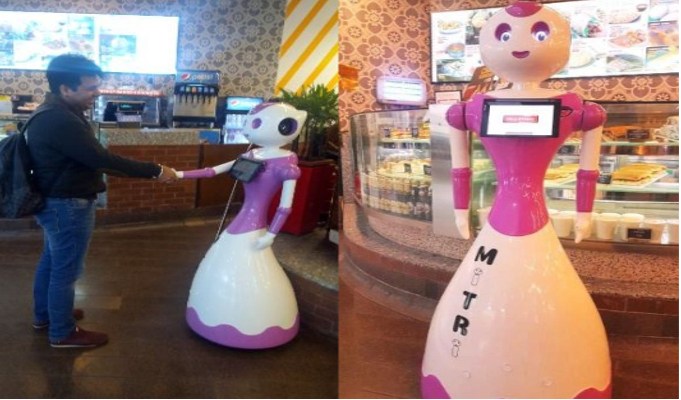
    Chinese property-development company Country Garden has launched the world’s first robotic restaurant, in Guangdong.

    Built by Country Garden’s subsidiary Qianxi Group, the restaurant occupies a 2000sqm area, featuring sections including Chinese food, hot pot and fast food. Diners are served by more than 20 in-house robots designed for different tasks including cooking and serving food.

    “The Qianxi robot restaurant has innovatively achieved both software-hardware integration and man-machine cooperation,” said Zhao Chunsheng, mechanical engineering specialist, and academician at the Chinese Academy of Sciences.

    “It helps to better run a smooth operation through the practical application of robots. Qianxi has the most advanced technology with a vast product lineup. It fills the market gap and will have a significant impact on benchmarking in adding value to industry development as well,” he said.

    According to the company, the Qianxi robotic restaurant can serve some 600 customers with 200 menu items thanks to fast serving time. The launch of the robotic restaurant is in line with efforts to reduce physical contact between people during the Covid-19 pandemic.

    Meanwhile, Qianxi Group says it aims to build centralized kitchens in Hong Kong and Macau.

  • Singapore startup opening ghost kitchens globally

    Singapore startup opening ghost kitchens globally

    Singaporean food tech firm TiffinLabs is creating an international network of ghost kitchens based in more than 1000 locations across the US, Europe and Asia.

    The move is designed to take advantage of the rapid global transformation and growth of the online food-delivery market, with the kitchens rolling out progressively from the last quarter of this year following 12 months of negotiations.

    According to material released by the firm, the traditional restaurant industry – largely structured for dine-in – has led to a mismatch between customer demand and the supply of cuisines due to current production capability. TiffinLabs’ solution, focused on creating cuisines linked to consumer needs, is an attempt to innovate in the food delivery and restaurant industry in reshaping the business model and tapping new growth opportunities.

    TiffinLabs currently operates nine digital-first restaurant brands out of its kitchens in Singapore, including Publico Pastabar and Hureideu – Korean Fried Chicken, as well as soon-to-be-launched Singapore Makan.

    “Singapore is known globally for its quality standards and as a food lover’s paradise, with its wide mix of local and western foods,” said Tiffin Labs founder & chairman Kishin RK, “and TiffinLabs looks forward to sharing this globally.”

    TiffinLabs will leverage its AI-driven kitchen operating and management system across its network to deliver an international menu from digital-first restaurant brands, with a potential reach of more than 15 million households. The team also harnesses data analytics to identify food trends and changing consumer preferences while optimizing its supply chains with local smart kitchens to fill gaps in delivery zones.

    “What customers get when they order food for delivery is dramatically different from a dine-in experience,” said Kishin. “By enabling over 1000 kitchens for delivery-focused operations globally, we are making food ordering relevant for the future, at scale. In the next three years, we see two very different winners in this space – the local niche specialty cuisine player that can create value through distinction for a specific segment of the market.

    “The other will be global delivery businesses which will scale brands and menus with suppliers and delivery platforms and invest in innovation specifically to create food for delivery, reinventing customers’ experience of in-home dining.

    “As someone who has been in this industry for the last 10 years, I strongly feel that the value of real estate and the monetization capability of its adjacent business models will be determined by how well it integrates into the digital economy. Our business aims to help all players in the food industry tap into the growth of this sector.”

    The online food delivery market is expected to more than double to US$200 billion by 2024.

  • Australian Wealth Fintech Eyes Growth

    Australian Wealth Fintech Eyes Growth

    Picture Wealth has completed a A$12 million equity and debt funding round, at it sets its sights on reinventing the country’s financial advisory and superannuation landscape.

    The fast-growing company has completed late-seed funding round and acquired 100 percent of financial services licensee NEO Financial Solutions (NFS) for an undisclosed sum, it announced on Friday on its blog.

    With the acquisition, NFS managing director Mark Edman will become chief operating officer, and give the group a combined footprint of 94 advisers and $2 billion in funds under advice.

    We felt acquiring NFS with its robust compliance protocols was the way forward so that we could offer advisers and their clients a new home amidst very turbulent market conditions, said Pettit in the statement.

    Picture Wealth was co-founded in 2018 by chairman Neal Cross, who was previously DBS Bank’s innovation chief, and CEO David Pettit, a private wealth entrepreneur, aiming to use technology to empower people to understand and manage their finances.

    The hybrid wealth manager brings together digital automation and licensed, human financial advisers to provide users with personalized actions and insights based on their financial profile. It highlights gaps and opportunities to grow their wealth, and helps users with the changes required for them to reach their targets. It also has an adviser side, which allows the needs and expectations of clients to be met through structured servicing protocols and bespoke financial advice.

    It now has revenues of A$20m, A$2 billion of funds under advice and over 40,000 clients.

    As others are running out of the industry, we are running in…We have the technology, the business model and the people behind us to make a significant dent in the wealth industry in Australia, Cross said in an interview.

    Australia’s wealth management industry was shaken up with the Hayne royal commission into misconduct, leading the big four banks to exit the sector.

  • Lego Stem-themed pop-up store launched in Hong Kong

    Lego Stem-themed pop-up store launched in Hong Kong

    Hong Kong shopping destination Olympian City has partnered with global toy brand Lego to launch Lego Technic – a Stem-themed AI concept store.

    The world-first concept store features an array of Lego Technic sets and experiential workshops to promote Stem (science, technology, engineering, and mathematics) education. The product range encourages users to acquire Stem skills – including mechanical movement – through play.

    At the pop-up, children can engage with life-like models of different sizes that can be built with individual parts like gearboxes, pneumatic systems, and motors. It is touted as suitable for both beginners and experienced builders.

    Olympian City is working to promote Stem education opportunities at the malls.

    The project is the first pop-up concept to be featured at the mall’s Pop Gallery, a platform that uses big data technologies to source trending products worldwide. Visitors to the store can access exclusive offers by interacting with AI-enabled Pop kiosks at the store or engage in live games.

    The Lego Stem-themed Technic pop-up runs until July 5.

  • UBS Names Co-Head of Australasia Equities

    UBS Names Co-Head of Australasia Equities

    A veteran of the Swiss private bank, who left in 2016 after 23 years, is returning to the fold as co-head of equities for Australasia.

    Based in Sydney, Chris Scott will begin his new role in August, working alongside co-head Steve Boxall and reporting to Asia-Pacific head of equities Taichi Takahashi, «AFR» reported on Friday, citing a memo circulated to UBS staff.

    According to his LinkedIn profile, Scott first joined UBS in 1992 spent nine years in Sydney as part of the bank’s equity derivatives team, and subsequently relocated to Tokyo, where he built and managed UBS Japan’s equity trading and derivatives business for 11 years. In 2012, Scott moved to Hong Kong, where he was head of APAC equity derivative trading and co-head of APAC equity derivatives.

    He returned to Sydney in 2016, and has since held roles at Asia Pacific Capital and HEAL Partners.

    The report noted that Scott’s appointment comes amid several high-profile departures of senior investment bankers from UBS in Australia, including country head Matthew Grounds and head of capital markets and head of corporate advisory Guy Fowler in 2019.

    Former co-head of investment banking Aidan Allen also left the firm earlier this month.

  • Huawei opens its largest flagship store in Shanghai

    Huawei opens its largest flagship store in Shanghai

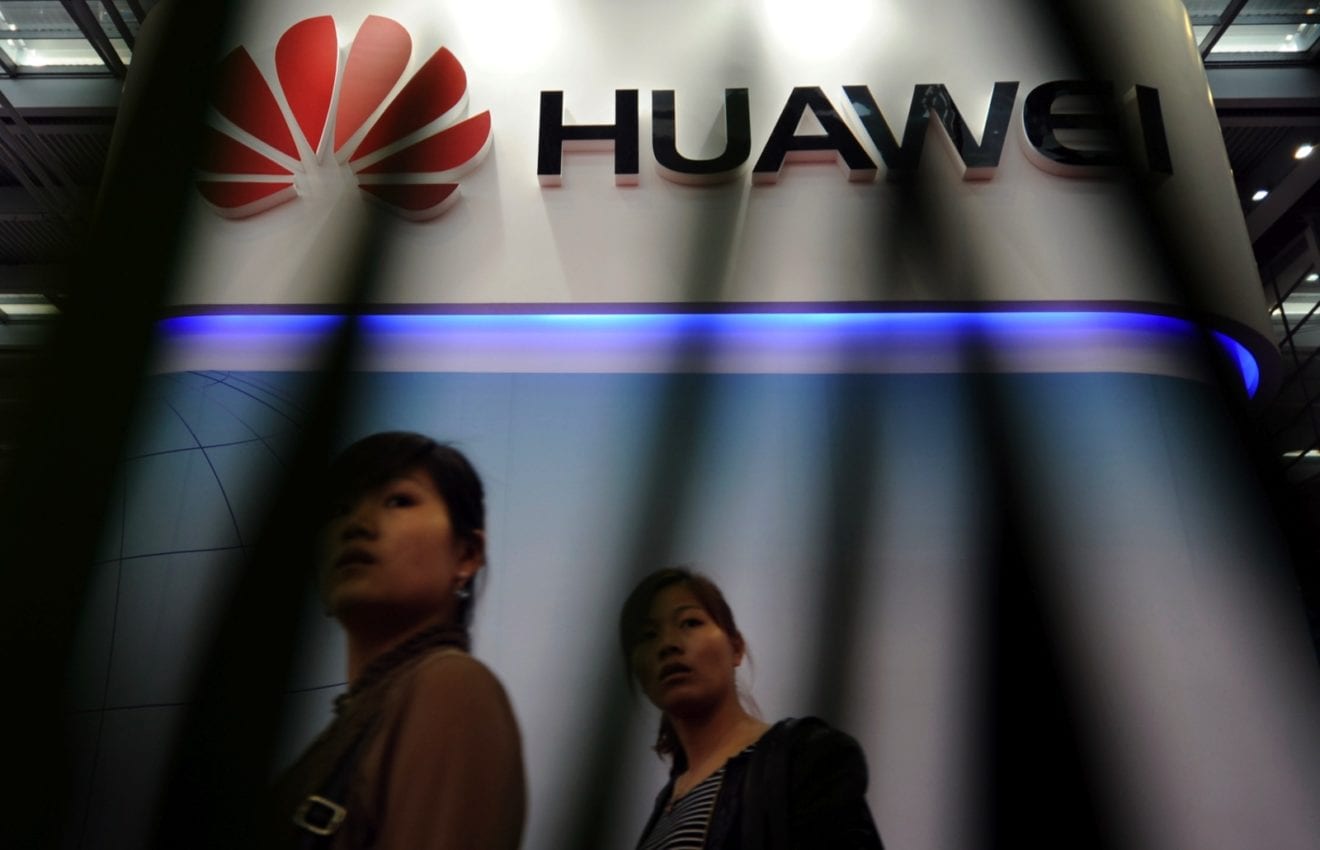
    The new Huawei Shanghai store, the Chinese smartphone and electronics brand’s largest yet, opened its doors this week. The three-story Huawei Shanghai flagship covers 50,000sqm – equivalent to the size of a small to medium shopping mall. It houses the full product range, experience zones and an exhibition area

    Construction of the flagship began during February and is said to have cost more than US$42 million to complete.

    Taking over the space once housing a giant Forever 21 store, the Huawei Shanghai flagship is built in an art deco-style building, incorporating modern design while preserving its original form.

    The store is adjacent to Apple and neighbor to Samsung and Gucci on the city’s oldest commercial street. Its location is part of the current Nanjing Road extension project, connecting the pedestrian mall to the Bund.

    Consumer products can be found on the first floor spanning 12 categories, from phones to smart wearables. Some 220 consultants work in the store, with skillsets including music, dance and v-logging. The theory is that by sharing common interests and hobbies with customers, they can offer suggestions on product use and technical support.

    Staff are able to provide services in more than 10 languages, including the local Shanghainese dialect. There are 19 checkout counters and 12 repair stations

    The second floor features a “Seamless AI Life Zone” encompassing smart experiences in different scenarios such as a smart home, mobile office, fitness and health, travel and entertainment. Products are placed in settings to enable guests to experience the Internet of Things paired with Huawei’s proprietary 5G technology.

    Meanwhile, the upper floor debuts a multi-functional experience zone as an exhibition space for films, paintings and art. Customers can also view Huawei’s first smart vehicle, HiCar.

    The flagship houses many public spaces with the patio of the building functioning as an atrium. Customers are invited to relax and roam around the store, socialise with friends and chat to consultant experts as part of the brand’s community-building initiative.

    More than 60 lectures every week will be available free, covering topics including video production, programming, fitness, and music. Creators and technology experts from around the world, as well as local artists, will be invited for art salons, sharing meetings, and developer talks every month.

    “Our relationship is not just a buyer-seller relationship. We have a deeper bond with our customers,” explains Richard Yu, CEO of Huawei’s consumer business group. “The flagship store is a place for consumers, customers, and developers to get together.”

    Tony Rong, global retail director of Huawei has hinted that more flagship stores will open in other major Chinese cities, including Beijing and Guangzhou. The brand will also soon debut in Germany, Russia and the UAE.

  • Harley-Davidson Sacks Dealer In USA Over Black Lives Matter Post

    Harley-Davidson Sacks Dealer In USA Over Black Lives Matter Post

    Harley-Davidson has announced that it will cut ties with a Tennessee motorcycle and ATV dealership after a racist post was made on the owner’s Facebook page. The post was apparently made on the Facebook page of Russel Abernathy, the owner of Abernathy’s Cycle of Union City Tennessee. Abernathy also owns a Polaris dealership, and a week ago, Polaris, which also owns the Indian Motorcycle brand, has also asked him to step down. The posts were on the Facebook page of Abernathy, owner of Polaris, Harley-Davidson and Honda Powersports stores in Union City.

    In a statement, Harley-Davidson said: “Racism, hate or intolerance have no place in our world including within the Harley-Davidson community, employees, dealers or riders. We recently became aware of racist comments posted on one of our dealer owner’s Facebook page and immediately started a review process. We will not tolerate this type of behavior in our network, and today we are announcing that the dealer owner in question will no longer be part of our dealer network. Harley-Davidson is committed to diversity and inclusion. We strive to create a welcoming environment for everyone.”

    The post on Russel Abernathy’s Facebook page has since been deleted and stated that he “was sick of this black lives matter,” before calling for black people to go “back to Africa and stay.” On his part, Abernathy is claiming that his social media account was hacked. Screenshots of the now-deleted post were shared by angry observers and local commentators.

    Abernathy also owns a Honda Powersports store in Union City. Honda has released a statement saying that the brand “unequivocally condemns racist statements and actions of every kind” and has launched its own investigation into the matter, and will take “swift and aggressive action” if warranted by the investigation.

    The stand by both Harley-Davidson and Polaris are the latest indication that corporate America is taking a harder line against racism in the business world. Polaris has its headquarters in a suburb of Minneapolis near where George Floyd, an unarmed black man, died last month after a city police officer knelt on his neck for almost nine minutes.

  • Iconix Brand Group sells Starter China stores

    Iconix Brand Group sells Starter China stores

    American brand management company Iconix Brand Group has sold the Starter China business for US$16 million to an unnamed local investor.

    The Starter divestment is the second Chinese transaction by the US company this year following an agreement reached in April to sell the Umbro China business for $62.5 million to HK Qiaodan Investment Limited. Both deals will be settled by September 15.

    Iconix’s portfolio of international brands includes denim brand Lee Cooper, Mossimo, Mudd Jeans, Ed Hardy and Jay-Z’s streetwear label Rocawear. It also owns footwear brands including Ecko Unltd and ranges from Madonna.

    The new owners of Starter in China will assume distribution rights for Mainland China, Hong Kong, Taiwan and Macau.

    Funds raised from the sales are being applied to reduce Iconix’ debt and otherwise for general corporate purposes.

  • Nike sales in China stay strong despite Covid-19 outbreack

    Nike sales in China stay strong despite Covid-19 outbreack

    Nike sales in China surged 11 percent last year, marking the sixth consecutive year of double-digit growth in the market for the US sports brand.

    The growth was achieved despite the impact of Covid-19 with sales of the flagship Nike brand rising by 1 percent on a currency-neutral basis in the fourth quarter.

    Globally, the latest Nike results make for far more sobering reading. With 90 percent of its stores closed across the US, Europe, and much of Asia Pacific for as many as eight weeks during the quarter, sales plunged 38 percent to US$6.3 billion and the company reported a loss of $790 million. Asia-Pacific & Latin America sales fell 39 percent during the period.

    Digital sales, however, rose by 79 percent in the fourth quarter worldwide, to represent about 30 percent of the company’s total revenue, reflecting what the company described as an accelerated connection and engagement with consumers, based on a strengthened digital ecosystem.

    “In a highly dynamic environment, the Nike brand continues to resonate strongly with consumers all over the world as our digital business accelerates in every market,” said John Donahoe, Nike’s president and CEO.

    “We are uniquely positioned to grow, and now is the time to build on Nike’s strengths and distinct capabilities. We are continuing to invest in our biggest opportunities, including a more connected digital marketplace, to extend our leadership and fuel long-term growth.”

    Nike sales in China are recovering quickly with almost every store now reopen across the country. “Retail traffic continues to improve week-over-week with higher conversion rates as compared to the prior year,” the company said in its results announcement.

    “As physical retail re-opens, Nike’s strong digital trends continue, a testament to the strength of our brand and the investments we’ve made to elevate digital consumer experiences,” said Matt Friend, executive VP and CFO.

    Full-year results show Nike sales fell 2 percent year on year on a currency-neutral basis, due to Covid-19 impacting the second half. During the first half, sales were up 11 percent. Net income was $2.5 billion, down 36 percent.

  • Diesel unveils a 360-degree selling platform and virtual showroom

    Diesel unveils a 360-degree selling platform and virtual showroom

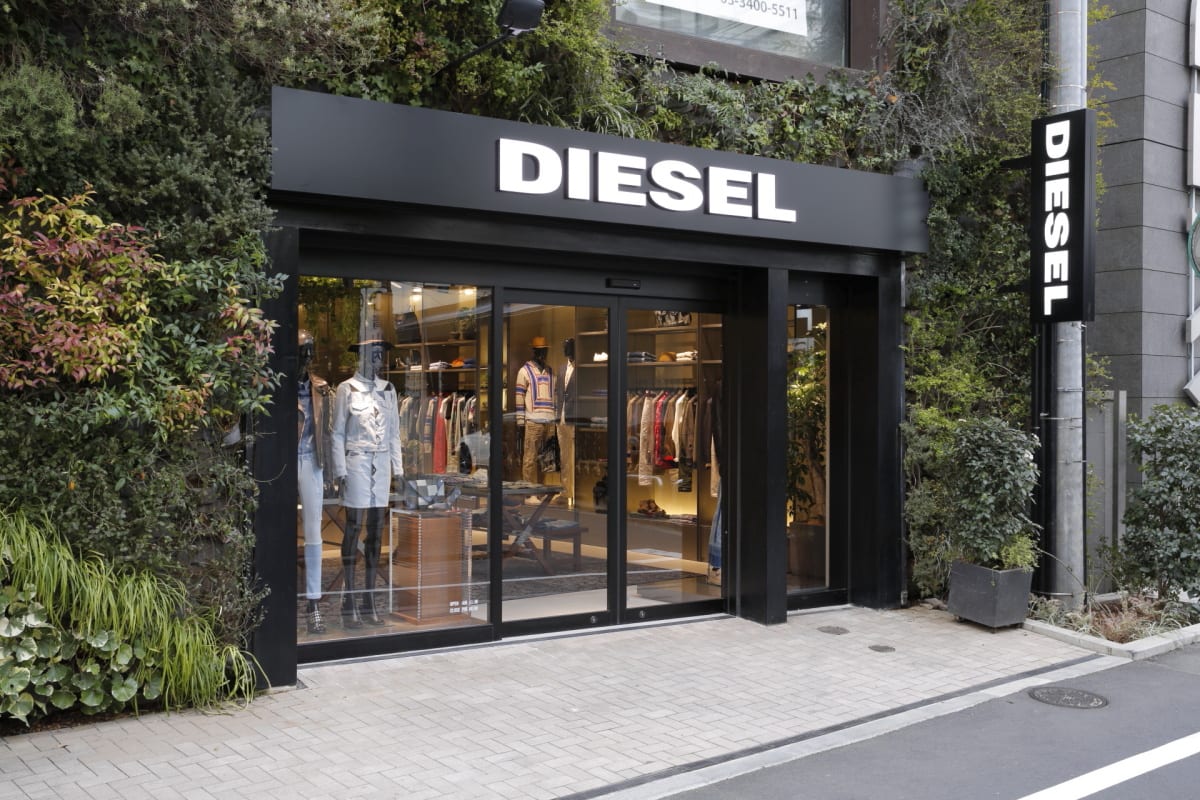
    Diesel has unveiled Hyperoom, a 360-degree virtual selling platform and exhibition space.

    Conceived by Diesel’s parent company OTB, Hyperoom resembles the Diesel’s physical showroom in Milan. All Diesel’s products will be featured in the virtual store through a customised section of the platform, including the Spring and Summer 2021 Collections.

    At Hyperoom, customers can peruse the products in 360-degree displays or in 2D closeups with product descriptions.

    “One must look for silver linings whenever and wherever possible,” says Massimo Piombini, CEO of Diesel, referring to the challenge of the Covid-19 crisis.

    “This year has sparked an urgency to accelerate what we can offer and accomplish in the digital space. With this tool we have set a new benchmark for the industry, in regard to digital transformation.”

    “At Diesel, we aimed to keep as much of the buying’s physical element as possible”, the company says in a statement. “To digitally recreate the selling process, we have enabled remote buying sessions through enhanced and comprehensive digital assets.”

    Diesel believes the new virtual-store concept will be a solution for many fashion brands as it not only provides a unique online retail experience but also reduces the amount of clothing samples required at physical stores.