Author: Mei Ling Tan

  • Volkswagen Group Considering More Cost Cuts To Cope With Downturn

    Volkswagen Group Considering More Cost Cuts To Cope With Downturn

    Volkswagen is considering more cost cuts to help cope with the economic impact of the coronavirus pandemic, a spokesman for the German automaker said on Saturday.

    The issue was recently discussed at an internal event, the spokesman said, when asked about a report in industry magazine Automobilwoche.

    “There were general deliberations about what further cost measures could be taken to respond to the pandemic,” the spokesman said. “There are no concrete decisions yet.

    Volkswagen and Daimler both said Wednesday that they foresaw full-year profits despite taking a beating from the global virus crisis.

    Automobilwoche quoted Volkswagen CEO Herbert Diess as telling top managers at a meeting on Thursday: “We must significantly cut R&D expenditure, investments and fixed costs compared with the previous planning.”

    The group’s net liquidity would “continue to decline at least until July due to weak demand”, the magazine, citing participants at the event, quoted Diess as saying, adding that not all group brands would achieve a positive result in 2020.

    This meant the main VW passenger car brand must reduce its so-called material overheads by 20%, the magazine said.

  • Singapore retail sales down with 33 percent in April

    Singapore retail sales down with 33 percent in April

    Singapore retail sales – excluding motor vehicles – plummeted 32.8 percent in April as Covid-19-related lockdowns saw non-essential retailers closing their physical stores.

    Including motor vehicles in the data, the fall was 40.5 percent.

    Significantly, online sales accounted for a record 17.8 percent of total retailing, with 70.6 percent of sales in the computer and telecommunications category occurring online in April and 50.4 percent of furniture and household equipment. However, just 7.7 percent of the total sales of supermarkets were conducted online.

    According to Statistics Singapore, the worst-affected retail sector overall was department stores where sales fell by 87.8 percent. Sales in watch and jewelry stores fell by 84.6 percent.

    On the plus side, sales by supermarkets & hypermarkets soared 74.6 percent, partly driven by people staying at home to work or study during the Circuit Breaker lockdown and partly due to the move from eating out to preparing food at home. Minimarts & convenience stores boosted their sales by 10.7 percent.

  • Victoria’s Secret UK collapses into admin work

    Victoria’s Secret UK collapses into admin work

    The Victoria’s Secret UK business has been placed in administration – and it is not just a victim of the Covid-19 crisis, says one analyst.

    Echoing concerns expressed in the brand’s US home market, Sofie Willmott, lead retail analyst at GlobalData, said Victoria’s Secret has lost its appeal to its target demographic.

    “Despite being a desirable, yet expensive, underwear brand when it launched in the UK in 2012, Victoria’s Secret has since lost its appeal for many shoppers due to a lack of inclusivity. Its famous catwalk show was canceled last year after much debate but for many of its target customer base, it was too little too late and they had already gone elsewhere.”

    The Victoria’s Secret UK business has 25 stores, now all at risk of closure. A staff of 785 employees have been furloughed during the process.

    “This is yet another blow to the UK high street and a further example of the impact the Covid-19 pandemic is having on the entire retail industry,” said Deloitte joint administrator Rob Harding in a statement.

    “The effect of the lockdowns, combined with broader challenges facing bricks and mortar retailers, has resulted in a funding requirement for this business, resulting in today’s administration.

    “We will now work with the existing management team and broader stakeholders to assess all options available for the future of the business.”

    In the US, L Brands, parent of Victoria’s Secret, plans to close about 250 stores to right-size the business. A large question mark hangs over its flagship stores internationally, including in Asia and a strategic review has been launched into the brand’s presence in China.

    Willmott said the administration is yet another blow to retail landlords as clothing & footwear spend continues to shift online. The company’s UK e-commerce business is unaffected by the process, with the brand to continue selling online only with lower overheads, “piggybacking on its US operations”.

    “With Victoria’s Secret stores primarily in flagship shopping-center locations including Bluewater, Westfield Stratford and Birmingham Bullring, the administration brings more bad news for landlords that are struggling to collect rent payments.”

    The administrators of Victoria’s Secret UK are seeking a buyer, however, given the state of the brand’s perception in the marketplace, its troubled prospects globally and the crisis the broader UK retail industry finds itself in post-Covid-19, it is difficult to perceive a quick white-knight rescue.


  • Gap the brand flounders on ‘anemic’ range driving parent’s $932 million loss

    Gap the brand flounders on ‘anemic’ range driving parent’s $932 million loss

    Gap – the brand – is floundering internationally, with sales down 50 percent in the first quarter, a rate far worse than other mainstream apparel retailers in the wake of the Covid-19 crisis.

    Gap Inc, its parent, reported a US$932 million net loss for the three months to March on sales down group-wide by 43 percent to $2.11 billion. That decline was worse than its peers Abercrombie & Fitch and Urban Outfitters, and even budget-positioned multi-brand apparel retailer Kohl’s.

    Neil Saunders, MD at GlobalData Retail, said one of the reasons for Gap the brand’s dire performance was a complete failure to transfer lost store sales online.

    “At a time when other retailers were almost doubling their online revenues, Gap’s e-commerce sales dropped by 5 percent,” said Saunders. “We believe that this is indicative of the brand’s lack of traction with customers and its inability to stimulate loyalty. It aptly demonstrates that a fair proportion of sales are driven, not by a burning desire to visit and buy from Gap, but from chance visits to stores and impulse buys often stimulated by excessive discounting. As soon as stores are closed, Gap drops off the radar and consumers have neither the will nor inclination to shop the brand online.”

    Sales at Banana Republic fell by 47 percent globally and by 50 percent in the US, with online sales down modestly. However, Saunders said the dynamics of that are more excusable as Banana Republic is exposed to the smart casualwear sector which is heavily dependent on demand from office workers, who have been stuck at home for many weeks in most western markets.

    In stark contrast, sales by its sportswear brand Athleta, fell by just 8 percent, with store sales down 50 percent and online sales up 49 percent. Old Navy’s global net sales fell 42 percent, with store sales down 60 percent and online sales up 20 percent.

    CEO and president Sonia Synga trumpeted a quick pivot to e-commerce resulting in 40-per-cent growth online in April and 100 percent in May across all of the group’s brands, the first two months of the new quarter. “This online momentum, enabled by new omni-capabilities that have expanded the way customers can shop with us, leaves us well-positioned to fuel our brands going forward,” she said.

    Meanwhile, Saunders said the “heart and soul” of Gap the brand’s problems stem from its “anemic” ranges.

    “These are bland and undifferentiated and do nothing to stimulate consumers. Against a market saturated with alternative apparel destinations, this simply isn’t good enough. Gap has been aware of this problem for eternity but has consistently failed to act, either because it is too inert to do so or because it is unsure of how to correct the problem. In fairness, recent management changes may be the remedy to this, but the crisis has interrupted any progress than might have been made.”

    He said that before the advent of the pandemic, Gap Inc was in a weak position. “It emerges even more withered with quite a lot of holes in its strategy. Solid brands like Athleta provide some hope but are too small to make up for the problems elsewhere. As such, Gap now needs to reinvent and refocus its efforts with an urgency that is unparalleled in its history.”

  • JD plans US$4.05 billion Hong Kong exchange listing

    JD plans US$4.05 billion Hong Kong exchange listing

    Chinese e-commerce giant JD is looking to raise up to US$4.05 billion in a secondary share listing in Hong Kong.

    The new 133 million shares, priced at $30.45 each, most likely will make the listing among the largest in the territory this year.

    US regulations for Chinese firms listed in the US may tighten, with one bill in the US Congress proposing delisting Chinese firms that do not submit to substantial auditing requirements. JD is listed in the US on the Nasdaq.

    The company will start taking investor orders around this Thursday, with the listing set for June 18 to coincide with its annual shopping festival.

    Joint sponsors of JD’s Hong Kong listing include Bank of America, UBS Group and CLSA.

  • AirAsia Indonesia to resume flight this month amid relaxation of restrictions

    AirAsia Indonesia to resume flight this month amid relaxation of restrictions

    AirAsia Indonesia will resume flights on June 19 as the country has gradually relaxed rules on large-scale social restrictions, the airline said today. President director of AirAsia Indonesia Veranita Yosephine Sinaga said that preparations for the resumption of scheduled flights had been carried out.

    “AirAsia is committed to serving the needs of traveling or transporting goods to across the country and abroad through special charter flights for passengers and cargoes,” she remarked.

    The airline said that travelers flying with AirAsia in the future are required to understand and strictly adhere to and comply with health and immigration requirements, and the travel restrictions set up by the governments of the country of origin and those of the destination, local media reported.

    The airline said it will gradually reinstate its services around the networks once the global health situation improves and regulatory restrictions are terminated.

    Indonesia has gradually relaxed its restrictions during the Covid-19 pandemic in the hope of a pickup in business activities but also heeded the areas where transmission rates remain afloat.

    Covid-19 has killed 1,851 people across Indonesia and infected 31,186 others, the Health Ministry reported today.

  • Mall vacancy rates in the Philippines set to rise

    Mall vacancy rates in the Philippines set to rise

    Mall vacancy rates in the Philippines will rise to 12 percent this year, predicts real estate consultancy company Colliers.

    The company says falling footfalls due to the Covid-19 pandemic and a move by consumers online are impacting the business of physical stores.

    According to Colliers, mall vacancy rates in the Philippines are also rising because more retailers have created their own e-commerce platforms or joined major social media channels to boost online sales.

    “By expanding online strategies and partnering with apps to facilitate seamless delivery, retailers should be able to offset any softer retail demand due to the Covid-19 pandemic and the government’s implementation of a lockdown,” said Colliers Philippines.

    Meanwhile, data from the Philippine Payments Management shows online payments rose significantly in April, with a recorded rate of 32.2 percent growth from 6.7 million InstaPay transactions.

    However, the company’s survey from March found that more than 80 percent of respondents still want to keep shopping in brick-and-mortar stores.

  • First 7-11 in Hunan sets massive record

    First 7-11 in Hunan sets massive record

    The first 7-Eleven in Hunan has broken the global opening-day sales record for the convenience-store brand, reporting US$70,310 of turnover.

    According to the Federation of Industry and Commerce of Hunan, the first 7-Eleven store attracted more than 5000 customers on its opening day. The most popular products sold were more than 5000 Japanese wooden sticks, 3000 sushi balls, 1500 desserts and 600 loaves of bread.

    “The introduction of Japanese brands will help upgrade the industry and the overall operation level of convenience stores in Changsha,” said Hu Zijing, president of Friendship&Apollo – owner of the 7-Eleven Hunan franchise.

    Friendship&Apollo acquired the 7-Eleven’s Hunan franchise rights last October. However, due to the Covid-19 pandemic, the opening was twice postponed.

  • BreadTalk delisted after privatisation plan finalized

    BreadTalk delisted after privatisation plan finalized

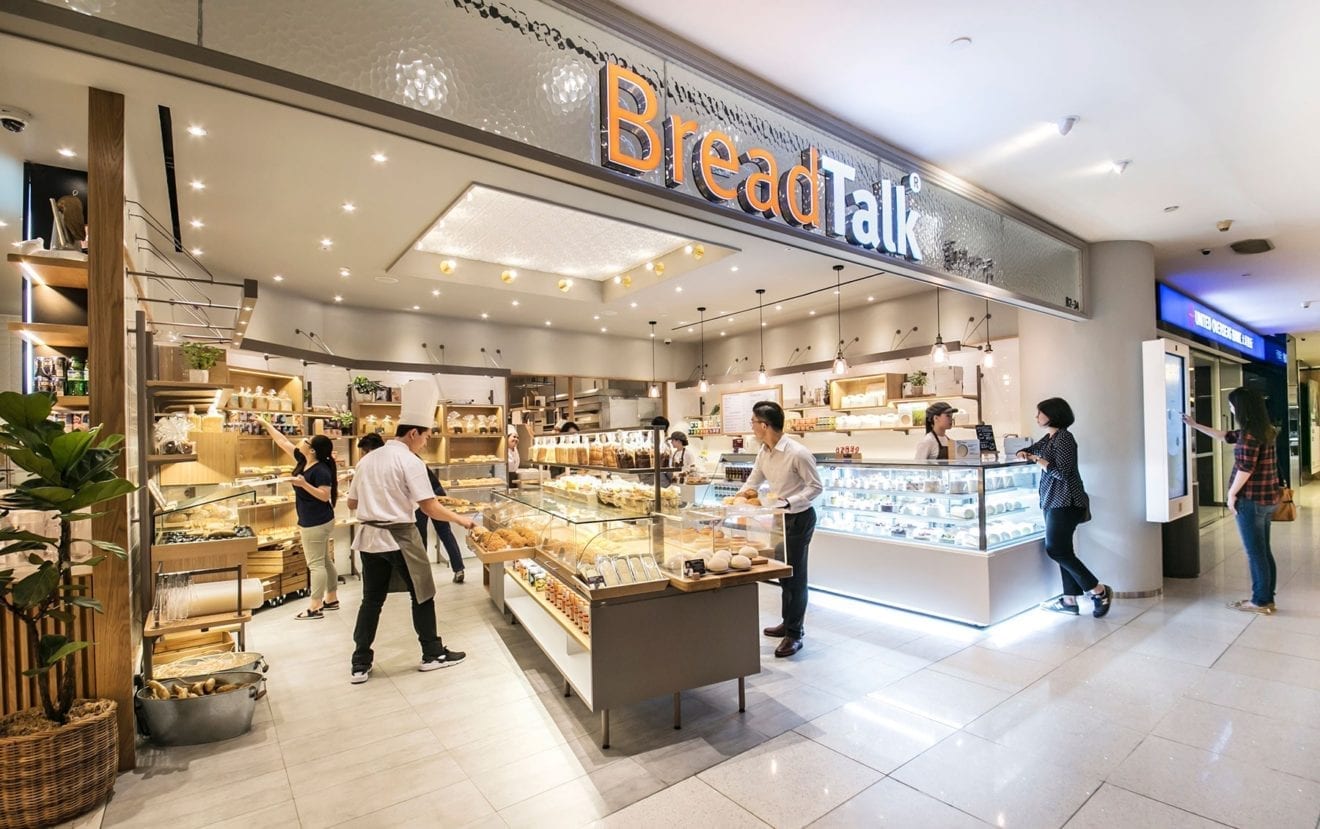
    Singaporean bakery and restaurant operator BreadTalk is to be delisted from the Singapore stock exchange tomorrow (June 5) following its mandatory acquisition by BTG Holding.

    The firm applied to delist from the exchange following the suspension of trading on April 21. The new owning entity is owned by BreadTalk’s founder George Quek and his wife, along with Thai food & hospitality firm Minor International.

    The group’s stakeholders offered to acquire all the ordinary shares in the firm and delist the company in February. At the time, Minor and Quek said they planned to undertake a review of the business following its delisting with a view to streamlining business activities, refocusing on and strengthening core business activities and exploring the potential disposal of non-core property assets.

    BreadTalk filed losses of US$4.1 million last year and was struggling financially long before the advent of the coronavirus pandemic, which worsened matters.

    The firm’s business “remains challenging across key markets, including Singapore, China and Hong Kong,” according to official filings submitted by the firm.

  • Malaysian startup installs ‘Coffee ATMs’ for frontline medical workers

    Malaysian startup installs ‘Coffee ATMs’ for frontline medical workers

    One-year-old Malaysian startup Coffee Star has provided self-service dispensing machines – dubbed ‘Coffee ATMs’ – to medical frontliners serving free beverages during the coronavirus pandemic.

    The machines were delivered to the Malaysia Agro Exposition Park Serdang (currently serving as a quarantine and treatment center for 600 patients) and Sungai Buloh Hospital, providing fresh coffee to frontliners for free, serving more than 10,000 cups of fresh coffee since April.

    The unmanned Coffee ATMs are completely automated machines allowing users to select drinks via a touchscreen panel.

    “Our frontliners who are courageously and selflessly serving the nation in the coronavirus crisis represent the best of who we are,” said MAEPS CEO Zaidi Shahrim. “We are honored to support this initiative by partnering, Coffee Star, to provide the heroes in our communities fresh coffees to recharge.”

    “We have tremendous admiration for all of the frontliners fighting in this unprecedented time,” said Coffee Star Malaysia “coffee enthusiastic officer” Raja Ahmad Fauzan bin Raja Hassan. “When we heard that they needed an energy booster to help them through their long days, we were eager to help.

    “We experience the impact of coronavirus directly throughout our business locations in airports, shopping malls and office towers. So, we are redeploying our machines from those locations and utilised for a greater good to serve fresh, free coffee to the frontliners. The machine serves fresh coffee on-demand at the right moment they need it.”

  • Canali expands China retail presence

    Canali expands China retail presence

    Italian luxury-apparel label Canali has extended its retail footprint into seven additional cities in China.

    The firm has assumed control of the stores, which were selling its own branded goods under a franchise partnership, in a move to further its direct-retail prospects in the territory. The 10 stores affected are located in Changsha, Changchun, Hangzhou, Kunming, Nanning, Taiyuan and Xi’an.

    A statement from the brand described the takeover as further strengthening Canali’s position in luxury menswear within China.

    “This is an important project that stems from our conviction about the leading role of the Chinese market,” said Canali’s president and CEO Stefano Canali.

    “The acquisition signifies our long-term commitment to this strategic market and marks an important cornerstone of the next phase of Canali’s growth in China to elevate the brand presence and customer experience.”

  • Kimly buys six food outlet stores

    Kimly buys six food outlet stores

    Singaporean coffee shop operator Kimly has completed acquisitions of six food outlet properties for US$25.4 million.

    The acquisitions include two coffee shops, three industrial canteen units, and a restaurant. The firm is poised to acquire two further coffee shops pending approvals, which have been delayed by the coronavirus pandemic. Funding for the new properties was partially obtained via the issuance of 22 million new shares.

    Most of the acquired properties will progressively undergo asset enhancement initiatives such as layout improvements, an increase of seating capacity, and the introduction of new food concepts aimed at retaining current food stall operators, attracting new food stall tenants as well as better serving customers.

    “We continue to look for opportunities to acquire and operate more strategically located food outlets with the view of enhancing long-term shareholder value and the group’s profitability,” read a statement by directors of the group.

    “Moving ahead, we remain committed to our strategy to pursue long-term direct ownership in properties where the group operates and manages food outlets to further extend our presence across the heartlands of Singapore.”

    With the completion, Kimly’s total number of food outlets increases from 73 to 79, complemented by an additional four drink stalls and three food stalls. It has increased its number of food outlets and food stalls from 64 to 79 and from 121 to 137 respectively since its IPO.

  • JD.com fosters local stalls and small stores in China

    JD.com fosters local stalls and small stores in China

    Chinese e-commerce giant JD is moving to stimulate small and medium enterprises nationally by providing supply chain and service support for the employment of more than 5 million people.

    The firm is accumulating around 50 billion goods as a part of its “Spark” economic support plan designed to benefit SMEs, stall owners, and shopkeepers.

    The plan is focused on three areas: ensuring supply, assisting operations, and promoting employment. The firm will also provide each small shop with US$14,000 in interest-free credit to make purchases.

    “JD has already comprehensively accumulated rich experience in supporting the ‘stall economy’ and the ‘small shop economy’,” said JD Retail CEO Lei Xu. “The impact of the epidemic will accelerate the digital transformation of the real economy, and stalls and small shops are no exception. JD has both the ability and the responsibility to use digitization to support and make the economy of small stalls and shops more dynamic, helping to further invigorate the overall economy and stabilize employment.”

    JD is now set to work with nearly 10,000 brand manufacturers and more than 4000 joint warehouses to provide offline retailers with access to low-cost, high-quality supplies. The firm will also help offline retailers to expand their online operations.

    In poor regions, JD will provide flexible employment, work-from-home, and farm-to-table opportunities including positions such as logistics order collection, warehouse management, inventory management, and packaging. It will also establish start-up projects and provide support in the fields of catering retail, regional logistics agencies, and freight transportation.

    Data collected by the company shows that, right before its 6.18 promotional event this year, the transaction volume of JD New Markets in Beijing, as well as Hubei and Anhui provinces increased more than fivefold. The number of orders placed on the JD Convenience Store Go mini program was more than 10 times the previous daily average.

  • Diamond prices showing signs of revival

    Diamond prices showing signs of revival

    Asia is driving early signs of a revival in diamond prices amid an unstable global market affected by the Covid-19 crisis and protests.

    Rapaport, which monitors diamond trading trends, says the Hong Kong diamond market has regained traction as more demand comes from China, although there are concerns about tensions related to new Chinese security laws. Meanwhile, in the US, jewelry retailing is expected to remain subdued as the country experiences social unrest over police brutality and the on-going Covid-19 pandemic.

    Polished diamond prices remained stable in May, mainly focusing on online trading. Despite a significant drop since January, the RapNet Diamond Index (RAPI) for 1-carat diamond recorded a 2-per-cent increase in May.

    The industry has changed to adapt to new customer shopping behaviors, says the Rapaport report. More jewelry retailers have shifted their focus to online channels, predominantly offering classic models such as solitaire necklaces or tennis bracelets. Marketing strategies are changing to promoting diamonds as a symbol of values and emotional connection, the company says.

    Meanwhile, mining companies are also shifting to digital platforms and targeting markets less affected by lockdowns.

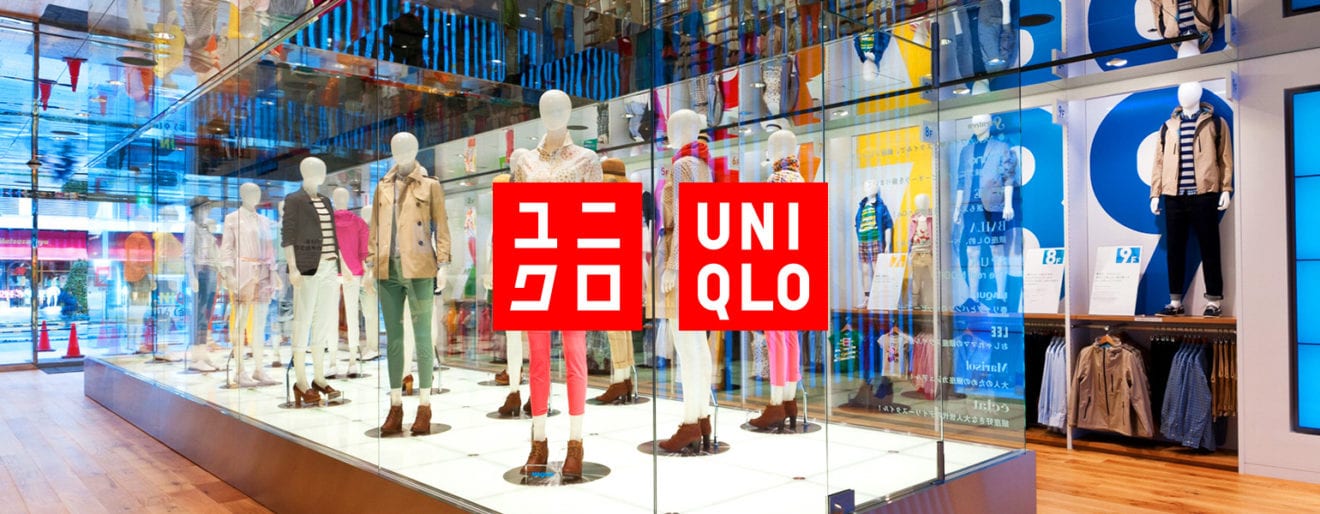
  • Uniqlo opens new Vietnam store, goes online in the Philippines

    Uniqlo opens new Vietnam store, goes online in the Philippines

    Japanese fast-fashion retailer Uniqlo is to open its third store in Ho Chi Minh City this week and will debut online in the Philippines.

    Less than a month after the opening of the Ho Chi Minh’s second store at SC Vivo City, Uniqlo Vietnam is to launch another store in the country’s tallest building Landmark 81 this Friday (June 5).

    Occupying a 2000sqm area, the Uniqlo Landmark 81 store features the brand’s LifeWear products for males, females and kids. The store also features Uniqlo’s latest collections including the Billie Eilish x Takashi Murakami UT. To celebrate the opening, Uniqlo Landmark 81 is running several promotions such as giving away Uniqlo’s mugs and Landmark 81 SkyView tickets.

    Meanwhile, in the Philippines, the fast-fashion brand says it will launch online in the second half of this year.

    “An online store will provide local Uniqlo customers a faster and easier way of purchasing their favorite LifeWear items,” said Masayoshi Nakamura, COO at Uniqlo Philippines.